
(Phnom Penh): Modern wars do not always begin with the sound of gunfire. Sometimes, they begin with nothing more than a single map and a single sentence.
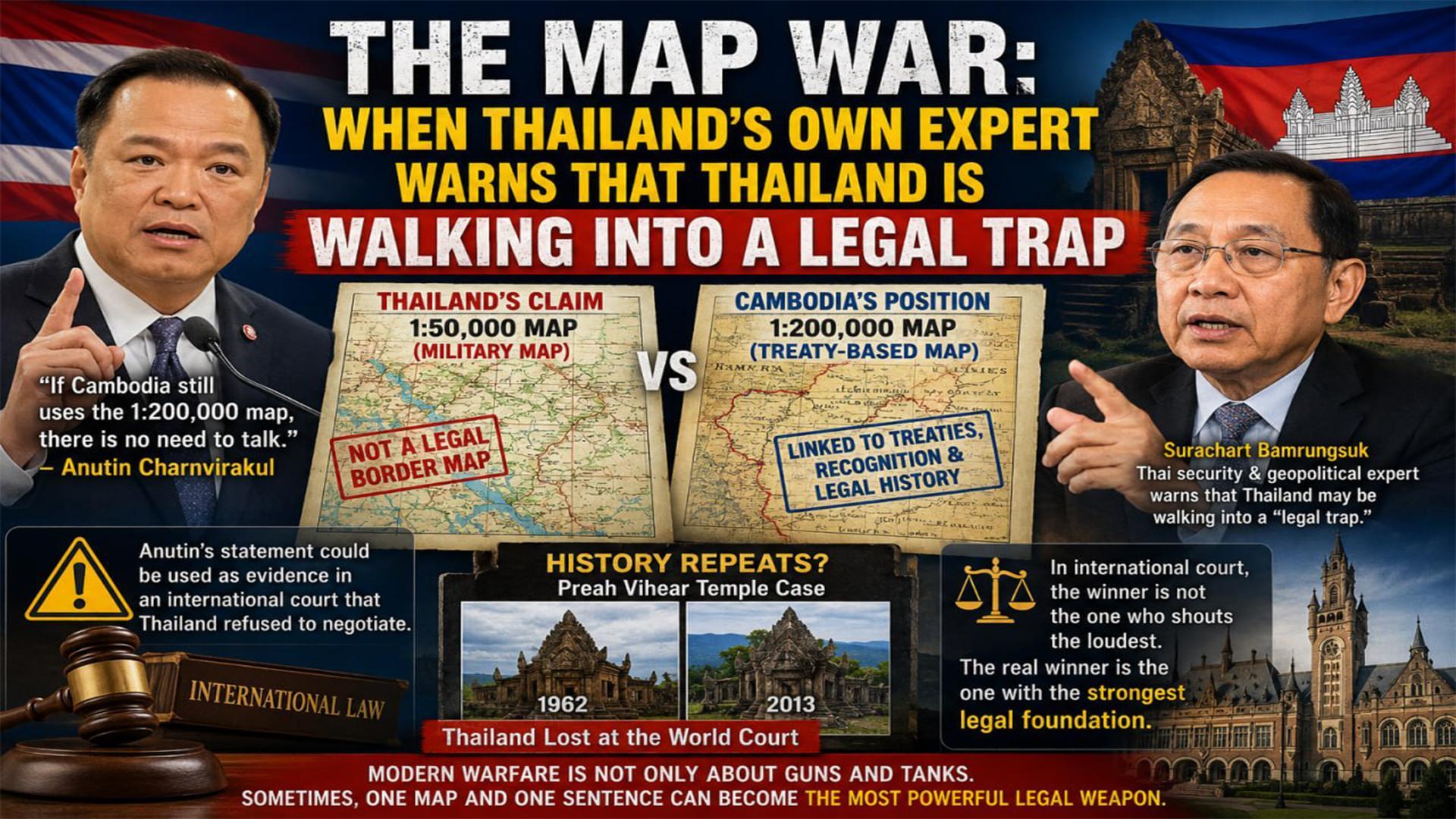
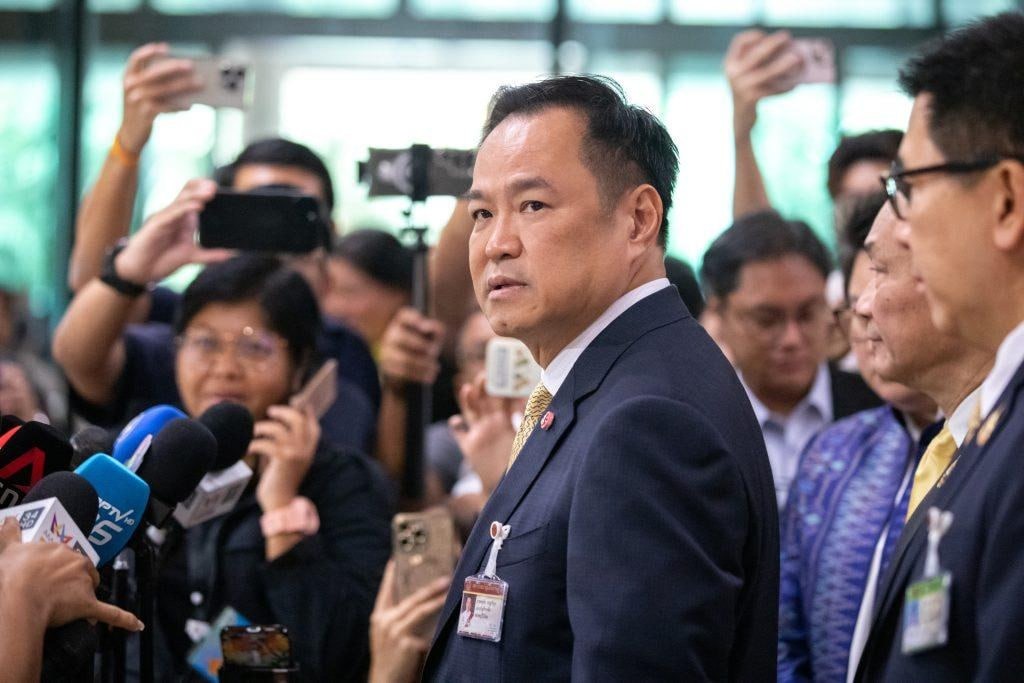
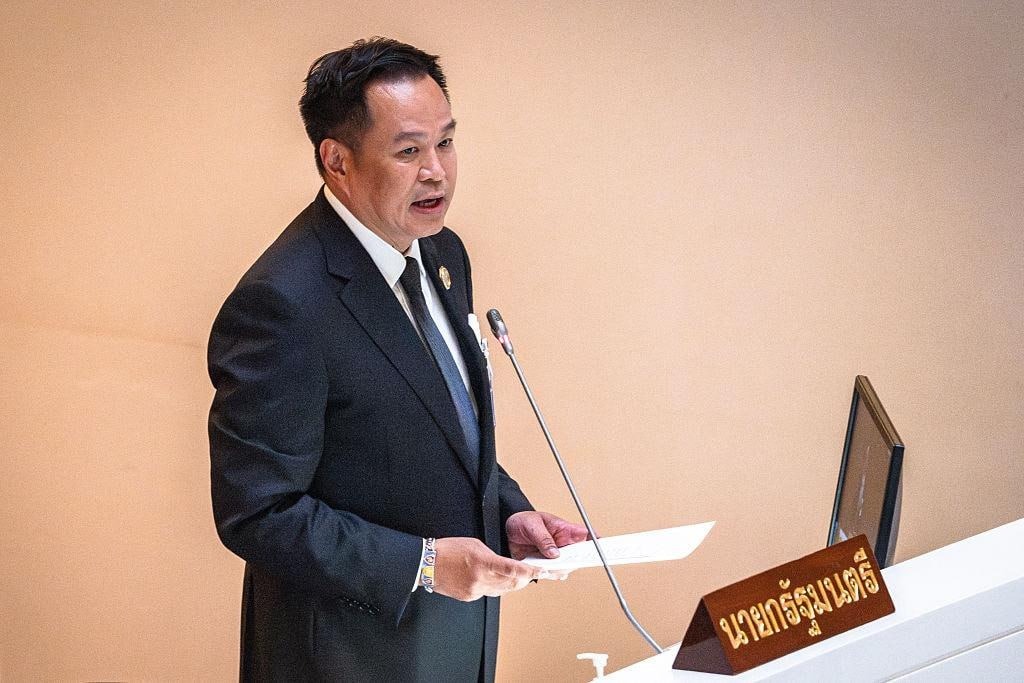
When Thai Prime Minister Anutin Charnvirakul declared that “if Cambodia continues to use the 1:200,000 scale map, there is no need for further talks with Thailand,” the statement immediately raised alarm among Thailand’s own security and international law experts.
For those experts, this is no longer merely a political dispute. It is a warning sign that Thailand may once again be walking into a “legal trap” similar to the one that led to its defeats in the Preah Vihear Temple Case in 1962 and the 2013 interpretation ruling.
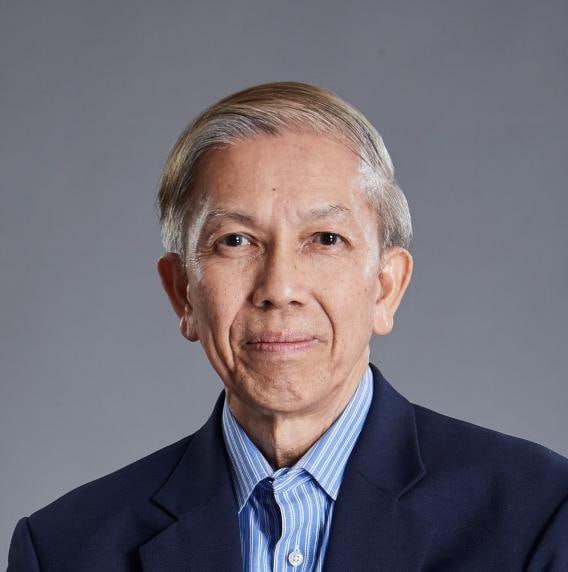
What makes the situation even more striking is that the warning is not coming from a Cambodian analyst, but from one of Thailand’s most respected security scholars: SurachartBamrungsuk.
The analysis by Surachart Bamrungsuk, later shared by former Cambodian Prime Minister Hun Sen on the night of June 4, was not simply a political criticism of the Thai government. It was, in essence, a serious warning that in international legal warfare, “legal legitimacy” carries greater weight than “military precision.”
Put simply, a map that appears more detailed or technically superior does not necessarily possess stronger legal authority. International courts do not rule based on which map looks more modern, more attractive, or more detailed. They rule based on which map is supported by treaties, mutual recognition, and legal validity.
That is precisely why some Thai experts have begun to fear that their country may be repeating the mistakes of 1962 and 2013.
When Military Maps Clash With Legal Maps
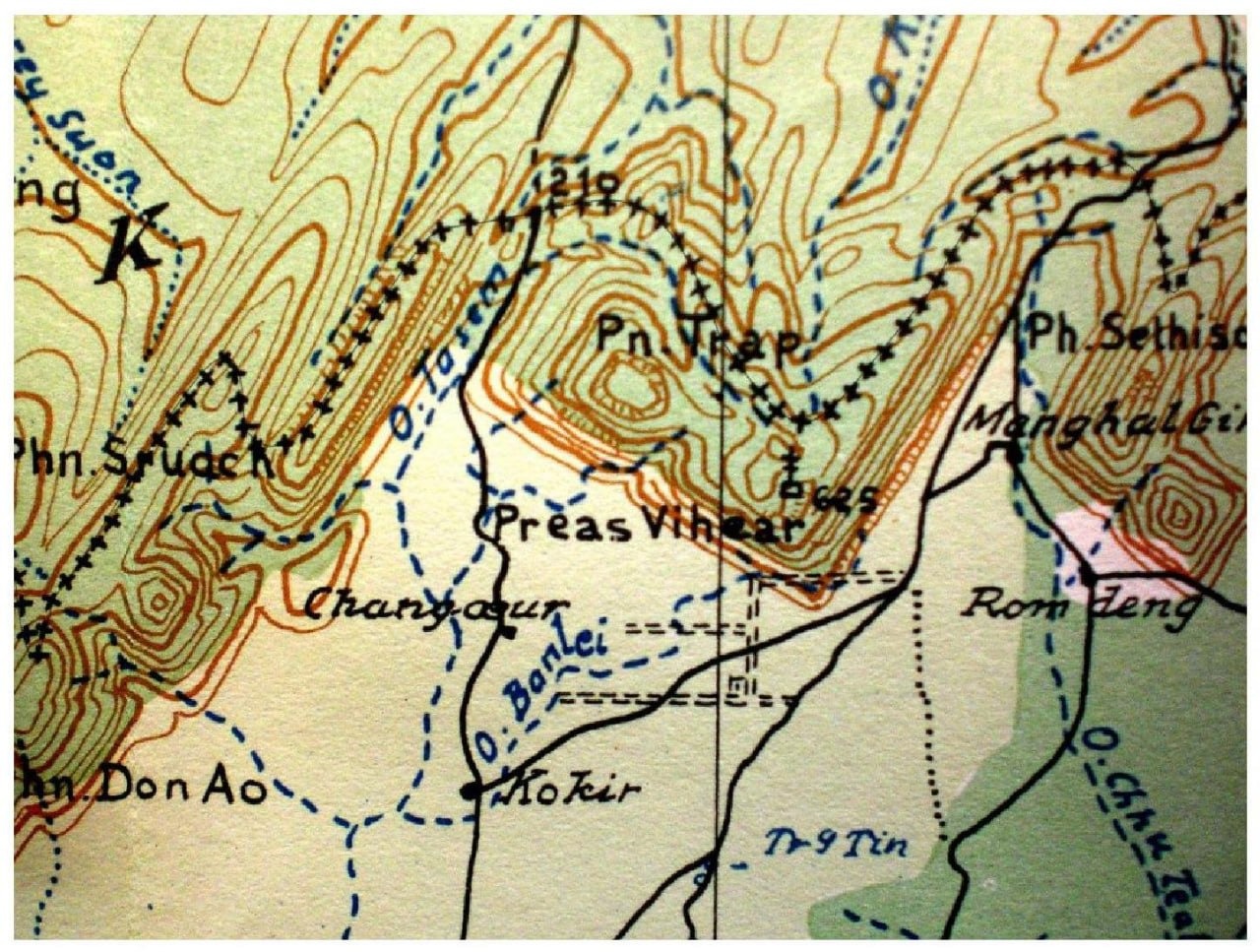
Surachart explained that the 1:50,000 scale map promoted by Thailand is not a boundary demarcation map created under bilateral treaties. According to him, it is essentially a military map produced by the United States during the Vietnam War era for strategic and military operational purposes — not for determining international sovereignty or legal boundaries.
In contrast, the 1:200,000 scale map originated from the border demarcation process carried out under the treaties between Siam and France. The map was formally transmitted to the Siamese government in 1908. More importantly, it was not merely a geographic illustration on paper, but a document deeply tied to treaties, diplomatic practice, and state recognition.
This is why many Thai scholars are increasingly concerned. In international courts, judges do not make decisions based on nationalist sentiment or on which map appears more sophisticated. The central question is far more important: does the map possess legal legitimacy?
In other words, the decisive issue is not the “scale of the map,” but the “legal validity of the map.” Courts examine treaties, mutual recognition, state conduct, and legal evidence. Therefore, a more detailed map does not necessarily prevail over one supported by stronger legal foundations.
Thailand’s Fatal Point in 1962
One of the most compelling aspects of Surachart’s analysis is his comparison between today’s situation and the events surrounding the 1962 Preah Vihear ruling.
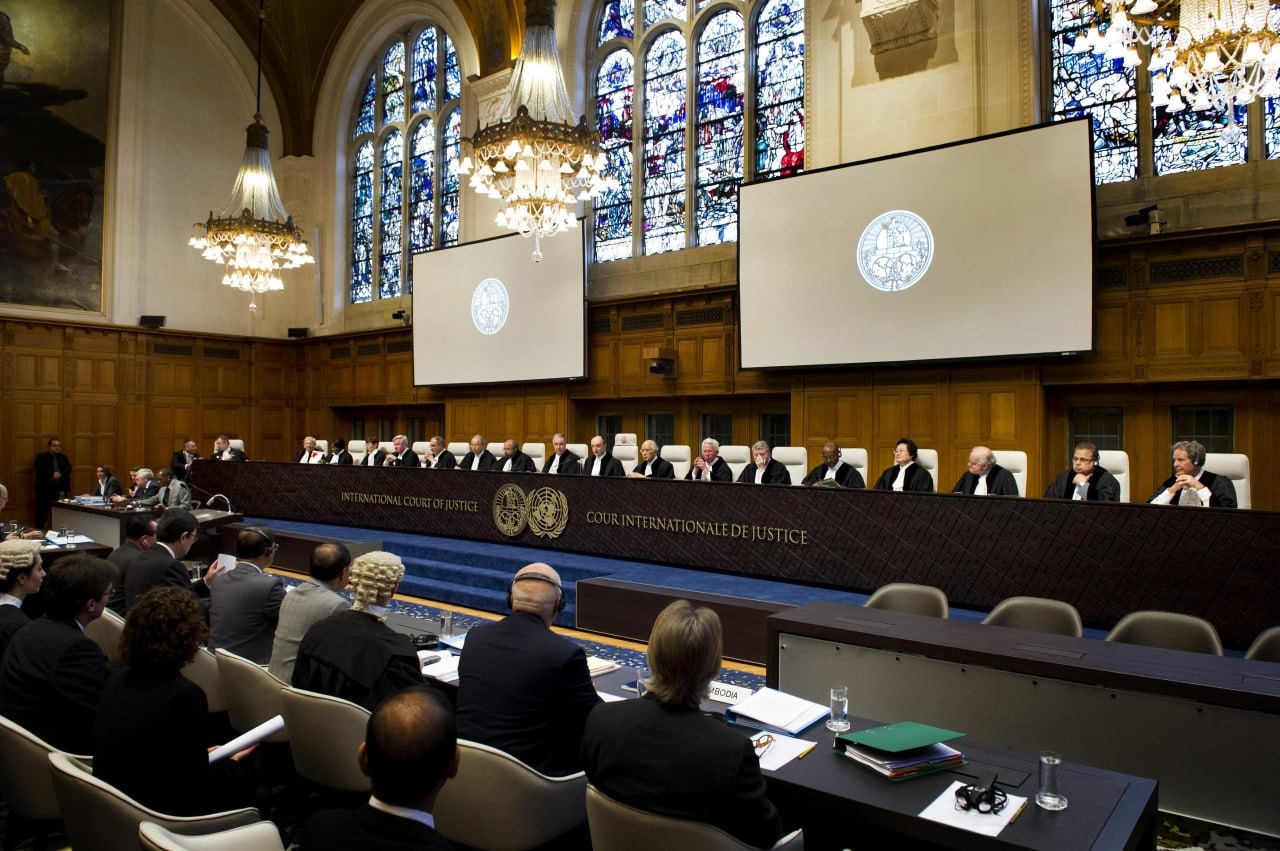
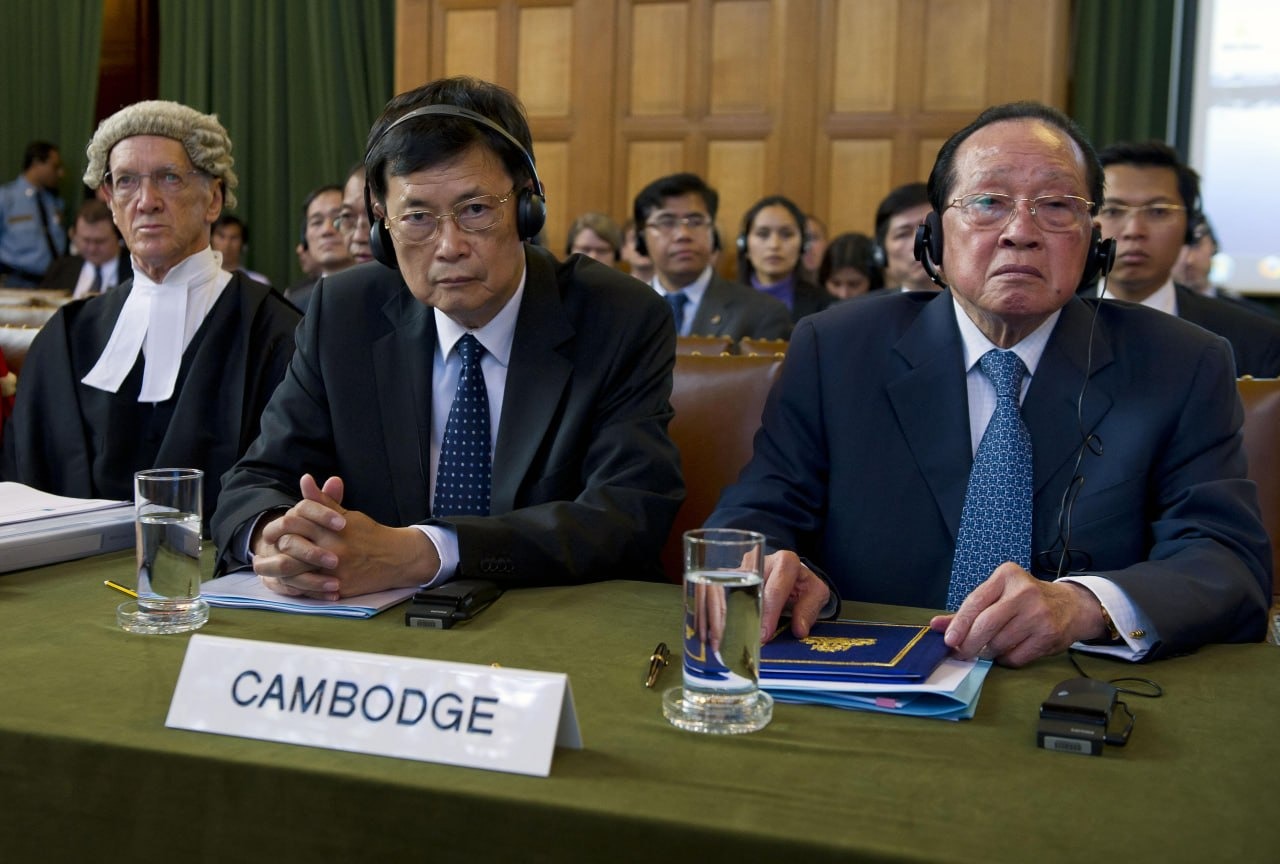
In the Preah Vihear case, the International Court of Justice did not physically measure mountain ranges, watersheds, or terrain in order to determine the “true geography” of the border. Instead, the Court relied heavily on one of the most influential principles in international law: Acquiescence.
Acquiescence refers to a situation in which a state receives maps, documents, or boundary arrangements and remains silent without formally protesting them over a long period of time. Such silence may later be interpreted as implied recognition under international law.
This became Thailand’s fatal weakness in 1962.
The Court found that Siam had received the 1:200,000 scale boundary map as early as 1908 and had failed to issue formal objections for more than half a century. Furthermore, several actions by Siamese authorities were interpreted by the Court as implied recognition of the map.
One of the most important examples involved the 1930 visit by Prince Damrong Rajanubhab to the Preah Vihear Temple, where French officials welcomed him under the French flag without any protest from the Thai side. The Court viewed this behavior as evidence of tacit acceptance of the territorial arrangement.
The Court therefore did not rule on which map was more technically accurate. It ruled on how states had behaved toward the maps and treaties over time.
This is precisely what Surachart is warning Thailand about today.
If Thailand continues to rely on maps lacking mutual recognition while Cambodia bases its position on maps linked to treaties and historical state recognition, Thailand may once again be walking down the same legal path that led to defeat in 1962.
To be clear, Surachart is not warning Thailand about Cambodia’s military power. He is warning Thailand about Cambodia’s legal position.
Modern Warfare: When Words Become Evidence
Perhaps the most profound and dangerous point in Surachart’sanalysis is not about maps at all — but about words.
Surachart warned that Prime Minister Anutin’s statement that “if the 1:200,000 map is used, there is no need for talks” could itself become critical evidence before an international court. Cambodia could argue that bilateral negotiations have already reached a dead end and that Thailand is refusing to continue diplomatic engagement.
In international law and diplomacy, statements made by state leaders are not treated as ordinary political speeches. In many cases, they may be interpreted as expressions of “State Conduct” — behavior that international courts examine when evaluating whether a state has accepted, rejected, or obstructed possible solutions.
This is precisely why many Thai experts are worried.
In modern geopolitics, wars no longer begin only with missiles or tanks crossing borders. Warfare has evolved into multiple dimensions, including:
- Information Warfare
- Narrative Warfare
- Diplomatic Warfare
- and Lawfare.
In today’s world, a single sentence can sometimes have consequences more powerful than a bullet. Bullets may destroy a battlefield for a moment, but political statements can become historical evidence used in international courts for decades.
When Experts Become Afraid to Speak the Truth
Yet Surachart’s article goes beyond maps and legal disputes. It exposes a much deeper problem within modern states: the clash between professional expertise and political power.
According to Surachart, permanent bureaucratic institutions — such as treaty departments, legal offices, and military mapping agencies — are not ordinary administrative bodies. They are the “memory of the nation,” preserving historical records, legal documents, and strategic knowledge accumulated over generations.
Politicians may rise and fall within a few years, but mistakes involving national borders can leave consequences lasting for centuries. That is why many countries rely heavily on professional diplomats and technical experts to protect long-term national interests.
However, Surachart raises a troubling question:
Who will dare to speak the truth when that truth contradicts the political position of national leaders?
In a healthy state system, politicians define national direction, but experts and civil servants must possess enough independence and courage to warn leaders when policies may lead the country toward disaster.
But when experts begin to “swallow their own knowledge” in order to protect their positions or avoid political conflict, state decision-making gradually becomes driven by emotion and short-term politics rather than expertise and long-term strategy.
This is what elevates Surachart’s article beyond a normal border dispute analysis. It becomes a broader reflection on how states make decisions — and whether a nation can truly defend its interests when professional voices are silenced by political authority.
Conclusion
Ultimately, the most remarkable aspect of this entire episode is not what Cambodia says or what Thailand declares.
What carries the greatest weight is the fact that Thailand’s own experts are warning that their country may once again be walking into the same legal trap that previously led to defeat before the World Court.
The lessons of 1962 and 2013 demonstrate clearly that in international courts, military strength, nationalist rhetoric, and political threats do not determine victory.
The side that prevails is not the one that shouts the loudest or displays the greatest force. It is the side with stronger legal foundations, clearer treaty legitimacy, and state conduct more consistent with international law.
And that may be the most important lesson of modern conflict:
In today’s world, even a small state can stand against a larger one if it stands firmly on international law. Because in the end, international courts do not rule based on political emotion. They rule based on evidence, treaties, and law.