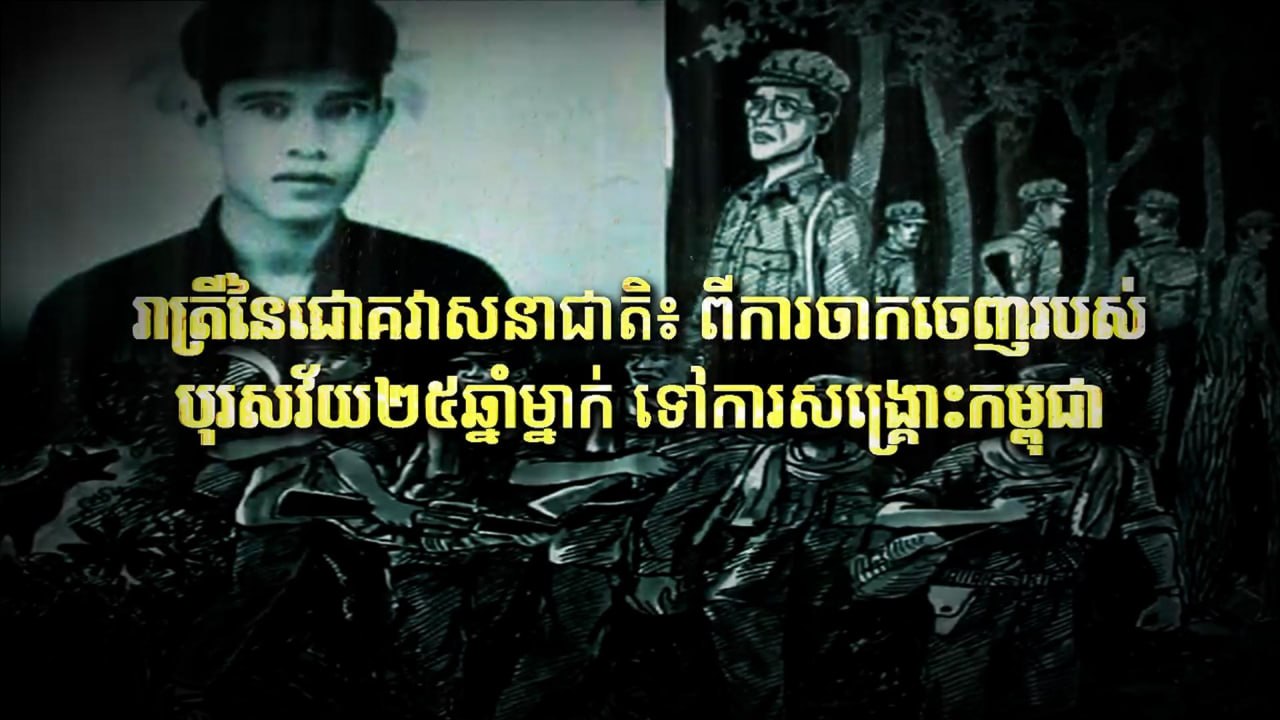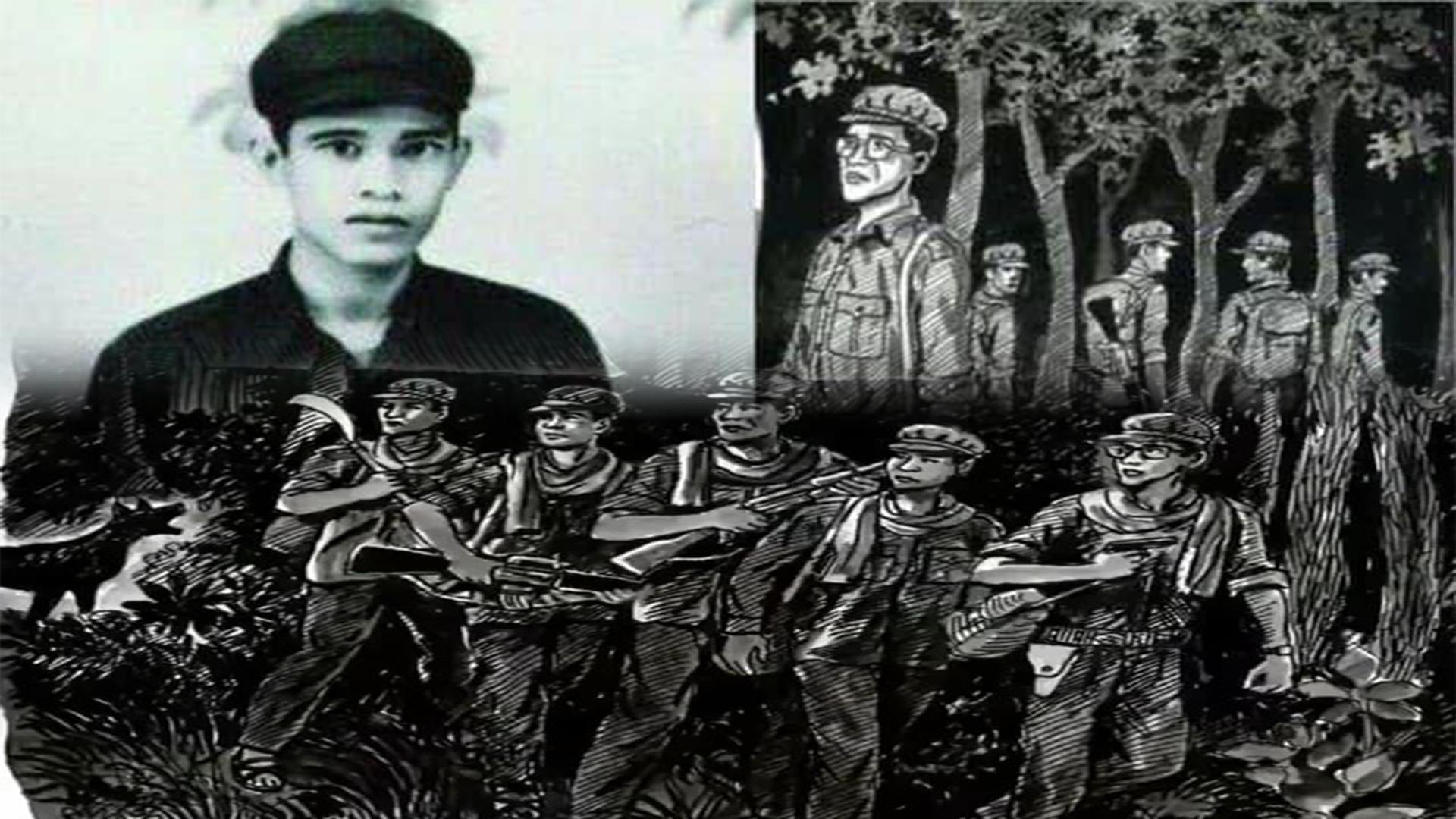

(Phnom Penh): In the long and painful history of the Khmer nation, many events have been recorded as defining turning points in the destiny of the country. Yet the night of June 20, 1977 stands out as one of the most significant moments of the late 20th century — a moment that would ultimately alter the course of Cambodia’s history forever.
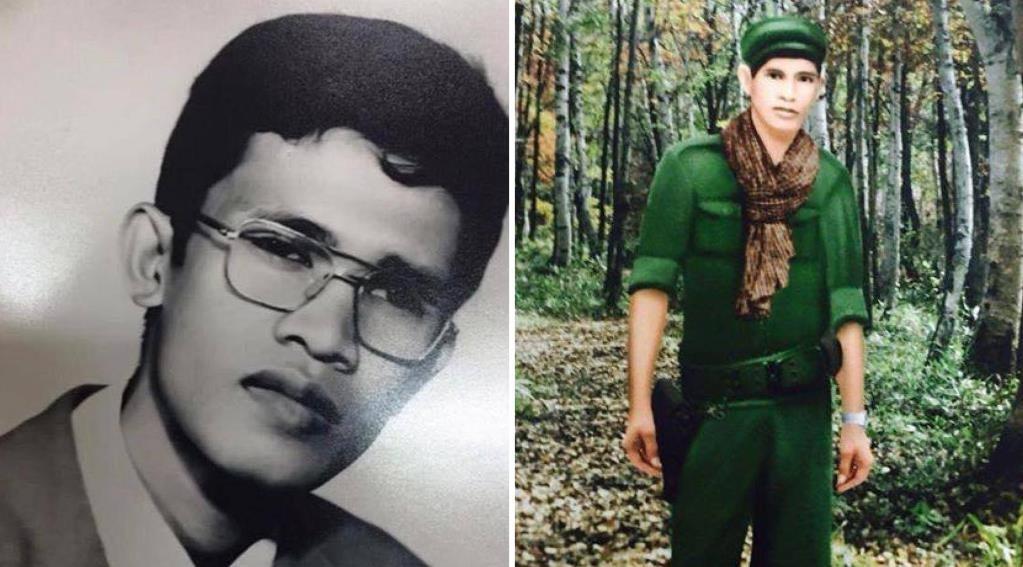
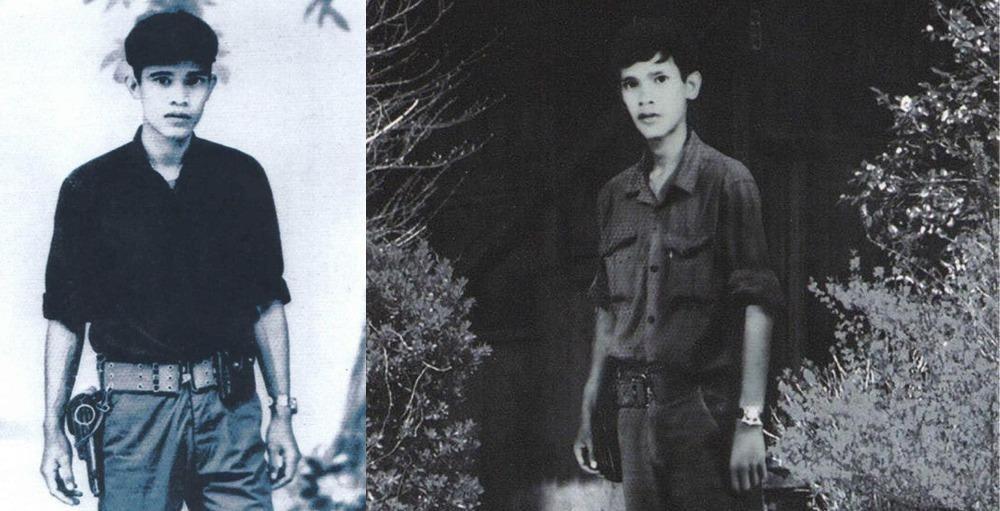
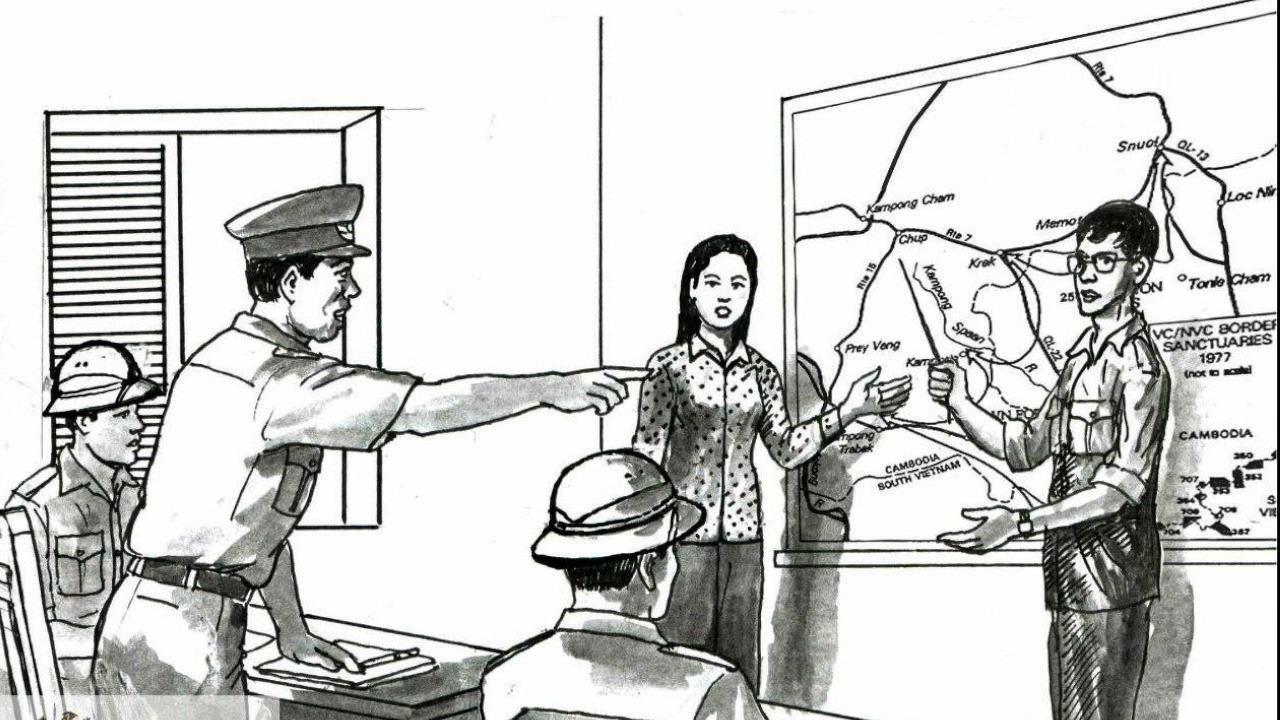
Under the dark shadow of the Khmer Rouge regime and burdened by the weight of history, a young regimental commander named Hun Sen, then only 25 years old, made a decision that would not only change the course of his own life, but also transform the fate of Cambodia itself.
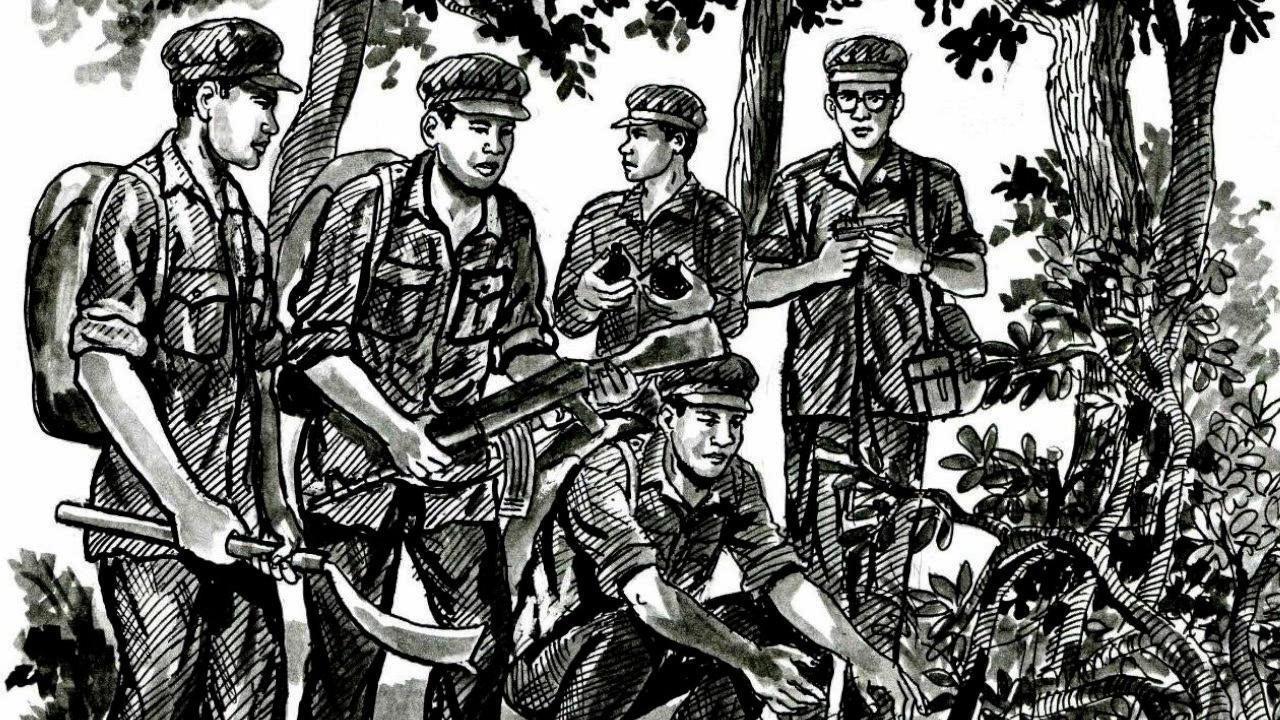
Leaving behind his wife, who was five months pregnant in Kampong Cham province, and his family behind him, he chose to embark on a path filled with danger, sacrifice, and uncertainty in search of a way to save the nation from the abyss of the genocidal Pol Pot regime.
It was from that very night that the sacrifice of a young man evolved into a historic struggle to gather forces capable of liberating Cambodia and its people from the nightmare of the Khmer Rouge.
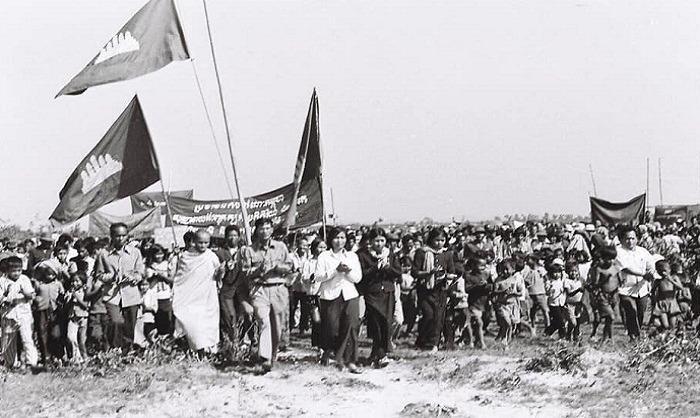
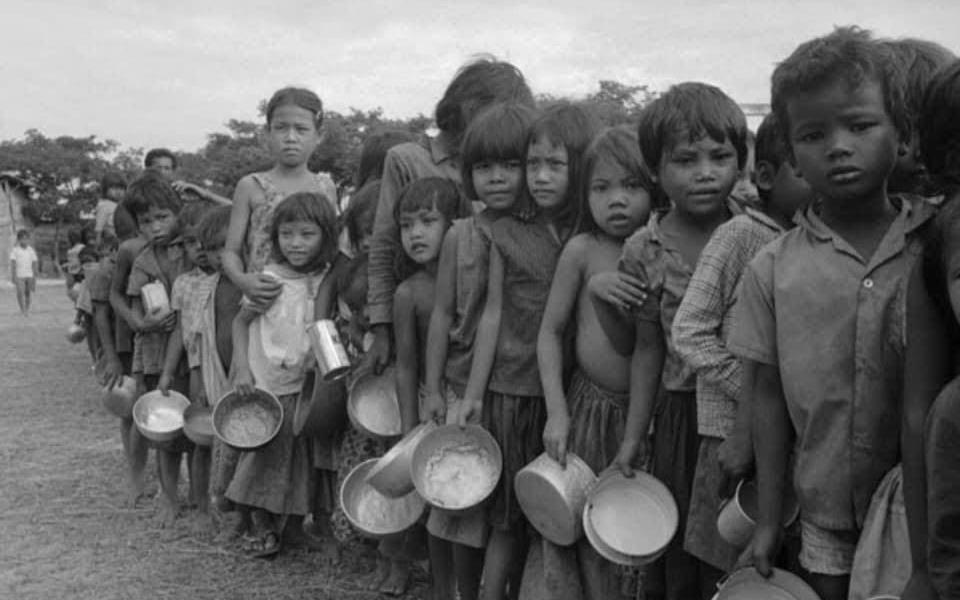
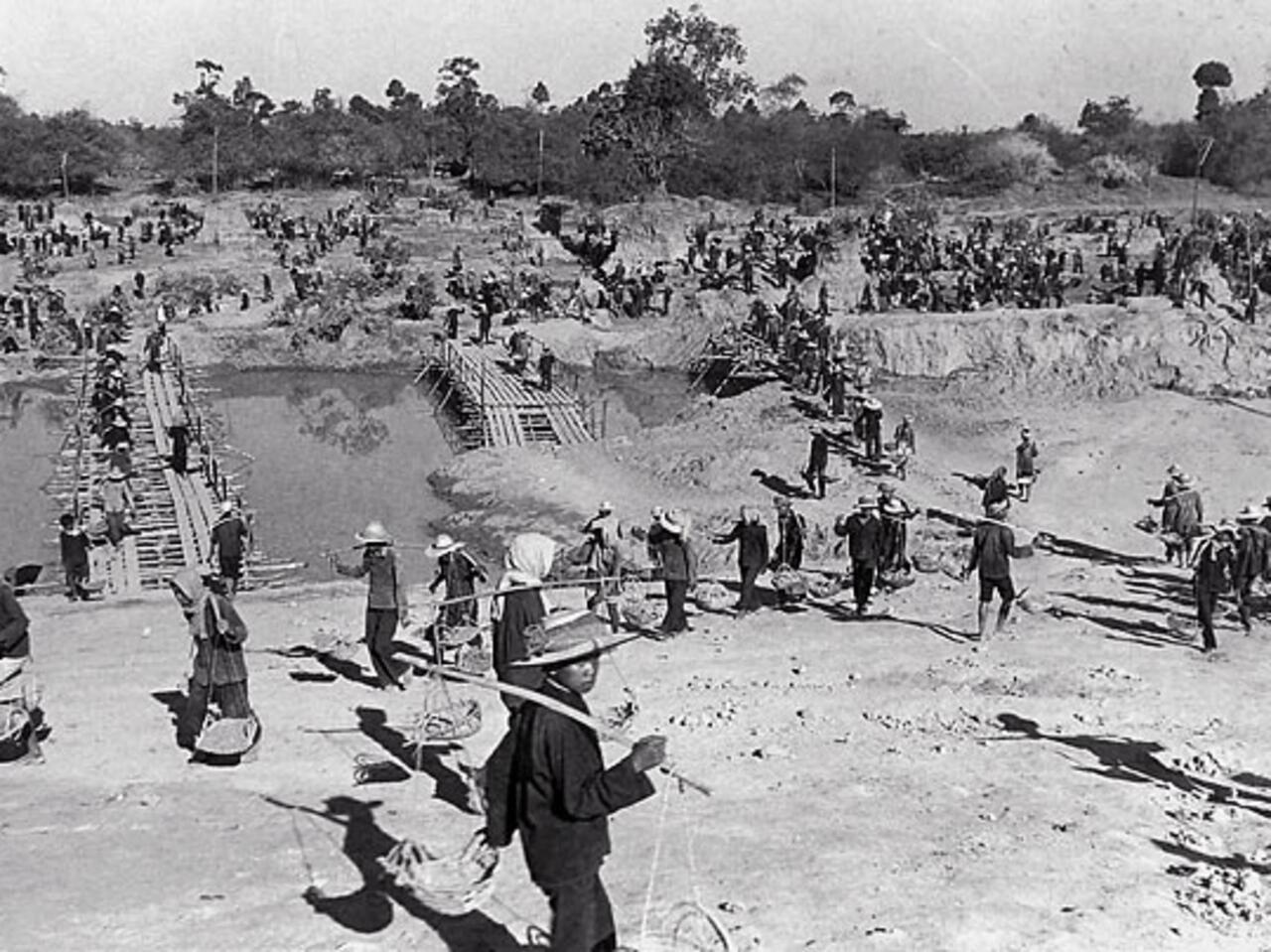
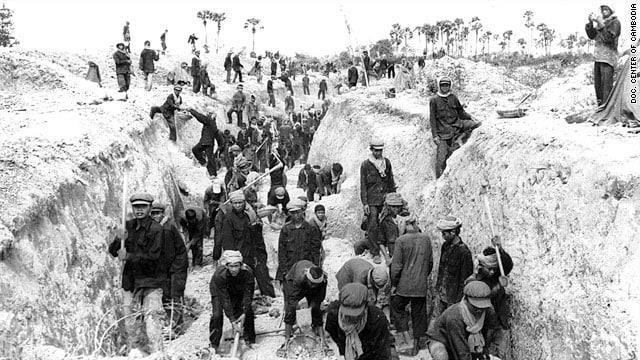
At that time, Cambodia had fallen under the grip of the Pol Pot regime, which had turned the entire country into a vast killing field. Driven by extremist ideology, the black-clad regime imposed terror, forced labor, starvation, and systematic executions upon its own people under the pretext of eliminating the “enemies of the revolution.”
The Khmer nation was not merely living in darkness — it stood on the brink of national annihilation.
The journey that began in Koh Thmor village, Tonloung commune, Memot district, Kampong Cham province, on the night of June 20, 1977, would ultimately lead to the liberation of Cambodia on January 7, 1979; the revival of the national motto “Nation, Religion, King”; the restoration of the Second Kingdom of Cambodia; and eventually the end of nearly three decades of civil war through the Win-Win Policy, bringing Cambodia its longest period of peace and territorial unity in modern history.
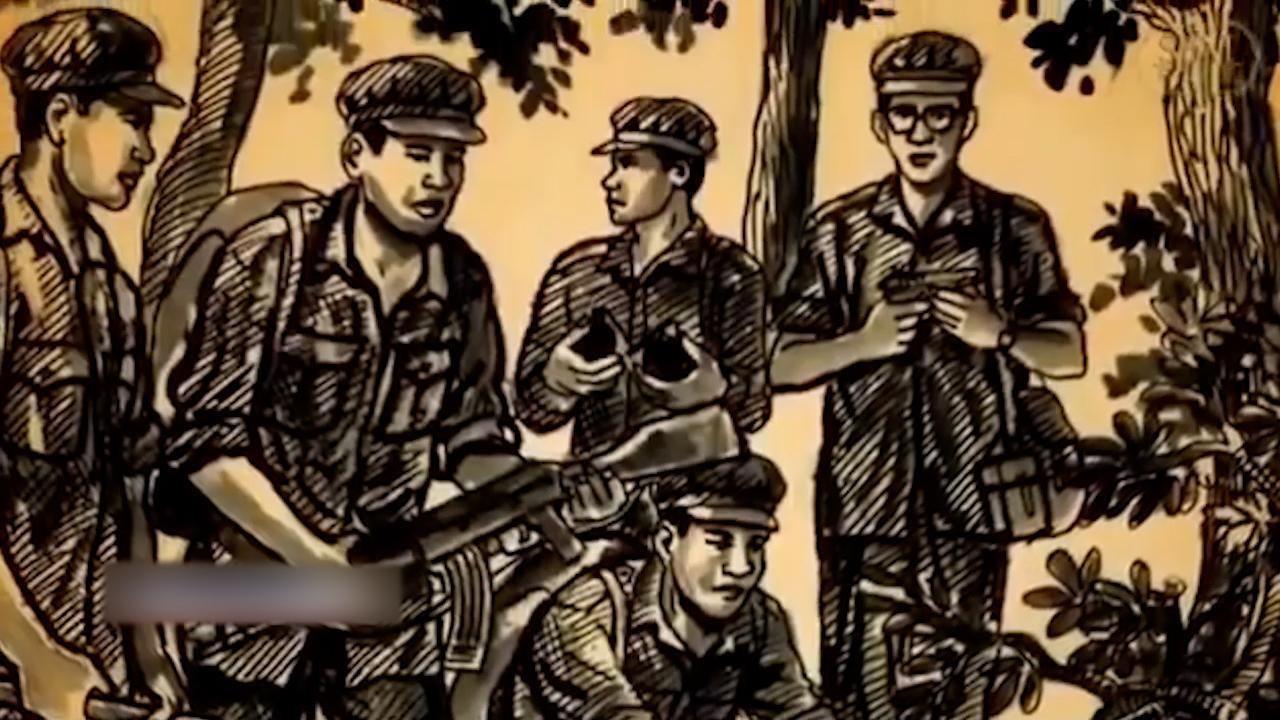
For Cambodia’s history, the night of June 20, 1977 was not merely the escape of Hun Sen and four comrades accompanying him. It was the beginning of a national struggle that would ultimately change the destiny of the entire Khmer people.
For without the night of June 20, 1977, there would have been no January 7, 1979 liberation from genocide; no restoration of the monarchy; no Win-Win Policy that ended nearly three decades of civil war; and no peaceful, stable, and territorially unified Cambodia as it exists today.
When Cambodia Stood at the Edge of Death While the World Looked Away
In 1977, Cambodia was not simply under a dictatorship. It had fallen into one of the most brutal genocidal systems in modern history — a regime systematically exterminating its own people.
Urban populations were forcibly evacuated. Buddhism was destroyed. Intellectuals and educated citizens were executed. Families were torn apart. Millions of Cambodians were forced to live under starvation, slave labor, and constant fear beneath the black-clad Khmer Rouge regime.
While Cambodia was sinking into the darkest chapter of its history, much of the world remained silent, largely ignoring the tragedy unfolding on Cambodian soil.
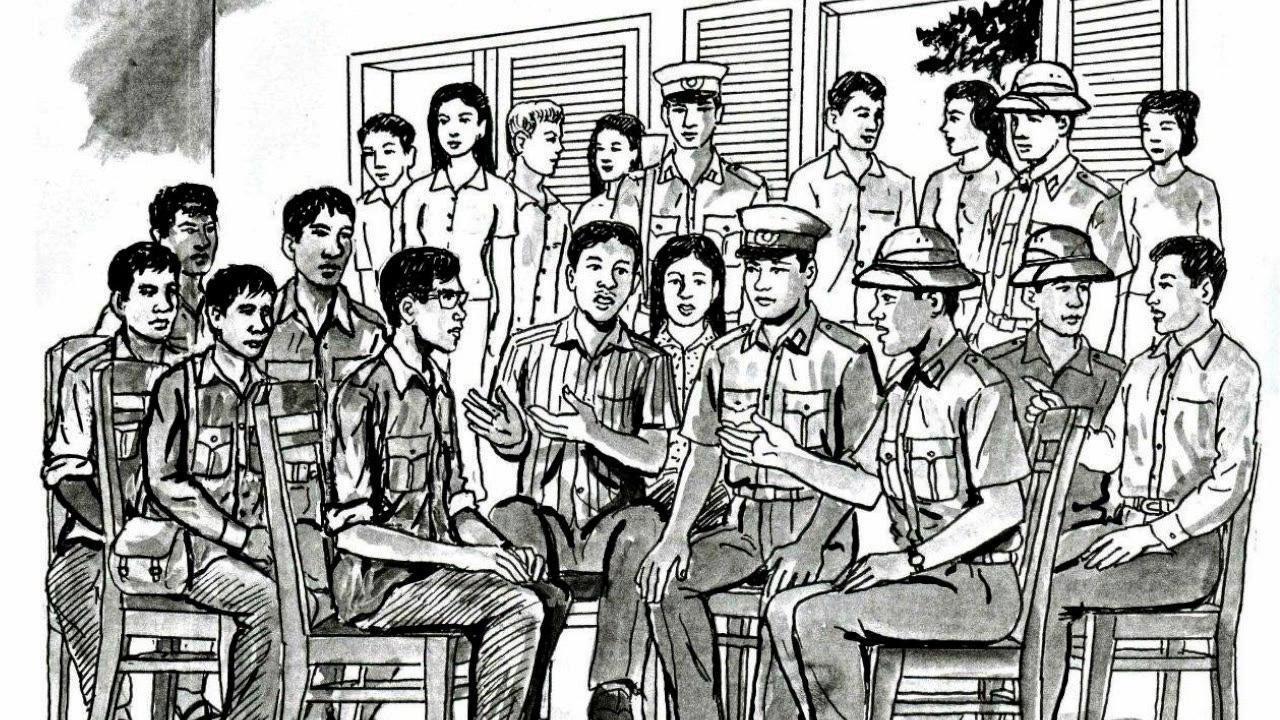
Amid this atmosphere of despair, young commander Hun Sen, who oversaw more than 2,000 troops in the Koh Thmor region, clearly realized that the Pol Pot regime was not only destroying the Cambodian people, but was pushing the Khmer nation itself toward extinction.
At that moment, he faced only four choices:
- Launch a rebellion
- Escape and continue resistance
- Wait to be executed
- Or commit suicide
He chose the most dangerous and least hopeful path: to leave Cambodia and seek support to save the nation.
That decision was not made to save himself, but to risk his own life in order to rescue Cambodia and its people from a regime built on the slaughter of its own citizens.
From Refugee to Founder of a National Liberation Force
What gives the events of June 20, 1977 such profound historical significance is that Hun Sen’s departure did not end as an act of escape for survival. Instead, it became the beginning of a national liberation movement that would eventually change Cambodia’s destiny.
While in Vietnam, Hun Sen wrote a series of letters and reports to Vietnamese leaders outlining both his determination and a concrete plan to liberate Cambodia from the genocidal Khmer Rouge regime.
Eventually, that determination convinced the Vietnamese leadership to support the creation of armed liberation forces.
Beginning in 1978, liberation units gradually emerged, including Unit 125, Battalion 246, Battalion 207, and several operational battalions, including Battalion 15.
These resistance forces later joined hands with other anti-Khmer Rouge movements led by Heng Samrin and Chea Sim to establish the Kampuchean United Front for National Salvation on December 2, 1978.
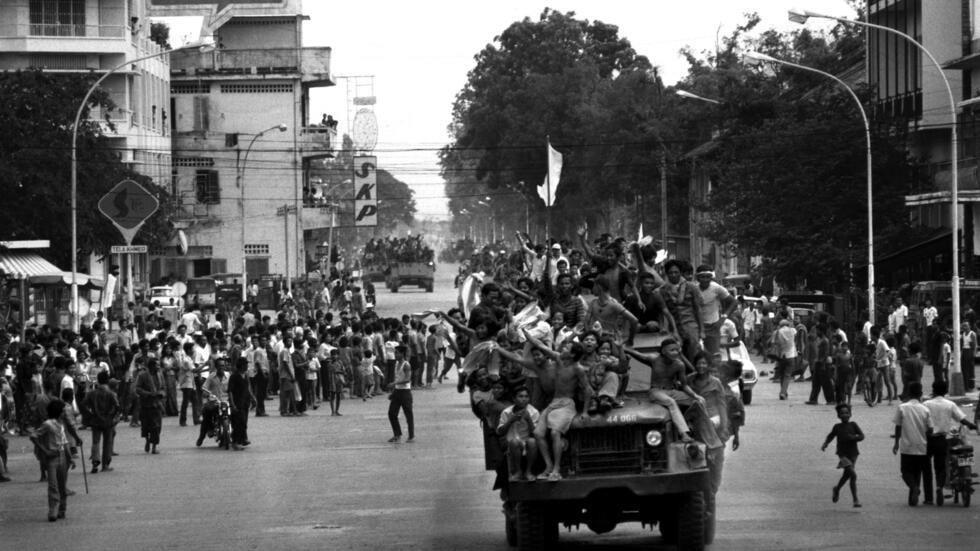
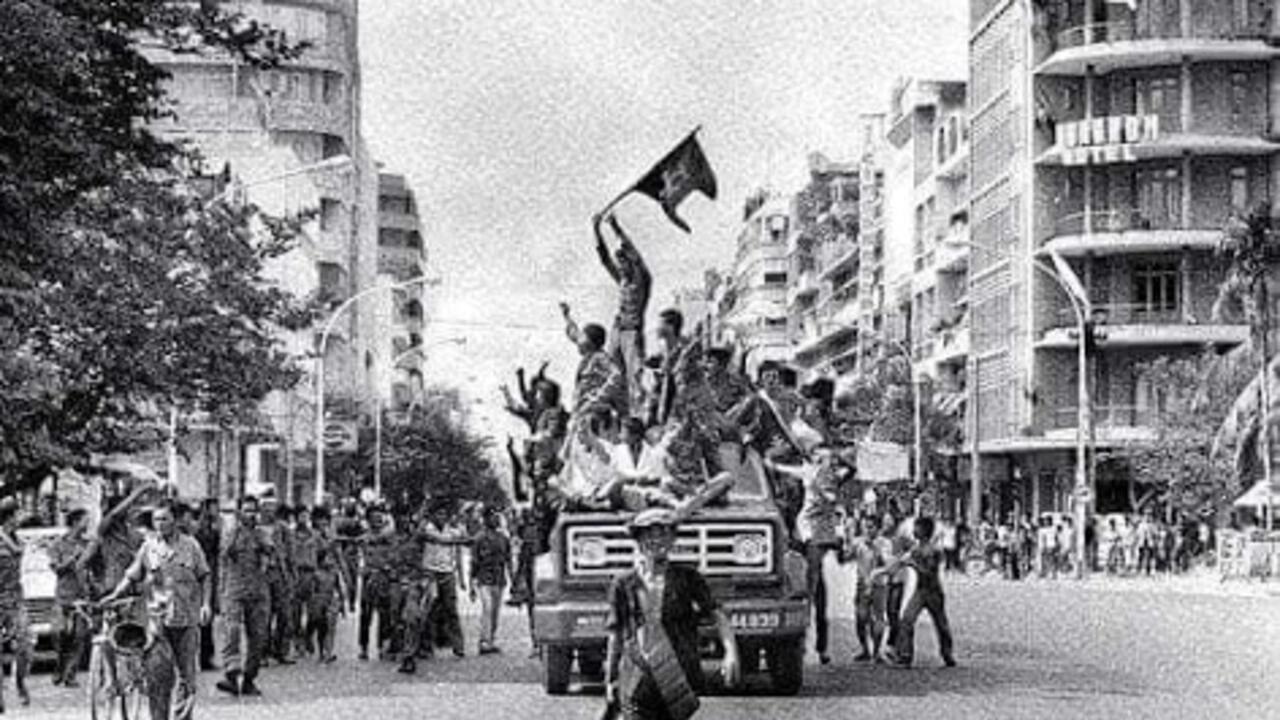
Just over a month later, Cambodian liberation forces, together with Vietnamese volunteer troops, overthrew the genocidal Khmer Rouge regime and liberated Cambodia on January 7, 1979.
January 7: More Than the Fall of the Khmer Rouge — The Day Cambodia Was Reborn
Some have attempted to reduce the meaning of January 7, 1979 to merely the overthrow of the Pol Pot regime. In reality, however, that day marked the rebirth of Cambodia and the Khmer nation from the abyss of genocide.
January 7 was not simply the end of a murderous regime; it halted the collapse of the Khmer nation itself, which at that time stood on the verge of disappearing as a people.
Without January 7, 1979:
- The motto “Nation, Religion, King” could not have been revived
- Buddhism, which had been nearly eradicated, could not have been restored
- The Second Kingdom of Cambodia could not have returned
- Cambodians could not have regained the right to live freely with their families
- Cambodia could not have established a constitution, elections, and state institutions as it has today
In clear historical terms, January 7, 1979 created the conditions necessary for the rebirth of a “new Cambodia.”
From the ashes of war and genocide, Cambodia began rebuilding itself from nothing. A people once trapped in fear and starvation slowly regained hope. Schools, temples, hospitals, and state institutions were gradually restored.
Even though Cambodia continued to face civil war, international isolation, and diplomatic non-recognition from parts of the international community, January 7 remained the foundation upon which Cambodia’s eventual peace, reconciliation, and territorial unity would be built.
From National Liberation to the Search for Full Peace
Nevertheless, January 7, 1979 did not immediately bring full peace to Cambodia. Although the Khmer Rouge regime had fallen, civil war continued, while Cambodia faced political, economic, and diplomatic isolation from parts of the international community.
One of the greatest injustices of that period was that despite global awareness of Khmer Rouge atrocities, the Khmer Rouge still retained Cambodia’s seat at the United Nations, while the Cambodian conflict became a geopolitical tool in the broader Cold War rivalry.
Having just emerged from genocide and struggling to rebuild from ruin, Cambodia faced not only the threat of continued war but also international isolation.
In that difficult and complex environment, Hun Sen, who became Prime Minister at the age of 32 in 1985, began seeking an end to the conflict through political negotiations rather than endless warfare.
From the historic “Sihanouk-Hun Sen” meetings in France in 1987 to the Paris Peace Agreements of 1991, Cambodia gradually moved toward political settlement and national reconciliation.
Yet even after the 1993 elections and the restoration of the monarchy, civil war did not fully end, as Khmer Rouge forces continued to control several border regions.
It was not until 1996 that Hun Sen introduced the Win-Win Policy — one of the most significant political strategies in modern Cambodian history — aimed at ending nearly three decades of civil war without another large-scale bloodshed.
The Win-Win Policy: Ending War Without Massive Bloodshed
The Win-Win Policy became one of the defining political strategies that distinguished Cambodia’s history from many other countries that experienced prolonged civil wars.
Rather than pursuing total military destruction of his opponents, Hun Sen chose political strategy, national reconciliation, and integration to end decades of conflict.
At the core of the Win-Win Policy was the DIFID strategy:
- D – Divide: Fragment Khmer Rouge political and military networks
- I – Isolate: Isolate hardline leaders and cut off support
- F – Finish: Eliminate armed resistance and military strongholds
- I – Integrate: Integrate former insurgents into state institutions and society
- D – Develop: Develop former battle zones into peaceful and economically active areas
February 11, 1996 marked a key milestone when Division 18 under Keo Pong integrated into the Royal Government.
Afterward, Khmer Rouge forces in Oral, the Cardamom Mountains, Samlaut, Sampov Loun, Pailin, Malai, and Anlong Veng gradually defected and integrated into the national system.
The DIFID strategy steadily weakened, isolated, and dismantled the Khmer Rouge through peaceful reintegration rather than prolonged warfare.
On December 29, 1998, the remaining Khmer Rouge leaders officially ended armed resistance and accepted integration under a single national government. That day marked the complete end of Cambodia’s nearly 30-year civil war.
For the first time in more than 500 years, Cambodia achieved full peace, territorial unity, and unified state authority without divided zones or rival armed factions.
The Win-Win Policy therefore became not merely a strategy to end war, but the historical foundation of modern Cambodia’s peace and national unity.
Modern Cambodia: Defending the Nation Through Wisdom, Not Only Force
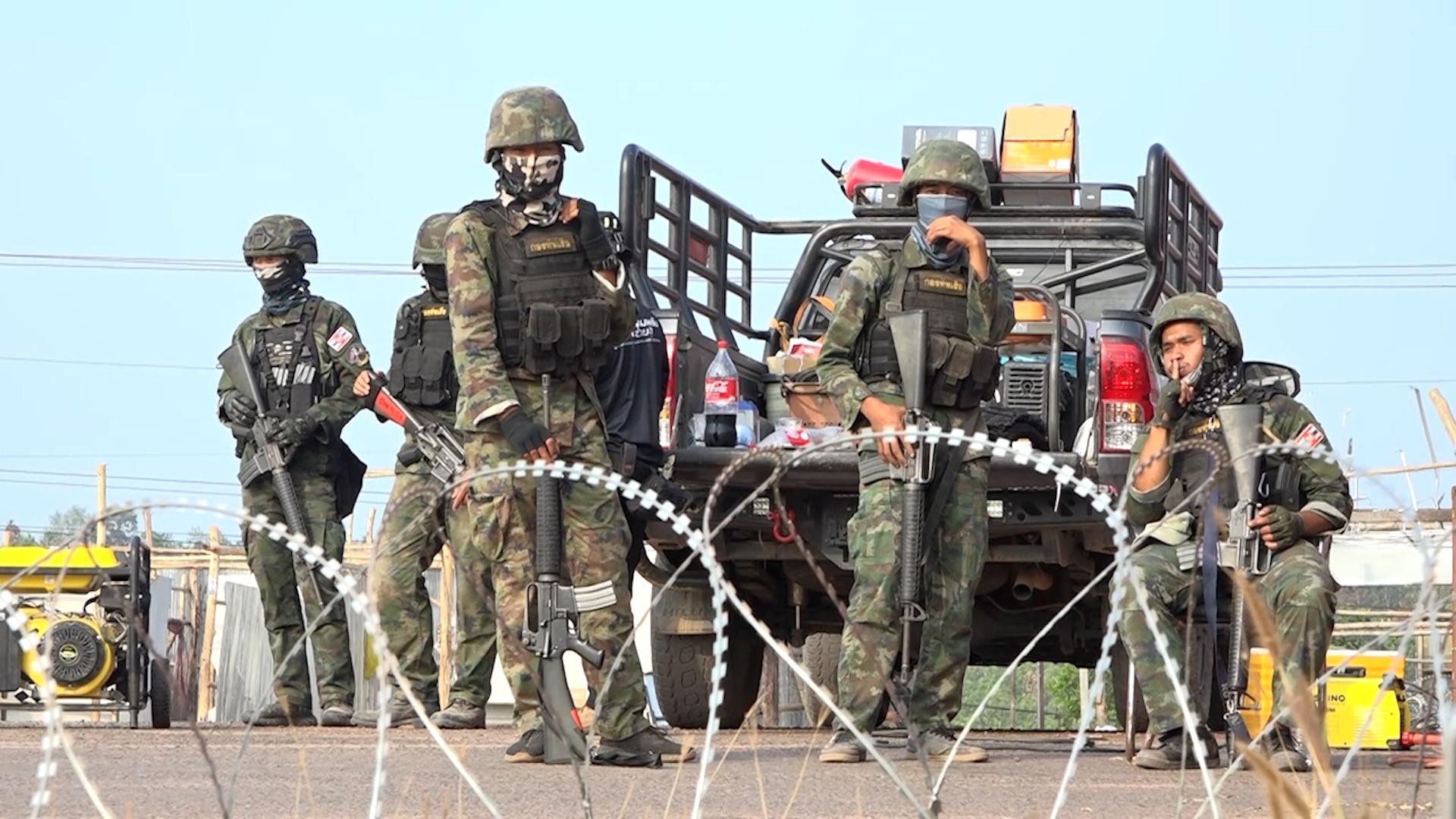
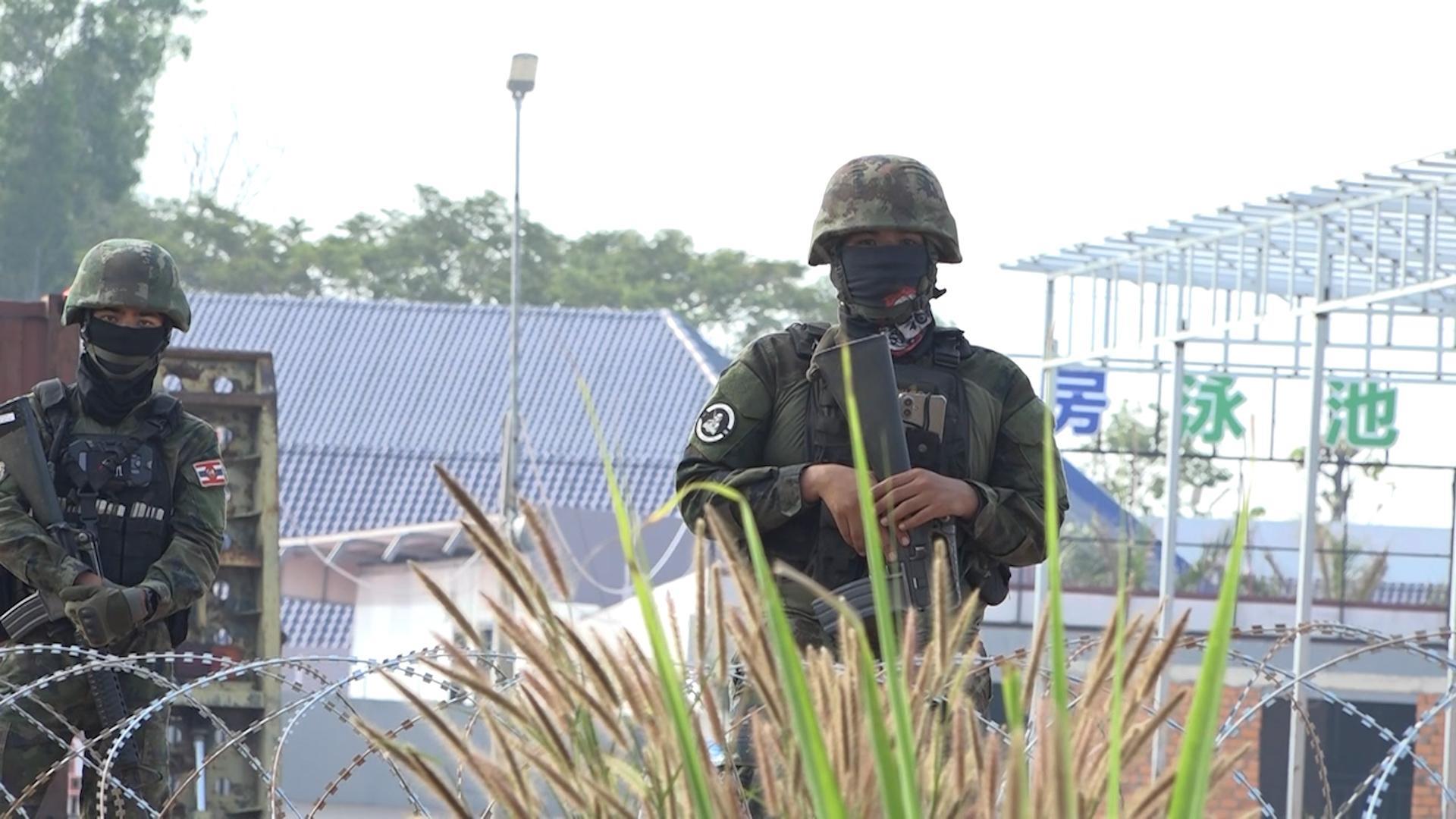
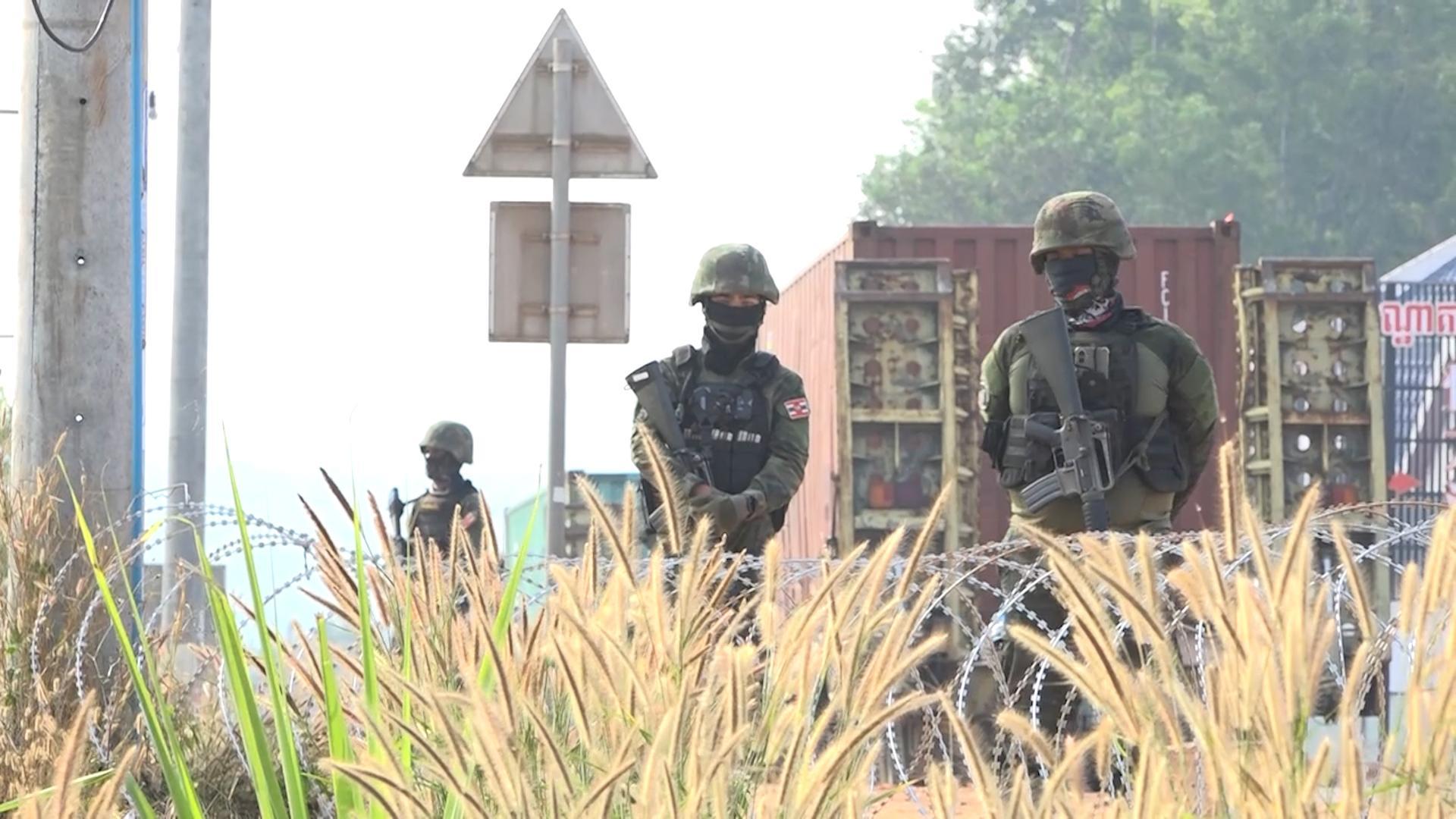
Today, as Cambodia faces border tensions and territorial disputes with Thailand in certain areas, the leadership of the Cambodian government under Hun Sen and Prime Minister Hun Manet has demonstrated that national defense in the modern era is not defined solely by military force, but also by wisdom, diplomacy, and international law.
Critics have accused Cambodia of hesitating to respond militarily to Thailand. Yet the more important question is this: should a responsible government prioritize war, or the protection of its people and national future?
For a country that endured decades of war and genocide, Cambodia understands better than most the devastating cost of conflict and the precious value of peace.
Cambodia therefore cannot recklessly gamble with the lives of millions of citizens in the name of extreme nationalism or political confrontation.
Instead, Cambodia is relying on:
- Diplomacy
- International law
- The 1904 and 1907 maps
- And international support
as key instruments to defend sovereignty and territorial integrity through peaceful and lawful means.
This is not a sign of weakness. It is a sign of political maturity — an understanding that preserving the nation, protecting human life, and preventing the return of war are more valuable than bloodshed.
Cambodia’s own history has shown that war can destroy a nation quickly, while rebuilding peace and stability requires decades.
For that reason, modern Cambodia has chosen wisdom over reckless confrontation and peaceful national defense over a return to the flames of war.
Conclusion
Forty-nine years have passed since the night of June 20, 1977, yet that night remains unforgettable in Cambodia’s national history.
From the border crossing of a 25-year-old man emerged a national liberation movement. From that movement came January 7, 1979 — the liberation of Cambodia from genocide. From January 7 came the revival of “Nation, Religion, King” and the restoration of the monarchy. From that national rebirth emerged the Win-Win Policy, which ended nearly three decades of civil war and brought Cambodia peace, territorial unity, and development.
The history of June 20, 1977 is therefore not merely the story of Hun Sen’s resistance journey. It is the beginning of a historical process that saved Cambodia from destruction and opened the path for Cambodians to live in peace, stability, and development until today.
For Cambodia, the night of June 20, 1977 was not simply the departure of a young man into exile. It was the night that began changing the destiny of an entire nation.