

unveiled the long-delayed Defence Investment Plan, announcing an additional 15 billion pounds (20 billion U.S. dollars) for defence that will bring the country's total defence spending over the next four years to nearly 300 billion pounds.
In addition, Starmer said the government would increase defence spending from 2.3 percent of GDP in 2024 to 2.7 percent by 2029, putting Britain on a path to reach 3 percent during the next Parliament.
The government had taken "hard-edged decisions" to increase spending on defence. As a result, "some capital projects, for example on roads and energy, which are important but not immediately vital, will no longer go ahead as planned," he said.
The plan also includes more than 5 billion pounds for drones and autonomous weapons, a new 50-billion-pound defence export facility, and an 8.6-billion-pound investment in the Global Combat Air Programme, a joint initiative with Italy and Japan to develop the Tempest fighter jet.
"Last year's NATO summit, I committed to spend 5 percent of GDP on our wider security, covering things like energy security and critical infrastructure, as well as defence," Starmer said. "The defence investment plan published today takes us to 4.2 percent under that commitment."
NATO Secretary General Mark Rutte welcomed the announcement, saying it would help Britain meet the defence spending target agreed with the alliance last year.
Originally scheduled for publication in the autumn last year, the Defence Investment Plan was repeatedly delayed because of disagreements between the Ministry of Defence and the Treasury over how to finance the expansion and modernisation of the armed forces.
Earlier this month, then Defence Secretary John Healey resigned over dissatisfaction with the funding arrangements, saying the proposed plan fell at that time "well short" of the country's needs.
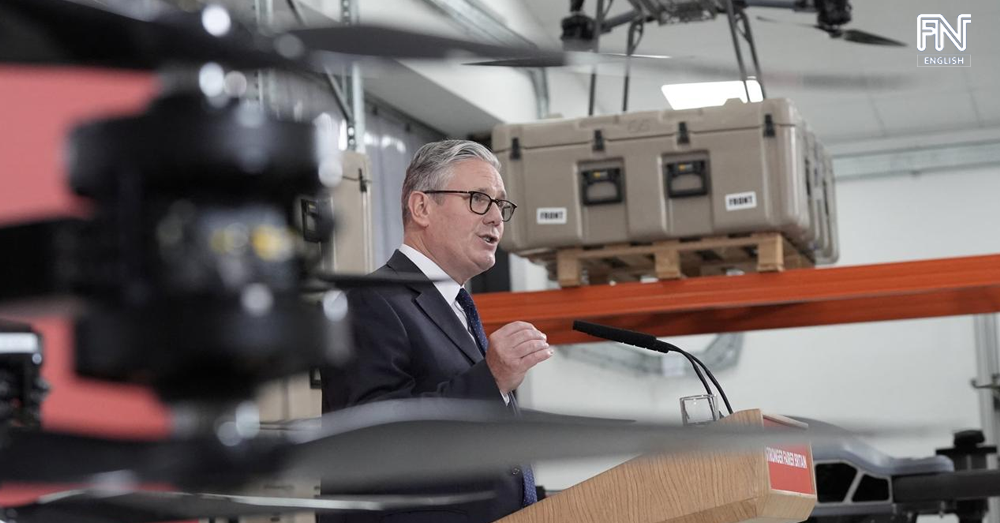
Photo from Reuters