
(Phnom Penh): Barely three weeks after the United States and Iran reached a 60-day Memorandum of Understanding (MoU) intended to create space for negotiations and defuse one of the world's most dangerous crises, the guns are firing once again.
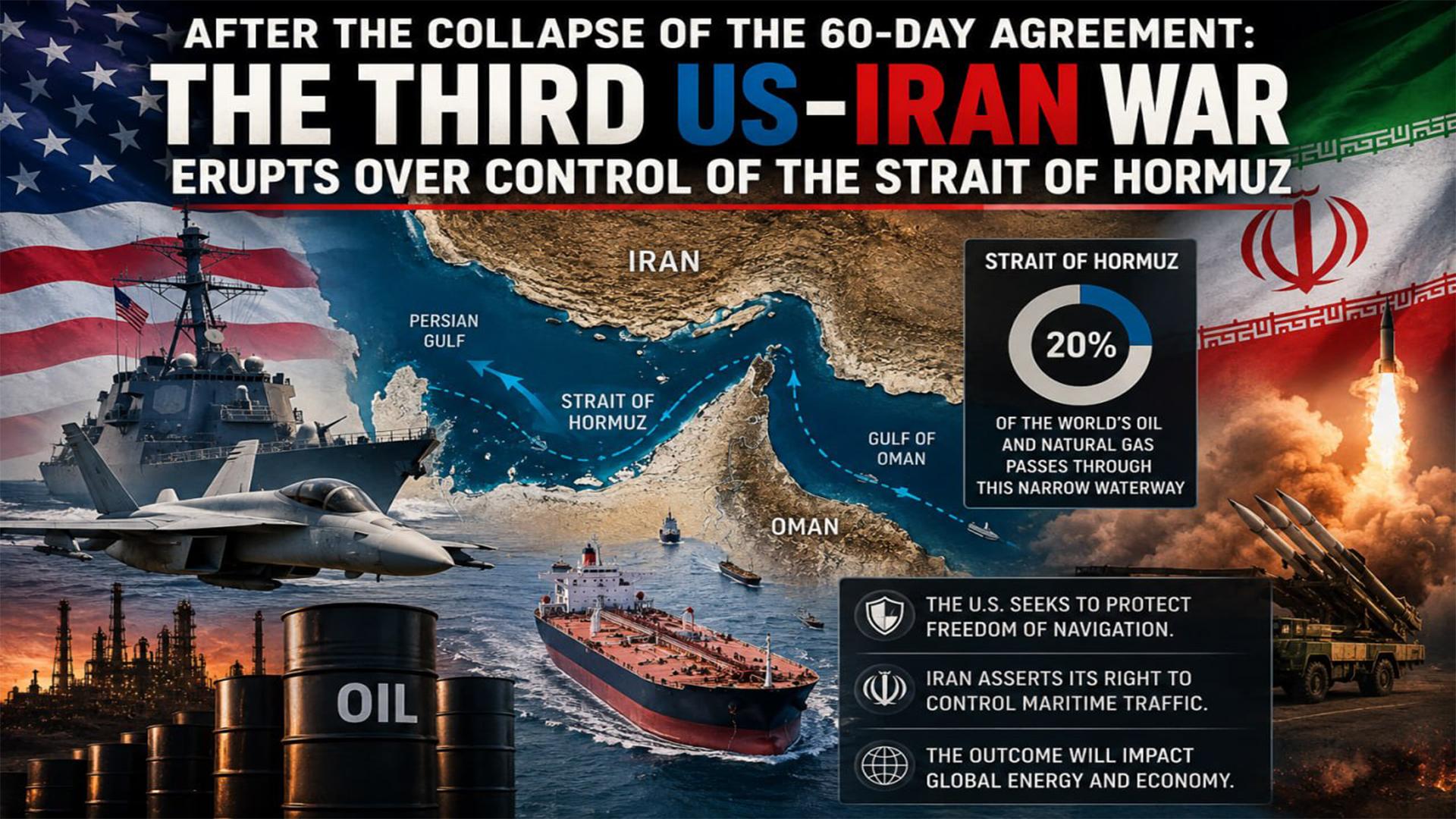
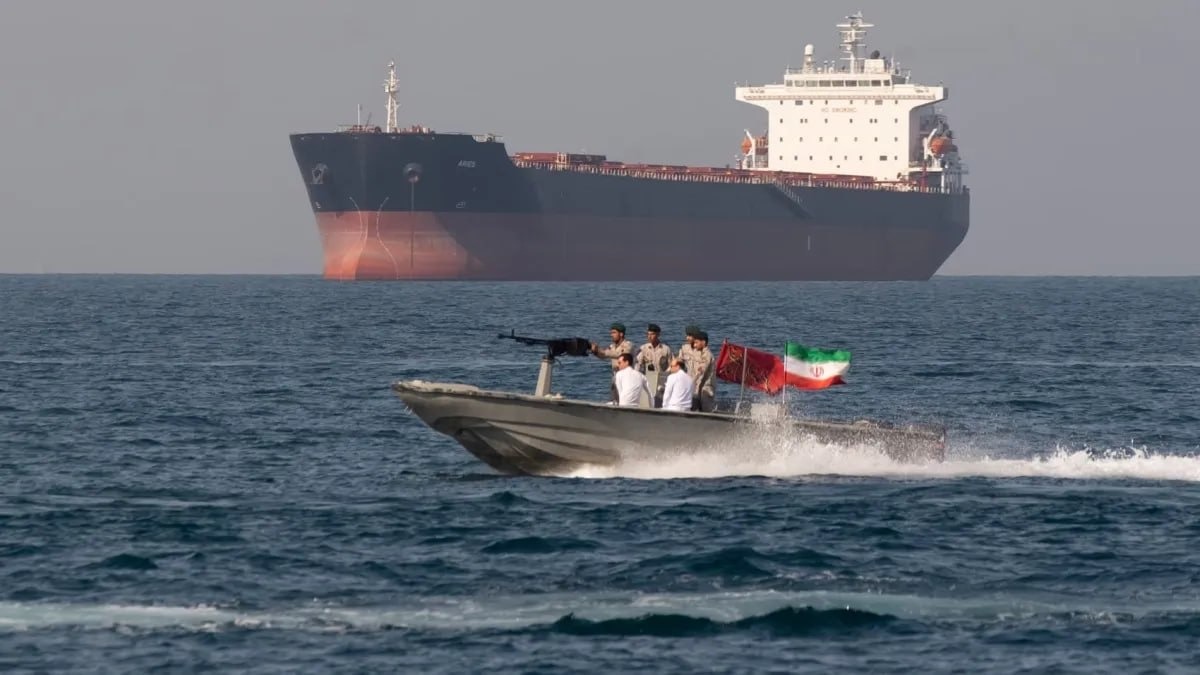
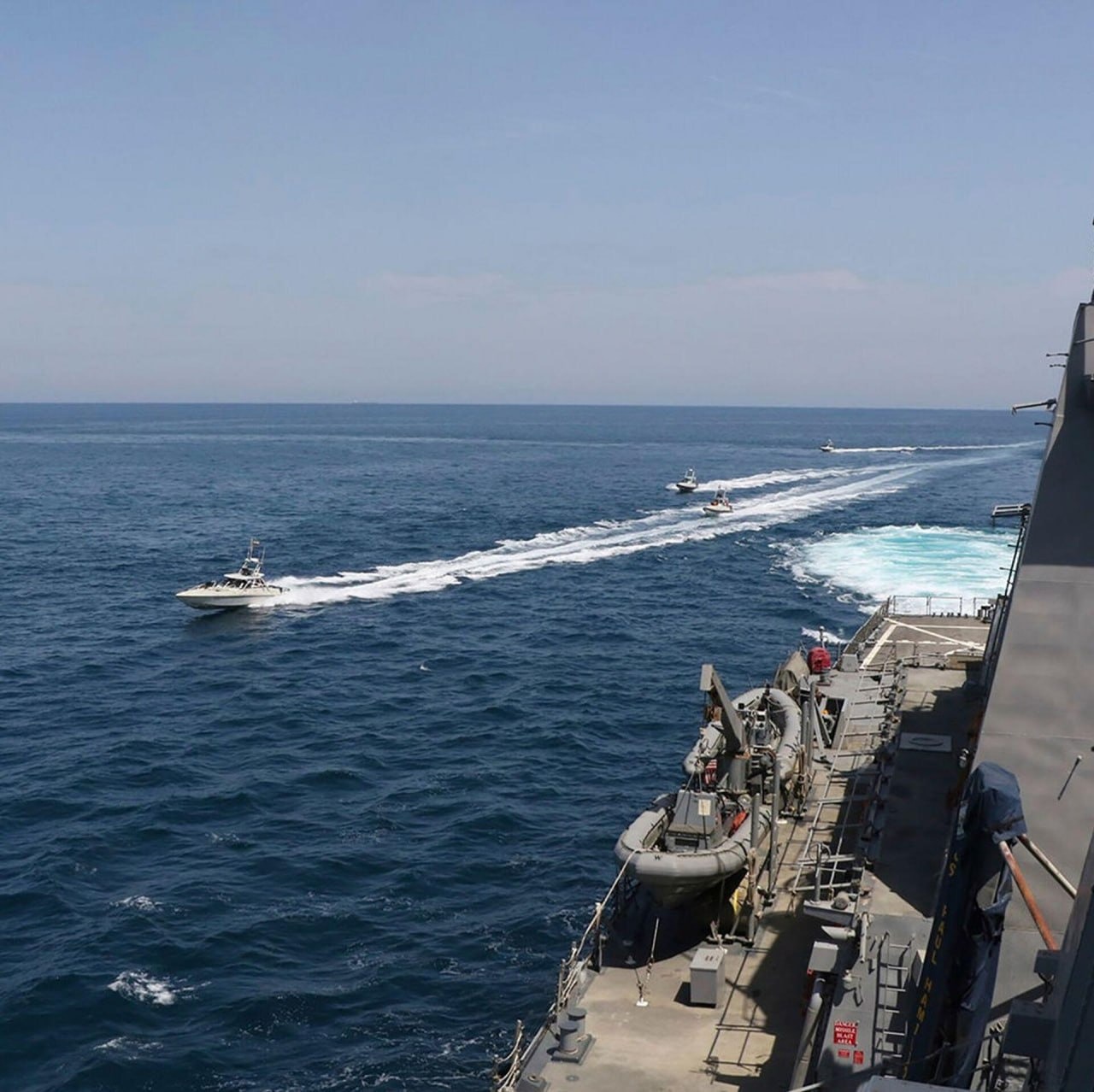
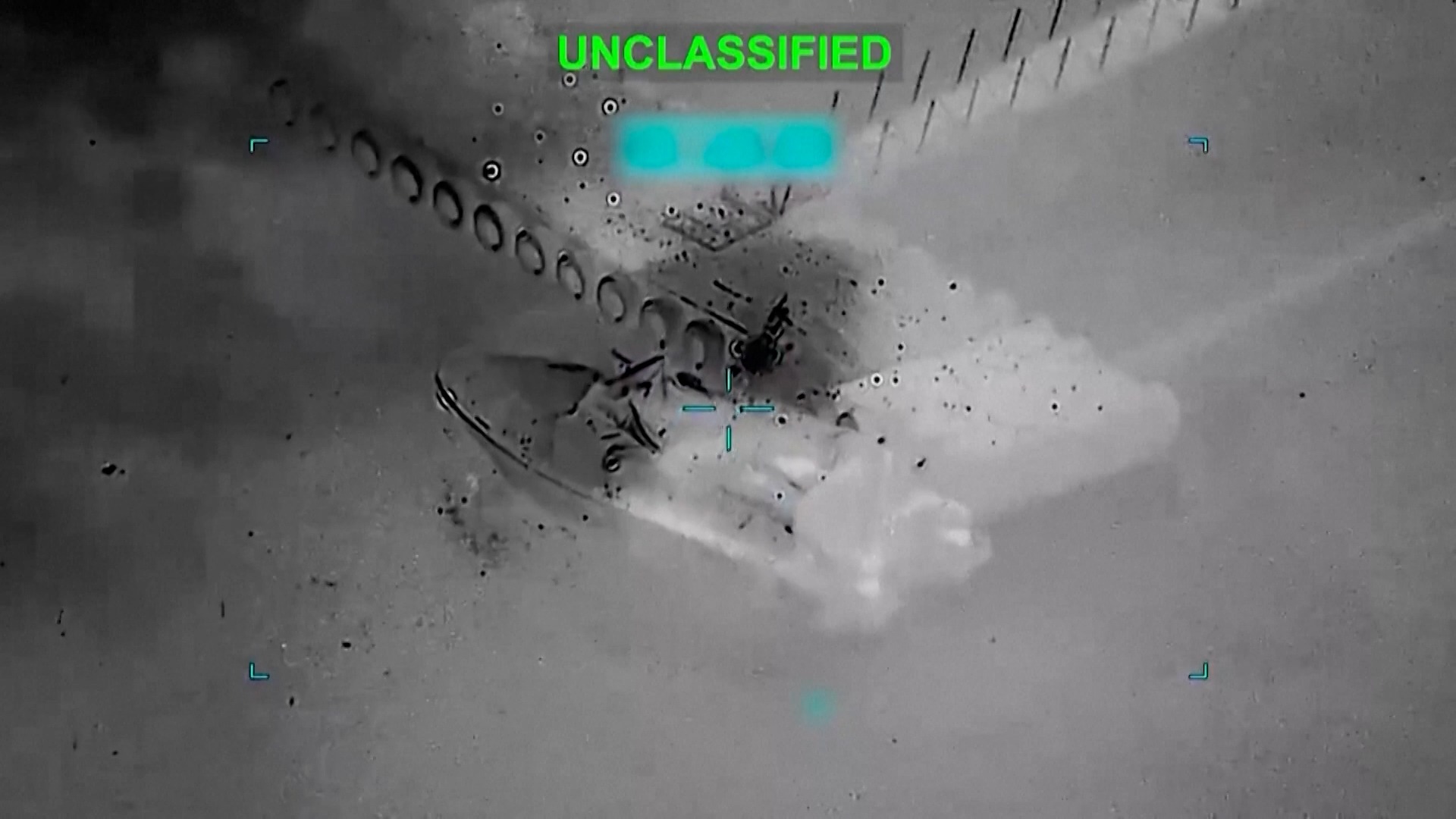
For a second consecutive night, American and Iranian forces exchanged strikes across the Middle East. Yet this renewed conflict is no longer centered primarily on Iran's nuclear ambitions. Instead, it has evolved into a struggle over something even more strategically significant: control of the Strait of Hormuz, the narrow maritime corridor through which roughly one-fifth of the world's oil and natural gas supplies pass.
Only weeks ago, the central question confronting policymakers was: "How far will Iran advance its nuclear program?" Today, that question has changed dramatically: "Who will control the Strait of Hormuz?"
The answer matters far beyond Washington and Tehran. Whoever exerts influence over this vital waterway also holds considerable leverage over global energy supplies, international shipping, and the stability of the world economy.
The latest military exchanges suggest that the conflict has entered an entirely new phase. Washington says its operations are aimed at destroying Iran's ability to threaten commercial shipping through Hormuz. Tehran, meanwhile, insists that normal navigation can only resume if the United States ends its military intervention and respects the sovereignty of the Gulf's coastal states.
The third round of the US-Iran conflict therefore represents more than another escalation over Iran's nuclear program. It marks a strategic shift toward a broader geopolitical contest over control of one of the world's most important maritime chokepoints.
At the same time, the renewed exchange of military strikes demonstrates that the 60-day diplomatic window—once viewed as the best opportunity to prevent a wider regional war—has lost much of its practical value. The crisis is no longer simply about nuclear enrichment. It is increasingly becoming a contest over maritime dominance, energy security, and geopolitical influence in the Persian Gulf.
The following analysis examines why the Strait of Hormuz has become the center of this conflict, how the 60-day agreement unraveled, and what the renewed fighting could mean for the global economy and international security.
Why Has the Strait of Hormuz Become the Main Battlefield?
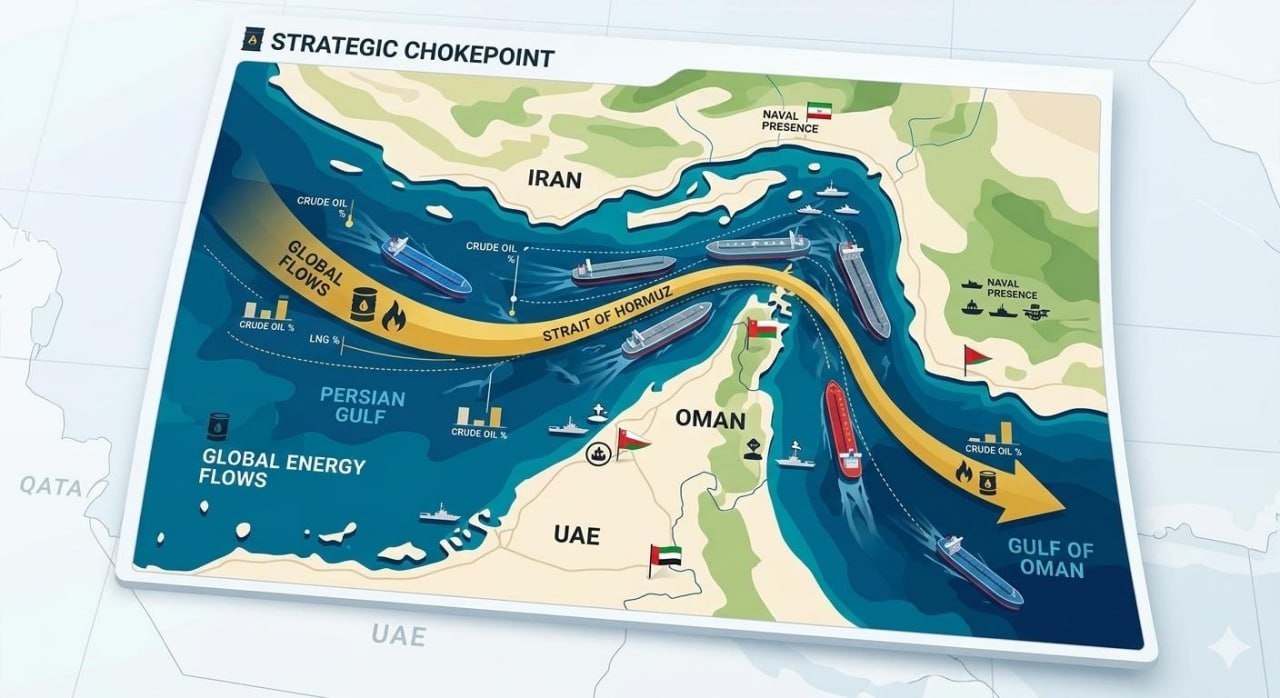
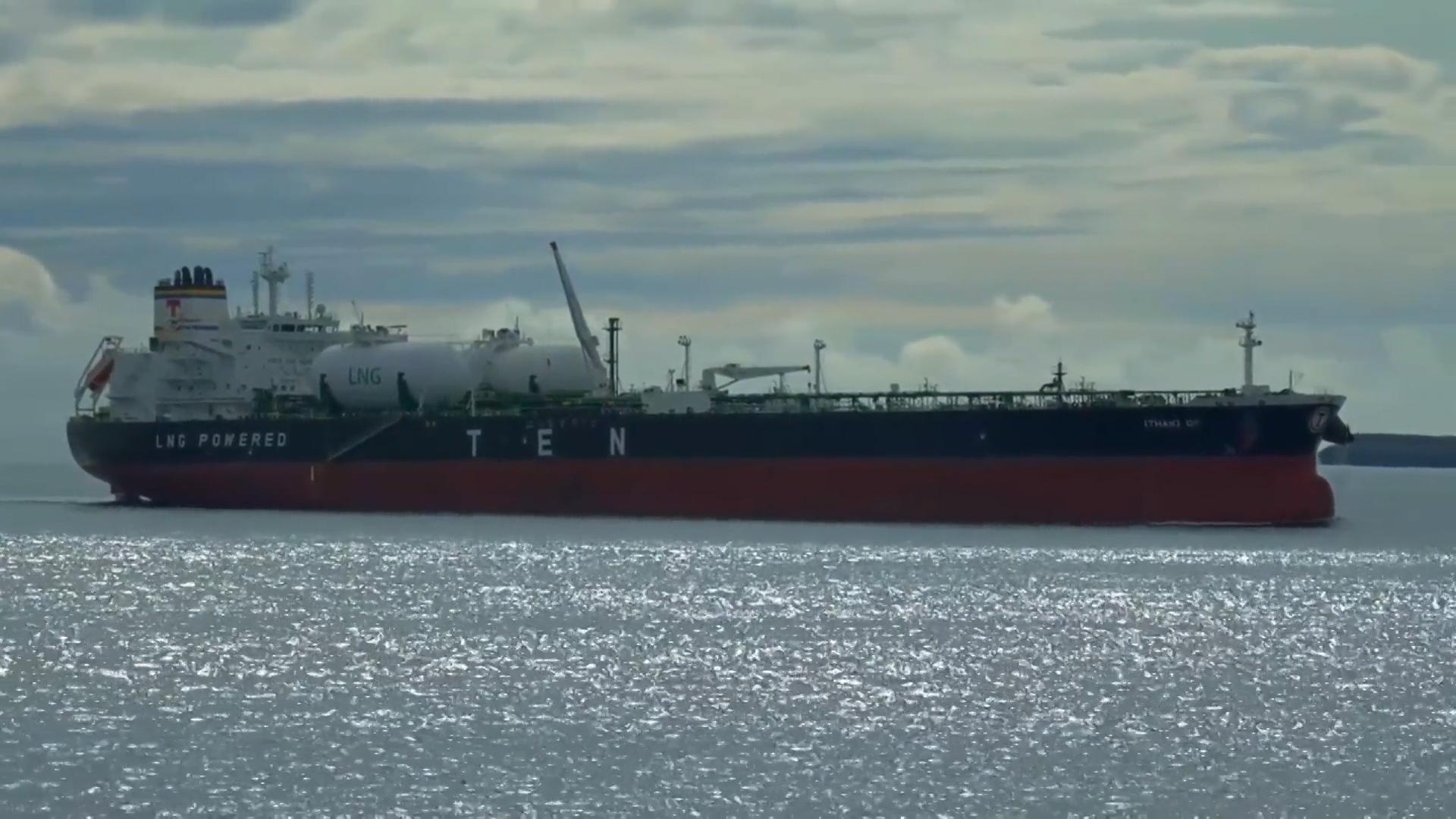
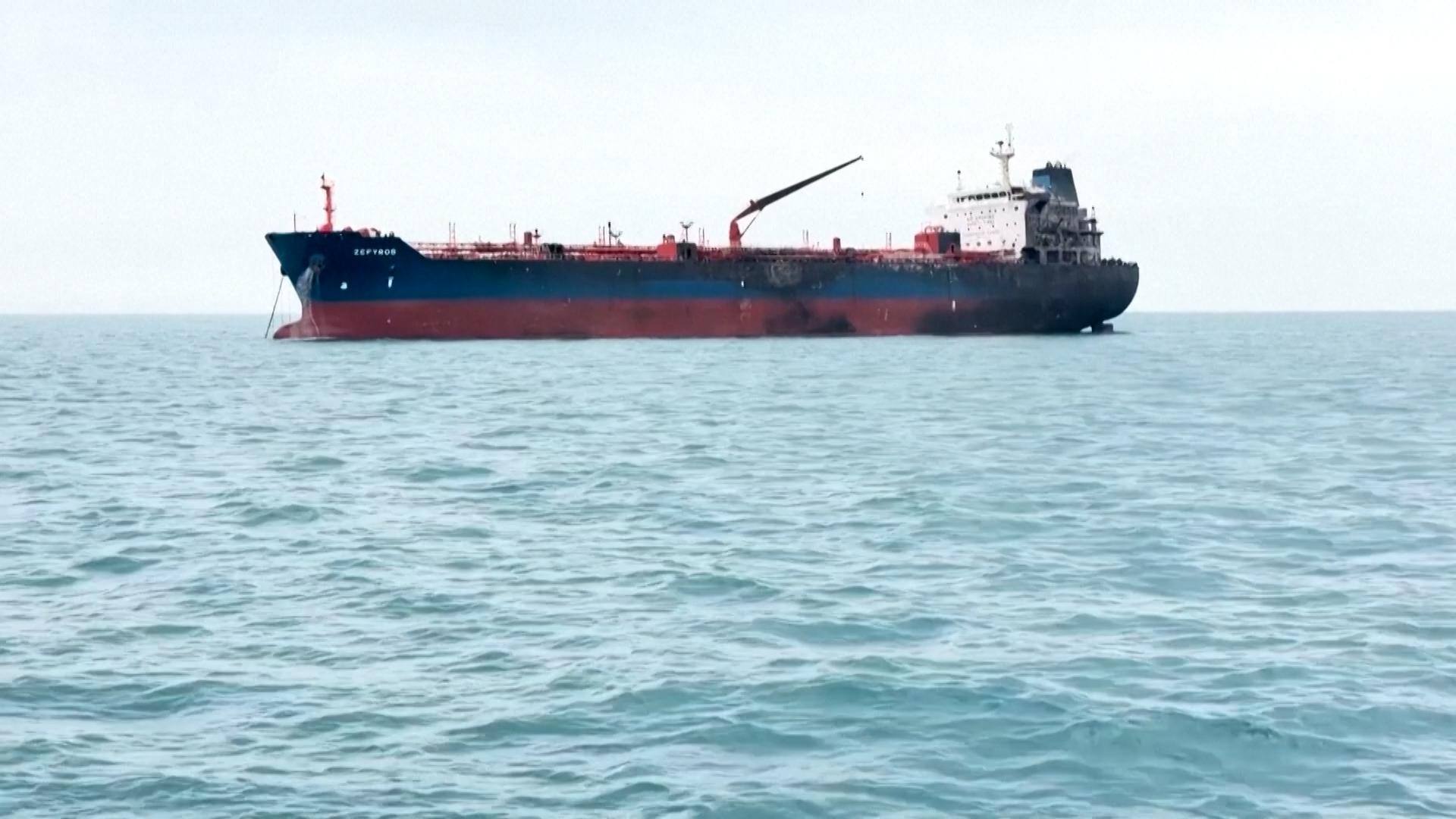
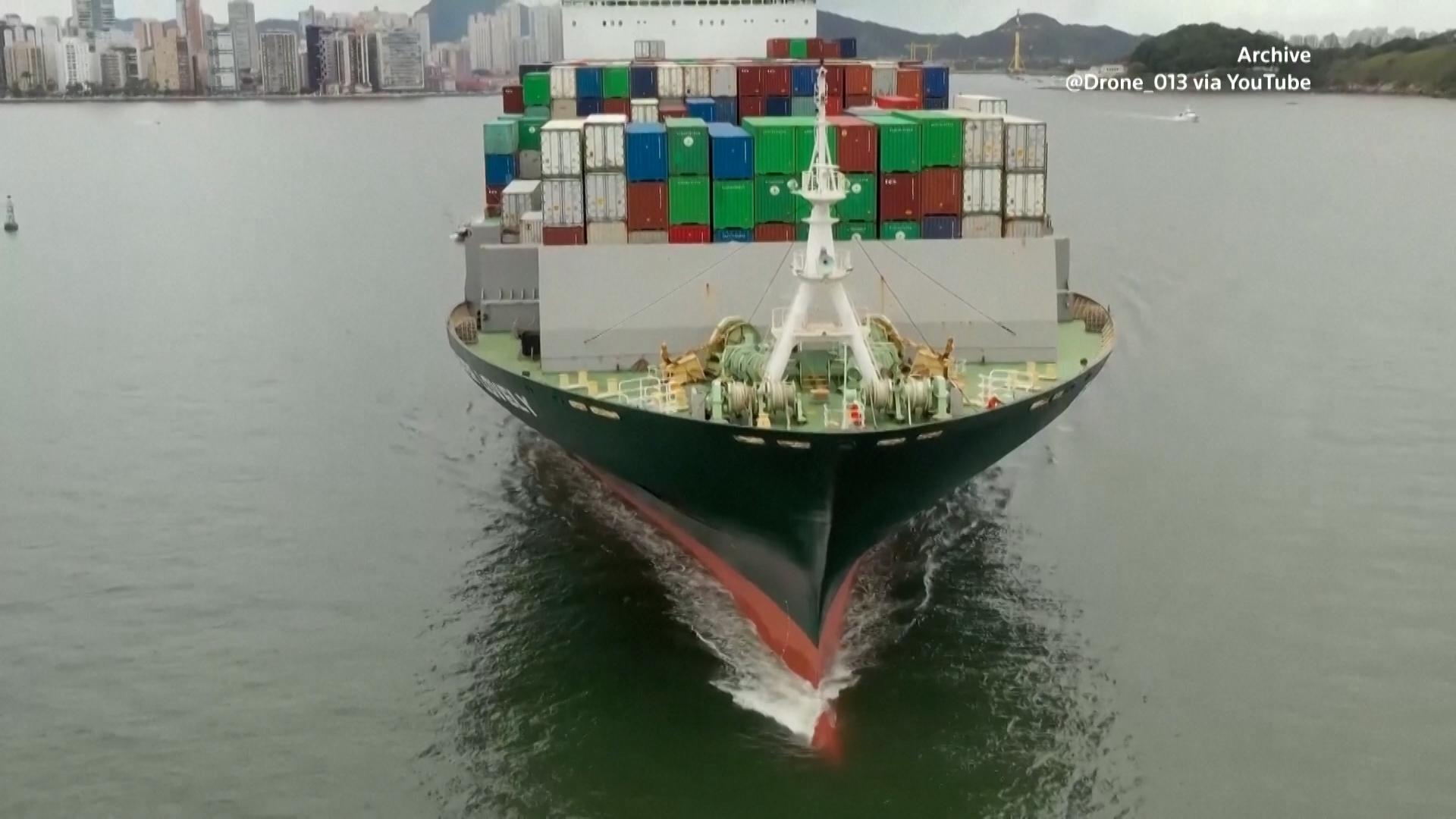
The Strait of Hormuz is a narrow waterway connecting the Persian Gulf to the Gulf of Oman and the Indian Ocean. Despite its modest size, it is one of the world's most strategically important maritime corridors. Roughly 20 percent of global oil and liquefied natural gas (LNG) exports pass through this route before reaching markets across Asia, Europe, and Africa.
That means any disruption in Hormuz affects far more than just Iran or the United States. It has the potential to destabilize global energy supply chains. Major Gulf exporters—including Saudi Arabia, the United Arab Emirates, Qatar, Kuwait, and Bahrain—depend heavily on this waterway to transport their energy exports to international markets.
For this reason, Washington says its military operations are intended to safeguard freedom of navigation and reduce Iran's ability to threaten commercial shipping. Tehran, by contrast, argues that it has legitimate authority over maritime traffic in the area and has warned that vessels failing to follow routes designated by Iran cannot expect security guarantees.
The real battlefield, therefore, is no longer confined to land or air. It has shifted to a narrow stretch of water whose stability directly influences global energy security and the international economy.
How Did the 60-Day Agreement Collapse?
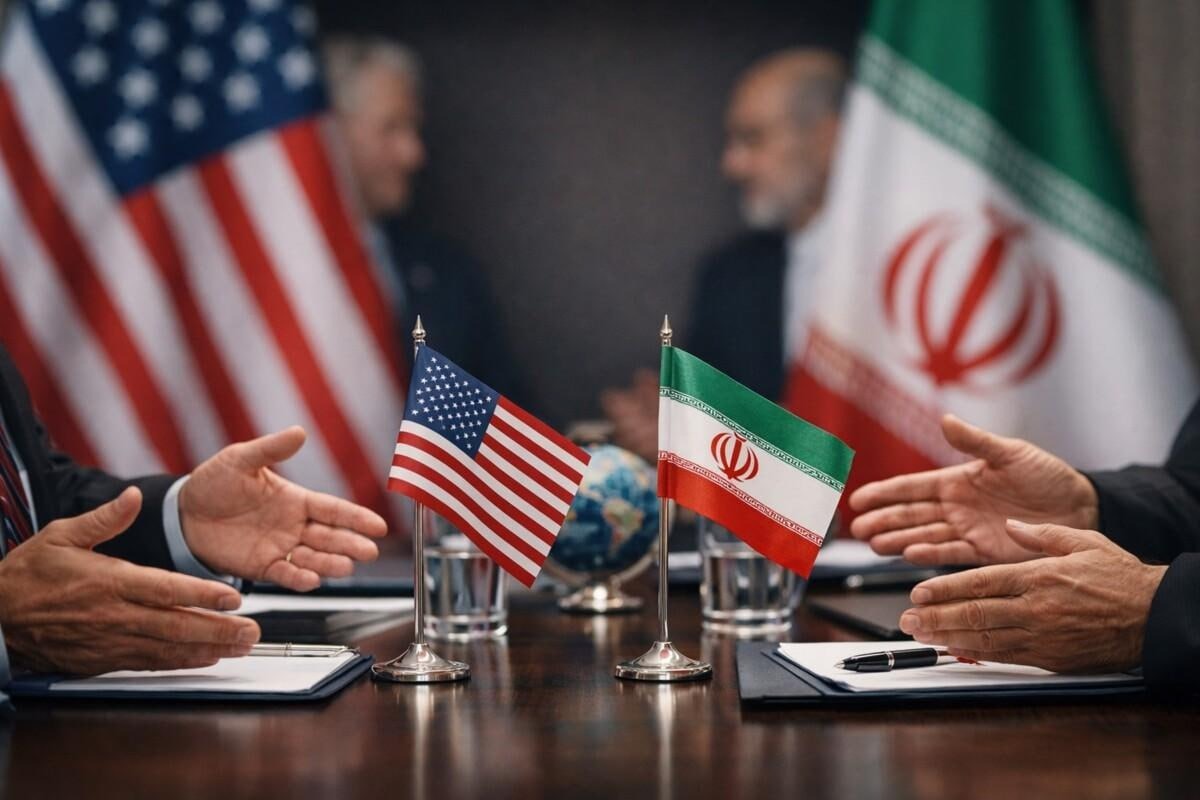
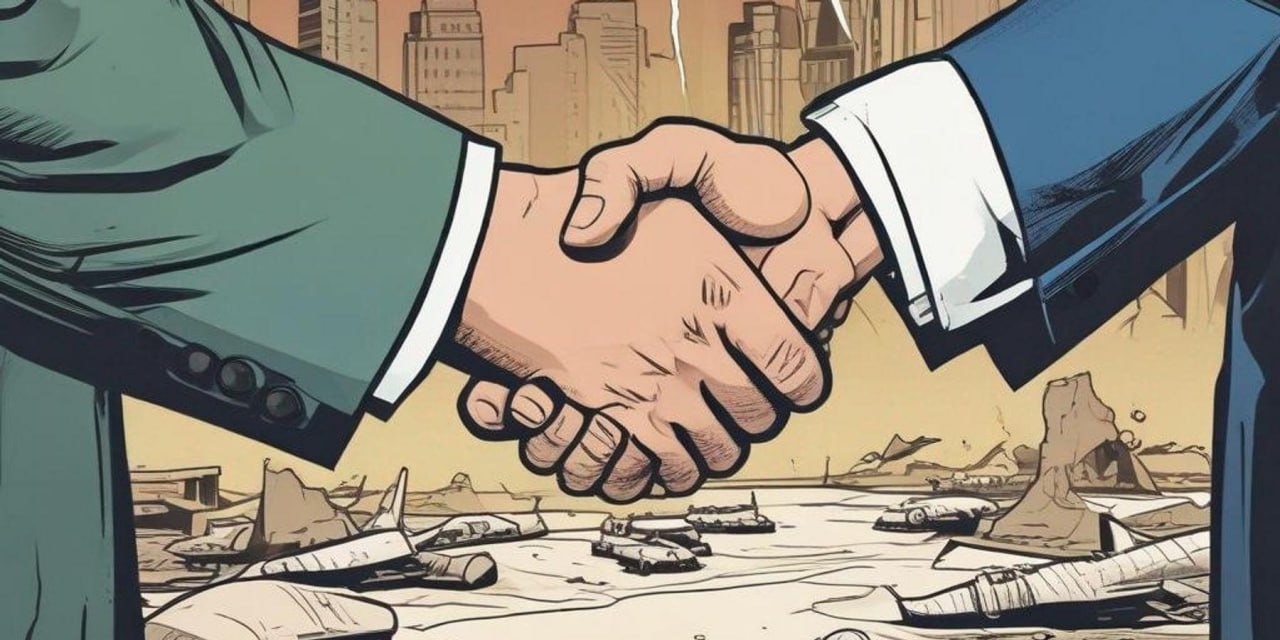
When the United States and Iran agreed to a 60-day Memorandum of Understanding (MoU) just over three weeks ago, many observers hoped it would provide an opportunity to de-escalate tensions and revive diplomacy. The agreement was never intended to be a comprehensive peace treaty. Instead, it was designed as a temporary diplomatic window to halt military confrontation while negotiations continued.
Yet before half of that period had elapsed, signs emerged that the agreement was rapidly losing its foundation.
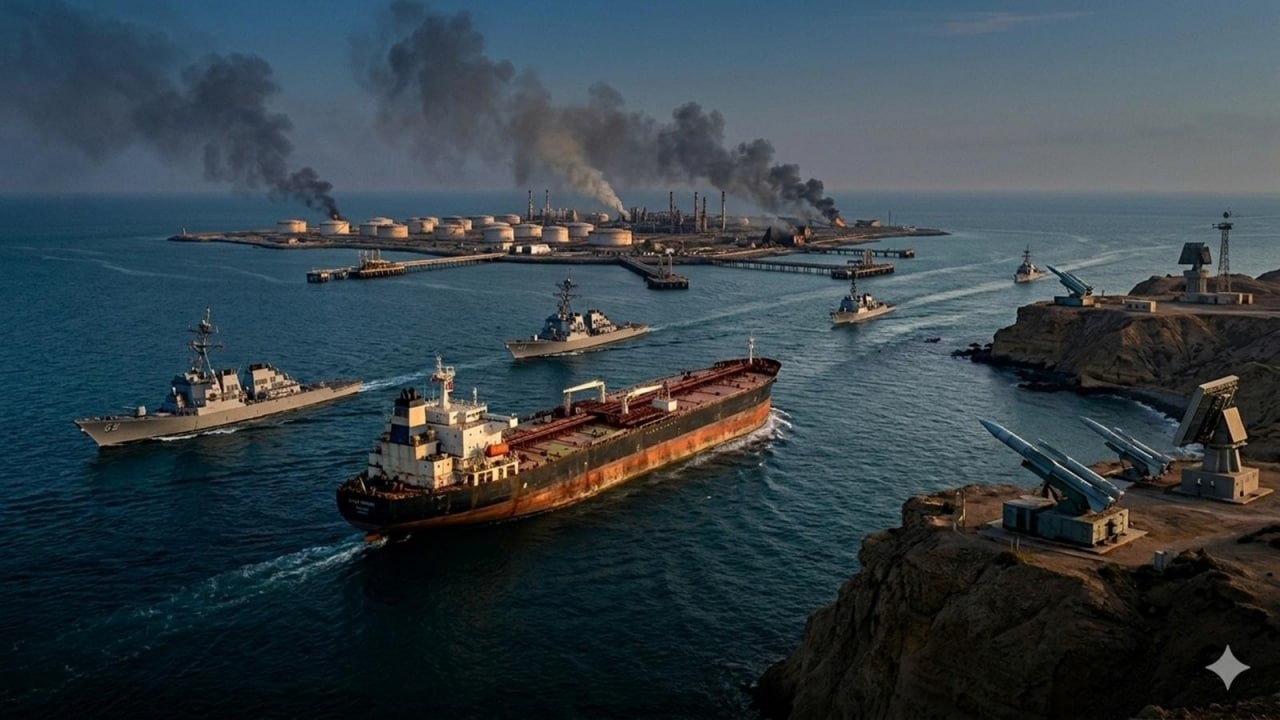
According to analyses reported by Al Jazeera, the first major blow came when both sides abandoned the MoU's central commitment to refrain from military escalation. The United States launched large-scale strikes against multiple targets inside Iran, while Tehran responded with missile and drone attacks against what it described as American and allied military facilities across the region.
Political trust also deteriorated. Although the MoU had raised expectations that tensions—and eventually sanctions—might ease, Washington announced additional sanctions against Iran. Tehran viewed the move as evidence that the diplomatic commitments underpinning the agreement were not being honored.
At the same time, the dispute itself evolved. What began as negotiations over Iran's nuclear program increasingly became a confrontation over control of the Strait of Hormuz. Iran asserted its authority over maritime traffic in the waterway, while the United States pledged to continue protecting international freedom of navigation.
These competing positions suggest that the conflict has moved well beyond the framework of the original MoU. It is now becoming a broader geopolitical struggle over one of the world's most strategically important maritime chokepoints.
How Could This War Affect the World?
If the fighting around the Strait of Hormuz continues, its consequences will extend far beyond the United States and Iran. The next major casualty could be the global economy.
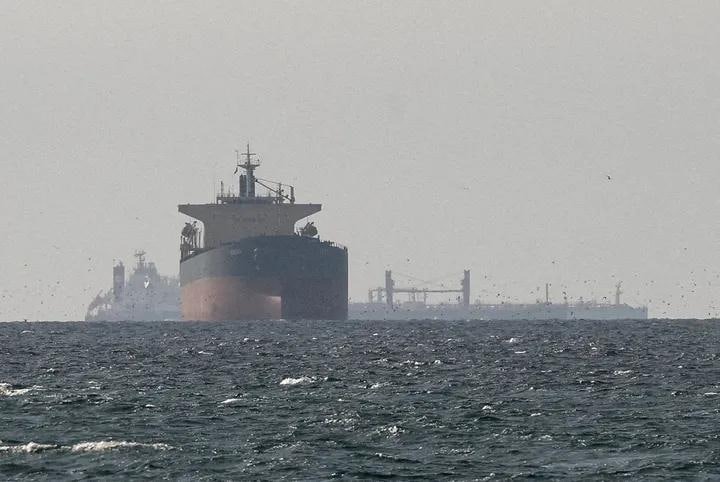
The reason is straightforward. Approximately one-fifth of the world's oil and natural gas supplies transit through the Strait of Hormuz. Any disruption to commercial shipping immediately threatens global energy supplies and places upward pressure on energy prices.
The first warning signs have already appeared. Following the latest exchange of strikes, Brent crude oil prices rose by more than four percent, while commercial shipping through Hormuz declined sharply compared with normal traffic levels.
Financial markets reacted quickly as well. Major Asian stock indices—including Japan's Nikkei, South Korea's Kospi, and Hong Kong's Hang Seng—all declined as investors grew increasingly concerned that prolonged fighting around Hormuz could deepen uncertainty across the global economy.
The impact extends beyond energy markets and financial exchanges. Regional states that have traditionally served as mediators—including Qatar and Oman—have also found themselves under growing pressure, raising fears that escalating violence could further narrow the already shrinking prospects for diplomacy.
The third US-Iran war is therefore no longer merely a bilateral military confrontation. It has become a geopolitical crisis with the potential to reshape global energy markets, international trade, maritime security, and economic stability. In today's interconnected world, conflict at a single strategic chokepoint can trigger consequences that reach far beyond the Middle East.
Conclusion
The third round of the US-Iran conflict demonstrates that this crisis is no longer centered solely on Iran's nuclear program. It has evolved into a strategic contest over control of the Strait of Hormuz—the world's most critical maritime gateway for energy supplies and one of the foundations of the global economy.
As military confrontation intensifies, the 60-day diplomatic window that once offered hope for de-escalation is steadily losing its relevance. Renewed airstrikes, retaliatory attacks, additional sanctions, and competing claims over navigation through Hormuz have further eroded the already fragile trust between Washington and Tehran.
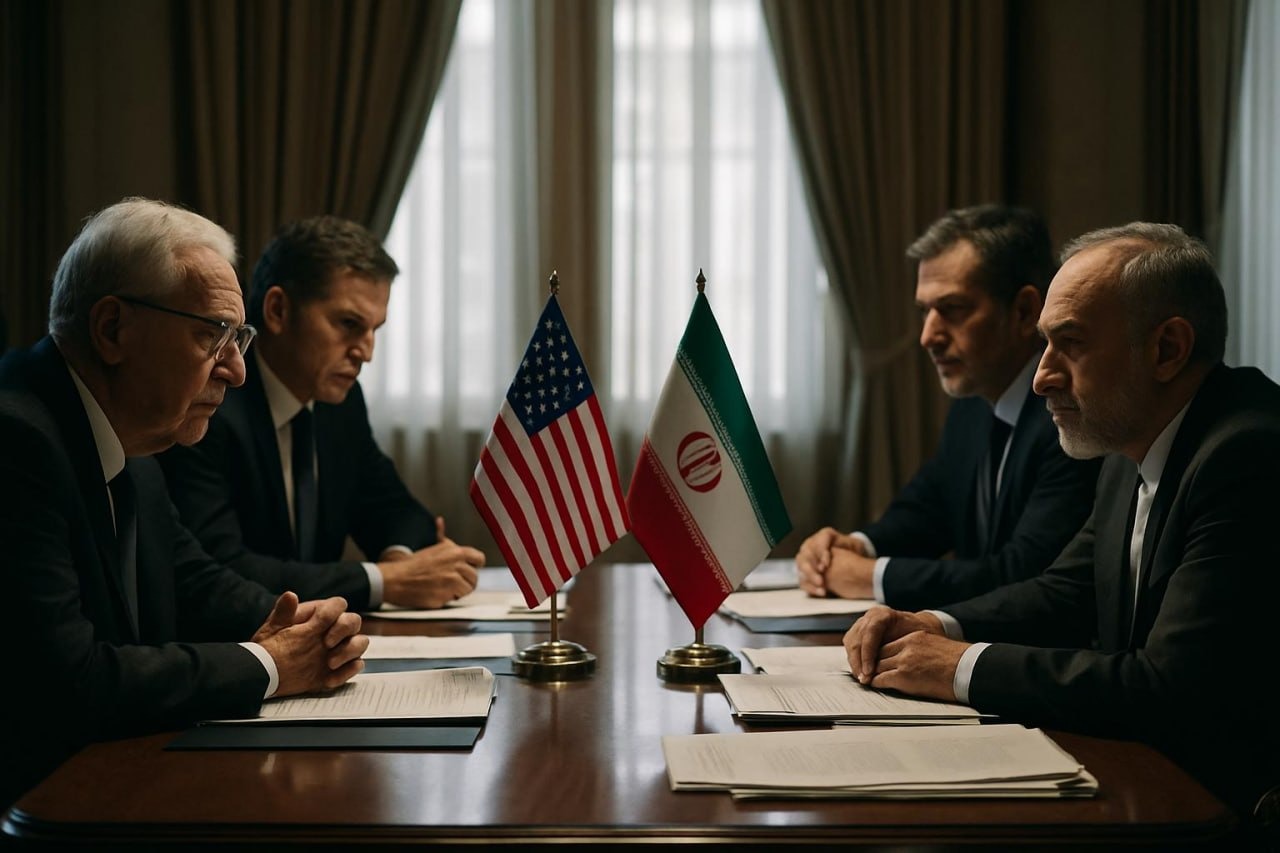
History, however, offers an important reminder: wars rarely last forever. Even the most destructive conflicts eventually return to the negotiating table. The more pressing question today is therefore not simply who will gain the upper hand on the battlefield, but whether diplomacy can re-emerge before this confrontation expands into a broader regional crisis.
Whether the United States and Iran can return to meaningful negotiations before the struggle over the Strait of Hormuz spirals further out of control may prove to be one of the defining geopolitical questions of our time.
The answer will shape far more than the future of US-Iran relations. It could determine the stability of global energy markets, international trade, maritime security, and the broader geopolitical order for years to come.