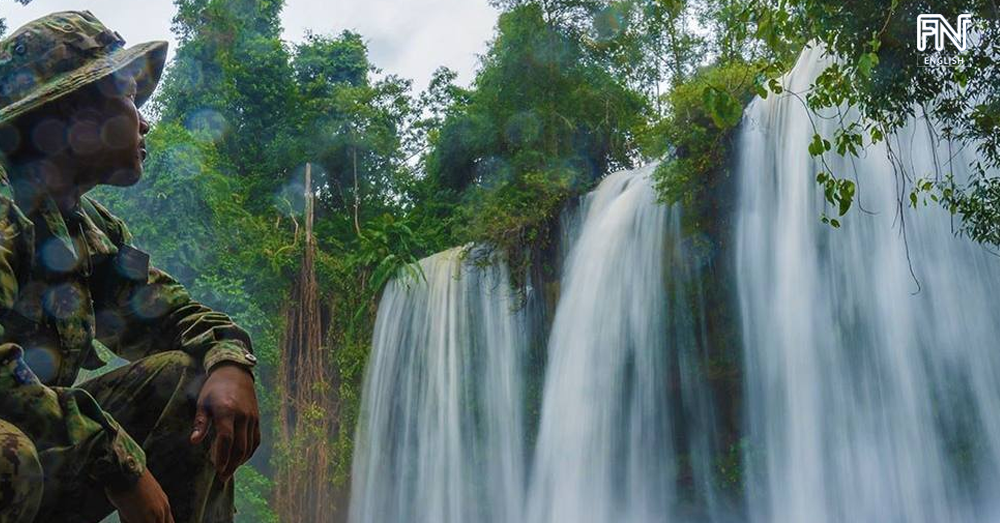

(Phnom Penh): Water is life, and trees are among nature’s greatest protectors of this precious resource.
When people think about the importance of trees, they often think of shade, beauty, or fresh air.
Yet one of the most remarkable gifts trees provide is clean, fresh water. Healthy forests are often called the world’s “natural water filters” because they protect the quality and quantity of the water we depend on every day.
When rain falls, trees slow its journey to the ground. Their leaves soften the impact of raindrops, while roots anchor the soil firmly in place.
Instead of rushing across the land and carrying mud, waste, and pollutants into rivers and lakes, rainwater gently seeps into the soil.
There, the earth and tree roots naturally filter the water before it replenishes streams, wetlands, groundwater, and reservoirs.
Trees also prevent soil erosion. Without forests, heavy rains can wash fertile soil into rivers, making the water muddy and reducing water quality.
Sediment can clog reservoirs, damage aquatic habitats, and increase the cost of treating water for human use.
By holding the soil together, trees keep rivers and lakes cleaner and healthier.
Forests play another essential role by regulating the natural water cycle.
They help maintain groundwater levels, sustain river flows during dry seasons, and reduce the severity of floods during periods of heavy rainfall.
Healthy watersheds covered with trees provide a steady and reliable supply of water for households, agriculture, industry, and wildlife.
Clean water is also essential for human health.
Forests reduce the movement of pollutants into water sources, helping lower the risk of waterborne diseases and protecting communities that rely on rivers, lakes, and underground aquifers for drinking water.
Many of the world’s largest cities depend on forested watersheds to supply safe and affordable water to millions of people.
Wildlife also depends on clean water. Fish, amphibians, birds, and countless other species thrive in rivers and wetlands protected by healthy forests.
When trees disappear, water quality declines, habitats are damaged, and biodiversity suffers.
Every citizen has a role in protecting this natural system. Planting trees along rivers, lakes, canals, and reservoirs helps create protective green buffers that filter runoff before it reaches the water.
Conserving forests, preventing illegal logging, and restoring degraded landscapes are investments not only in nature but also in public health, food security, and economic prosperity.
A tree planted today does more than grow into a source of shade. It becomes part of a living network that purifies water, prevents floods, protects wildlife, nourishes agriculture, and secures clean drinking water for future generations.
Every drop of clean water begins with a healthy environment.
By planting, protecting, and caring for trees, we protect one of Earth’s most valuable treasures. Healthy forests mean healthy waters, and healthy waters mean healthy lives.
=FRESH NEWS