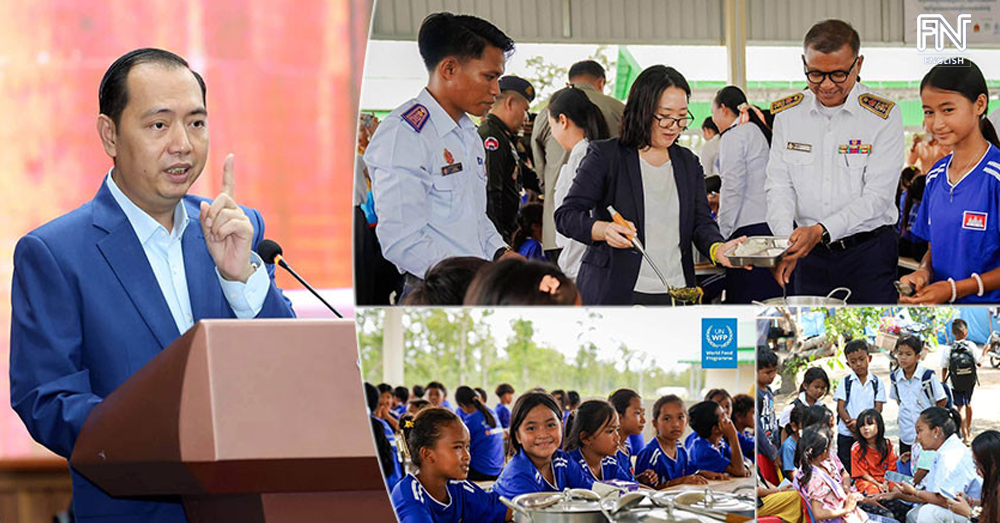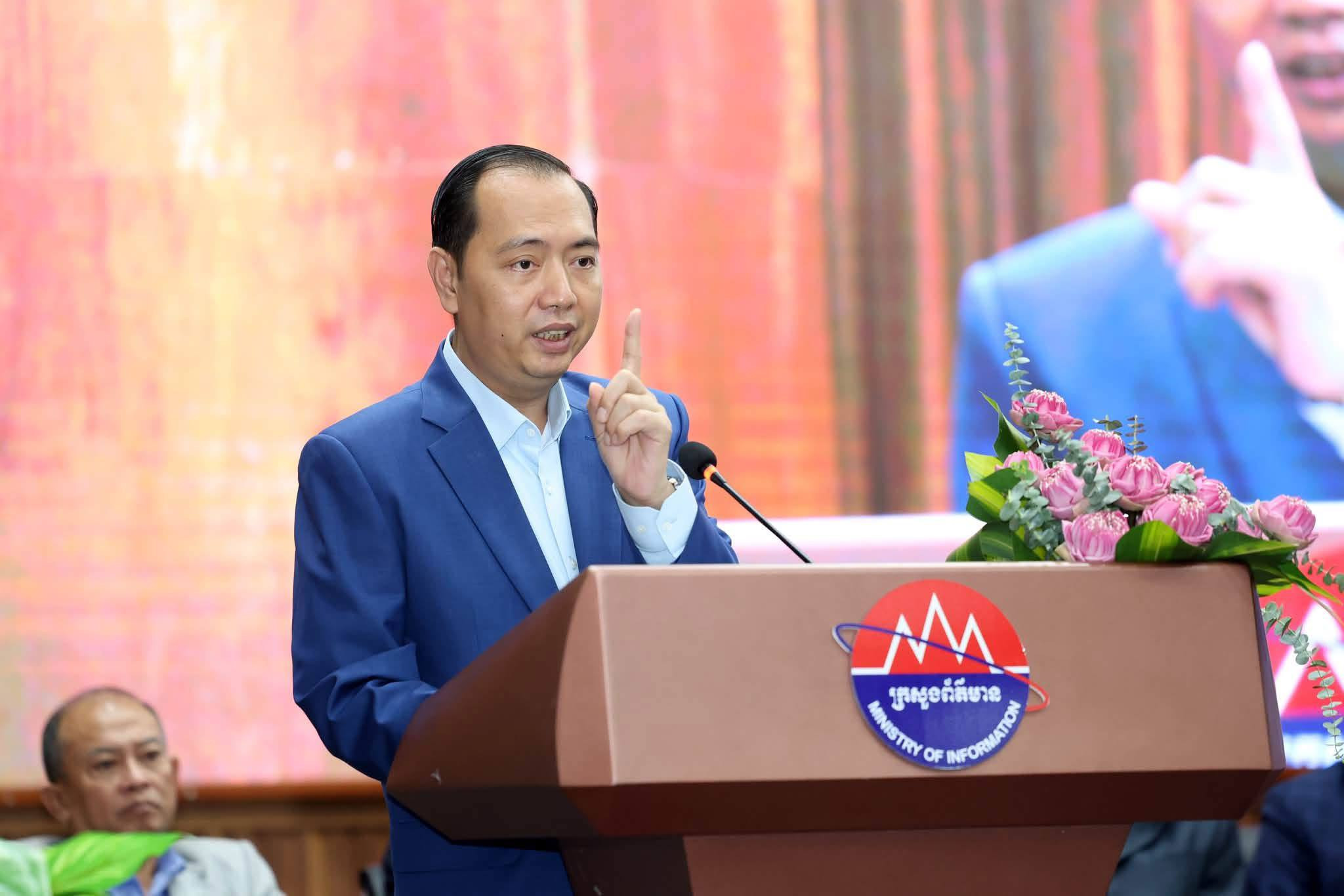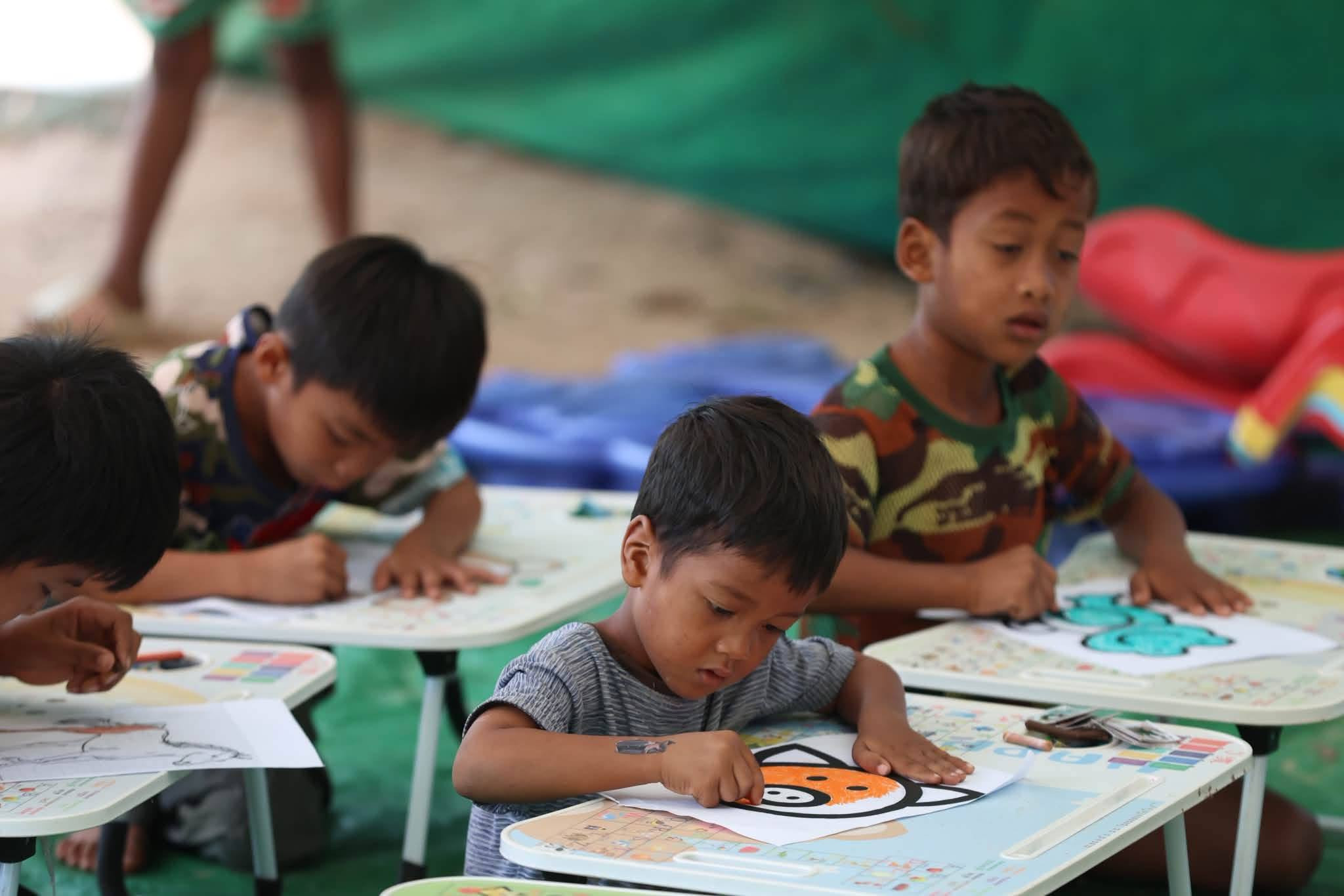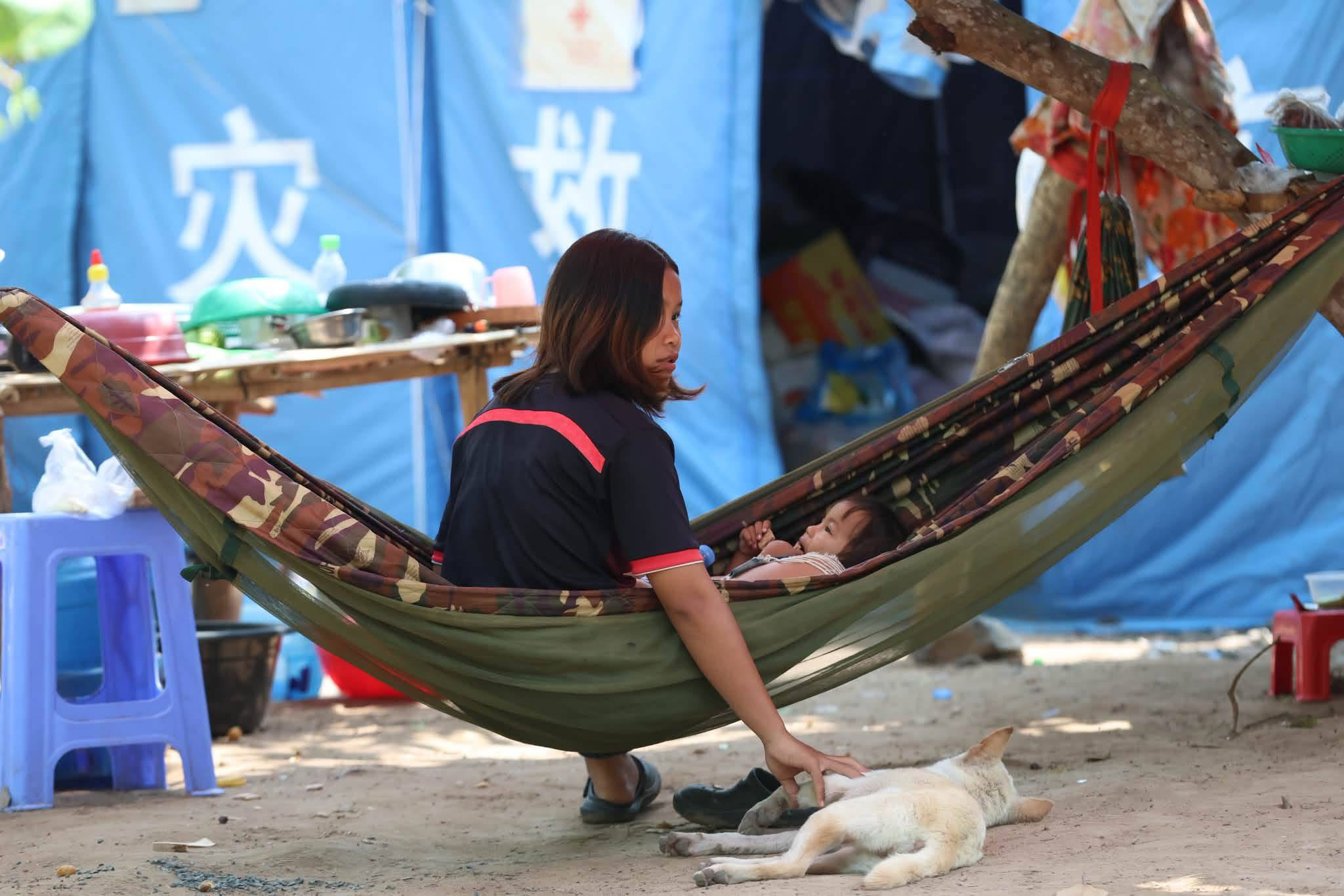

Phnom Penh): Cambodian Minister of Information Neth Pheaktra called attention to the continued displacement of thousands of Cambodian children following the Cambodia-Thailand border conflict, stressing that humanitarian assistance, while essential, cannot replace their homes, schools, and right to return safely to their communities.
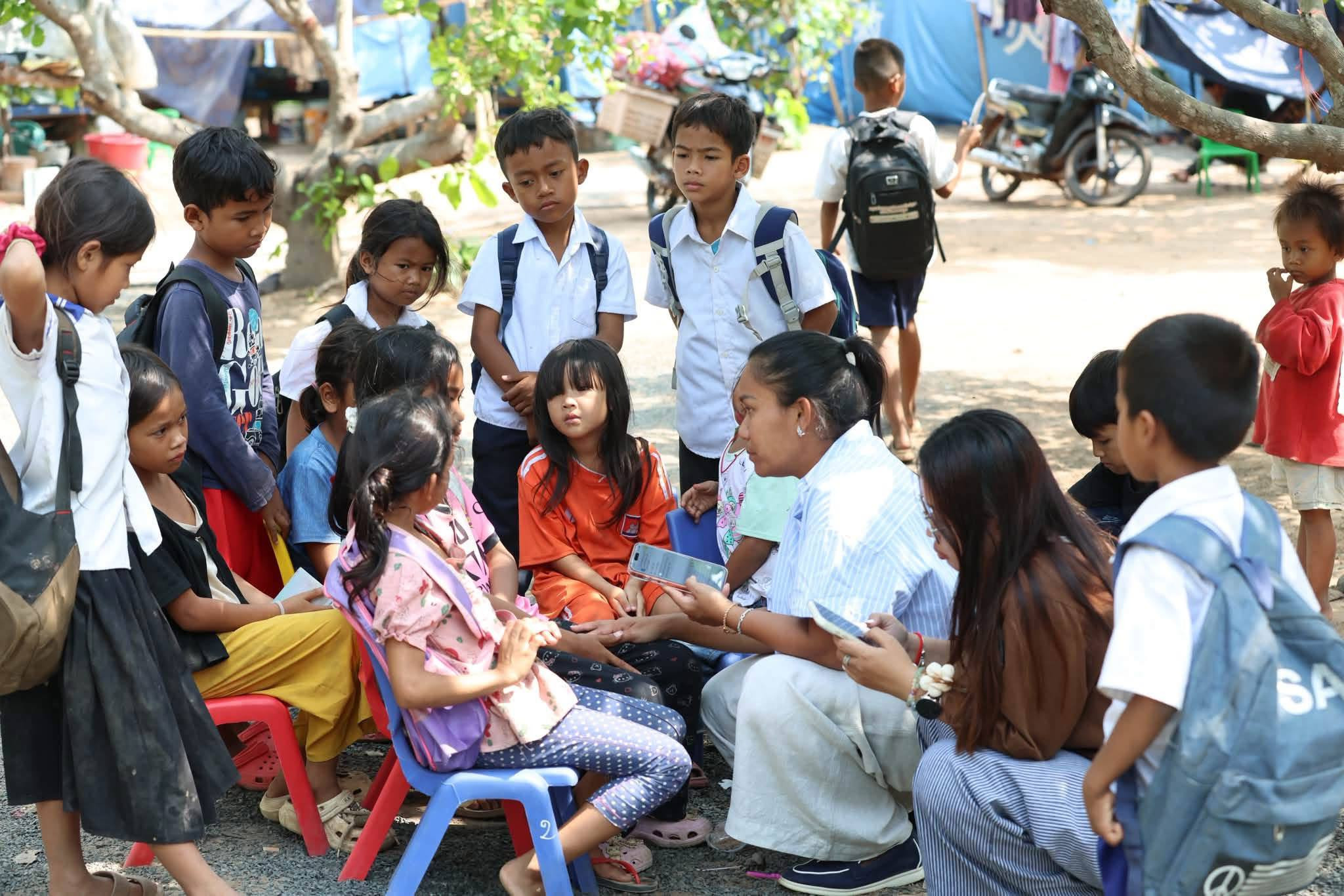
In a social media post titled "Children Should Not Have to Learn How to Live as Displaced Persons: When Can Cambodia's Displaced Children Return Home and to Their Schools?", Neth Pheaktra said 6,066 Cambodian children remain unable to return home as a consequence of what Cambodia regards as Thai military aggression against Cambodian territory.
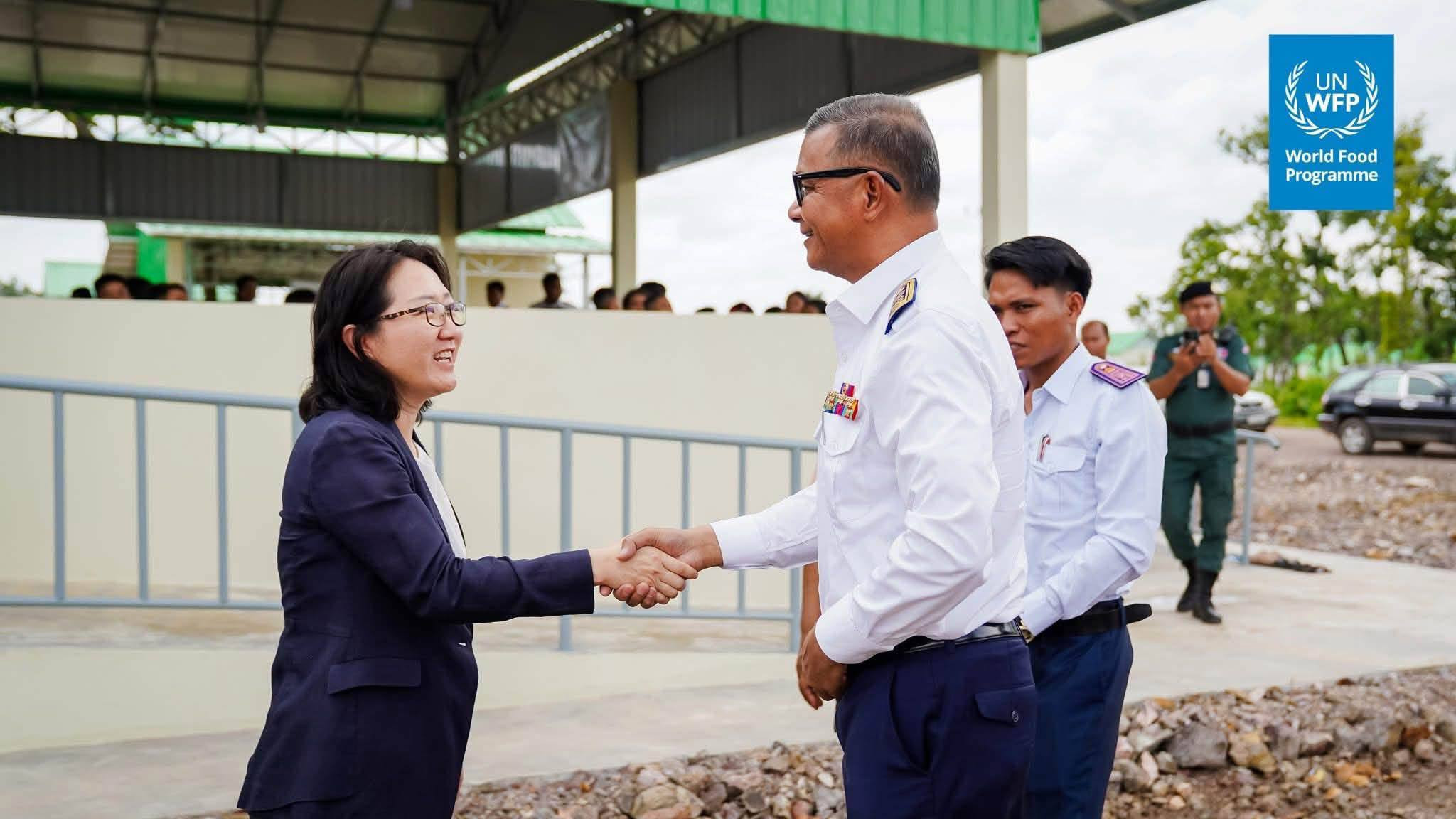
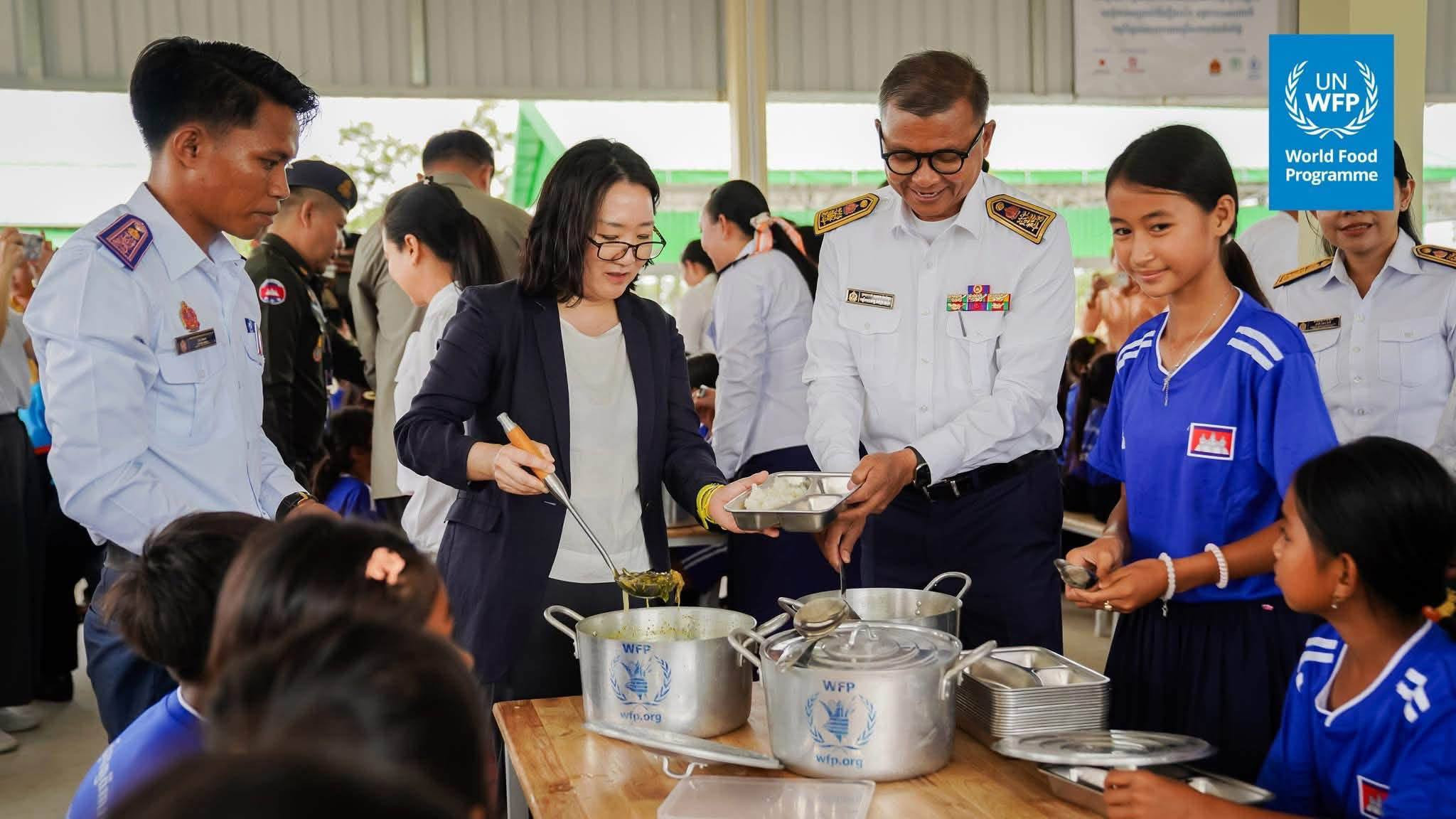
His remarks came as Deputy Prime Minister and Minister of Education, Youth and Sport Hang Chuon Naron, together with World Food Programme (WFP) Country Director Kyung-nan Park, visited a displacement site in Preah Vihear province.
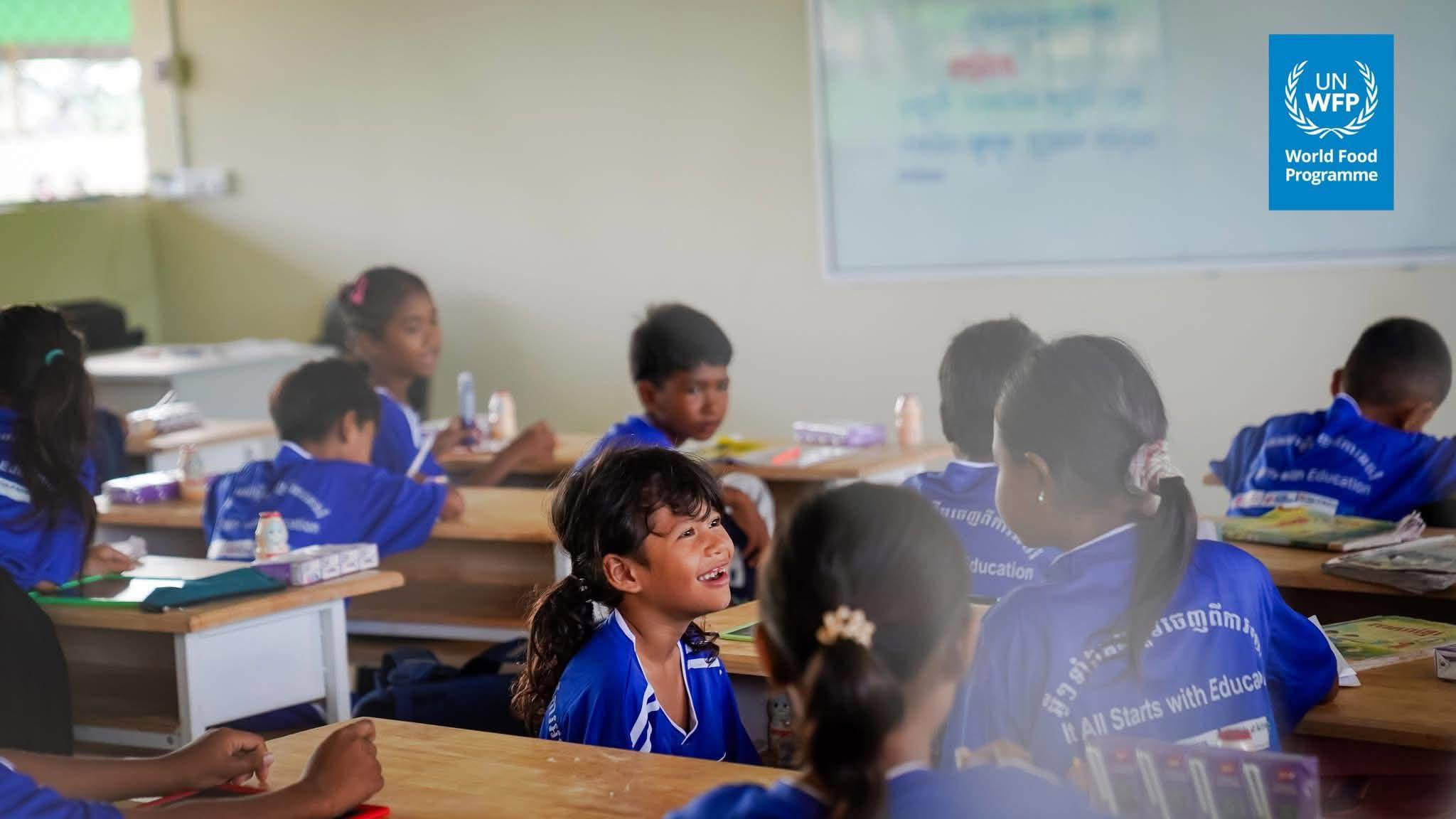
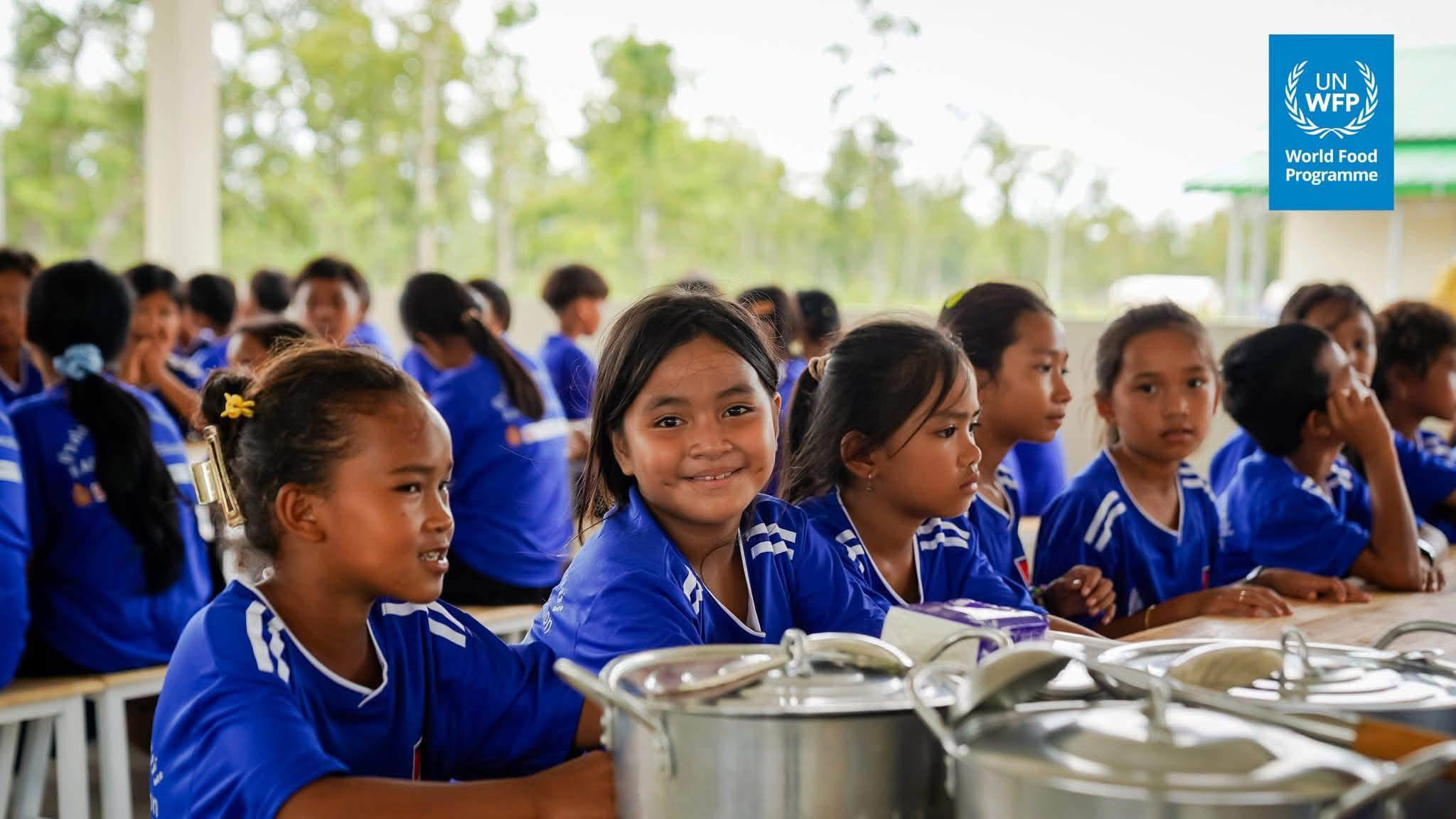
At the site, WFP has been providing breakfast to displaced children to support their nutrition, continued education, and sense of normalcy amid prolonged displacement.
Neth Pheaktra expressed Cambodia's appreciation to WFP, the people of Japan, and other partners supporting affected children and families. However, he stressed that humanitarian assistance addresses the consequences of displacement rather than the conditions preventing families from returning home.
6,066 Children Are More Than a Statistic
According to the minister, the 6,066 displaced children represent thousands of young lives separated from their homes, schools, friends, communities, and the security they once knew.
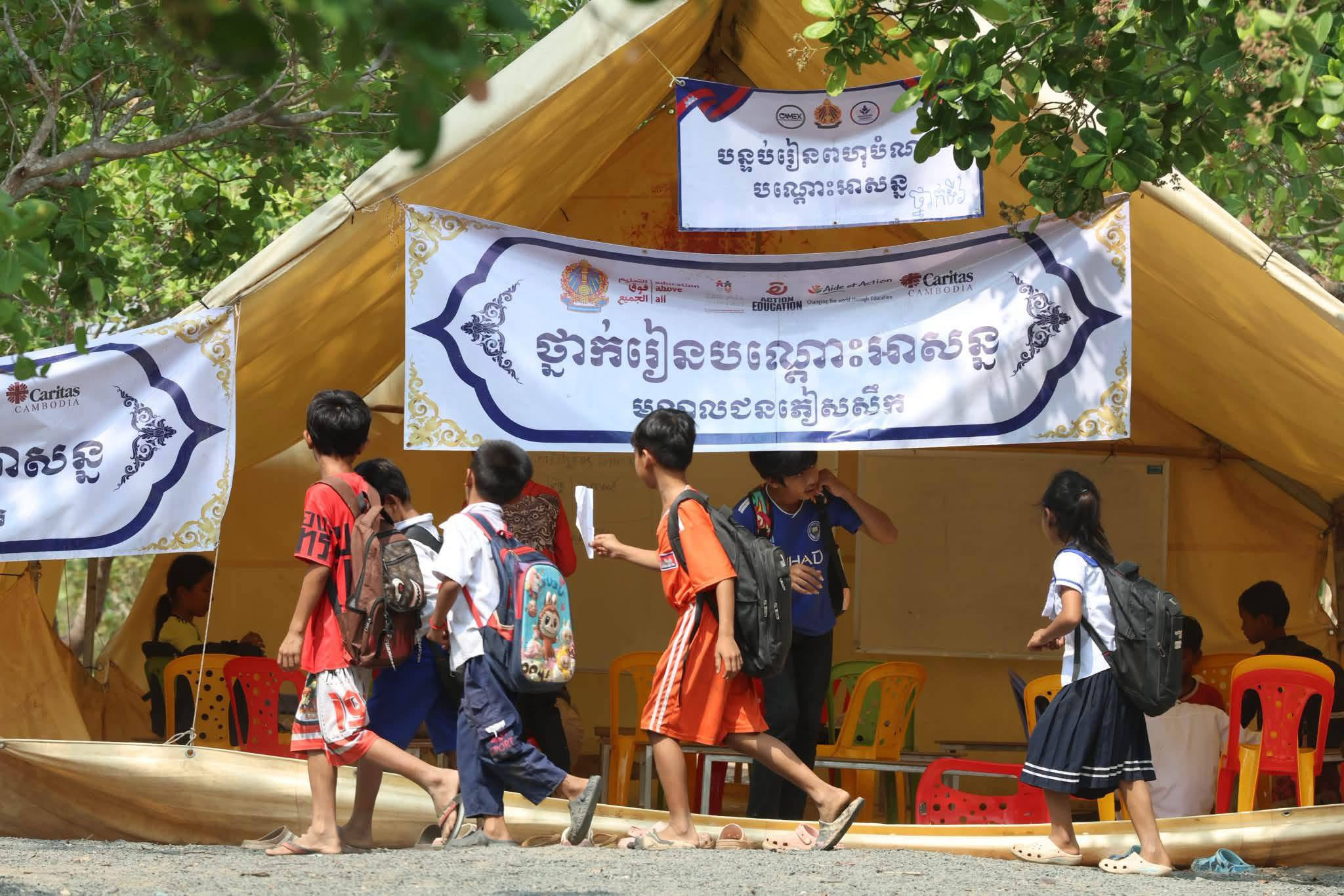
While temporary learning arrangements can help prevent disruptions to education and food assistance can ensure adequate nutrition, Neth Pheaktra stressed that temporary displacement must not become permanent.
He reiterated the Royal Government of Cambodia's call for Thailand to strictly comply with Paragraph 4 of the Joint Statement of 27 December 2025, which Cambodia says provides for displaced civilians to return to their homes in safety and dignity
"These children need their homes back. They need their schools back. They need the right to live safely again in their own communities," he said.
Barriers Blocking Children's Return Home
Neth Pheaktra said Cambodia has repeatedly raised concerns over barriers and barbed wire, restrictions on access to residential areas, damage to and demolition of homes, and what Cambodia considers the unlawful presence of Thai military forces on Cambodian territory.
He stressed that the consequences extend beyond territorial disputes, directly affecting families, children's education, livelihoods, and entire communities.
"Behind the barbed wire are homes to which families want to return. There are schools to which children want to go back. There is farmland on which families depend for their livelihoods," he said.
According to the minister, when actions on the ground prevent civilians from returning home and prolong children's displacement, the situation also raises significant human rights and children's rights concerns.
He reiterated Cambodia's position that territory cannot lawfully be acquired through force and that barriers, barbed wire, or newly constructed infrastructure cannot establish a new international boundary.
'A Ceasefire Means More Than Silent Guns'
Neth Pheaktra also questioned whether a ceasefire could be considered fully effective while thousands of civilians remain unable to return home.
"A ceasefire should not be measured solely by whether guns are being fired," he said, stressing that it should also prevent advances, the creation of new facts on the ground, and actions obstructing the safe return of displaced civilians.
"A ceasefire in which the guns are silent but children still cannot return home is not yet a complete peace," he underscored.
The minister urged the international community to look beyond immediate humanitarian assistance and examine the underlying reasons why Cambodian children remain displaced and what continues to prevent their safe return.
He said WFP and other international partners can provide food, education support, and hope, but the ultimate objective should be restoring displaced families' ability to return safely to their communities.
According to Neth Pheaktra, more than 6,000 children and over 9,000 women remain unable to return to their homes. Cambodia attributes their continued displacement to Thai military actions and what it considers the unlawful occupation of Cambodian territory following the ceasefire.
"6,066 children are waiting to go home. The world should not only ask what more can be done to assist them. It should also ask why they still cannot return," Neth Pheaktra stated.
He concluded that genuine peace must extend beyond the absence of armed clashes to include the removal of obstacles preventing displaced civilians from returning safely to their homes.
"True peace is not merely the silence of guns. Peace is when obstacles on the ground no longer block the road home; when families can return safely; and when 6,066 children no longer have to live as displaced persons, but can return to their homes and their schools," he underscored.
=FRESH NEWS