

DUBAI, Sept 7 (Reuters): Iran threatened on Monday to retaliate against any new U.S. attacks on its assets, warning that energy infrastructure across the Gulf, including U.S. oil and gas interests, was vulnerable.
"Strike our assets and you get struck," Iranian Parliament Speaker Mohammad Baqer Qalibaf said after U.S. and Iranian strikes on shipping at the that pushed oil prices up near six-week highs on Monday.
The latest threat underscores the risks of further escalation after the sides traded blows again at the weekend, with no sign of progress towards a diplomatic breakthrough that could end more than six months of conflict and restore normal energy flows through the Gulf.
Iran has tightened restrictions on shipping through the Strait of Hormuz, a critical artery for global oil and gas supplies, since the war began with U.S. and Israeli strikes on February 28.
On Sunday, senior Iranian security official Mohsen Rezaei said Tehran would soon announce a new restricted zone in the Gulf and unveil a new shipping corridor through the strait.
Rezaei said the zone would begin where a U.S. naval blockade of Iran starts and extend into parts of the Gulf. Any vessel entering the area would be placed on an Iranian sanctions list.
"We will only commit to the Strait of Hormuz being open when they (the Americans) stop the sabotage, threats and attacks on Iran," Rezaei said.
Qalibaf later reinforced Tehran's warning in what appeared to be a response to U.S. Defense Secretary Pete Hegseth, who had described Iran's oil tanker fleet as "defenceless".
"It's simple: the oil and gas production chain here is sprawling, accessible, and exposed. American oil and gas companies across these waters and facilities share that exposure," Qalibaf, who is Iran's top negotiator, wrote on X.
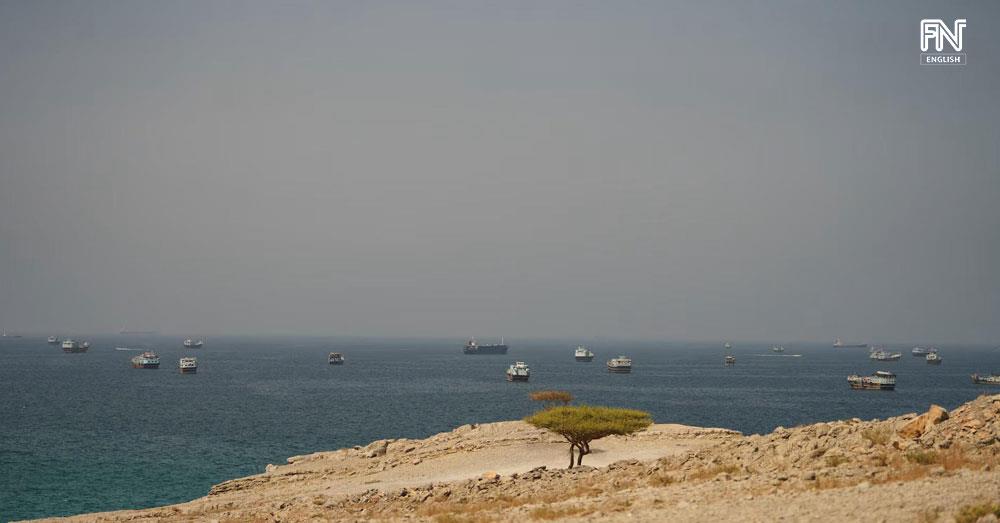
Photo from Reuters