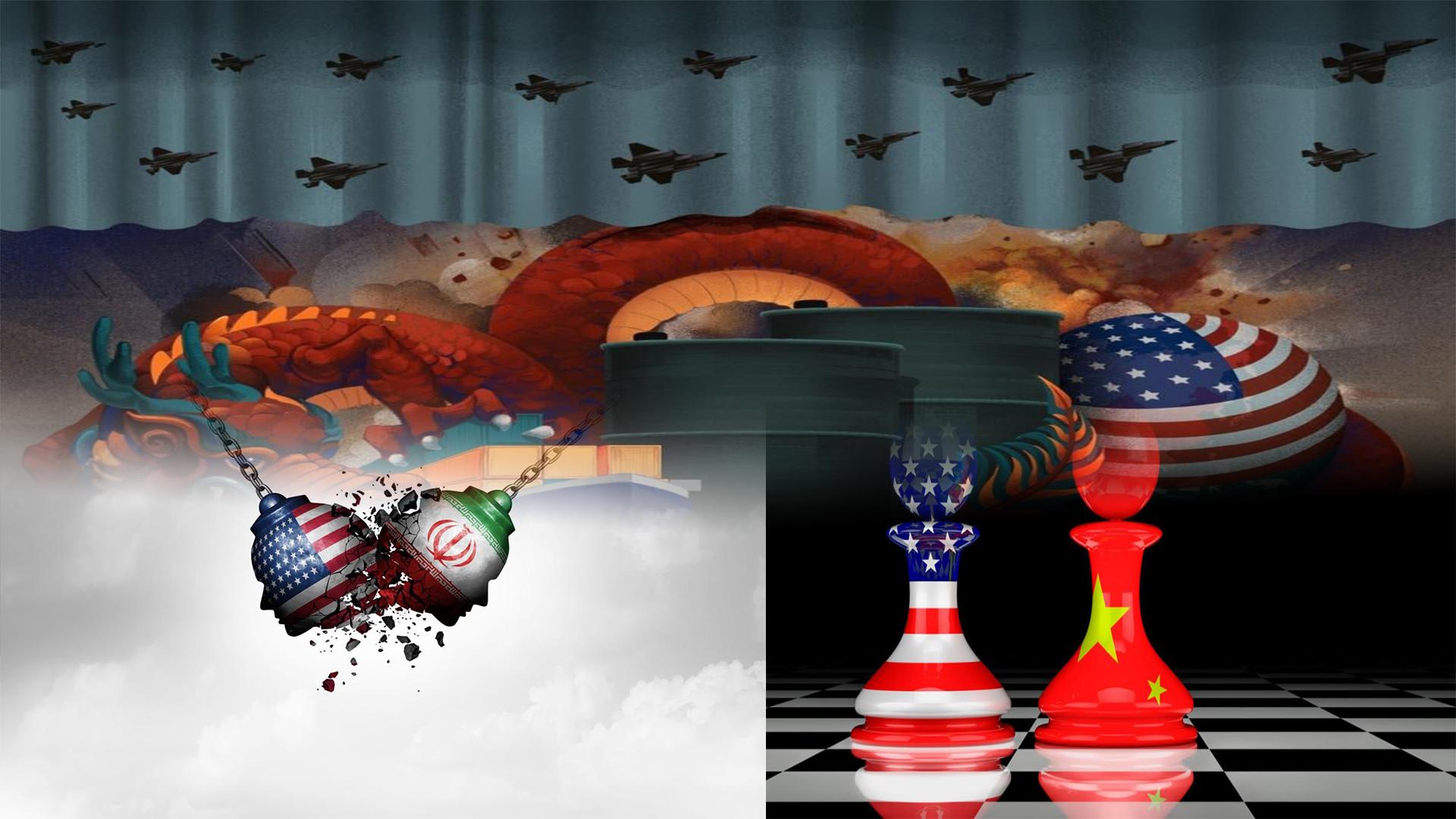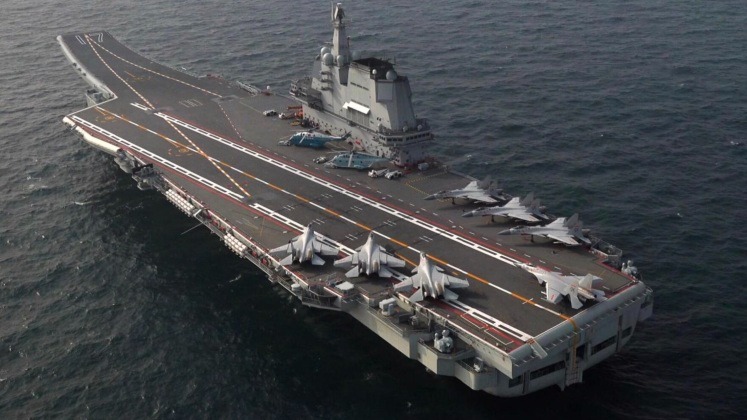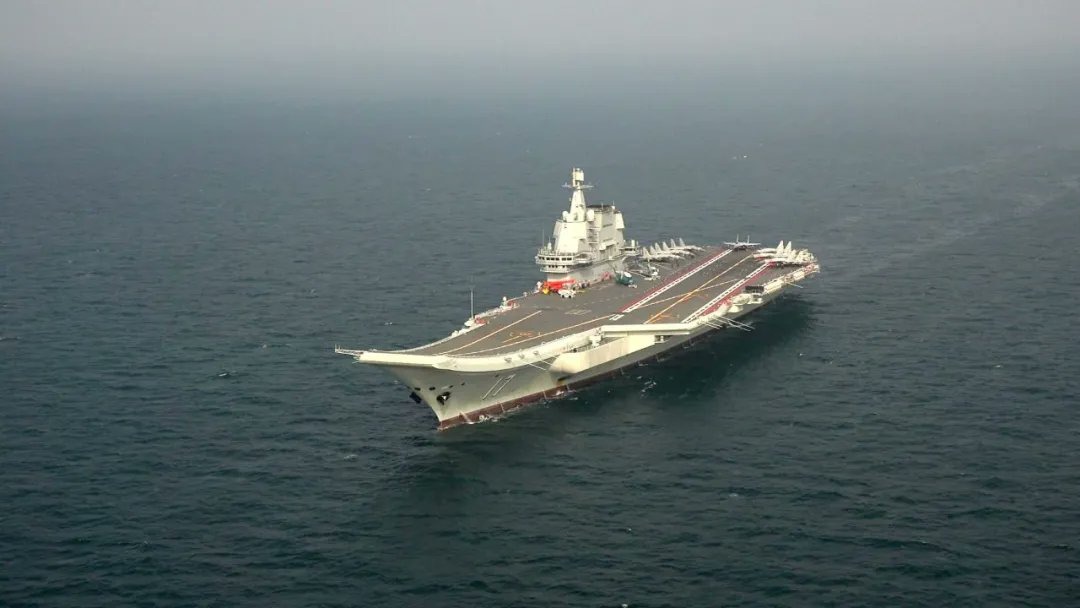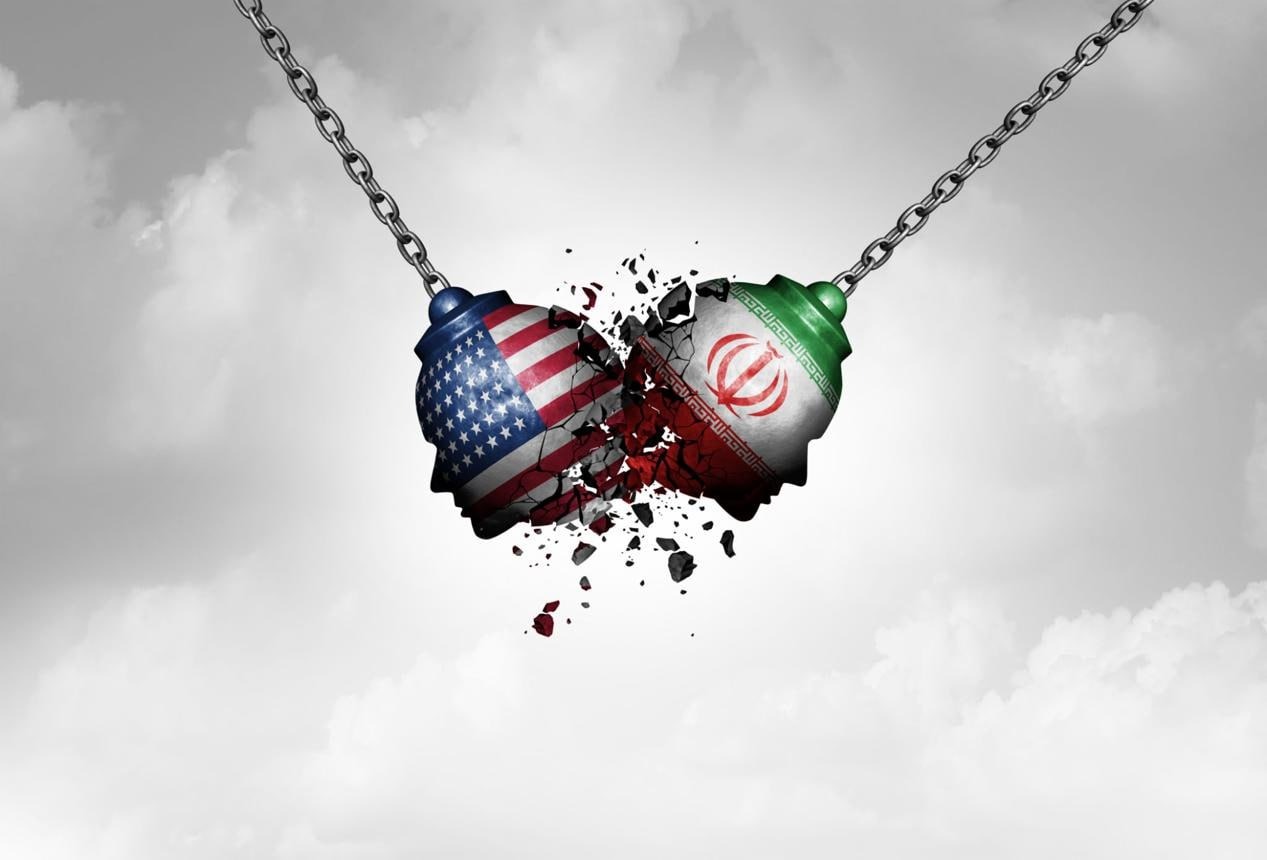

(Phnom Penh): The Iran war is no longer merely a conflict between Iran and the United States, or between Israel and Iran-backed proxy groups across the Middle East. Behind the battlefield, the missile strikes, and the drone attacks, another major power is watching closely: China.
For Beijing, the conflict in the Middle East is increasingly becoming a strategic laboratory — an opportunity to study the strengths, weaknesses, and limits of American power when confronted with a war that cannot be resolved through military force alone.
What makes this war particularly interesting to China is not that Iran is stronger than the United States. On the contrary, Iran is far weaker than China in nearly every major category, including economic power, technological capability, air power, and naval strength. Yet despite those limitations, Tehran has still managed to impose significant strategic pressure on Washington.
That, perhaps, is the lesson China is studying most carefully.
The Iran War Is Showing That American Power Has Limits
According to reporting by CNN, Chinese military analysts and officials are closely examining America’s operational experience in the Iran war to better understand how US military power functions under real wartime pressure.
The most important conclusion Beijing may be drawing is that even the United States — despite possessing the world’s most advanced military technology — cannot fully control the strategic environment once a conflict begins to escalate.
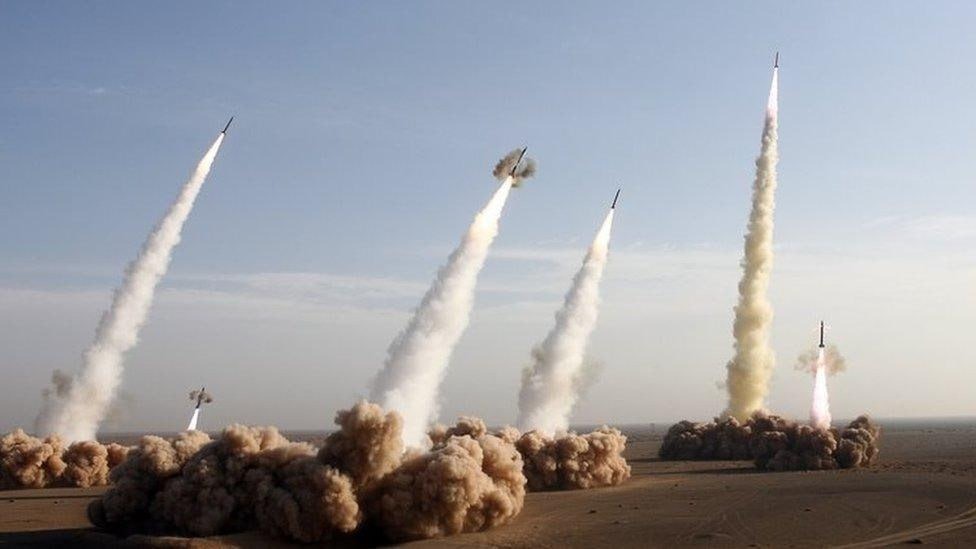
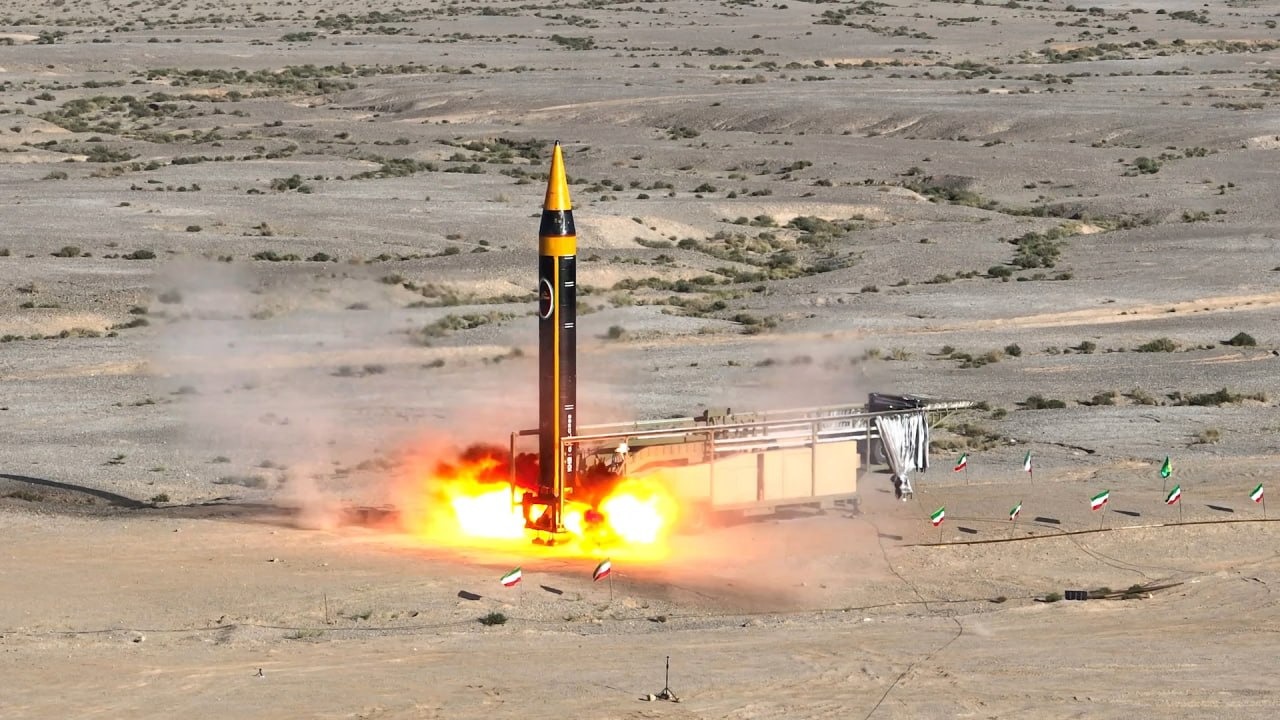
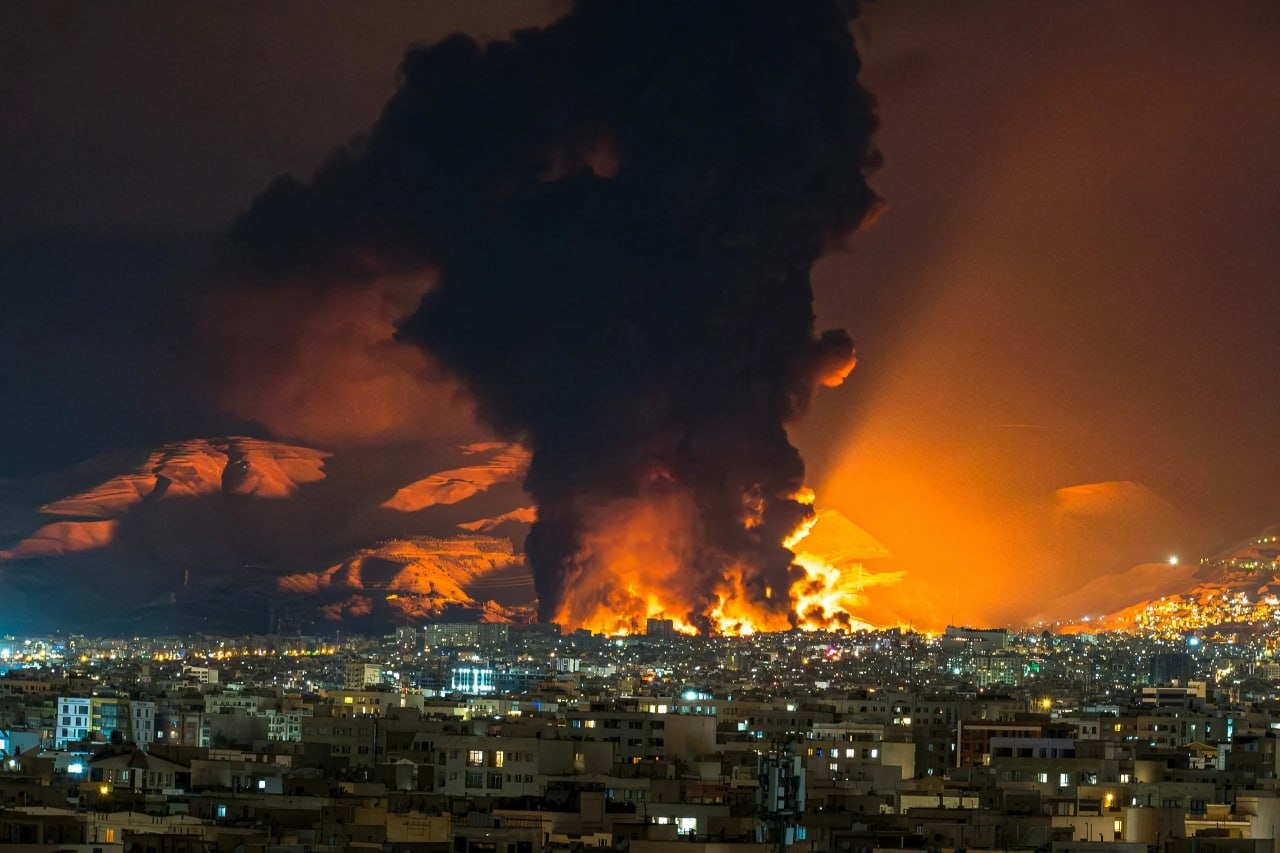
The United States may be capable of striking military facilities, destroying missile launch sites, and dominating the skies. However, Iran has still been able to:
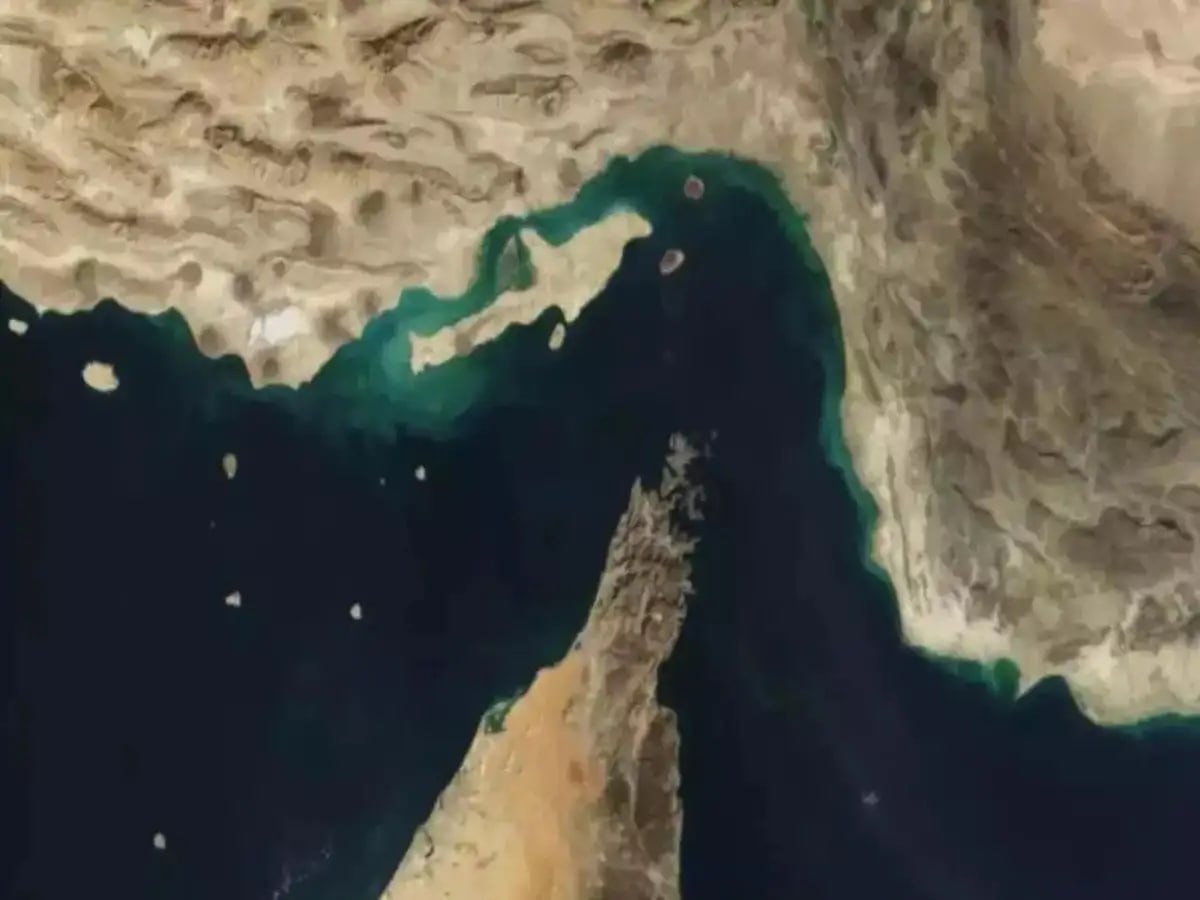
- Threaten the security of the Strait of Hormuz,
- Push global oil prices higher,
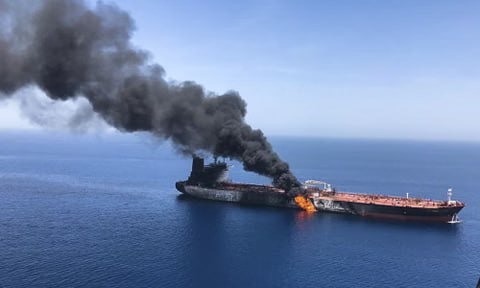
- Disrupt international shipping and trade,
- And force Washington to remain cautious about the risks of wider escalation.
The war is demonstrating that modern conflicts are not necessarily won by completely destroying an opponent’s military capabilities. Sometimes, simply increasing the strategic costs for a stronger adversary may be enough to create pressure and complicate the calculations of a global superpower.
Hormuz Could Become a Lesson for the Taiwan Strait
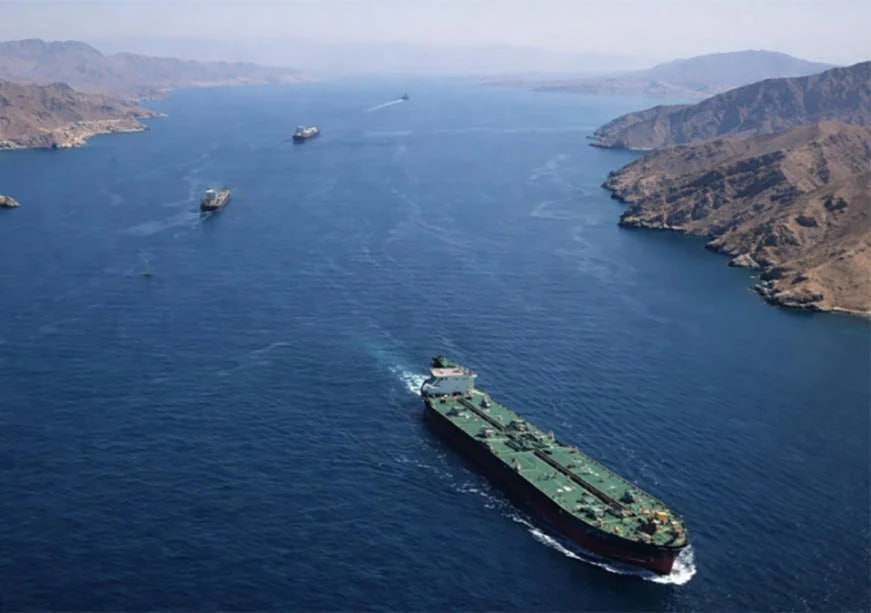
One of the issues China is almost certainly watching most carefully is the Strait of Hormuz.
Iran has used Hormuz as a strategic bargaining tool by threatening global oil flows and international economic stability. Even the possibility of disruption has been enough to shake energy markets and place pressure on the United States and its allies.
For Beijing, this may represent a major strategic lesson:
If Iran can use the Strait of Hormuz to pressure the global economy, could China one day use the Taiwan Strait or the South China Sea to exert strategic pressure on the United States and the wider international system?
This is not a minor question. The Taiwan Strait is one of the world’s most critical economic and technological corridors. Even limited disruptions in the region could significantly affect global supply chains, semiconductor production, and international trade.
Drone Warfare Is Redefining Military Power
The Iran war is also revealing another lesson that China is likely studying in depth: the growing importance of drone warfare and low-cost weapons systems.
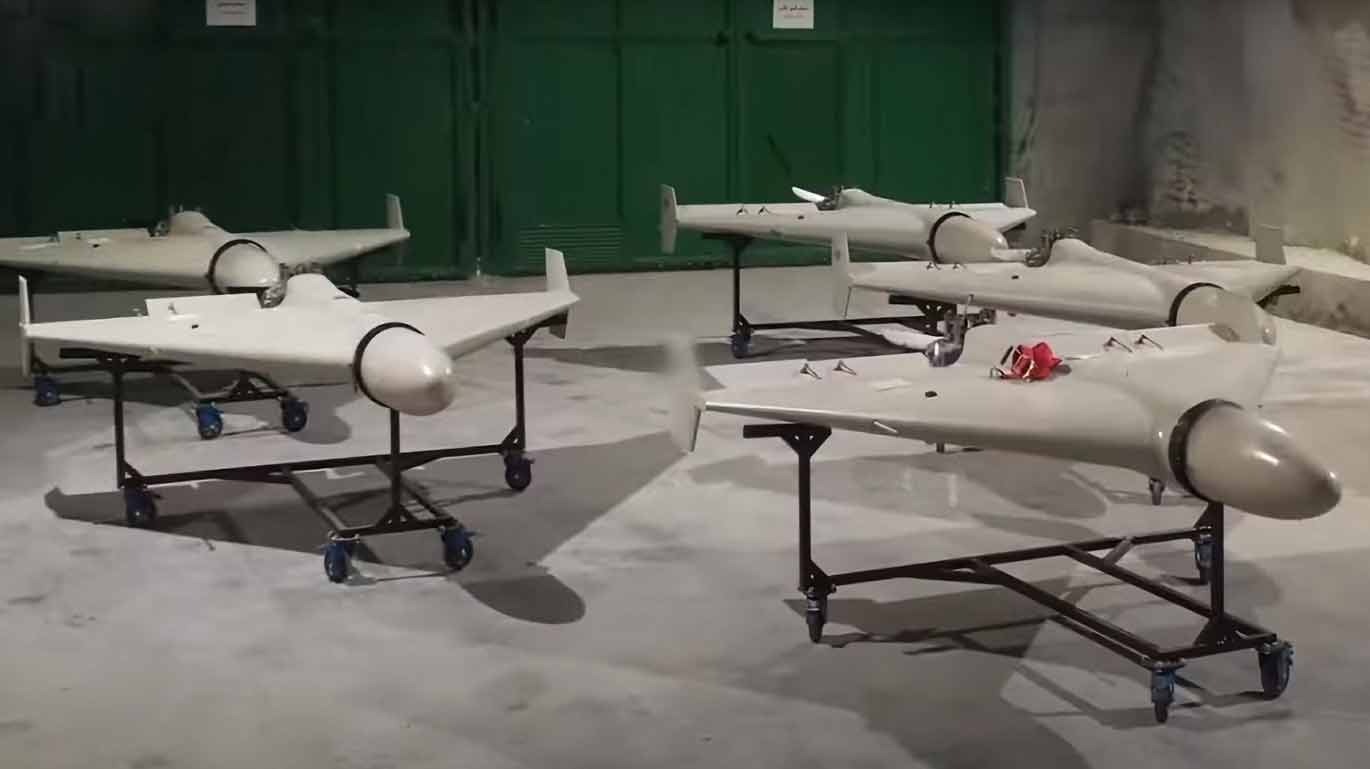
CNN reported that Iran has been able to use inexpensive drones and relatively unsophisticated missiles to pressure America’s highly expensive defense systems.
This may be one of the most important lessons of modern warfare.
It suggests that defense systems costing millions — or even billions — of dollars can be strained by waves of significantly cheaper weapons. In modern war, the issue is no longer simply which country possesses more advanced weapons, but which country can force its opponent to spend more resources defending itself.
For China, which possesses massive drone manufacturing capacity, this lesson could fundamentally shape future strategic calculations.
The Iran war has demonstrated that American military bases overseas can potentially be pressured by swarms of low-cost drones and missile attacks launched simultaneously, overwhelming defensive systems and response capabilities.
For Beijing, this lesson likely extends far beyond the Middle East. Chinese strategists are almost certainly thinking about US military installations across the Indo-Pacific, including:
- Guam,
- Okinawa in Japan,
- US military facilities in the Philippines,
- And bases in South Korea.
The war is showing that future conflicts may not necessarily require direct confrontation between large conventional armies. Instead, drones and low-cost weapons may increasingly be used to create strategic pressure against even the world’s most powerful militaries.
America’s Greatest Vulnerability May Not Be on the Battlefield
What the Iran war is revealing is not that the United States lacks military strength. America remains the world’s most powerful military force by far.
However, the vulnerability China may be studying most carefully is America’s ability to manage the enormous costs of prolonged conflict.
Iran does not necessarily need to defeat the United States militarily. Tehran only needs to:
- Drive global oil prices higher,
- Disrupt international trade and shipping,
- Increase anxiety among US allies,
- Prolong the conflict,
- And intensify domestic political pressure inside the United States.
Doing so may already be enough to create strategic strain against Washington.
This idea was reflected in comments by analyst Mark Pfeifle, cited by Al Jazeera, who argued that the United States “does not have many tools left in Donald Trump’s strategic toolbox.”
The point is not that America has exhausted its military capabilities. Rather, it suggests that Washington’s options for controlling escalation and preventing the conflict from expanding are becoming increasingly limited.
That may be one of the most important lessons China is learning from the Iran war.
Conclusion: The Iran War May Be Changing How China Views America
Perhaps the most important lesson China is drawing from this conflict is this:
Military superiority does not automatically guarantee strategic control.
In other words, even though the United States possesses overwhelming military strength and some of the world’s most advanced technologies, that does not necessarily mean Washington can fully control political, economic, and geopolitical outcomes.
America may win many battles on the battlefield, but battlefield victories do not automatically guarantee political victory or force an adversary to surrender according to Washington’s strategic objectives.
For Beijing, this may be the most important lesson of all.
For major powers, the greatest fear is not always losing a war outright. Sometimes, the greater danger is becoming trapped in a prolonged conflict that cannot be easily concluded and continues draining enormous financial, military, and political resources.
And as the Iran war demonstrates that even a country far weaker than China can still impose strategic, economic, and political pressure on the United States, Beijing is likely viewing this conflict not merely as a Middle Eastern crisis, but as a lesson for the future of great-power competition itself.
In the eyes of China, the Iran war may not only be revealing the scale of American military strength — it may also be revealing the limits of American power.
Even the world’s most powerful superpower cannot easily control every political, economic, and geopolitical outcome, despite spending enormous sums of money and deploying overwhelming military force in a war that still has not succeeded in forcing Iran to surrender according to Washington’s strategic goals.