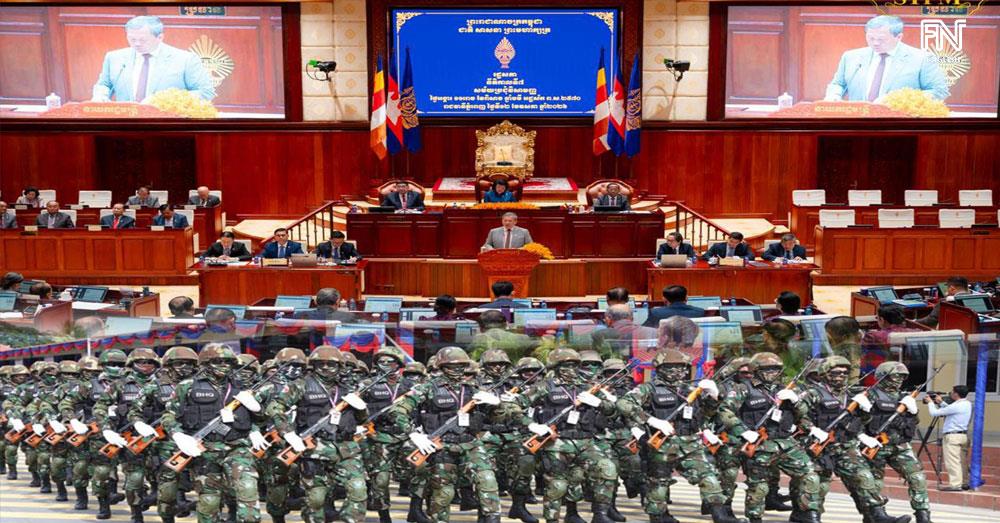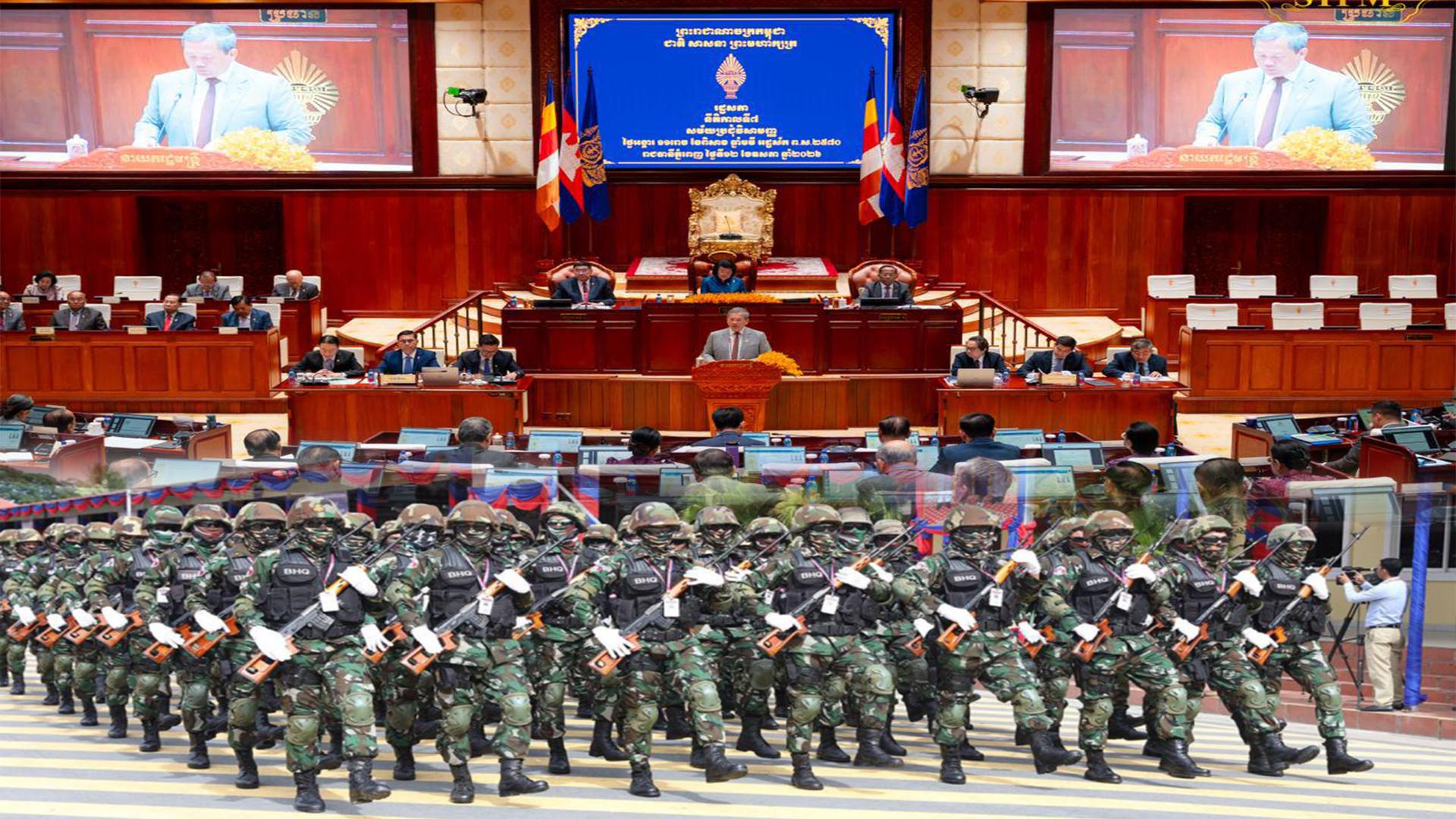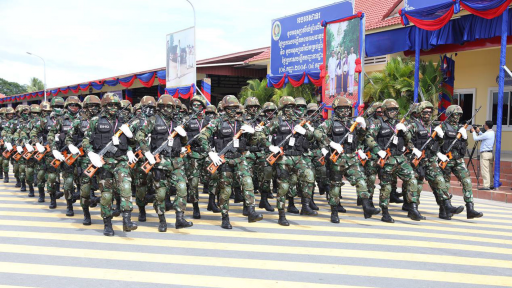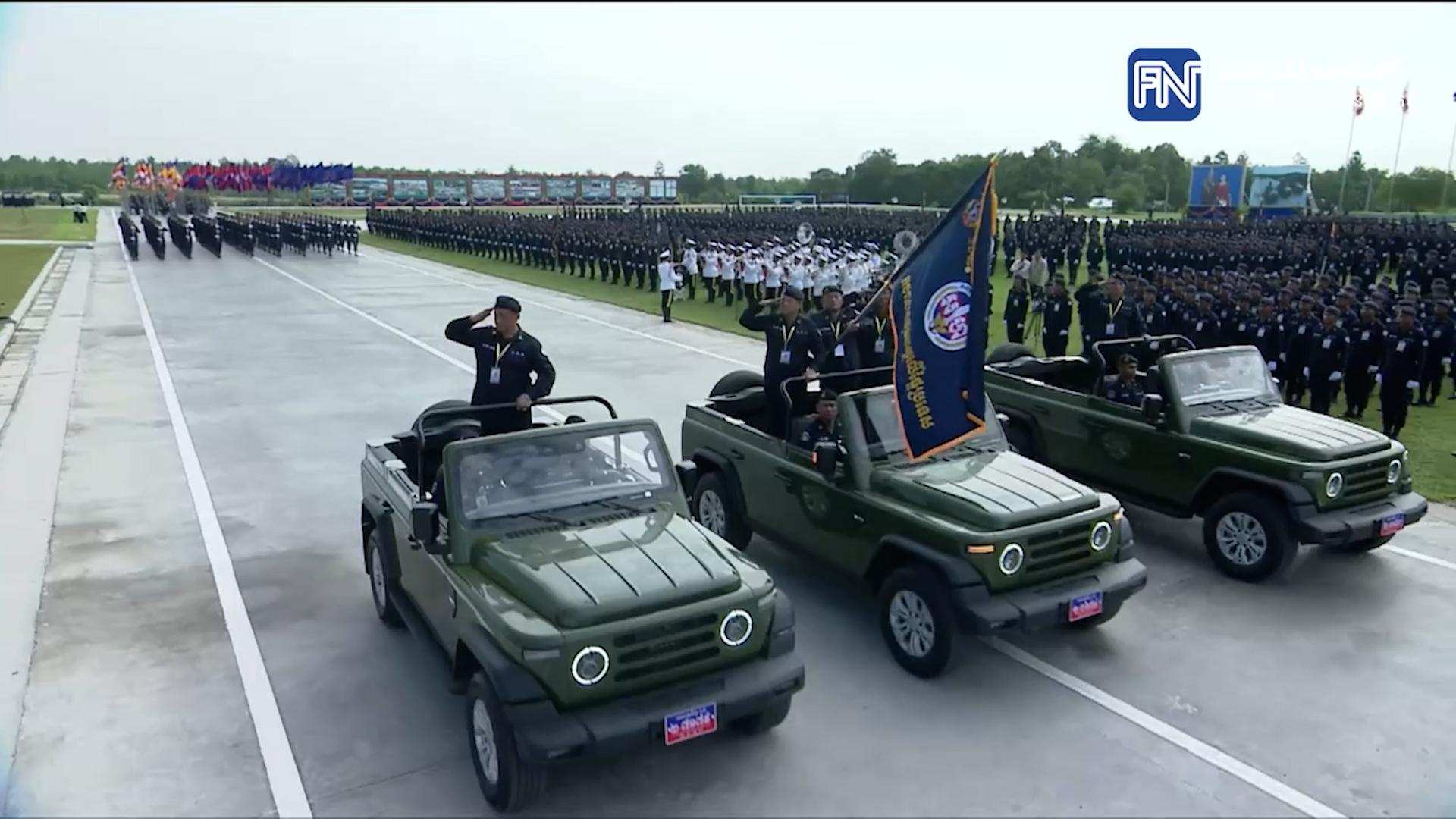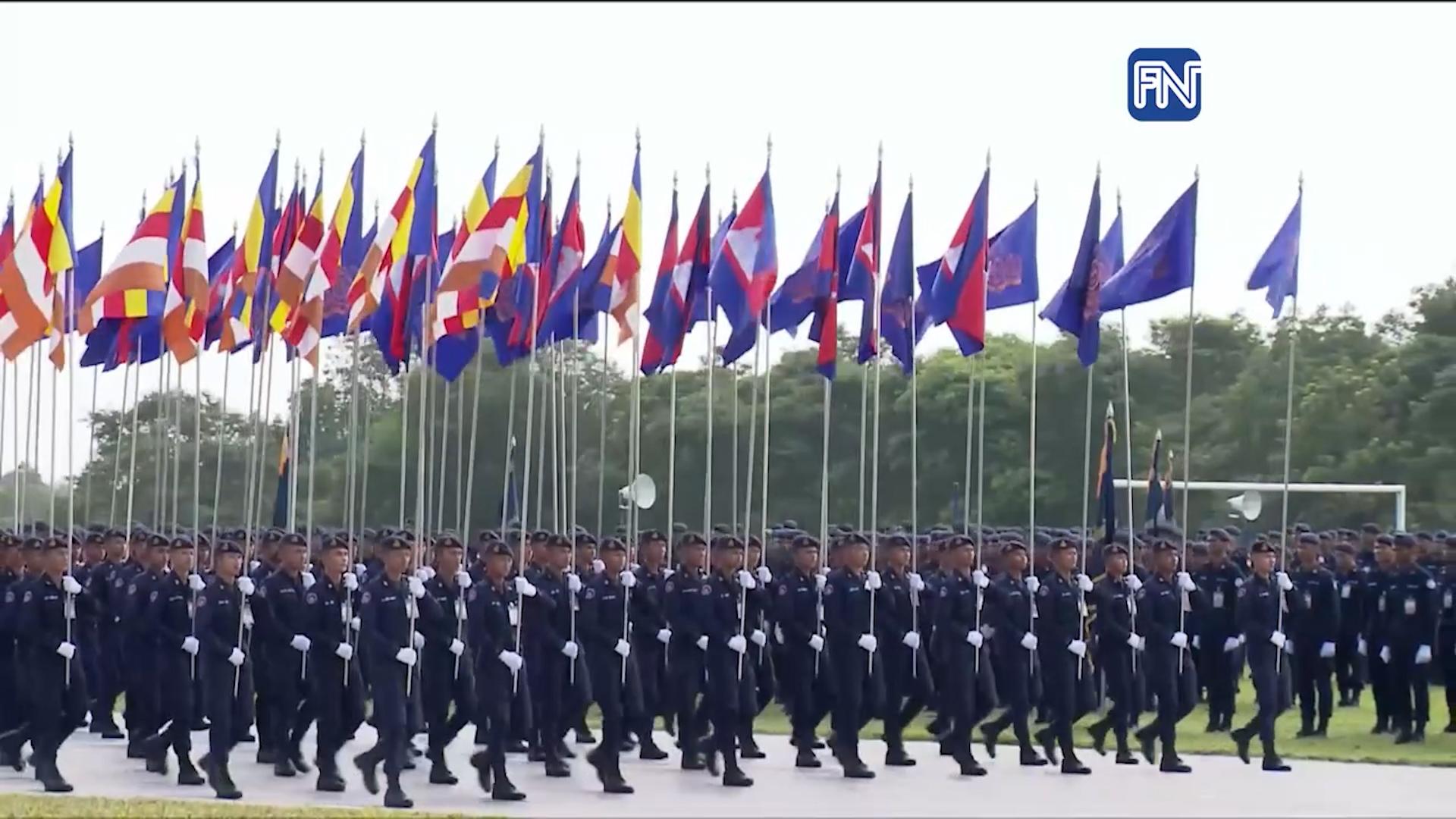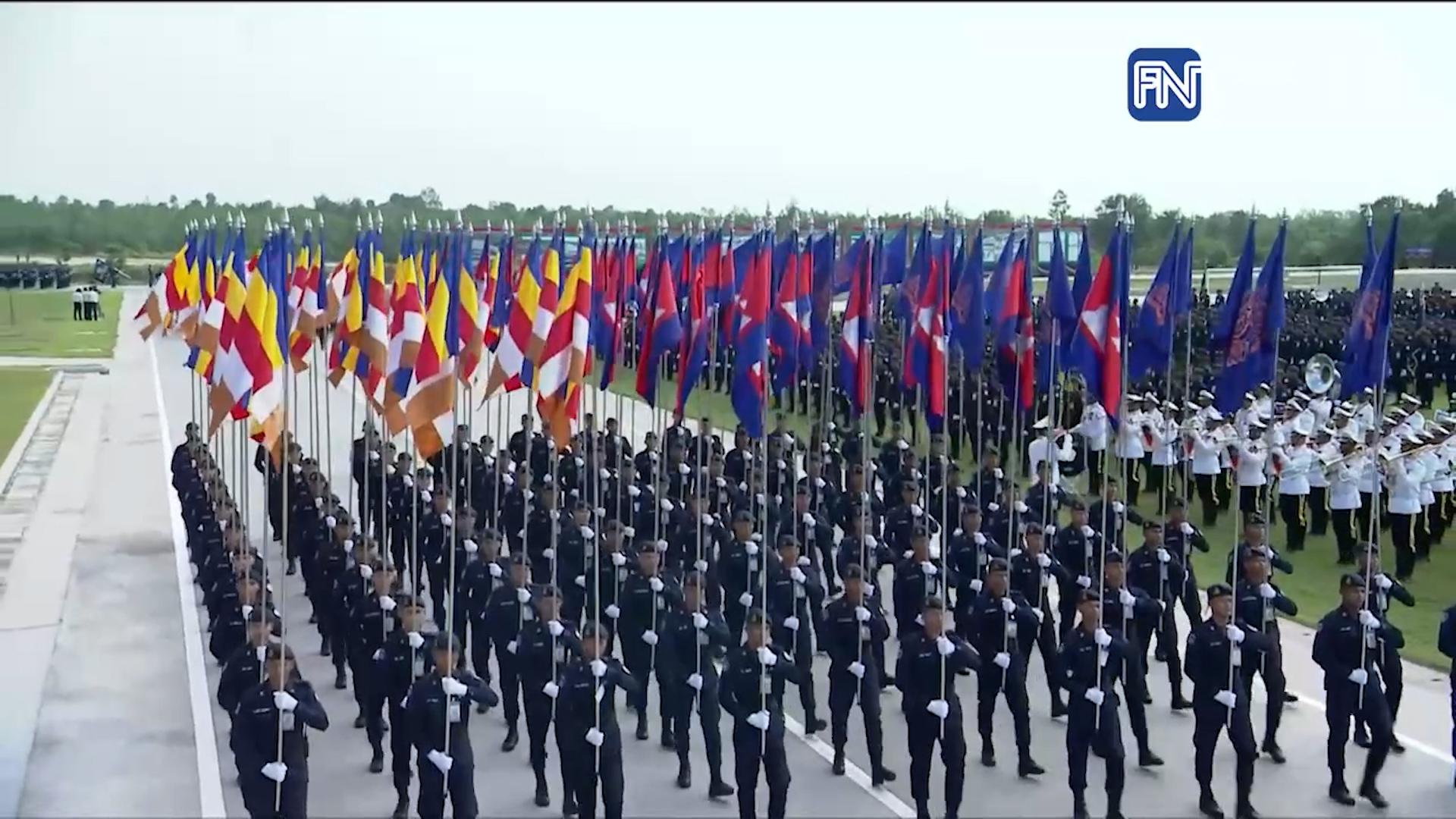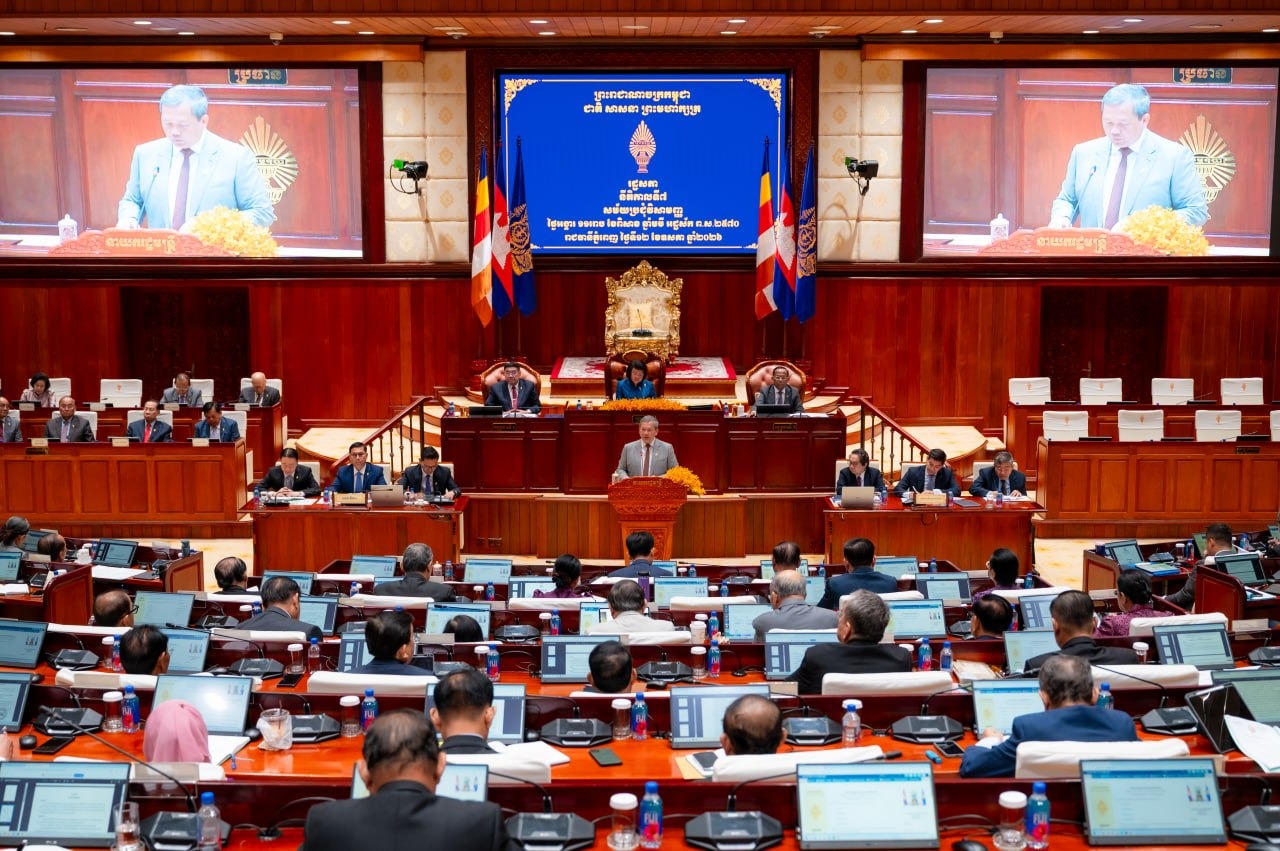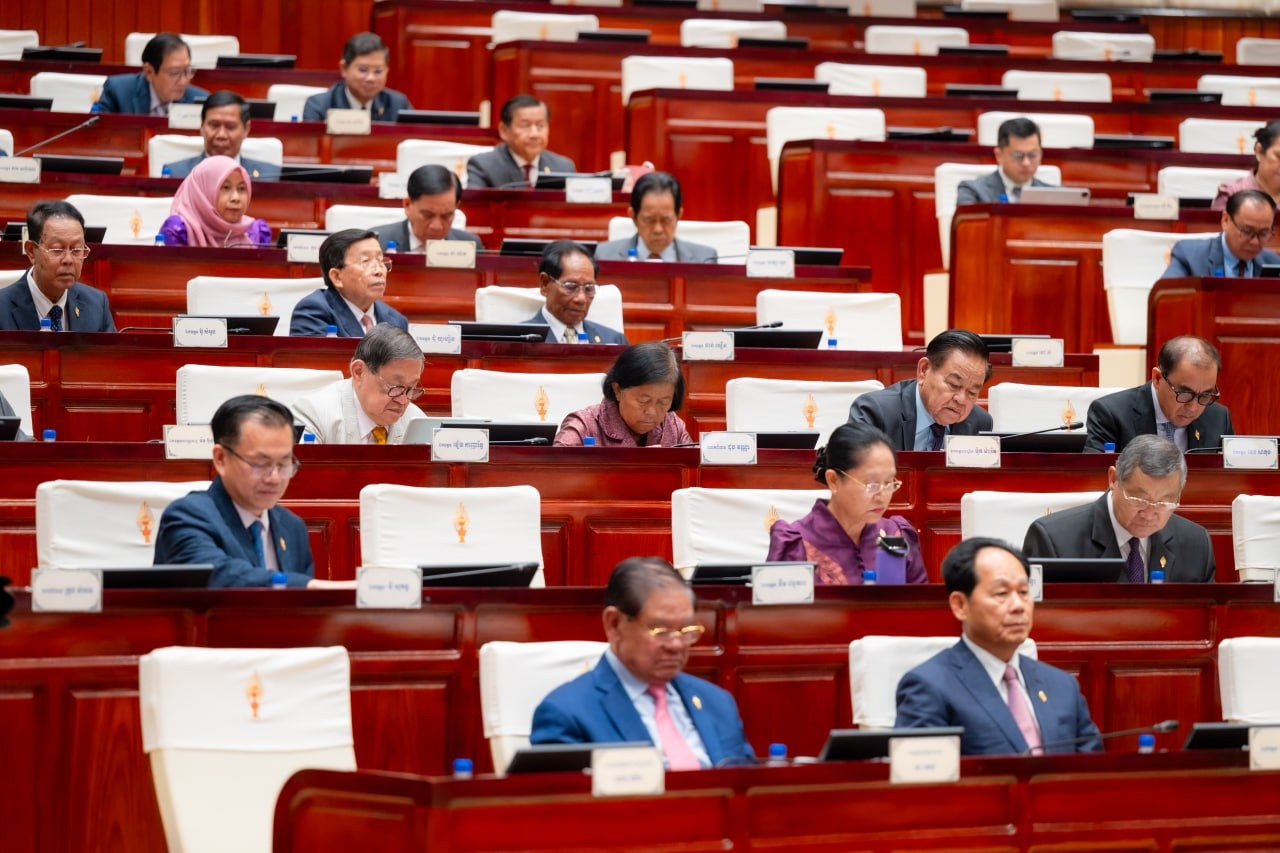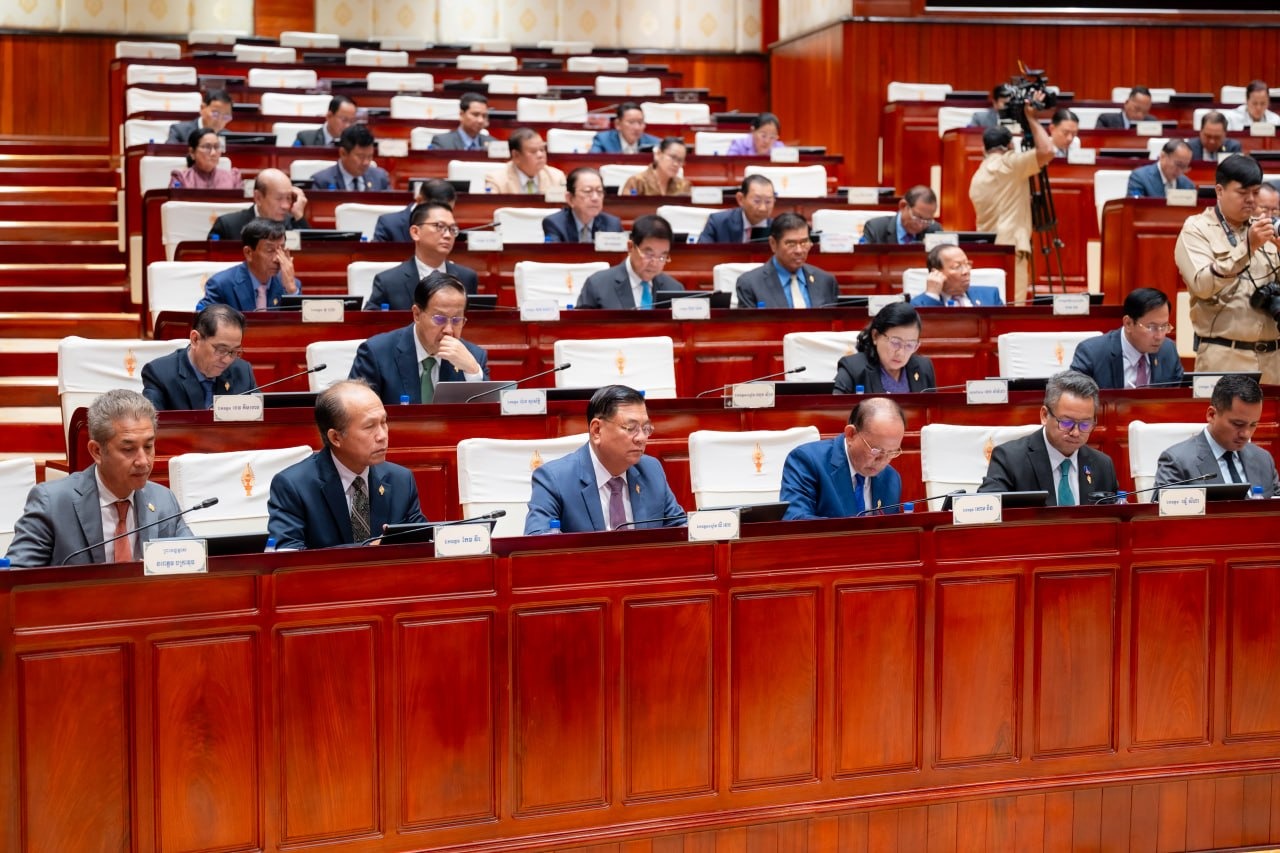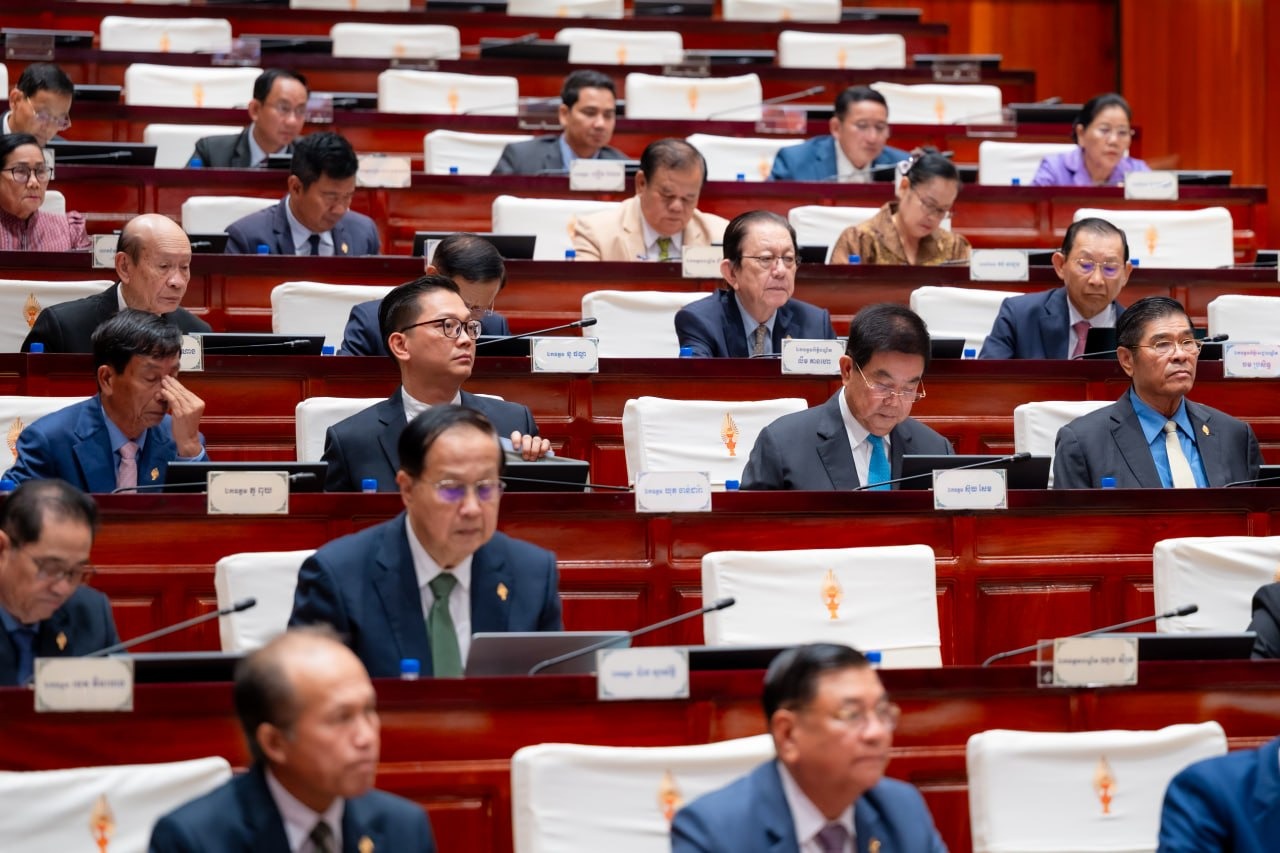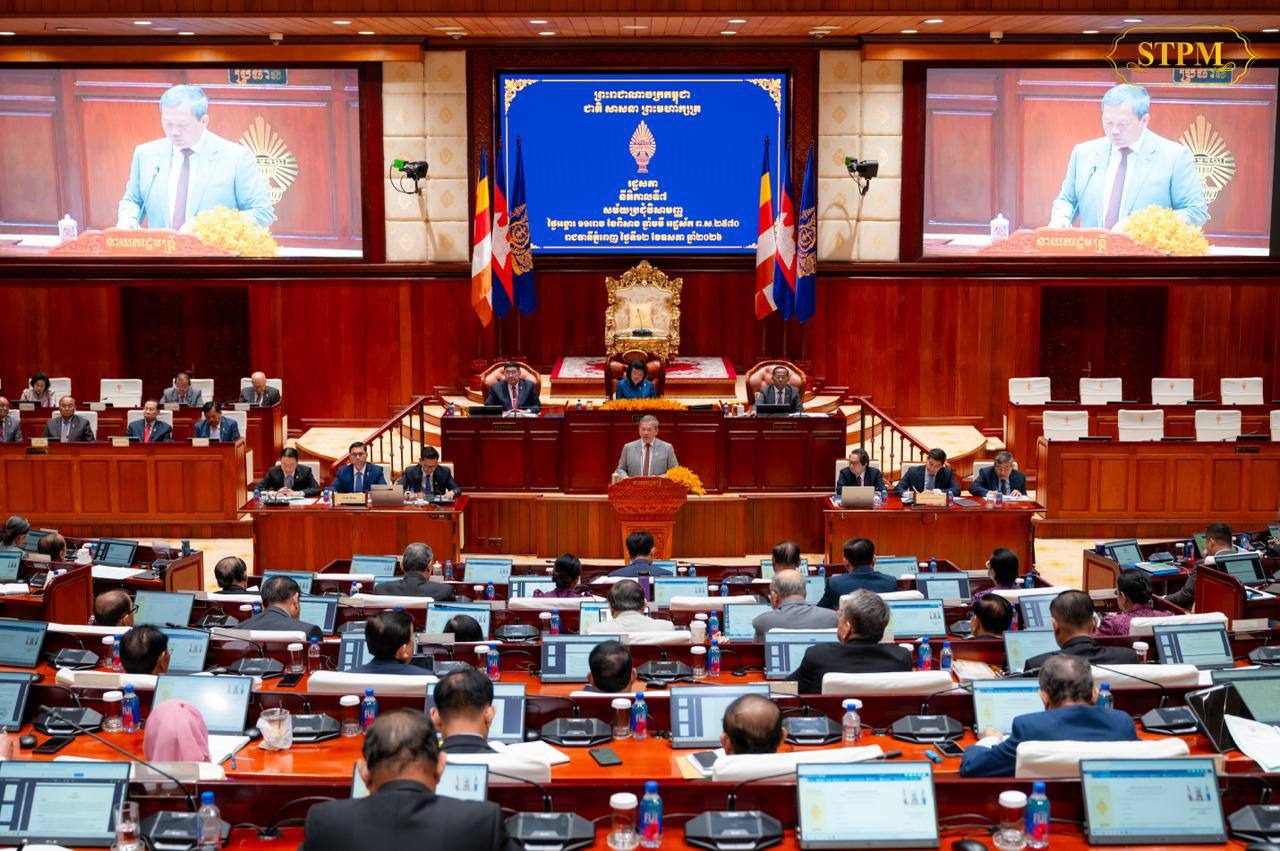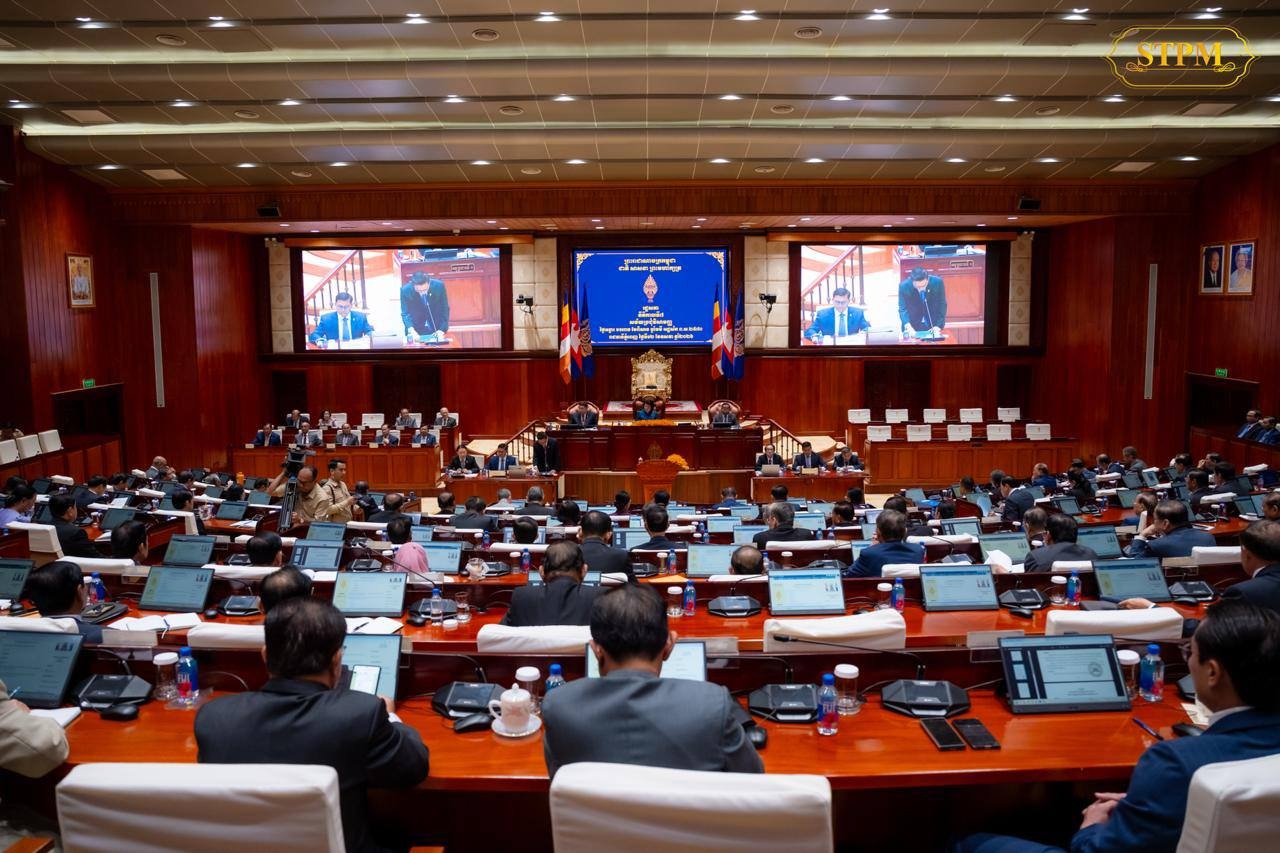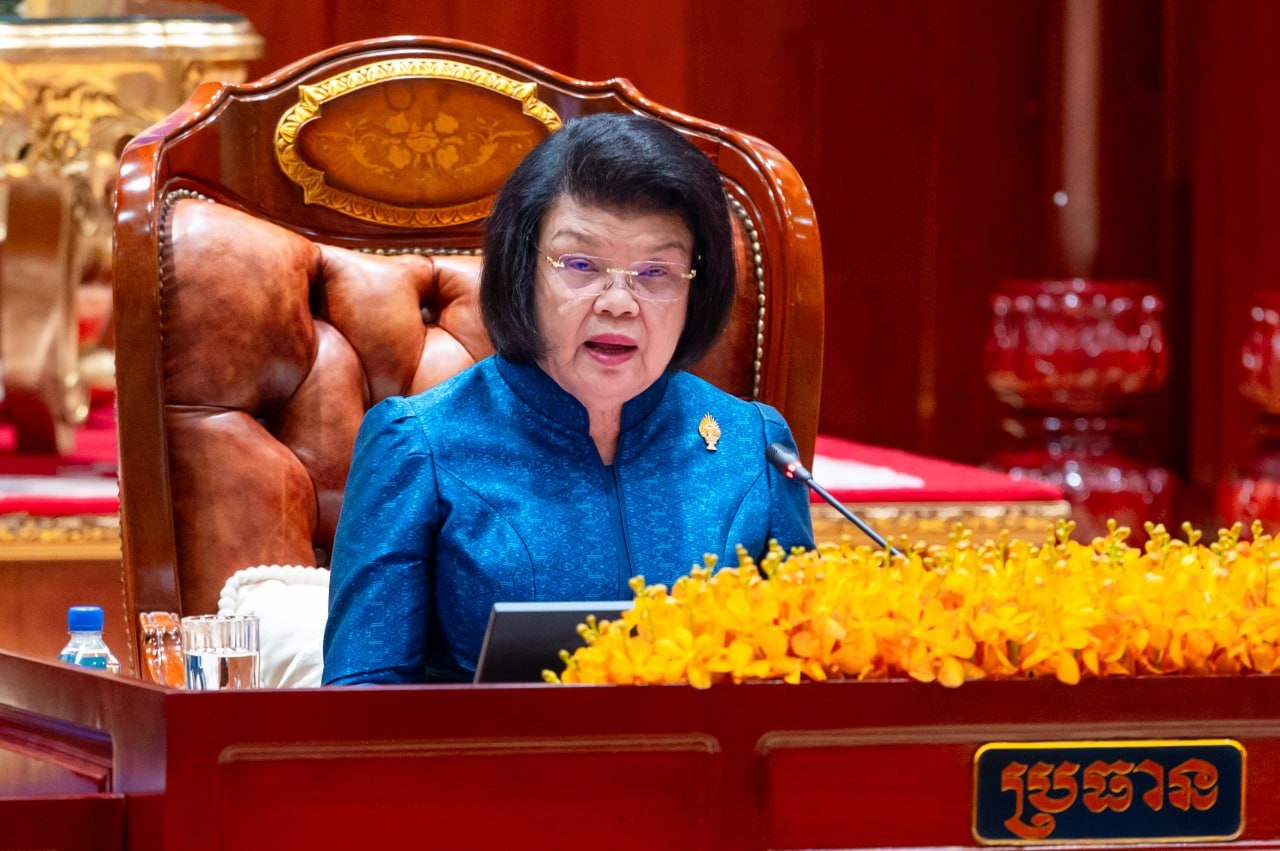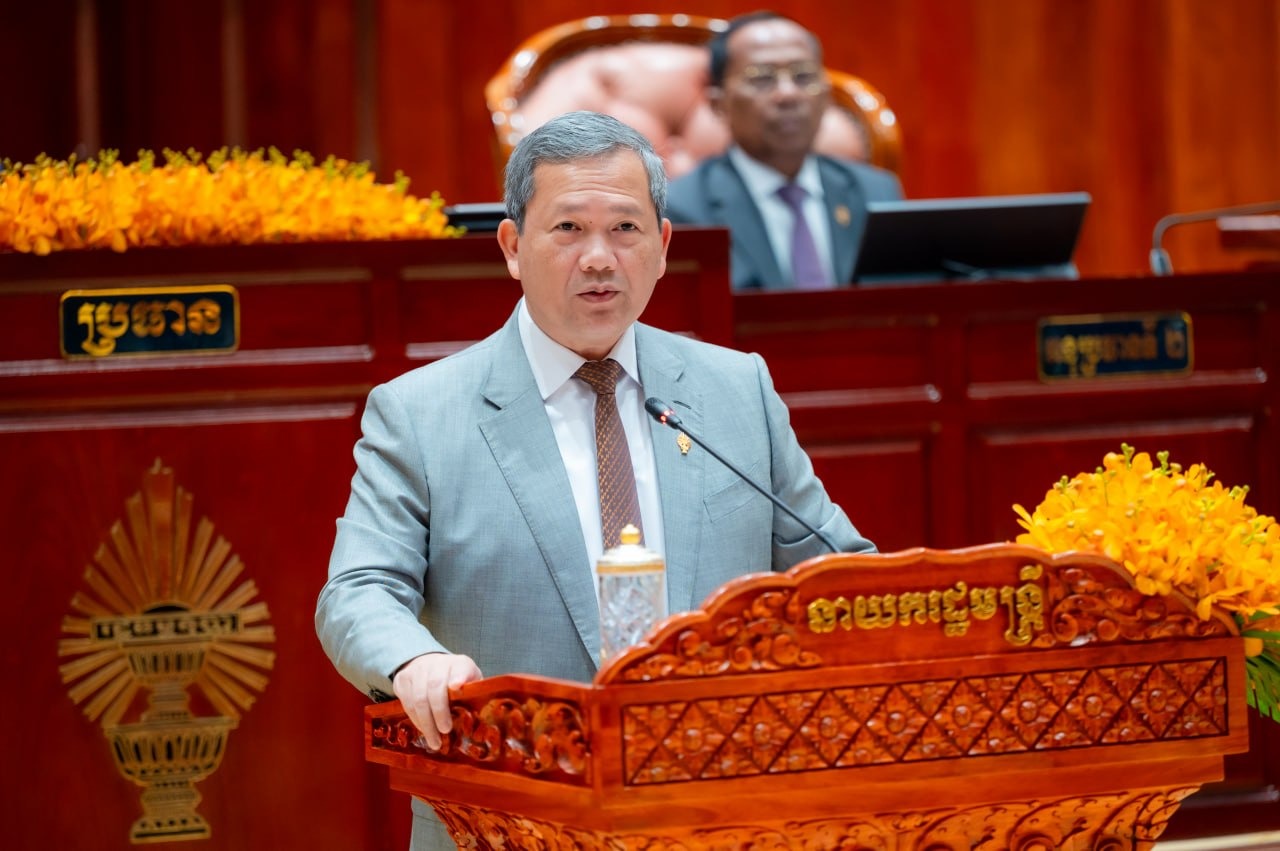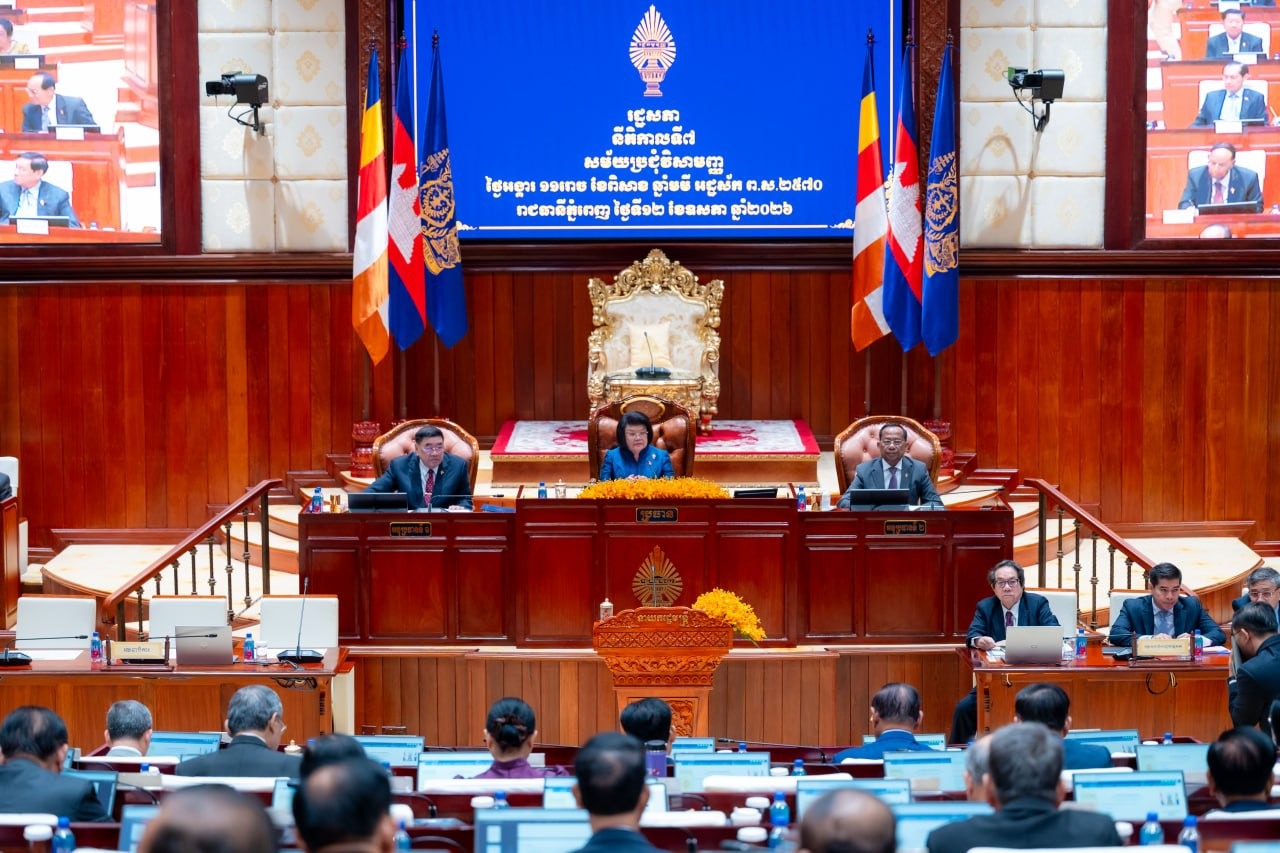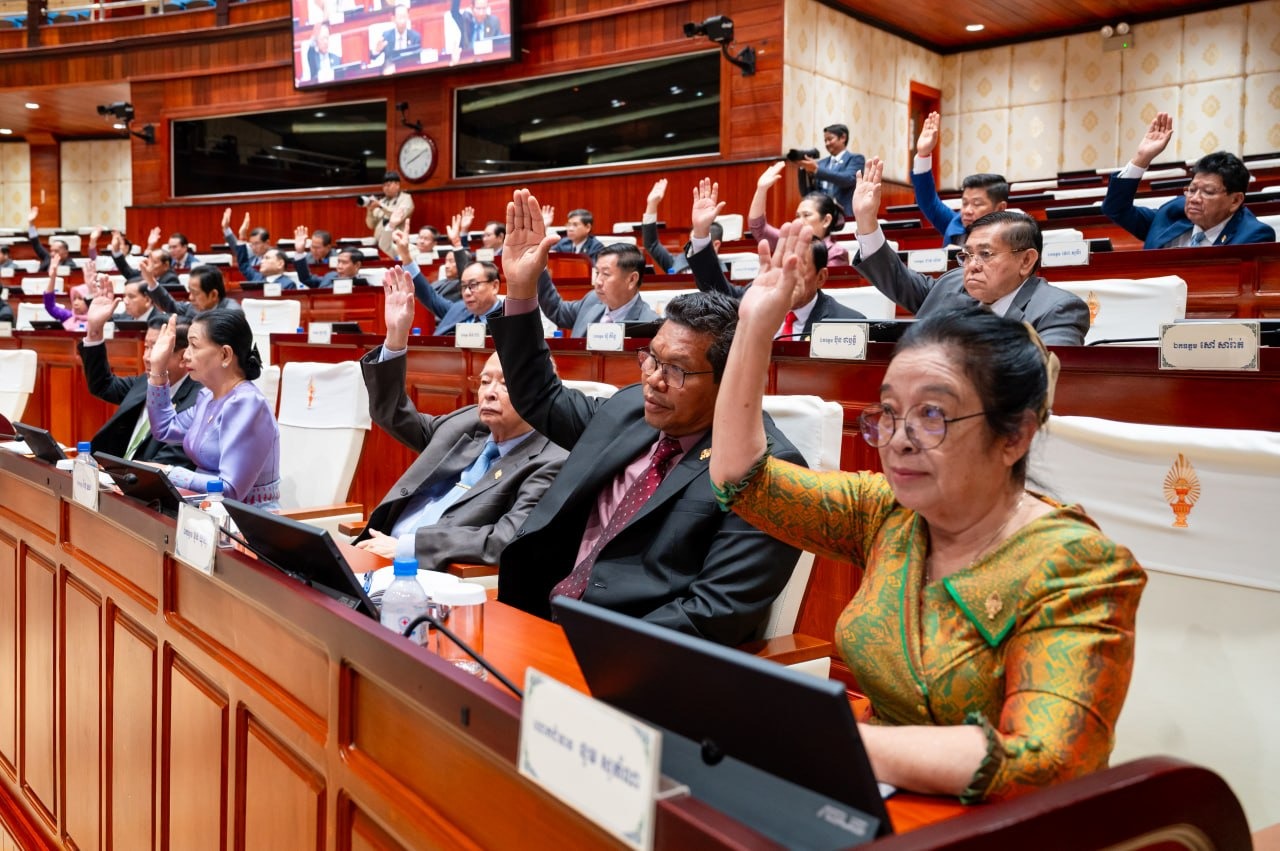

(Phnom Penh): When Cambodia’s National Assembly officially approved the draft law on “Military Service” on May 12, 2026, with unanimous support of 114 out of 114 votes, public debate quickly emerged across Cambodian society. Some viewed the law as a necessary step toward strengthening national defense capabilities, while others expressed concern that it could draw young people into a militarized environment.
However, when examined more deeply, compulsory military service does not necessarily mean that the state is preparing for war. Rather, it represents an effort to prepare citizens with discipline, responsibility, and civic awareness for life in society and for the protection of national peace — much like systems already practiced in many countries around the world.
For a small country like Cambodia, which has endured decades of war, national division, and repeated challenges to its sovereignty, the value of peace and national defense should never be taken for granted. Particularly at a time when border disputes and regional tensions can still arise, Cambodia requires not only defensive capabilities, but also well-prepared human resources to safeguard long-term stability and national security. Peace is not a gift that falls from the sky; it is the result of preparation, vigilance, and the ability of a nation to protect itself.
Military Service Is Different from Seeking War
In many societies, the phrase “military service” immediately brings thoughts of war to mind. Yet in reality, many stable and highly developed countries continue to maintain systems of compulsory military or national service.
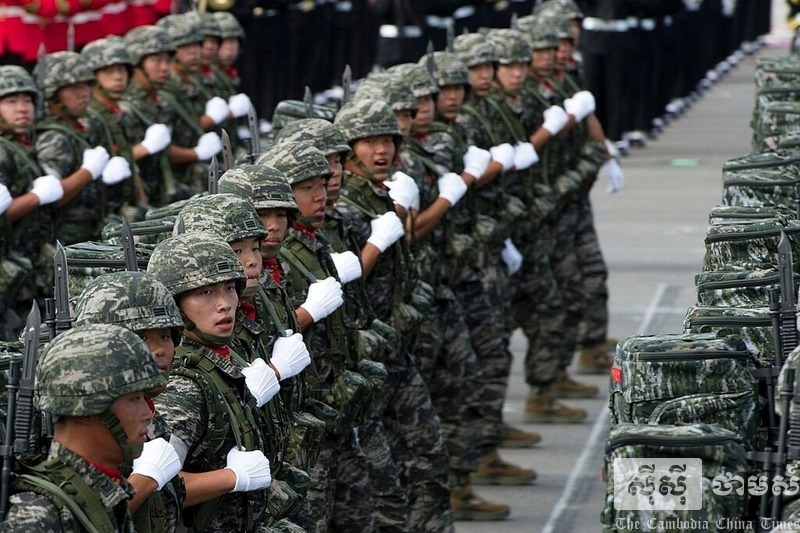
In South Korea, a country that lives under constant security pressure, military service does not merely exist to build an army; it also helps cultivate social discipline and national spirit. Meanwhile, Singapore — another small state like Cambodia — has used National Service as a foundation for building a modern state and a highly disciplined society. In Israel, compulsory service is widely regarded as part of national identity and an essential component of the country’s security and survival.
Therefore, maintaining compulsory military service does not mean that a country desires war. Instead, it demonstrates that a state is preparing its defensive capabilities while cultivating disciplined citizens who understand responsibility and civic duty toward the nation.
From “Ordinary Youth” to “Disciplined Citizens”
When viewed more carefully, military service is not simply about teaching weapons handling or physical training. Its deeper purpose is the development of people and the cultivation of civic values.
Modern societies are increasingly facing problems related to declining discipline, technology addiction, violence, drug abuse, and a culture of excessive individualism. In this context, military-style training can serve as a major institution for discipline and character-building among young people.
Today’s rapidly changing society has brought not only opportunities and convenience, but also growing social and behavioral challenges among youth. Technology addiction refers to the excessive amount of time some young people spend on smartphones, social media, online games, and digital platforms — often at the expense of personal discipline, education, and responsibility. Likewise, a culture of self-centeredness encourages individuals to prioritize personal freedom and self-interest while paying less attention to public responsibility, social discipline, or obligations toward others.
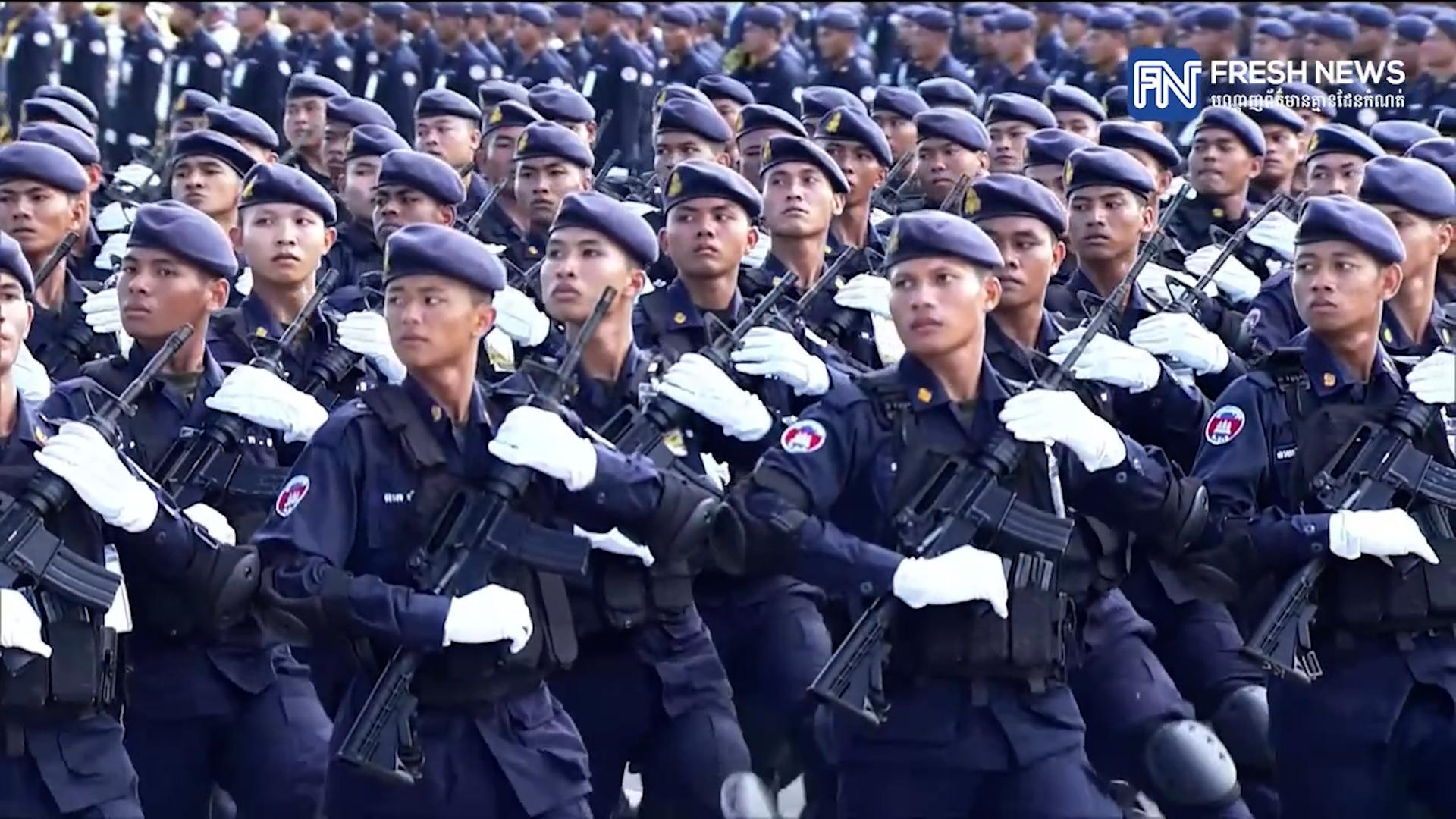
Within this environment, military training is often seen as a way to reshape habits and behavior through structure, discipline, and orderly living. Through military service, young people can learn:
- Respect for time
- Responsibility
- Teamwork
- Discipline and obedience to rules
- Self-sacrifice
- And solidarity with others
A young person may enter a training camp as an ordinary civilian, but emerge as a more disciplined citizen with a deeper understanding of the value of nationhood and society.
This is precisely why the Cambodian government has argued that even those who are not ultimately selected to continue military careers would still benefit from training that helps them become more disciplined, responsible, and socially engaged citizens.
Peace Requires Defensive Strength
Today’s world is becoming increasingly uncertain. Geopolitical conflicts, competition among major powers, regional security crises, and both traditional and non-traditional threats are forcing many countries to reconsider their defensive readiness and national preparedness.
In such a world, countries that seek lasting peace cannot rely solely on other nations or simply hope that the international environment remains calm. Peace requires defensive strength. And defensive strength is not defined only by advanced weapons or military hardware; it also depends on citizens who are disciplined, prepared, and possess a spirit of national defense.
History repeatedly shows that countries weak in self-defense are often more vulnerable to pressure or external threats. By contrast, nations with strong preparedness and citizens who understand their duty toward the country are generally better able to preserve long-term stability and peace.
For Cambodia — a country that has experienced the painful consequences of war and decades of lost peace — the establishment of a military service system can be viewed as a strategy for “protecting peace,” rather than preparing for war itself. In other words, compulsory military service may be understood as part of a long-term national defense strategy designed to ensure that Cambodia possesses both sufficient defensive capabilities and capable human resources to preserve peace, sovereignty, and stability in an increasingly unpredictable world.
Rights and Responsibilities Must Go Together
In a modern state, citizens possess not only rights, but also responsibilities. Rights and obligations must go hand in hand in order for society to function with stability and order.
Citizens naturally expect the state to protect national security, territorial integrity, peace, and social stability. Yet such protection cannot exist automatically if citizens themselves are unwilling to contribute responsibility toward the nation and society.
From this perspective, military service can be viewed as one form of civic participation in protecting the nation and maintaining collective peace. It demonstrates that defending a country is not solely the duty of the armed forces or the state alone, but a shared responsibility of all citizens.
In many countries, compulsory military service is considered part of “civic spirit” because it teaches individuals that living in society is not only about receiving benefits from the state, but also about sacrifice and participation for the common good.
This is perhaps the deepest meaning of the phrase “military service”: it is not merely an obligation toward the state, but also a responsibility toward society, peace, and the future of the nation itself.
Conclusion: Military Service as Nation-Building
A nation does not become strong simply because it possesses advanced weapons, but because it has citizens who believe that defending the nation is their duty and responsibility. The true strength of a country lies not only in the size of its military or the number of its weapons, but also in the quality of its people, the discipline of society, and the collective spirit of its citizens.
In this sense, military service should not be viewed merely as military training. Rather, it is part of the broader process of building people and building the nation itself. It teaches young people discipline, sacrifice, teamwork, and the understanding that peace and national stability cannot be preserved without preparation.
Compulsory military service may not transform the entire world, but it can transform a young person into a disciplined and responsible citizen who understands the meaning of the word “nation.” And in an increasingly uncertain world, countries with such citizens are the ones most capable of safeguarding their peace, sovereignty, and future for generations to come.