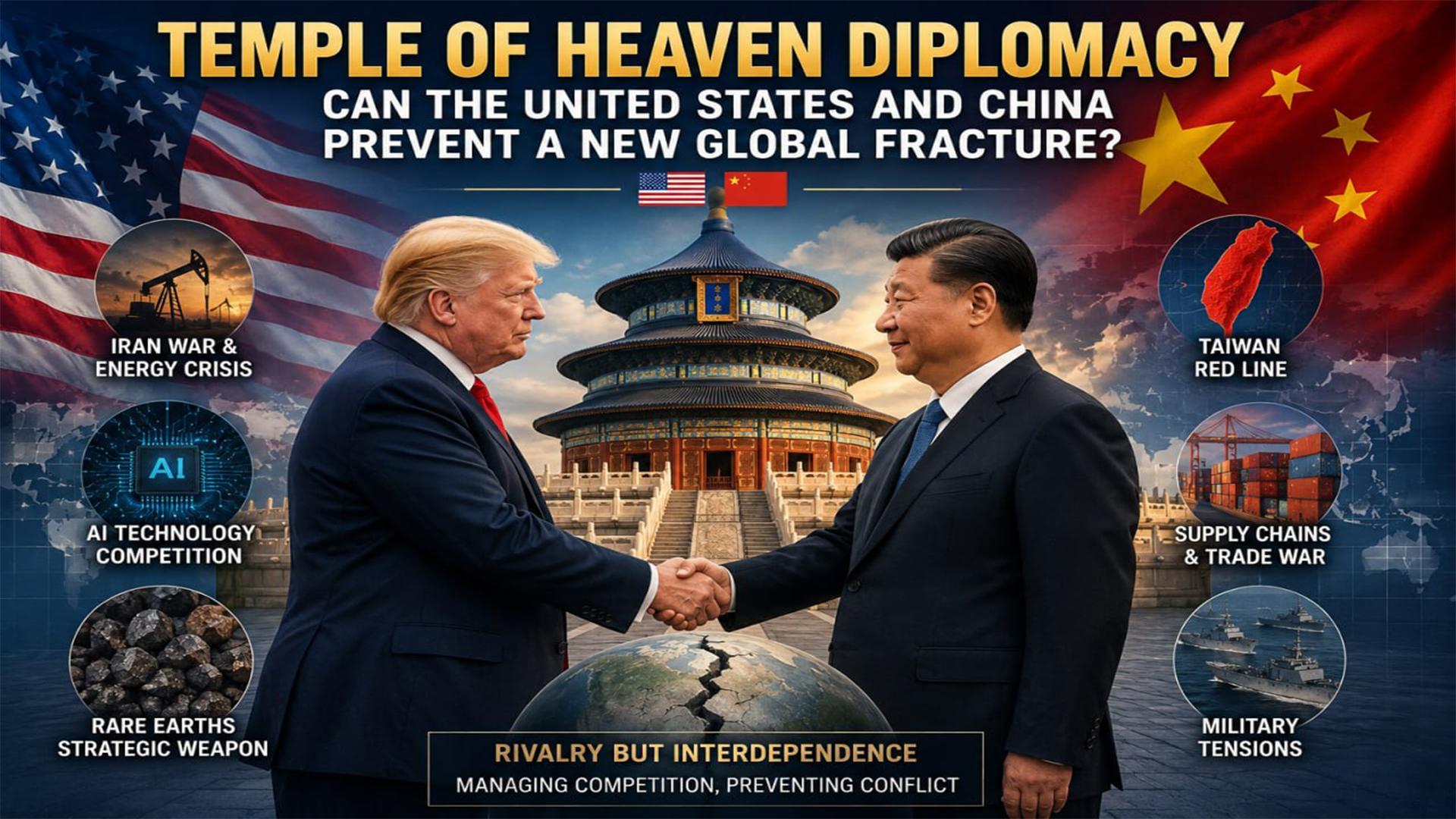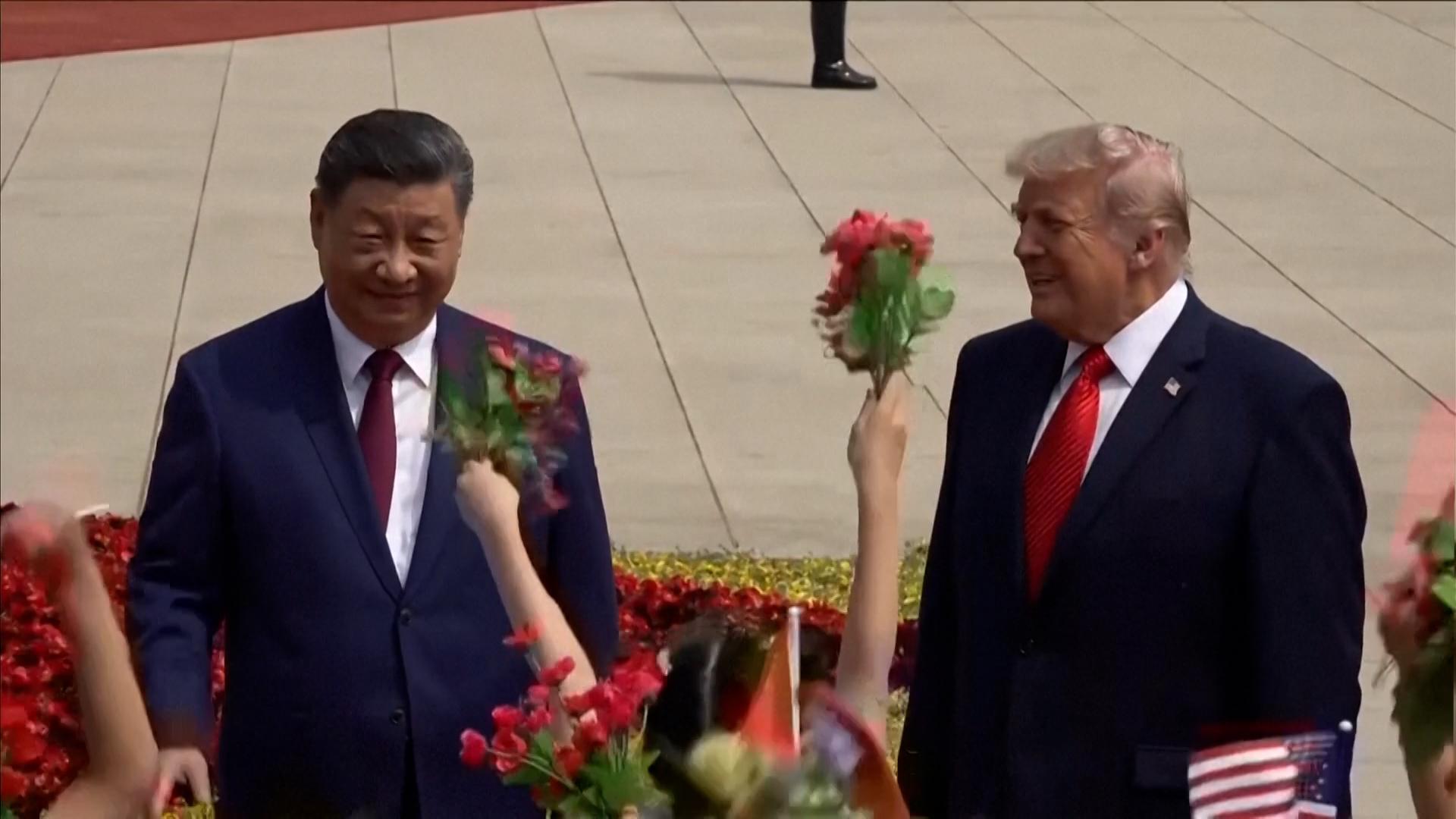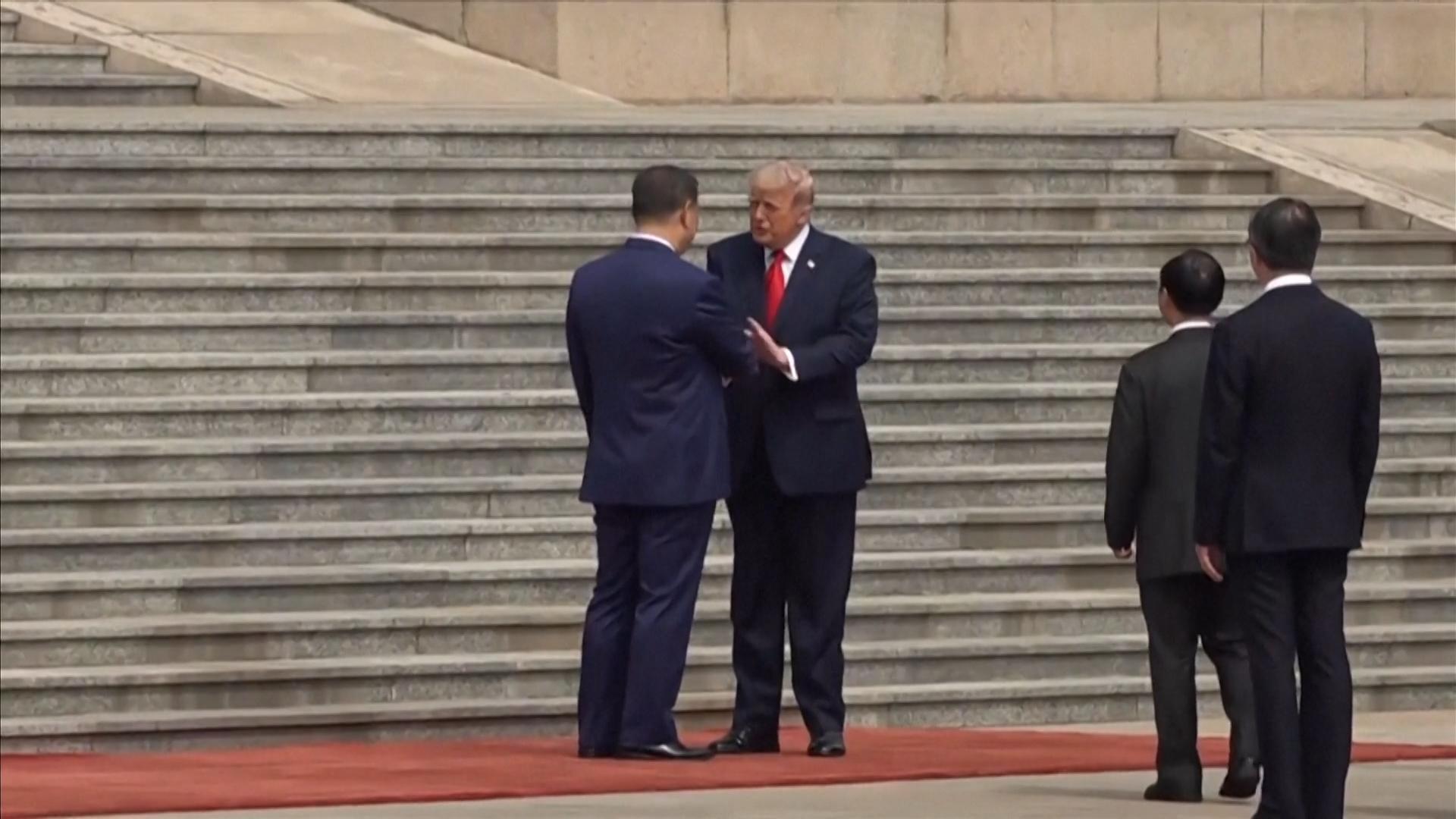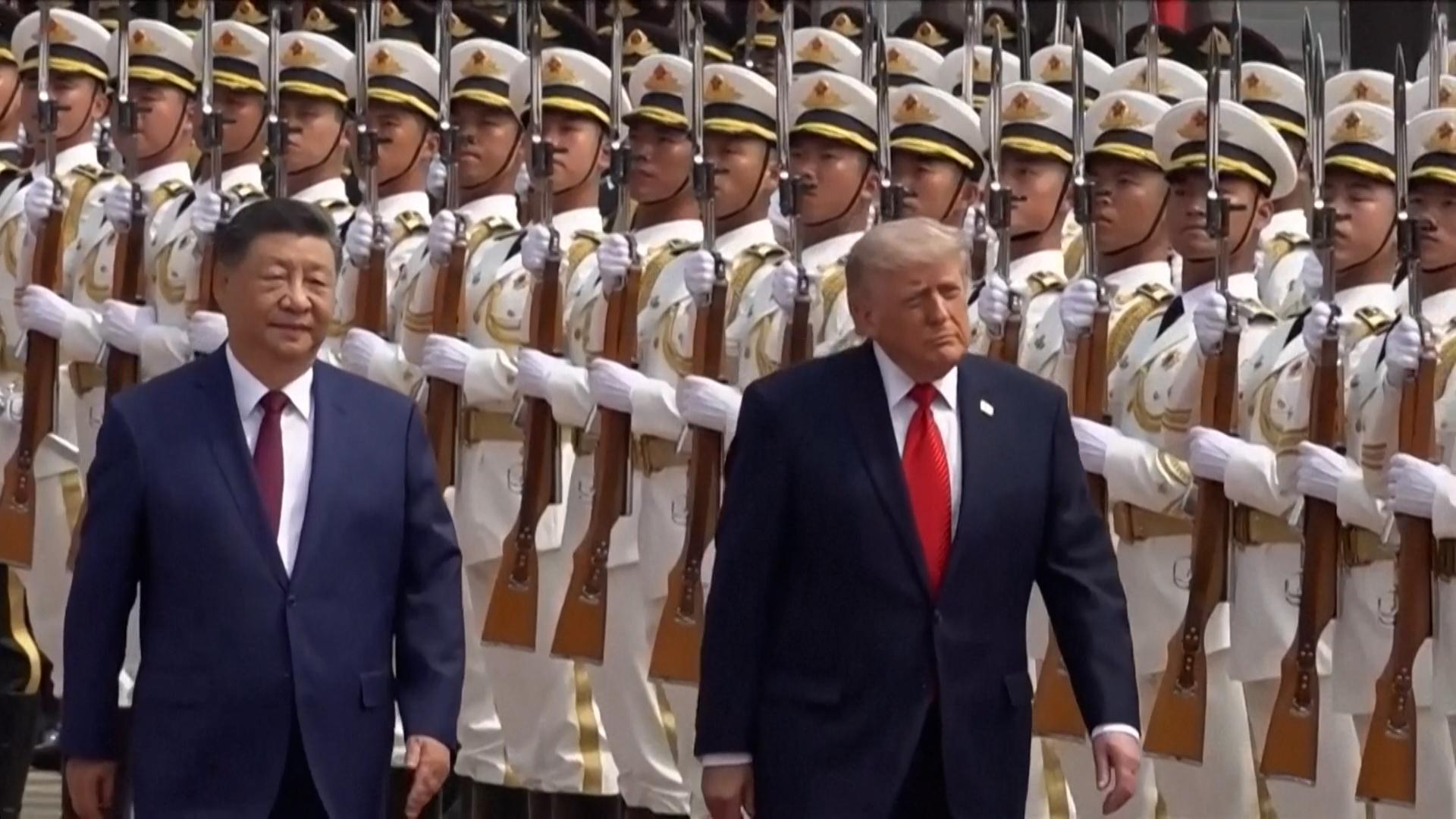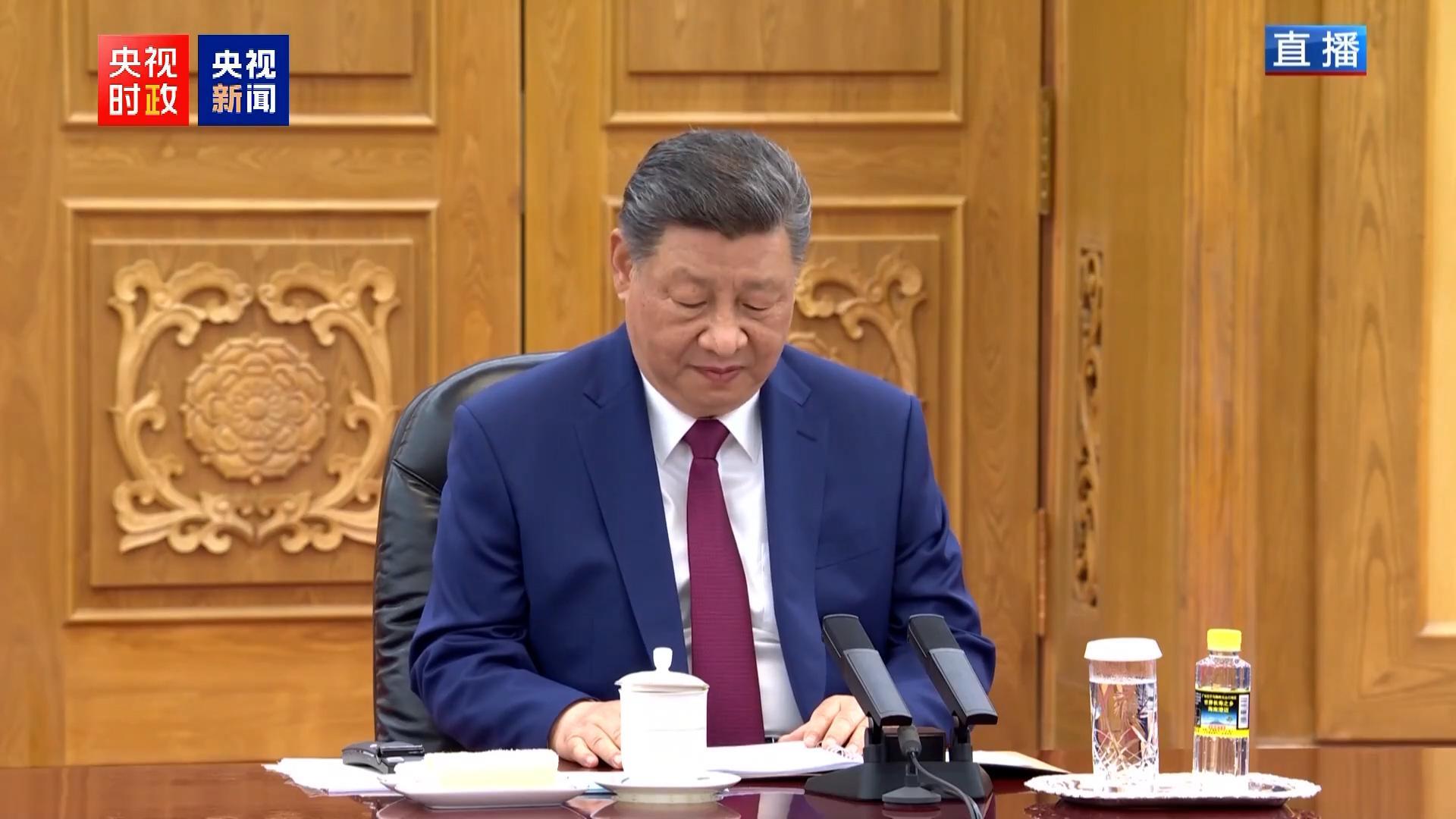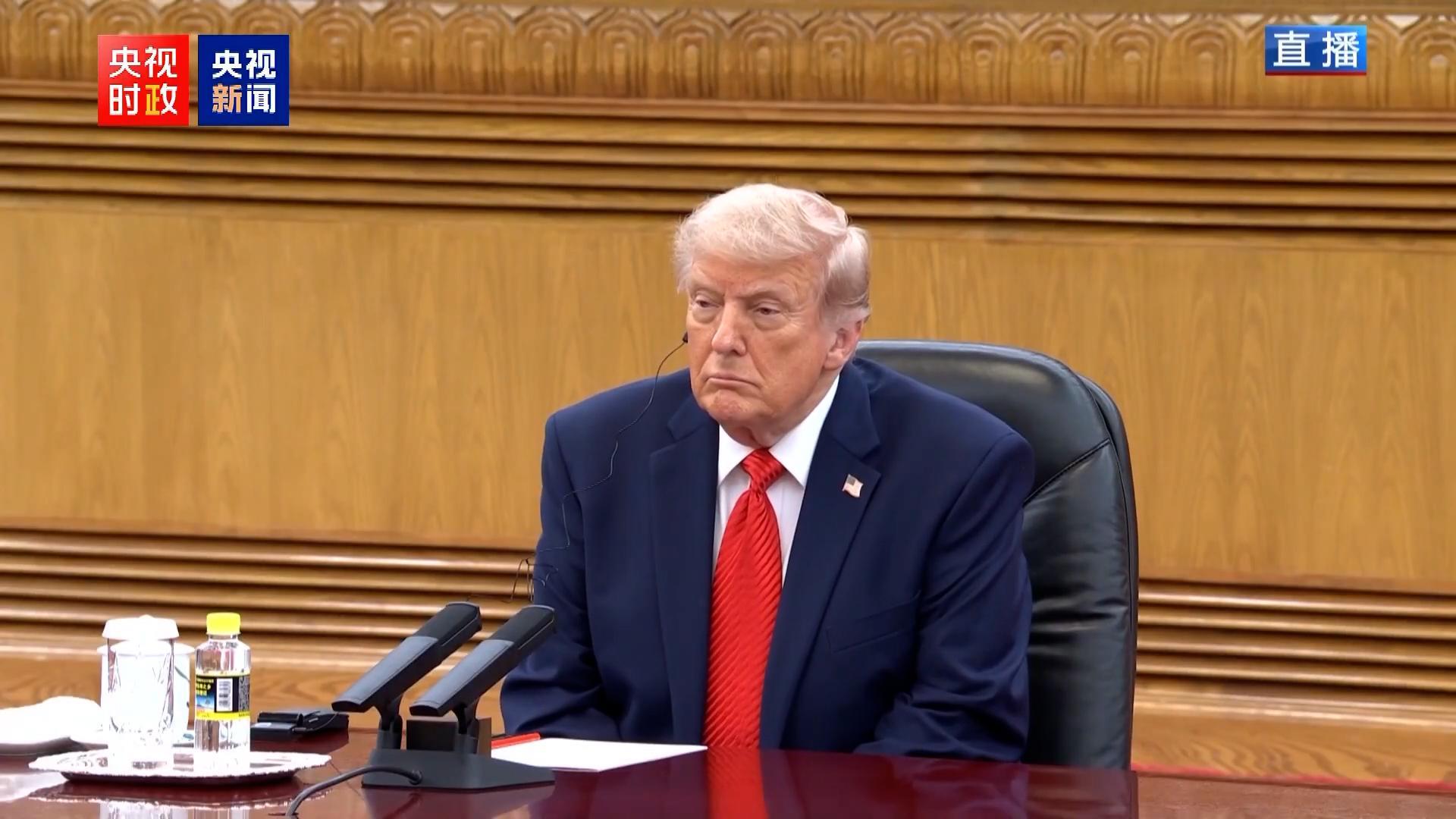

(Phnom Penh) — Beneath the blue-tiled roof of the Temple of Heaven — an ancient imperial site where Chinese emperors once prayed for peace and prosperity across their vast empire — the leaders of the world’s two greatest powers are now seeking something similar: stability for an increasingly fractured world.
US President Donald Trump and Chinese President Xi Jinping met in Beijing during a summit closely watched across the globe. Outside the closed-door meetings, lavish ceremonies, warm smiles and public praise created the appearance of a new chapter in US-China relations. Xi declared that the two nations “should be partners rather than rivals,” while Trump praised Xi as a “great leader” and said relations between the two powers would become “better than ever before.”
Yet behind the diplomatic warmth lies a far more serious reality: strategic warnings, geopolitical rivalry and growing global instability that could shape the future world order.
A Summit Under the Shadow of the Iran War
The US-Israeli conflict with Iran has become the largest shadow hanging over the Trump-Xi summit. Tensions around the Strait of Hormuz have placed enormous pressure on global energy markets, while rising oil prices and fears of supply chain disruption are fueling worldwide economic anxiety.
In this context, Trump could no longer arrive in Beijing from the position of an unchallenged American superpower. Instead, Washington increasingly needs Beijing’s influence over Tehran to help contain the energy crisis and prevent further global economic damage.
This has altered the balance of the summit itself.
Before the Iran conflict escalated, the United States possessed significant leverage over China through tariffs, semiconductor restrictions and financial pressure. But after the outbreak of the Iran war, China has emerged as a power the United States urgently needs.
Some analysts argue that the Iran conflict has pushed Trump into negotiations from a weaker position, as rising oil prices and domestic political pressure threaten both the US economy and public support at home.
Taiwan: China’s Absolute Red Line
Despite the summit’s outwardly warm atmosphere, Xi Jinping delivered one of his clearest strategic warnings to the United States.
The Chinese leader stated that Taiwan remains the “most important issue” in China-US relations and warned that mishandling the issue could lead the two countries toward confrontation or even direct conflict.
This was not routine diplomatic language. It was a direct reminder that Taiwan remains China’s absolute red line — one where Beijing will not tolerate foreign interference.
For Beijing, Taiwan is not merely a geopolitical issue. It is deeply tied to national sovereignty, territorial integrity and the legitimacy of the Chinese state itself. This is why proposed US arms sales to Taiwan, reportedly worth around $14 billion, are viewed by China as an extremely dangerous flashpoint.
The Taiwan issue is also connected to broader strategic competition involving semiconductor supply chains, the Indo-Pacific strategy and military containment in Asia.
In other words, Taiwan is the point where economic rivalry could evolve into military confrontation.
Rare Earths: China’s New Economic Weapon
In earlier eras, oil and military power were the primary tools of geopolitical pressure. Today, however, China controls a new strategic weapon upon which much of the modern world depends: rare earth minerals.
Rare earths are essential components used in:
• F-35 Lightning II fighter jets
• AI chips
• electric vehicle batteries
• iPhone smartphones
• advanced electronics and semiconductors
China’s dominance over rare earth supply chains has given Beijing enormous strategic influence because both the United States and Western countries rely heavily on these materials for advanced technology and military manufacturing.
This means the economic war between the two superpowers is no longer simply a tariff war. It has evolved into a struggle over supply chains and strategic minerals that may ultimately determine the future of technology, industrial power and military dominance.
Trump Returns to a Different China
Trump’s return to Beijing in 2026 is dramatically different from his visit in 2017.
At that time, China was still viewed as a rising power on its way toward superpower status. Today, Beijing presents itself as a far more confident nation — one eager to portray itself as a stable global power.
BBC News described Trump as returning to a “stronger and more assertive China.”
Throughout the summit, Xi Jinping sought to project China as a source of global stability at a time when wars, economic uncertainty and geopolitical fragmentation are exhausting much of the world.
Even Trump’s visit to the Temple of Heaven was likely not accidental. It reflected what could be described as “civilizational diplomacy” — an effort by China to show that it is not merely an economic power, but also an ancient civilization with long-term continuity and stability.
Conclusion
The Beijing summit between the leaders of the United States and China does not signal the end of great-power competition. Instead, it reflects an effort to manage an increasingly dangerous rivalry before it spirals into a larger geopolitical fracture that could trigger economic crises, military confrontation and a deeper breakdown of the global order.
Behind the smiles, ceremonial diplomacy and visits to the Temple of Heaven, the world is witnessing one of the most complex rivalries of the modern era. The United States and China continue to compete over power, technology, trade and strategic influence — yet at the same time, both sides increasingly need each other to preserve global stability.
At a moment when the Iran conflict, energy insecurity, AI competition and the Taiwan issue are all raising the risks of global fragmentation, the central question is no longer whether the United States and China can become true partners.
The more urgent question is whether the world’s two largest powers can manage their rivalry without pushing the international system into a new global crisis.