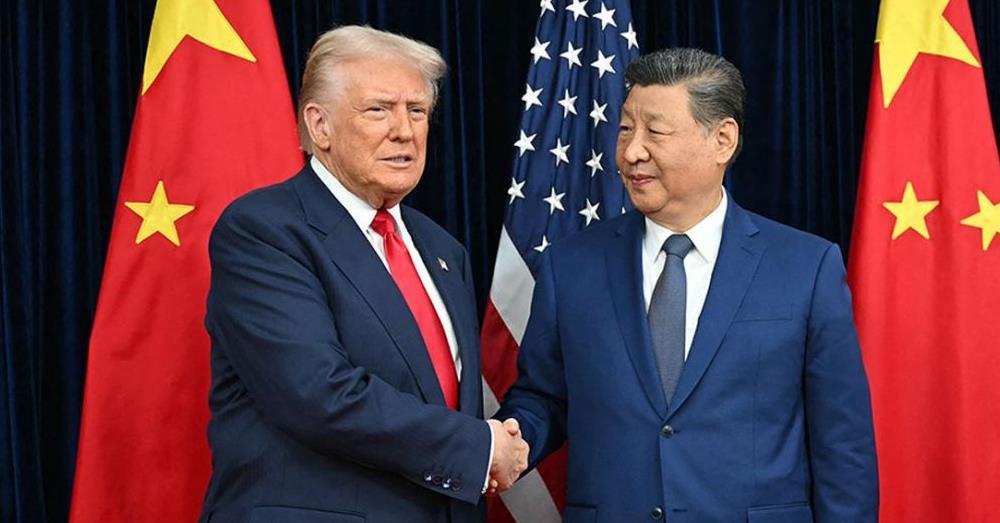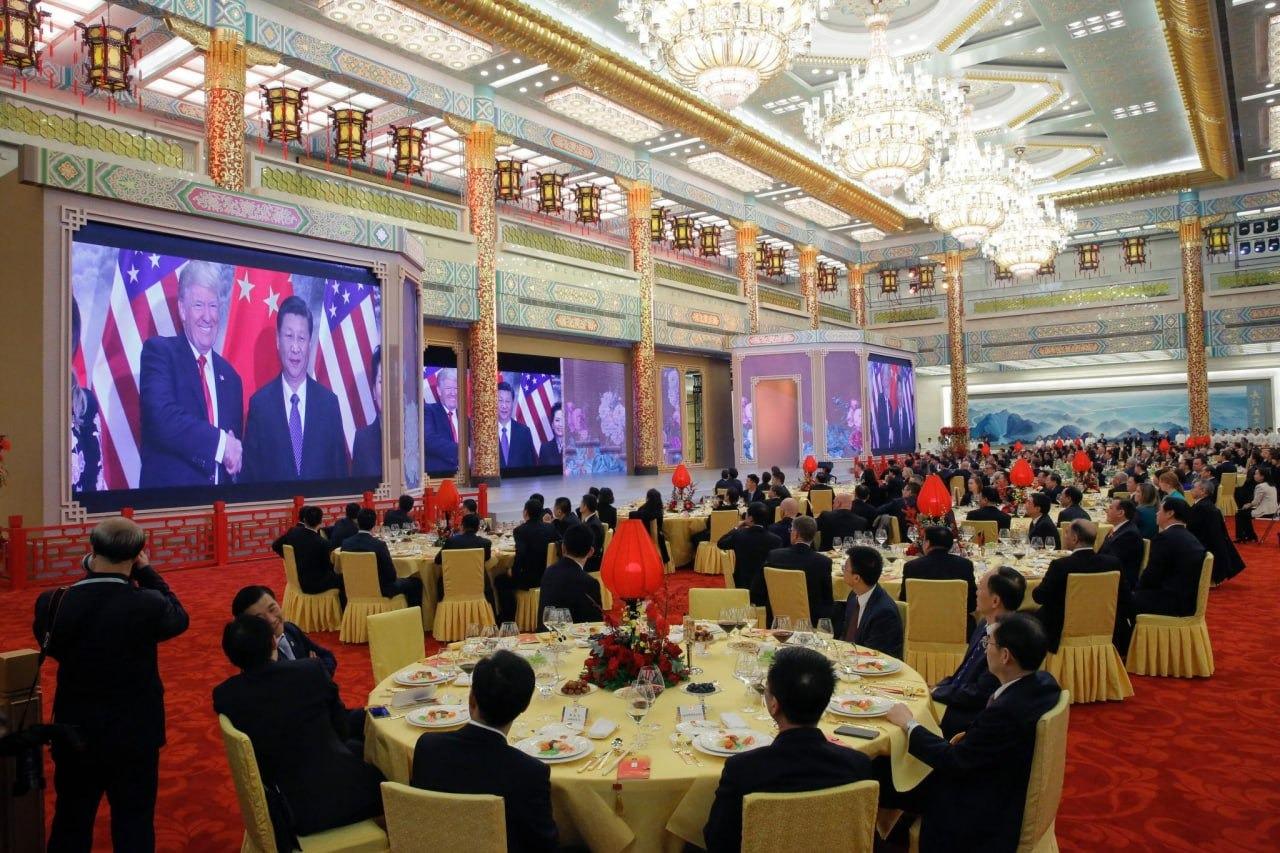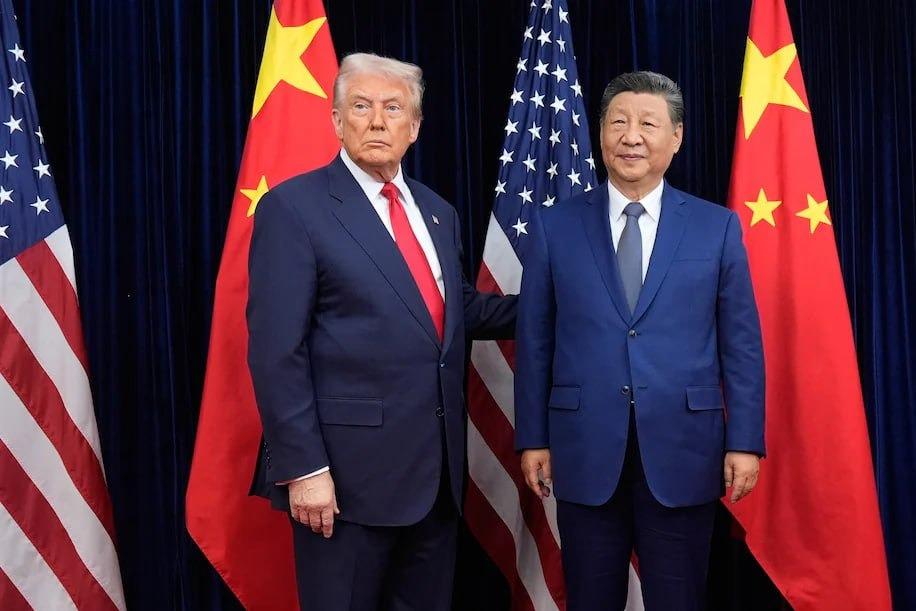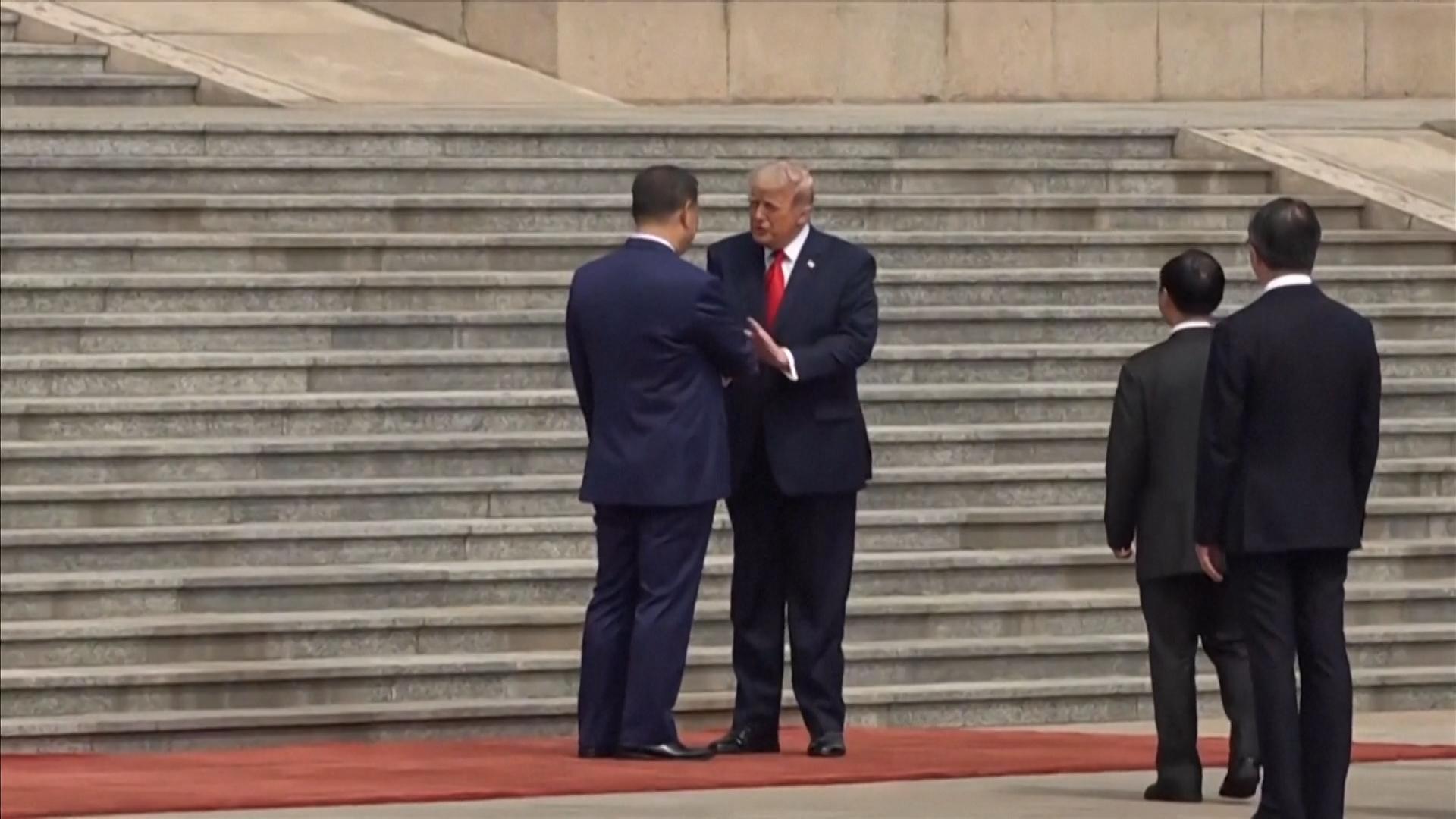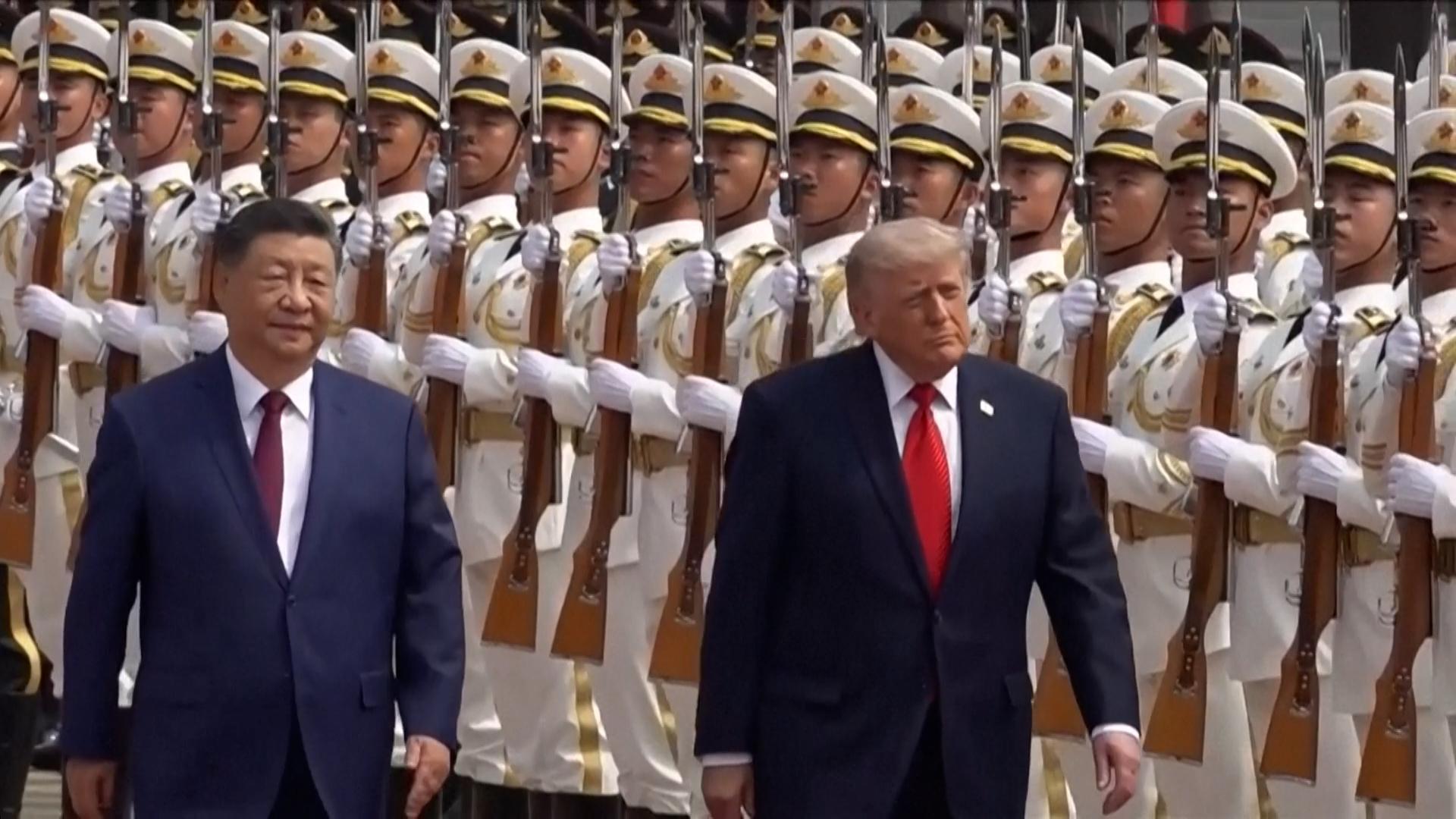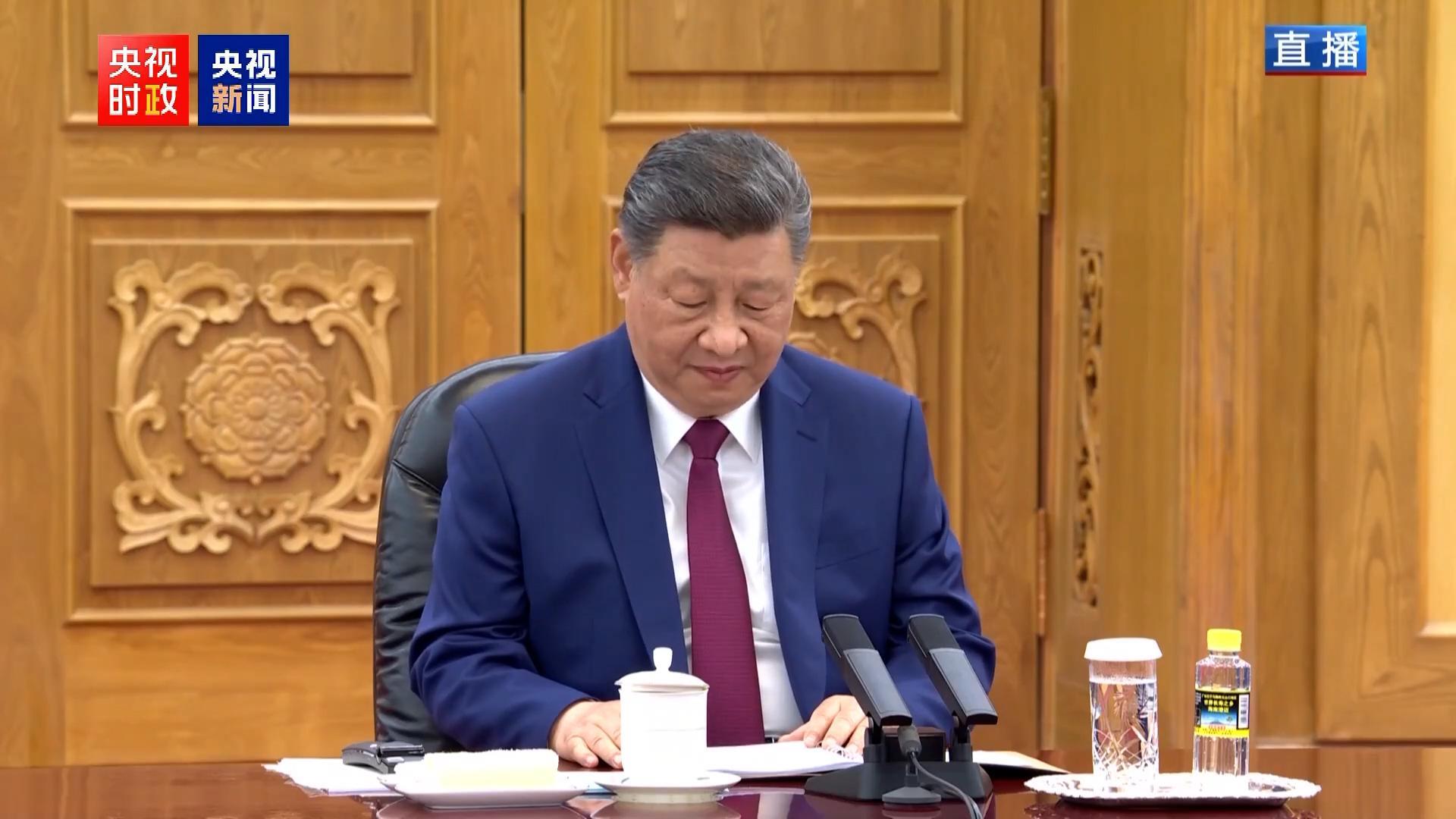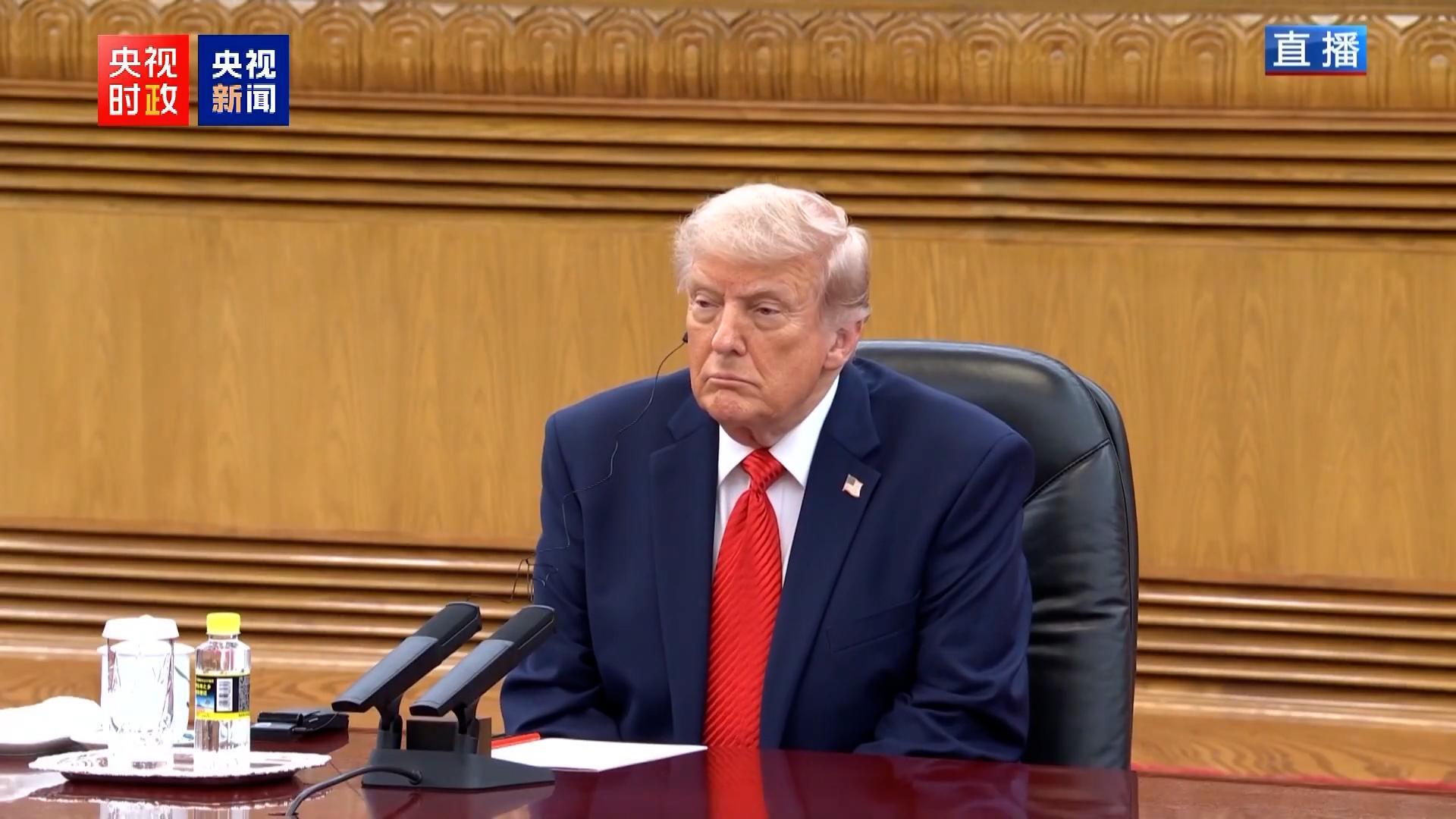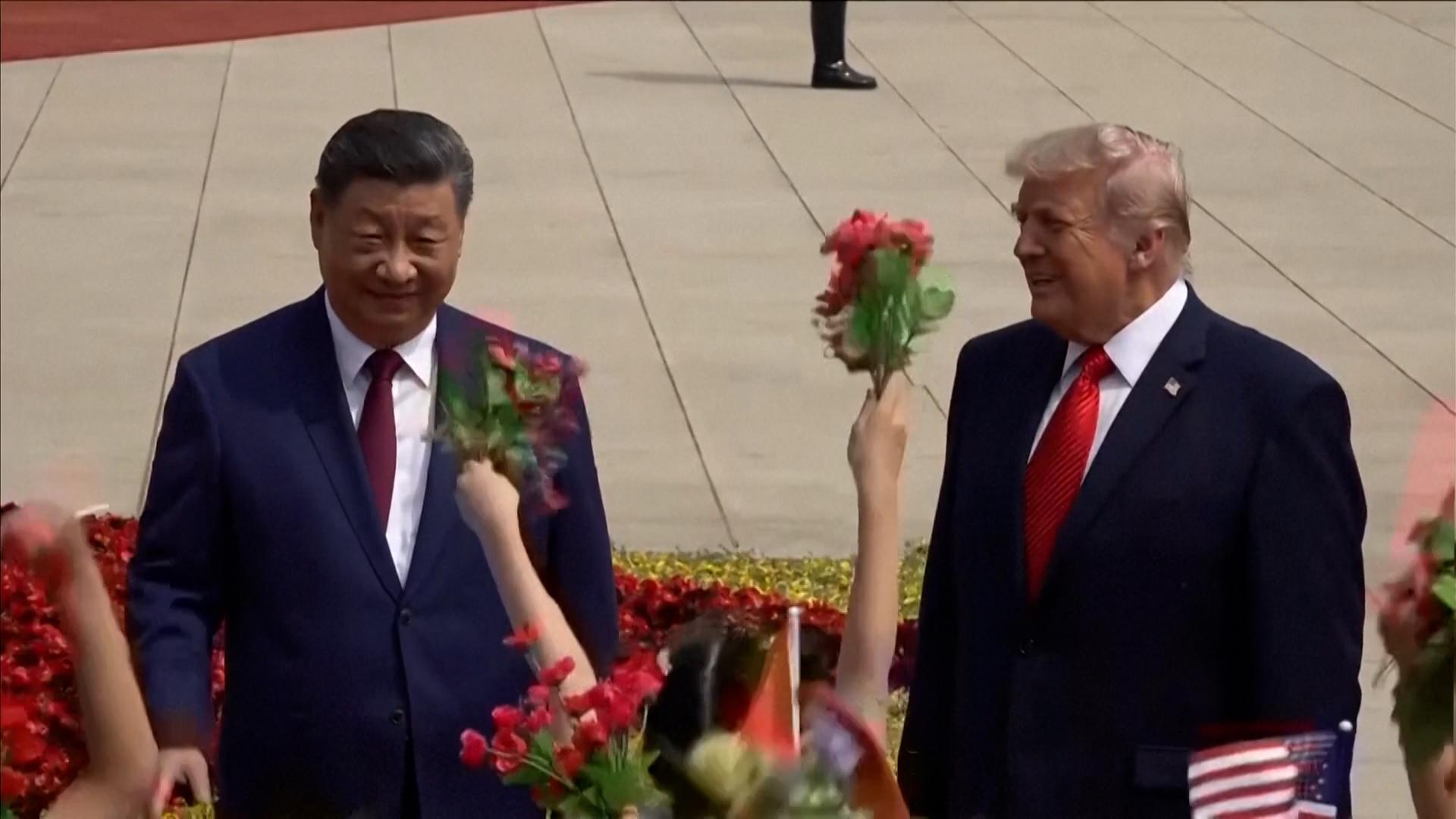

(Phnom Penh) — U.S. President Donald Trump’s visit to Beijing and his meeting with Chinese President Xi Jinping may have been far more than a routine diplomatic engagement or a standard trade negotiation.
Behind the public remarks from both leaders — each describing the trip as a “tremendous success” and a “historic moment” — a deeper geopolitical shift may also be unfolding. The world’s two largest powers could now be attempting to build a new “crisis management framework” aimed at preventing global fragmentation at a time when the Iran war is threatening international energy security, economic stability, and geopolitical order.
The larger questions, however, are these:
Could this meeting pave the way toward a solution to the Iran conflict?
And if Washington and Beijing begin cooperating over Iran, how might that affect the future of Taiwan?
The Iran War Is Pushing the United States and China Closer Together
Before this visit, the world was already entering an increasingly dangerous phase marked by several overlapping crises:
• The war involving Iran, the United States, and Israel
• The risk of closure of the Strait of Hormuz
• Rising global oil prices
• Escalating tensions across the Middle East
• And growing fears that the conflict could expand into a broader global crisis
In this context, Trump’s remark — “We feel very similar on Iran” — carried major geopolitical significance.
Why? Because the United States and China remain strategic rivals. Yet at this moment, they share one crucial common interest: neither side wants the Iran conflict to destabilize the global economic system.
China depends heavily on Middle Eastern energy supplies, while the United States does not want global markets to collapse under the pressure of a prolonged regional war. In other words, both powers have strong reasons to prevent the Strait of Hormuz from being shut down.
The Iran war, therefore, may be forcing the world’s two largest powers into a temporary form of strategic cooperation aimed at protecting global energy and economic stability.
Could a Resolution to the Iran War Be Possible?
Some analysts believe the Trump–Xi meeting may increase the chances of “crisis management,” although it does not necessarily mean the war will end immediately. This assessment rests on three major factors.
1. China Is Changing Its Tone
Previously, Beijing strongly criticized the United States and Israel over the war against Iran. However, following the meeting with Trump, China’s Foreign Ministry stated:
“The war should have never happened and has no reason to continue.”
This shift suggests that Beijing no longer wants the conflict to drag on indefinitely.
2. Trump Does Not Want a Long War
Trump has consistently portrayed himself as a “deal-maker,” not a president committed to endless wars. In this context, he appears to be pushing Iran toward negotiations, encouraging a ceasefire, protecting the Strait of Hormuz, and attempting to end the conflict before the U.S. economy comes under heavier pressure.
3. Both Washington and Beijing Fear an Energy Crisis
If the Strait of Hormuz were closed:
• Oil prices could surge well above $100 per barrel
• Global supply chains could face renewed disruption
• Inflationary pressures could intensify
• And international markets could come under severe strain
As a result, both Washington and Beijing have shared reasons to prevent the conflict from escalating into a global energy and economic crisis.
Why Did Taiwan Become Such a Major Issue During the Meeting?
This may have been the most dangerous aspect of the Trump–Xi talks.
Xi Jinping reportedly told Trump that Taiwan was the “most important issue” in China-U.S. relations and warned that if not handled carefully, the issue could lead the two countries toward confrontation or even conflict. This was not ordinary diplomatic language. It was a direct signal that Taiwan remains Beijing’s absolute “red line.”
What was equally striking was Trump’s response — or lack of one. Unlike previous U.S. presidents who often publicly reaffirmed America’s commitment to Taiwan’s defense, Trump adopted a notably restrained tone.
Trump later told reporters that he had simply “heard him out” after Xi warned that Beijing would never tolerate any fight for Taiwan independence because it could trigger a major confrontation.
What further caught analysts’ attention was Trump’s interview with Fox News on Friday, in which he said he did not want “anybody going independent,” a remark widely interpreted as referring to Taiwan. At the same time, Trump also called on China to “cool down” and stressed that he had “made no commitment either way” regarding Taiwan.
These remarks have led some analysts to interpret Trump’s position as a continuation of Washington’s long-standing policy of “Strategic Ambiguity” toward Taiwan. However, this time Trump appears to be applying that ambiguity with greater caution, as Washington seeks to avoid opening another front with China while already facing mounting pressure from the Iran crisis.
Trump’s reluctance to use strong pro-Taiwan language during the visit may suggest that the United States is trying to avoid an immediate confrontation with China — particularly at a moment when Washington may need Beijing’s cooperation to help contain the Iran conflict, which is threatening global energy security, economic stability, and international order.
Are Iran and Taiwan Now Strategically Connected?
At this stage, Iran and Taiwan may no longer be separate geopolitical issues. This could be one of the most important implications of the Beijing meeting between the leaders of the world’s two largest powers.
For the United States, the Iran conflict risks diverting military attention and strategic resources while Washington simultaneously faces growing tensions with China over Taiwan. That is not an ideal situation for U.S. global strategy.
For China, Beijing is closely watching whether the United States is capable of managing multiple crises at the same time. China is also testing how far Trump is truly prepared to go in defending Taiwan.
As a result, the Iran war and the future of Taiwan are no longer isolated issues. They are increasingly connected within a new global power equation in which both superpowers are attempting to manage their rivalry without allowing it to escalate into direct confrontation.
Conclusion
Trump’s visit to Beijing this week was likely far more than an ordinary diplomatic meeting.
It may represent the beginning of a new “crisis management system” between the world’s two major powers at a time when the international order is under severe pressure from war, energy insecurity, economic instability, and geopolitical rivalry.
The Iran conflict is forcing the United States and China into temporary cooperation in order to protect global energy and economic stability. Yet at the same time, Taiwan remains the single most dangerous issue capable of rupturing relations between the two powers at any moment.
More broadly, the world may now be entering a new phase in which Washington and Beijing are not only competing with one another, but are also attempting to manage that competition carefully in order to avoid a direct confrontation that could fracture the global system itself.
In this context, major strategic questions are now emerging:
Could Beijing use the Iran crisis and Washington’s focus on the Middle East to increase pressure on Taiwan?
And can the United States manage the Iran conflict while simultaneously maintaining deterrence against China in the Indo-Pacific?
These may ultimately be the deepest geopolitical implications of Trump’s visit to China this week.