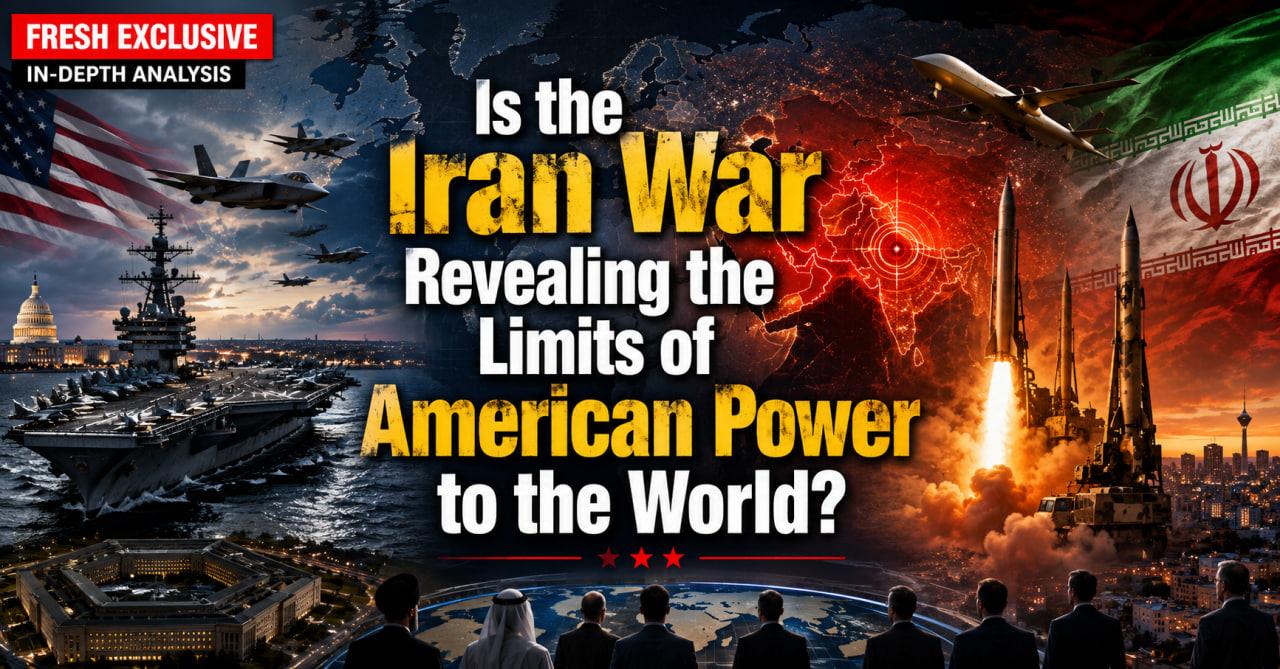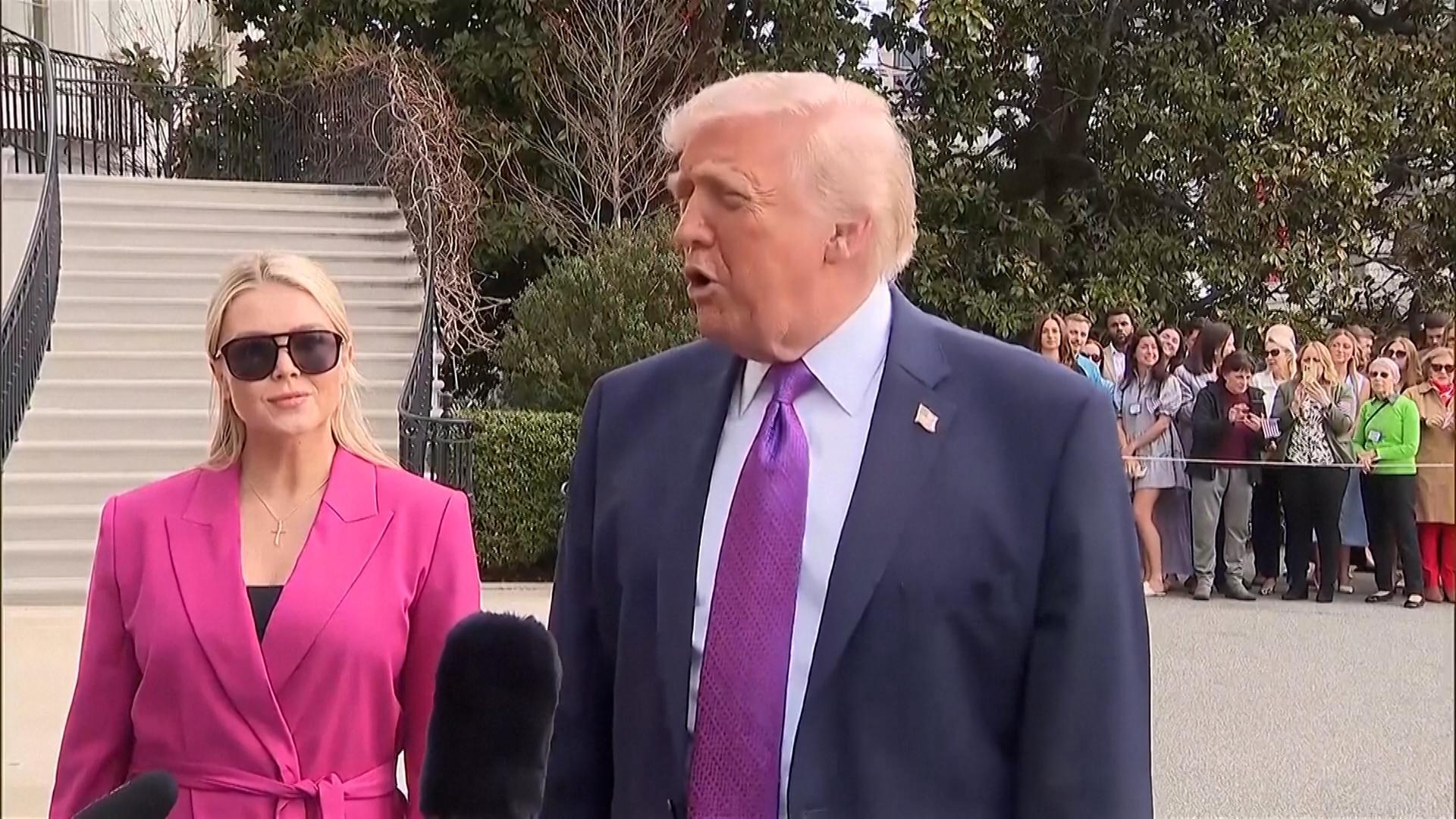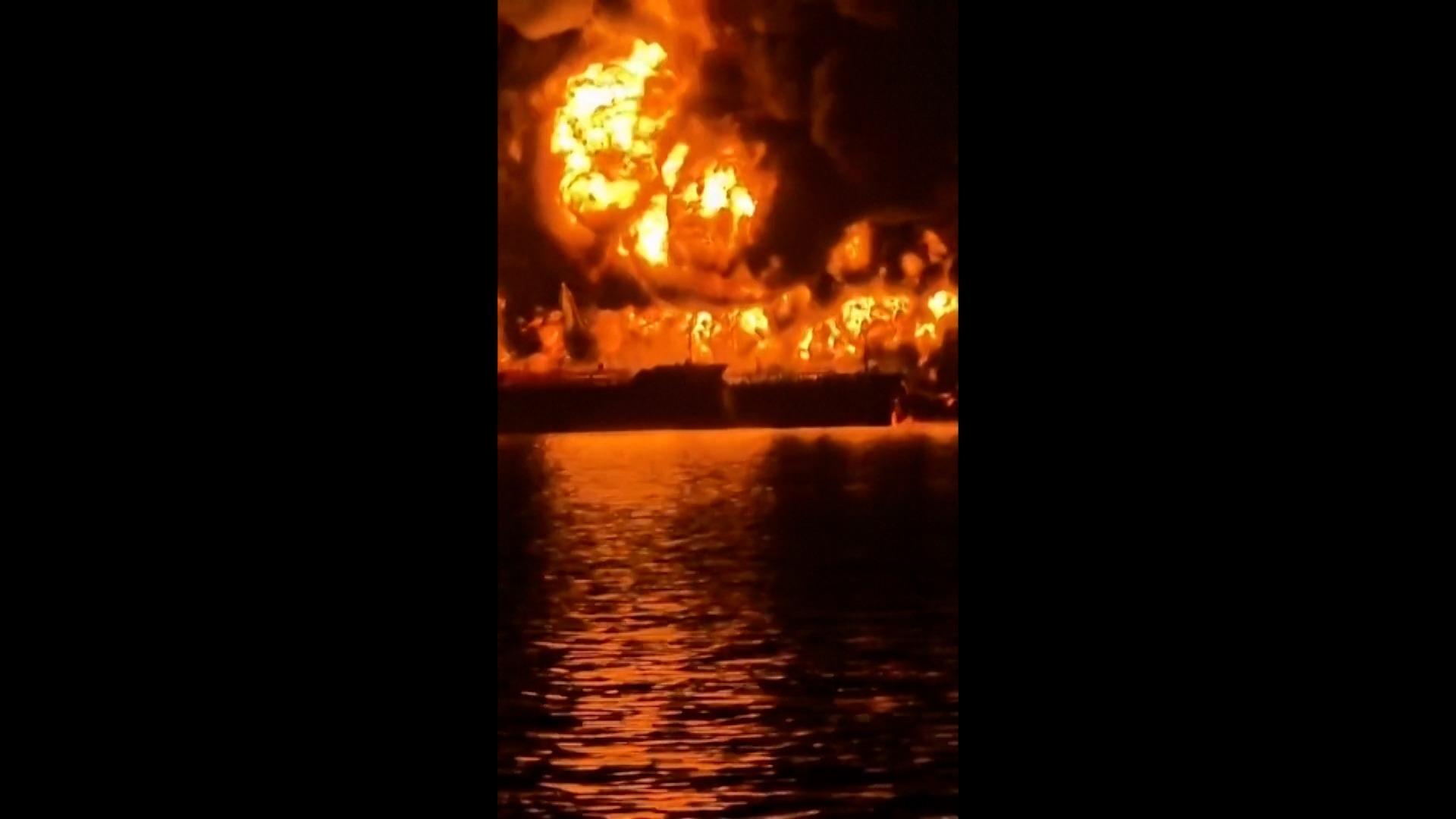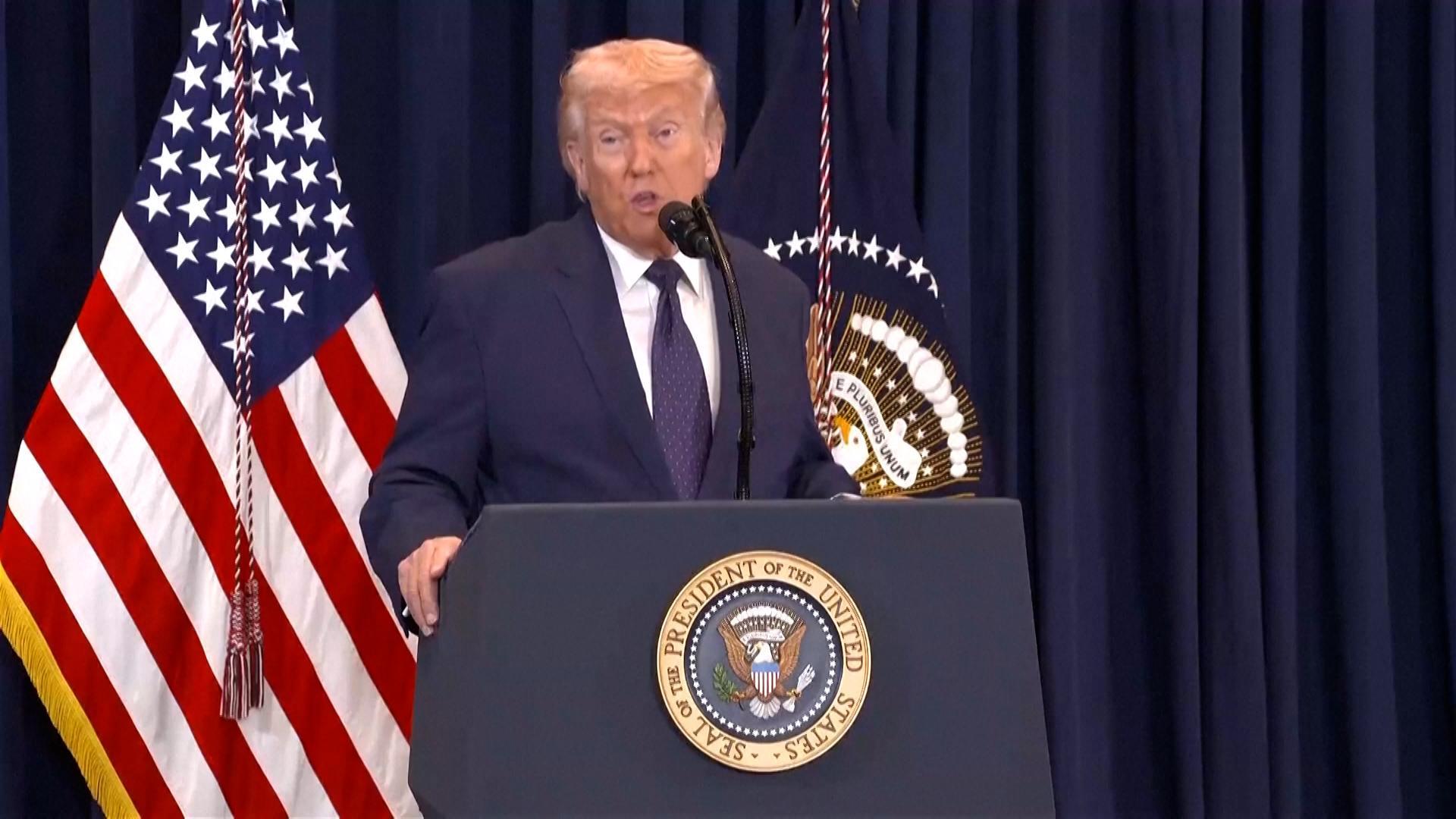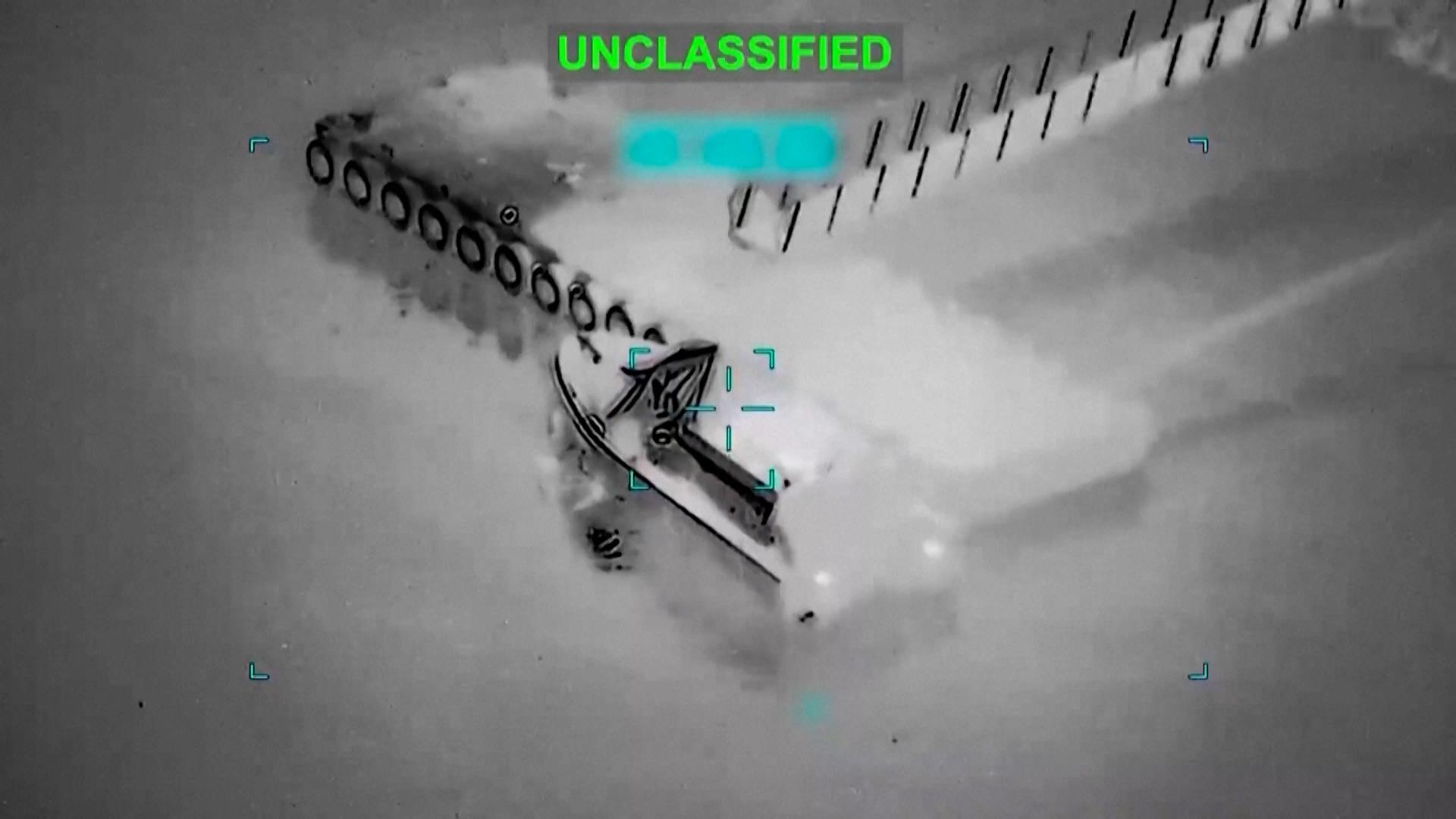

(Phnom Penh): When President Donald Trump returned to Washington aboard Air Force One after his high-stakes trip to Beijing, the Iran war no longer looked the same. Although the White House continued to threaten military action and the Pentagon remained prepared for potential strikes, Trump himself unexpectedly delayed a planned attack and instead began speaking about “serious negotiations” with Iran.
What is unfolding now is not merely a routine tactical adjustment. It may instead signal that the world is entering a new era — one in which even a superpower like the United States can no longer easily rely on military force alone to manage global crises as it once did.
What is perhaps most striking is that the Trump administration refrained from making any immediate major military decisions against Iran following Trump’s meetings with leaders in China. This is a significant sign that the Iran conflict is no longer a war the United States can manage unilaterally, as it largely did during the Iraq War in 2003.
In today’s emerging multipolar order, no major power can wage war without considering the reactions and interests of other major powers — especially China, which is not only Iran’s largest economic partner, but also one of the world’s largest energy consumers.
Strategic Ambiguity: Trump Uses the Threat of War to Increase the Value of Negotiations
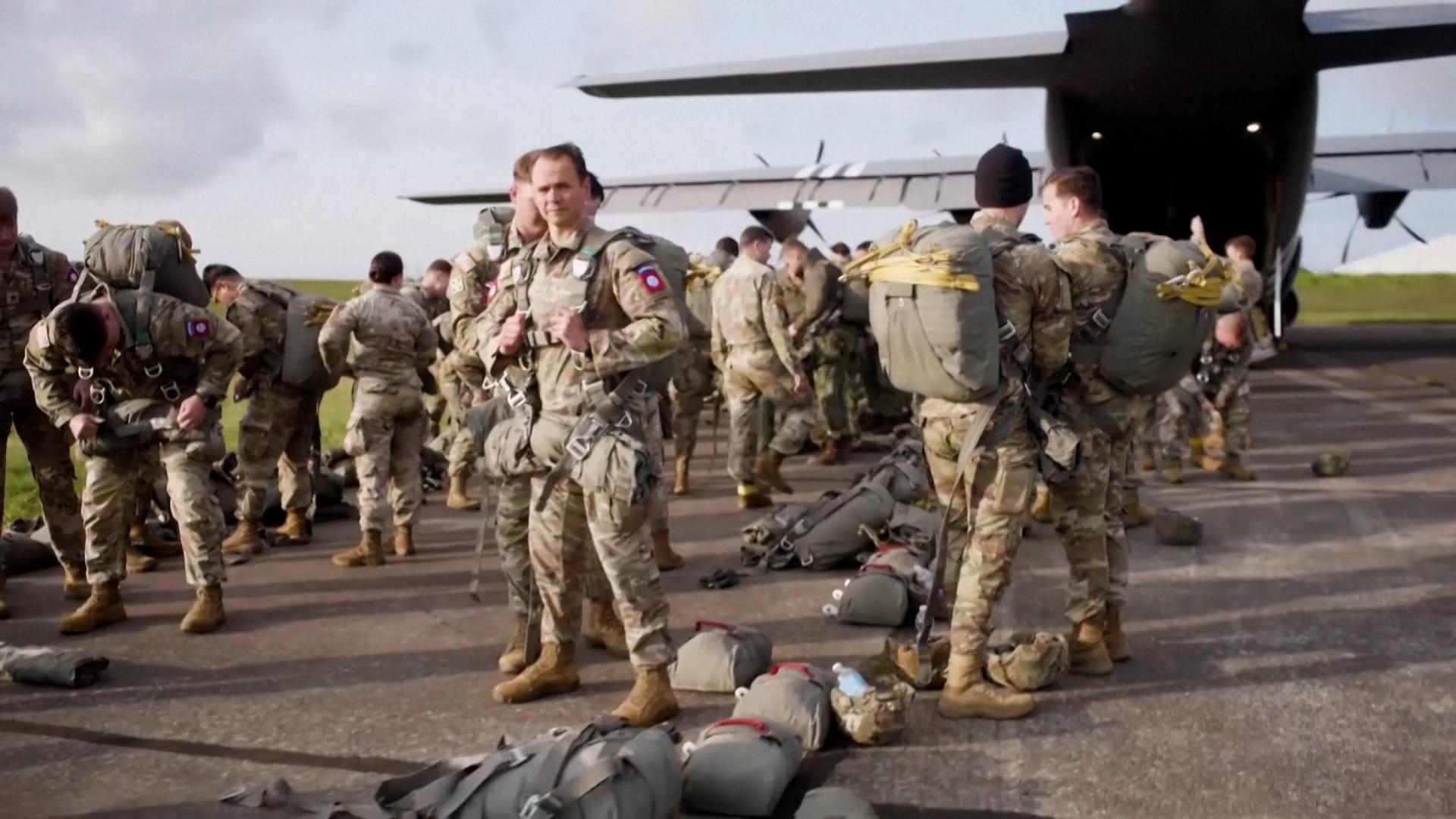
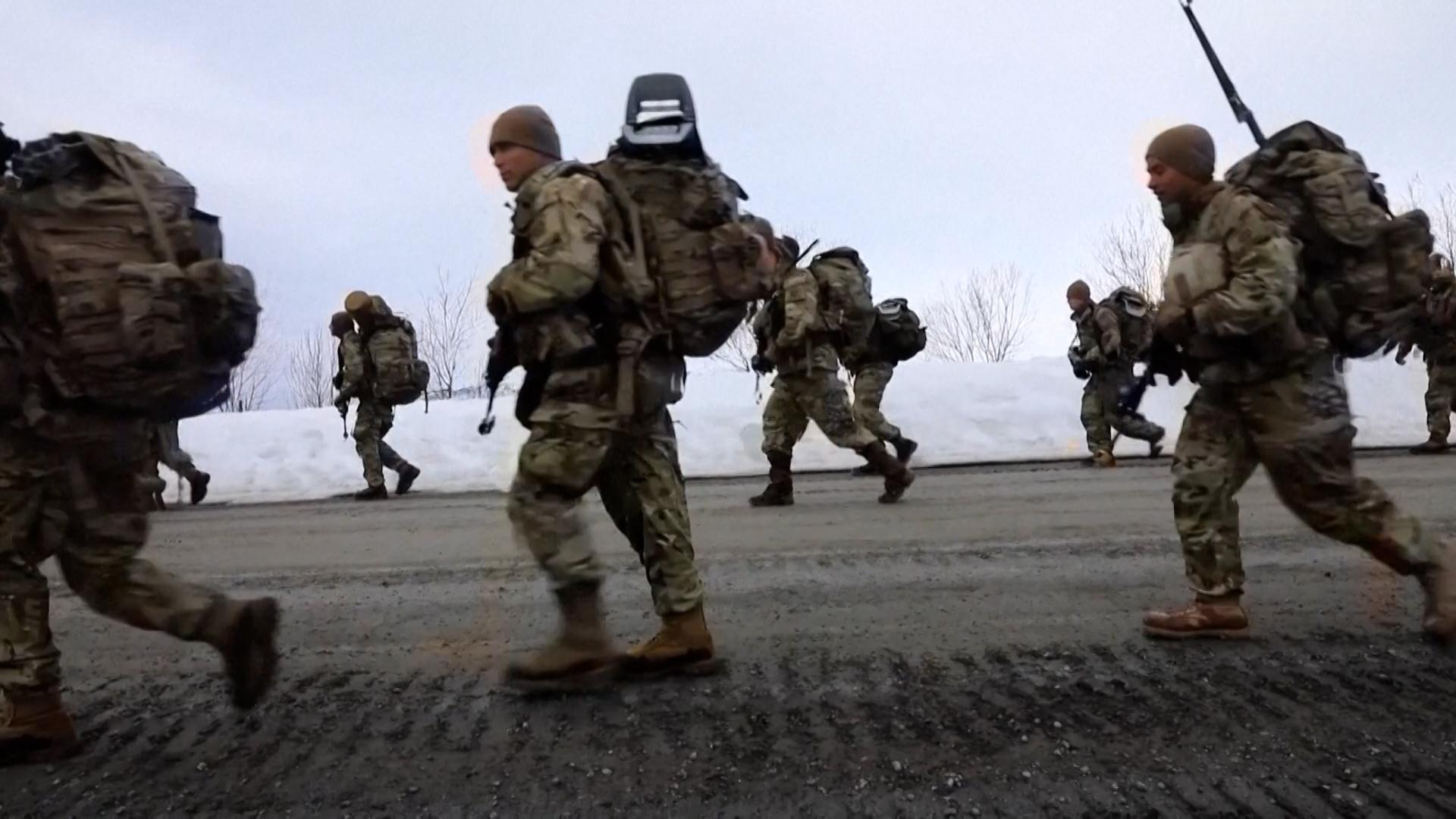
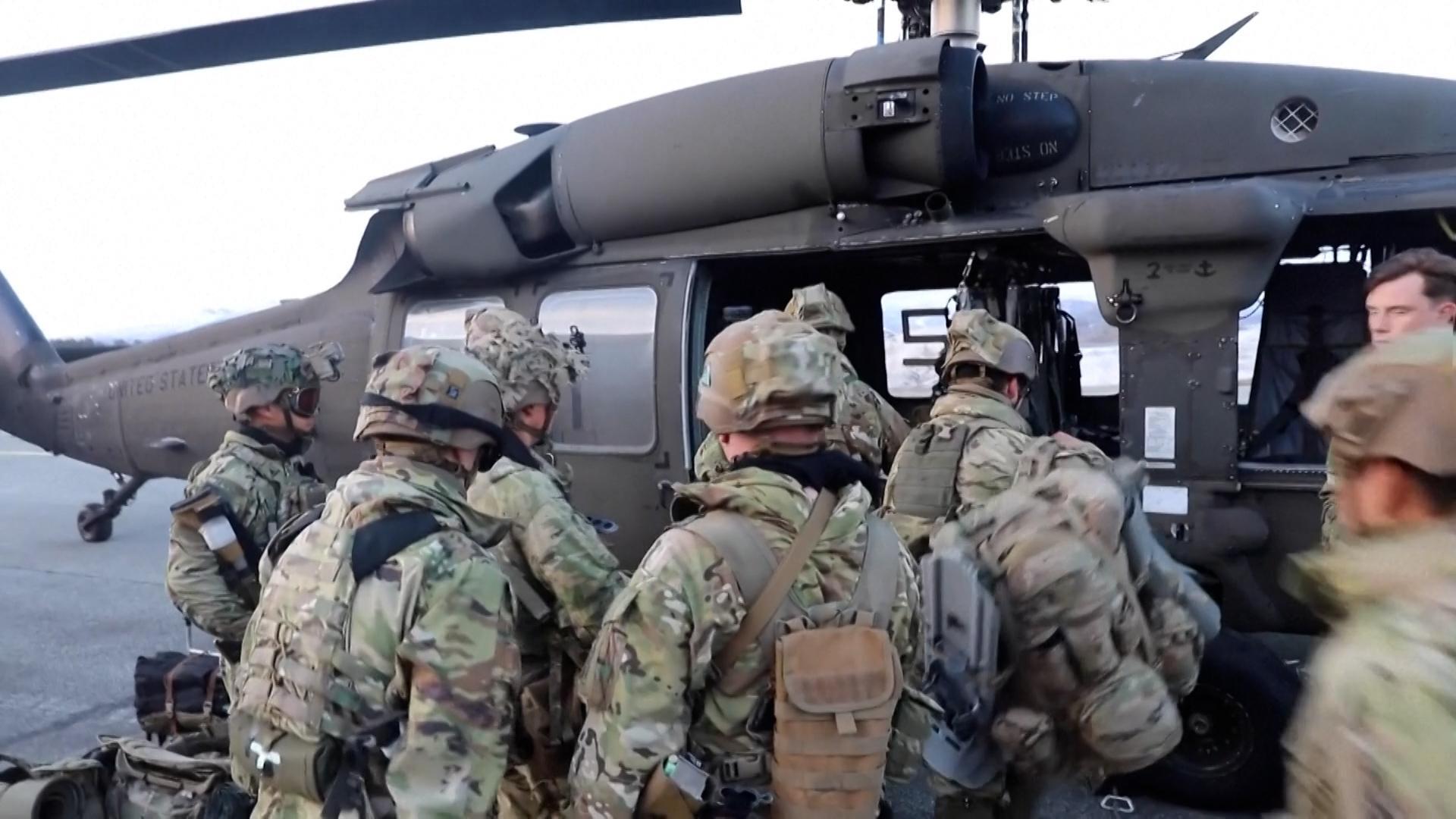
Trump appears to be pursuing a highly complex strategy: threatening military action, delaying military action, preparing military action, and opening channels for diplomacy — all at the same time. CNN reported on May 19 that Trump said he would “hold off” on a planned strike against Iran following requests from Qatar, Saudi Arabia and United Arab Emirates, while simultaneously ordering the US military to remain ready for a “full, large-scale assault” if negotiations failed.
This approach can best be described as “Strategic Limbo” or “Controlled Uncertainty.” Its purpose is to make Tehran feel that war could erupt at any moment while keeping the door to diplomacy partially open. In effect, Trump is using the threat of war as psychological leverage to strengthen America’s negotiating position.
However, such a strategy carries enormous risks. When military threats become instruments of diplomacy, even a small miscalculation can trigger a real war. Those risks become even greater at a time when domestic political and economic pressures inside the United States are rising, and public patience for another Middle East war appears to be weakening.
Domestic Pressure: The Iran War Is Beginning to Shake Trump’s Political Base
Recent polling suggests that Trump is facing growing political danger at home. White voters without college degrees — long considered the backbone of Trump’s political coalition — are increasingly expressing dissatisfaction with his leadership. According to CNN, Trump’s support among this group has fallen from 63 percent in February 2025 to 49 percent today, while several polls now show that a majority of these voters disapprove of him.
The issue is not simply the war itself, but the economic consequences tied to it. CNN reported that 67 percent of non-college White voters said the Iran war had negatively affected their financial situation, while 56 percent said Trump’s policies had worsened national economic conditions.
This reveals how a foreign conflict can quickly become a domestic political burden. Rising oil prices, fears surrounding the closure of the Strait of Hormuz, and anxiety over another prolonged Middle East war are transforming the Iran conflict from a geopolitical issue into a question of living costs, economic stability, and electoral survival for Trump and the Republican Party.
In short, Trump may be able to order military strikes against Iran, but he cannot control oil prices, public opinion, or voter frustration. That is precisely what makes the Iran war such a dangerous political trap for his administration.
Gulf Allies: Why America’s Closest Partners Fear a Wider War with Iran
At the same time, America’s closest allies in the Gulf region — including Saudi Arabia, Qatar, and the United Arab Emirates — are also urging Trump to delay military action against Iran. According to CNN, Trump himself confirmed that the leaders of those countries requested a short delay because they believed negotiations with Tehran still had a chance of succeeding.
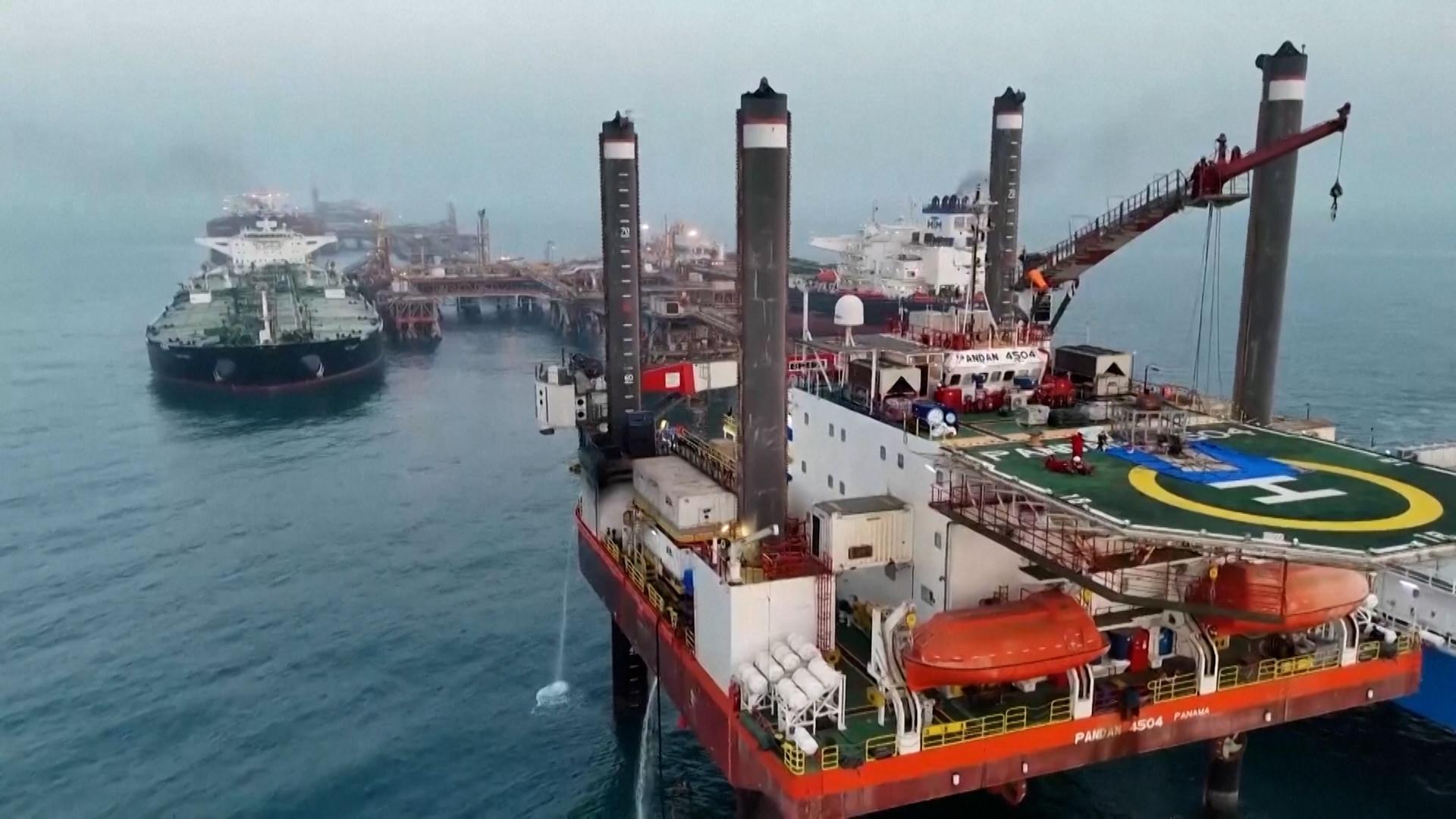
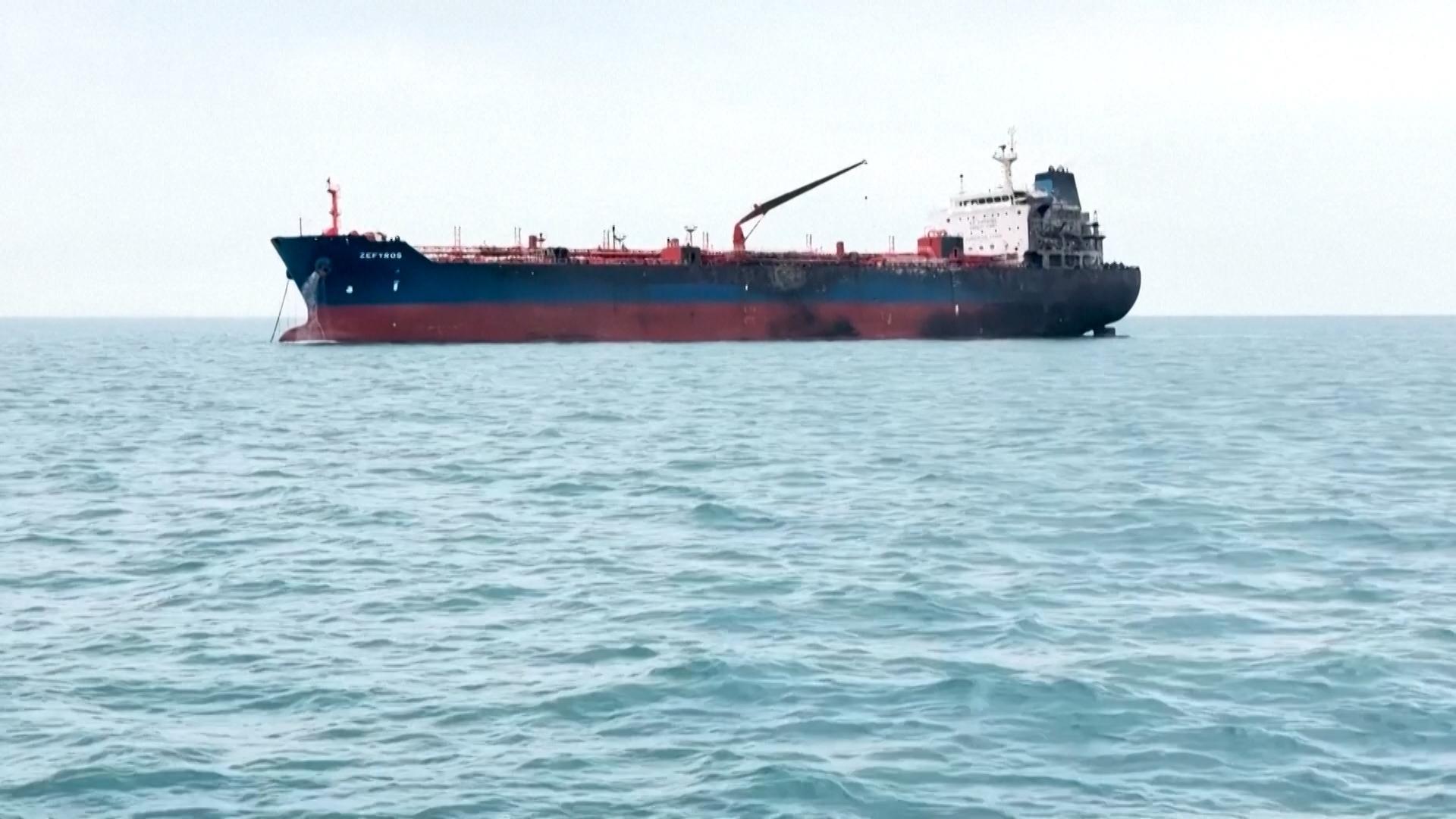
Their concerns are deeply rooted in regional reality. Gulf leaders understand that if the conflict expands, the Strait of Hormuz — one of the world’s most vital oil shipping routes — could become a battlefield or even be shut down entirely. Under such circumstances, major cities, US military bases, and critical energy infrastructure across the Gulf could become targets for Iranian retaliation or attacks by Iran-aligned groups.
For these countries, war with Iran is not simply a question of military victory. It is a question of economic survival and regional stability. Even if the United States maintains overwhelming military superiority, the disruption of oil markets, financial instability, and attacks on energy infrastructure could inflict severe damage on both regional economies and the global economy as a whole.
This is an important signal that even Washington’s closest allies are beginning to believe that the cost of escalation may outweigh its strategic benefits. It also demonstrates that in a multipolar world, even superpowers cannot wage war without taking into account the fears and interests of their own allies.
Conclusion: A New World Where War Can No Longer Be Controlled by One Power Alone
What is happening now is not simply a confrontation between the United States and Iran. It is a major test of America’s ability to use military power to manage global crises in a new multipolar era.
In this new age, the United States can no longer wage war without considering China’s reactions, global oil markets, allied pressure, Congress, and domestic public opinion. Military power may still possess immense destructive capability, but that does not necessarily mean it can control the political, economic, and geopolitical consequences of war as it once did.
The Iran conflict, therefore, is not merely another Middle Eastern war. It is a sign that the world itself is changing — from an era in which a single superpower could dictate the course of war alone, to one in which power is increasingly distributed, and where a single conflict can disrupt global economics, energy markets, and political stability across continents.
For decades, the world rarely saw the true limits of American power. But the Iran war over the past three months appears to be exposing something new: even the world’s most powerful military superpower has limits when it comes to controlling war and managing its consequences.
The biggest question today is no longer: “Can the United States defeat Iran militarily?”
The more important question is:
“Can the United States still control war — and the consequences of war — by itself in a new multipolar world?”