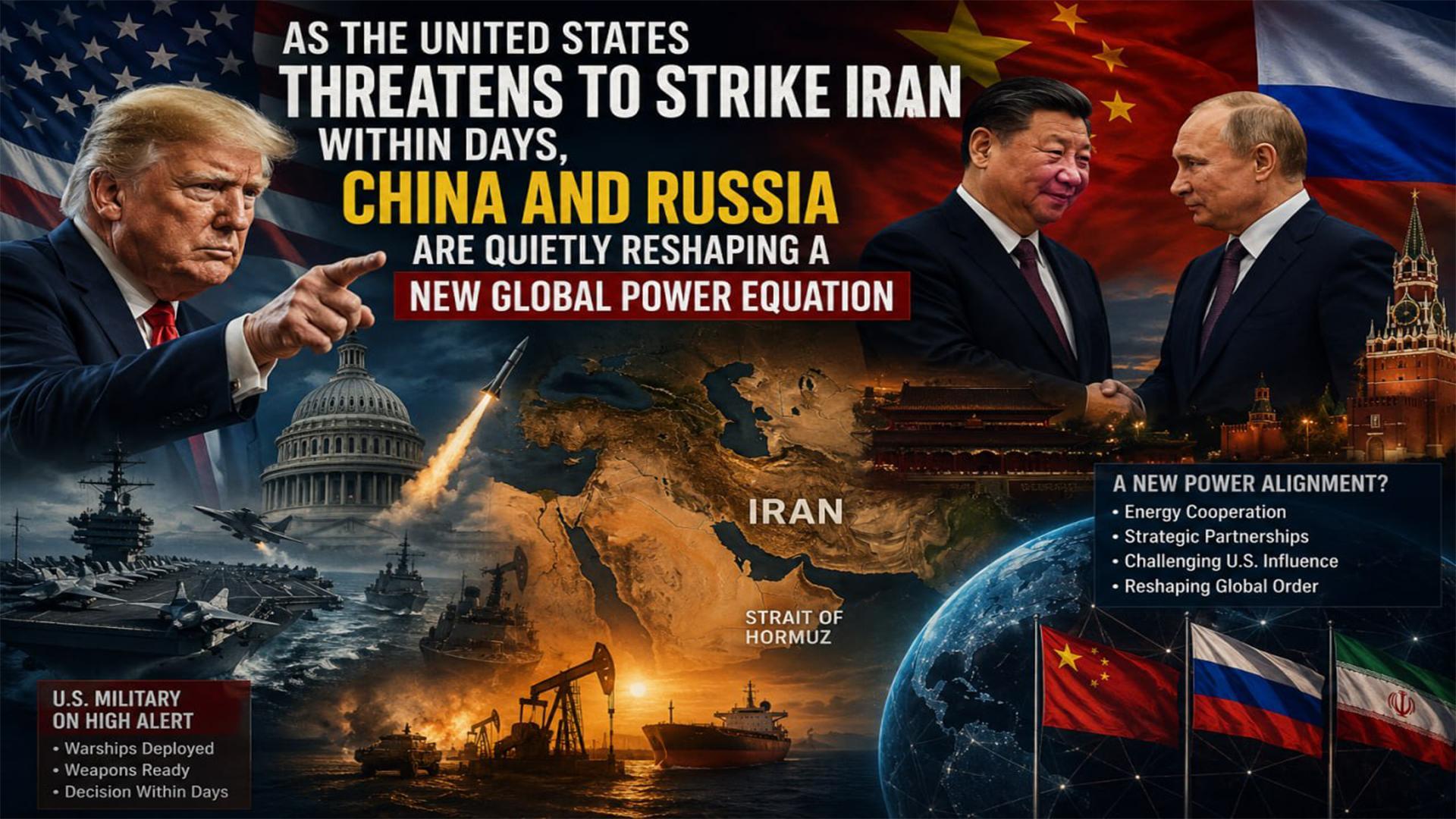

(Phnom Penh): As Donald Trump renewed warnings that the United States could launch military strikes against Iran “within the next two or three days,” the leaders of China and Russia were meeting in Beijing to discuss energy, war, and the future of the global order.
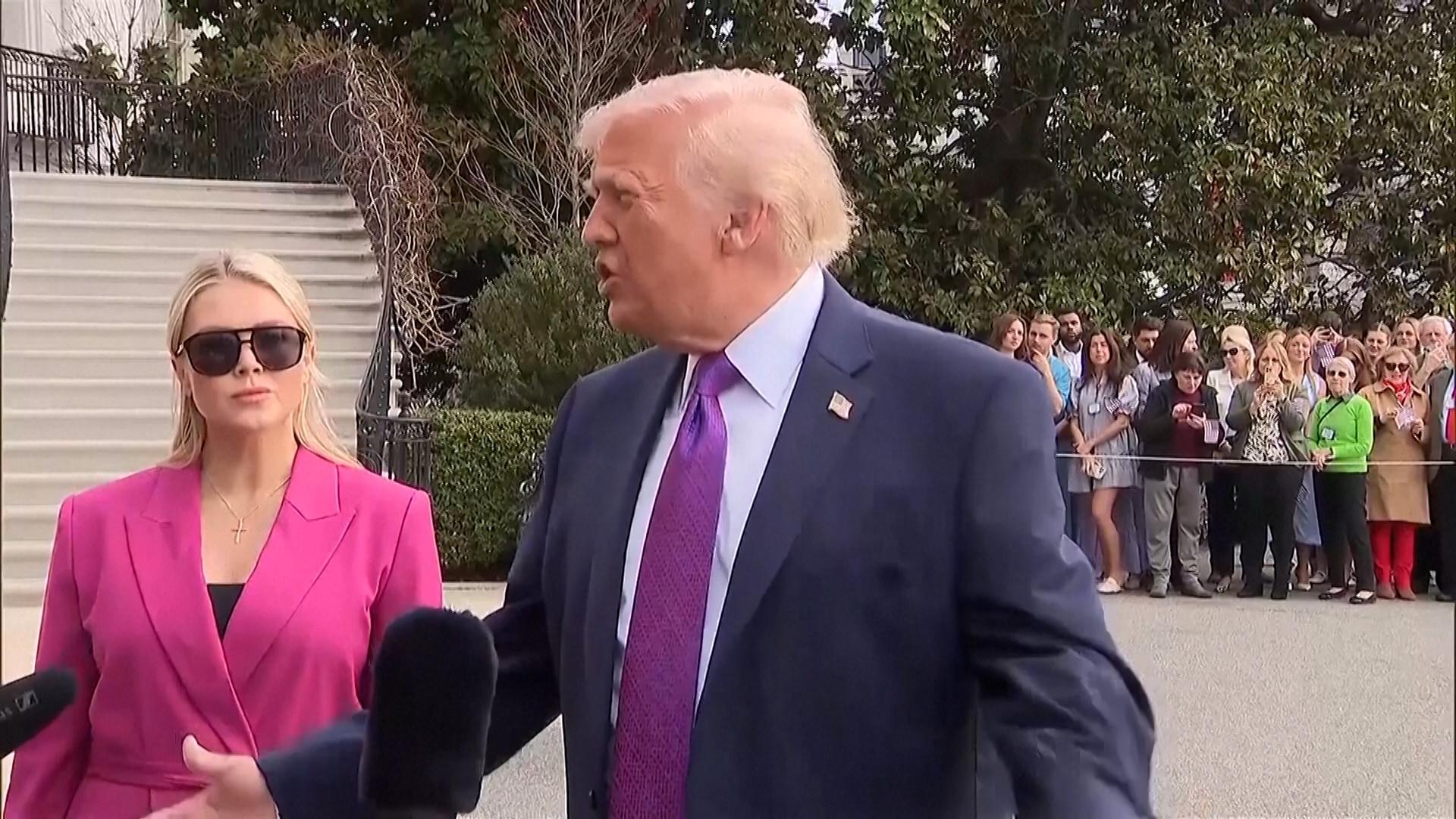
CNN and Al Jazeera both aired video clips of Trump speaking to reporters on May 20, during which he declared: “The ships are loaded… we are all set to start.”
Trump further stated that he had already made his decision, but was still allowing “two or three more days” for negotiations to continue.
This was not the first time Trump had threatened military action against Iran. Many analysts believe the former US president is employing a highly complex strategy — simultaneously threatening military strikes, delaying them, preparing for war, and keeping diplomatic channels open at the same time.
On May 19, Trump revealed that roughly one hour before authorizing strikes against Iran, he received a request urging him to delay the operation because negotiations appeared to be making positive progress.
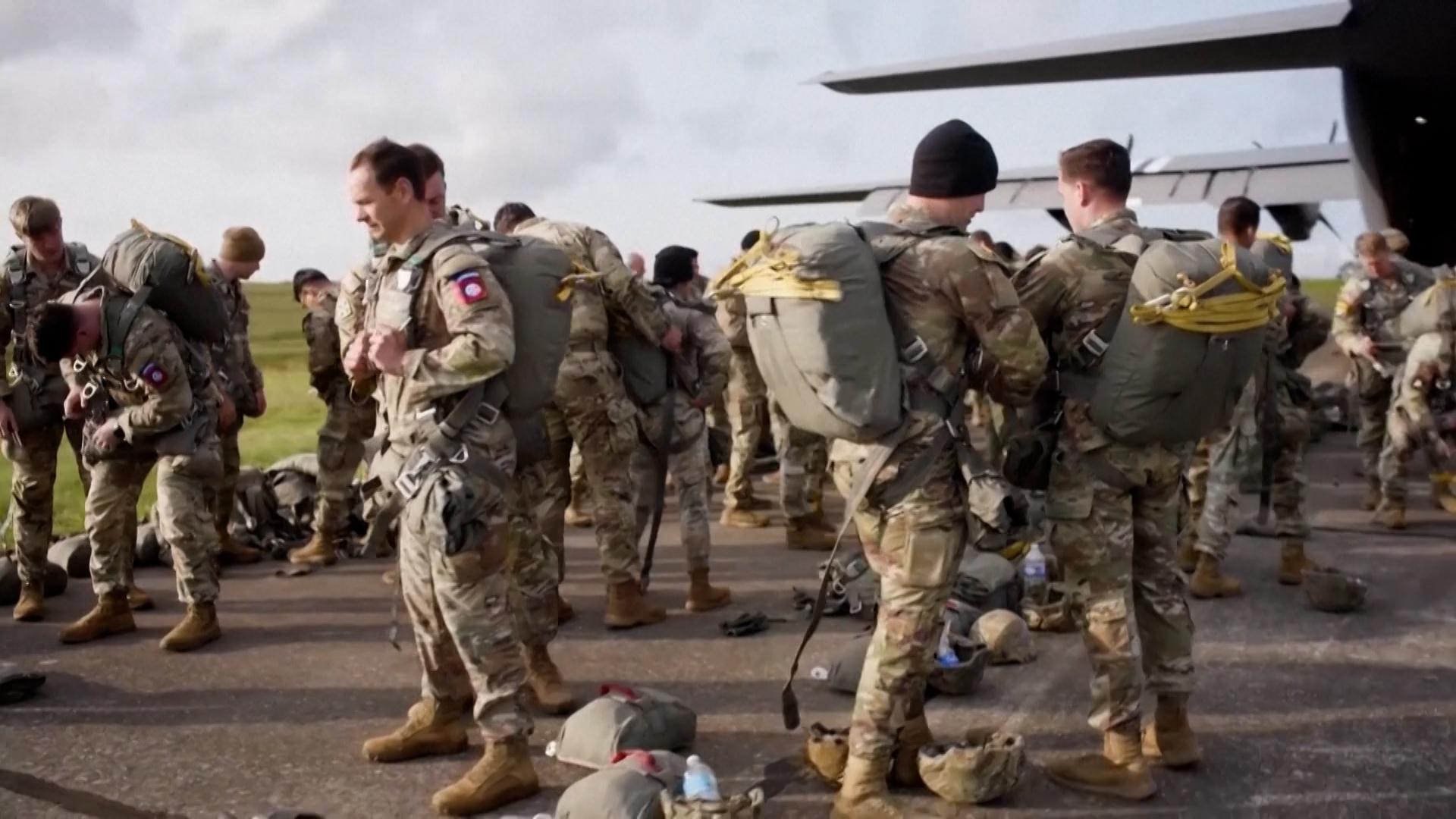
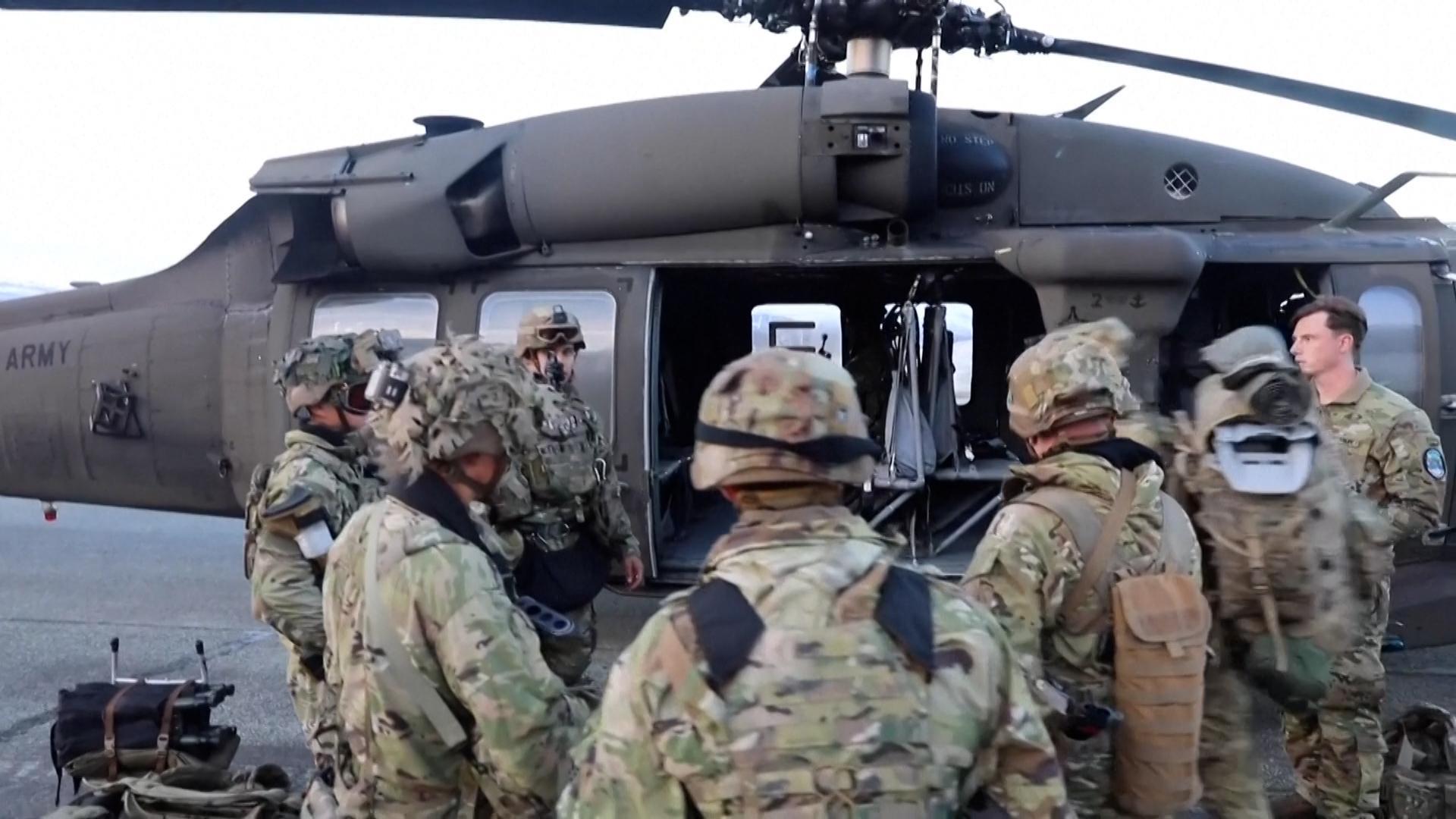
Trump also confirmed that the United States had temporarily postponed plans for military action following requests from Qatar, Saudi Arabia, and United Arab Emirates. At the same time, however, he ordered the US military to remain fully prepared for a “large-scale attack” against Iran “at any moment” should negotiations fail.
The Iran Crisis Is Driving China and Russia Closer Together
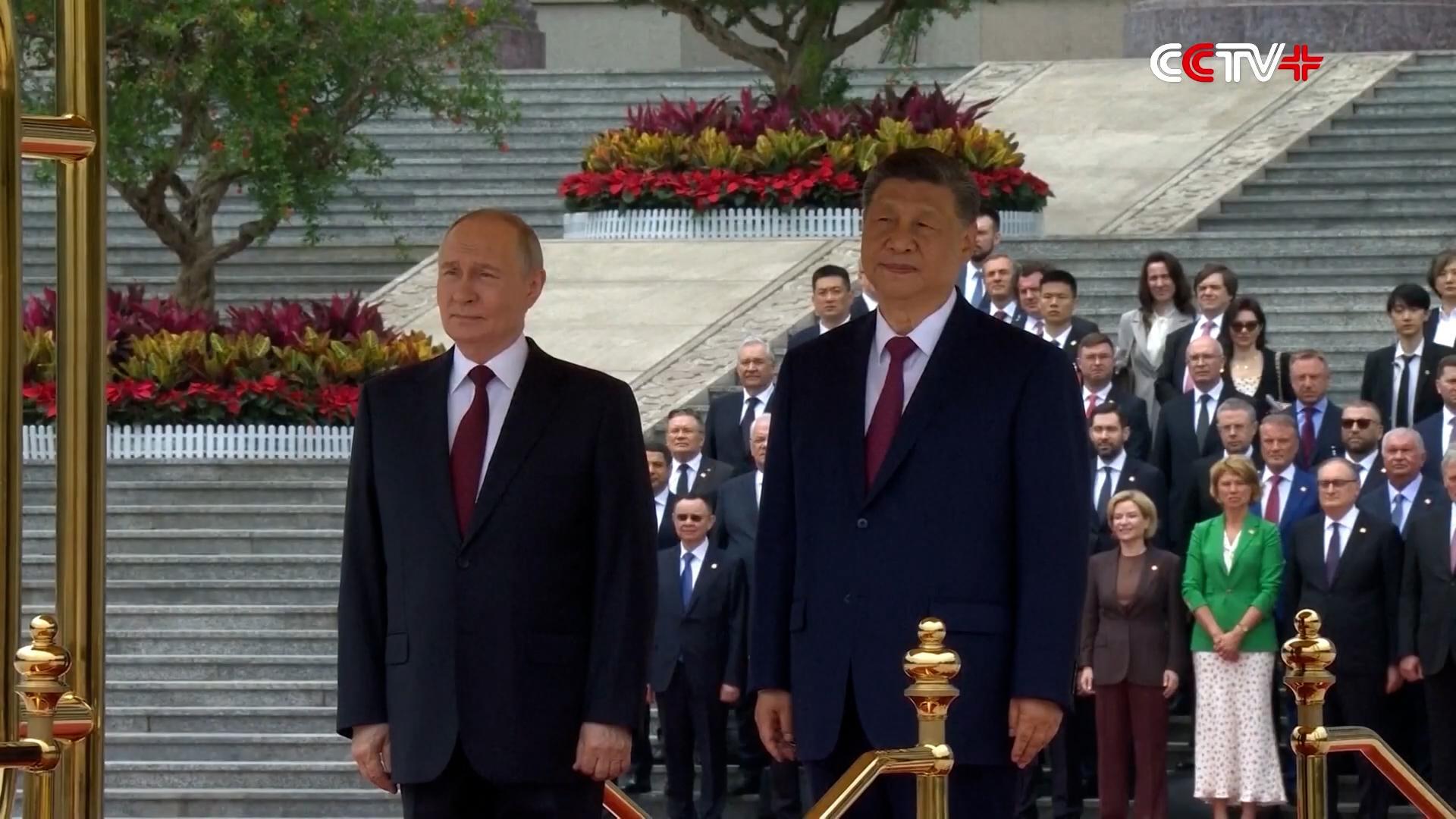
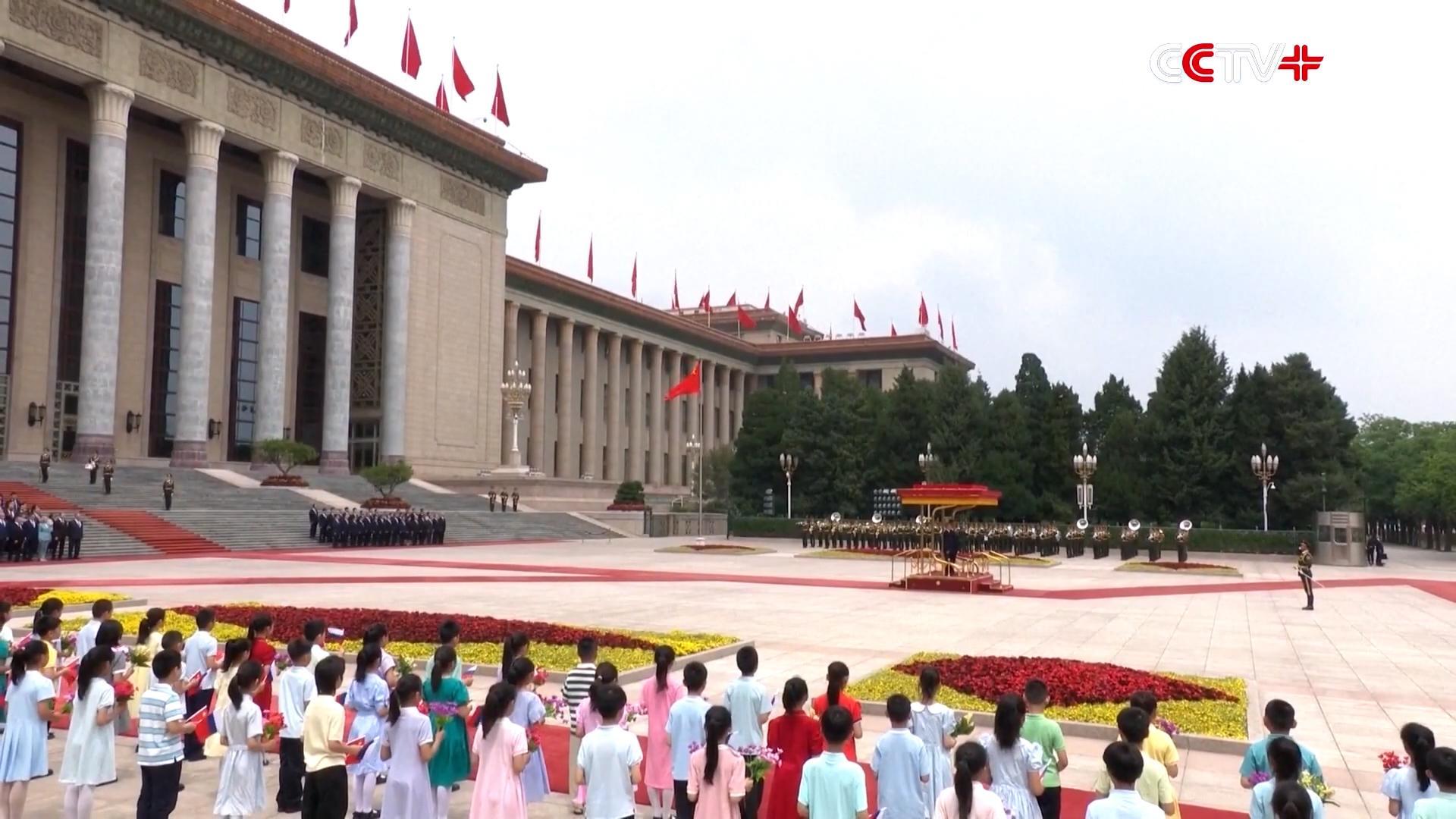
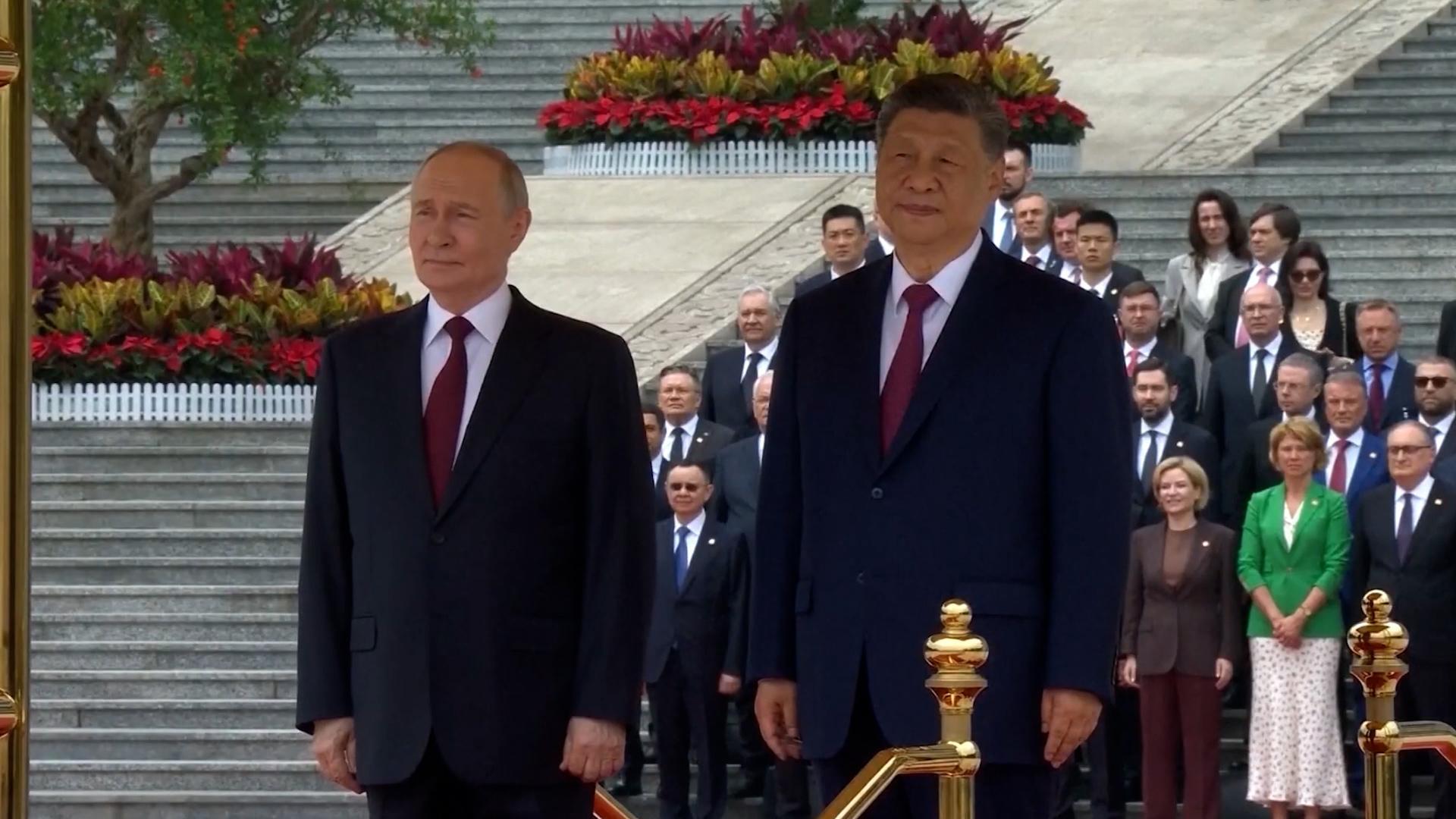
While Washington is once again considering military action against Iran, Chinese President Xi Jinping and Russian President Vladimir Putin — who is currently on a one-day state visit to Beijing — appear to be focused on something far larger: the shaping of a new global power equation.
The Chinese and Russian leaders stated that the world is becoming increasingly unstable and chaotic, while also being influenced by what they described as “hegemonic tendencies,” language frequently used by Beijing to criticize American dominance in international affairs.
Xi Jinping called for “a more just and reasonable global governance system,” a political message clearly signaling that Beijing and Moscow envision a multipolar world in which the United States is no longer the sole central power.
China and Russia See the Iran Crisis as More Than Just a War
For China, the Iran crisis is not merely a political or security issue — it is also an energy and economic issue of national importance.
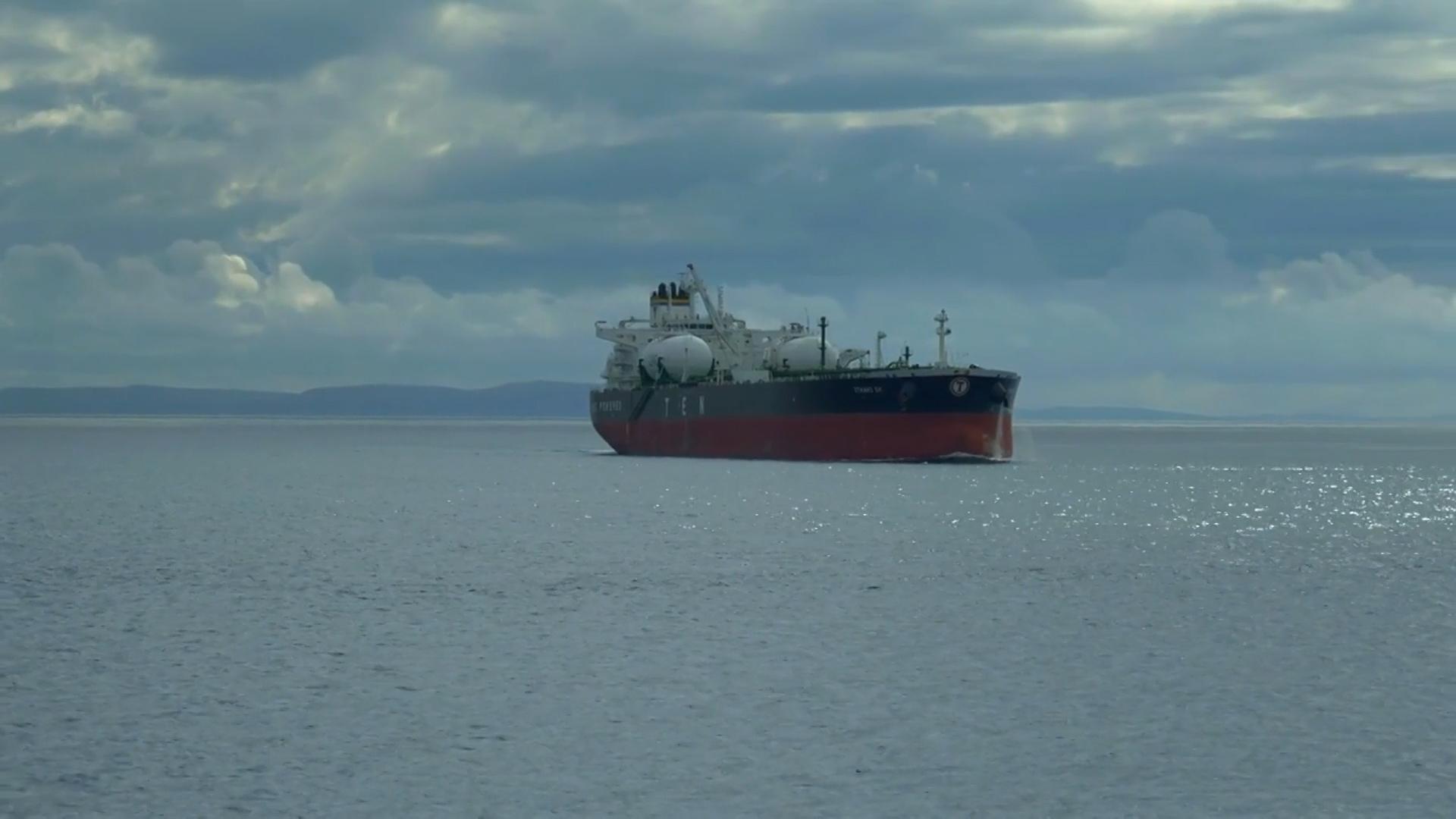
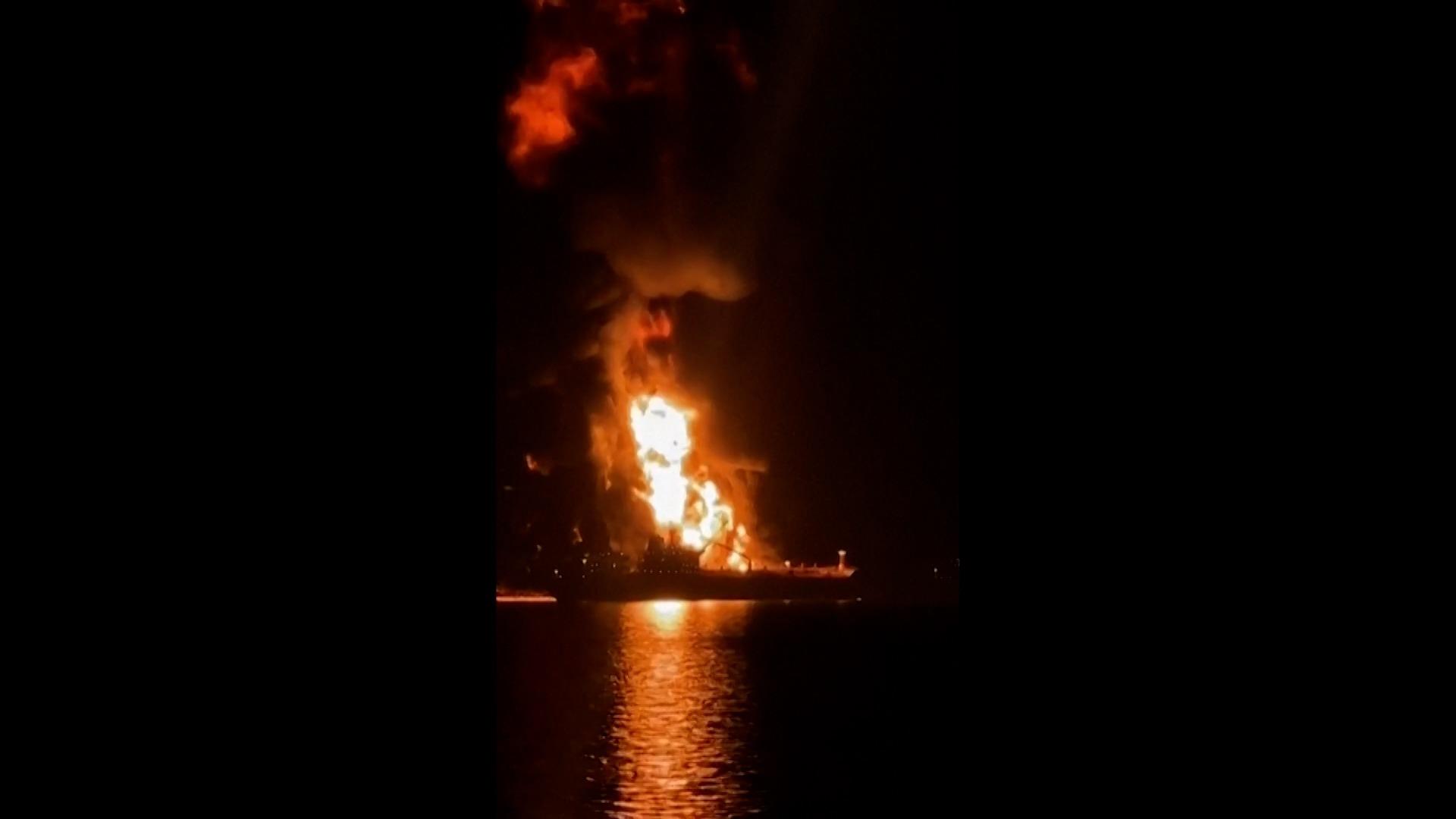
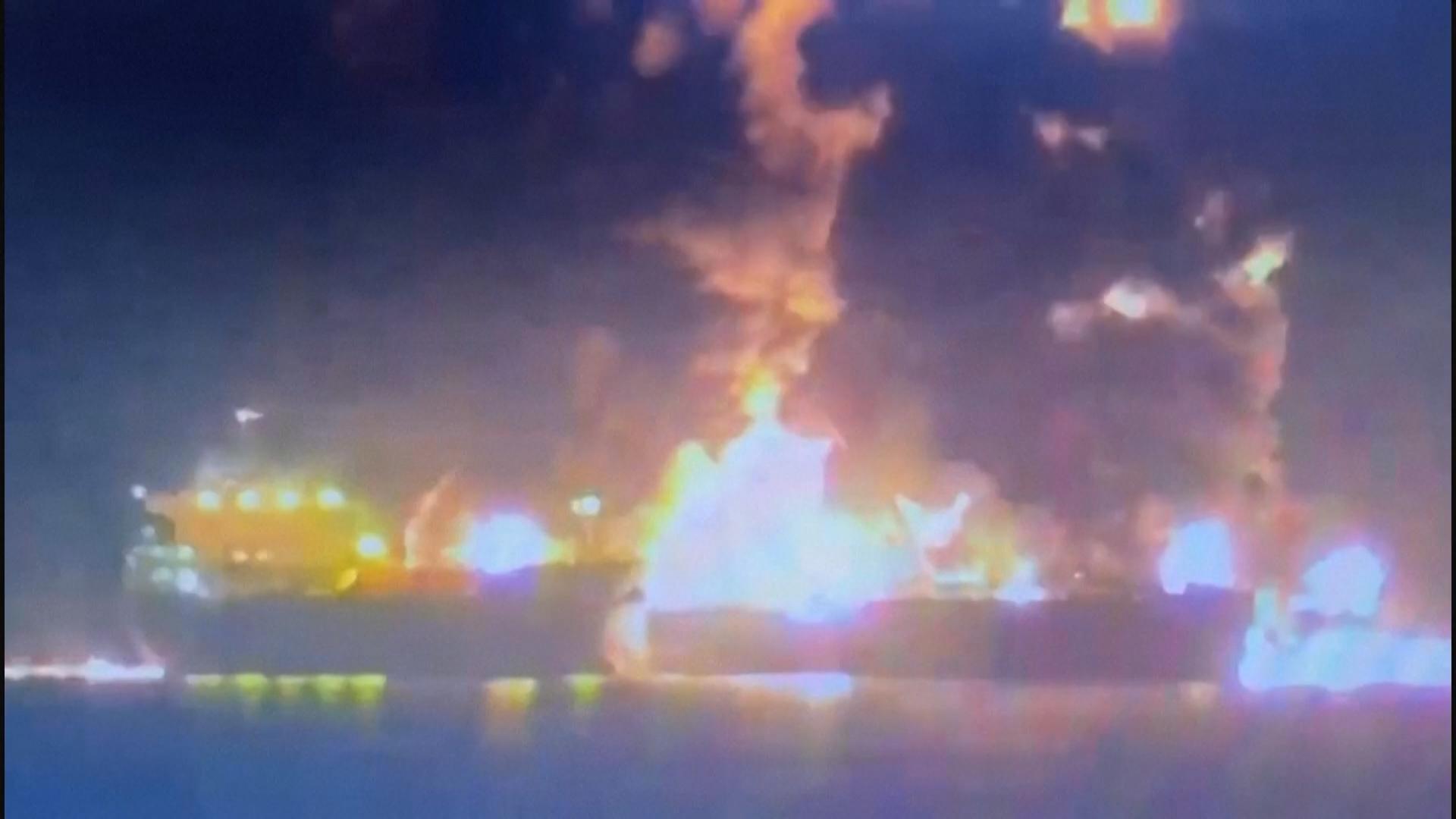
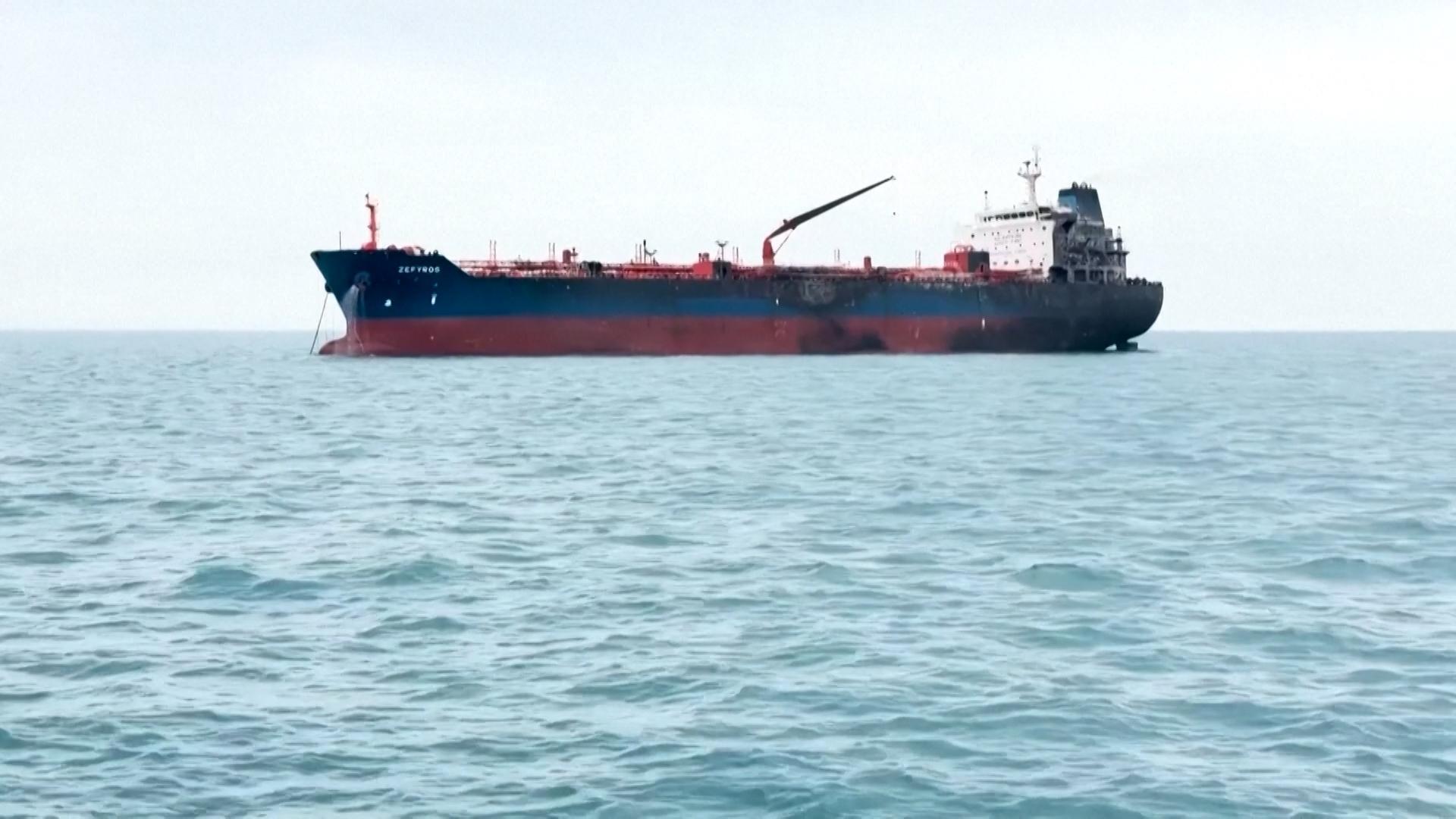
China is one of the world’s largest importers of Iranian oil and remains heavily dependent on the stability of the Strait of Hormuz, one of the most critical energy shipping routes in the world.
For this reason, Beijing has repeatedly called for an immediate end to hostilities and warned that the Gulf region now stands at a “critical crossroads between war and peace.” China has also criticized any disruption to shipping through the Strait of Hormuz, arguing that the uninterrupted flow of energy through the waterway is a shared interest of the international community.
For Russia, the crisis also presents strategic opportunities.
Since the outbreak of the war in Ukraine, Russian gas exports to Europe have declined sharply, leaving Moscow in urgent need of new markets and new sources of revenue.
During the Beijing meeting, reports indicated that Putin may push forward the “Power of Siberia 2” gas pipeline project connecting Russia and China, particularly as instability in the Middle East continues to intensify.
This suggests that the Iran crisis is rapidly evolving into both an energy war and a geopolitical war at the same time.
The Iran Crisis and the Ukraine War Are Becoming One Global Strategic Crisis
Perhaps the most significant development is that the Iran crisis and the war in Ukraine are beginning to merge into a single global strategic crisis.
Russia needs energy revenue. China needs economic stability and secure global supply chains. Meanwhile, the United States is attempting to simultaneously contain Iran, Russia, and the growing influence of China.
As these crises become increasingly interconnected, Beijing, Moscow, and Tehran may move even closer together — even if they do not form a formal military alliance like NATO.
The three countries increasingly share a common strategic interest: reducing American pressure and limiting US dominance over the international system.
The political language used by Chinese and Russian leaders also reflects this direction.
Xi Jinping spoke about “global governance,” while Putin argued that China-Russia relations are “helping maintain global stability.”
These statements are not ordinary diplomatic rhetoric. They are political signals to the world that China and Russia are attempting to construct an alternative power axis capable of competing with US influence over the international order.
Conclusion: The World May Be Standing at the Threshold of a New Global Order
The global economy is already beginning to feel the consequences.
As the war in Ukraine drags on and the Iran crisis intensifies, global economic stability is increasingly under threat. The United Nations has reduced its global growth forecast to 2.5 percent, citing the Iran crisis and rising energy and food prices.
This demonstrates that conflict in the Middle East could severely disrupt the lives of millions of people worldwide.
The biggest issue now is that the world may be approaching a new kind of “Cold War.”
Unlike the Cold War between the United States and the Soviet Union, this new competition is being shaped simultaneously by energy, technology, trade wars, supply chains, and geopolitical rivalry — all interconnected within one global system.
If the United States launches military strikes against Iran, it may not only ignite a broader war in the Middle East, but could also accelerate the strategic alignment between China and Russia, pushing them closer together while speeding up the emergence of a new global order aimed at reducing American influence over international affairs.
As war, energy, and great-power competition become increasingly intertwined, the central question facing the world is no longer simply: “Will the United States strike Iran?”
But rather: “Is the world entering a new era of global power division once again?”