
(Phnom Penh): A nation does not lose its sovereignty only during large-scale wars. Sometimes, the erosion of sovereignty begins quietly — through the forgetting of history and the failure to recognize small warning signs along the border. For Cambodia, therefore, May 28, 2025 should not be remembered merely as the day a Cambodian soldier lost his life. It should also be remembered as a day that awakened the nation to the reality that peace, sovereignty, and national stability always require vigilance, protection, and unity.
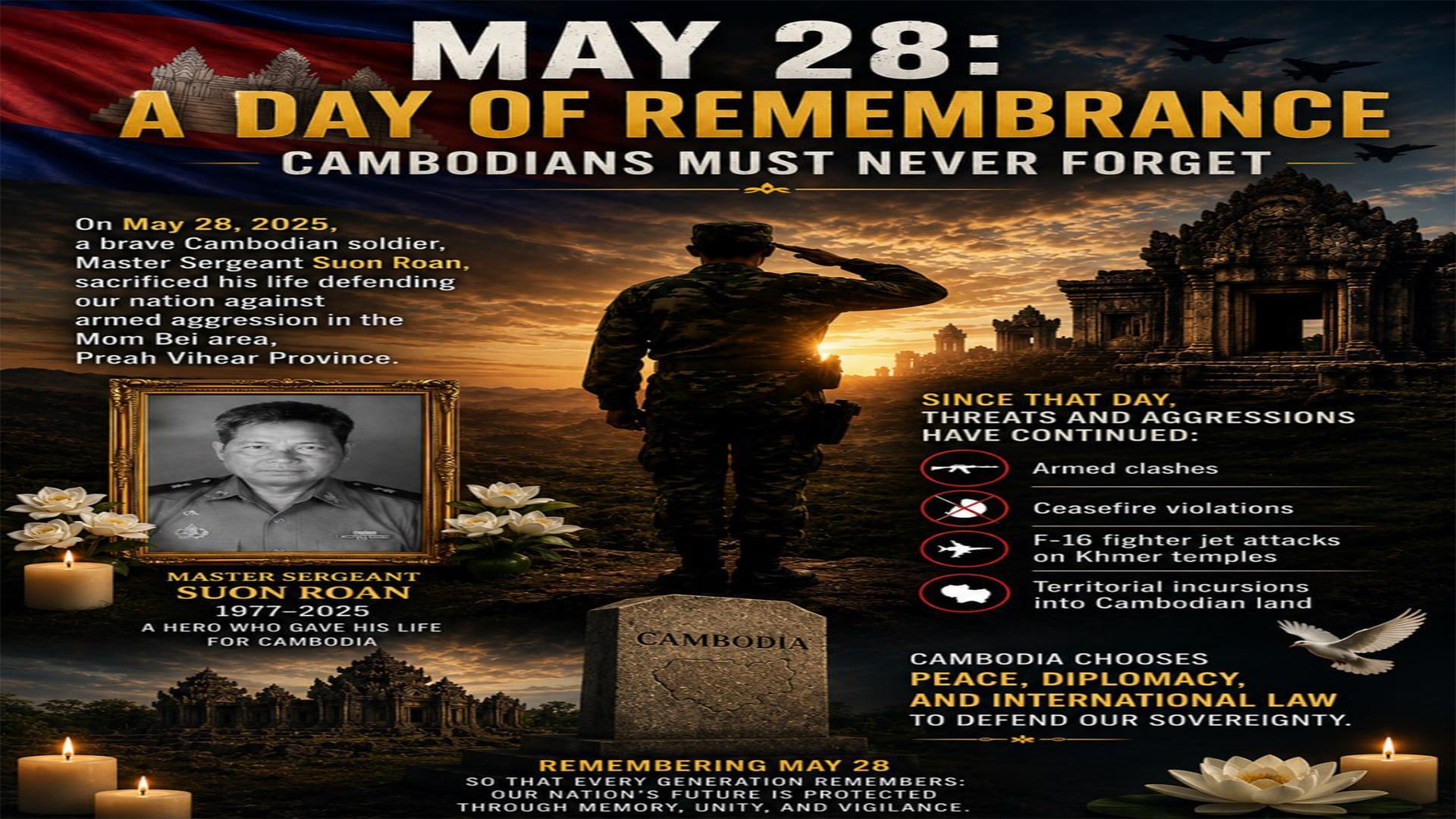
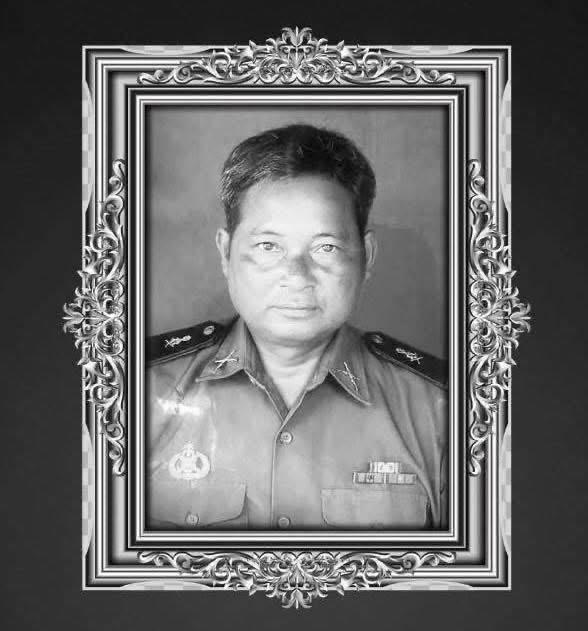
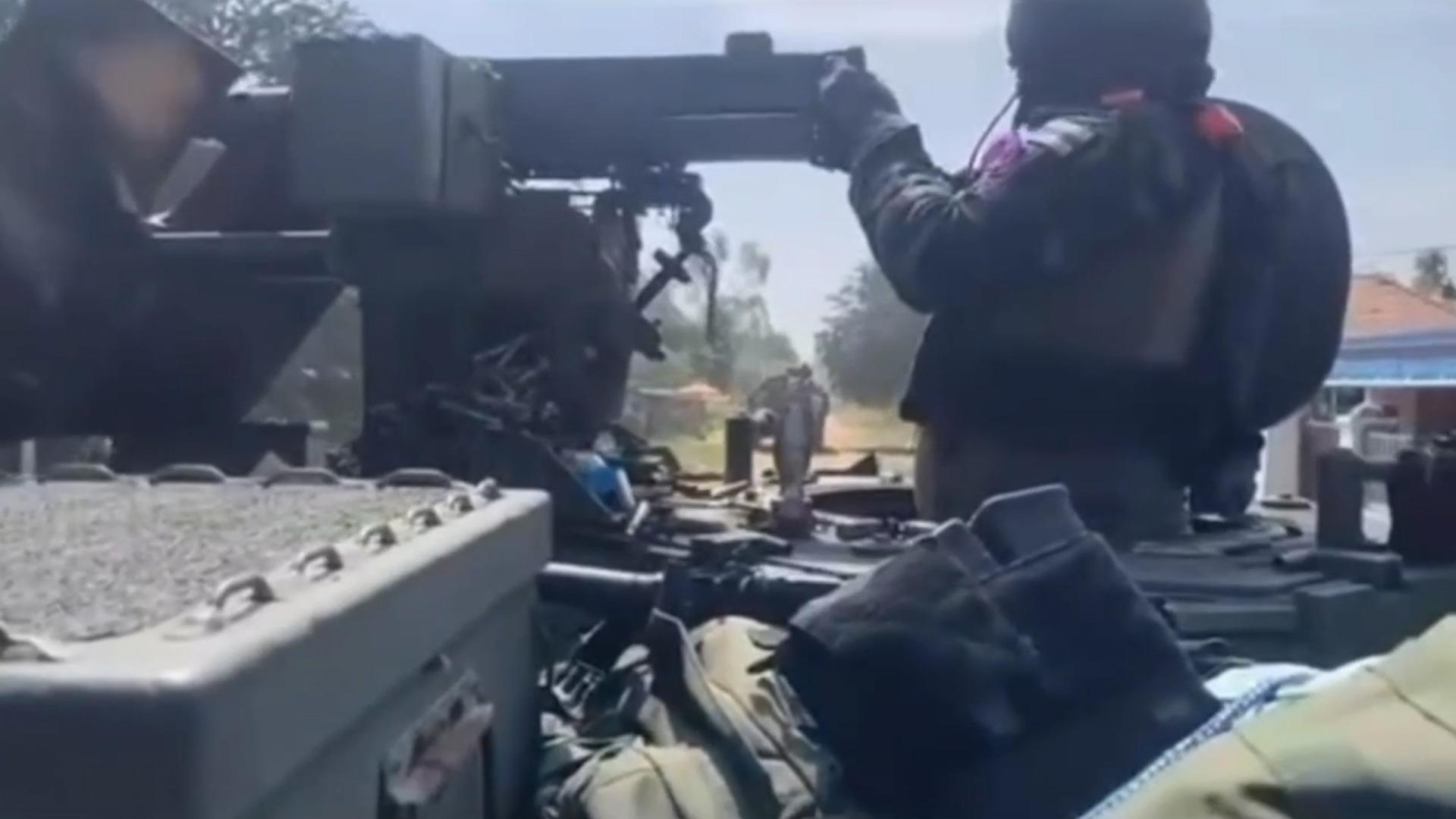
In the early hours of May 28, 2025, Sergeant Suon Roan, 48, from Kompenh Village, Yeang Commune, Choam Ksant District, Preah Vihear Province, was killed inside a trench position in the Mom Bei area after Thai troops allegedly crossed into Cambodian territory and opened fire on Cambodian forces.
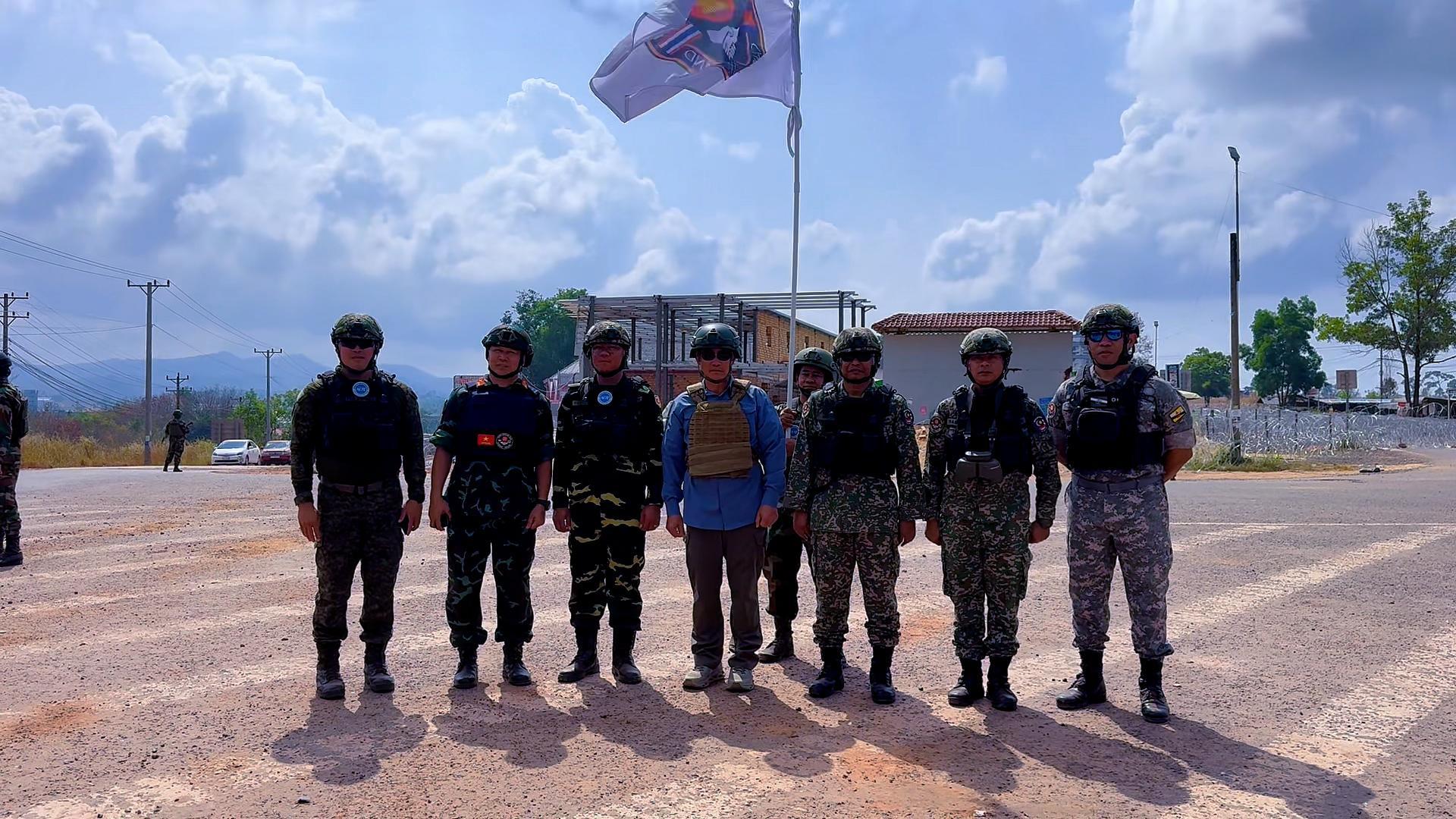
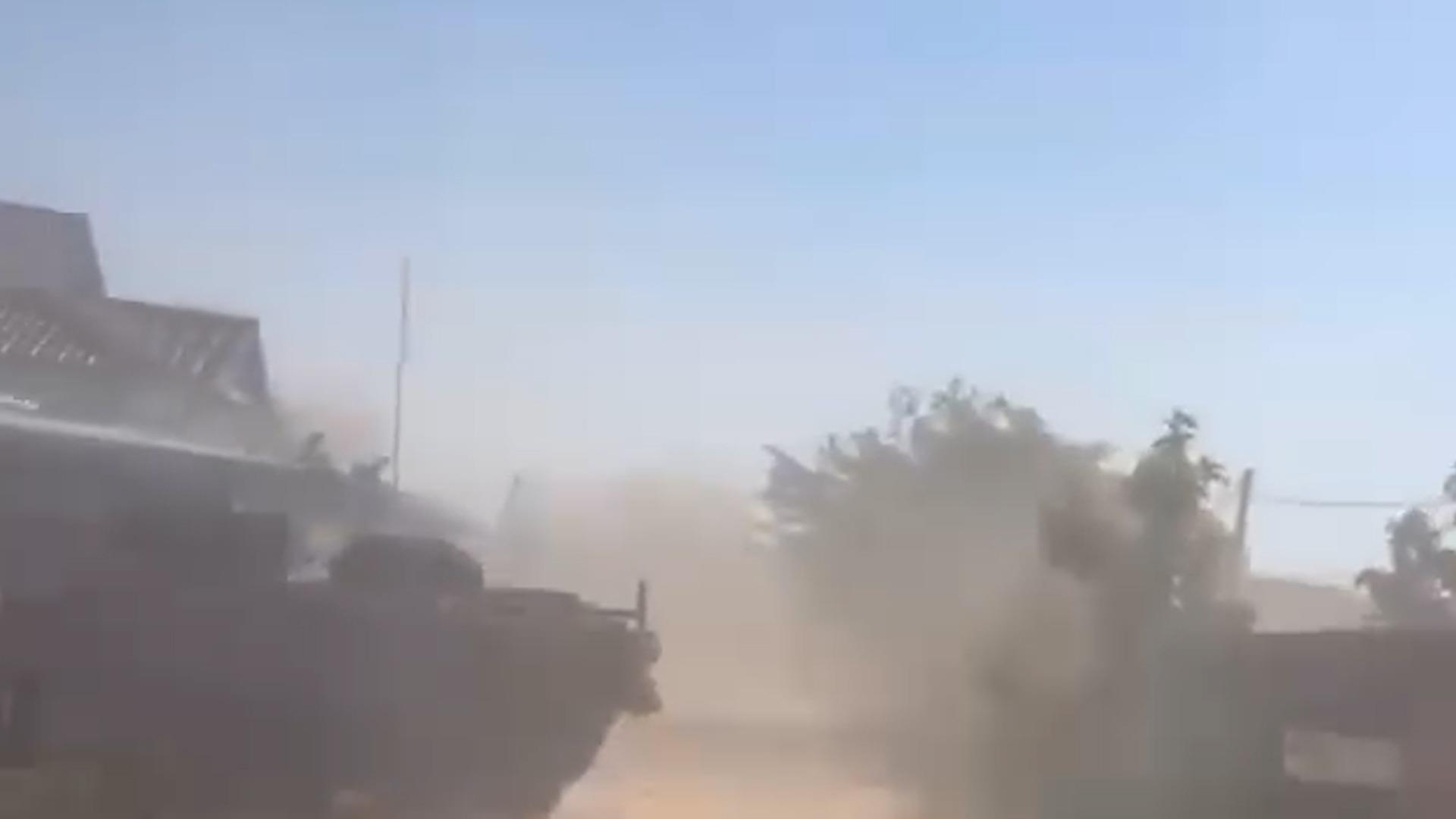
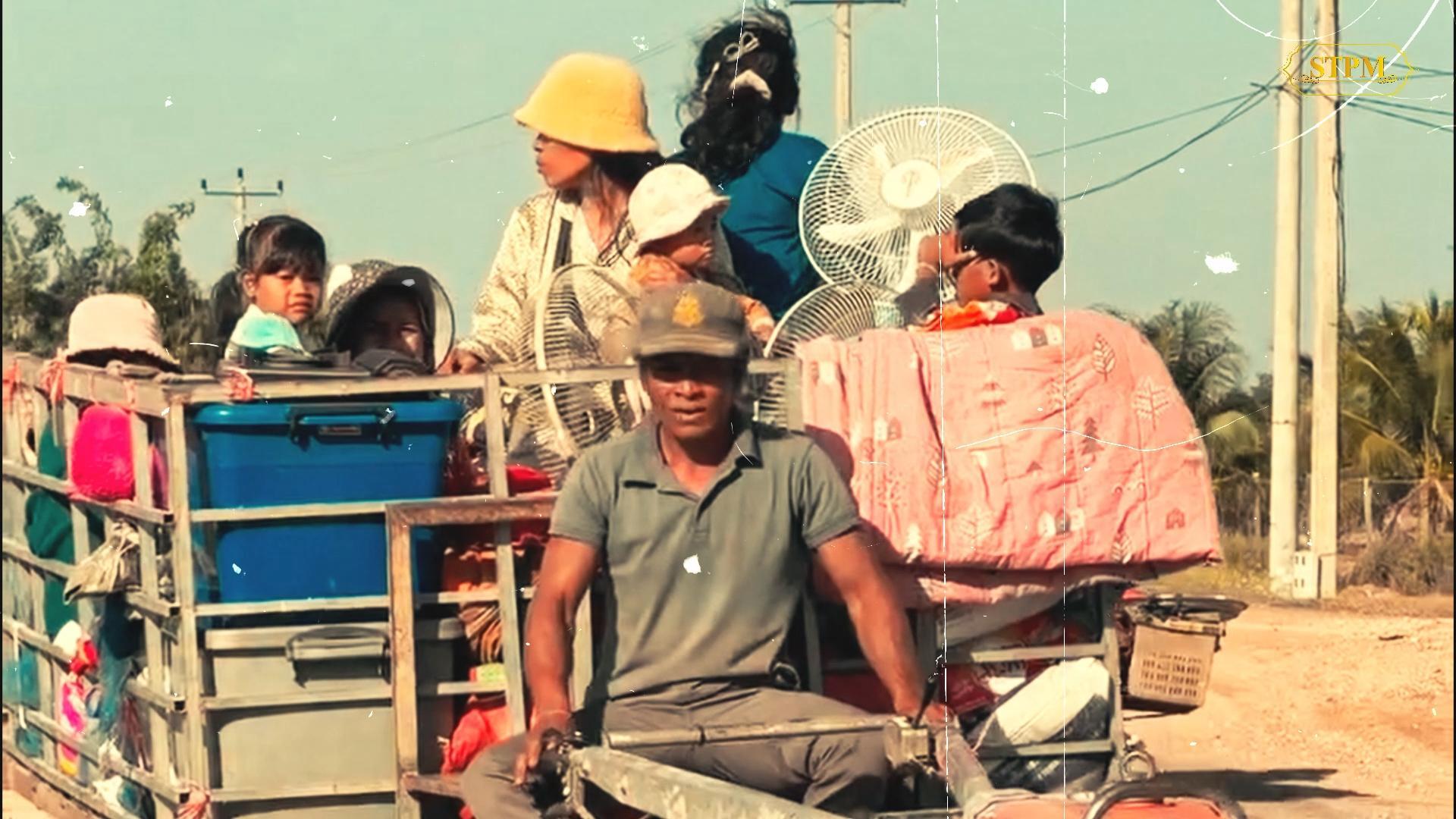
This loss was not an isolated incident. It became the starting point of escalating border tensions that included armed clashes, ceasefire violations, the creation of narratives surrounding “landmine placement and landmine incidents” as justification for military actions, the deployment of fighter jets and heavy weaponry along the border, as well as incursions and occupation of certain Cambodian territories.
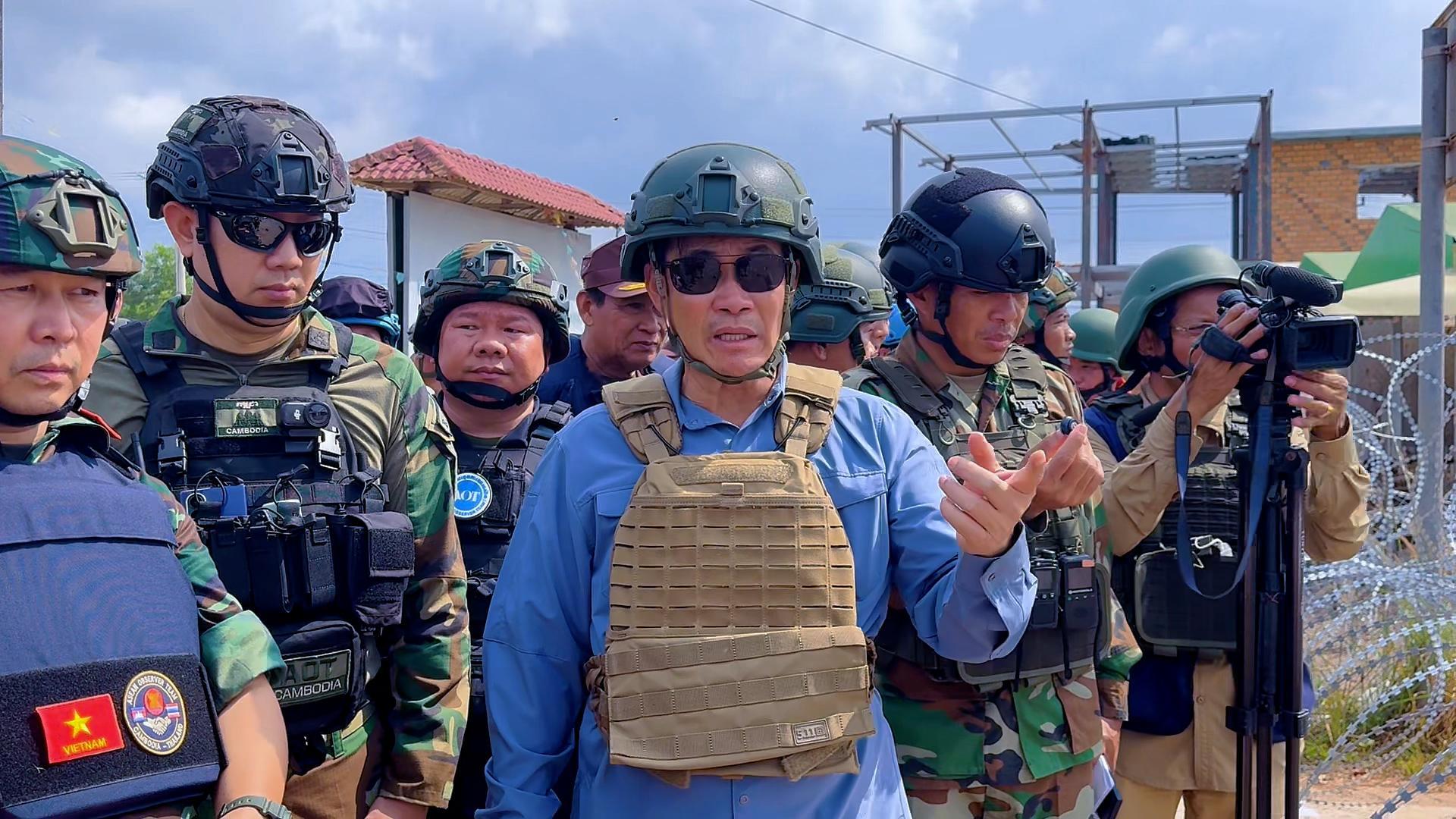
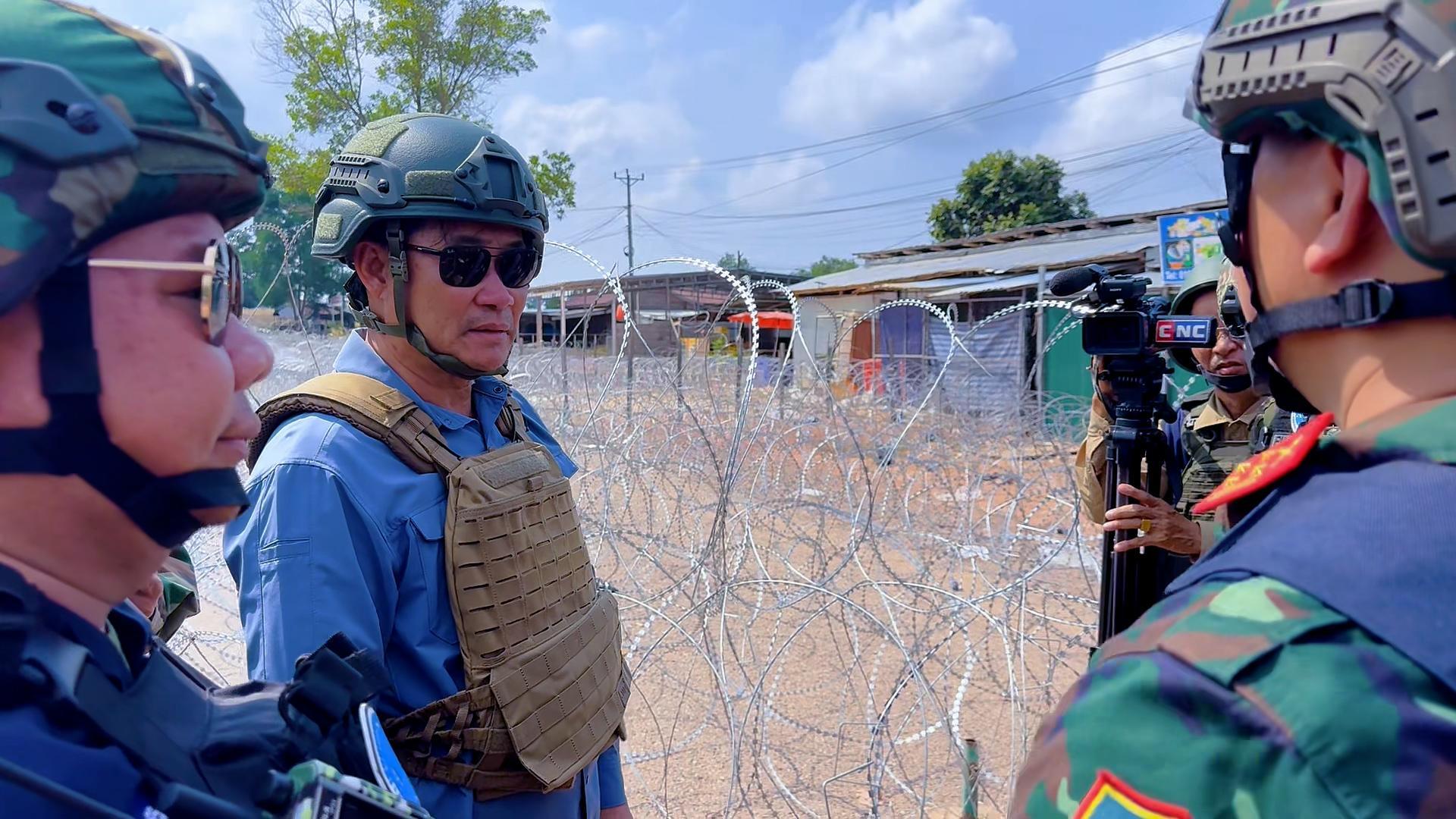
Over the course of nearly a year, Cambodia has continued to struggle and exert every effort through diplomacy and international legal mechanisms to defend its sovereignty and seek the peaceful return of Cambodian territory.
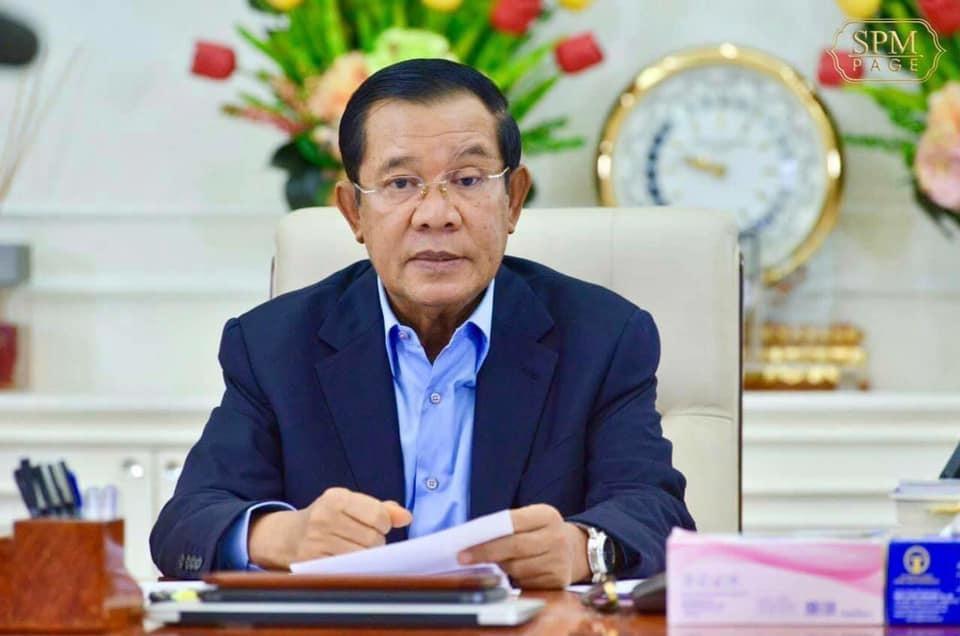
Former Prime Minister Samdech Techo Hun Sen stated on May 20:
“Only eight days remain before our day of remembrance — the day our heroic soldier was shot dead by Thai troops on May 28… That day is a reminder of invasion and illegal violations against Cambodia’s sovereignty, which the Cambodian people must remember.”
The phrase “must remember” carries a meaning far deeper than simply recalling an event. It is a reminder that a nation which forgets its history may eventually lose its ability to protect its future. A people who lose vigilance may gradually lose their rights and sovereignty without even realizing it.
Mom Bei and the Warning Signs of Fragility
The Mom Bei area is not just an ordinary location. It has become a symbol of the fragility that exists along the border, demonstrating that territorial conflicts can erupt again at any moment if international law, existing agreements, and the principles of peaceful coexistence are not respected.
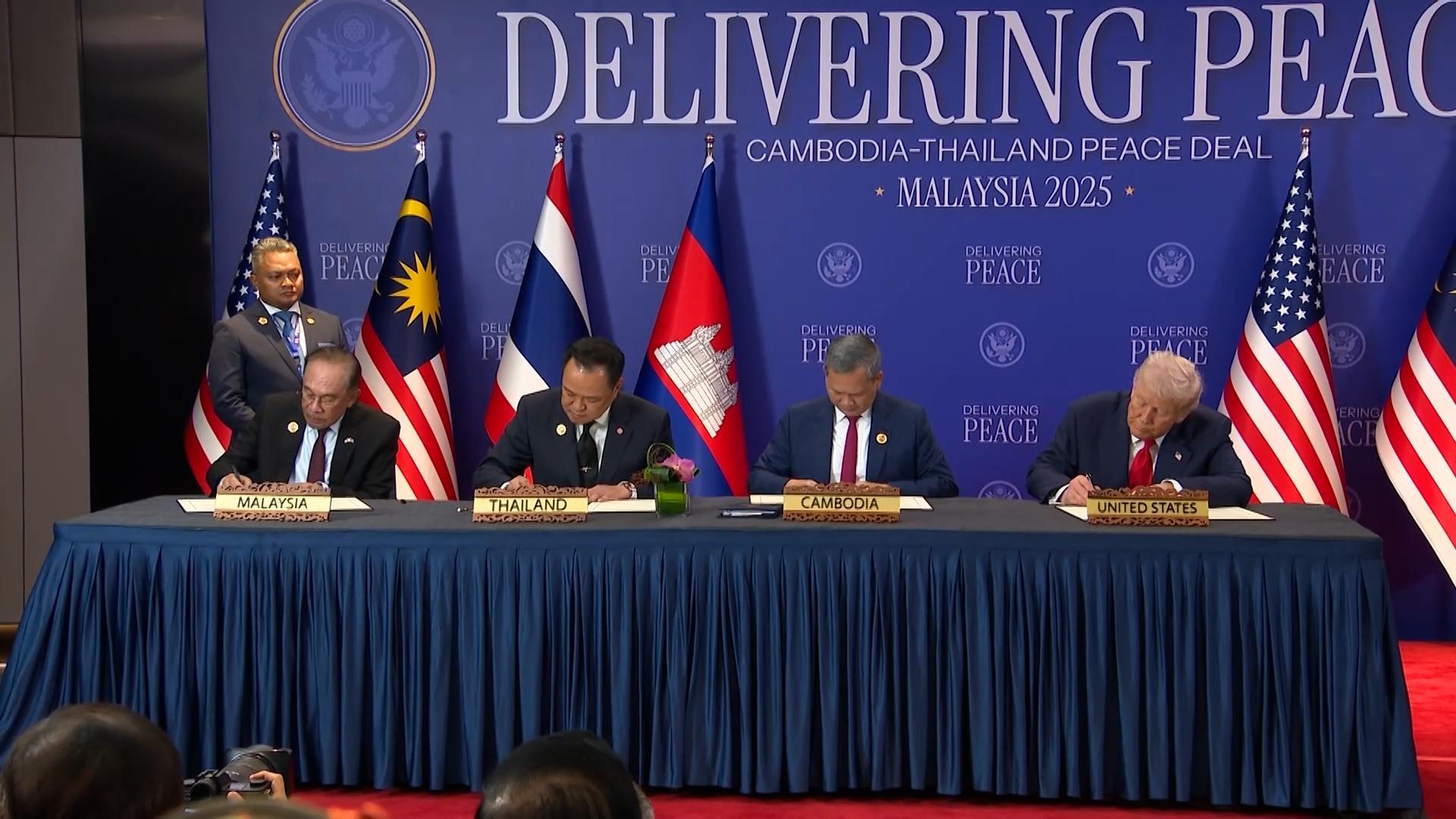
Following the events of May 28, 2025, tensions continued to escalate. Armed clashes, ceasefire violations, and increased military activities along the border intensified the situation. These developments prompted intervention efforts by the ASEAN Chair and by U.S. President Donald Trump, which eventually helped facilitate a ceasefire agreement on July 24, 2025.
Yet despite the ceasefire agreement, tensions did not subside. The world witnessed repeated violations of the ceasefire by the Thai side, leaving the border situation fragile and dangerous.
Later, on October 26, 2025, both parties signed the Kuala Lumpur Peace Agreement in an effort to reduce tensions and prevent further escalation. However, events soon moved in the opposite direction.
From the Kuala Lumpur Peace Agreement to the December 7 Offensive
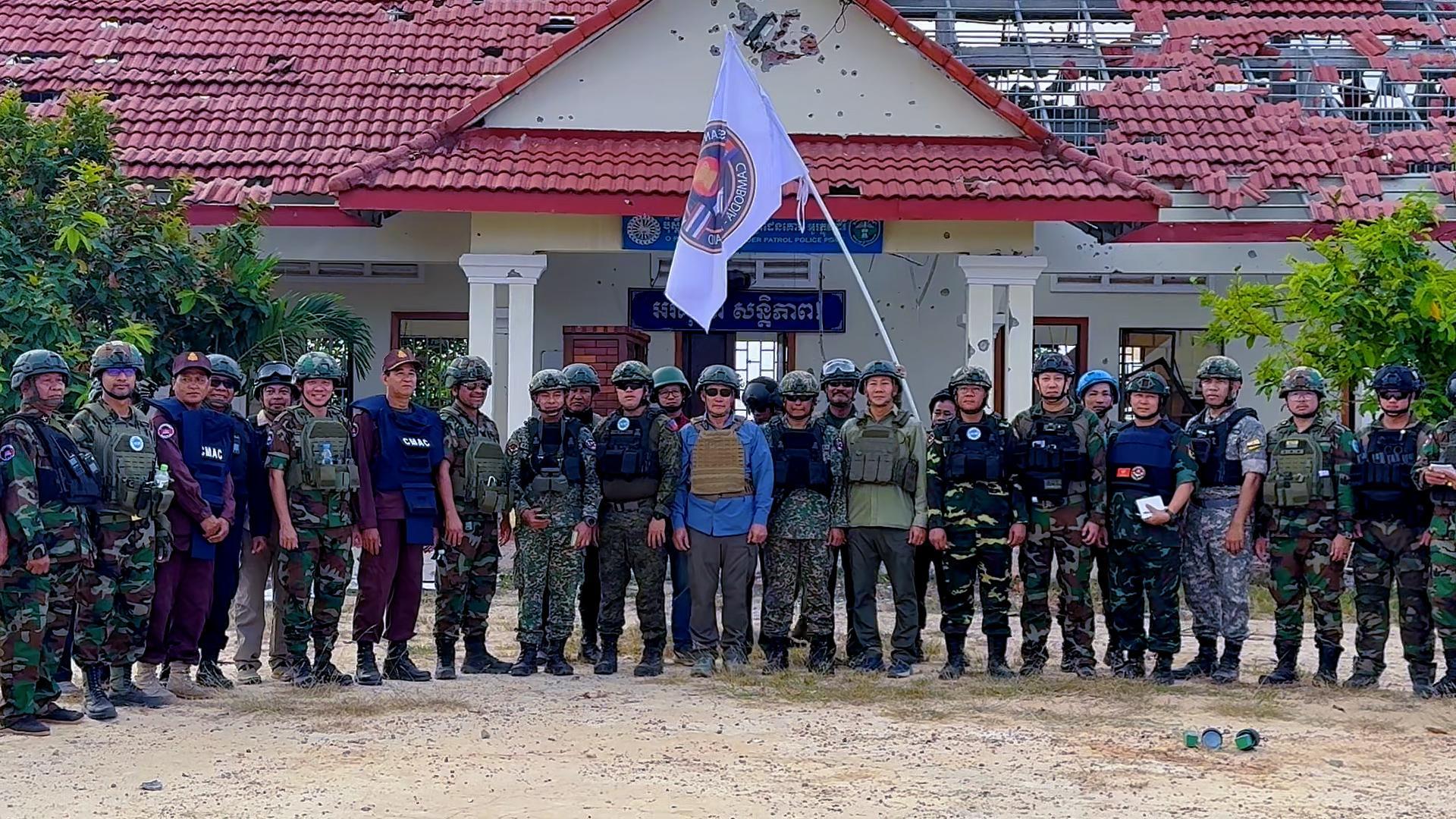
On December 7, 2025, Thailand launched a large-scale military operation involving several fighter aircraft, including F-16 jets, targeting areas surrounding ancient Khmer temples and causing severe damage to historical sites. Cambodia condemned the attack as a violation of agreements that Thailand itself had signed, and as an act contrary to the principles of peace and international law.
During the crisis, Cambodia also presented to the international community what it described as Thailand’s unlawful use of unilateral maps that lacked international recognition as a basis for territorial incursions and occupation of certain areas along the Cambodian border.
Despite the growing tensions, Cambodia continued attempting to prevent the crisis from spiraling further through diplomacy, peaceful negotiation, and international legal mechanisms. Cambodia consistently maintained that border disputes must be resolved on the basis of international law, existing agreements, and mutual respect for sovereignty.
Throughout nearly a year of crisis, Cambodia continued to honor existing mechanisms such as the 2000 and 2001 Memoranda of Understanding (MoUs), while firmly adhering to peaceful principles. Cambodia sought negotiations, mediation, and international engagement to prevent the conflict from escalating into a broader crisis.
Nevertheless, despite these diplomatic efforts, tensions persisted. Instead, uncertainty deepened after Thailand unilaterally withdrew from the 2001 MoU.
For Cambodia, this withdrawal was not merely the abandonment of a bilateral agreement. It represented a warning sign about the fragility of mechanisms that had long served to maintain stability and manage border disputes between the two countries.
It also heightened concerns that if existing mechanisms are rejected or rendered ineffective, border conflicts could once again return to a dangerous path marked by increased militarization and the use of force.
Remembering Is Not About Hatred
There is an important point Cambodian society must clearly understand: remembering May 28 is not about cultivating hatred toward another nation. Hatred cannot build a future.
Memory, however, is something different.
A nation with a strong collective memory is a nation capable of protecting itself. Memory reminds people of the value of peace and of the fact that sovereignty must never be taken lightly.
For every generation of Cambodians, May 28 should be remembered as a reminder:
- Never forget history.
- Never underestimate border issues.
- Never lose the spirit of national defense.
- Never assume peace can survive without vigilance.
Sometimes, countries do not lose territory through major wars alone. Loss can begin with forgetfulness, negligence, and the weakening of national unity.
Conclusion: A Day of Remembrance and National Spirit
Remembering national events is not outdated. Many countries around the world continue to observe national days of remembrance to honor the sacrifices of their soldiers and to remind future generations that peace never comes by accident.
For Cambodia, May 28 should be understood in the same spirit.
It is a day that reminds the nation that behind the peace people enjoy today stand those who guarded the border and those who sacrificed their lives to protect national sovereignty.
Sergeant Suon Roan may have been one soldier among many, but his death has become a painful symbol reminding the nation that peace and sovereignty must always be defended.
And perhaps this is the true meaning behind the “Day of Remembrance” invoked by Samdech Techo Hun Sen — not so that Cambodians live with anger, but so that the nation never forgets that its future is protected through memory, unity, and eternal vigilance.