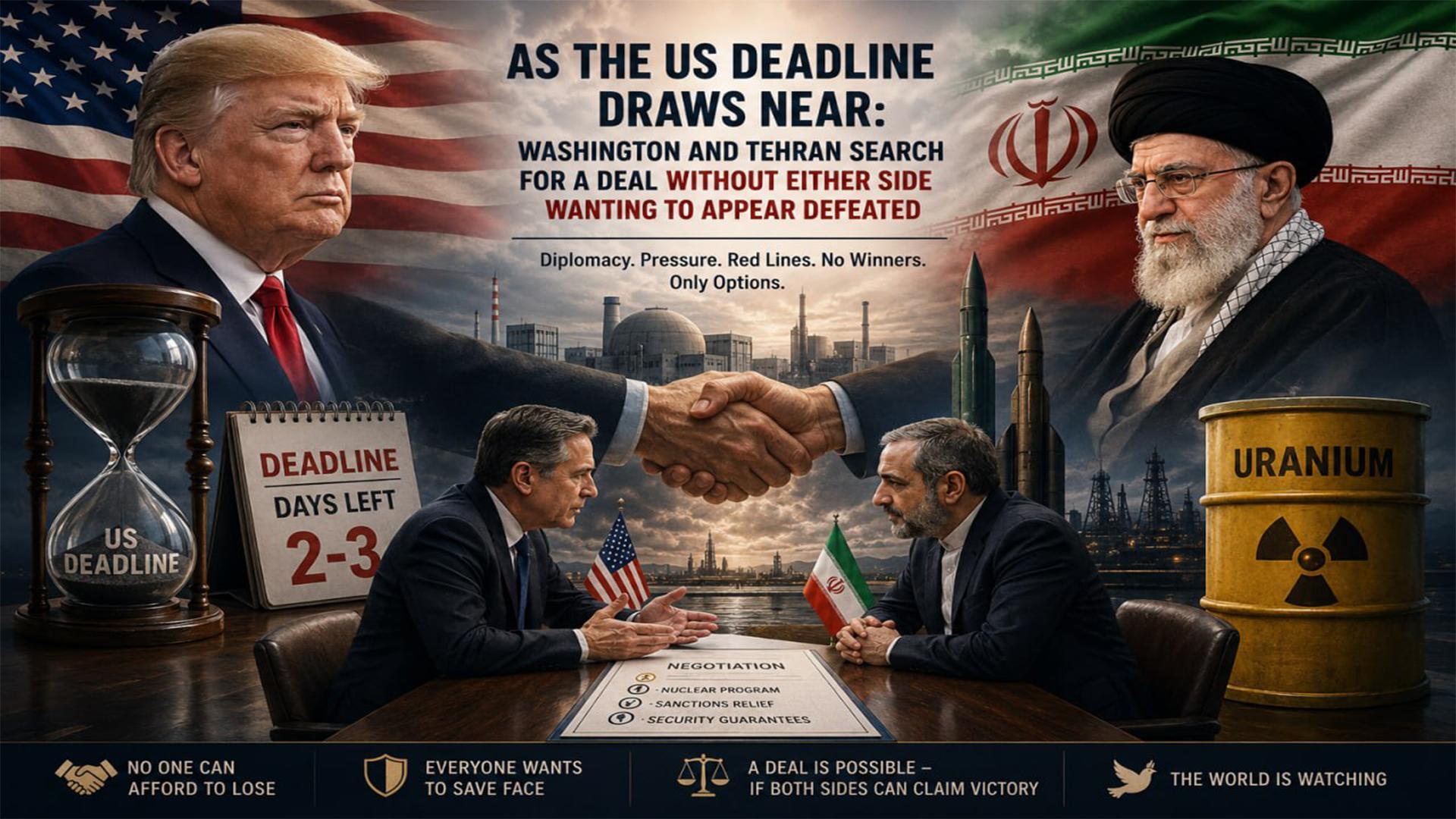

(Phnom Penh): As the United States’ deadline for diplomacy with Iran moves closer to expiring, the Iran war has entered an increasingly complex phase in which military threats, diplomatic negotiations, economic pressure, and political prestige are all colliding at the same time. The United States wants a deal it can present as a strategic victory, while Iran is searching for a way to preserve its sovereignty without appearing to surrender.
At this stage, the central question is no longer whether negotiations are taking place. The real question is whether both sides can find a “face-saving exit” before military, economic, and political pressures push the conflict toward a far more dangerous escalation.
The US Deadline Is Becoming a Negotiating Weapon
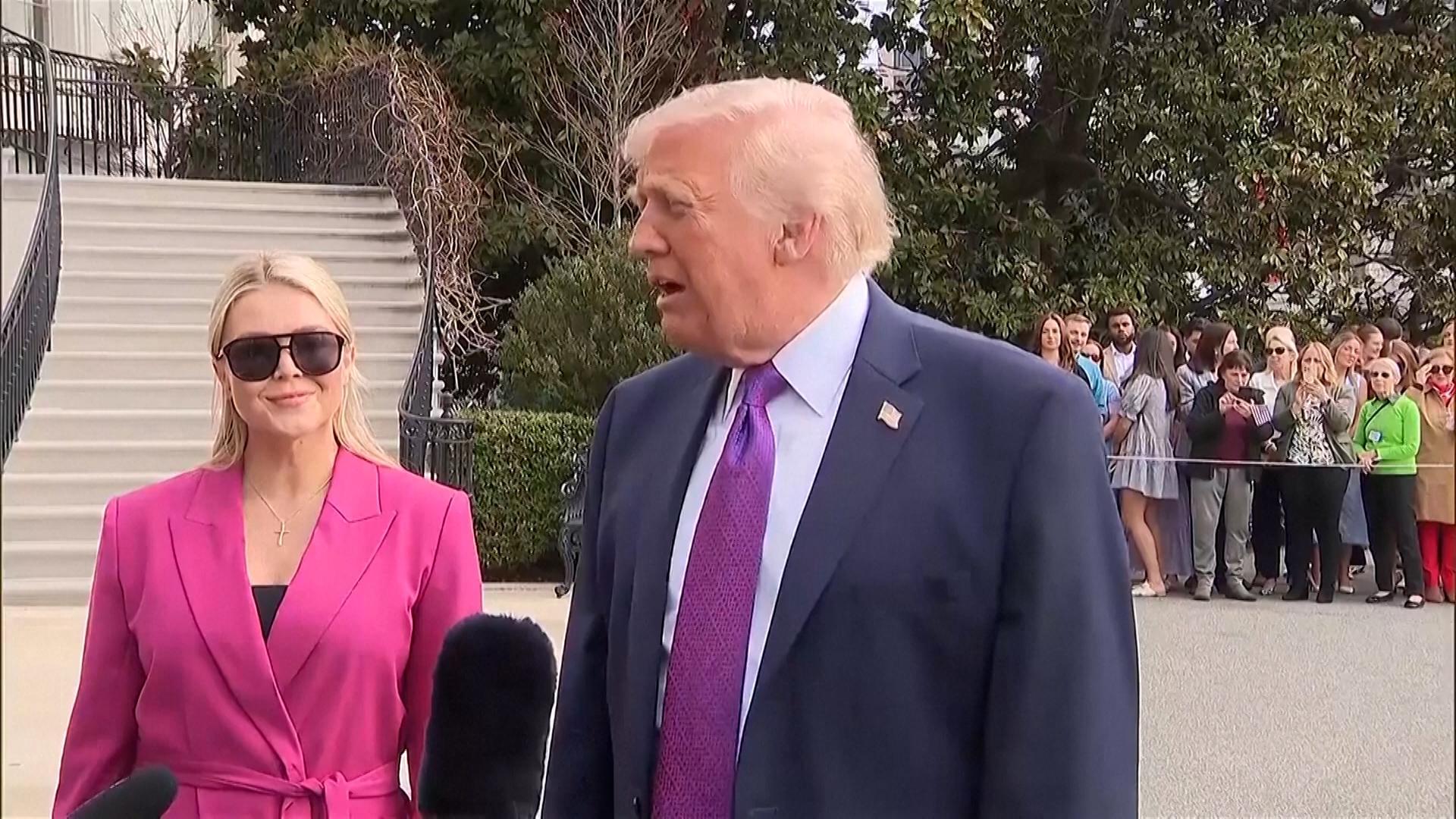
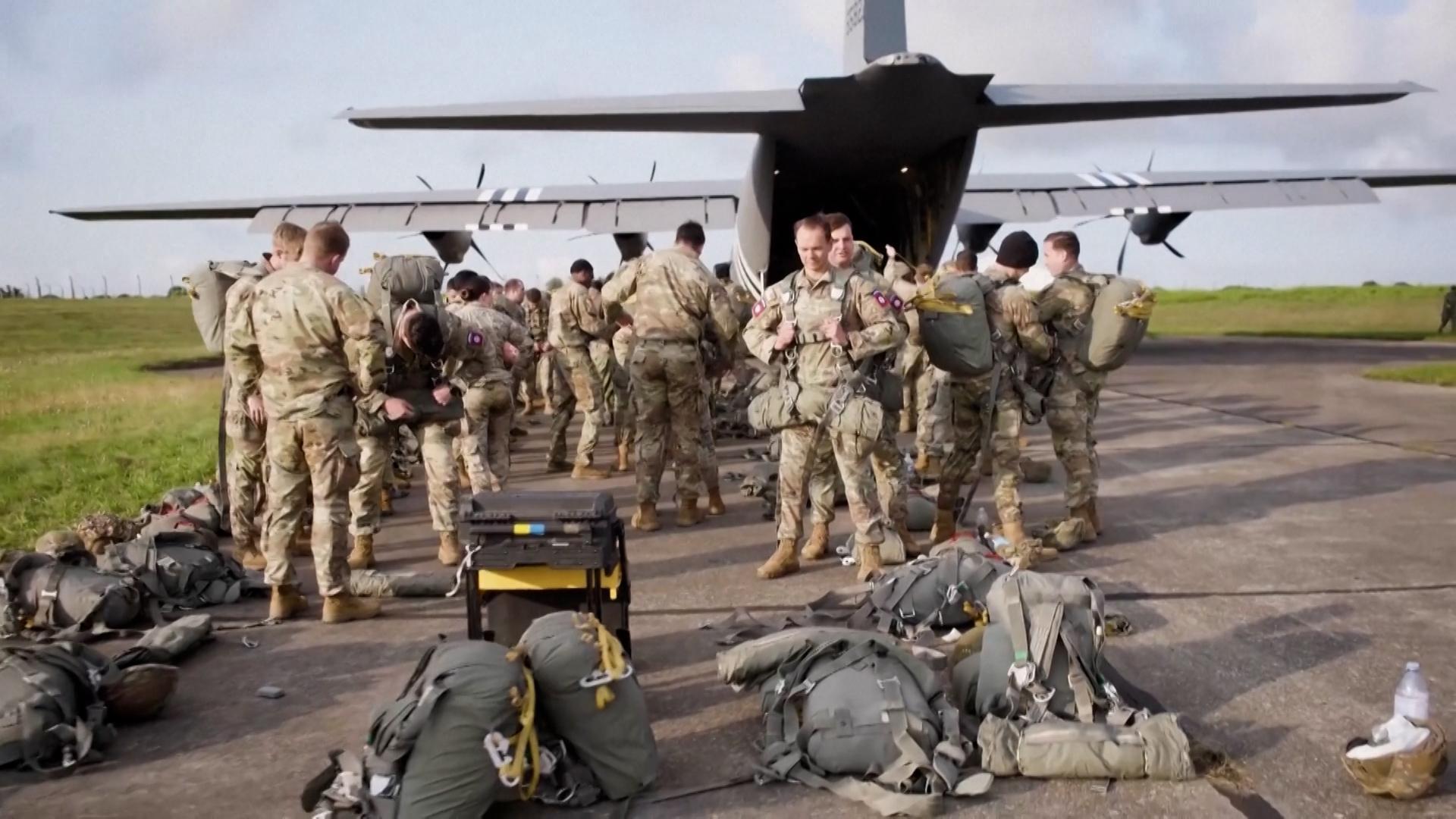
Washington has increasingly used the deadline as a pressure tool to force Tehran to choose between accepting a deal and facing the possibility of renewed military action. Donald Trump warned that if Iran failed to provide the “right answers,” the situation could change very quickly and the United States was fully prepared for military options.
What is particularly striking, however, is that while military pressure appears to be intensifying, diplomatic channels are simultaneously being reopened. A planned new US military operation against Iran — reportedly set to be called Operation Sledgehammer — was temporarily paused after Gulf allies such as Qatar, Saudi Arabia, and United Arab Emirates urged Washington to delay military action in order to give diplomacy and negotiations more time to work.
This suggests that the United States has not closed the door on diplomacy. Instead, Washington appears to be using military pressure and time constraints as leverage to strengthen its negotiating position. In other words, the current ultimatum is not merely a threat of war; it is a strategy designed to increase pressure in order to force a deal.
Uranium Remains the Biggest Deadlock
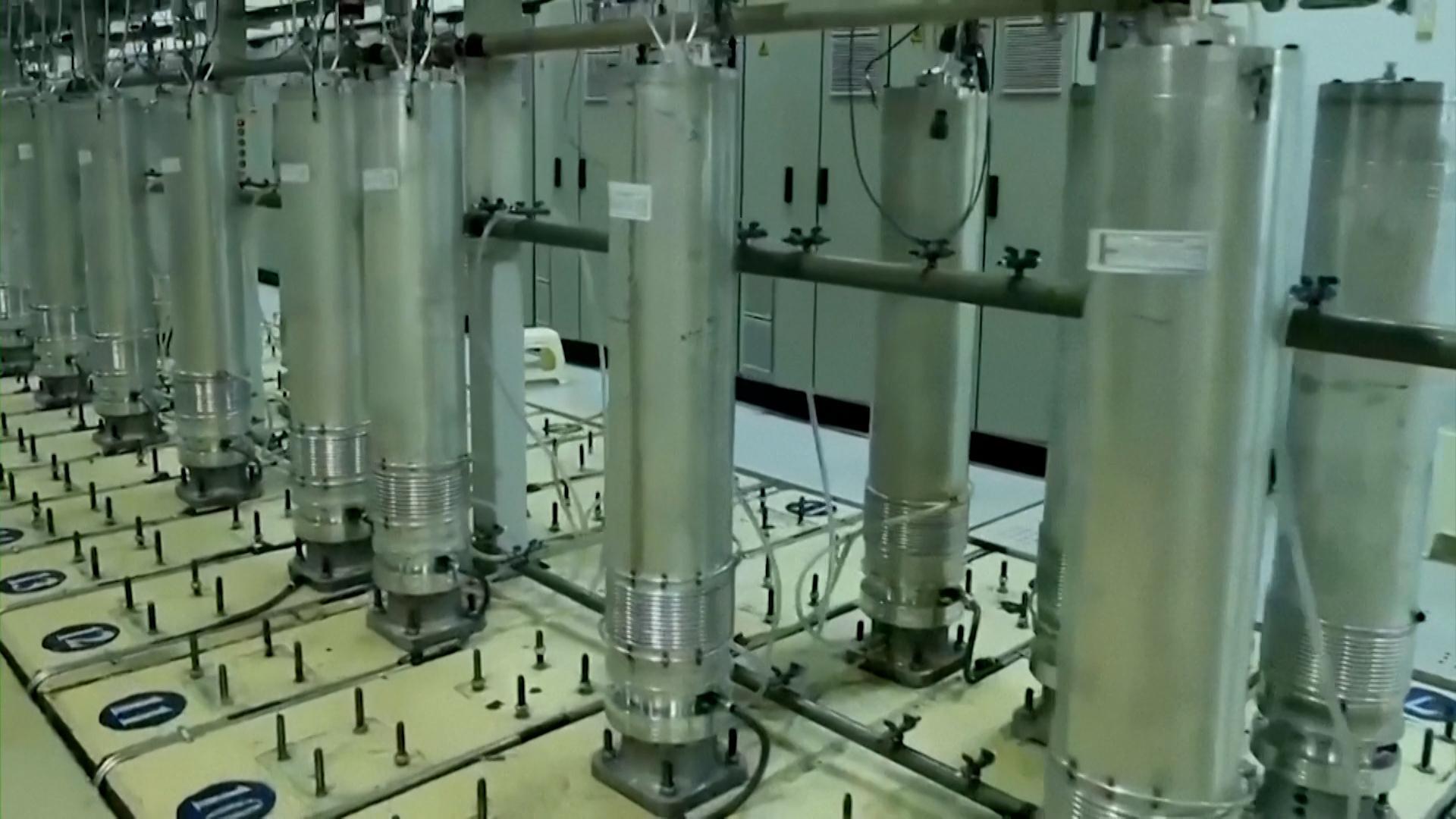
The core issue in the negotiations remains Iran’s stockpile of highly enriched uranium. Trump has stated clearly that the United States will not allow Tehran to retain it, insisting that Washington must secure the uranium in order to ensure that Iran cannot continue developing nuclear weapons capability.
This issue has made negotiations extremely complicated and increasingly deadlocked. For the United States, removing uranium from Iranian control would serve as proof of strategic success and demonstrate that Washington forced Tehran to back down. For Iran, however, surrendering its uranium stockpile under American pressure could be interpreted domestically and internationally as a humiliating capitulation and a surrender of sovereign rights.
As a result, any agreement must answer a critical question: How can the United States obtain sufficient security guarantees while allowing Iran to claim that it has not abandoned its sovereignty or yielded to foreign pressure?
Trump and Netanyahu Are Pursuing Different Objectives
According to CNN, conversations between Trump and Israeli Prime Minister Benjamin Netanyahu have become increasingly tense because the two leaders hold different views regarding the future direction of the war.
Trump wants to continue giving diplomacy an opportunity, while Netanyahu is pressing for continued military action.
This reveals a growing strategic divergence: Washington wants a deal, whereas Israel seeks a decisive military victory.
Netanyahu reportedly believes that delaying military action only benefits Iran. Trump, however, appears to believe that allowing diplomacy a few more days could end the conflict while saving lives and reducing political costs at home.
Pakistan and Gulf States Are Trying to Open a Diplomatic Exit
The role of Pakistan has become increasingly important. CNN reported that Tehran and Washington have continued exchanging messages through Pakistani channels, while Iran is reviewing American positions regarding Tehran’s proposed 14-point framework.
This demonstrates that negotiations have not collapsed. On the contrary, diplomacy continues quietly through backchannel communications. Pakistan is emerging as a crucial intermediary, while Gulf states are pushing strongly for an end to the conflict because a prolonged war could severely damage oil markets, trade flows, and regional stability.
Global Oil Markets Still Do Not Trust the Peace Process
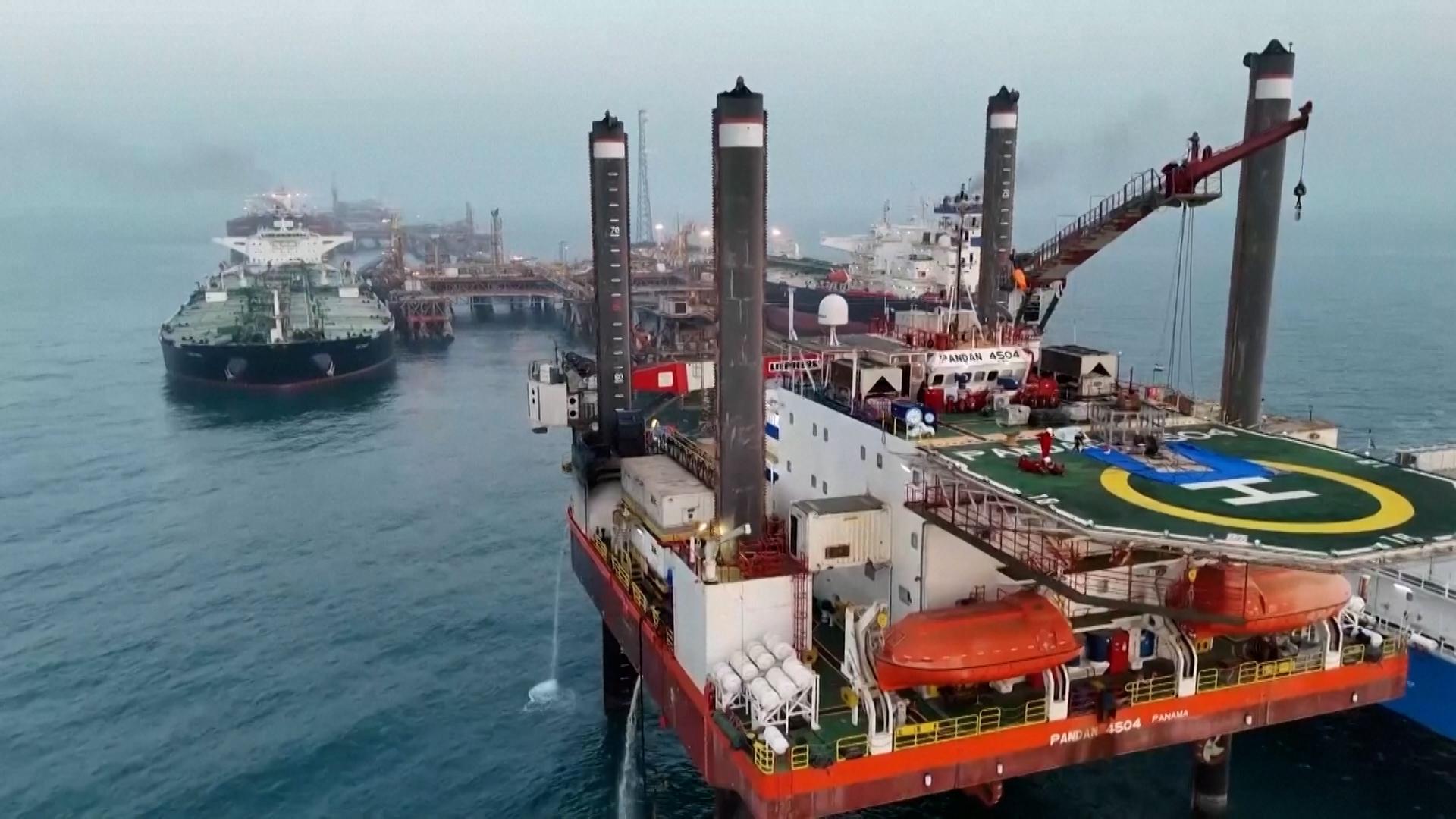
Brent crude prices climbed to approximately $104.96 per barrel, while US WTI crude rose to around $98.08. The increase indicates that investors remain unconvinced that US-Iran negotiations will quickly produce a meaningful agreement.
In this context, global markets are watching developments with extreme caution. If tensions around the Strait of Hormuz continue — or if disruptions to oil shipping intensify — pressure on global energy prices will continue spreading throughout the world economy.
A War of Prestige and Competing Victory Narratives
Perhaps the deepest dimension of this crisis is that none of the major actors wants to appear defeated.
Trump needs an agreement that allows him to claim the United States forced Iran to retreat. Iran, meanwhile, needs a deal that allows Tehran to insist it did not surrender under American pressure. Netanyahu wants an outcome demonstrating that Israel will never allow Iran to become a nuclear power. Gulf states need stability to protect their economies. Pakistan also hopes to establish itself as a successful international mediator.
For that reason, any eventual agreement may not represent a complete victory for either side. Instead, it may become a carefully crafted arrangement that allows every party to present its own narrative of success to domestic audiences.
Conclusion
The Iran war has become a race against time.
Time is pressuring Trump because the US economy is increasingly strained by rising oil prices, inflation, and growing public anxiety. Time is also pressuring Iran as the American ultimatum approaches expiration and the threat of renewed military action intensifies.
At the same time, Israel feels pressure because Netanyahu fears that prolonged diplomacy could give Tehran additional opportunities to preserve its nuclear capabilities. Gulf states are also under pressure because they understand that a wider war could destabilize the entire Middle East.
As a result, the most realistic exit from this crisis may not be a total victory for any side. Instead, it may be a compromise agreement that allows Washington to say it successfully contained Iran; allows Tehran to say it preserved its sovereignty; allows Gulf states to claim they helped prevent a regional catastrophe; and allows the world to breathe again before soaring oil prices, inflation, and regional warfare spiral beyond control.