
(Phnom Penh): In a world increasingly shaken by wars, geopolitical rivalries, and border disputes, many small nations are facing a difficult question: How can they protect their sovereignty and territorial integrity when they do not possess the military power of major powers?
For Cambodia, the answer is becoming increasingly clear on the international stage. It is not through threats of force or military confrontation, but through diplomacy, international law, and persistent engagement in multilateral forums.
Foreign Minister’s Speech: A Strategic Message to the World
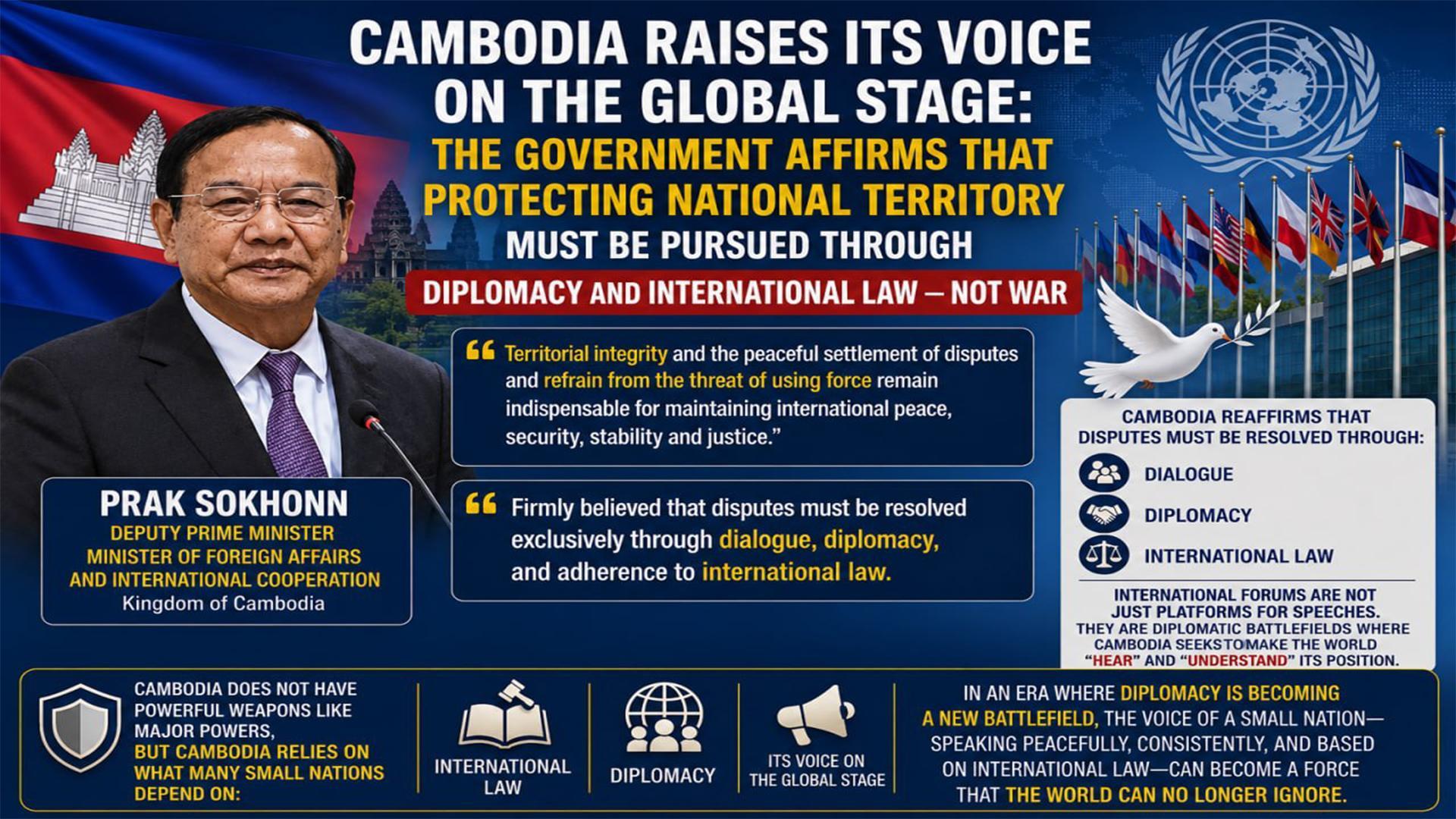
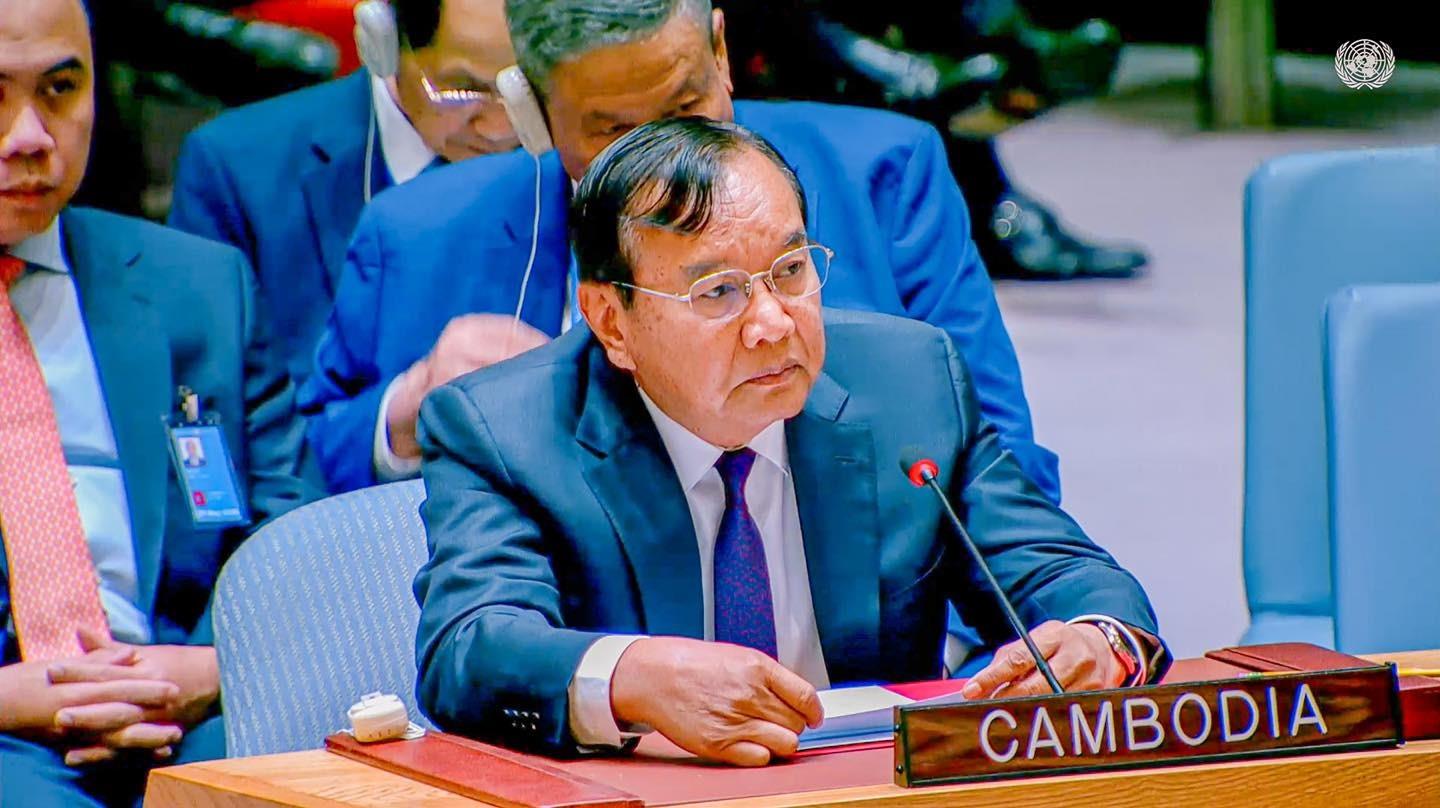
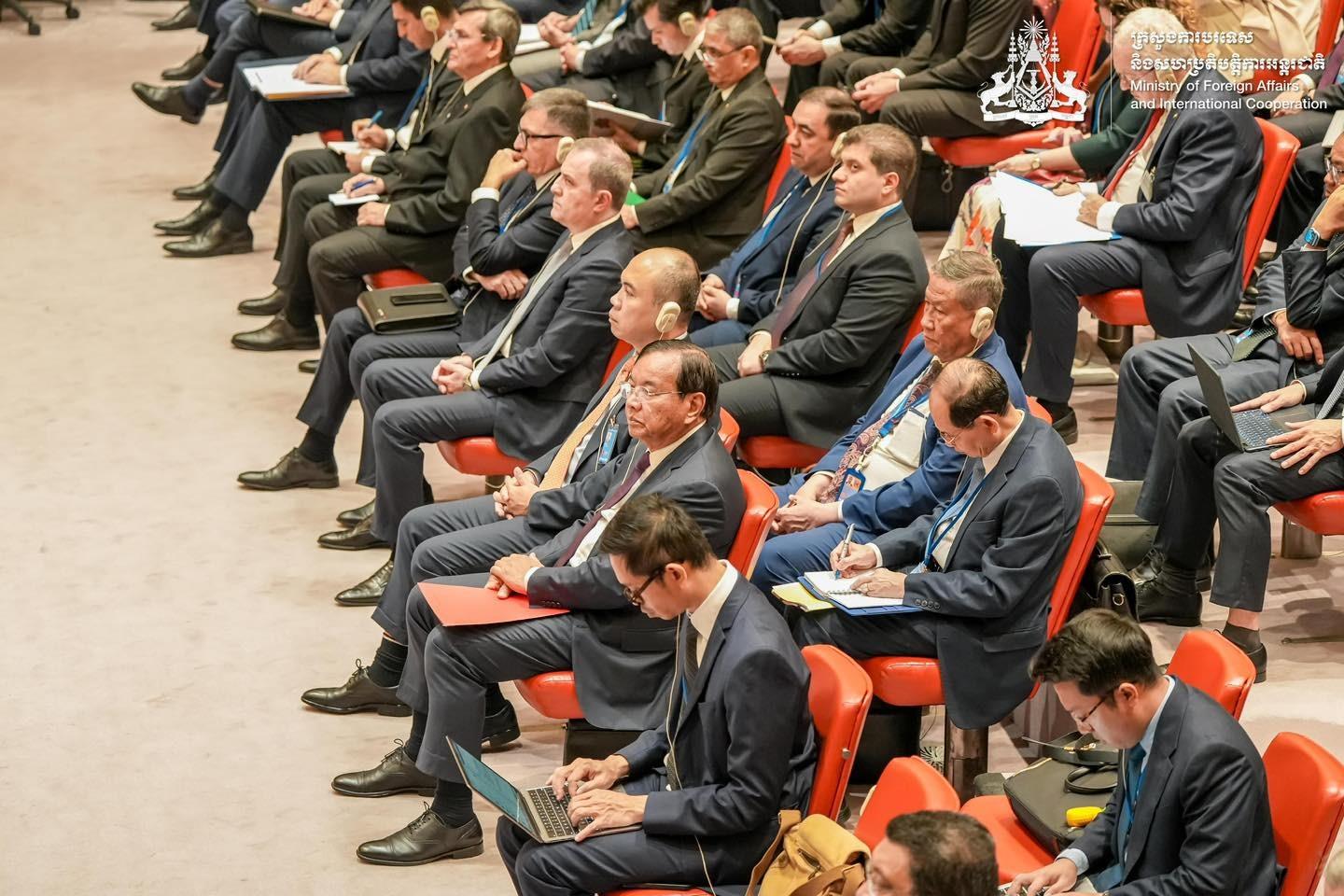
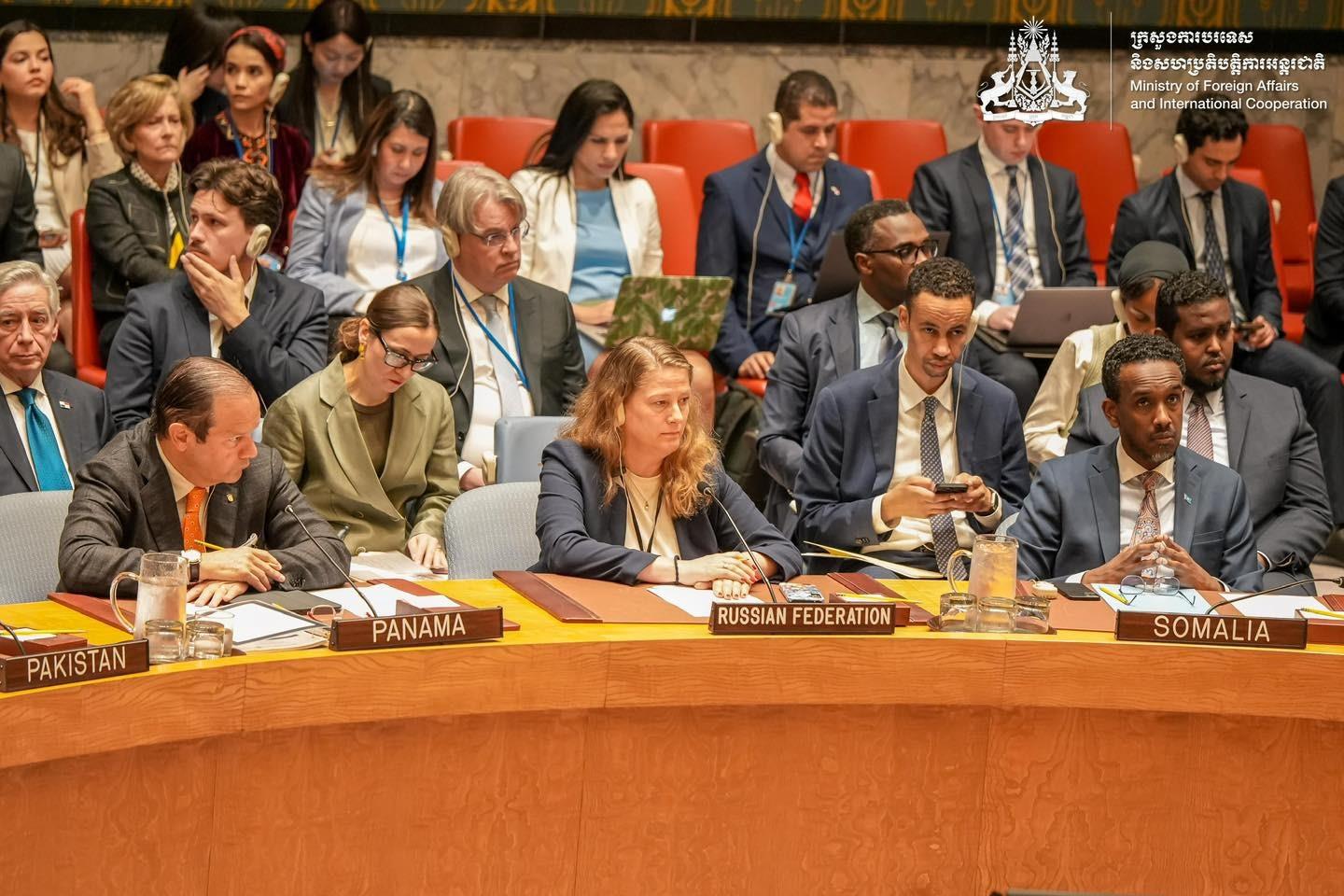
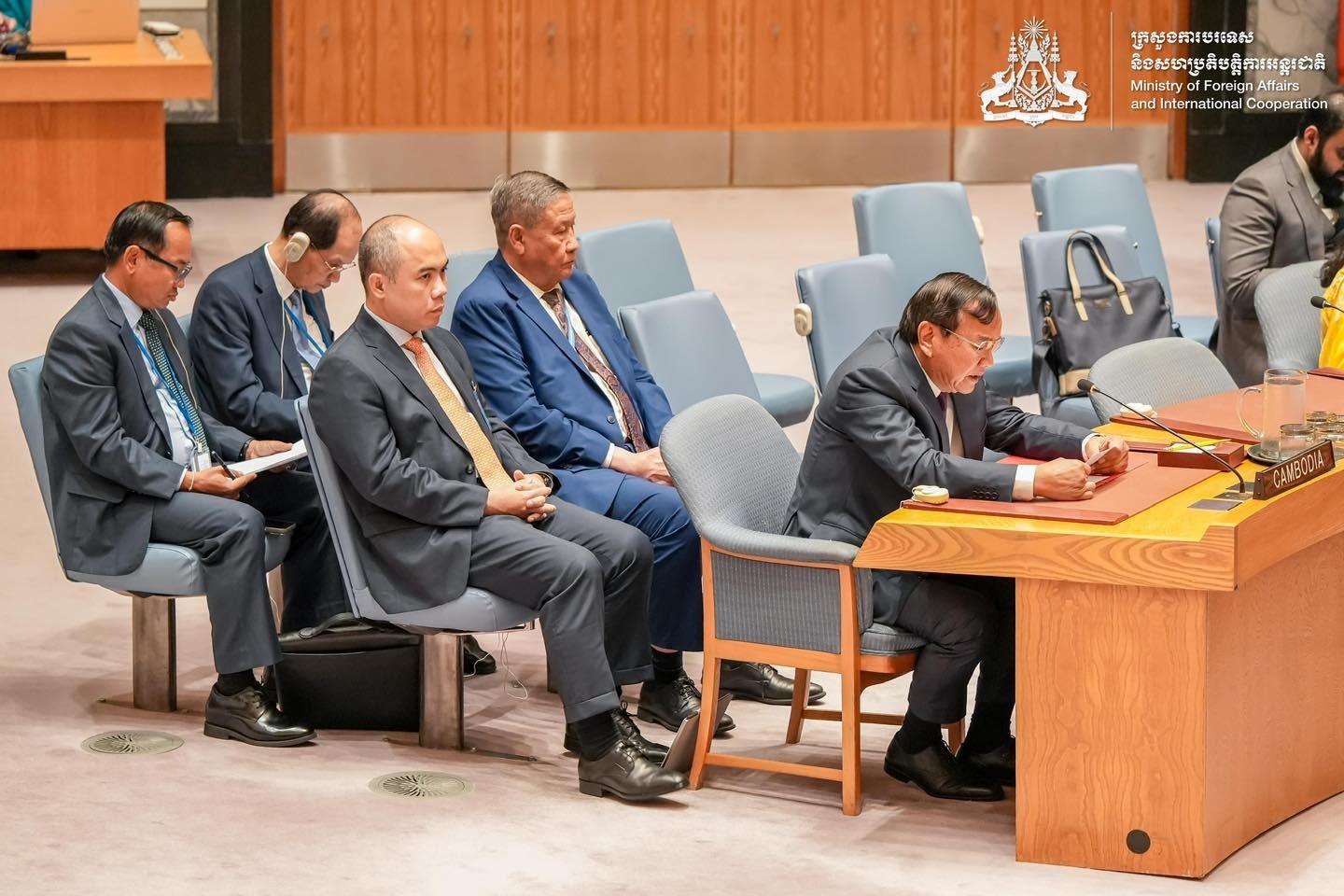
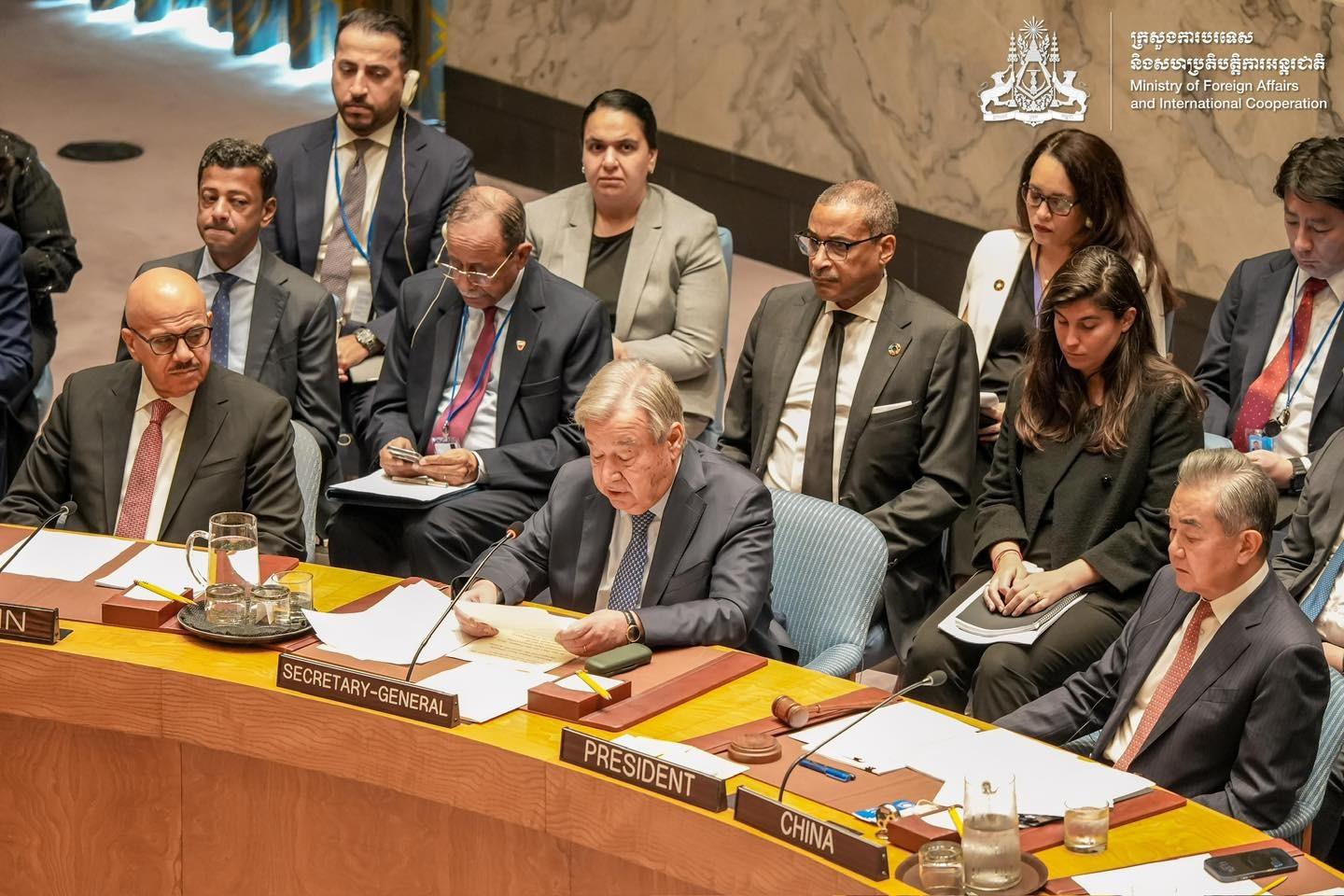
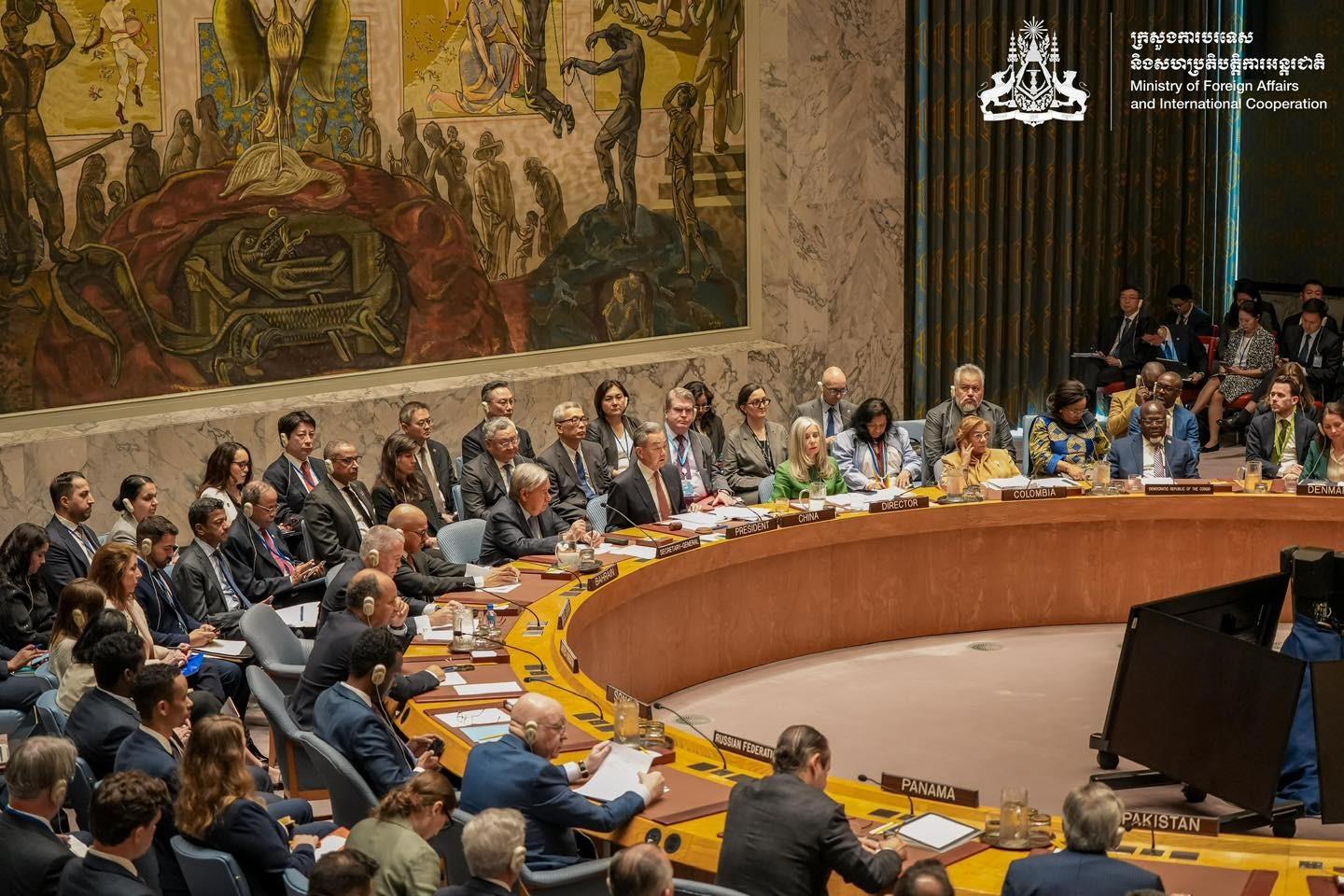
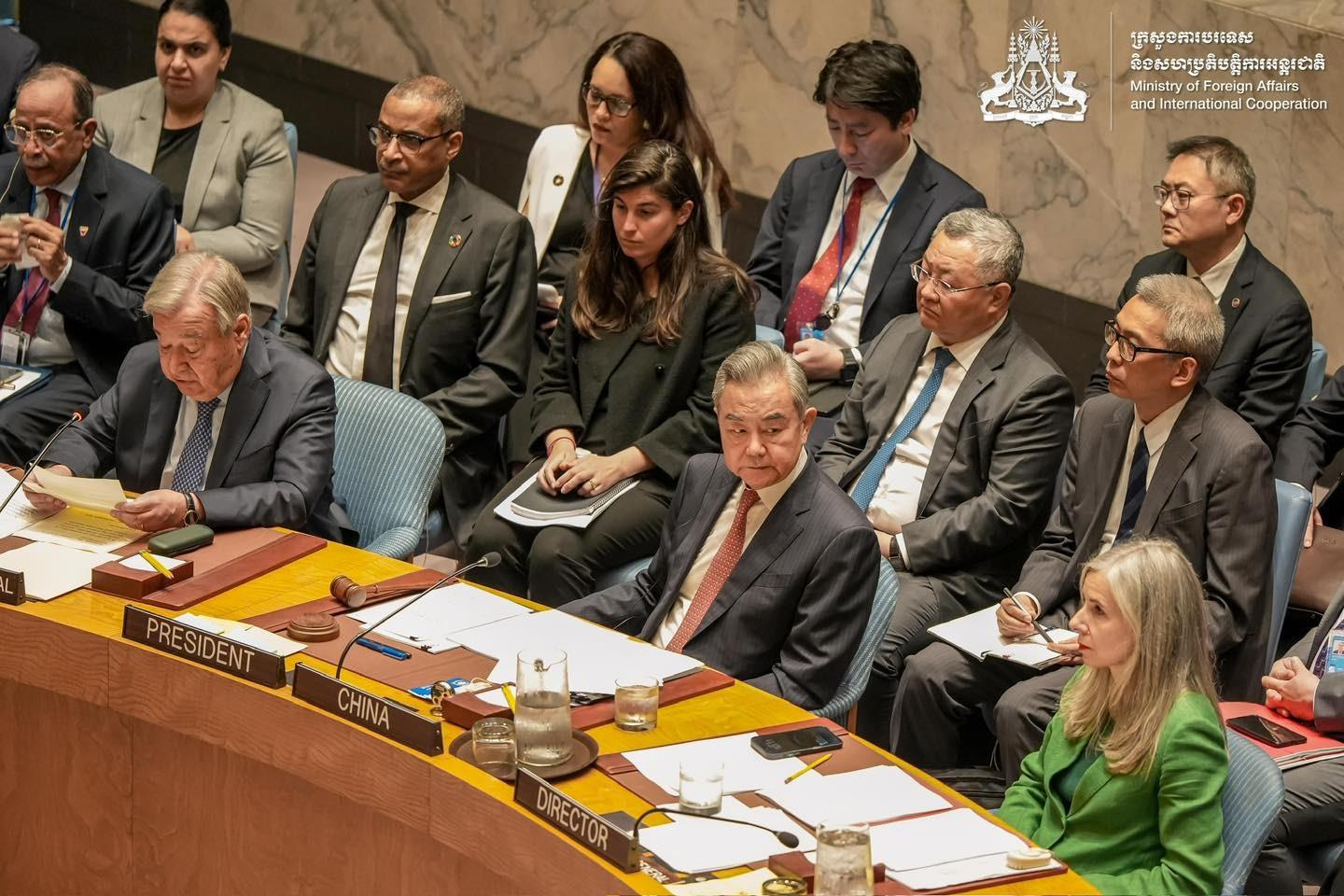
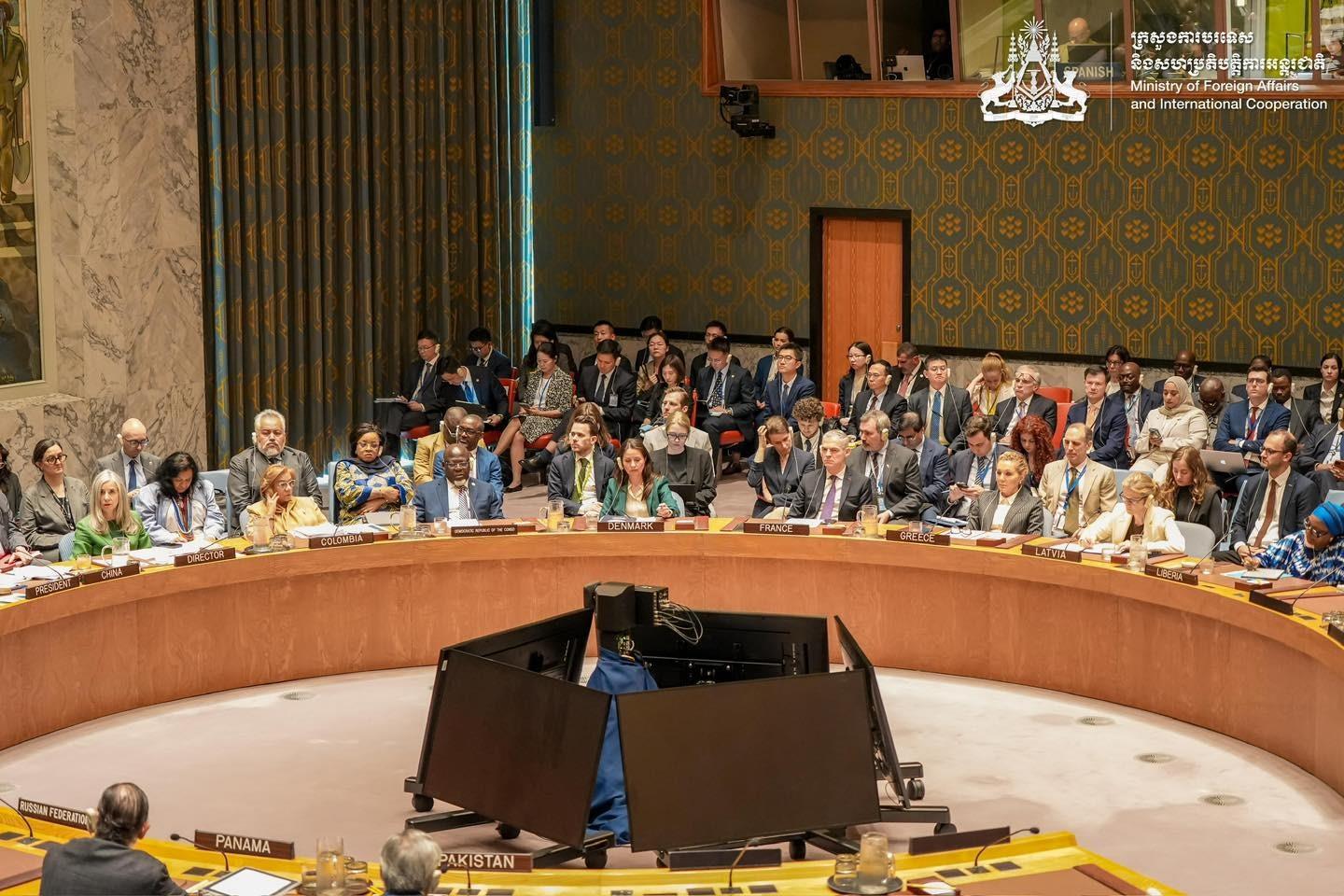
The speech delivered by Cambodian Deputy Prime Minister and Foreign Minister Prak Sokhonn during the High-Level Open Debate of the United Nations Security Council on May 26 was far more than an ordinary diplomatic address. It was a clear message to the international community that Cambodia wants border disputes and regional tensions to be resolved through peaceful means, dialogue, and international law.
During his remarks, the Cambodian foreign minister stated clearly:
“Territorial integrity and the peaceful settlement of disputes and refrain from the threat of using force remain indispensable for maintaining international peace, security, stability and justice.”
The phrase “territorial integrity,” raised before the UN Security Council by Cambodia’s foreign minister, was not merely diplomatic rhetoric. It carries significant legal, strategic, and political weight because it directly concerns the sovereign rights of a state and the right of a nation to protect its territory.
For Cambodia, invoking “territorial integrity” at the United Nations serves as a reminder to the international community that issues of sovereignty and borders cannot be resolved through pressure, intimidation, or force. Instead, they must be addressed through respect for international law, sincere dialogue, and the peaceful principles enshrined in the UN Charter.
Cambodia Uses International Law as a Shield for Sovereignty
The core message behind Prak Sokhonn’s speech is that a small country does not necessarily need to rely solely on military force to defend itself. In the modern world, international law, border agreements, maps, historical records, and multilateral institutions can also become effective tools for safeguarding sovereignty.
Therefore, the speech by Cambodia’s top diplomat was not only an affirmation of Cambodia’s support for global peace, but also an indirect declaration that Cambodia has chosen a clear path: defending its territory through law, diplomacy, and international support — not through war.
Cambodia Is Not Seeking Confrontation, But Justice
By emphasizing the importance of “refraining from the threat or use of force,” Cambodia’s foreign minister placed Cambodia’s position firmly within the framework of international law. The message demonstrates that Cambodia does not wish to see any dispute escalate into armed conflict or military confrontation. At the same time, Cambodia cannot remain indifferent to issues involving its sovereignty and territorial integrity.
This is precisely what gives Cambodia’s message its significance: Cambodia speaks about peace not because it is unwilling to defend its territory, but because it believes that territorial protection must be pursued through lawful means consistent with the UN Charter and international law, while also gaining the understanding and support of the international community.
From Border Battlefield to Diplomatic and Legal Battlefield
At a time when many major powers are using military strength, economic pressure, and geopolitical influence to protect and expand their interests, Cambodia is attempting to show the world that even a small nation can defend its sovereignty and territorial integrity through diplomacy, dialogue, and international law.
This is why Cambodia continues to raise issues of sovereignty and border disputes in international forums, whether at the United Nations, ASEAN meetings, or other multilateral gatherings. Cambodia’s objective is not to provoke confrontation or heighten tensions, but to ensure that the international community “hears” and “records” Cambodia’s position as it seeks to resolve border disputes with Thailand through peaceful, diplomatic, and legal means.
In this sense, Cambodia is attempting to transform a “battlefield of confrontation” into a “battlefield of international legitimacy.” Rather than using force to project power, Cambodia is using international platforms and the principles of the UN Charter to assert that issues of sovereignty and borders must be resolved through law — not through political pressure or military coercion.
“Diplomacy and International Law” as Cambodia’s Core Strategy
Prak Sokhonn further stressed during the UN Security Council meeting:
“Cambodia firmly believes that disputes must be resolved exclusively through dialogue, diplomacy, and adherence to international law.”
This statement can be regarded as the core of Cambodia’s current diplomatic strategy. It demonstrates that the Cambodian government is attempting to shift the direction of disputes away from border confrontation and toward diplomacy, international law, and international support.
For small states like Cambodia, international legitimacy is a powerful asset. In today’s world, influence is measured not only by military strength, but also by a nation’s ability to make the world understand, recognize, and support its position.
As the international community increasingly hears and understands Cambodia’s stance, Cambodia’s voice on the global stage also gains greater weight and influence.
Cambodia Uses the “Language of International Law” to Seek Justice
At the UN Security Council meeting, Cambodia sought to use what may be called “the language of legal authority” to demonstrate that Cambodia is not seeking war, but rather justice and recognition under international law.
Prak Sokhonn’s speech also reflected Cambodia’s historical experience. As a country that has endured wars, division, and repeated crises, Cambodia understands better than most the value of peace and the devastating consequences of armed conflict.
For this reason, Cambodia is trying to show the world that protecting sovereignty and territorial integrity does not always require military force. For a small state, diplomacy, international law, and international support can also serve as effective instruments of national defense.
Explaining Cambodia’s Position to the World Is Also a Form of Power
In today’s world, the ability to explain and communicate a country’s peaceful position to the international community can itself become a form of power. In the age of information and multilateral diplomacy, nations that can convincingly present a lawful and coherent explanation of their position are more likely to gain diplomatic and political support from the international community.
This is why Cambodia continues to bring issues of sovereignty and peaceful dispute resolution to international forums. For Cambodia, this is not merely about speaking publicly; it is about building an “International Record” and strengthening “International Awareness” regarding issues that Cambodia considers vital to its national sovereignty and territorial integrity.
Cambodia Wants Solutions Within the Framework of Law — Not on the Battlefield
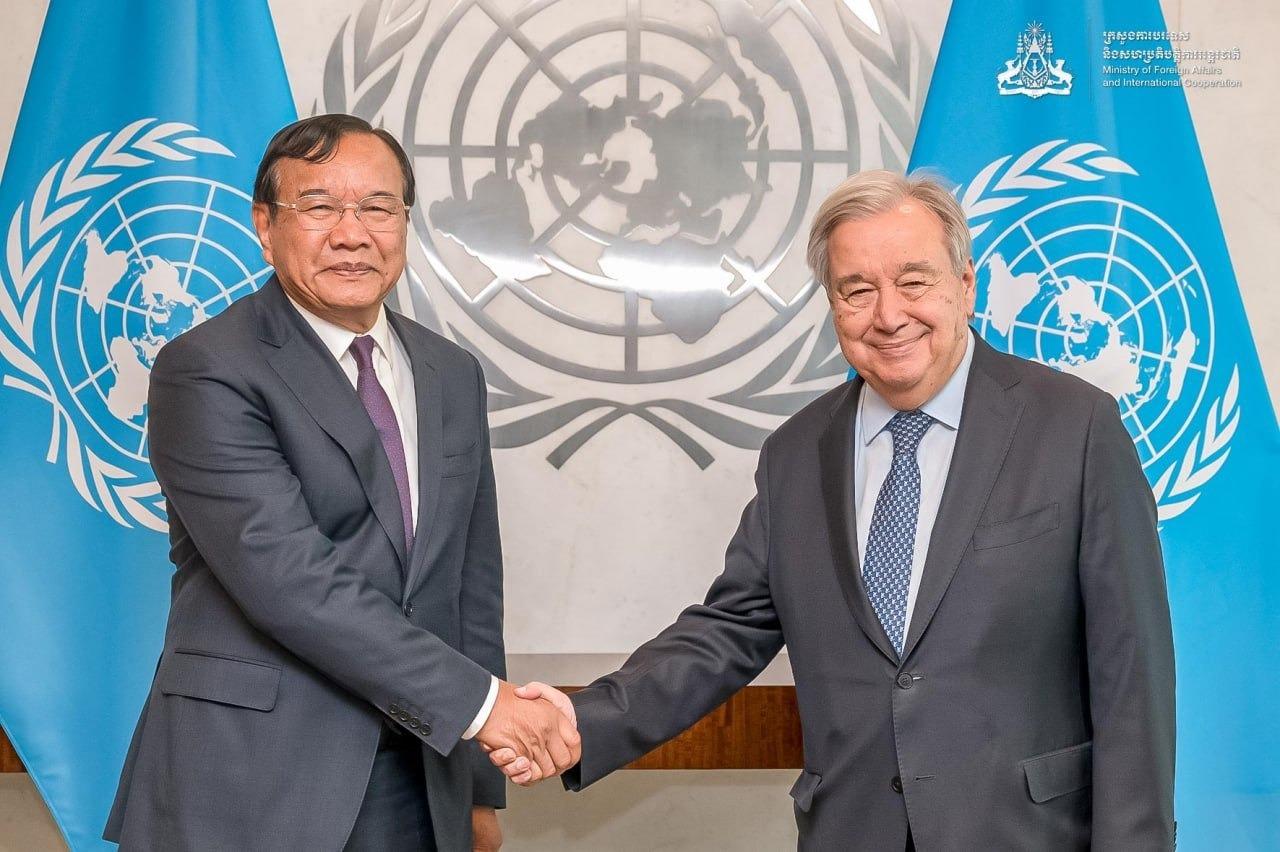
Before concluding his remarks, Prak Sokhonn also expressed appreciation to the international community for supporting ceasefire efforts and peaceful settlement of the Cambodia–Thailand border dispute:
“Cambodia sincerely appreciates the support of international community for the ceasefire and the peaceful settlement of dispute between Cambodia and Thailand in accordance to international law and the principle of the UN Charter.”
This statement clearly reflects Cambodia’s desire for border disputes to remain within the framework of diplomacy, international law, and the peaceful principles of the United Nations — not on the battlefield or through the use of force.
In many ways, Cambodia is attempting to transform border tensions from a “military crisis” into an “international legal issue” that must be addressed through international norms and institutions.
Conclusion: The Voice of a Small Nation on the Global Stage
Although Cambodia does not possess aircraft carriers, nuclear weapons, or the military influence of major powers, it does possess something that many small nations increasingly rely upon: international law, diplomacy, and its voice on the global stage.
In the modern world, power is no longer measured solely by armies and advanced weaponry. It is also measured by a country’s ability to make the international community understand, recognize, and support its position.
For this reason, Cambodia continues to use international forums, diplomacy, and the principles of international law to affirm that issues of sovereignty and territorial integrity cannot be resolved through intimidation or force, but through peaceful means consistent with the UN Charter and international law.
Thus, in an era where diplomacy is increasingly becoming a new battlefield, the voice of a small nation — speaking peacefully, persistently, and through the language of international law — can become a force that the world can no longer ignore.