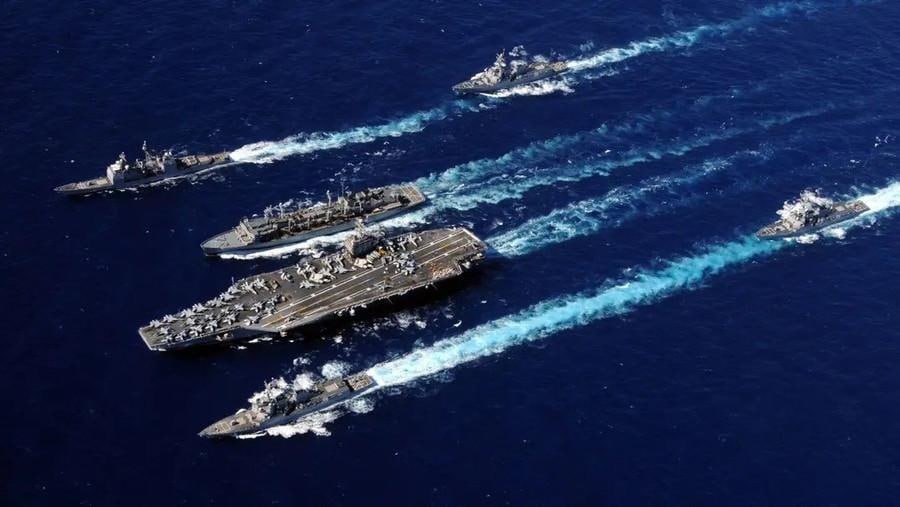

(Phnom Penh): As the Iran conflict still has not erupted into another full-scale war despite repeated threats from President Donald Trump, the world is witnessing a strange and increasingly uncertain situation: the United States continues issuing ultimatums, threatening military action, and flexing its military power against Iran again and again, yet Washington has still refrained from launching any new large-scale military offensive.
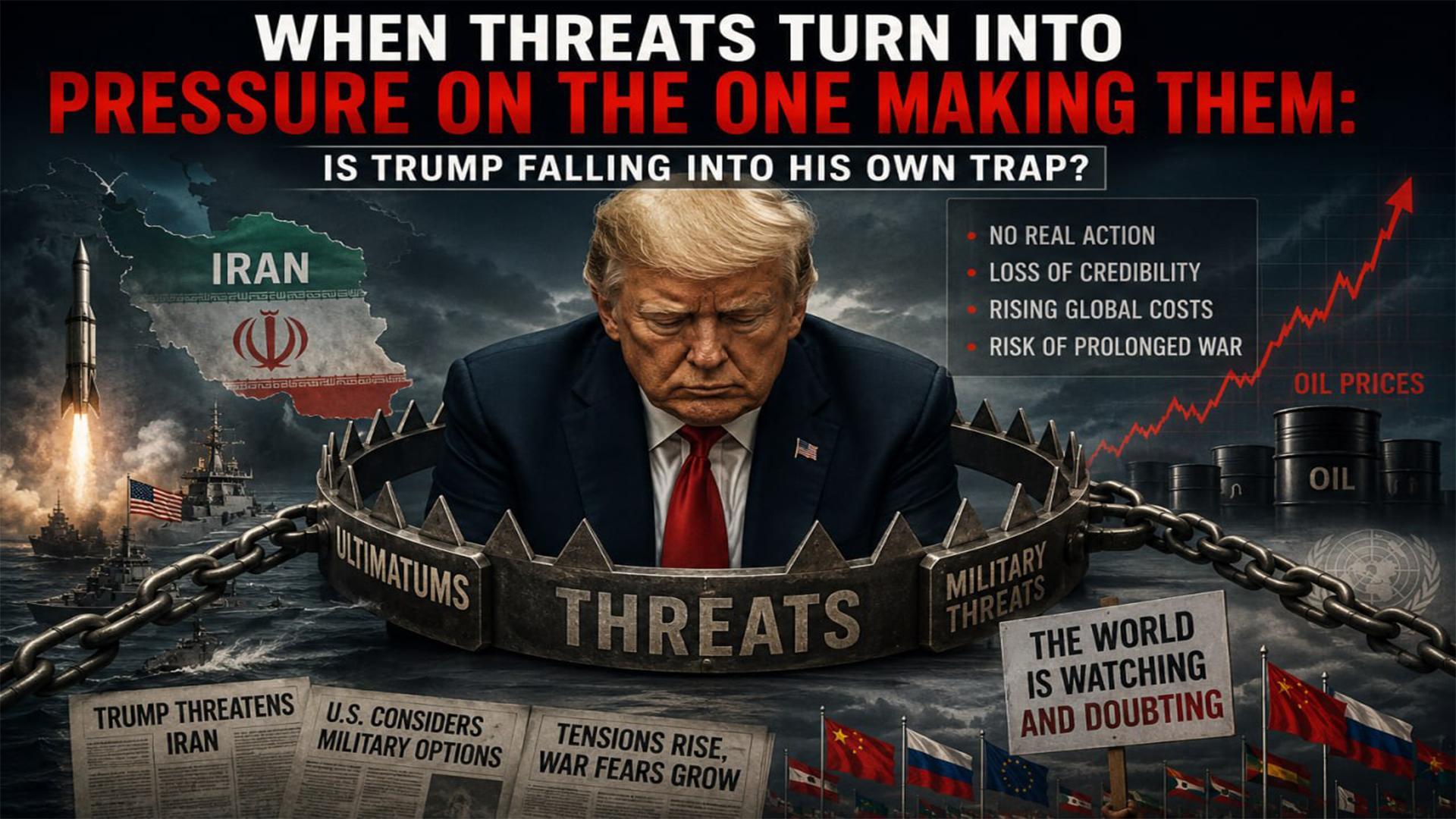
Amid this growing tension, a major geopolitical question is beginning to emerge: Is Donald Trump becoming trapped in the very “threat strategy” he created — a situation in which threats are now turning into pressure on the one making them?
Over the past several weeks, President Trump has repeatedly used strong and confrontational rhetoric, declaring that the United States was approaching a “final determination” regarding a deal with Iran. He also warned that American military forces were “fully prepared” for military operations if Tehran refused to accept Washington’s conditions.
However, despite these fiery warnings, the White House failed to announce any clear decision after a two-hour Situation Room meeting last Friday. This silence suggests that although the United States continues to display overwhelming military strength, Washington itself remains hesitant about the real cost and serious risks of a full-scale war with Iran.
*Washington’s Two Messages: Between Threats and Patience
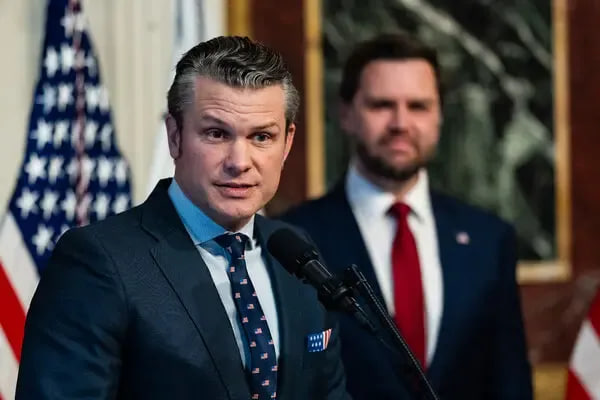
US Defense Secretary Pete Hegseth reinforced this ambiguity during the Shangri-La Dialogue security summit in Singapore, where he stated that President Trump was exercising “patience” in handling the Iran crisis.
Yet almost in the same breath, Hegseth delivered a direct warning to Tehran:
“If Iran doesn’t want to make a great deal … then Iran can deal with the US military.”
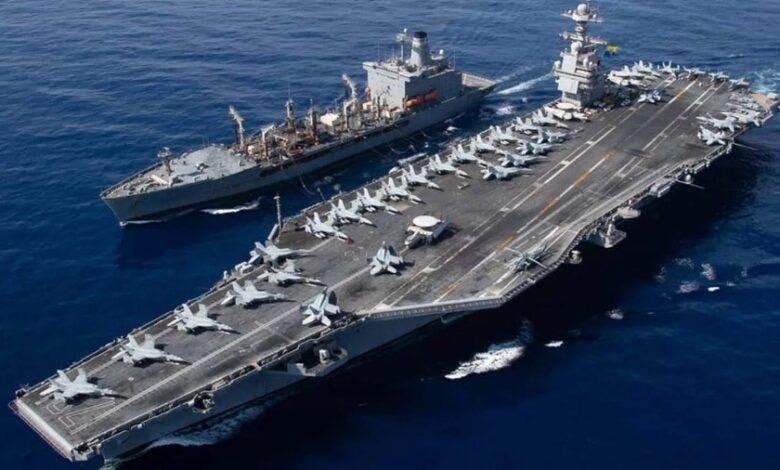
These statements clearly show that Washington is pursuing two contradictory strategies at the same time. On one hand, the United States is displaying military strength and threatening force in order to pressure Iran. On the other hand, it is simultaneously delaying direct confrontation and using “patience” as a political strategy to avoid a wider regional war.
The biggest problem for Donald Trump, however, is that repeated threats without concrete military action risk weakening the credibility and fear those threats once carried. Increasingly, the international community and global markets are beginning to ask whether the United States truly intends to wage war against Iran — or whether Washington is simply using military threats as leverage to force Tehran back to the negotiating table.
*Iran and the Strategy of “Not Surrendering Under Pressure”
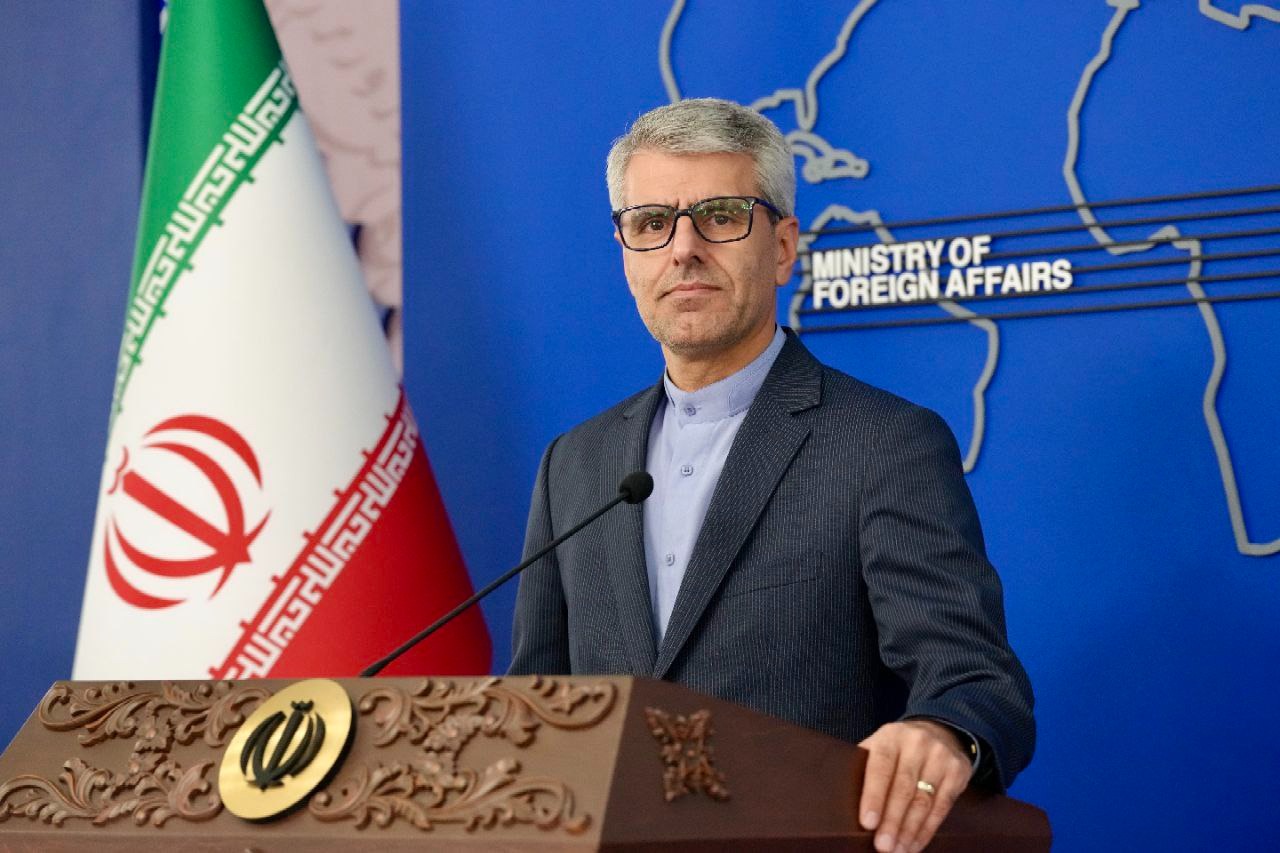
Al Jazeera quoted Iranian Foreign Ministry spokesperson Esmaeil Baghaei as saying:
“We said goodbye to the language of ‘must’ 47 years ago.”
This statement was not merely a diplomatic response. It reflected the core political philosophy of the Islamic Republic since the 1979 Iranian Revolution. In essence, Iran does not want the world to see it surrendering under American pressure or intimidation.
Within this context, Tehran is using psychological resilience and a strategy of resistance to demonstrate that regardless of Washington’s military threats or mounting pressure, Iran remains capable of enduring and maintaining its position.
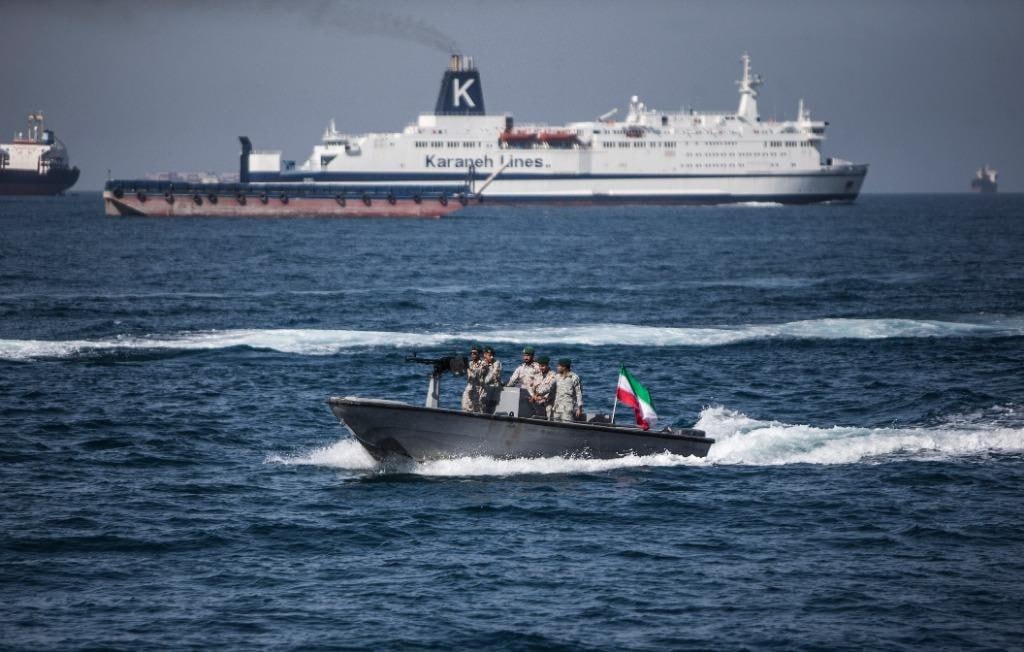
Iran understands very clearly that it cannot defeat the United States in a direct military confrontation. However, Tehran also knows it possesses a powerful geopolitical weapon capable of inflicting pain on the global economy: the Strait of Hormuz.
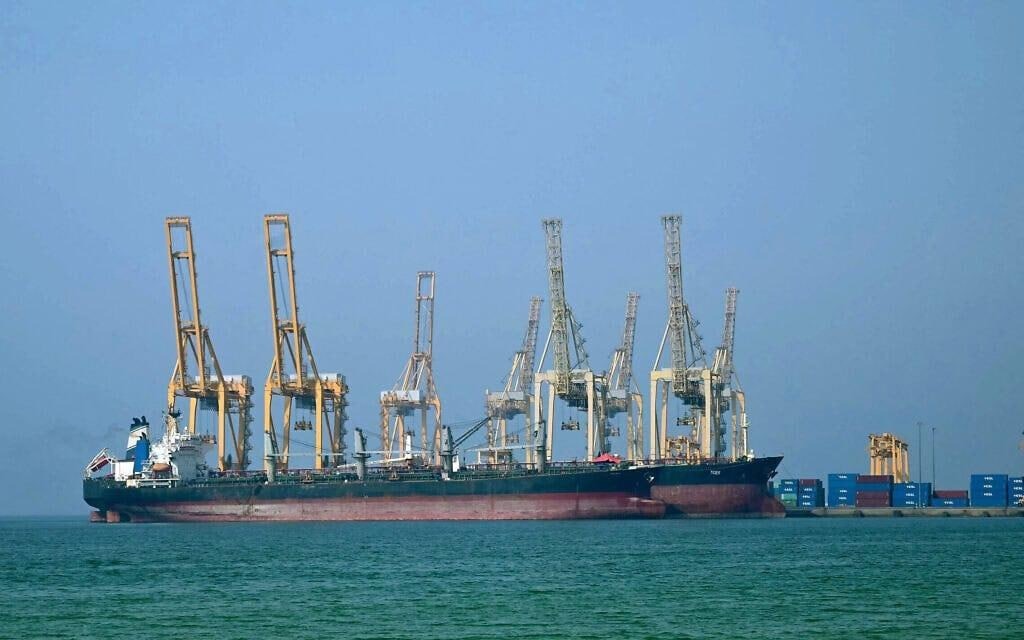
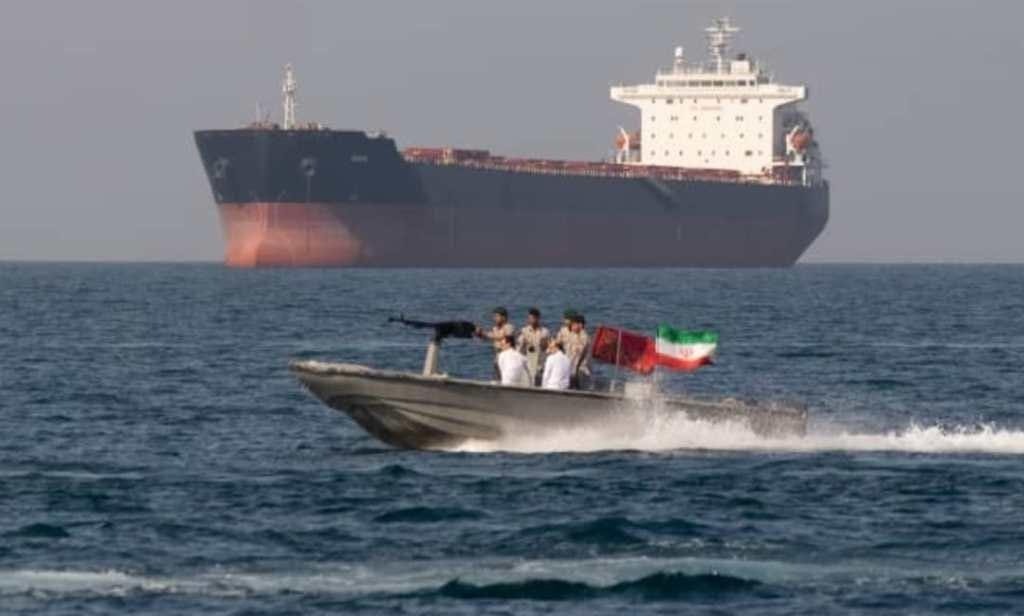
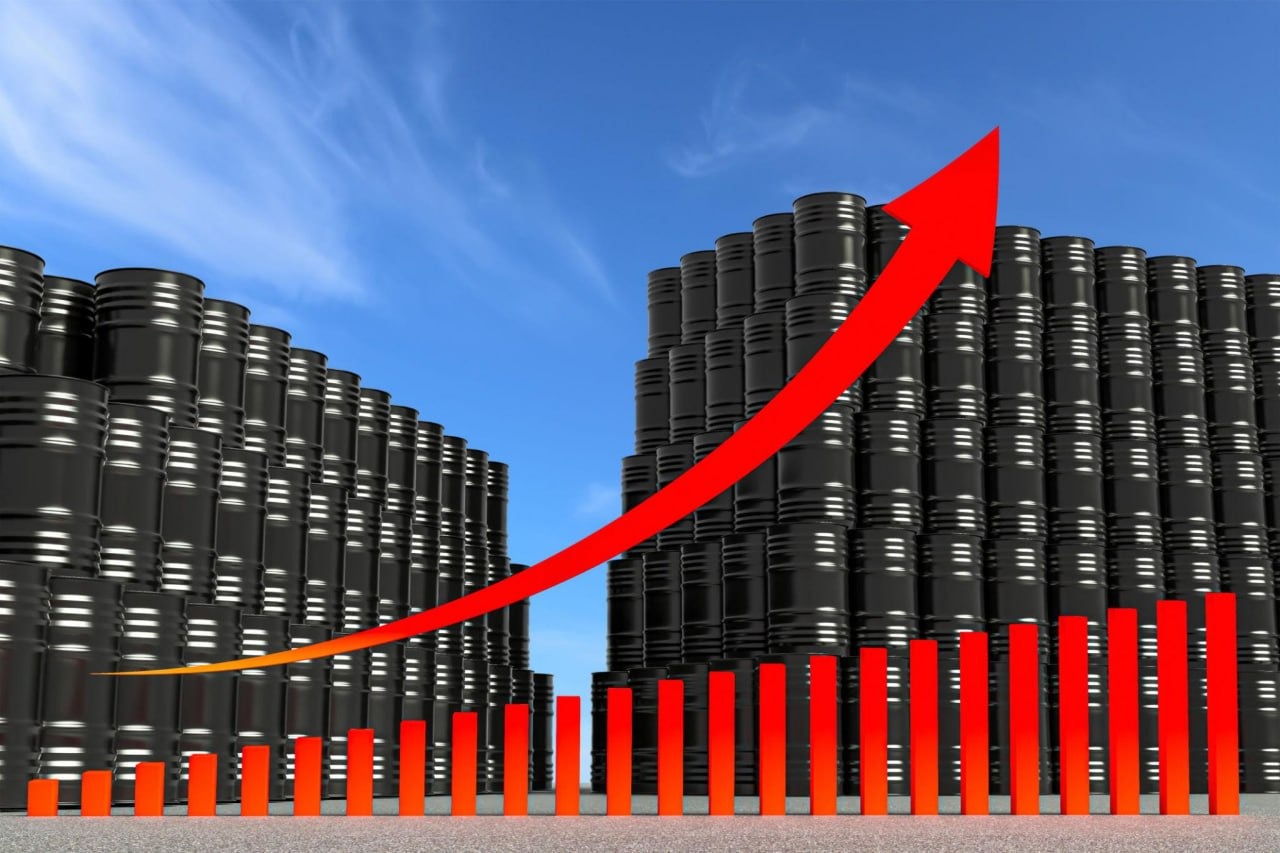
This narrow waterway is often described as the “lifeline of the global oil market,” with more than 20 percent of the world’s oil supply passing through it. As a result, Iran does not need to fully close the Strait of Hormuz to create global disruption. Even warning shots, harassment of commercial vessels, or heightened security fears are enough to send oil prices sharply higher, destabilize financial markets, and increase pressure on the global economy.
*The Trap of Losing Credibility
This is precisely what is pulling Donald Trump deeper into what analysts describe as a “Credibility Trap.”
If Trump chooses not to strike Iran, many in the international community may conclude that the United States is relying on political rhetoric and intimidation without any genuine willingness to act. But if he does launch military action, America risks becoming entangled in another prolonged and extremely costly Middle East conflict — one capable of driving global oil prices dramatically higher, reigniting inflation, and destabilizing the world economy.
What is perhaps most striking is that neither side appears eager to become the one that fires first. The United States does not want to fall into another expensive and open-ended war in the Middle East, while Iran also understands that a full-scale war with America could threaten the stability of its own regime.
As a result, the Iran conflict today increasingly resembles not a conventional war of direct military confrontation, but rather a war of threats, delay, psychological pressure, and strategic patience — with both sides attempting to test which opponent will lose patience first.
Conclusion
Ultimately, the biggest challenge facing Donald Trump may not be whether the United States can defeat Iran militarily, but whether the world still believes in Washington’s threats and coercive power.
In international geopolitics, threats are effective only if the opposing side believes the one making them is truly willing to act. But when threats are repeated too often without concrete action, they not only begin to lose their power to intimidate — they can also evolve into a “credibility trap” that turns pressure back onto the one issuing the threats.
And perhaps this is the deeply complex dilemma Donald Trump now faces in the Iran conflict: balancing the need to preserve America’s image of strength and deterrence as a global superpower while simultaneously trying to avoid another massively expensive and prolonged war — one that could further drive up oil prices, fuel inflation, and shake the global economy even more severely.