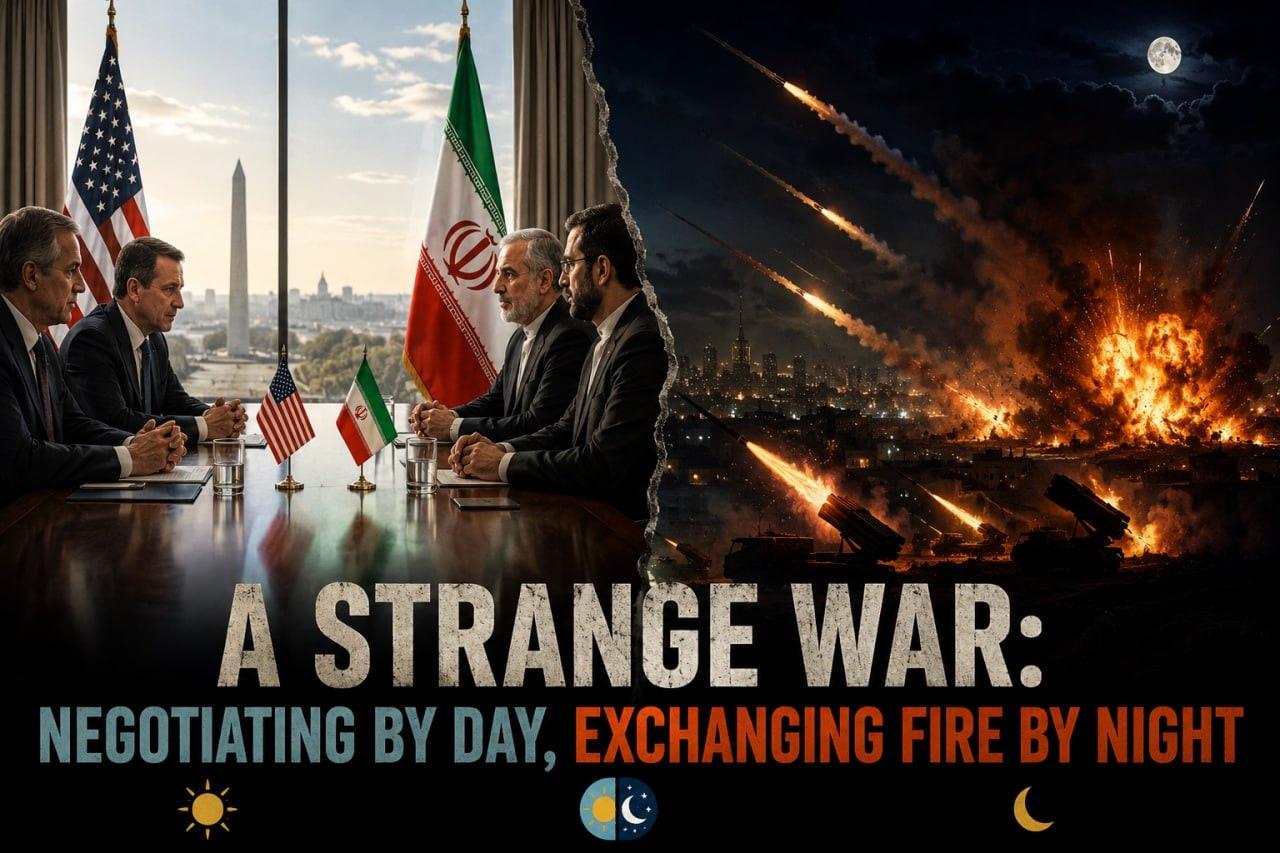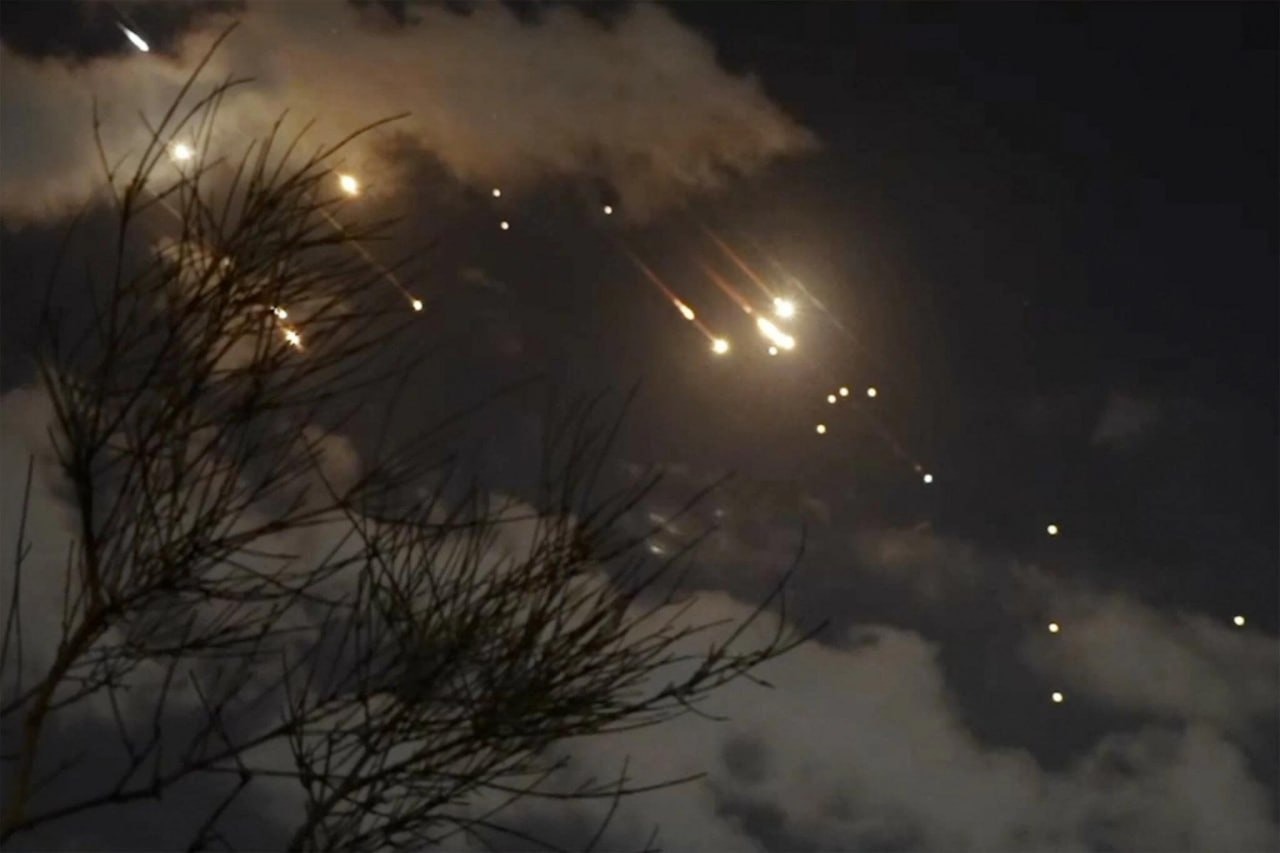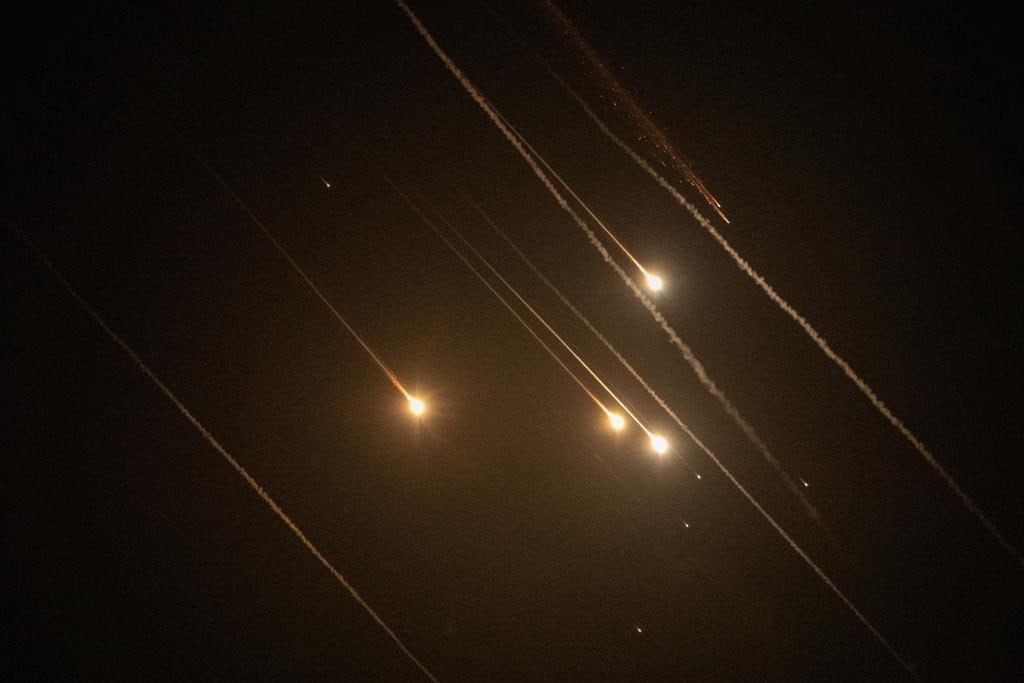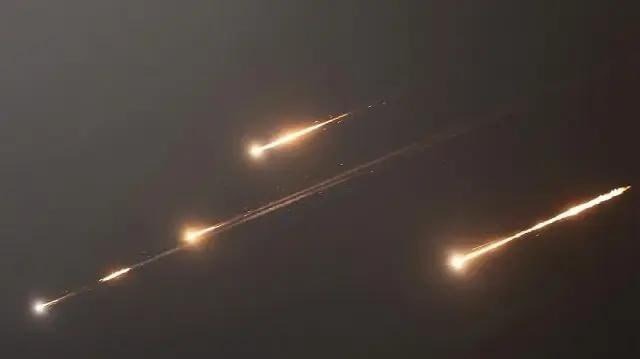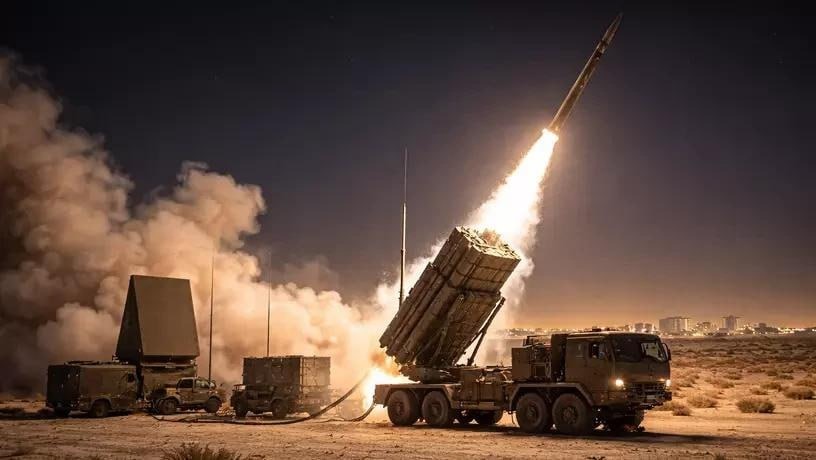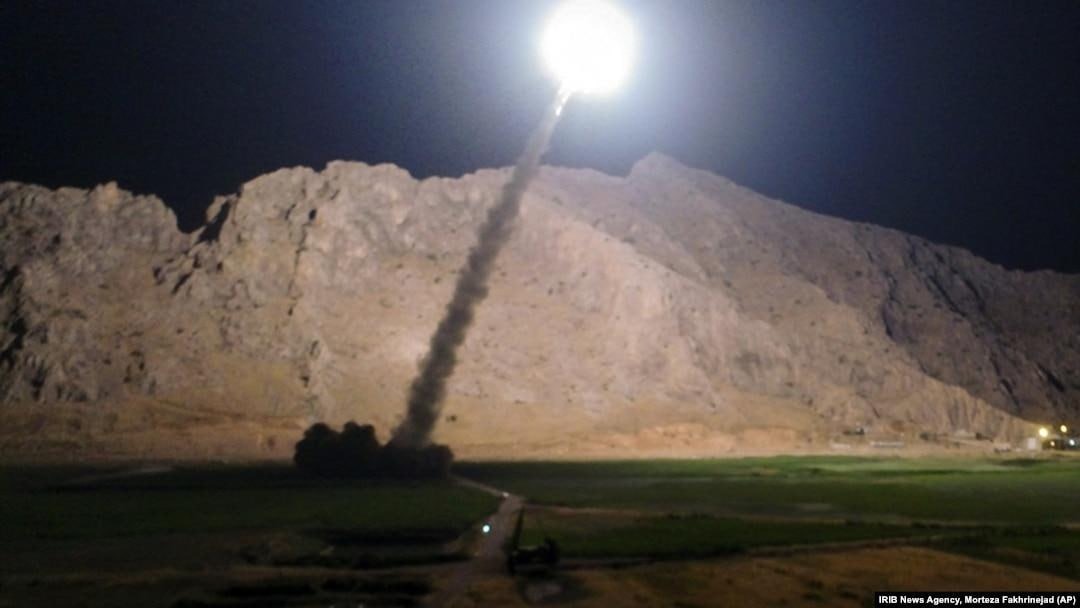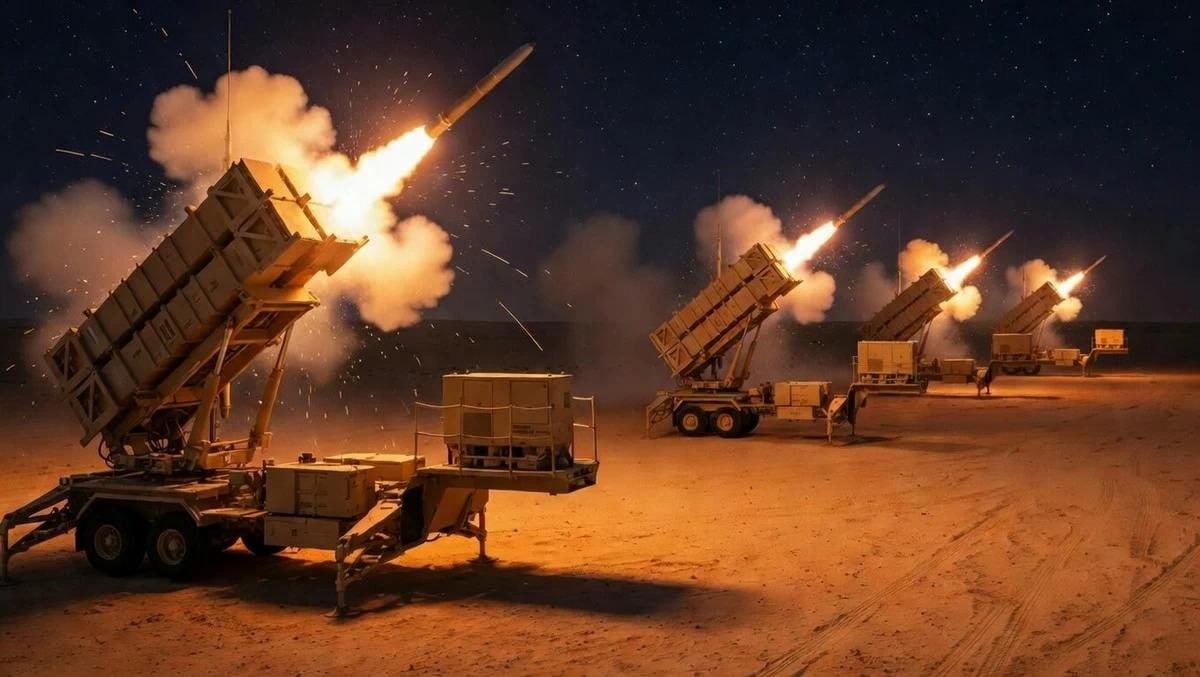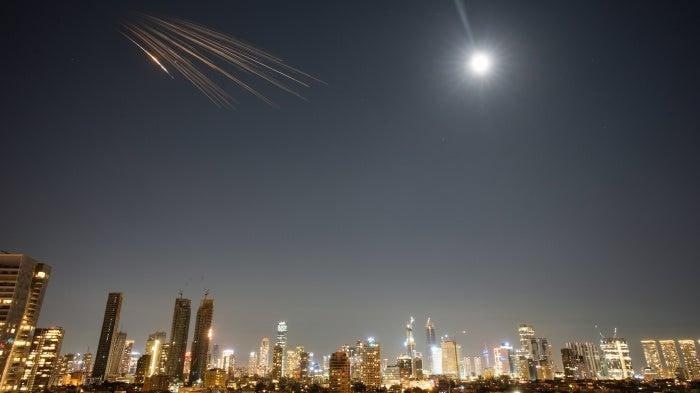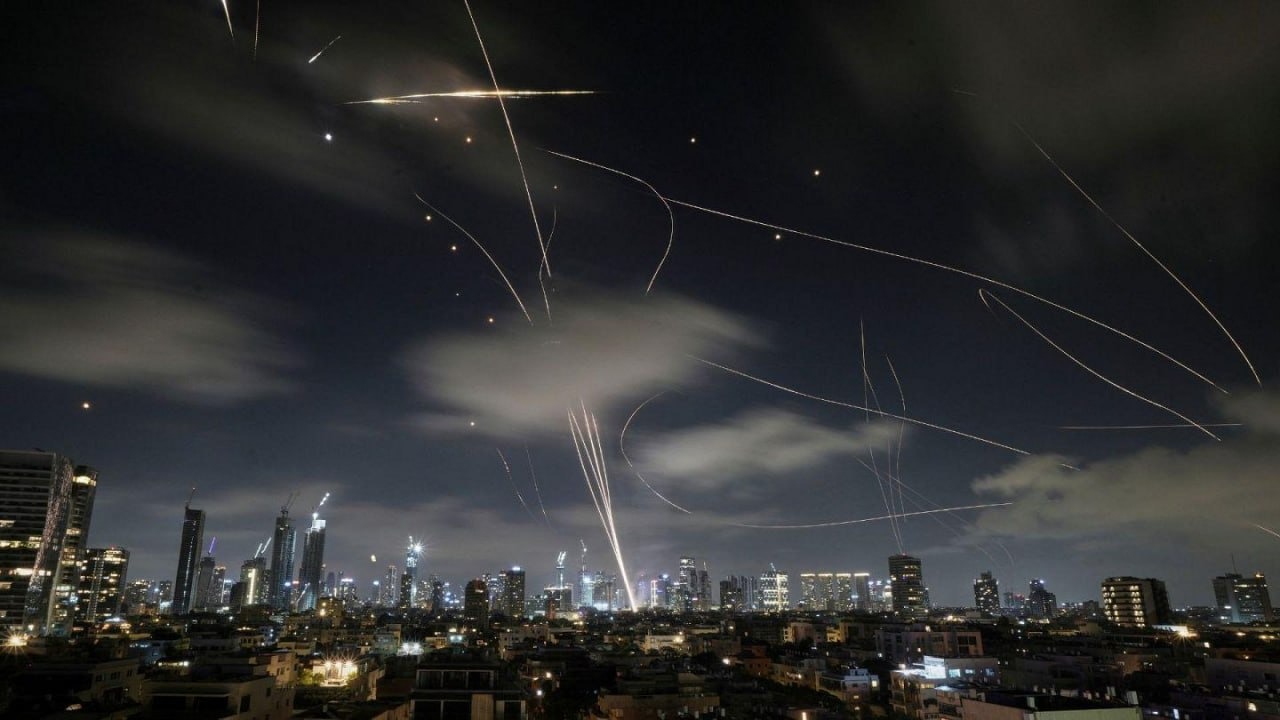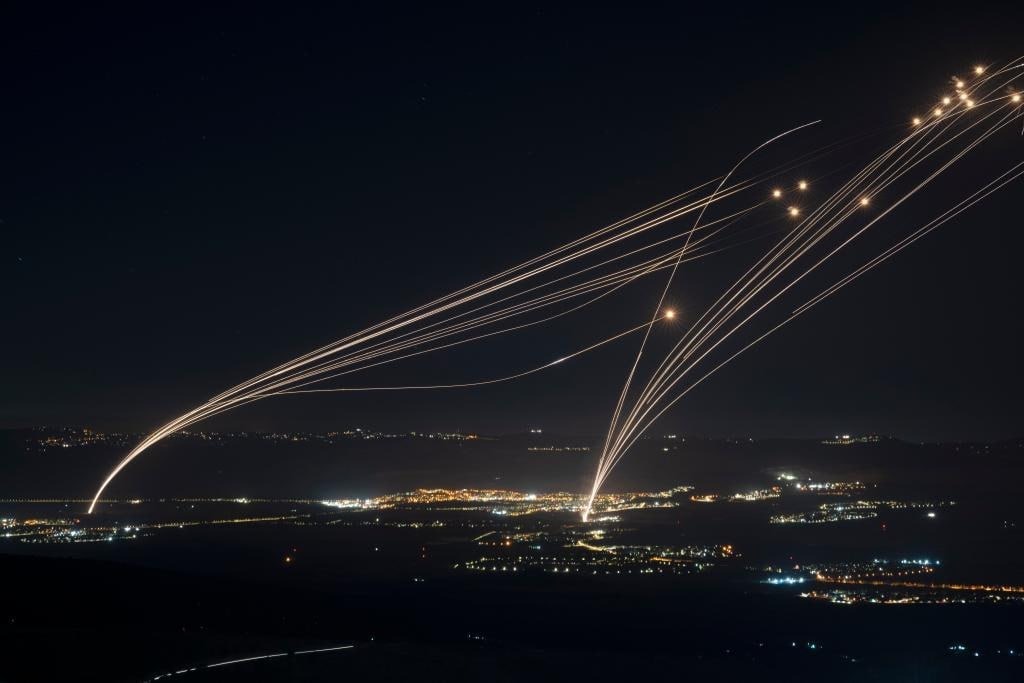

(Phnom Penh): As missiles streak across the skies of the Persian Gulf and drones are intercepted over Kuwait and Bahrain, the world is witnessing a strange phenomenon rarely seen in the history of modern warfare: by day, the parties negotiate; by night, they exchange fire.
Nearly 100 days into the conflict between the United States and Iran, the war has neither escalated into a full-scale regional conflict nor moved any closer to genuine peace. Instead, it has entered a dangerous phase that many analysts now describe as “negotiating under fire.”
This is no longer a war aimed at quickly defeating and collapsing an opponent. Rather, it is a war designed to increase bargaining power and pressure the opposing side into accepting terms it would otherwise reject.
A War Between Escalation and Restraint
Recent attacks on Iran’s Qeshm Island, the use of Hellfire missiles against oil tankers, and Iran’s retaliatory strikes targeting Kuwait and Bahrain have clearly demonstrated that the conflict is expanding across the Gulf region.
Yet what is most striking is that both sides appear to be carefully managing the level of escalation, seeking to avoid a full-scale regional explosion.
The United States described its strike on Qeshm Island as a “self-defense” operation, while the US Central Command (CENTCOM) stated that American forces “remain vigilant and ready to defend against unwarranted Iranian aggression.”
At the same time, Iran warned that “any further aggression would be met with a different and more severe response.”
These exchanges reveal that both sides are increasingly speaking the language of deterrence rather than the language of peace. They are escalating pressure on one another, but neither side appears willing to cross the final threshold that could ignite a devastating war across the entire Middle East.
In this kind of conflict, missiles and drones are no longer merely military weapons; they have become political instruments and tools of negotiation.
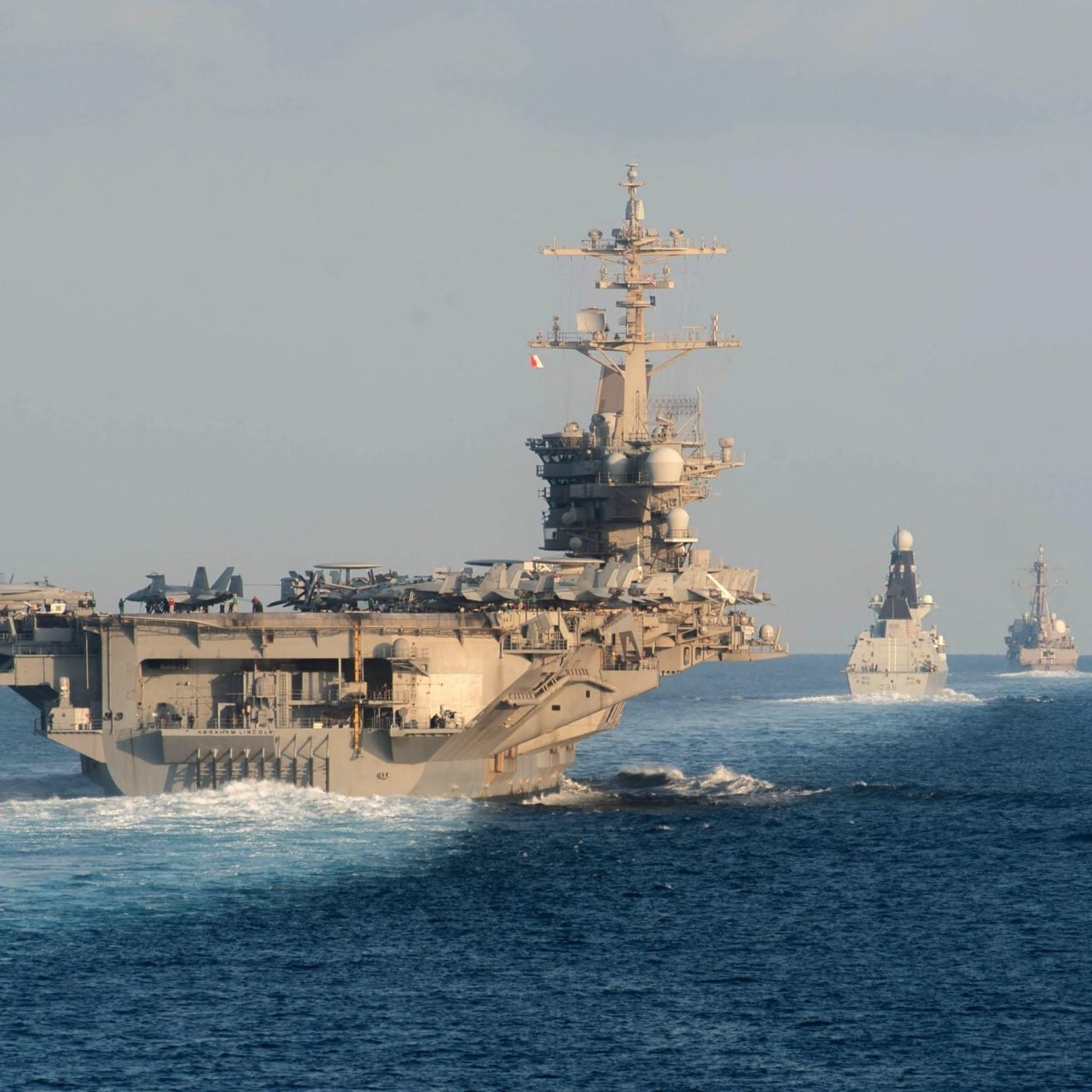
The United States struck Qeshm Island to send a message that it retains the ability to damage Iran’s military capabilities and influence the situation around the Strait of Hormuz. Iran’s retaliatory attacks on US military assets and regional allies, meanwhile, were intended to demonstrate that American bases and Washington’s partners cannot remain fully secure as long as strikes against Iran continue.
Put simply, this war has become a negotiation conducted through missiles rather than diplomacy.
Negotiations Under the Shadow of War
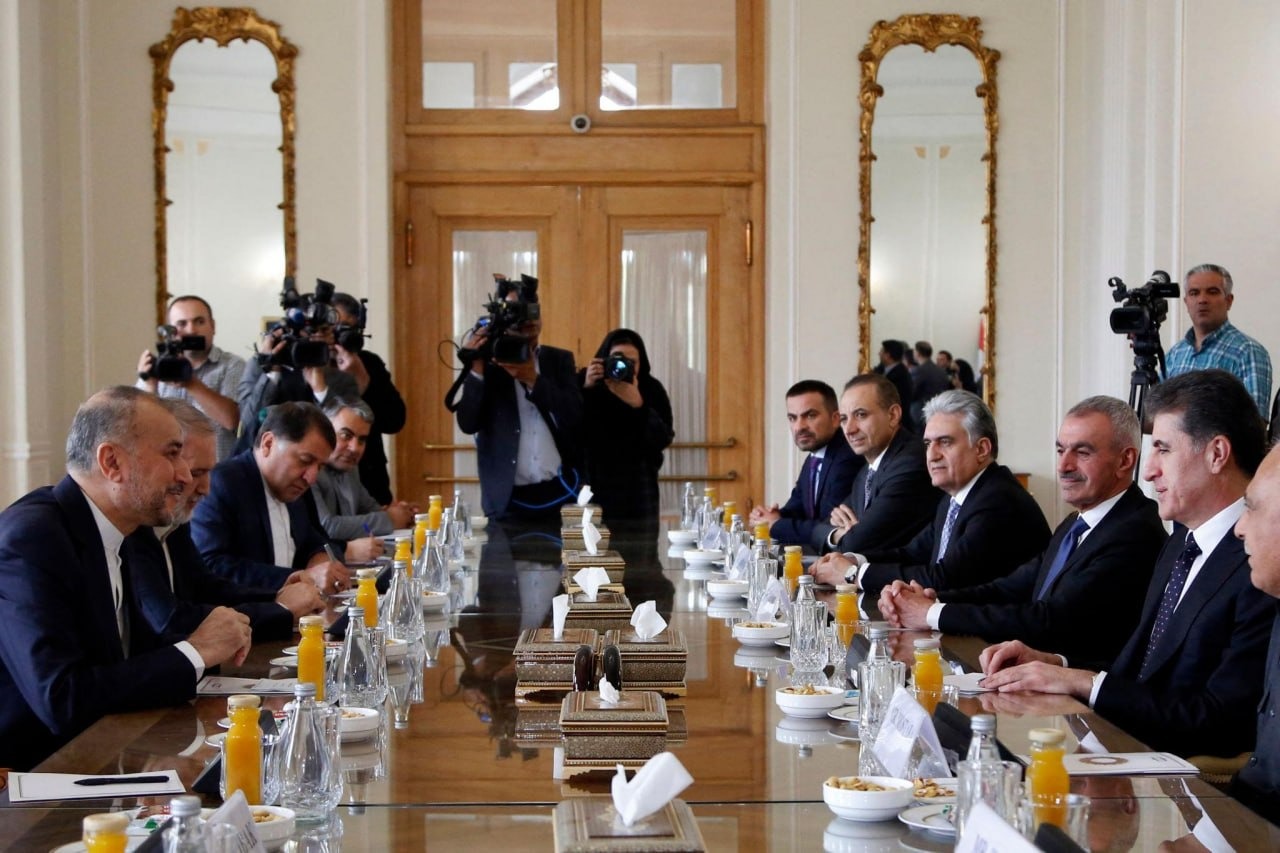
What makes this conflict fundamentally different from traditional wars is that negotiations continue even as military strikes intensify almost daily.
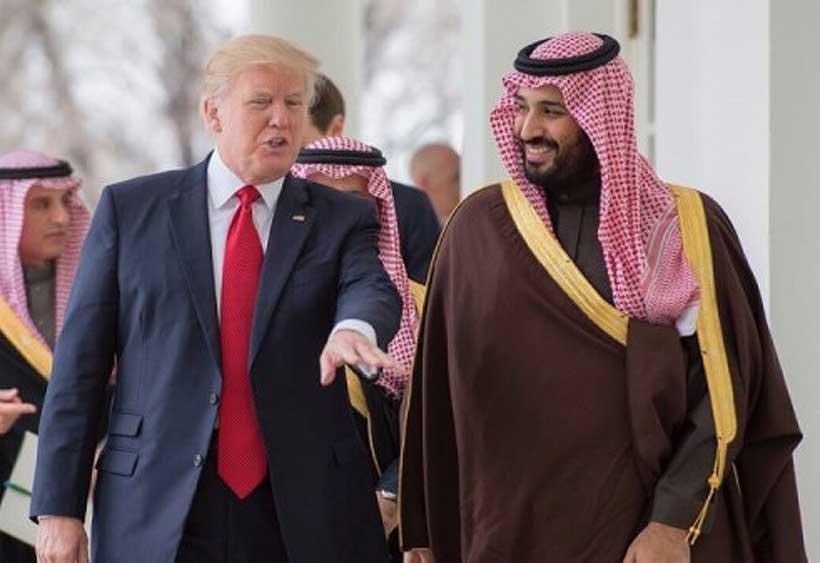
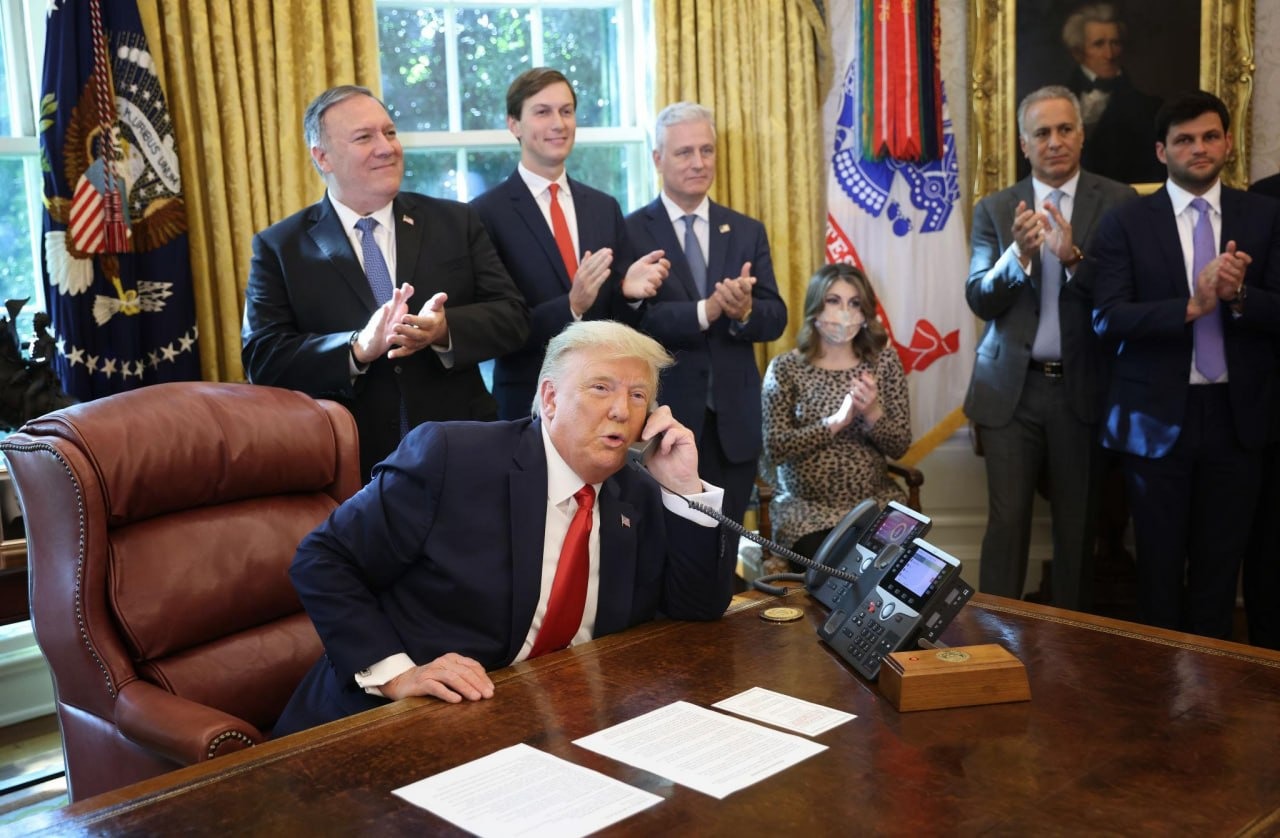
US President Donald Trump said talks with Iran “have been continuing,” while cautioning that “one never knows” how they may end.
Meanwhile, US Secretary of State Marco Rubio stated that Washington would consider sanctions relief for Tehran only if Iran agrees to meaningful concessions regarding its nuclear program.
On the other side, Iranian negotiator Mohammad Bagher Ghalibaf warned that Tehran could “abandon negotiations with the United States and move toward confrontation” if Israeli attacks on Lebanon continue.
These mutual warnings illustrate just how complex and intertwined the conditions for peace have become. The real language now being used between Washington and Tehran is not the language of diplomacy, but the language of military pressure aimed at strengthening each side’s position at the negotiating table.
This is the true meaning of “negotiating under fire” — when diplomacy and warfare unfold simultaneously.
The Strait of Hormuz: The Real Economic Weapon
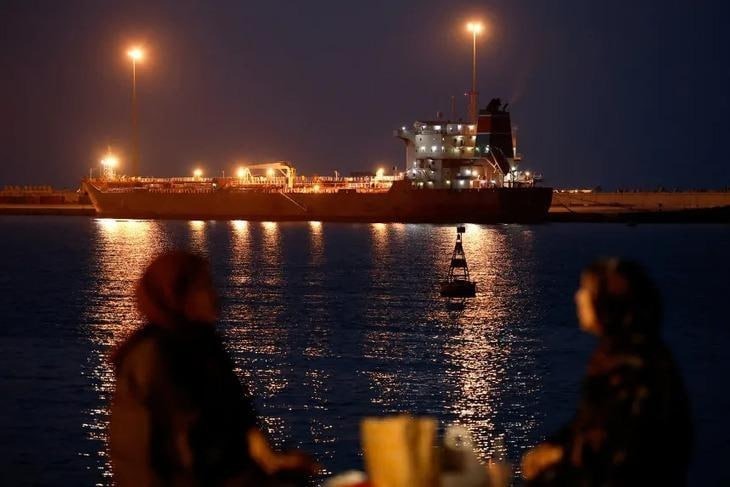
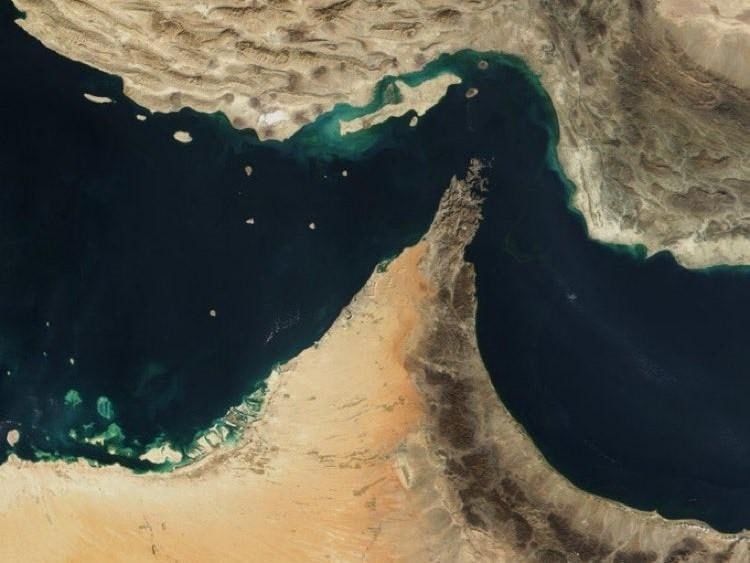
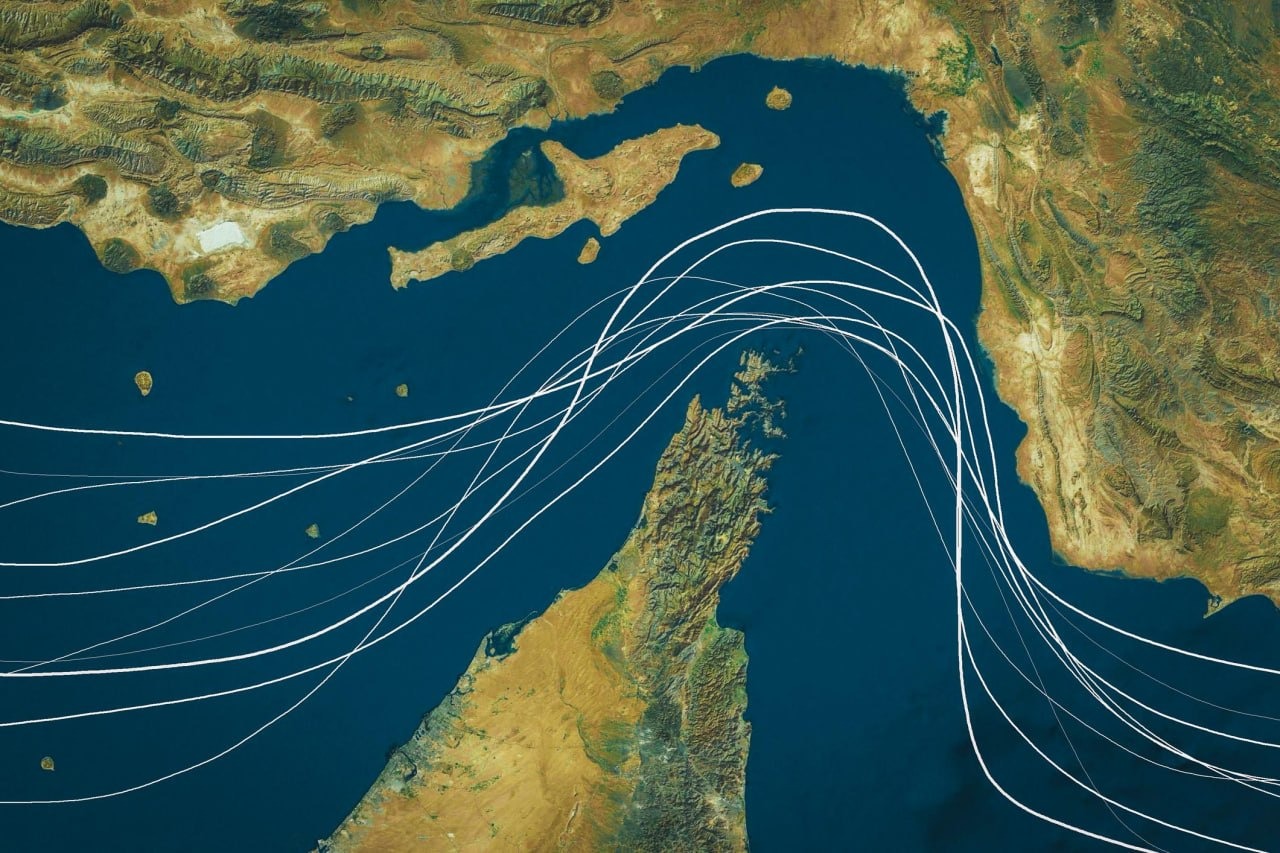
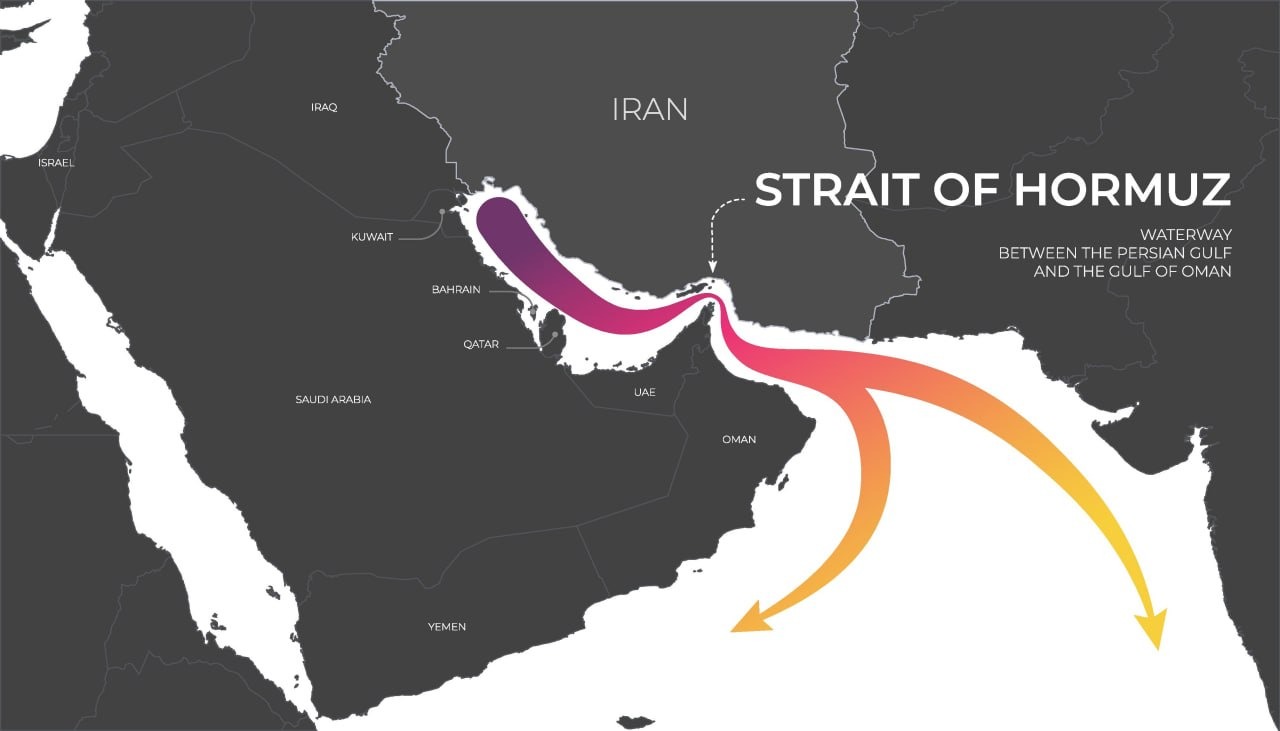
One of the most critical fronts in this conflict is the Strait of Hormuz.
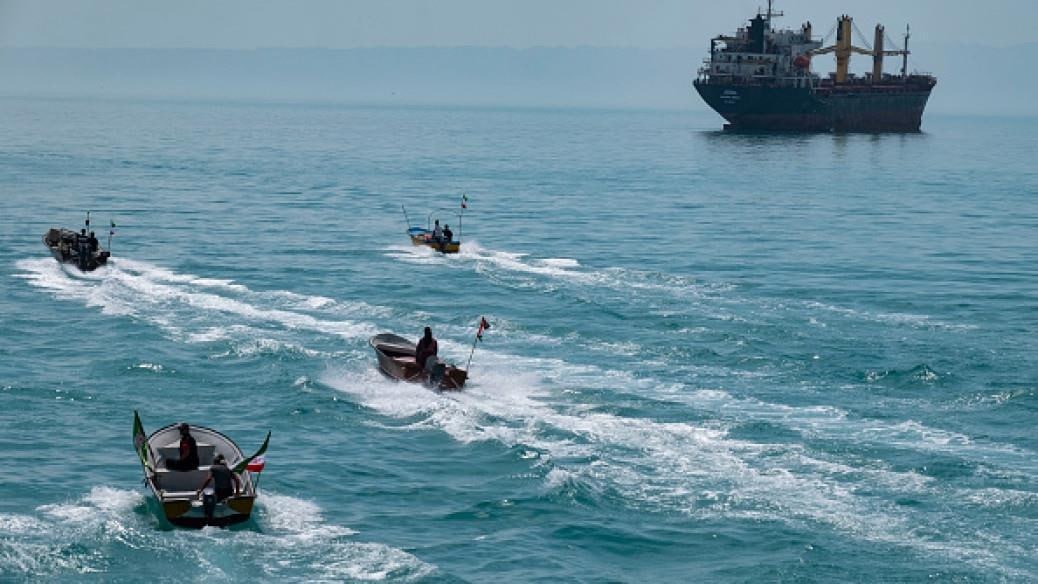
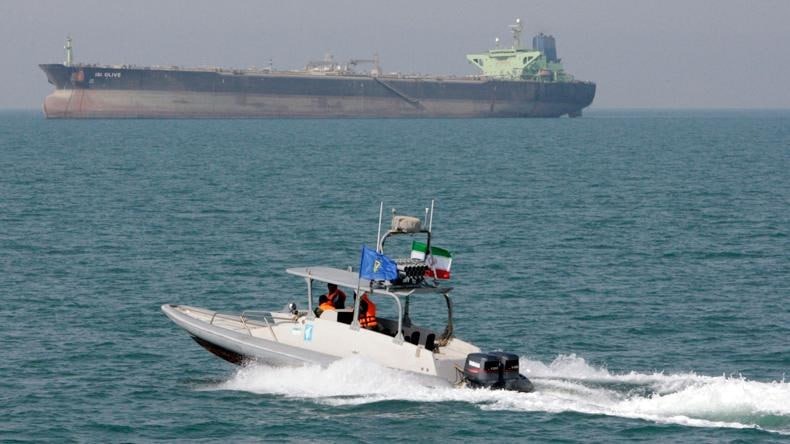
Hormuz is not merely a strategic waterway; it is Iran’s most powerful economic weapon. Millions of barrels of oil and liquefied natural gas (LNG) pass through the strait every day, and even minor disruptions can trigger panic in global markets and send energy prices soaring.
Analyst Alan Eyre warned that any closure or disruption in Hormuz is “creating more immediate and urgent pressure on global markets.”
His assessment underscores a key reality: Iran may not be capable of defeating the United States militarily, but it can inflict serious economic pain on the world by threatening one of the planet’s most vital energy chokepoints.
For the United States, any disruption in Hormuz could create severe economic and political consequences. Rising oil prices, inflation, and financial instability could all affect domestic political conditions in Washington and potentially undermine President Trump’s political standing at home.
This is precisely why the United States continues searching for a diplomatic agreement even while military operations continue.
No One Wants to Lose
Perhaps the greatest obstacle to ending this war is that no side can afford to appear defeated.
Iran cannot surrender to the United States without damaging the legitimacy of its leadership and weakening its regional standing. Iranian officials have repeatedly insisted there will be no “surrender to Washington.”
At the same time, the United States — after nearly 100 days of conflict — does not want to emerge without securing concessions from Iran over its nuclear program. President Trump needs an agreement that allows Washington to claim it successfully pressured Tehran into changing course.
Israel faces a similar calculation. The government in Tel Aviv does not want to stop the war halfway while Hezbollah remains capable of retaliating and Iran continues to preserve its military capabilities.
As a result, this war is unlikely to end quickly, not because the parties necessarily seek total victory, but because none of them — the United States, Iran, or Israel — wants to leave the conflict appearing weak or humiliated.
That is the most dangerous aspect of all.
When saving face becomes more important than ending the war, conflicts often last far longer than expected.
Conclusion
Nearly 100 days into the US-Iran conflict, the war has revealed a major transformation in the nature of modern warfare.
Today’s wars are no longer defined by clear winners and losers as they once were. Instead, they are wars of pressure, deterrence, endurance, and negotiation.
By day, the parties speak of peace. By night, missiles fly across the skies.
And in the dangerous space between war and peace, it is the entire world that risks becoming the ultimate victim.