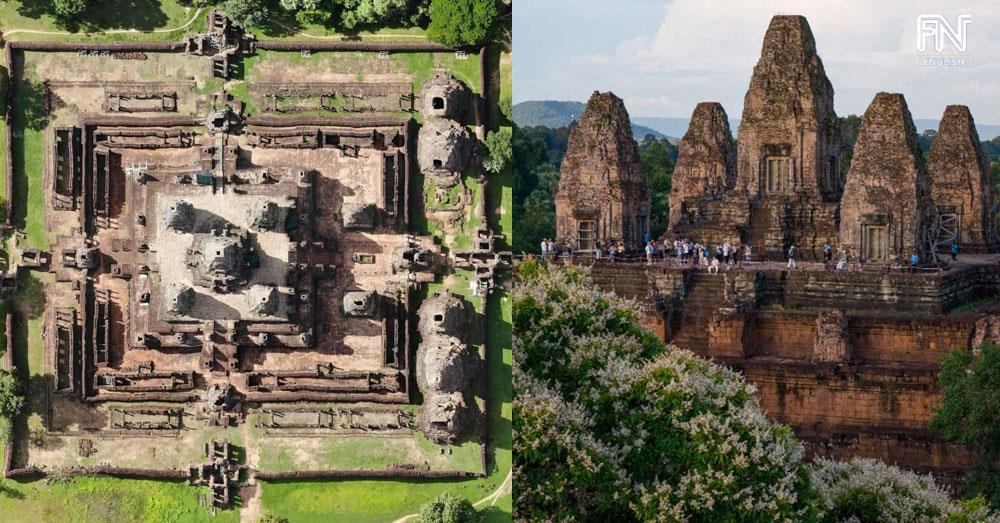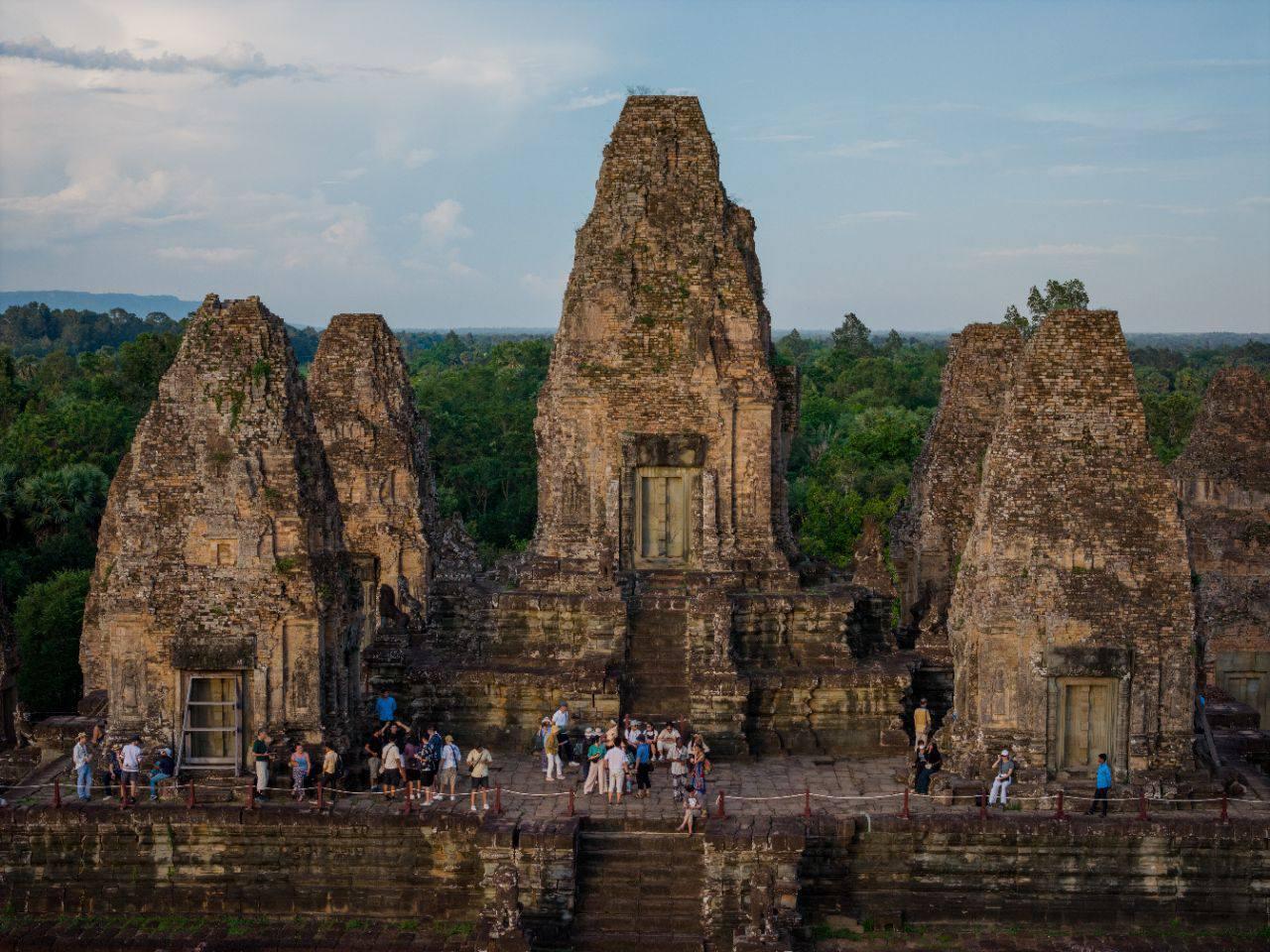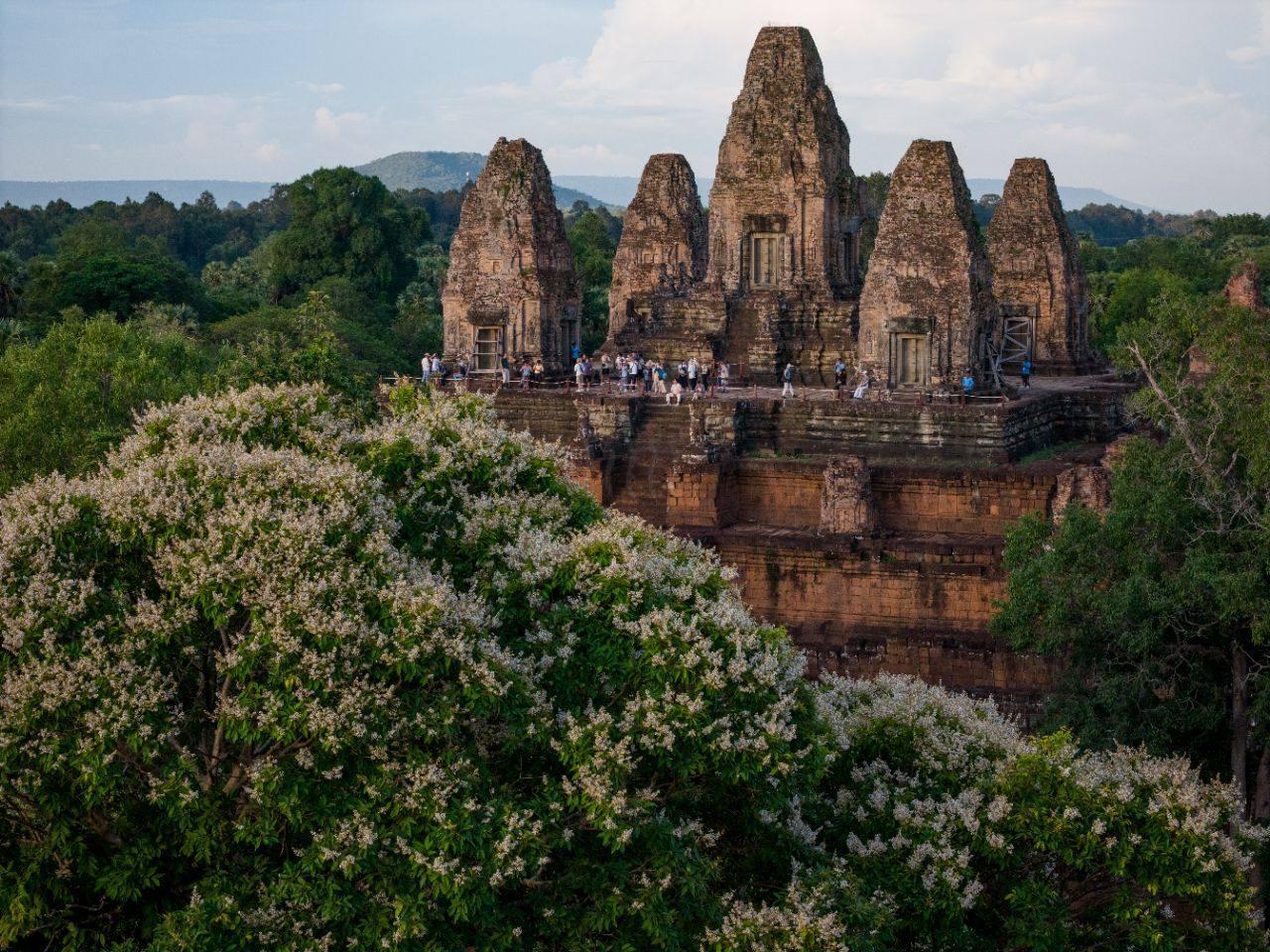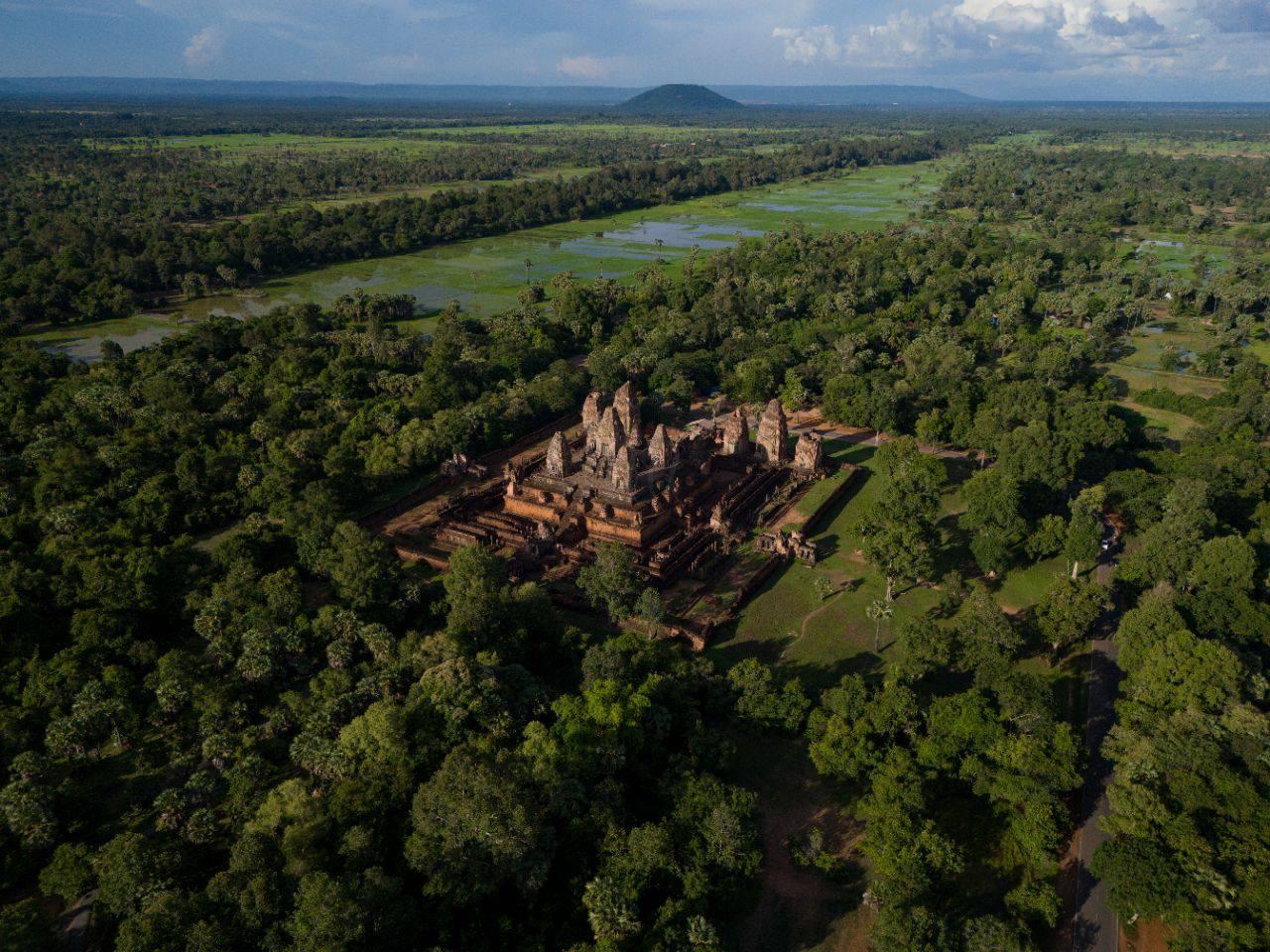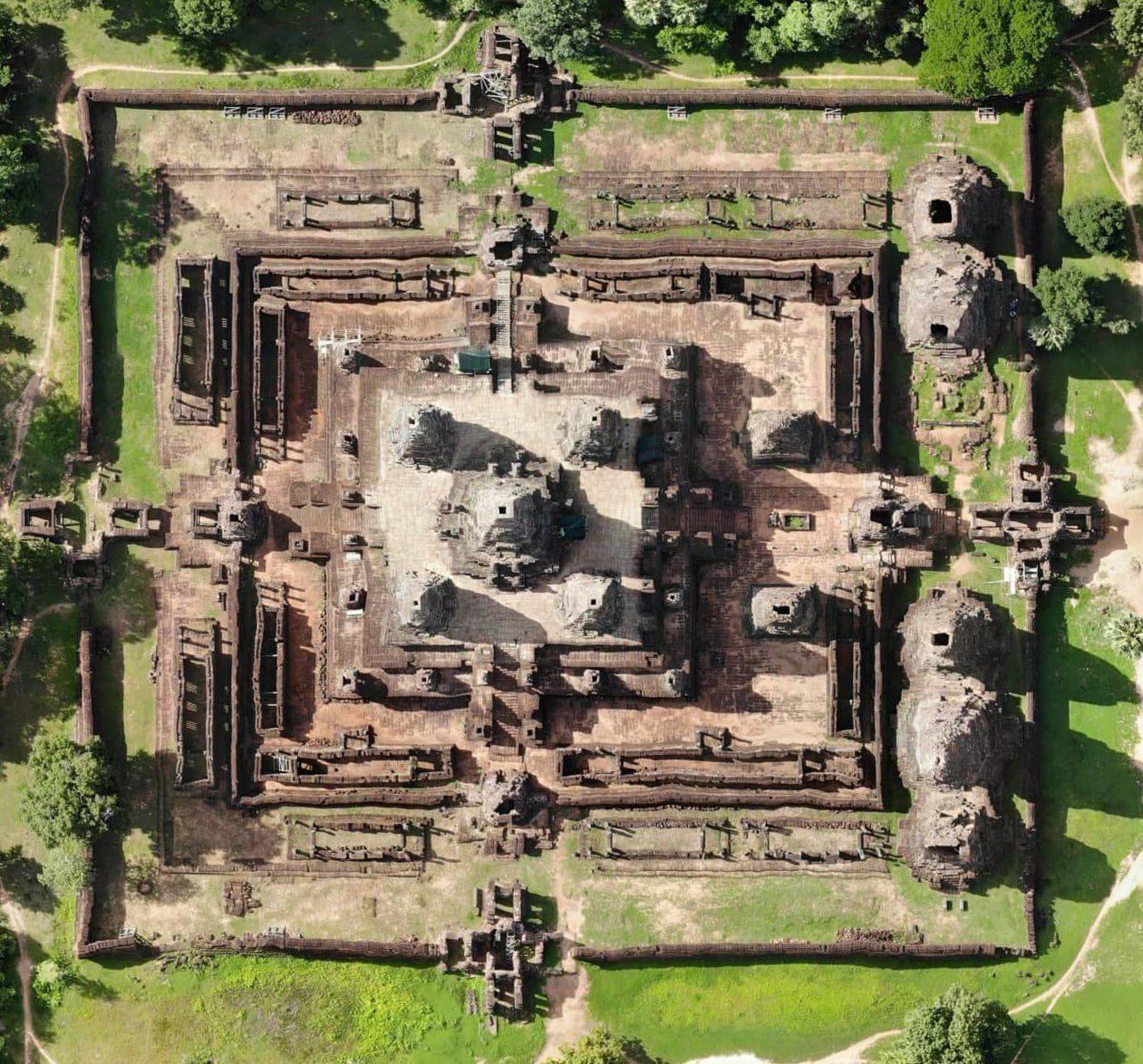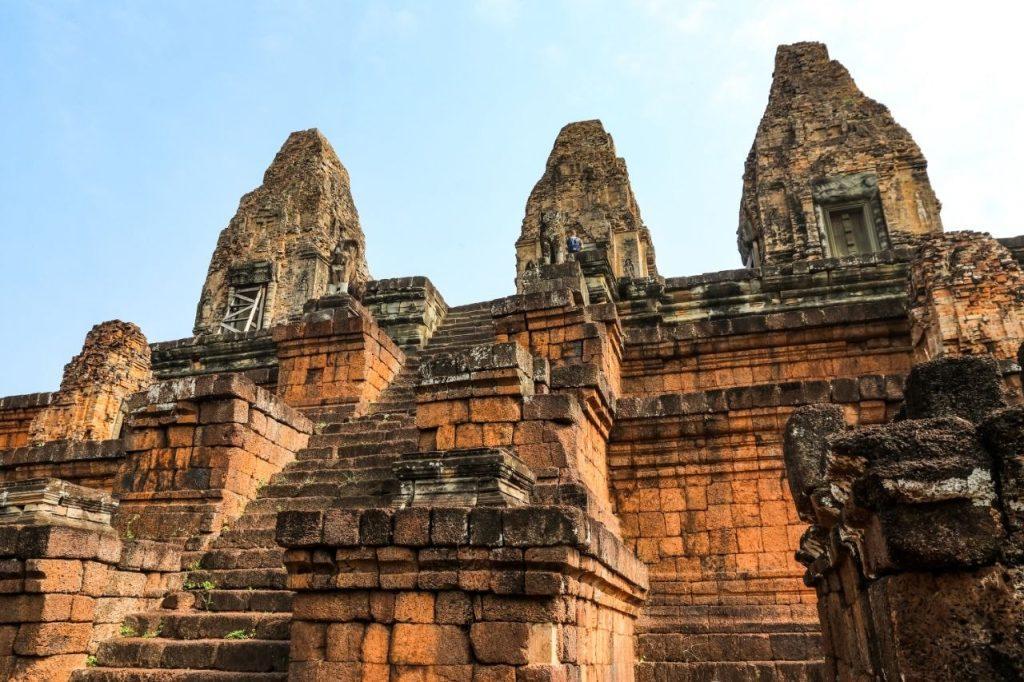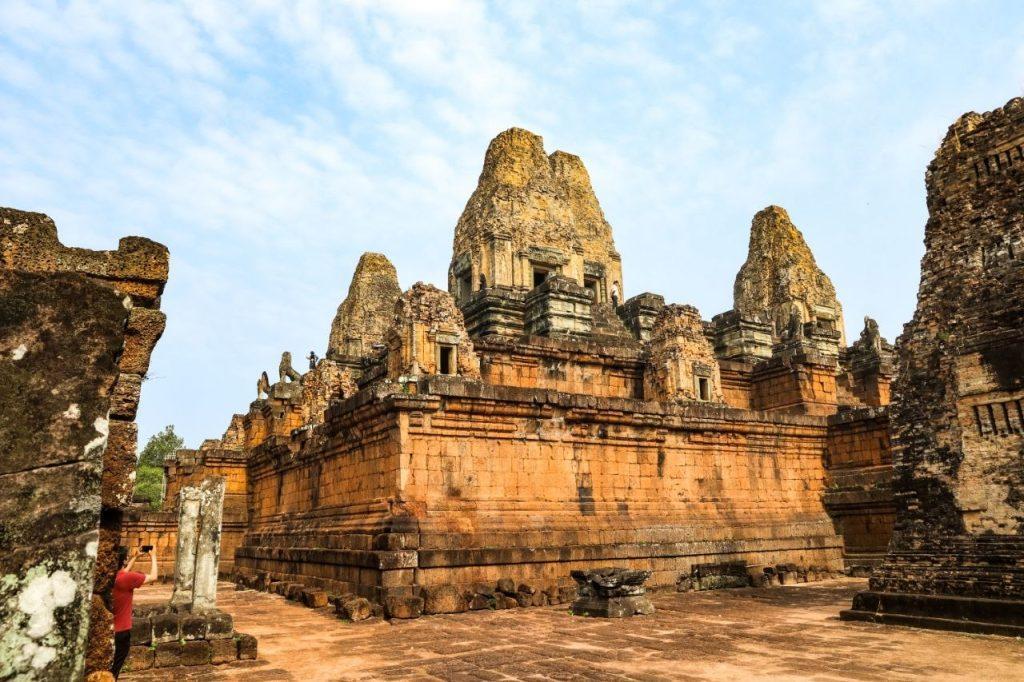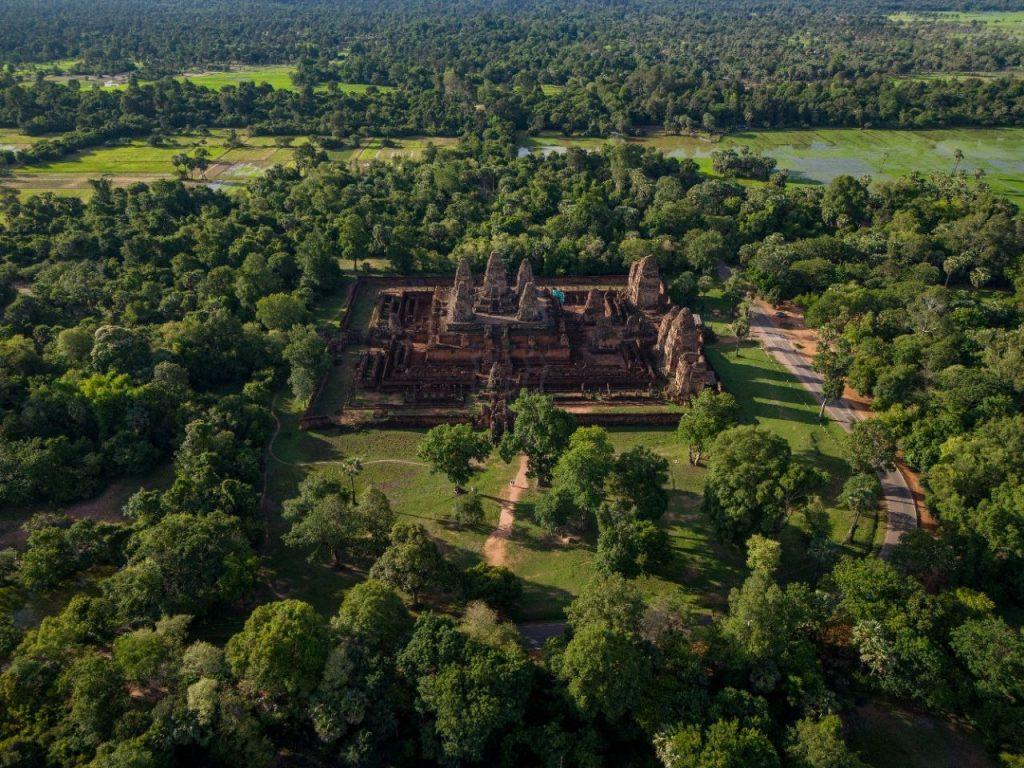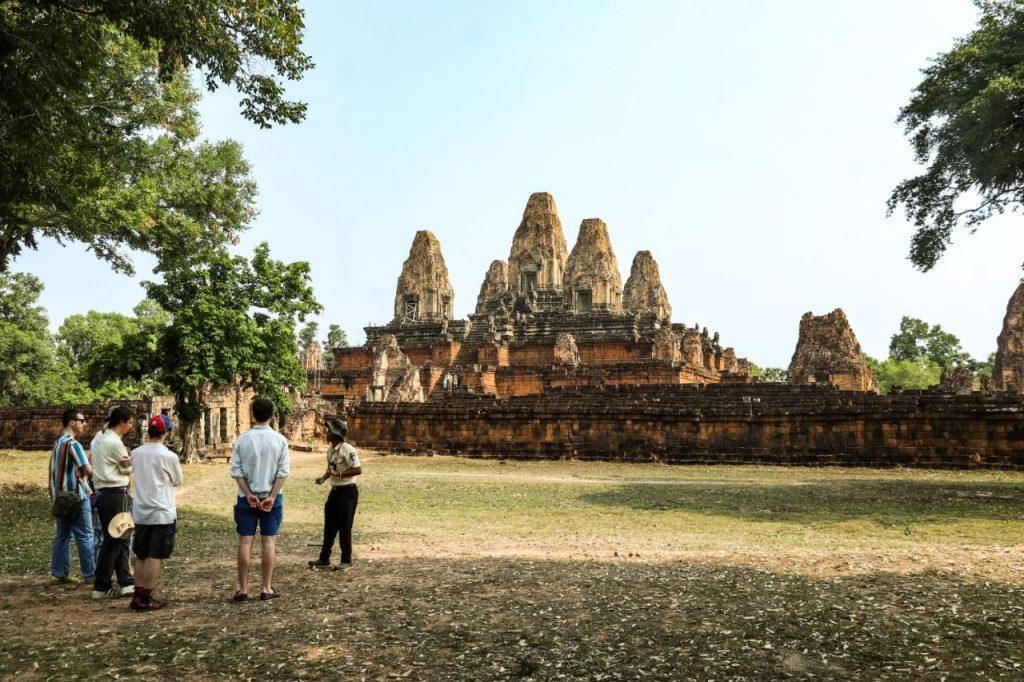

(Siem Reap): Pre Rup Temple is a remarkable architectural achievement situated along the Grand Circuit in Sras Srang Village, Nokor Thom District, Siem Reap Province.
From a geo-cultural perspective, ancient civilisations constructed this mountain temple on an elevated site, symbolising the sacred Mount Sumeru, which is integral to the Devaraja cult.
Today, its elevated location serves as a significant cultural tourism destination, attracting visitors who come to appreciate the exceptional sunrise and sunset views over the surrounding rice fields and natural forests.
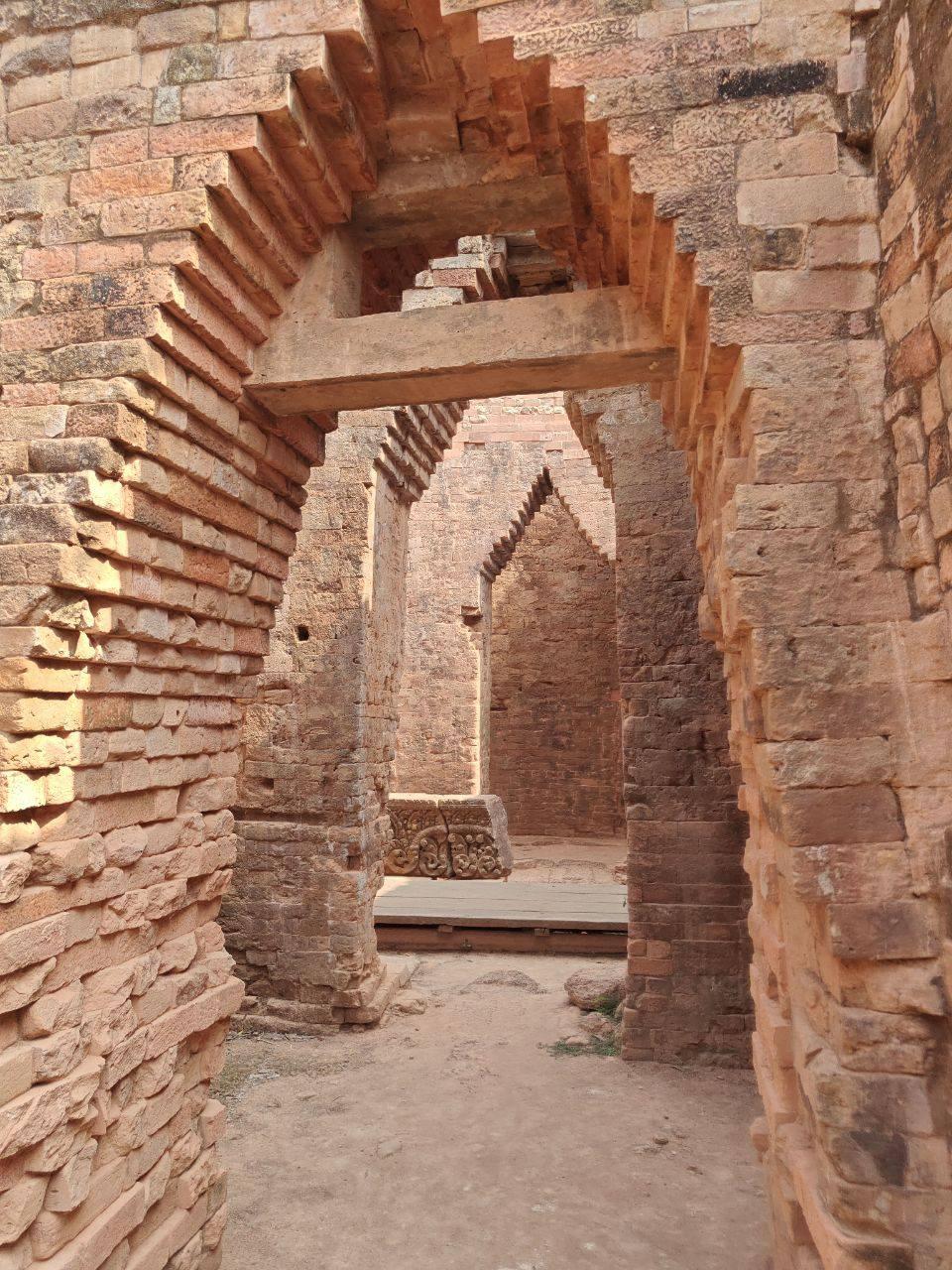
Archaeological research indicates that Pre Rup Temple represents a pivotal moment in Khmer architectural history, giving rise to the distinctive "Pre Rup Style." The temple is notable for its large-scale brick construction, making it one of the largest brick structures from the Angkorian period.
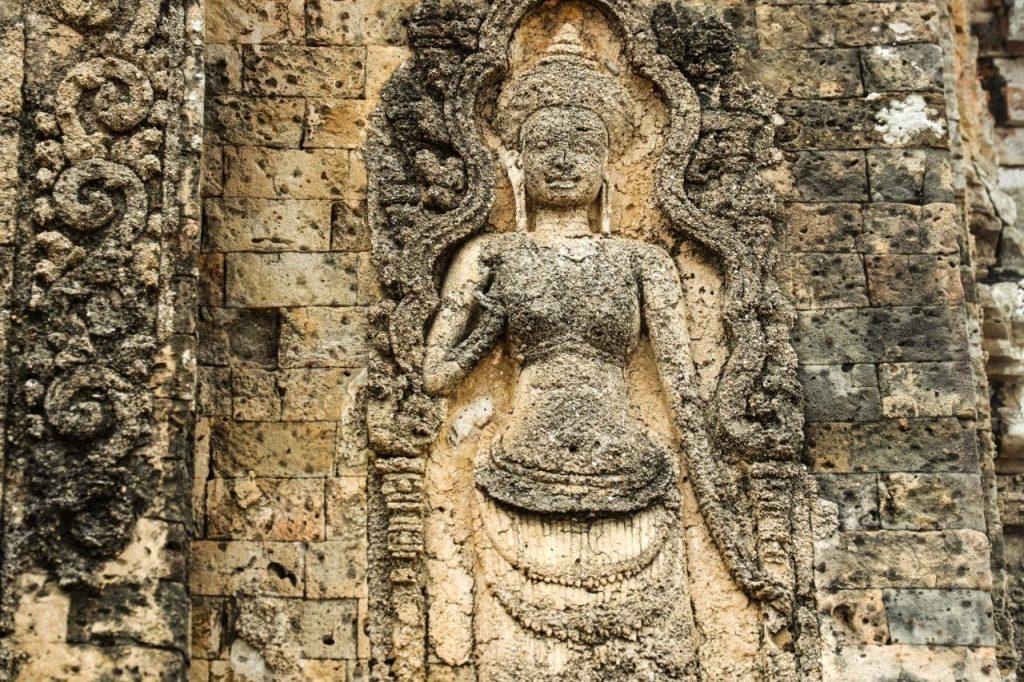
The Khmer ancestors showcased impressive engineering expertise by skillfully integrating three different construction materials. The Khmer ancestors used bricks for decorative carvings and structural elements in the upper sanctuary.
This architectural style evolved from pre-Angkorian traditions, which primarily utilised simpler brick structures, into a sophisticated stepped hierarchy emblematic of a true mountain temple.
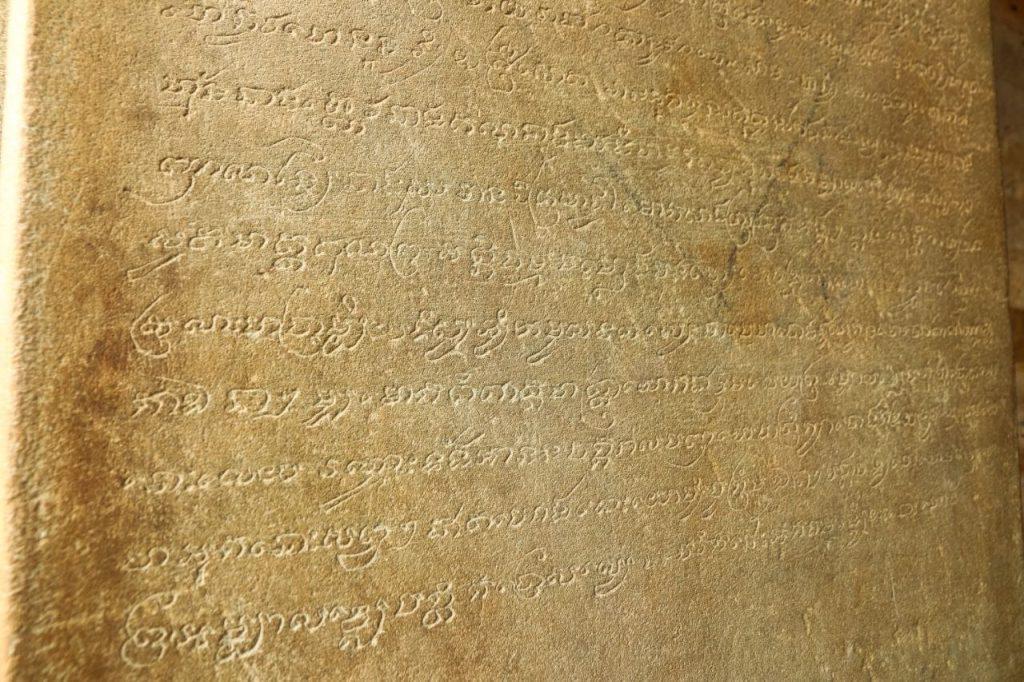
The principal source of information regarding Pre Rup Temple is Inscription K.806, composed in Sanskrit and recognised as the longest poetic inscription in Khmer history.
This inscription contains 298 verses or 2,185 lines and explicitly states that King Rajendravarman II commissioned the temple in 961 CE, dedicating it to the Hindu god Shiva. It also documents the installation of a Shiva lingam, referred to as "Rajendrabhadreshvara," at the temple's centre, its original official name, and the dedication of various offerings to ancestral deities.
These inscriptions reflect the king's profound religious devotion as well as a strategic political vision to connect his dynasty with the illustrious lineage of the Khmer Empire.
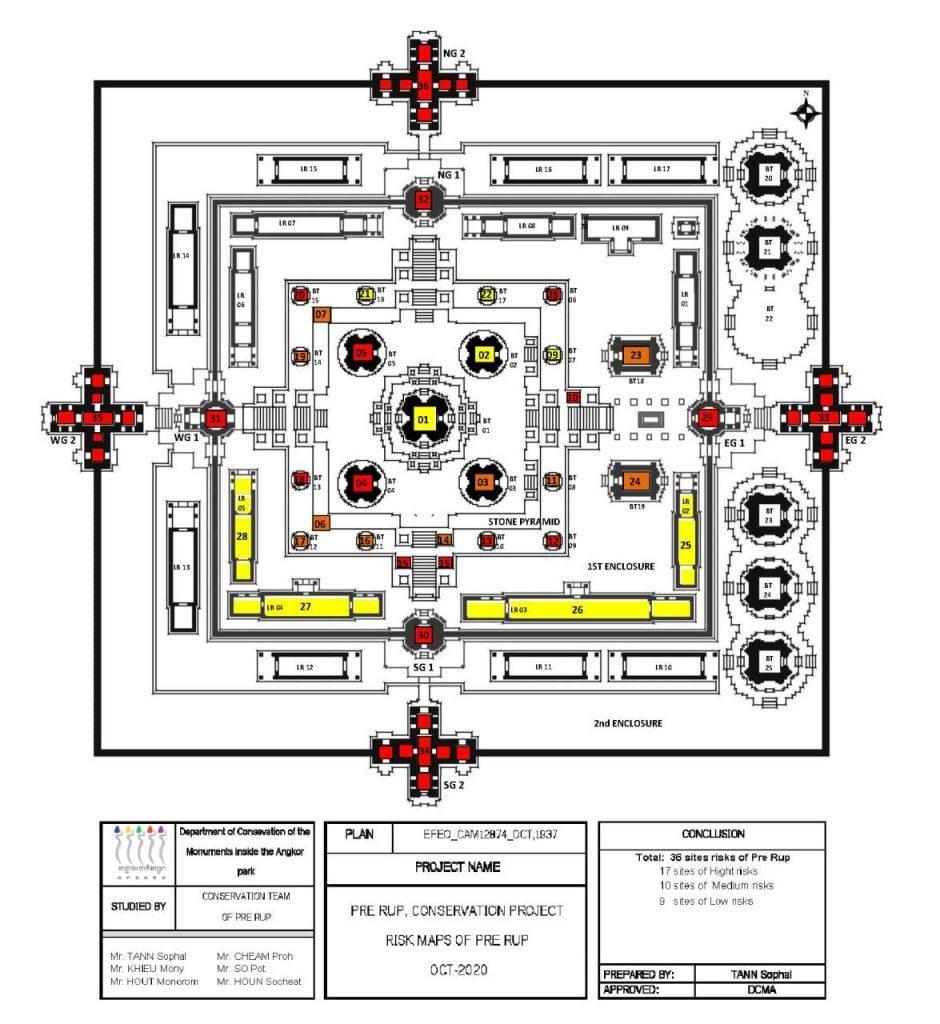
Within the framework of World Heritage management, and under the technical coordination of the International Coordinating Committee for the Safeguarding and Development of the Historic Site of Angkor (ICC-Angkor), the APSARA National Authority has initiated and implemented scientific conservation measures to ensure the long-term sustainability of the temple's structure.
These conservation efforts emphasise hydrological management, strengthening drainage and rainwater evacuation systems to protect the brick walls and foundations from water damage, thus preserving the monument's structural integrity.
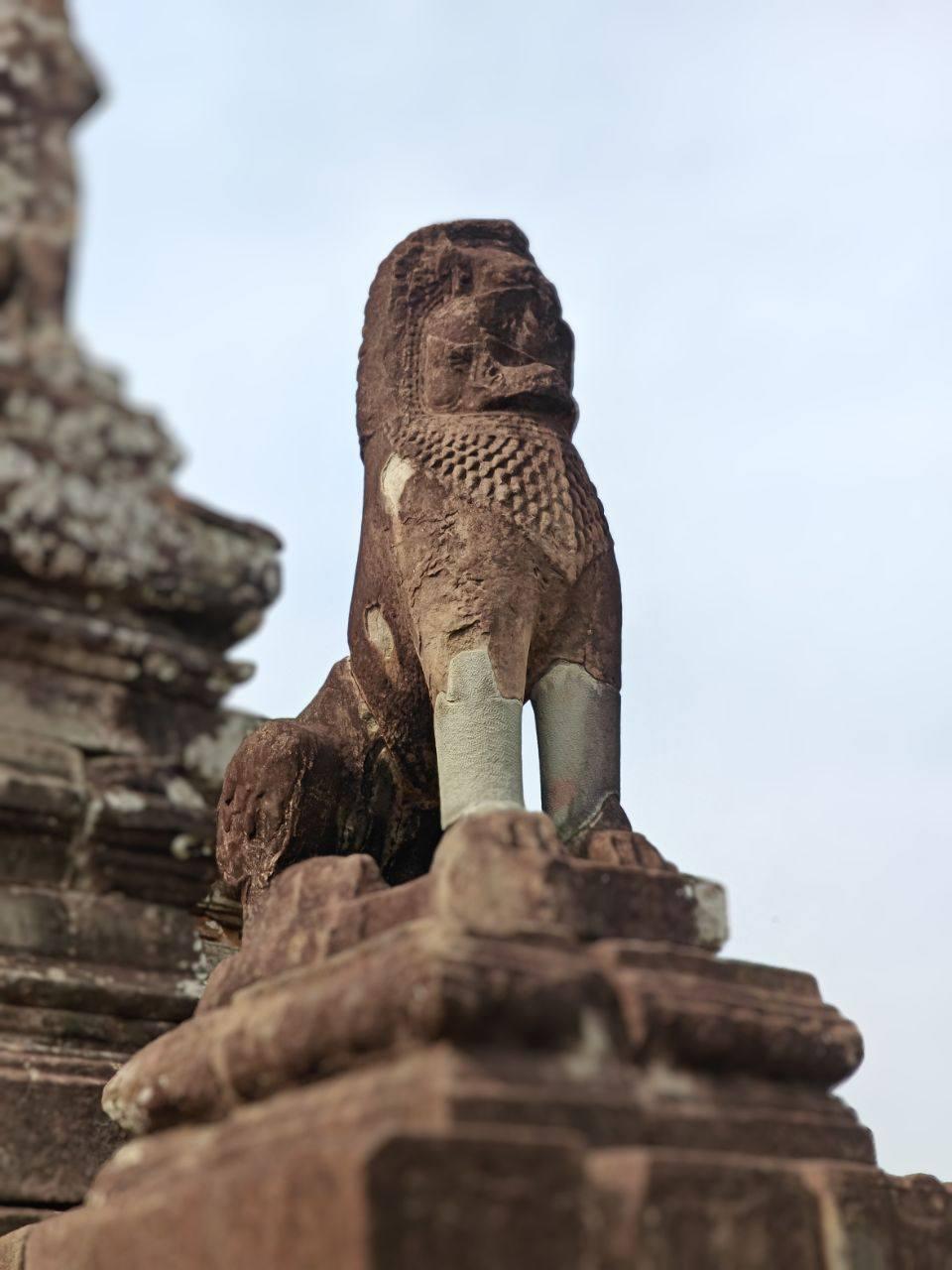
In terms of conservation technology, experts are actively researching and experimenting with techniques to enhance the preservation of ancient bricks and mortar, ensuring the temple's original form and safeguarding its carvings from further deterioration.
=FRESH NEWS