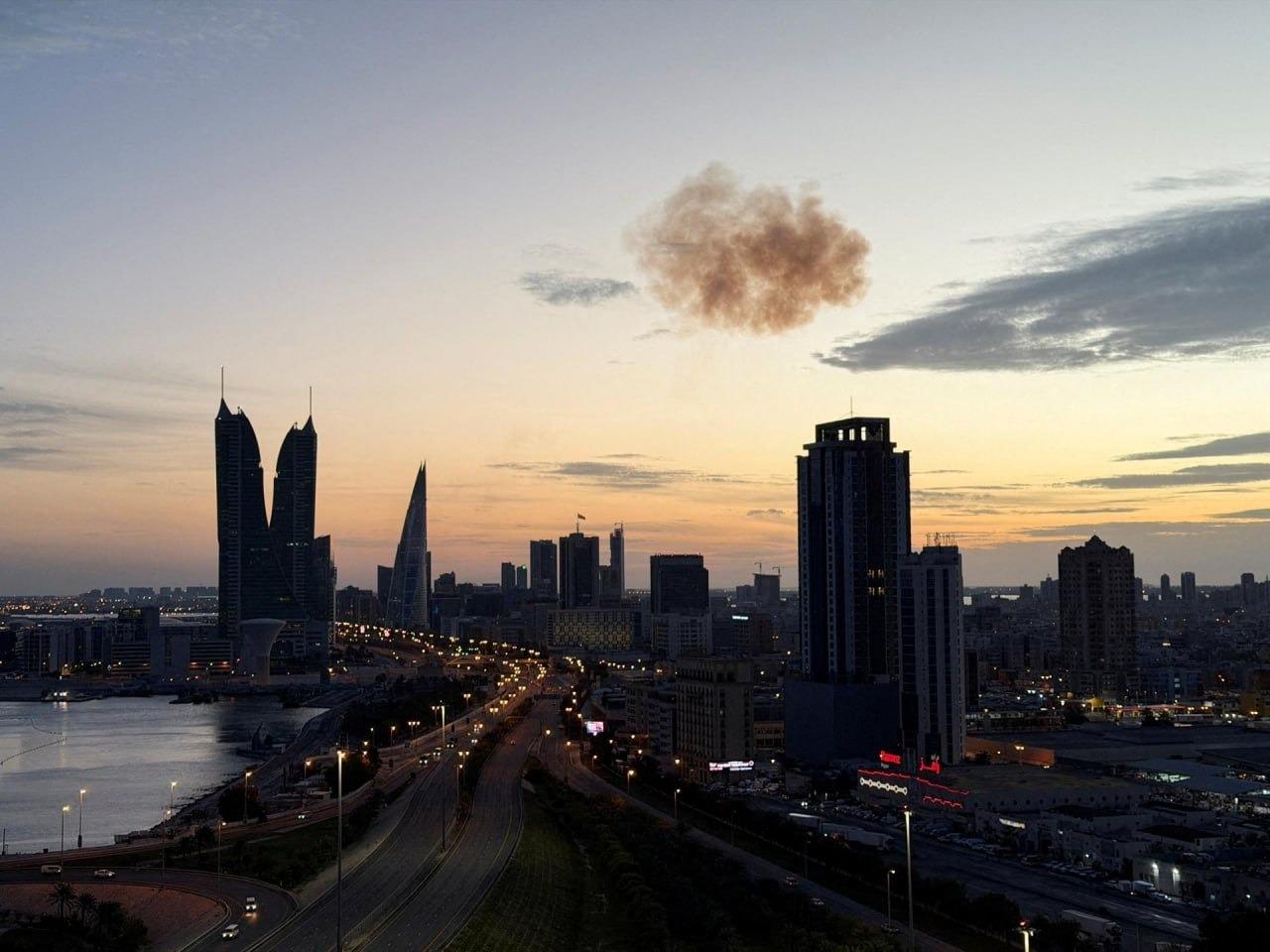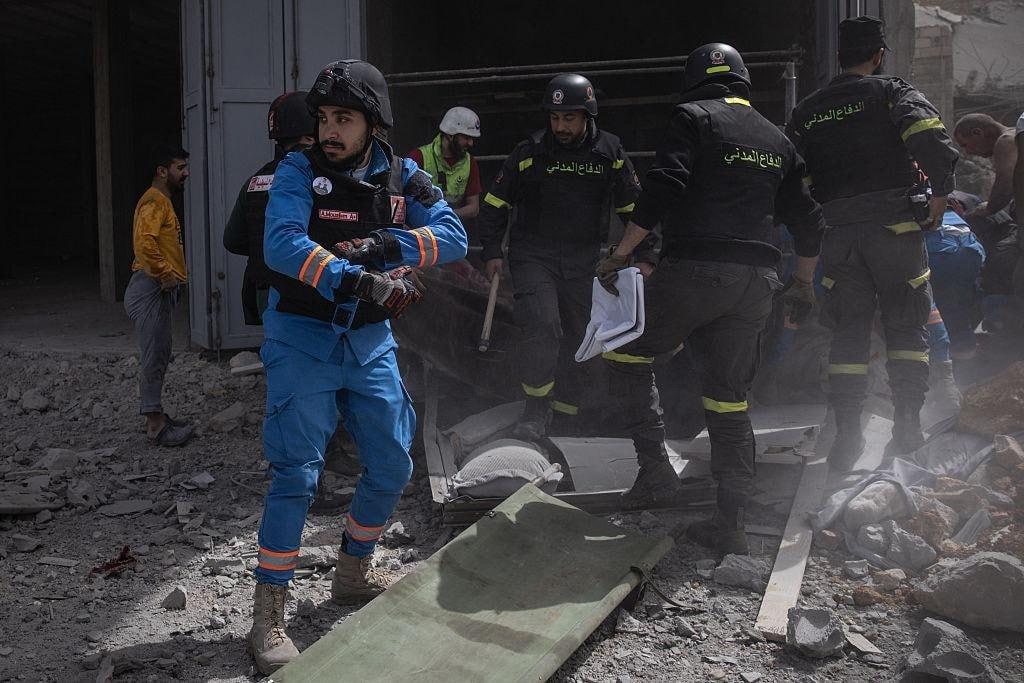

(Phnom Penh): At a time when US President Donald Trump says a deal with Iran has been “largely negotiated” and even suggests that an announcement could come “this weekend,” the reality across the Middle East tells a very different story. Missiles and drones continue to cross the skies over the Gulf region, while Lebanon is being pulled deeper into destruction as clashes intensify between Israel and Hezbollah.
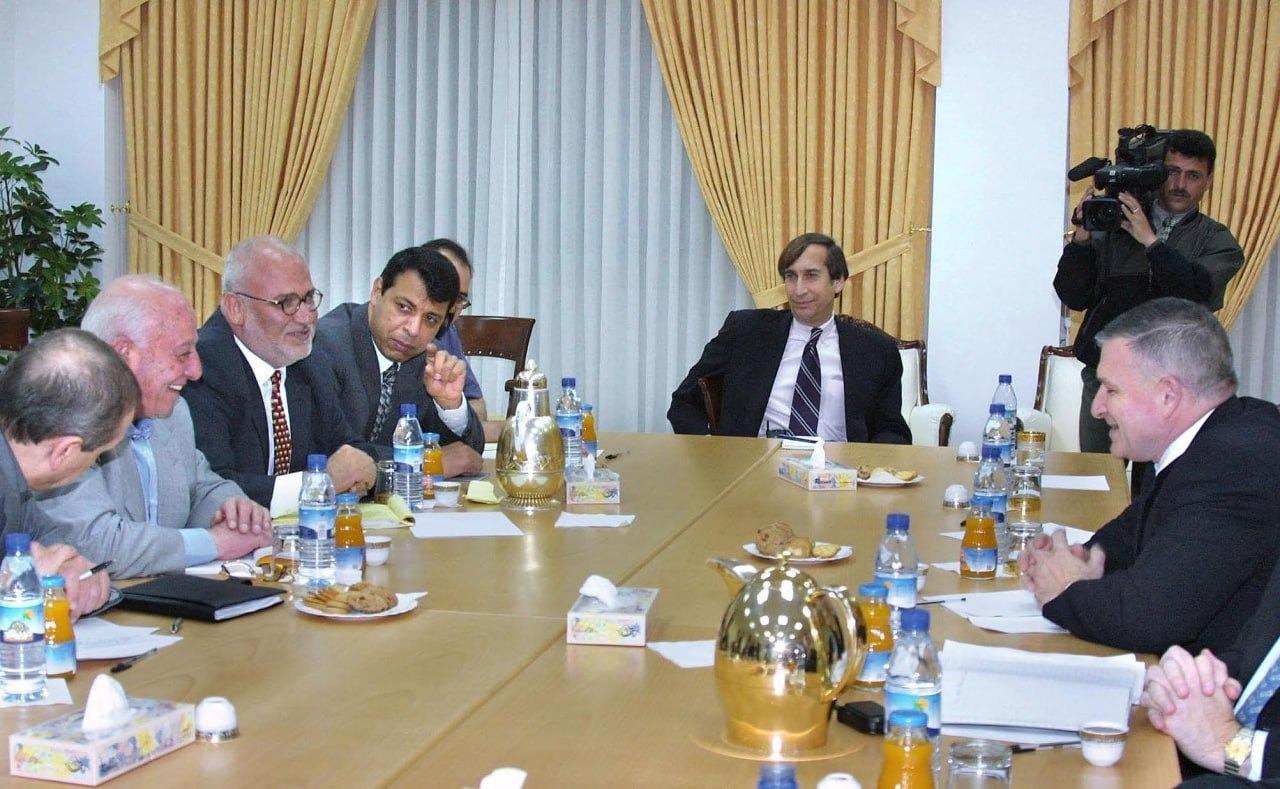
This situation shows that despite ongoing diplomatic contacts and discussions about a possible “framework” or “memorandum of understanding,” the actual battlefield offers little sign of calm. Instead, the conflict appears to be expanding from a confrontation between the United States and Iran into a broader regional security crisis.
The central question now is this:
Can peace truly emerge while negotiations continue, but fighting on the ground shows no sign of stopping?
Reports from CNN, Al Jazeera, and BBC indicate that although there are visible signs of diplomacy and discussions surrounding a “peace framework” or “memorandum of understanding,” developments on the battlefield are moving in the opposite direction.
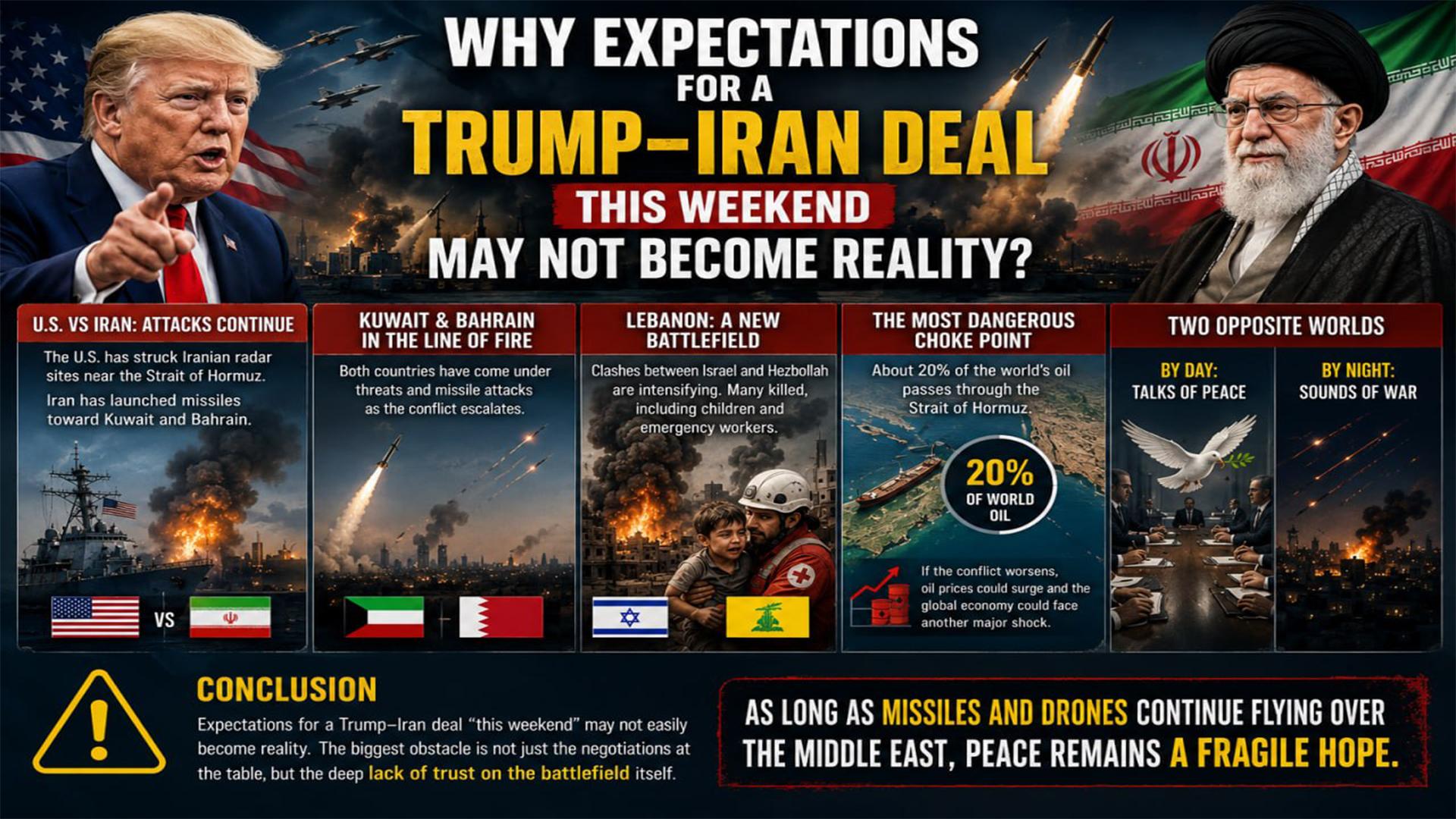
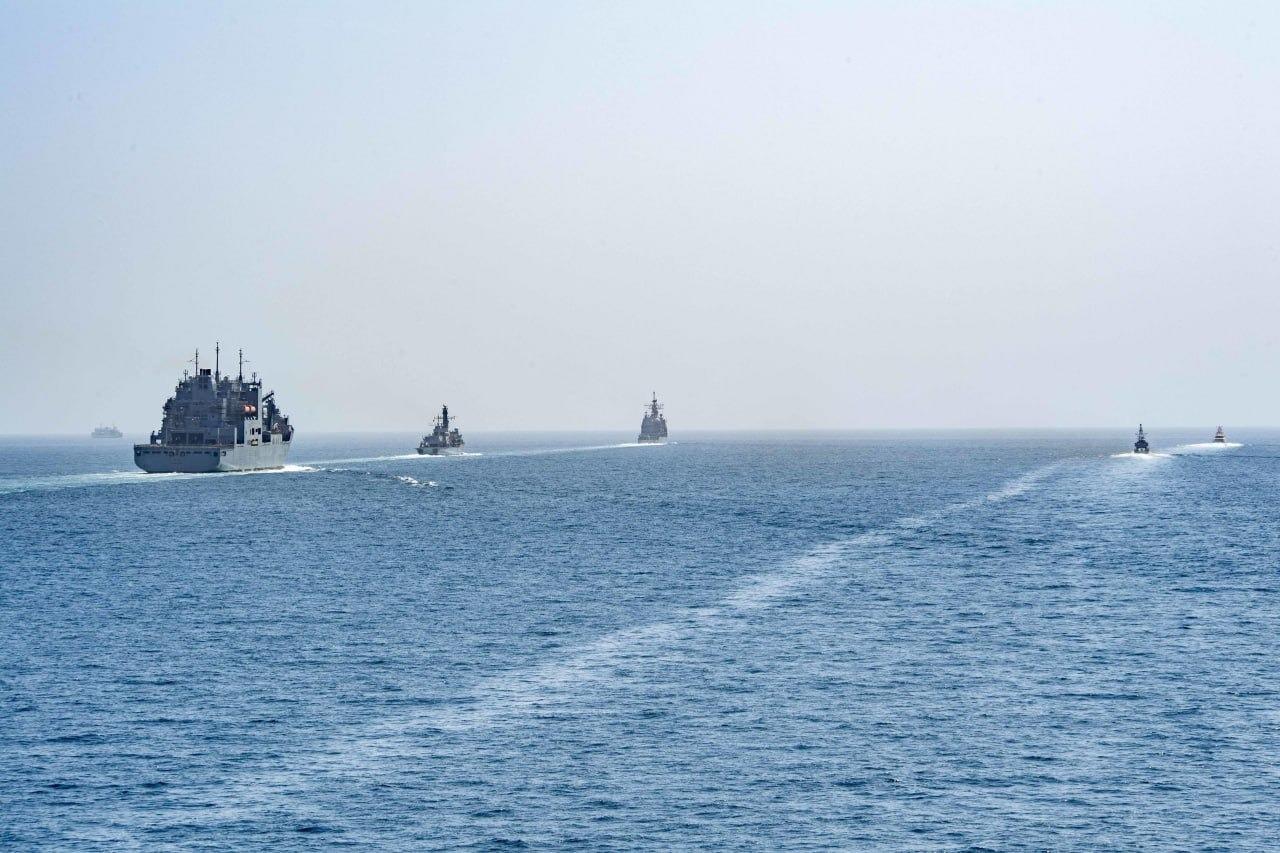
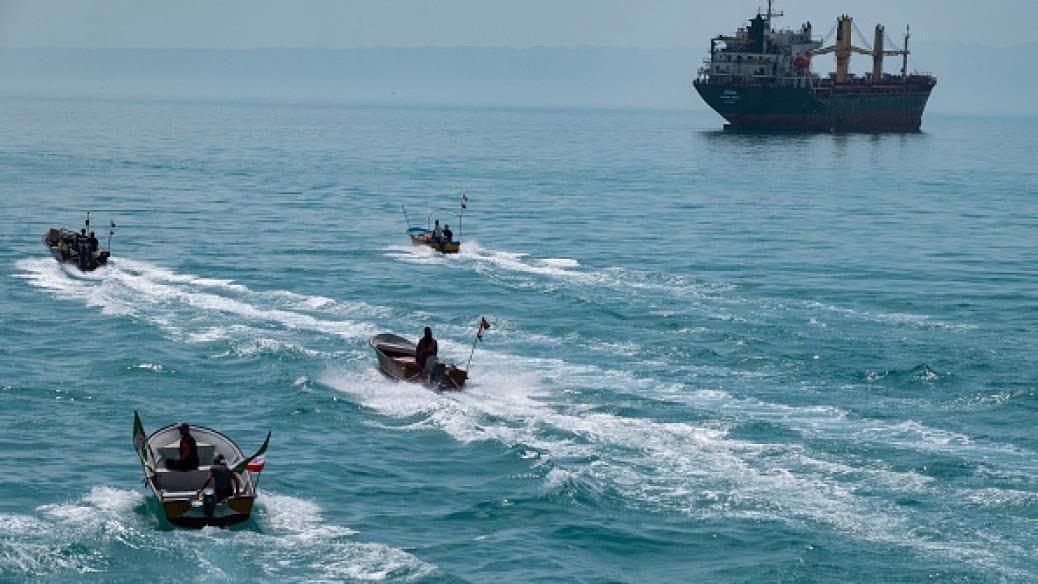
The United States and Iran continue exchanging attacks, while Kuwait and Bahrain are increasingly being drawn into the conflict zone. The Strait of Hormuz remains one of the most dangerous flashpoints in the region, and Lebanon is rapidly becoming another active battlefield as fighting escalates between Israel and Hezbollah.
Taken together, these developments suggest that the Middle East is far from entering an environment conducive to peace. Instead, the region appears trapped in a phase where diplomacy and military escalation are unfolding simultaneously. Under such conditions, expectations for a Trump–Iran agreement “this weekend” appear increasingly detached from reality.
The Language of Peace, But the Battlefield Still Burns
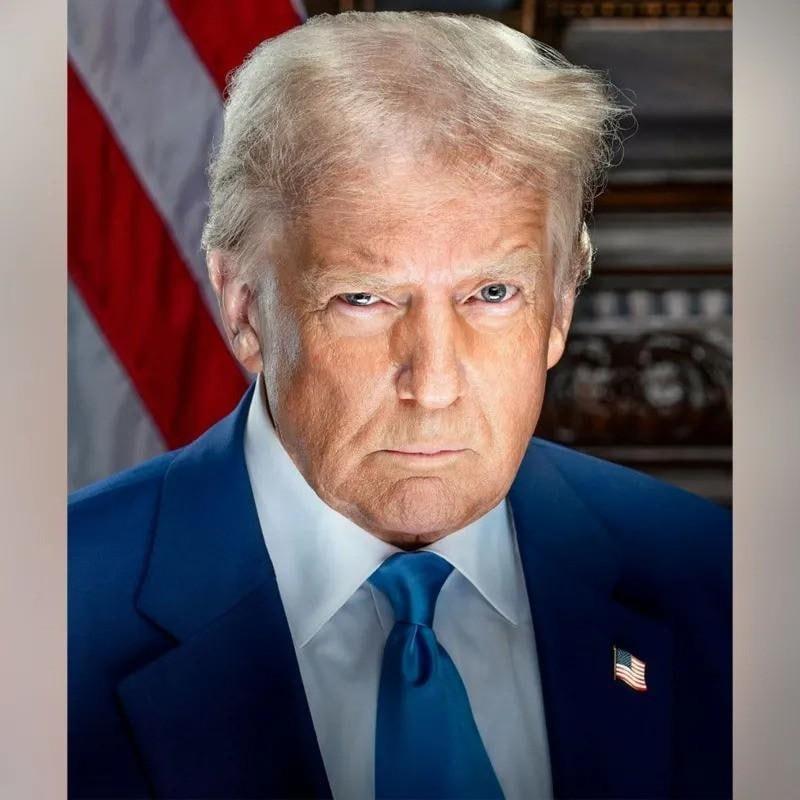
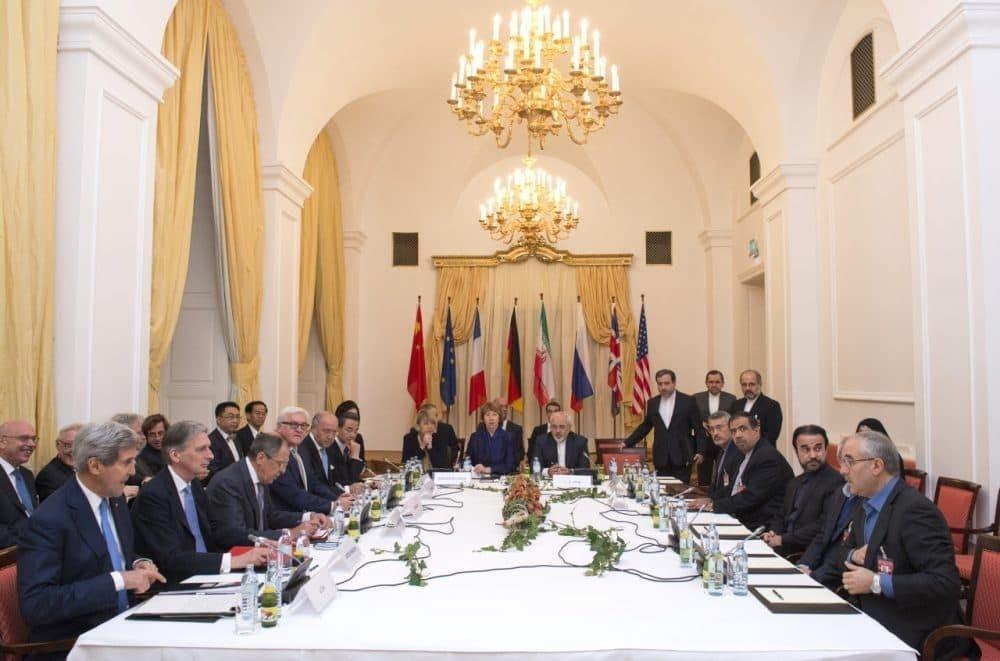
One of the most striking developments is the shift in Donald Trump’s rhetoric — from harsh threats and ultimatums to the language of diplomacy and peace negotiations. Trump has claimed that a deal with Iran is “largely negotiated” and stated that discussions concerning the reopening of the Strait of Hormuz are progressing “very well.”
However, the greatest contradiction lies in the fact that events on the battlefield do not align with this diplomatic language. While the White House speaks of a “peace framework” and a “memorandum of understanding,” military operations across the Middle East continue without any real sign of de-escalation.
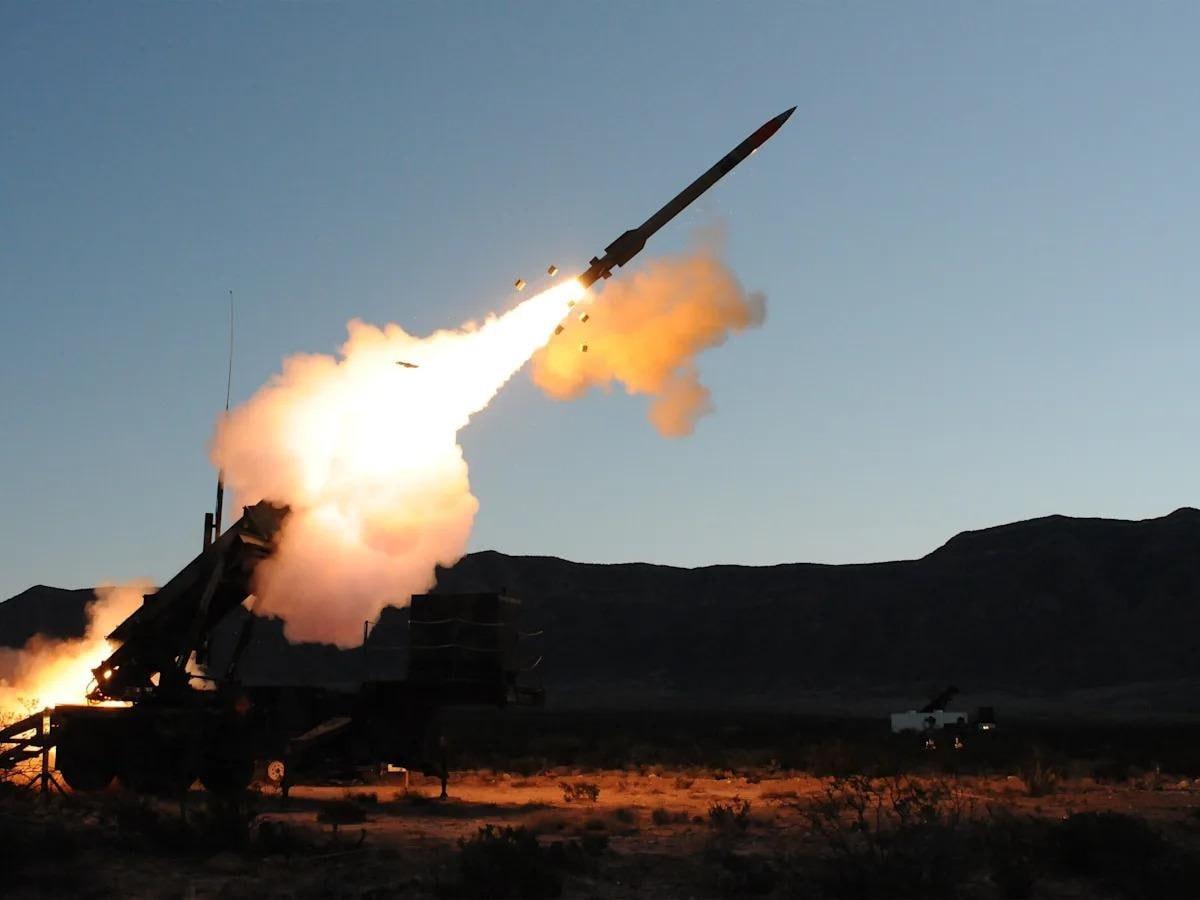
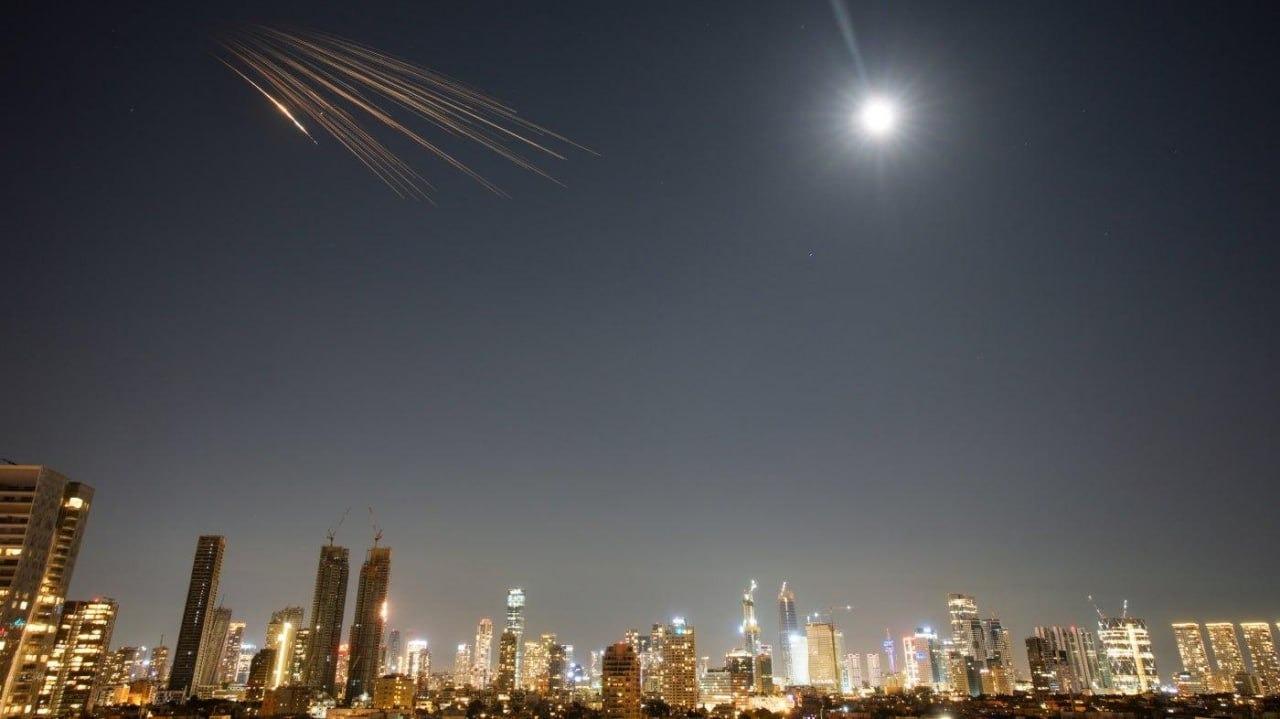
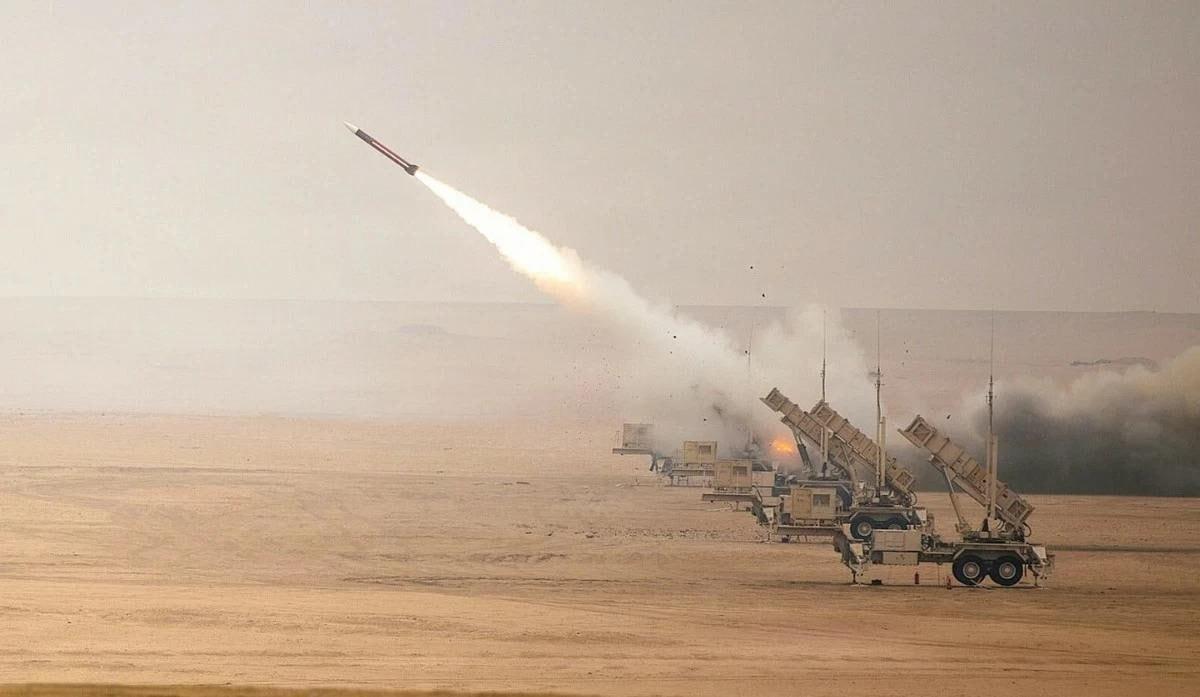
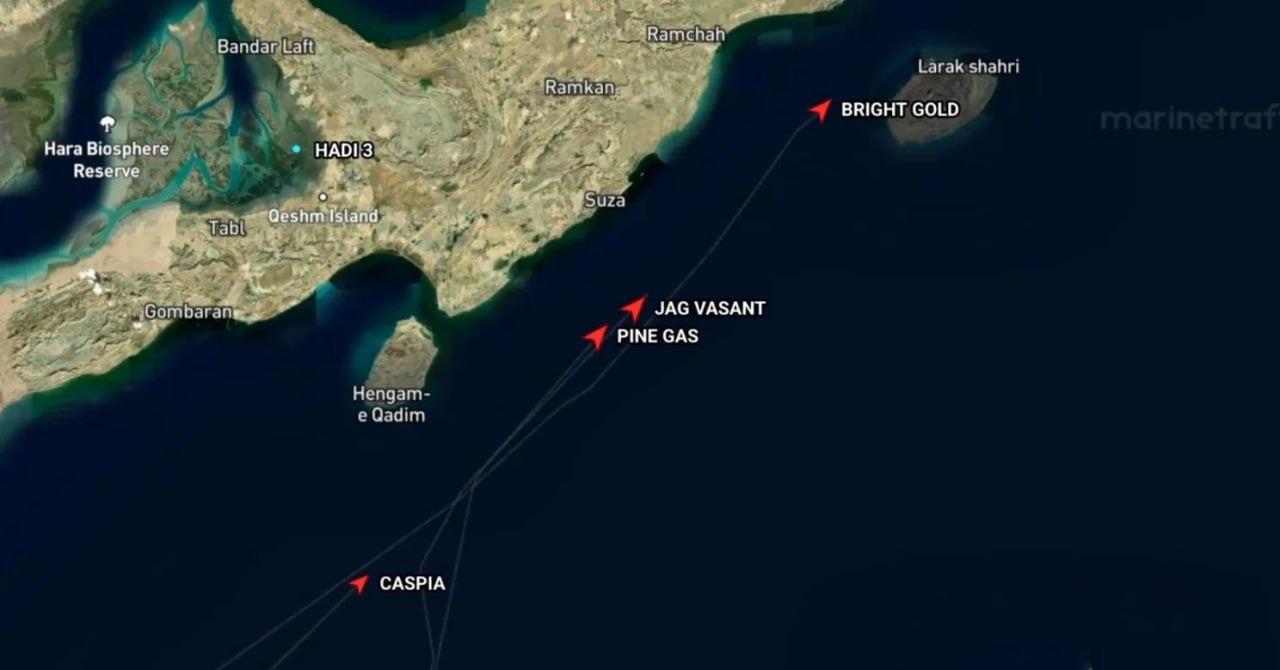
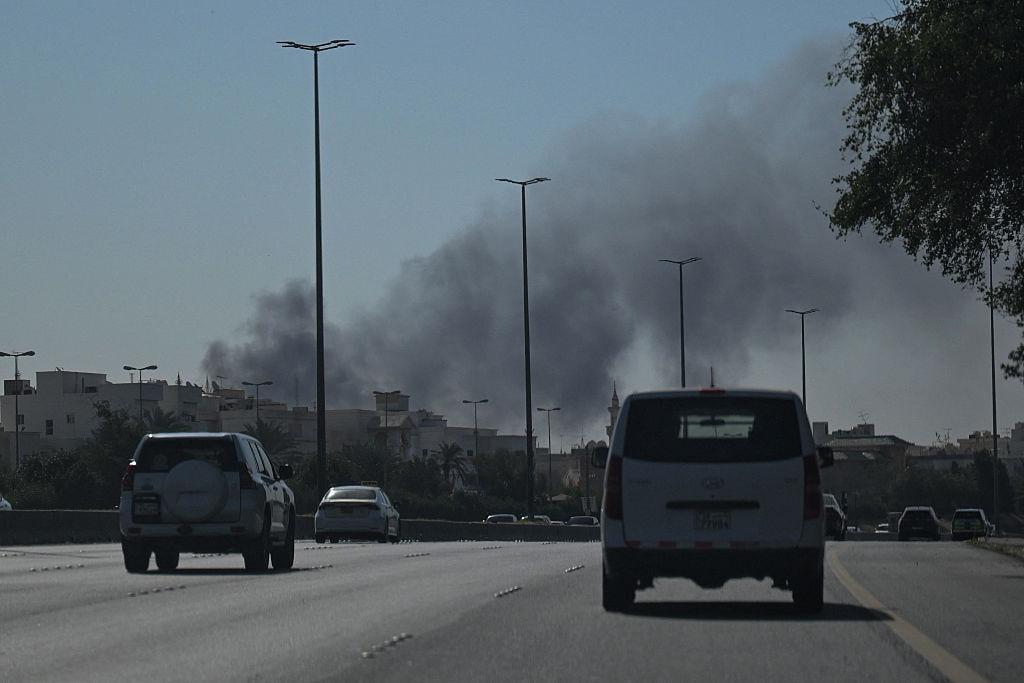
According to CNN, US forces intercepted Iranian drones and carried out strikes on radar installations on Qeshm Island and in Goruk near the Strait of Hormuz. Iran, meanwhile, launched missiles toward Kuwait and Bahrain and claimed responsibility for attacks on what it described as “enemy bases in the region” in retaliation for American strikes.
These developments demonstrate that despite discussions about ceasefires and diplomacy, both sides continue using military force to apply pressure and strengthen their bargaining positions.
In short, diplomatic language may be speaking of peace, but the sound of gunfire across the Middle East has not fallen silent.
A Ceasefire Without Trust
The BBC described the current situation as the “latest test of the ceasefire” — a phrase that reveals much about the fragile reality on the ground. The existing ceasefire is not yet a stable or trusted peace arrangement; rather, it appears to be a temporary pause that could collapse at any moment.
What makes the situation even more dangerous is the widening geographical scope of the conflict. Kuwait and Bahrain are no longer merely observers. They are increasingly becoming targets and active parts of the battlefield.
This means the crisis is no longer simply a direct confrontation between Washington and Tehran. It is evolving into a wider regional security conflict.
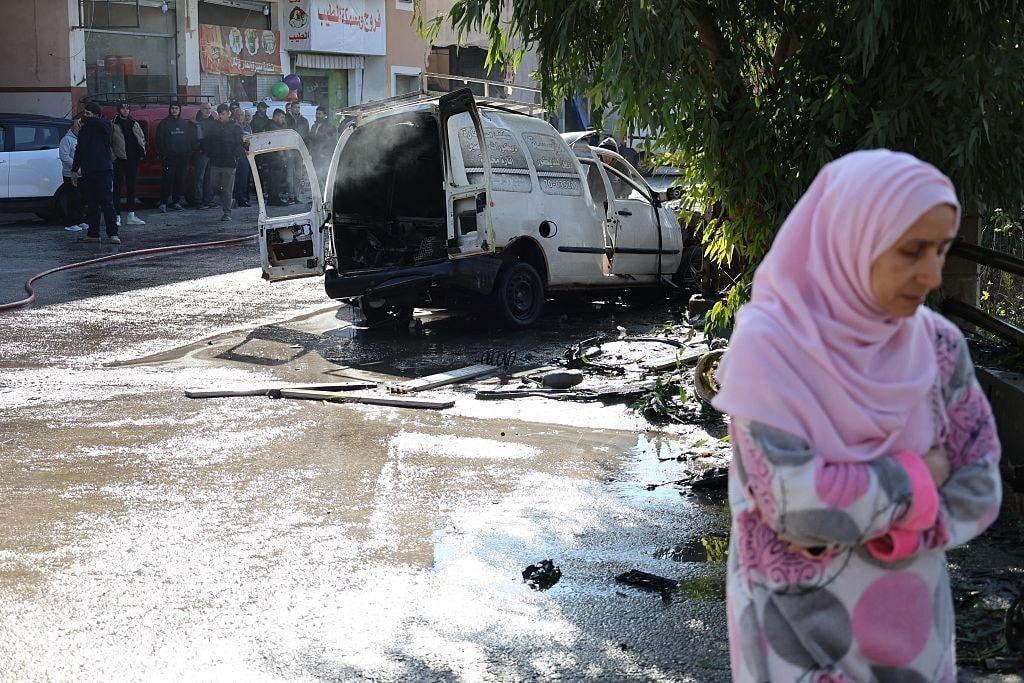
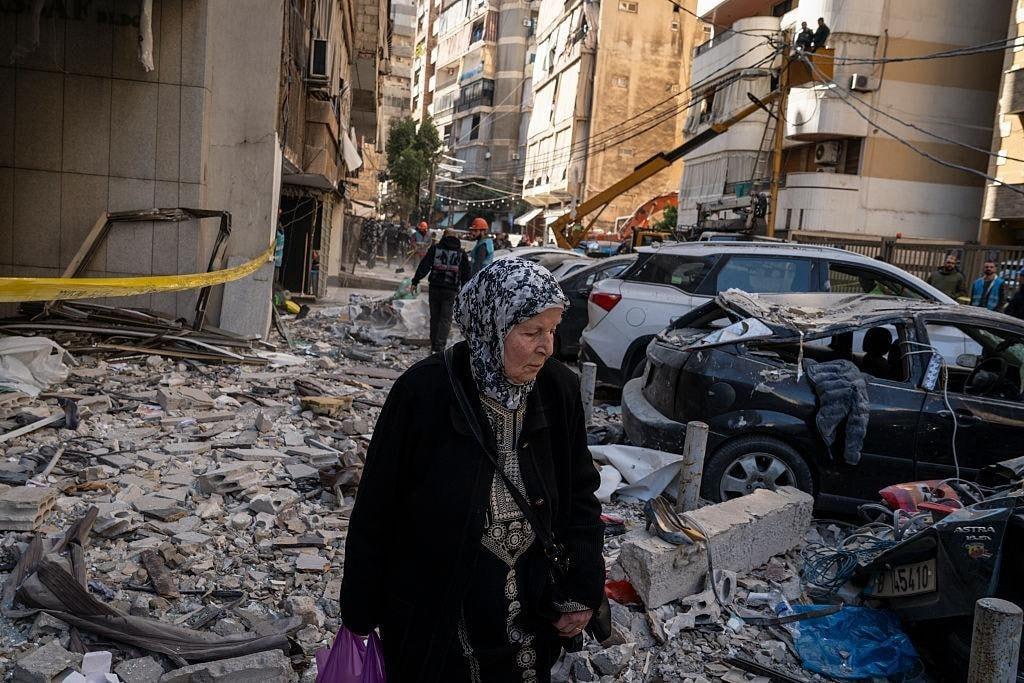
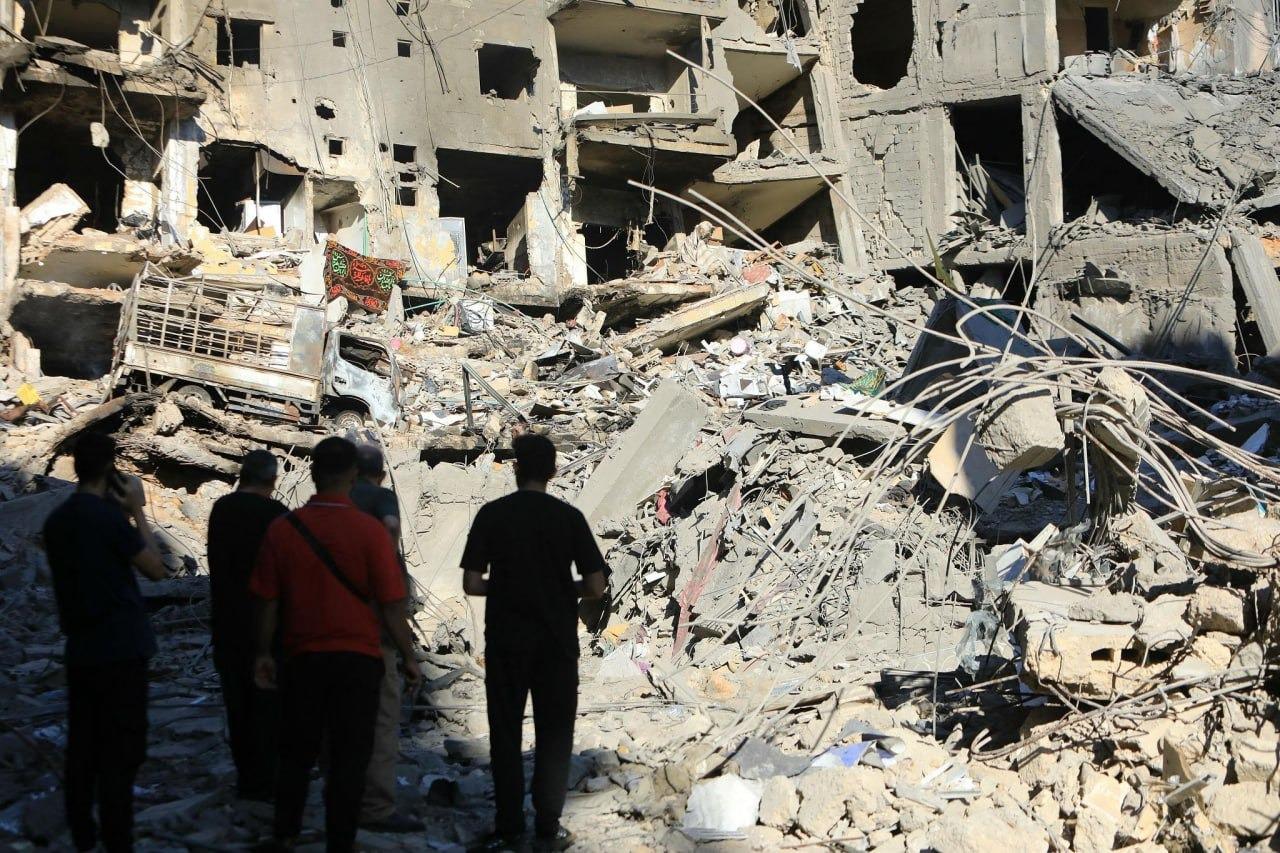
In Lebanon, conditions continue to deteriorate rapidly. Al Jazeera and CNN reported that Israeli strikes in southern Lebanon killed numerous people, including emergency medical workers and children. Hezbollah has also intensified retaliatory attacks against Israeli forces.
These developments show that despite a ceasefire arrangement between Israel and Lebanon, the battlefield remains active and volatile, while tensions across the Middle East continue to expand.
The remarks made by Lebanese President Joseph Aoun are particularly significant. He accused Iran of using Lebanon as a “bargaining chip” in its confrontation with the United States and Israel.
His statement reflects a deeper reality: smaller countries across the Middle East are increasingly becoming victims of geopolitical competition among larger powers.
When an Energy Conflict Becomes a Global Crisis
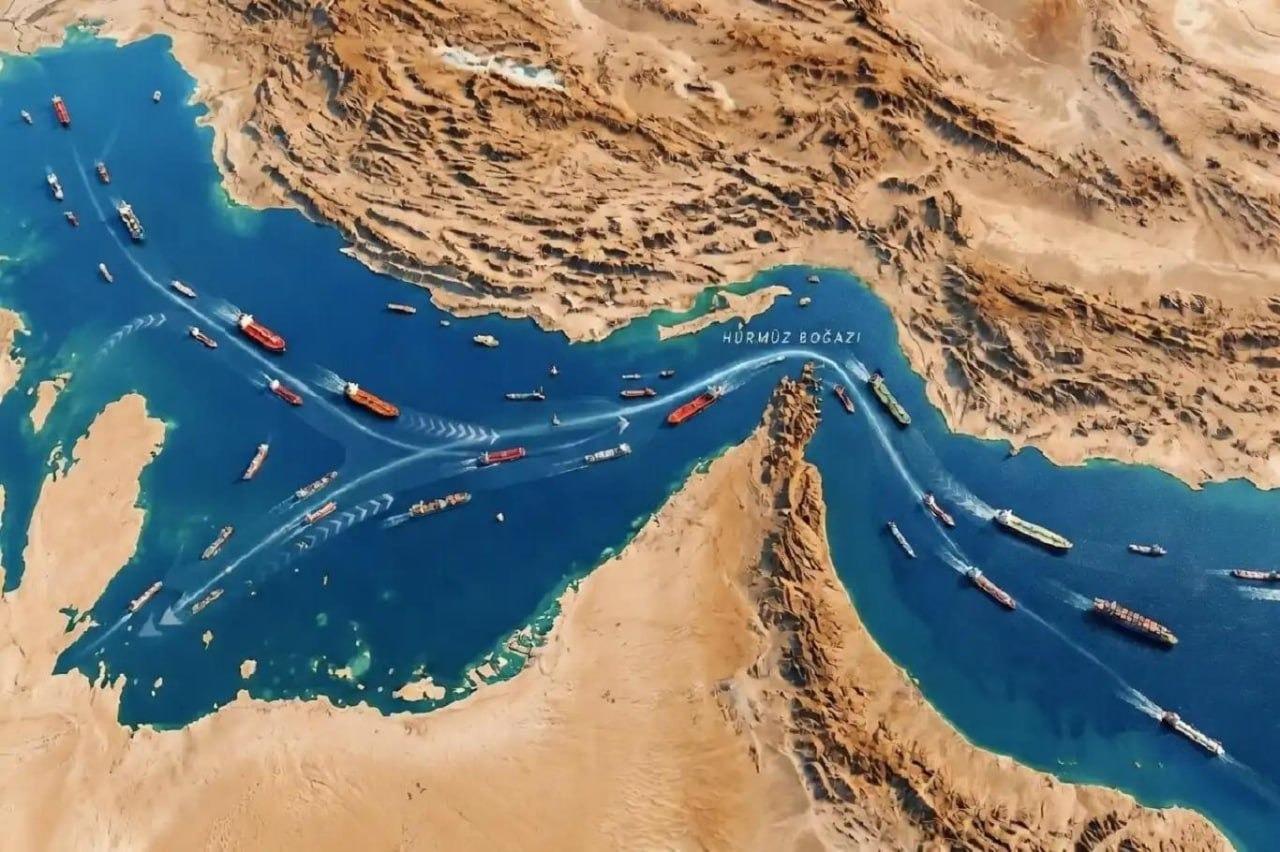
Perhaps the most dangerous element in the current crisis is the Strait of Hormuz itself. Roughly 20% of the world’s oil and liquefied natural gas (LNG) supplies pass through this narrow waterway.
For that reason, military confrontation around Hormuz is not merely a regional security issue. It is a matter with potentially severe consequences for the global economy, energy markets, supply chains, inflation, and international trade.
If the Strait of Hormuz were to be closed — or if tensions escalated further — oil prices could surge dramatically, creating another major shock to a global economy already under pressure. Countries heavily dependent on imported energy would likely feel immediate impacts, from fuel costs to transportation and inflation.
Therefore, despite Donald Trump’s repeated references to “peace” and a possible “deal,” the reality on the ground suggests that all sides continue preparing for the possibility of prolonged conflict.
At this stage, the Middle East appears trapped in a dangerous condition where diplomacy and military escalation are unfolding side by side, while peace remains an extremely fragile hope.
Conclusion
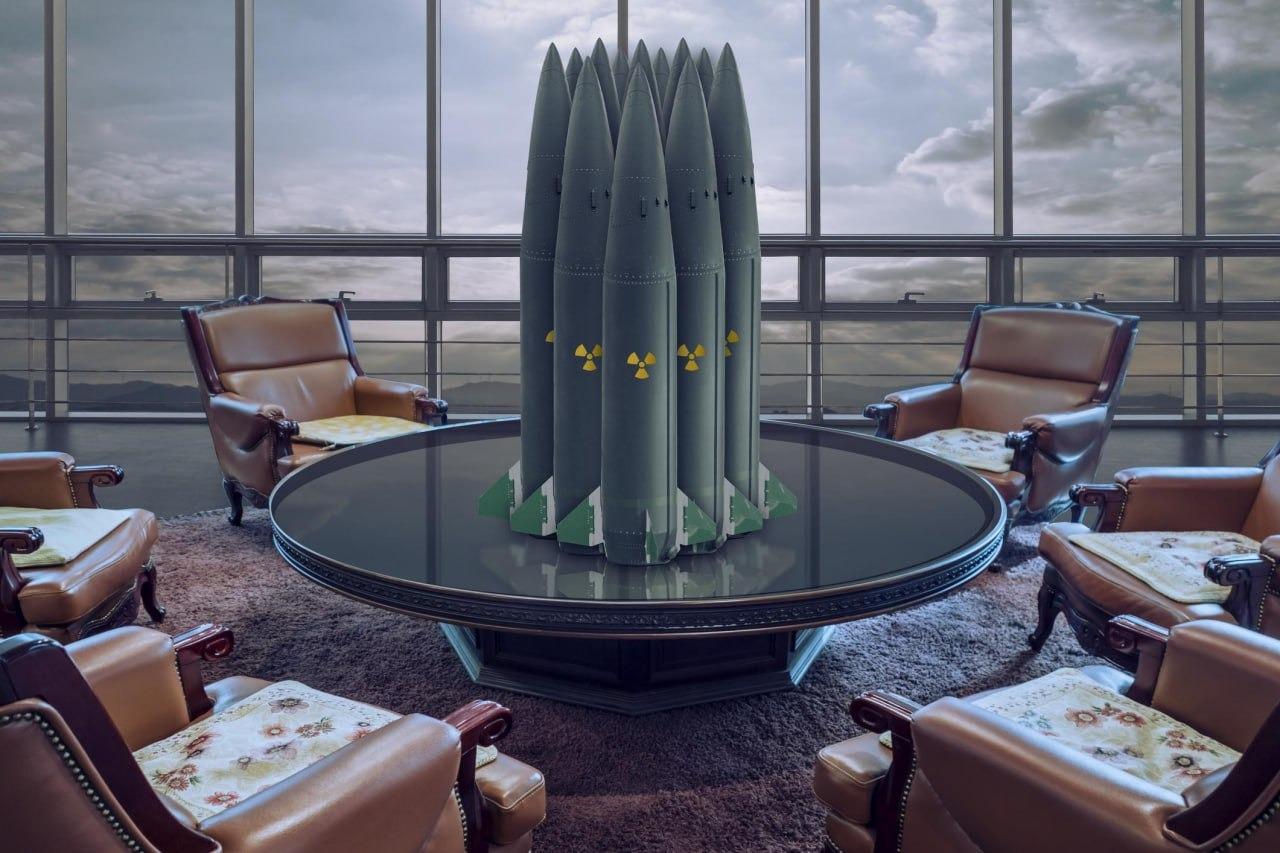
The Middle East is currently caught in a deeply dangerous paradox.
By day, leaders speak of peace, negotiations, and diplomatic agreements.
By night, missiles and drones continue crossing the skies above the Gulf.
This reality demonstrates that the region has not yet entered a stage of genuine peace. Instead, it remains in a phase where diplomacy and military confrontation are operating simultaneously.
For that reason, expectations for a Trump–Iran agreement “this weekend” may ultimately prove unrealistic. The greatest obstacle is not simply what happens at the negotiating table, but the deep lack of trust that still exists on the battlefield itself.
And as long as missiles and drones continue flying across the Gulf region, peace in the Middle East will remain a fragile hope — one that could collapse at any moment.