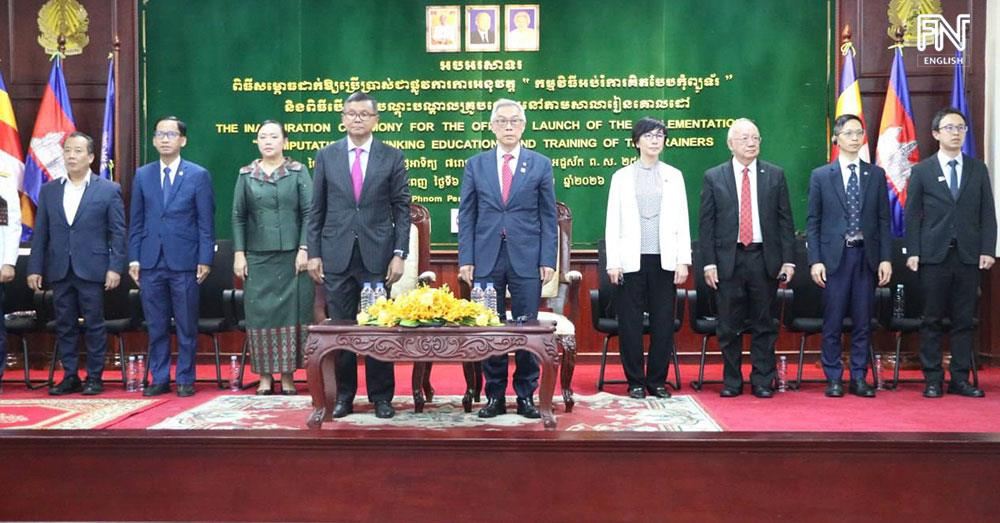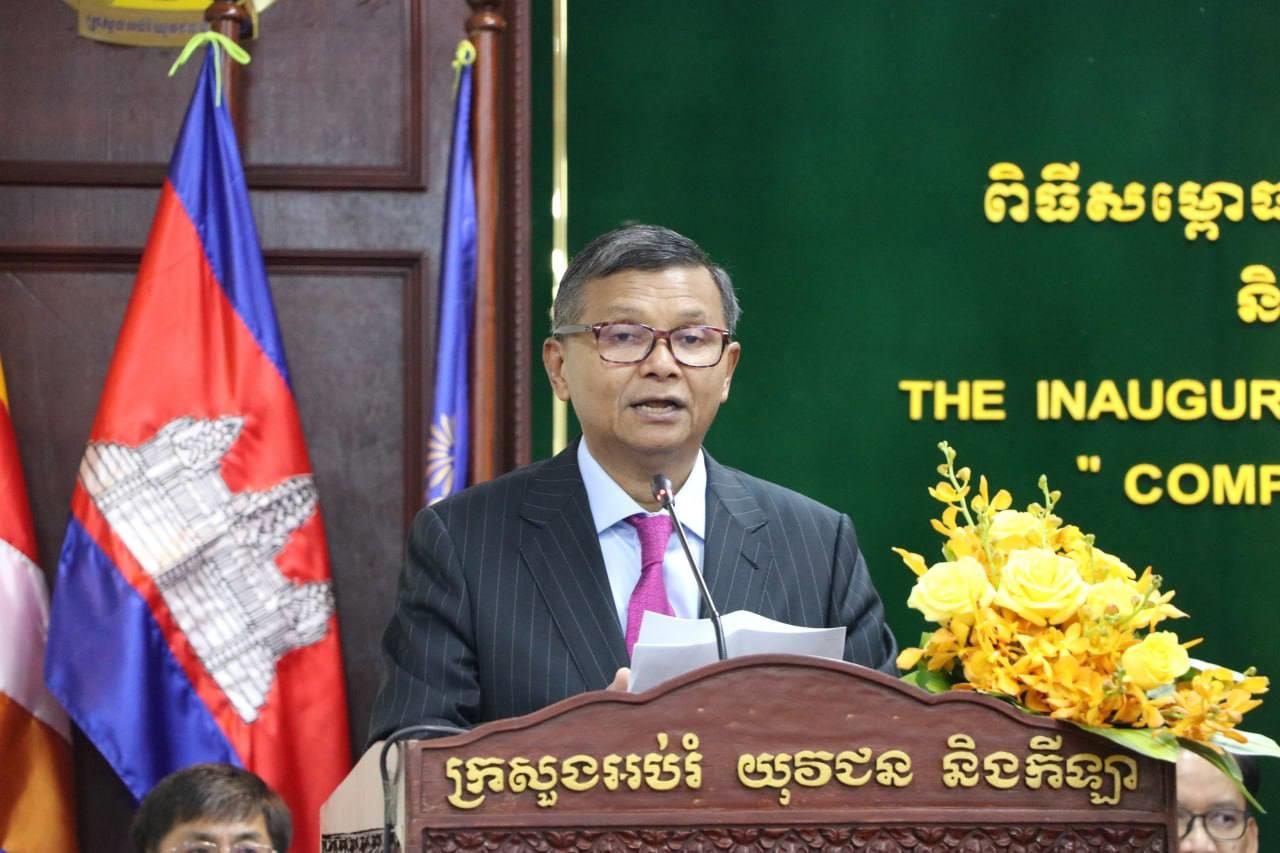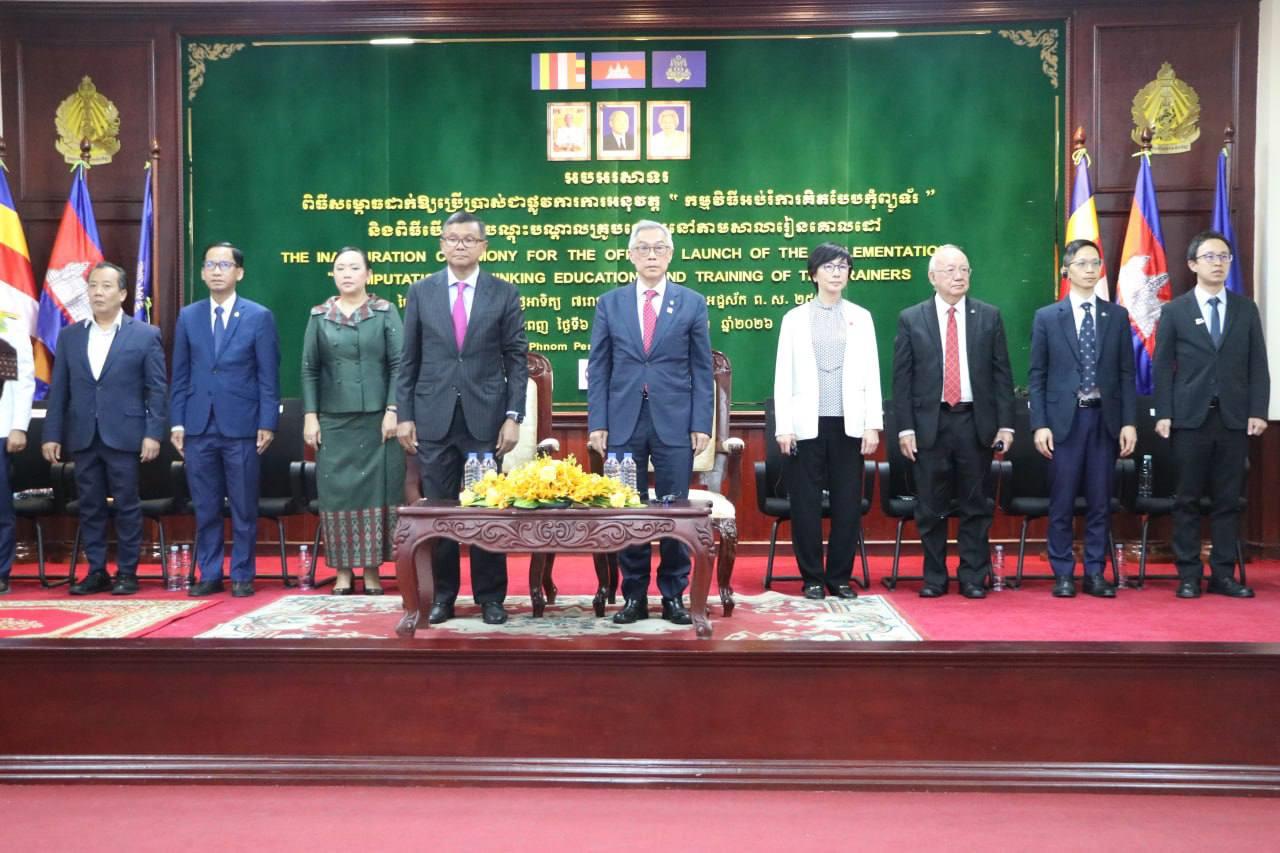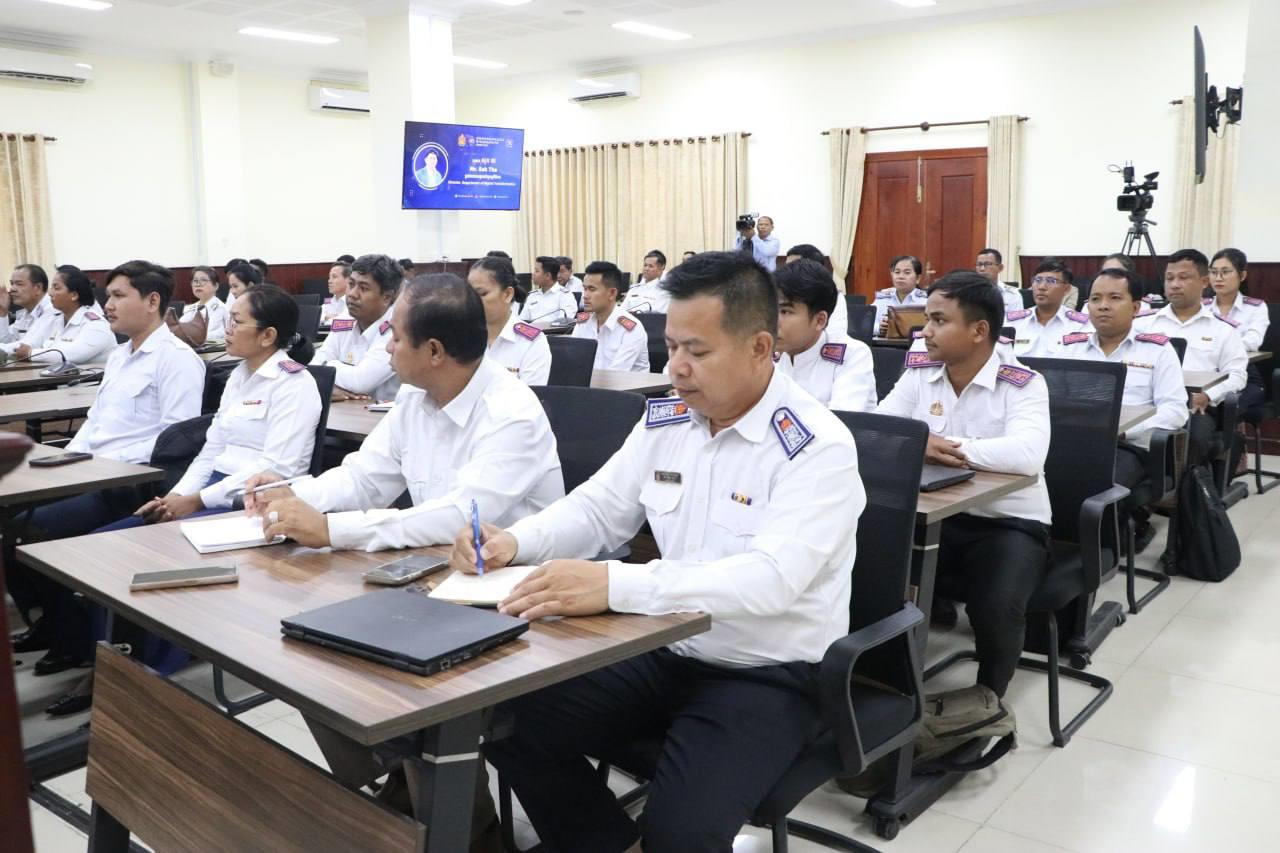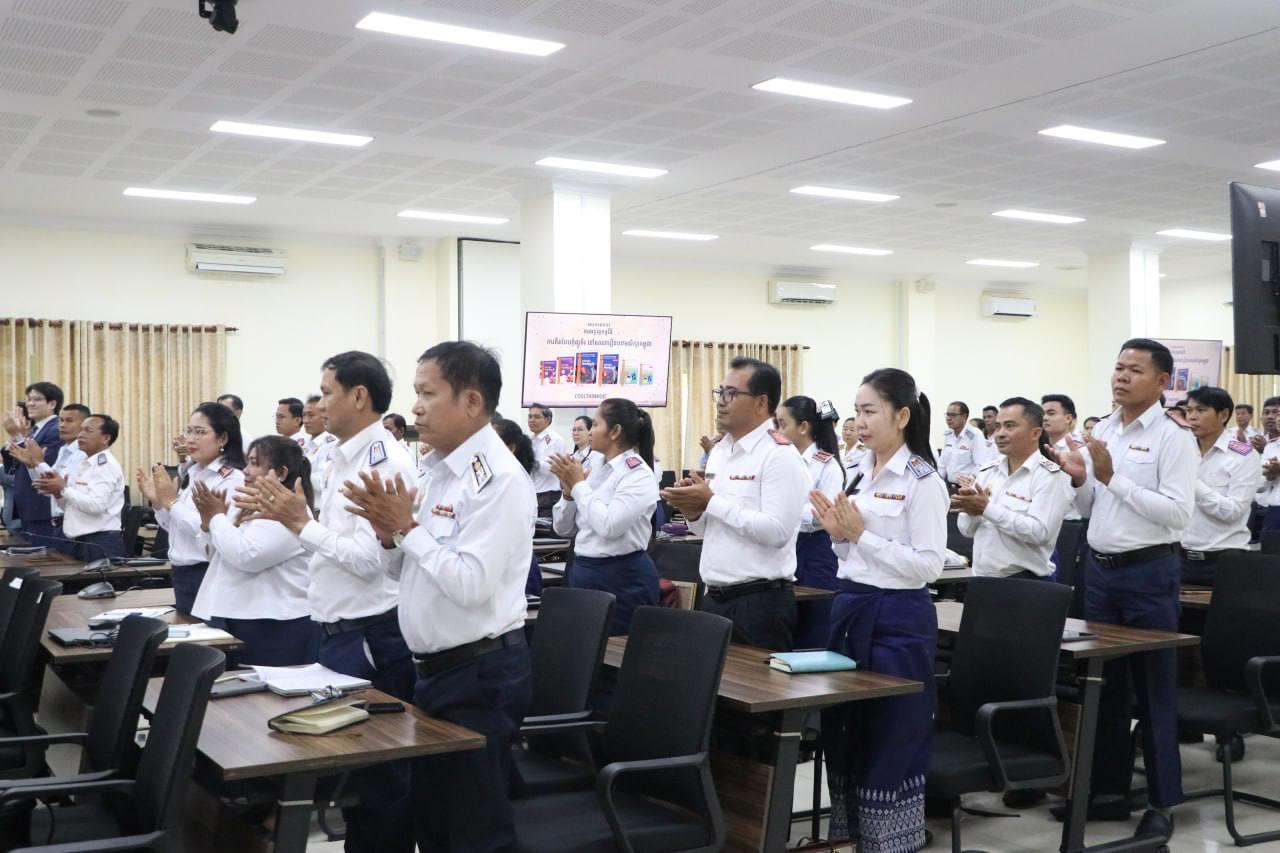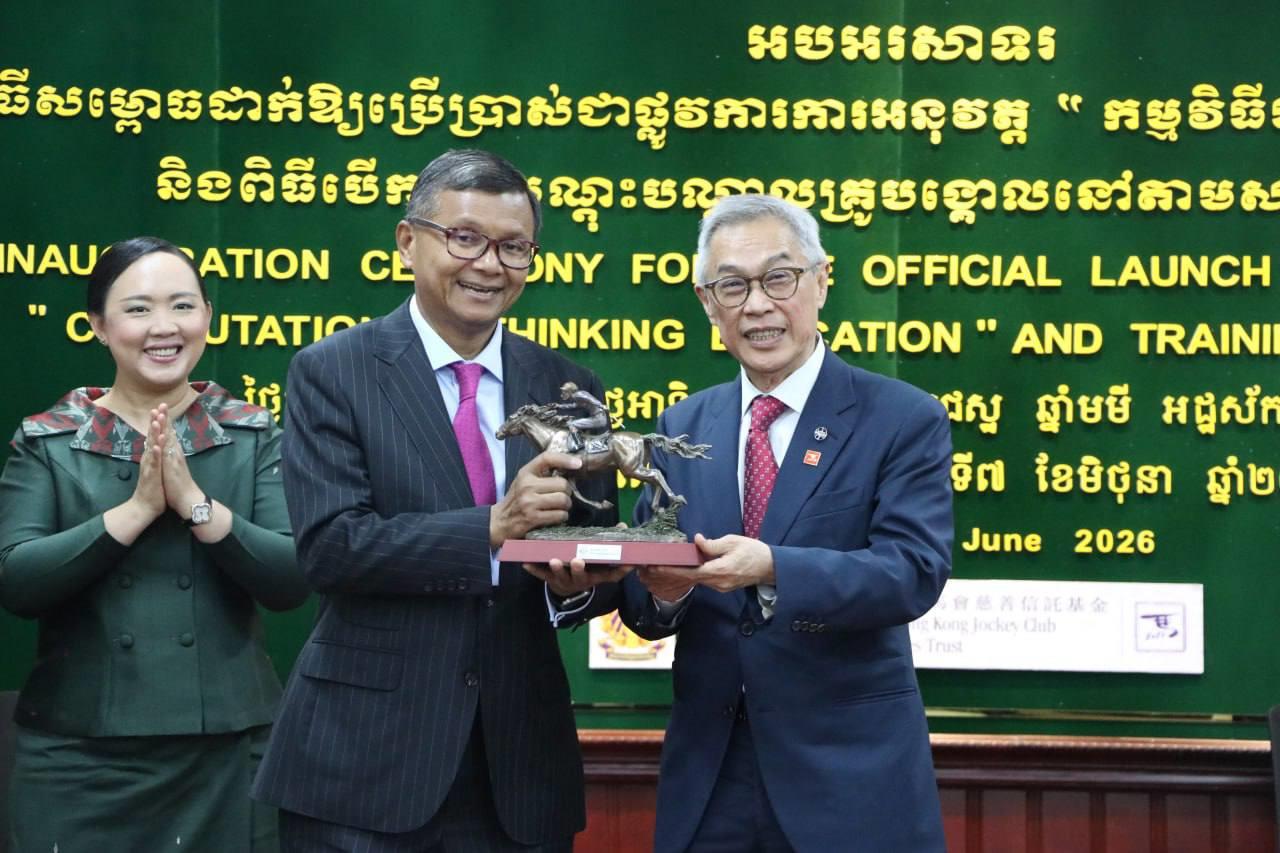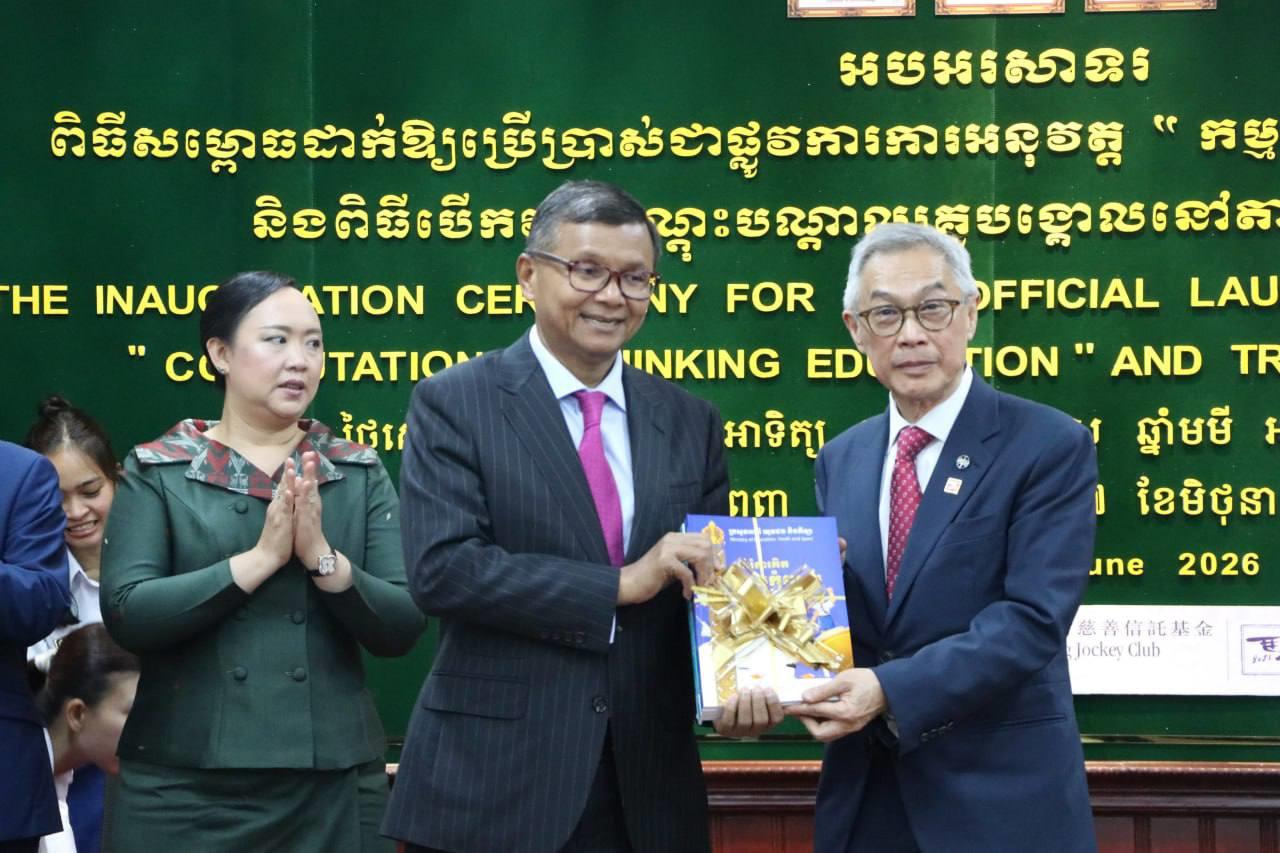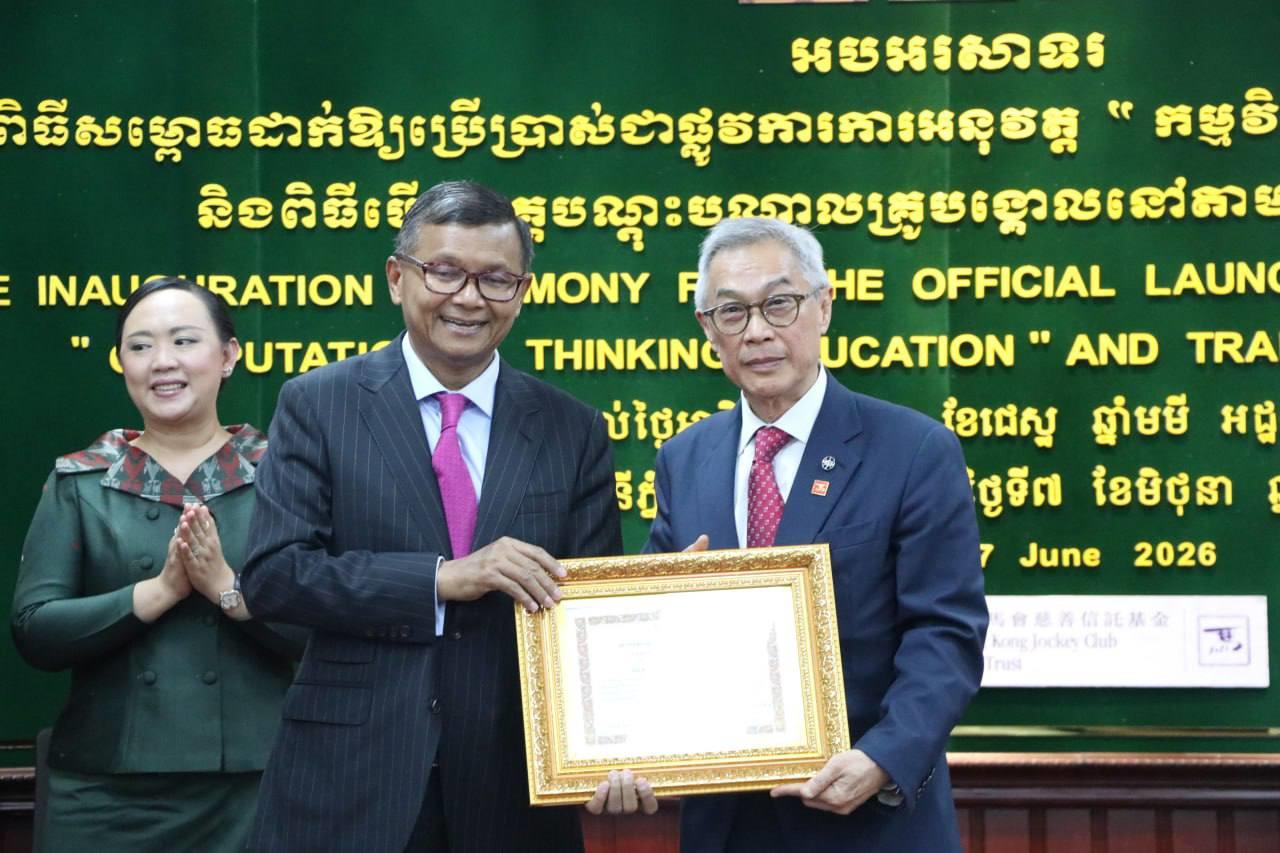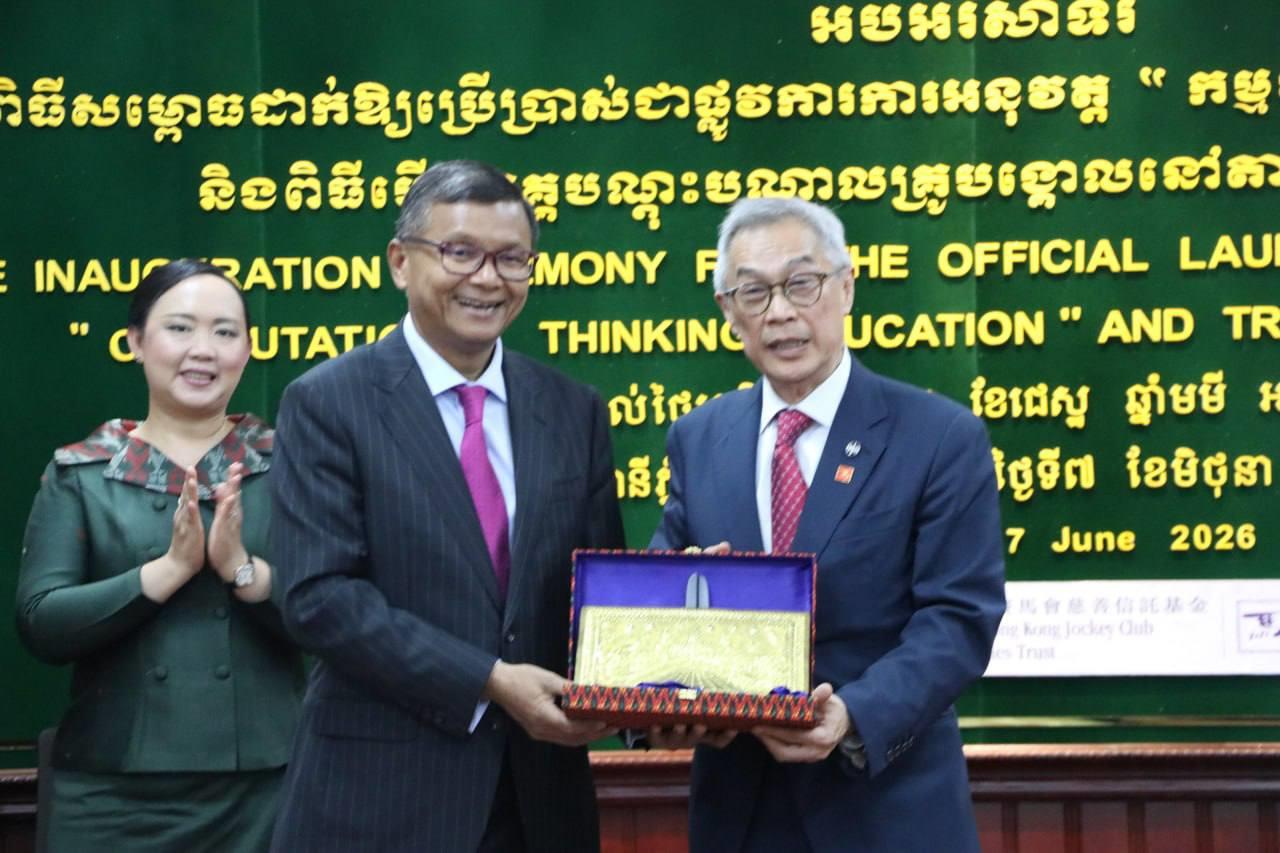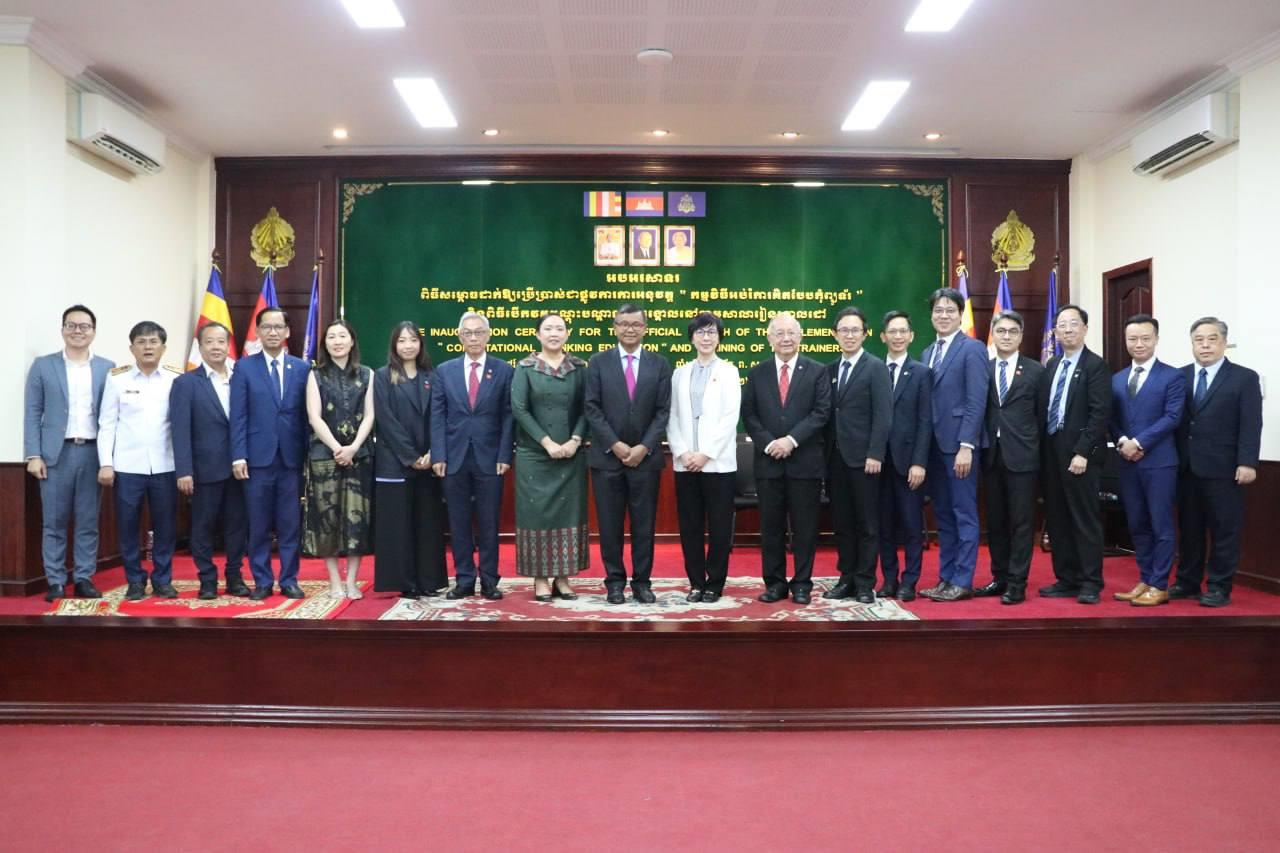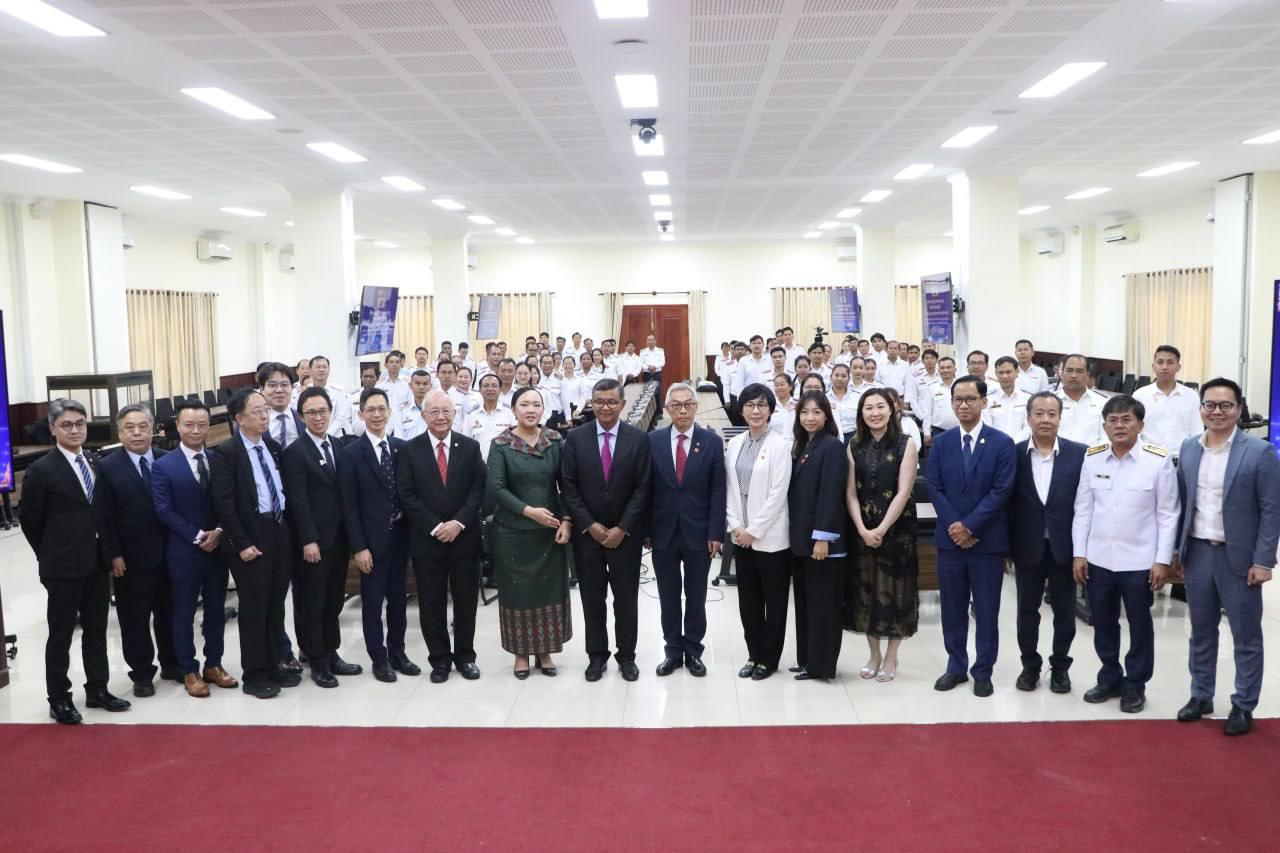

(Phnom Penh): Hang Chuon Naron, Deputy Prime Minister and Minister of Education, Youth and Sport, presided over the official launch ceremony of the Computational Thinking Education Programme (CoolThink@JC) in primary schools on Saturday afternoon (Jun. 6). The launch marks a strategic and decisive step forward in the digital education reform agenda of the Ministry of Education, Youth, and Sport.
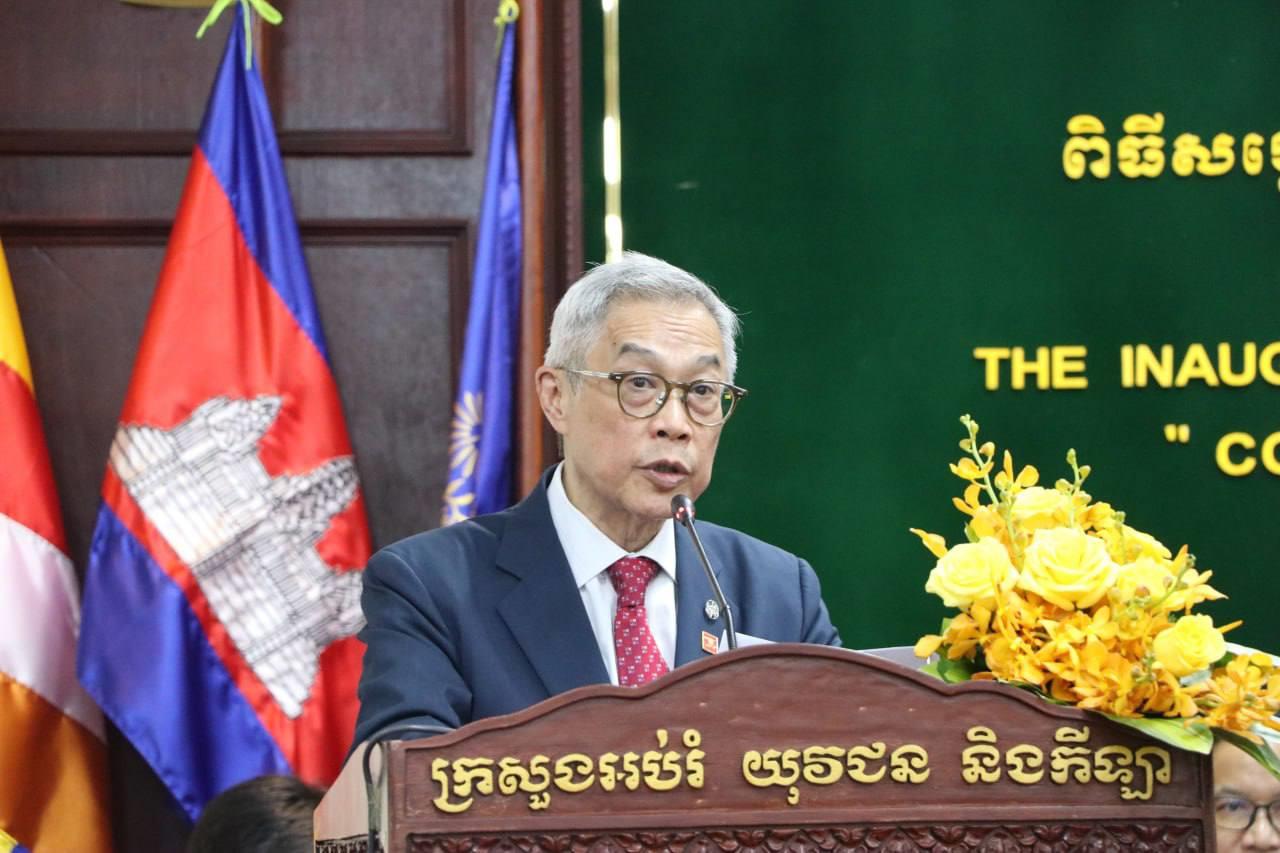
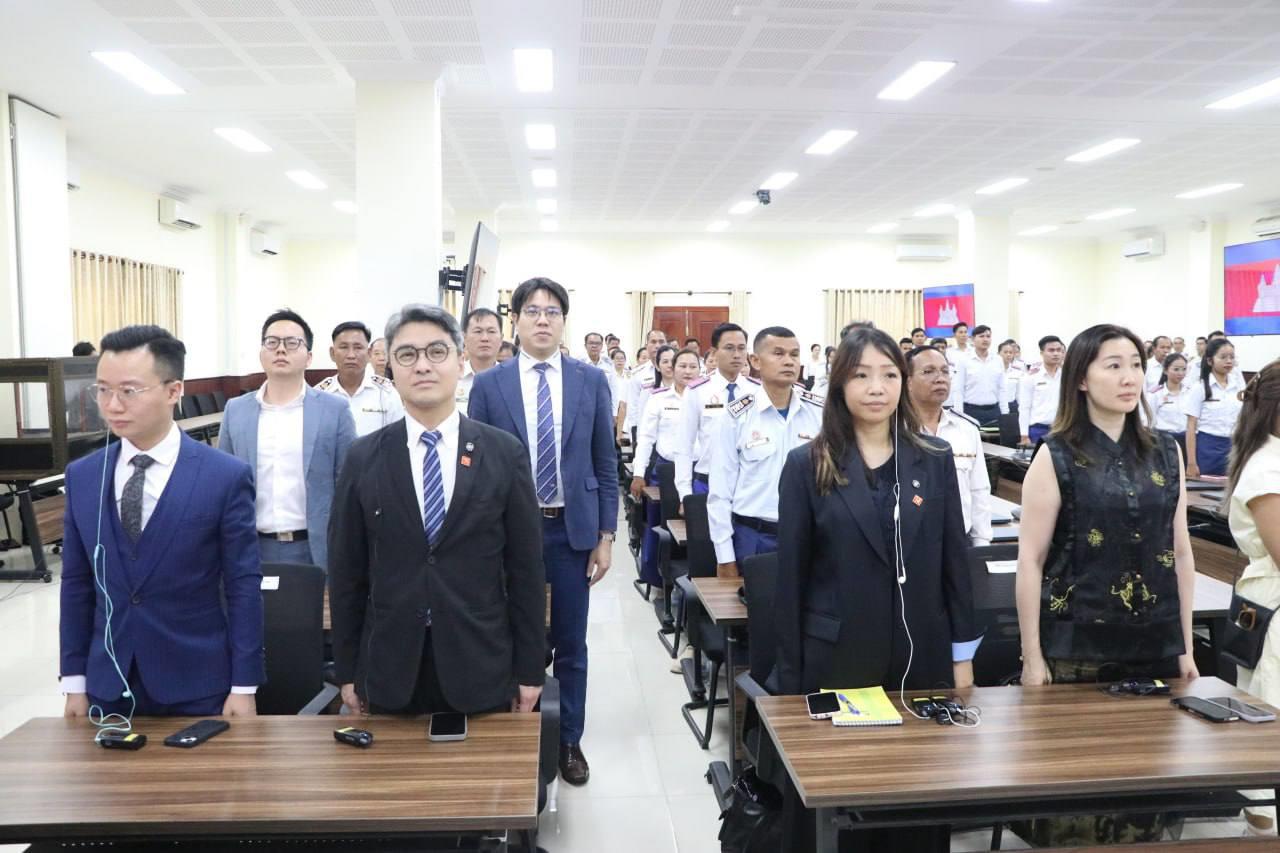
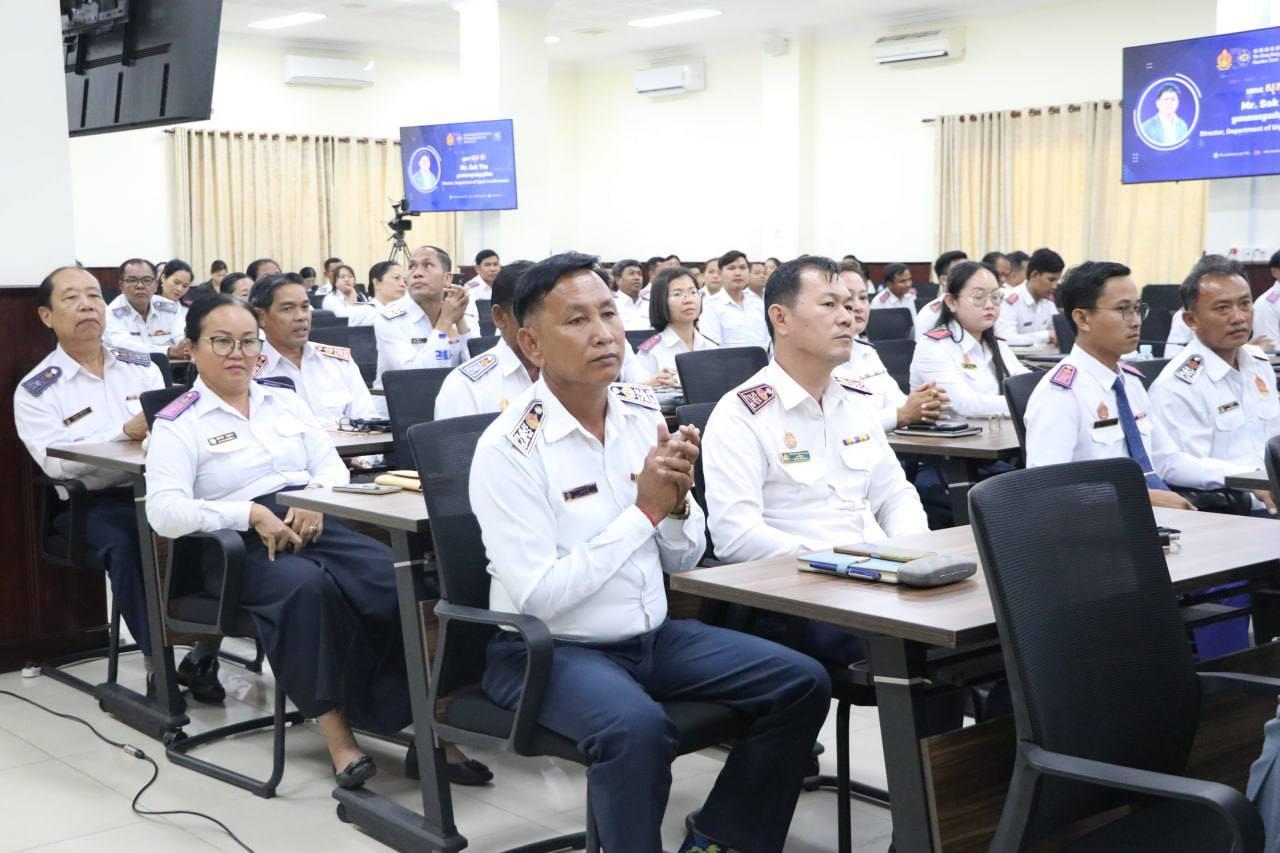
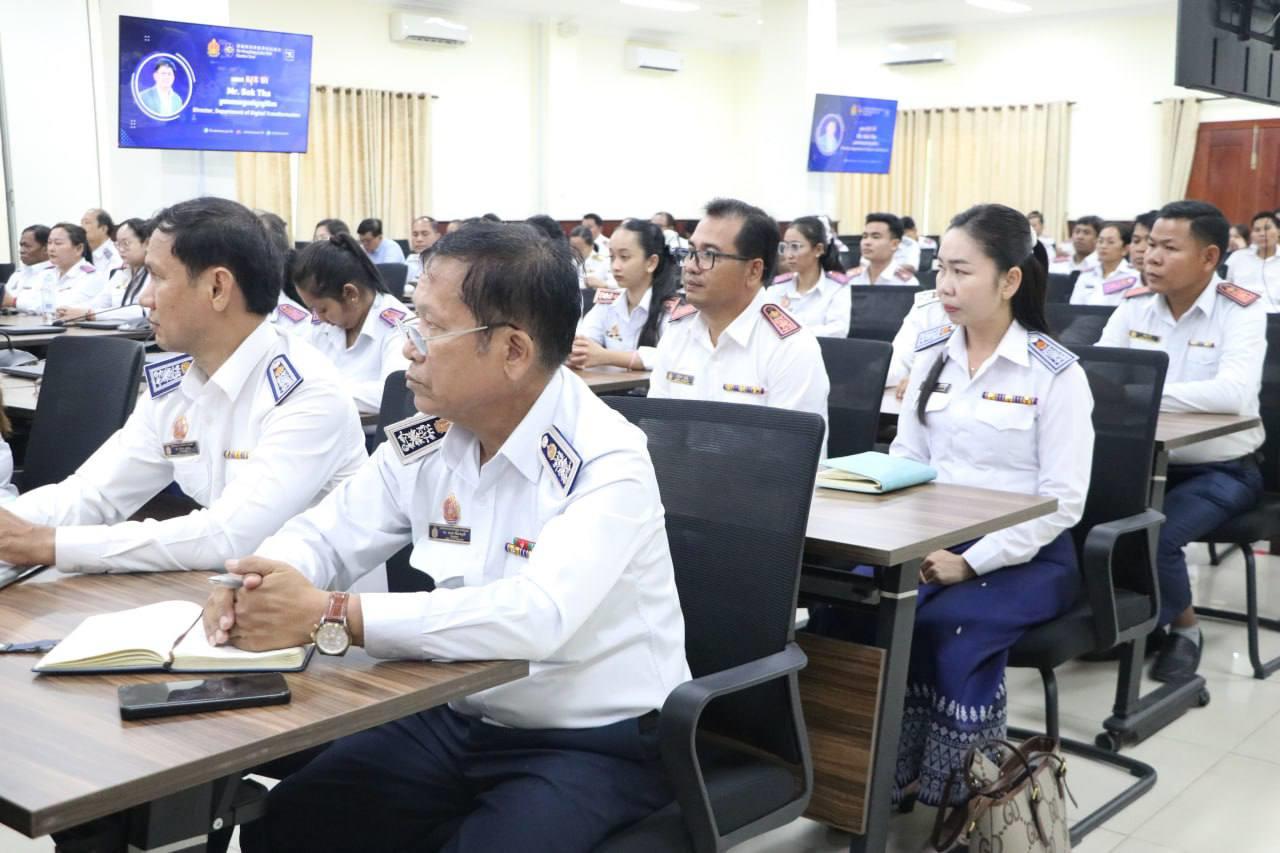
The ceremony was attended by Jackson Woo, Chairman of The Hong Kong Jockey Club Charities Trust; representatives from the Embassy of the People's Republic of China in Cambodia; the Secretary of State on duty; senior officials from agencies under the Ministry of Education, Youth and Sport; a delegation from The Hong Kong Jockey Club Charities Trust and the Hong Kong Teachers' Association; as well as school administrators, teachers, and educators.
Speaking on behalf of the ministry's leadership, Hang Chuon Naron commended and highly praised the Department of Digital Transformation for its active and dedicated collaboration with The Hong Kong Jockey Club Charities Trust since the signing of the Memorandum of Understanding (MoU) in June 2025.
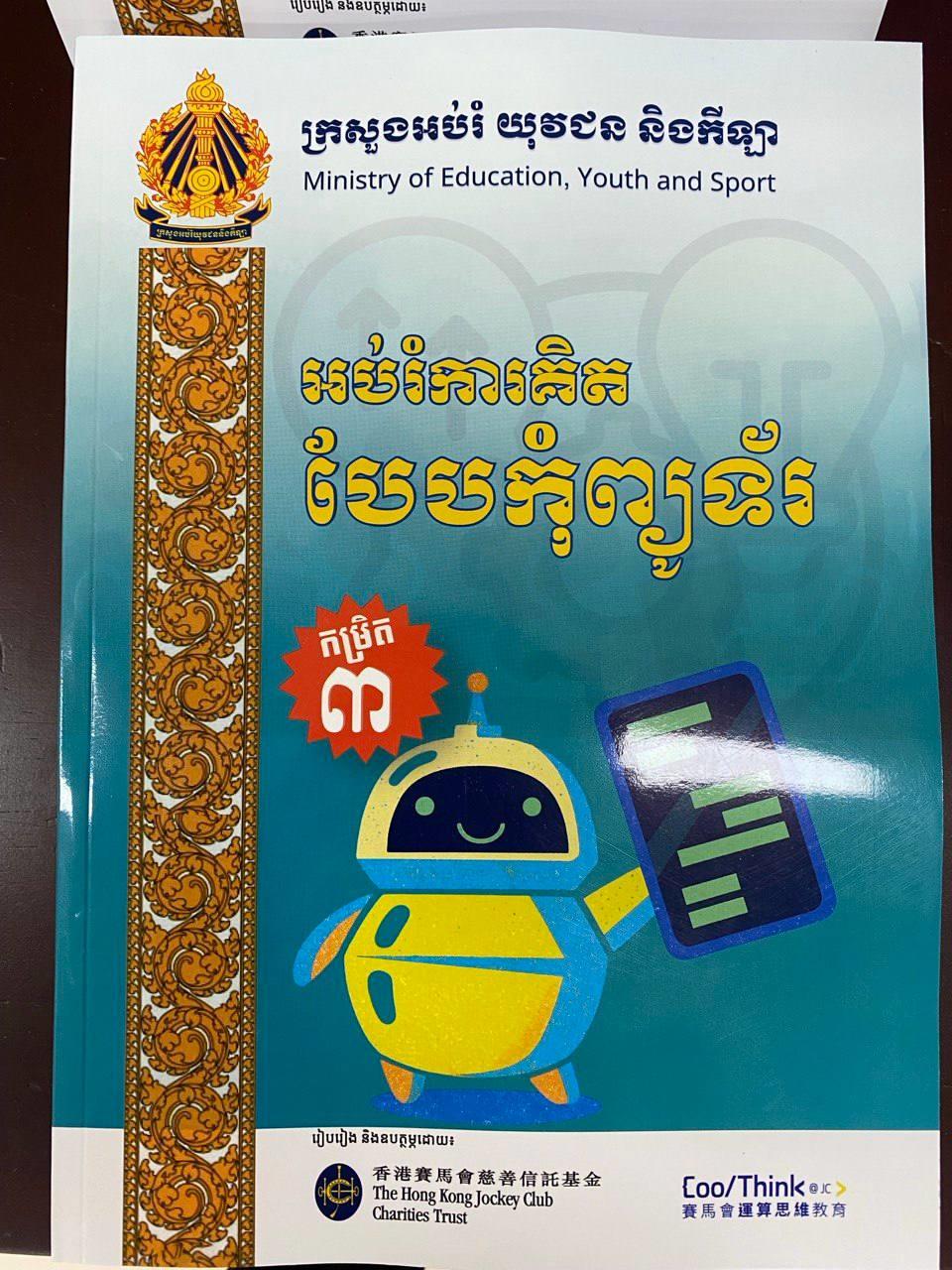
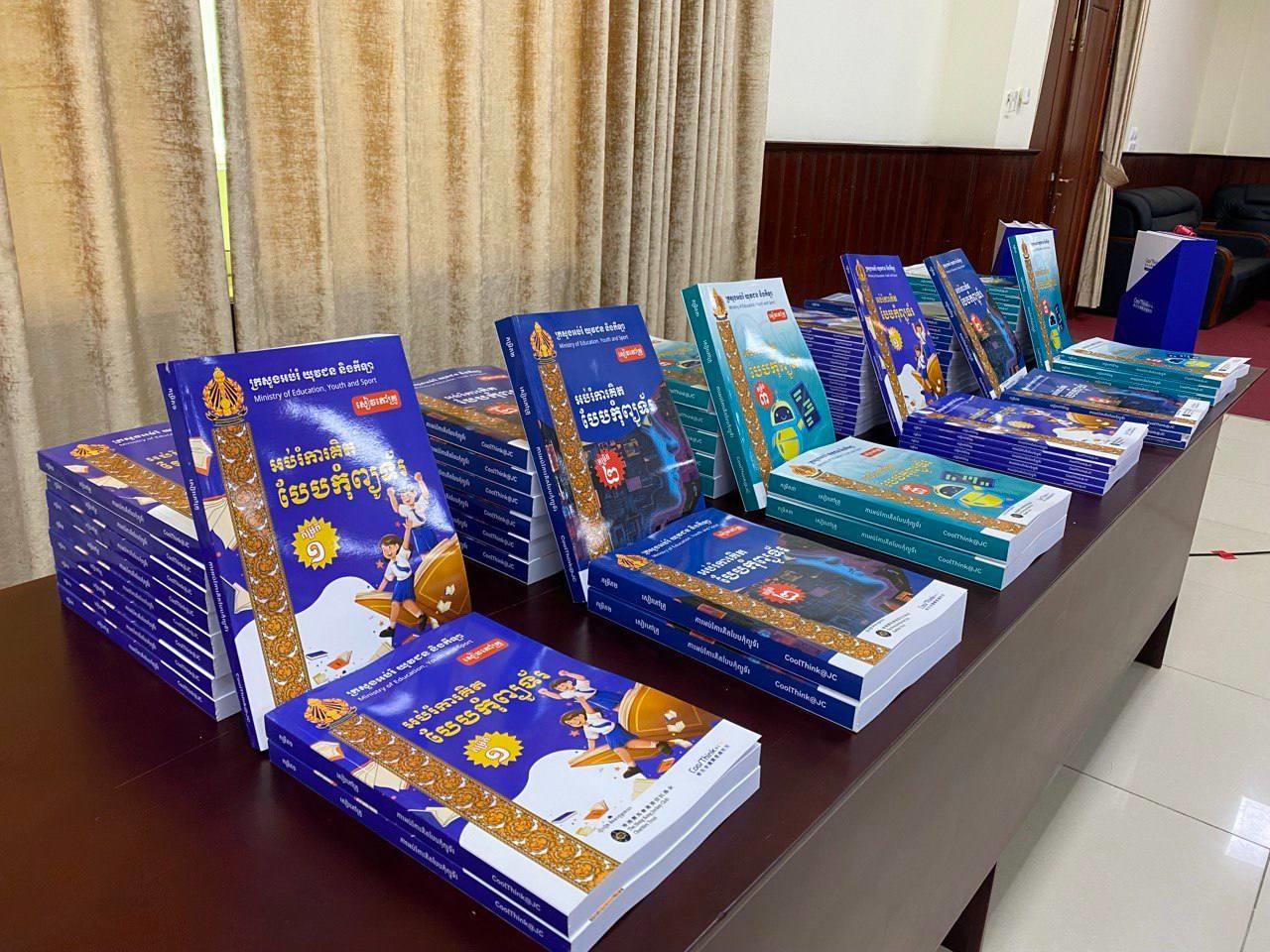
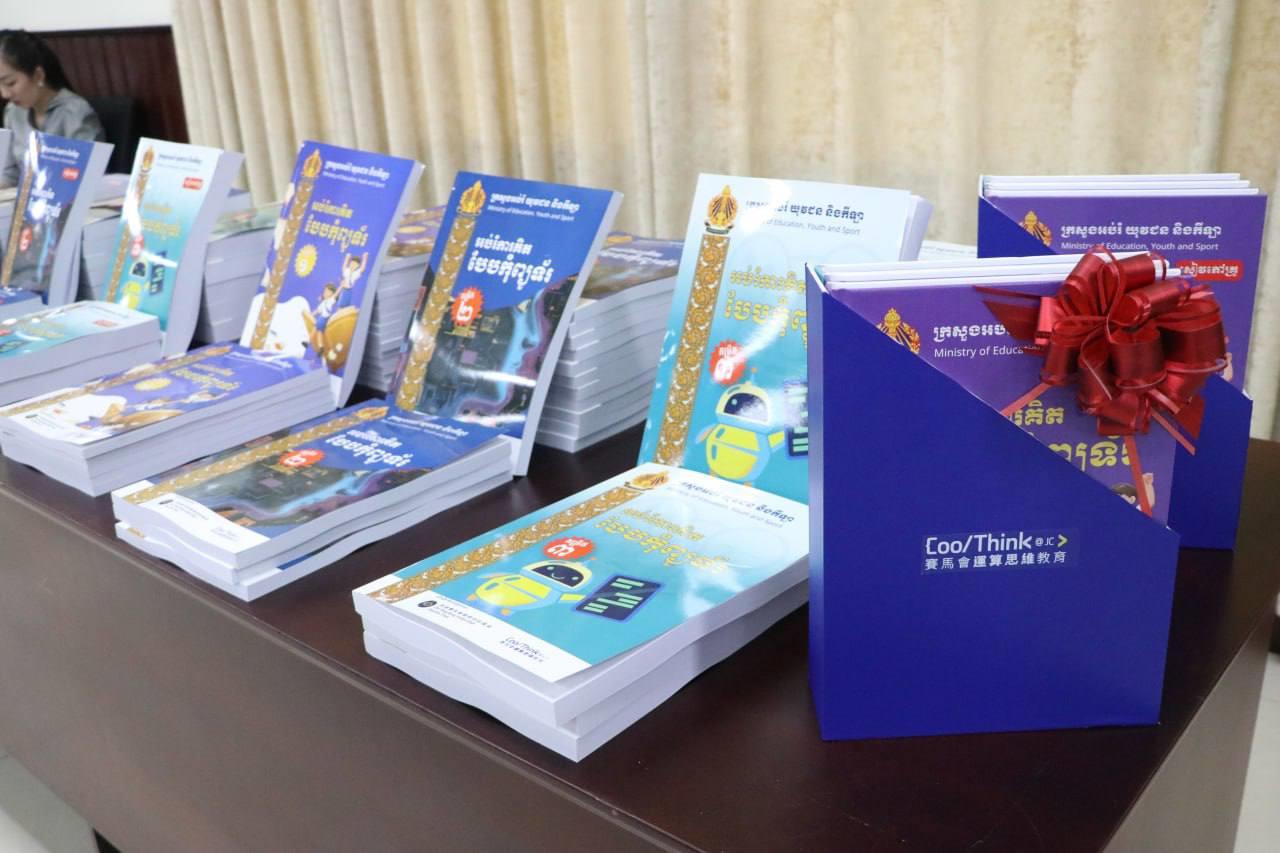
Achievements to date include the successful translation and adaptation of all three levels of CoolThink@JC core textbooks covering both student and teacher editions, completed fully in accordance with the agreed plan.
The official launch of the Computational Thinking Education Programme in Cambodian primary schools stands as clear and tangible evidence of progressive advancement.
In the era of the Fourth Industrial Revolution, digital transformation within the education system represents the Ministry of Education, Youth and Sport's highest priority a key driver in achieving the goals of sustainable digital education and STEM education.
Hang Chuon Naron further stated that the decision to integrate the Computational Thinking Education Programme (CoolThink@JC) into primary schools at this juncture constitutes a strategic milestone in the Ministry's digital education reform.
As the world rapidly advances into the age of artificial intelligence, Cambodia must transition its educational model away from rote memorisation towards scientific thinking and systematic problem-solving.
Through this new reform, we are embedding digital literacy from the foundational level of primary education in order to cultivate a sustainable educational ecosystem. Training children to think computationally from an early age means structuring their minds with high-level logical reasoning the most fundamental and essential competency for understanding and embracing artificial intelligence technology, the Deputy Prime Minister remarked.
In parallel, building digital competencies from the primary level will serve as a robust bridge towards the implementation of the "Artificial Intelligence Curriculum for Secondary Schools," which the Ministry has outlined in its ongoing strategic plan.
The deputy prime minister also emphasised that computational thinking education is not simply about learning to code or operate computers. It is fundamentally about "thinking logically and systematically," equipping children with the ability to break down complex problems, identify patterns, and construct structured sequences of solutions.
The deputy prime minister expressed his conviction that the CoolThink@JC programme is uniquely suited for primary school students, fostering high levels of creativity and innovation. Ultimately, this initiative aims to transform Cambodia's young learners,” shifting them from mere consumers of technology into creators of new digital innovations for the future.
=FRESH NEWS