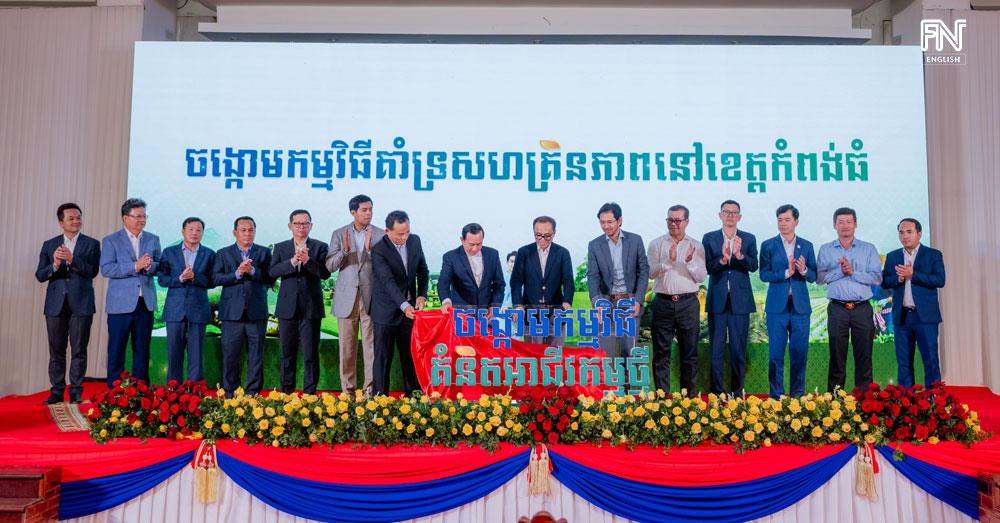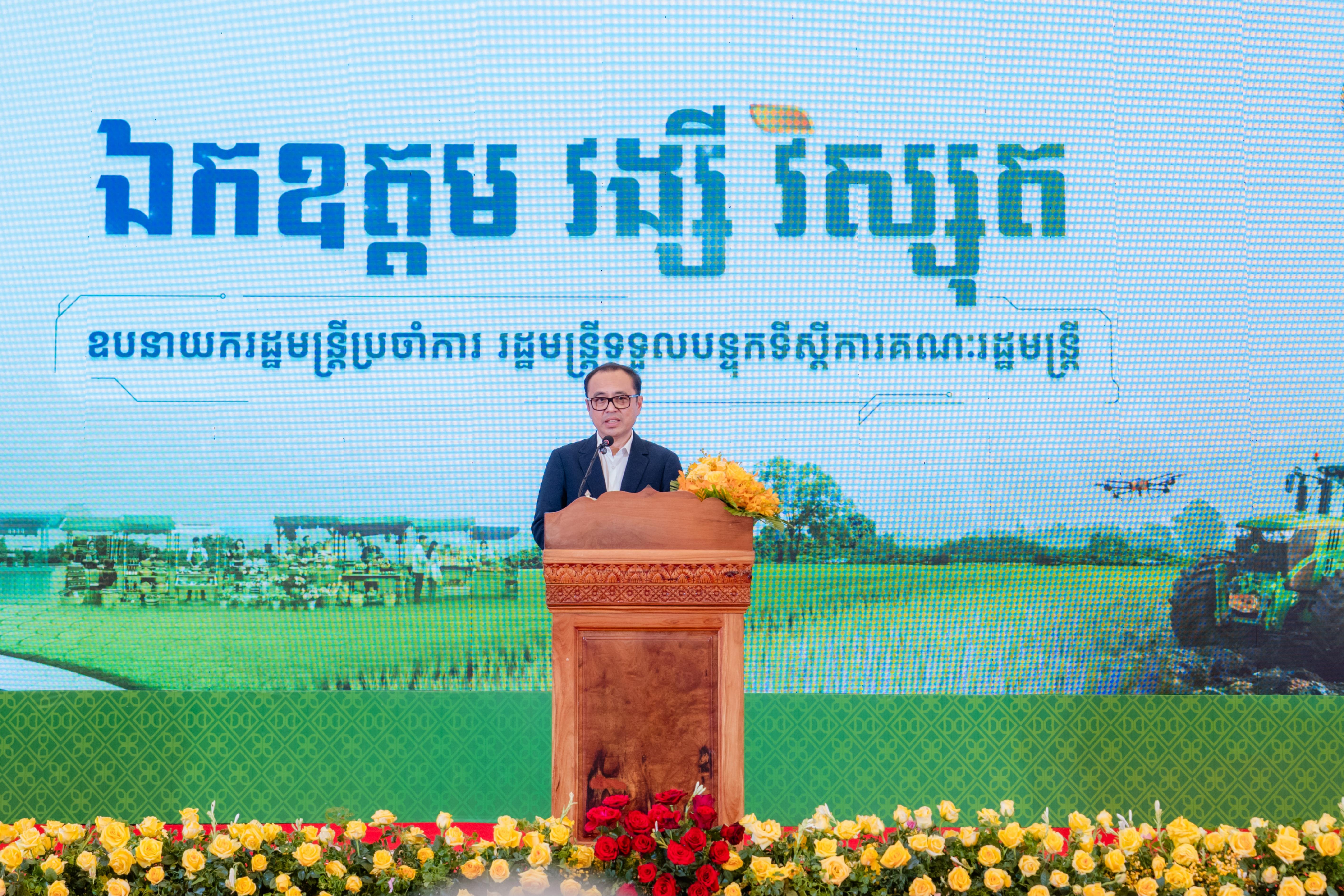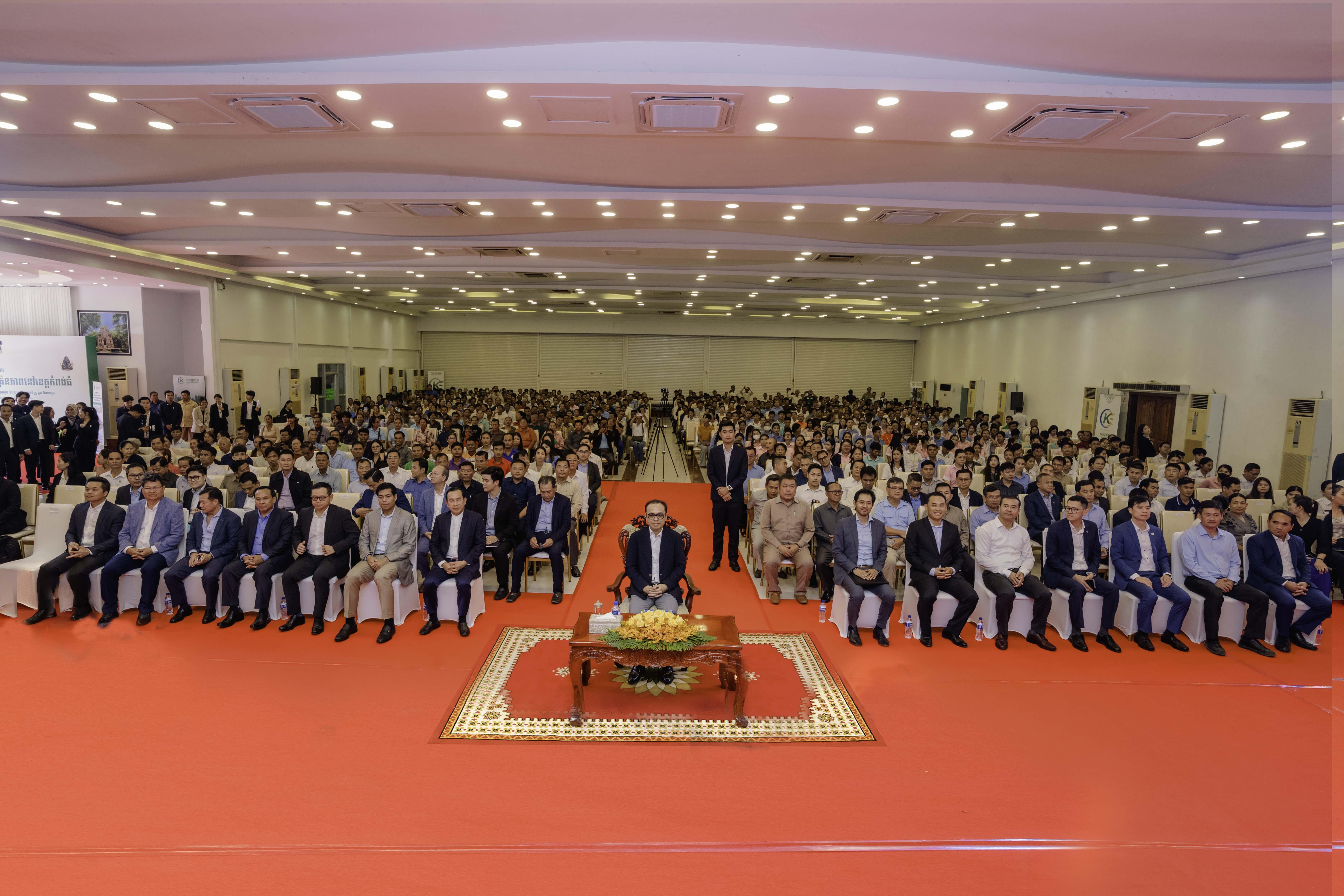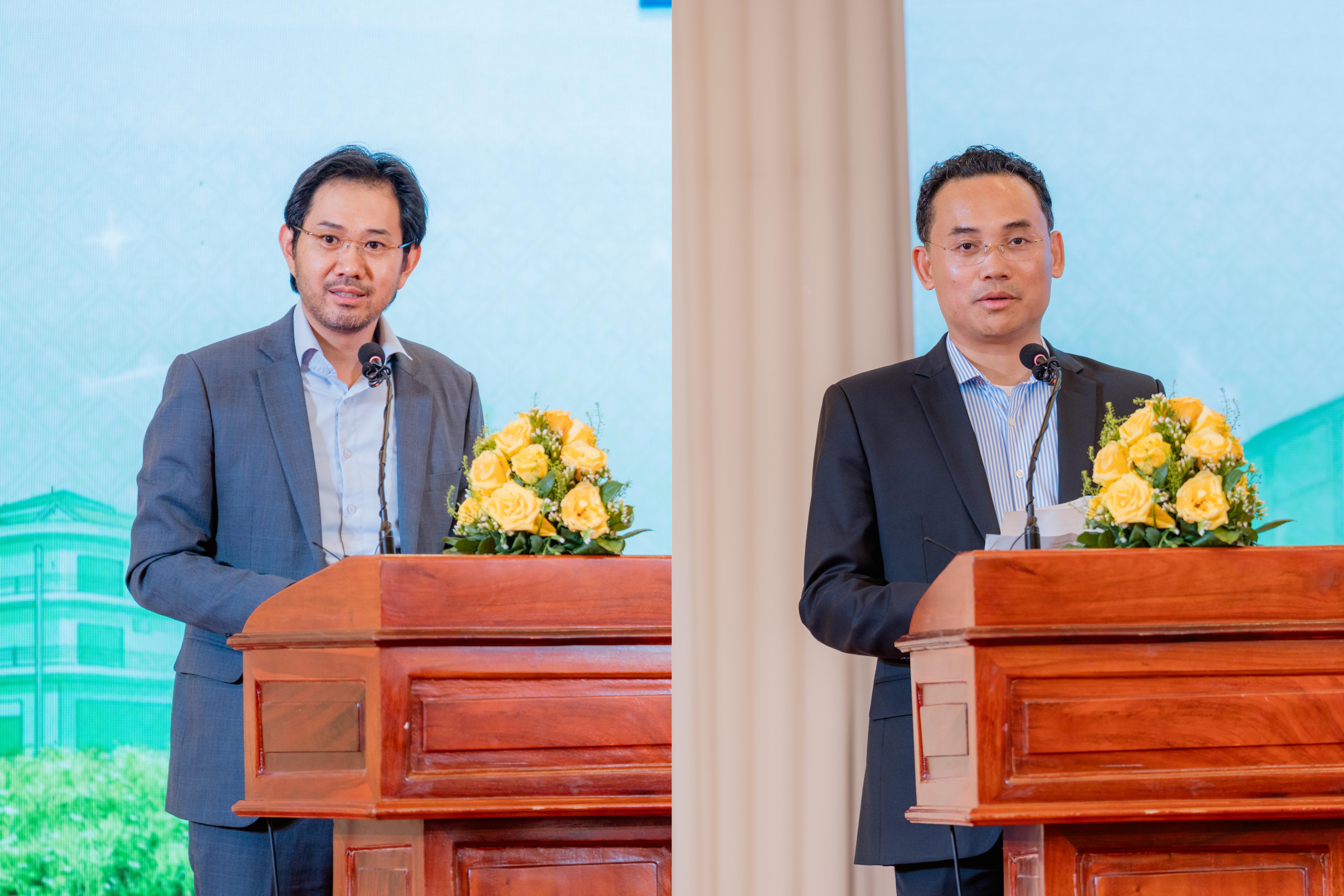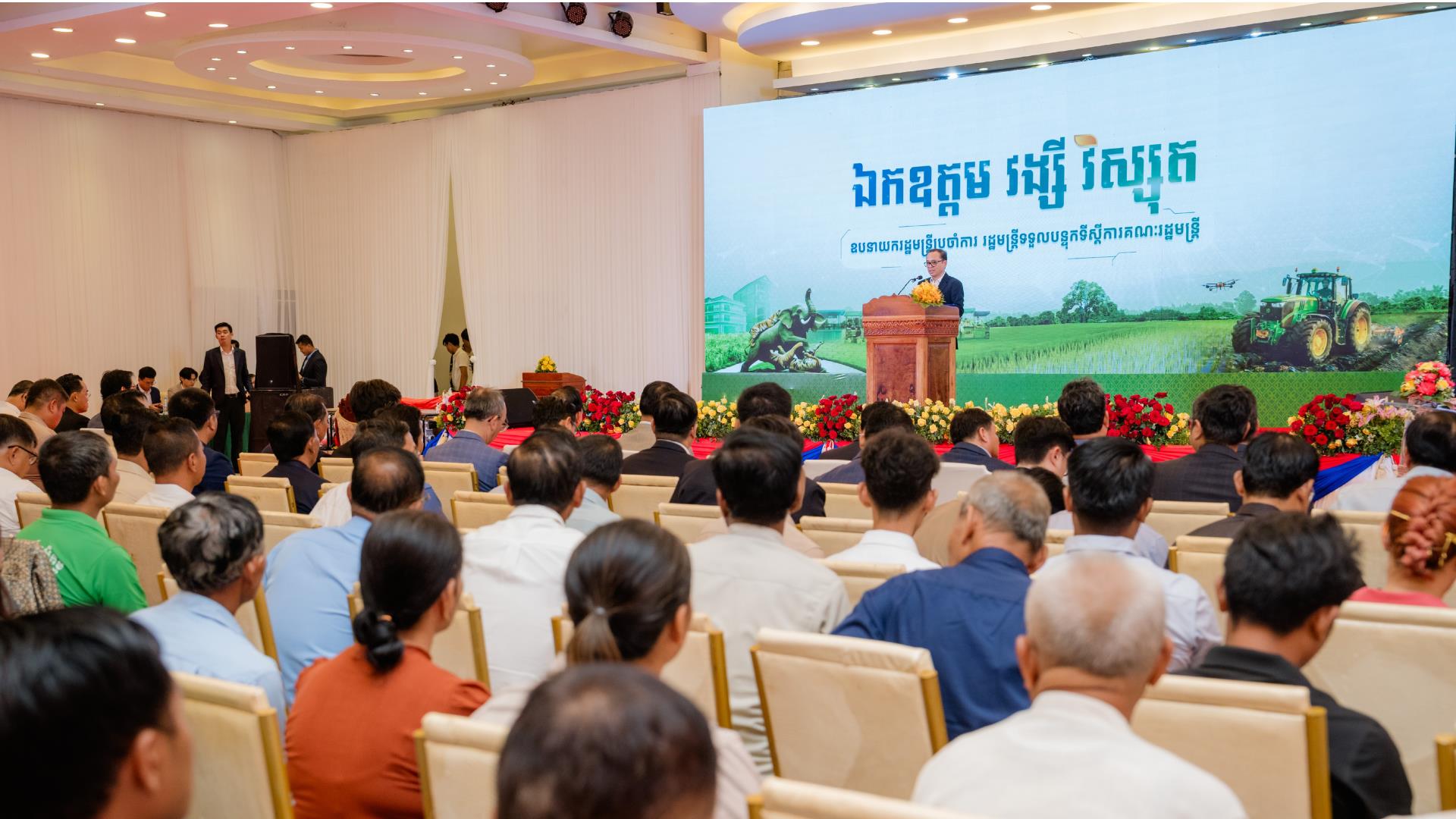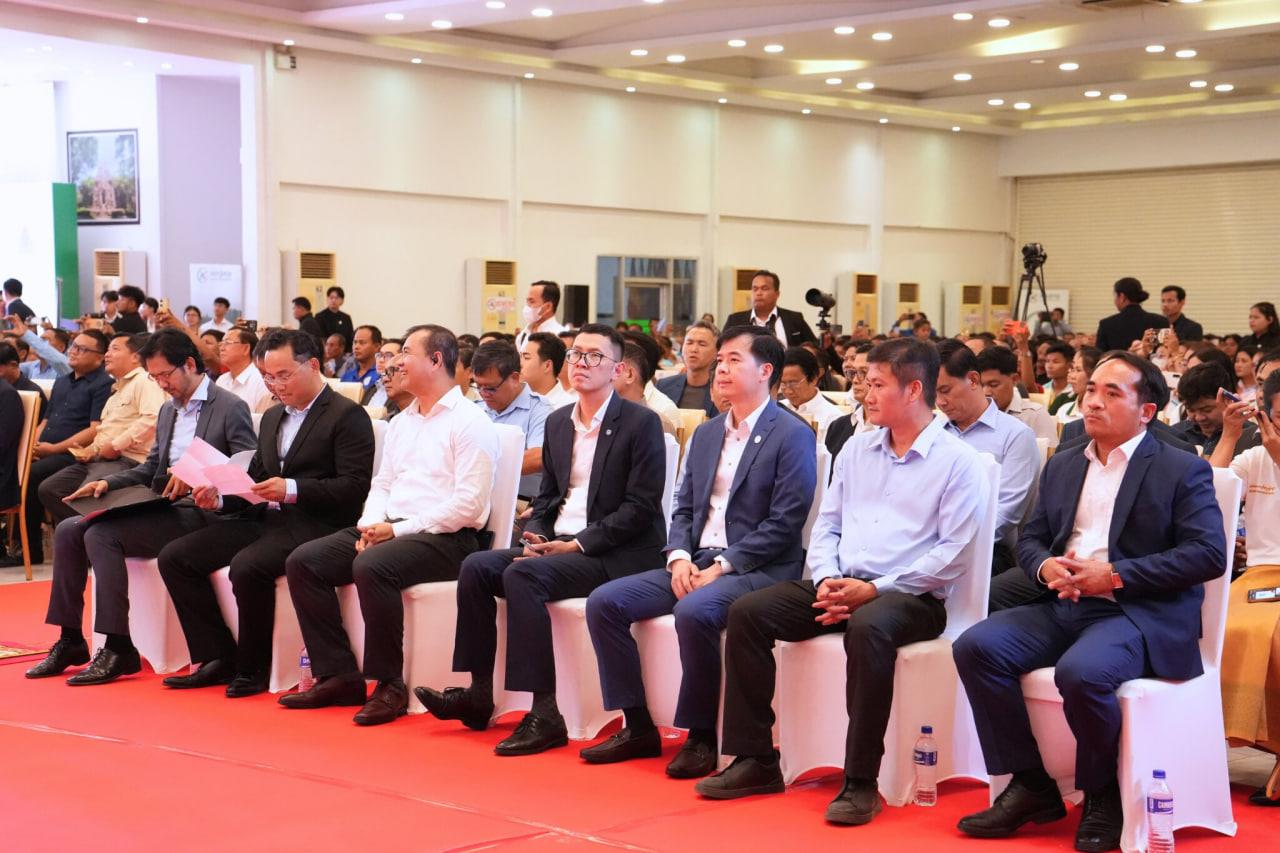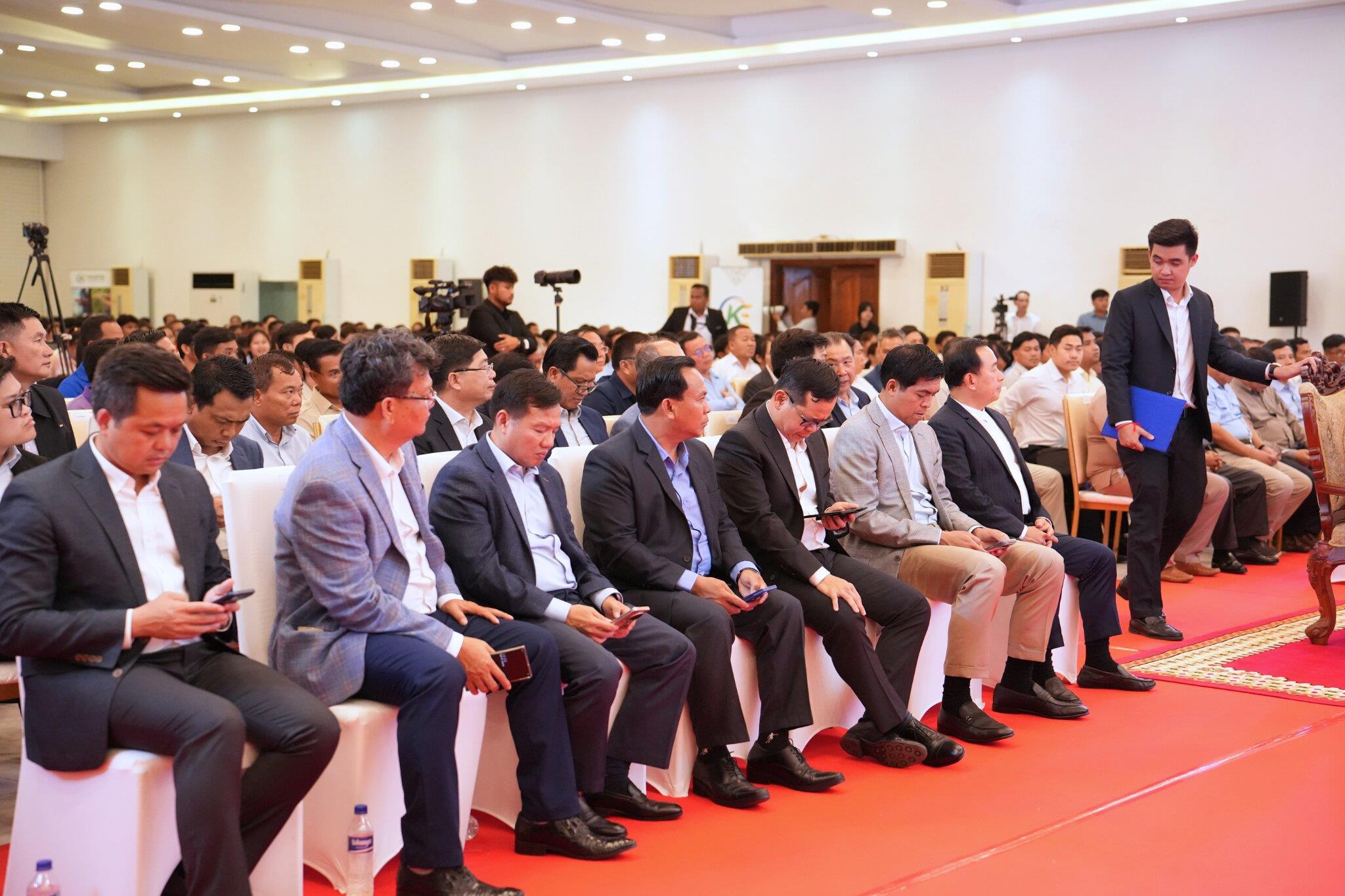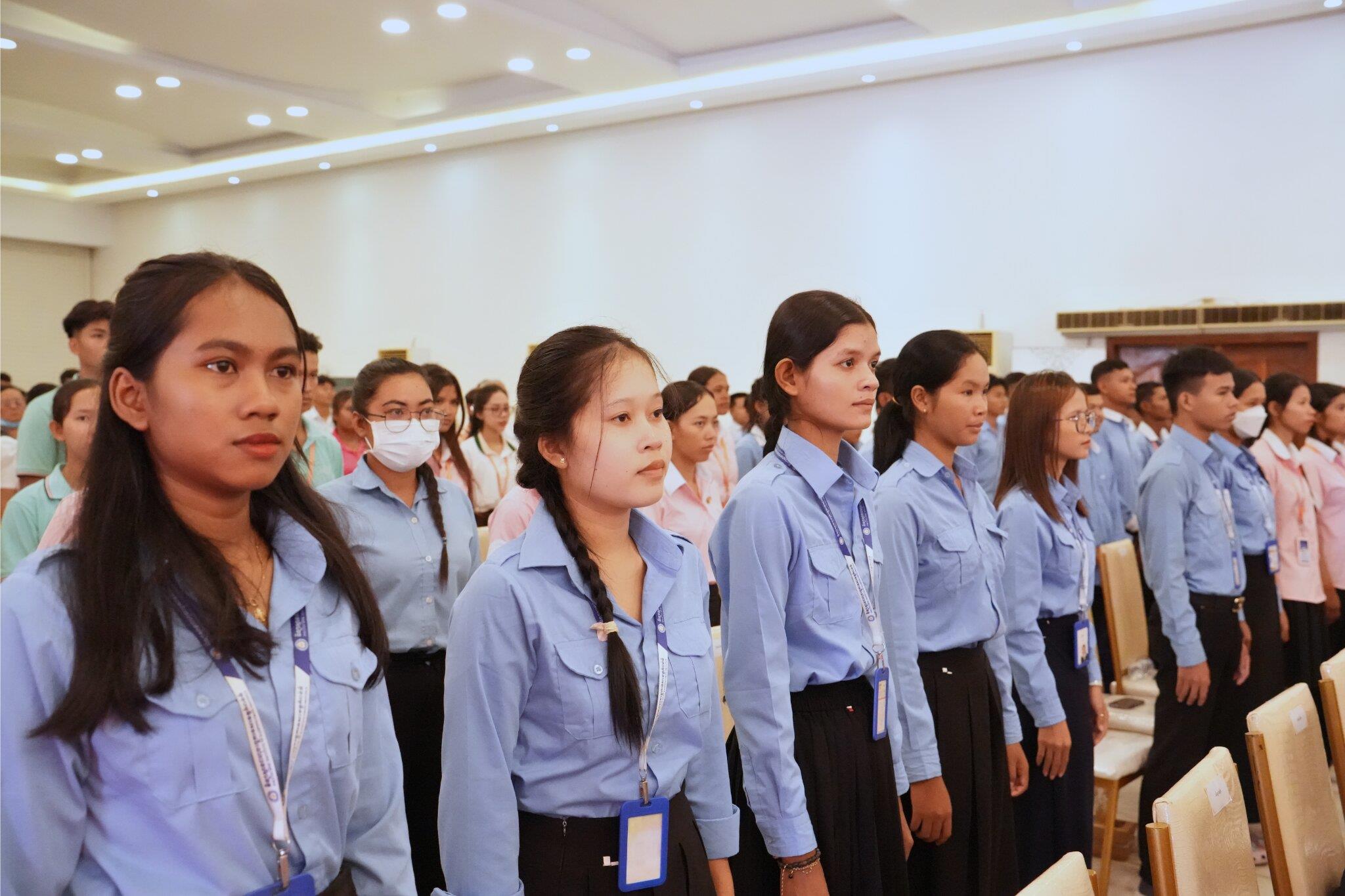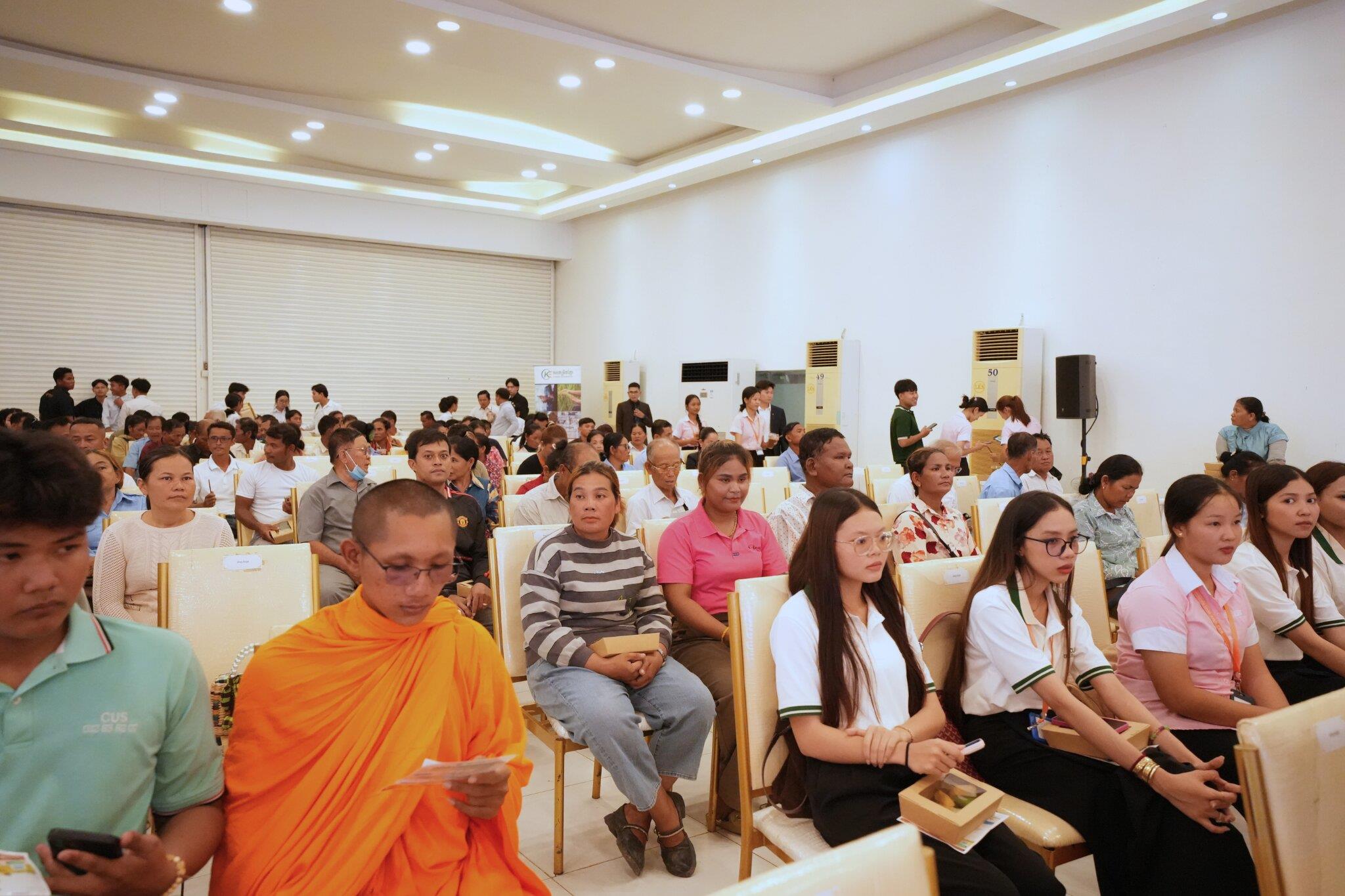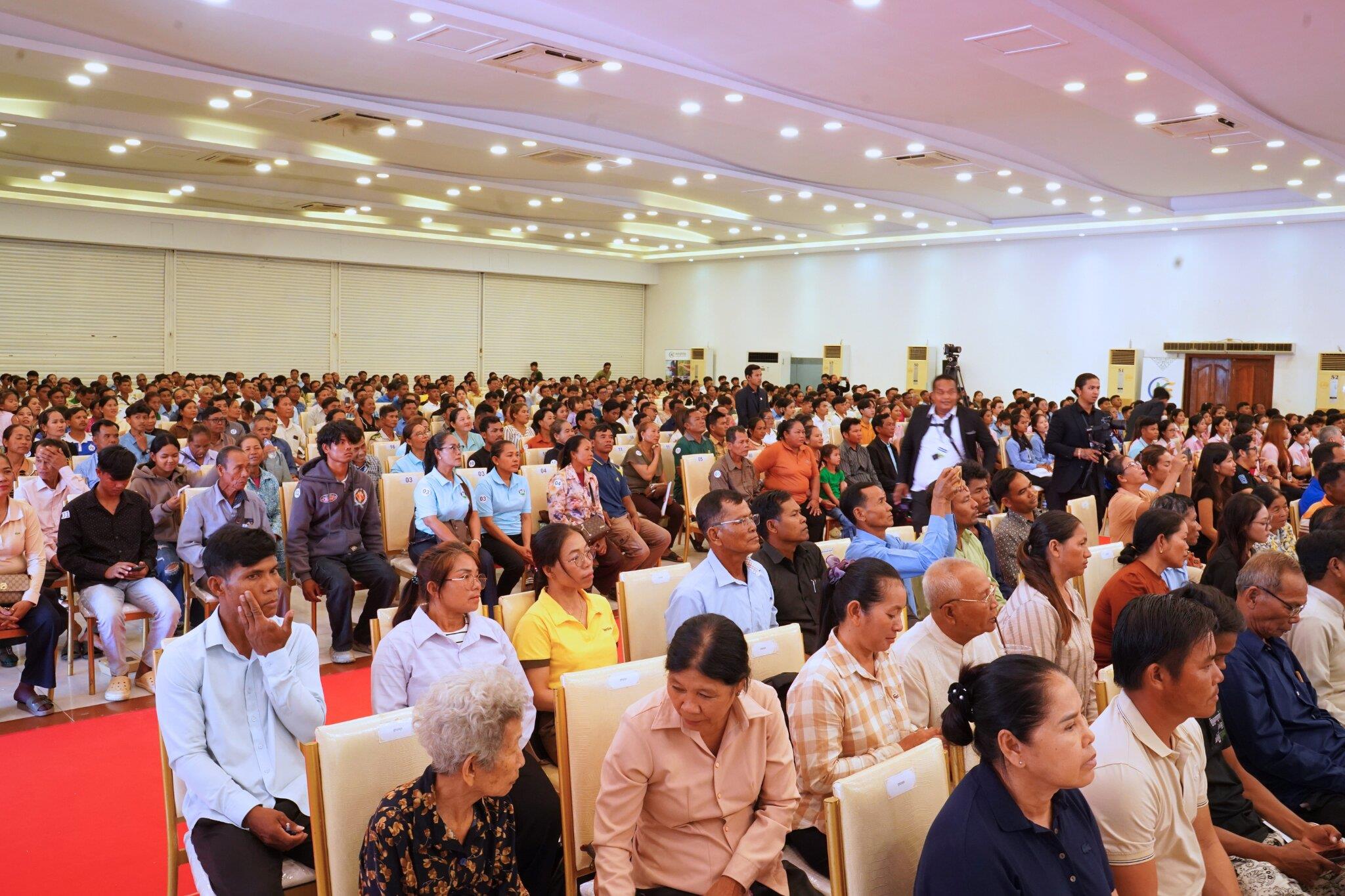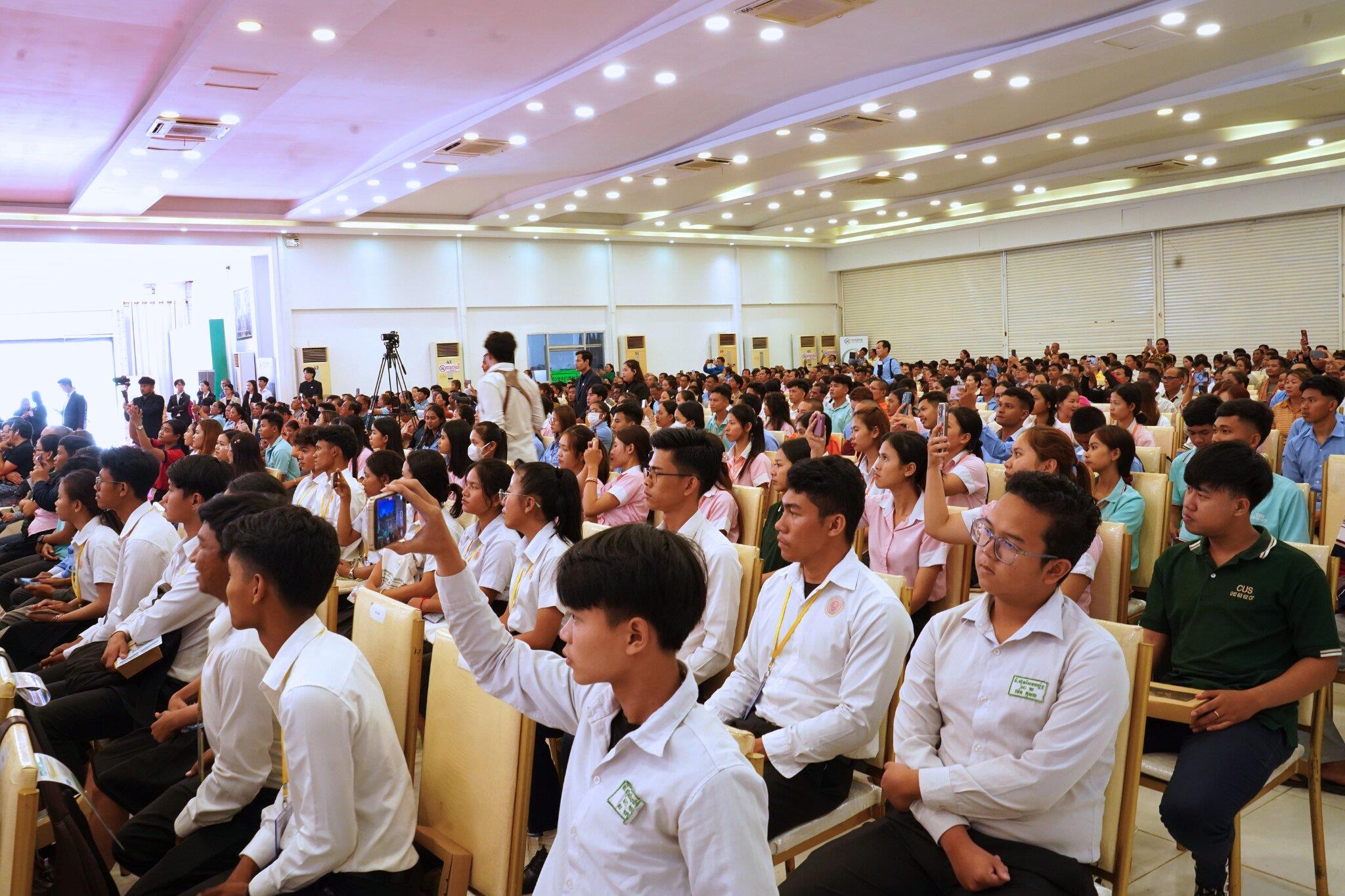

(Kampong Thom): On 6 June 2026, Vongsey Vissoth, Permanent Deputy Prime Minister, Minister in Charge of the Office of the Council of Ministers, and Chairman of the Royal Government Working Group for Kampong Thom Province, presided over the launch ceremony of the “Entrepreneurship Support Program Cluster for Students, Startups, Smallholder Farmers, and Micro, Small and Medium Enterprises (MSMEs) in Kampong Thom Province” which was also attended by Huot Hak, Minister of Tourism, Nuon Pharat, Governor of Kampong Thom Province, Chhieng Vanmunin, Delegate of the Royal Government in Charge as CEO of Khmer Enterprise, Kao Thach, Delegate of the Royal Government in Charge as Director General of the Agricultural and Rural Development Bank (ARDB), Chea Sopheak, CEO of the SME Bank of Cambodia, leaders, and officials of the relevant ministries and institutions as well as entrepreneurs, business owners, teachers, and students, in a total of more than 800 participants.
At the outset, the permanent deputy prime minister highly commended and expressed his appreciation and gratitude to Khmer Enterprise, the Kampong Thom Provincial Administration, relevant ministries and institutions, and the private sector for organising this important initiative.
He noted that the program aims to strengthen the capabilities of business owners, traders, farmers, young entrepreneurs, and startups in Kampong Thom, enabling them to become more competitive, create new products and add value, and build sustainable and growth enterprises, diversifying Kampong Thom’s economic base and transforming the province into one of Cambodia’s key economic pillars.
He further stated that this vision aligns with the aspirations of Cambodian Prime Minister Hun Manet, who envisions Kampong Thom as a centre for production, investment, and tourism capable of creating jobs, generating incomes, and enhancing livelihoods for local communities.
The deputy prime minister observed that despite Kampong Thom’s significant potential, large land area, and sizable population, its socio-economic development indicators remain relatively modest; for instance, per capita income compared to provincial GDP remains low, poverty rates are comparatively high, and the number of registered enterprises is still limited compared to other provinces.
These figures suggest that many residents continue to rely primarily on family-based agricultural activities and that entrepreneurship remains relatively low.
Therefore, he stressed the importance of promoting entrepreneurship, describing entrepreneurs as the “economic generals” who drive growth, development, and value creation in the economy, ultimately improving people’s living standards.
He highlighted that the Royal Government views the private sector, including farmers, artisans, traders, and entrepreneurs with a workforce of approximately 10 million people, as the primary creators of value in Cambodia’s economy.
The purpose of the program, therefore, is to nurture both naturally gifted entrepreneurs and individuals who are eager to learn, innovate, and start businesses, helping them become future “economic generals.”
Vongsey Vissoth emphasised that entrepreneurship requires not only talent but also perseverance, curiosity, a willingness to learn, and a strong entrepreneurial mindset, but also depends on favourable opportunities, a supportive social and economic environment, and a strong entrepreneurial ecosystem.
In this regard, he underscored the responsibility of the public sector to act as an enabler and guide, rather than an obstacle, by creating favourable conditions through policies, education, financing, legal frameworks, and other support mechanisms.
The permanent deputy prime minister also noted that, in a world characterized by rapidly changing geopolitical, economic, technological, and environmental conditions, Cambodia must continuously adapt and modernise its approach to developing entrepreneurial talent and private-sector leadership, particularly among emerging entrepreneurs.
Furthermore, he remarked that Thailand’s recent acts of aggression have reinforced the urgency for Cambodia to strengthen its domestic production capabilities, enhance competitiveness, reduce dependence on imports, and expand local production and services.
In this context, the program serves as an important platform for building national productive capacity, supporting domestic manufacturing for local consumption and export markets, and encouraging a shift from dependency toward self-reliance and income generation; as he put it, the philosophy is to “teach people how to catch fish rather than simply give them fish.”
He stressed that this represents the true foundation of economic development and should be implemented across all provinces to strengthen Cambodia’s resilience.
Before concluding, the permanent deputy prime minister encouraged students to remain hopeful and not allow poverty to limit their potential, transforming hardship into determination and resilience, and advised them to “dream big, but start with small steps.”
He expressed confidence that some of the students participating in the program would become successful Cambodian entrepreneurs in the future.
He also called upon local authorities, relevant institutions, and government working groups to fully support the program’s implementation, emphasising that its success would benefit not only the people of Kampong Thom but also the province as a whole, serving as a meaningful contribution to nation-building and to strengthening Cambodia’s long-term development capacity.
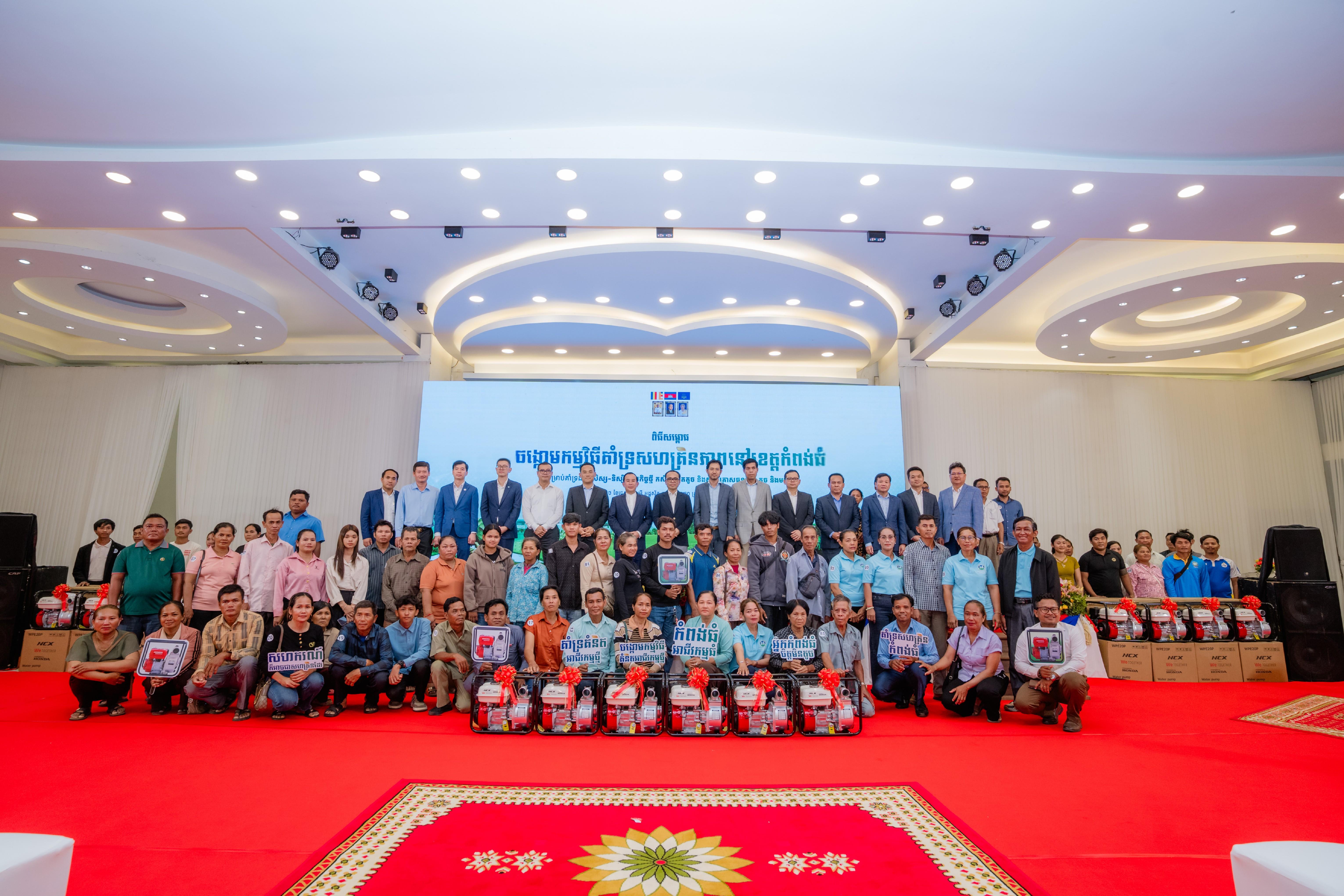
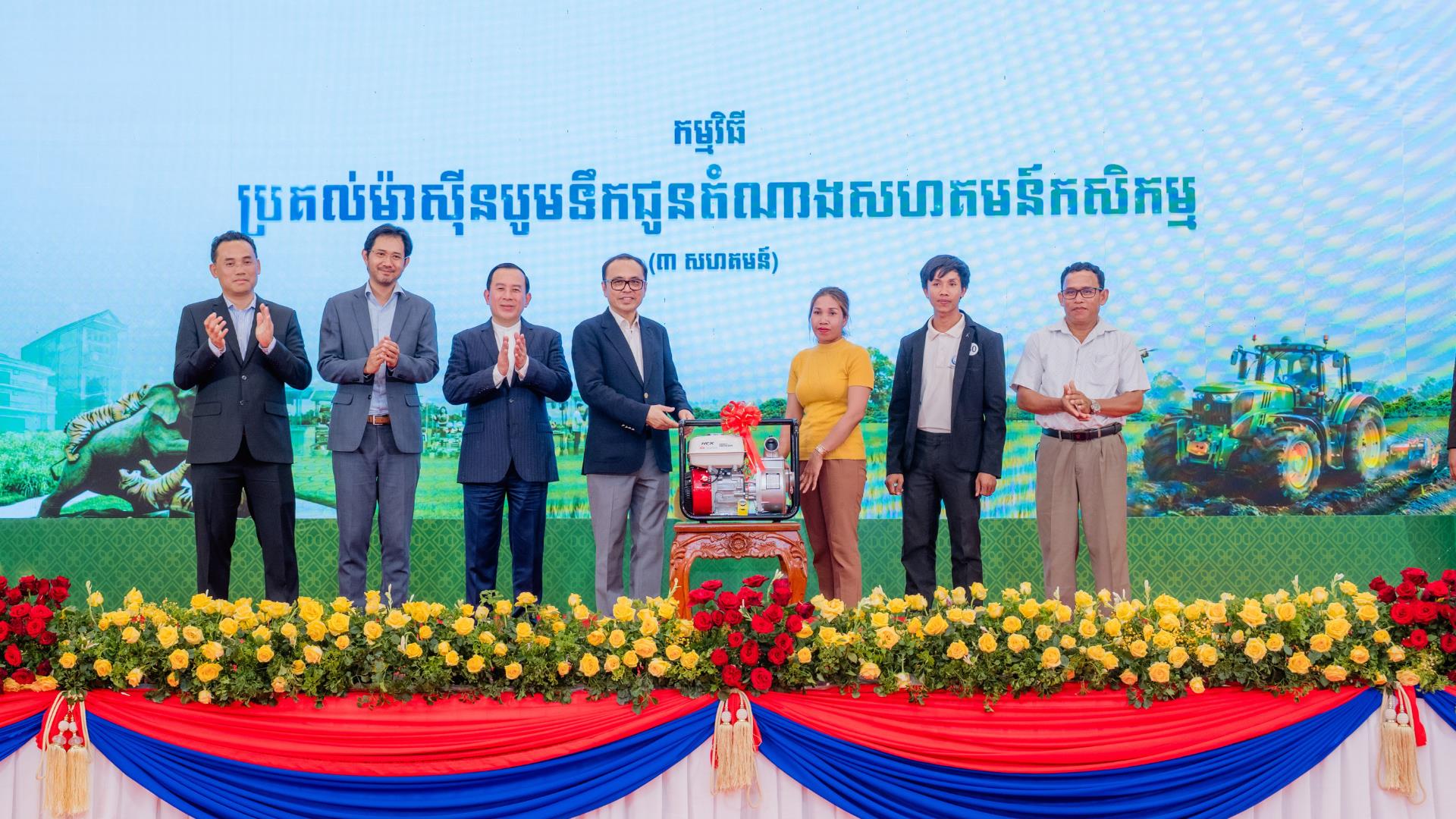
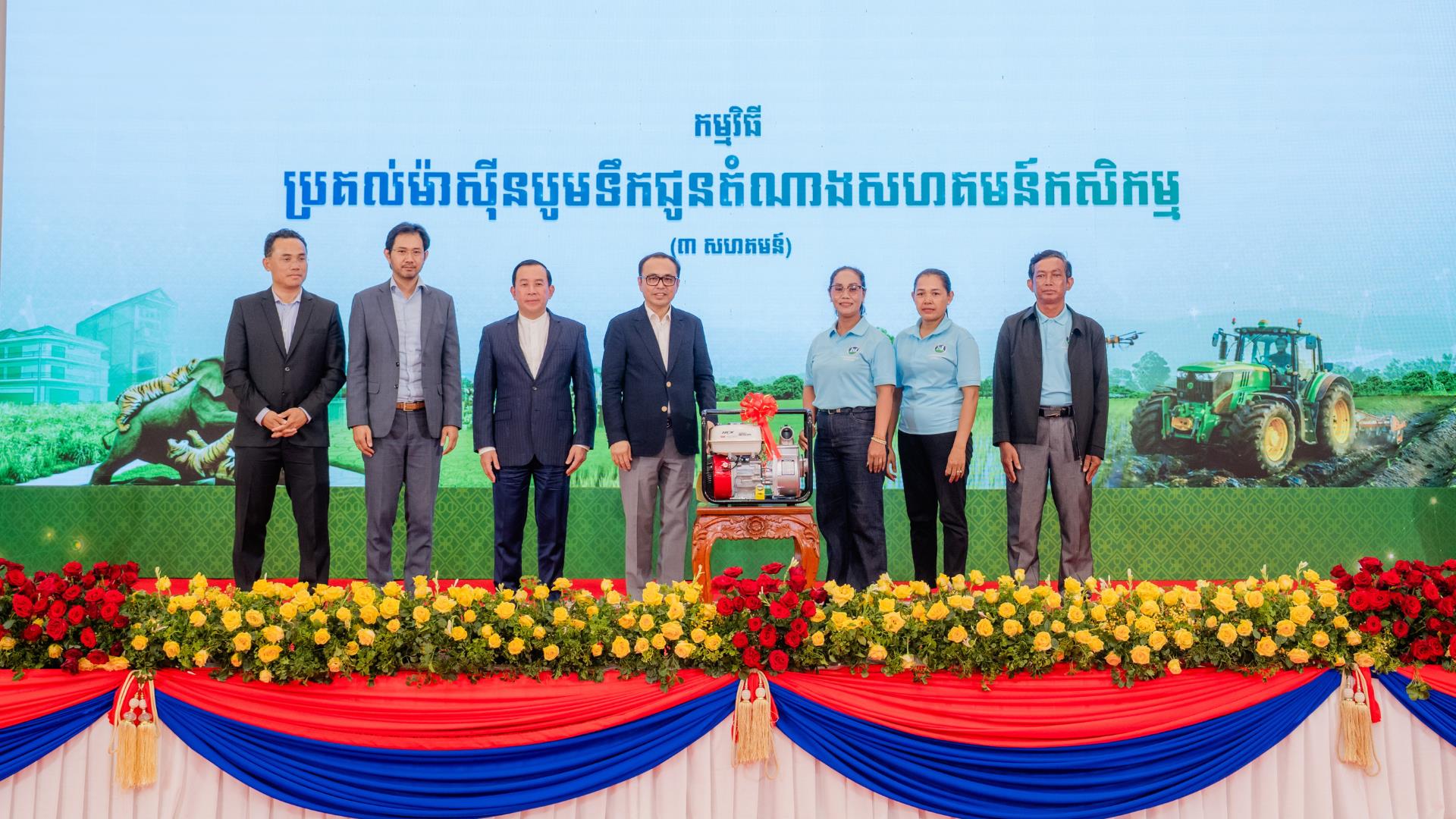
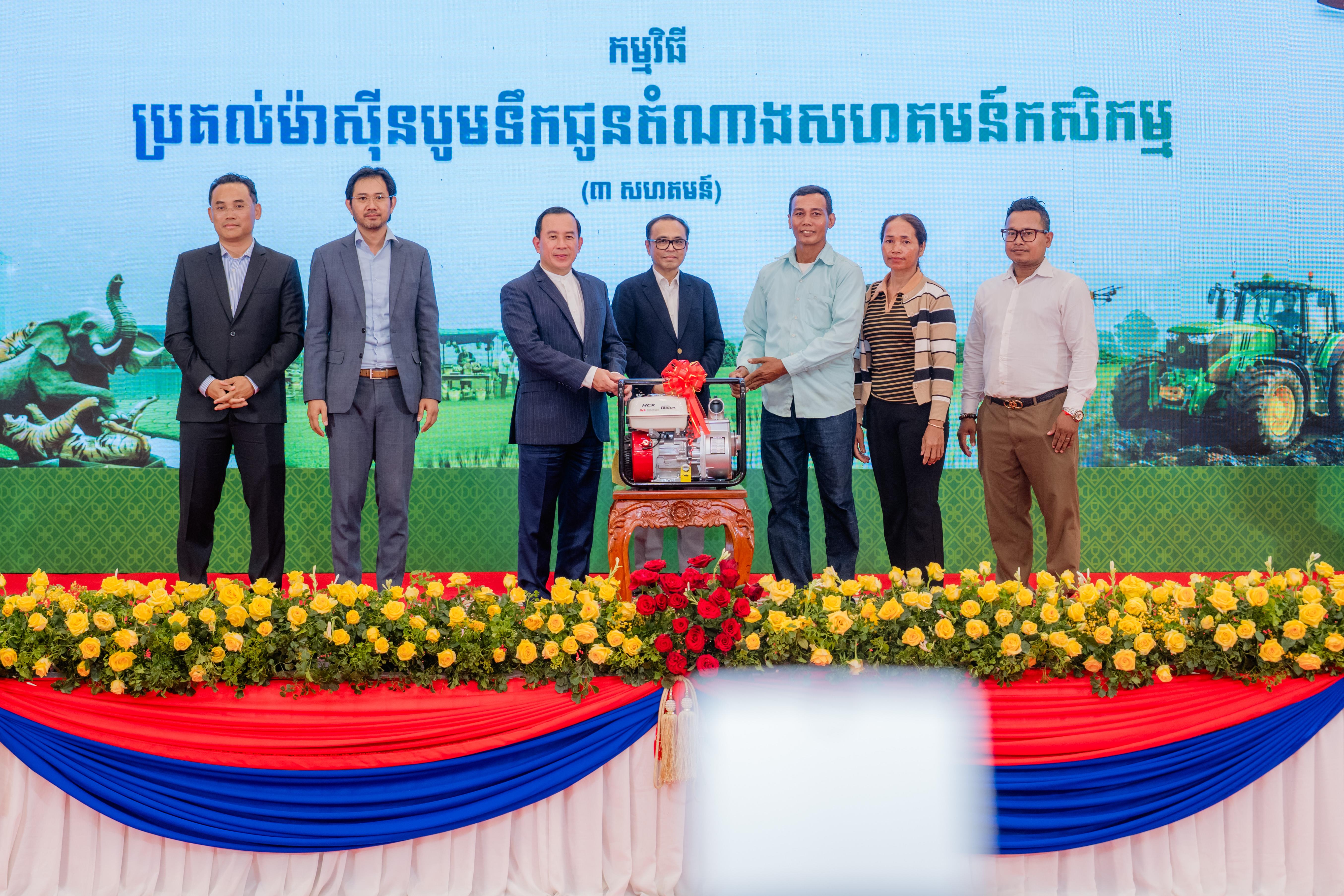
On the occasion, Deputy Prime Minister Vongsey Vissoth also handed over 30 Honda water pump machines, sponsored by NCX Company through the collaboration between Khmer Enterprise and Grow Asia Partnership, to three agricultural cooperatives in Kampong Thom Province.
=FRESH NEWS