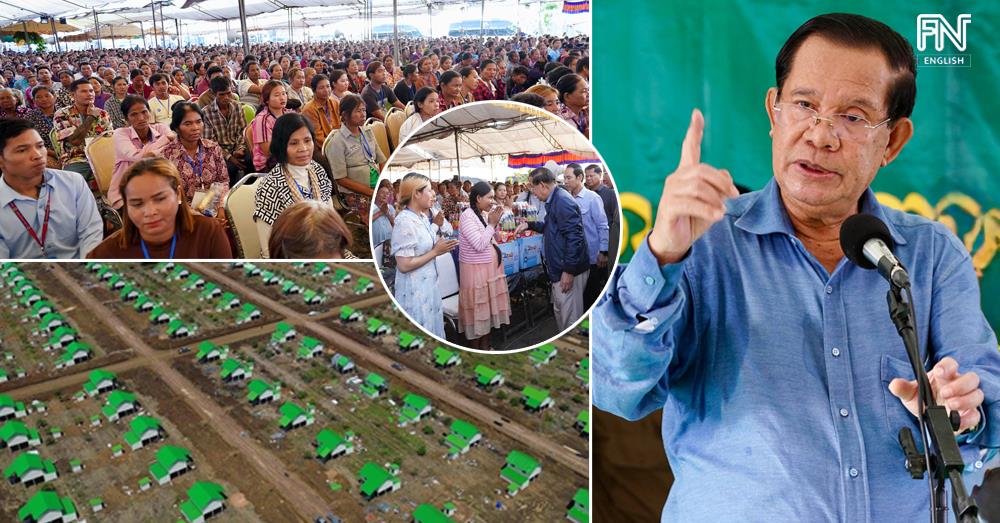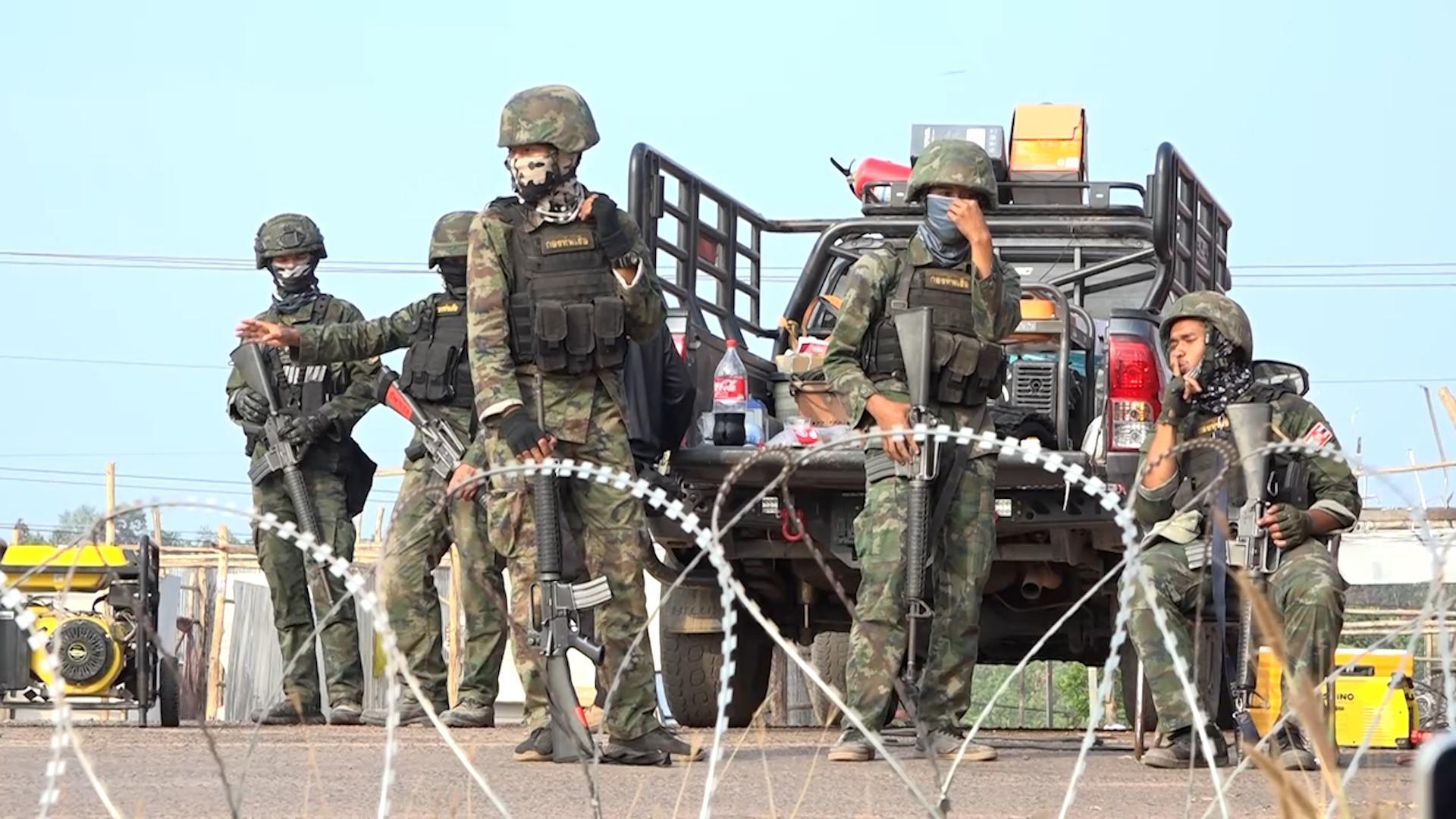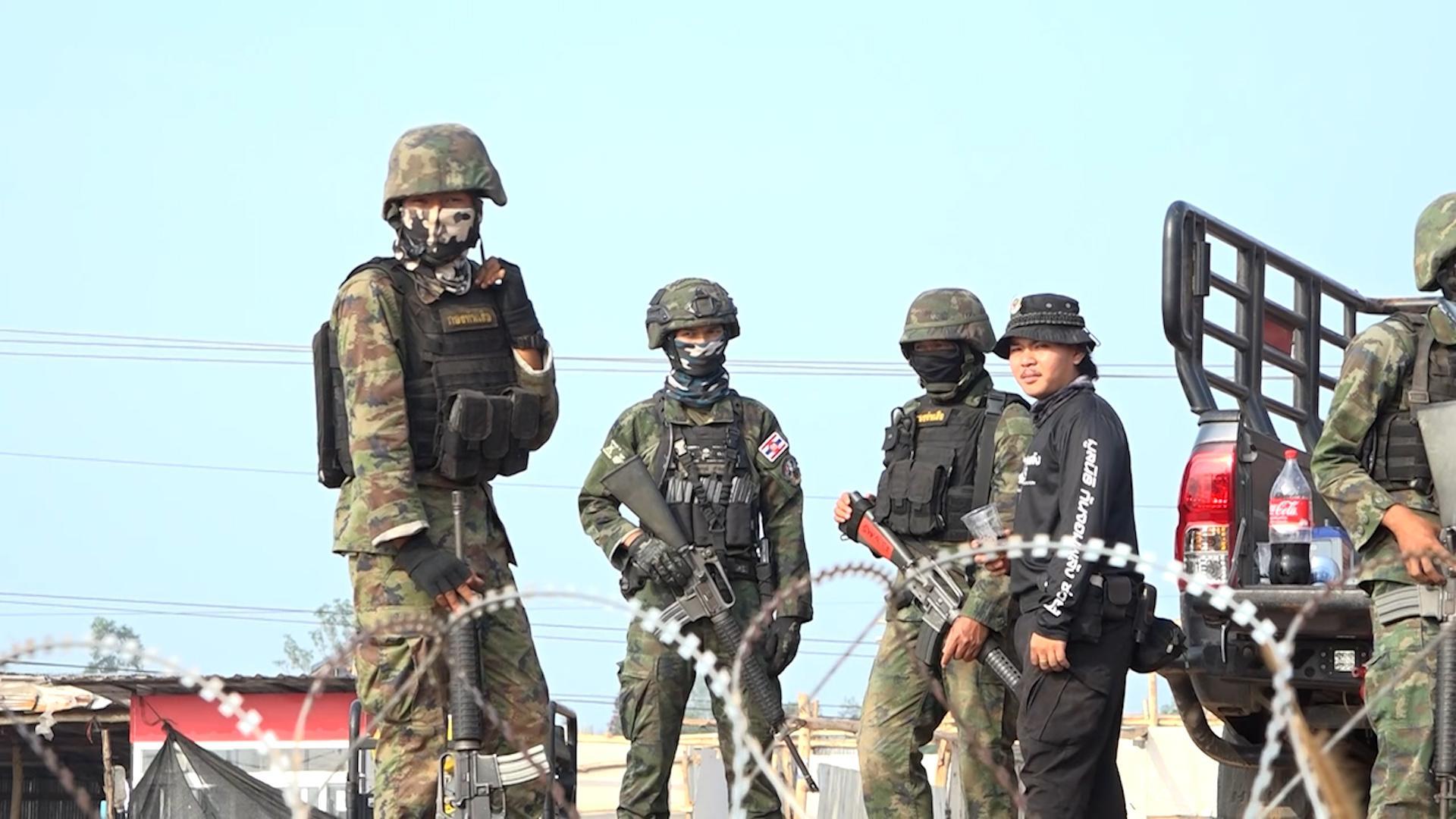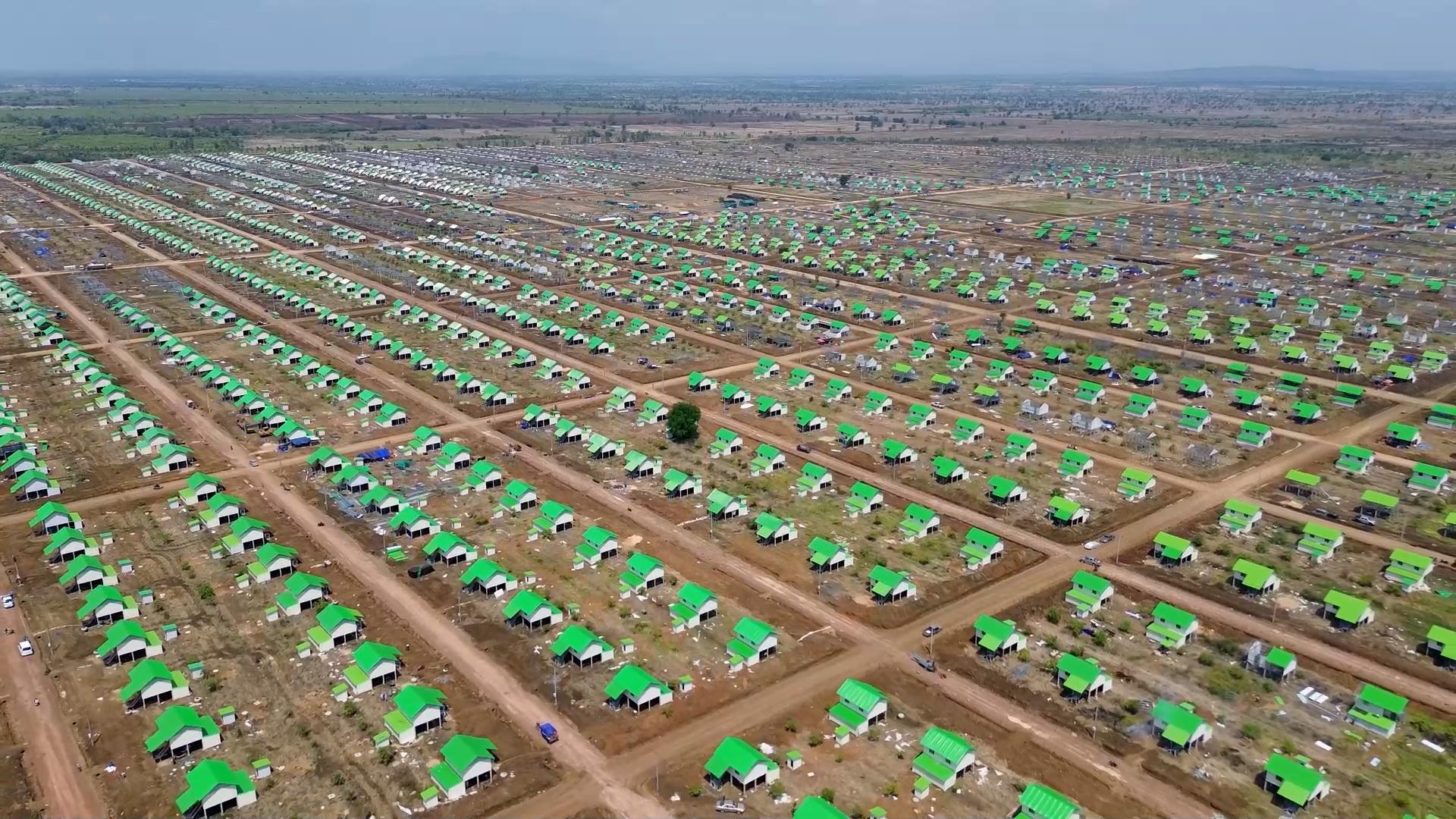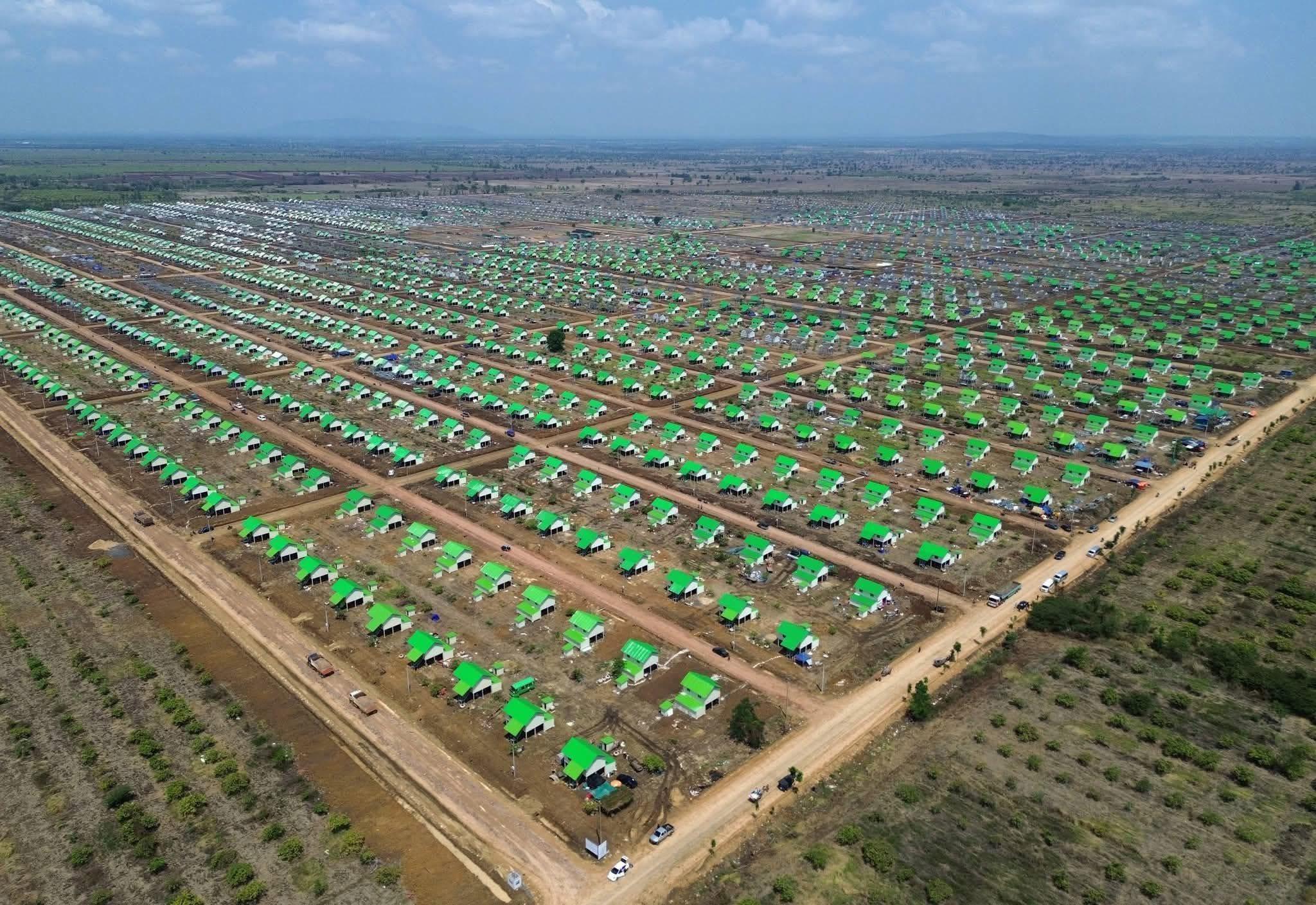

(Phnom Penh): At a time when more than 3,000 Cambodian families are living in temporary shelters after losing their homes and native villages because of the border conflict, the naming of a refugee settlement as “Waiting Village” carries far greater meaning than that of an ordinary village name.
It is a political message, a historical message, and a message of sovereignty.
The word “waiting” does not mean surrender. It does not mean abandonment.
Rather, it means Cambodia will continue to seek the return of its territory through means that do not destroy the lives of its people or the future of the nation.
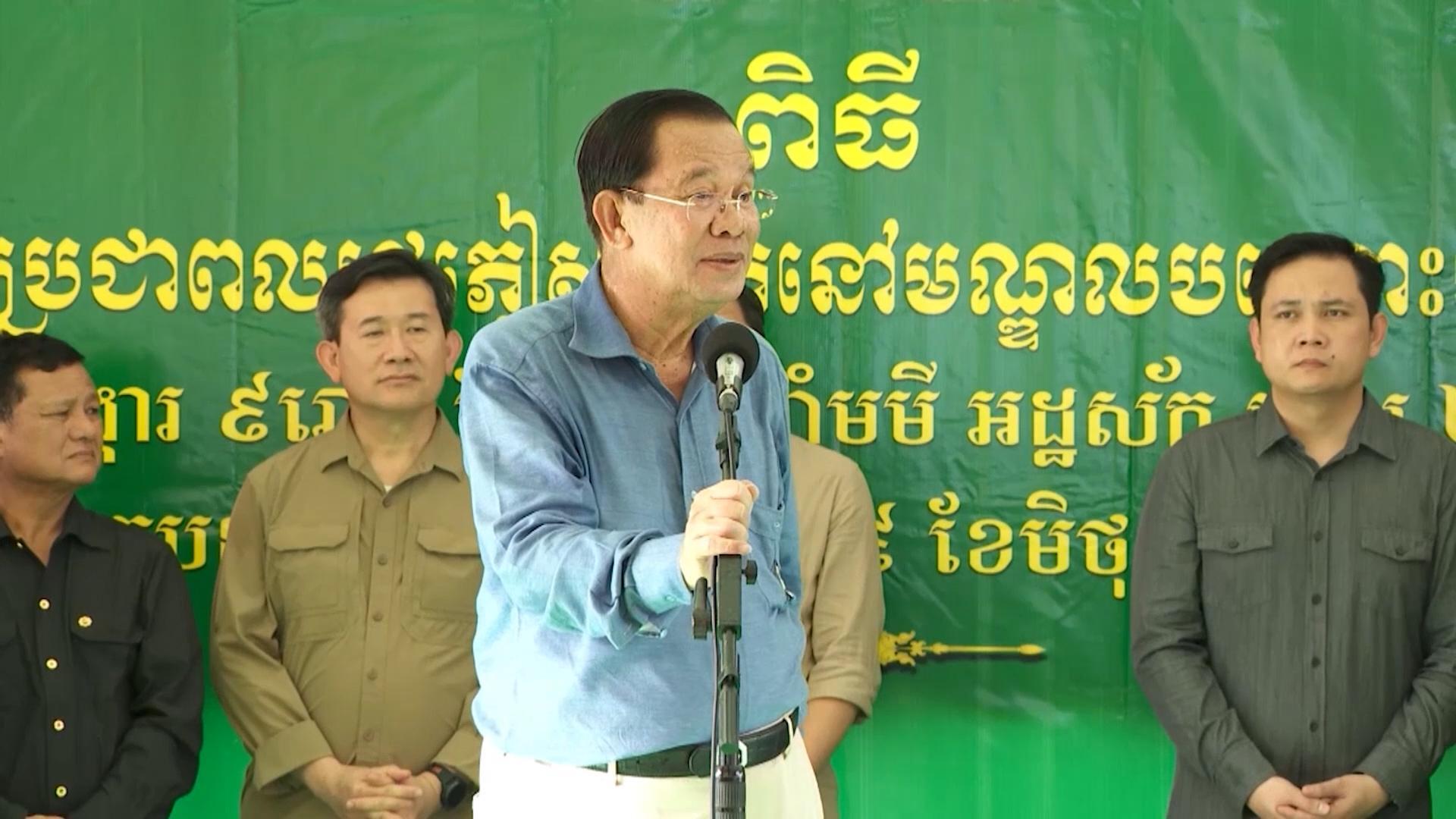
During a meeting and aid distribution ceremony for 3,318 displaced families at the temporary refugee center in Slakram Village, Svay Chek District, Banteay Meanchey Province, on June 9, 2026, Samdech Hun Sen, Acting Head of State of the Kingdom of Cambodia, delivered a firm political message to the Cambodian people, the region, and the international community.
That message was clear: Cambodia will never recognize territorial occupation achieved through the use of force. At the same time, Cambodia will not choose war as a means to reclaim its land.
This position reflects Cambodia’s effort to balance sovereignty with peace within its broader national strategy.
“We do not recognize the use of force to occupy territory. Around the world, no legitimate border can be established through force,” Samdech Hun Sen stated.
The Cost of Trust
One of the most striking aspects of Hun Sen’s remarks was his rare public acknowledgment of personal responsibility.
Reflecting on the post-war period following Cambodia’s Win-Win Policy, which ended decades of civil war, Samdech Hun Sen recalled that the government’s objective had been to transform former conflict zones along the border into areas of cooperation, stability, and development.
He noted that although clashes occurred around the Preah Vihear Temple area between 2008 and 2013, those confrontations did not spread across the entire Cambodia–Thailand border, nor did they severely damage broader economic and social relations between the two countries.
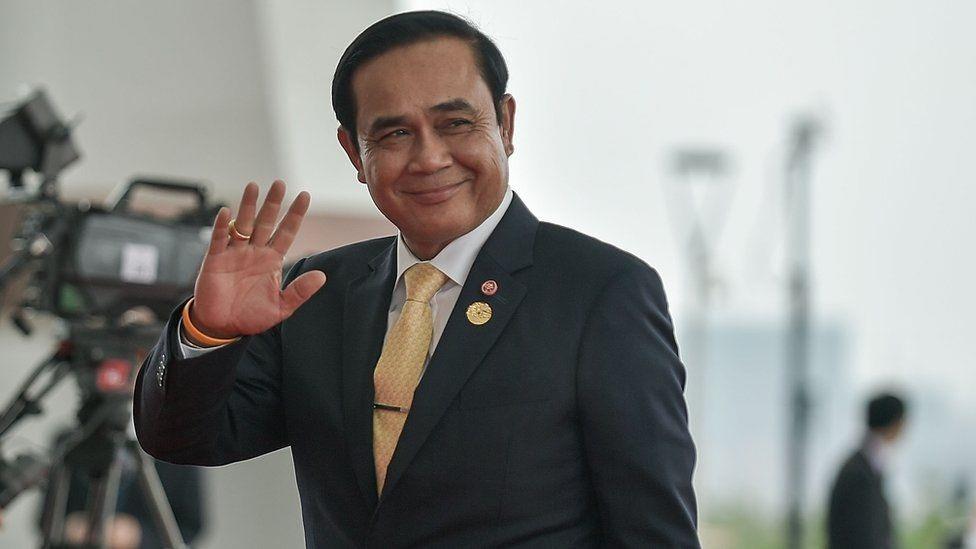
Samdech Hun Sen explained that during his nine years of working closely with former Thai Prime Minister Prayut Chan-o-cha from 2014 to 2023, he had developed deep confidence in Cambodia–Thailand cooperation.
Because of that trust, Cambodia shifted national spending priorities away from military expansion and toward development projects such as roads, bridges, hospitals, schools, and post-war reconstruction.
“Because of that trust, while I was Prime Minister with full authority, I made no preparations for war. Therefore, when the situation happened, it was my mistake — not the fault of the current Prime Minister,” Samdech Hun Sen admitted.
This was not a defensive statement. It was an acknowledgment that Cambodia genuinely believed in a future built on peace and regional cooperation.
However, the border war of late 2025 demonstrated that, in geopolitics, trust itself can become a strategic vulnerability.
“Waiting Village”: A Small Name With a Powerful Meaning
Throughout history, refugees have often lost not only their homes, but also their identity and hope.
But the naming of “Waiting Village” rejects the idea that loss must become permanent.
Samdech Hun Sen emphasized that Cambodia was not building this village as a symbol of surrender.
“We are not building this village because we are abandoning our territorial claims. This village should be called ‘Waiting Village,’” he declared.
The message behind the name is significant:
- Cambodia does not recognize territorial loss imposed through force.
- Displaced citizens are not people without a homeland.
- The word “waiting” symbolizes hope that one day these families will return to their native villages.
In this sense, “Waiting Village” becomes a political symbol — one that preserves Cambodia’s sovereignty claims without resorting to war.
Why Cambodia Rejects War
Hun Sen reaffirmed that Cambodia remains determined to reclaim territory allegedly occupied illegally by Thai forces. However, he outlined two possible approaches:
1. Military force
2. Peaceful negotiation
The most important part of his remarks was his explanation of why Cambodia refuses to choose war.
The first reason is political and diplomatic.
If Cambodia fired the first shot, it could be accused of violating the ceasefire agreement and initiating renewed conflict.
The second reason is humanitarian.
War does not only involve territory.
It produces casualties, refugees, destroyed villages, interrupted education for children, and severe economic devastation.
The third reason is military reality.
Samdech Hun Sen openly acknowledged that even if territory could be retaken through force, maintaining control would likely lead to endless cycles of conflict and retaliation.
This reflects what may be called a “state strategy” mindset — one driven by long-term national interest rather than emotional calls for revenge.
International Law as Cambodia’s Strategic Weapon
Samdech Hun Sen also linked the border issue to the 1904 and 1907 treaties and conventions, which form the legal foundation of the Cambodia–Thailand and Cambodia–Laos borders.
His remarks reinforced Cambodia’s argument that border disputes cannot be resolved through unilateral interpretation or military coercion.
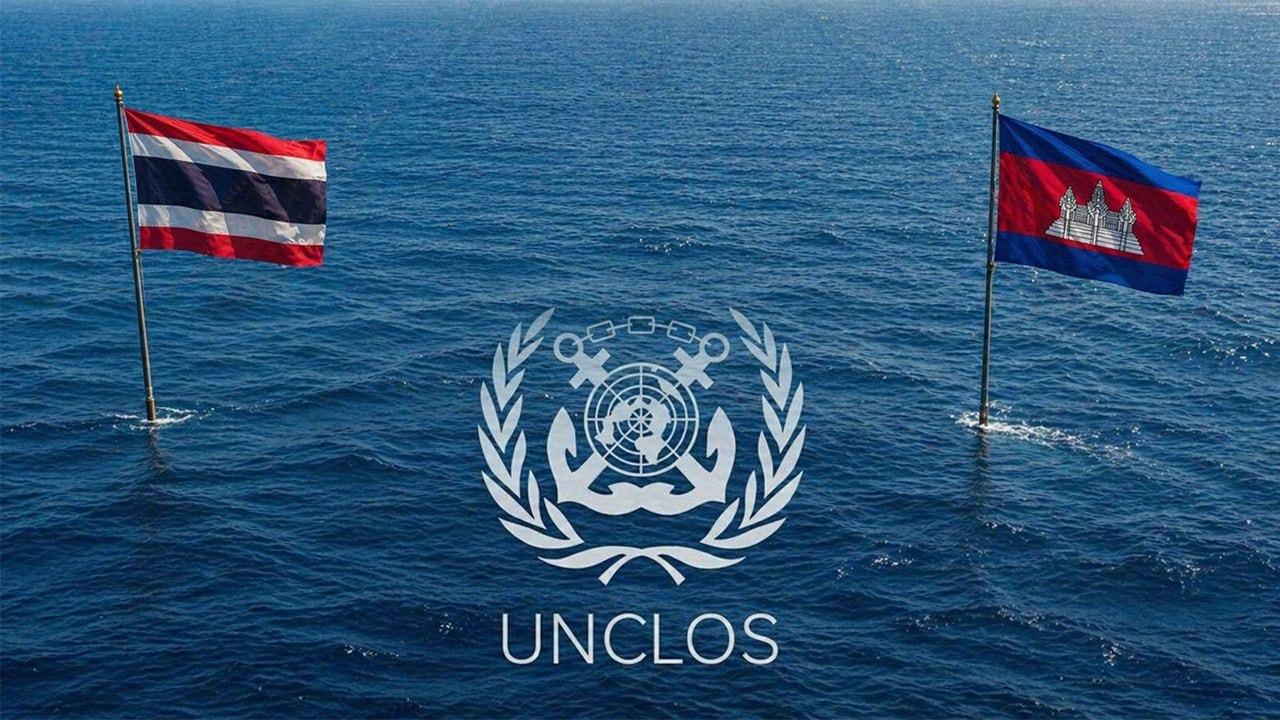
This aligns with Cambodia’s broader diplomatic strategy, including its decision to pursue international legal mechanisms such as compulsory conciliation under the United Nations Convention on the Law of the Sea (UNCLOS), following Thailand’s cancellation of the 2001 MoU and disputes surrounding the Annex I 1:200,000 map associated with the Franco–Siamese treaties.
Notably, several Thai legal and geopolitical analysts themselves have warned that rejecting these historical legal instruments could place Thailand in what some describe as an “international legal trap.”
Cambodia’s Struggle for Legitimacy
Modern conflict is no longer fought only on military battlefields.
It is also fought in courtrooms, diplomatic arenas, and in the judgment of the international community.
Cambodia understands clearly that military force alone cannot guarantee lasting peace.
For that reason, Cambodia appears to be choosing a different path — one rooted in international law, diplomacy, and legitimacy.
In this kind of struggle, victory does not necessarily belong to the side with the largest arsenal. Instead, it belongs to the side that can demonstrate to the world that it respects international law, avoids violating ceasefire agreements, refrains from provoking war, and continues seeking peaceful solutions even under pressure.
Conclusion
“Waiting Village” may appear today as only a temporary settlement.
But in Cambodia’s history, it may eventually come to symbolize an era in which Cambodian citizens were forced from their homeland, yet never abandoned their legitimate claims under international law.
It symbolizes a nation that has suffered aggression without embracing revenge through war.
It also symbolizes a country that understands war may destroy many things, but can never break a nation’s determination to defend its sovereignty and legitimate rights.
At a time when many conflicts around the world are still being resolved through gunfire, Cambodia is attempting to demonstrate that even a small nation can defend its territory and national dignity through international law, diplomacy, and strategic patience.
Perhaps this is Cambodia’s greatest struggle — not a struggle to win war, but a struggle to win peace without surrendering sovereignty.