
(Phnom Penh): There are moments in public service when a single visit reveals an entire philosophy of leadership.
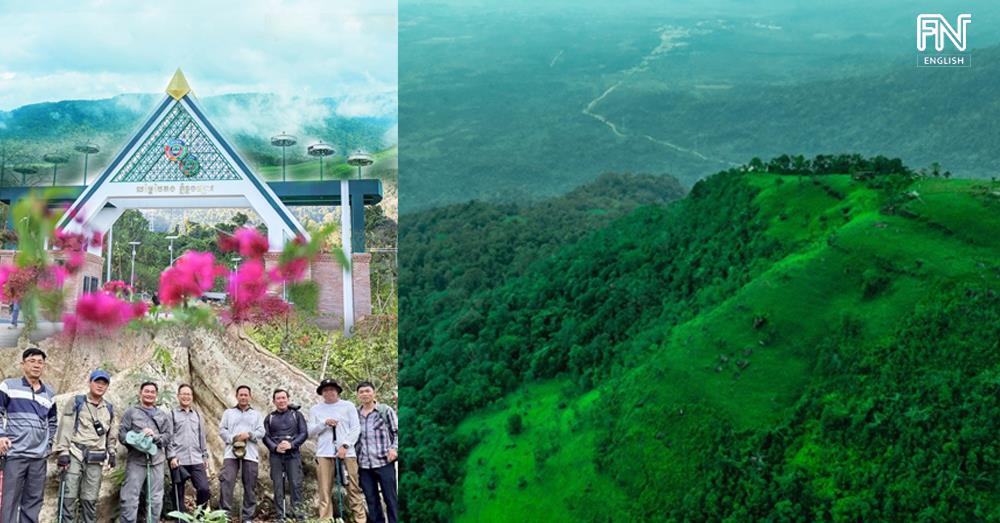
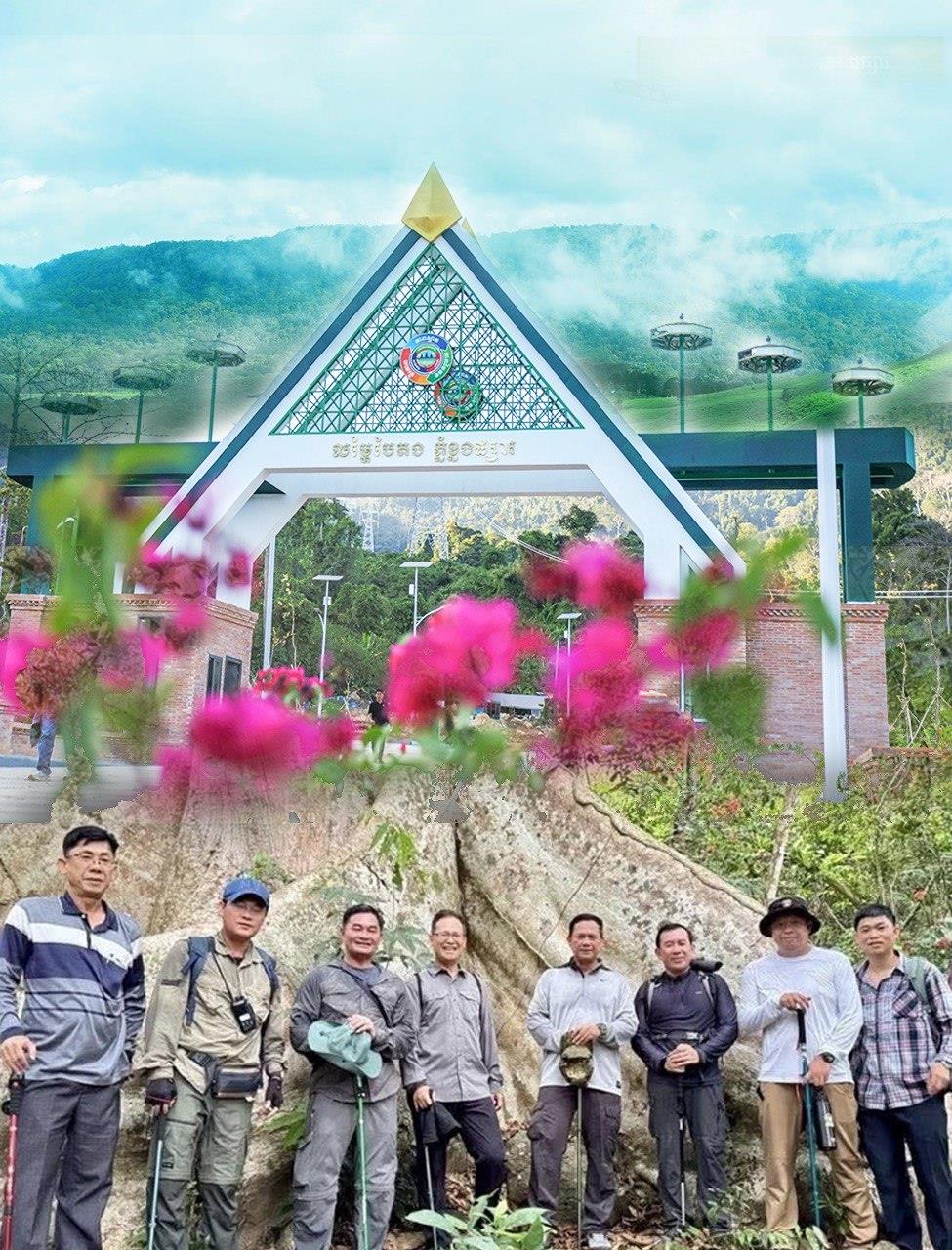
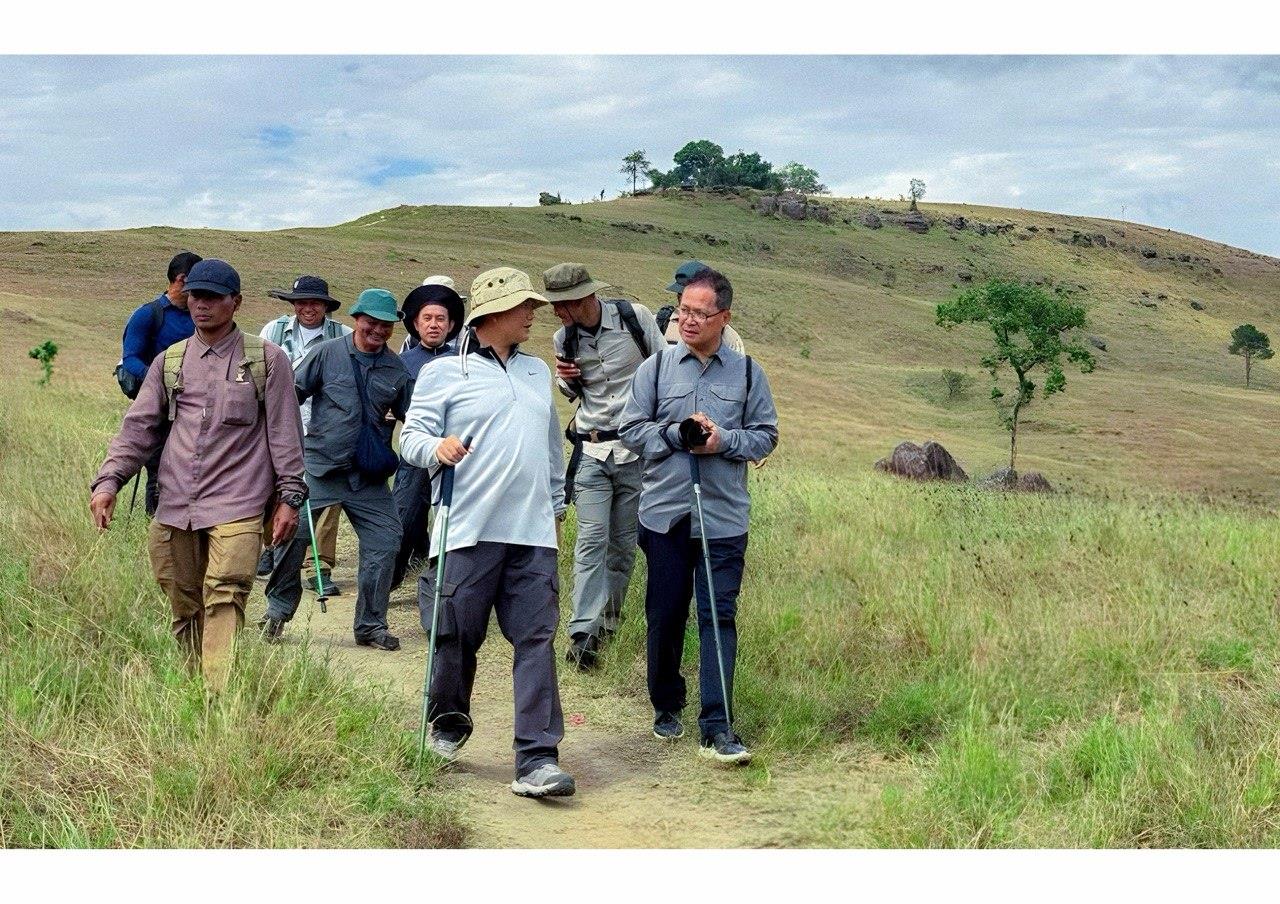
The recent visit of Cambodian Prime Minister Hun Manet to Knong Psar was one such moment.
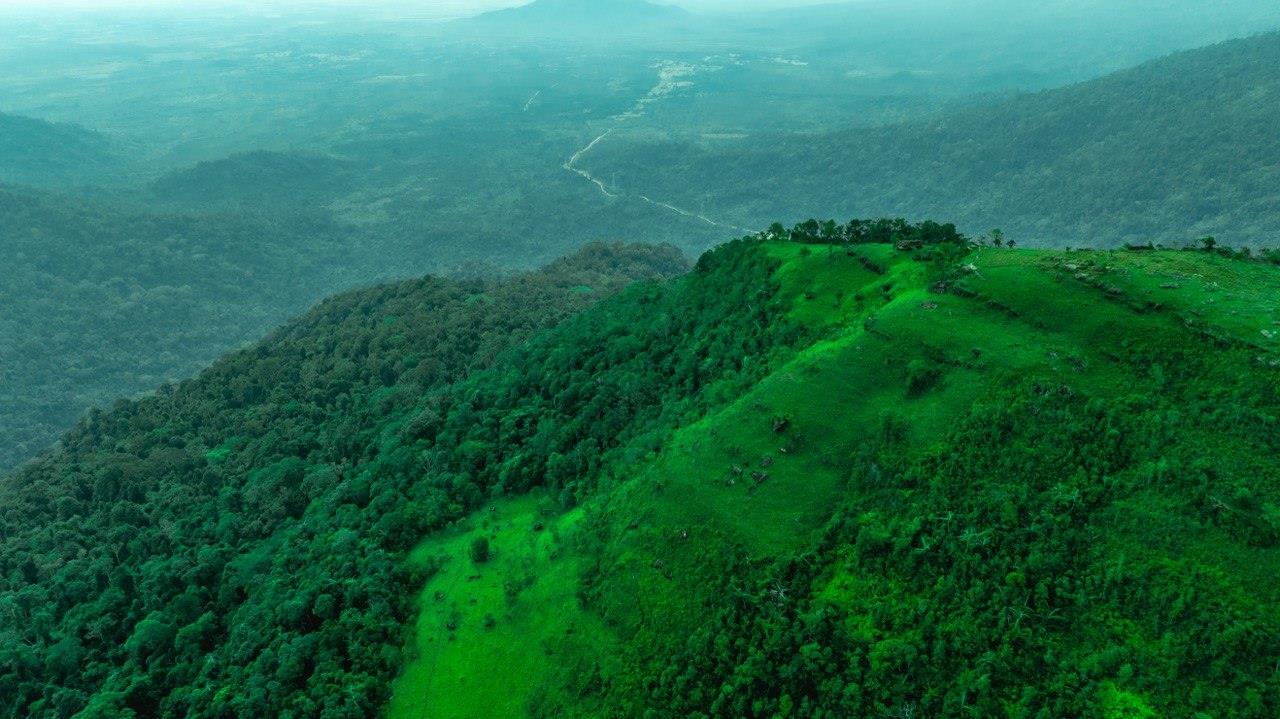
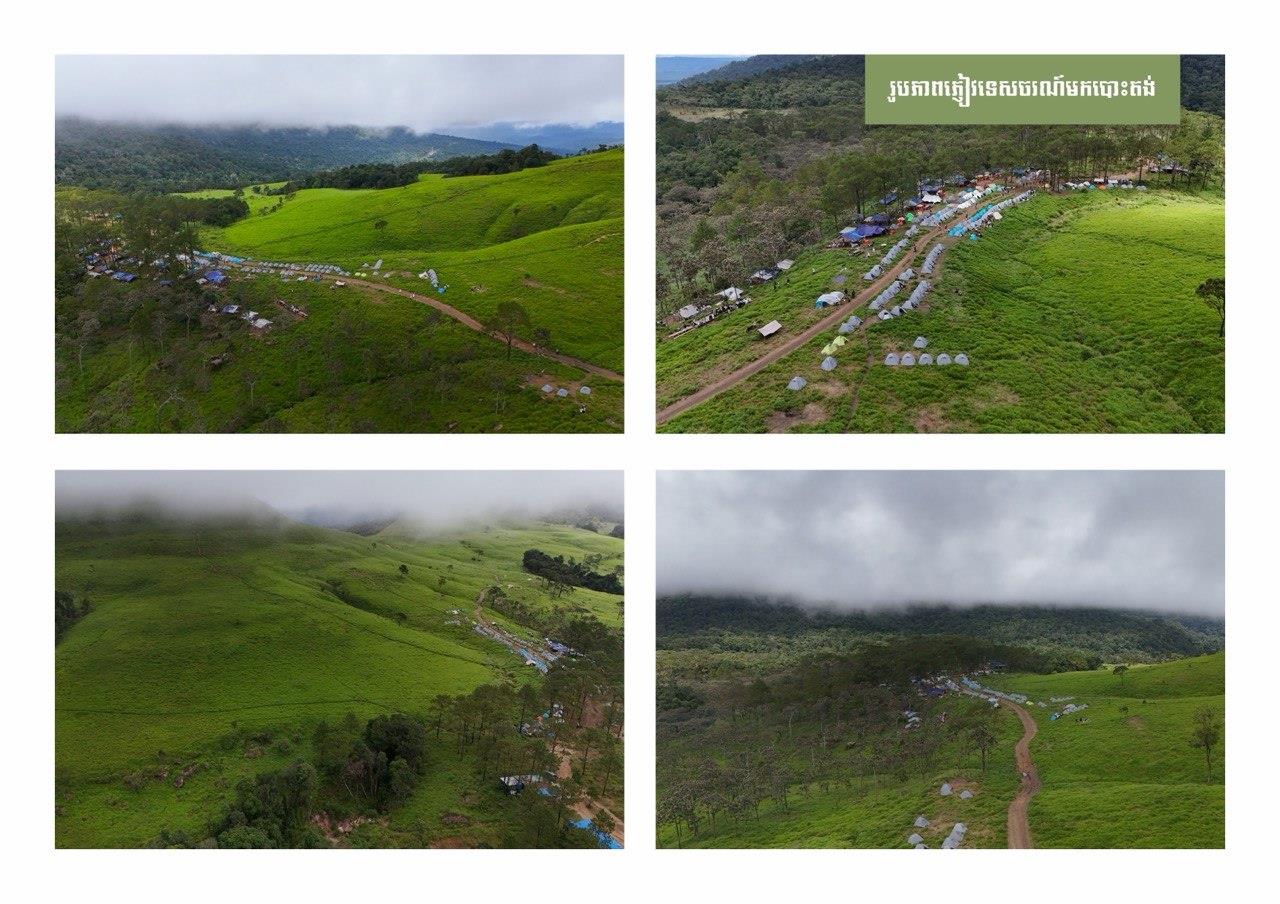
Nestled within a protected area, Knong Psar is home to one of Cambodia’s most remote and economically challenged communities.
For generations, many families depended almost entirely on forest and non-forest products for their livelihoods. Their survival was closely tied to nature, but opportunities for economic advancement remained limited.
During his visit, the prime minister did not merely observe the challenges facing the community. He envisioned a pathway forward.
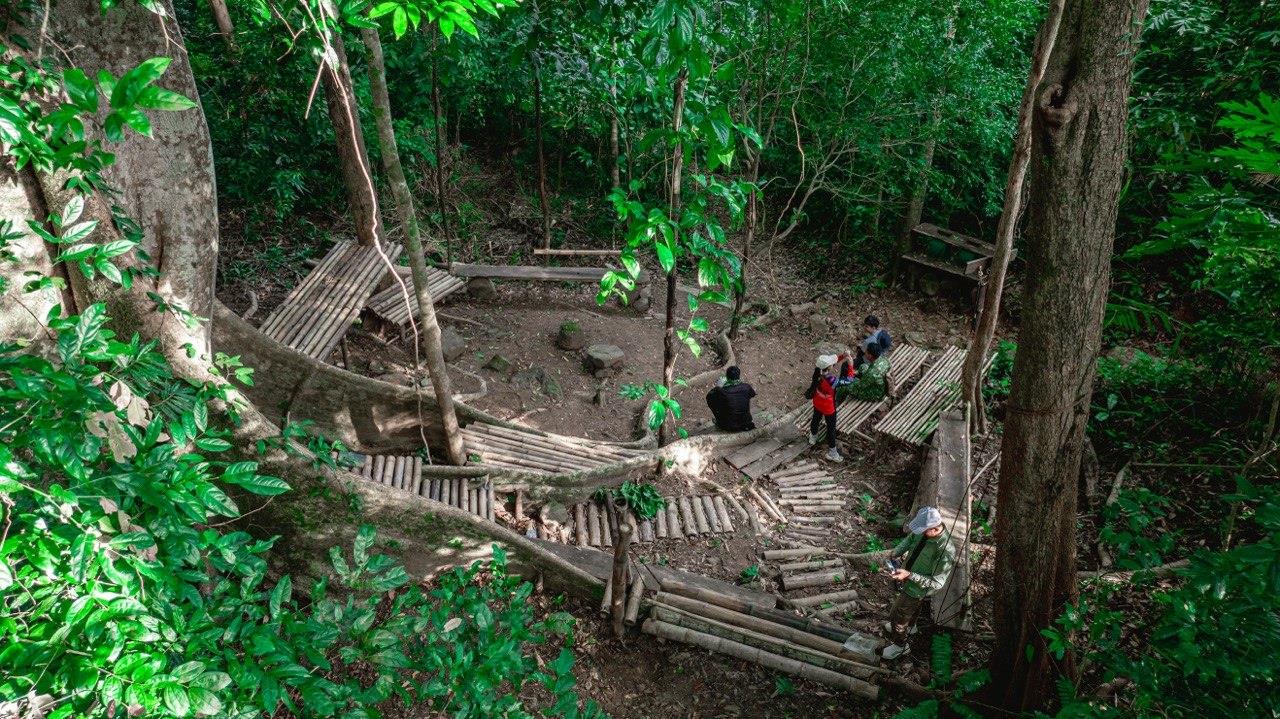
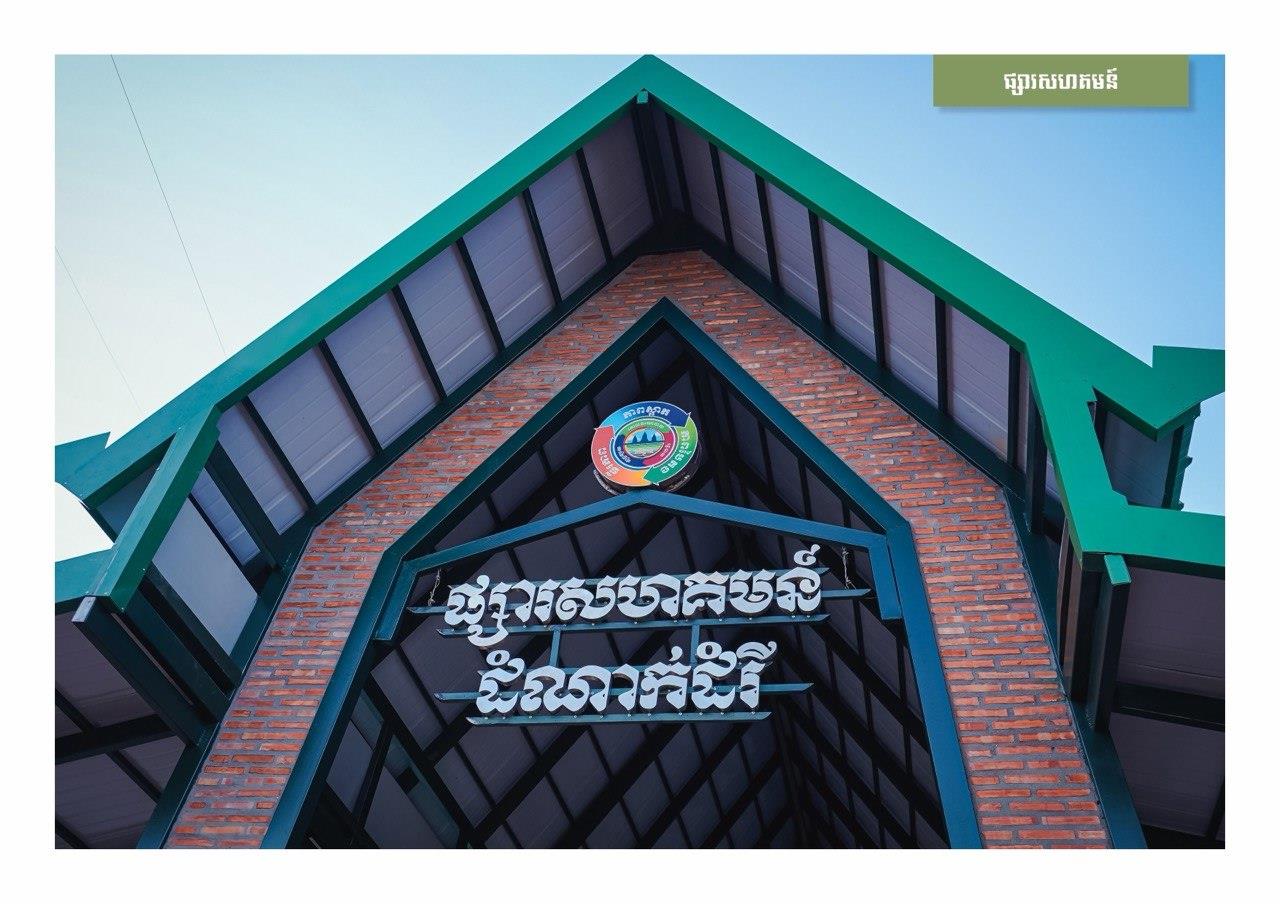
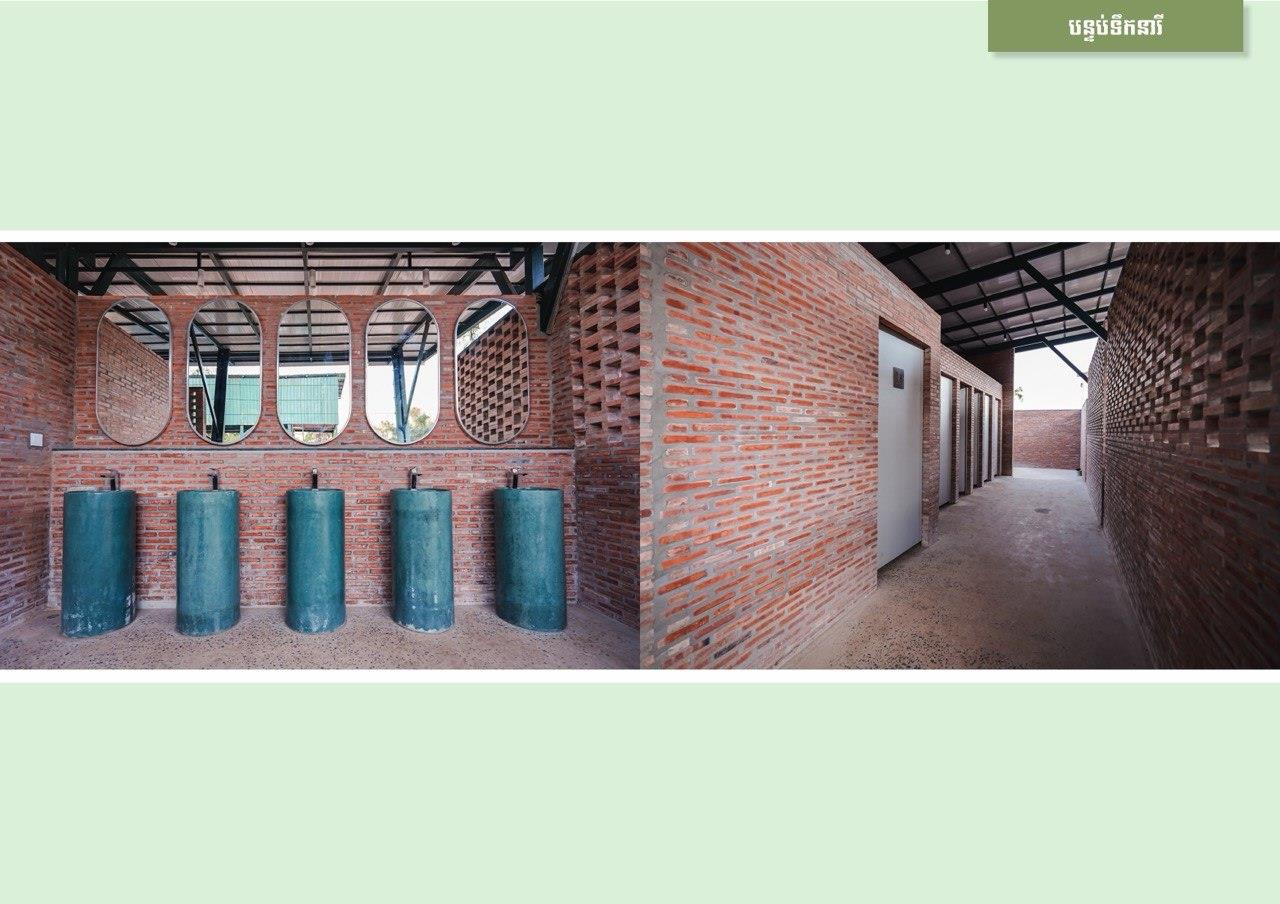
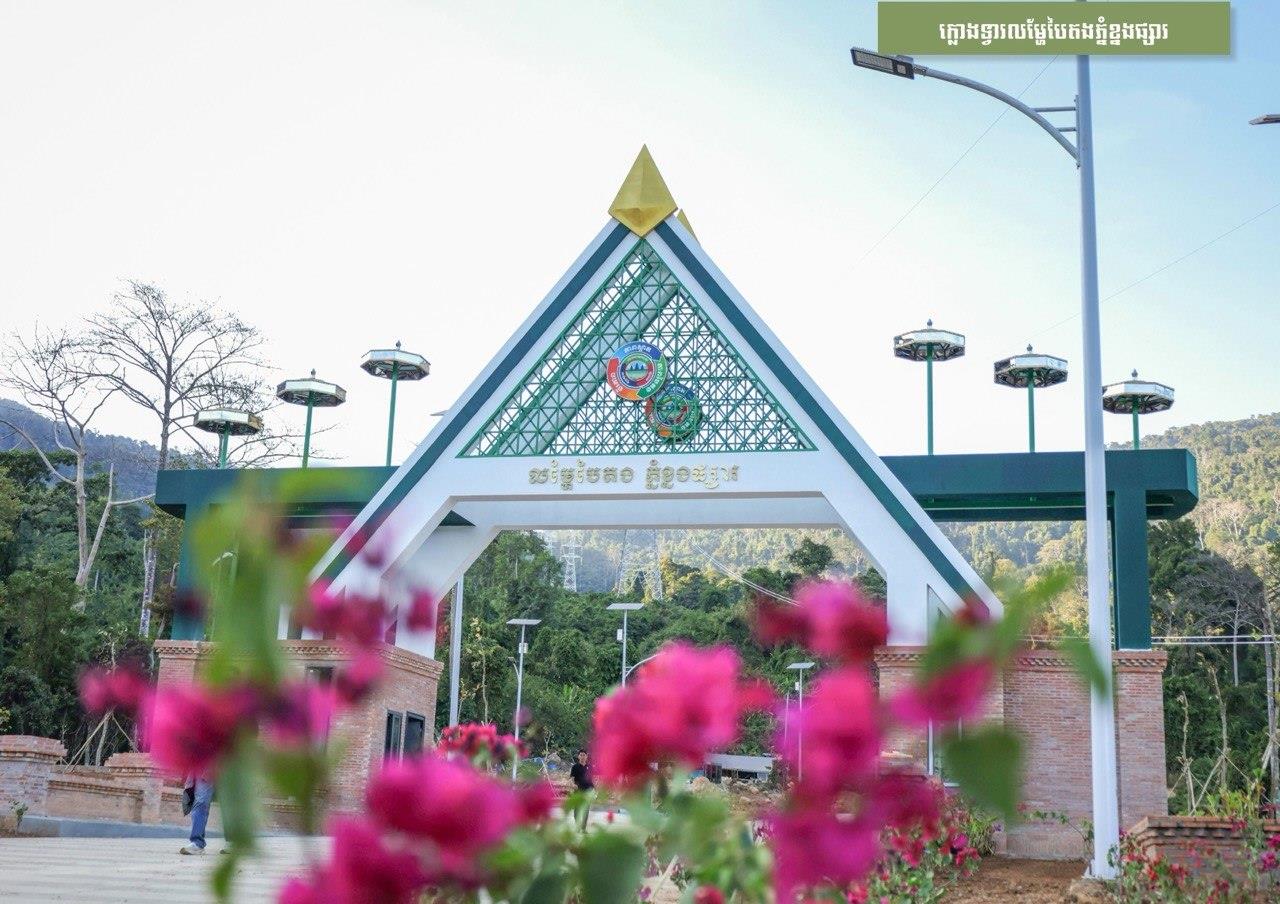
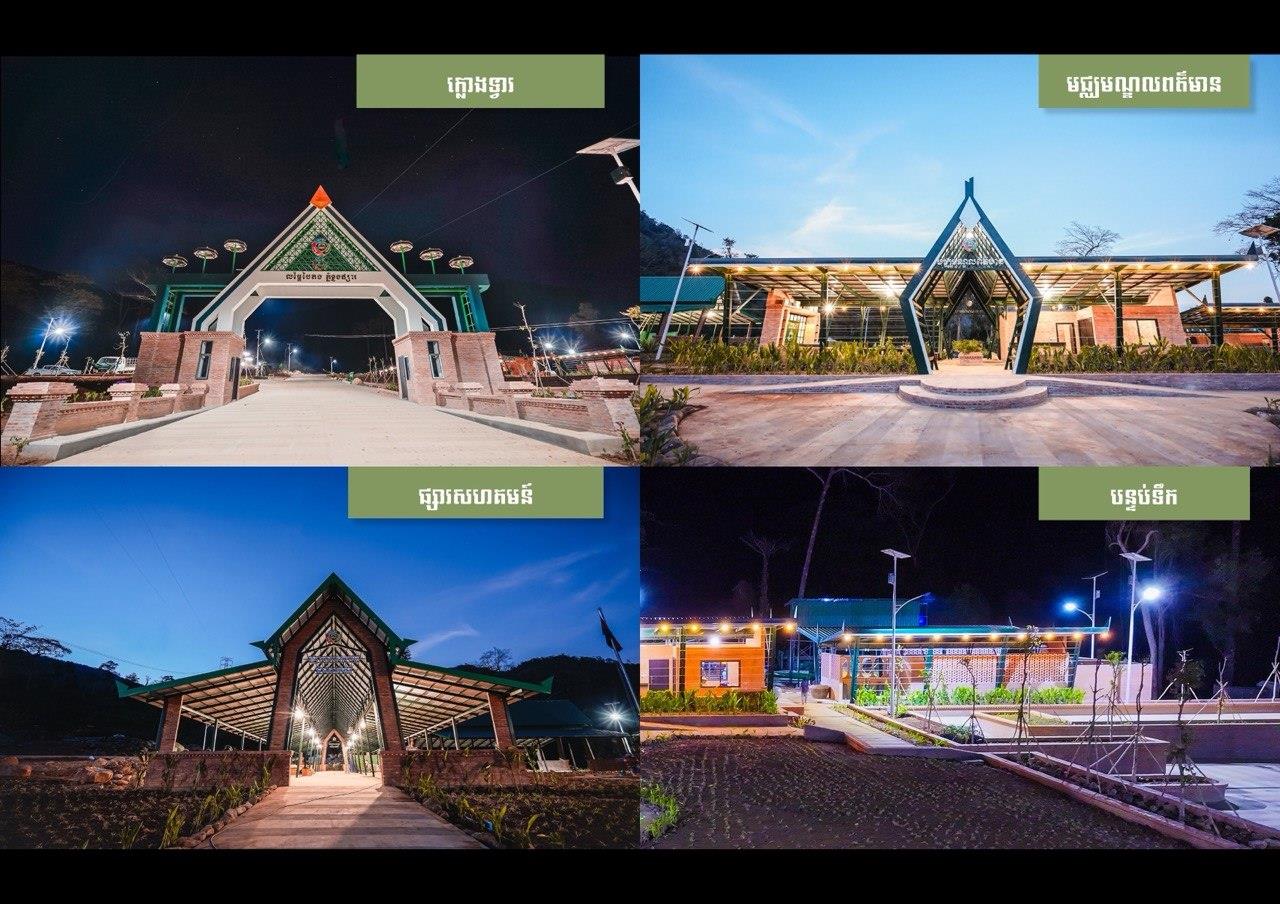
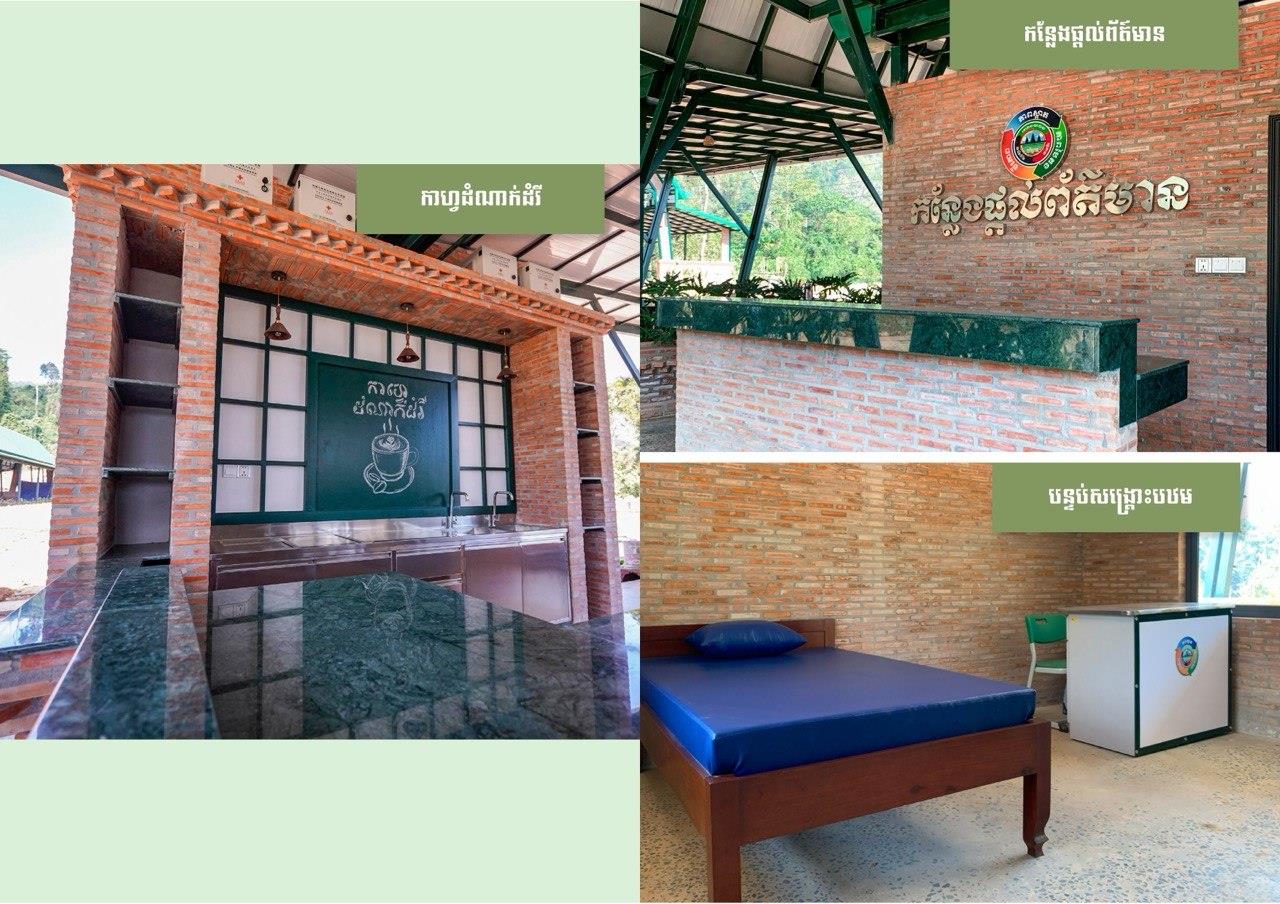
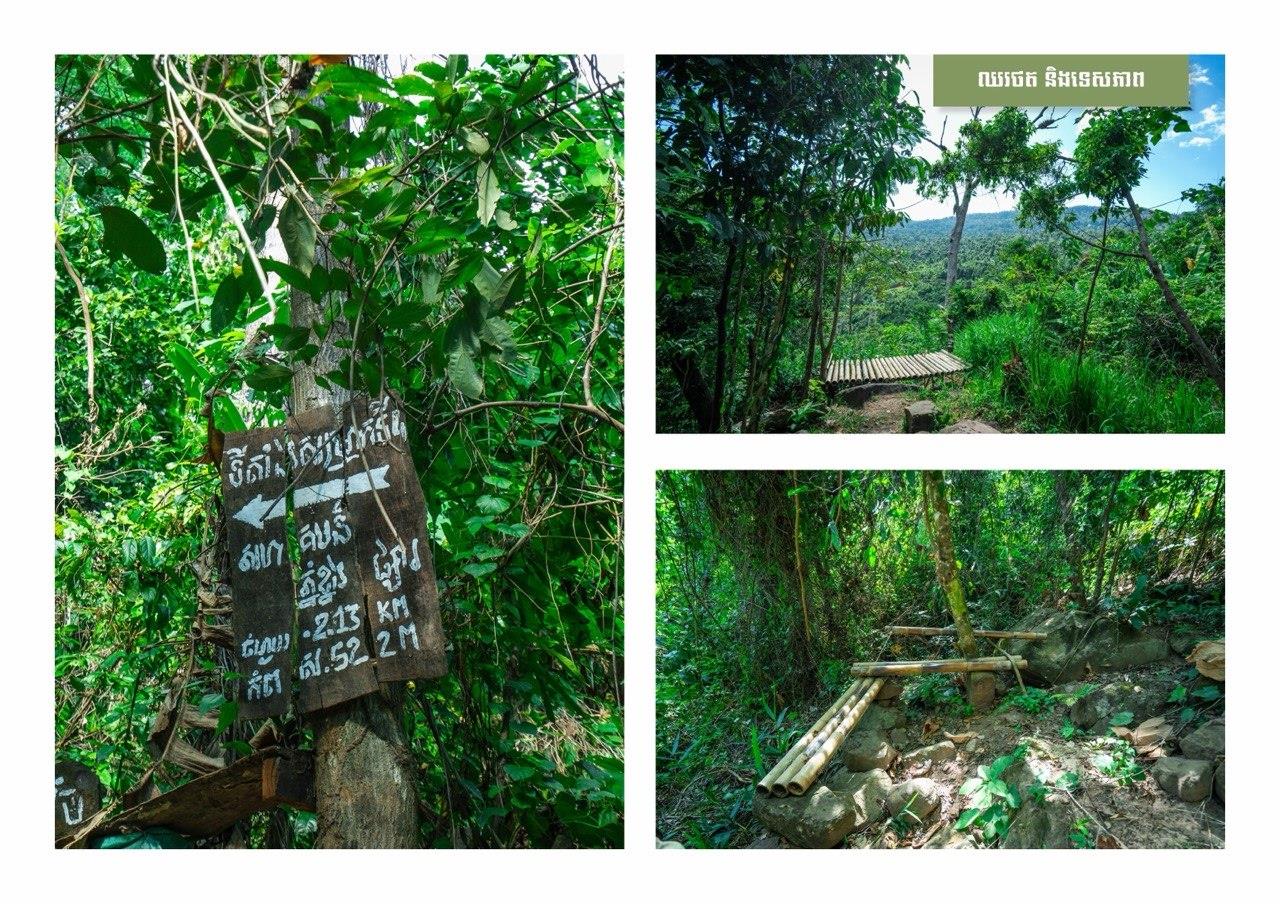
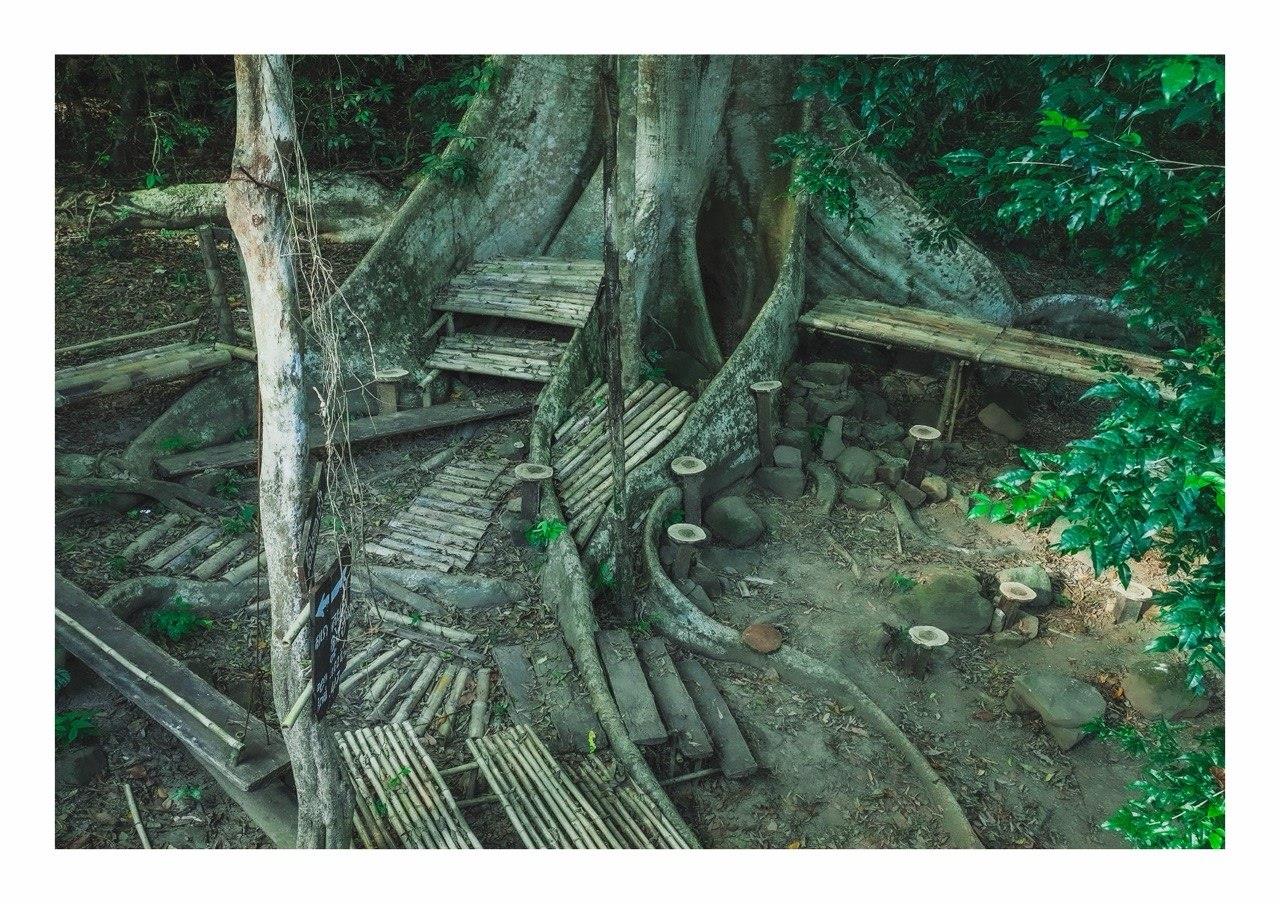
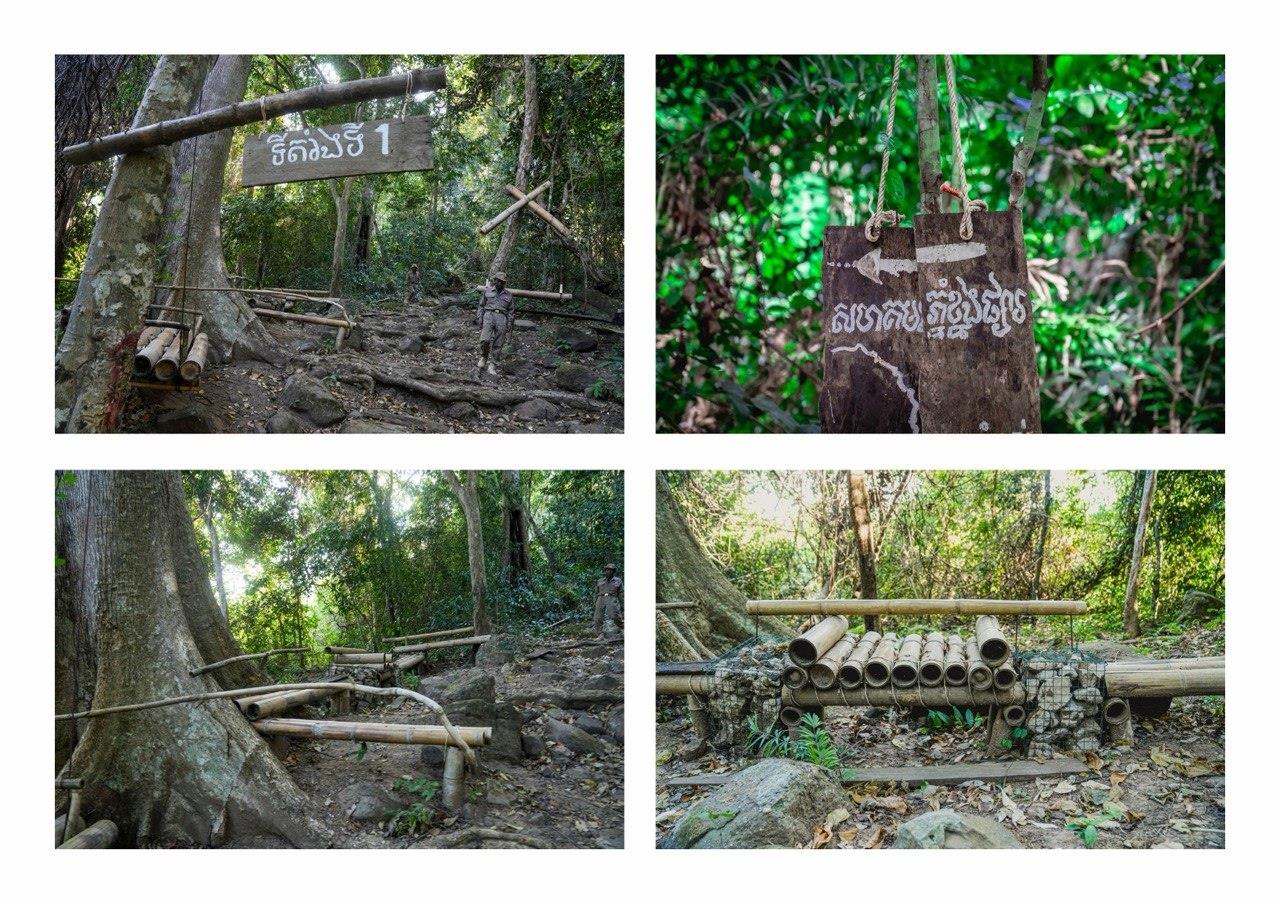
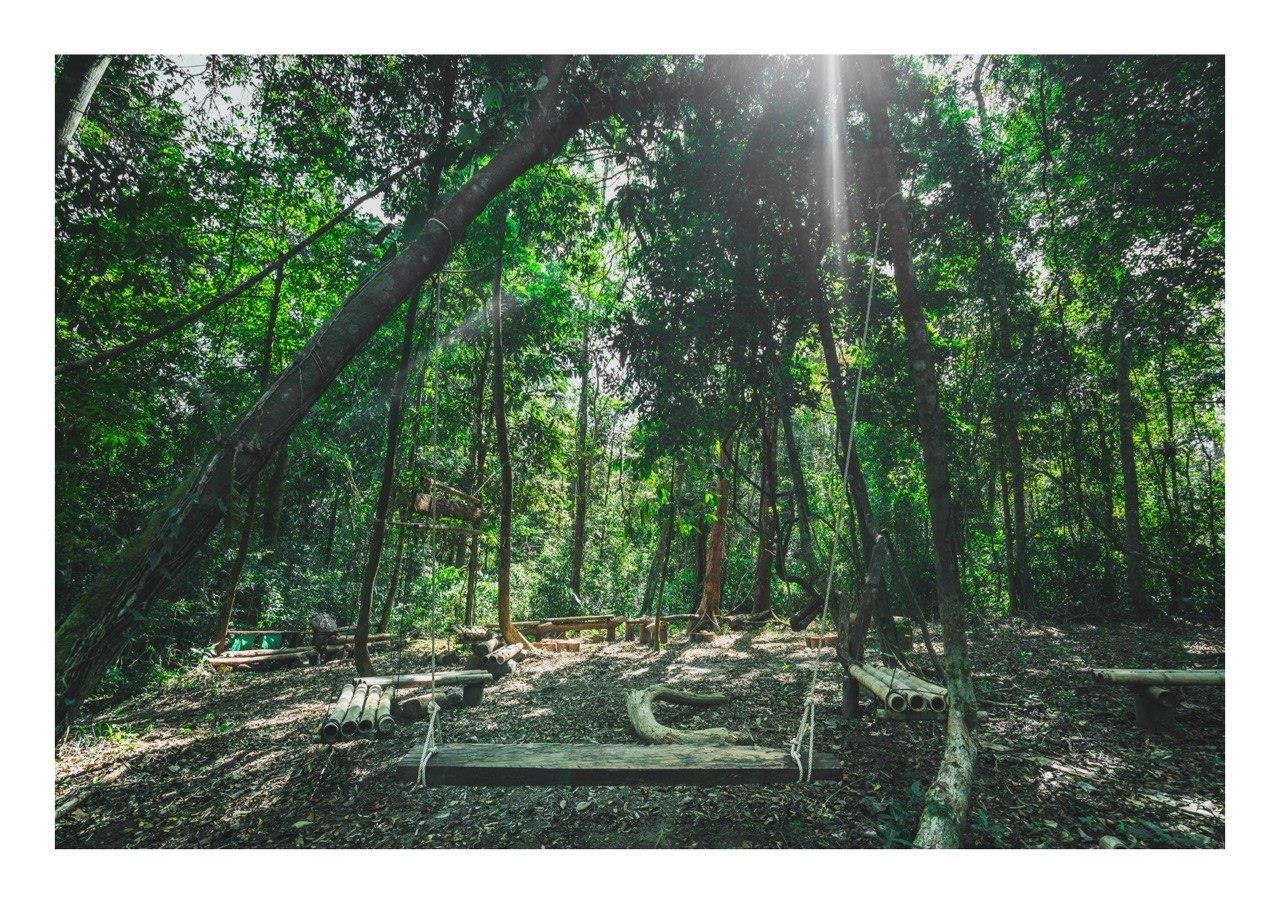
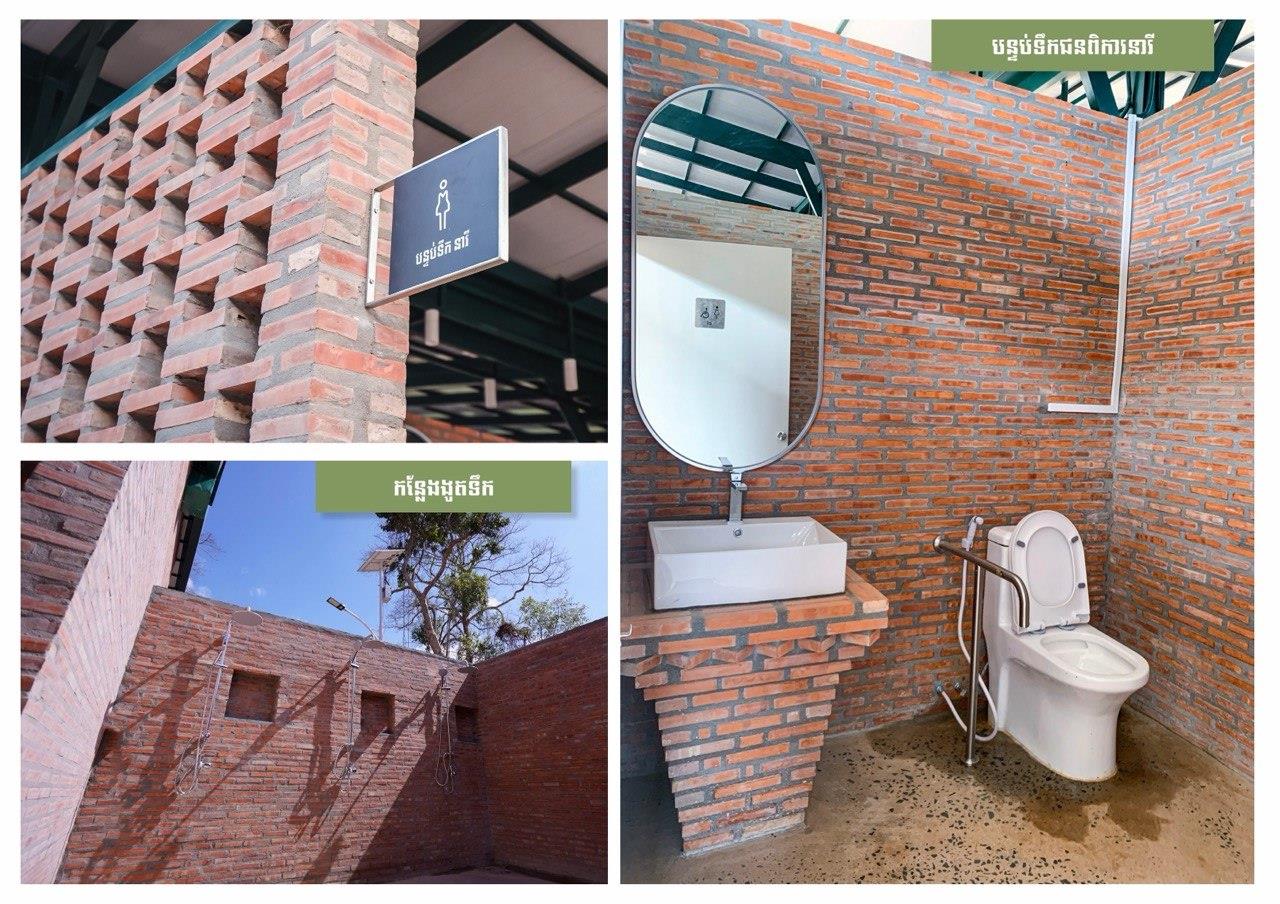
He instructed the development of essential community infrastructure, including an information centre, a first-aid health centre, first-aid kits, community markets, parking facilities, public washrooms, walking trails, and other visitor services.
More importantly, these facilities were not designed to be owned and operated by outsiders. They were entrusted to the community itself.
This decision reflects a profound understanding of development.
The objective is not simply to build infrastructure. The objective is to build people.
By placing these facilities under community management, local residents become entrepreneurs rather than passive beneficiaries. They become tour guides who share the beauty of their homeland. They become food vendors serving local cuisine. They become coffee shop operators welcoming visitors. They generate revenue from parking facilities and tourism services. They create jobs for their families and neighbours. They earn income that can be reinvested into maintaining and beautifying their community.
In short, the prime minister has transformed a model of dependence into a model of ownership.
This is development that preserves dignity.
What makes this approach particularly remarkable is that it reflects a leadership philosophy centred on people. The prime minister’s concern extends to every Cambodian citizen, regardless of where they live, how remote their community may be, or what their economic circumstances are.
His visit to Knong Psar sends a powerful message: no Cambodian is too far away to matter.
The development model emerging from Knong Psar deserves wider recognition because it addresses several national priorities simultaneously.
First, it accelerates poverty reduction by creating sustainable local income opportunities.
Second, it strengthens community development by empowering people to become active participants in their own economic future.
Third, it contributes to Cambodia’s long-term economic independence by fostering local entrepreneurship and reducing dependence on external assistance.
Fourth, and perhaps most importantly, it places climate action and environmental conservation at the centre of development.
Too often, countries are presented with a false choice between economic development and environmental protection. The Knong Psar model demonstrates that the two can advance together.
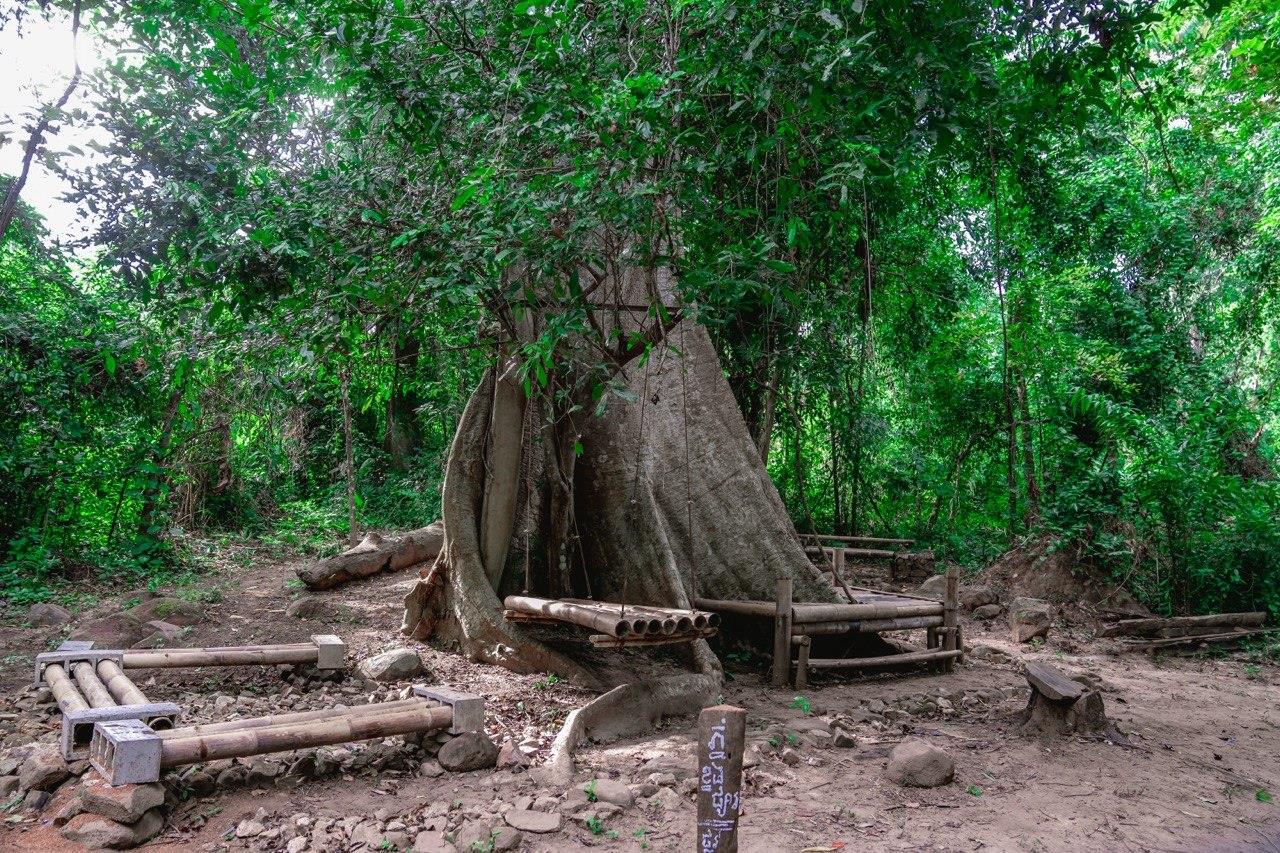
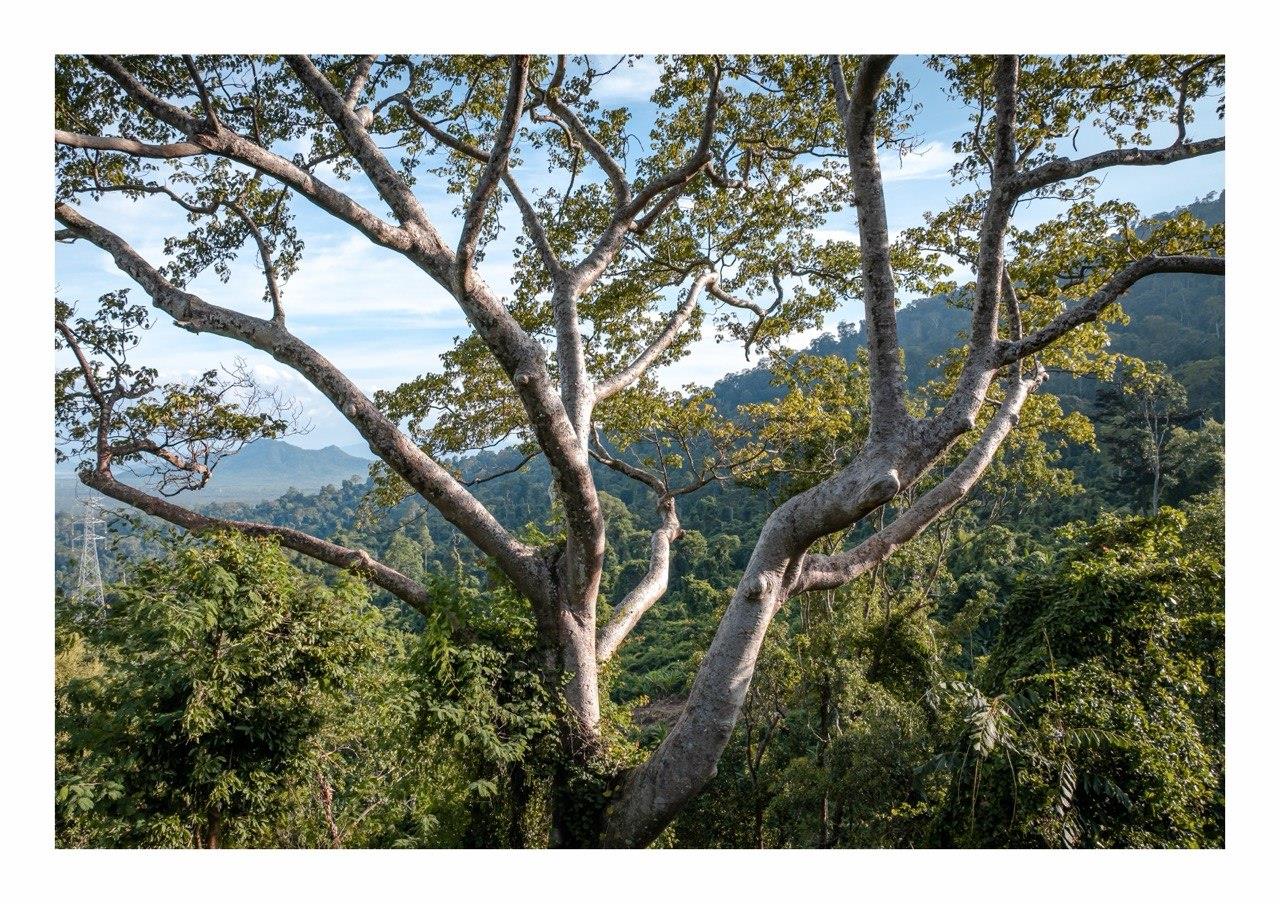
By creating economic opportunities linked to nature-based tourism and conservation, communities gain a direct stake in protecting forests, wildlife, watersheds, and natural landscapes.
The forest is no longer viewed merely as a source of extraction; it becomes a source of sustainable prosperity. Protecting nature becomes good economics.
This approach embodies a simple but powerful principle: protect, expand, and develop communities and protected areas together.
Such a model is not only relevant for Knong Psar. It offers valuable lessons for protected-area communities across Cambodia and beyond. It demonstrates that development can be inclusive, environmentally responsible, and economically sustainable at the same time.
For this reason, the Knong Psar model deserves to be recognised, studied, and applauded.
It is a model born from a belief that development must begin with people, that prosperity must reach even the most remote communities, and that environmental protection can become a driver of economic opportunity rather than an obstacle to it.
Most importantly, it is a reminder that effective leadership is measured not by the scale of promises made, but by the lives transformed.
In Knong Psar today, we can already see that transformation beginning to take shape.
=FRESH NEWS