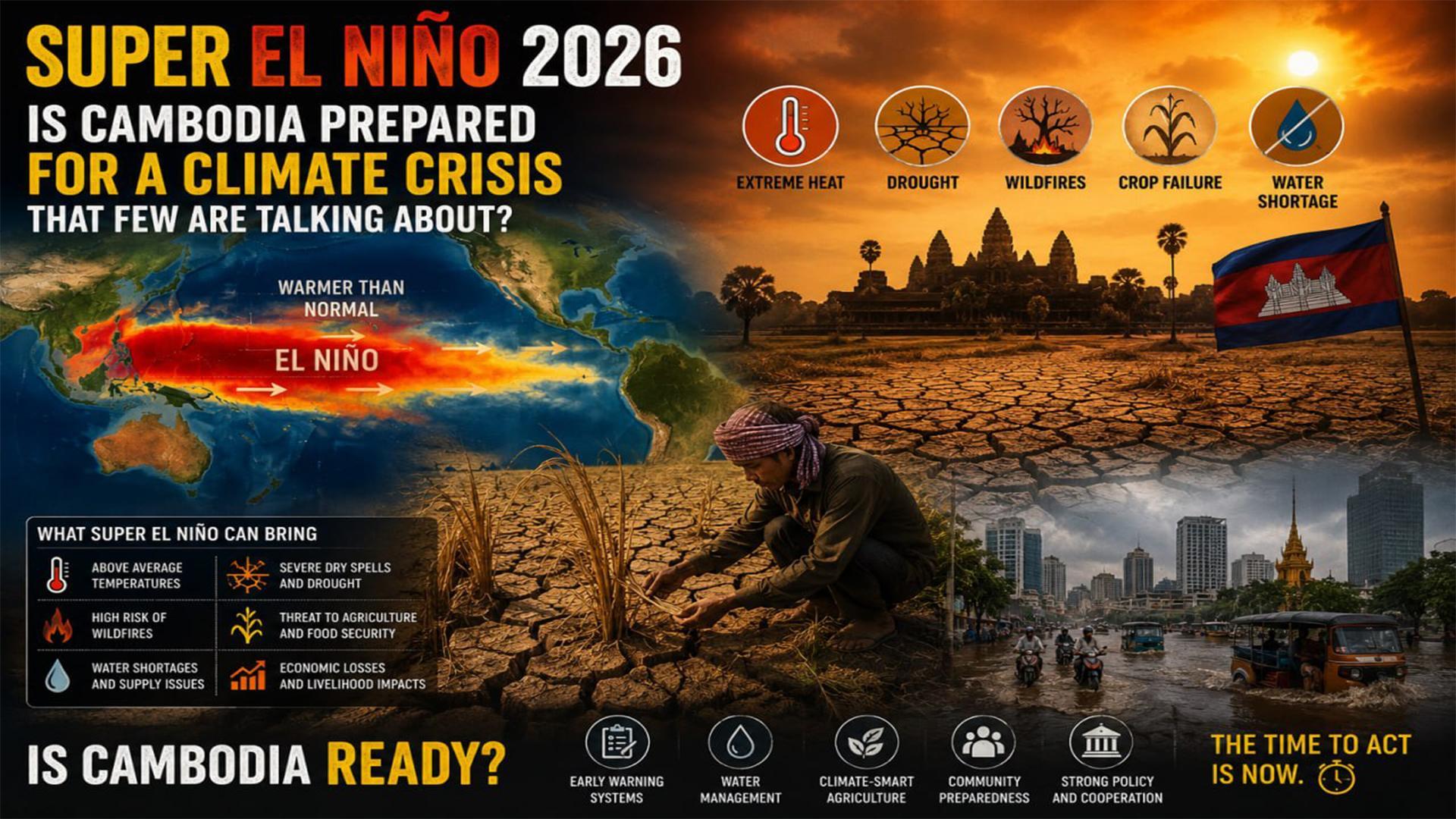

(Phnom Penh): While much of Cambodia’s public attention remains focused on politics, economic challenges, and daily events, a major warning is emerging from the global scientific community: El Niño has officially begun, and there is a significant possibility that it could intensify into a “Super El Niño” — potentially one of the strongest climate events in modern history.
The U.S. National Oceanic and Atmospheric Administration (NOAA) estimates that the 2026 El Niño has a 63 percent chance of developing into a very strong event, commonly referred to as a Super El Niño. What concerns scientists even more is that this phenomenon is unfolding at a time when Earth is already experiencing some of the highest temperatures ever recorded.
For Cambodia, the question is no longer whether El Niño will arrive. It has already begun. The real question is whether Cambodia is adequately prepared for what may come next.
A Crisis Few People Talk About
Unlike elections, wars, or economic crises, El Niño rarely dominates public debate. It generates no dramatic images of tanks, missiles, or political confrontations. It does not trend on social media in the way geopolitical conflicts often do.
Yet its consequences can affect the lives of millions.
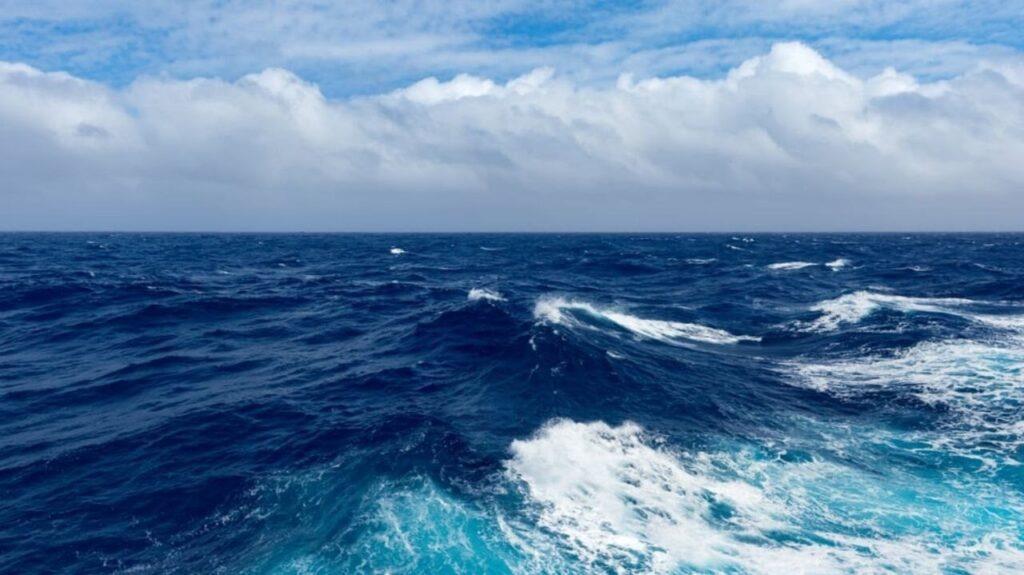
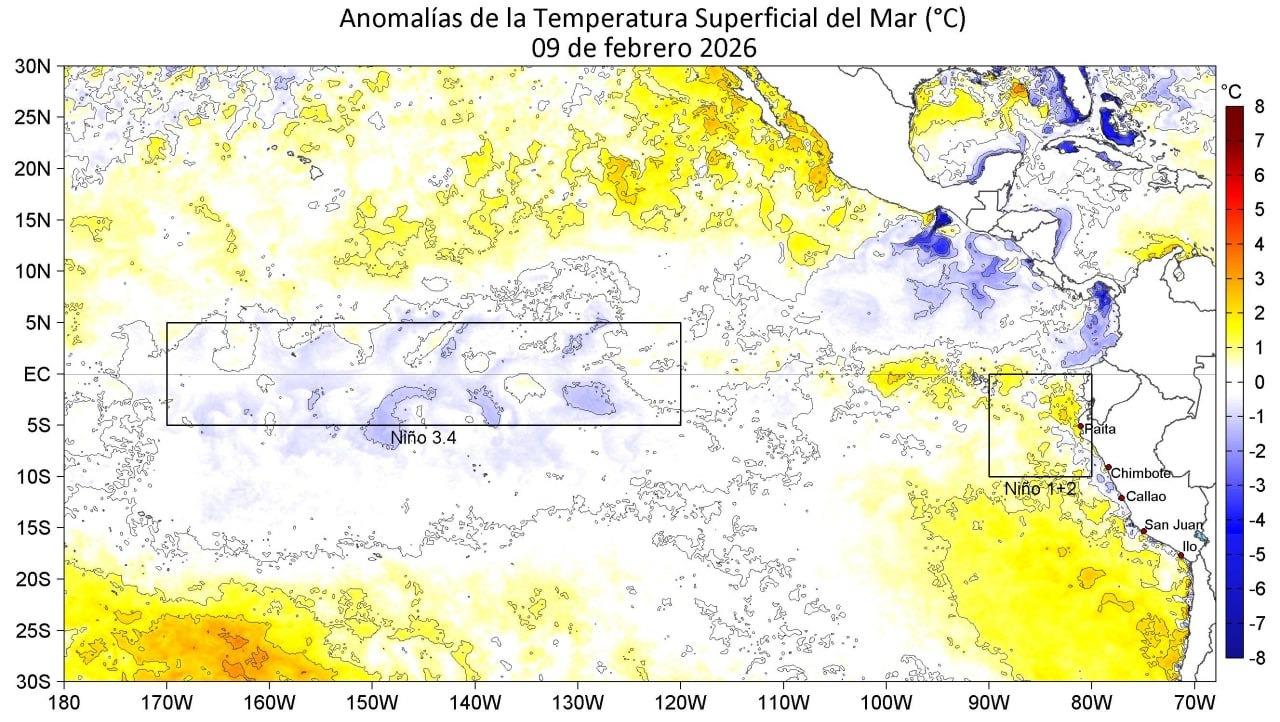
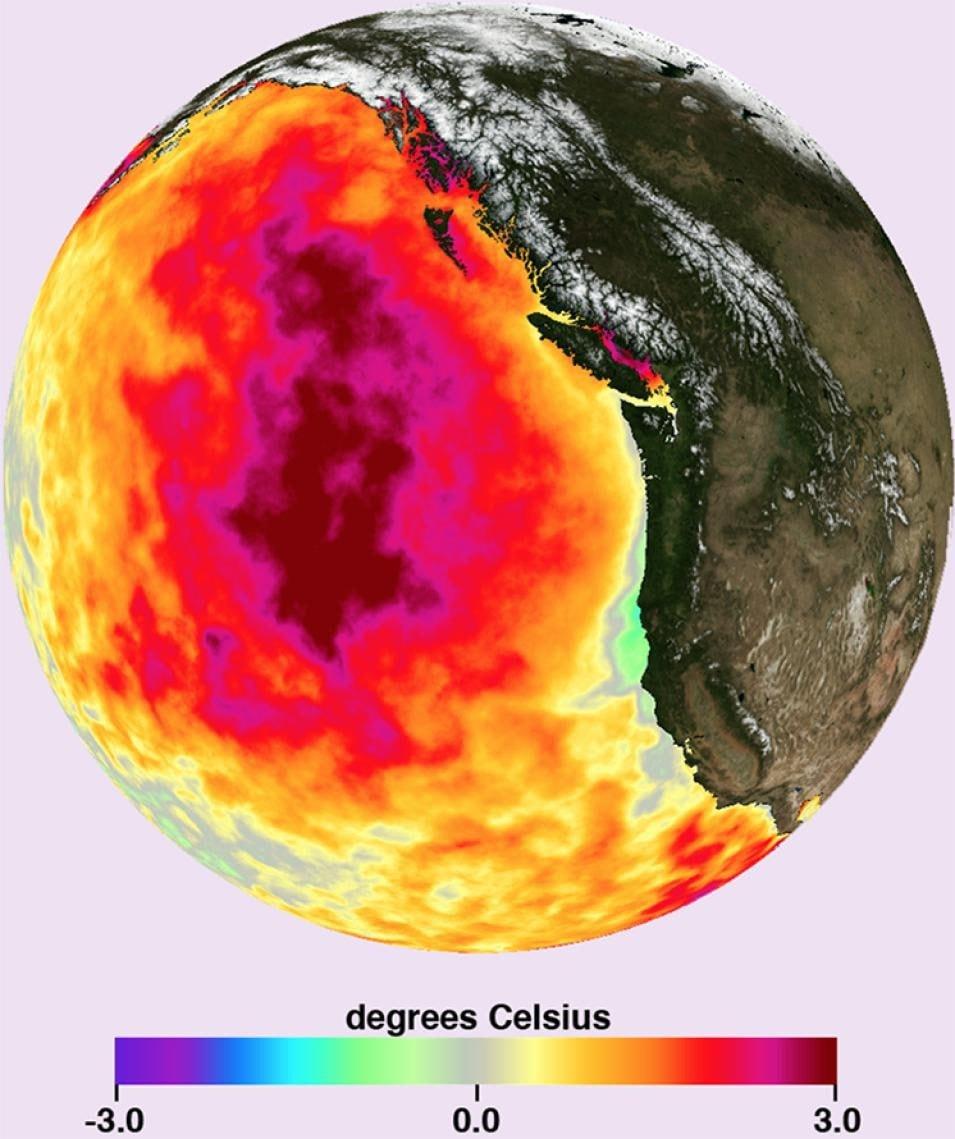
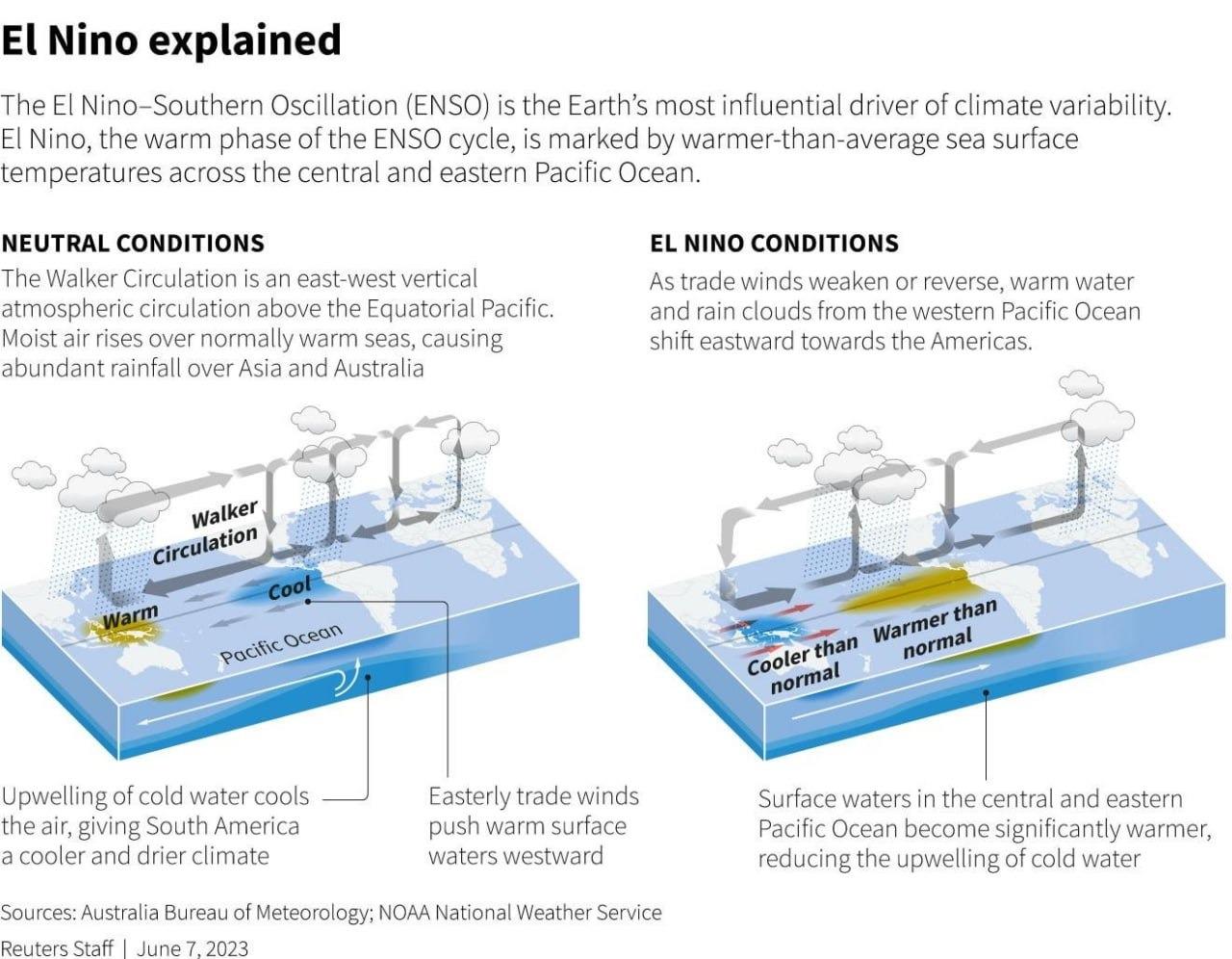
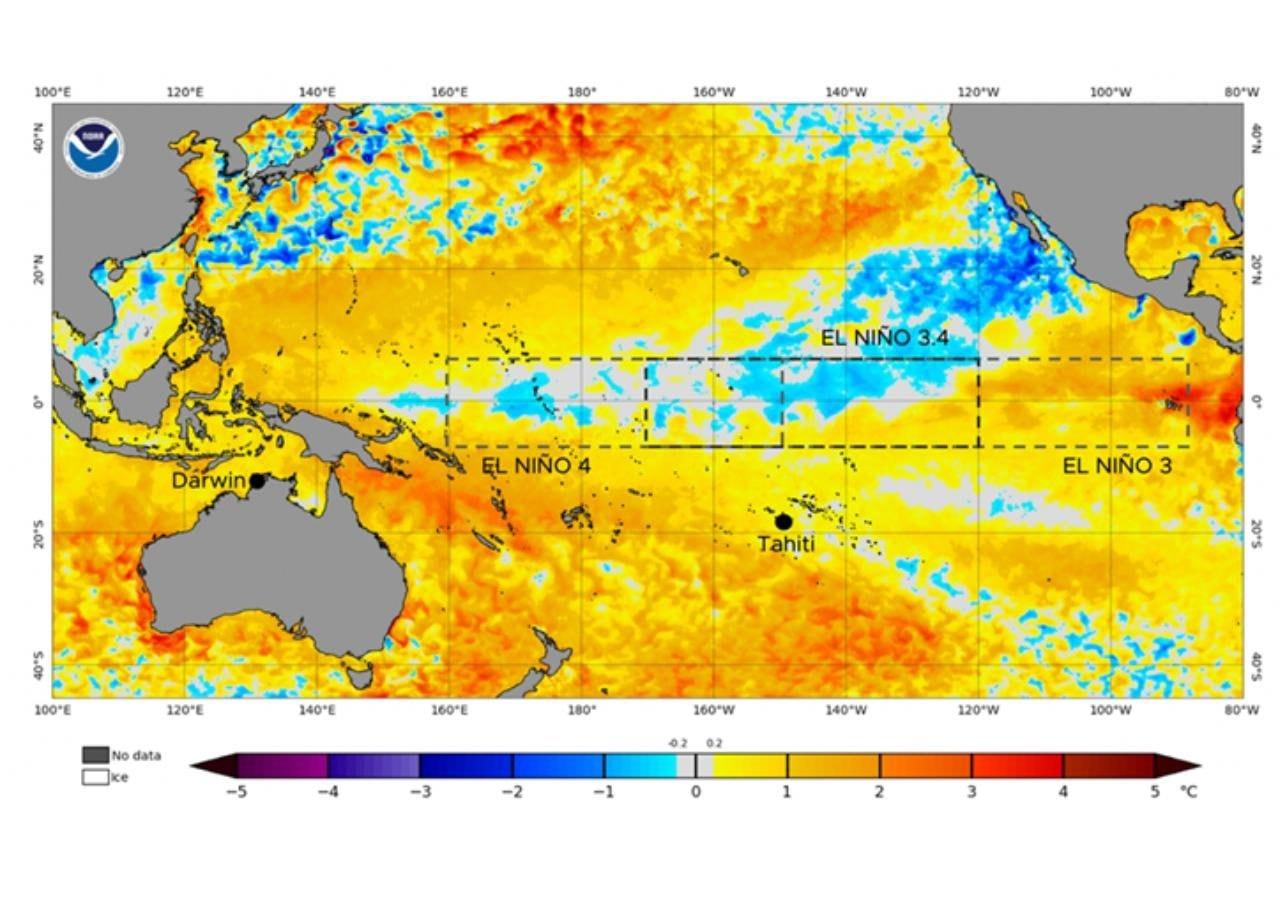
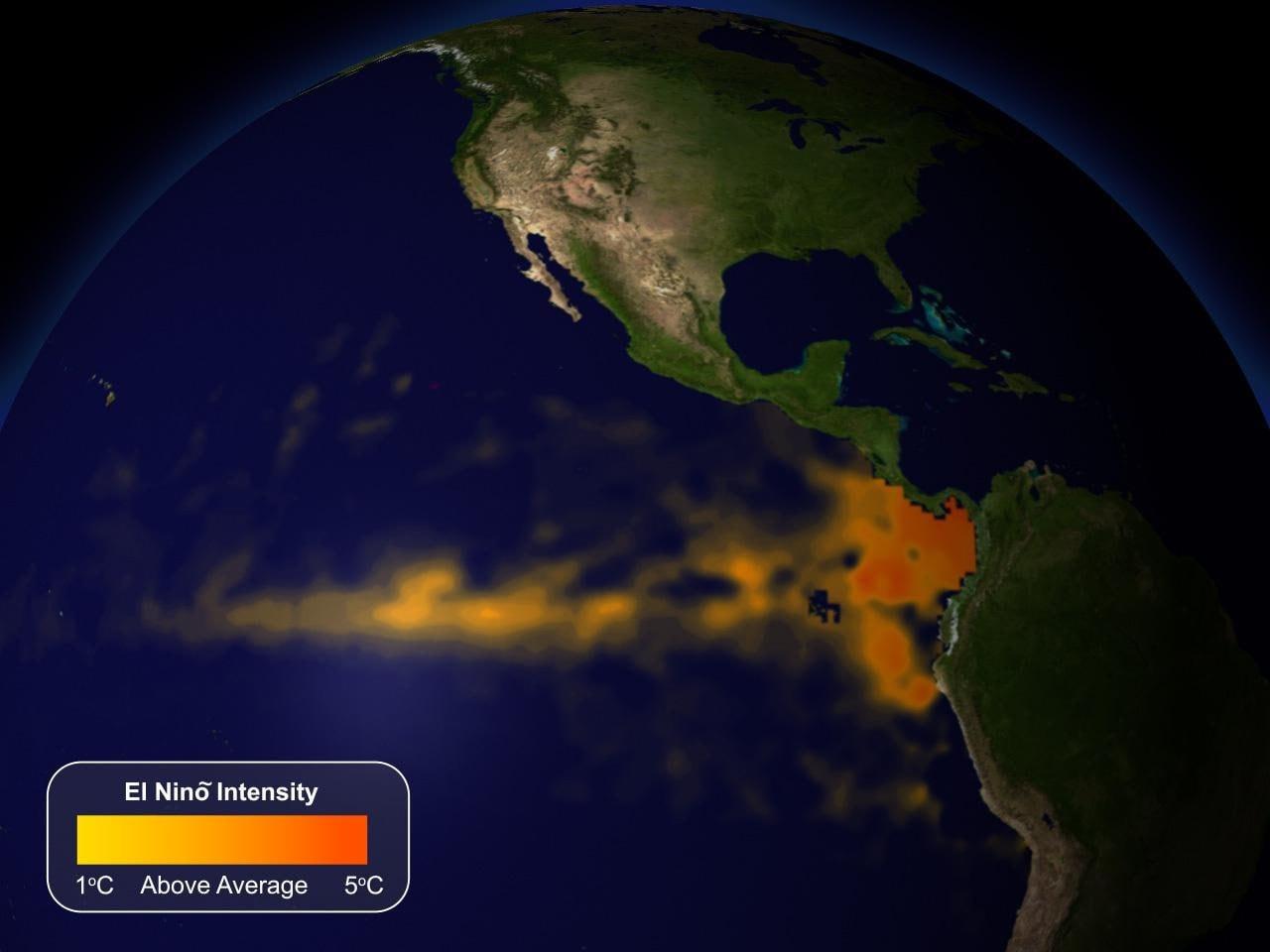
El Niño is a naturally occurring climate phenomenon characterized by unusually warm sea surface temperatures in the central and eastern Pacific Ocean. These changes alter global wind circulation and rainfall patterns, producing far-reaching effects across continents and oceans.
Although the phenomenon originates thousands of kilometers away from Cambodia, its impacts can be felt throughout Southeast Asia, including Cambodia. Among the most significant concerns are reduced monsoon rainfall, prolonged droughts, and increasingly intense heat waves.
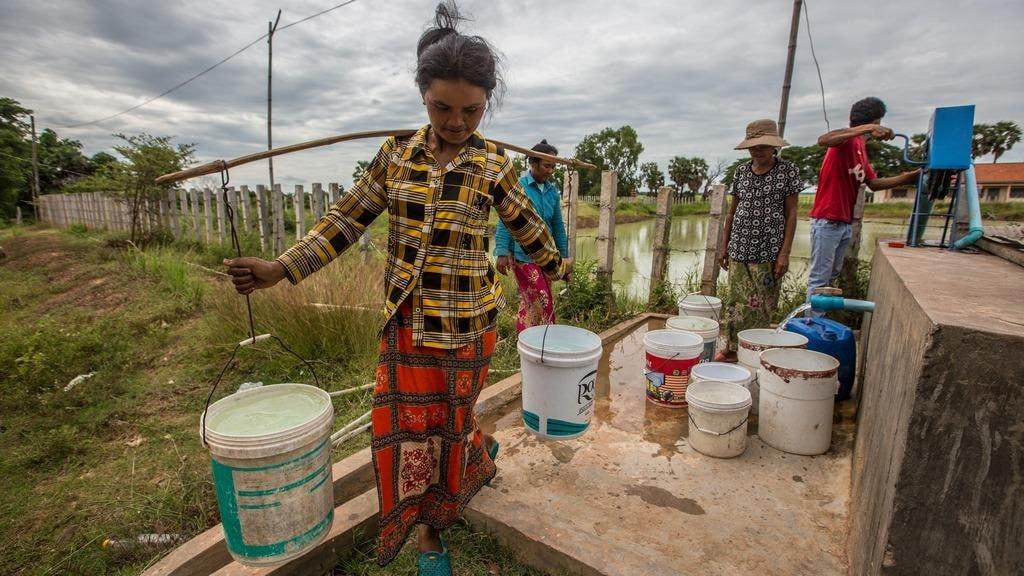
For a country whose agriculture and rural livelihoods remain heavily dependent on rainfall, such disruptions can directly affect food production, water resources, and household incomes.
According to Cambodia’s Ministry of Water Resources and Meteorology, ENSO-neutral conditions are expected to persist through June 2026 with an estimated probability of approximately 80 percent. However, ENSO-neutral does not mean normal weather conditions or the absence of climate risks — a distinction that is often misunderstood.
In general, the ENSO system consists of three phases:
1. El Niño – warmer-than-normal sea surface temperatures in the Pacific Ocean.
2. La Niña – cooler-than-normal sea surface temperatures.
3. ENSO-Neutral – conditions that fall between El Niño and La Niña.
ENSO-neutral simply means that the Pacific Ocean is not currently experiencing a strong El Niño or La Niña event. It does not mean that weather conditions will remain stable or free from climate-related risks.
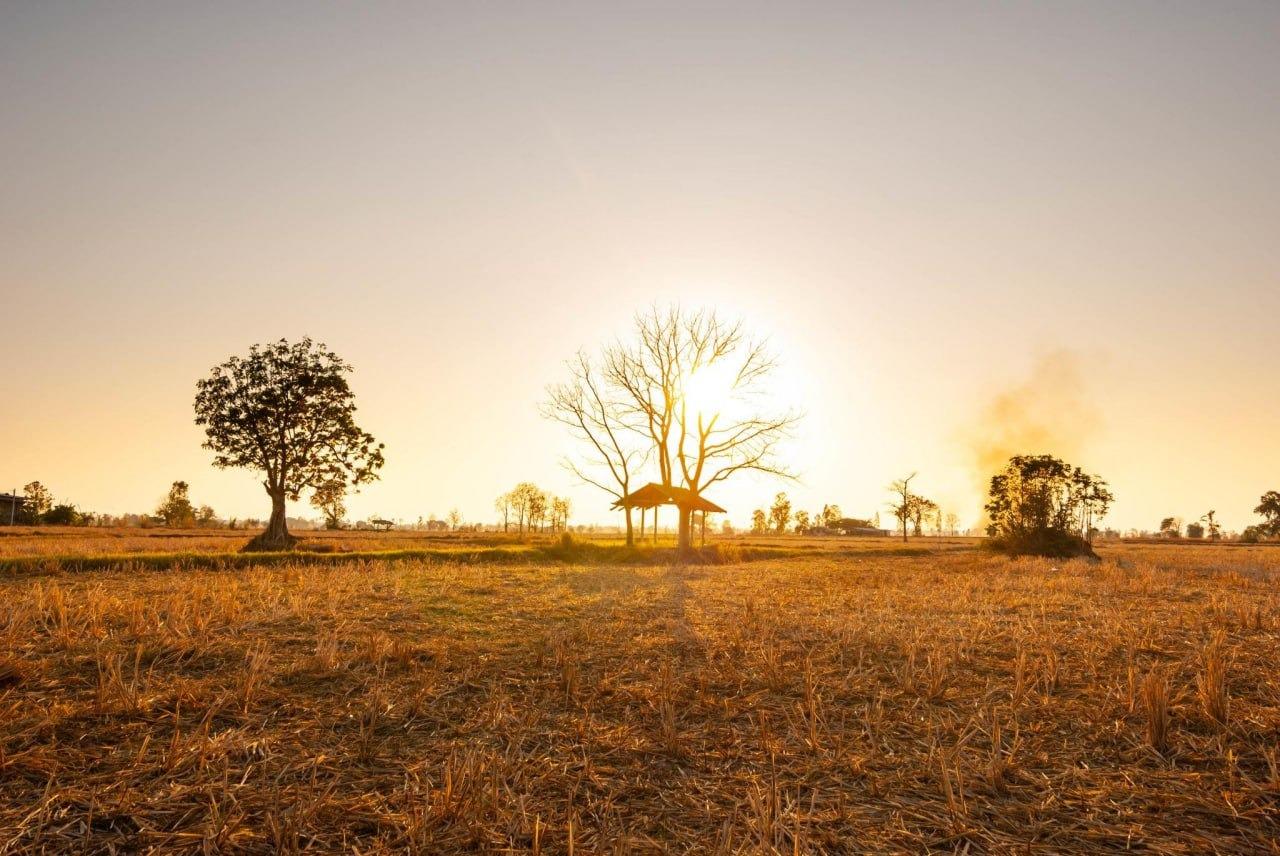
In fact, Cambodia has already experienced severe heat waves in 2026, with temperatures in some areas reaching 40–41 degrees Celsius. At the same time, the rainy season has arrived later than expected, while rainfall during the early months of the wet season has remained below average.
This is why climate experts frequently warn that the real danger posed by El Niño and broader climate change does not emerge suddenly like a war or a natural disaster. Instead, it is a slow-moving crisis that gradually affects water resources, agriculture, food security, and livelihoods.
It is a crisis that few people talk about, yet one that can affect millions.
The Real Threat for Cambodia: Not Heat, But Water
When people think about El Niño, they often think first about extreme heat. Certainly, temperatures reaching 40 or even 41 degrees Celsius can create serious challenges for public health and daily life.
For Cambodia, however, the greatest threat is not heat itself.
The real issue is water.
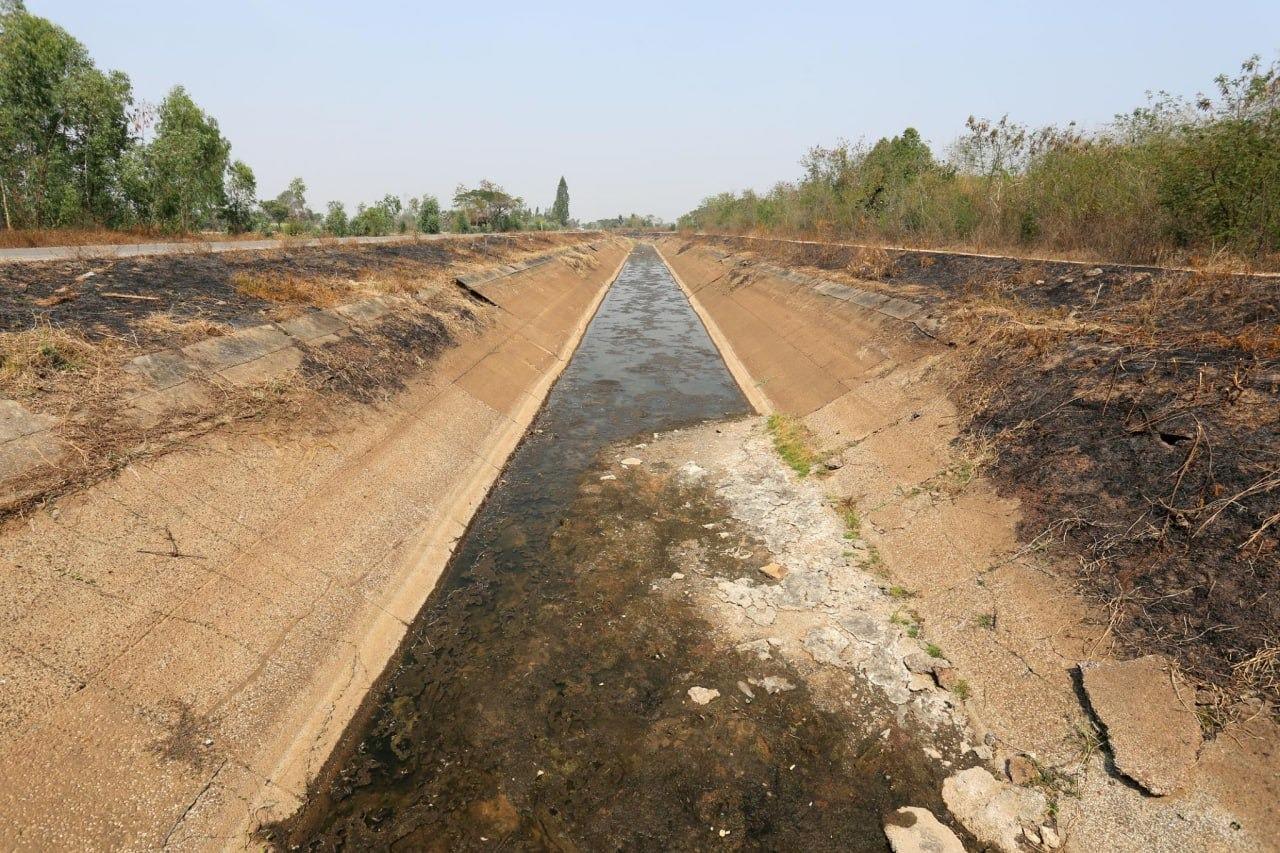
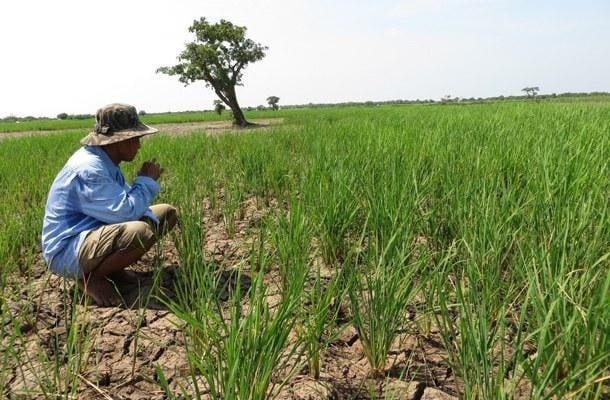
Cambodia remains heavily dependent on agriculture. Millions of people in rural communities rely on rice cultivation, crop production, and fisheries for their livelihoods. Although irrigation infrastructure has expanded significantly over the years, a substantial portion of agricultural land still depends primarily on rainfall.
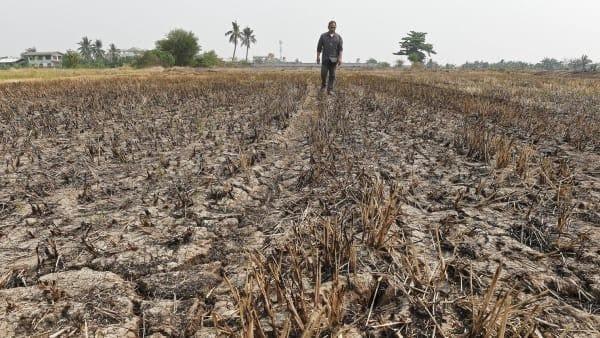
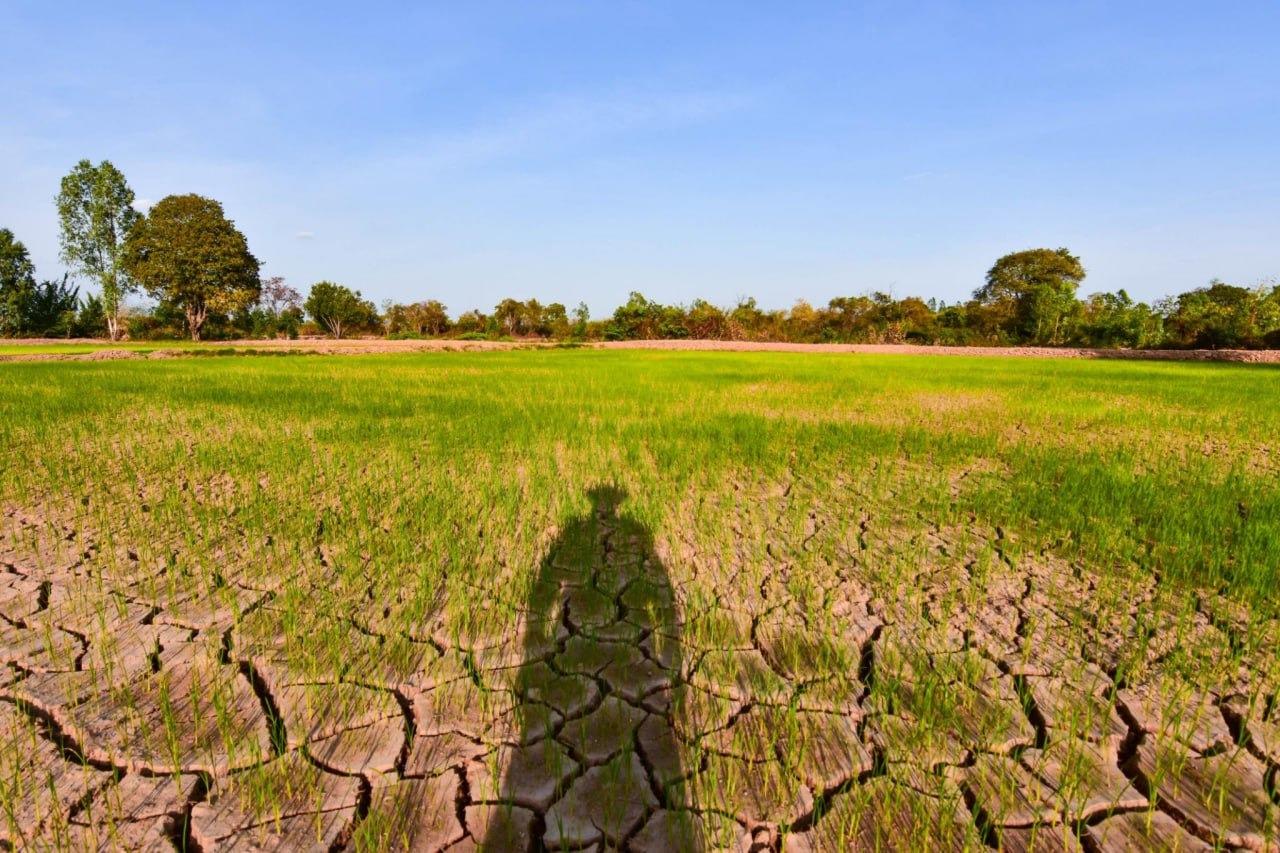
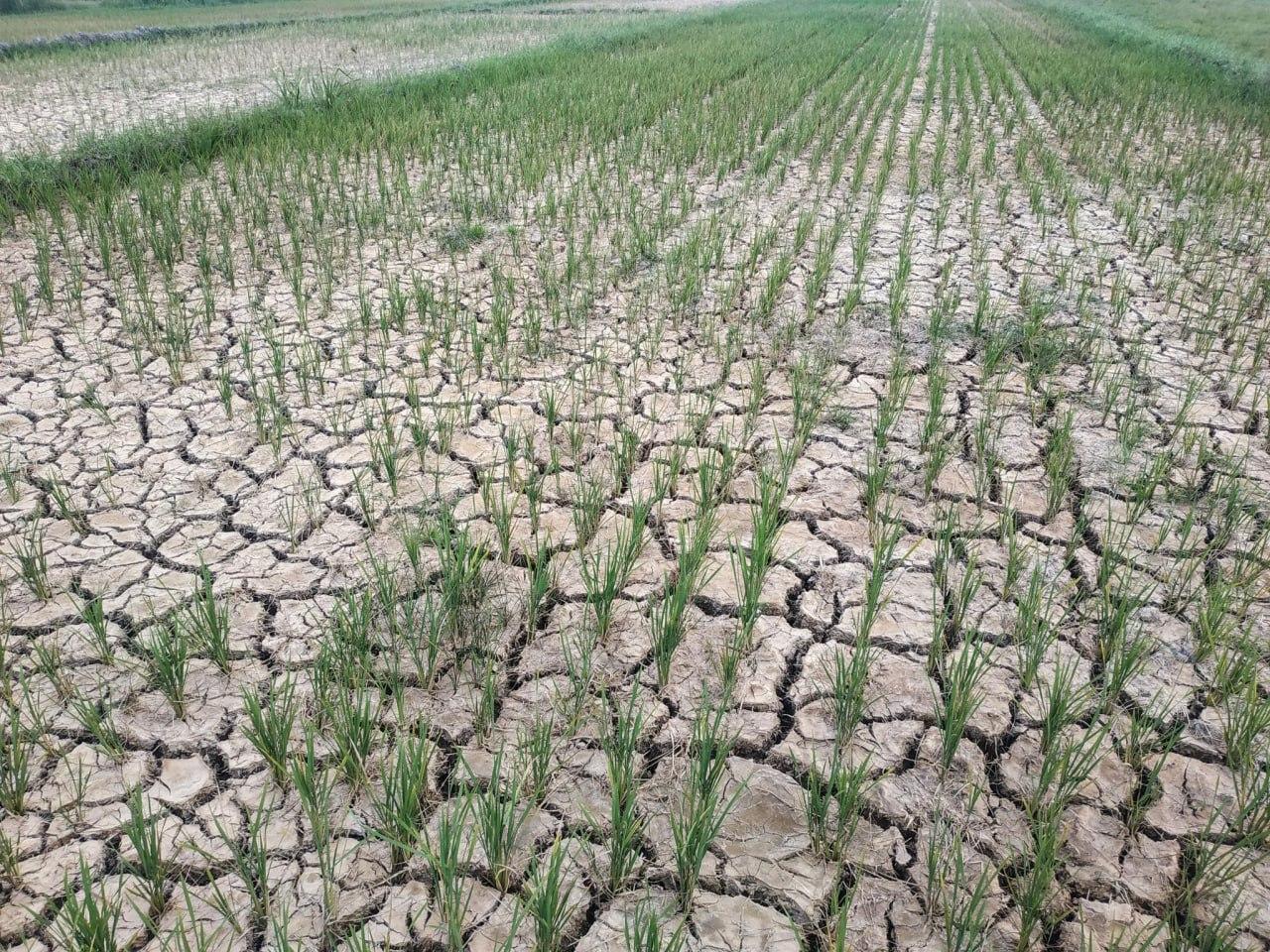
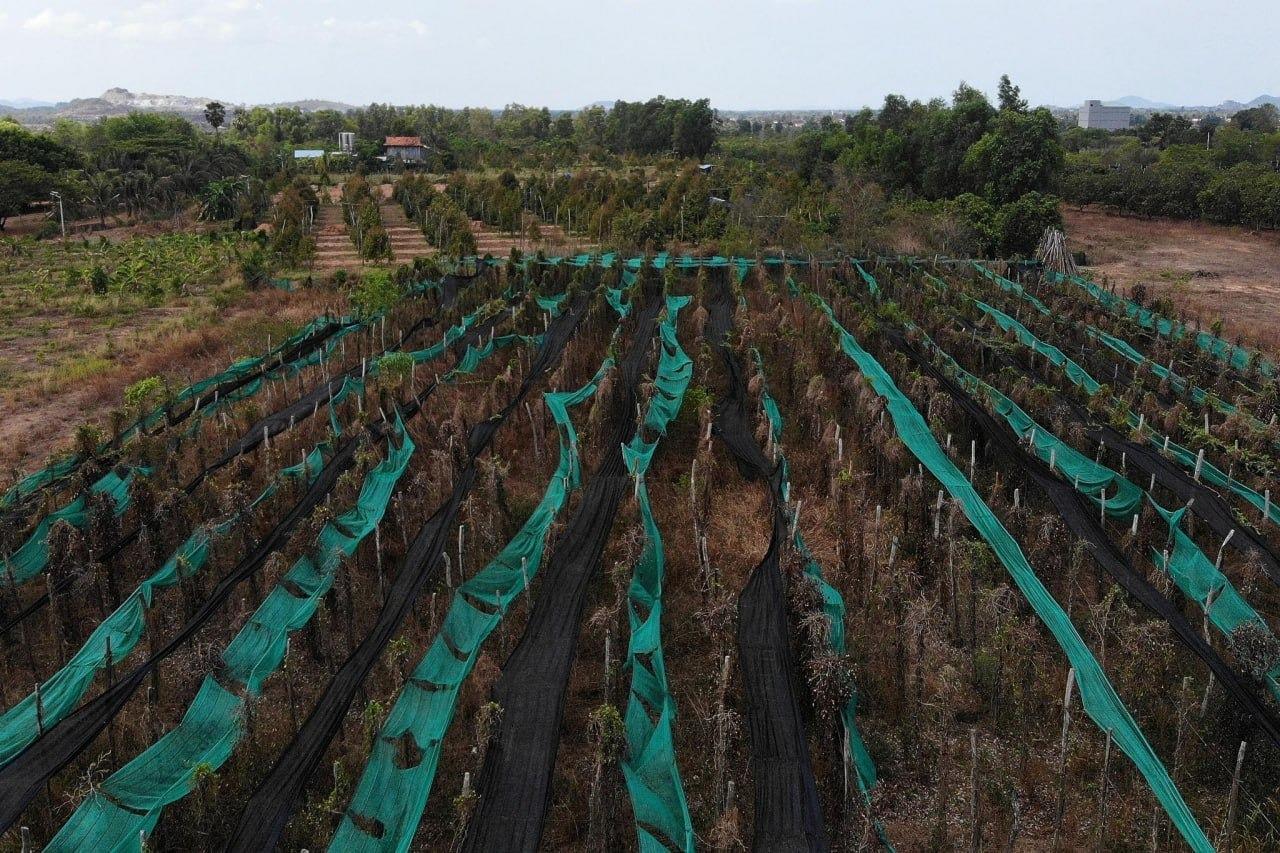
When El Niño reduces rainfall or delays the arrival of the rainy season, the consequences extend far beyond weather conditions. They quickly become economic and food-security challenges.
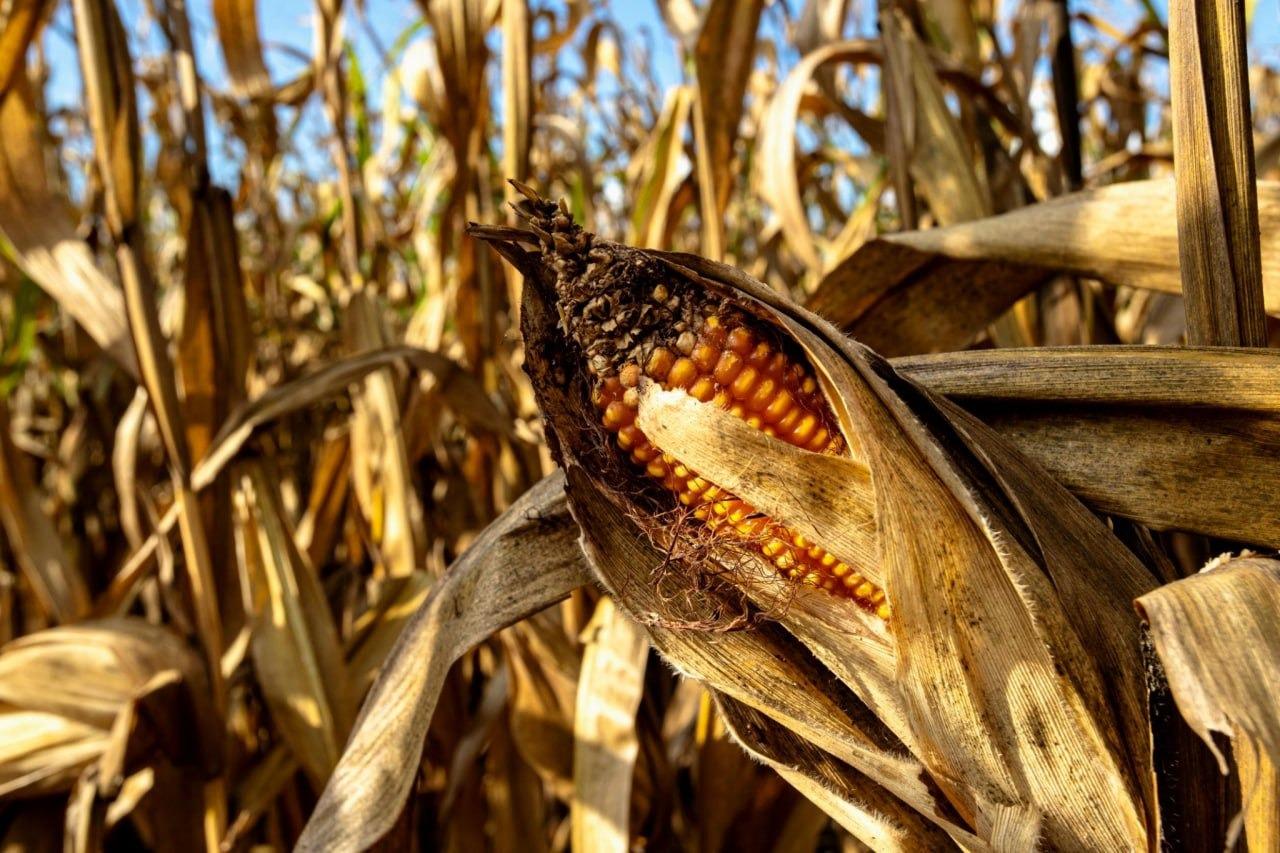
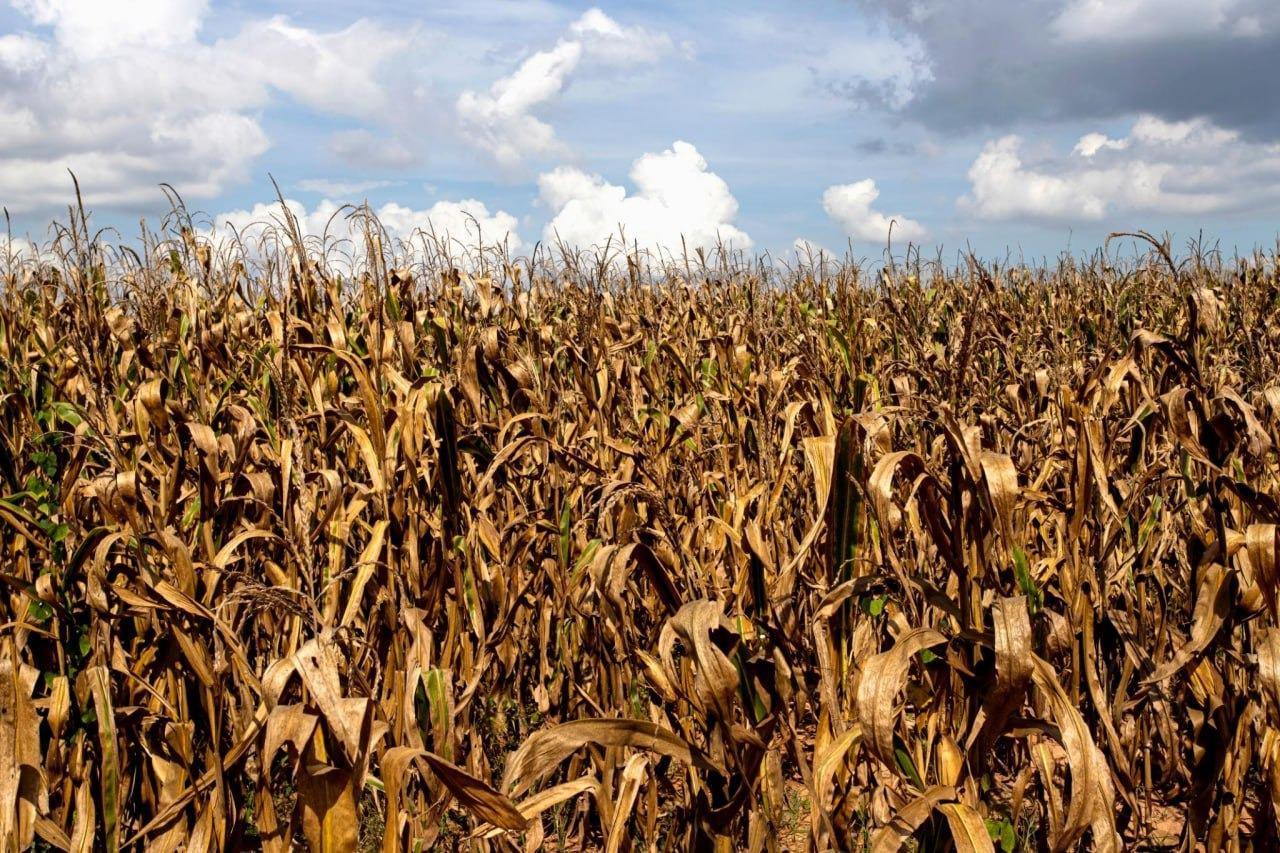
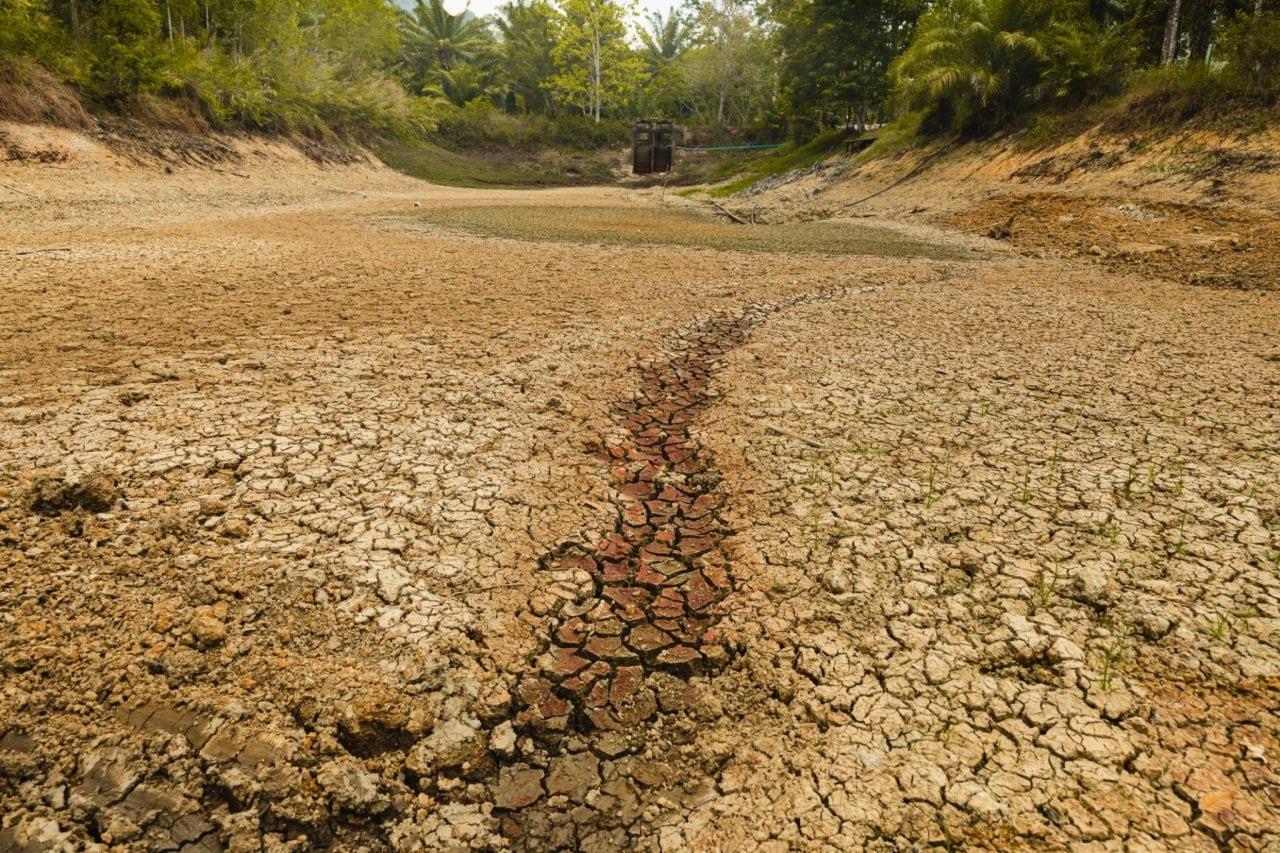
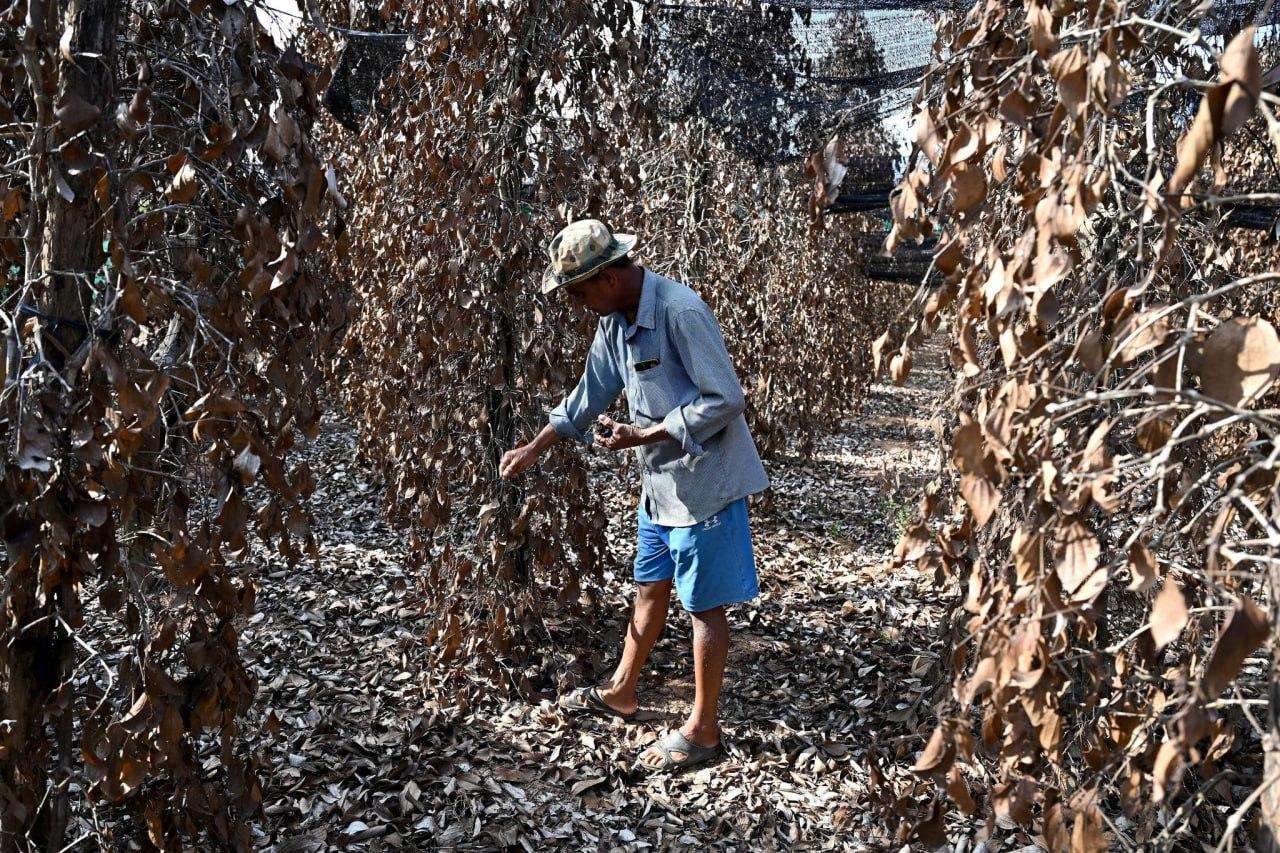
For farmers, a delay of one or two months in seasonal rainfall can postpone planting schedules. For rice crops that require consistent water during critical stages of growth, water shortages can significantly reduce yields or even destroy harvests entirely.
As agricultural production declines, farmers' incomes fall. At the same time, food prices may rise, placing additional pressure on households and the broader economy.
When Water Becomes Scarce, the Impact Extends Beyond the Rice Fields
The implications of water shortages do not stop at agriculture.
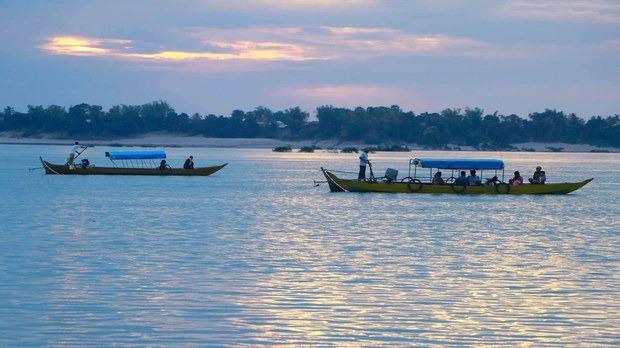
Cambodia also depends heavily on the Mekong River system and Tonle Sap Lake. Tonle Sap is not only the largest freshwater lake in Southeast Asia; it is also a vital source of livelihoods for millions of people and the heart of Cambodia’s fisheries sector.
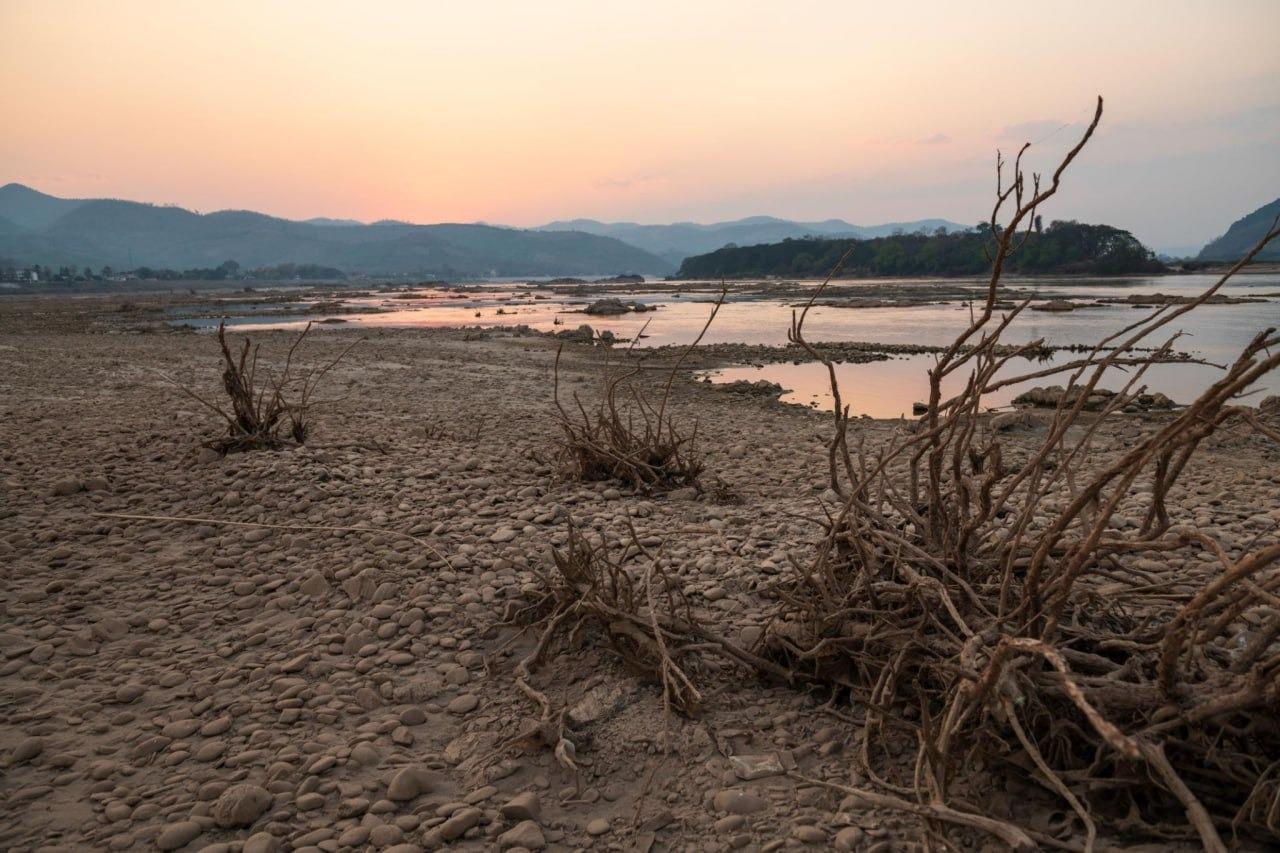
When rainfall decreases and Mekong water levels fall below normal, the amount of water flowing into Tonle Sap may also decline. The consequences can cascade through the ecosystem, affecting fish breeding cycles, biodiversity, and fish production.
This is why experts monitoring El Niño do not focus solely on temperature forecasts. They also closely track river levels, reservoirs, irrigation systems, and water-storage capacity.
In recent years, the Cambodian government has repeatedly issued guidance on water conservation and water-resource management whenever drought risks have emerged. These measures are not designed solely for farmers; they are intended to safeguard the country's overall water security.
In a world increasingly shaped by climate change, water is becoming a strategic resource as important as energy and food.
For Cambodia, the greatest threat posed by El Niño is therefore not simply hotter weather. It is the potential reduction of water resources that support agriculture, fisheries, food security, and the livelihoods of millions of citizens.
Heat Waves and Public Health Risks
NOAA has warned that El Niño could further increase global temperatures on top of the warming already caused by climate change.
For Cambodia, one of the most immediate consequences may be more frequent and intense heat waves.
Over the past several years, Cambodia has experienced repeated periods of extreme heat. In some locations, temperatures have climbed to 40–41 degrees Celsius, levels that pose serious health risks, particularly for the elderly, children, pregnant women, and outdoor workers.
As temperatures rise, the human body must work harder to regulate its internal temperature. This can lead to dehydration, heat exhaustion, and, in severe cases, heat stroke — a potentially life-threatening condition.
The effects of extreme heat extend beyond health.
Numerous studies have shown that strong El Niño events can slow economic growth by damaging agriculture, increasing energy demand, disrupting food supplies, and intensifying drought conditions.
For ordinary households, climate-related shocks can quickly become economic burdens. Lower agricultural production may push food prices higher, while hotter weather increases demand for electricity and water. Ultimately, these additional costs are borne by families.
In other words, climate risks can evolve into rising living costs, reduced household incomes, and slower economic growth.
If El Niño intensifies into a Super El Niño, heat waves could become more frequent, longer-lasting, and more severe.
That would place additional pressure on public health systems, energy supplies, and water resources — challenges that developing countries such as Cambodia may find increasingly difficult to manage.
Is Cambodia Prepared?
The key question is not simply how strong El Niño may become.
The more important question is whether Cambodia is adequately prepared to withstand its potential impacts.
Over the past several years, Cambodia has invested heavily in water-resource management and irrigation infrastructure. Reservoirs, canals, and irrigation networks have been expanded and rehabilitated to improve water-storage capacity and agricultural productivity.
Meanwhile, the Ministry of Water Resources and Meteorology has strengthened weather monitoring and forecasting systems to provide earlier warnings to authorities and communities.
However, preparedness is not solely the responsibility of government.
Farmers can reduce risks by monitoring weather forecasts, selecting drought-resistant crop varieties, securing backup water sources, and adjusting planting schedules when necessary.
Likewise, ordinary citizens can contribute by conserving water, protecting local water resources, and supporting environmental conservation efforts.
The reality is that no country can prevent El Niño from occurring. It is a naturally occurring global climate phenomenon.
What countries can do is prepare effectively, reduce vulnerabilities, and strengthen their ability to adapt.
For Cambodia, the challenge is not whether El Niño will arrive. The challenge is whether sufficient water will be available when it does. Can agricultural production be protected? Can food security be maintained? Can livelihoods be safeguarded?
The answers to these questions will depend not only on rainfall, but also on preparedness, water management, and the ability of society to adapt to an increasingly unpredictable climate.
Conclusion
Super El Niño 2026 may never become a daily headline like elections, wars, or international crises. It offers no images of tanks, missile strikes, or dramatic political confrontations.
Yet its consequences could reach every sector of society — from agriculture and water resources to public health, food security, and economic growth.
In this sense, El Niño is not merely a concern for meteorologists. It is a concern for farmers who depend on rainfall, fishermen who depend on Tonle Sap and the Mekong, businesses affected by rising costs, policymakers responsible for national resilience, and ordinary citizens whose lives are shaped by the environment around them.
The threat posed by El Niño does not arrive overnight. It is a slow-moving crisis that unfolds gradually. It begins with less rainfall, develops into water shortages, affects agricultural production and food supplies, and eventually impacts economic growth and household livelihoods.
As the world watches the possibility of a Super El Niño that could become one of the most powerful climate events in modern history, the most important question for Cambodia is no longer whether it will happen.
The real question is: Is Cambodia prepared for a crisis that few people are talking about, but one that could affect millions of lives?