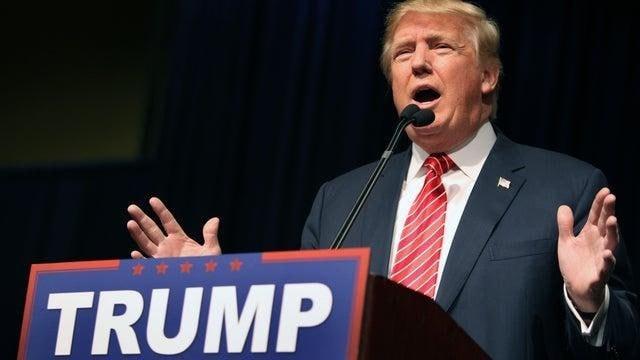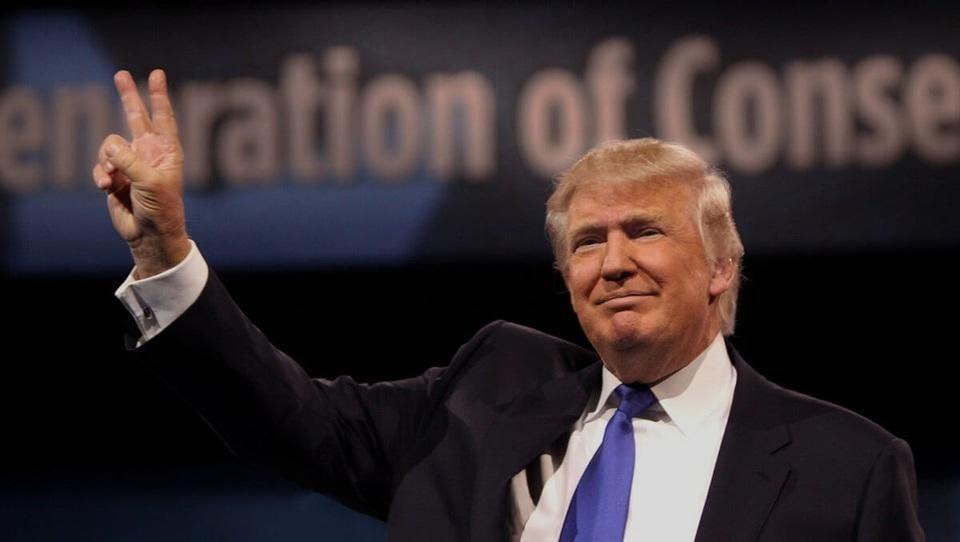

(Phnom Penh): When US President Donald Trump spoke alongside French President Emmanuel Macron ahead of the G7 summit on June 15, he confidently declared that the agreement with Iran had already been “signed” and that the Strait of Hormuz would be fully reopened by Friday.
The announcement drew global attention because it appeared to signal a possible end to more than 15 weeks of war involving the United States, Israel and Iran.
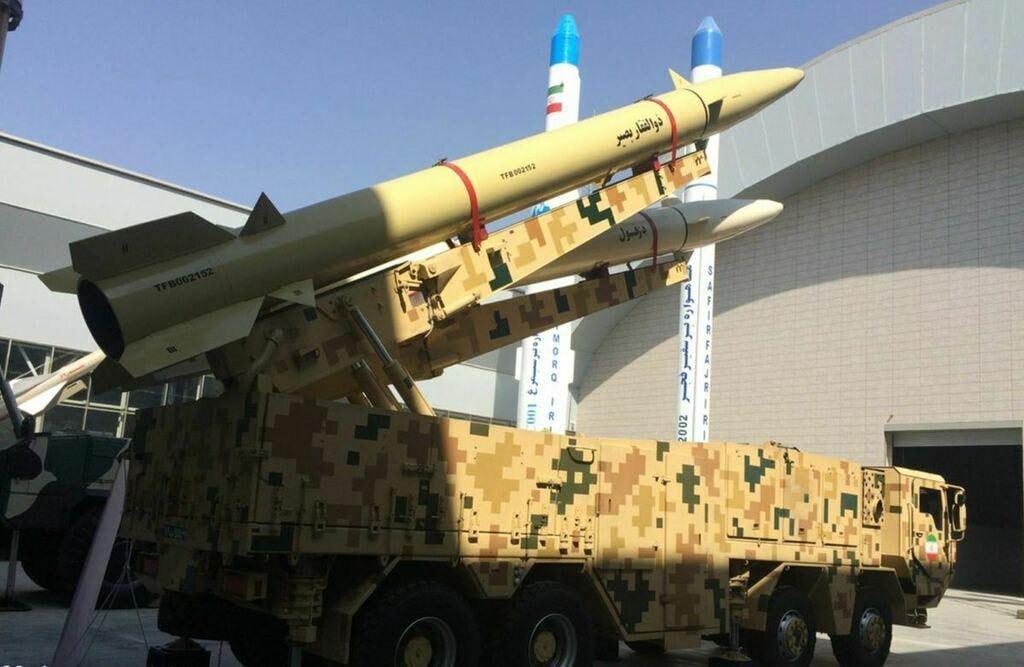
But beneath the headline of a “completed agreement,” one major question remains: Has the war truly ended, or has the current understanding merely paused the conflict to buy time for the next stage of negotiations?
An Agreement Not Yet Made Public
Although Trump declared that “everything is signed,” neither the US administration nor Iran has so far released the full text of the Memorandum of Understanding, or MoU, to the public.
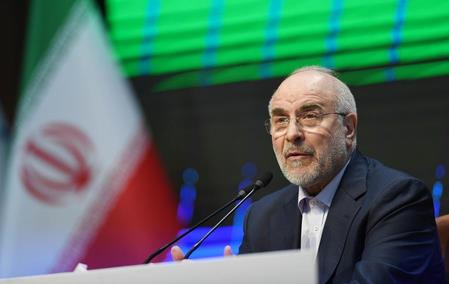
According to information provided by US officials, Trump and Vice President JD Vance signed the document electronically, while Iranian Parliament Speaker Mohammad Bagher Ghalibaf signed on behalf of Iran.
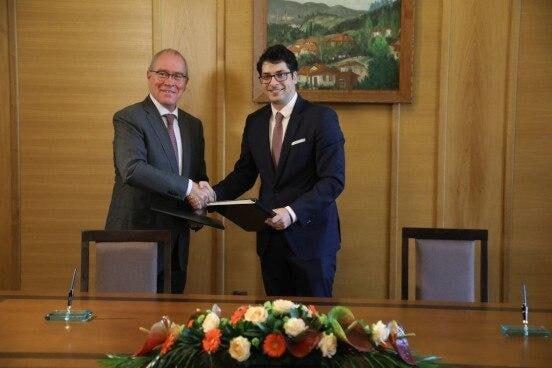
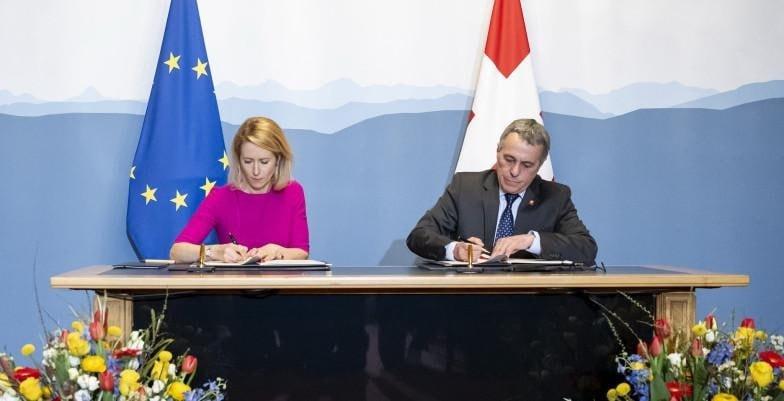
At the same time, officials from both sides have confirmed that a formal signing ceremony is still scheduled to take place in Switzerland on Friday.
This raises an important question for observers: If the agreement has already been signed, as Trump stated, why is a formal signing ceremony still planned? And why has the full text of the MoU not yet been made public?
What is known so far is that both sides have reached agreement on a framework. But the details and full content of the agreement remain subject to official disclosure.
The War May Have Paused, But the Core Issues Remain
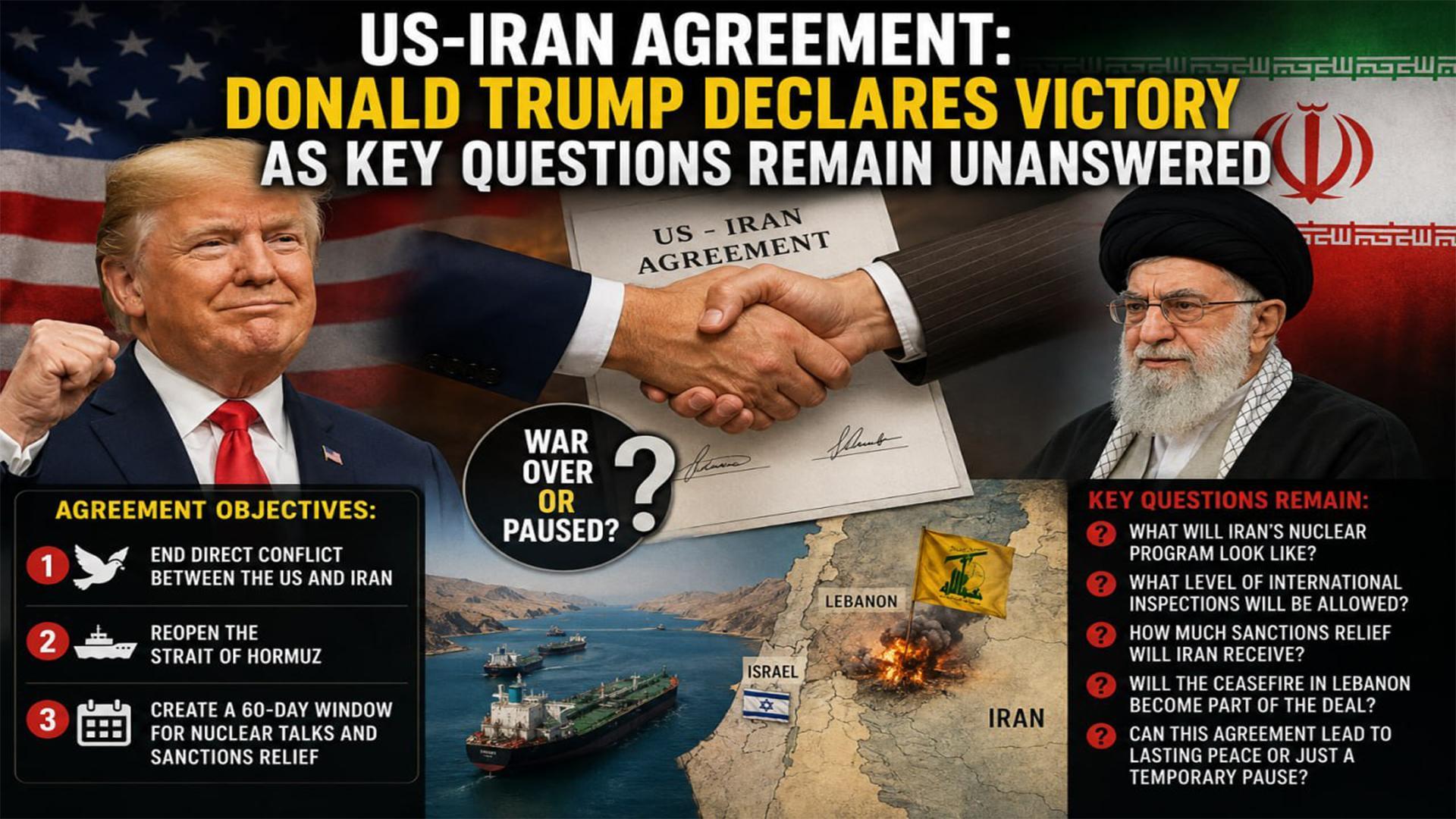
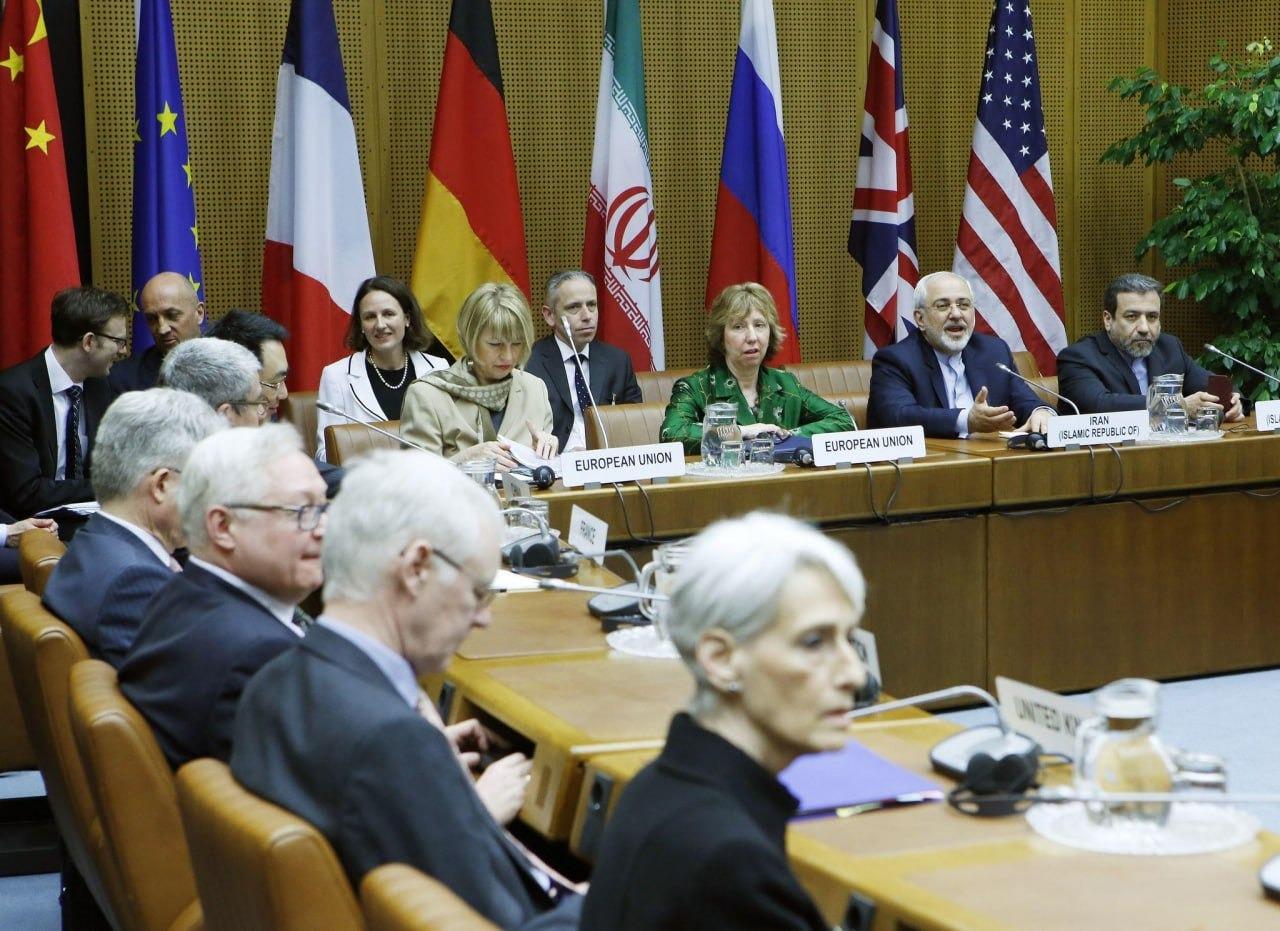
Reports from CNN and Al Jazeera suggest that the MoU between the United States and Iran has three main objectives.
First, it seeks to end direct fighting between the United States and Iran.
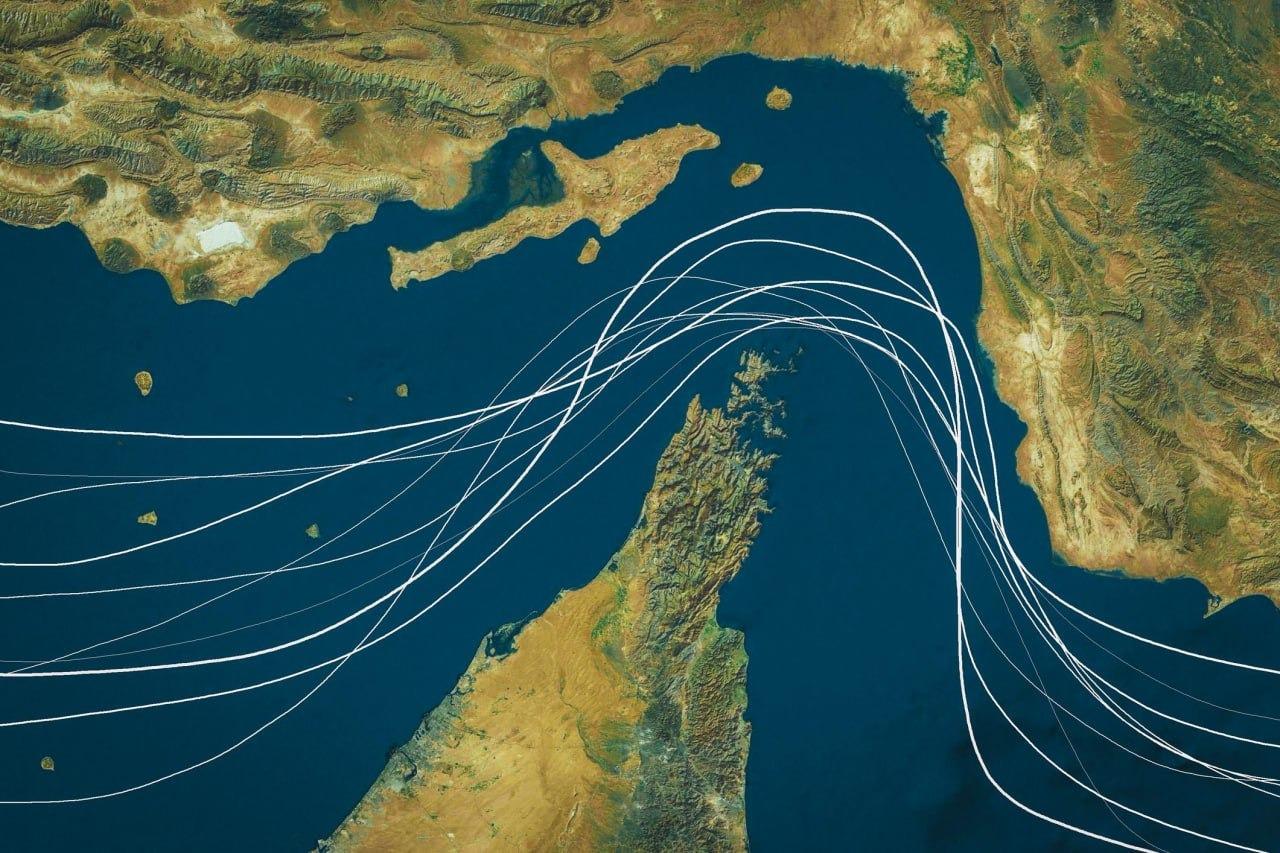
Second, it aims to reopen the Strait of Hormuz, restoring freedom of navigation and the flow of international energy trade.
Third, it creates a 60-day window for negotiations on Iran’s nuclear program and the possible easing of economic sanctions.
These objectives suggest that what has been achieved is not yet a final nuclear agreement. Rather, it appears to be an initial political framework designed to halt the fighting and open the way for further negotiations on more complex issues.
Even Vice President JD Vance acknowledged that many details still need to be worked out. His remark shows that while the war may be paused, the core questions that triggered the crisis remain unresolved.
Among those questions are the future of Iran’s nuclear program, the level of international inspection Tehran will accept, the extent to which sanctions may be eased or lifted, and the shape of a new security structure in the Middle East. These issues will determine whether today’s pause in fighting can become tomorrow’s lasting peace.
Trump Is Declaring a Political Victory
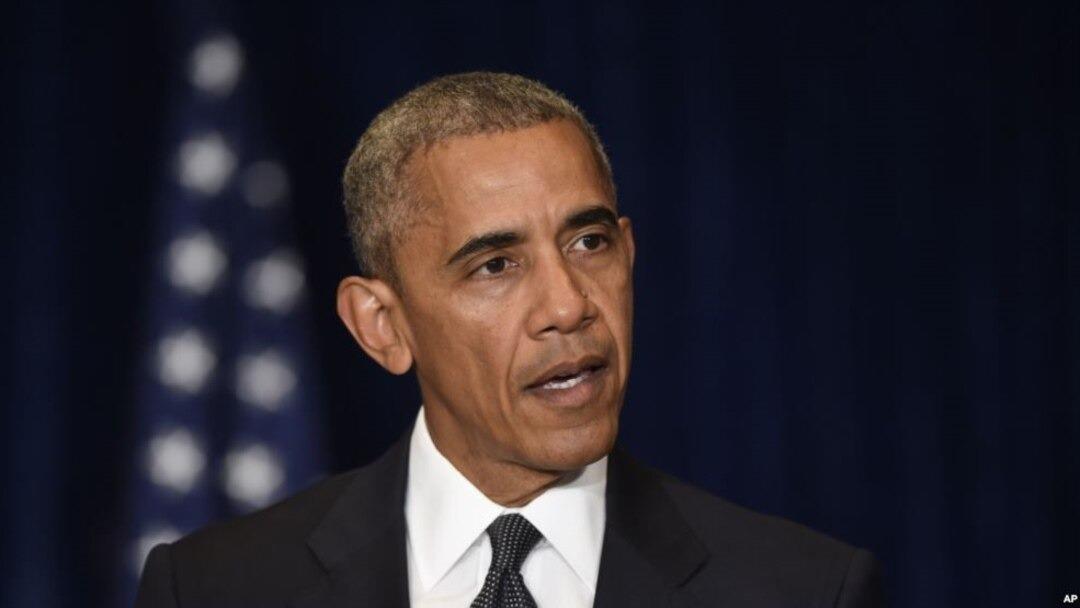
What is especially significant is Trump’s effort to present this new agreement as fundamentally different from the 2015 Iran nuclear agreement, formally known as the Joint Comprehensive Plan of Action, or JCPOA, reached under former President Barack Obama.
In a series of interviews, JD Vance sought to argue that Trump’s agreement is not a second version of the JCPOA.
According to Vance, the key difference is that under Obama, diplomacy came first: negotiations began, sanctions were later eased, and some frozen Iranian assets were released in exchange for limits on Iran’s nuclear program.
By contrast, the Trump administration is presenting the current agreement as the result of a different sequence: military pressure first, including strikes on Iranian nuclear targets and strategic infrastructure, followed by negotiations, and only then discussions over sanctions relief and economic normalization.
Politically, this creates a new narrative: “peace through strength,” or “strike first, negotiate later.”
Trump wants to show that he has achieved what previous presidents could not: forcing Iran back to the negotiating table after subjecting it to intense military pressure.
But a key question remains: Can military pressure produce lasting peace, or does it merely create a temporary pause before a new crisis erupts? The answer will depend on the outcome of the next 60 days of negotiations, which will determine whether the current agreement becomes a real step toward peace or remains only a temporary ceasefire.
The Middle East Crisis Is Not Over
Even as Trump declares a diplomatic victory and presents the agreement with Iran as a step toward peace, the broader Middle East remains fragile and uncertain.
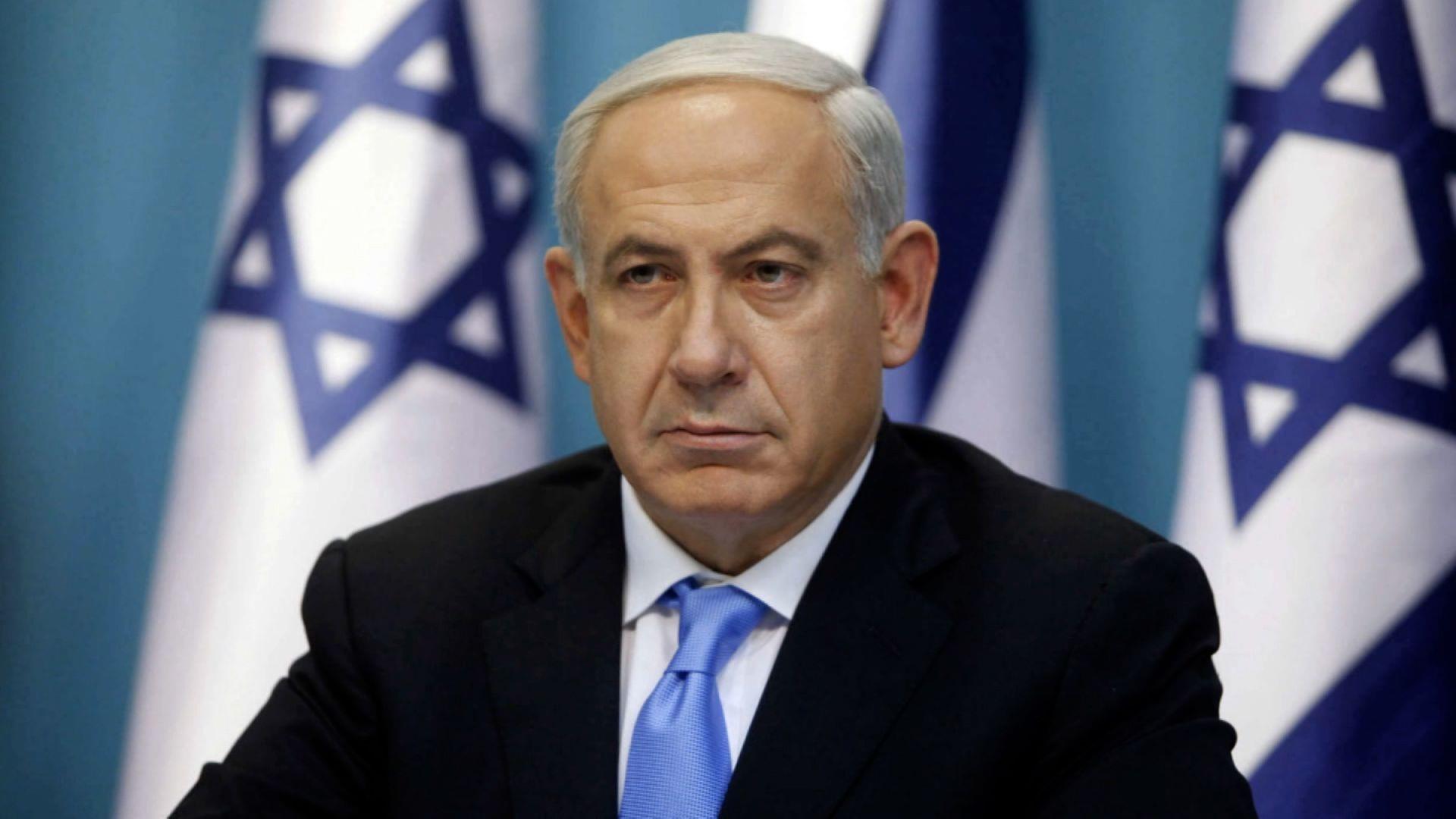
In his first comments after the announcement, Israeli Prime Minister Benjamin Netanyahu acknowledged that Israel and the United States “do not always see eye to eye.” The statement suggests that although the two allies share common concerns over Iran, they may differ over how to manage the crisis and what direction the region should take.
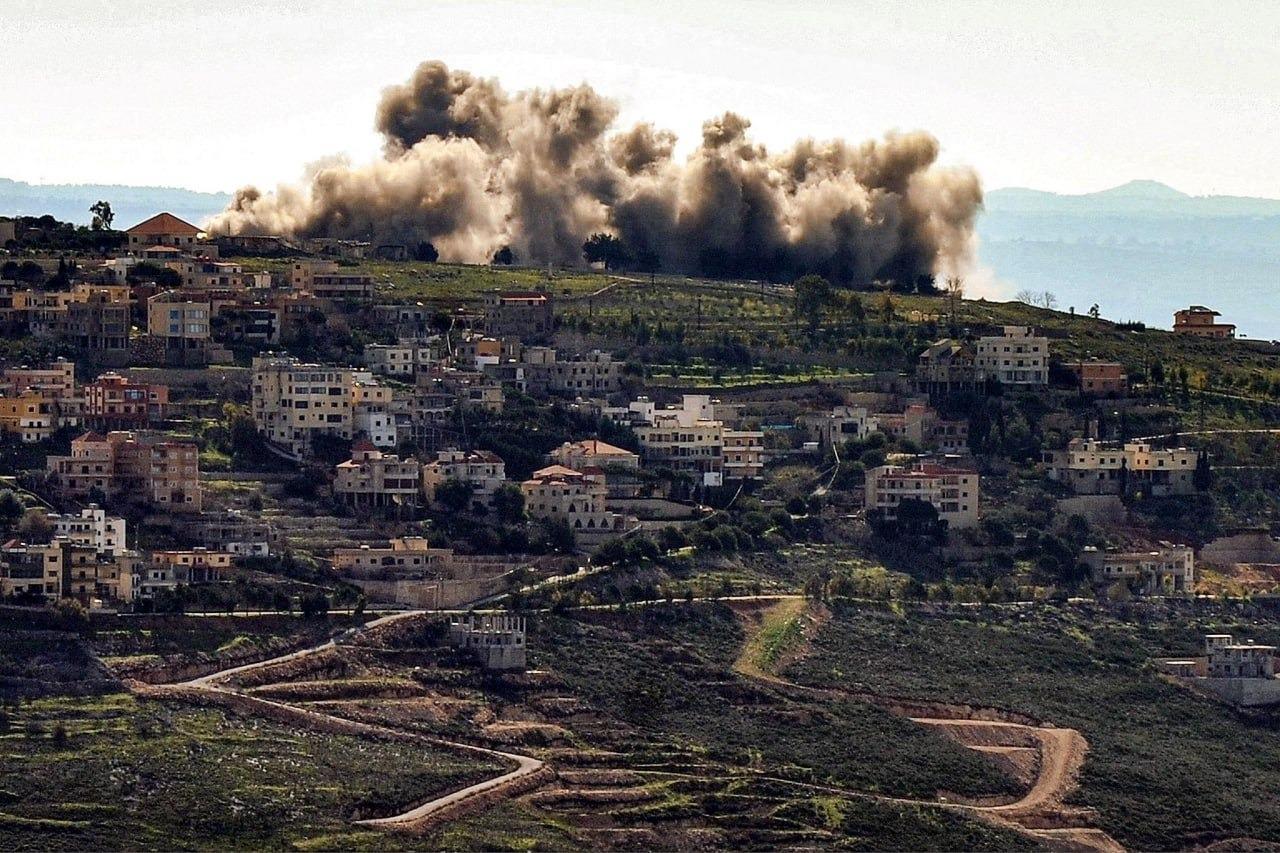
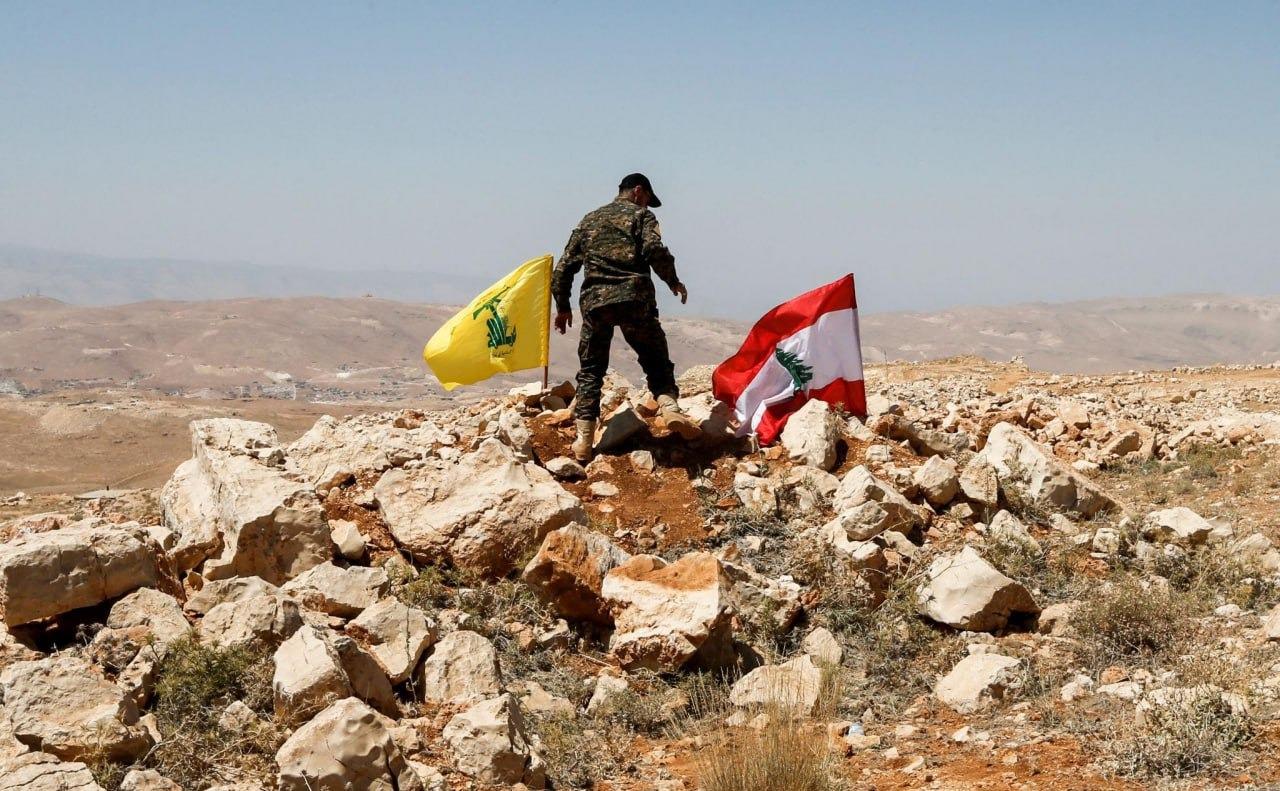
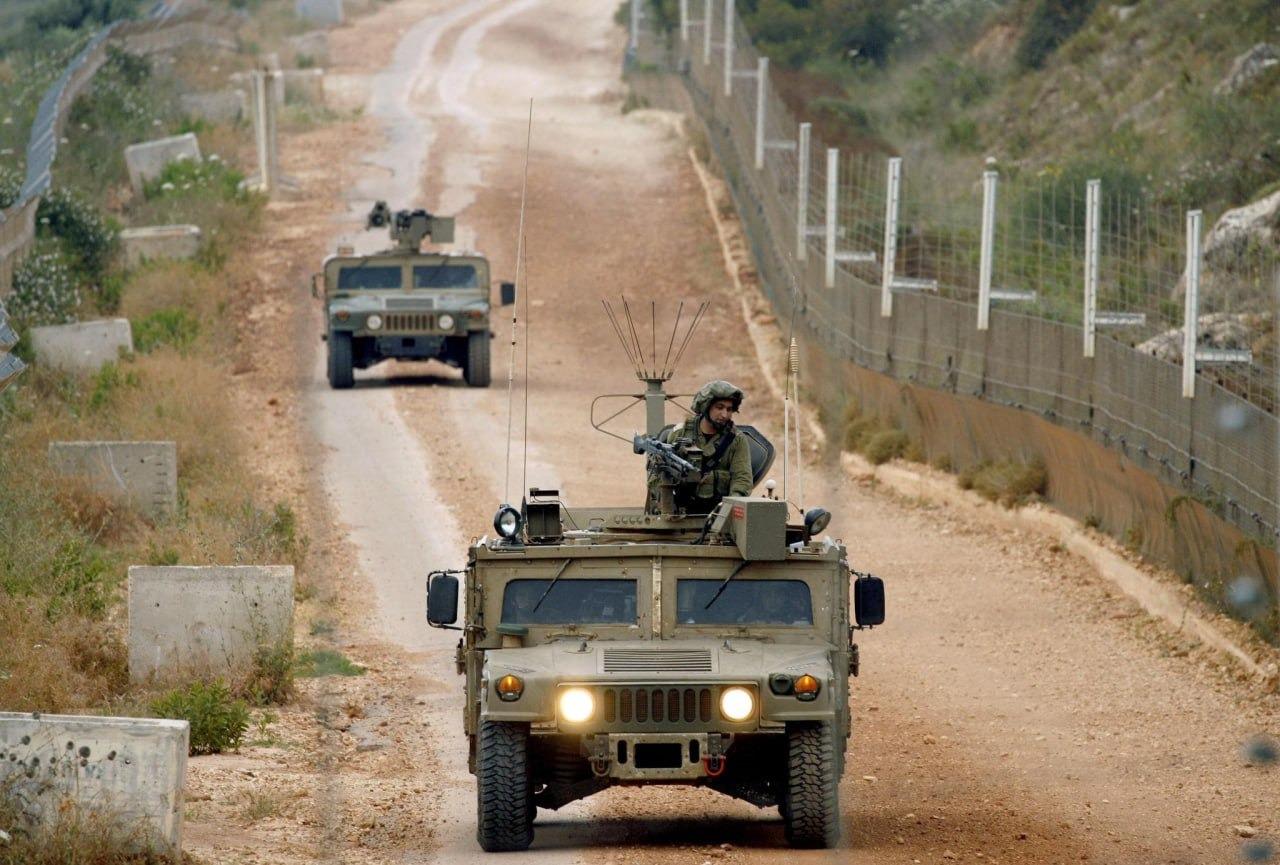
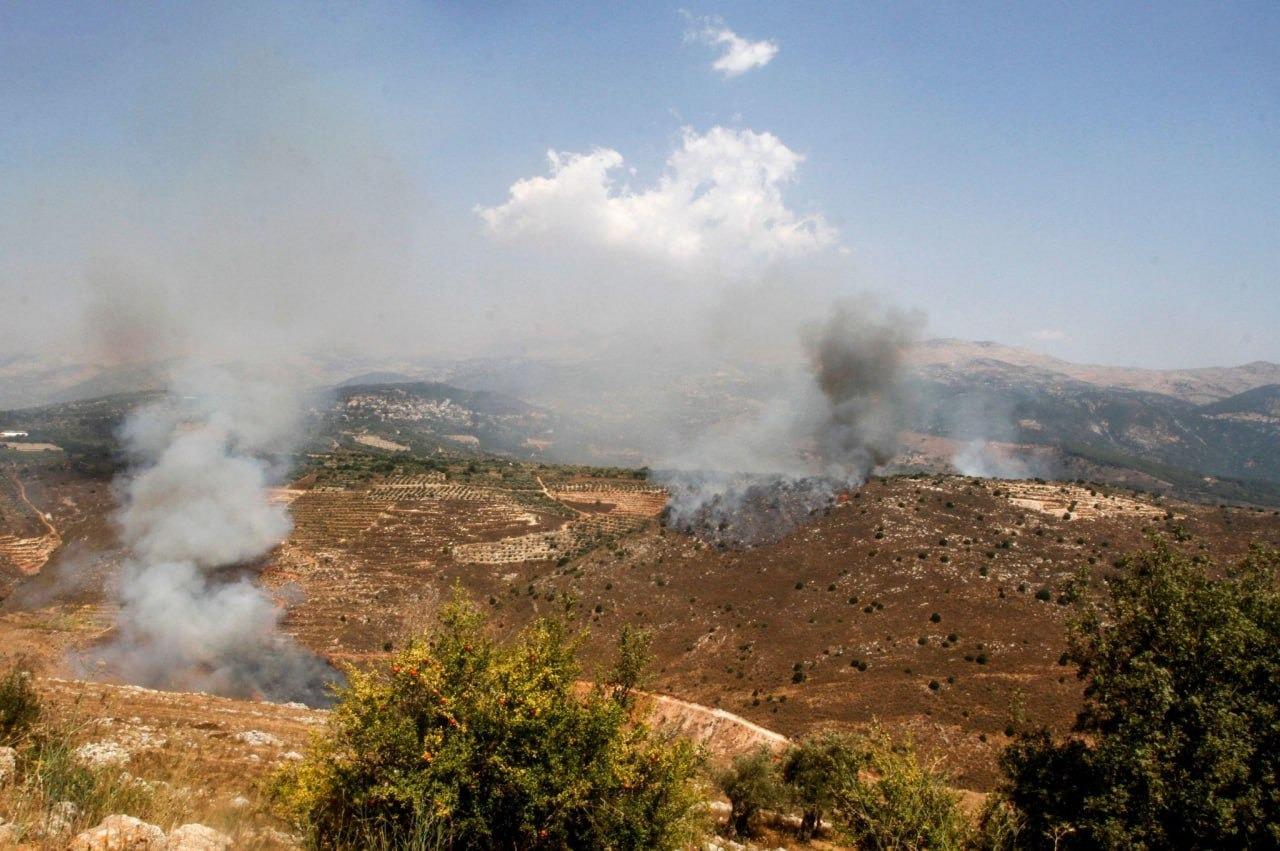
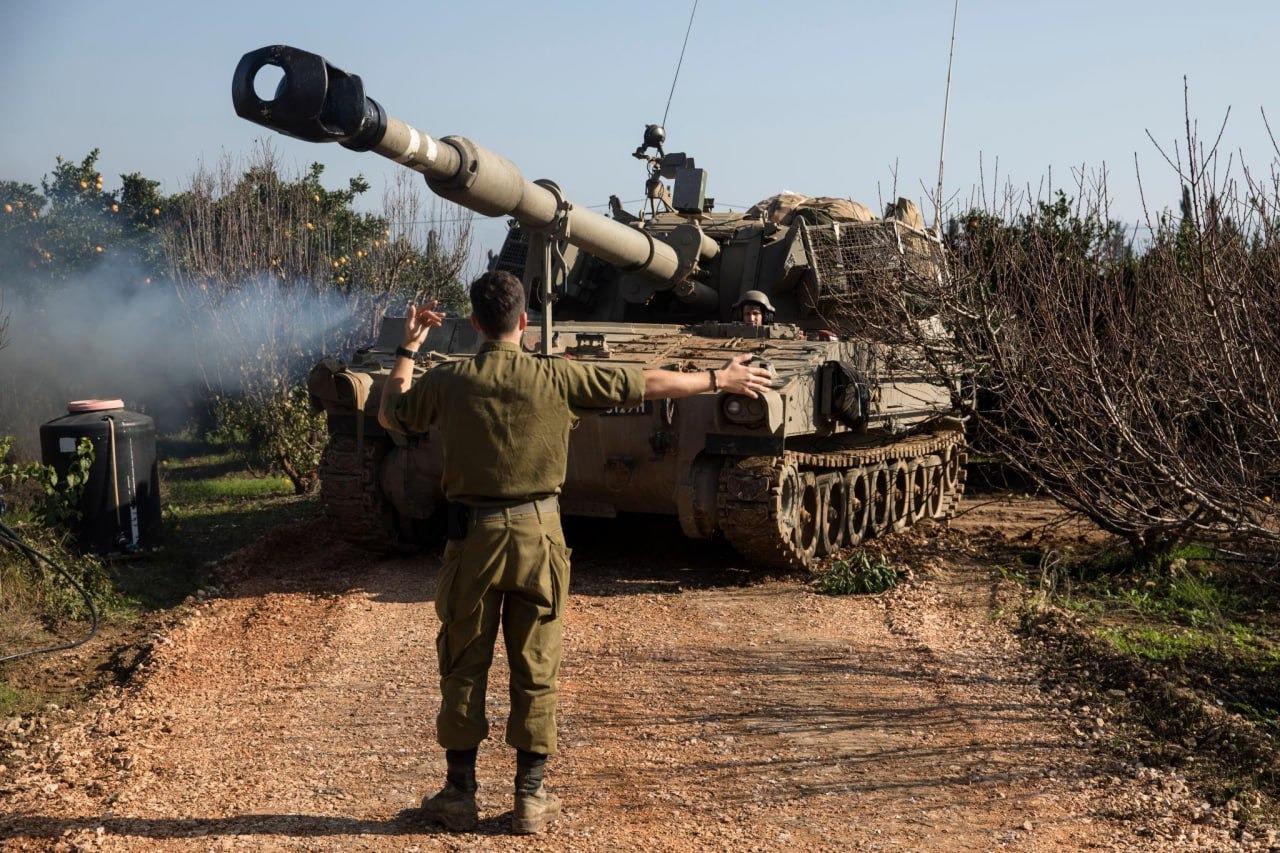
Meanwhile, in southern Lebanon, clashes between Israeli forces and Hezbollah continue, with both sides accusing the other of carrying out attacks.
These developments show that even if Washington and Tehran have reached an understanding, the wider security crisis in the Middle East has not been fully resolved. Conflicts involving regional allies and armed groups backed by Iran — or viewed by Israel as direct threats — remain potential flashpoints.
In other words, an agreement between Washington and Tehran may reduce tensions between the two states, but it does not mean that the broader conflict in the Middle East has ended. Peace between the United States and Iran may mark the beginning of a solution, but it is not yet the end of the region’s crisis.
Conclusion: Sixty Days That Could Shape the Region’s Future
The most important news today is not simply Trump’s claim that the agreement has already been signed. What matters more is that the United States and Iran have created a 60-day diplomatic window to negotiate the most difficult and sensitive issues at the heart of the crisis.
Over the next 60 days, both sides will have to answer several key questions: How much international inspection will Iran accept? How far will it limit its nuclear program? How much economic relief is the United States prepared to offer? And most importantly, can today’s pause in fighting be transformed into lasting peace?
So far, what Trump has achieved is not yet a final nuclear agreement. It is a political framework designed to stop the fighting, reduce tensions and open the door to a new round of negotiations.
Therefore, if today marks the end of one phase of war, it also marks the beginning of the most difficult phase of diplomacy.
The war may be paused, but real peace in the Middle East has not yet been signed. The next 60 days will be a crucial test of whether this agreement can turn a ceasefire into lasting peace.
Indeed, the fighting may have stopped for now, but the hardest test for peace in the Middle East has only just begun.