
(Phnom Penh): Throughout history, victorious nations have generally expected to gain political, security, or economic benefits from their military successes. Yet in the case of the 2026 conflict between the United States and Iran, a growing question is becoming increasingly difficult to ignore: Has America truly gained from this war?
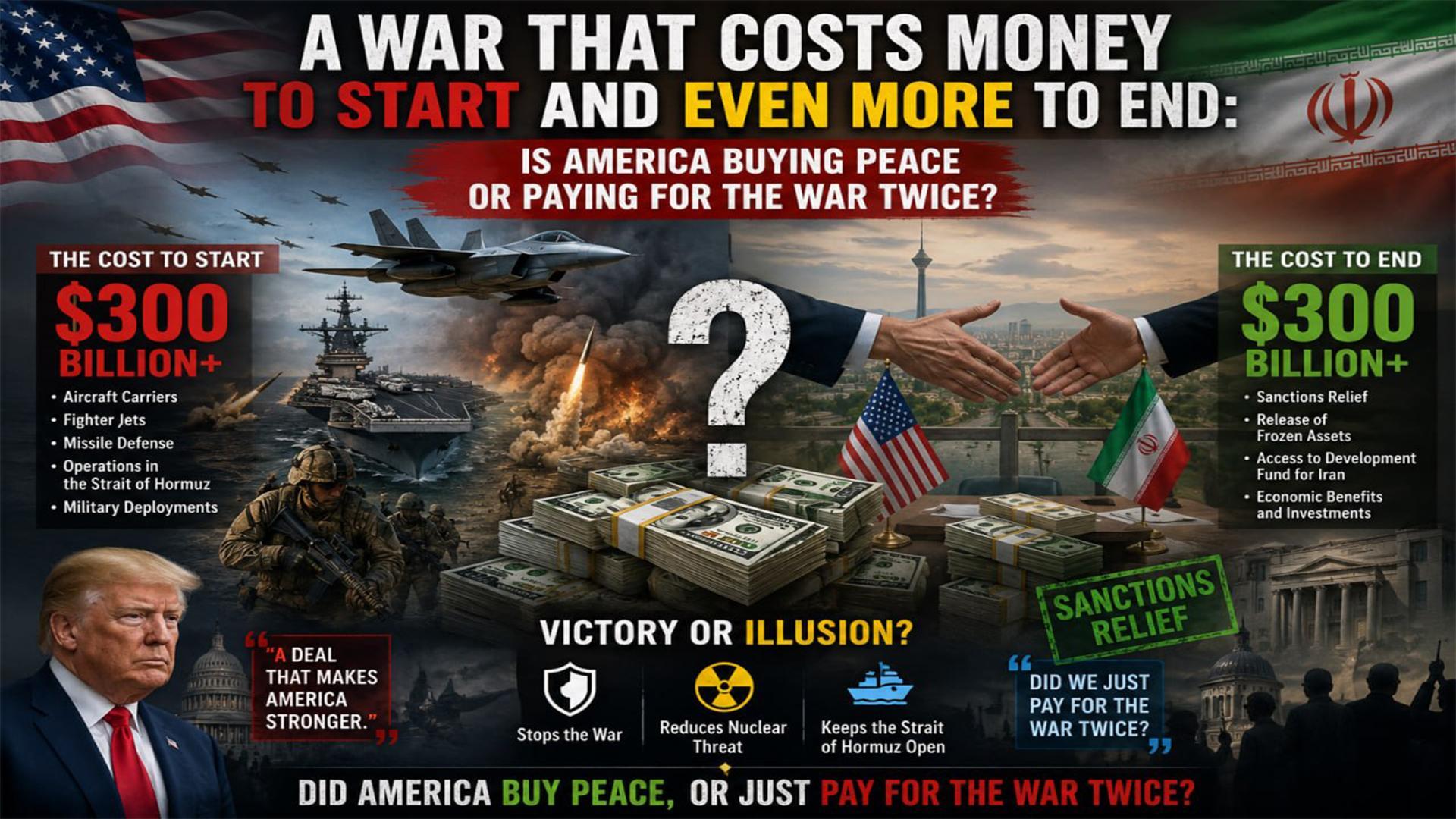
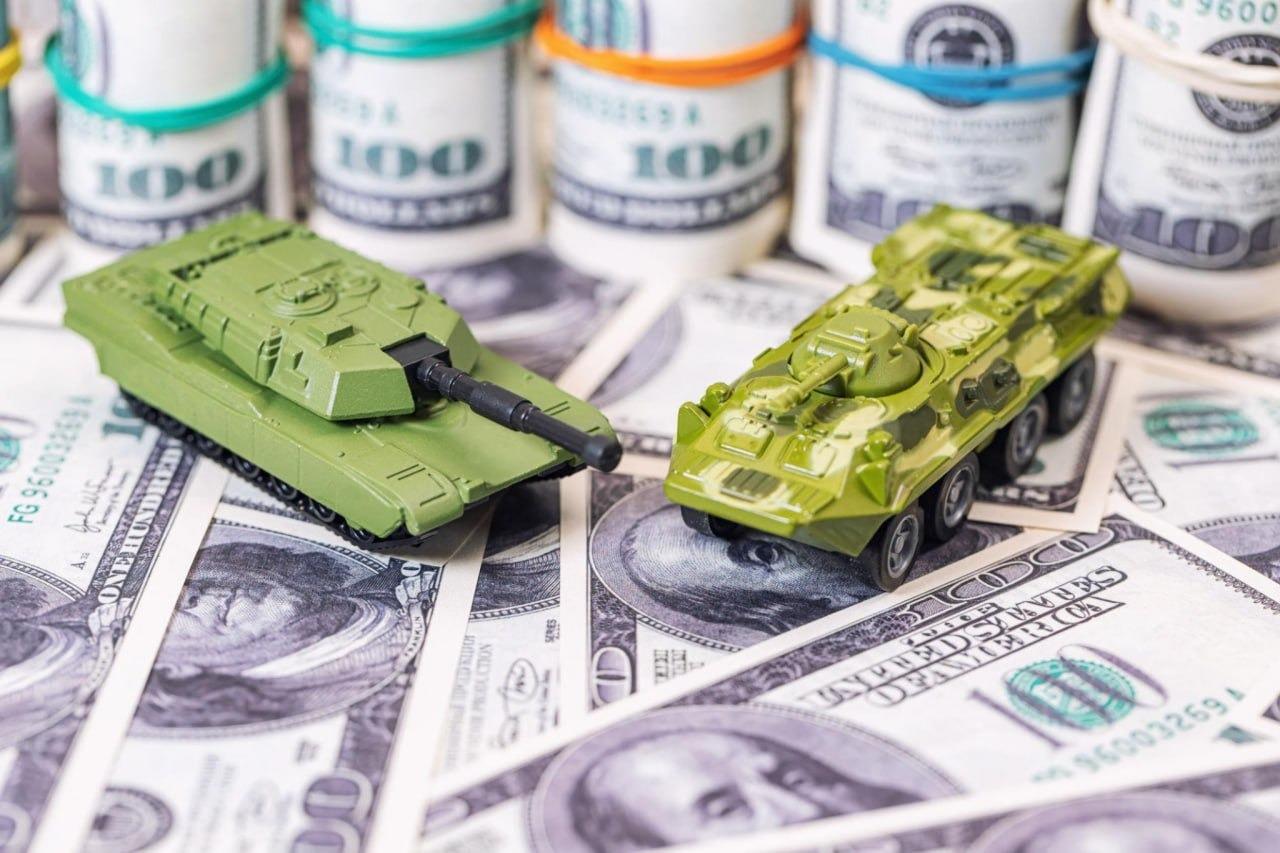
After committing enormous military resources to confront Iran—at a cost some analysts estimate could reach approximately $300 billion during two months of major military operations—the United States is now considering sanctions relief, the release of frozen Iranian assets, and support for an economic development framework that could ultimately provide Iran access to as much as $300 billion in investment and reconstruction funding, should the agreement be successfully implemented. If war is expensive, ending this war may prove to be equally costly.
Rather than reaping the rewards of victory, Washington now faces a difficult question: Is it buying peace, or is it paying for the war a second time?
A War That Was Never Cheap for America
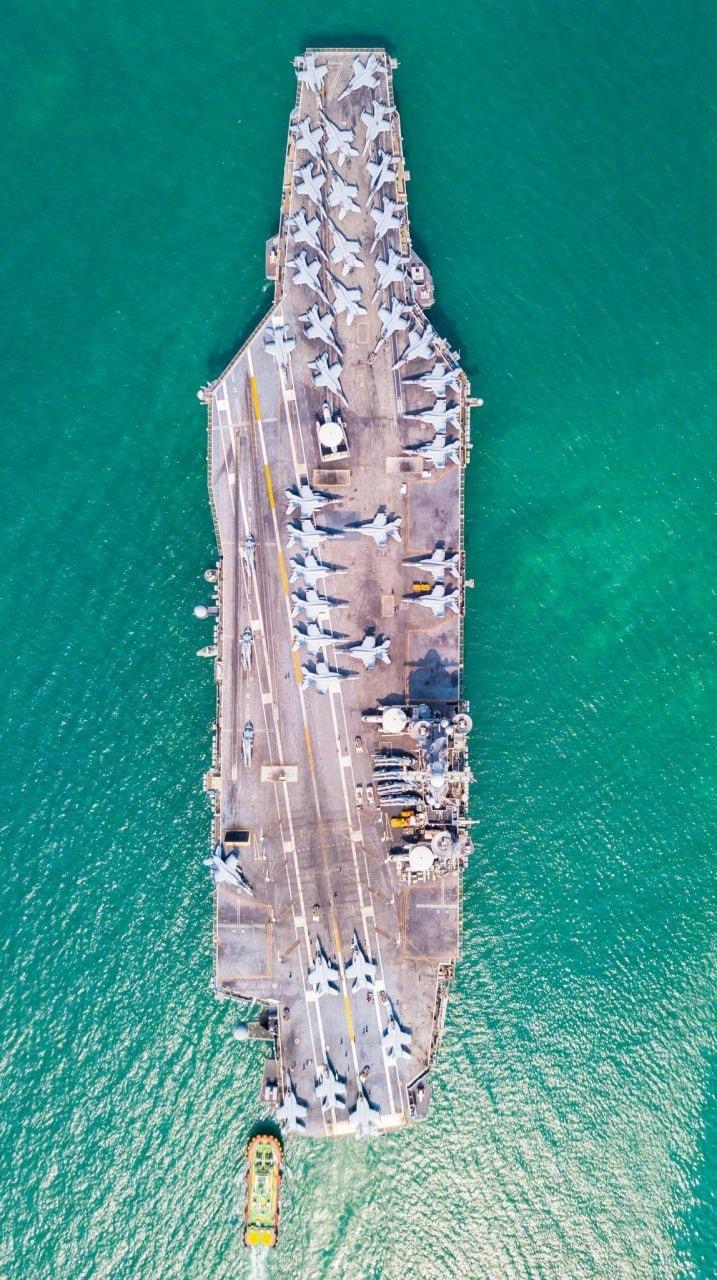
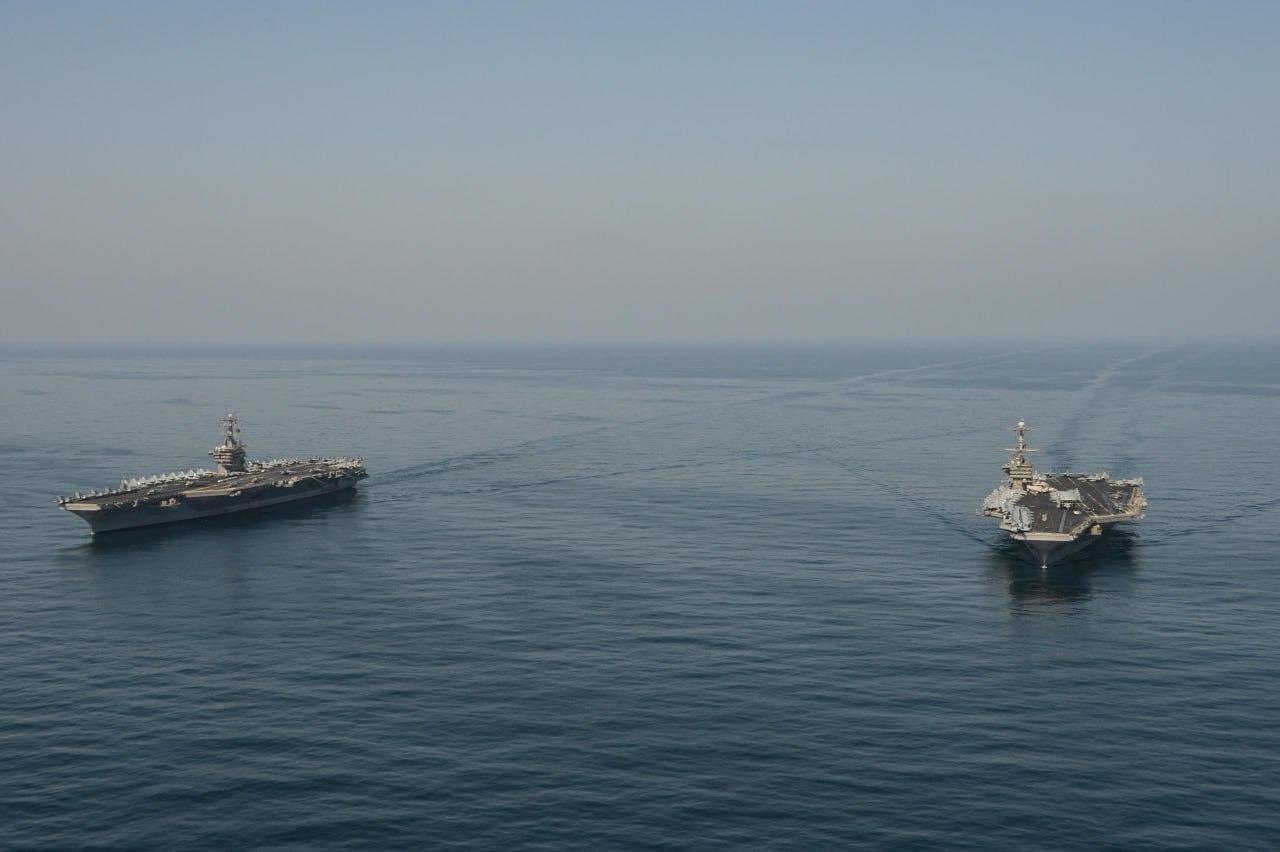
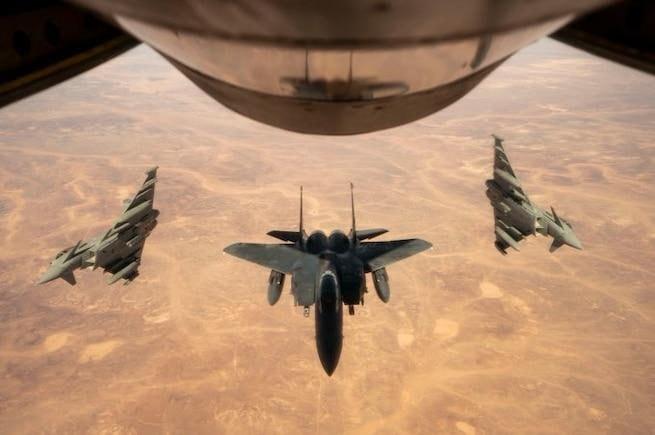
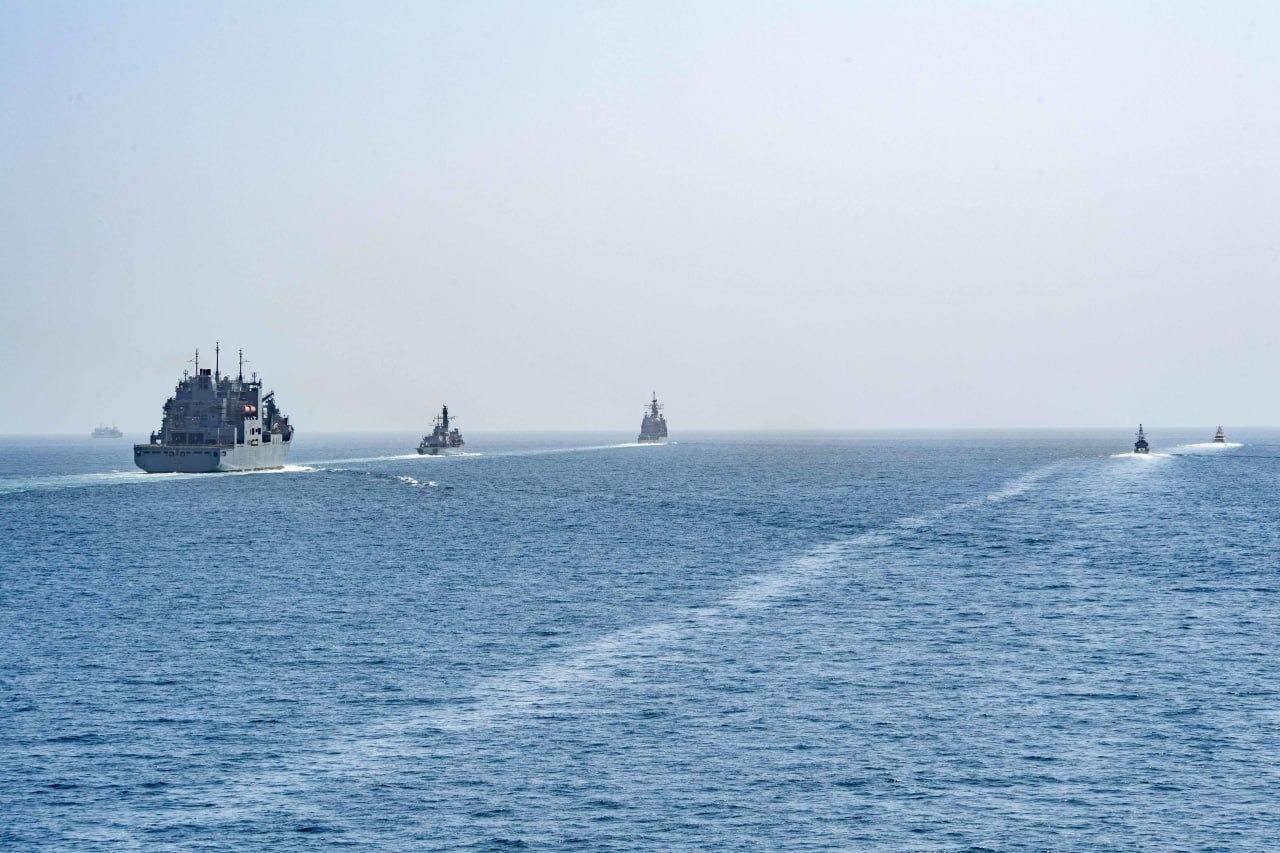
For months, the United States has maintained a significant military presence across the Middle East to confront Iran and protect its strategic interests in the region. Aircraft carriers, fighter jets, missile defense systems, and maritime security operations in the Strait of Hormuz have all required substantial financial and military resources.
Moreover, tensions in the Strait of Hormuz—one of the world's most critical energy chokepoints—have repeatedly shaken global oil markets and contributed to broader economic uncertainty. Every additional day of conflict has increased not only military expenditures but also the political and economic costs borne by Washington.
To be clear, the United States is not widely viewed as the loser of this conflict. Nor can Iran realistically claim to have defeated the world's most powerful military.
But the central question is not who won or who lost.
The more important question is whether a victory that costs hundreds of billions of dollars can truly be considered a complete victory.
If America must spend vast sums to wage war and then provide sanctions relief, release frozen assets, and facilitate economic benefits for Iran in order to preserve peace, then this conflict may be less about victory or defeat than about the price required to bring it to an end.
The Price of Peace
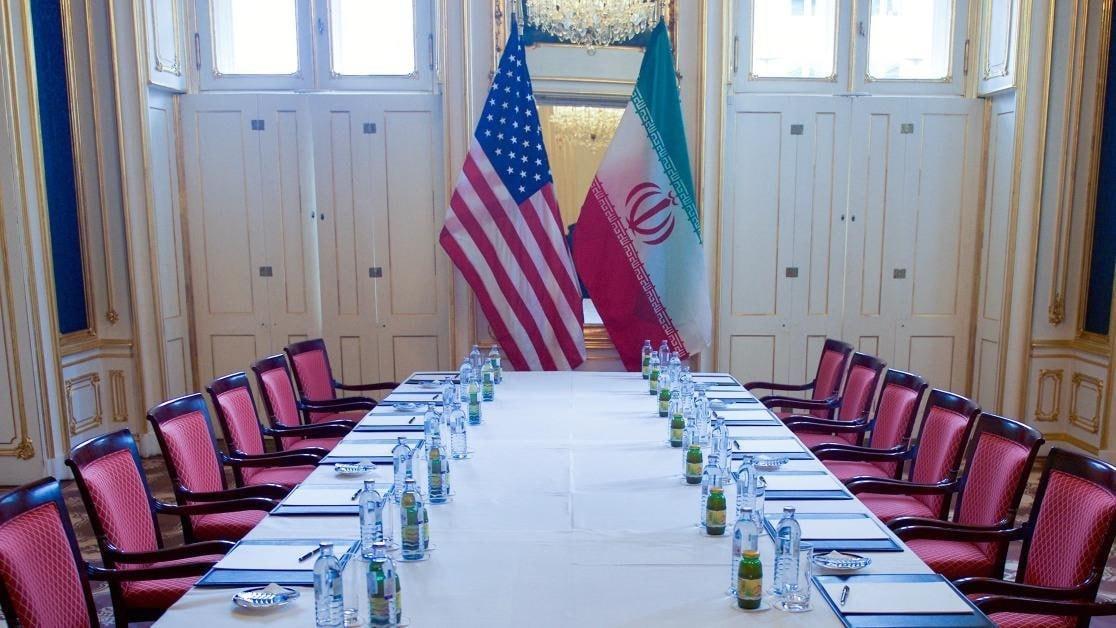
What makes the emerging agreement particularly noteworthy is that it goes beyond Iran's nuclear program. It also includes significant economic incentives designed to encourage Tehran to remain on a diplomatic path.
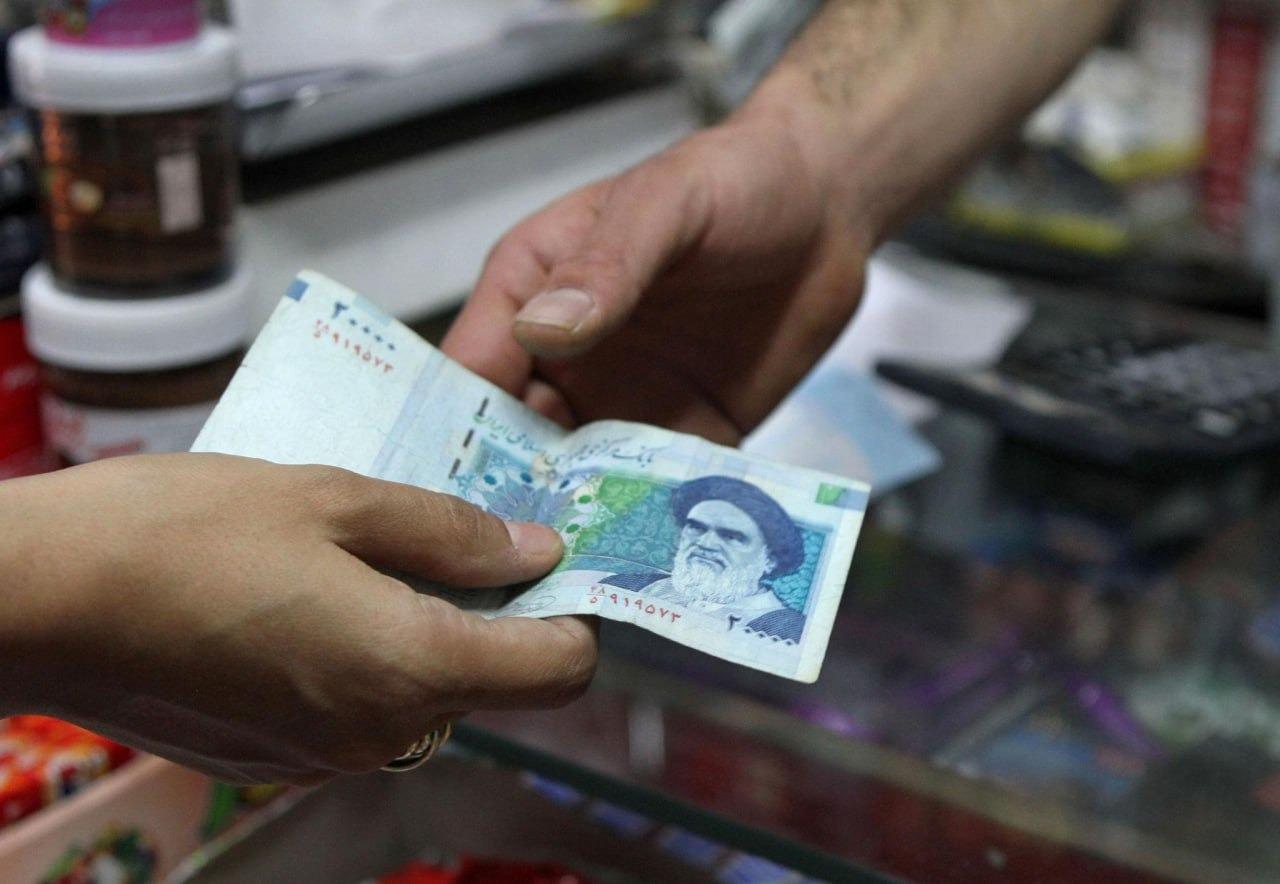
According to CNN reporting, the proposed agreement could include partial sanctions relief, the release of frozen Iranian assets, and the establishment of a reconstruction and development framework worth up to $300 billion, supported by Gulf Arab states and other international partners, provided that Iran fulfills its commitments.
From Tehran's perspective, these provisions can be viewed as a reward for returning to negotiations and an opportunity to revive an economy that has been constrained by years of sanctions.
From the perspective of critics in Washington, however, the picture looks very different.
To them, it appears that the United States has already spent enormous resources fighting the war and may now be required to provide additional economic and political concessions to ensure that peace endures.
This is where the debate inside America becomes most intense.
For many conservatives, the issue is not simply what Iran stands to gain. The more troubling question is this:
Why should the United States bear the enormous costs of war only to end up providing economic incentives to the very country it has just been fighting?
For these critics, the key question is no longer, "What is the cost of peace?" It is, "Has peace become too expensive for America?"
Trump's $300 Billion Problem
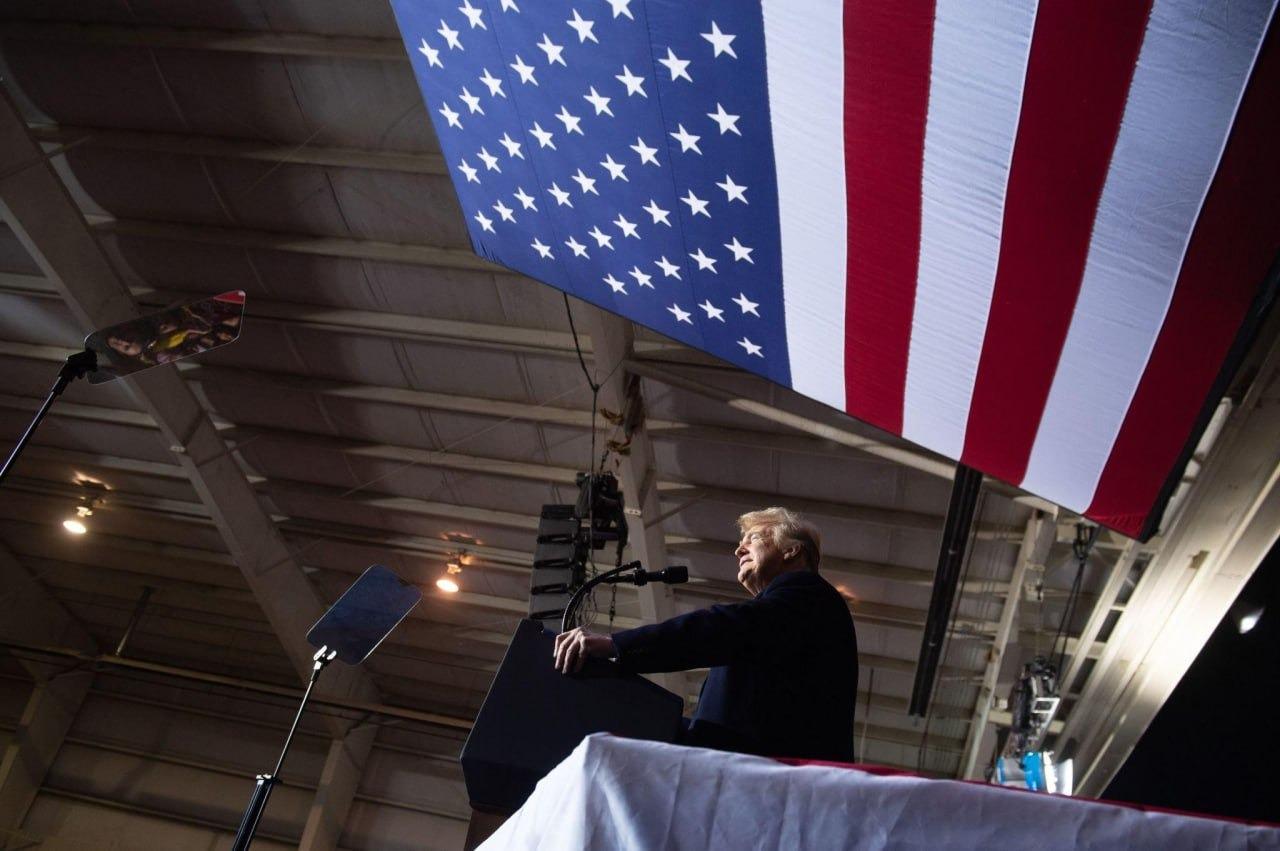
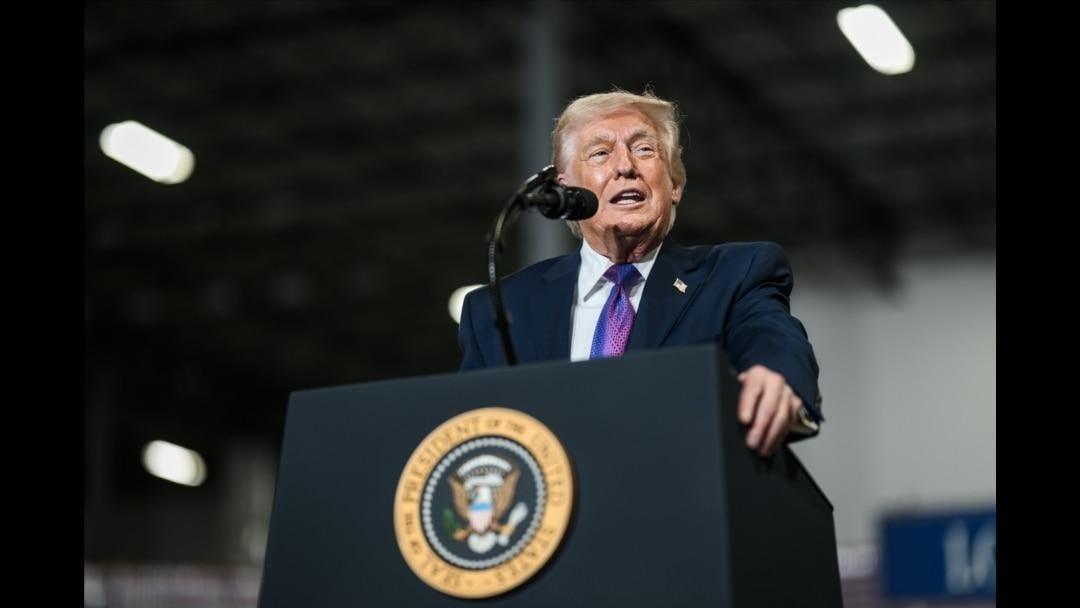
One of President Donald Trump's greatest challenges may not be located in Tehran, but in Washington.
For years, Trump criticized former President Barack Obama's 2015 nuclear agreement with Iran, arguing that it provided Tehran with substantial financial benefits while offering America too little in return.
Today, Trump is attempting to convince the American public that this new agreement is "not Obama 2.0."
His administration argues that Iran will receive economic benefits only after complying with its commitments and that no concessions will be granted unconditionally.
Yet many supporters and critics alike see a different reality.
Even if American taxpayers are not directly transferring money to Iran, the release of frozen assets, sanctions relief, and expanded access to international investment represent substantial economic gains for Tehran.
This creates a difficult political dilemma for Trump.
For more than a decade, he built part of his political identity on criticizing previous American leaders for "giving too much and receiving too little" in negotiations with Iran. Yet his own administration is now supporting a framework that could ultimately provide Iran with sanctions relief, access to frozen assets, and large-scale development opportunities if the agreement succeeds.
As a result, the question haunting the Trump administration is no longer whether Iran will benefit. That appears increasingly clear.
The real question is whether the benefits America receives from both the war and the resulting agreement are equal to—or greater than—the benefits Iran stands to gain.
If the answer is no, then the $300 billion issue could become one of the most politically sensitive challenges facing Trump's presidency.
Is America Buying Peace or Buying Time?
Ultimately, the most important question may not be how many billions of dollars this agreement is worth.
The real question is whether America is purchasing genuine peace—or merely purchasing time.
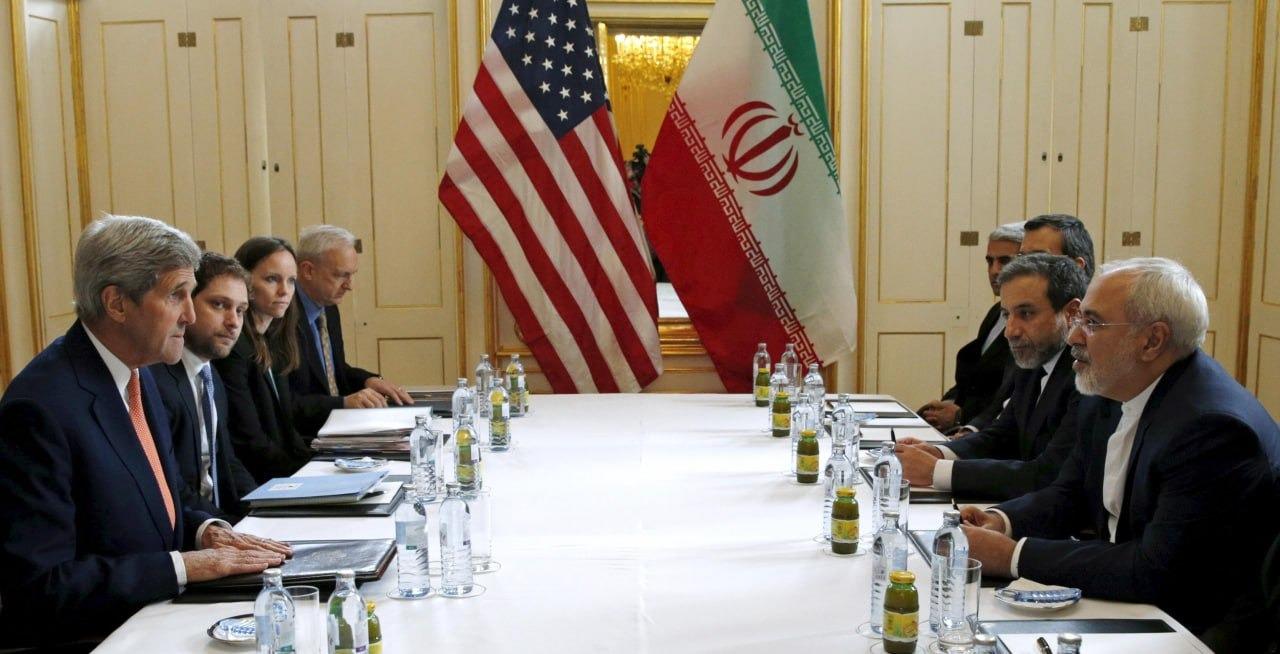
At present, the agreement remains far from final. U.S. officials themselves have acknowledged that the current one-and-a-half-page memorandum is primarily a political framework intended to create favorable conditions for future technical negotiations.
This means that many critical questions remain unresolved. To what extent will Iran fulfill its commitments? How will sanctions relief be phased in?
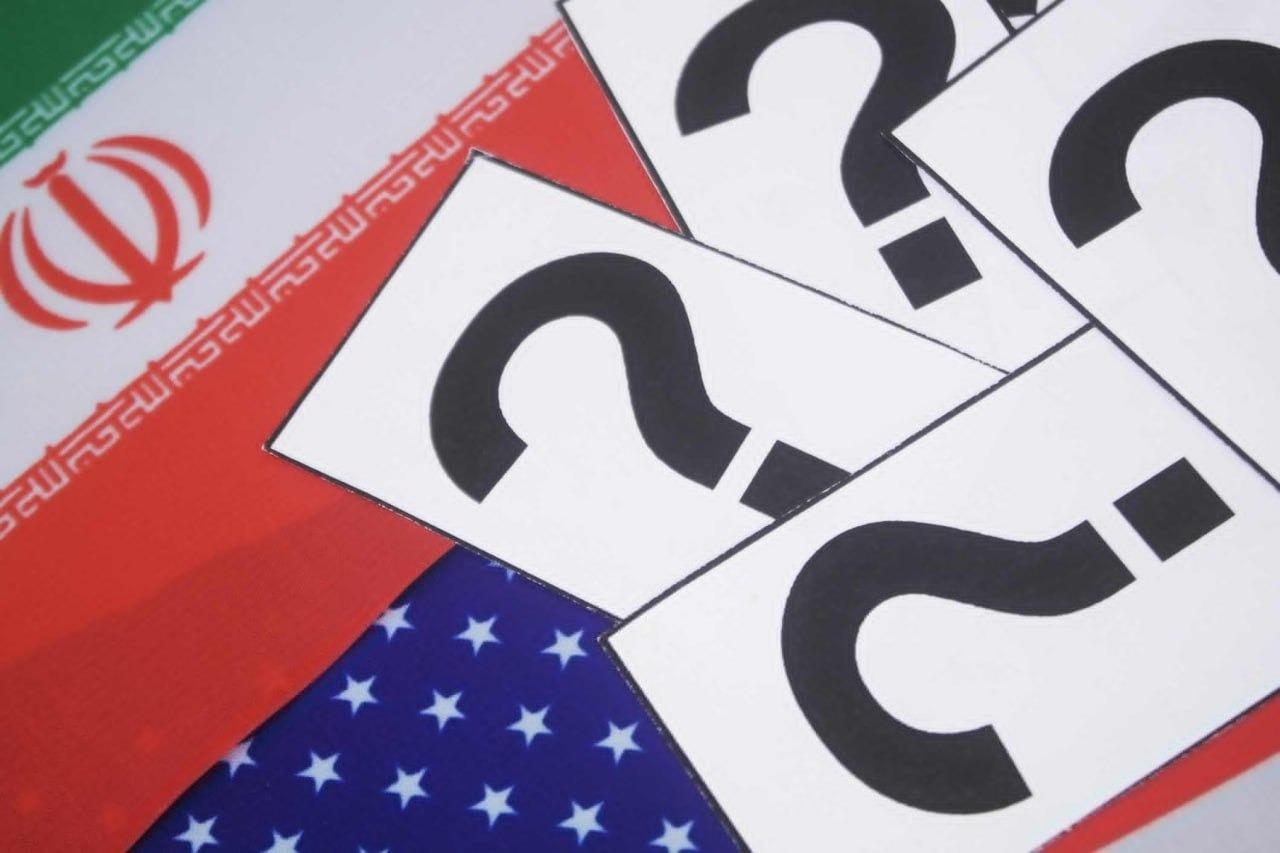
Can both sides build trust after decades of hostility and mutual suspicion?
Beyond these uncertainties, the broader Middle East remains fragile. Tensions involving Israel, Iran-aligned groups, and the Strait of Hormuz continue to pose risks to regional stability.
For that reason, this agreement may not represent the end of the crisis. It may simply represent a pause.
If the agreement ultimately leads to lasting stability, then the economic concessions offered to Iran may be viewed as a reasonable price for peace.
But if conflict returns within months or years, history may judge this agreement not as the purchase of peace, but as one of the most expensive exercises in buying time.
That is perhaps the question nobody can answer today: Is the United States investing in a durable peace—or merely spending money to postpone tomorrow's conflict?
Conclusion
To supporters of President Trump, this agreement may represent a significant political and strategic victory. It has helped halt a costly conflict, reduce the risk of nuclear proliferation, and preserve freedom of navigation through the Strait of Hormuz—an artery vital to the global economy.
To critics, however, it may become an example of a war that failed to produce a clear return for the side that paid the highest price.
After committing vast military, political, and economic resources, the United States now finds itself considering sanctions relief, asset releases, and large-scale economic opportunities for Iran in order to sustain the peace. History is filled with wars that were expensive to begin.
The 2026 U.S.-Iran conflict, however, may ultimately be remembered differently. It may be remembered as a war in which America spent enormous sums to fight—and then found itself spending even more to end it. In the end, the most important issue may not be whether the agreement is worth $300 billion.
The real issue is whether that price can buy a lasting peace—or merely purchase time before the next crisis erupts. If peace endures, the costs may be viewed as an investment in stability.
But if conflict returns, one question will continue to haunt the Trump administration—and American taxpayers—for years to come:
Did the United States buy peace, or did it simply pay for the war twice?