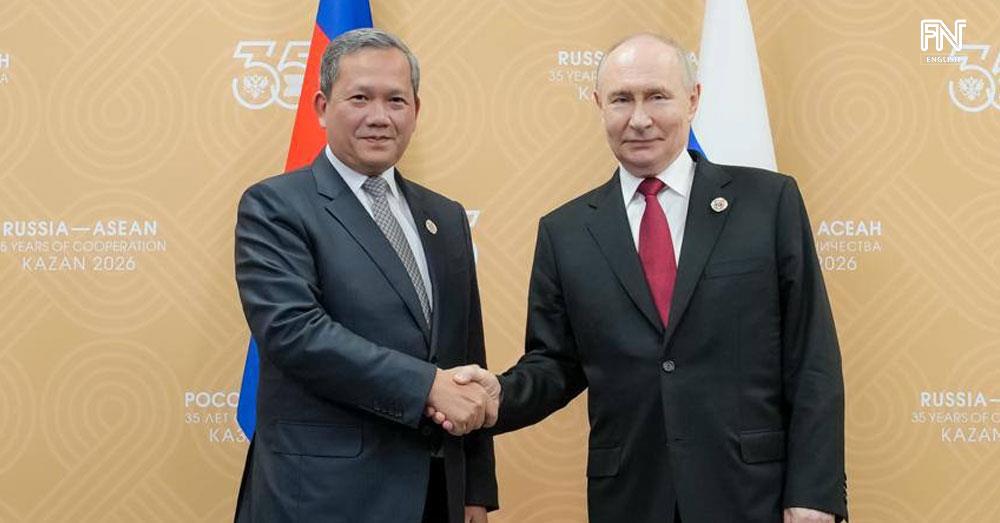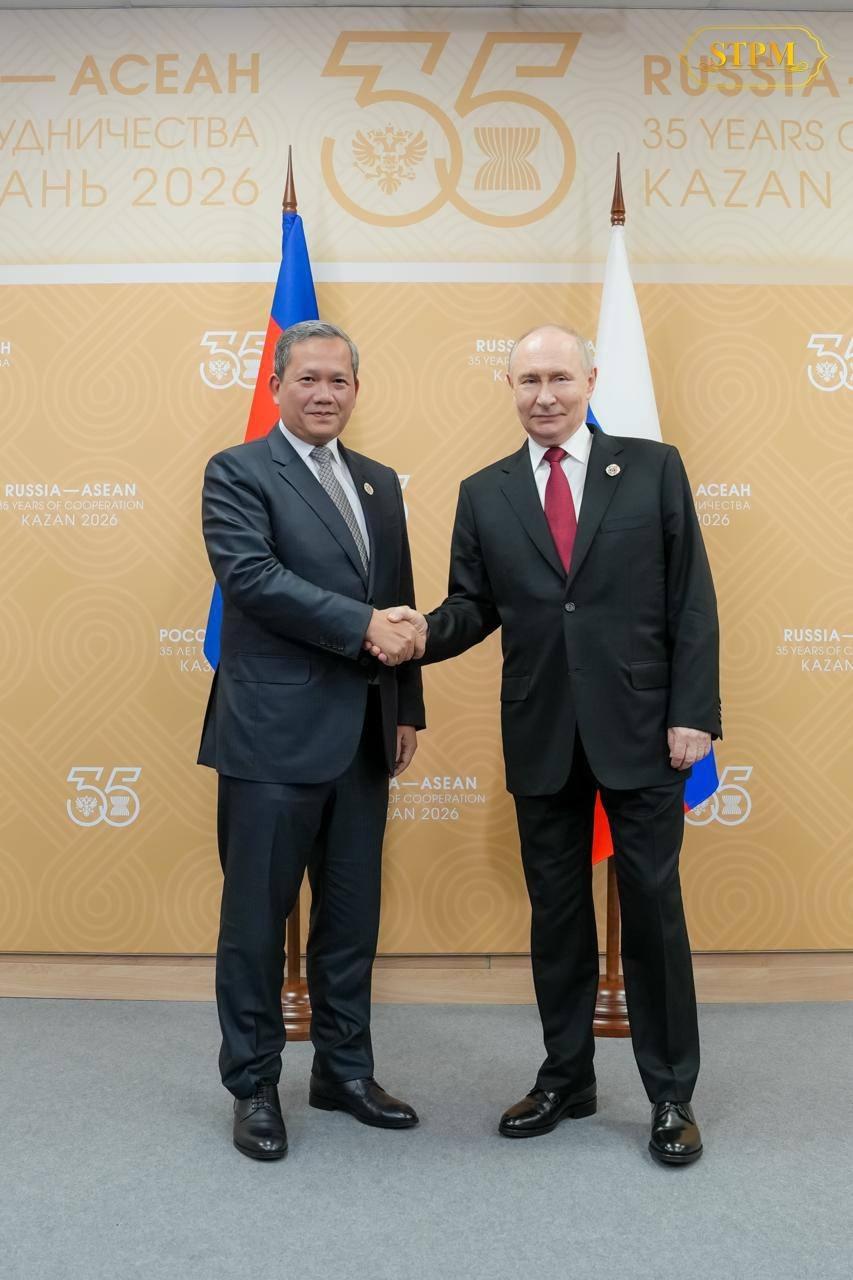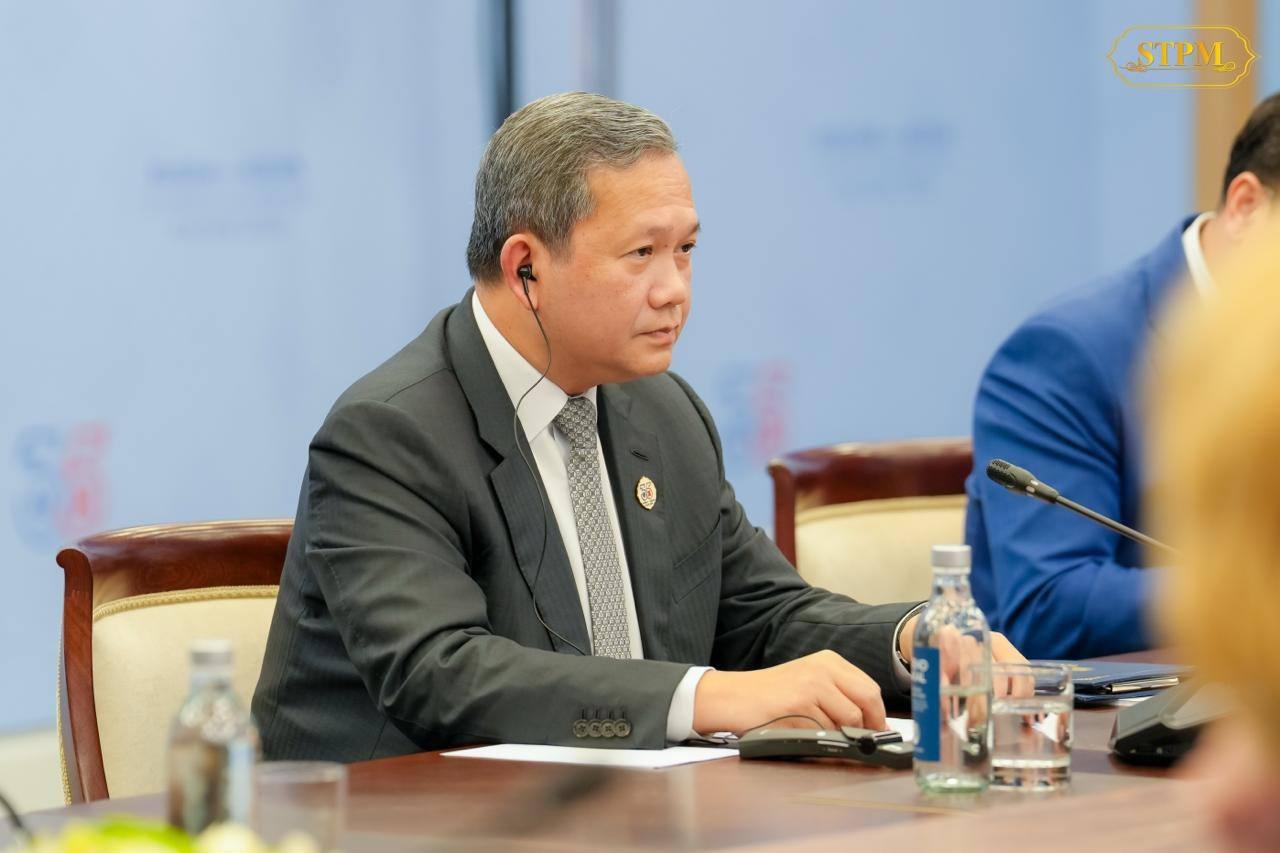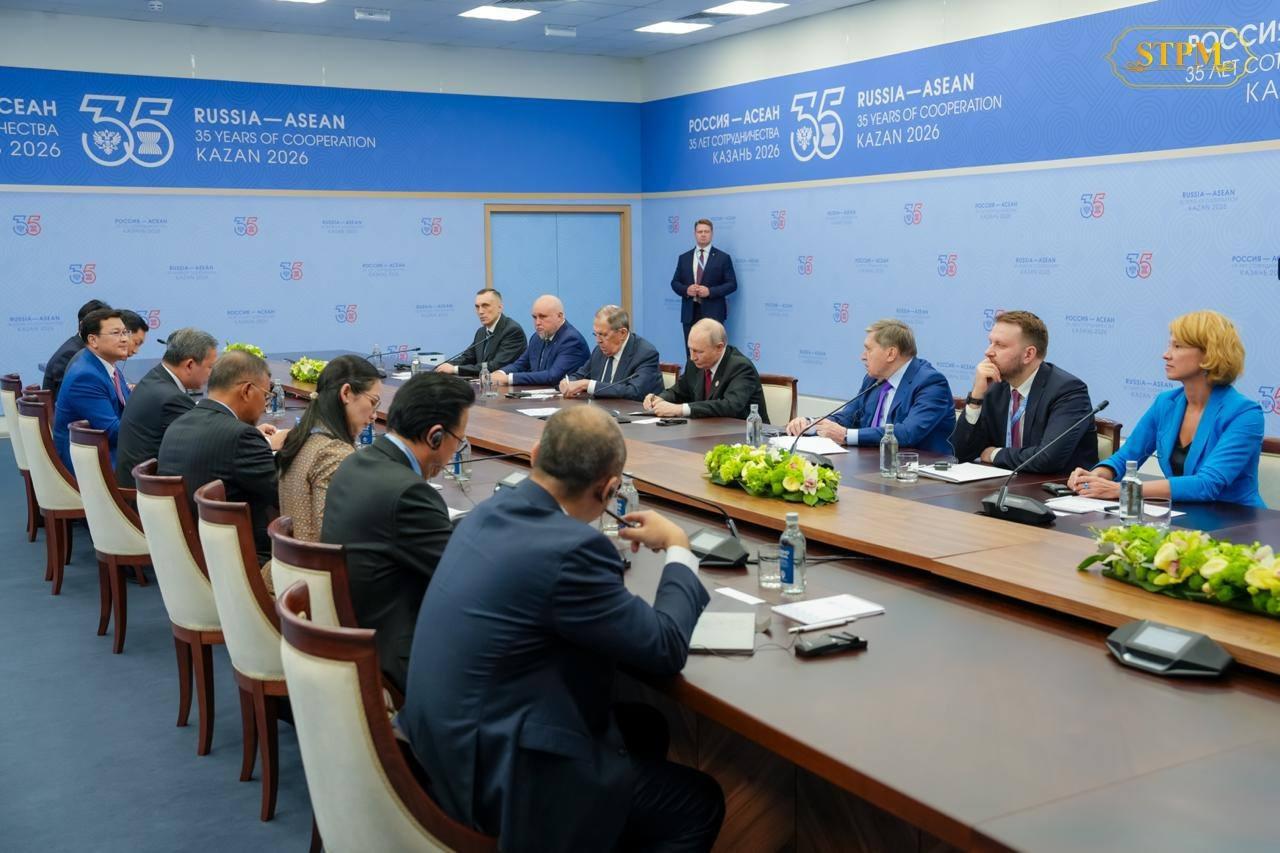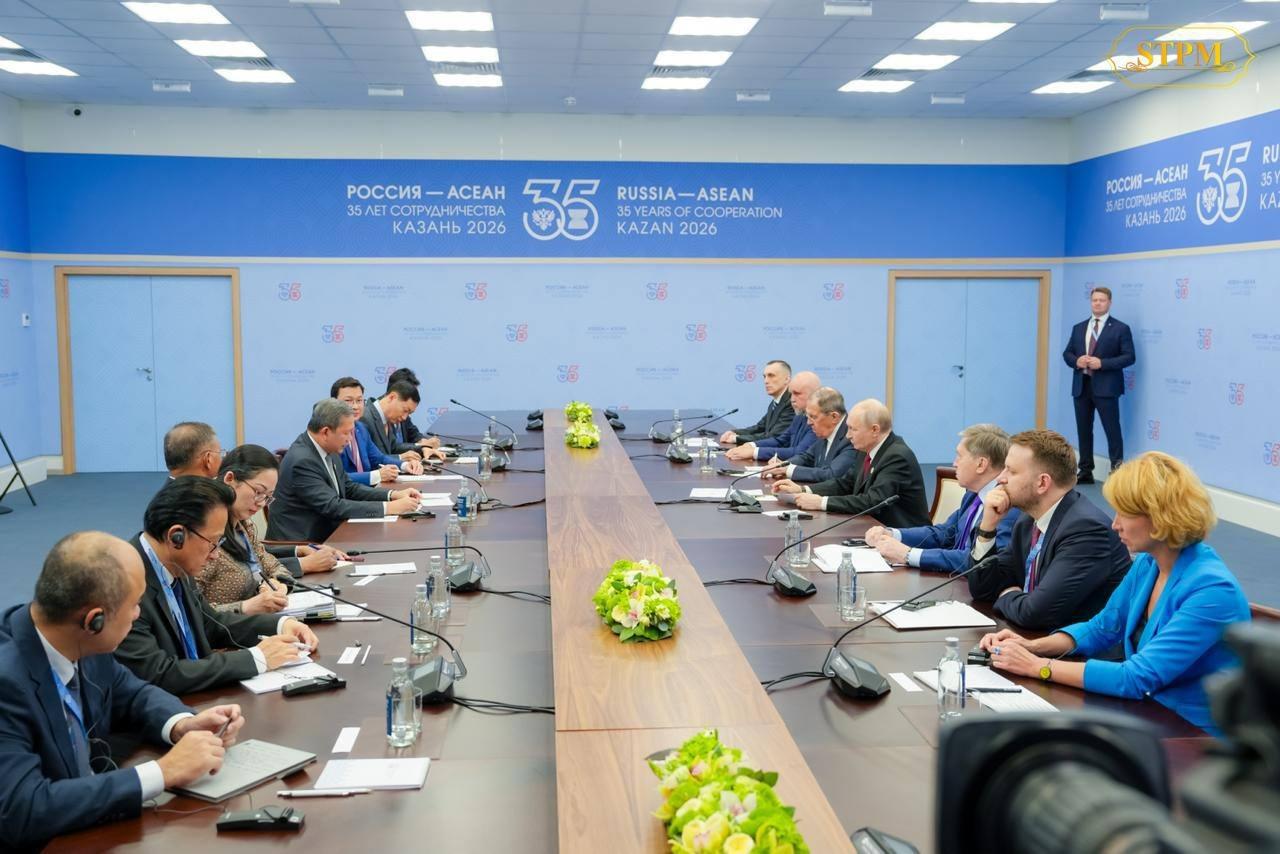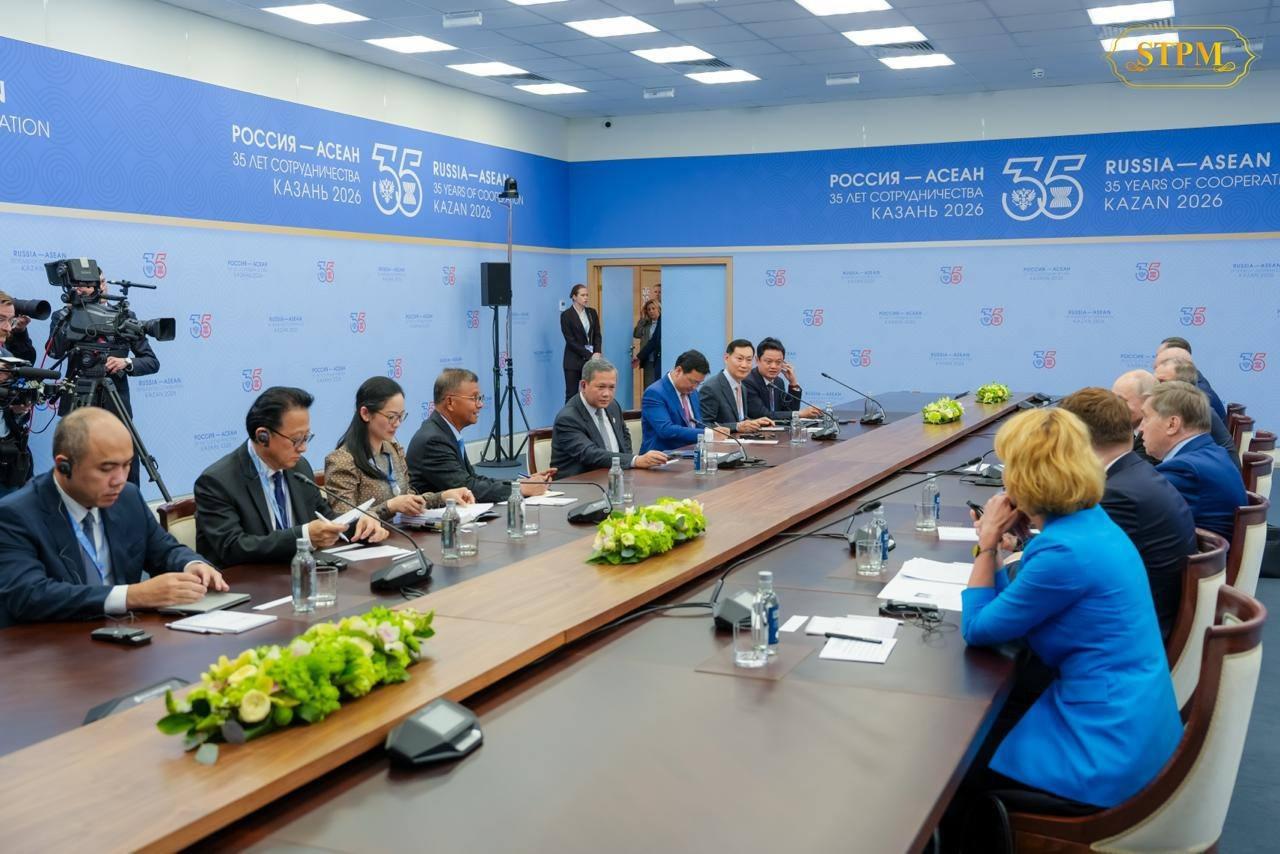

(Phnom Penh): When world leaders meet, their conversations often revolve around war, trade, sanctions, or great-power competition. Yet in Kazan, Russia, during the 35th Anniversary ASEAN–Russia Commemorative Summit, Cambodian Prime Minister Hun Manet and Russian President Vladimir Putin chose a different starting point.
Rather than focusing on geopolitical rivalries or international conflicts, the two leaders reflected on hospitals, technological institutes, infrastructure projects, and the assistance that the former Soviet Union provided to Cambodia following the collapse of the Khmer Rouge regime in 1979.
Nearly half a century has passed since Cambodia began rebuilding itself from the ashes of war. Why, then, does that period continue to feature so prominently in discussions between the leaders of the two countries in 2026?
The answer emerged clearly in the exchange between Hun Manet and Putin during their bilateral meeting in Kazan on June 18.
During the meeting, Prime Minister Hun Manet emphasized that Cambodia “always remembers with profound gratitude” the support and assistance provided by the former Soviet Union during one of the most difficult periods in the nation’s history after the fall of the Khmer Rouge regime in 1979.
In response, President Putin described Cambodia as “our long-standing friend and partner,” recalling that Soviet assistance helped build major hospitals, technological institutes, and key infrastructure projects that continue to serve the Cambodian people today.
The remarks by both leaders suggest that Cambodia–Russia relations are not merely products of contemporary political circumstances. Rather, they have been built upon shared historical experiences, support during times of hardship, and development achievements that remain visible decades later.
In this sense, Hun Manet’s expression of “profound gratitude” and Putin’s description of Cambodia as a “long-standing friend” complement one another. One reflects Cambodia’s appreciation of historical support; the other acknowledges that such friendship continues to hold value in both the present and the future.
The Value of Friendship That Can Still Be Seen
Perhaps the most striking aspect of President Putin’s remarks was not his use of the phrase “long-standing friend,” but the concrete examples he cited as evidence of that friendship.
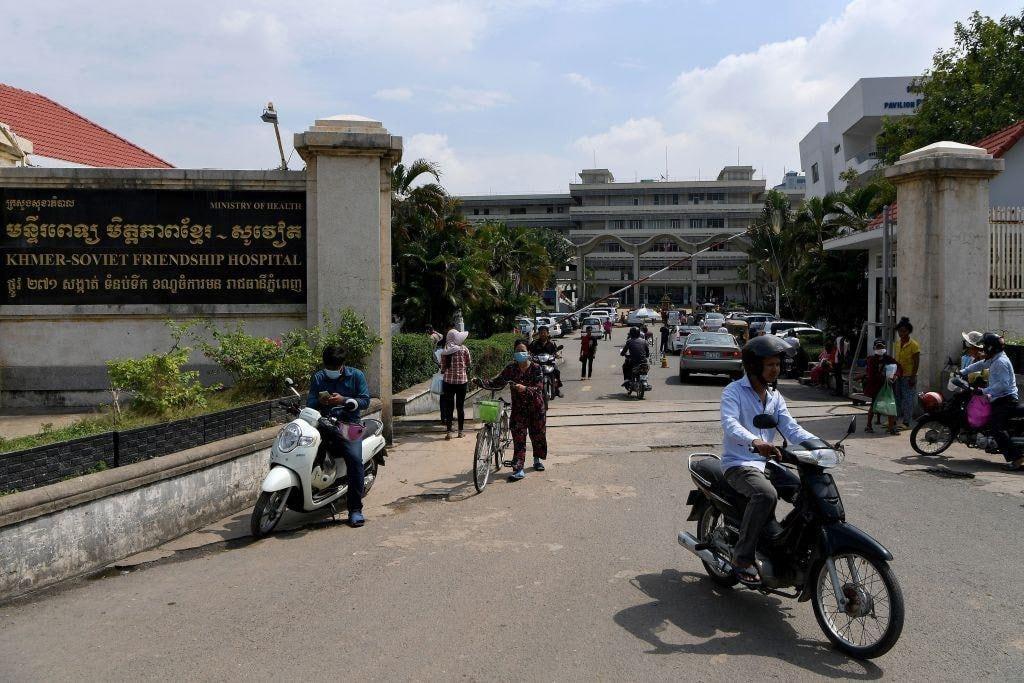
Putin recalled that, with Soviet assistance, Cambodia built major hospitals, technological institutes, energy projects, agricultural infrastructure, telecommunications systems, ports, and transportation facilities. He noted that many of these projects continue to serve the Cambodian people to this day.
This was more than a simple reminder of development aid. It was a reference to a critical chapter in Cambodia’s history, when the country was emerging from genocide and facing severe shortages in virtually every sector—from human resources and education to healthcare and basic infrastructure.
Development Achievements That Stand as Witnesses to a 70-Year Friendship
After 1979, Cambodia needed more than peace. It needed to rebuild the state and society almost from scratch. The education system, healthcare sector, infrastructure, and human capital had all suffered devastating damage.
In that context, the Soviet Union became an important partner in helping Cambodia rebuild state institutions, train human resources, provide scholarships, and support development projects that would become foundations for the country’s future growth.
It is this historical experience that prompted Prime Minister Hun Manet to tell President Putin:
“Over the past seven decades, Cambodia has attached great importance to its traditional friendship and long-term cooperation with Russia.”
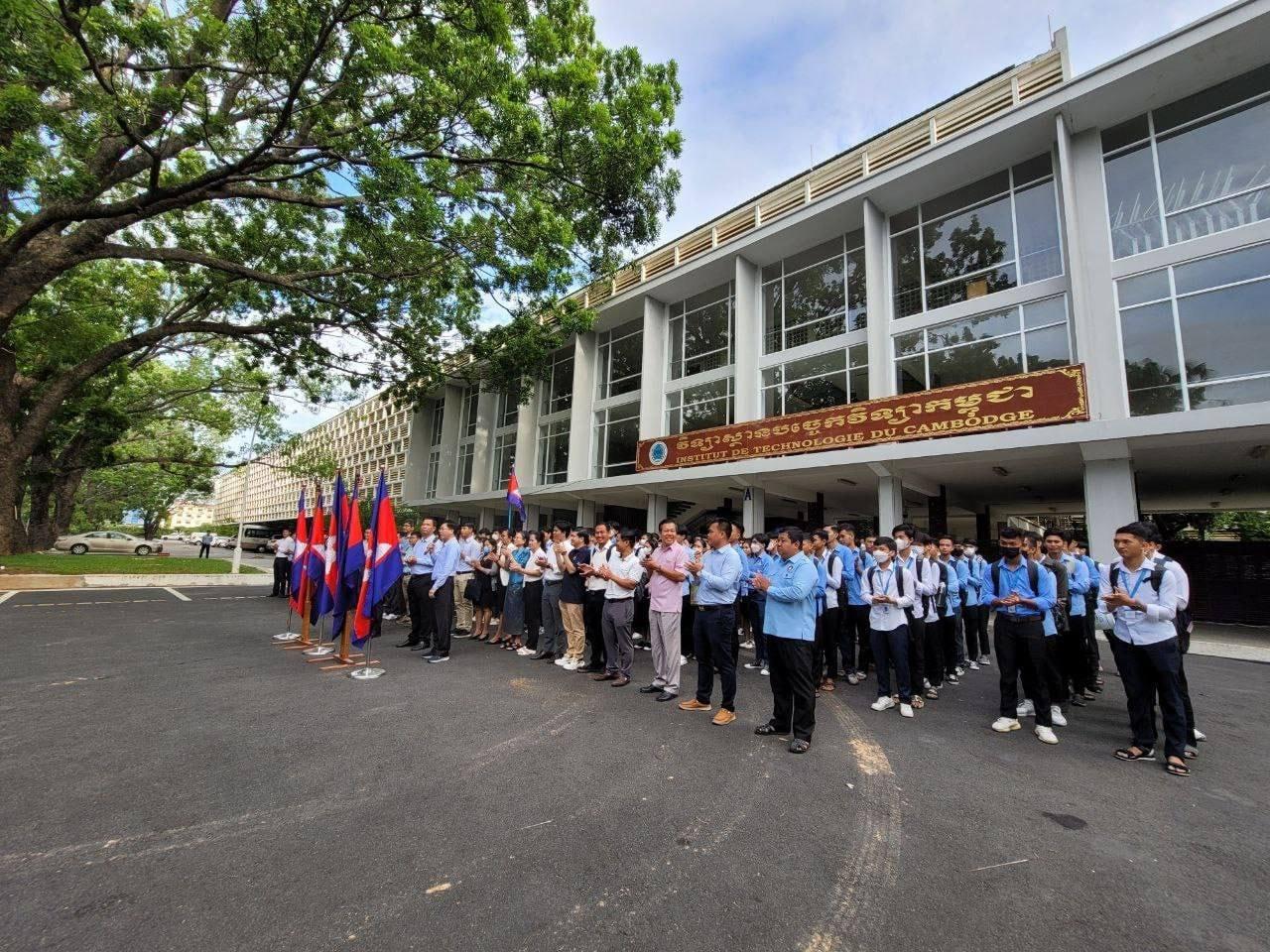
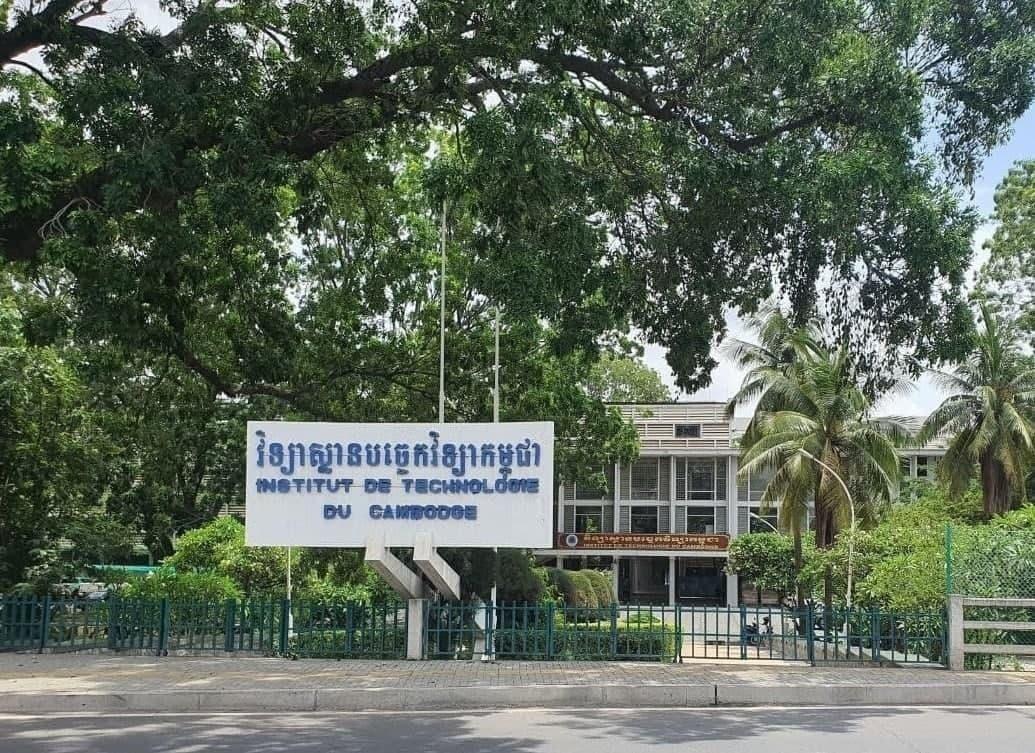
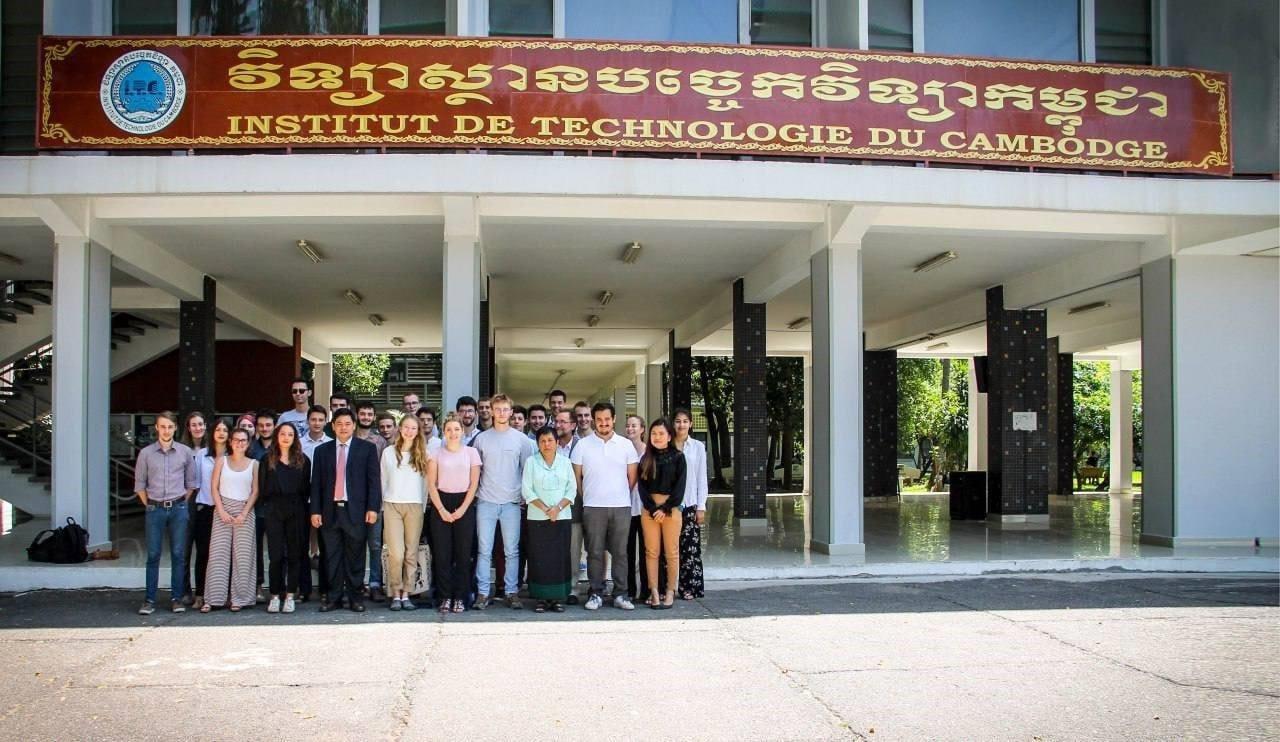
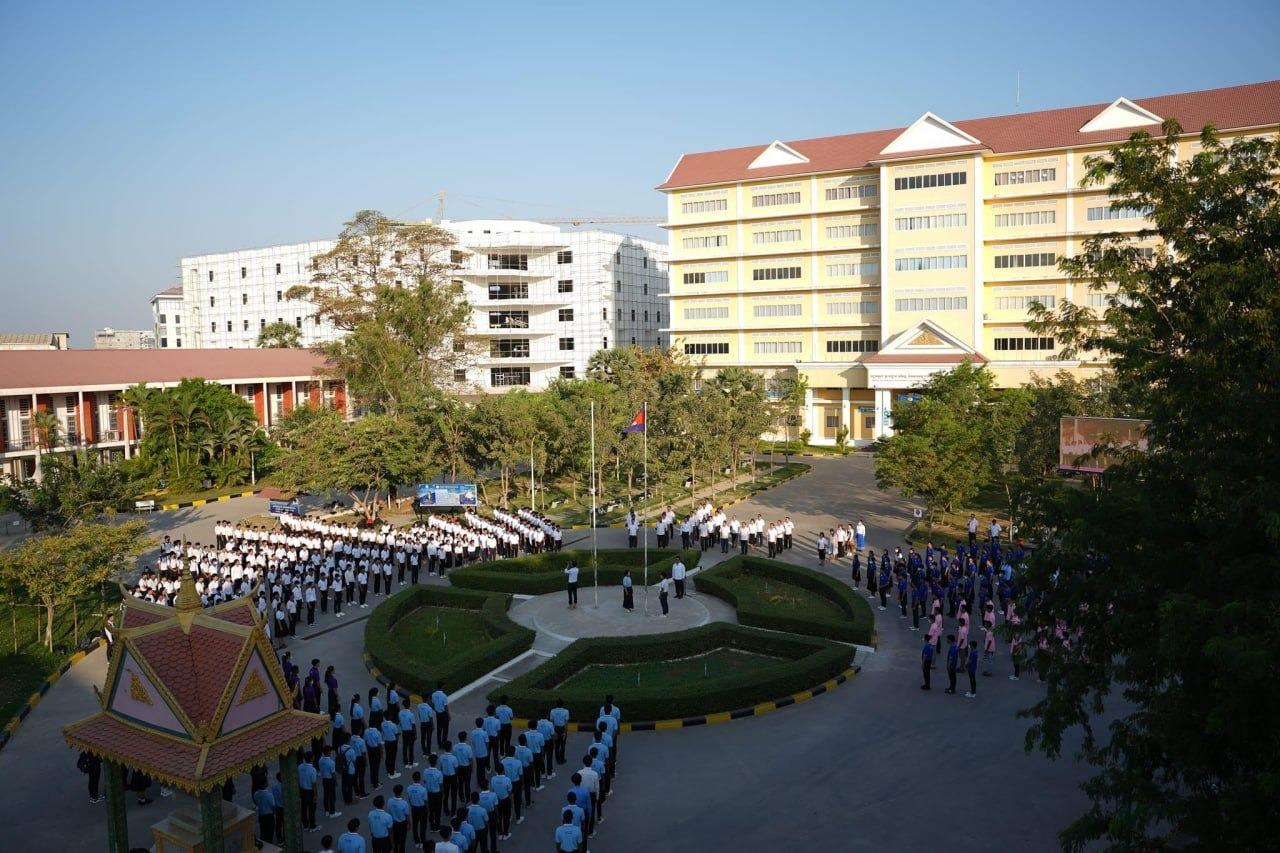
Among the achievements most frequently cited is the construction and development of the Institute of Technology of Cambodia (ITC), widely known as “Techno,” which has trained generations of Cambodian engineers and technical specialists. Soviet assistance also contributed significantly to healthcare, energy, agriculture, and public infrastructure development.
For many Cambodians, these achievements are not merely buildings or construction projects. They symbolize a nation’s recovery from one of the darkest tragedies in its history.
In other words, the friendship President Putin referred to does not exist only in historical records. It can still be seen in schools, hospitals, educational institutions, infrastructure, and in the daily lives of ordinary Cambodians.
This may explain why both Hun Manet and Putin chose to revisit the same historical memories. For both countries, that past has not faded into distant history. Instead, it continues to live on through institutions, achievements, and public services that remain relevant today.
From the Past Toward the Future
Although the conversation between Hun Manet and Putin focused heavily on shared history, neither leader was looking backward alone. Both were also looking toward the future of Cambodia–Russia relations.
During the meeting, President Putin noted that bilateral relations continue to develop steadily. He pointed out that bilateral trade increased by approximately 2 percent by the end of 2025. At the same time, he acknowledged that current trade levels still fall short of the true potential of the relationship.
His remarks suggest that while Cambodia and Russia possess a strong political and historical foundation, economic cooperation remains an area with considerable room for growth.
President Putin emphasized that the Russian government is actively working to promote trade and investment between the two countries. He also highlighted Russia’s interest in expanding cooperation between the business communities of both nations.
Visits by major Russian companies to Cambodia in 2025, together with Cambodia’s participation in the St. Petersburg International Economic Forum, indicate that both sides are attempting to translate their traditional friendship into tangible economic opportunities.
Putin’s invitation for Cambodian businesses to participate in the Eastern Economic Forum and Russian Energy Week further demonstrates Moscow’s desire to deepen Cambodia’s engagement in future economic cooperation.
Beyond economics, Putin also highlighted cultural exchanges and human resource development as key pillars of bilateral relations.
The successful organization of Russian Cultural Days in Phnom Penh and the continuation of scholarship programs illustrate that the relationship extends beyond government-to-government engagement and increasingly encompasses people-to-people connections.
More than 8,000 Cambodians have already completed higher education in Russia, while many more continue their studies under Russian scholarship programs.
At the conclusion of the meeting, Putin expressed satisfaction with the trajectory of bilateral relations, stating:
“We have long-standing relations. The volume of our cooperation is growing, and we are very pleased about it.”
The conversation in Kazan therefore was not merely an exercise in historical remembrance. It was also an effort to explore a new chapter in Cambodia–Russia relations for the twenty-first century.
A Message to the World
At a time when Russia continues to face pressure and sanctions from Western countries, and when the international system is increasingly shaped by great-power competition, the meeting between Hun Manet and Putin carried significance beyond ordinary bilateral diplomacy.
Notably, neither leader focused on geopolitical confrontation or bloc politics. Instead, they emphasized historical friendship, development cooperation, education, trade, and people-to-people connectivity.
For Cambodia, this serves as another affirmation of a foreign policy based on friendship with all countries, respect for sovereignty, and balance in international relations. Cambodia does not seek to define its external relationships through the lens of great-power rivalry but rather through national interests and mutually beneficial cooperation.
For Russia, the meeting also offered an opportunity to demonstrate that despite Western pressure, it continues to maintain meaningful partnerships in Southeast Asia, including with Cambodia, a country it regards as a long-standing friend.
In this sense, the meeting in Kazan was not merely a commemoration of seventy years of diplomatic relations. It also conveyed a broader message: even in a rapidly changing geopolitical environment, international relationships can still be built upon mutual respect, shared historical memory, and common interests.
Conclusion
Prime Minister Hun Manet’s description of Russia as a “trusted partner” and President Putin’s characterization of Cambodia as a “long-standing friend and partner” were far more than diplomatic courtesies.
Together, they conveyed a deeper message: Cambodia–Russia relations cannot be measured solely through diplomatic statements or trade statistics. They are measured through shared history, support during difficult times, human resource development, and the development achievements accumulated over more than seven decades.
From hospitals and technological institutes to scholarships, educational exchanges, and contemporary economic cooperation, the relationship between the two countries has evolved beyond historical memory into a practical partnership with visible impact.
For both nations, the past is not merely something to remember. It is a foundation upon which a new chapter of Cambodia–Russia relations is being built in a rapidly changing world.
In other words, the seventy-year friendship between Cambodia and Russia does not exist only in history books. It lives on in institutions built together, in knowledge passed on to future generations, and in achievements that continue to benefit the Cambodian people every day.
That, perhaps, is the true meaning of a long-standing friendship—one that is not only remembered, but also visible, relevant, and alive in both the present and the future.