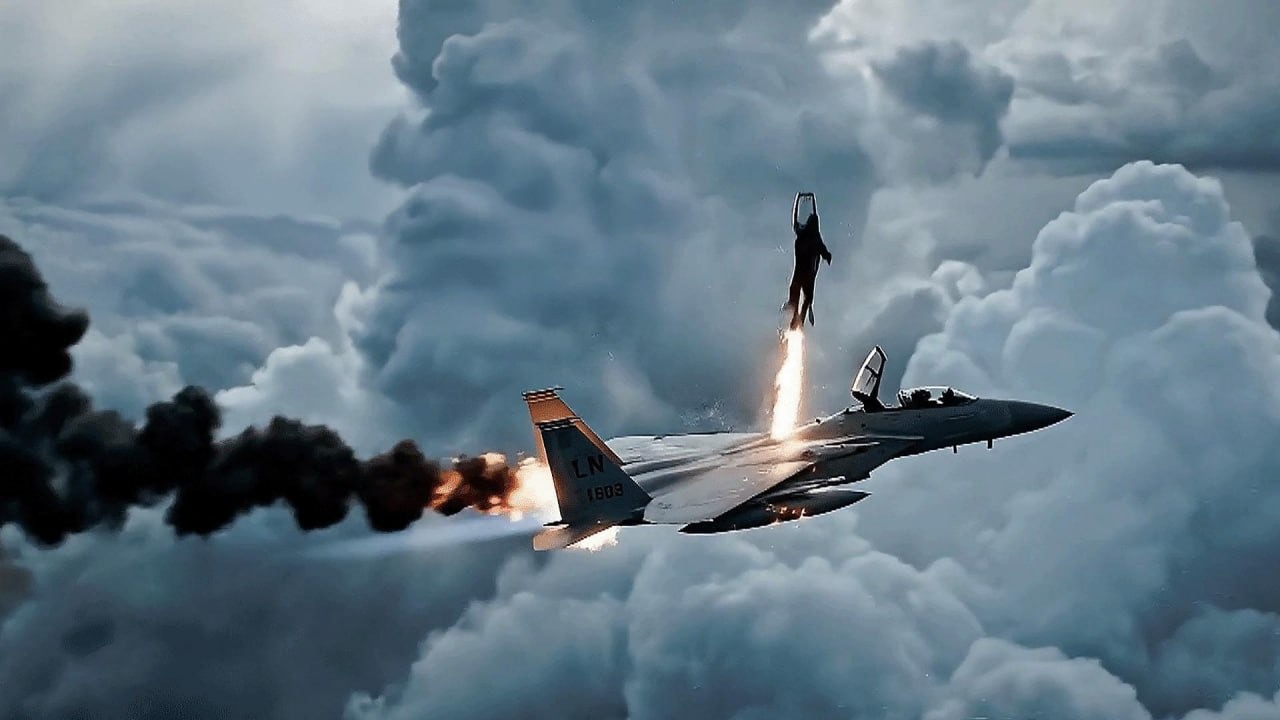

(Phnom Penh): What happens when an American fighter pilot, moments before ejecting from his stricken aircraft, looks up into the sky and sees something he has never encountered before?
Was it merely a misperception under extreme stress? Or was it an early glimpse of a major transformation in modern warfare?
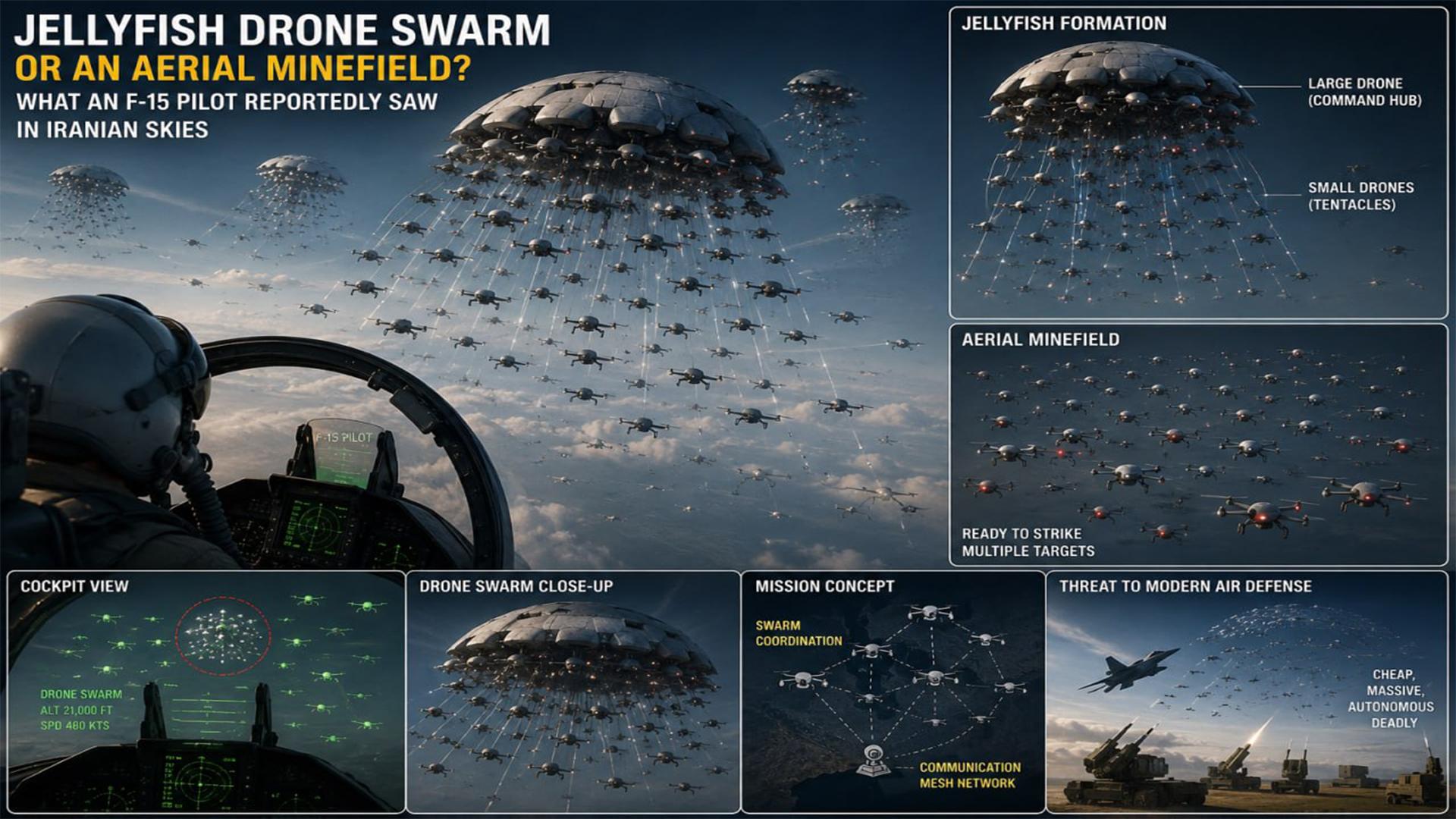
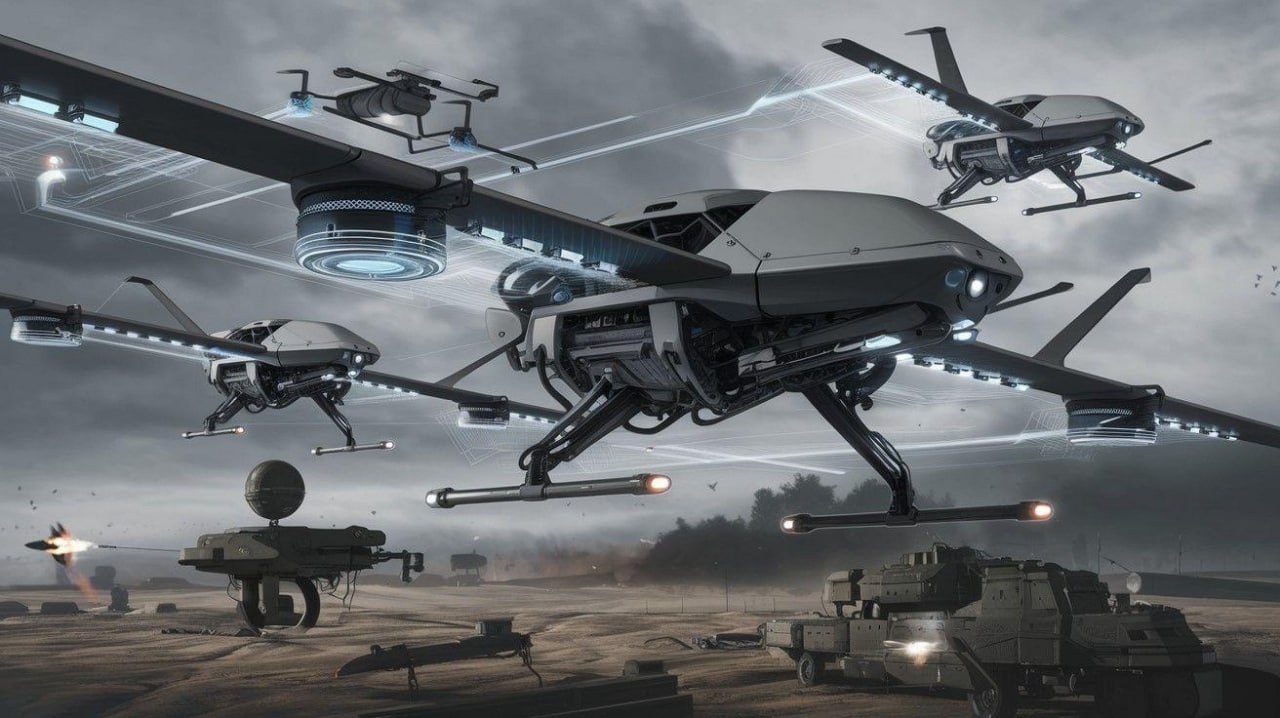
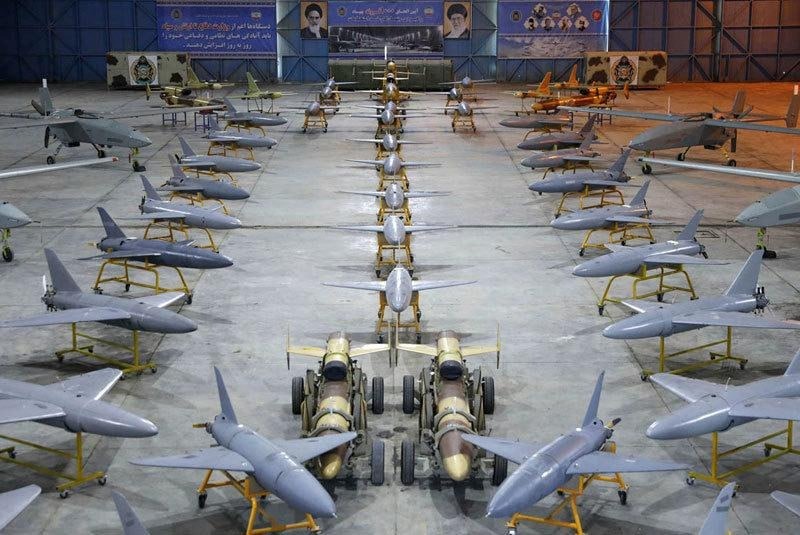
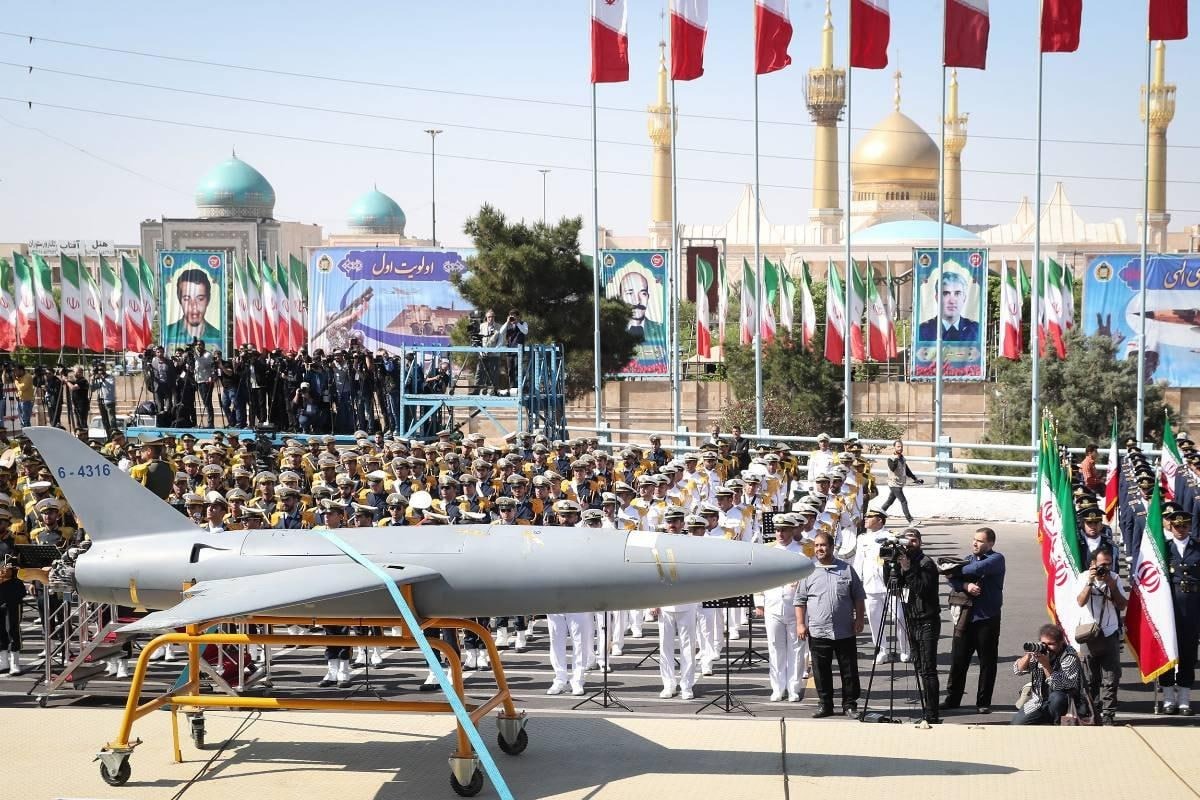
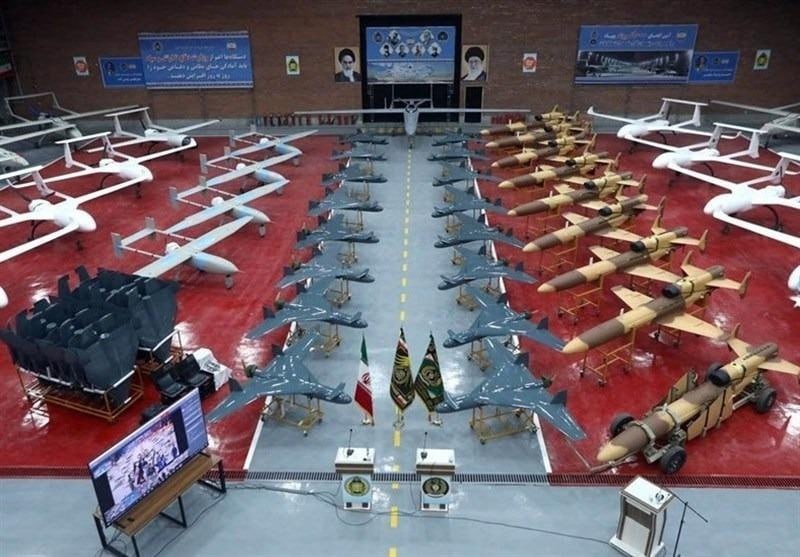
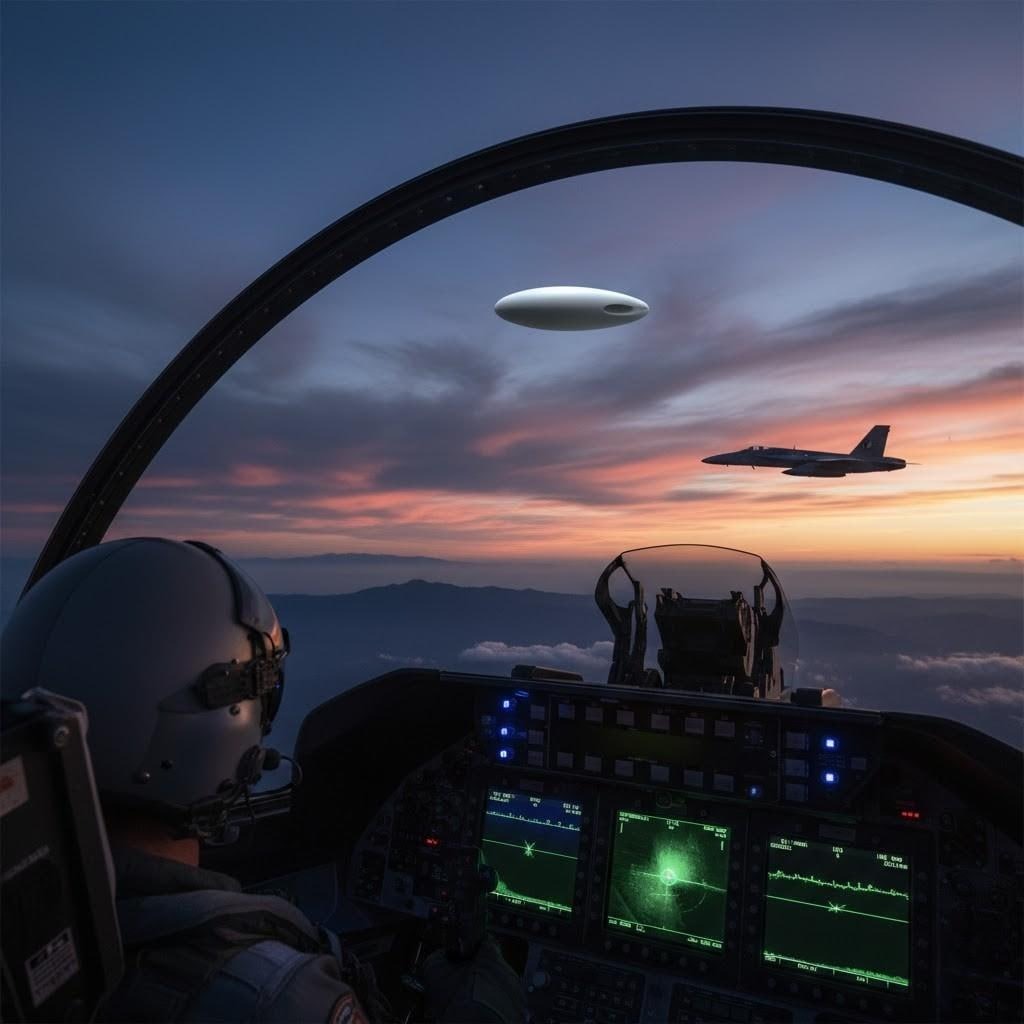
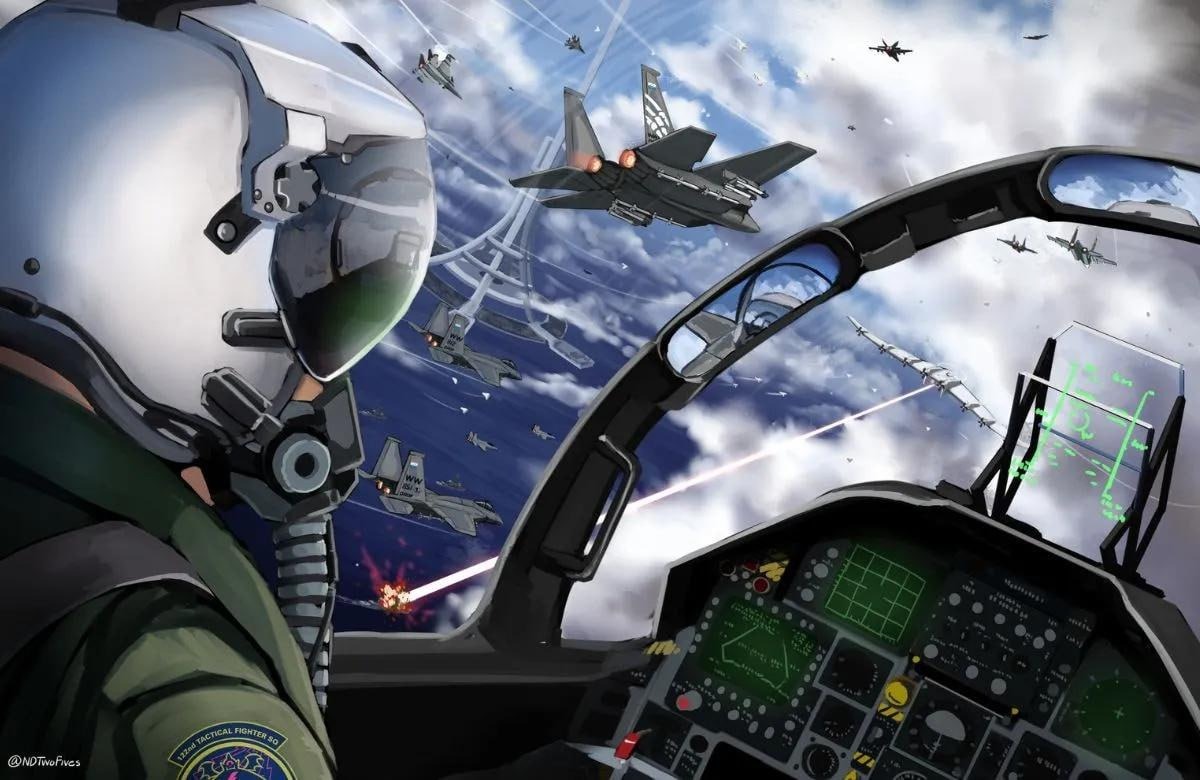
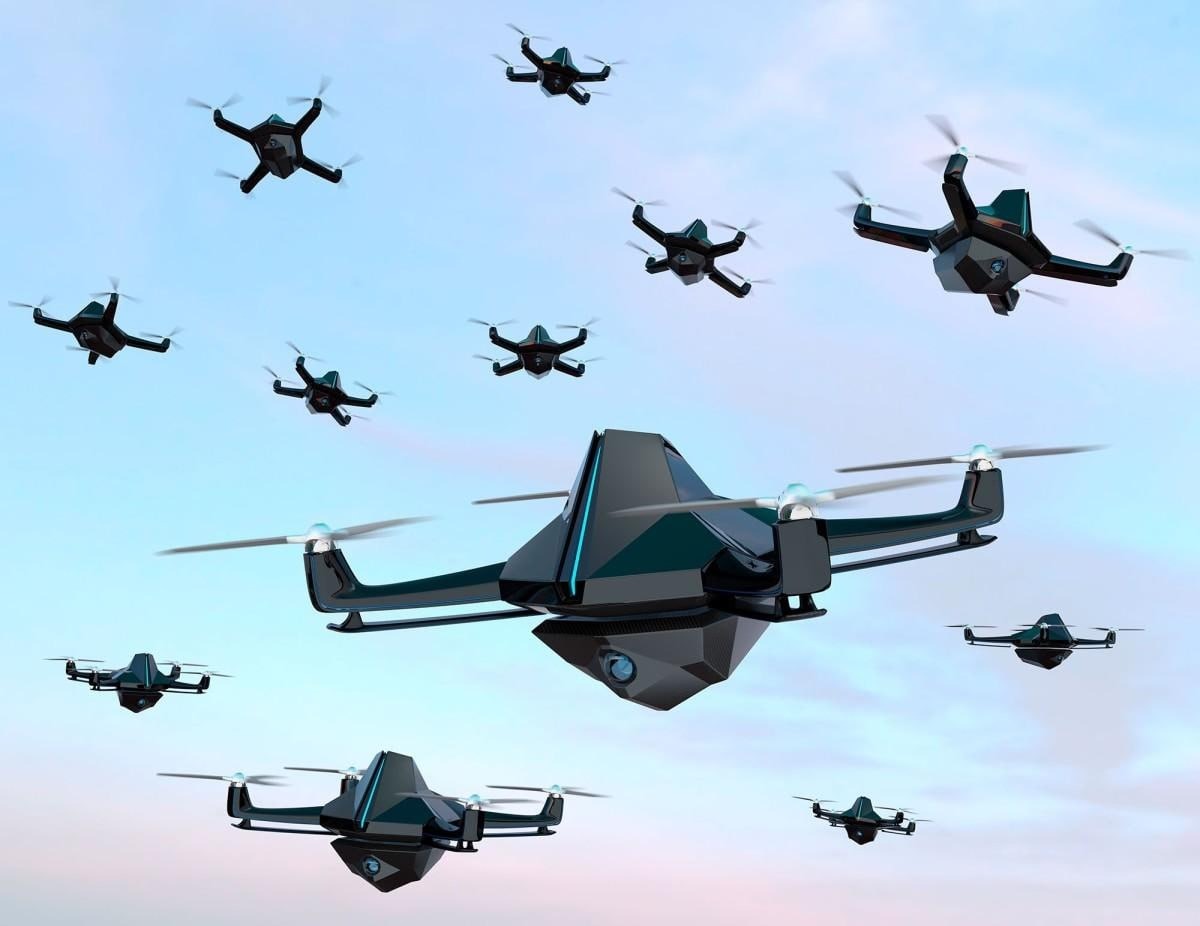
A US Air Force F-15 pilot, who was rescued by special operations forces after his aircraft was shot down over Iran in April, described a startling scene before ejecting from his jet: multiple Iranian drones flying in coordinated formation, moving as a single entity in a shape he said resembled a "jellyfish."
If the pilot's account proves accurate, it could suggest that the world is entering a new era of drone warfare—one capable of fundamentally altering the global military balance.
From Individual Drones to Intelligent Drone Swarms
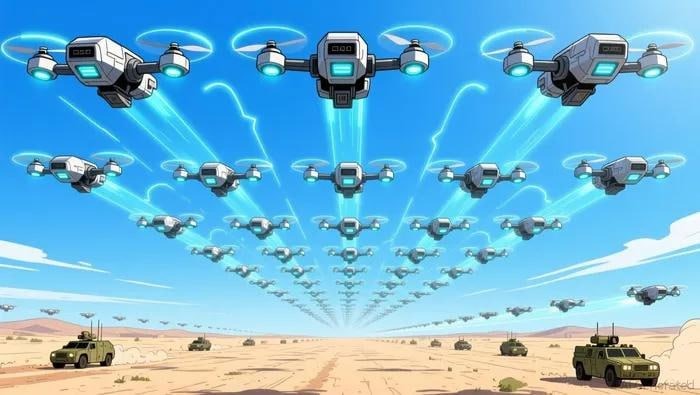
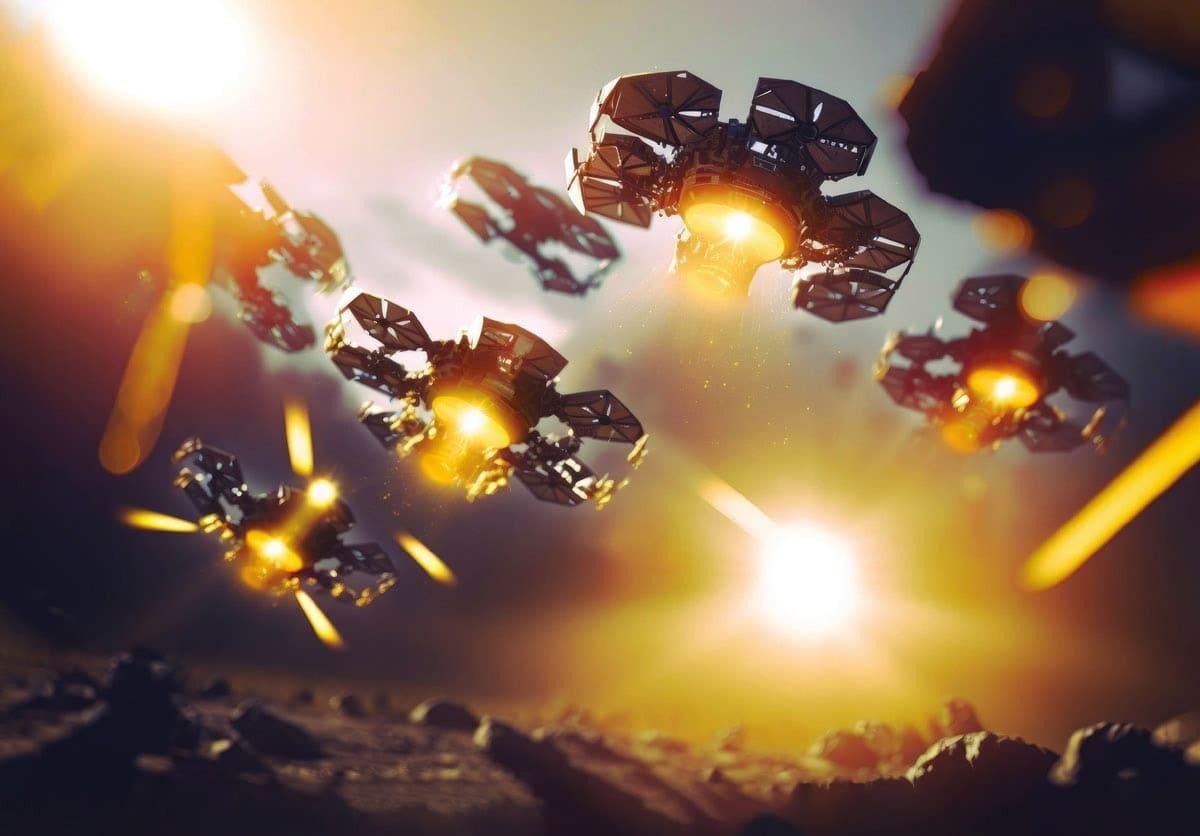
According to CNN, the F-15 pilot told US intelligence officials that he witnessed "multiple drones interconnected and moving as one, with smaller drones below the larger drones like the legs of a jellyfish."
One source familiar with the pilot's account told CNN:
"Multiple drones interconnected and moving as one with smaller drones below the bigger drones like legs. Real alien sh*t."
Another source described what the pilot saw as a "minefield of drones" suspended in the air.
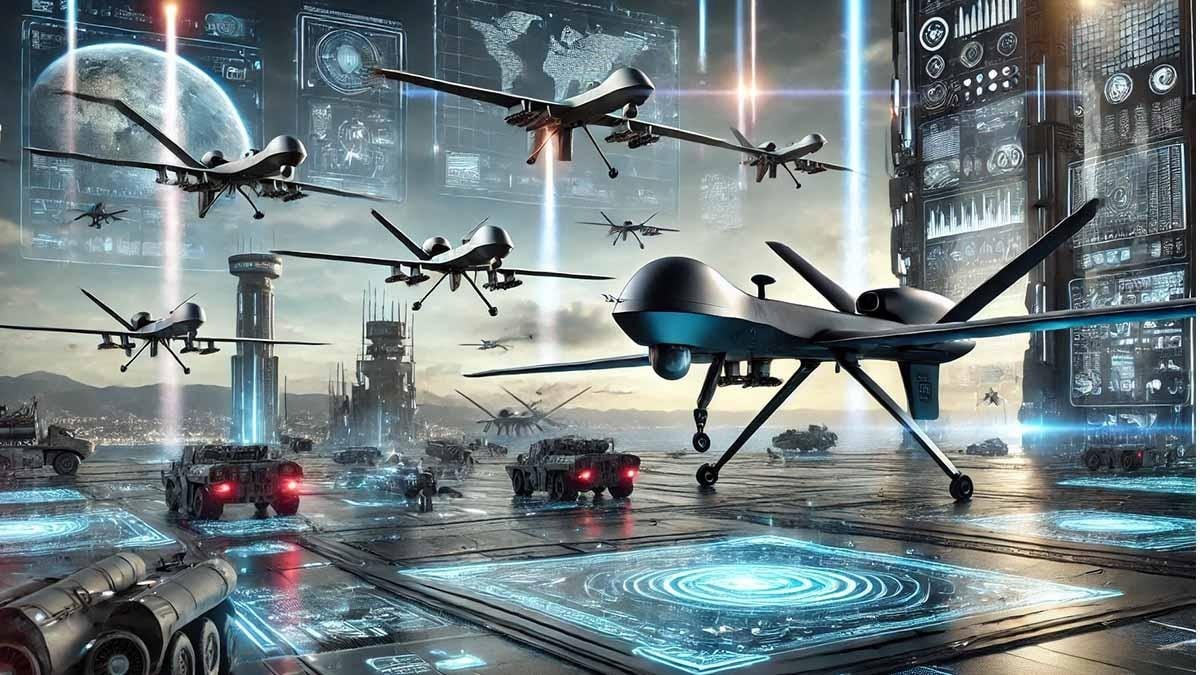
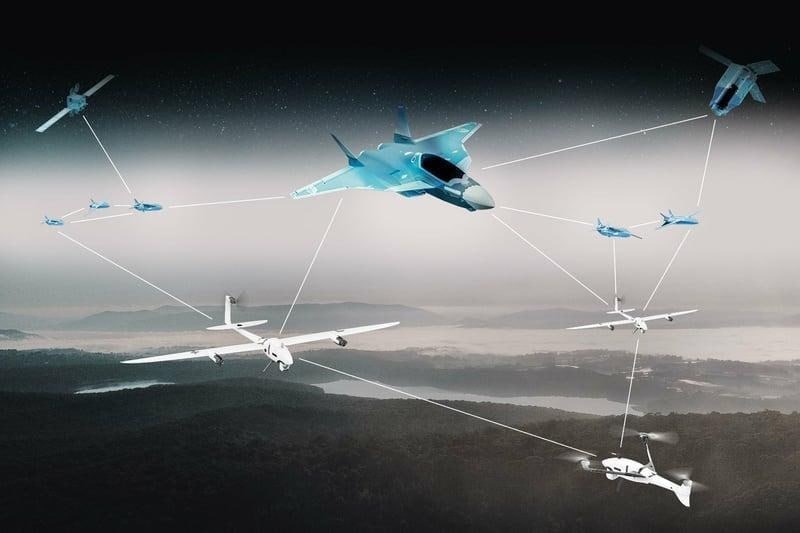
The technology that could potentially explain such a phenomenon is known as "one-to-many meshed networking."
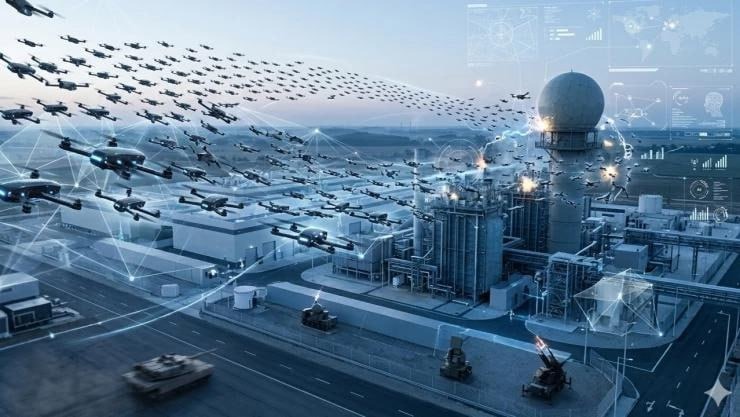
According to experts, meshed networking enables multiple drones to communicate with one another, share data, and coordinate operations autonomously without relying on a single command center.
Simply put, if one drone is shot down, the remaining drones within the network can continue the mission automatically, without causing the entire system to collapse.
The Future of Warfare: Cheap Drones Versus Expensive Aircraft
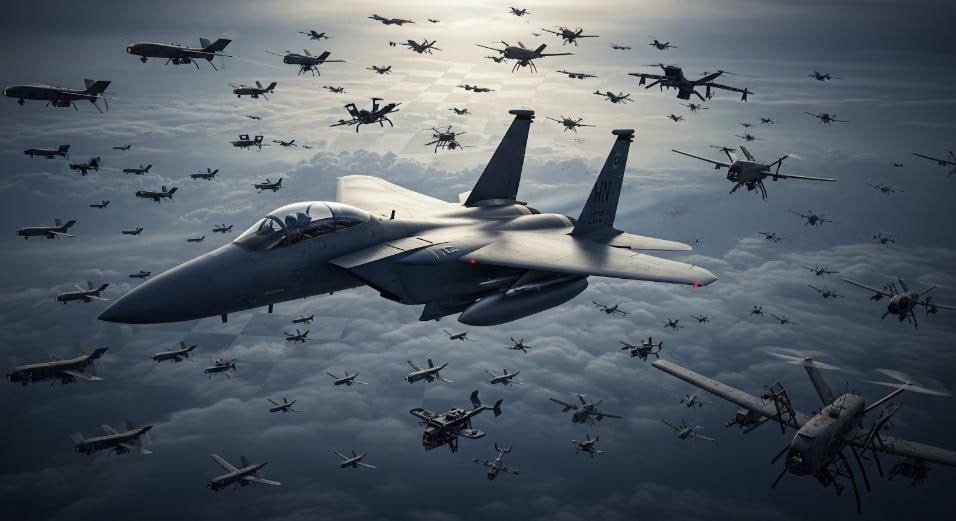
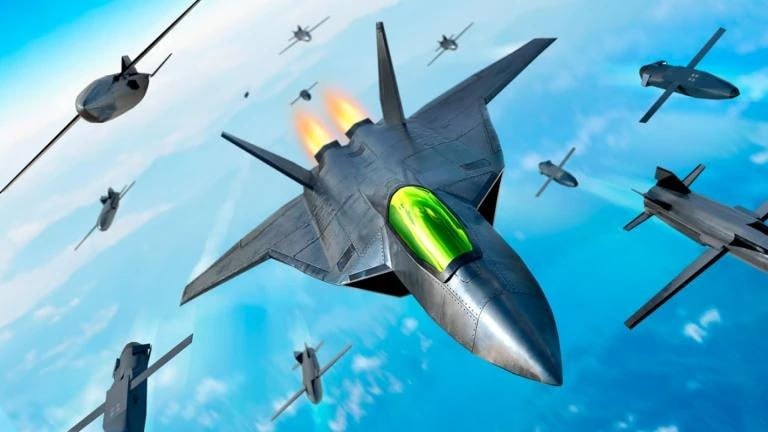
For decades, the United States has invested enormous resources in developing advanced fighter aircraft such as the F-15, F-22, and F-35.
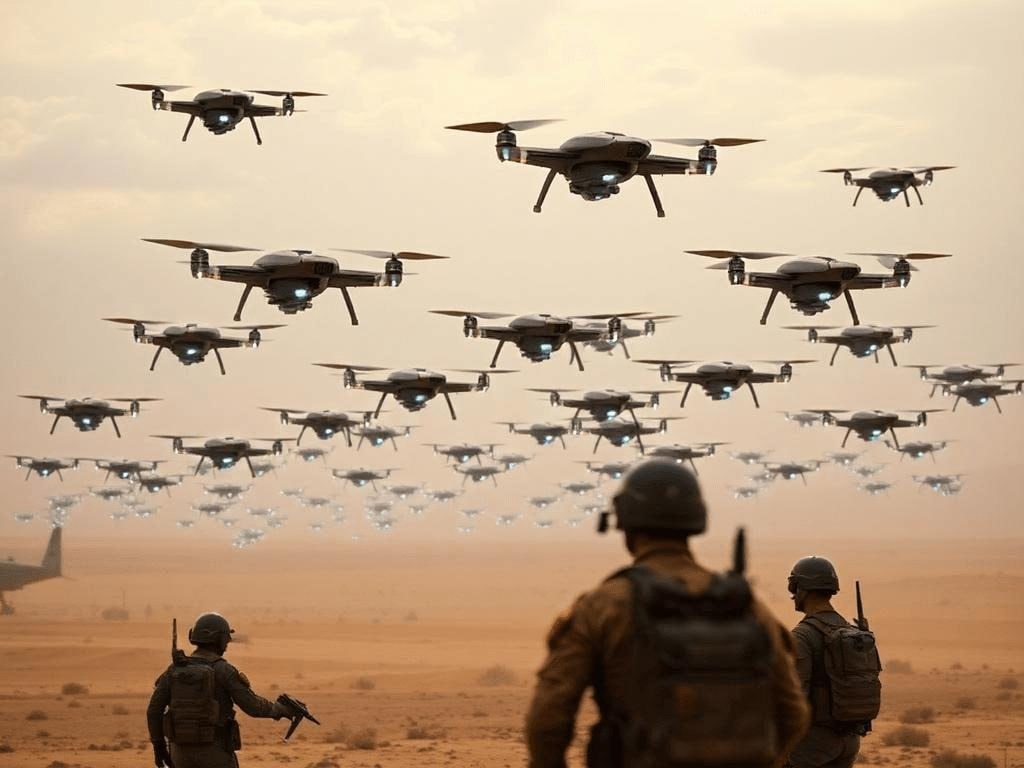
However, the evolution of drone swarm technology is raising a new question: Can fighter aircraft worth hundreds of millions of dollars be threatened—or even defeated—by drones costing only tens of thousands of dollars?
Emma Bates, a drone warfare expert and founder of the company Cachai, told CNN:
"We will spend huge, huge dollars, like a lot of blood and treasure, protecting ourselves from something that can coordinate like that."
She added:
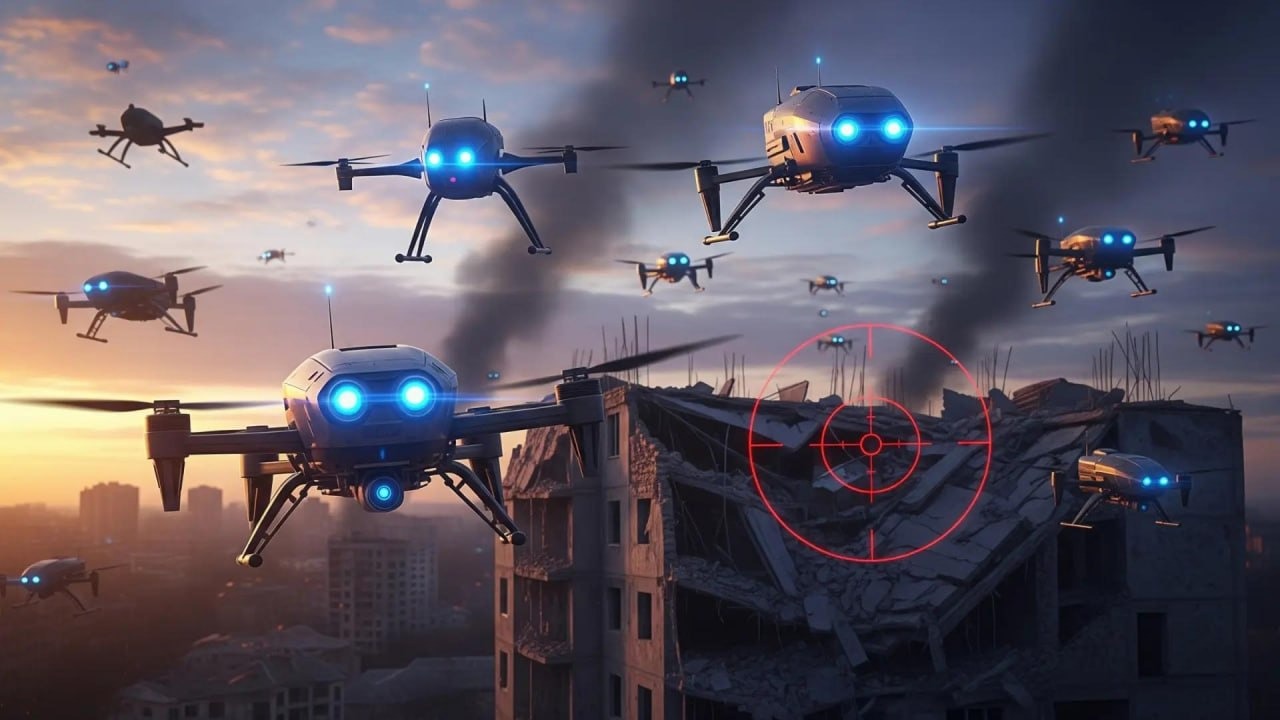
"If it can coordinate itself into a recognizable shape and maintain that shape, and if it's got explosives on board, and if it is holding resources in reserve to attack whatever the first volley didn't destroy—that's a very capable approach."
This assessment suggests that if such technology truly exists, it could significantly reduce the effectiveness of many existing air-defense systems. More importantly, it could shift the balance between expensive traditional weapons platforms and relatively inexpensive autonomous systems capable of operating collectively.
Does Iran Really Possess This Capability?
At this stage, the answer remains uncertain.
CNN reported that US intelligence officials remain sharply divided over how to interpret what the F-15 pilot claimed to have seen over Iran.
One reason for skepticism is that the pilot reportedly suffered a concussion during the crash, leading some intelligence officials to question the reliability of his testimony.
According to one source, officials conducting the debriefing asked the pilot:
"Are you sure you saw what you are saying you saw?"
Some intelligence officials have continued to raise additional questions: Did the pilot witness a previously unknown military capability? Was it a technology demonstration or beta test? Or was it simply a misperception caused by the extreme stress of combat?
Nevertheless, two sources familiar with the matter told CNN that multiple reports indicate Iran has received assistance from both China and Russia in developing its drone technology.
Many military analysts believe that both Russia and China already possess meshed networking capabilities. If Iran has indeed acquired such technology, it would represent a significant advancement in Tehran's drone program.
From Platform-Centric Warfare to Swarm Warfare
Twentieth-century warfare was largely defined by the assumption that countries possessing larger, more sophisticated, and more expensive military platforms would dominate the battlefield. Fighter aircraft, aircraft carriers, and advanced tanks became symbols of military power.
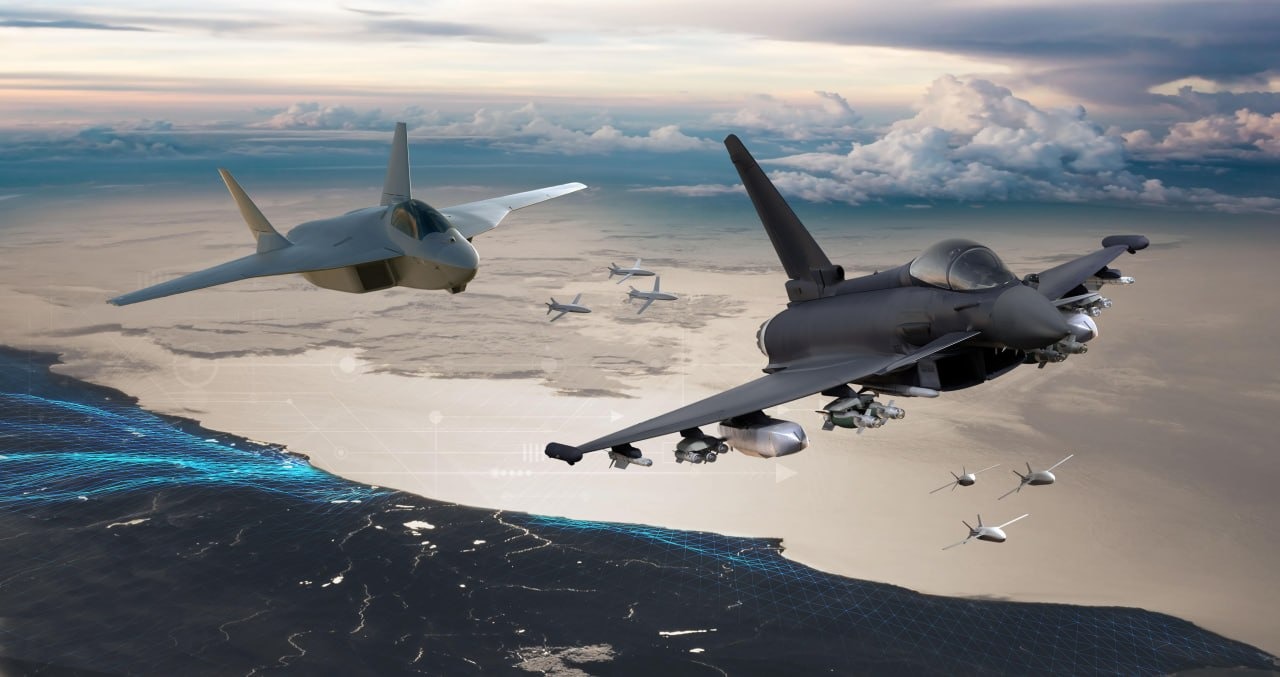
However, conflicts in Ukraine, the Middle East, and other modern battlefields in the twenty-first century are increasingly demonstrating that the future of warfare may lie in networks of unmanned systems capable of cooperating, coordinating, and making collective decisions autonomously.
Many military analysts argue that drone swarms could transform warfare in much the same way that tanks and fighter aircraft revolutionized conflict in the previous century.
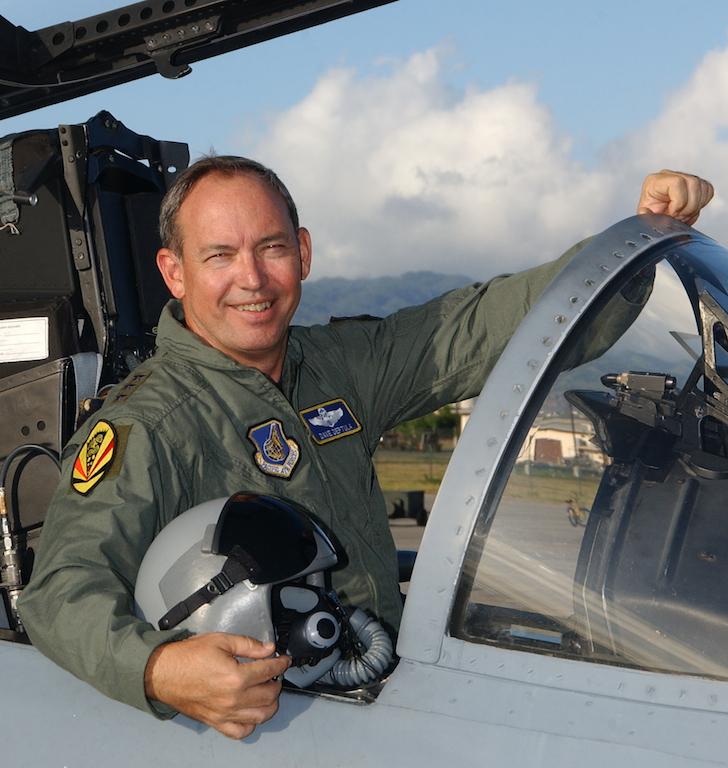
Retired US Air Force Lieutenant General David Deptula once observed:
"The future of warfare is increasingly about networks rather than individual platforms."
If Iran is truly capable of developing drone swarms employing meshed networking technology, future military competition may no longer be defined primarily by advanced fighter aircraft. Instead, it could become a contest between artificial intelligence-enabled networks and autonomous drone swarms capable of conducting coordinated operations with minimal human intervention.
Conclusion
As of now, there is no independent evidence confirming that Iran has developed a "Jellyfish Drone Formation" as described by the F-15 pilot.
Yet military history repeatedly demonstrates that revolutionary innovations are often overlooked or underestimated during their early stages.
Therefore, the question the world should be asking today may not be, "What exactly did the pilot see?"
Rather, the more important question is: Is the world witnessing the beginning of a new era of drone swarm warfare?
If the answer is yes, future battlefields may no longer be defined by the number of fighter jets or warships a nation possesses. Instead, they may be determined by a country's ability to build, command, and coordinate autonomous drone networks capable of thinking and operating collectively.