
(Phnom Penh): At a time when the world is entering an era of intensifying geopolitical competition among major powers and Southeast Asia is increasingly becoming an arena for political, economic and security influence, Cambodian Senate President and Cambodian People's Party President Samdech Techo Hun Sen's official goodwill visit to the People's Republic of China from June 25 to 27, 2026, cannot be viewed merely as a routine diplomatic engagement.
The key question is: Is this visit simply another reaffirmation of the long-standing "ironclad friendship" between Cambodia and China, or does it also convey an important geopolitical message to the region and the wider international community?
Ironclad Friendship and the Strengthening of a Comprehensive Strategic Partnership
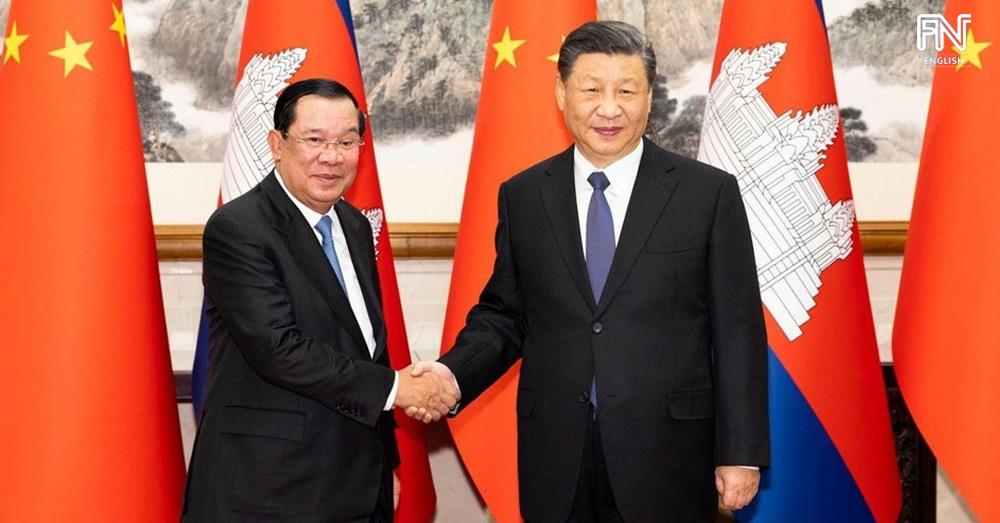
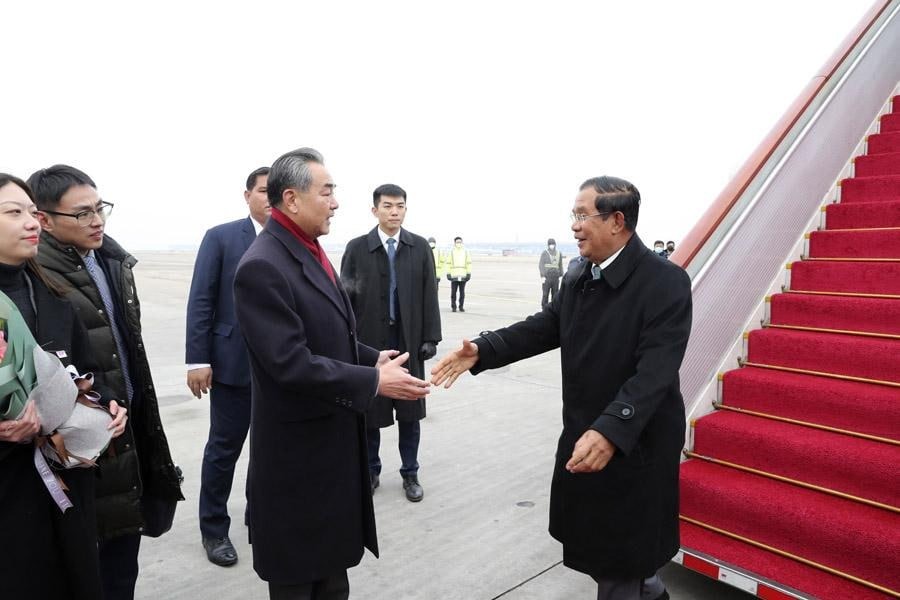
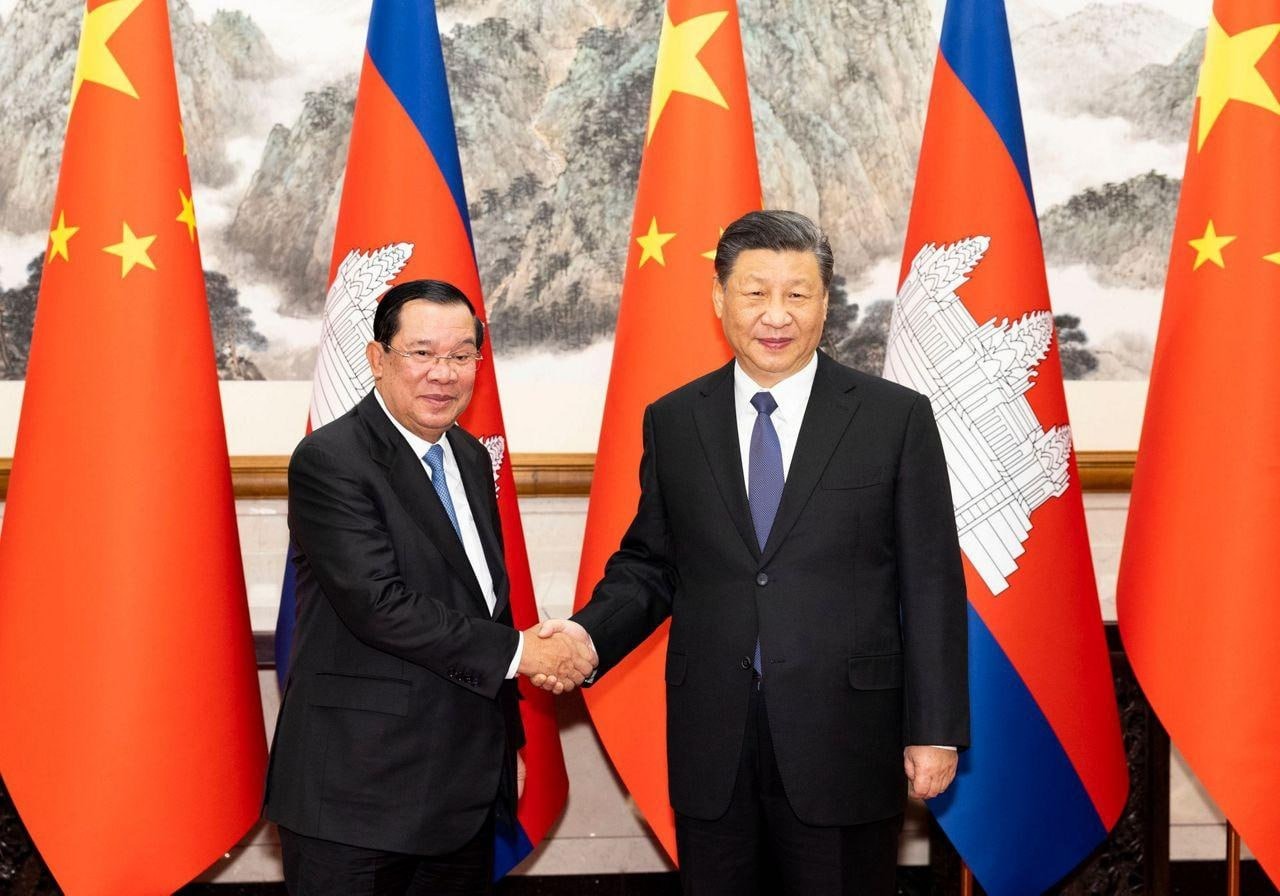
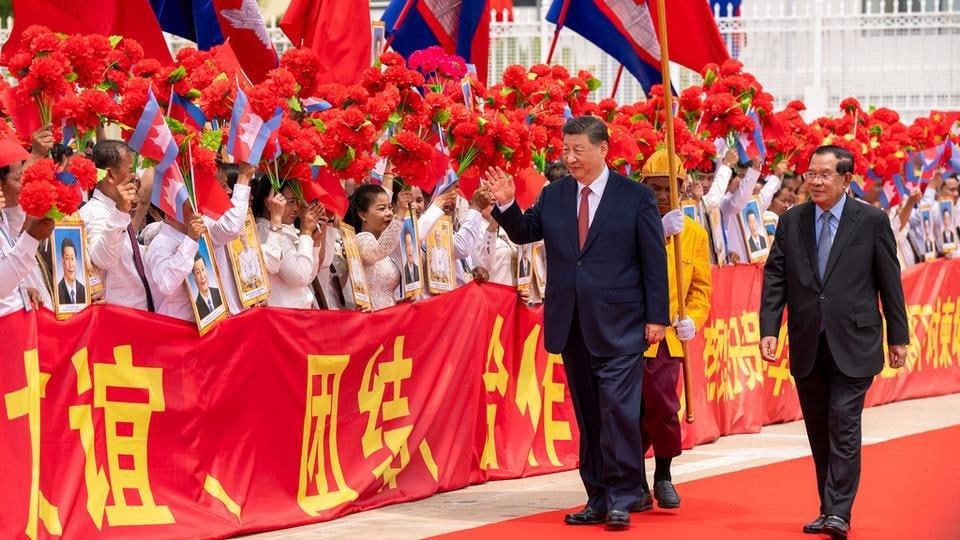
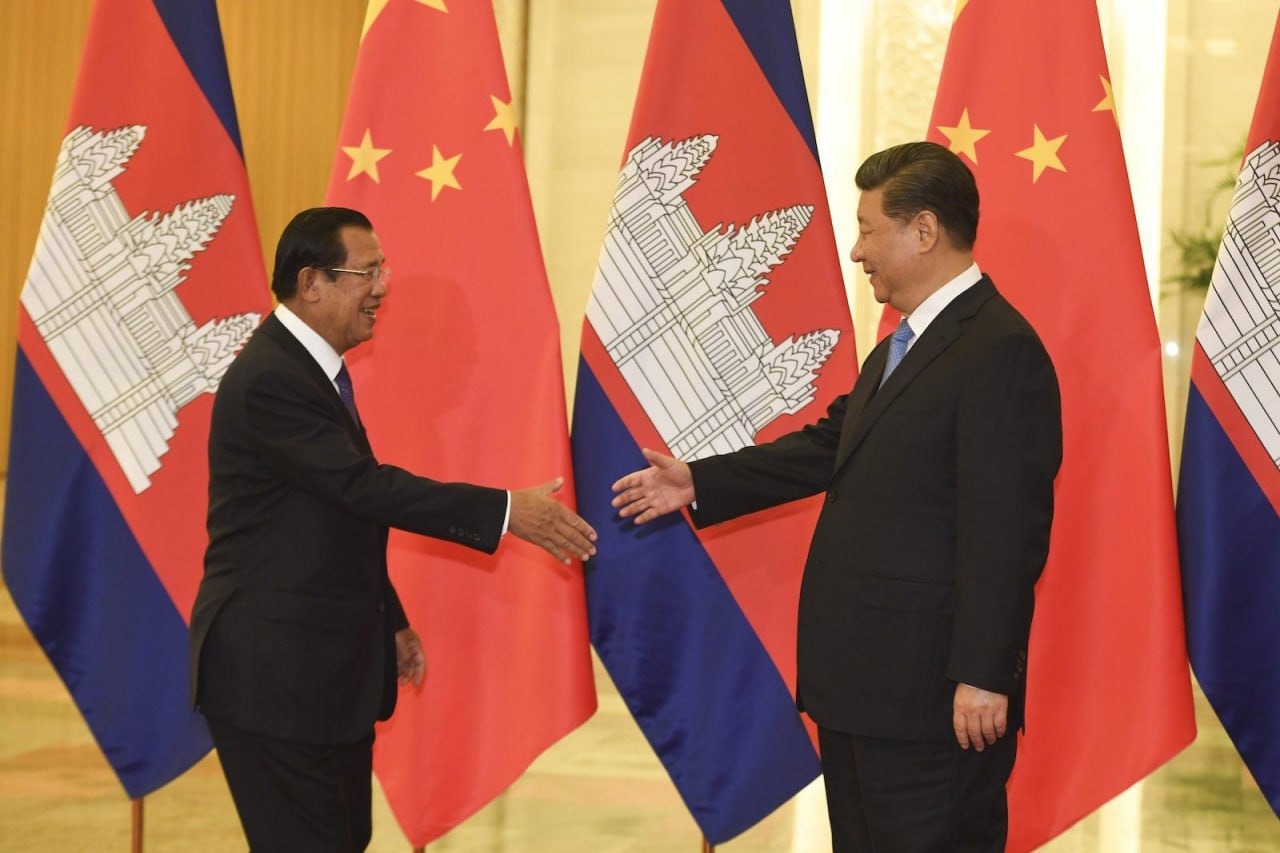
According to a statement issued by the Senate Secretariat, Techo Hun Sen's official visit reaffirms the unwavering commitment of both Cambodia and China to further consolidate their "ironclad friendship" and deepen cooperation under the framework of a comprehensive strategic partnership, with the aim of advancing the Cambodia-China Community with a Shared Future in the New Era.
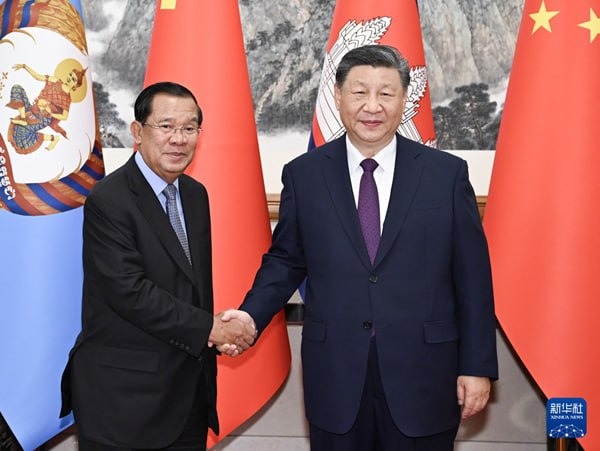
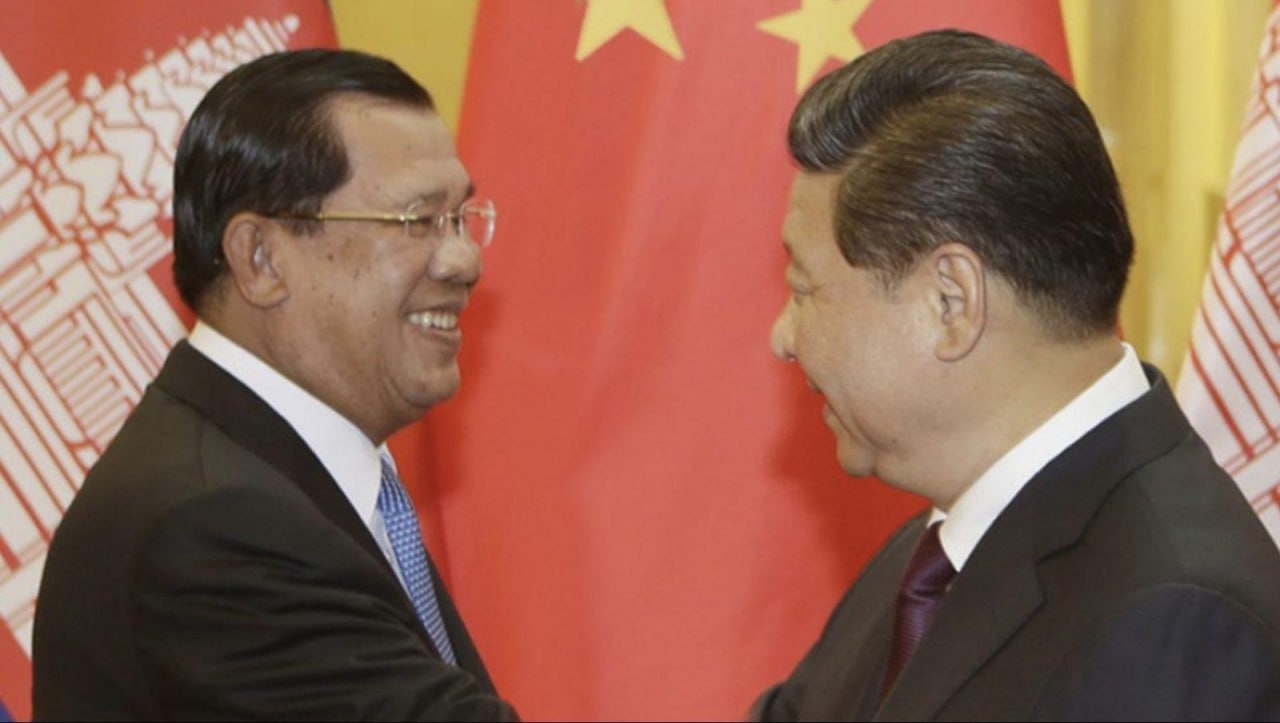
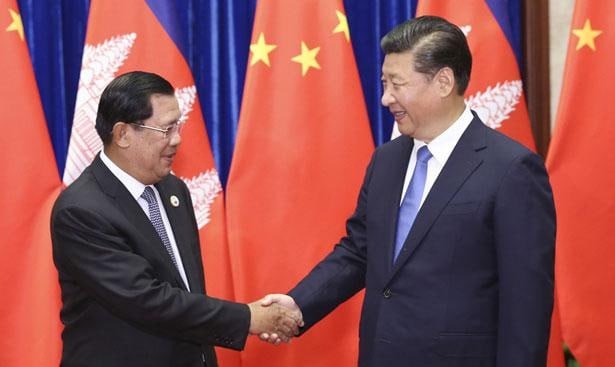
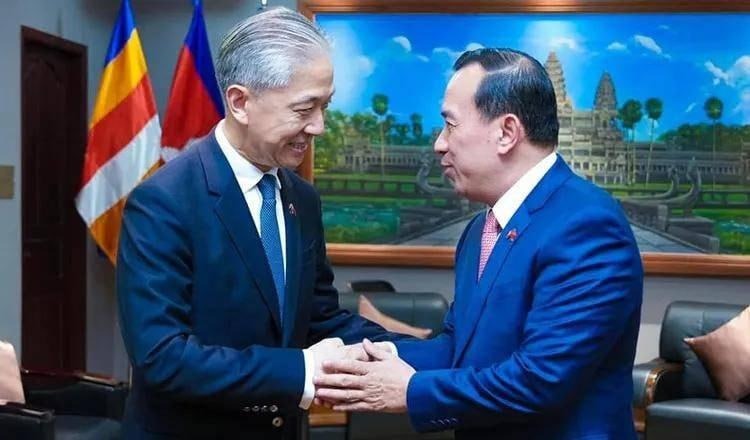
During the visit, Samdech Hun Sen is scheduled to hold bilateral talks with Chinese President and General Secretary of the Communist Party of China Xi Jinping. He will also meet separately with Chinese Premier Li Qiang and Zhao Leji, Chairman of the Standing Committee of the National People's Congress.
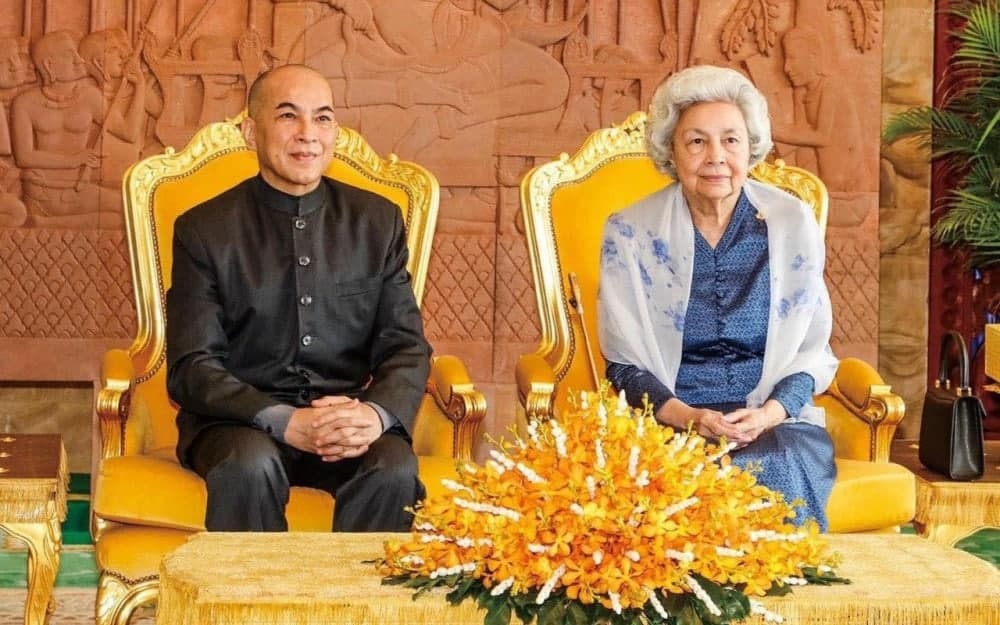
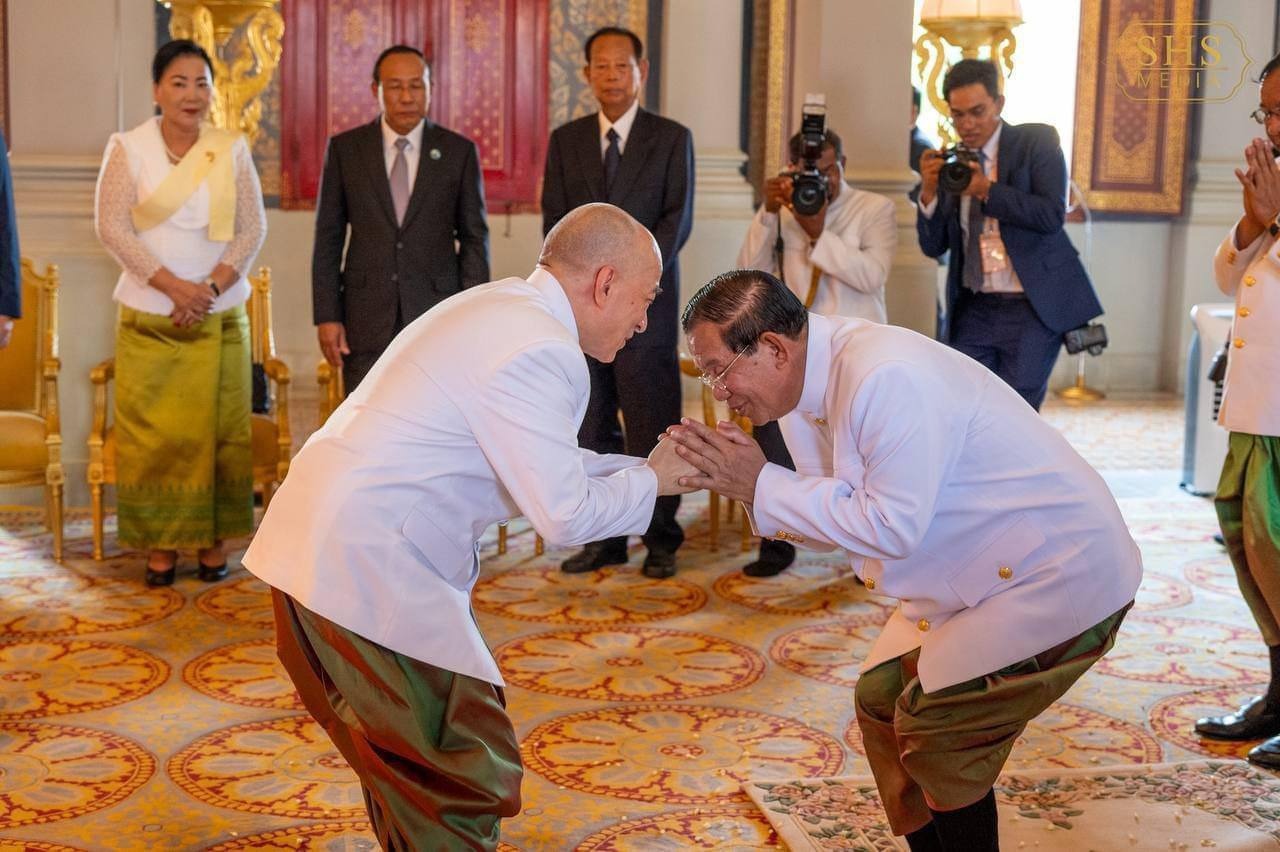
In addition, Techo Sen is expected to pay a royal audience to His Majesty King Norodom Sihamoni and Her Majesty Queen Mother Norodom Monineath Sihanouk, who are currently residing in China for medical treatment.
These high-level engagements demonstrate that Cambodia-China relations have evolved far beyond traditional state-to-state diplomacy. They now encompass party-to-party ties, institutional cooperation and long-standing historical bonds, including the enduring friendship between the Cambodian Royal Family and successive Chinese leaders.
A Visit Taking Place Amid a Complex Geopolitical Environment
High-level visits between Cambodian and Chinese leaders are not unusual. However, what makes Techo Sen's latest trip particularly significant is the geopolitical context in which it is taking place.
On one hand, Cambodia continues to pursue legal and diplomatic avenues to address its border dispute with Thailand. Phnom Penh has repeatedly emphasized that it rejects military confrontation and remains committed to resolving disputes peacefully through international law as well as bilateral and multilateral mechanisms.
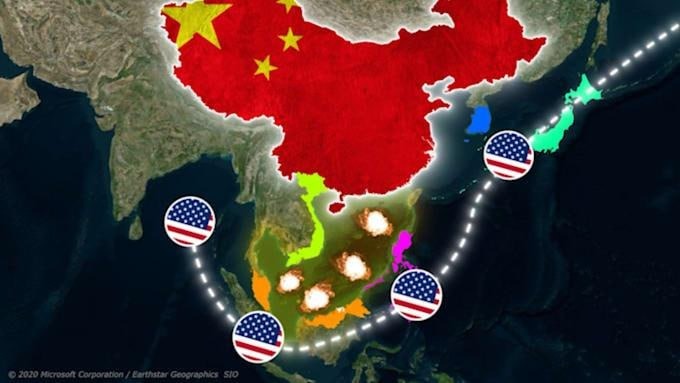
On the other hand, strategic competition between the United States and China in the Indo-Pacific continues to intensify. In this environment, smaller Southeast Asian states, including Cambodia, are increasingly challenged to maintain a balance between deepening ties with major powers and safeguarding their sovereignty, independence and national interests.
Against this backdrop, Techo Sen's visit to China can be interpreted as part of Cambodia's broader strategy to strengthen relations with key strategic partners at a time of growing regional uncertainty.
Why Does China Remain Cambodia's Most Important Strategic Partner?
Over nearly seven decades, Cambodia-China relations have weathered significant regional and international transformations. Despite these changes, bilateral ties have continued to deepen and expand.
For Cambodia, China is not only its largest economic partner. It is also one of the country's most important political, diplomatic and strategic partners.
Bilateral relations have evolved from conventional cooperation into a comprehensive strategic partnership and are now moving toward the realization of a "Cambodia-China Community with a Shared Future in the New Era."
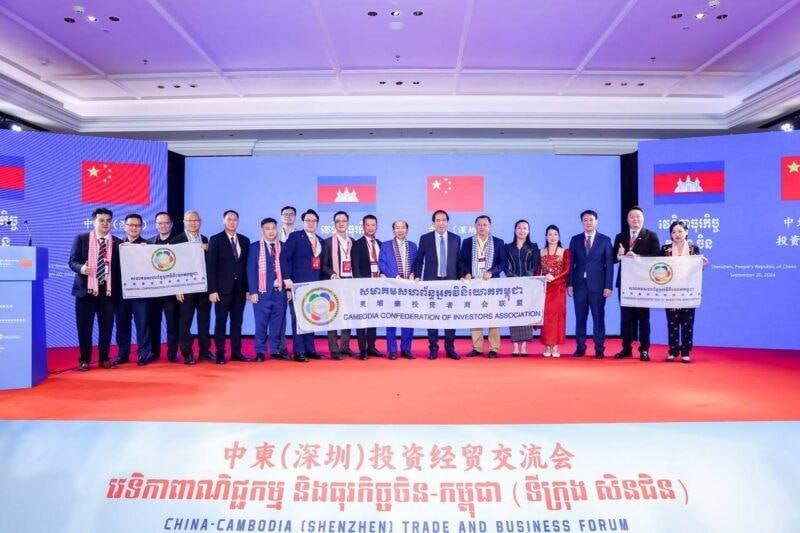
Economically, China remains Cambodia's largest source of foreign investment. According to the Council for the Development of Cambodia (CDC), Chinese investment accounted for more than 54 percent of total approved investment capital in 2025, underscoring China's critical role in Cambodia's economic growth and development.
China is also Cambodia's largest trading partner. During the first five months of 2026, bilateral trade reached approximately US$9.39 billion, representing an increase of nearly 23 percent compared with the same period in 2025.
Although Cambodia continues to face a substantial trade deficit with China, the continued growth in trade and investment reflects the increasingly deep economic interdependence between the two countries.
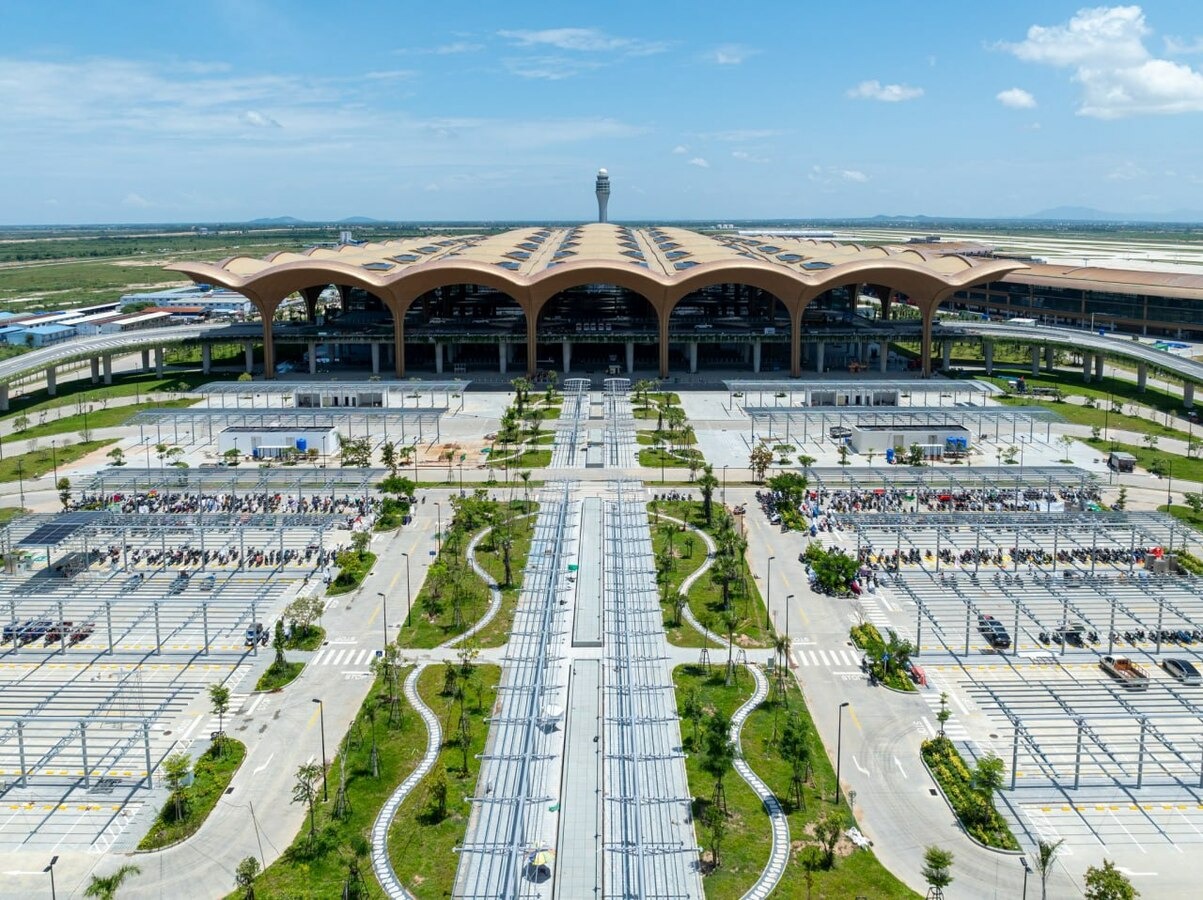
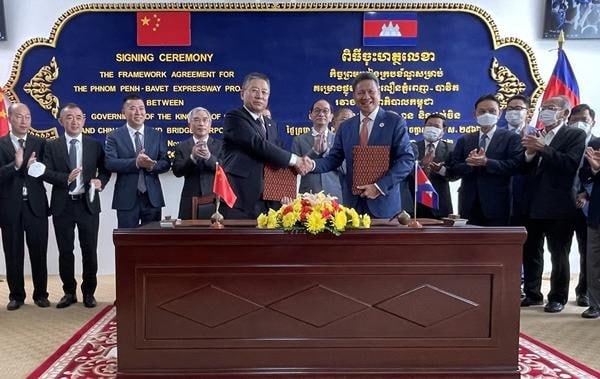
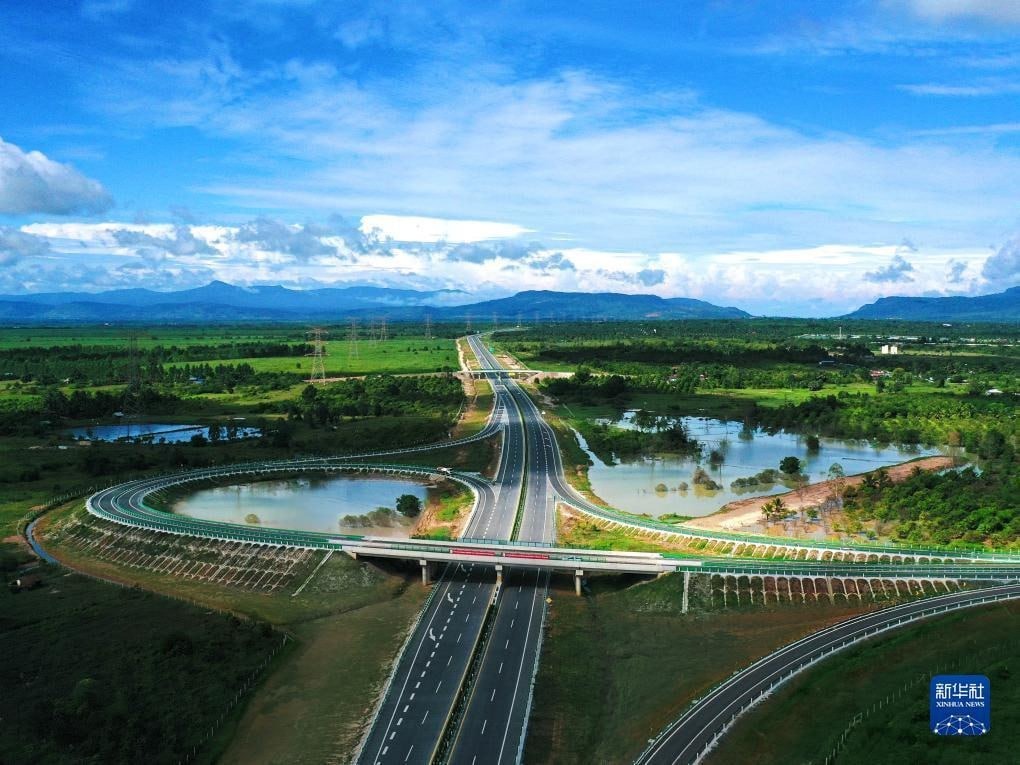
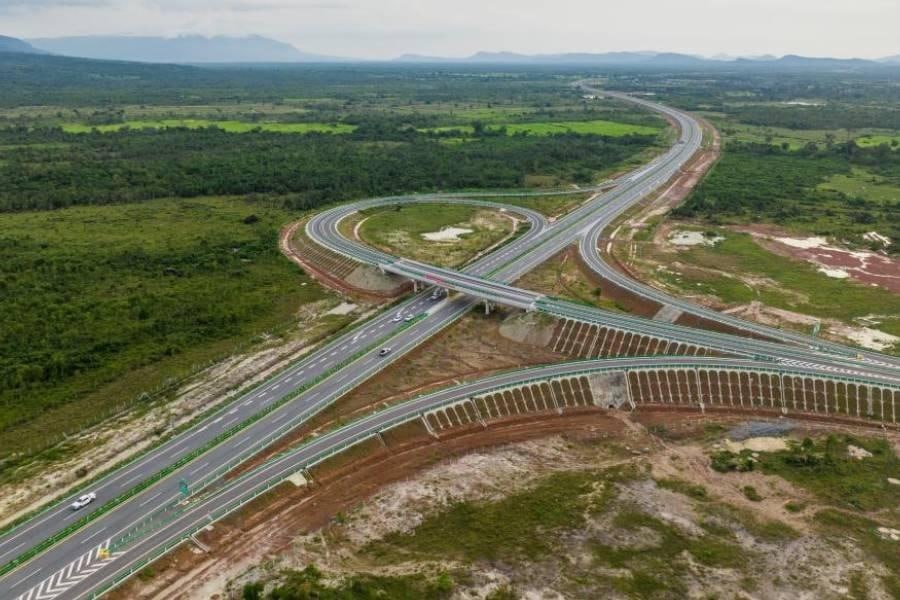
Beyond economics, China has become an important partner in infrastructure development, energy, healthcare, defense, security and human resource development. Major Cambodian infrastructure projects—including roads, bridges, airports, special economic zones and energy facilities—have benefited significantly from Chinese financing and investment.
For Cambodia, therefore, maintaining and strengthening close ties with China is not merely a diplomatic option; it constitutes an integral part of the country's long-term foreign policy strategy aimed at ensuring peace, stability, development and the protection of national interests amid a rapidly changing international environment.
Is the Visit Related to the Cambodia-Thailand Border Issue?
Officially, there has been no indication that the Cambodia-Thailand border issue will feature prominently on the agenda during Techo Sen's meetings with Chinese leaders. Consequently, it would be inaccurate to conclude that the visit is intended to seek direct Chinese support regarding the border dispute.
Nevertheless, from a geopolitical perspective, the timing of the visit has attracted considerable attention.
The trip comes at a time when Cambodia and Thailand are experiencing tensions over border issues, while Cambodia continues to emphasize peaceful dispute resolution through diplomacy and international law.
In this context, strengthening relations with China—Cambodia's most important strategic partner—may be viewed as part of Phnom Penh's broader effort to reinforce its diplomatic and strategic position amid regional uncertainty.
For a small state such as Cambodia, maintaining strong ties with major partners is essential for enhancing diplomatic capacity and safeguarding national interests.
At the same time, it should be noted that China has traditionally advocated the peaceful settlement of disputes through dialogue and consultation and consistently upholds the principle of non-interference in the internal affairs of other countries.
As such, Techo Sen's visit should be viewed primarily as an effort to further consolidate the comprehensive strategic partnership and deepen political trust between Cambodia and China, rather than as an attempt to establish an alliance directed against any third country.
Beyond Politics: Cambodia-China Relations Are Entering a New Phase
Techo Sen's visit also comes at a time when Cambodia-China relations are entering a new stage.
Whereas bilateral relations in the past focused largely on development assistance and infrastructure, cooperation today has expanded significantly in both scope and depth.
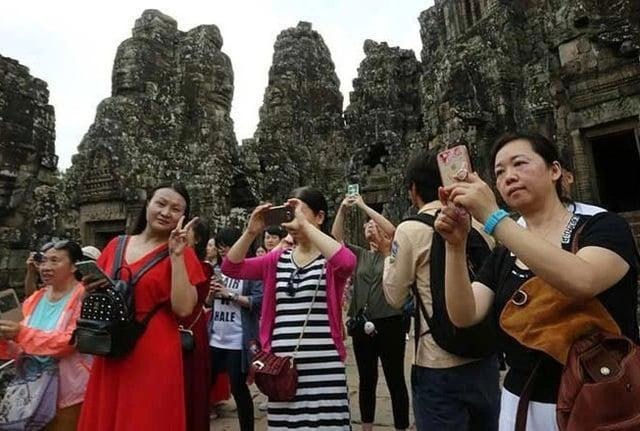
The launch of Cambodia's four-month visa-free trial for Chinese tourists, continued efforts to attract new Chinese investment and enhanced cooperation in combating transnational crime all indicate that bilateral ties are evolving from traditional economic cooperation toward a broader strategic partnership encompassing security cooperation.
Meanwhile, both countries are actively promoting the Cambodia-China Community with a Shared Future in the New Era, which serves as a new political and strategic framework guiding bilateral relations in the years ahead.
Under this framework, cooperation extends beyond politics and economics to include digital transformation, technology, green energy, human resource development, healthcare, cultural exchanges and people-to-people connectivity.
Therefore, Techo Sen's latest visit can be seen as both a reaffirmation of the enduring "ironclad friendship" and a potential stepping stone toward a new phase of Cambodia-China relations characterized by broader cooperation, deeper engagement and greater strategic significance.
Conclusion
In a world increasingly marked by uncertainty and intensifying major-power competition, Cambodia continues to pursue an independent, neutral and friendship-based foreign policy centered on protecting national interests, maintaining peace and promoting development.
In this context, Techo Sen's visit underscores the continuing importance of the Cambodia-China "ironclad friendship" while highlighting the growing strategic significance of bilateral relations in an evolving geopolitical landscape.
As regional and global dynamics continue to shift rapidly, China is likely to remain one of Cambodia's most important strategic partners across political, economic, diplomatic and security domains.
Moreover, the continued strengthening of the comprehensive strategic partnership and the advancement of the Cambodia-China Community with a Shared Future in the New Era could provide Cambodia with an important strategic asset for promoting peace, stability, development and the protection of its long-term national interests.
Ultimately, the visit demonstrates that, in an increasingly complex international environment, Cambodia continues to rely on diplomacy, friendship and strategic partnerships as key instruments for strengthening its position on both the regional and international stages.