
(Phnom Penh): In governing a nation, some lessons can be learned from books. Others can be drawn from history. Yet there are lessons that no school can teach. These are the lessons of decision-making when a nation stands on the edge of crisis.
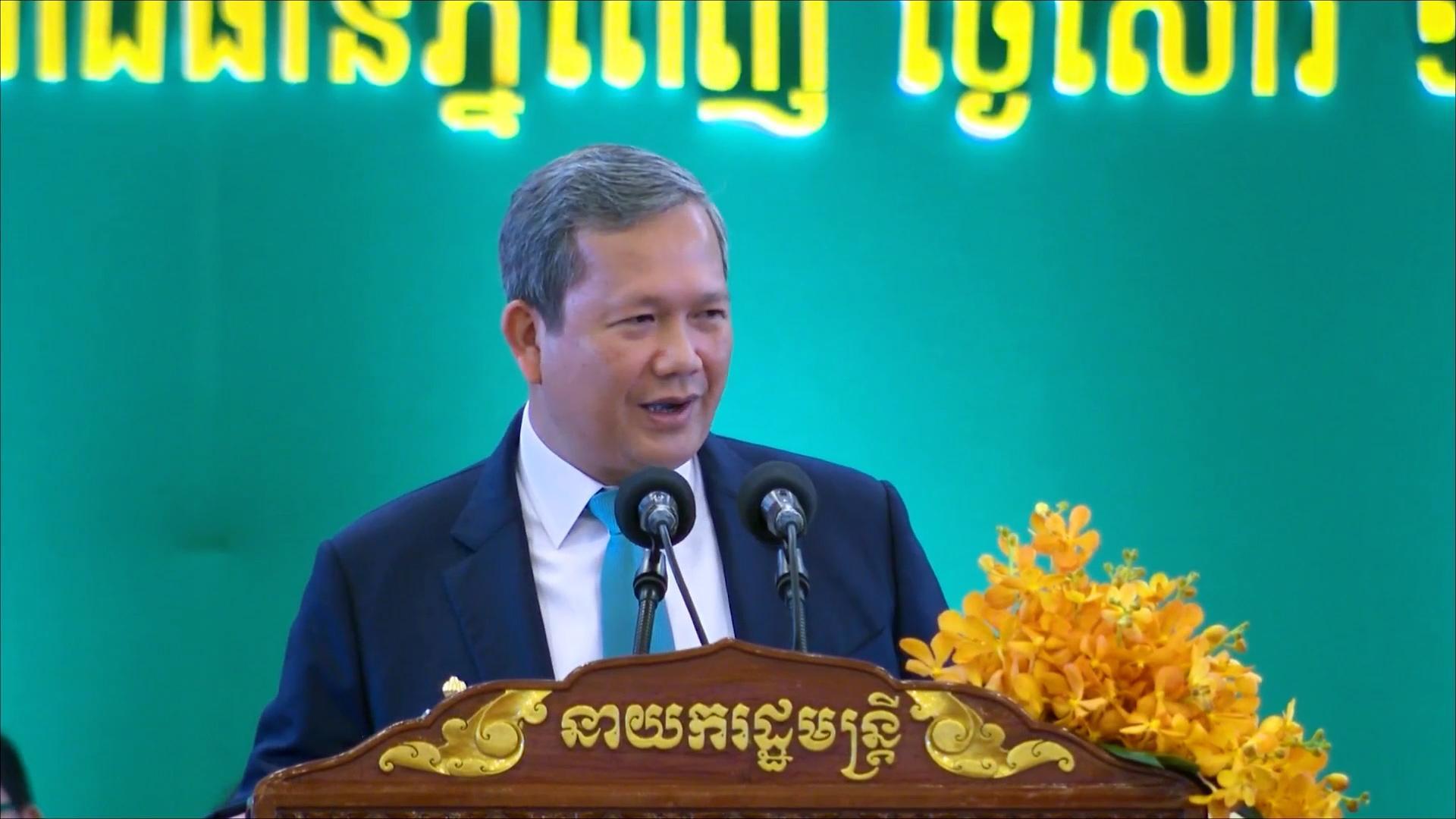
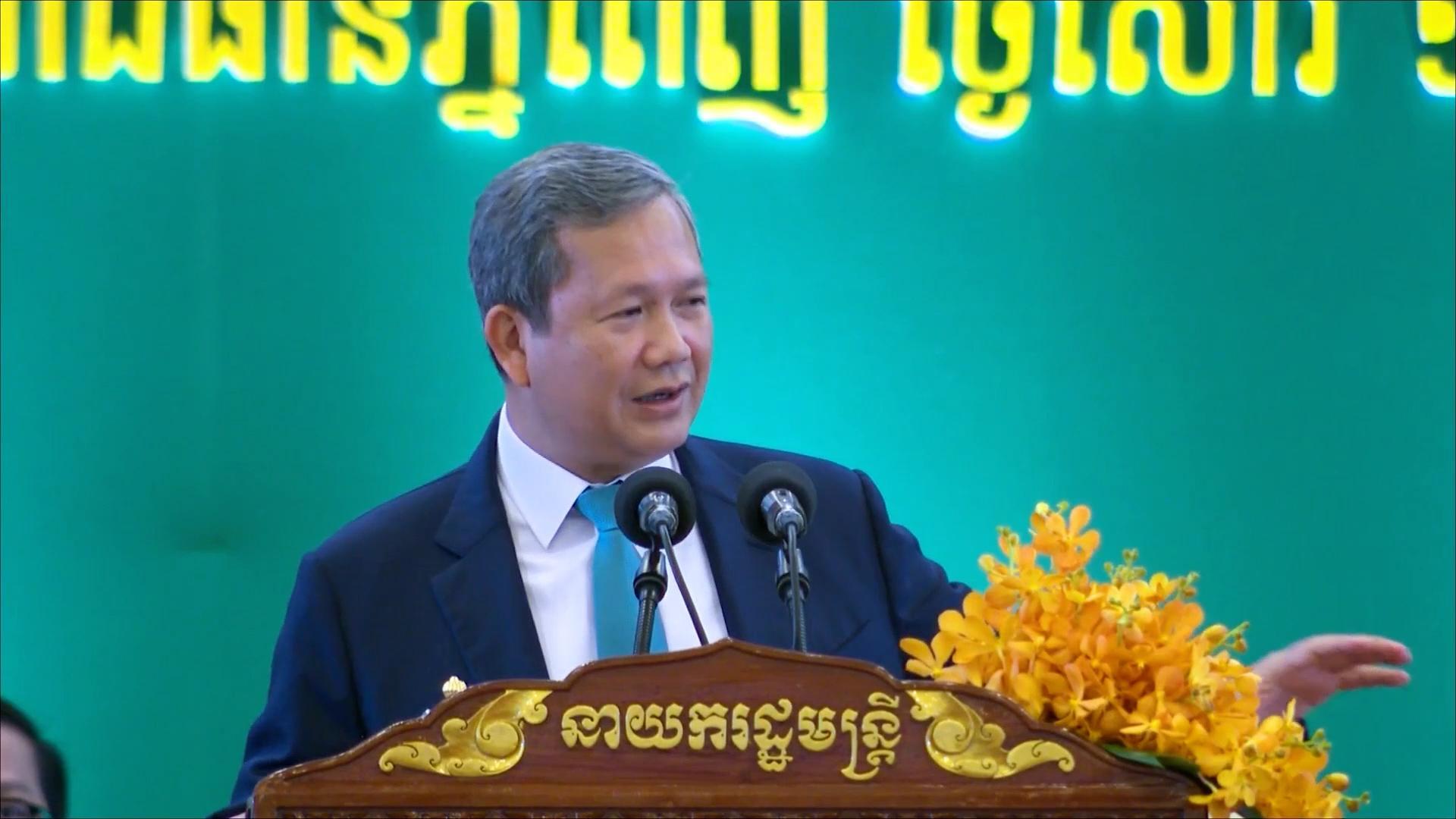
Remarks made by Cambodian Prime Minister Samdech Moha Borvor Thipadei Hun Manet on June 27, 2026, before thousands of participants in Phnom Penh, revealed a profound sense of leadership under pressure:
“Decisions have to be made… and there is no lesson, no school, that teaches these kinds of decisions.”
This was not merely an ordinary statement by a prime minister. Rather, it was a candid reflection from a leader carrying the heaviest of responsibilities: protecting the nation, safeguarding the people, defending territorial integrity, preserving the economy, and protecting Cambodia's national reputation at a time when multiple crises have arrived one after another.
From a Strong Foundation to Century-Defining Challenges
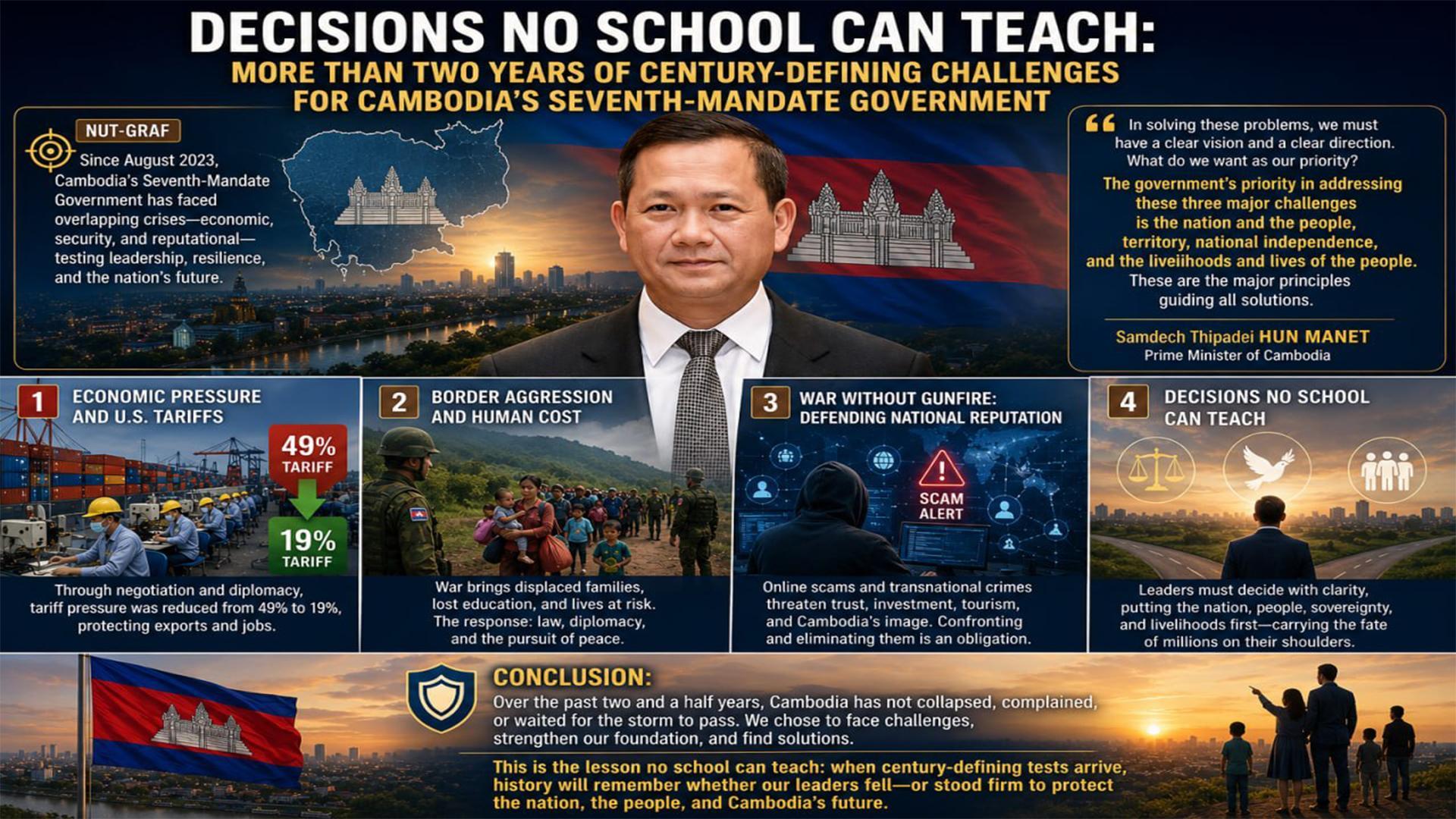
Since taking office in August 2023, Cambodia's Seventh-Mandate Royal Government has not enjoyed a calm beginning.
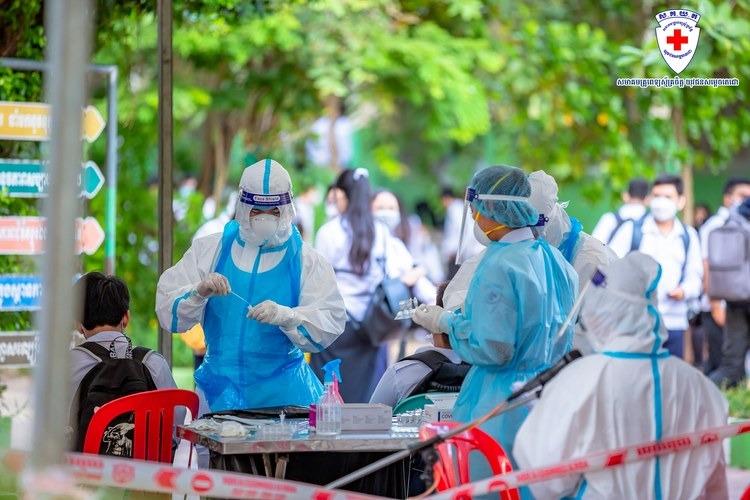
Instead, the new administration assumed office at a time when the world was still recovering from the scars of the COVID-19 pandemic, the Russia-Ukraine war, global economic uncertainty, intensifying great-power competition, and a host of new geopolitical uncertainties.
Alongside these global challenges, Cambodia has also had to confront significant domestic issues. The economy required post-pandemic recovery. The real estate sector remained under pressure. Domestic concerns and political agitation surrounding the Cambodia-Laos-Vietnam Development Triangle Area (CLV-DTA) created anxiety and uncertainty within society.
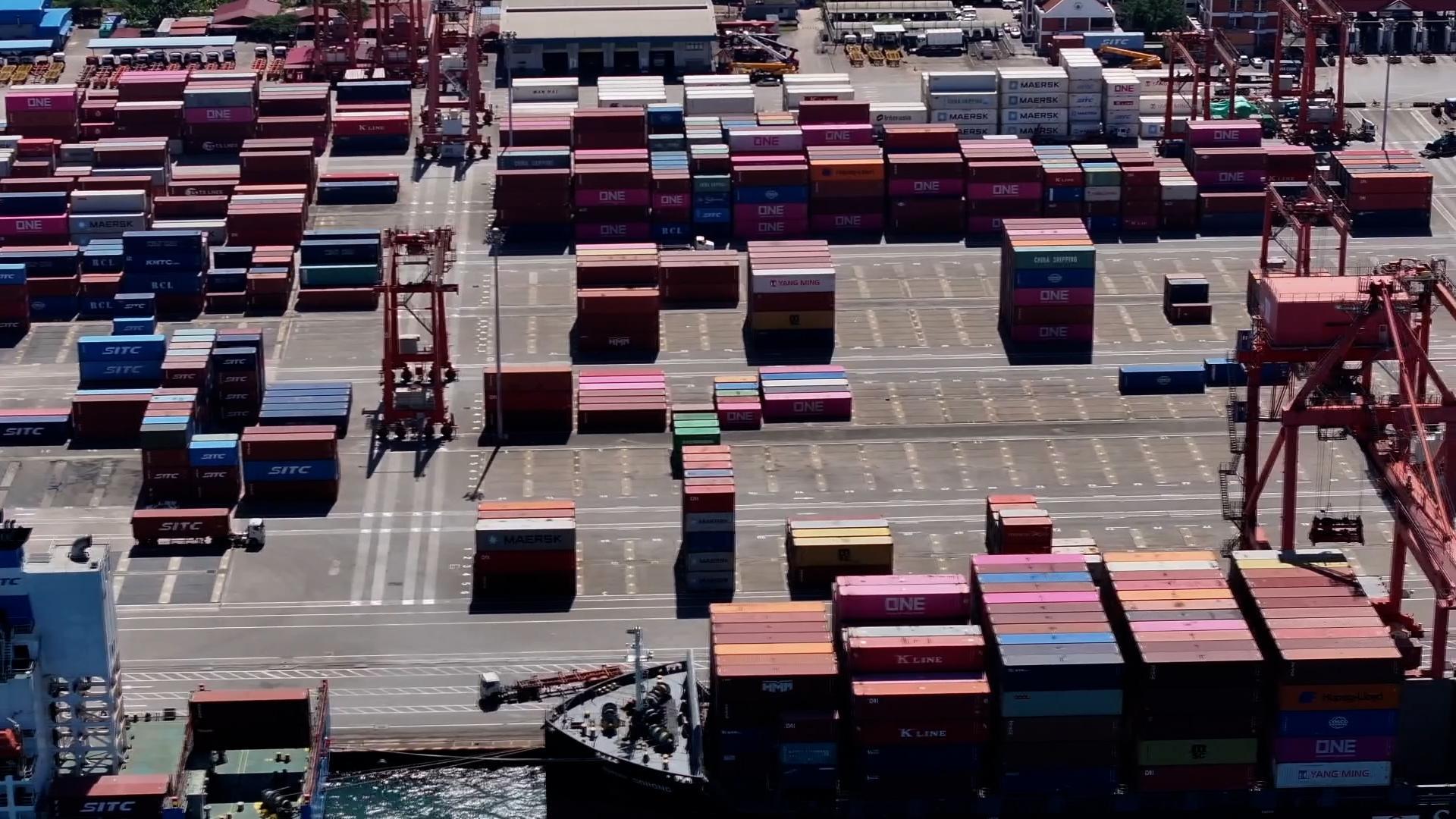
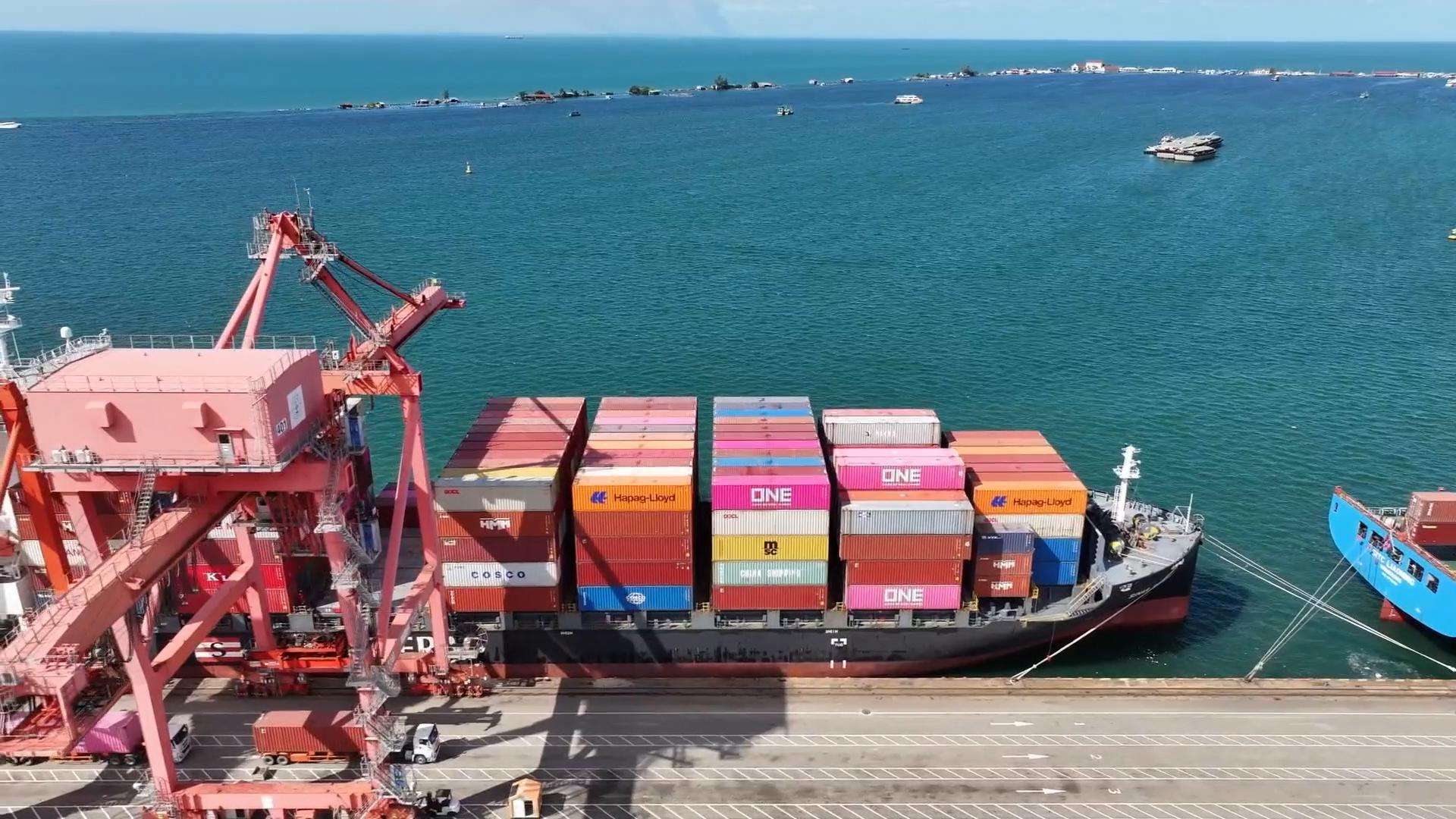
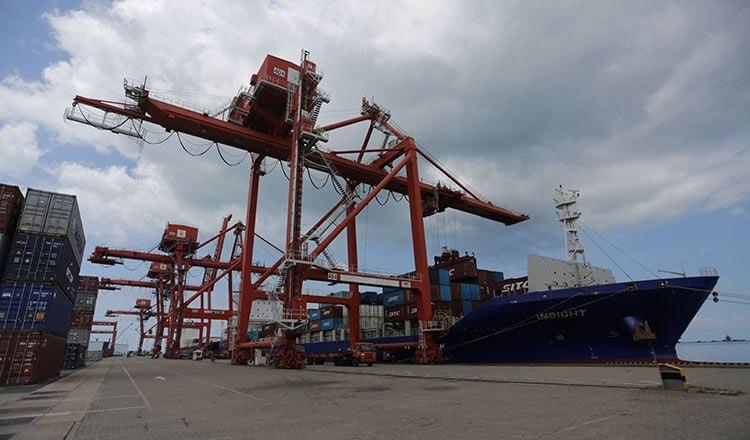
Soon afterward, Cambodia faced another major challenge: U.S. reciprocal tariff measures that threatened the country's export competitiveness.
Had the proposed 49 percent tariff remained in place, factories could have relocated to other countries, hundreds of thousands of jobs might have been at risk, and the livelihoods of many Cambodian families could have suffered serious consequences.
However, rather than waiting passively for the storm to pass, Cambodia chose diplomacy, negotiation, and persistent engagement. Through sustained efforts, the government succeeded in reducing tariff pressure from 49 percent to 36 percent, and eventually to 19 percent.
This offers an important lesson: when a nation's economy faces crisis, decisions cannot be driven by emotion. They require diplomacy, patience, negotiation skills, and calm judgment.
The Most Difficult Test: When a Nation Stands Between War and Peace
Yet the greatest challenge was not economic. It was war.
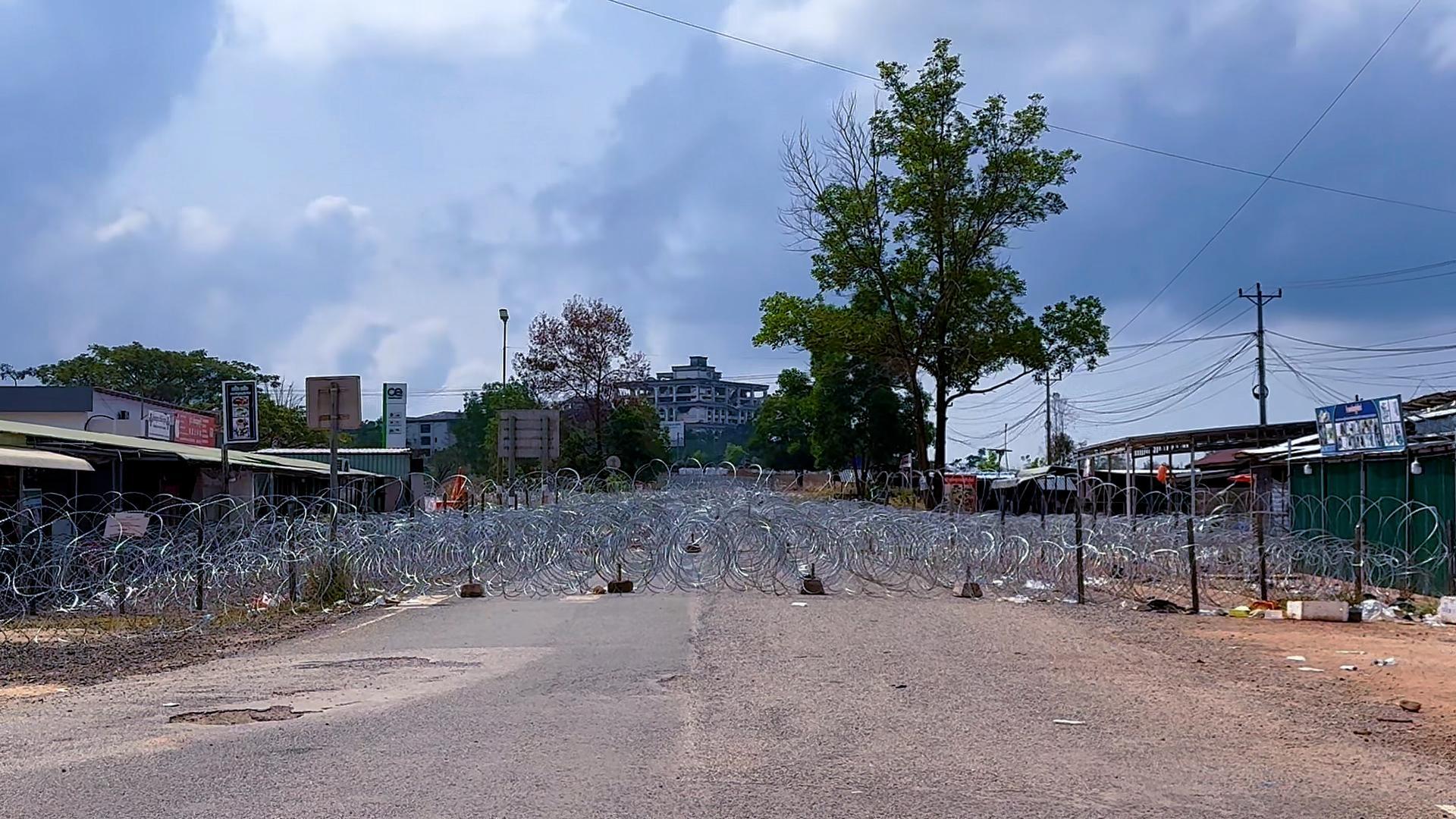
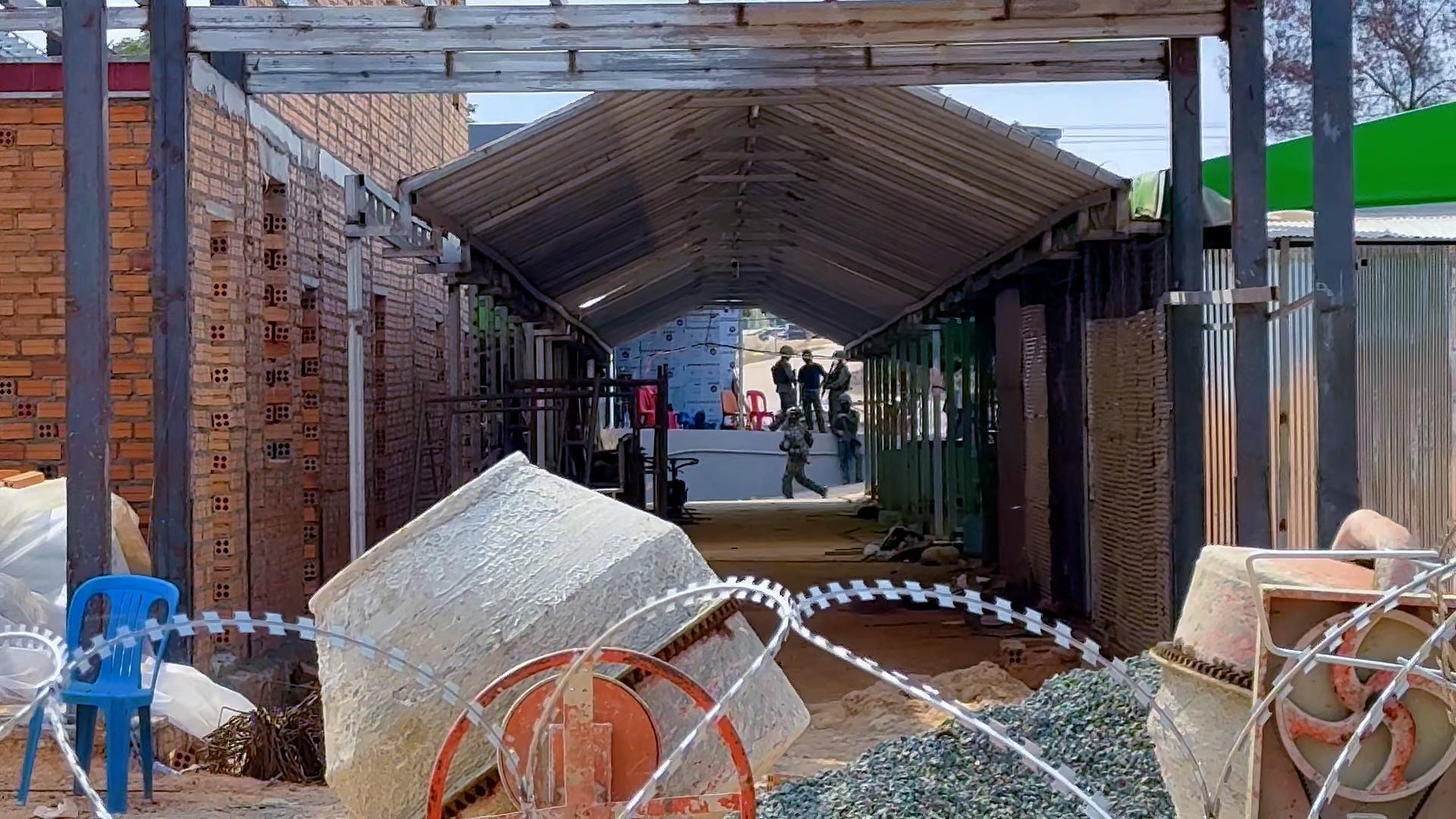
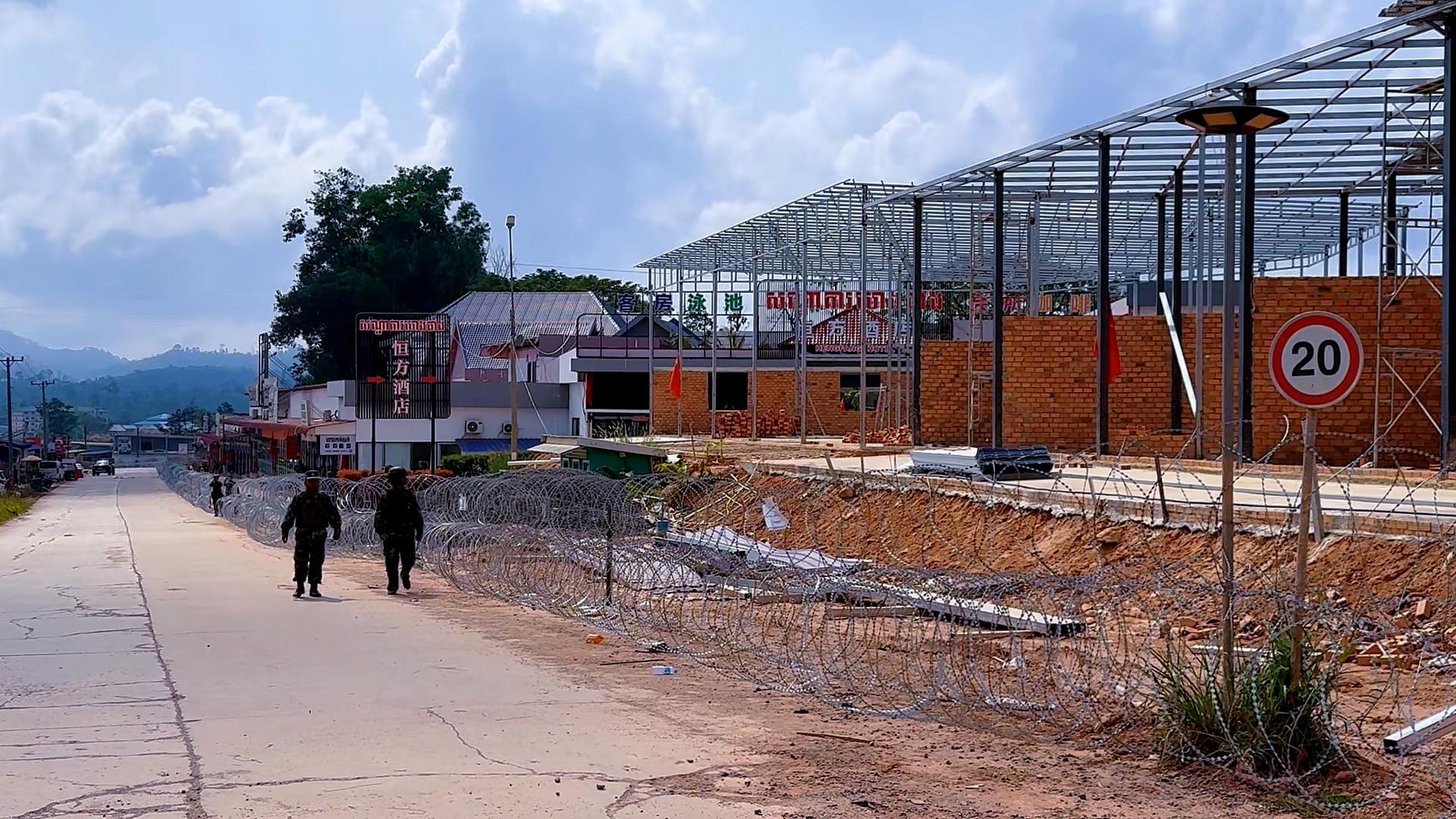
The border conflict represented a challenge that directly affected national sovereignty, territorial integrity, the lives of ordinary citizens, and the collective emotions of the Cambodian people.
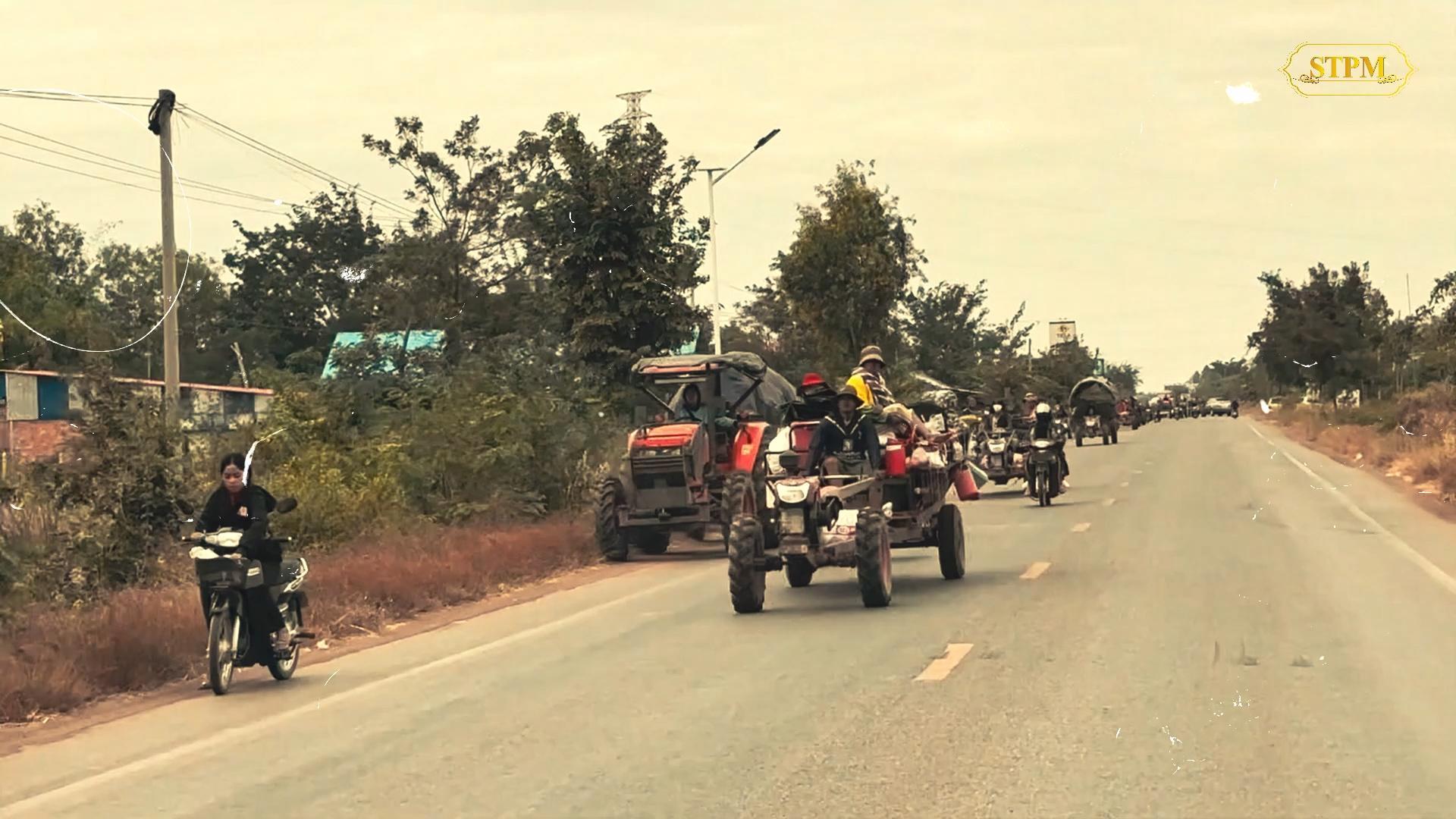
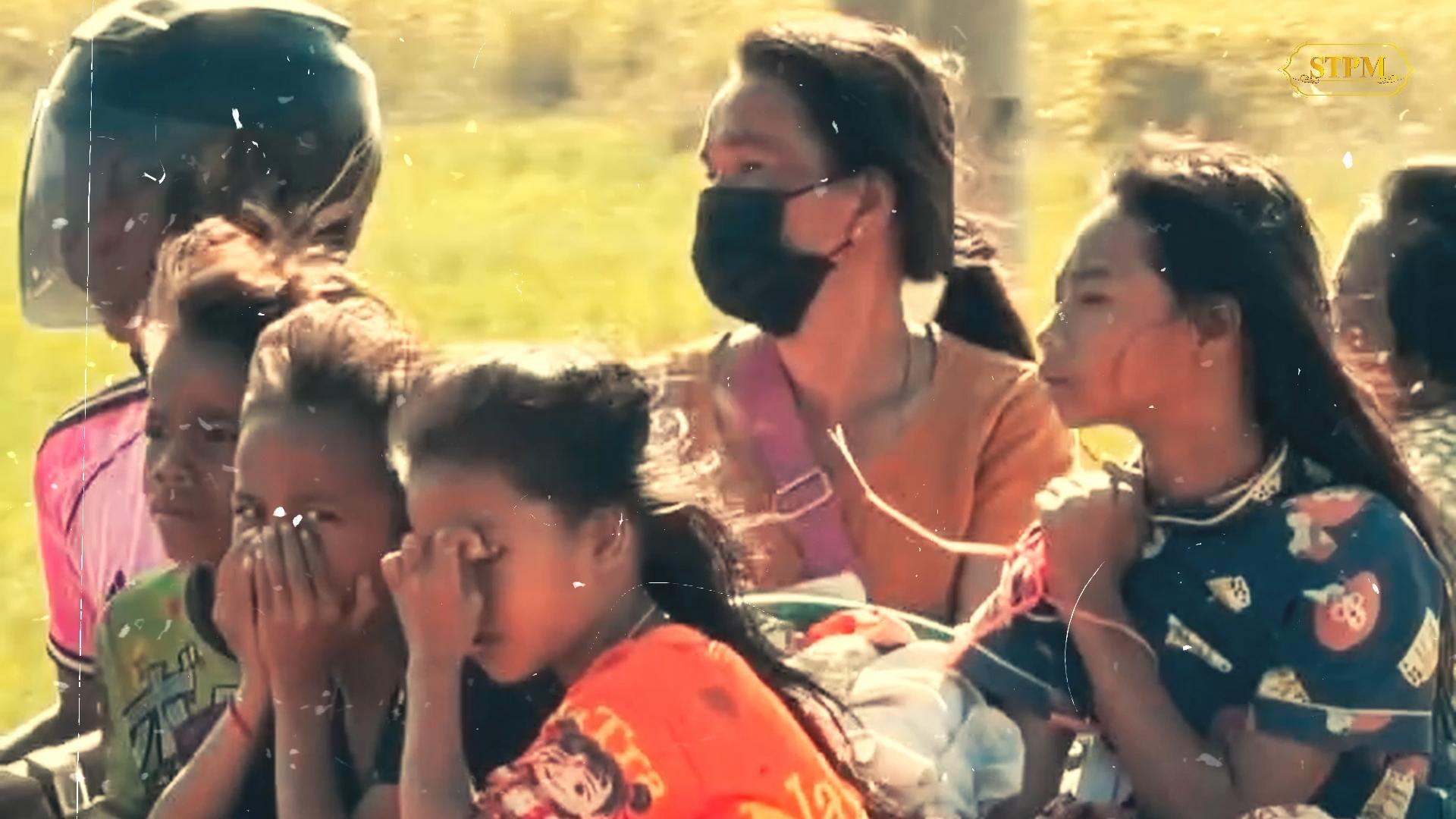
When war breaks out—when fighter jets appear in the skies, when hundreds of thousands of people are displaced, when children can no longer attend school, and when entire communities cannot return home—a fundamental question emerges:
Should a nation respond with military force or through law and diplomacy?
This is far from an easy question.
Behind the word "war" lie mothers separated from children, children separated from parents, students deprived of education, farmers unable to cultivate their land, and a country at risk of losing the confidence of tourists and investors.
In this context, Prime Minister Hun Manet's reflection that he once only read about Samdech Techo Hun Sen's peace negotiations in books, but now must conduct such negotiations himself, carries profound significance.
It demonstrates that history is not merely something to be studied. One day, history may call upon leaders to write new chapters with their own hands.
The War Without Gunfire: Defending National Reputation
Cambodia has also confronted another form of conflict—one without bombs, battlefields, or gunfire, yet capable of causing equally significant damage.
This is the battle to defend the nation's reputation.
As Prime Minister Hun Manet noted:
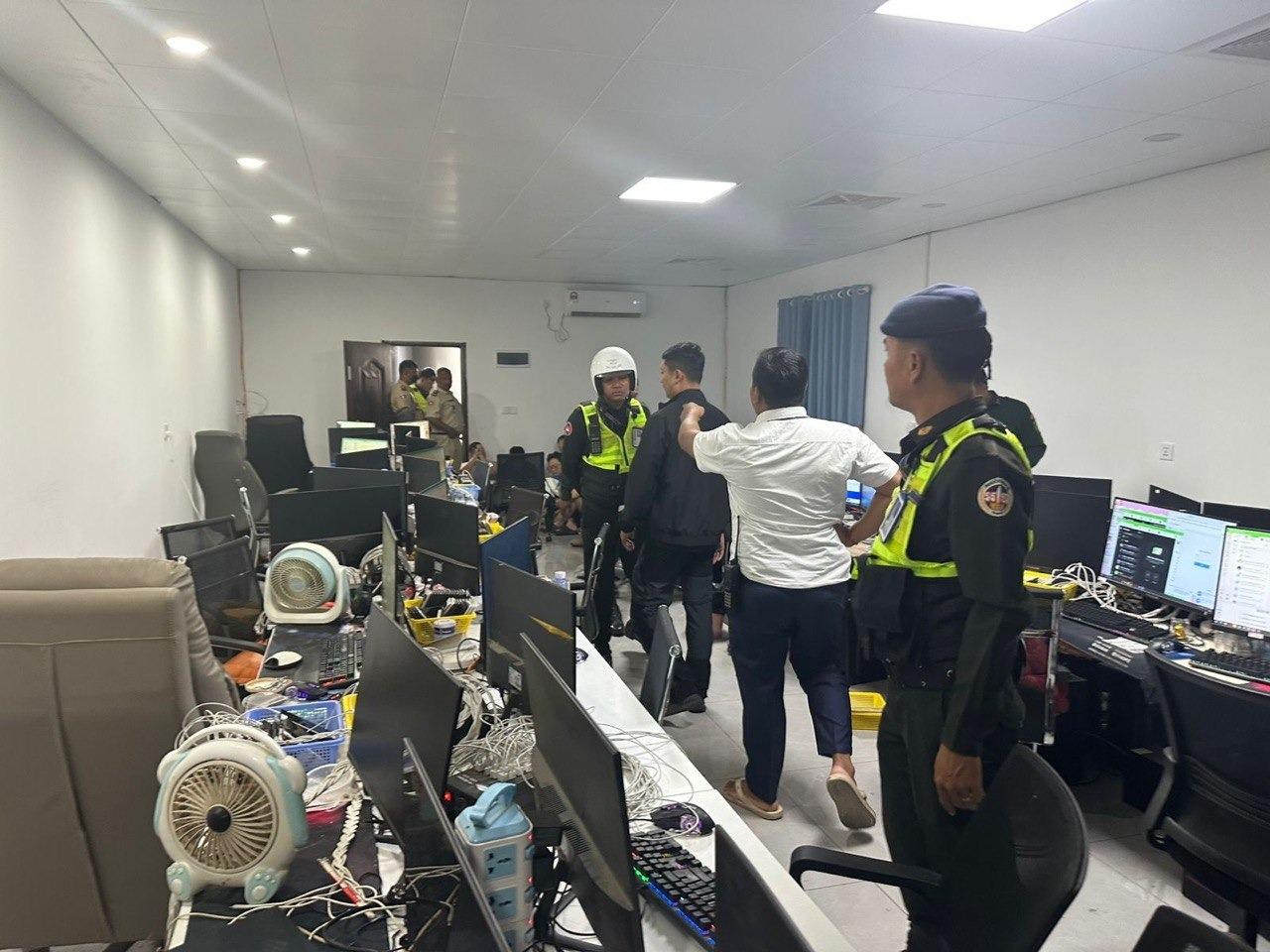
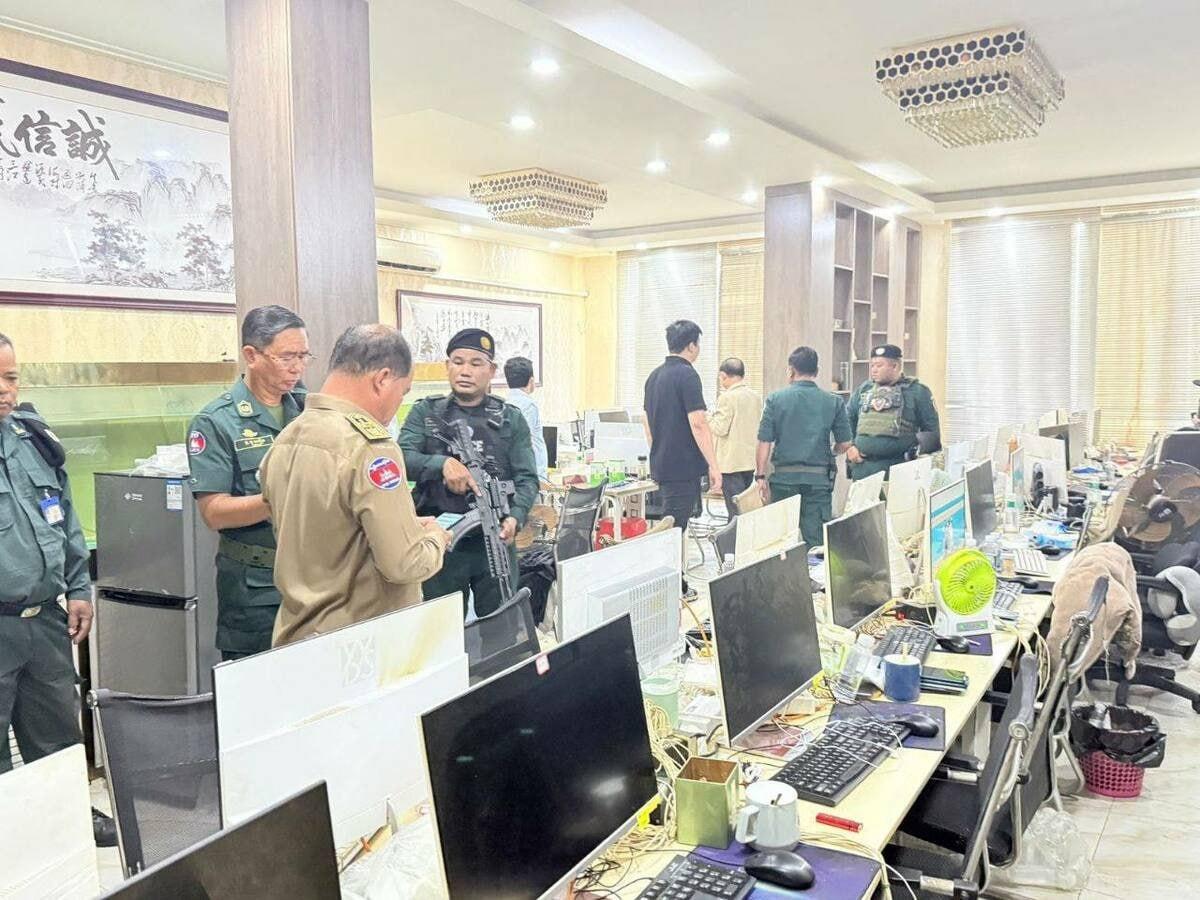
“There is another war—the war to protect our reputation. It is the war against online scams. Other countries in the region face similar problems, yet Cambodia has been singled out and made a punching bag. Should we simply lie down, cry, and complain about injustice? Or should we take action and perform surgery?”
Online scams and modern transnational crimes have placed Cambodia under intense international scrutiny and criticism, despite the fact that many countries across the region face similar challenges.
This represents a new battlefield of the 21st century.
It is no longer measured by territorial size or military strength, but by trust.
This war is not fought with bullets. It is fought through images, information, narratives, and global public perceptions.
If Cambodia fails to confront and decisively address this issue, the consequences would extend far beyond reputational damage. They could affect the formal economy, the informal economy, investment flows, tourism, and the confidence of international partners.
Confronting this challenge, therefore, is not simply a political choice; it is an obligation.
In this context, Hun Manet has pledged to eradicate online scam operations from Cambodia. This effort is not only about combating transnational crime, but also about protecting national credibility and restoring international confidence in the country.
Lessons No School Can Teach
Prime Minister Hun Manet has identified three major challenges confronting his government: border conflict, the battle to defend national reputation, and economic warfare.
These are not ordinary policy issues. They directly affect national security, people's livelihoods, and Cambodia's future.
The Prime Minister has articulated the government's guiding philosophy in addressing these challenges:
“In solving these problems, we must have a clear vision and clear priorities. The government's foremost priorities are the nation and the people, territorial integrity, national independence, and the livelihoods and lives of our citizens. These principles guide all of our decisions.”
His remarks underscore a fundamental reality: when nations face overlapping crises, leaders cannot wait for textbooks or ready-made lessons.
When storms arrive, leaders cannot simply say, "Let us first learn the lesson."
They must act immediately, carrying the lives of millions of citizens behind them and the fate of the nation upon their shoulders.
This is why Hun Manet's remarks carry both political and human significance.
They are not appeals for sympathy. Rather, they reveal the complexity of governing during an era of multiple crises.
Leading a country under such circumstances is akin to walking a thin line between peace and war, survival and decline, national credibility and the loss of international confidence.
Perhaps this is the true meaning of "lessons no school can teach"—lessons that cannot be learned from textbooks or rehearsed in classrooms, but lessons that history compels leaders to learn while they are actively steering the destiny of their nation.
History, after all, does not judge leaders solely by the crises they encounter. It judges them by how they respond to those crises and how they guide their nations through them.
Conclusion
Over the past two and a half years, Cambodia has not chosen to collapse, complain, or simply wait for the storms to pass.
Instead, it has chosen to confront challenges directly, strengthen its foundations, and seek solutions—even when those challenges were unprecedented and extraordinarily complex.
From global economic turmoil to border conflict, and from reputational warfare to modern transnational crime, Cambodia's Seventh-Mandate Government has been required to make a succession of difficult decisions in circumstances for which no textbook offers ready-made answers.
Perhaps this is the greatest lesson of all.
Some lessons cannot be taught in schools. Some are not written in books in advance.
Yet history invariably places such tests before leaders and leaves them to decide.
When century-defining challenges arrive, history will not ask how many crises a leader faced. Instead, it will remember whether, in the face of those crises, leaders fell—or stood firm to defend their nation, their people, and their country's future.