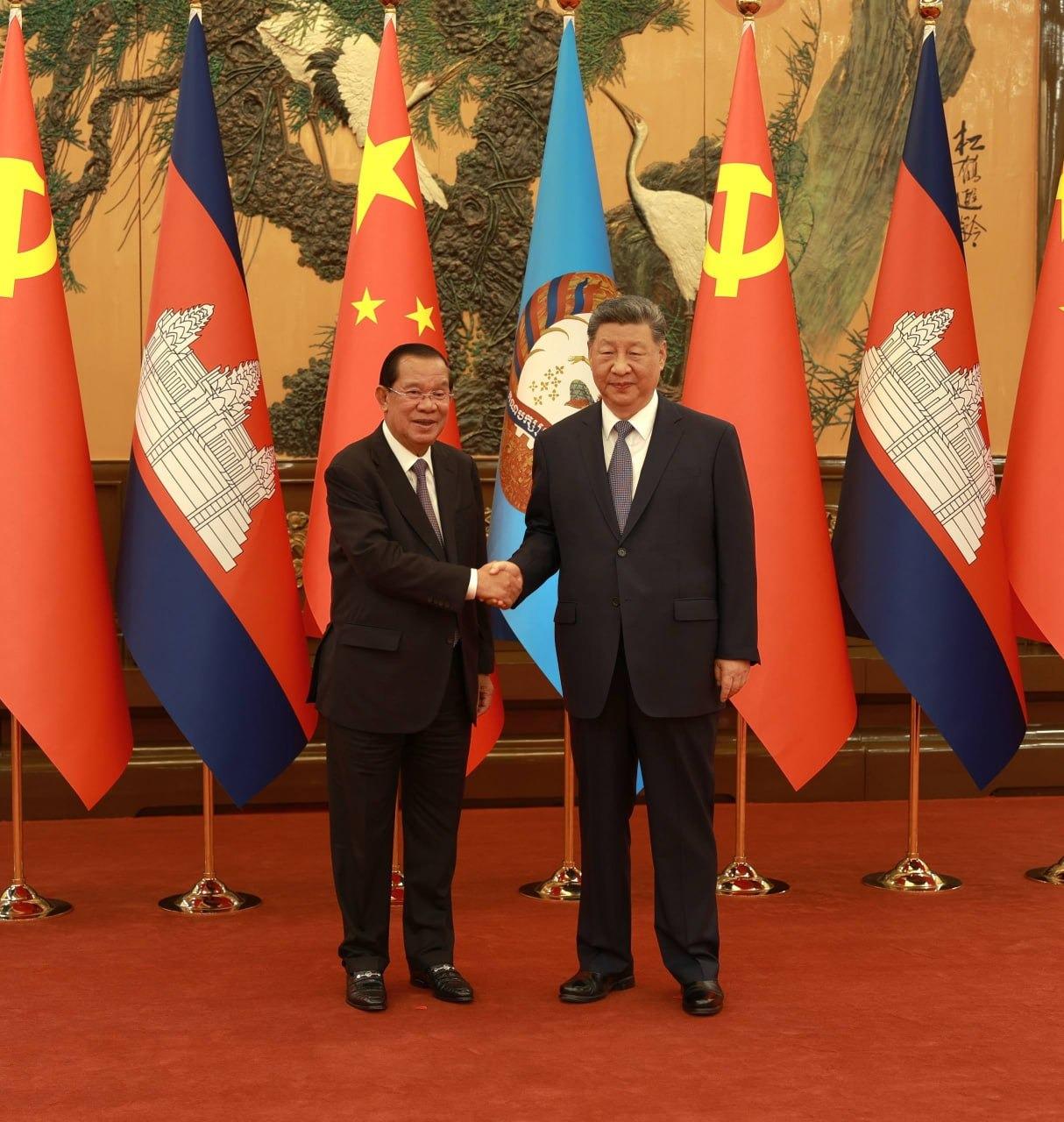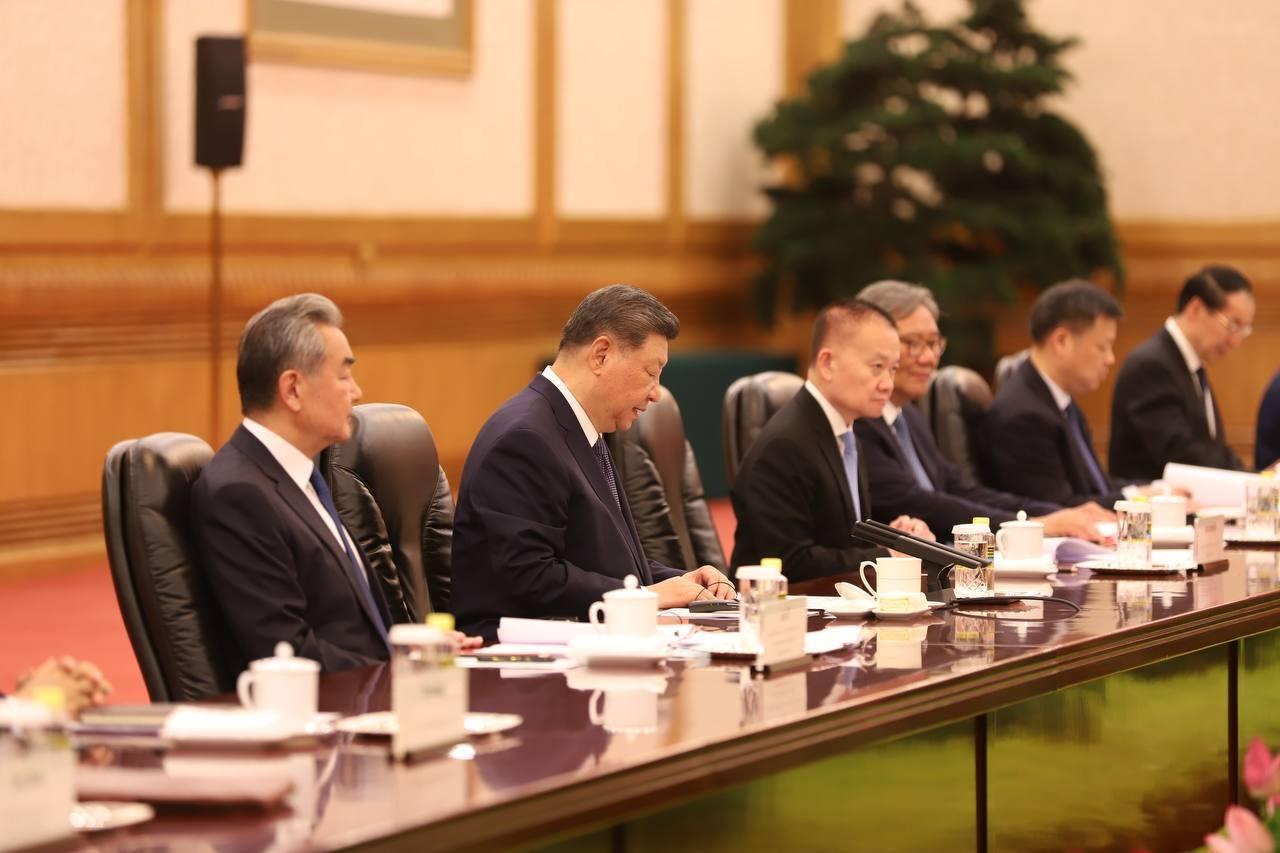

(Phnom Penh): In diplomacy, some visits are organized to attend international forums. Others take place within the framework of routine protocol. Yet there are also visits whose significance cannot be measured by the number of days spent abroad or the number of meetings held, but rather by who extended the invitation, who received the guest, and the political language employed.
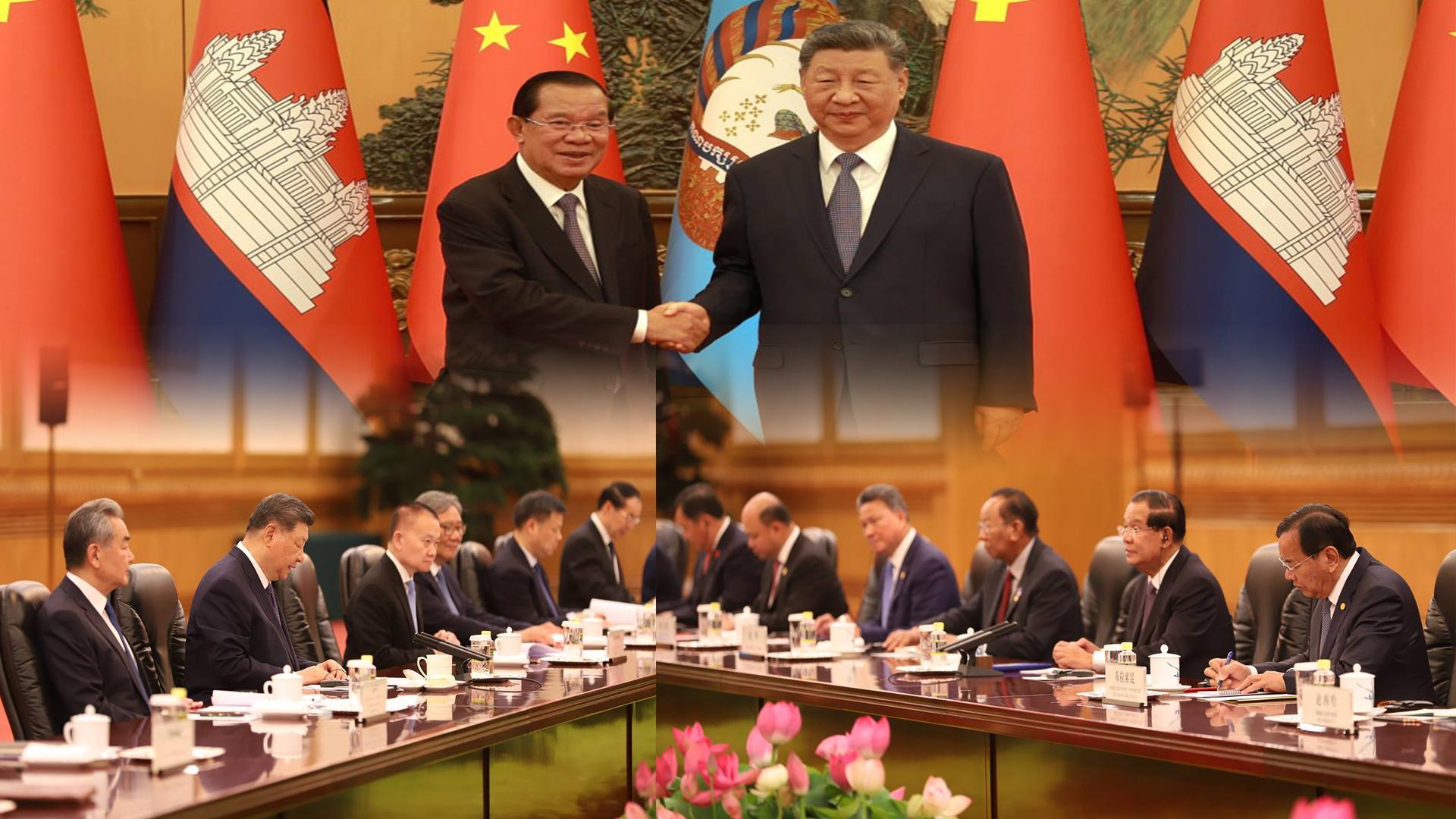
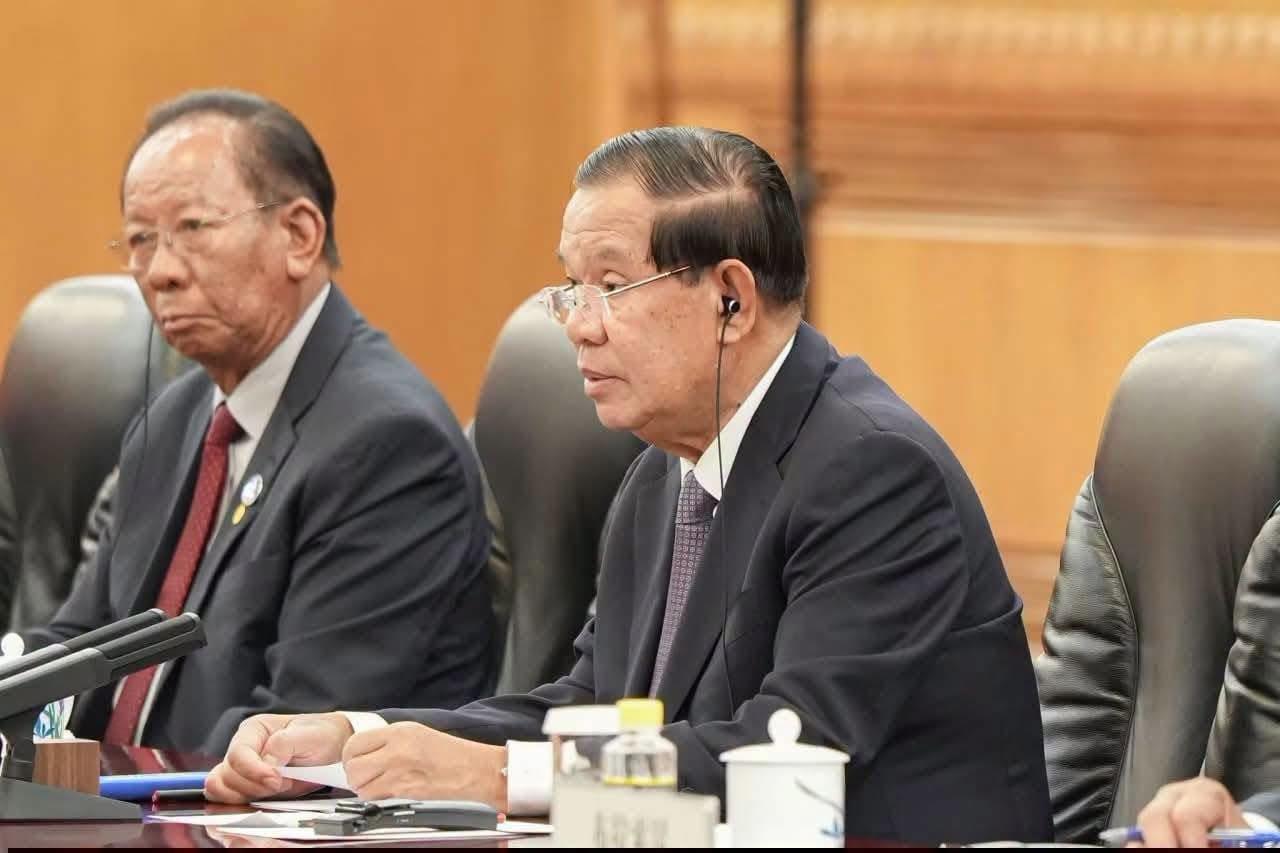
Former Cambodian Prime Minister and Senate President Samdech Techo Hun Sen's visit to Beijing on June 26, 2026, clearly falls into the third category.
Although some Thai political leaders sought to characterize the trip as merely a “normal visit,” a closer examination of the level of invitation, the substance of the discussions, and the messages conveyed by Beijing makes it difficult to argue that the visit lacked strategic significance.
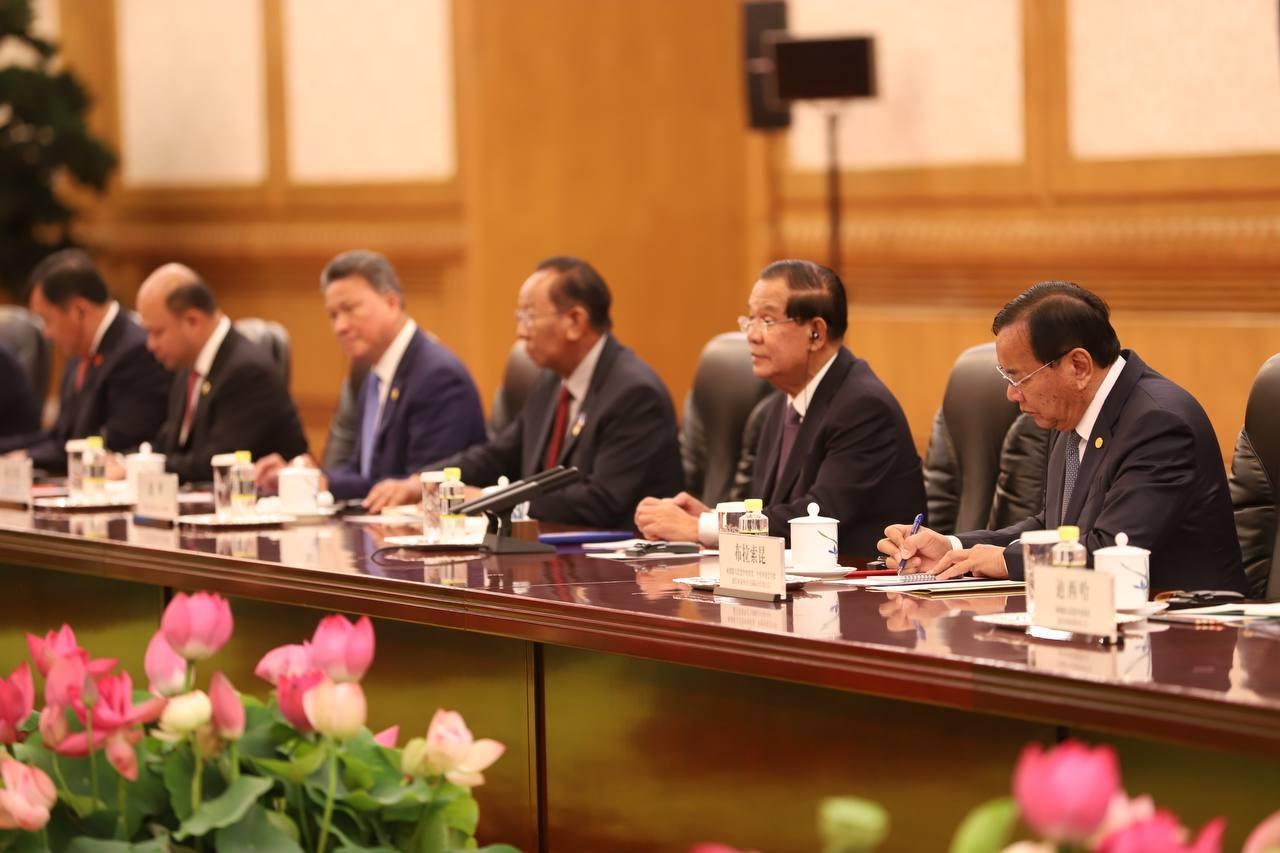
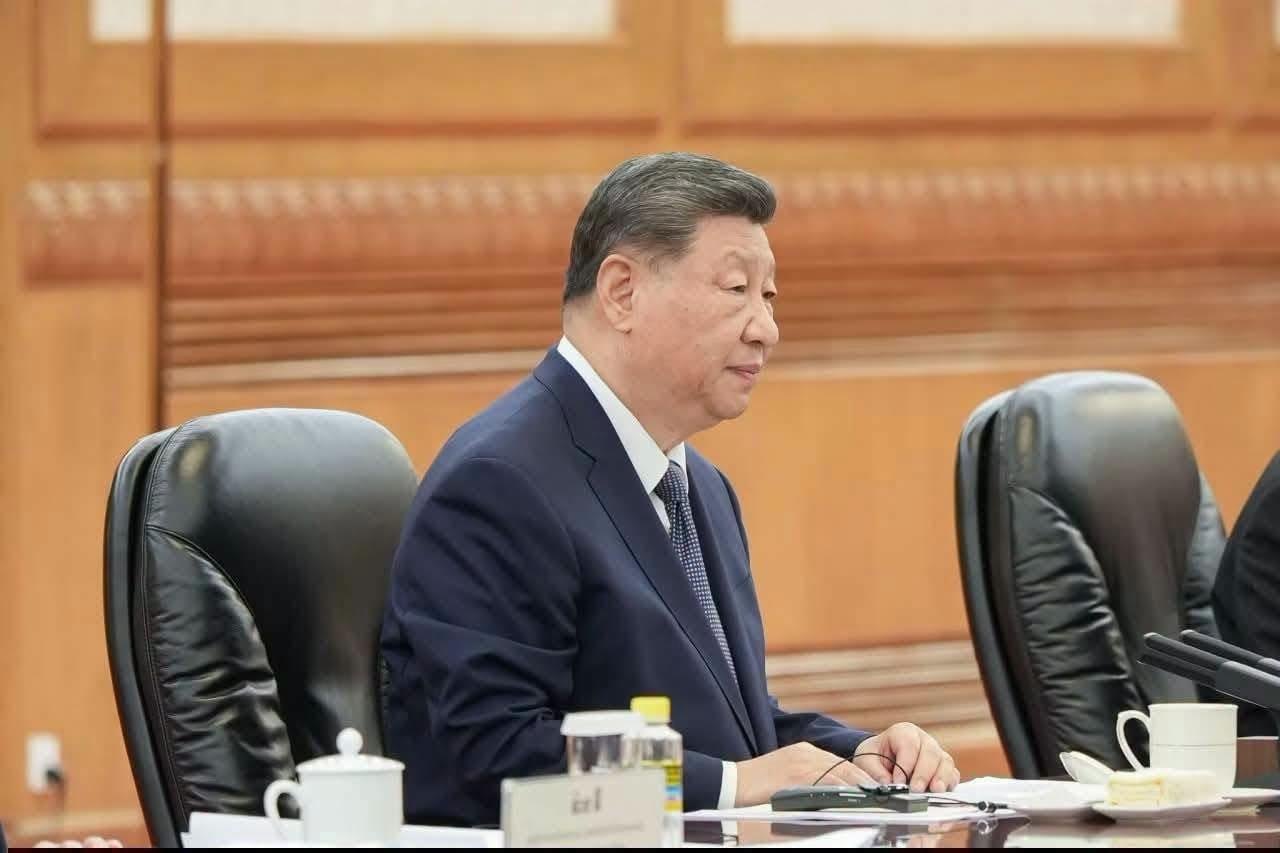
The meeting between Samdech Techo Hun Sen and Chinese President Xi Jinping on June 26 was far from a routine diplomatic courtesy call. It was a summit between the leaders of the ruling parties of both countries, held at the direct invitation of Xi Jinping in his capacity as General Secretary of the Communist Party of China.
President Xi remarked:
“It is a pleasure to meet with President Hun Sen again. And I welcome your official friendly visit to China.”
This welcoming message did more than reaffirm the longstanding “ironclad friendship” between Cambodia and China. It also demonstrated that Beijing continues to attach increasing importance to Cambodia in the political, security, economic, and geopolitical spheres.
At a time when great-power competition is intensifying, the fact that China's top leader personally received Cambodia's senior leader within a party-to-party framework and emphasized such concepts as “ironclad friendship” and “political trust” signals that Cambodia-China relations have entered a new stage that transcends ordinary diplomatic relations.
The Level of Invitation Reflects the Weight of the Summit
The first factor distinguishing this visit from an ordinary diplomatic trip is the level of invitation.
Samdech Techo Hun Sen did not travel to China to participate in a multilateral forum or international conference. Instead, the visit took place at the direct invitation of Xi Jinping, in his capacity as General Secretary of the Communist Party of China, extended to Hun Sen in his capacity as President of the Cambodian People's Party.
Such an invitation goes well beyond routine diplomatic protocol. Within China's political system, party-to-party relations are regarded as highly significant and constitute a fundamental pillar of political trust between countries. Consequently, a meeting between the leaders of the two ruling parties represents a clear manifestation of a high degree of political confidence and strategic partnership.
Cambodian Senate Spokesperson Chea Thyrith also emphasized that the visit differed fundamentally from ordinary participation in international events, as it was an official visit made at the direct invitation of China's top leadership.
In Chinese diplomacy, the level of invitation often carries as much significance as the content of the meeting itself. Therefore, the decision by China's top leader to formally invite Hun Sen demonstrates that Beijing continues to regard Cambodia as both a priority partner and a trusted ironclad friend.
Xi Jinping's Words Were More Than Diplomatic Formalities
President Xi Jinping's remarks during the meeting carried profound political significance.
He stated:
“China has consistently prioritized Cambodia in its neighborhood diplomacy and firmly supports Cambodia in safeguarding its national sovereignty and security and pursuing a development path suited to its own national conditions.”
In the language of Chinese diplomacy, the phrase “prioritized Cambodia” is not employed casually. Rather, it signifies that Beijing regards Cambodia not merely as a friendly country, but as a priority partner within its neighborhood diplomacy.
Even more importantly, China publicly reaffirmed its firm support for Cambodia in safeguarding its sovereignty and national security. At a time when the region faces intensifying geopolitical competition and growing security uncertainties, such a statement carries implications far beyond diplomatic courtesy. It represents a renewed political commitment from Beijing toward Cambodia.
President Xi also highlighted the establishment of a “security partnership” between Cambodia and China. In diplomatic terminology, the phrase carries considerable strategic weight, indicating that bilateral relations are expanding beyond economics and development into deeper security cooperation and strategic coordination.
Taken together, Xi's remarks suggest that Beijing seeks not only to preserve the traditional ironclad friendship with Cambodia, but also to elevate bilateral relations to a new level grounded in political trust, security cooperation, and a shared long-term vision.
Peace, Development and Prosperity: A New Shared Vision
President Xi further stressed that: “China is willing to work with Cambodia to jointly uphold peace, pursue development, and create prosperity together.”
He added:
“We will also solidly advance the building of a China-Cambodia community with a shared future, setting an example for promoting the building of a community with a shared future for humanity.”
These statements were far more than conventional diplomatic rhetoric. They reflected a shared strategic vision between Cambodia and China aimed at preserving peace, stability, and long-term development.
At a time when the world is increasingly shaped by great-power rivalry, regional conflicts, geopolitical fragmentation, and global economic uncertainty, this message carries special significance. It demonstrates that both Cambodia and China seek to build a strategic partnership capable of sustaining peace and shared prosperity over the long term.
In Beijing's strategic thinking, peace, development, and prosperity are inseparable. A country enjoying peace but lacking development will struggle to maintain long-term stability, while development without peace cannot ensure sustainable prosperity.
China's continued support for Cambodia in infrastructure, industry, technology, agriculture, and security illustrates Beijing's desire to see Cambodia emerge as a resilient, economically strong, and politically stable nation capable of navigating a rapidly evolving geopolitical environment.
Most importantly, the commitment to building an “all-weather Cambodia-China community with a shared future” demonstrates that the two countries share not only present-day interests, but also a common vision for the future. It marks an evolution from traditional friendship toward a highly trusted strategic partnership capable of jointly addressing challenges at both regional and international levels.
As Southeast Asia faces growing security tensions, intensifying great-power competition, and economic uncertainty, Cambodia-China relations are increasingly being redefined as a strategic partnership founded on peace, development, and shared prosperity. This is the true meaning of the Cambodia-China Community with a Shared Future in the new era.
The June 30 Message Reaffirmed Strategic Direction
Four days after the Beijing summit, Samdech Techo Hun Sen sent a congratulatory message to Xi Jinping on the occasion of the 105th anniversary of the founding of the Communist Party of China.
In that message, Samdech Hun Sen wrote:
“I highly value the longstanding friendship between our two parties and countries, which has once again reaffirmed our ironclad friendship and our shared vision of building an all-weather Cambodia-China Community with a Shared Future in the new era, elevating bilateral relations to a new height.”
This was far more than a ceremonial congratulatory message. It was a significant political statement reaffirming the strategic direction of Cambodia-China relations in the new era.
In particular, the references to “ironclad friendship” and an “all-weather Cambodia-China Community with a Shared Future” indicate that bilateral relations are being elevated to a new level based on political trust, security cooperation, and a shared long-term vision.
The message also underscored that Cambodia-China relations extend beyond traditional state-to-state ties, being reinforced through party-to-party relations that serve as an essential foundation for political confidence between the two countries.
At a time when regional and global geopolitics are changing rapidly, the renewed emphasis on “ironclad friendship” and a “community with a shared future” sends a clear signal that both countries intend to deepen and sustain their strategic partnership for the long term.
Attempts to Downplay the Visit Contradict Beijing's Own Language
Some Thai political leaders attempted to downplay Hun Sen's visit to China. In particular, Thai Prime Minister Anutin reportedly described the Beijing trip as merely a “normal visit.”
Such assessments, however, appear inconsistent with the political language and strategic messaging employed by Beijing during the summit.
Chinese officials used a series of high-level diplomatic terms to characterize bilateral relations, including:
- Ironclad Friendship
- All-weather Community with a Shared Future
- Security Partnership
- Political Trust
- Prioritized Cambodia
In Chinese diplomacy, such terminology is never used casually. These expressions are carefully selected to reflect the degree of political trust and the importance attached to bilateral relations.
Terms such as “ironclad friendship” and “all-weather community” are typically reserved for partners enjoying exceptionally high levels of trust and long-term strategic cooperation.
Consequently, attempts to portray the Hun Sen-Xi Jinping summit as merely an ordinary visit are inconsistent not only with diplomatic realities, but also with the language and strategic messages conveyed by Beijing itself.
Conclusion
In modern diplomacy, the significance of a state visit cannot be measured simply by its duration or the number of ceremonial events held. Rather, it is measured by the level of invitation, the political language employed, and the strategic messages conveyed.
In the case of the Hun Sen-Xi Jinping summit, all available evidence clearly indicates that this was not an ordinary visit. Instead, it reaffirmed that Cambodia remains one of China's priority partners, a trusted ironclad friend, and an integral part of the all-weather Cambodia-China Community with a Shared Future in the new era.
Moreover, the summit demonstrated that Beijing continues to attach increasing importance to relations with Cambodia across political, security, economic, and strategic dimensions amid rapidly evolving regional and global geopolitical circumstances.
Therefore, perhaps the real question is not whether this was a “normal visit,” but rather: What strategic messages was Beijing sending to the region and the wider world through the Hun Sen-Xi Jinping summit?
The answer may well be that China seeks not only to strengthen its ties with Cambodia, but also to underscore Cambodia's continuing strategic importance within Beijing's broader vision for Southeast Asia and the international order.