
(Phnom Penh): Many wars begin with bullets. Peace, more often, begins at the negotiating table.
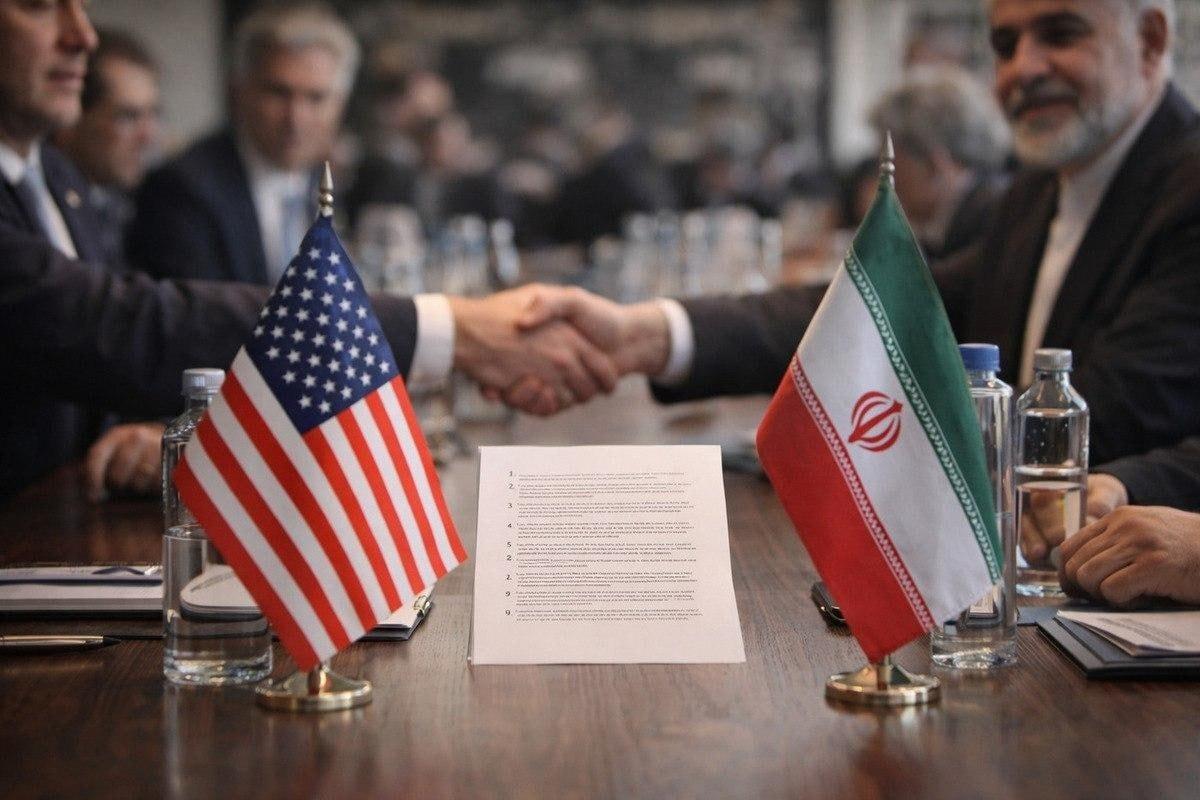
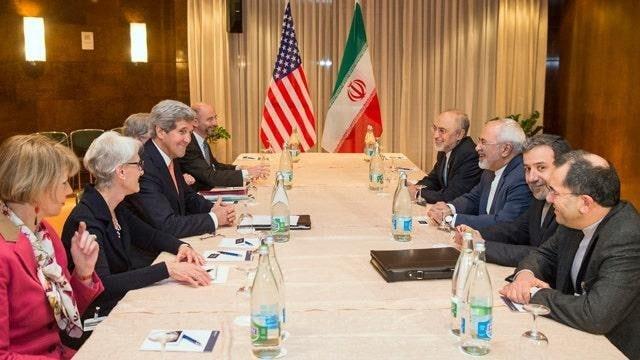
On June 17, 2026, the United States and Iran signed a memorandum of understanding, or MoU, widely seen as a first step toward ending a confrontation that had pushed the Middle East close to the brink of war.
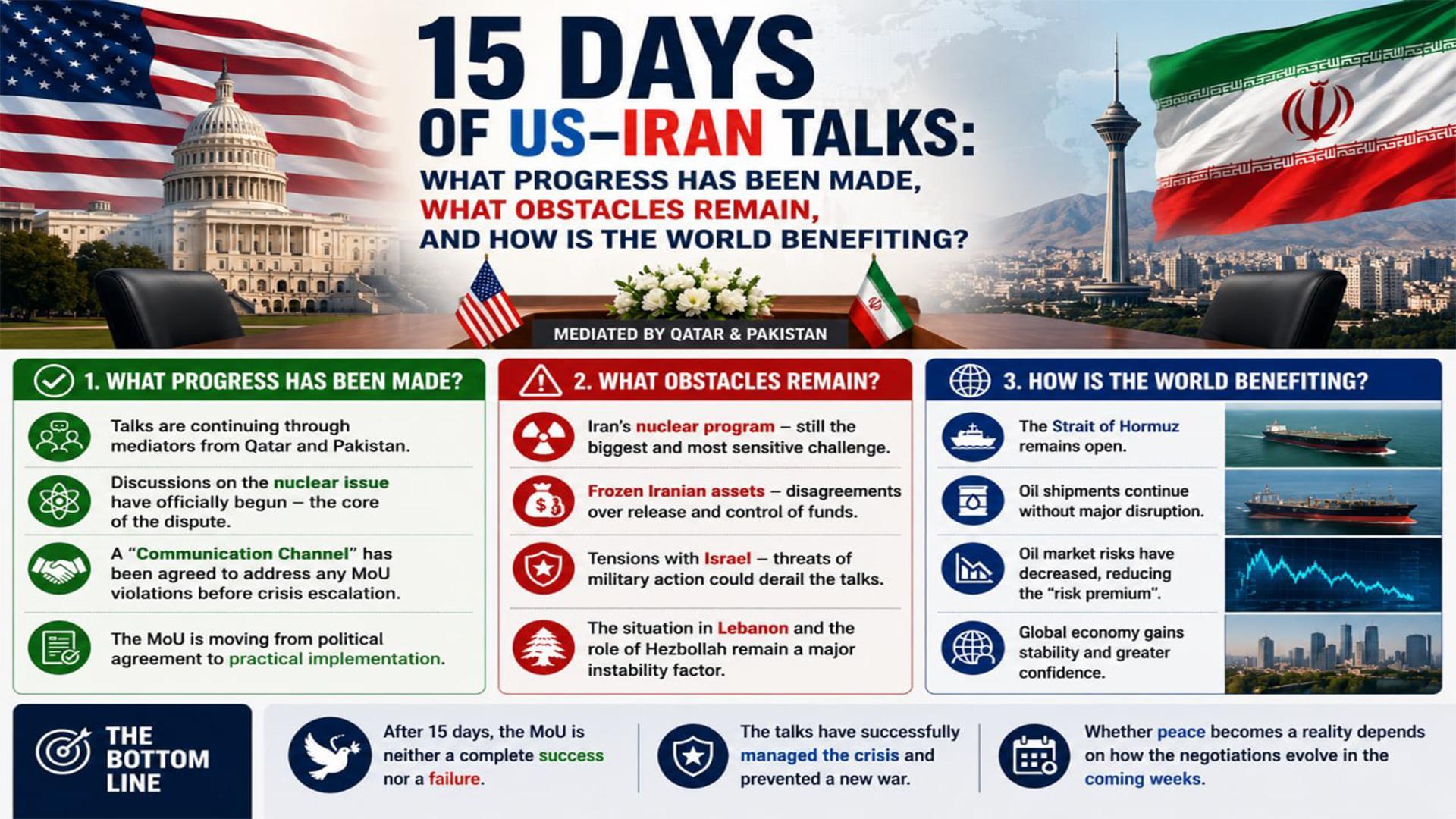
As of July 2, 2026, the talks have entered their 15th day. Major hostilities have eased, and negotiations are continuing. Yet one central question remains: Are Washington and Tehran moving toward real peace, or are they merely managing a crisis to prevent it from exploding again?
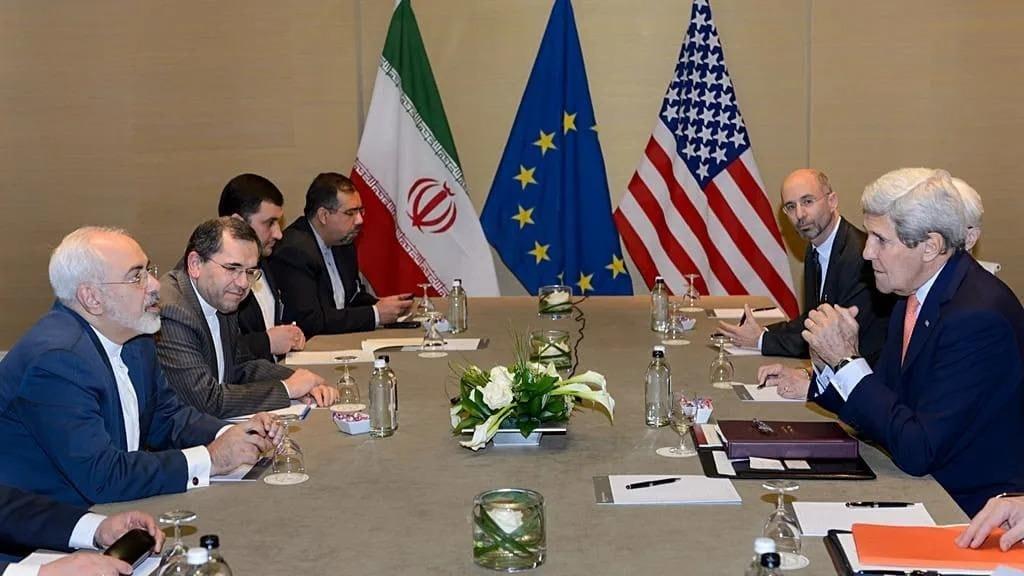
After 15 days of negotiations, one point stands out: the process has not stalled. Instead, the two sides have continued to engage through mediators from Qatar and Pakistan.
Still, these signs of progress do not mean the path to peace is smooth. Beneath the positive diplomatic language, several core issues remain unresolved: Iran’s nuclear program, frozen Iranian assets, Israel’s role, the situation in Lebanon, and the stability of global oil markets.
The real question, therefore, is not simply whether the talks are continuing. It is whether the past 15 days have produced enough evidence to suggest that the MoU is evolving into a historic peace agreement — or whether it remains only a mechanism for managing the crisis and delaying another outbreak of war.
Initial Progress: From Signing to Implementation
The past 15 days have produced several positive signals suggesting that the MoU is no longer merely a political promise. It is beginning to move into a practical implementation phase.
According to CNN and Al Jazeera, Qatar, acting as a mediator, said indirect meetings in Doha had produced “positive progress” and that “the parties agreed to continue discussions.” This language indicates that both the United States and Iran still have the political will to keep the negotiations alive.
At the same time, US Vice President JD Vance told CNN that “the talks are going well” and said discussions on Iran’s nuclear program would begin soon. That suggests the talks have moved beyond confidence-building and are now approaching the core issue that has driven years of dispute.
Perhaps the most notable development came from Al Jazeera, which reported that the two sides had agreed to establish a “communication channel” to report and discuss possible breaches of the MoU. In international relations, such a mechanism is highly significant. It gives both sides a way to address misunderstandings or violations through communication before a crisis escalates into military confrontation.
Taken together, these developments show that the negotiations have moved from the stage of a “political agreement” toward “operational implementation.” This is the critical test: whether the commitments made on paper can be transformed into concrete results.
That matters because many diplomatic memoranda end at the signing ceremony and never reach the implementation stage. The US-Iran MoU, however, is showing signs that both sides want to turn written promises into working mechanisms.
Major Challenges Ahead: Peace Has Not Yet Passed the Test
Despite these positive signals, the core problems that created the crisis remain unresolved. In fact, the negotiations are only now entering the most difficult and sensitive phase.
Vice President Vance told CNN, “We’re going to start talking about the nuclear issue.” That statement suggests that the first 15 days focused largely on confidence-building and cooperation mechanisms before moving toward the central dispute: Iran’s nuclear program.
The second major issue is Iran’s frozen assets abroad. Al Jazeera reported that Iranian officials say the United States has agreed to release about $12 billion after the signing of the MoU. Washington, however, says it will control how the funds are used, while Tehran insists the money belongs to Iran and that Iran should decide how to spend it.
This is not only a dispute over money. It is also a dispute over sovereignty and a state’s right to control its own resources.
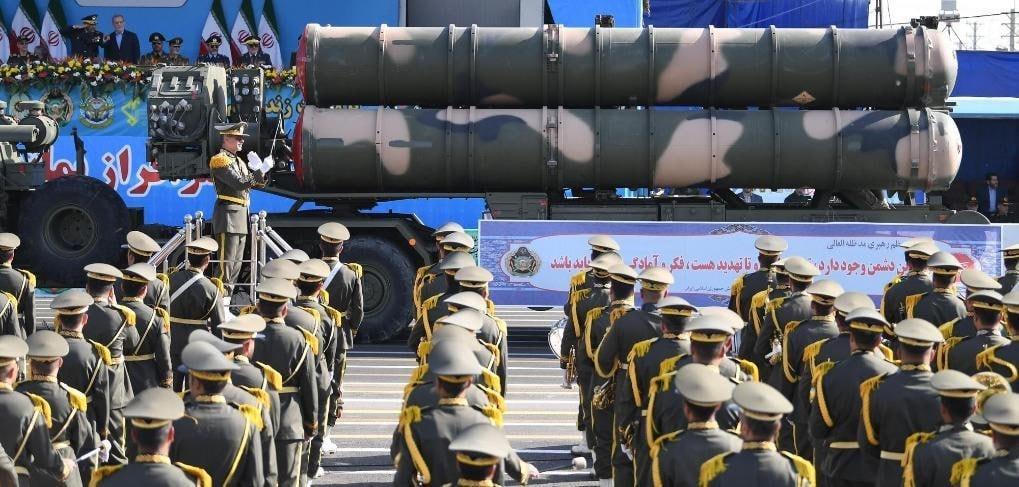
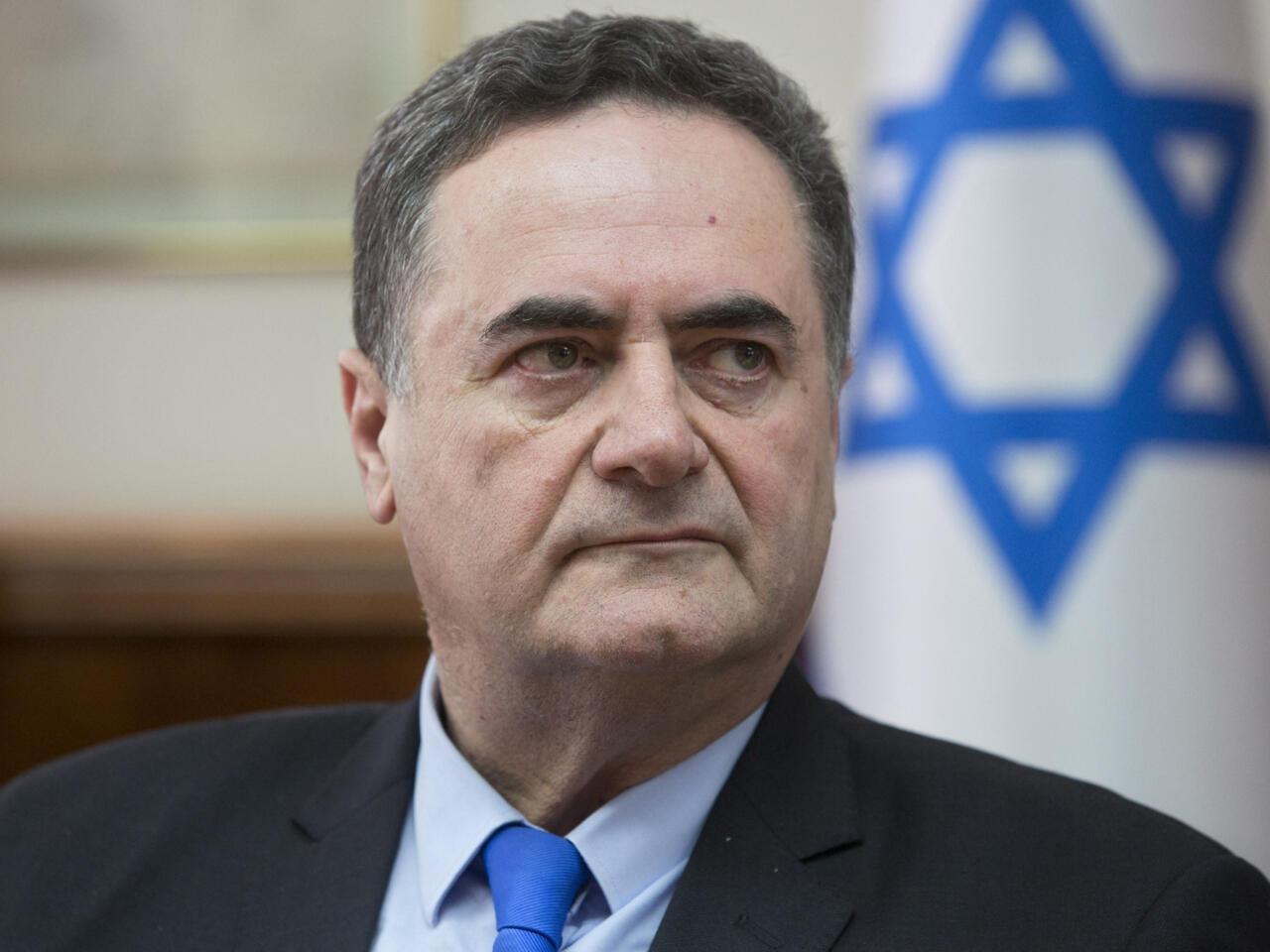
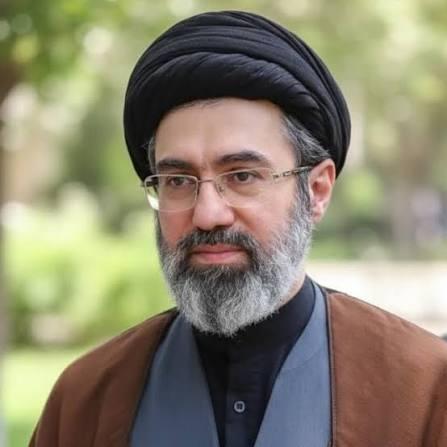
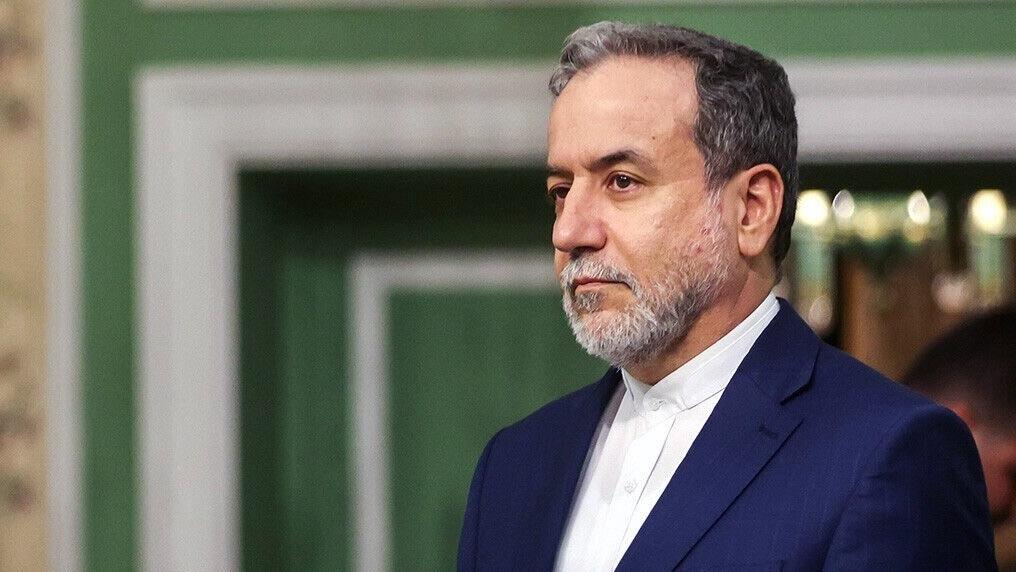
The third issue is the role of external actors, especially Israel. Iranian Foreign Minister Abbas Araghchi warned that Iran would launch “an immediate powerful response” if Israel attacked. Meanwhile, Israeli Defense Minister Israel Katz warned that Iran’s Supreme Leader Mojtaba Khamenei was “marked for death.”
Such rhetoric shows that even if progress is being made at the negotiating table, the risk of military escalation remains capable of derailing the process at any moment.
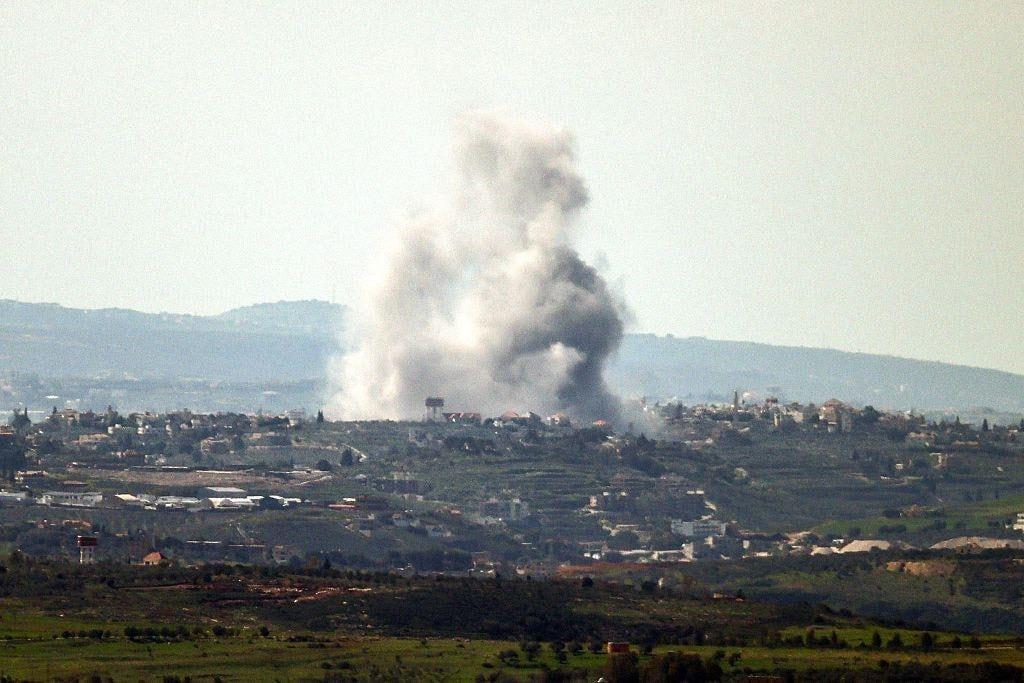
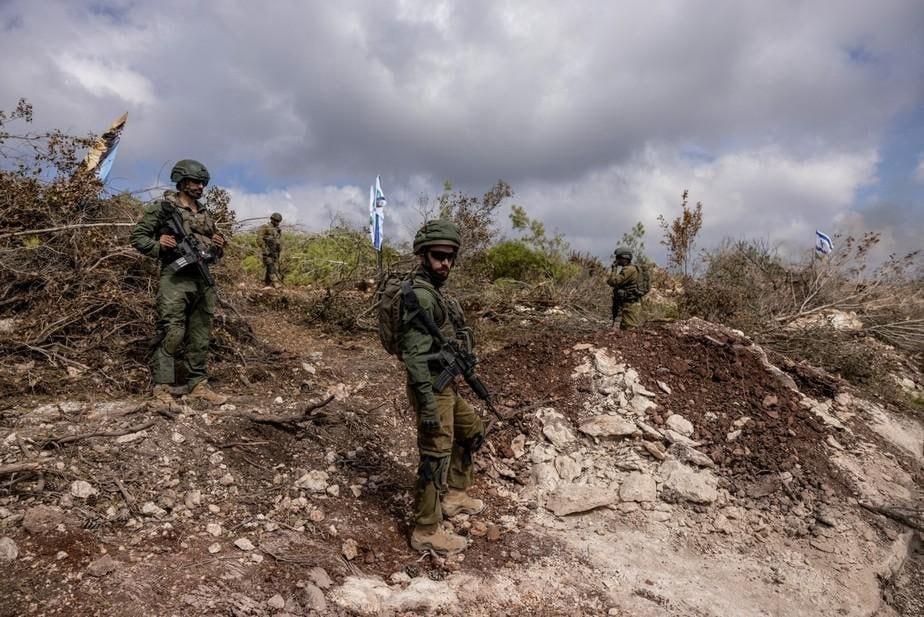
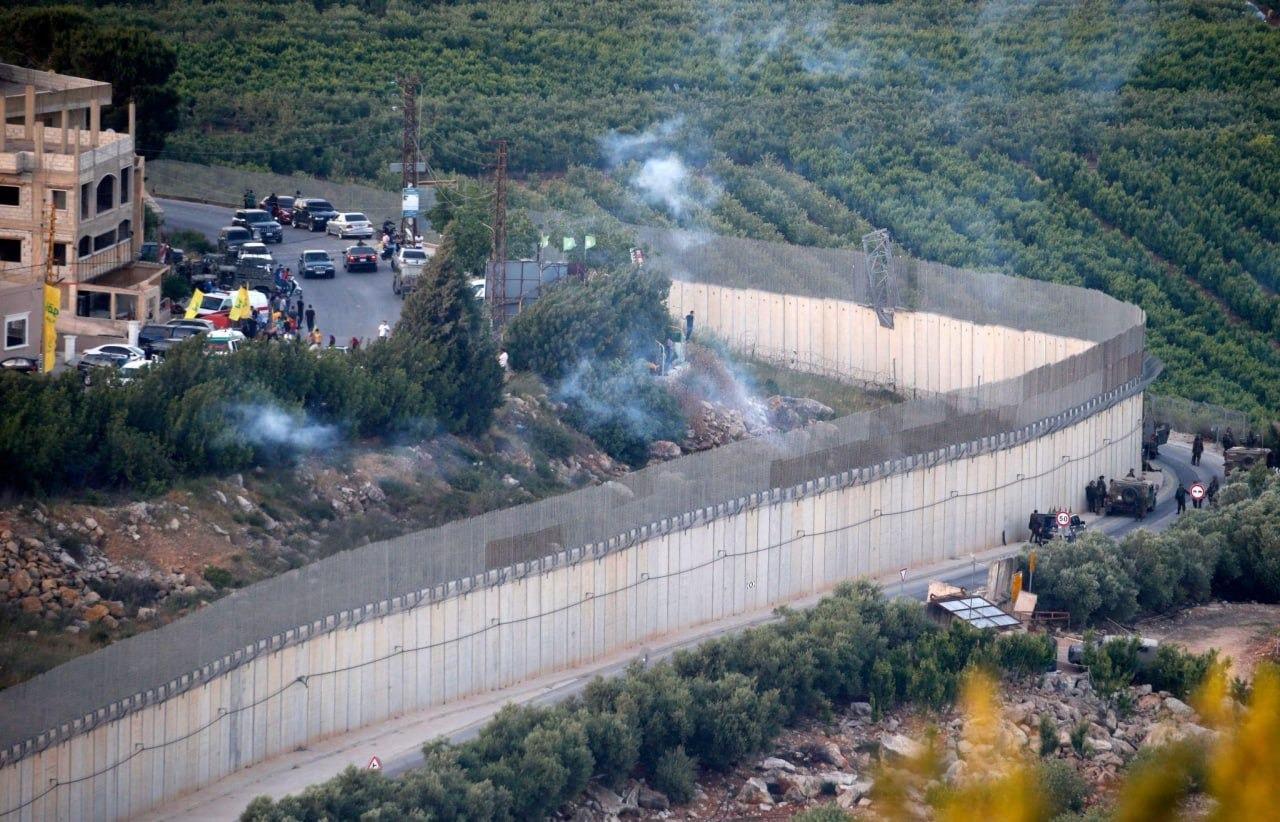
The fourth issue is Lebanon. Although the MoU focuses on US-Iran relations, fighting in southern Lebanon and the role of Hezbollah remain variables that could affect the entire process. As long as the Lebanese front remains unstable, the Doha talks will remain under pressure from events outside the negotiating room.
These facts show that even though the talks are moving forward, the two sides have not yet passed the most difficult stage. Decisions on the nuclear file, frozen assets, and external risks involving Israel and Lebanon will determine whether the MoU can become a durable peace agreement.
How Is the World Benefiting?
After 15 days, the first beneficiaries are not only the United States and Iran. The global economy is also benefiting.
The reason is simple: the talks have reduced the risk that previously threatened global energy supplies.
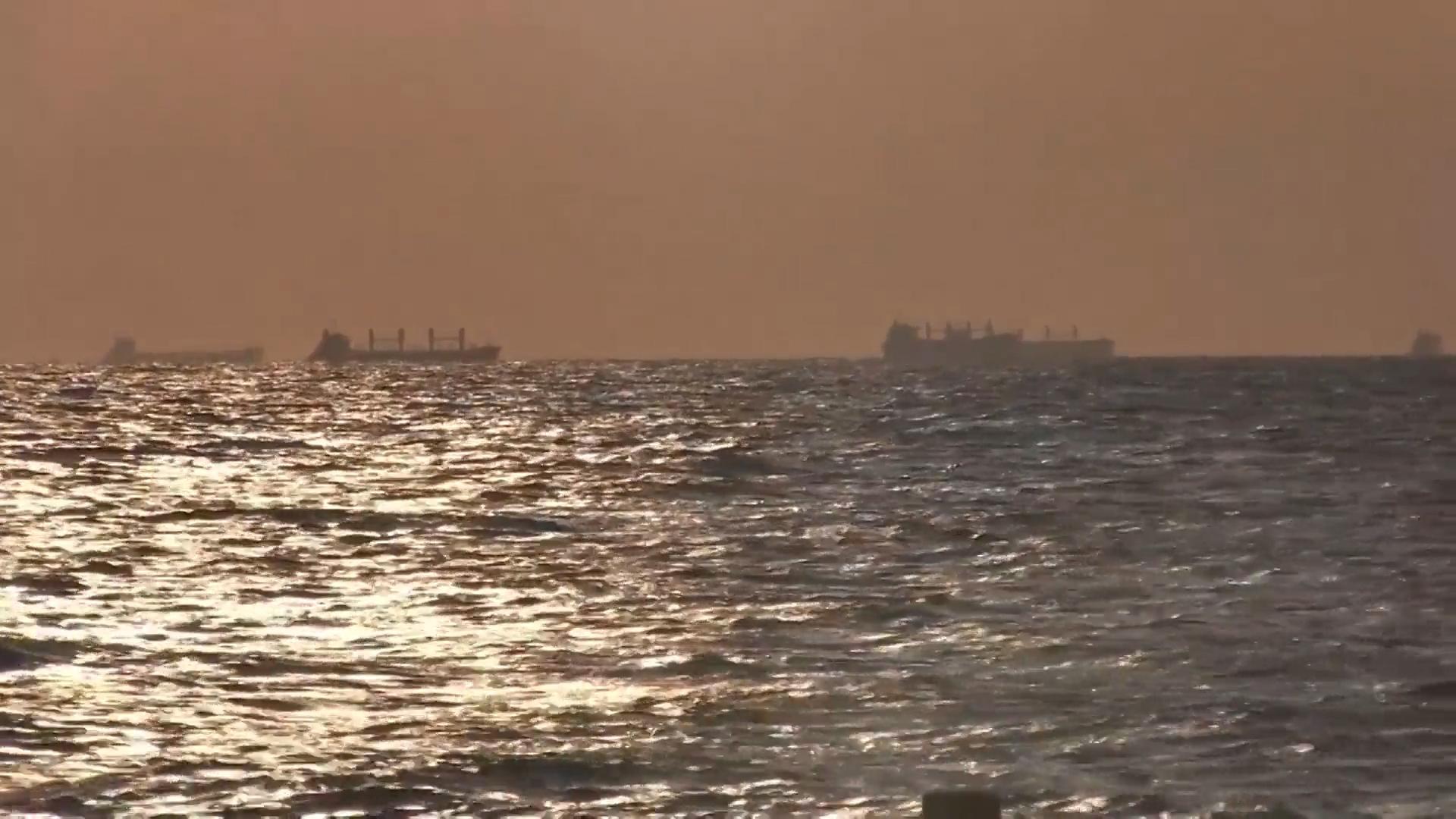
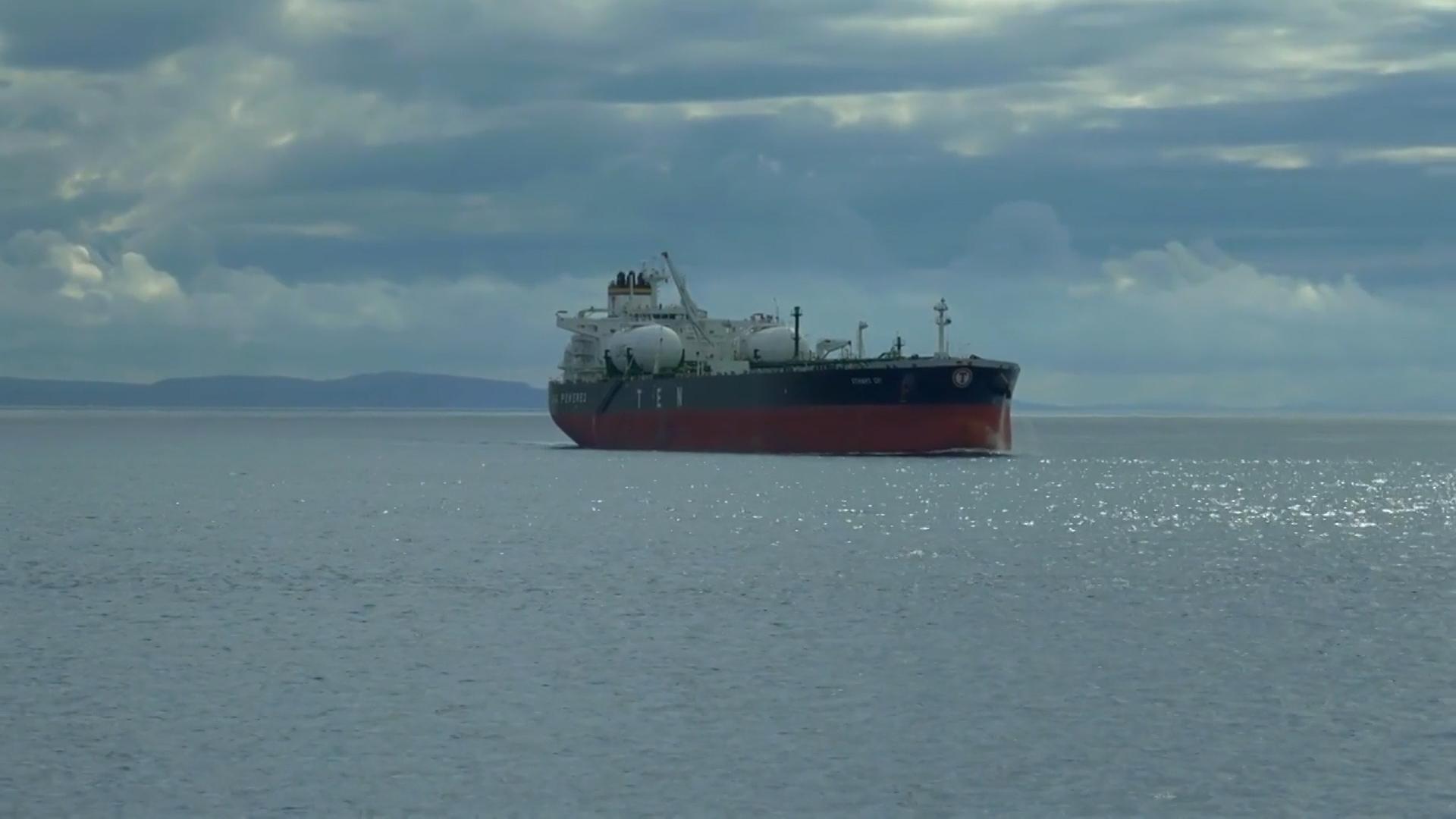
CNN reported that at least 35 commercial vessels passed through the Strait of Hormuz over a 24-hour period without major disruption. At the same time, the US military commander overseeing forces in the Middle East spoke with regional military officials about security conditions in the strait.
That shows all parties remain focused on preserving stability in one of the world’s most important oil-shipping routes.
This also means that market fears of an Iranian closure or disruption of the Strait of Hormuz are easing. In economic terms, such fears are reflected in the “risk premium” added to oil prices by traders and investors to account for uncertainty. When risk declines, that premium tends to fall, helping stabilize energy markets.
Still, this stability remains fragile. Threats of force between Israel and Iran, along with the risk of conflict in Lebanon, could quickly shake market confidence. Keeping Hormuz open and the talks alive is therefore not only in the interest of Washington and Tehran. It is in the interest of the global economy.
Conclusion
The past 15 days have shown that negotiations can stop the shooting. But they have not yet erased decades of mistrust between the United States and Iran.
What happened in Doha is a positive sign. The beginning of technical talks, the creation of a communication channel, and the preservation of stability in the Strait of Hormuz all suggest that the MoU has moved beyond a political agreement and entered an implementation phase.
But this is also the most difficult phase. Success will not be measured by positive statements. It will be measured by whether both sides can resolve the core issues that created the crisis in the first place.
At this stage, the MoU cannot yet be called a successful peace agreement. But neither can it be called a failure. What can be said is that it has so far succeeded in managing the crisis and creating space for diplomacy to replace military confrontation.
In the end, history will not judge the MoU by the number of days the talks continued. It will judge whether the two sides could turn commitments on paper into implementation on the ground.
True peace does not begin merely when the guns fall silent. It begins when former enemies can turn mistrust into confidence, and confrontation into cooperation that can endure.