
(Phnom Penh): Imagine waking up one morning and the Sun no longer rises as it does every day. Earth would have no light, no warmth, and life as we know it would no longer exist.
The question may sound like science fiction. But for astronomers, it is a question that science has studied for decades — and one that has an evidence-based answer.
The short answer, according to astronomical research, is this: yes, our Sun will die one day.
Like humans, animals, and plants, the Sun has a birth, a youth, an old age, and an end. It cannot shine forever.
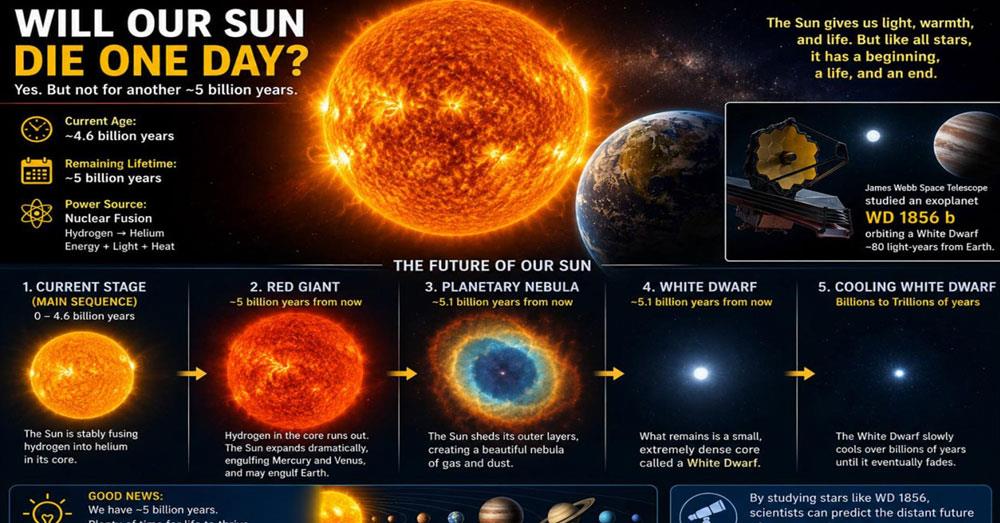
But there is no need to panic. That day will not come tomorrow, nor even within the lifetime of humanity as we know it. Scientists estimate that the Sun still has about five billion years left before it reaches the final stage of its life.
But how can scientists know something that has not yet happened? And what does the future of the Sun mean for Earth and for our solar system?
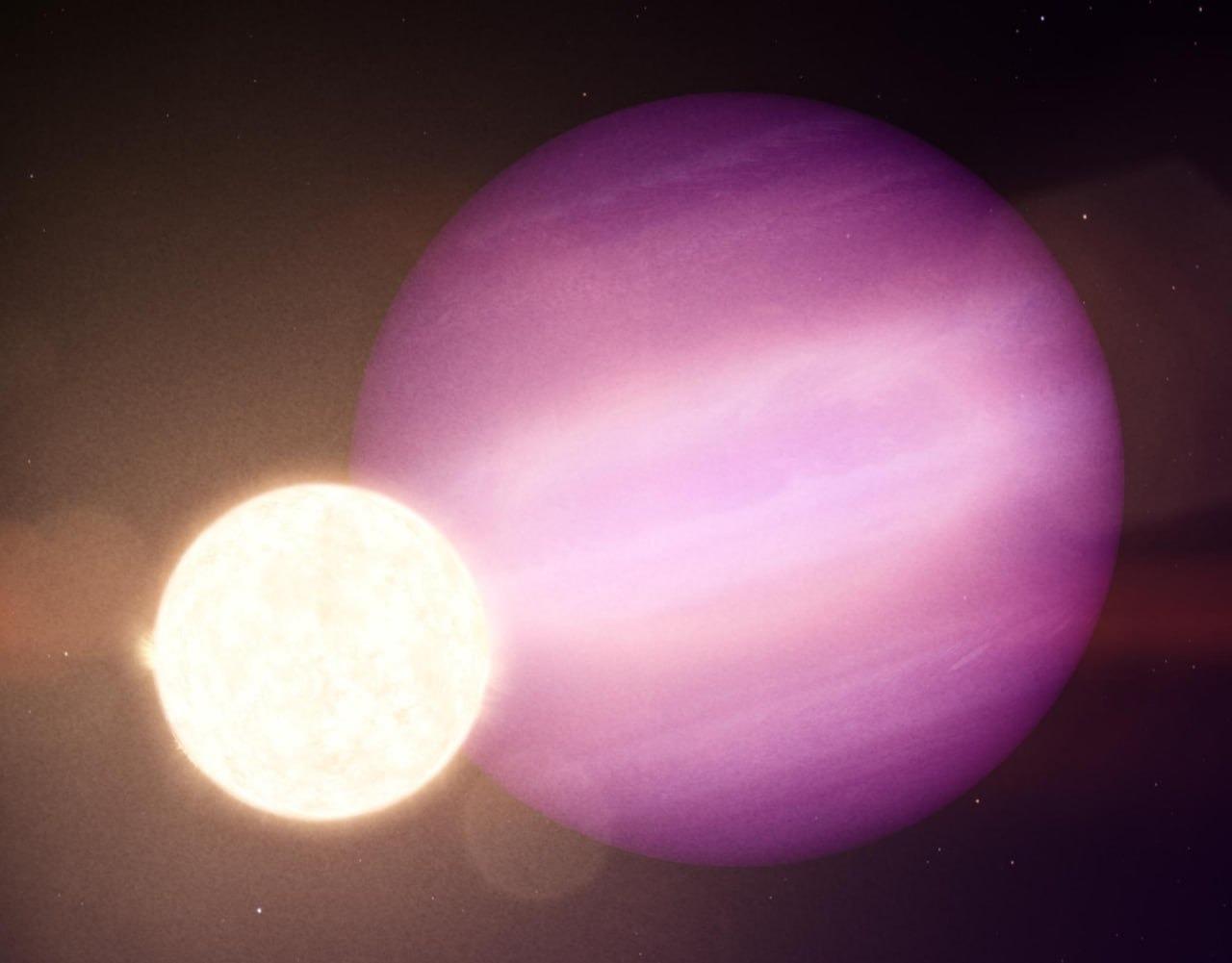
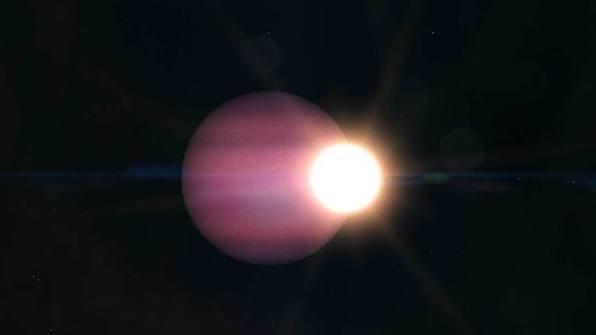
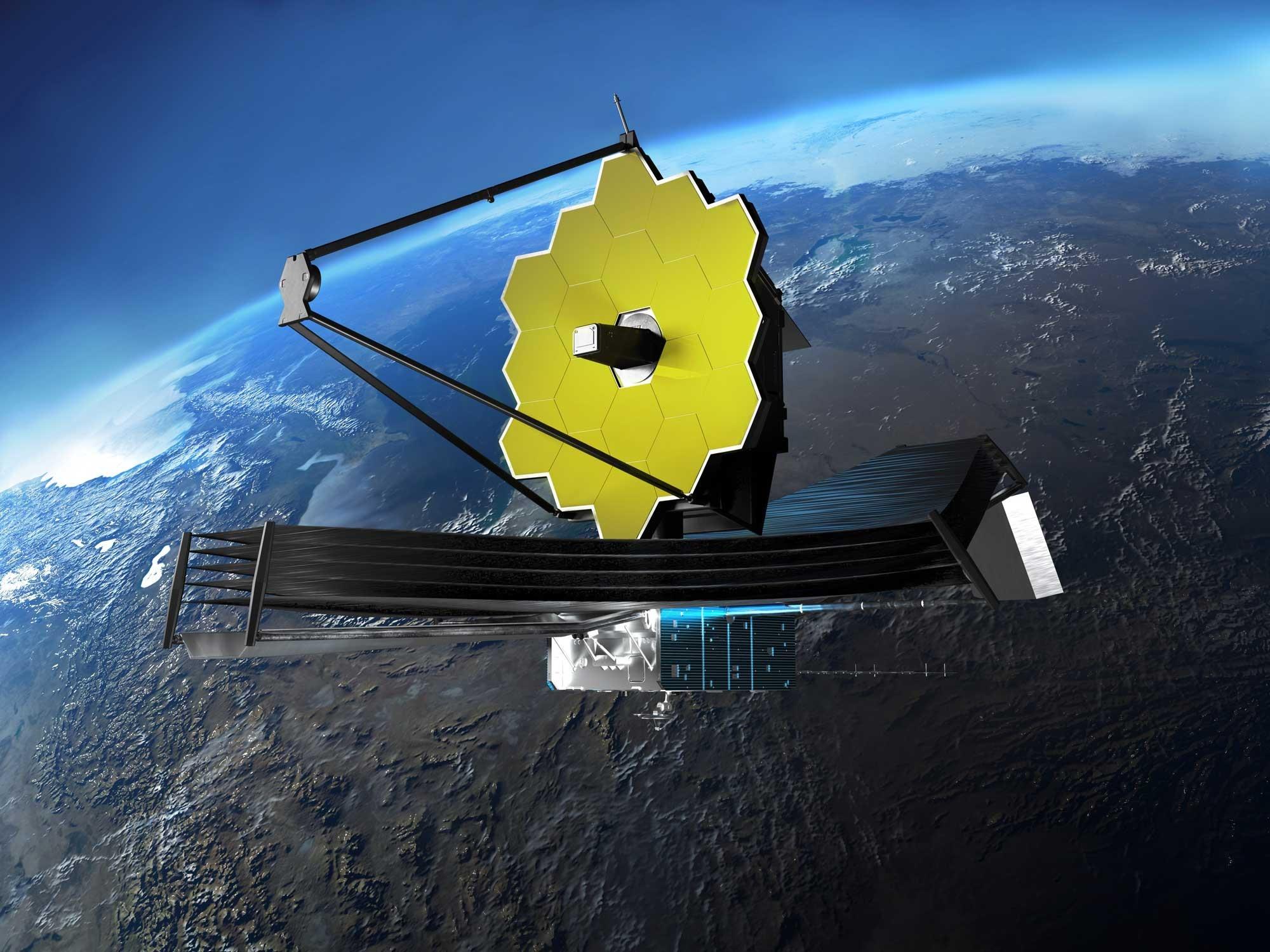
According to research reported this week, scientists using the James Webb Space Telescope have announced a remarkable finding. They studied a giant planet called WD 1856 b, which continues to orbit a dead star known as a white dwarf.
This discovery is not merely about a strange star system located about 80 light-years from Earth. For scientists, it is like a window into the future of our own solar system.
So before we ask how this planet may have survived after its star died, we must begin with a basic question: will our Sun really
How Does the Sun Stay Alive?
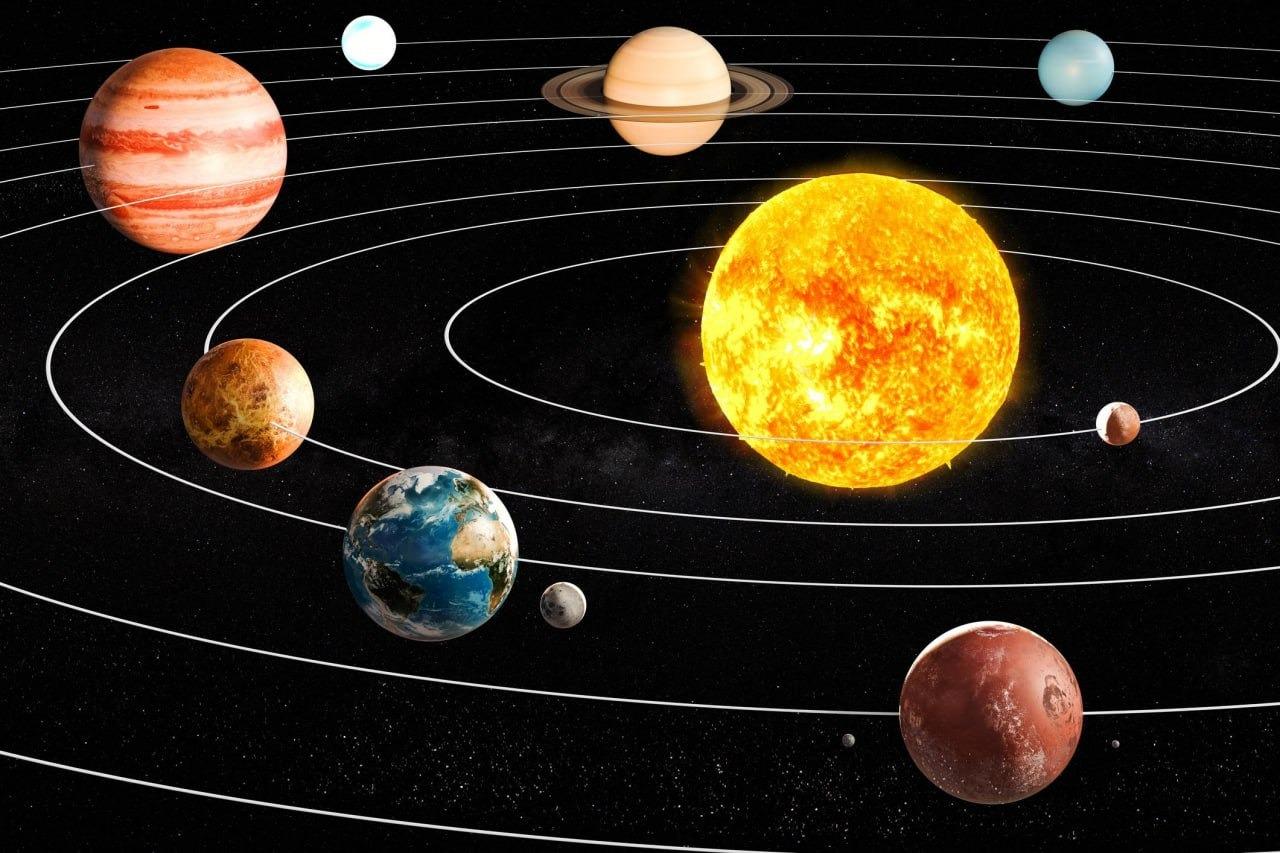
Every second, the Sun releases an enormous amount of energy, giving light and heat to all the planets in the solar system. Without this energy, Earth would become a cold and dark world, unable to support life as we know it.
But where does this tremendous energy come from?
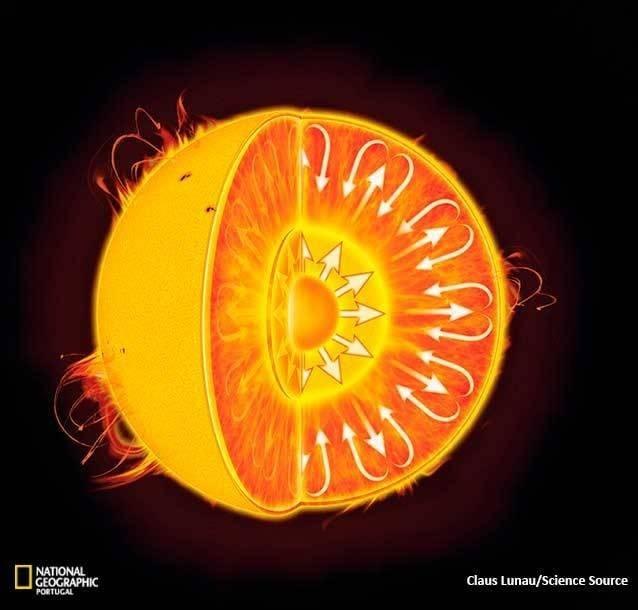
The answer lies in the core of the Sun, where temperatures reach about 15 million degrees Celsius. There, under immense pressure and heat, countless hydrogen atoms fuse together to form helium. This process is called nuclear fusion.
When hydrogen atoms fuse, they release a vast amount of energy. That energy travels through space and reaches Earth in about eight minutes and twenty seconds. The light we see and the warmth we feel every day are the result of this process.
But just as a car cannot run forever without fuel, and a lamp cannot shine forever without energy, the Sun cannot produce power forever.
One day, the hydrogen fuel in its core will run out. When that happens, the Sun will not simply go dark at once. Instead, it will enter a new stage of life — one that will transform its shape and the future of the entire solar system.
In other words, all life on Earth — from humans and plants to the oceans themselves — depends on a silent nuclear reaction taking place deep inside the Sun.
How Will the Sun Die?
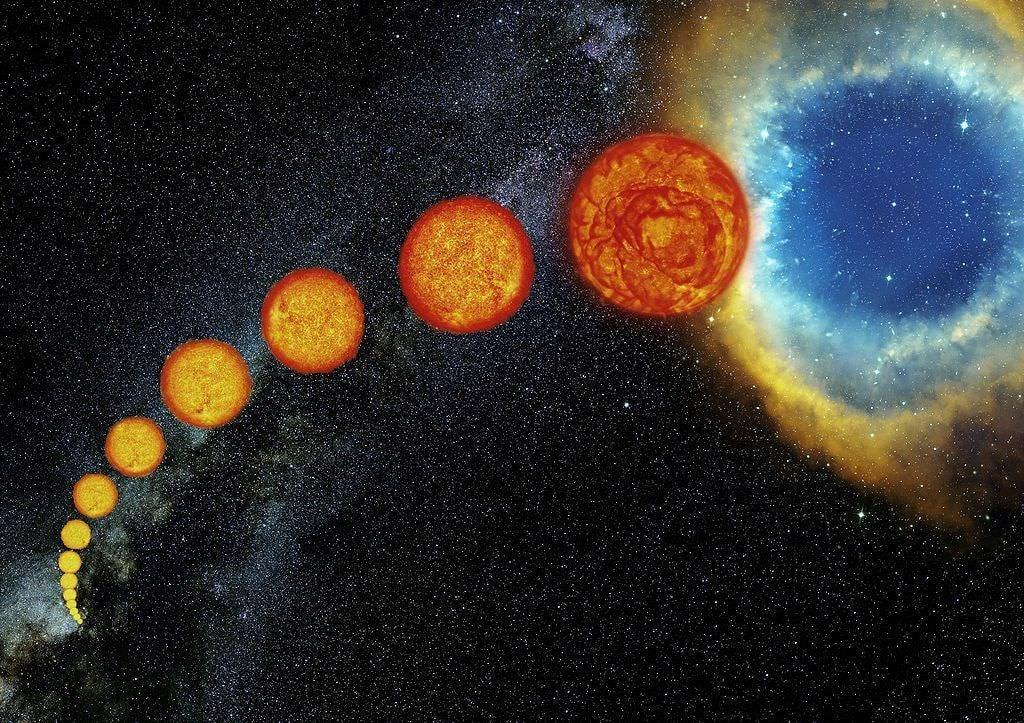
Scientists estimate that in about five billion years, the hydrogen fuel in the Sun’s core will gradually be exhausted. When that happens, the Sun will not suddenly disappear. Instead, it will begin a new phase of stellar evolution.
First, it will expand and become a red giant, growing hundreds of times larger than it is today. Its intense heat may engulf Mercury and Venus, while the fate of Earth remains a subject of scientific study and debate.
After this phase, the Sun will shed its outer layers into space, creating a beautiful cloud of gas and dust. What remains will be a small but extremely dense core known as a white dwarf — the remnant core of a dead star.
Although the Sun will no longer generate energy through nuclear fusion, this white dwarf will continue to radiate leftover heat from its past. It will then cool slowly over billions of years.
What Did the James Webb Space Telescope Discover?
The planet WD 1856 b was first discovered by astronomers in 2020. But the great mystery was this: how could such a planet still orbit its star after that star had reached the end of its life?
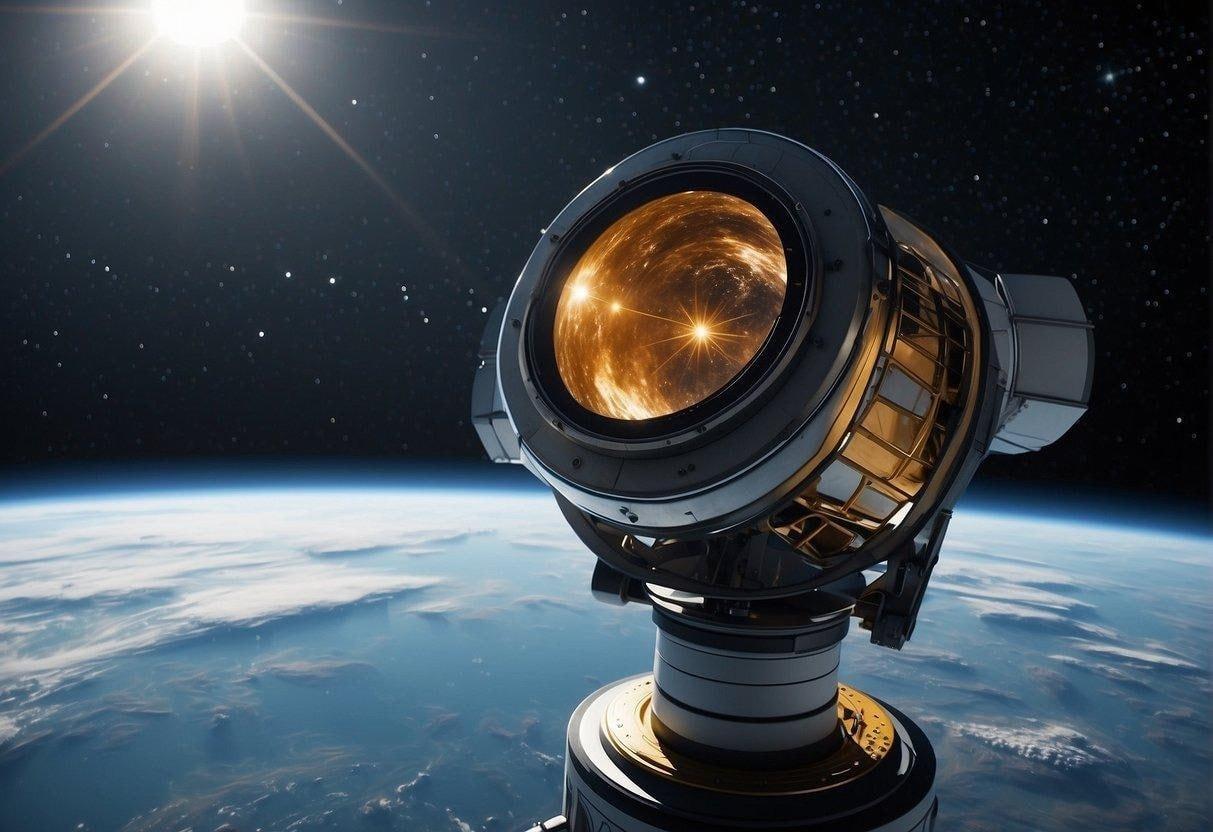
To search for answers, scientists used the James Webb Space Telescope to study the planet’s atmosphere, temperature, mass, and chemical composition. The new data suggest that a giant planet can survive after its host star dies, and that it may migrate from its original orbit to a much closer orbit around the star’s remnant core.
This finding has changed how scientists understand the life cycle of star systems. It shows that the death of a star does not necessarily mean the total destruction of its planetary system. Some large planets may continue to orbit a white dwarf and keep evolving for billions of years.
That is why scientists regard the WD 1856 system as a window into the future. By studying a star system about 80 light-years away, they can test theories about what may one day happen to our own solar system when the Sun reaches the end of its life.
Why Is This Discovery Important?
A key question now arises: how can scientists understand the future of the Sun if that future will not arrive for another five billion years?
The answer is that they do not need to wait for that day.
Instead, scientists use other star systems in the universe as windows into the future. By observing stars that have already passed through their life cycles, they can compare what they see with the laws of physics and test their calculations.
The WD 1856 system is a rare and important example. It shows that even after a star becomes a white dwarf, a giant planet may still survive in orbit around it. This helps scientists refine their understanding of how planetary systems can continue to evolve after their stars die.
In other words, studying a star system dozens of light-years from Earth is not only about understanding one distant star. It is also about understanding the future of our own solar system — and humanity’s place in the universe.
Conclusion
If one day the Sun becomes a white dwarf, life on Earth will most likely no longer be able to continue. But that will not necessarily be the end of the entire solar system. Giant planets such as Jupiter and Saturn may still continue to orbit the Sun’s remnant core for billions, or even trillions, of years.
Yet the most fascinating point is not simply whether the Sun will die. What is even more extraordinary is that a small human species, living on a small planet in one corner of the universe, can look toward a star system 80 light-years away and use it to understand the future of its own solar system.
That is the true power of science.
Science does not merely answer our questions. It expands our understanding of humanity’s place in the vast universe. It reminds us that, however small we may be, we can still understand the cosmos through observation, curiosity, and scientific research.
The universe, of course, does not speak to us in words. It speaks through light — light that travels across space for millions and billions of years. And the task of science is to learn how to read that light.