
(Phnom Penh): A World Heritage inscription is far more than a badge of honor for the country that hosts a cultural site. It is an international recognition that a monument possesses Outstanding Universal Value—one that transcends national boundaries and deserves to be protected and preserved for future generations.
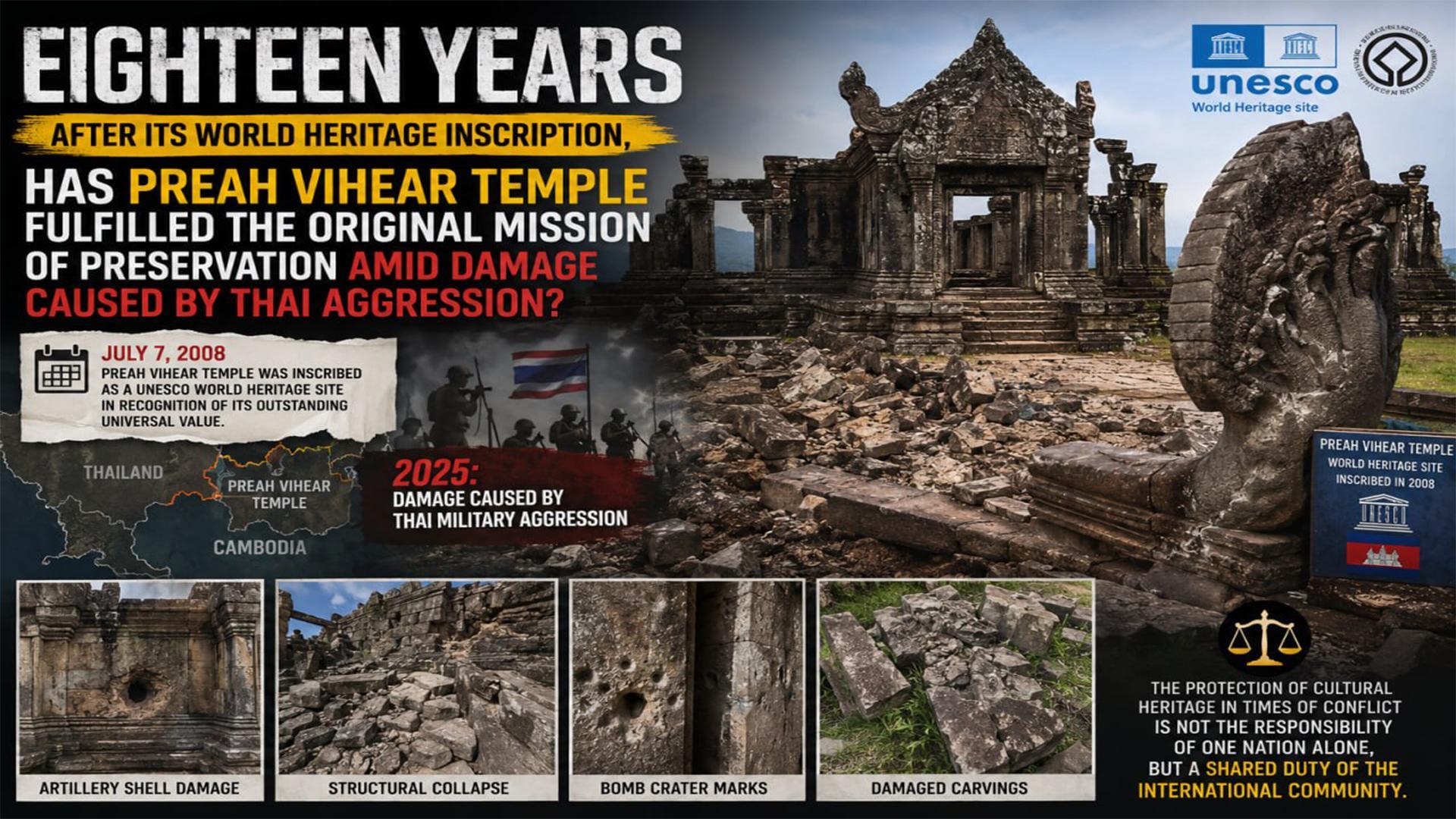
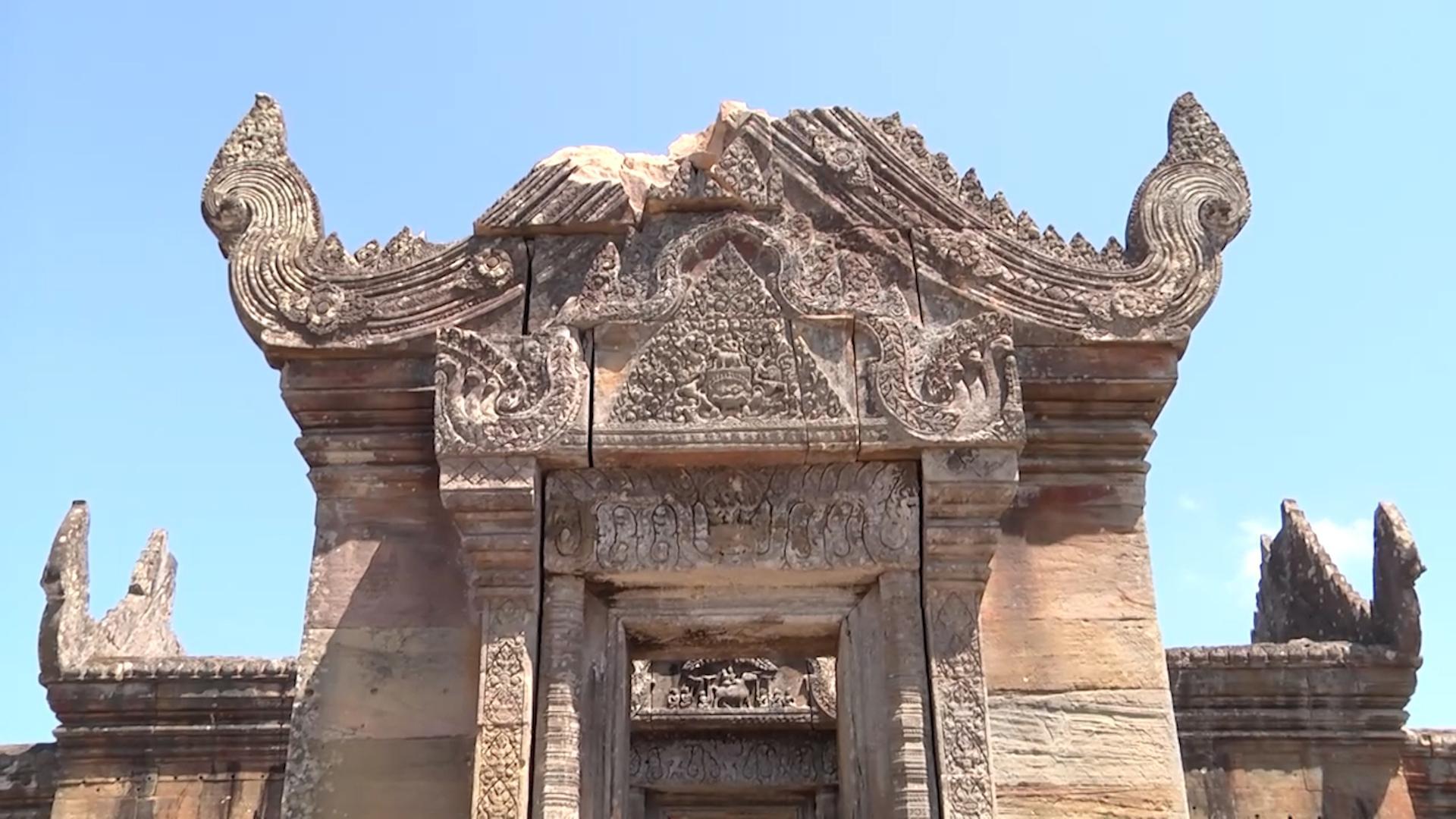
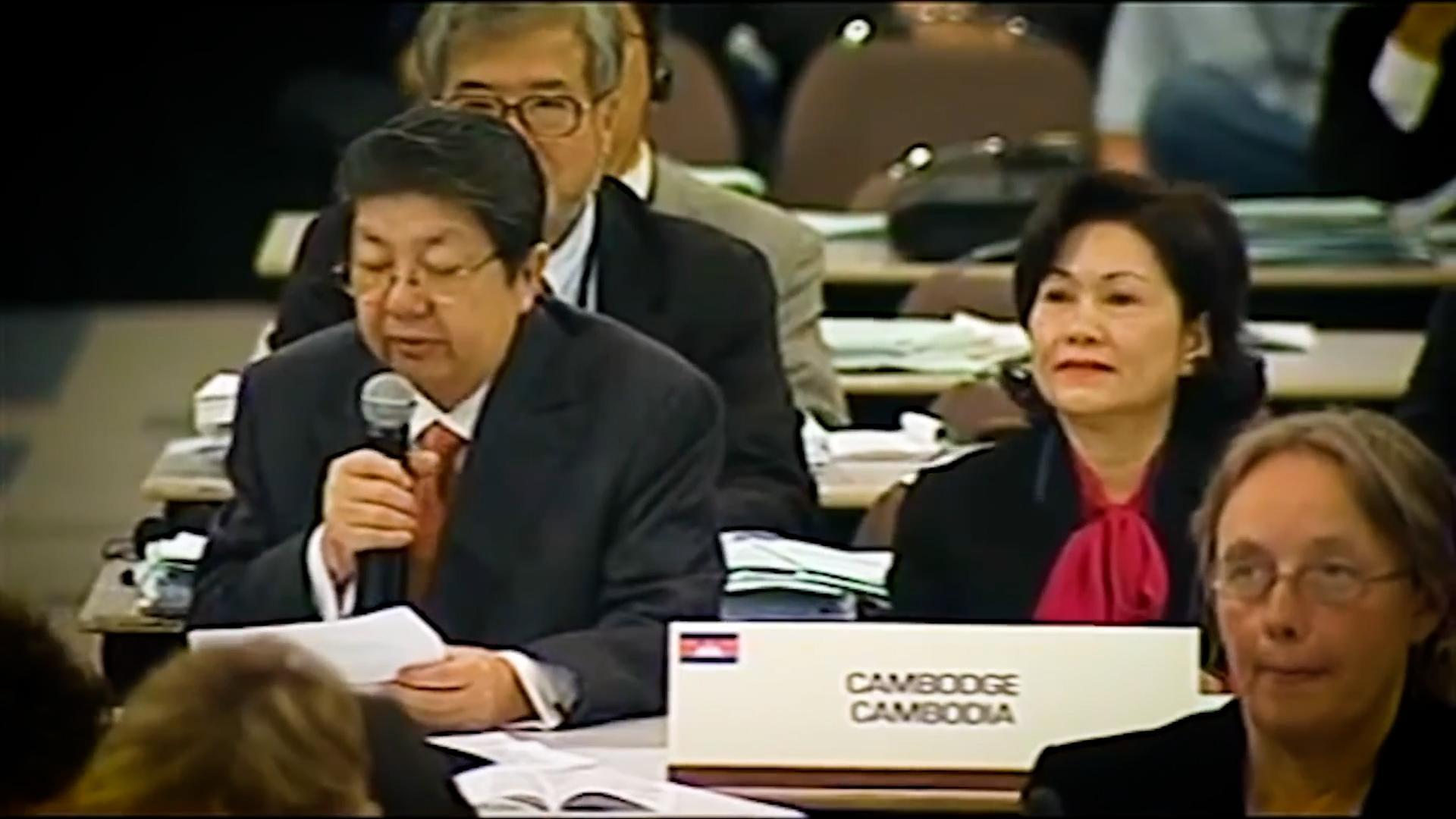
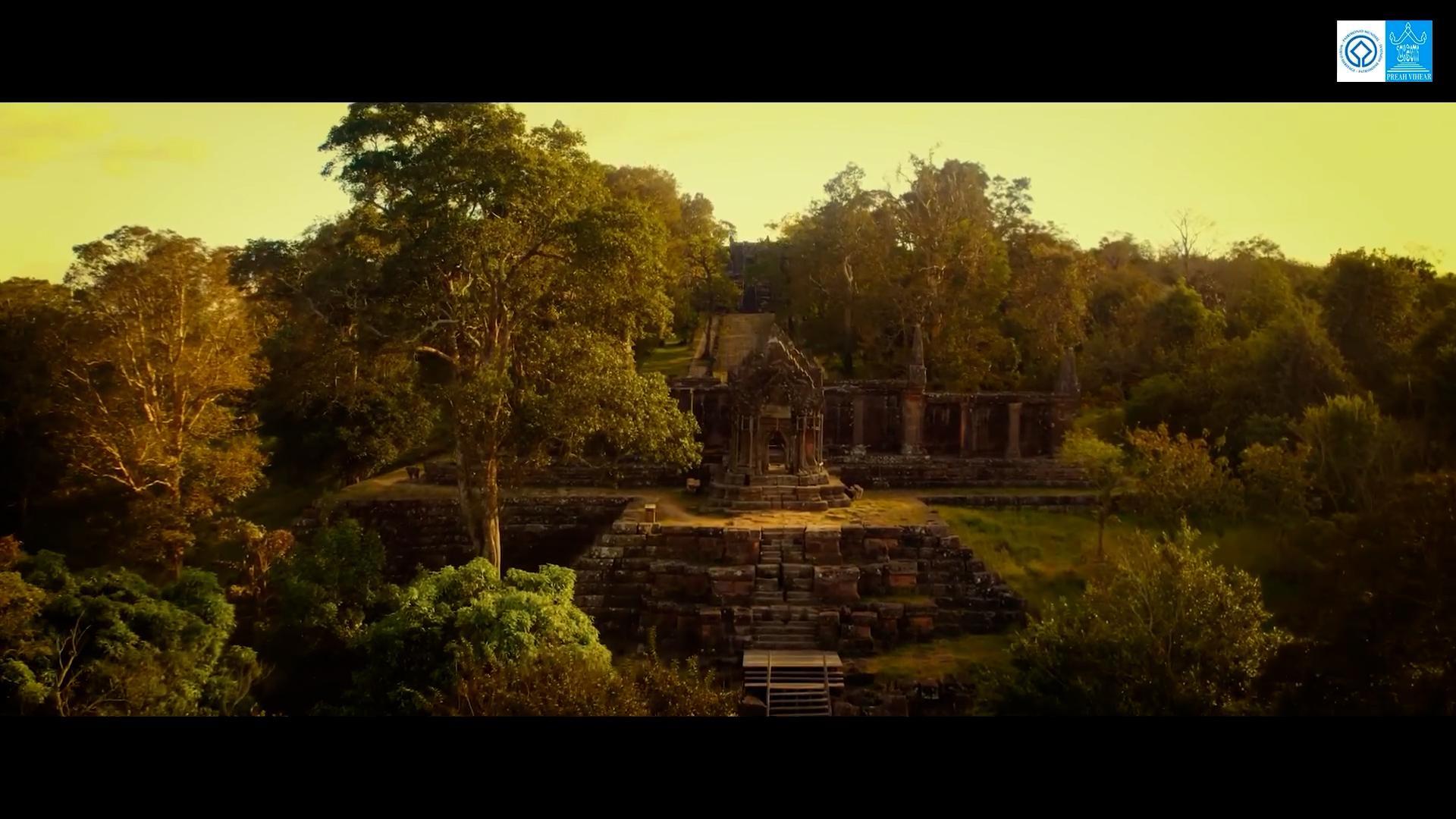
On July 7, 2008, Preah Vihear Temple was inscribed on the UNESCO World Heritage List. The inscription represented not only a diplomatic and cultural milestone for Cambodia but also global recognition of the extraordinary value of this ancient Khmer monument, which stands atop the Dangrek Mountain range within Cambodian territory.
Eighteen years later, however, a fundamental question has re-emerged. When a monument that was inscribed precisely to ensure its long-term protection suffers damage during armed conflict along an international border, what responsibility does the international community bear to ensure that the designation "World Heritage" remains more than a symbolic title on paper?
In a Royal Message marking the 18th anniversary of Preah Vihear Temple's inscription, His Majesty King Norodom Sihamoni emphasized the original purpose of the World Heritage designation:
"The inscription serves to safeguard and preserve Preah Vihear Temple so that it will endure permanently on the territory of the Kingdom of Cambodia."
Those words capture the essence of this historic anniversary. The 2008 inscription was never intended merely as a moment of national celebration. Rather, it was designed to guarantee the long-term protection and conservation of Preah Vihear Temple as both a treasured Cambodian cultural monument and a shared heritage of humanity.
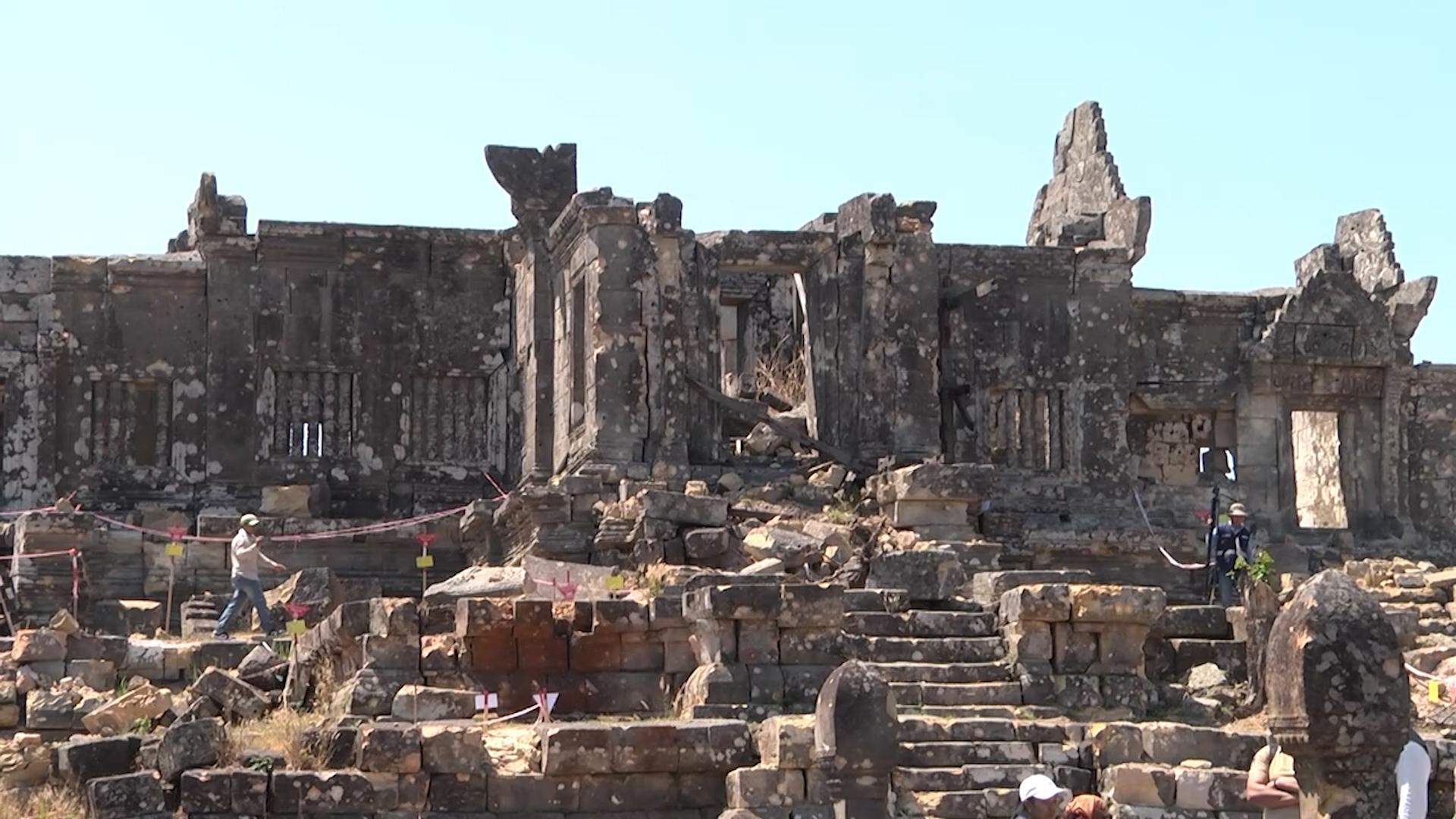
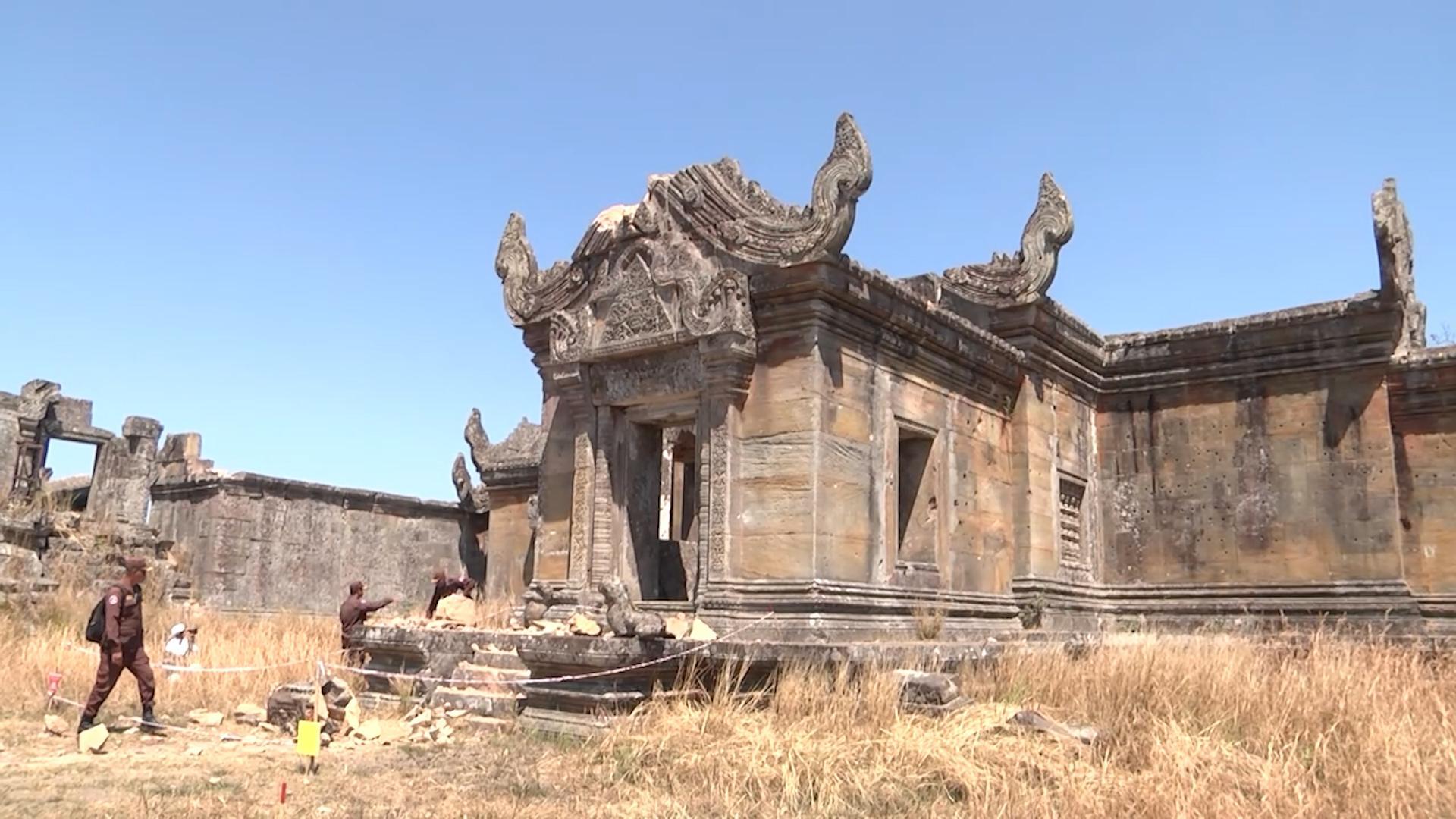
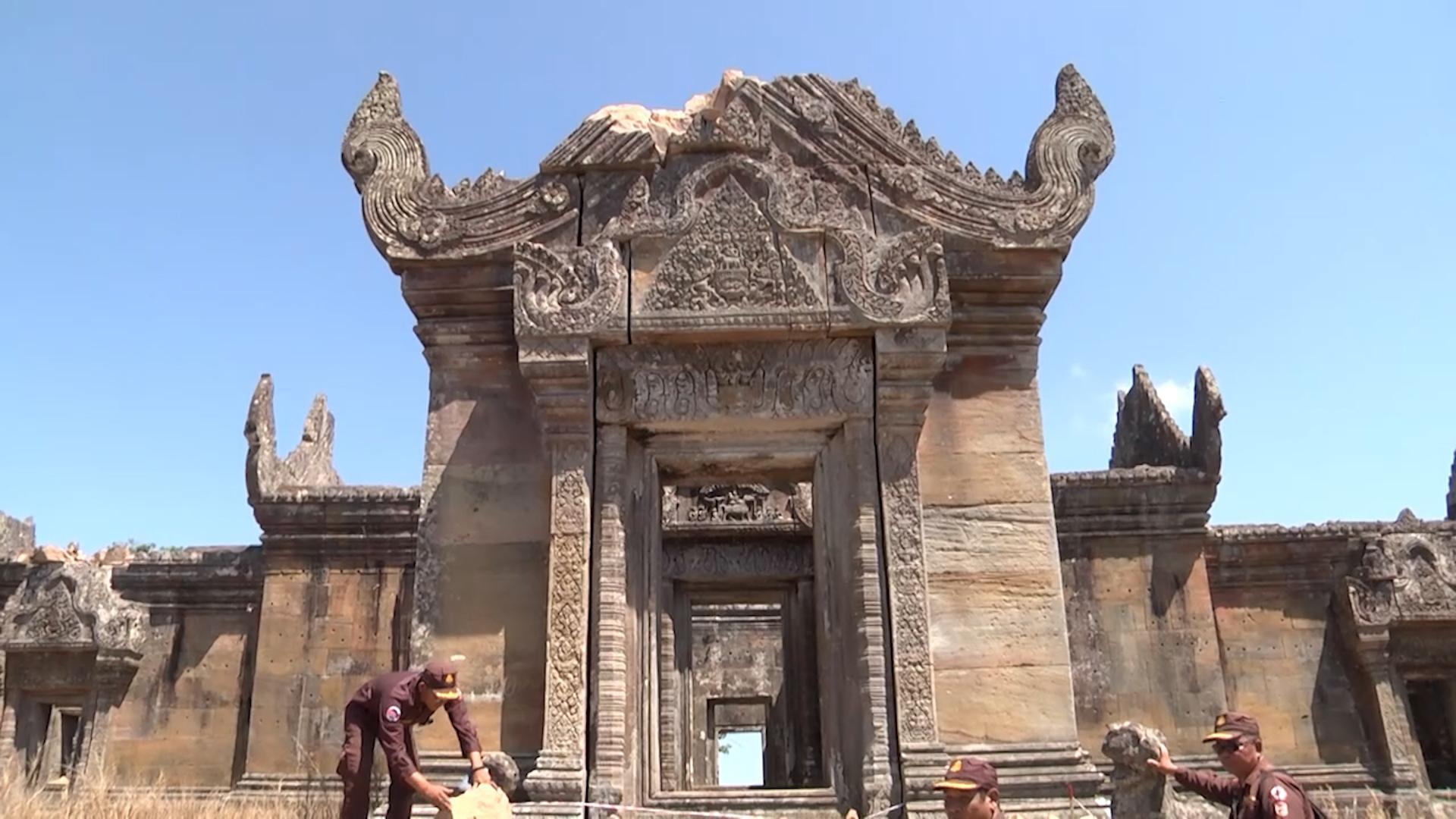
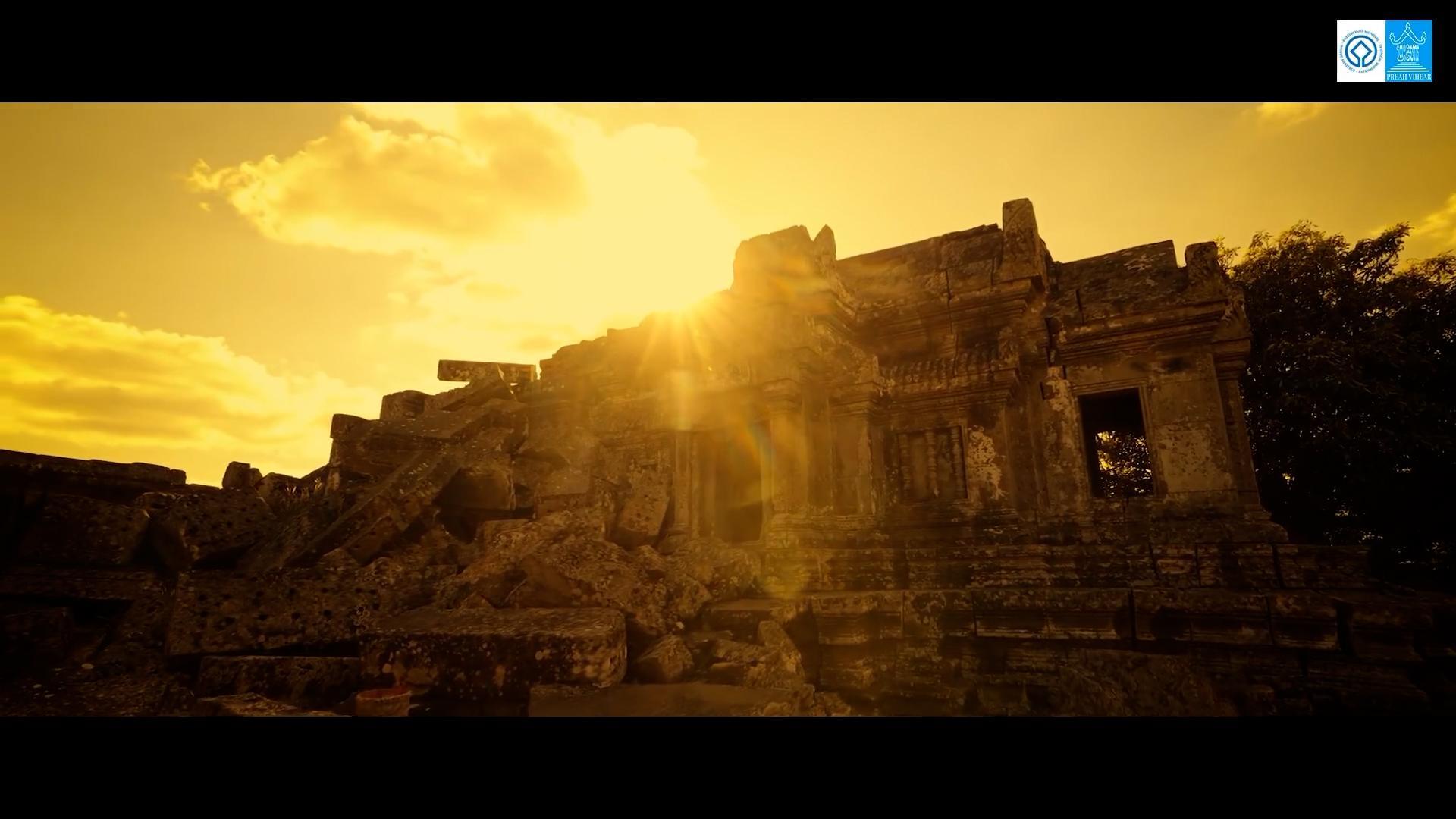
Yet the border conflict of 2025 has raised a profound challenge to that objective. According to the Cambodian government, Preah Vihear Temple and several other ancient Khmer temples located near the Cambodia–Thailand border suffered damage during the armed conflict. These developments have prompted an important international question: How should a World Heritage Site be protected when it faces threats arising from armed conflict and violations of territorial integrity?
The Royal Message Reaffirms the Original Purpose of the World Heritage Inscription
At its core, the Royal Message reminds Cambodians and the international community alike that the inscription of Preah Vihear Temple on the UNESCO World Heritage List was never intended solely as a source of national pride. Rather, it represented a commitment to preserve, protect and conserve one of humanity's most valuable cultural treasures for future generations.
The armed conflict along the Cambodia–Thailand border in 2025, however, has placed that commitment under severe strain. The Cambodian government has stated that Preah Vihear Temple sustained damage from military attacks, including artillery shelling and aerial bombardment, resulting in significant destruction to parts of the monument. The conflict also caused civilian casualties among communities living along the border.
If the fundamental purpose of World Heritage inscription is to guarantee the long-term protection and preservation of a cultural property, then any damage inflicted during armed conflict extends beyond a national loss. It also raises broader questions about the international community's collective commitment to safeguarding cultural heritage recognized as possessing Outstanding Universal Value.
In his Royal Message, His Majesty King Norodom Sihamoni explicitly referred to what he described as "serious violations and grave threats to Cambodia's territorial integrity by a foreign country." At the same time, His Majesty reaffirmed that the World Heritage inscription exists to "protect and preserve Preah Vihear Temple so that it shall endure permanently on the territory of the Kingdom of Cambodia."
These remarks serve not only as a reminder of the original purpose behind the World Heritage inscription but also as an affirmation of Cambodia's sovereignty over Preah Vihear Temple and the importance of relying on international law to protect one of the nation's most significant cultural treasures.
This position is consistent with the 1954 Hague Convention for the Protection of Cultural Property in the Event of Armed Conflict, which obliges parties to a conflict to respect cultural property and refrain from acts that could damage it. Likewise, the 1972 World Heritage Convention recognizes inscribed properties as possessing Outstanding Universal Value and affirms that their protection and conservation constitute a shared responsibility of the international community.
Consequently, the issue surrounding Preah Vihear Temple is no longer simply about damage to an ancient monument or a bilateral dispute between neighboring states. It has become a broader test of whether the international community is prepared to uphold the commitments embodied in international law and the World Heritage system to protect cultural heritage recognized as belonging to all humanity.
Armed Conflict Poses a Serious Threat to Cultural Heritage
In his Royal Message, His Majesty King Norodom Sihamoni not only referred to what he described as "serious violations and grave threats to Cambodia's territorial integrity by a foreign country," but also commended the leadership of Samdech Akka Moha Sena Padei Techo Hun Sen and Prime Minister Samdech Moha Borvor Thipadei Hun Manet for their efforts to safeguard and preserve Preah Vihear Temple.
His Majesty stated that Cambodia had pursued "an integrated strategy combining patriotism with reliance on international law to ensure that this ancestral heritage remains permanently under Cambodia's sovereignty following the border conflict."
This statement reflects the view that the protection of Preah Vihear Temple cannot be approached solely through military means. Rather, it requires a comprehensive strategy that combines national commitment, diplomacy and adherence to international law in order to safeguard both Cambodia's sovereignty and its irreplaceable cultural heritage.
Nevertheless, the border conflict of 2025 exposed the vulnerability of Cambodia's cultural heritage to armed violence. According to the Cambodian government, military attacks caused damage to Preah Vihear Temple, while several other ancient Khmer temples located along the border also sustained destruction.
From the perspective of international law, the protection of cultural property during armed conflict is a legal obligation rather than a political choice. The 1954 Hague Convention for the Protection of Cultural Property in the Event of Armed Conflict requires all parties to respect cultural property and to refrain from attacks or military activities that may endanger such sites.
At the same time, because Preah Vihear Temple has been inscribed on the UNESCO World Heritage List since 2008, it also falls under the framework of the 1972 World Heritage Convention, which recognizes properties of Outstanding Universal Value as part of humanity's shared cultural inheritance. Their preservation is therefore regarded as a collective responsibility of the international community.
Viewed through this legal framework, the issue extends well beyond a bilateral dispute between Cambodia and Thailand. It raises a broader question for the international community: how can the commitments embodied in UNESCO's World Heritage system and international humanitarian law be effectively implemented when a World Heritage Site is endangered by armed conflict?
World Heritage Is a Shared Responsibility
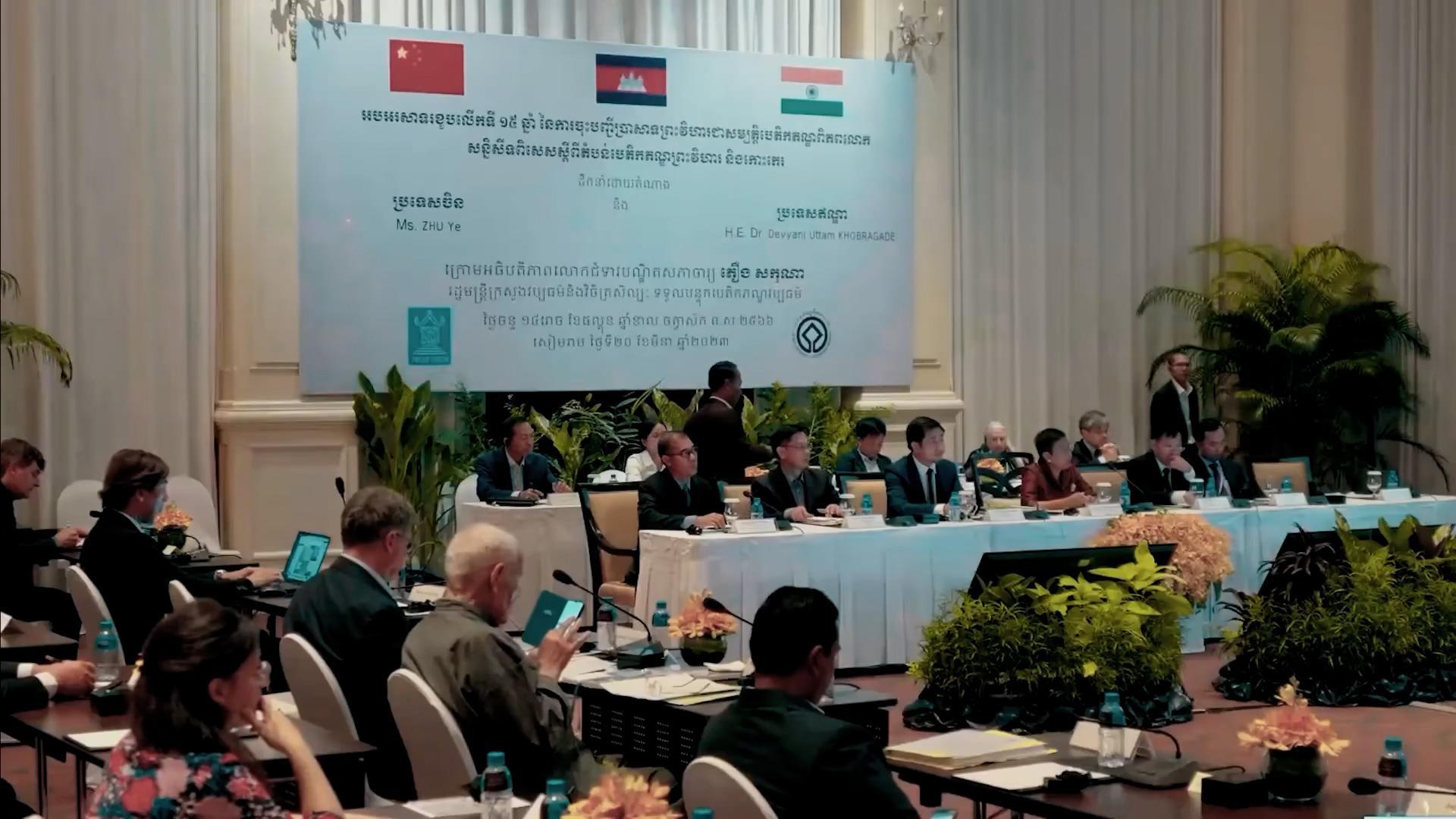
In his Royal Message, His Majesty King Norodom Sihamoni expressed his appreciation for the sustained efforts of the Royal Government of Cambodia, the Ministry of Culture and Fine Arts, the National Authority for Preah Vihear, the International Coordinating Committee for the Safeguarding and Development of the Historic Site of Preah Vihear (ICC–Preah Vihear), the Co-Chairs representing India and China, as well as numerous national and international partners who have contributed to the conservation of the temple.
His Majesty's acknowledgement underscores an important principle: protecting Preah Vihear Temple has never been Cambodia's responsibility alone.
Since its inscription as a UNESCO World Heritage Site in 2008, the temple has been recognized as a cultural property of Outstanding Universal Value. Under the 1972 World Heritage Convention, its conservation is considered a shared obligation of the international community.
Accordingly, any damage or threat to Preah Vihear Temple represents more than a loss for Cambodia. It affects a cultural treasure that the international community has collectively recognized as belonging to the heritage of humankind.
For this reason, safeguarding the temple cannot rely solely on the efforts of the State Party. It requires continued cooperation among UNESCO, international conservation experts, development partners and the broader international community to ensure that this exceptional monument is preserved for future generations.
In this sense, the inscription of Preah Vihear Temple transformed its protection from a purely national responsibility into a global commitment. The effectiveness of that commitment is now being tested by the realities of armed conflict.
An important question of international law therefore arises: If a World Heritage Site suffers damage during an armed conflict and legal responsibility is subsequently established through appropriate international procedures, what mechanisms exist under international law to ensure accountability, provide reparations, and support the restoration of the damaged heritage?
The answer to that question is significant not only for Cambodia, but also for the credibility of the international legal framework established to protect the world's cultural heritage.
Conclusion
Eighteen years ago, the international community recognized Preah Vihear Temple as a World Heritage Site, acknowledging that the ancient Khmer monument possesses Outstanding Universal Value and deserves to be protected, conserved and preserved for future generations.
The Royal Message delivered by His Majesty King Norodom Sihamoni on the occasion of the 18th anniversary of the inscription serves as a timely reminder of the original purpose behind that historic decision. It reaffirms that safeguarding Preah Vihear Temple must be grounded in respect for international law, international cooperation and the shared commitment to preserve humanity's common cultural heritage.
In this sense, the anniversary is more than a commemoration of a landmark achievement in Cambodia's cultural diplomacy. It is also a reminder to the international community that a World Heritage Site is not merely the pride of the State in whose territory it is located. Once inscribed, it becomes part of the collective heritage of humankind, carrying with it a shared responsibility to ensure its protection and preservation.
Against this backdrop, the damage reportedly sustained by Preah Vihear Temple during the 2025 border conflict should not be viewed solely as Cambodia's concern. It also raises broader questions about the effectiveness of the international legal framework established to safeguard cultural heritage during armed conflict.
If legal responsibility is established through appropriate international procedures, the international community will inevitably confront a series of important legal questions. What mechanisms exist under international law to ensure accountability? What forms of reparation or compensation may be available for damage inflicted upon a World Heritage Site? How can restoration and long-term conservation be effectively supported once such damage has occurred?
These questions extend beyond the future of a single monument. They go to the very credibility of the international system created to protect cultural heritage of Outstanding Universal Value. The answers will help determine not only how Preah Vihear Temple is safeguarded in the years ahead, but also whether the principles embodied in the 1954 Hague Convention and the 1972 World Heritage Convention remain effective when cultural heritage is threatened by armed conflict.
Ultimately, the significance of Preah Vihear Temple lies not only in its remarkable architectural and historical legacy, but also in the principles it represents. Its inscription on the UNESCO World Heritage List was intended to ensure that the monument would be preserved beyond political disputes and armed conflict. Upholding that commitment is therefore not only a responsibility of Cambodia, but a test of the international community's collective resolve to protect the cultural heritage of humanity.
As the world marks eighteen years since Preah Vihear Temple's inscription, the central question is no longer whether the site deserves international protection. That question was answered in 2008. The more pressing question today is whether the international community is prepared to uphold the legal and moral commitments it made when it recognized Preah Vihear as part of the shared heritage of humankind.
The answer will resonate far beyond the temple itself. It will demonstrate whether the World Heritage system can continue to fulfill its founding purpose: not merely to recognize cultural treasures of exceptional value, but to ensure that they endure—protected, preserved and passed on intact to future generations.