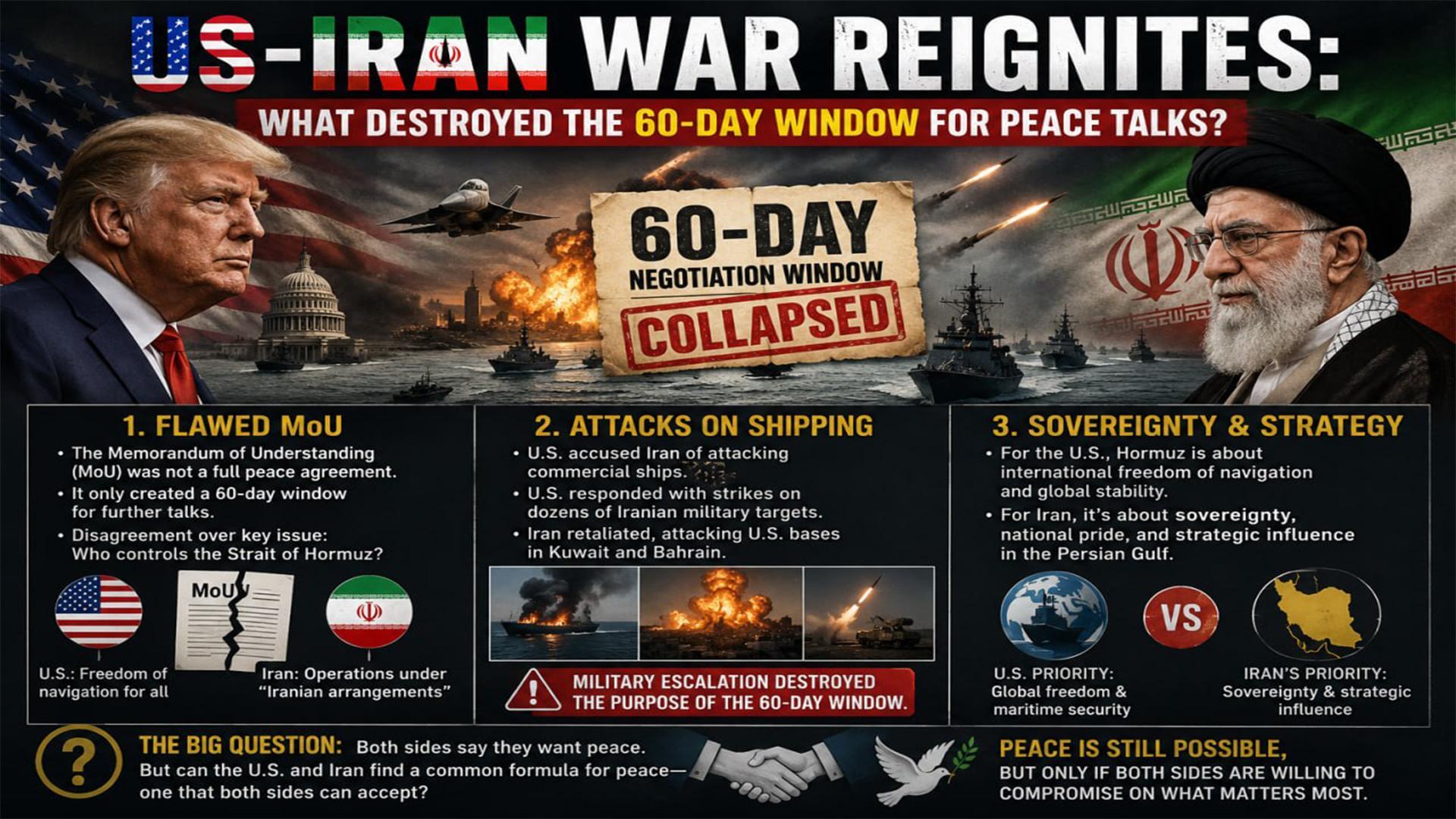

(Phnom Penh): In mid-June, the world briefly believed that a 60-day diplomatic window between the United States and Iran could pave the way toward ending one of the Middle East's most dangerous confrontations. Instead, by early July, the voices of negotiators had once again been drowned out by the sounds of missiles, drones and airstrikes.
The United States launched a new wave of military strikes against Iranian targets, while Iran responded by attacking U.S. military installations in Kuwait and Bahrain. According to reports by CNN and Al Jazeera, the renewed escalation was driven largely by disputes over the Strait of Hormuz and mutual accusations that each side had violated the Memorandum of Understanding (MoU) signed on June 16.
The central question is therefore not simply who fired first. The more important question is this:
Why did an agreement that was expected to open a pathway toward peace collapse so quickly?
MoU: Peace on Paper, But Little Trust in Practice
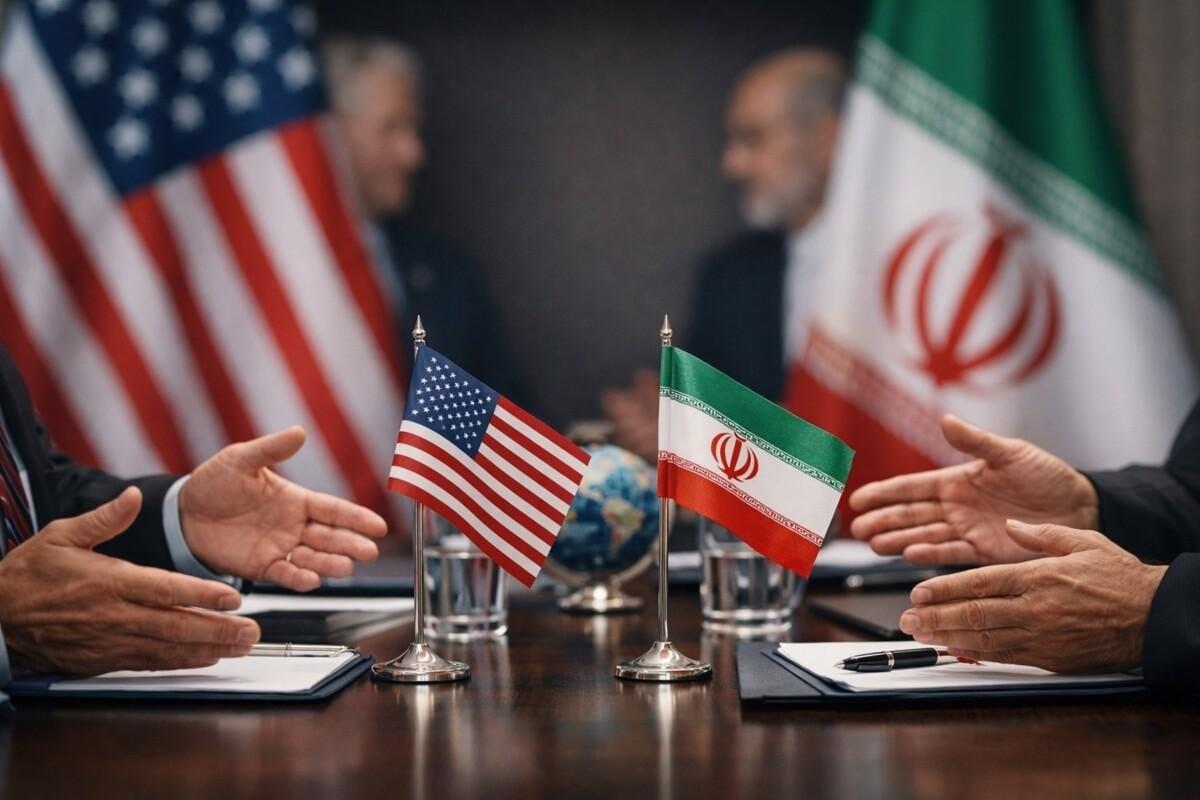
The first problem was that the Memorandum of Understanding between the United States and Iran was never intended to be a comprehensive peace agreement. Rather, it served as an interim political framework that created a 60-day negotiating window during which both governments would attempt to reach a final settlement.
According to Al Jazeera, the MoU included several major commitments: ending hostilities across all fronts, reopening the Strait of Hormuz to international shipping, lifting the U.S. naval blockade of Iranian ports, allowing limited Iranian oil exports through sanctions waivers, and releasing Iranian financial assets that had been frozen overseas.
On paper, these provisions appeared to address many of the issues fueling the conflict. In practice, however, they left unanswered a far more fundamental question: how would these commitments actually be implemented?
That ambiguity quickly became the agreement's greatest weakness.
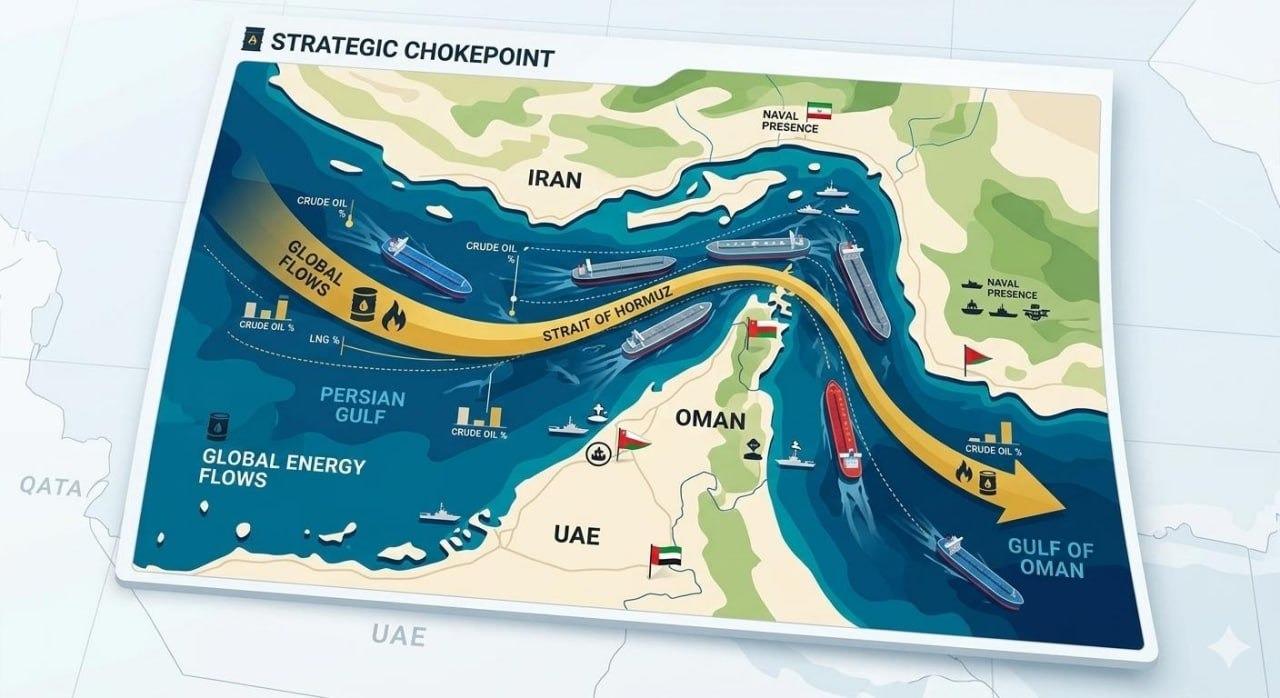
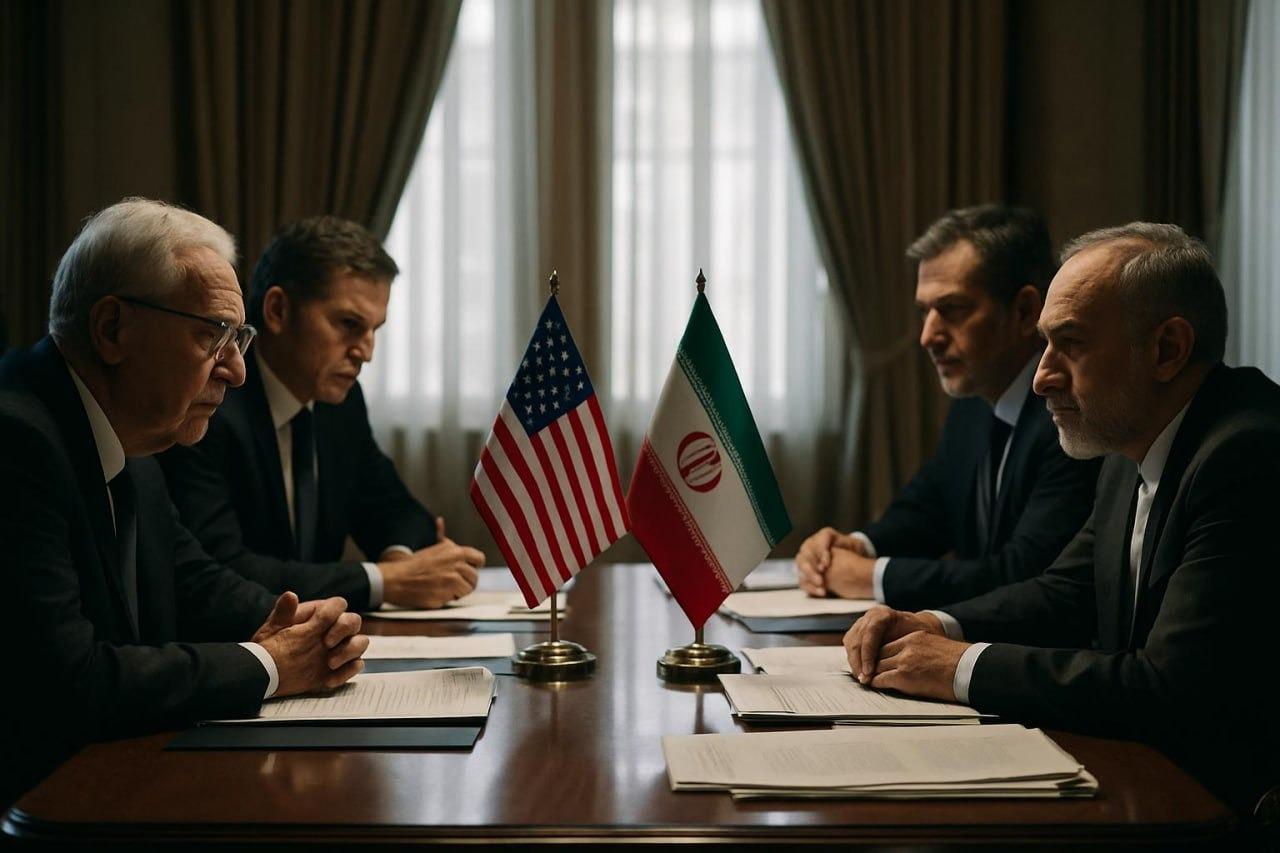
Washington interpreted the MoU as requiring Iran to guarantee freedom of navigation through the Strait of Hormuz in accordance with international maritime norms. Tehran, however, maintained that the management of maritime traffic in the strategic waterway must remain under Iranian authority, arguing that navigation could proceed only under what its leaders described as "Iranian arrangements."
The dispute therefore was not merely about shipping routes. It reflected two fundamentally different interpretations of sovereignty, regional security and international maritime governance.
As a result, the MoU ultimately became an agreement that contained the language of peace but lacked the political trust and implementation mechanisms necessary to sustain it. Once disagreements emerged over how the agreement should be enforced, mutual accusations of non-compliance became almost inevitable, pushing both governments away from diplomacy and back toward military confrontation.
Attacks on Commercial Shipping: The Breaking Point That Shattered the 60-Day Negotiation Window
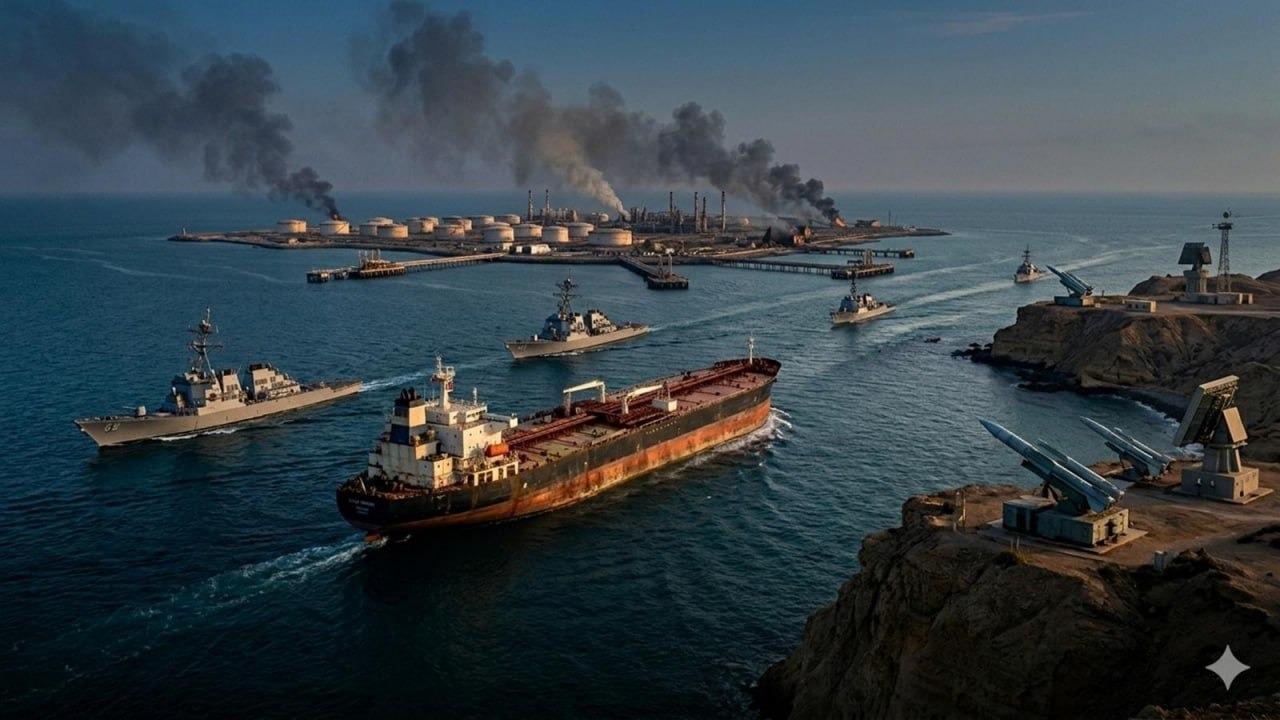
According to CNN and Al Jazeera, the immediate trigger for the renewed conflict was a series of attacks on commercial vessels transiting the Strait of Hormuz. Washington accused Tehran of orchestrating the attacks, arguing that they constituted a direct violation of the Memorandum of Understanding (MoU) signed on June 16.
Iran, however, rejected that interpretation. Tehran insisted that maritime traffic through the Strait of Hormuz should operate under what its officials called "Iranian arrangements," rather than under conditions imposed by U.S. military pressure or unilateral demands.
In response, the U.S. Central Command (CENTCOM) announced that American forces had launched strikes against dozens of Iranian military targets on July 7. According to CENTCOM, the objective was to degrade Iran's capability to threaten commercial shipping and to safeguard freedom of navigation through the Strait of Hormuz.
CNN later reported that a subsequent wave of U.S. strikes hit approximately 90 military targets, including air defense systems, missile and drone storage facilities, naval assets, and military logistics infrastructure along Iran's southern coastline.
Perhaps the most significant point is that these attacks occurred before the 60-day negotiation period had formally expired. Technically, the diplomatic window remained open.
Politically, however, it had already lost its credibility.
Once commercial shipping became a battlefield, diplomacy was no longer the principal instrument of crisis management. Military force once again became the primary means through which both governments sought to influence each other's decisions.
In that sense, the attacks on commercial vessels were more than isolated military incidents. They became the breaking point that effectively destroyed the 60-day negotiating framework.
Iran's Perspective: Retaliation as a Defense of Sovereignty, Not the Beginning of War
Following the U.S. strikes, Iran launched retaliatory attacks against American military facilities in Kuwait and Bahrain.
Iran's Islamic Revolutionary Guard Corps (IRGC) stated that it had employed missiles and drones to strike several U.S. military installations, including Camp Arifjan and Ali Al Salem Air Base in Kuwait, as well as Shaikh Isa Air Base and the U.S. Navy's support facility at Juffair in Bahrain. Reuters, CNN and Al Jazeera all reported the Iranian retaliation.
From Tehran's perspective, these operations were not intended to widen the conflict but rather to respond to what Iran described as American violations of the June 16 Memorandum of Understanding and infringements upon Iranian sovereignty.
Iranian leaders also delivered a clear political message.
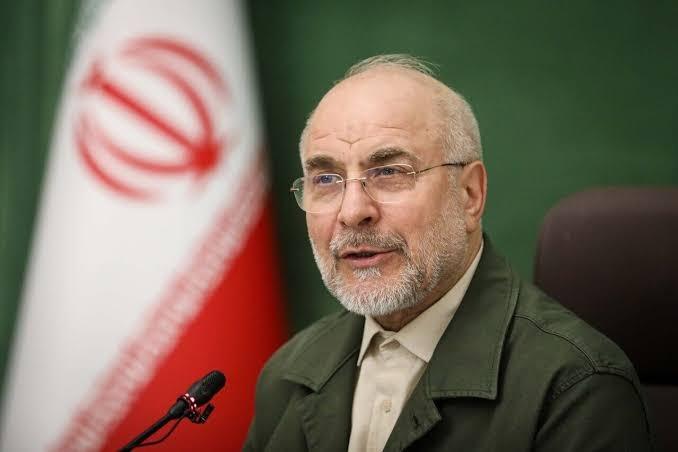
Parliament Speaker Mohammad Bagher Ghalibaf warned that "If you strike, you'll get hit," emphasizing that the Strait of Hormuz would reopen only under "Iranian arrangements," not through American threats or coercion.
For Tehran, the dispute over Hormuz extends well beyond maritime security.
It is fundamentally a question of sovereignty, national prestige and geopolitical influence in the Persian Gulf.
This explains why Iranian officials continue to argue that they will not accept any agreement that they believe has been imposed through military pressure rather than mutual negotiation.
Diplomacy Still Exists—But It Is Being Overshadowed by War
Perhaps the most politically significant development came when U.S. President Donald Trump declared that the ceasefire with Iran was "over," warning that the United States would intensify its military operations if threats against commercial shipping in the Strait of Hormuz continued. Does this mean diplomacy has completely collapsed?
Not necessarily.
Despite the renewed military confrontation, many analysts and international media organizations believe that both Washington and Tehran have stopped short of permanently closing the door to negotiations. Should both sides find a mutually acceptable formula for managing security and navigation in the Strait of Hormuz, diplomatic engagement could still resume.
For now, however, diplomacy is operating under the shadow of war.
Each new exchange of military strikes increases political pressure on leaders in both capitals, making compromise increasingly difficult because any concession risks being portrayed domestically as a strategic defeat.
For Washington, failing to respond to attacks on commercial shipping could be interpreted as an inability to defend the internationally recognized principle of freedom of navigation.
For Tehran, accepting an arrangement for Hormuz dictated by the United States could be viewed as surrendering its sovereignty and diminishing its strategic influence in one of the world's most important waterways.
This is precisely why negotiations have become far more difficult than before.
Both governments continue to declare that they seek peace.
The real difference lies in the kind of peace each side is willing to accept—a peace that preserves, rather than sacrifices, its own strategic interests, national dignity and regional influence.
Conclusion: The 60-Day Negotiation Window Failed Not Because It Lacked the Language of Peace, But Because It Lacked Trust
The renewed confrontation between the United States and Iran has exposed a fundamental weakness in the June 16 Memorandum of Understanding (MoU). It attempted to suspend military hostilities before the two sides had established sufficient political trust or reached a common understanding of how the agreement would actually be implemented.
The Strait of Hormuz ultimately became the agreement's greatest fault line.
For Washington, Hormuz represents the principle of freedom of navigation and the uninterrupted flow of global commerce. For Tehran, it represents sovereignty, national security and the right to manage a strategic waterway located within its sphere of influence. As long as these competing interpretations remain unresolved, diplomacy is likely to remain fragile. When political disagreements over implementation could no longer be reconciled, military force once again replaced diplomatic engagement.
In that sense, the collapse of the 60-day negotiating framework was not primarily the result of an insufficient timetable.
Rather, it reflected the inability of both governments to reach a shared understanding on several fundamental issues—including maritime security in the Strait of Hormuz, the implementation of the MoU, and, above all, the mutual trust required to sustain any meaningful peace process.
From this point forward, the central question is no longer whether the United States and Iran say they want peace. Both governments continue to insist that they do.
The more important question is whether they can agree on what kind of peace they are prepared to accept. Can they construct a political framework that protects each side's core security interests without forcing either government to sacrifice its sovereignty, strategic influence or domestic political legitimacy?
If the answer remains negative, the latest round of fighting may prove to be more than a temporary resurgence of violence.
Instead, it could mark the beginning of a new cycle of confrontation—one capable of reshaping the security landscape of the Middle East, disrupting global energy markets, and further intensifying geopolitical competition among the world's major powers.
Whether the next chapter is written through diplomacy or through military escalation will depend not only on Washington and Tehran, but also on whether both sides are prepared to replace coercion with compromise and strategic rivalry with political trust.