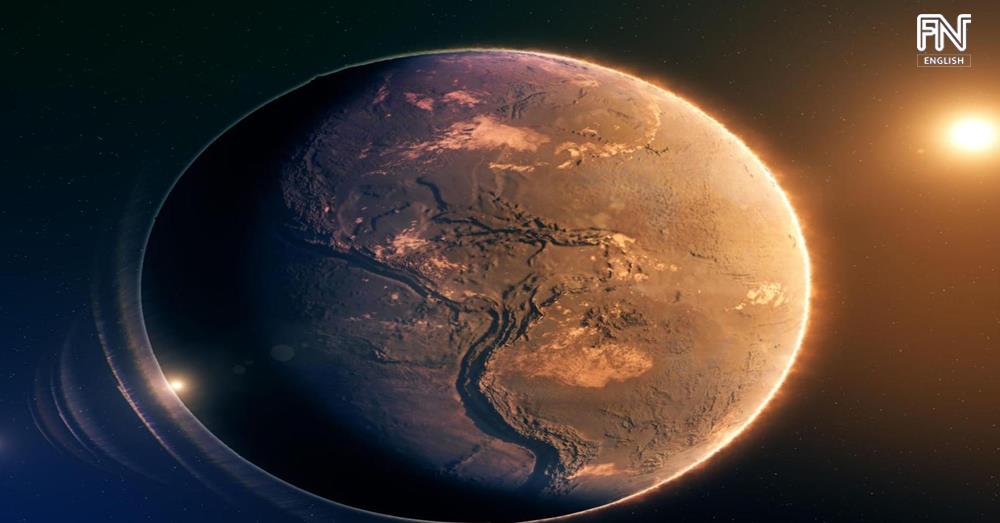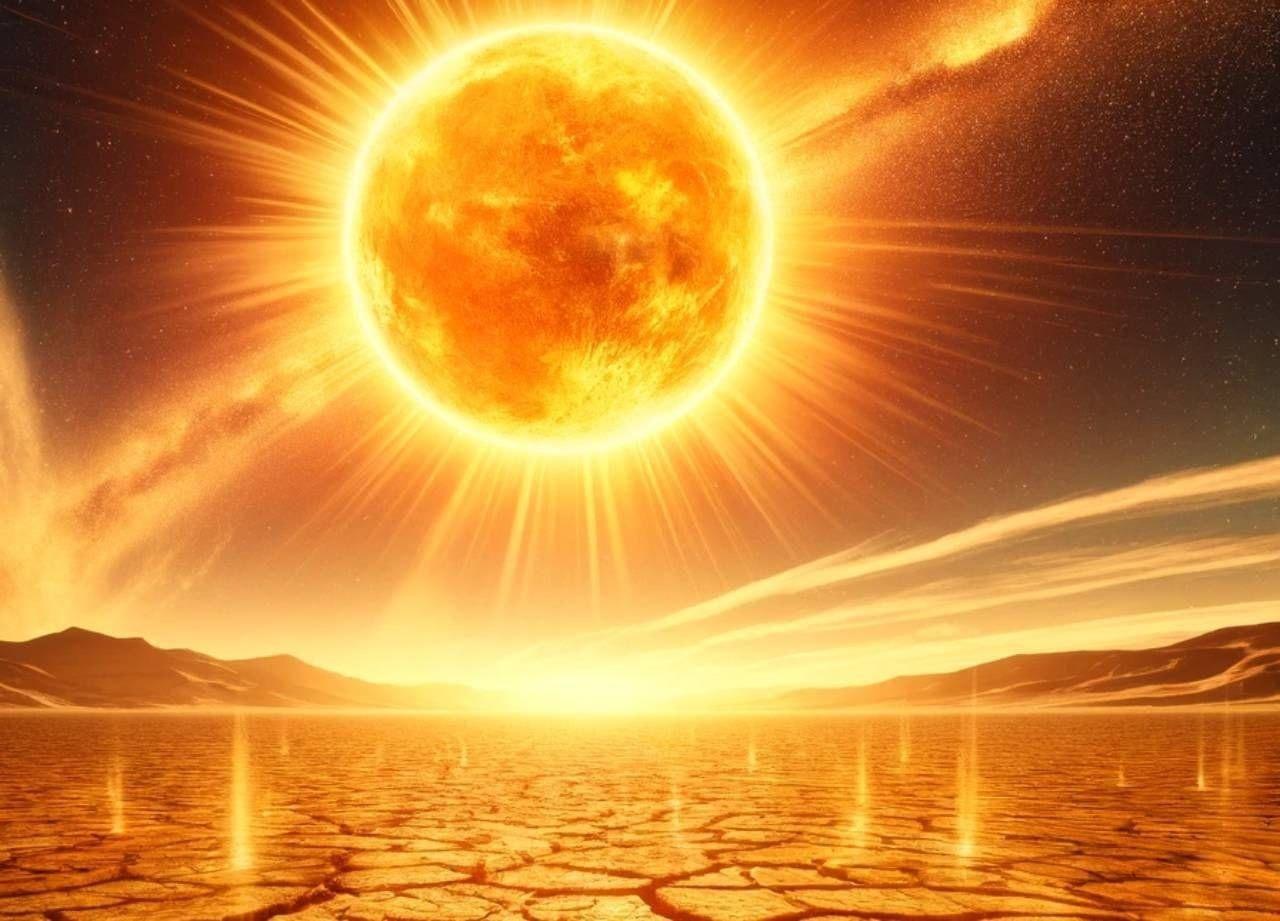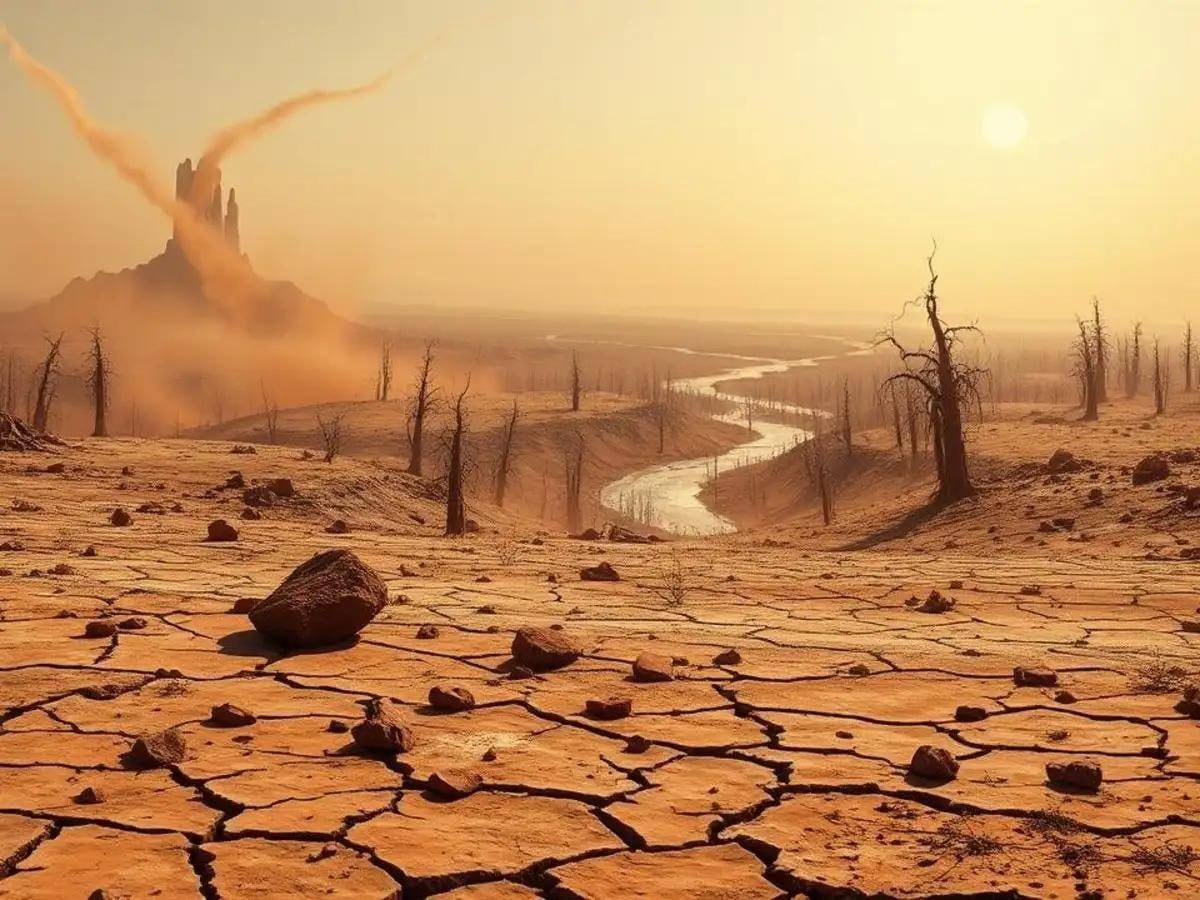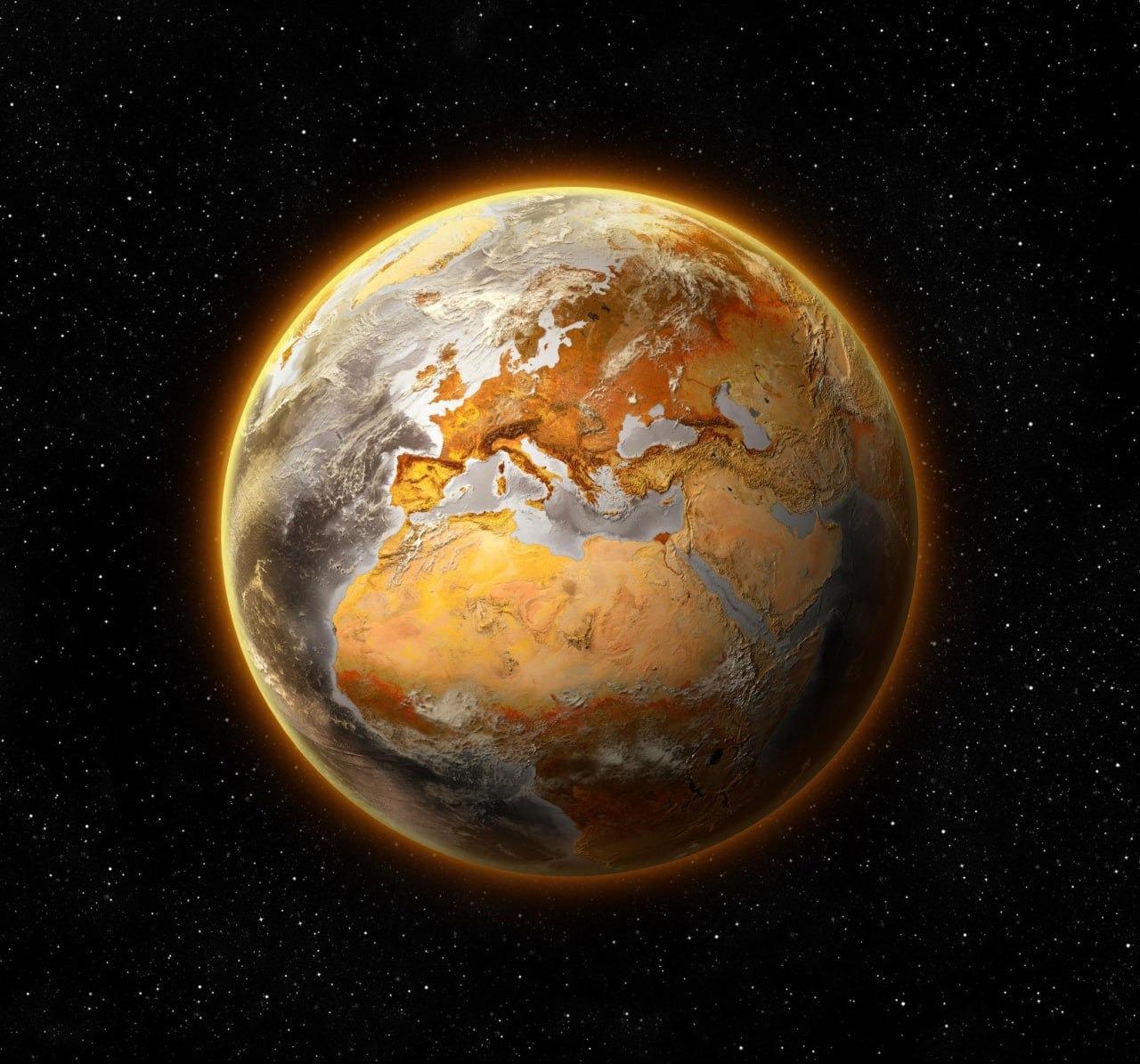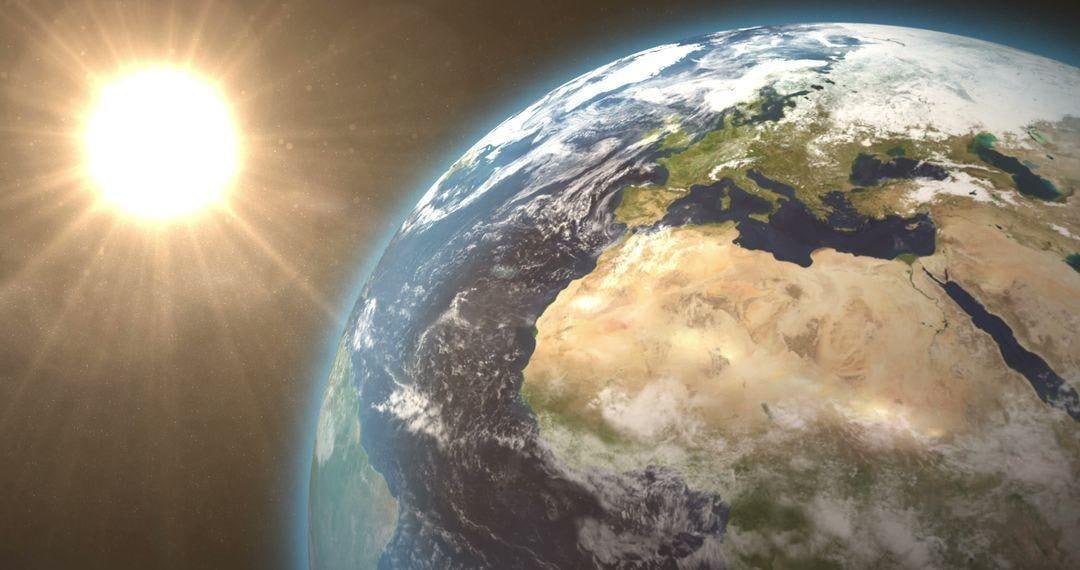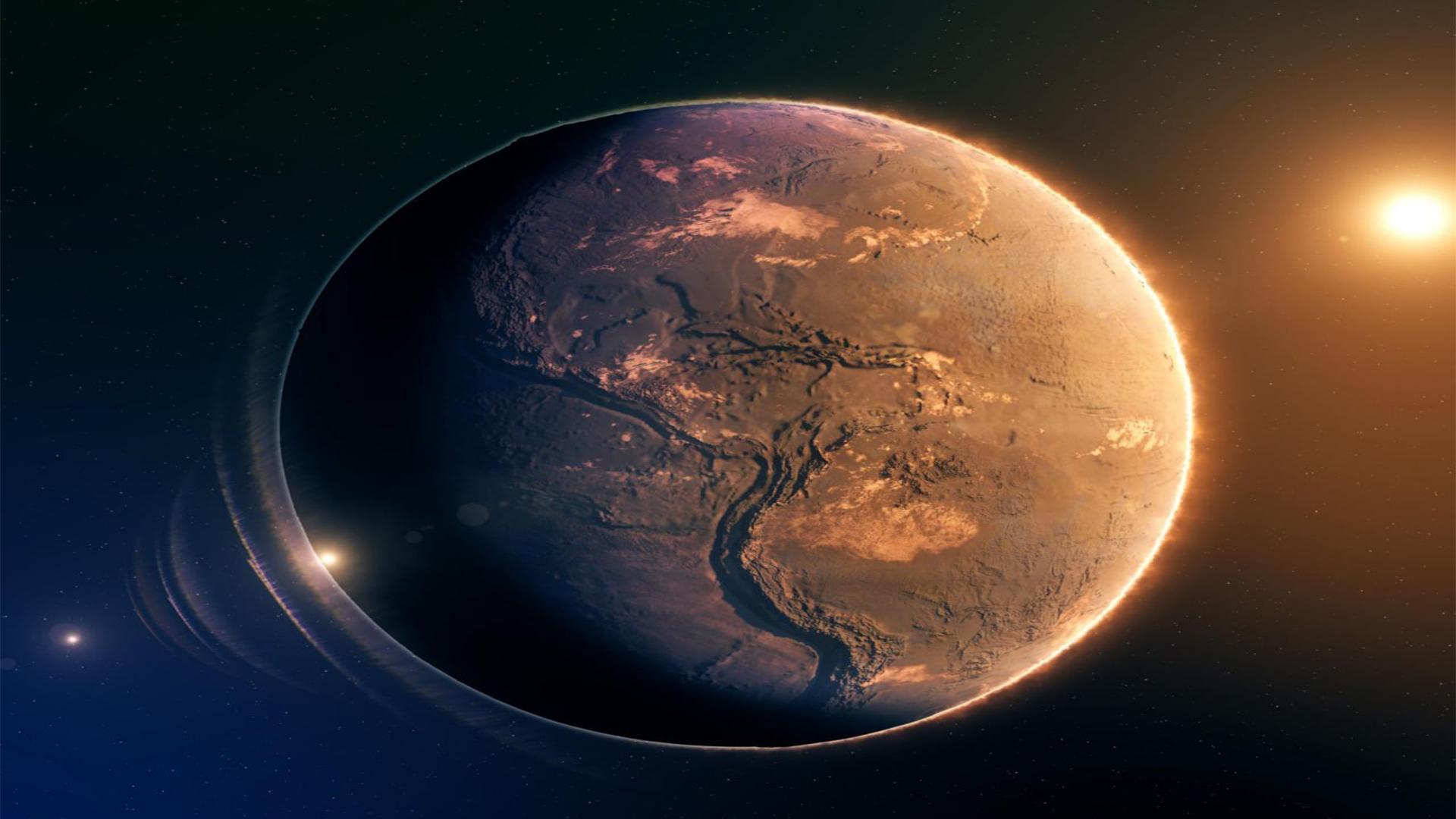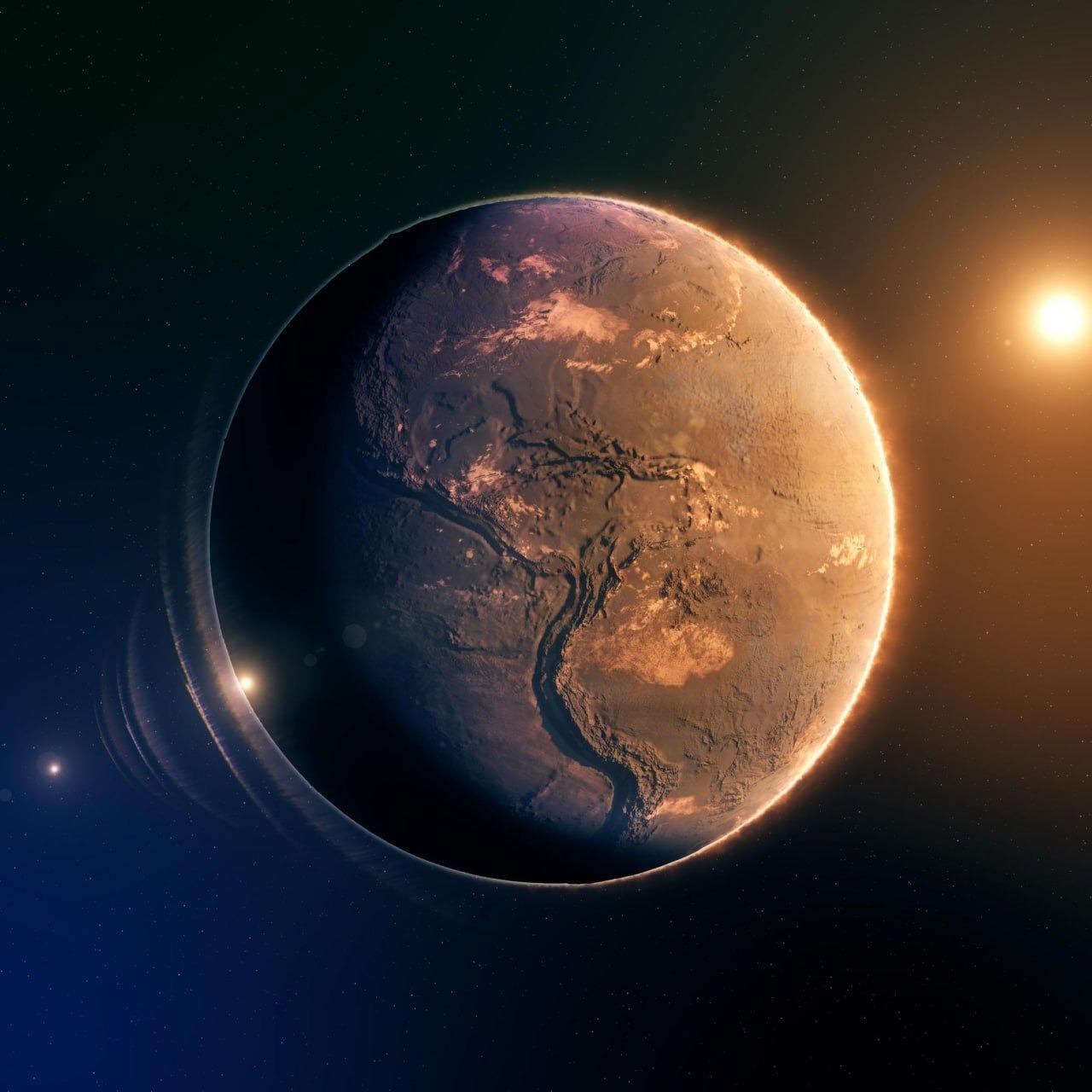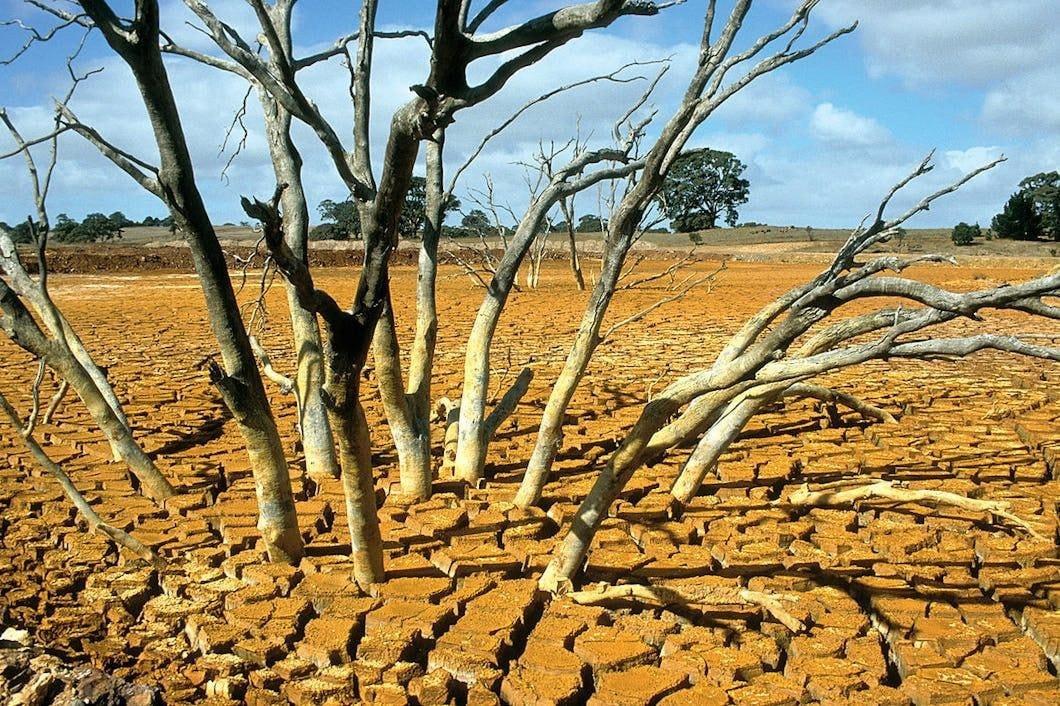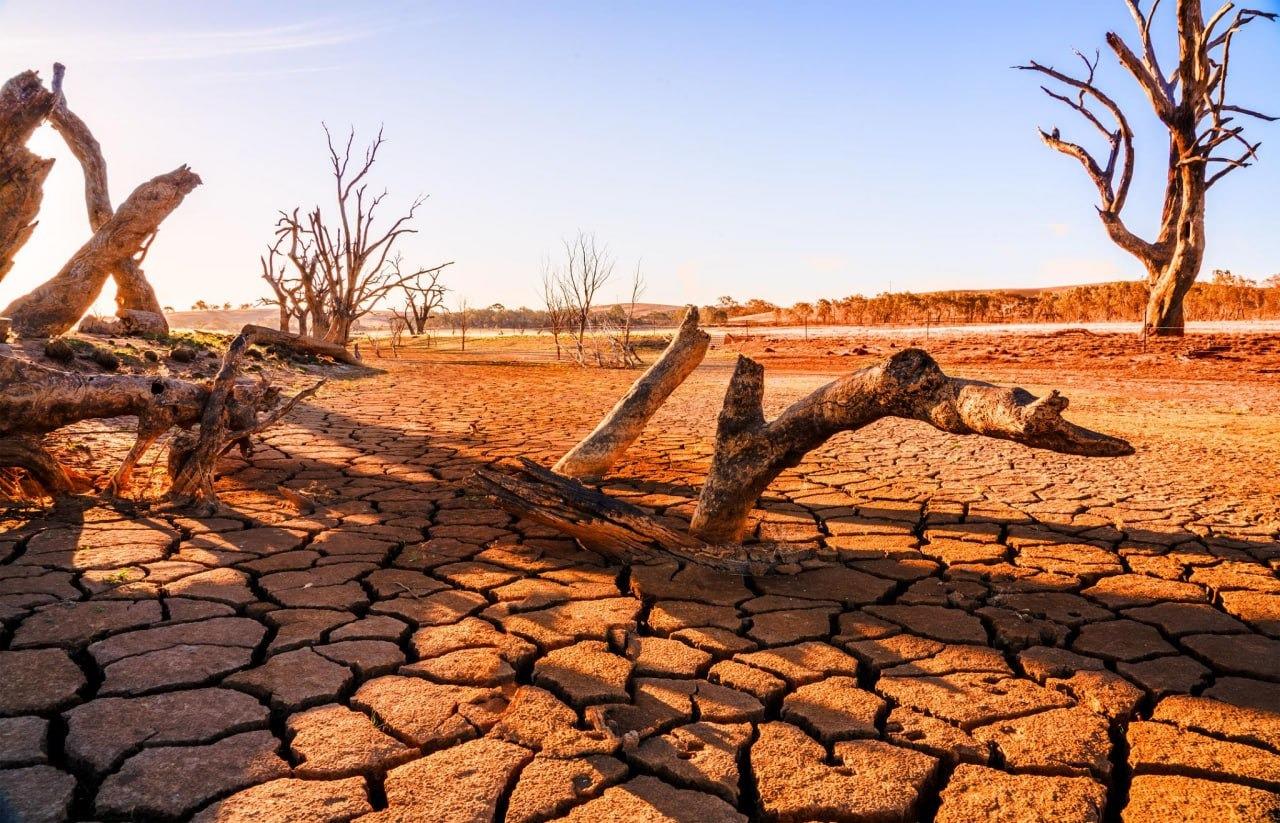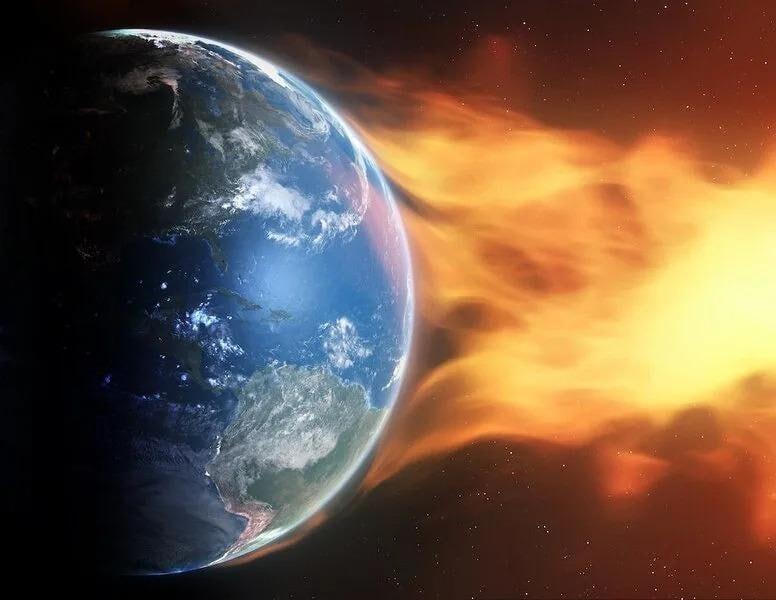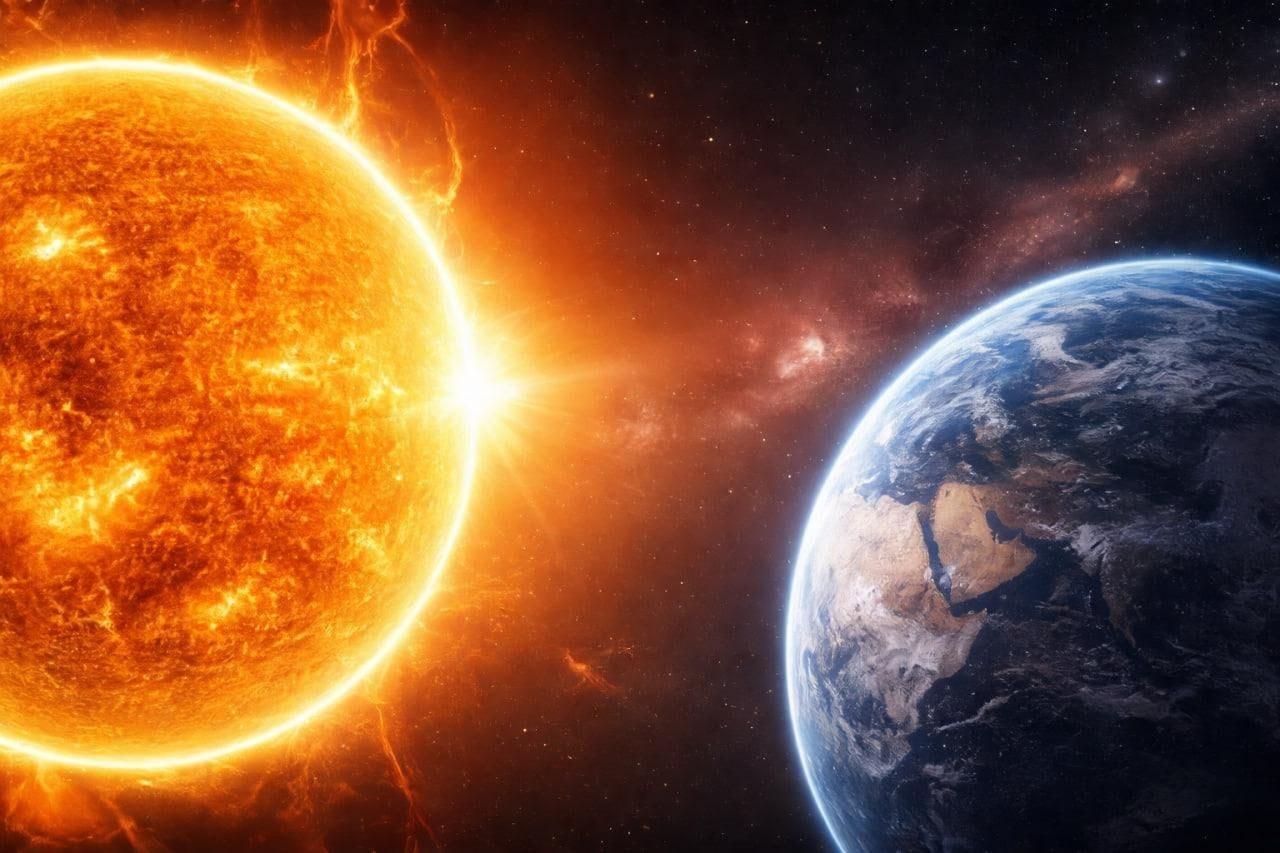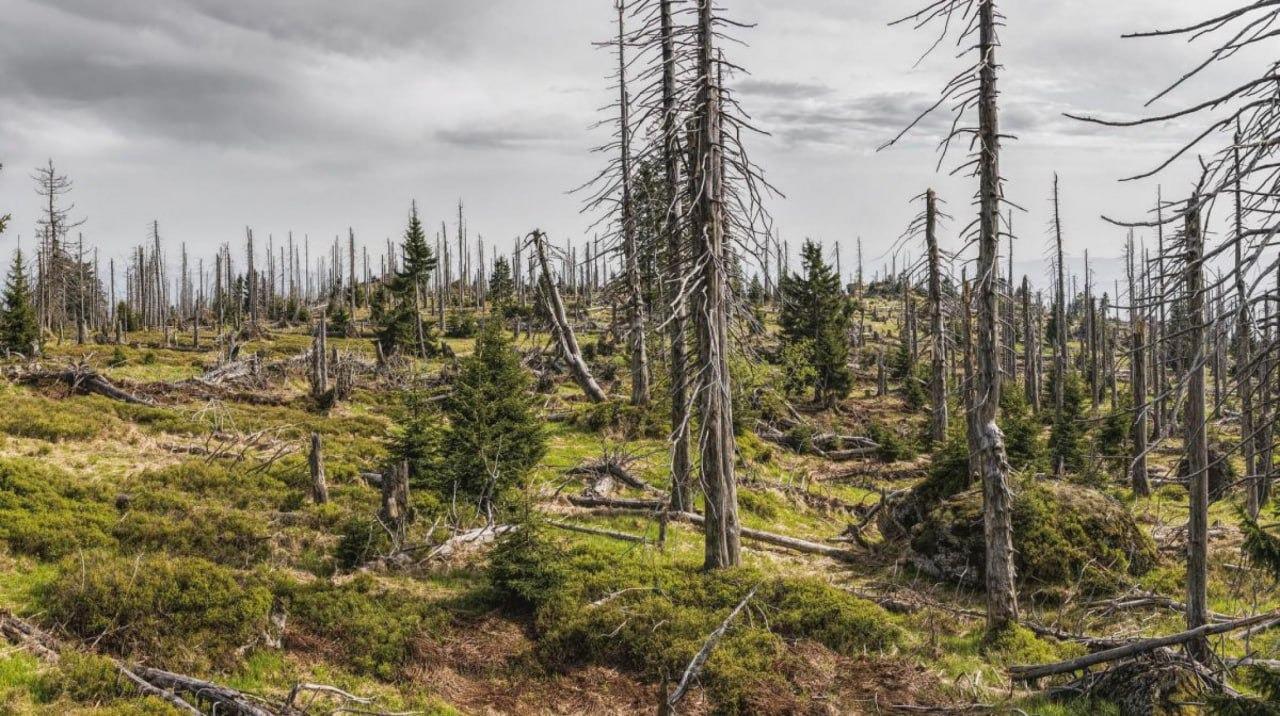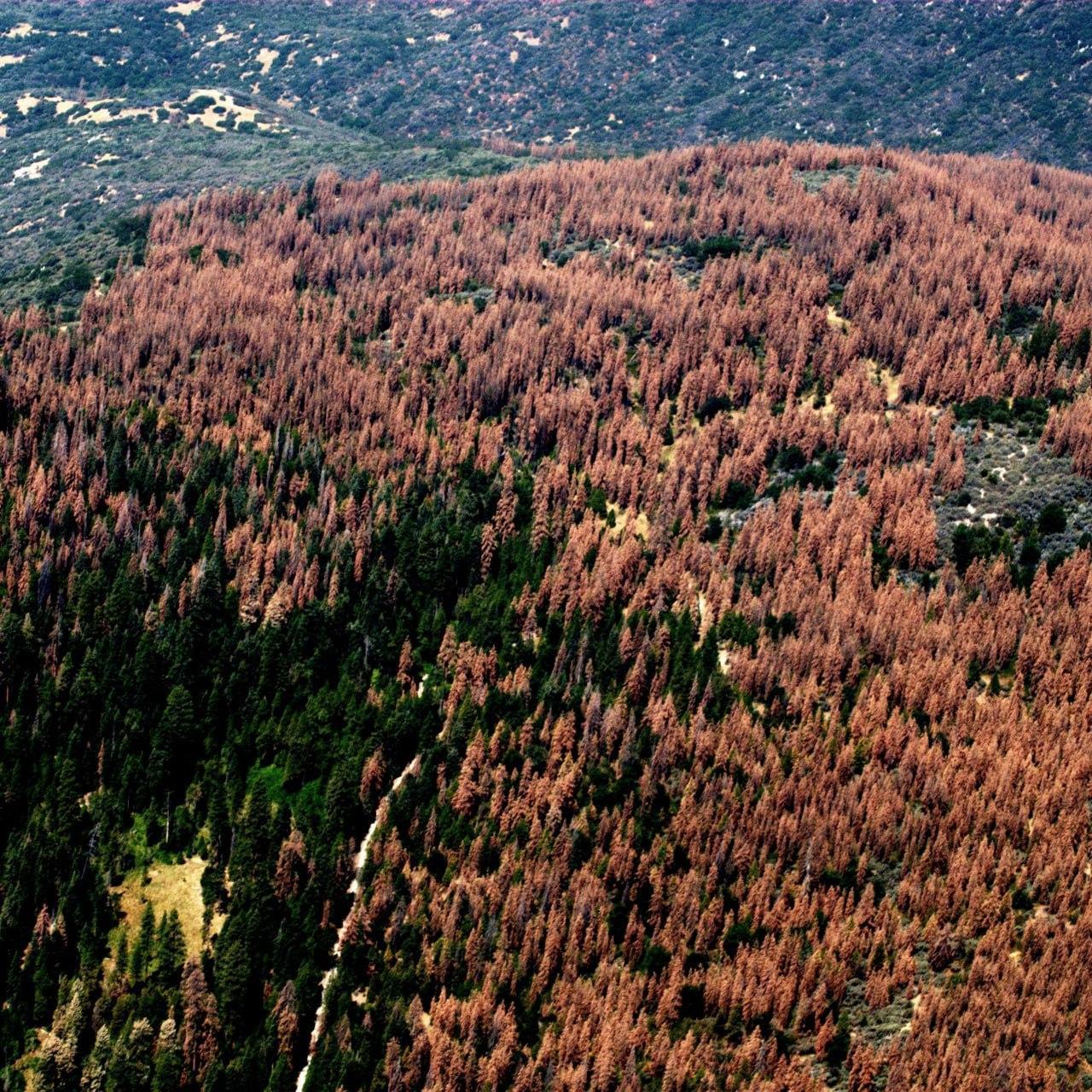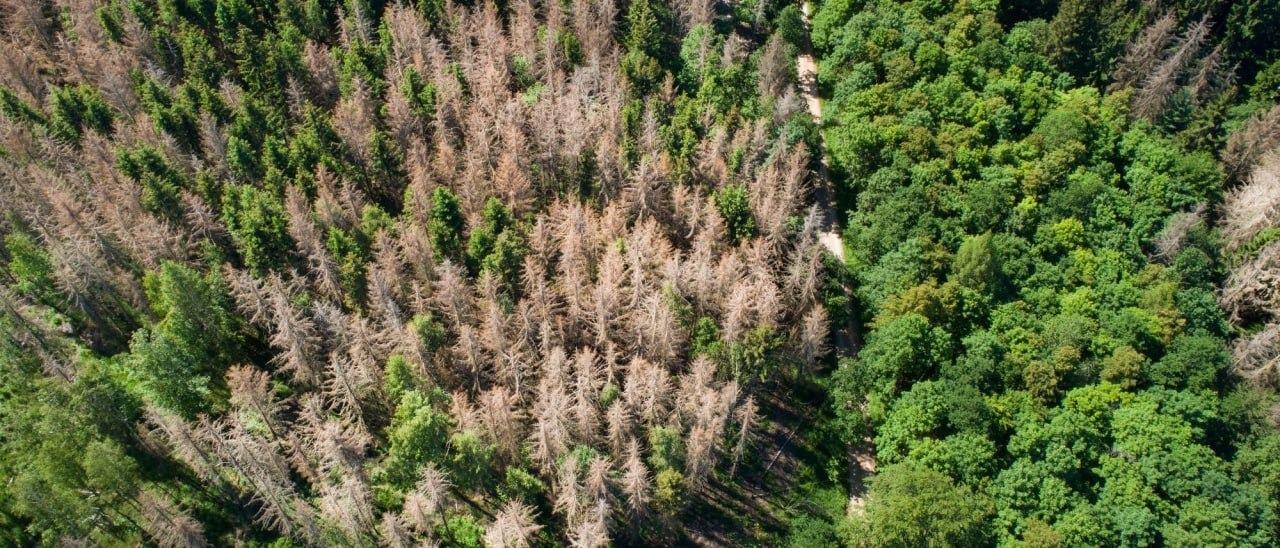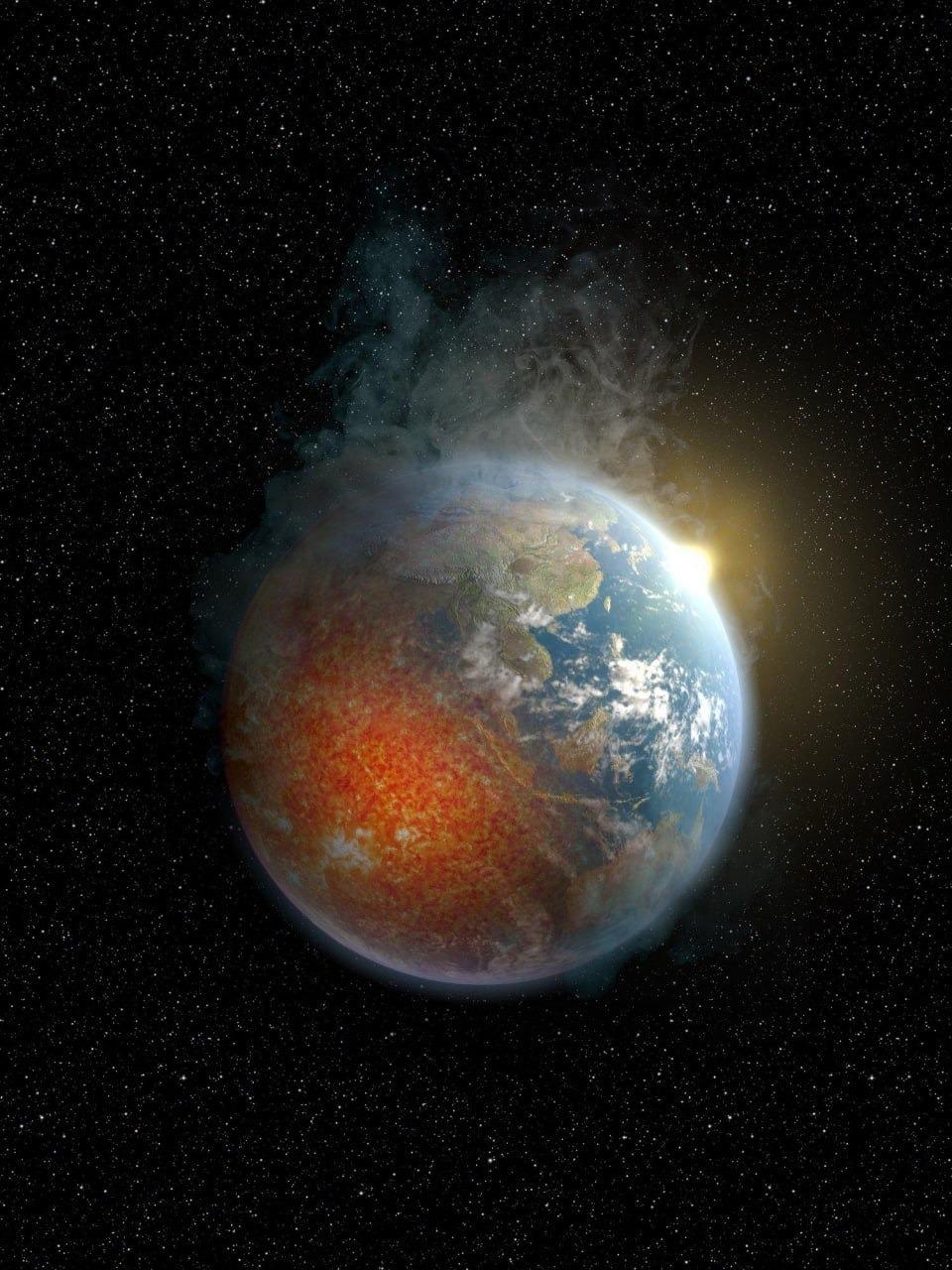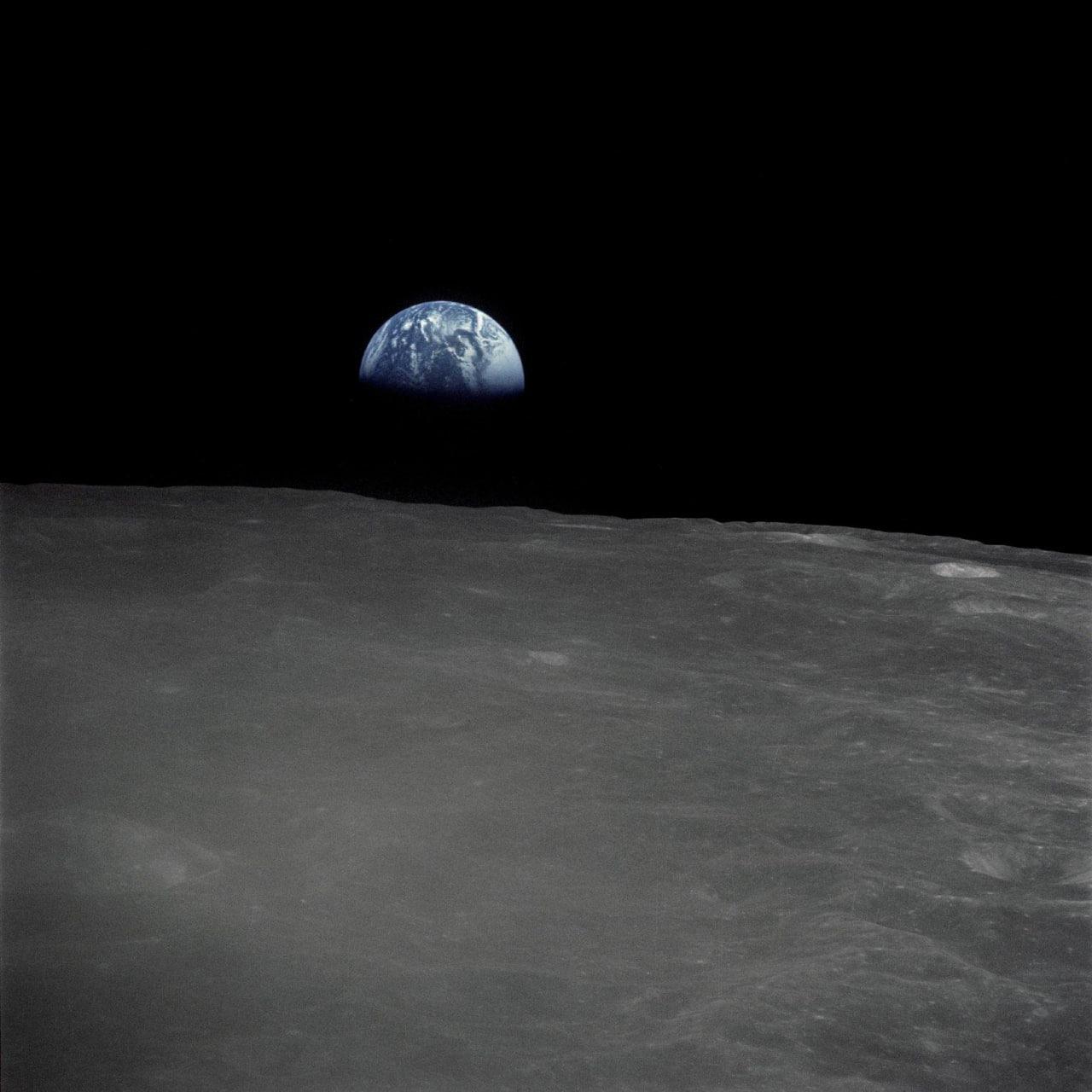

(Phnom Penh): Imagine a future in which the Sun still shines much as it does today. It has not yet expanded into a Red Giant. Yet Earth's oceans have disappeared, its forests are no longer green, the atmosphere no longer contains enough oxygen to sustain complex life, and a planet once teeming with living organisms has become a silent, barren world.
Could Earth die before the Sun?
According to astronomers and Earth scientists, the answer is yes—at least in terms of habitability. Earth is expected to become incapable of supporting complex life long before the Sun reaches the end of its own life. The more meaningful question, therefore, is not simply "When will the Sun die?" but rather, "When will life on Earth come to an end?"
In our previous article, we explained that the Sun is expected to survive for roughly another five billion years before exhausting its nuclear fuel and eventually becoming a white dwarf. However, decades of scientific research suggest that Earth may not remain habitable long enough to witness that distant future.
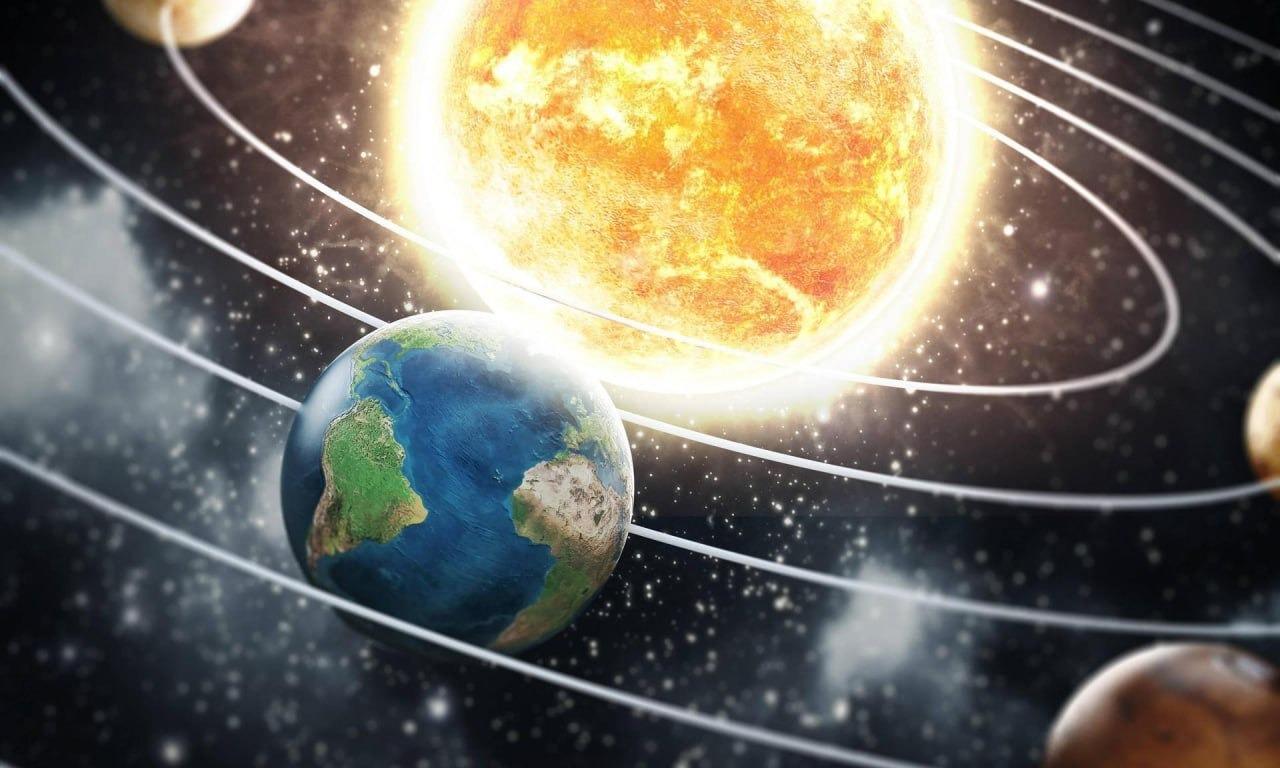
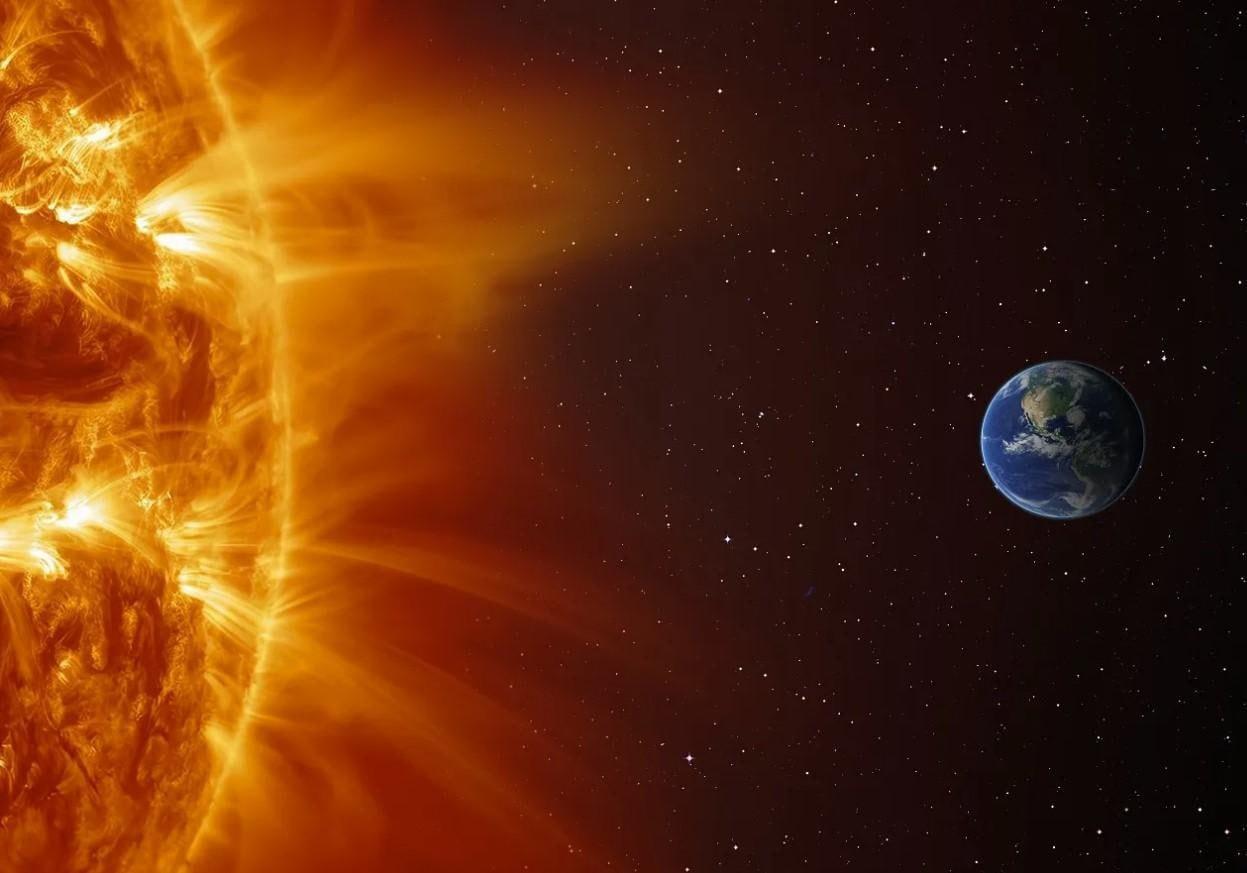
The reason is simple: the Sun is not a constant star. As it ages, it gradually becomes brighter and hotter. Although these changes occur over hundreds of millions of years, they will eventually reshape Earth's climate, oceans, atmosphere, and ultimately its ability to support life.
Before asking how the Sun will die, we should first ask: What will ultimately make Earth uninhabitable?
The Sun Will Become Brighter—Not Weaker
Many people assume that the Sun remains unchanged throughout its lifetime. In reality, like every other star, it evolves.
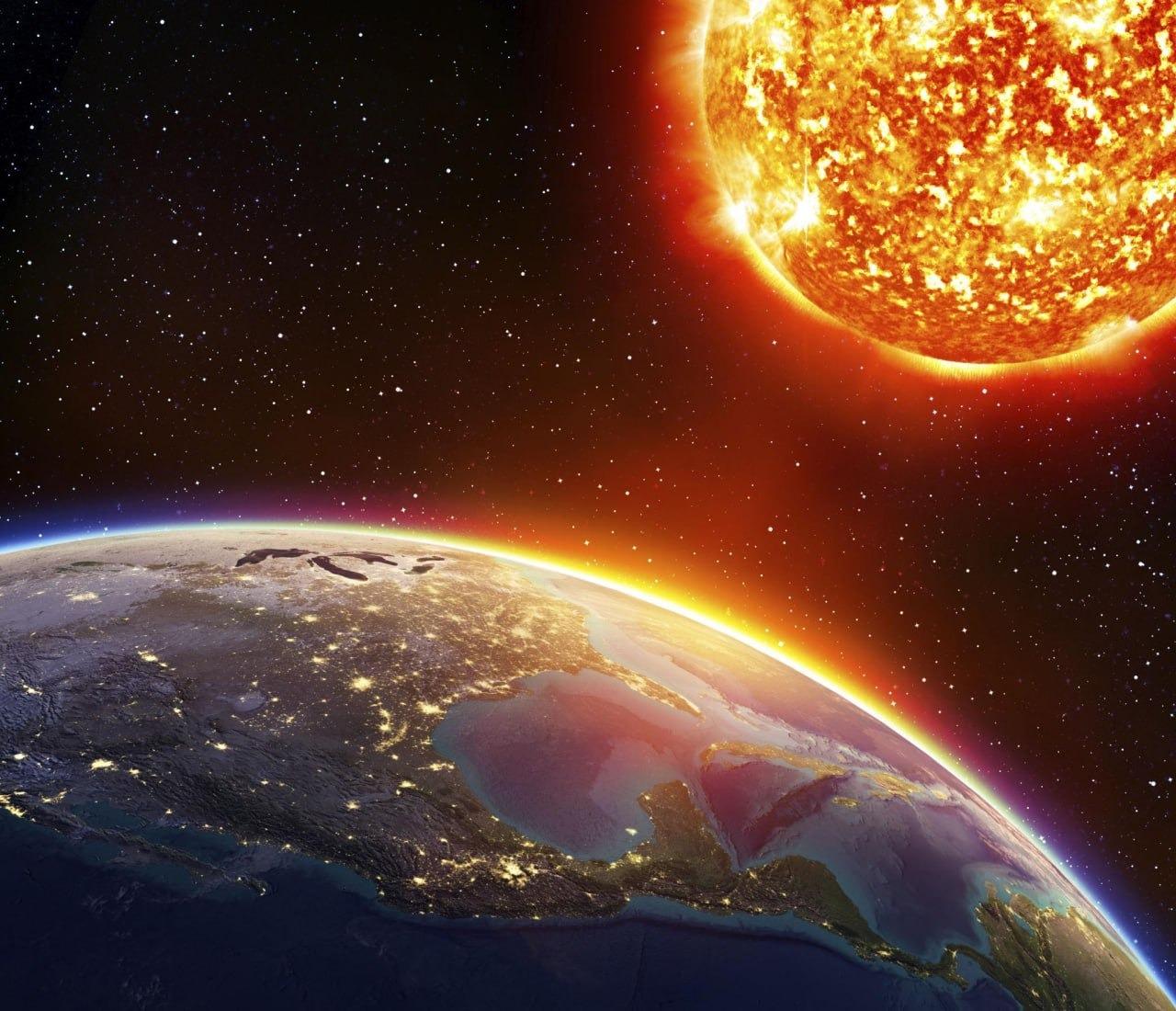
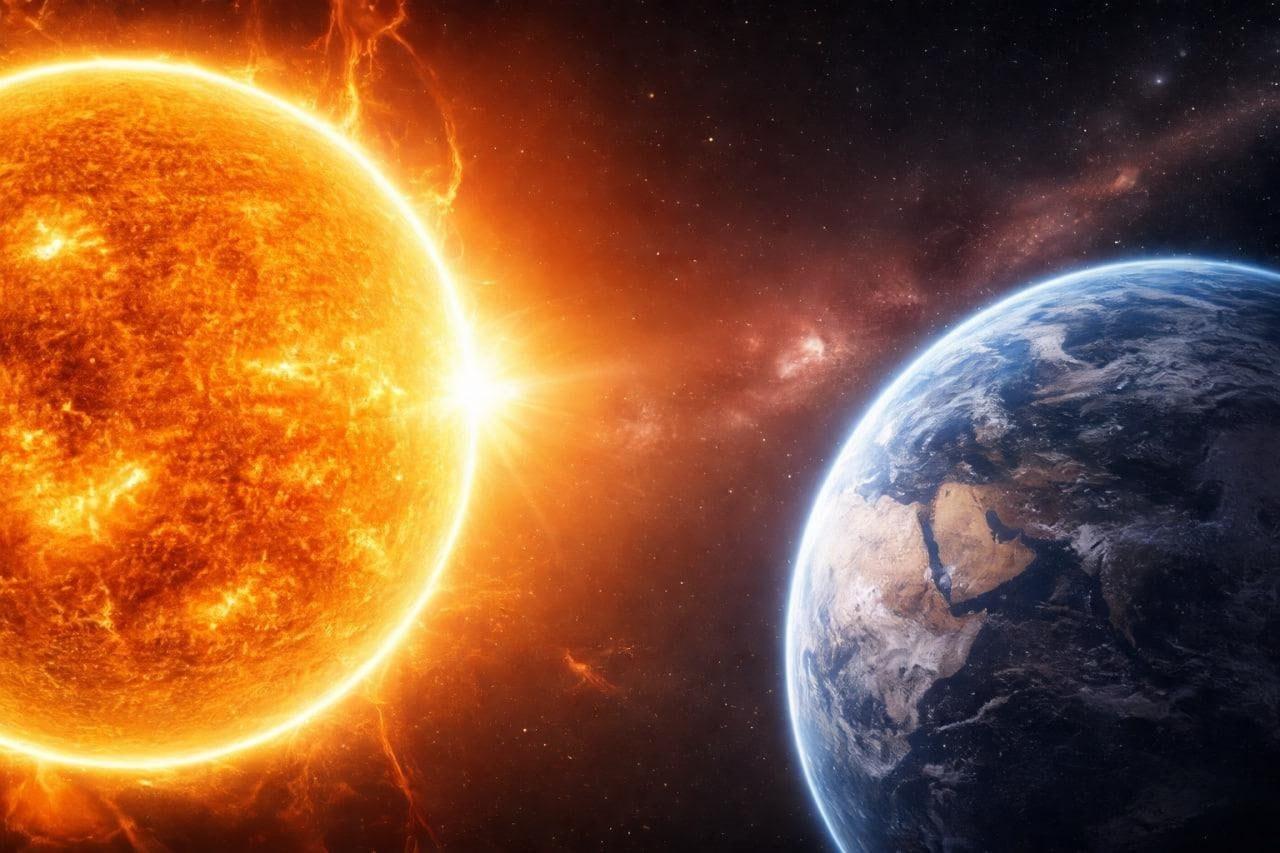
Astronomical models indicate that the Sun's luminosity increases by roughly 10 percent every billion years. While this may appear insignificant, it means Earth will continuously receive more solar energy over time.
Although the Sun will remain in its stable main-sequence phase for approximately another five billion years, this gradual increase in brightness will steadily alter Earth's atmosphere, climate, and oceans. Eventually, these changes will make the planet unsuitable for sustaining life—even before the Sun enters its Red Giant phase.
In other words, the Sun does not need to die to transform Earth's destiny. Simply becoming brighter over time may be enough.
Earth's Oceans Will Slowly Disappear
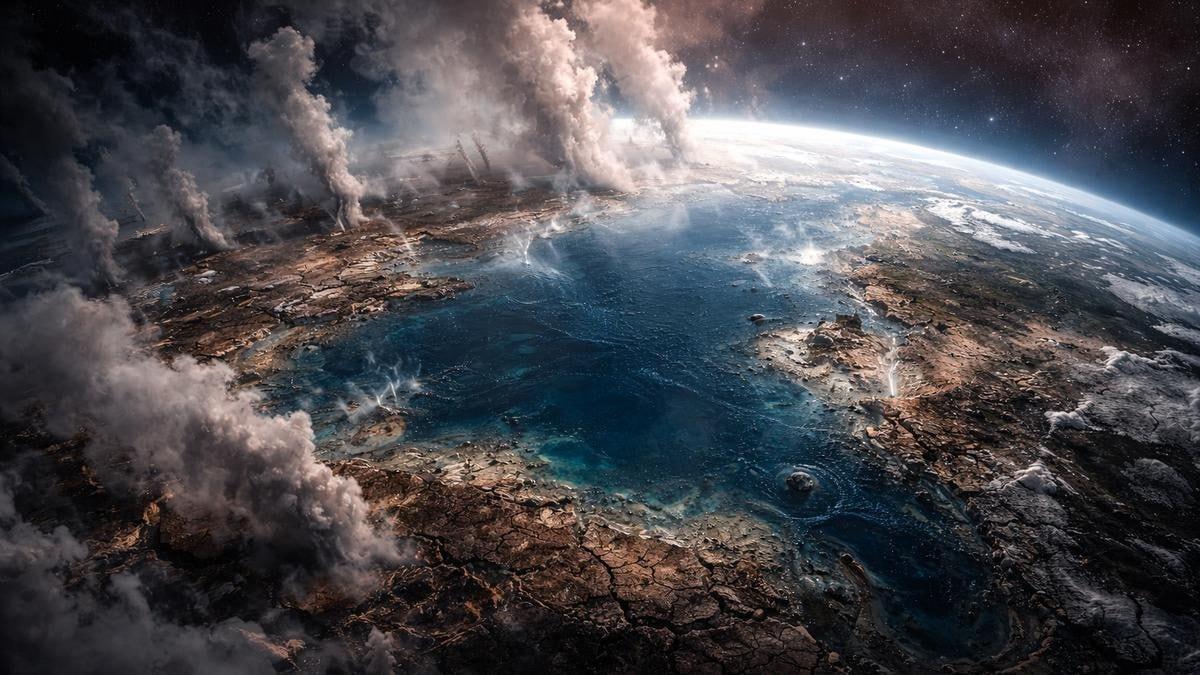
As the Sun grows brighter, Earth's surface temperature will continue to rise. Higher temperatures will increase evaporation from the oceans, filling the atmosphere with greater amounts of water vapor.
Water vapor is not merely evaporated water—it is also one of the most powerful greenhouse gases. As more water vapor accumulates, it traps additional heat, causing the planet to warm further. That extra warmth leads to even more evaporation, creating a self-reinforcing cycle.
Scientists refer to this process as the runaway greenhouse effect.
If this cycle continues over hundreds of millions of years, Earth's oceans could gradually evaporate. Without liquid water, the fundamental requirement for life as we know it would disappear.
The loss of Earth's oceans is therefore unlikely to occur through a sudden catastrophe such as an asteroid impact. Instead, it would result from the Sun's slow and natural evolution over immense spans of time.
Plants and Oxygen Will Decline
As temperatures continue to rise and water becomes increasingly scarce, Earth's environment will become hotter and drier.
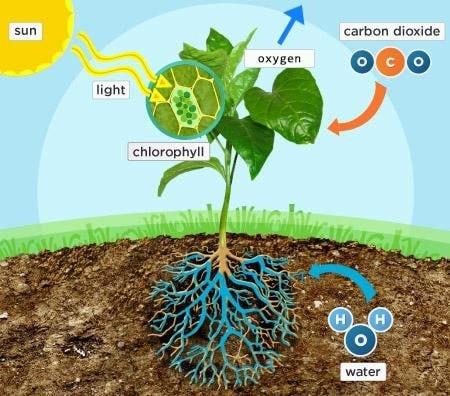
Under such conditions, many plants will no longer be able to carry out photosynthesis—the process by which they use sunlight, water, and carbon dioxide to produce food while releasing oxygen.
As plant life declines, oxygen production will also decrease, while the balance between oxygen and carbon dioxide in the atmosphere gradually shifts.
Eventually, ecosystems would begin to collapse. Numerous plant and animal species would become extinct, and complex organisms—including humans—would no longer be able to survive.
Without photosynthetic organisms, Earth would lose both its primary source of atmospheric oxygen and the foundation of nearly every food web on the planet.
The Sun May Still Shine, but Earth Could Become Uninhabitable
After hundreds of millions to billions of years of gradual warming, Earth is expected to undergo profound environmental transformation. Its oceans will shrink, vegetation will decline, and the atmosphere will no longer provide suitable conditions for complex life.
Many scientific studies estimate that Earth could become uninhabitable for complex organisms in roughly one billion years, despite the Sun remaining firmly in its stable phase.
This means life on Earth may disappear around four billion years before the Sun eventually expands into a Red Giant.
Simply put, the Sun may still be alive, while Earth has already ceased to be a world capable of supporting life.
Conclusion
Perhaps the most surprising conclusion is that Earth is unlikely to become uninhabitable because the Sun has reached the end of its life. Instead, it will likely lose its ability to support life while the Sun continues shining much as it always has.
There is no reason for alarm. These events are expected to unfold over timescales measured in billions of years—far beyond the lifespan of human civilization.
What is truly remarkable is that human beings, living on a small planet orbiting an ordinary star, have developed the knowledge to calculate and understand events that lie billions of years in the future.
That is one of science's greatest achievements. It not only helps us understand the universe but also reminds us that, despite our brief existence, we can look unimaginably far into the future through observation, reason, and scientific inquiry.
One day, Earth may no longer be able to support life. But today, our ability to understand that distant future stands as powerful evidence of how science has expanded the boundaries of human knowledge far beyond the limits of our own lifetimes.
The universe does not reveal its future through words. It reveals it through the laws of nature. The mission of science is to discover, understand, and explain those laws.