
(Phnom Penh): Judged purely by military size and technological superiority, the United States remains the world's foremost military power. Yet the first three days of the third round of conflict between the United States and Iran have revealed a more complex reality. Despite continuous U.S. airstrikes against multiple military targets across Iran, Tehran has continued to launch coordinated retaliatory operations against several targets across the region within roughly the same time frame.
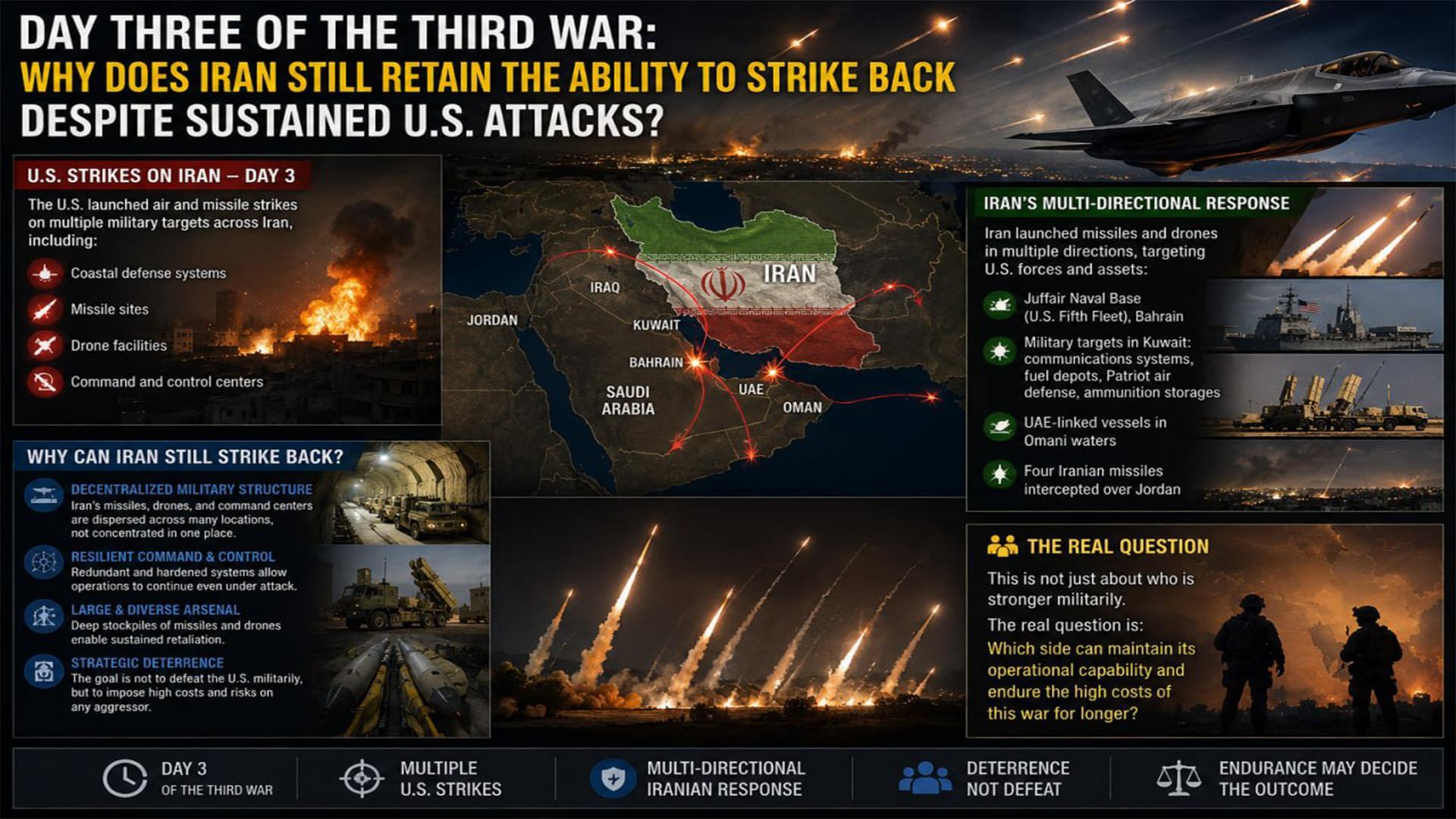
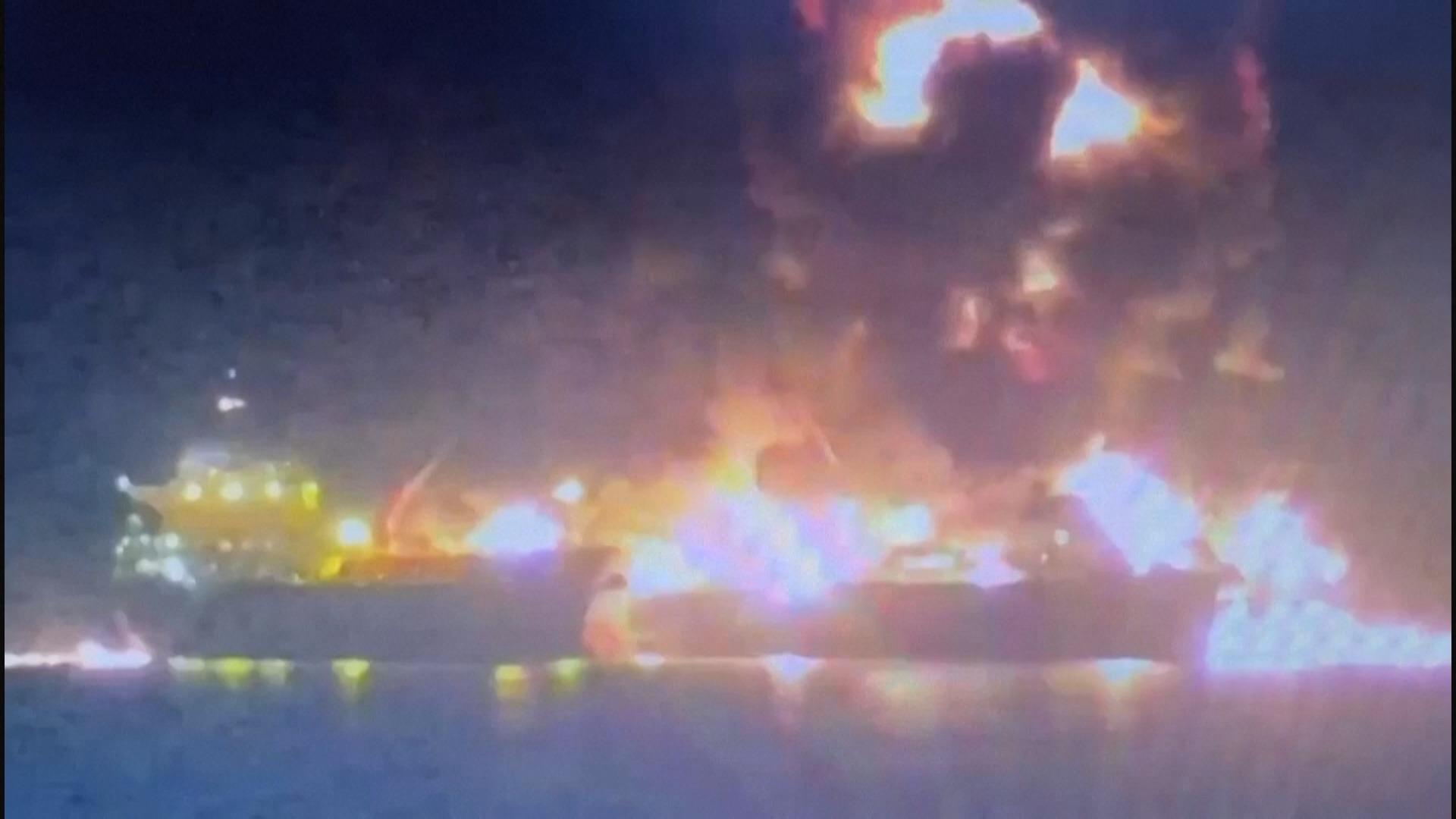
As U.S. forces targeted Iran's coastal defense systems, missile and drone sites, and maritime military capabilities, Tehran responded with missile and drone attacks against what it identified as U.S.-related military targets in Bahrain and Kuwait. Iran also attacked two United Arab Emirates oil tankers in the Strait of Hormuz, while Jordan announced that its air defense systems had intercepted four missiles fired from Iran as they crossed Jordanian airspace.
These simultaneous retaliatory operations raise an important strategic question. If Washington has repeatedly asserted that it has significantly degraded Iran's military capabilities, how has Tehran continued to preserve enough operational capacity to resist and retaliate against the world's most powerful military force?
The answer may not lie in whether Iran possesses military strength comparable to that of the United States. Rather, it appears to lie in Iran's ability to preserve dispersed missile and drone capabilities, maintain command-and-control networks capable of functioning under sustained attack, and employ a strategy of multi-front retaliation designed to increase the military, political, and economic costs of war for both the United States and its regional allies.
Iran's Ability to Conduct Multi-Front Retaliation
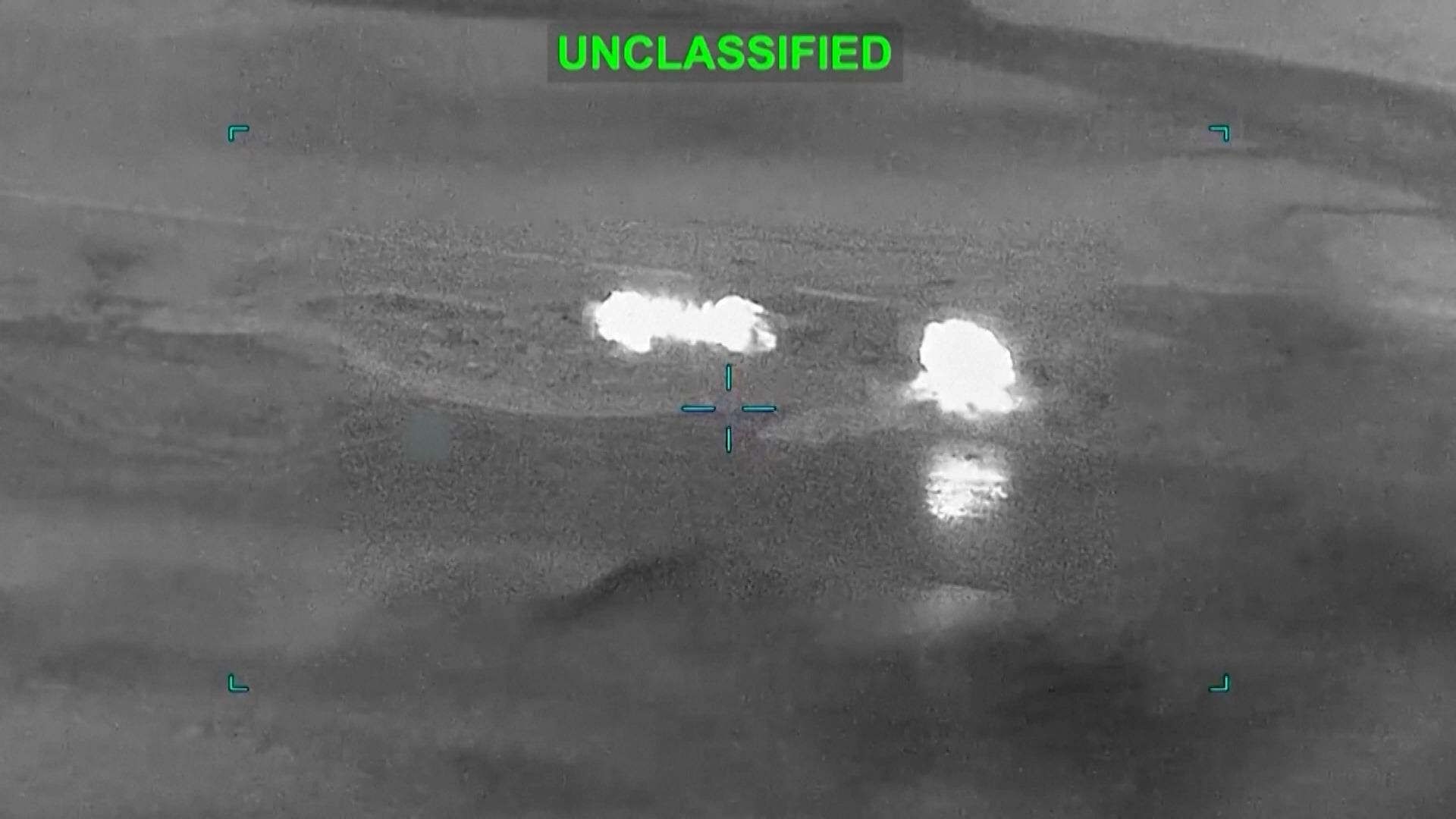
During a five-hour military operation, the United States struck targets in Bushehr, Bandar Abbas, Jask, Konarak, Chah Bahar, and Abu Musa Island. According to U.S. Central Command (CENTCOM), the operation targeted Iran's coastal defense systems, missile and drone facilities, as well as maritime assets that could be used to threaten commercial shipping.
Yet while the U.S. campaign was still underway, Iran's response was neither confined to a single battlefield nor directed at a single country. Tehran launched missiles and drones toward what it described as U.S. military assets in Bahrain and Kuwait. In Bahrain, Iran's Islamic Revolutionary Guard Corps (IRGC) claimed it had struck the Juffair naval base, home to the U.S. Fifth Fleet. In Kuwait, Iranian officials said they had targeted communications facilities, fuel depots, Patriot air defense systems, and ammunition storage sites.
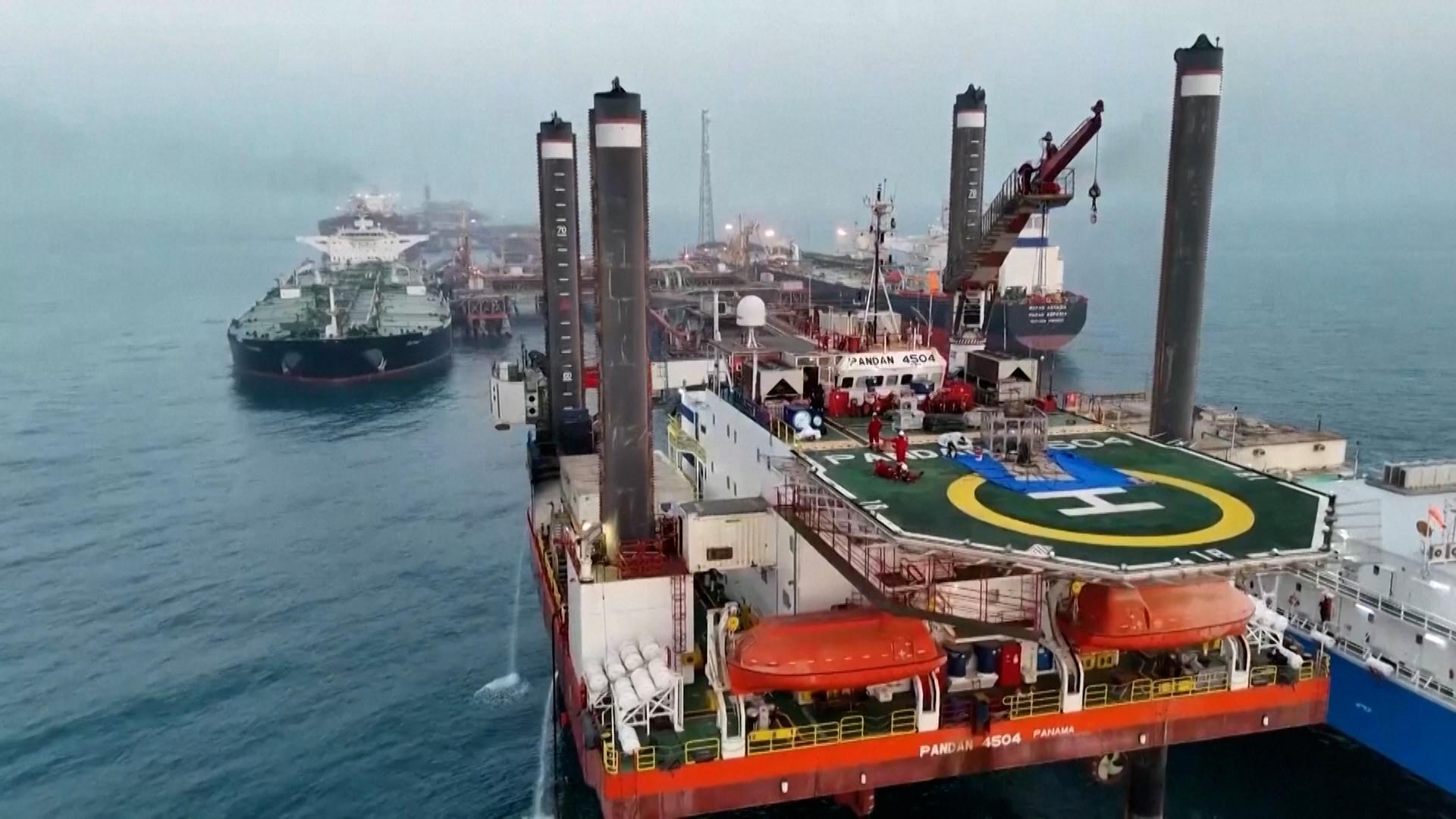
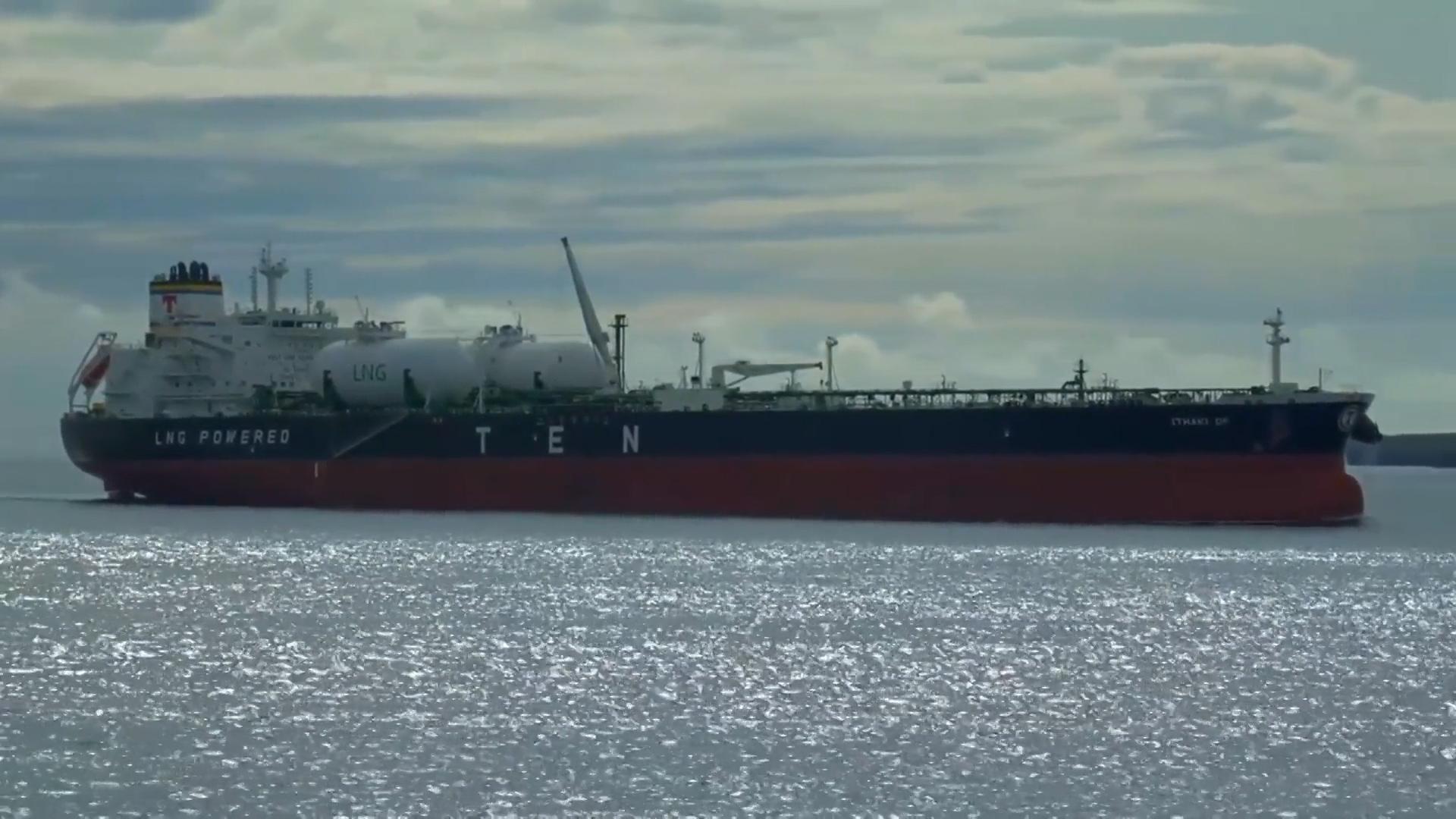
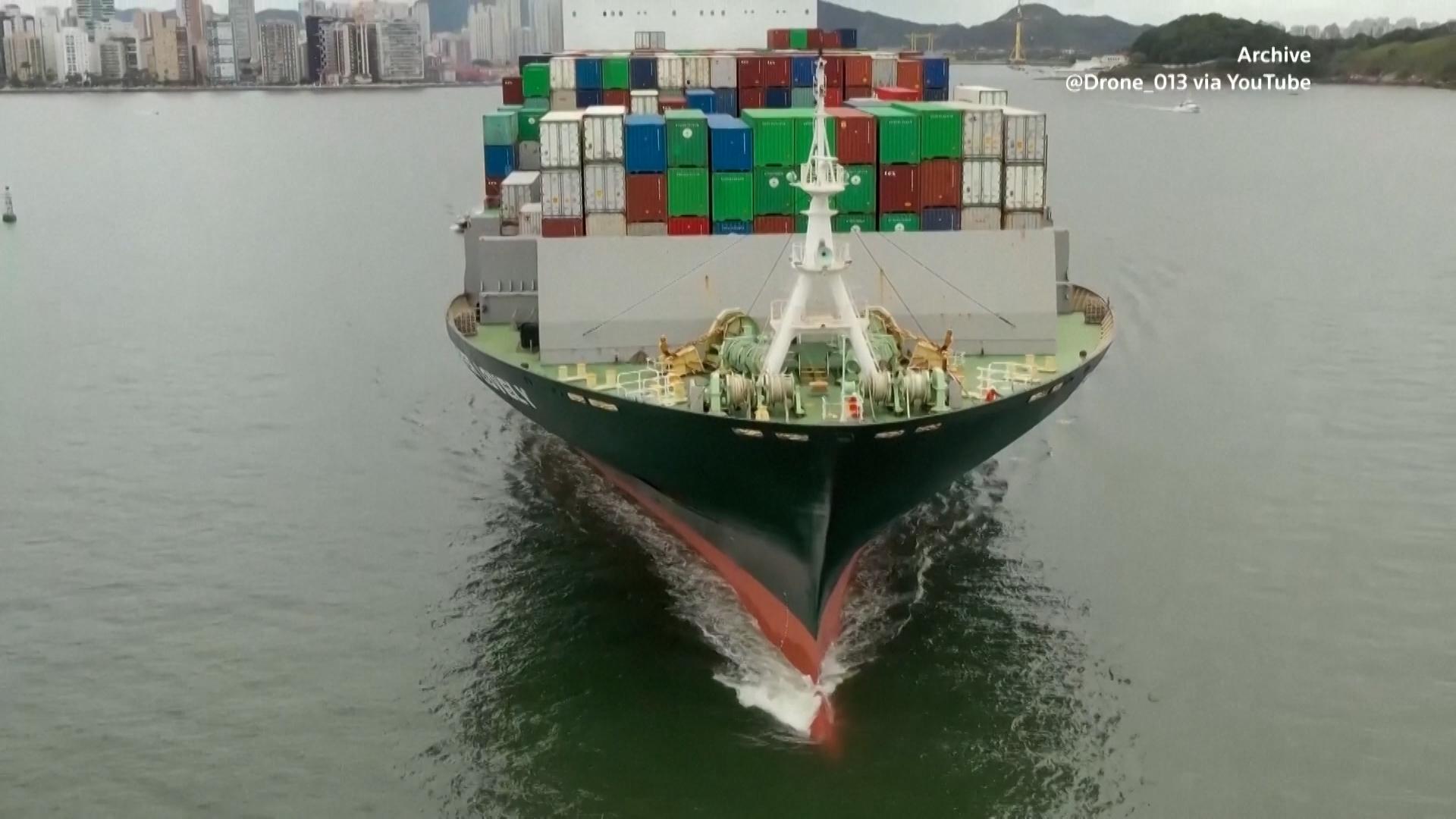
Iran's retaliation also extended to the maritime domain. The United Arab Emirates confirmed that its tankers, al-Bahiya and Mombasa, were struck in Omani territorial waters, killing one Indian crew member and injuring eight others. Meanwhile, Jordan announced that its air defense systems had intercepted four missiles fired from Iran after they entered Jordanian airspace.
Taken together, these developments illustrate a defining feature of Iran's military strategy. Rather than confronting the United States on a single battlefield, Tehran appears to be dispersing pressure across multiple military, aerial, and maritime fronts almost simultaneously. Such an approach may not fundamentally alter the overall military balance between the two sides, but it forces the United States and its regional partners to defend a far broader geographic area while committing significantly greater military resources to contain the threat.
Why Has Iran Preserved Its Operational Capability?
Evidence from the third day of the conflict suggests that U.S. operations have expanded well beyond Iran's nuclear infrastructure. American strikes have increasingly focused on coastal defense systems, missile and drone sites, and maritime capabilities, indicating that Washington's objective is to reduce Iran's ability to sustain military operations rather than merely destroy symbolic targets.
Nevertheless, Iran's continued retaliation suggests that its operational structure has not been completely dismantled. Whether in command and control, missile operations, or drone employment, Tehran has continued to demonstrate the ability to coordinate attacks across multiple locations in the region.
Military analysts have long argued that Iran has developed a defense strategy built upon dispersed military infrastructure, decentralized weapons storage, and reduced reliance on a single command center. If that assessment remains valid, it helps explain why sustained U.S. airstrikes have not yet eliminated Iran's capacity to conduct retaliatory operations.
In other words, the United States is confronting more than Iran's arsenal alone. It is facing a military structure deliberately designed to survive sustained attacks while continuing to function under wartime conditions.
Why Does Iran Continue to Retaliate?
From a military perspective, Iran's retaliatory strikes should not be viewed simply as acts of revenge. They are also an integral component of its deterrence strategy.
In strategic studies, deterrence does not necessarily require defeating a stronger adversary. Rather, it seeks to convince the opponent that every military action will carry increasingly costly consequences. Over the past three days, Iran has attempted to demonstrate that despite absorbing repeated attacks, it remains capable of threatening U.S. military facilities, maritime traffic, and the security of Washington's regional allies throughout the Persian Gulf.
The strategy also serves an important political purpose. Had Iran failed to respond, its deterrent credibility could have been perceived as weakened both domestically and internationally. By continuing to retaliate—even within carefully calibrated limits—Tehran seeks to reinforce the perception that it retains the ability to defend its sovereignty while steadily increasing the strategic costs imposed on its adversaries.
Iran's objective, therefore, may not be to defeat the United States in a conventional military confrontation. Instead, it appears to be raising the military, political, and economic costs of continuing the conflict to a level that becomes increasingly difficult for its opponents to sustain.
Pillar Four: Does This War Have Strategic Limits?
Despite the escalating intensity of the fighting, both sides face constraints that cannot be ignored.
For the United States, sustaining prolonged military operations will require increasing financial resources, military assets, and political capital. Washington must also contend with domestic political pressure, concerns among regional allies, and the broader economic consequences of instability in the Strait of Hormuz, where renewed disruptions have already contributed to rising global oil prices.
Iran faces its own limitations. Continued losses of military infrastructure, mounting economic pressure, and the sustained expenditure of missiles and drones could gradually erode its operational capabilities should the conflict become protracted.
Ultimately, the future trajectory of this war may be determined less by which side possesses greater military strength than by which side can sustain its operational capacity, absorb the growing costs of war, and maintain strategic endurance over time. If those costs continue to rise for both parties, renewed negotiations may eventually become a more practical option than further military escalation.
Conclusion
The first three days of the third round of war have revealed two realities unfolding simultaneously. On one hand, the United States continues to demonstrate overwhelming superiority in airpower and precision strike capabilities, enabling it to hit military targets across Iran with remarkable reach and intensity. On the other hand, Iran has shown that it has not yet lost its ability to retaliate and to impose pressure on U.S. military assets, regional allies, and maritime security in the Persian Gulf.
These developments suggest that the conflict is entering a new phase in which victory can no longer be measured solely by the number of targets destroyed or the scale of military firepower employed. Instead, success is increasingly defined by each side's ability to preserve operational capability, absorb the mounting military, economic, and political costs of war, and continue shaping the strategic calculations of its opponent.
If this trajectory continues, the conflict could evolve into a prolonged war of endurance in which resilience becomes as important as military superiority. In such a contest, possessing more advanced aircraft or larger missile inventories alone may not determine the final outcome. Rather, the decisive factor may be which side can sustain its military operations, manage the escalating costs of conflict, and ultimately convince its adversary that returning to negotiations offers greater strategic value than continuing the war.