
(Phnom Penh): In an era of profound global transformation, an overseas visit by a head of government is rarely just a diplomatic engagement. More often, it reflects a country's strategic direction and the priorities that will shape its future.
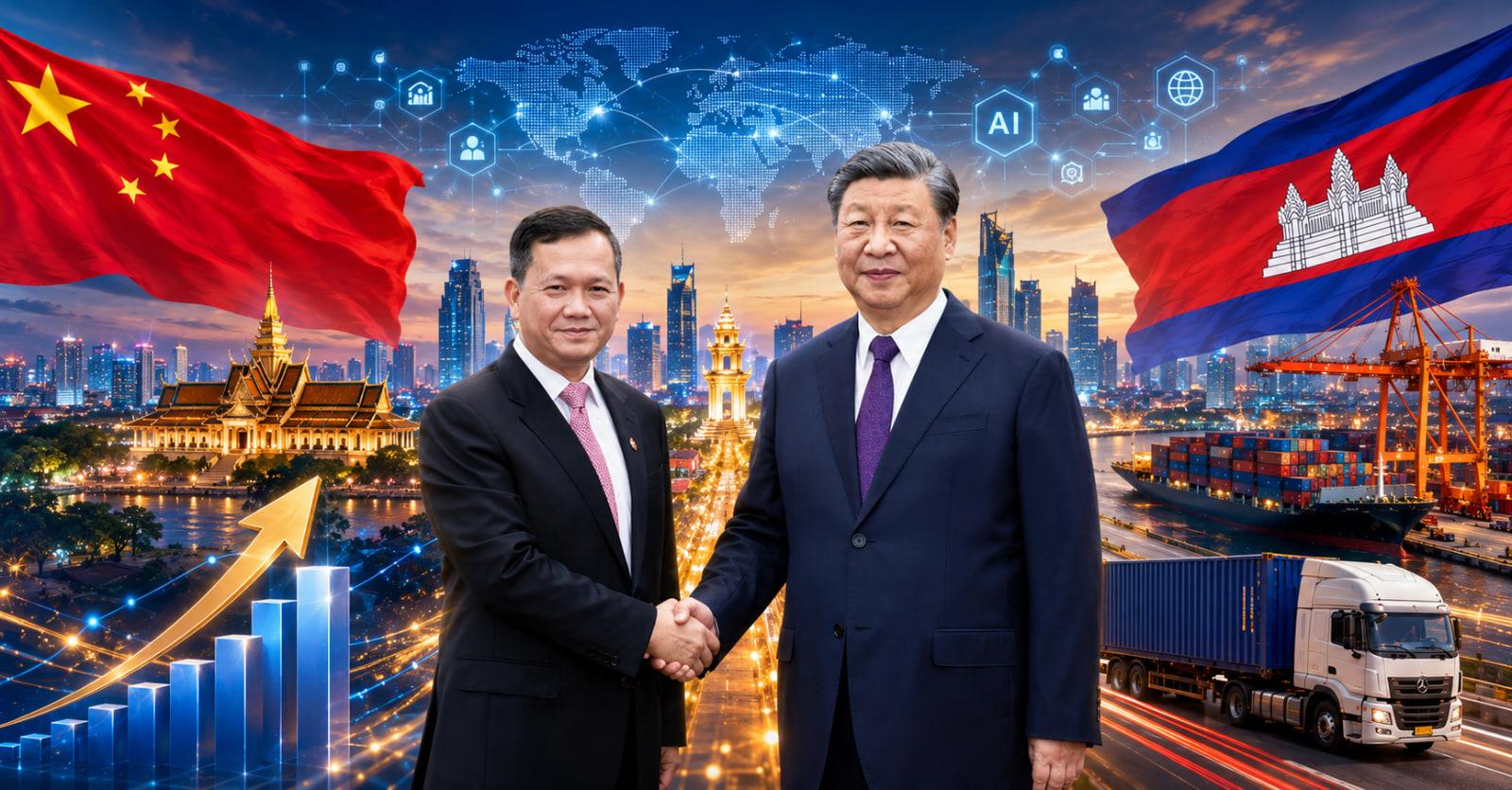
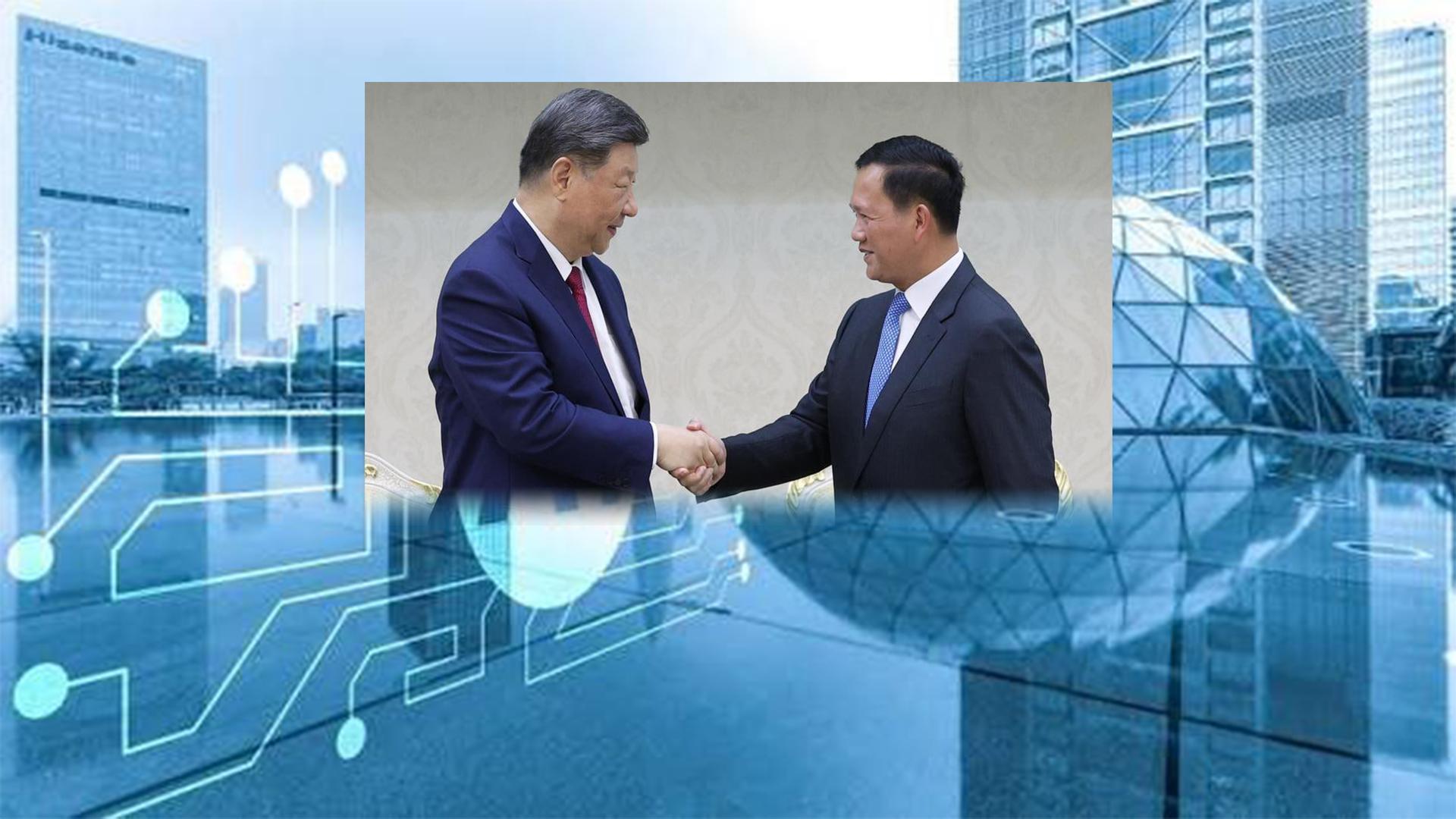
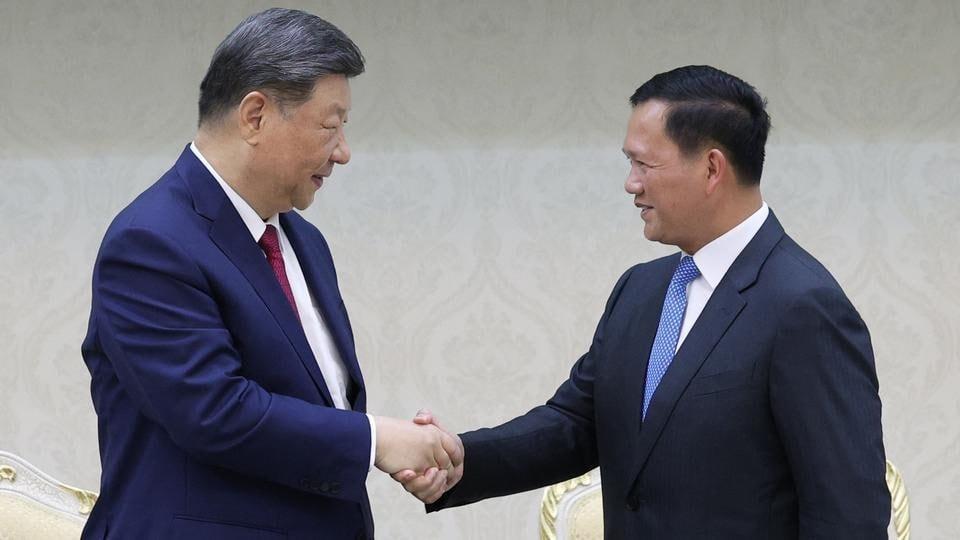
Against this backdrop, Cambodian Prime Minister Samdech Moha Borvor Thipadei Hun Manet's three-day working visit to the People's Republic of China from July 15 to 17, 2026, carries significance far beyond diplomatic protocol. It underscores Cambodia's continued commitment to strengthening ties with one of its most important strategic partners at a time when the global order is increasingly being shaped by the digital economy, artificial intelligence (AI), and intensifying competition among major powers.
This visit represents far more than a routine exchange between two friendly governments. It reflects Cambodia's broader effort to align its foreign policy with its long-term economic and technological ambitions. The agenda spans high-level political dialogue, trade and investment promotion, cooperation in emerging technologies—particularly artificial intelligence—and Cambodia's evolving role in a rapidly changing geopolitical landscape.
Beyond the bilateral relationship, the visit also highlights the importance China places on Cambodia within its regional engagement strategy. More importantly, it presents an opportunity for Cambodia to transform diplomatic goodwill into tangible outcomes through technology transfer, human capital development, innovation, and sustainable economic growth.
Ultimately, the visit signals Cambodia's intention not only to deepen relations with China but also to position itself more actively within the global technological transformation that is redefining economic competitiveness and international influence in the twenty-first century.
High-Level Political Relations
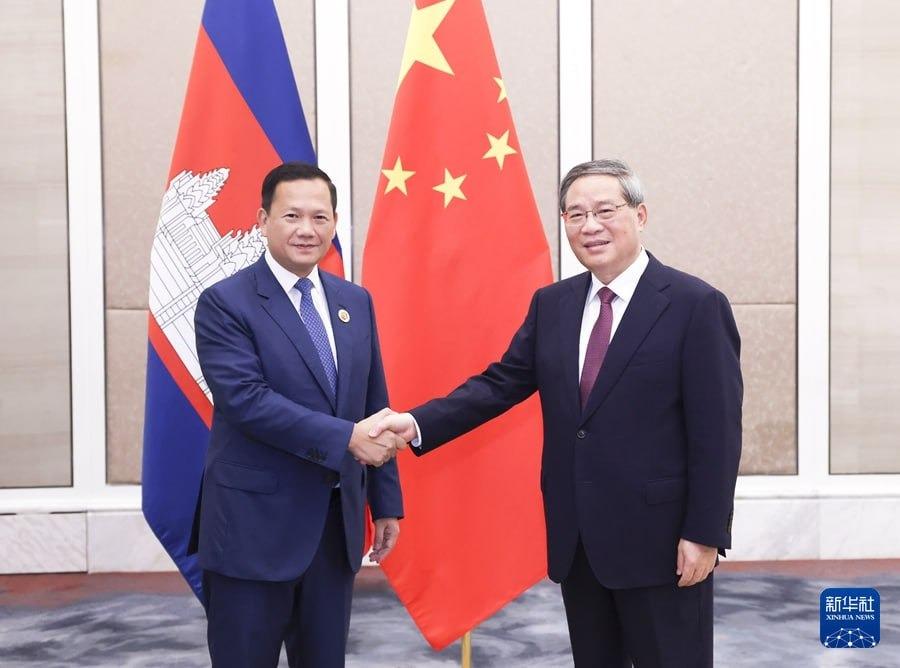
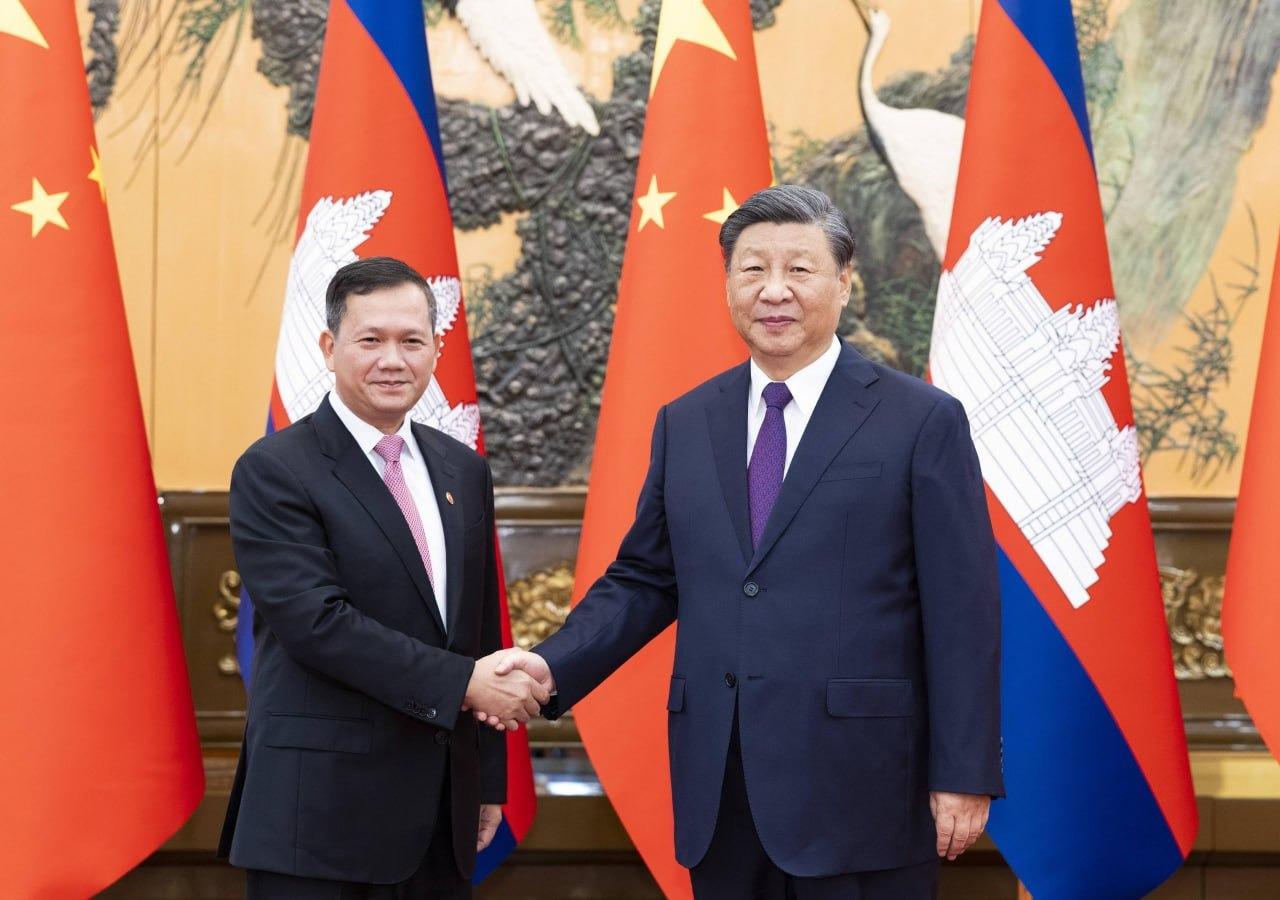
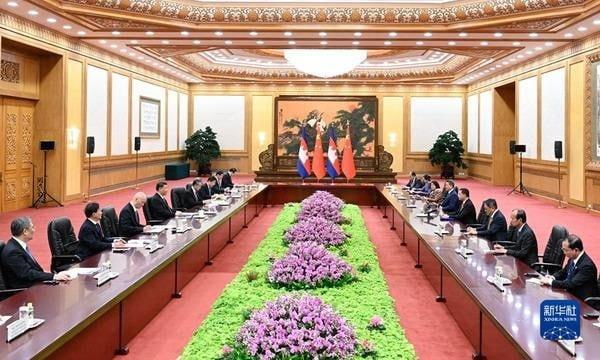
The scheduled meetings between Prime Minister Hun Manet and Chinese President Xi Jinping as well as Premier Li Qiang are far more than ceremonial diplomatic engagements. They reaffirm that Cambodia–China relations remain at the highest political level and continue to receive sustained attention from the leadership of both countries.
For Cambodia, China remains one of its most important strategic partners in economic development, infrastructure, trade, and investment. Regular high-level exchanges therefore serve not only as symbols of political trust but also as practical mechanisms for advancing bilateral agreements and ensuring that previously announced cooperation projects move forward.
At a time when regional and global dynamics are evolving rapidly, direct dialogue between the leaders of the two countries also provides an important platform for maintaining policy coordination and ensuring that bilateral cooperation remains stable, responsive, and forward-looking.
Economy and Investment
If political trust forms the foundation of Cambodia–China relations, economic cooperation and investment represent their most tangible outcomes.
In addition to official meetings with Chinese leaders, Prime Minister Hun Manet is scheduled to meet representatives of major Chinese enterprises. This suggests that the visit is designed not only to strengthen diplomatic ties but also to deepen economic cooperation and attract new investment opportunities.
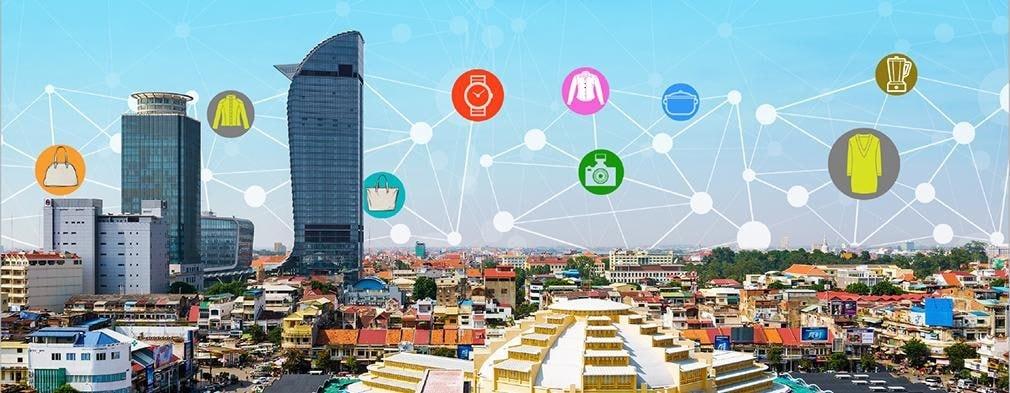
Over the past several years, Cambodia has been pursuing structural economic transformation by encouraging investment in higher value-added sectors such as advanced manufacturing, digital technologies, innovation, and modern industry. Investment in these sectors is expected to enhance productivity, create higher-skilled employment, and improve Cambodia's competitiveness within regional and global value chains.
Meetings with Chinese business leaders also provide an opportunity to present Cambodia as an attractive investment destination with a strategic geographic location that connects ASEAN markets with regional production and supply networks. Should the visit succeed in attracting technology-oriented investments and knowledge transfer, its long-term impact could extend well beyond capital inflows, strengthening Cambodia's economic foundation for future growth.
Artificial Intelligence as Cambodia's Emerging Development Agenda
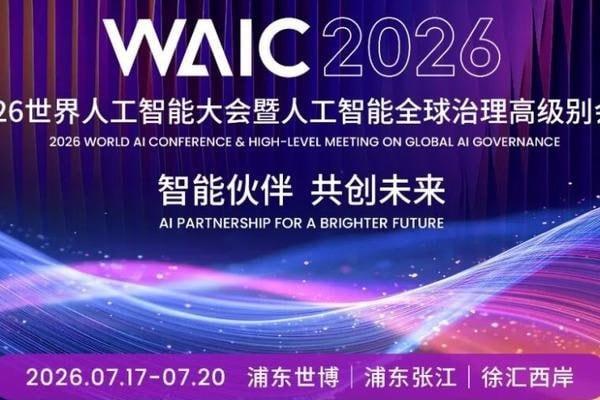
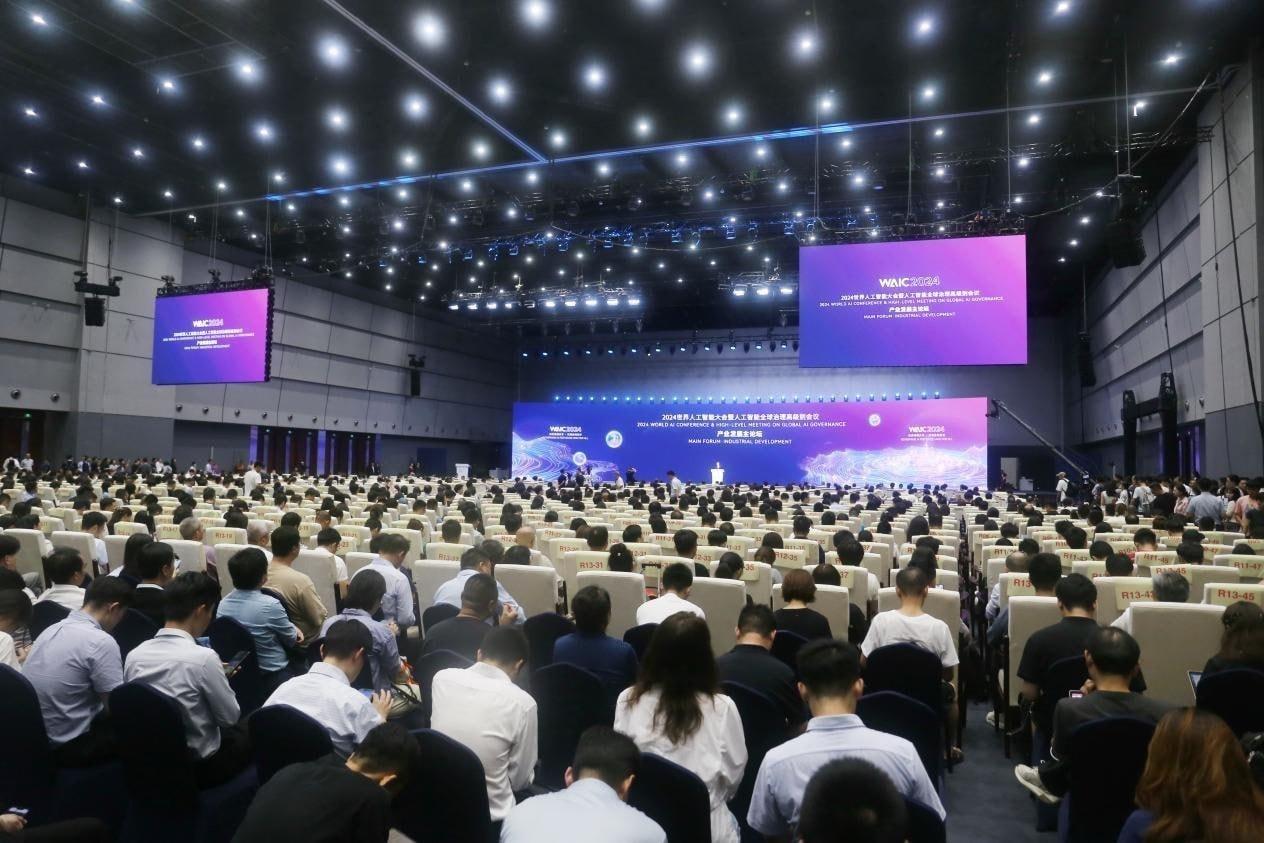
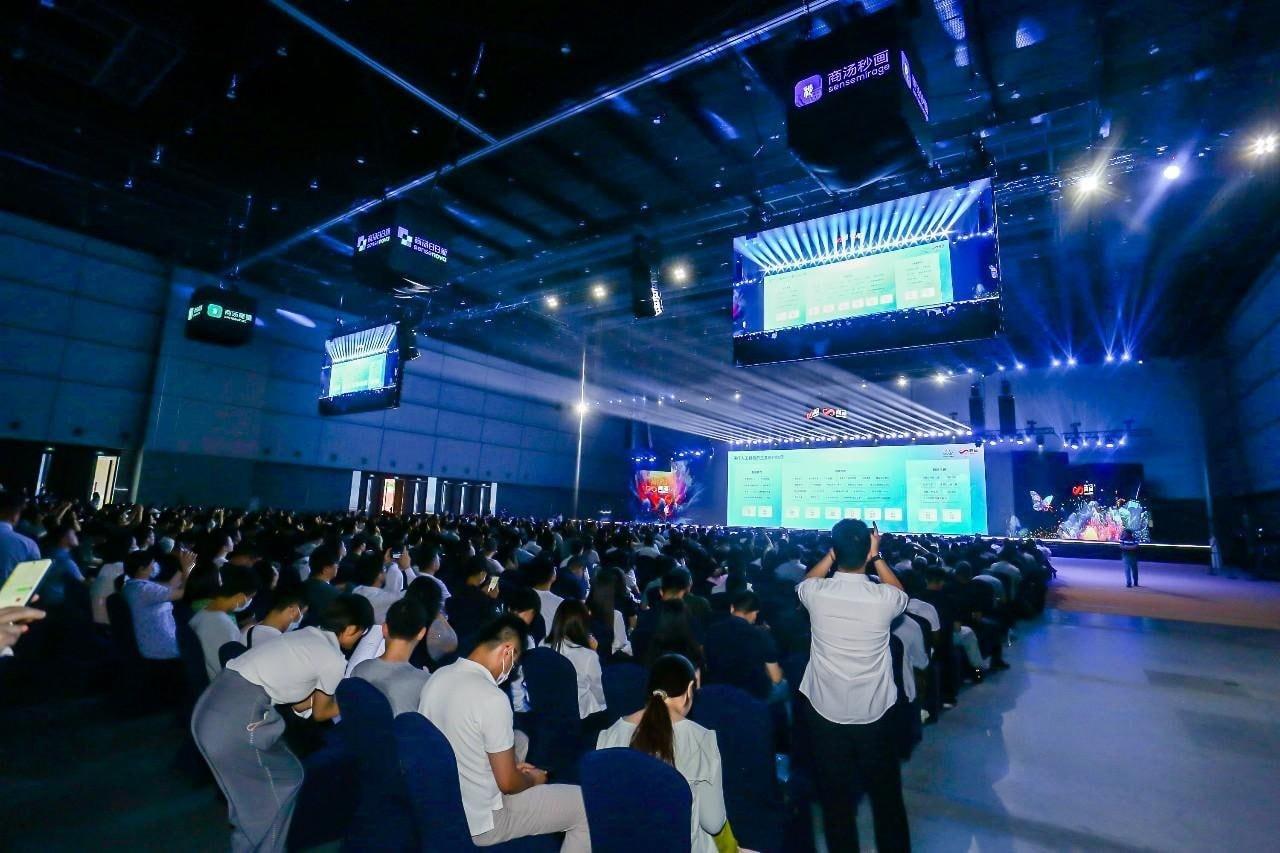
Among the many engagements scheduled during the visit, Prime Minister Hun Manet's participation and keynote address at the 2026 World Artificial Intelligence Conference (WAIC) in Shanghai stands out as perhaps its most strategically significant component.
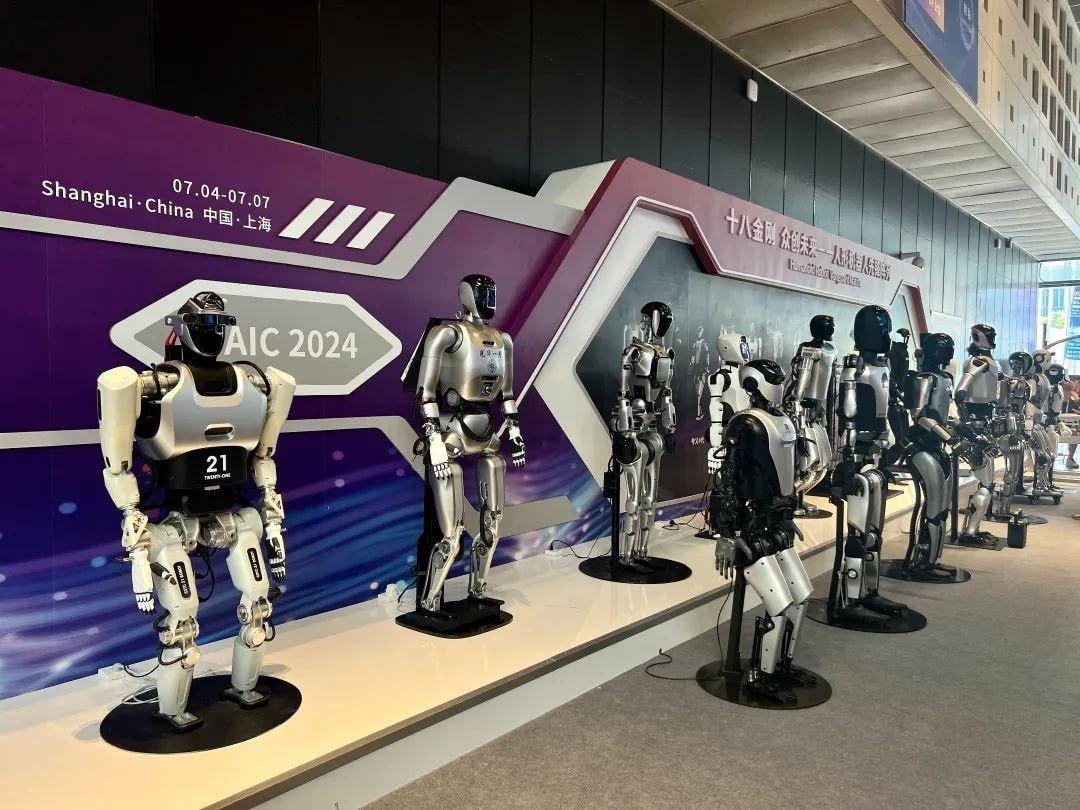
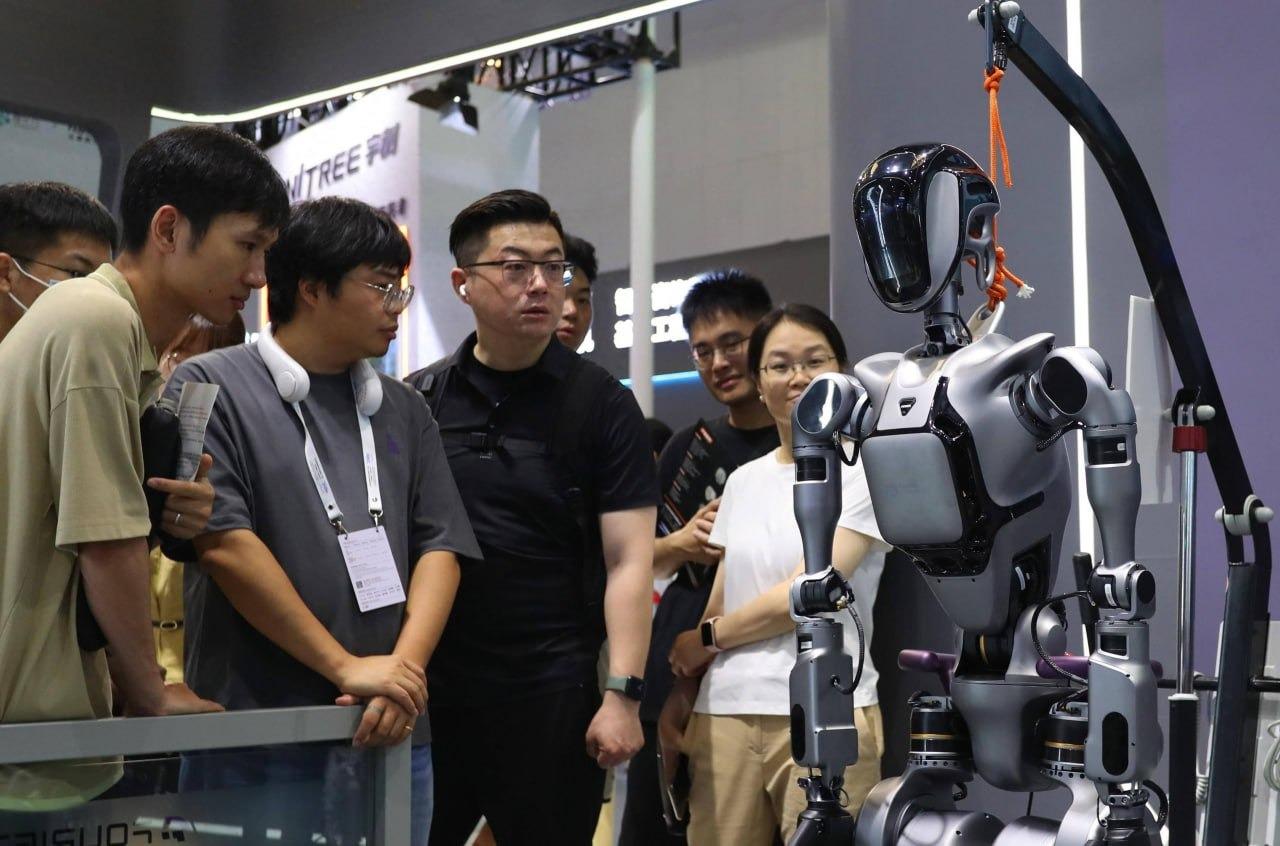
WAIC is far more than a technology exhibition. It is one of the world's leading international platforms where governments, scientists, universities, research institutions, and global technology companies exchange ideas on the future of artificial intelligence, innovation, and international technological cooperation.
Prime Minister Hun Manet's participation demonstrates that Cambodia does not intend to remain a passive observer of the technological revolution reshaping the global economy. Instead, the country seeks to engage more actively in international discussions on AI while exploring opportunities for technology transfer, human capital development, digital transformation, and innovation-driven growth.
For developing countries such as Cambodia, artificial intelligence should not be viewed merely as another emerging technology. It has the potential to improve productivity, modernize public services, strengthen education and healthcare, and enhance the competitiveness of both businesses and the national economy.
In this context, Cambodia's presence at WAIC 2026 signals a broader ambition: to identify its place in an international economy increasingly driven by technological capability and innovation. In the twenty-first century, nations compete not only through capital or labor, but increasingly through knowledge, data, artificial intelligence, and the capacity to innovate.
Why China Is Investing Greater Strategic Attention in Cambodia
Prime Minister Hun Manet's visit also reflects China's growing strategic interest in Cambodia, one of Beijing's closest partners in Southeast Asia. Cambodia occupies a geographically significant position at the heart of mainland Southeast Asia and has become an important participant in regional connectivity initiatives, including the Belt and Road Initiative (BRI).
Beyond geography, Cambodia has consistently maintained constructive political relations with China and has often supported dialogue and cooperation through regional and international forums. This political trust has enabled bilateral relations to expand beyond infrastructure and trade into emerging fields such as digital technology, innovation, industrial development, and artificial intelligence.
Cambodia also offers China opportunities to deepen economic engagement with ASEAN through investment, manufacturing, logistics, and regional supply chains. In this sense, China's decision to give Cambodia a visible role at the 2026 World Artificial Intelligence Conference reflects not only the strength of bilateral relations but also Beijing's broader strategy of expanding technological and economic partnerships across Southeast Asia.
The Geopolitical Dimension
Prime Minister Hun Manet's visit cannot be separated from the broader geopolitical environment in which it takes place. The Indo-Pacific has become one of the world's principal arenas of strategic competition—not only in security affairs, but increasingly in technology, trade, supply chains, digital governance, and economic influence.
Against this backdrop, countries such as Cambodia face the complex task of expanding cooperation with major partners while safeguarding their sovereignty, independence, and national interests. China remains one of Cambodia's most important strategic partners in infrastructure, economic development, trade, and investment. At the same time, Cambodia continues to pursue an independent foreign policy based on peaceful coexistence and mutually beneficial cooperation with all countries.
The visit also illustrates how diplomacy itself is evolving. Whereas traditional diplomacy focused primarily on political and security issues, contemporary diplomacy increasingly encompasses technological innovation, artificial intelligence, clean energy, and digital transformation. Strengthening partnerships today is therefore no longer simply about reinforcing political friendship; it is equally about creating new opportunities for economic development, technological advancement, and long-term national competitiveness.
In this context, the visit to China may be viewed as part of Cambodia's broader effort to expand strategic partnerships, capitalize on global technological transformation, and pursue sustainable development while maintaining an independent and balanced foreign policy.
What Should Cambodia Do Next?
High-level diplomatic visits and participation in international forums are important. Yet their true value cannot be measured simply by the number of meetings held or speeches delivered. Their real success depends on whether Cambodia can transform diplomatic opportunities into concrete national development outcomes.
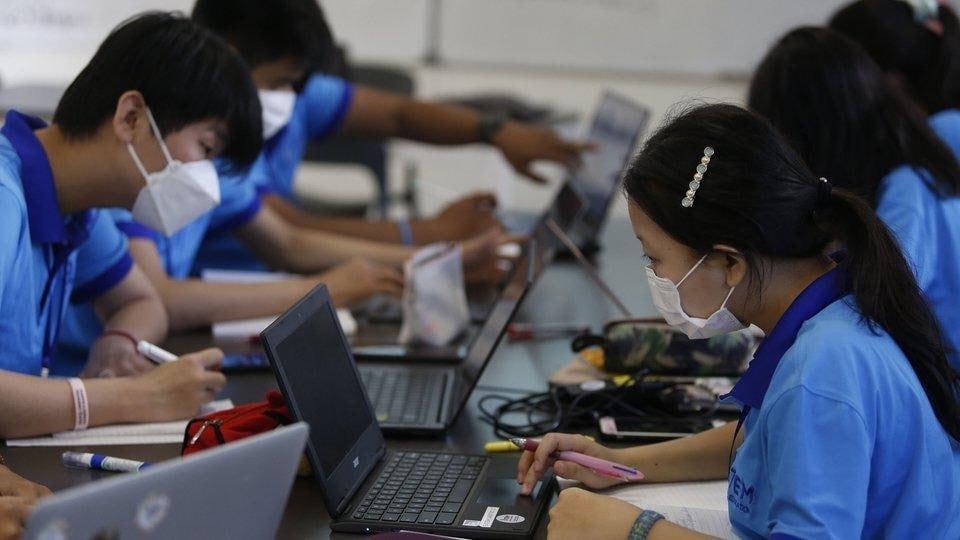
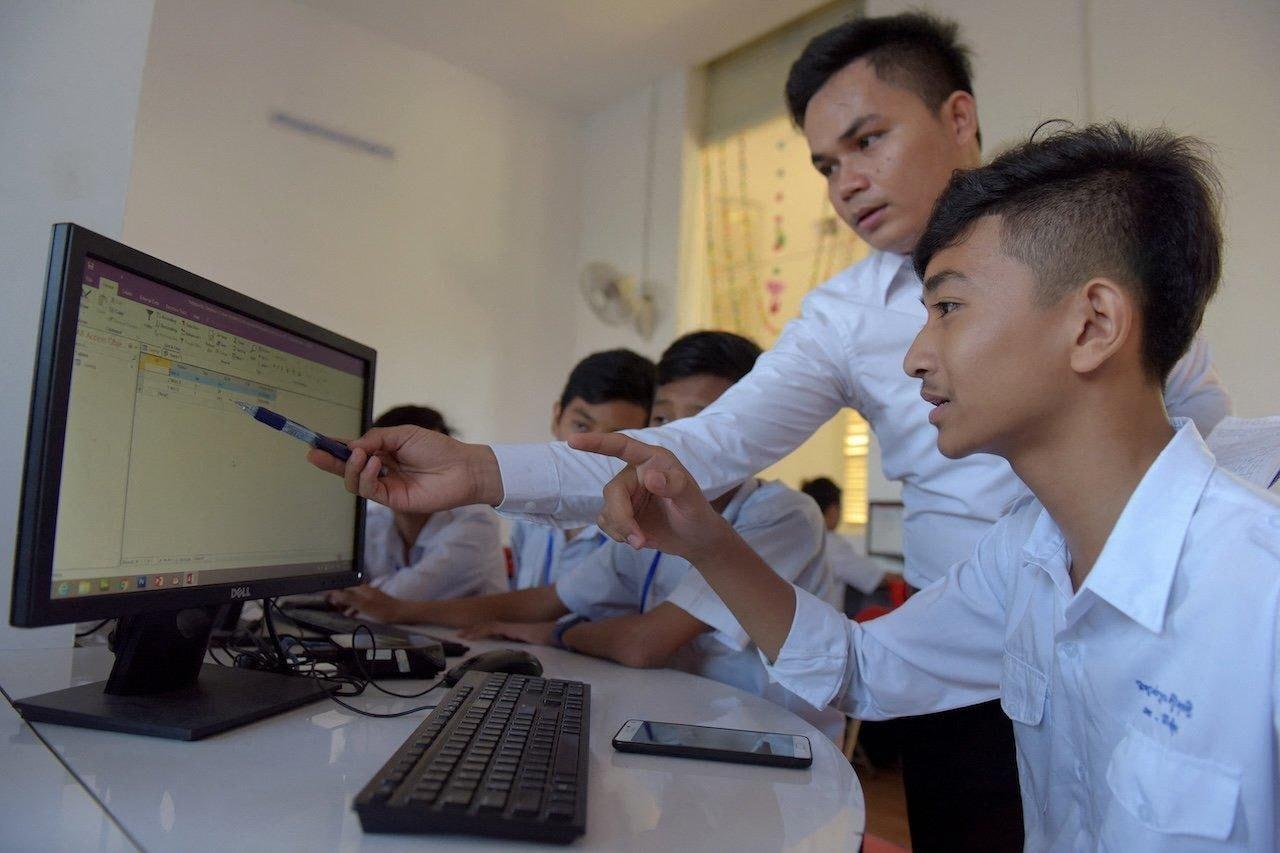
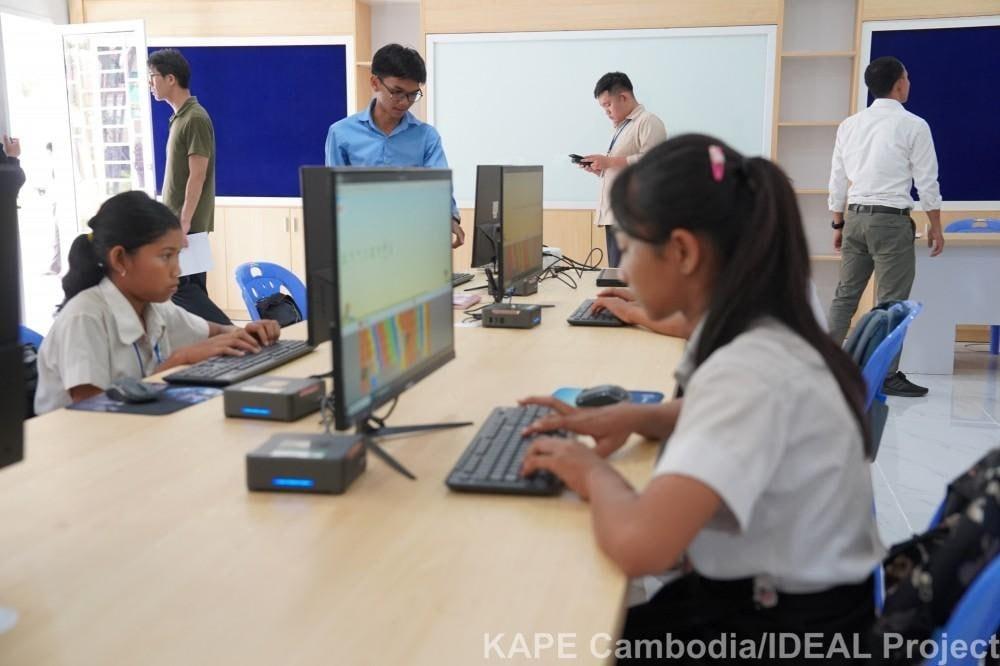
The first priority is investing in human capital. In the age of artificial intelligence, countries compete not because they possess greater natural resources, but because they cultivate highly skilled people equipped with digital expertise, technical knowledge, and innovative thinking. Investment in education, research, and AI-related skills development will therefore become essential to Cambodia's long-term competitiveness.
The second priority is building an ecosystem that supports innovation and technology-driven investment. Attracting global technology firms, research centers, and innovative enterprises requires more than financial incentives. It also depends on digital infrastructure, sound legal and regulatory frameworks, data governance, workforce development, and a transparent, predictable business environment.
The third priority is expanding international partnerships. Participation in global forums such as WAIC should not be viewed as a one-time diplomatic event. Instead, it should become the starting point for deeper cooperation with universities, research institutions, technology companies, and international investors in areas such as technology transfer, joint research, innovation, and digital transformation.
Conclusion
Ultimately, the success of this visit will not be determined by diplomatic ceremonies or the number of official meetings. It will be measured by Cambodia's ability to convert political trust into investment, investment into technological capability, and technological capability into higher productivity, better public services, stronger competitiveness, and improved living standards for its people.
If these objectives can be achieved, Prime Minister Hun Manet's visit to China will be remembered not merely as another diplomatic mission, but as an important milestone in Cambodia's economic transformation and its preparation for the age of artificial intelligence.
More fundamentally, the visit signals Cambodia's determination to position itself closer to the technological frontier that is reshaping the global economy and international relations. In the twenty-first century, national influence will no longer be defined solely by military strength or economic size. It will increasingly depend on knowledge, innovation, technological capability, and the capacity to adapt to a rapidly changing world.
Viewed through this broader lens, the visit is not simply about Cambodia's relationship with China. It is about Cambodia's vision of its own future in an international system where technology, innovation, and human capital are becoming the defining sources of national power and sustainable development.