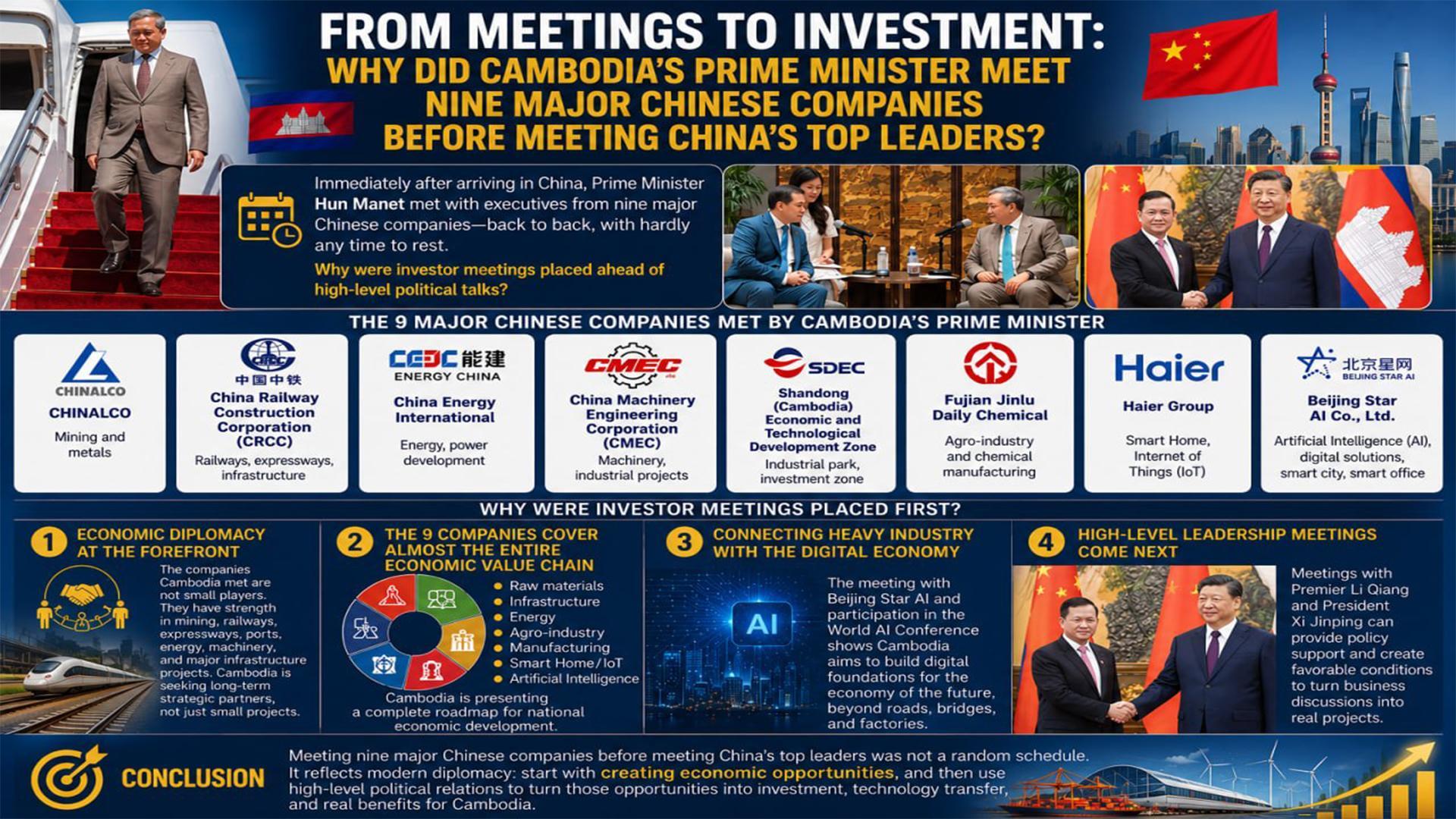

(Phnom Penh): Many people might assume that an official visit by a prime minister to a major global power typically begins with a formal welcoming ceremony, followed by meetings with the host country's top political leaders, and concludes with official banquets and ceremonial events.
However, Prime Minister Hun Manet's official visit to the People's Republic of China appears to have followed a very different sequence.
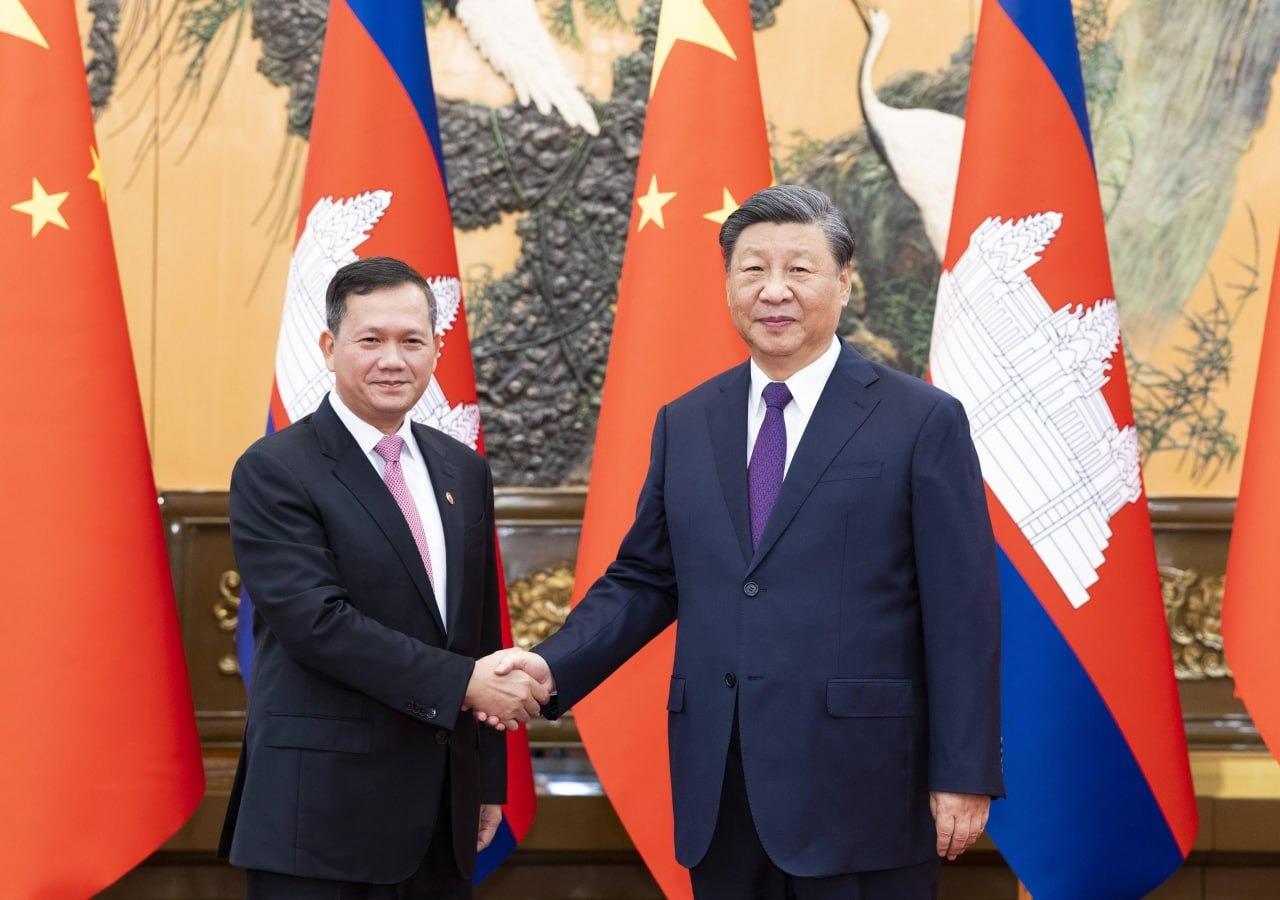
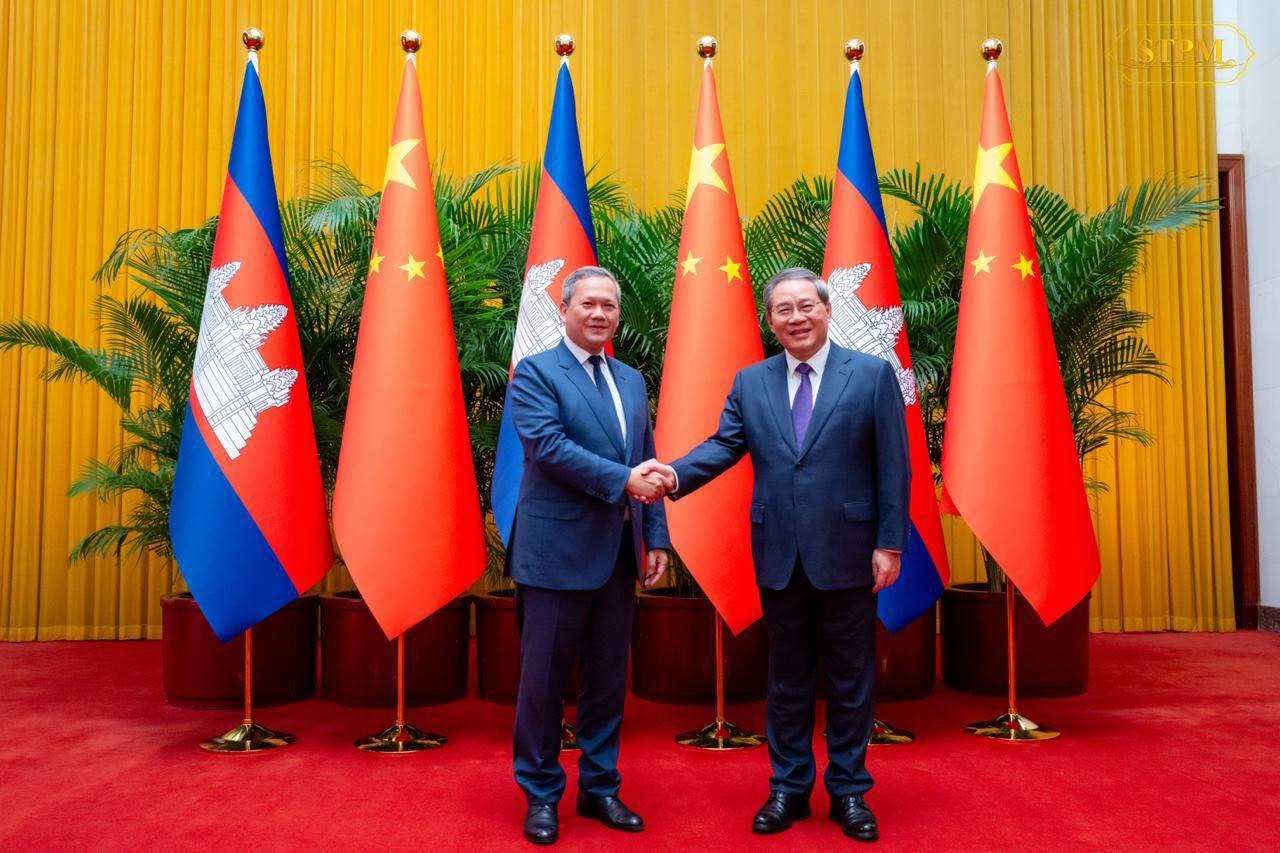
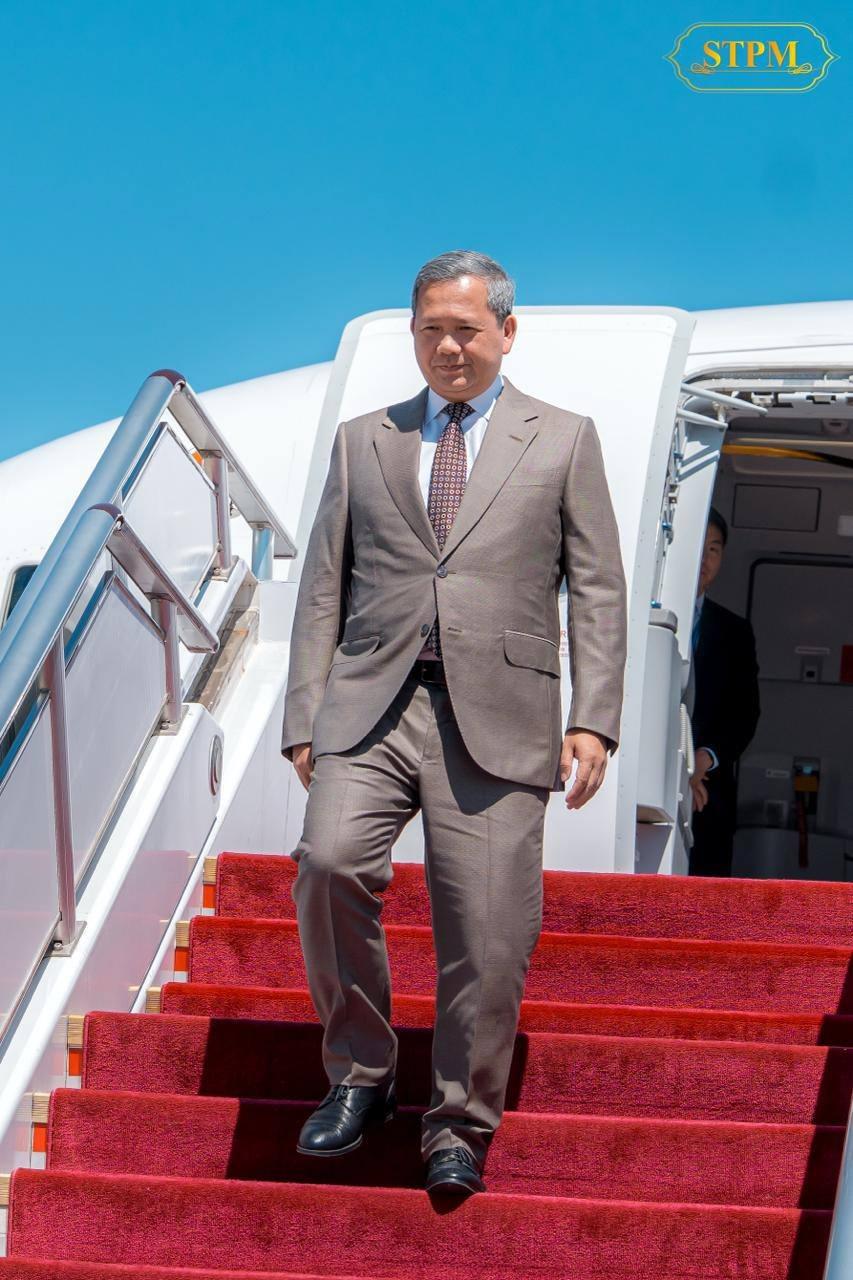
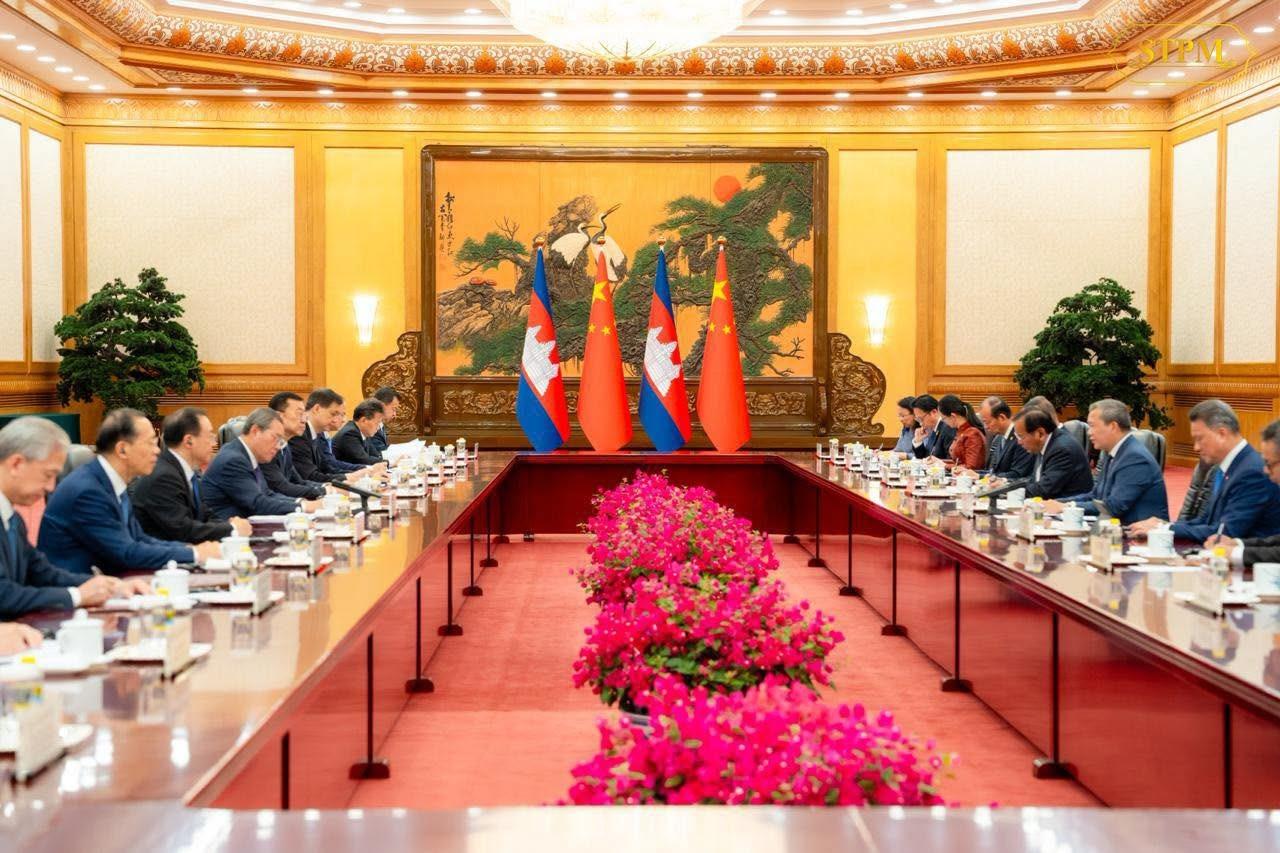
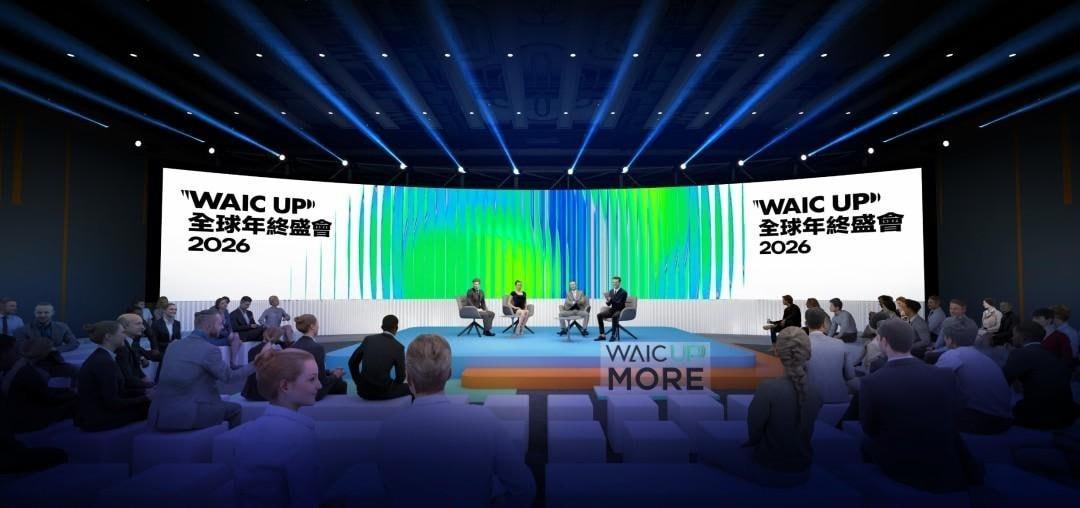
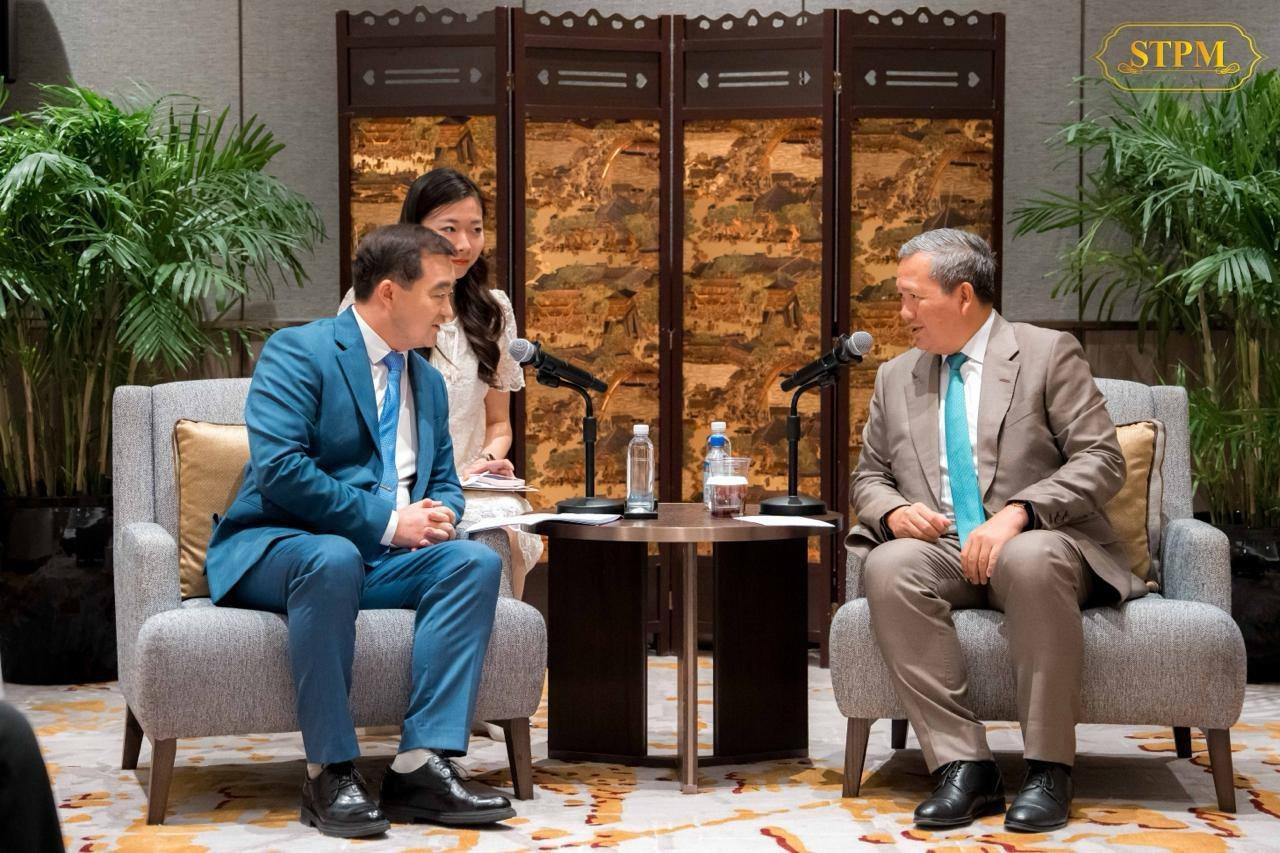
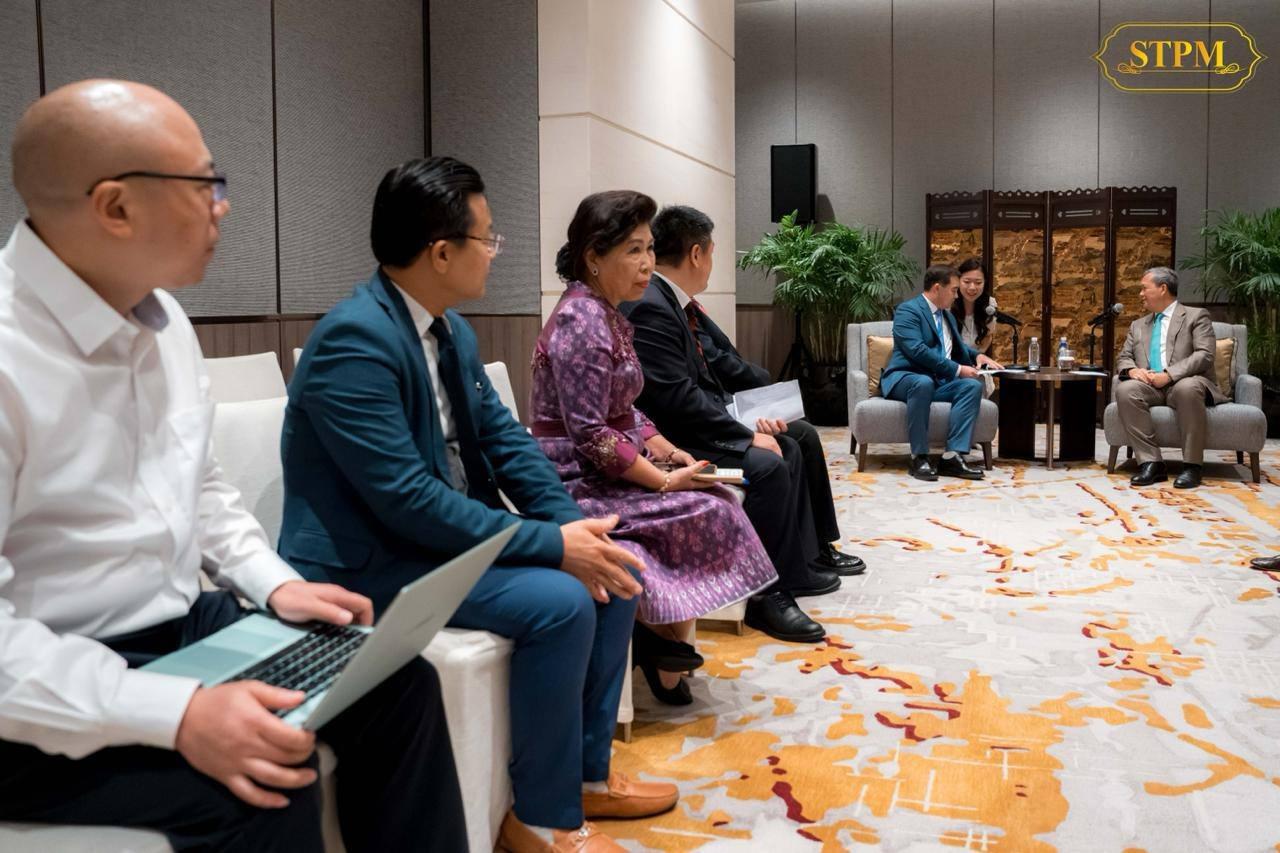
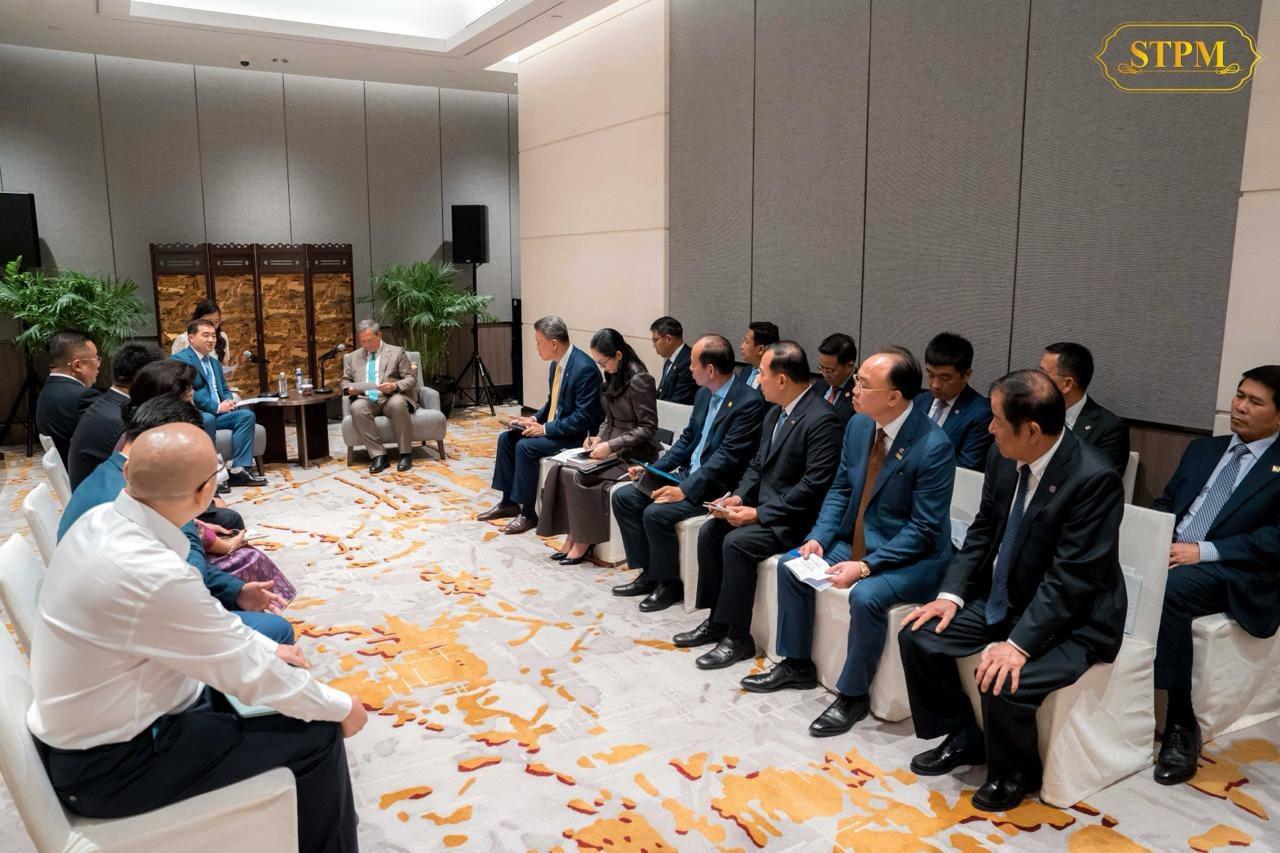
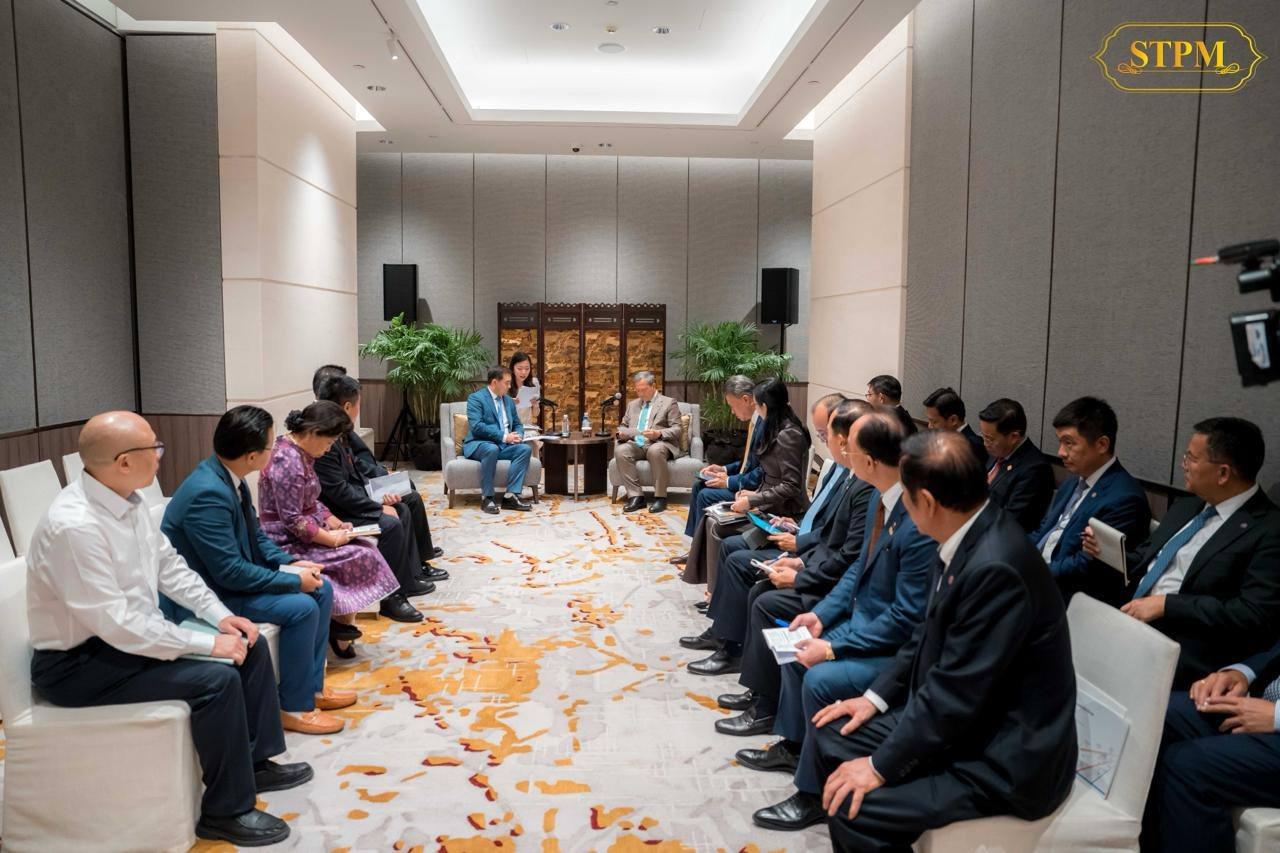
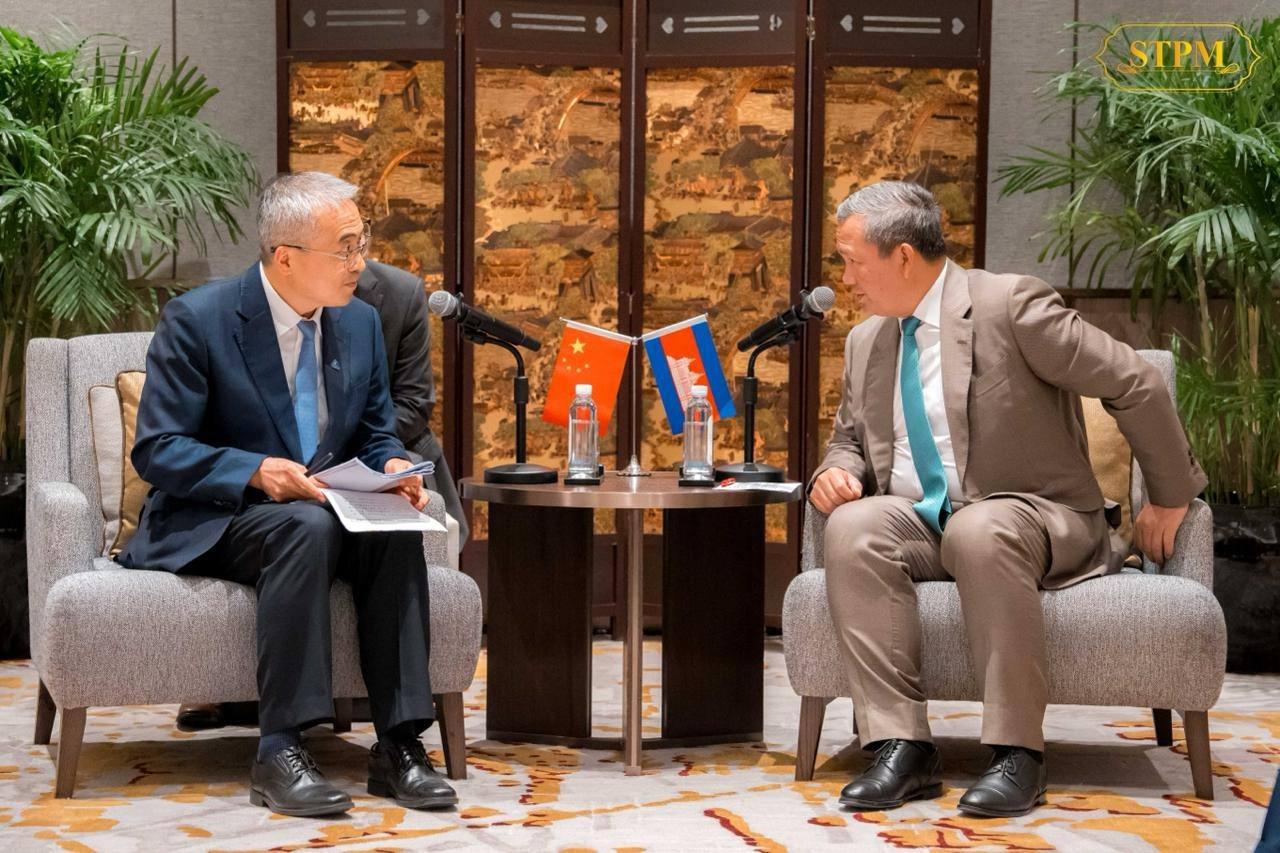
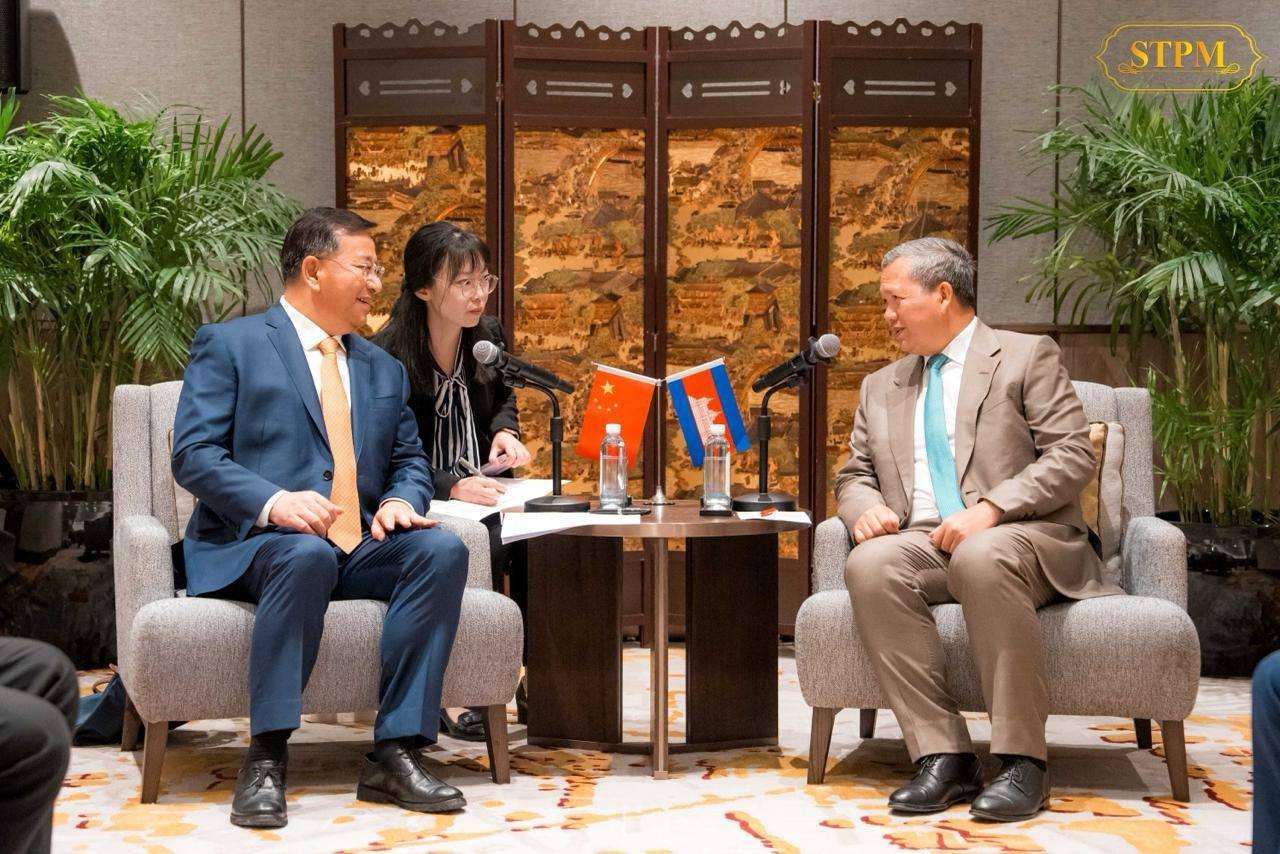
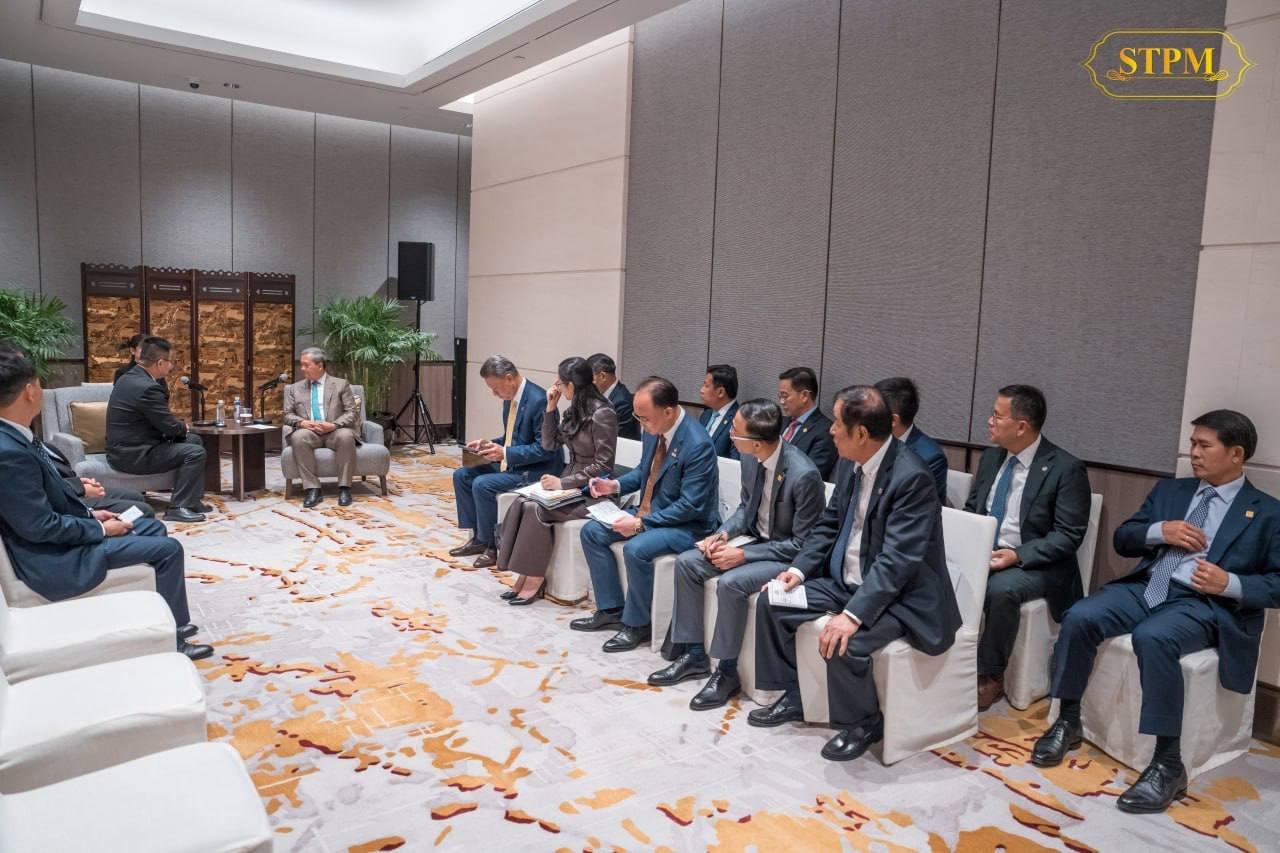
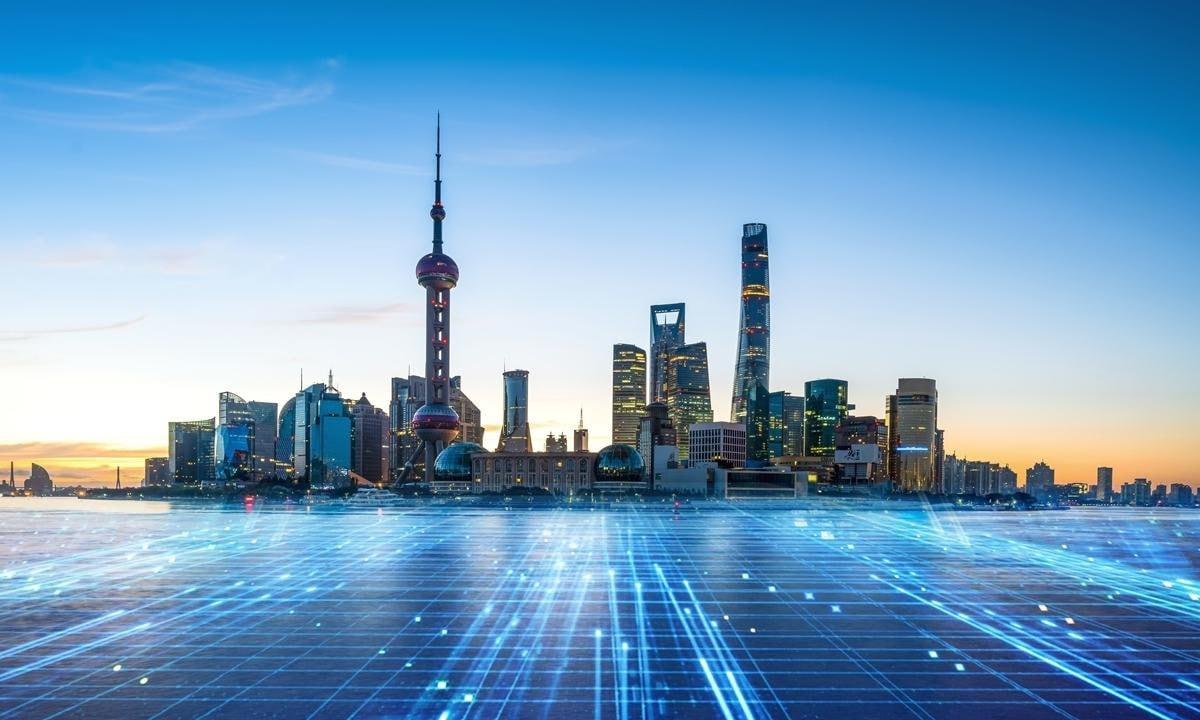
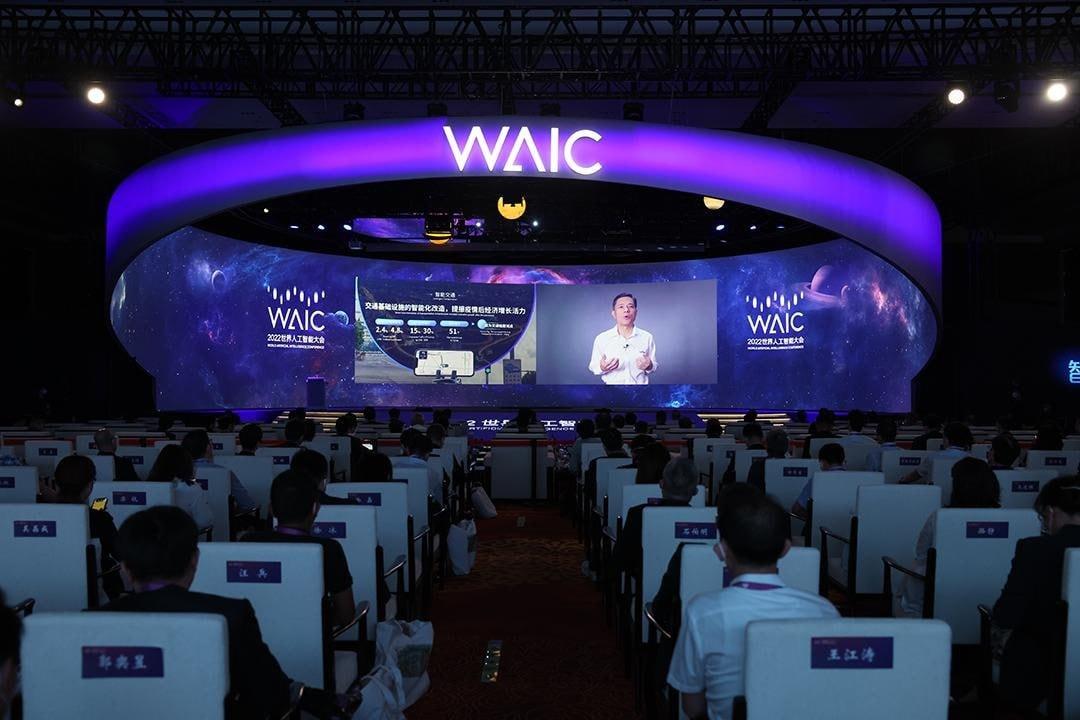
Almost immediately after arriving in China on the afternoon of July 15, Prime Minister Hun Manet began an intensive working schedule, holding back-to-back meetings with executives from nine major Chinese companies. Only the following morning, on July 16, did he proceed to a bilateral meeting with Chinese Premier Li Qiang. According to the official program, the Prime Minister is also scheduled to meet President Xi Jinping and attend the World Artificial Intelligence Conference (WAIC) 2026 in Shanghai.
This unusual order of events raises an important question:
Why were meetings with major investors and business leaders placed ahead of meetings with China's top political leadership?
A closer examination suggests that these nine meetings were far from random or merely ceremonial courtesy calls. Instead, they reflected a carefully designed investment agenda covering nearly every strategic sector expected to drive Cambodia's long-term economic growth.
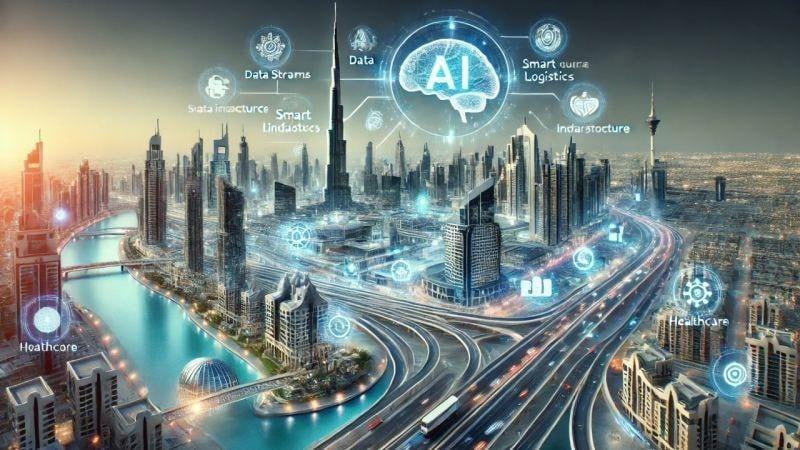
The discussions spanned industries ranging from mining and metals, infrastructure, energy, heavy machinery and manufacturing, agro-industry, and industrial production to smart home technologies, the Internet of Things (IoT), and artificial intelligence (AI). Together, these sectors represent many of the key pillars of a modern, competitive economy.
In other words, this visit was not simply about attracting one or two investment projects. It projected Cambodia's broader vision of building an integrated economic ecosystem—one that extends from natural resources and industrial infrastructure to digital transformation and advanced technologies. Viewed from this perspective, the decision to place meetings with major Chinese corporations at the very beginning of the official visit was not incidental; it reflected a deliberate strategy to position economic cooperation at the forefront of Cambodia's engagement with China.
Economic Diplomacy Takes Center Stage
Traditionally, official visits by heads of government have focused primarily on strengthening political ties and expanding state-to-state cooperation. Prime Minister Hun Manet's visit to China, however, revealed a different order of priorities. Before engaging with China's top political leadership, Cambodia chose to begin by deepening engagement with major corporations and investors.
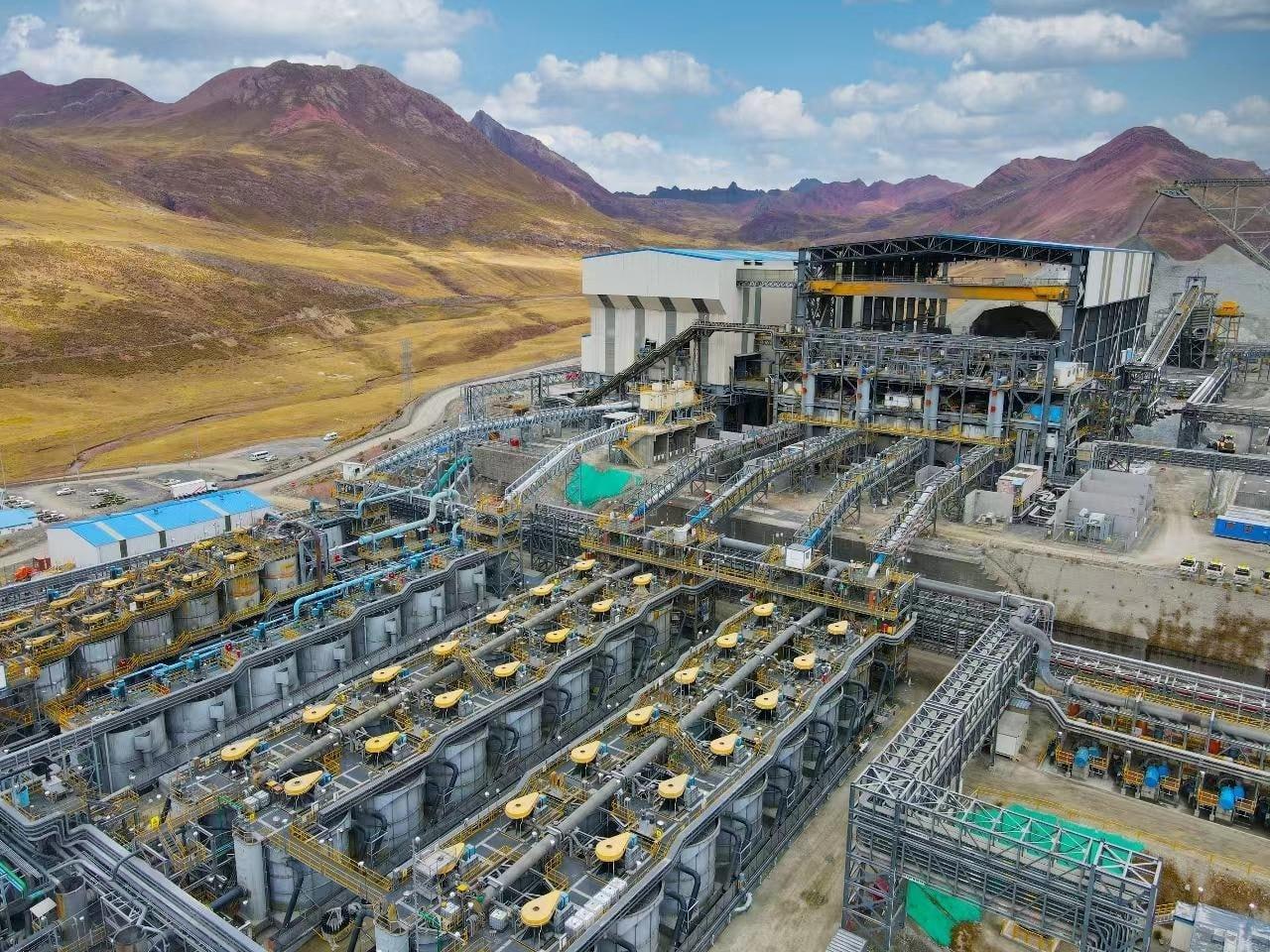
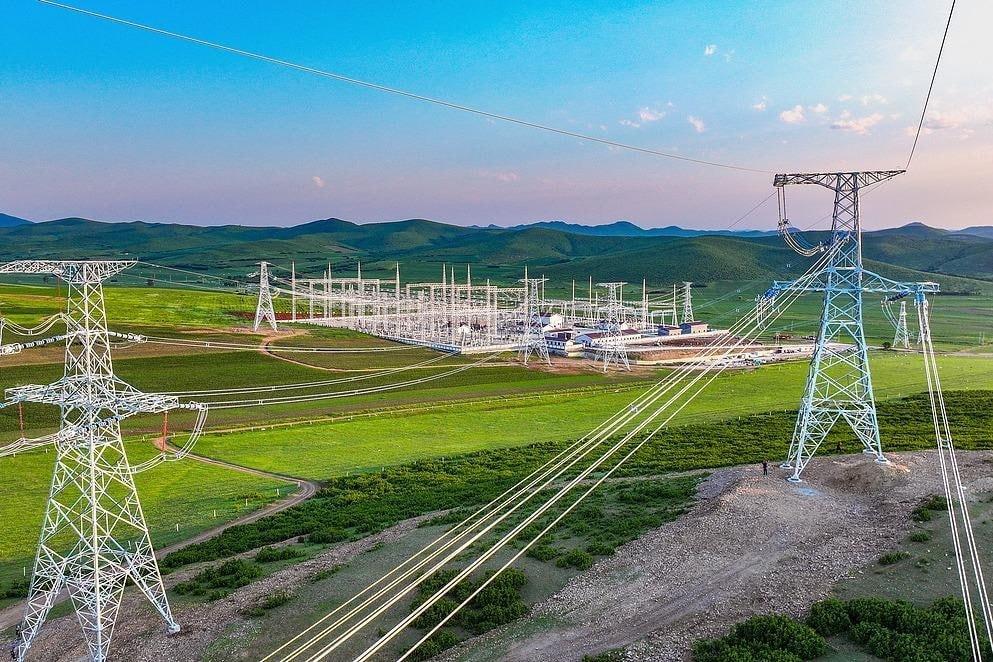
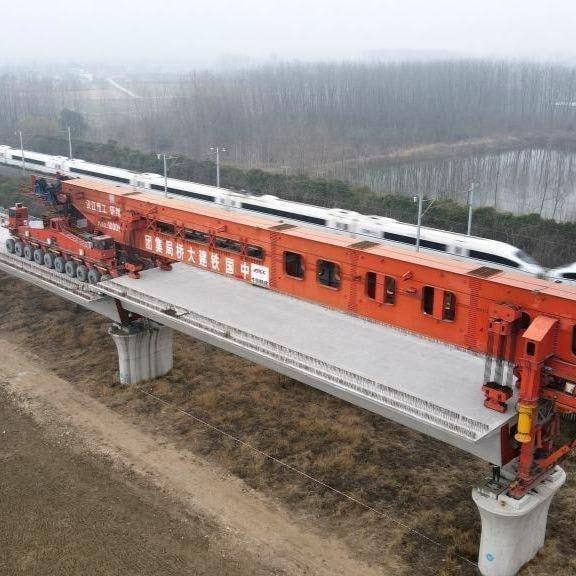
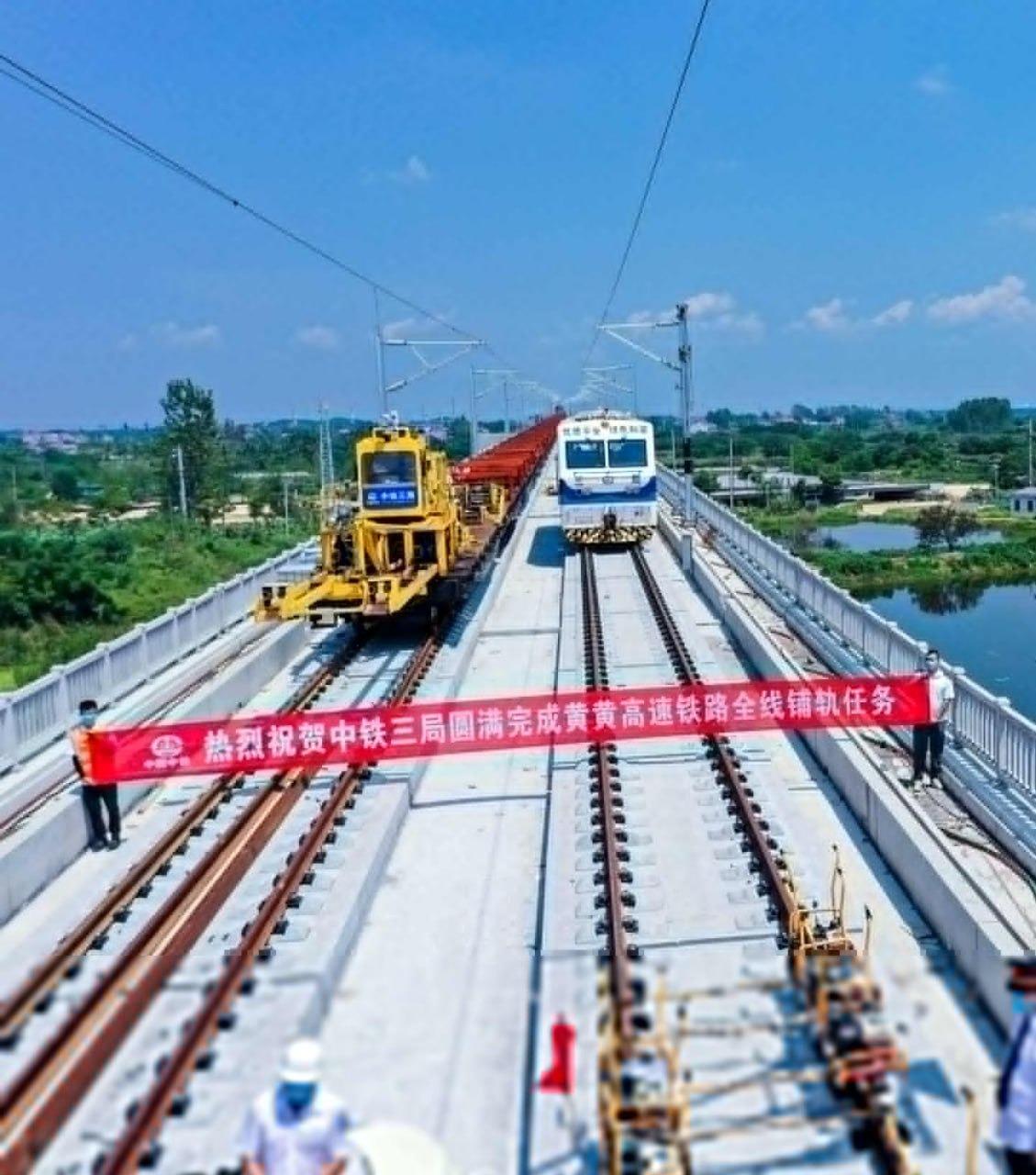
Meetings with executives from CHINALCO, China Railway Construction Corporation (CRCC), China Energy International, and China Machinery Engineering Corporation (CMEC) demonstrate that Cambodia is not simply seeking small-scale or short-term investment projects. Rather, it is looking for strategic partners with substantial capital, advanced technology, and extensive experience capable of supporting long-term national development in infrastructure, energy, manufacturing, and other priority sectors.
This sequence also reflects an evolving understanding of modern diplomacy. Success is no longer measured solely by the number of meetings held between political leaders. Increasingly, it is judged by a government's ability to transform diplomatic relationships into tangible economic opportunities, technology transfers, and sustainable development for its people.
The Nine Companies Represent an Entire Economic Value Chain
Examining the business profiles of the nine Chinese companies reveals that they do not represent isolated industries. Instead, together they form an almost complete economic value chain—from the supply of raw materials to advanced digital technologies.
At the upstream end, CHINALCO represents the mining and metals sector, providing the raw materials essential for industrial development. China Railway Construction Corporation (CRCC), China Energy International, and China Machinery Engineering Corporation (CMEC) bring expertise in railways, expressways, ports, energy systems, heavy machinery, and large-scale infrastructure—the very foundations upon which modern economies are built.
Further along the value chain, Shandong (Cambodia) Economic and Technological Development Zone and Fujian Jinlu Daily Chemical expand the partnership into agro-industry and manufacturing, while Haier Group introduces smart home technologies and the Internet of Things (IoT). Finally, Beijing Star AI represents the next stage of economic transformation through artificial intelligence, digital transformation, and smart technologies for both public administration and private enterprise.
Taken together, these meetings were not aimed at securing a handful of unrelated investment projects. Instead, they reflected Cambodia's broader effort to build an integrated economic ecosystem—from natural resources, infrastructure, and industrial production to digital transformation and AI-driven innovation. This approach suggests that Cambodia is seeking not only investment capital but also technologies and expertise capable of strengthening the country's long-term competitiveness.
From Heavy Industry to the Digital Economy
Among the nine meetings, one stands out in particular: the discussion with Beijing Star AI Co., Ltd., one of China's leading artificial intelligence companies.
The significance of this meeting extends beyond technology itself. It suggests that Cambodia's development vision is no longer focused exclusively on physical infrastructure such as roads, bridges, factories, and power generation. Equally important is the recognition that digital technologies will play a central role in driving future economic growth and modernizing public administration.
Beijing Star AI develops AI-powered chatbots, intelligent digital assistants, image and data recognition technologies, and solutions for Smart Cities, Smart Offices, and digital transformation. Such technologies have the potential to improve public service delivery, enhance urban management, strengthen data-driven policymaking, and increase productivity across both government and private sectors.
The timing of this meeting is equally significant. It took place immediately before Prime Minister Hun Manet's participation in the World Artificial Intelligence Conference (WAIC) 2026, one of the world's premier AI forums. This sequence suggests that Cambodia is not merely seeking to become a consumer of advanced technologies. Rather, it aims to build partnerships that facilitate technology transfer, investment, innovation, and capacity building in artificial intelligence and the broader digital economy.
In other words, if the meetings with infrastructure, energy, and engineering companies represent efforts to strengthen Cambodia's physical foundations for development, the engagement with Beijing Star AI and participation in WAIC 2026 signal an equally important ambition: building the country's digital foundations for the future economy. Together, they illustrate Cambodia's strategy of combining traditional industrial development with next-generation technologies to enhance national competitiveness in the twenty-first century.
Why Did Meetings with China's Top Leaders Come After Meetings with Investors?
In modern diplomacy, meetings between political leaders and meetings with investors are no longer separate tracks. Rather, they complement one another, transforming diplomatic engagement into concrete economic cooperation.
Beginning an official visit with discussions involving major corporations allows both sides to identify priority projects, assess investment opportunities, understand each other's expectations, and establish a framework for cooperation before elevating those discussions to the government-to-government level. Under such an approach, high-level political meetings become more than symbolic diplomatic exchanges; they serve as platforms to facilitate and accelerate projects that have already been identified and discussed by the business community.
In this context, Prime Minister Hun Manet's bilateral meeting with Chinese Premier Li Qiang, followed by his scheduled meeting with President Xi Jinping, can be viewed as the next phase of the process. These meetings provide political support and strategic coordination that can help translate business discussions into practical cooperation and long-term investment projects.
In other words, the sequence of the visit demonstrates that economic diplomacy and political diplomacy are not competing priorities—they are mutually reinforcing. One creates economic opportunities, while the other provides the political confidence and institutional framework necessary to transform those opportunities into tangible results.
Conclusion
Viewed simply by the number of meetings, the Prime Minister's first day in China may appear to have been nothing more than an exceptionally busy schedule. From a strategic perspective, however, it reveals a much broader picture.
The opening day of Prime Minister Hun Manet's official visit demonstrates that Cambodia is using economic diplomacy as the starting point for connecting political diplomacy with technology diplomacy. From mining, energy, infrastructure, agro-industry, and manufacturing to artificial intelligence and the digital economy, the range of meetings reflects Cambodia's determination not only to attract investment capital but also to acquire technology, knowledge, and strategic partnerships capable of supporting the country's long-term economic transformation.
Within this context, placing meetings with nine major Chinese companies ahead of bilateral discussions with Premier Li Qiang and President Xi Jinping was clearly not a matter of scheduling convenience or diplomatic protocol. Rather, it reflected a deliberate strategy: using diplomacy to create economic opportunities while leveraging high-level political relations to help transform those opportunities into concrete investment, technology transfer, and sustainable development.
Ultimately, this visit illustrates an important evolution in Cambodia's foreign policy. The success of modern diplomacy is measured not merely by the number of official meetings or ceremonial events, but by a country's ability to convert international relationships into lasting national benefits. Judged from that perspective, the opening chapter of Prime Minister Hun Manet's visit to China suggests that Cambodia is seeking to position diplomacy not simply as an instrument of foreign relations, but as a strategic driver of economic modernization and long-term national development.