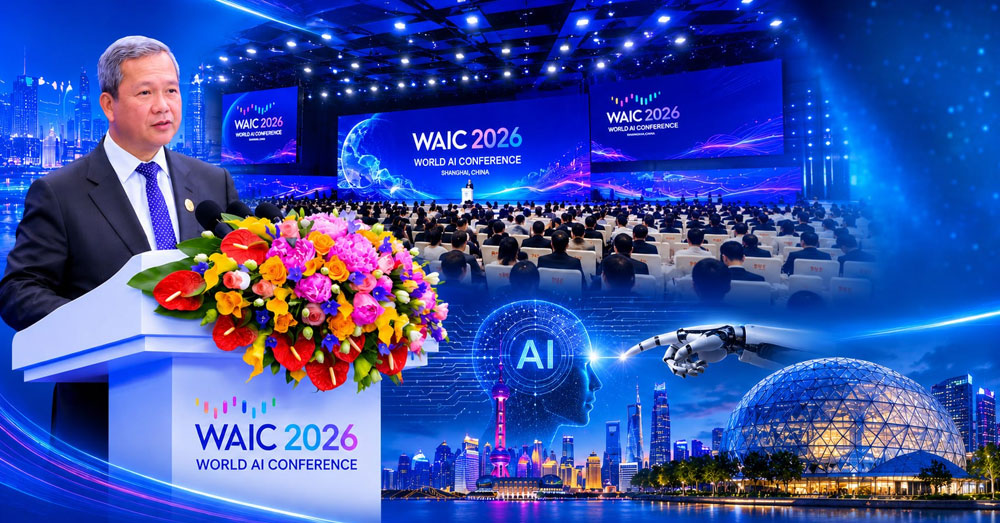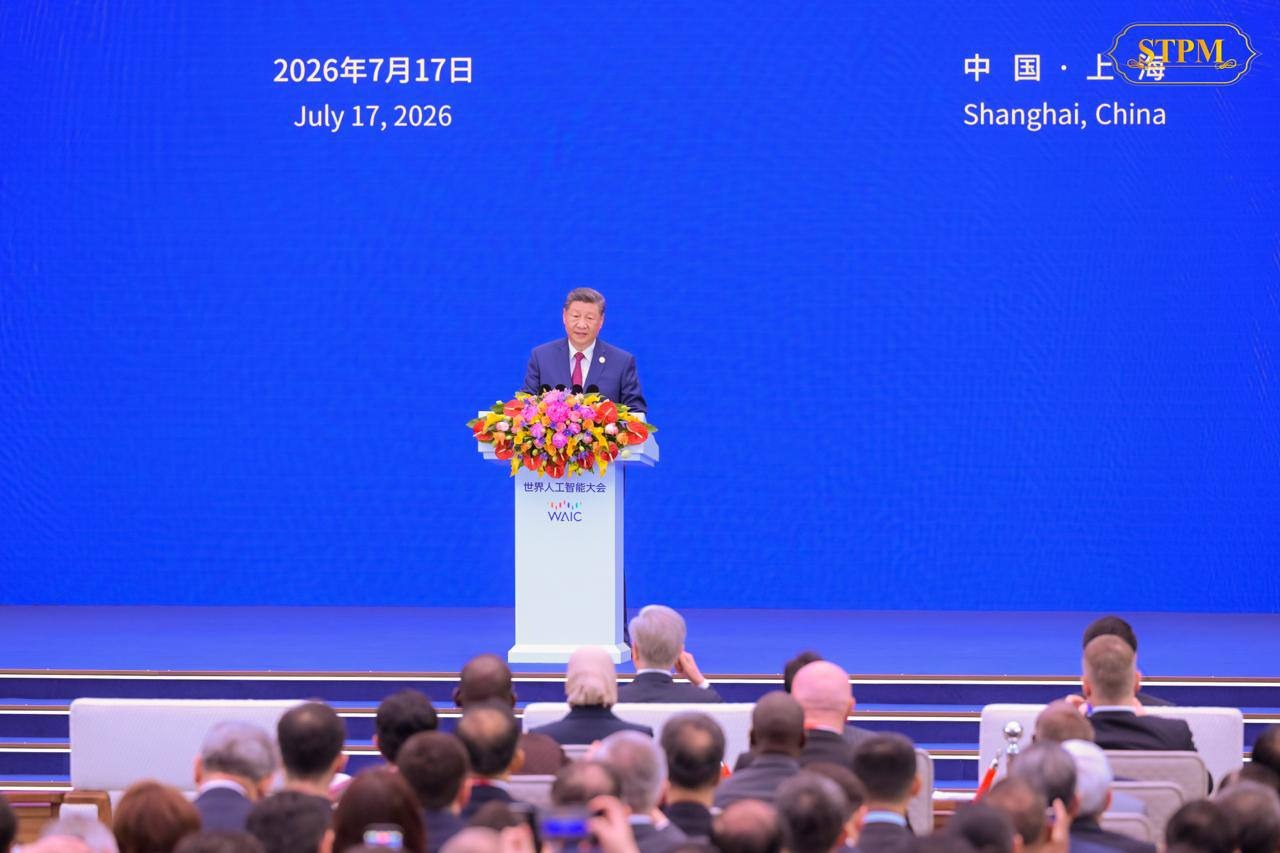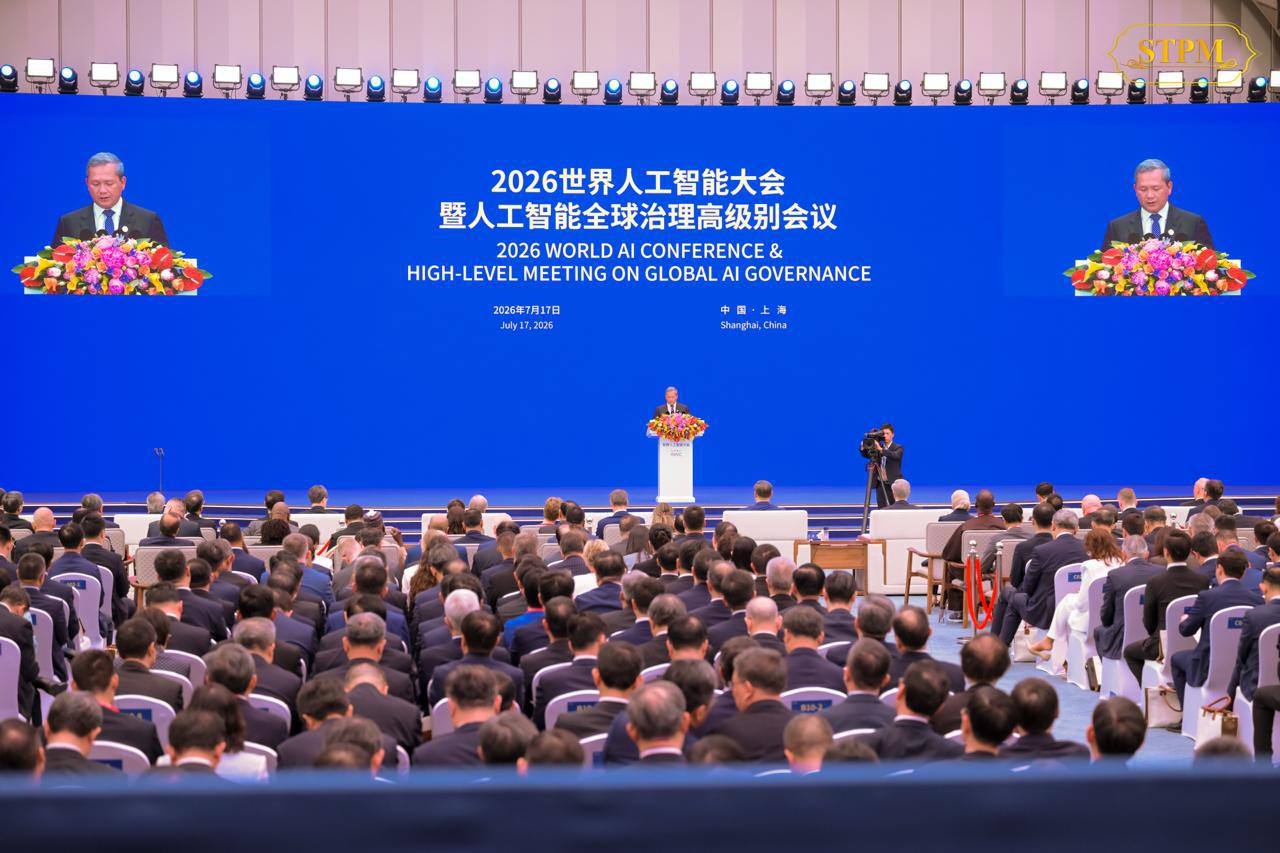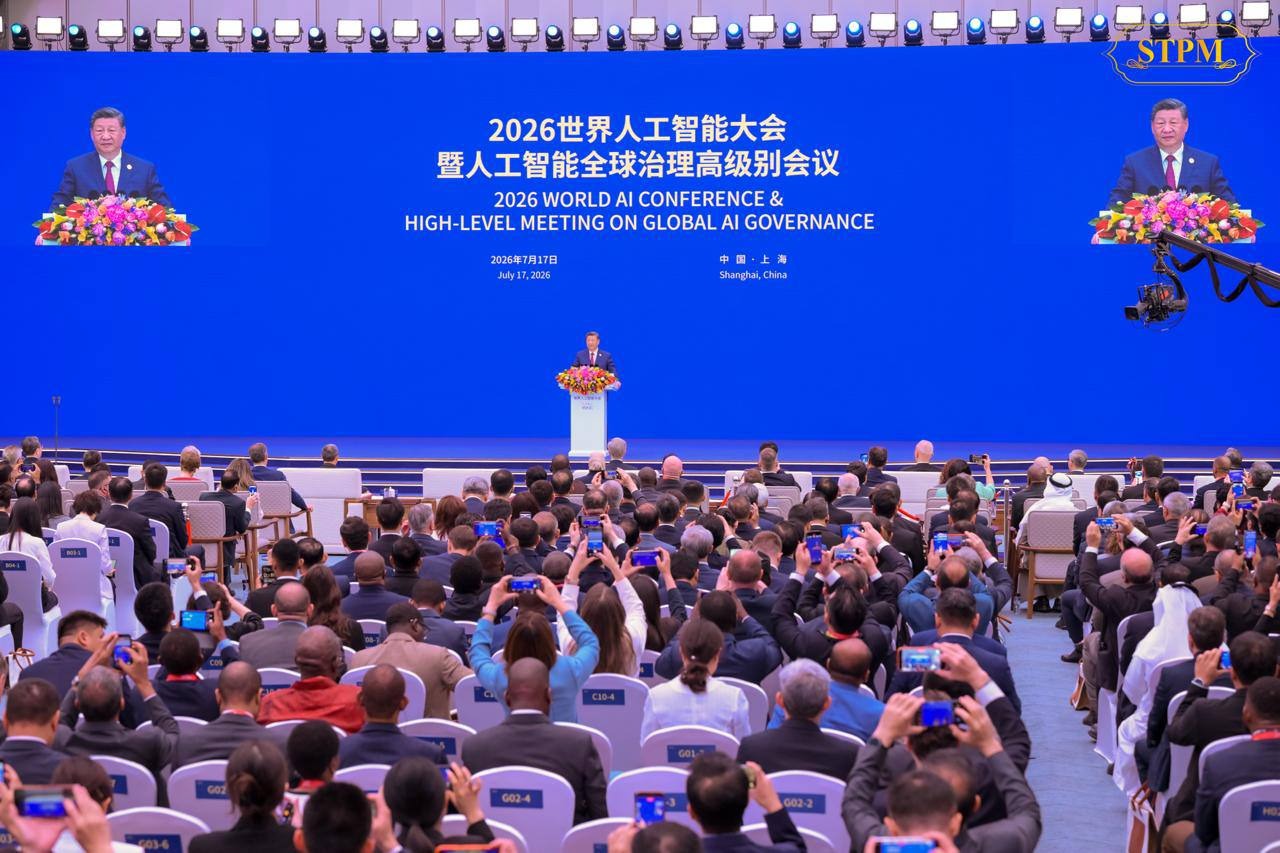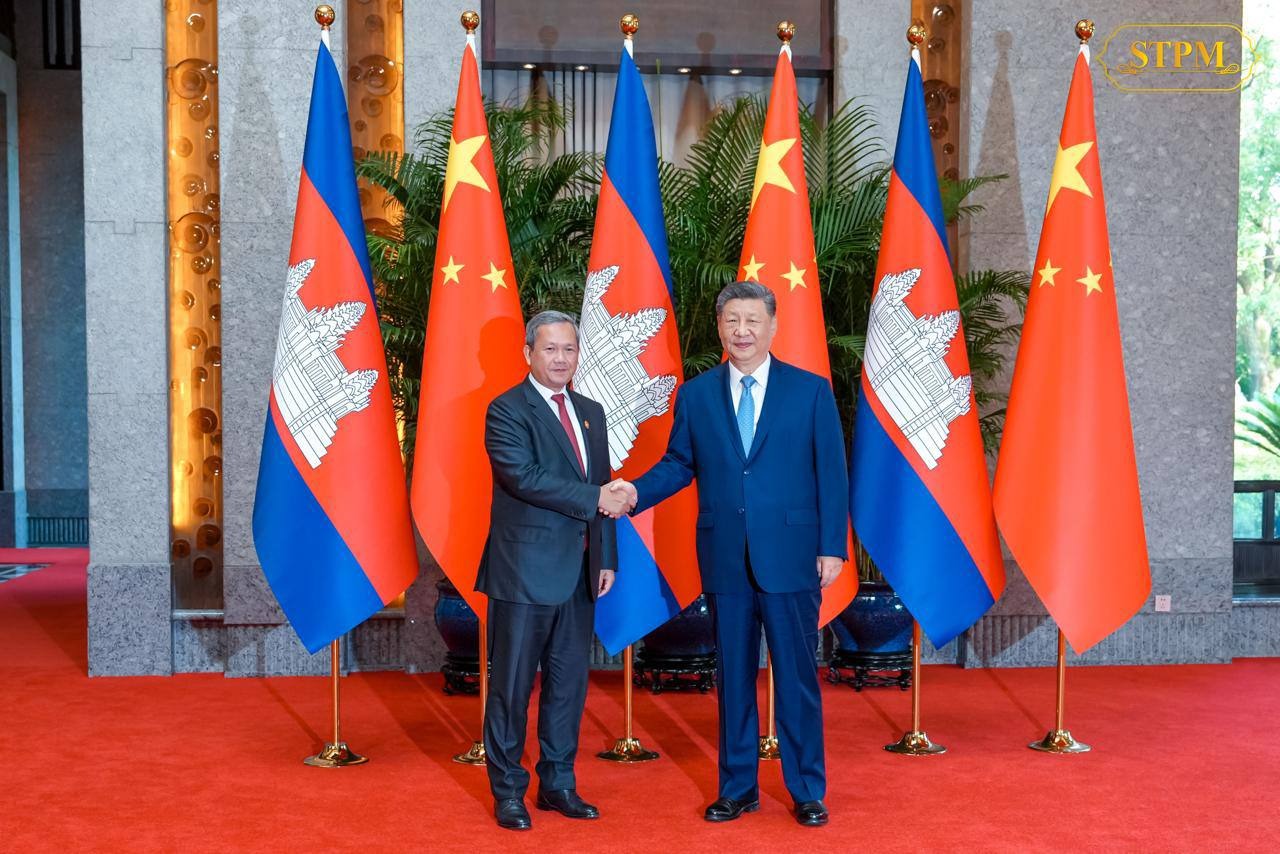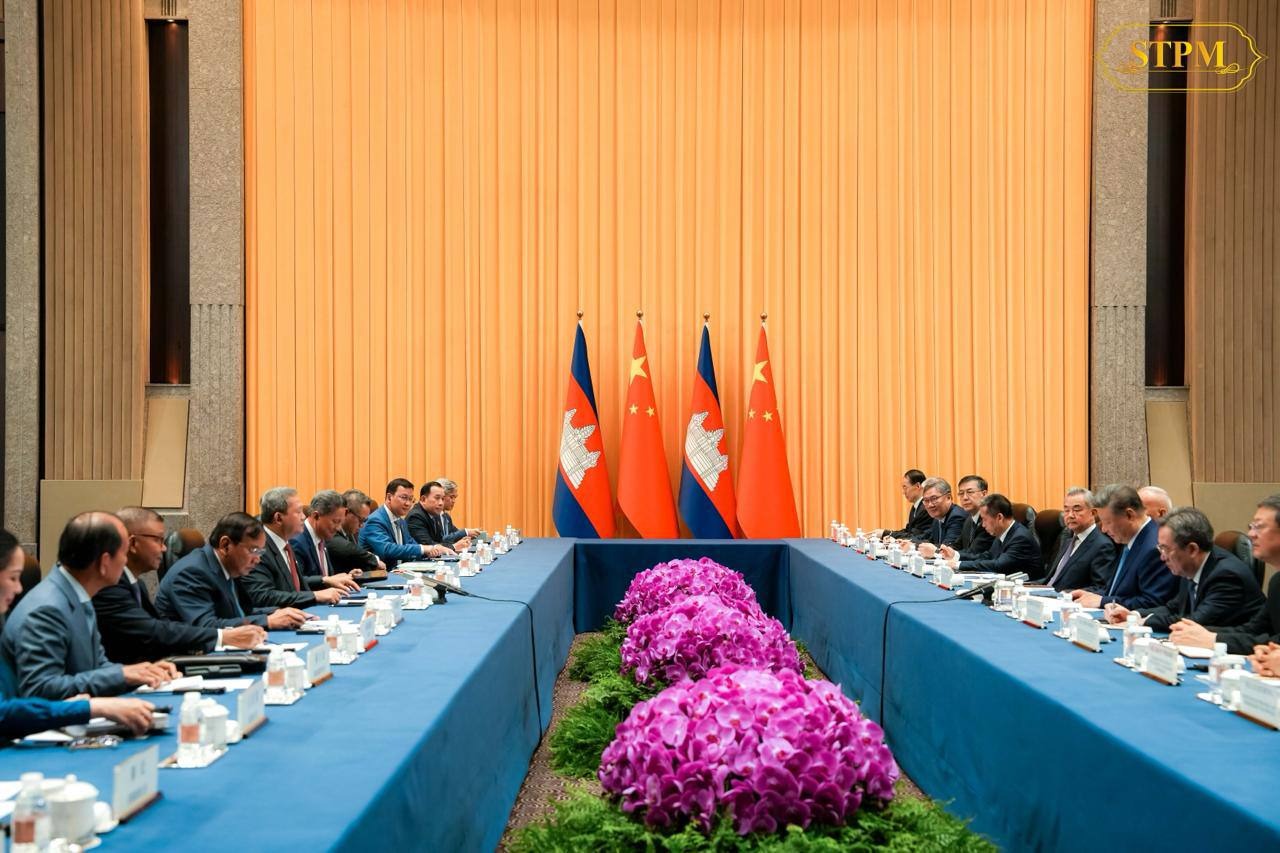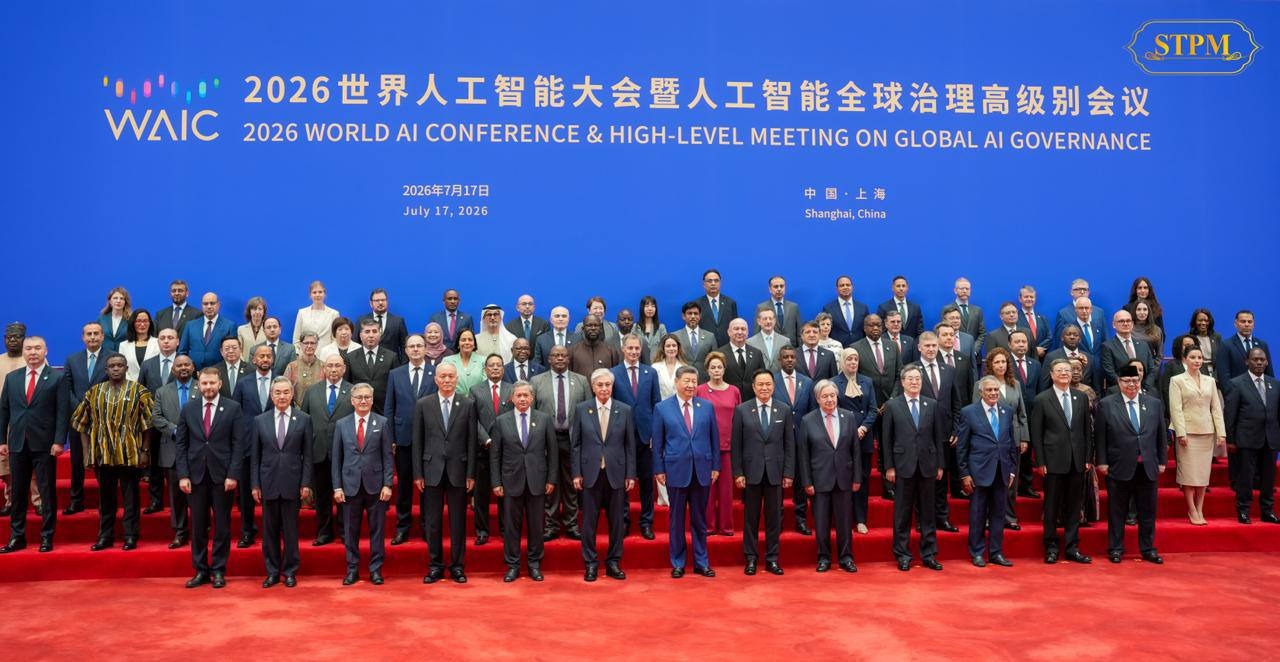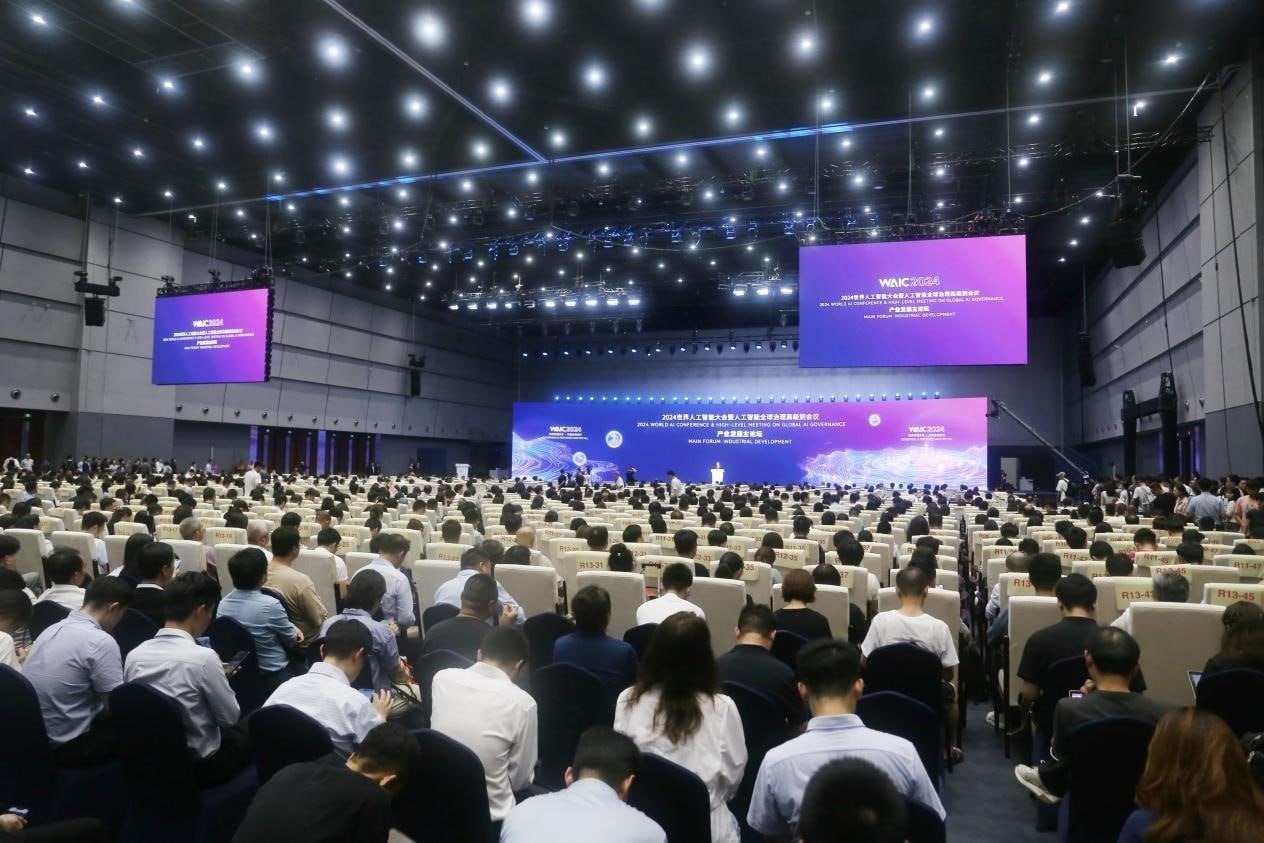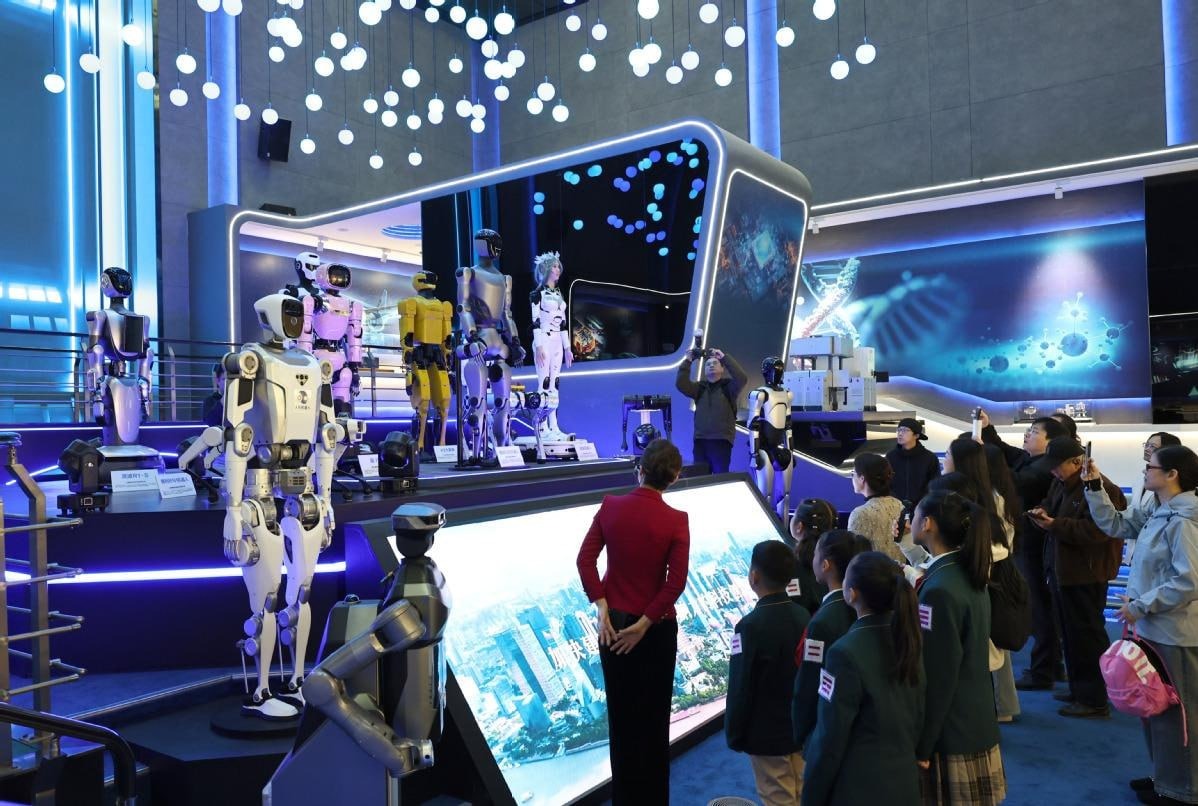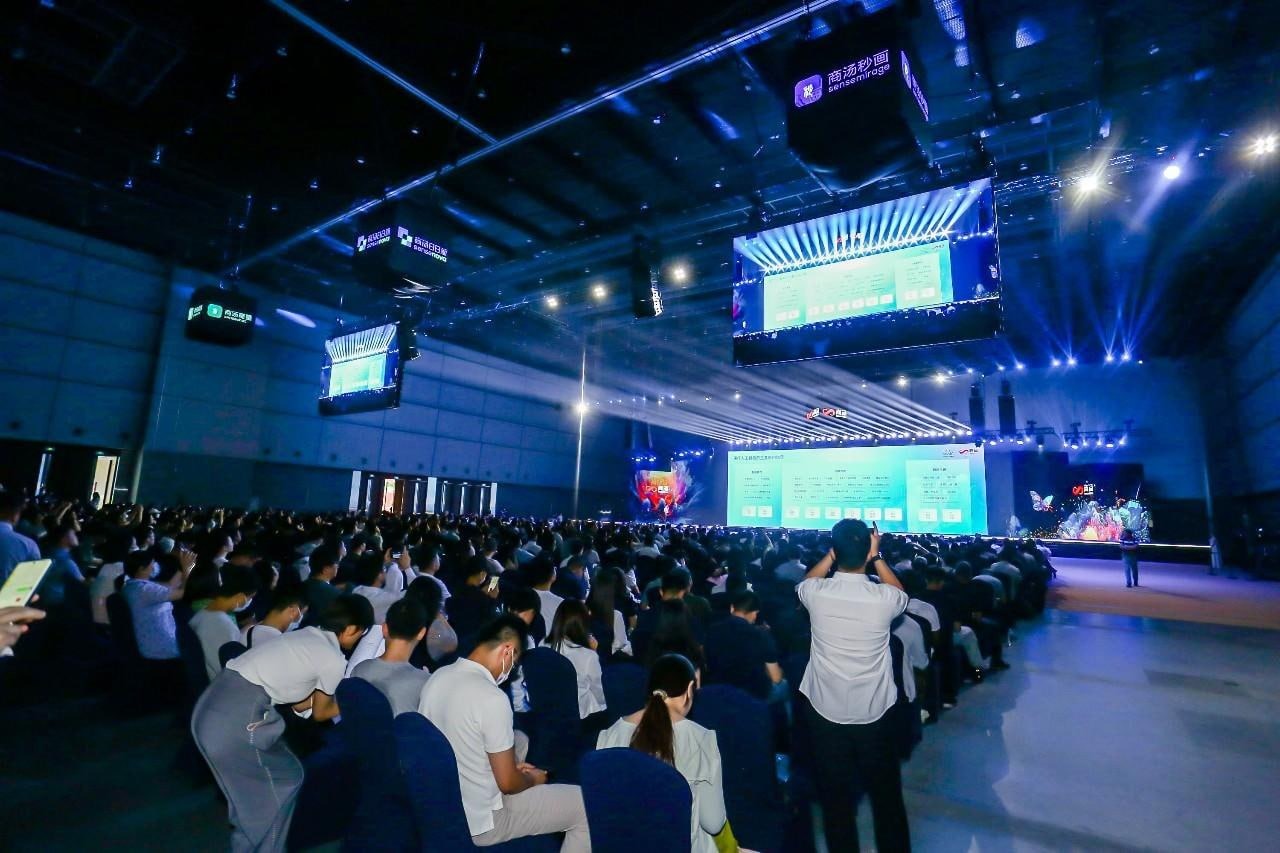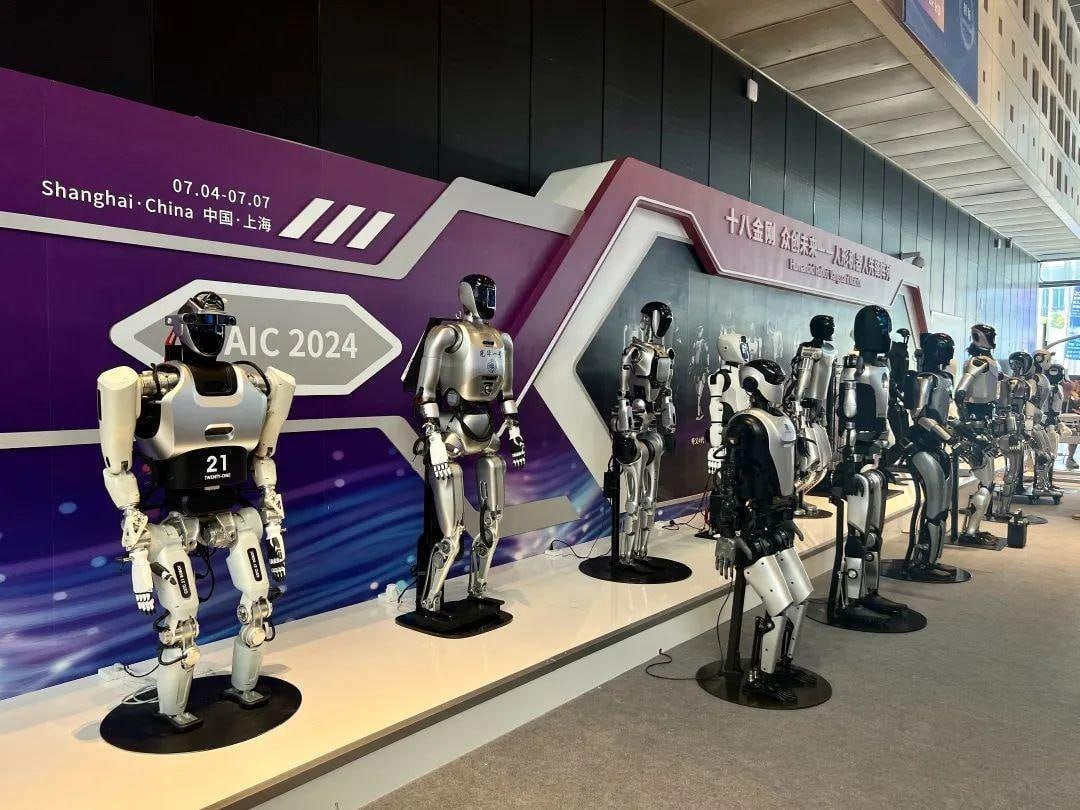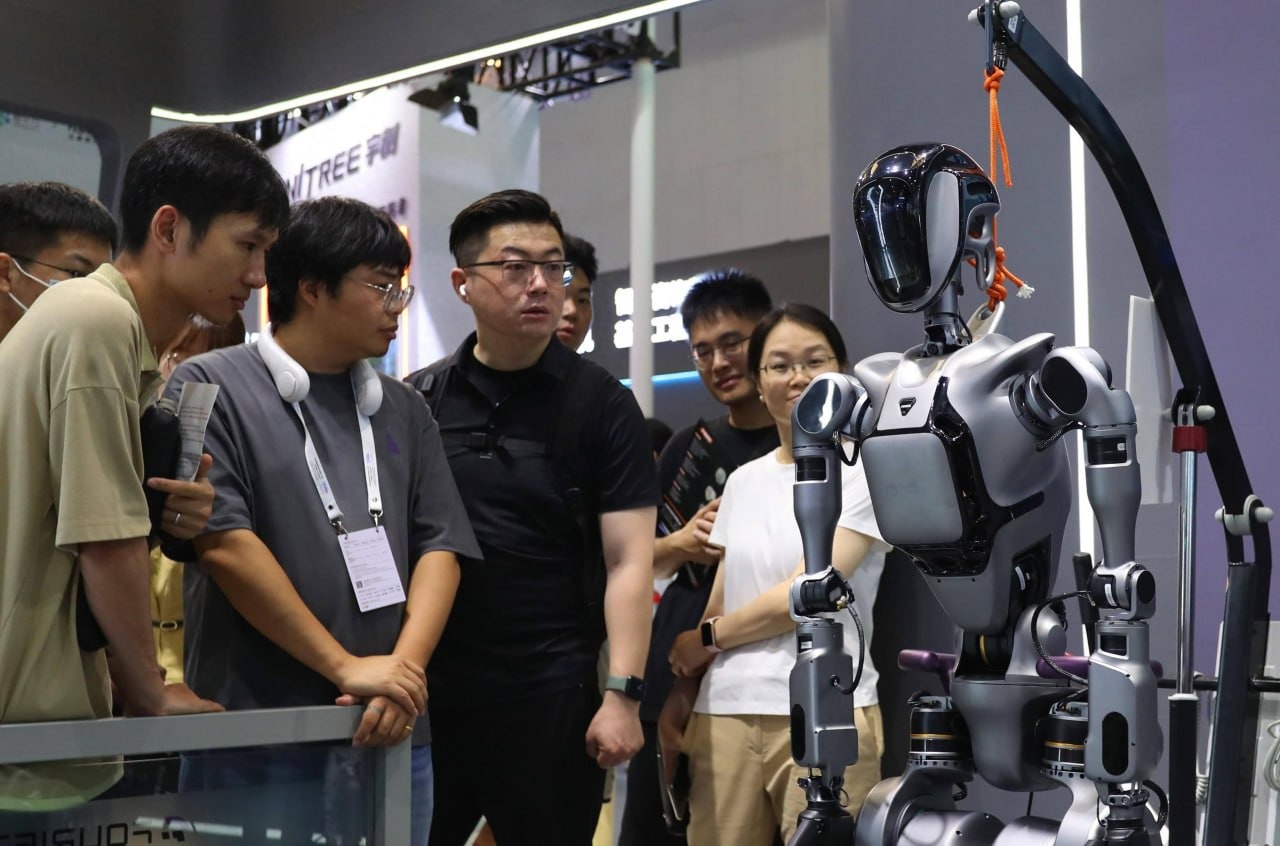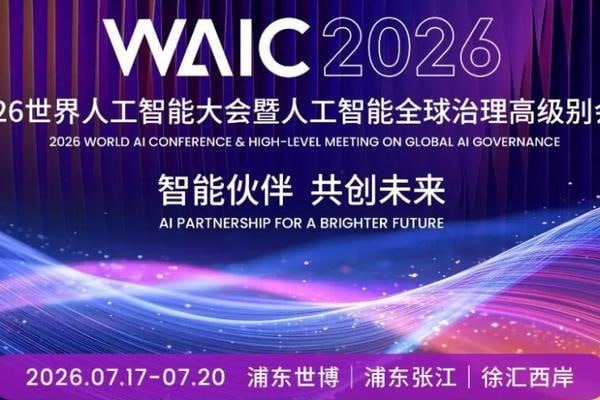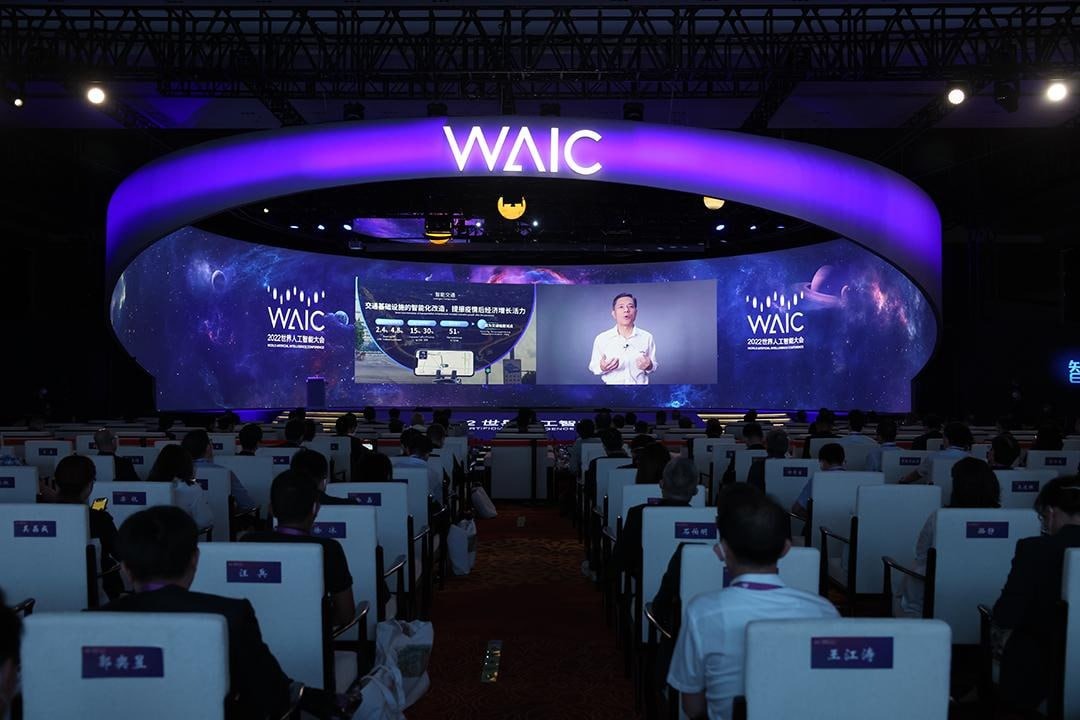

(Phnom Penh): The opening ceremony of the 2026 World Artificial Intelligence Conference (WAIC) in Shanghai was not merely a gathering of scientists, technology executives, and AI innovators. It also brought together some of the world's most prominent political leaders, including Chinese President Xi Jinping, Kazakh President Kassym-Jomart Tokayev, Cambodian Prime Minister Hun Manet, Thai Prime Minister Anutin Charnvirakul, and United Nations Secretary-General António Guterres.
Their presence underscored a profound reality: artificial intelligence is no longer simply a technological issue. It has become a strategic global agenda encompassing economic development, national security, international governance, and the future of humanity itself.
Yet the most significant aspect of the conference was not who attended, but what they chose to say.
Although President Xi, Prime Minister Hun Manet, and Secretary-General Guterres addressed different priorities, their speeches collectively presented three complementary visions: the perspective of a technological superpower, the aspirations of a developing nation, and the principles of multilateral global governance.
Understanding the future of AI therefore requires more than identifying which country can build the most advanced technology. The more important question is: Who will shape the rules, governance, and direction of a technology that has the power to transform the world?
China's Vision: AI Requires International Cooperation, Not Technological Monopoly
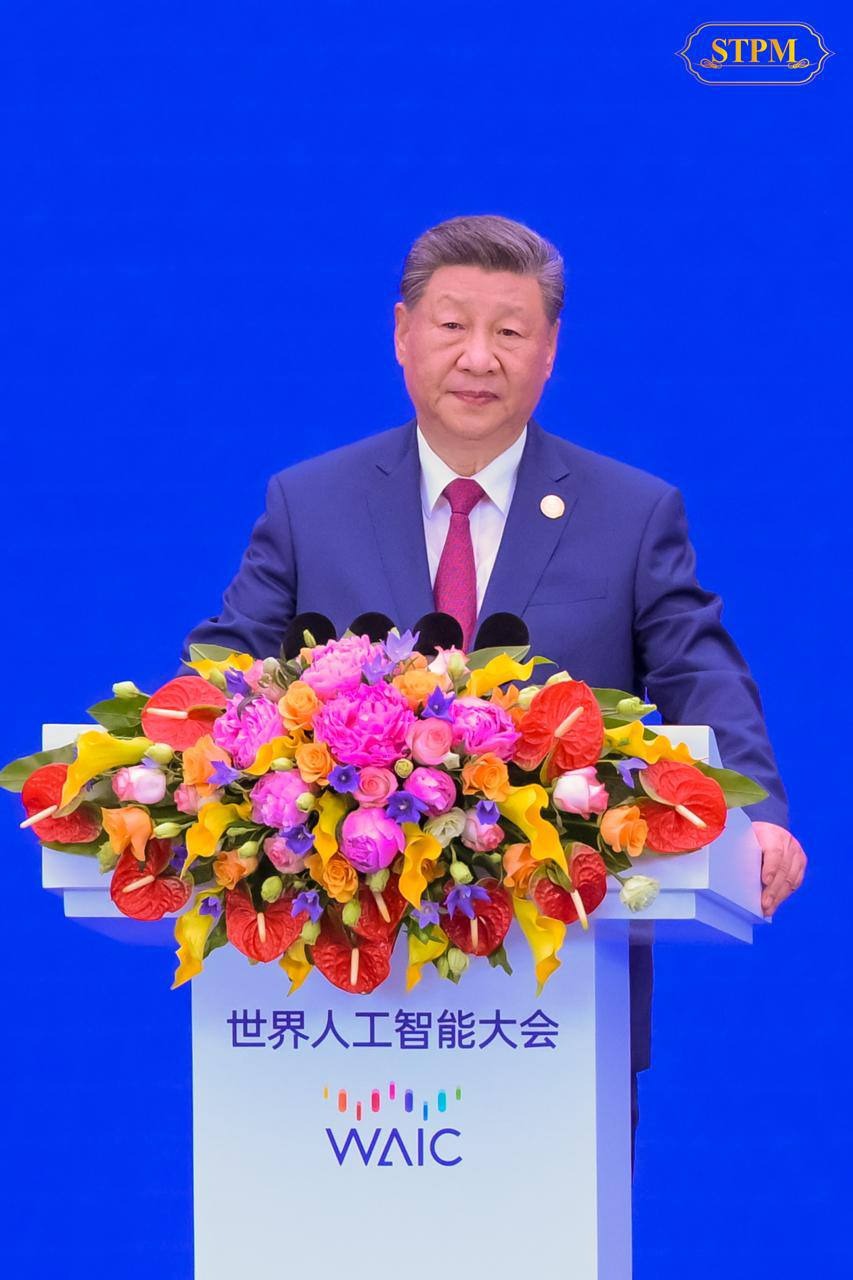
In his opening address to WAIC 2026, President Xi Jinping outlined China's vision for the future of artificial intelligence. Speaking in Chinese with an official English translation, he declared:
"AI development should not be a solo performance by a single country, but a symphony of international cooperation."
In other words, the development of artificial intelligence should not be dominated by any single nation. Instead, it should be driven by collective international cooperation.
President Xi further emphasized that the international community should oppose the expansion of national security considerations into the AI sector and reject any approach that places one country's security interests above those of others.
His message was more than a general appeal for cooperation. It reflected China's broader position amid intensifying technological competition with the United States.
As several Western countries continue to restrict exports of advanced AI chips and technologies to China on national security grounds, Xi presented an alternative vision—one in which AI should be developed and governed through international collaboration rather than technological blocs or unilateral dominance by any major power.
Viewed in this context, Xi's speech was not simply the opening address of WAIC 2026. It was a declaration of China's broader vision for global AI governance—one based on cooperation, shared development, and collective stewardship rather than technological exclusivity.
Cambodia's Vision: AI as a Driver of National Development
While major powers continue debating who will lead the global AI race, Cambodian Prime Minister Hun Manet posed a different question:
How can developing countries harness artificial intelligence to accelerate national development and improve the well-being of their people?
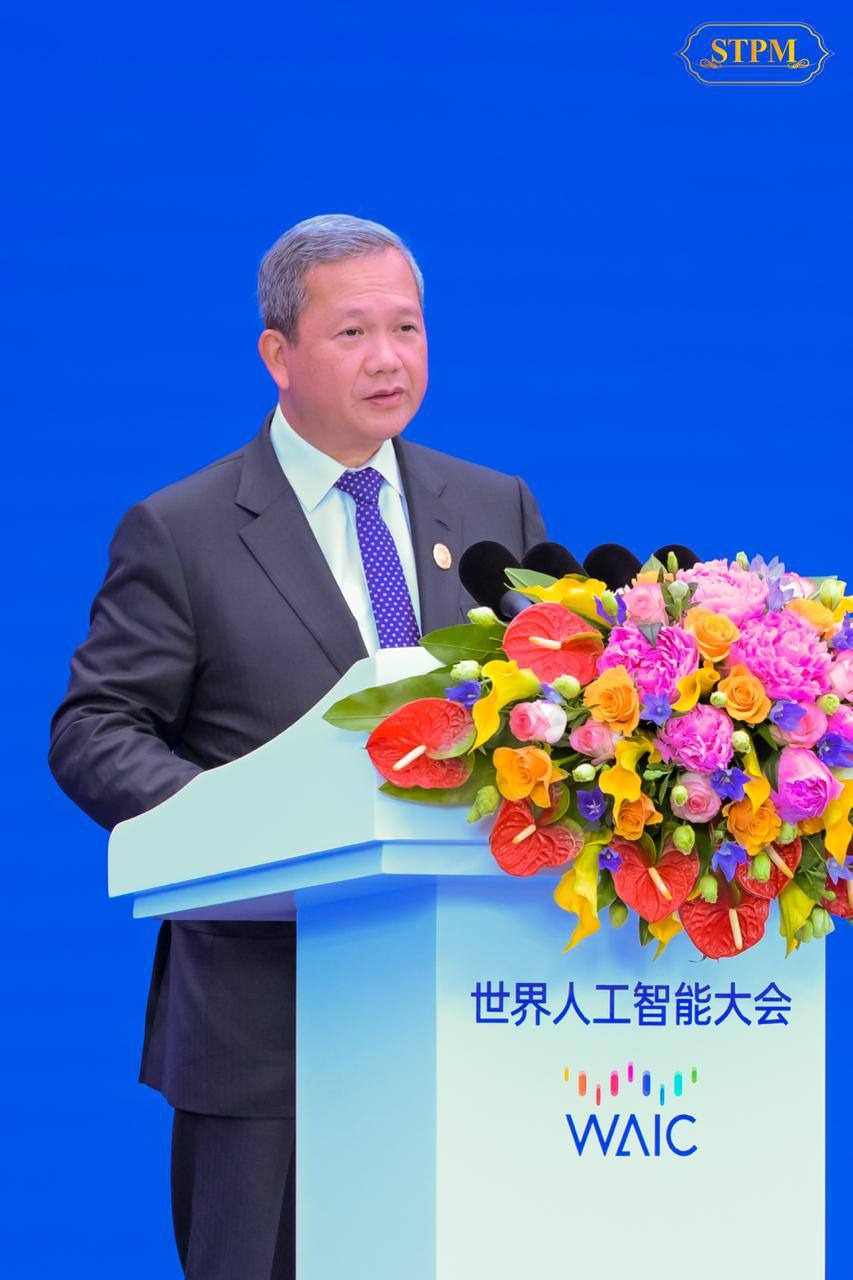
In his address, Hun Manet emphasized:
"AI is reshaping the economy, public services, security, and competitiveness at an unprecedented speed. The challenge ahead of us is no longer whether AI will transform our future, but how we can ensure that its benefits are realized equitably, responsibly, and sustainably across all nations."
Rather than focusing on technological rivalry, the Cambodian Prime Minister shifted the discussion toward equitable access to AI. His message moved the debate from "Who will lead AI?" to "How can every nation benefit from AI?"
For Cambodia, AI is not viewed primarily as a technology to compete directly with global powers. Instead, it is regarded as a strategic tool to accelerate digital transformation, improve education, strengthen public services, enhance productivity, and increase national competitiveness.
Hun Manet also made clear that Cambodia seeks not only to adopt AI technologies but also to participate actively in shaping international cooperation on AI.
He stated:
"As one of the first signatories to the Agreement on the Establishment of the World Artificial Intelligence Cooperation Organisation, Cambodia stands ready to work shoulder to shoulder with China and all partners in advancing an AI future that is innovative, inclusive, secure and respectful of national sovereignty."
This statement reflects Cambodia's intention to become an active contributor to international AI cooperation rather than merely a recipient of emerging technologies. It also aligns closely with President Xi Jinping's call for AI to be advanced through global collaboration instead of technological monopolies.
The United Nations' Vision: AI Must Be Governed Through Global Stewardship
If President Xi Jinping emphasized international cooperation and Prime Minister Hun Manet highlighted equitable access to AI, United Nations Secretary-General António Guterres raised an even broader concern:
How can the world ensure that artificial intelligence does not deepen existing global inequalities?
In his remarks, Guterres warned:
"In short, AI can help usher in a quantum leap across the Sustainable Development Goals. But it won't happen if the historical injustices of the past are repeated in the technologies of the future. And yet one-third of humanity is still offline."
He stressed that many countries continue to face serious gaps in digital connectivity, infrastructure, computing power, data access, and technical expertise.
Meanwhile, hundreds of billions of dollars in private investment continue flowing into AI development, while many developing countries receive only a tiny fraction of those resources.
According to Guterres, if this imbalance continues, AI could become not a force for reducing inequality, but one that widens existing gaps in income, opportunity, security, and technological capacity between developed and developing nations.
His message therefore introduced another crucial dimension to the global AI debate.
If China is advocating international cooperation, and Cambodia is promoting inclusive access to AI's benefits, the United Nations is calling for effective global governance to ensure that artificial intelligence does not become another source of structural inequality between the Global North and the Global South.
How Do These Three Visions Complement One Another?
Examined together, the speeches of Xi Jinping, Hun Manet, and António Guterres were not identical. Yet all three leaders were ultimately addressing the same fundamental question: How should humanity live with artificial intelligence?
Their perspectives differ because each speaks from a different role in the international system.
President Xi Jinping, as the leader of one of the world's leading AI powers, focused on international cooperation and opposition to technological monopolies.
Prime Minister Hun Manet, representing a developing country, emphasized using AI as a tool for human development, economic growth, and equitable access to technological opportunities.
Meanwhile, UN Secretary-General António Guterres concentrated on global governance, ethical responsibility, and preventing AI from creating new forms of inequality between developed and developing countries.
From an analytical perspective, these three visions are not contradictory—they are complementary.
China's vision addresses how AI should be developed.
Cambodia's vision addresses how AI should be used to improve people's lives.
The United Nations' vision addresses how AI should be governed to ensure that it serves humanity as a whole.
If these three approaches can evolve together, artificial intelligence has the potential to become more than simply a transformative technology. It can become the foundation for a future built on innovation, inclusion, security, responsibility, and shared prosperity.
Conclusion
The 2026 World Artificial Intelligence Conference (WAIC) was far more than a showcase of China's latest technological innovations. It emerged as a global forum where political leaders, international organizations, and developing countries came together to address three defining questions of the AI era:
Who should lead the development of artificial intelligence? Who should benefit from it? And how should it be governed?
An analysis of the speeches delivered by Chinese President Xi Jinping, Cambodian Prime Minister Hun Manet, and United Nations Secretary-General António Guterres suggests that the future of artificial intelligence will not be determined solely by technological competition.
Instead, it will depend on whether the international community can advance innovation, inclusive development, and effective global governance simultaneously.
The most important lesson emerging from WAIC 2026 is that the true measure of AI leadership will not simply be which country builds the most powerful model or possesses the greatest computing capacity.
Rather, it will be measured by the world's collective ability to ensure that this transformative technology serves as a force for peace, inclusive development, shared prosperity, and the common good of humanity.
Ultimately, the global AI race may no longer be defined by a single question—who can build smarter AI first. The more consequential challenge is who can build an AI future that is trusted, inclusive, responsibly governed, and beneficial to all nations.