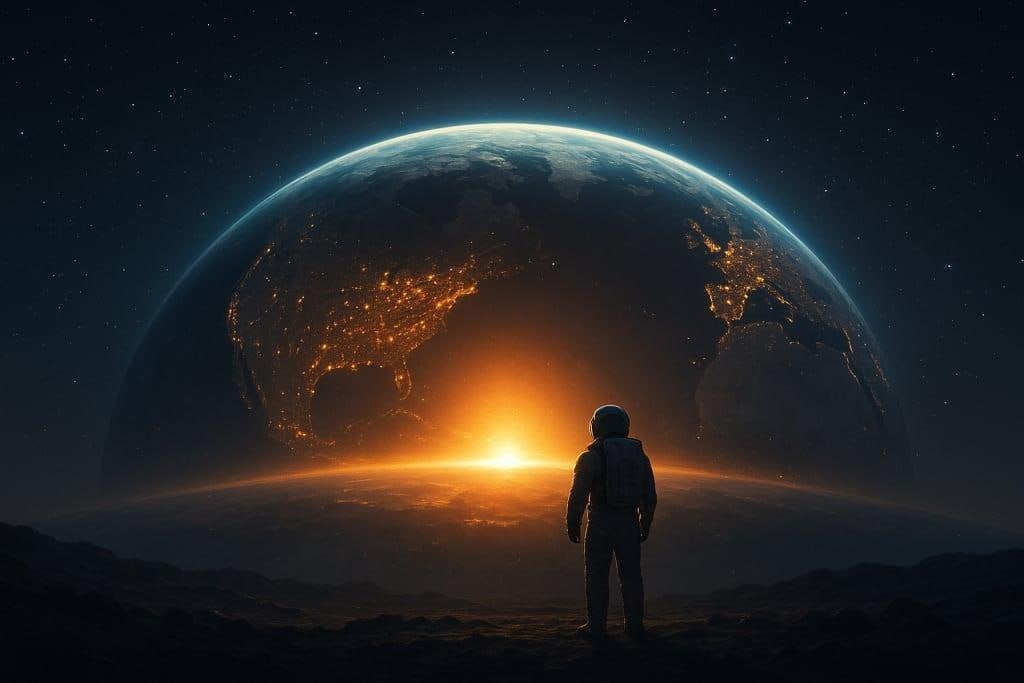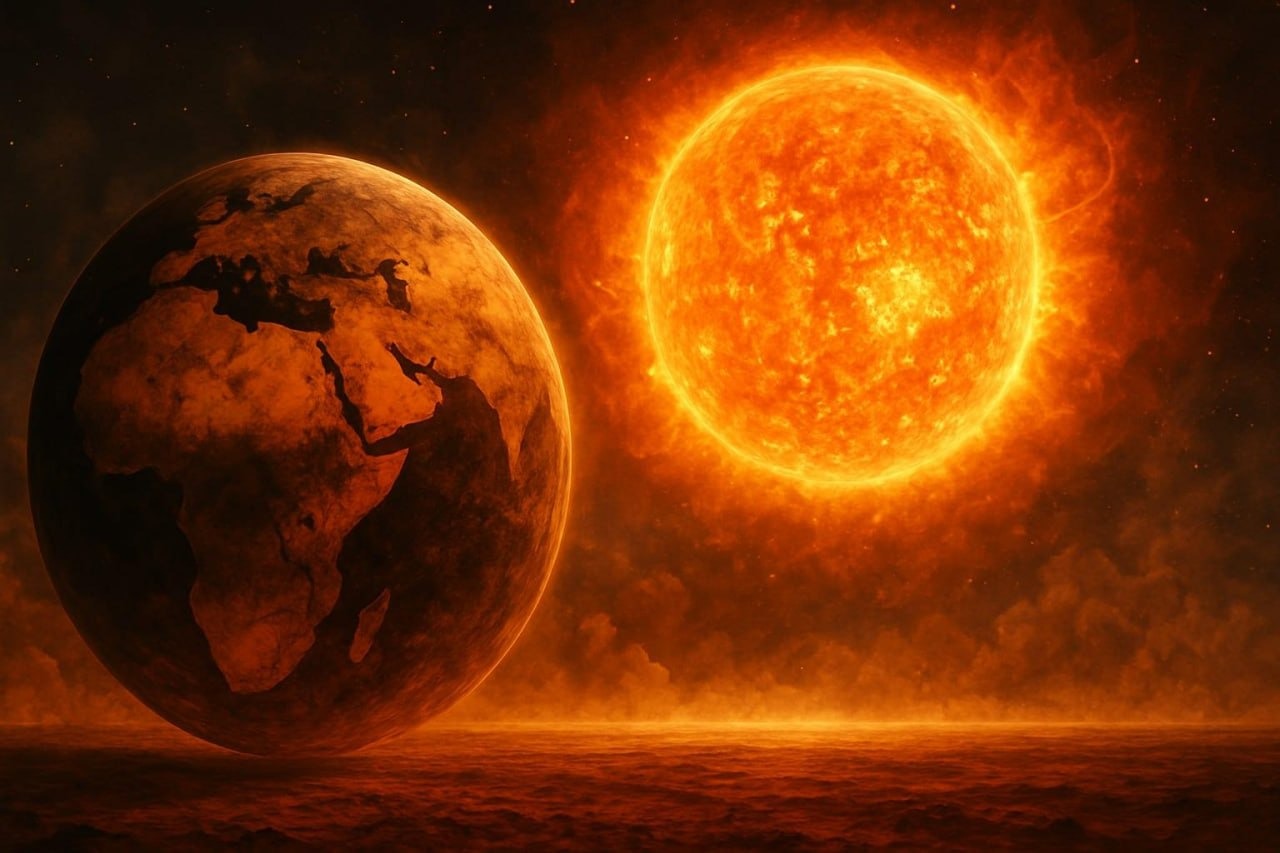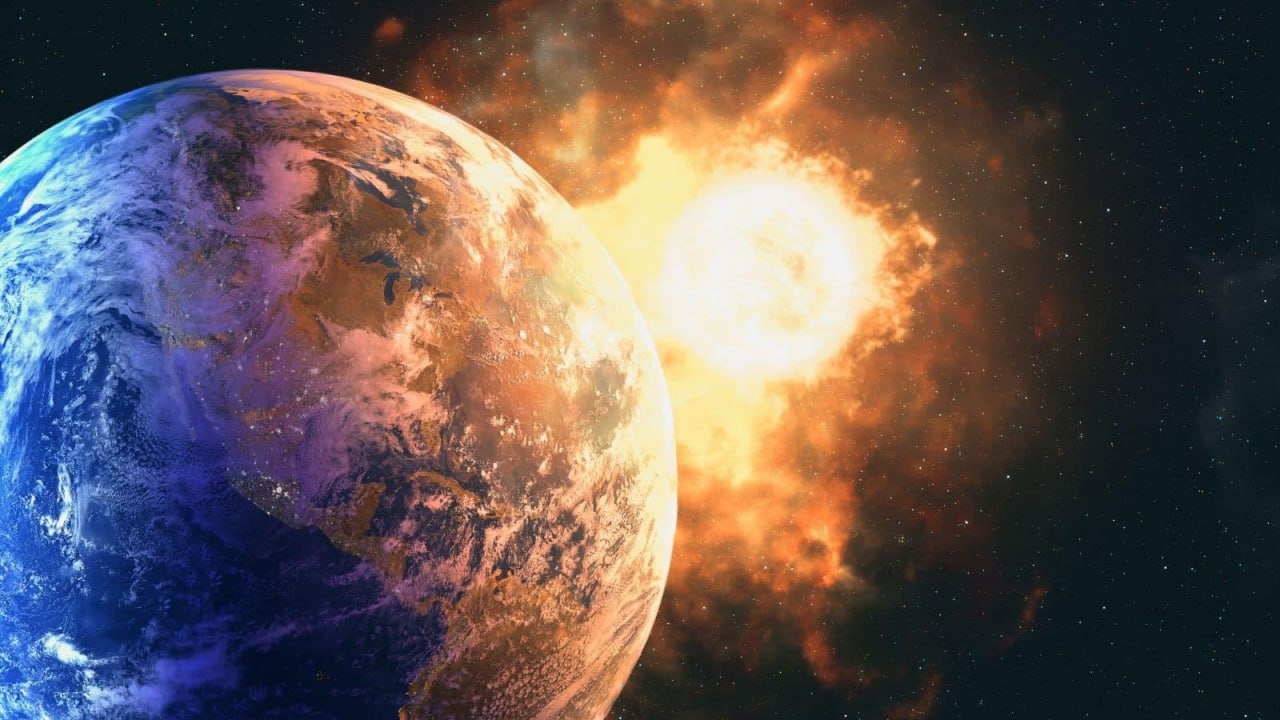

(Phnom Penh): We already know that Earth may one day become unable to sustain life. We also know that the Sun will gradually grow brighter and hotter before eventually expanding into a red giant, potentially placing the planets of our solar system at grave risk.
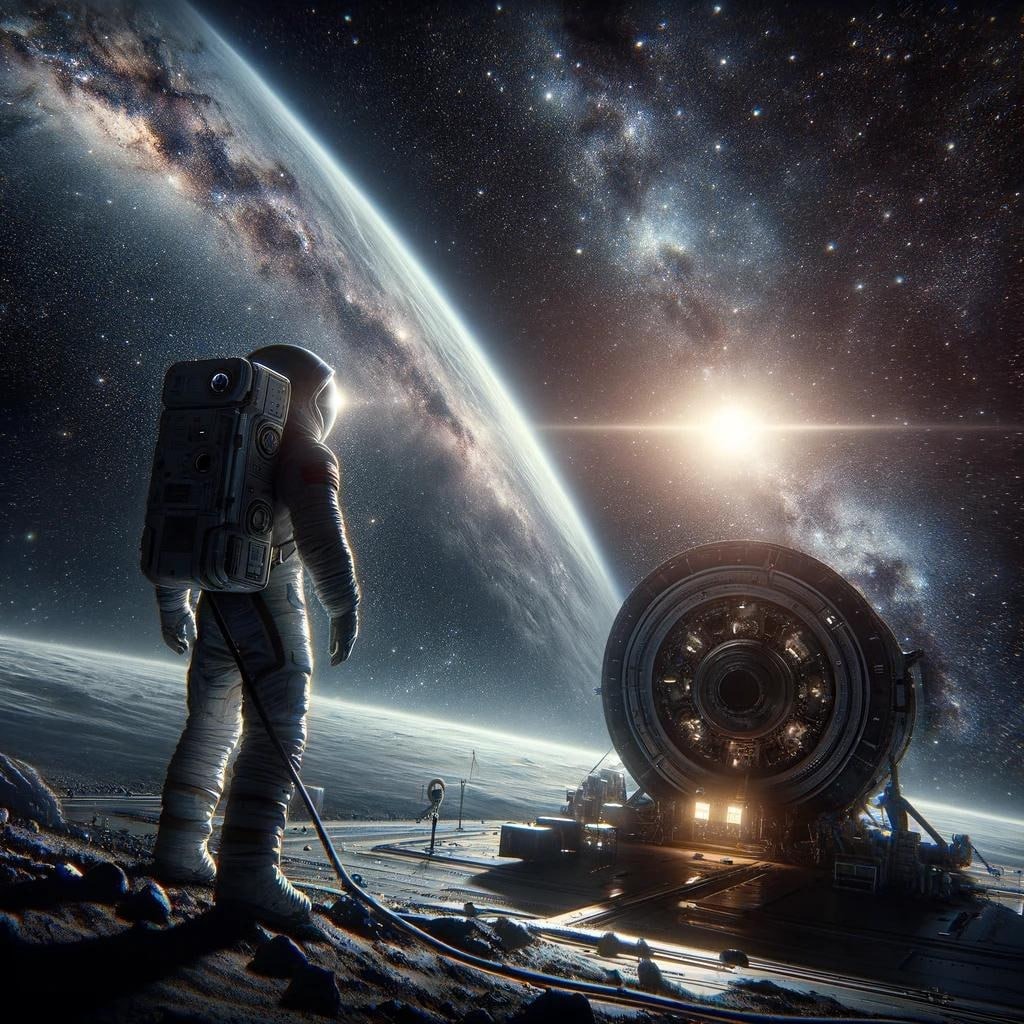
But this raises an even bigger question: If Earth can no longer support life, where will humanity go? Could we leave the solar system and search for a new home among the stars?
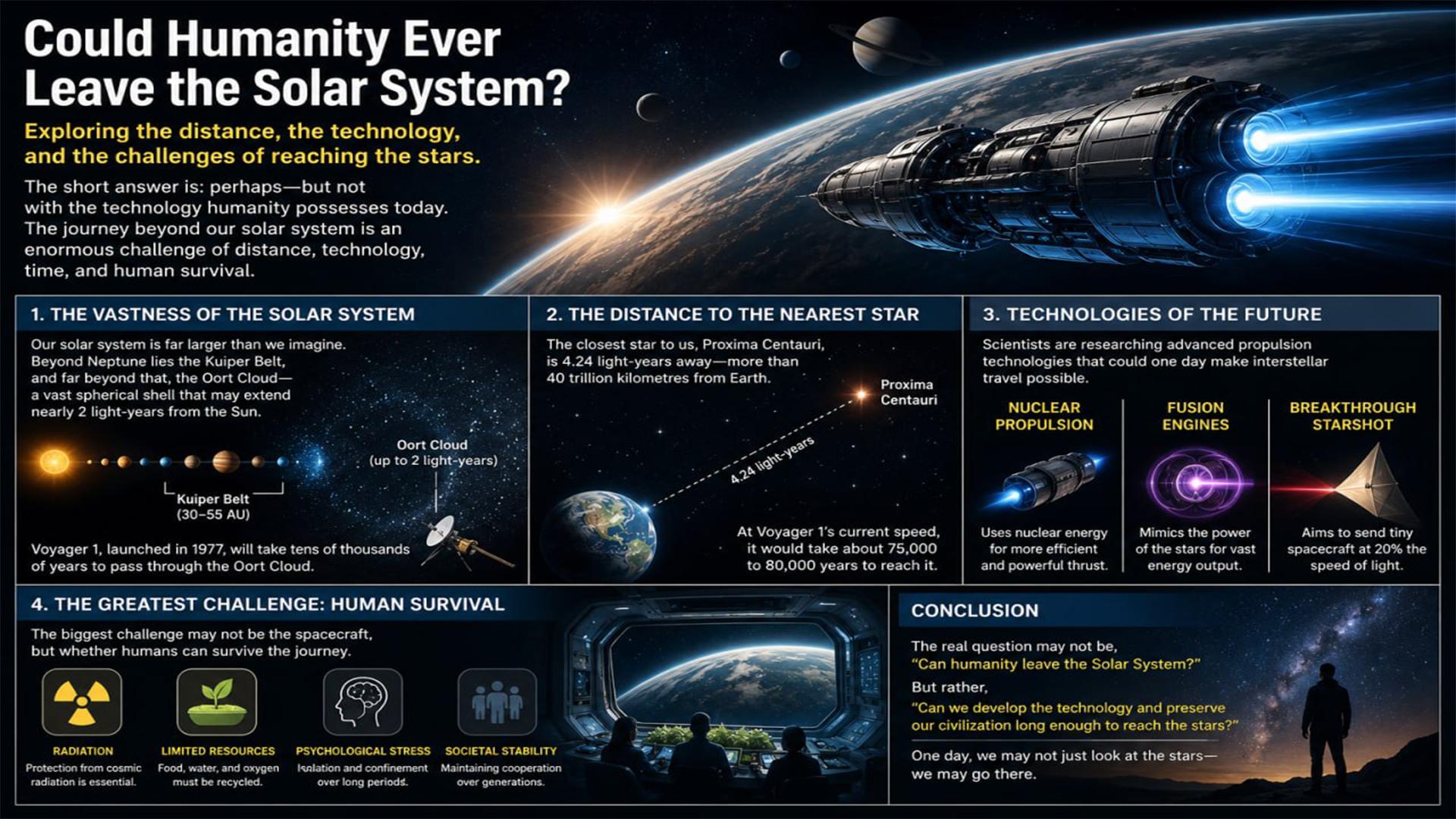
According to astronomers and physicists, the brief answer is: perhaps—but not with the technology humanity possesses today.
Leaving the solar system is not simply a matter of courage, ambition or human determination. It is a challenge governed by physics, energy, time and distances on a scale our species has never confronted before.
The real question, therefore, may not be whether humanity wants to leave, but whether the laws of nature will allow us to do so.
The Solar System Is Far Larger Than We Imagine
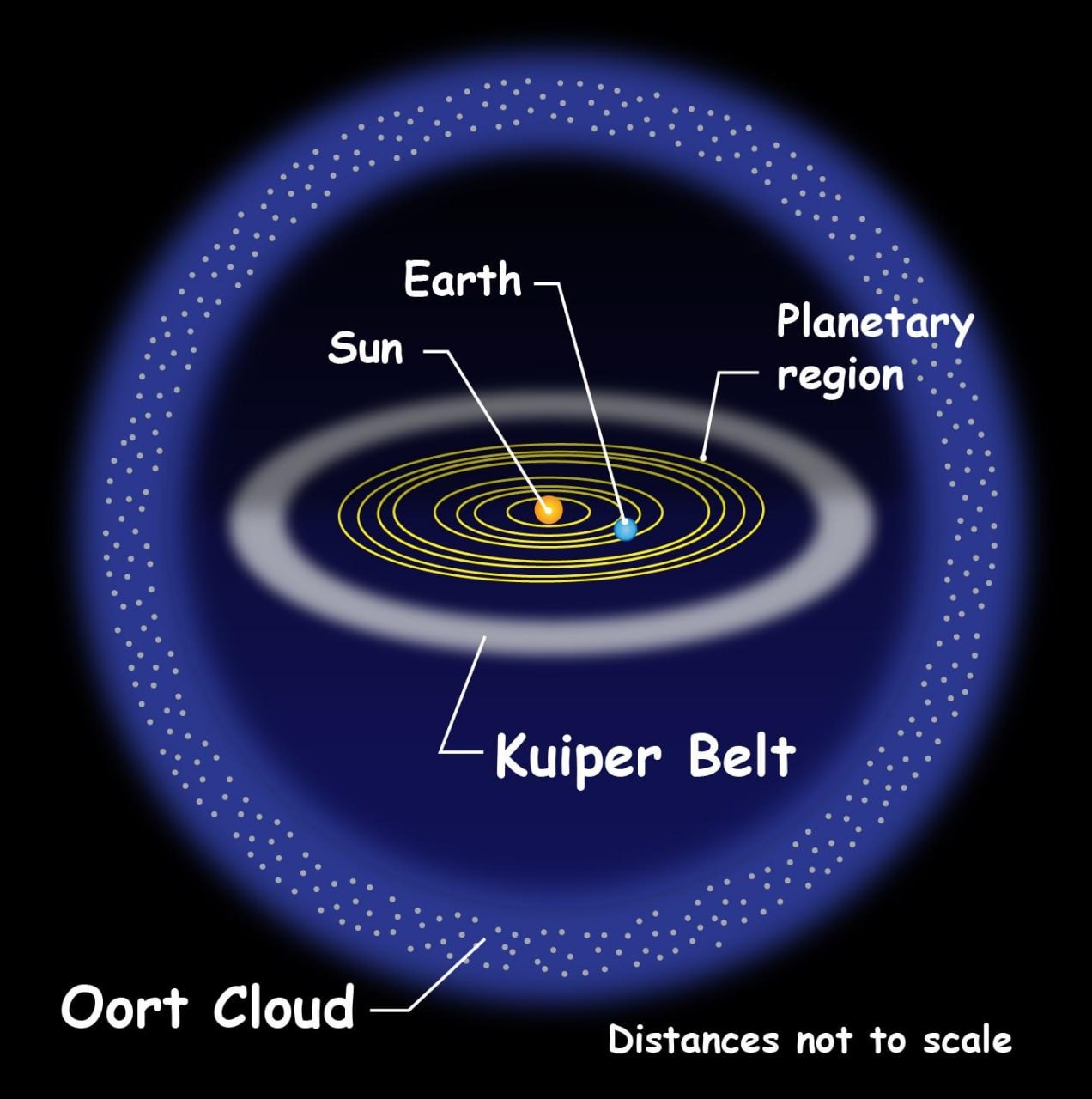
When people hear the term “solar system,” most think only of the Sun and the eight planets orbiting it. In reality, however, the solar system extends far beyond the planetary region familiar to us.
Beyond Neptune, the eighth planet, which orbits approximately 4.5 billion kilometres from the Sun, lies a vast region known as the Kuiper Belt.
This distant zone contains numerous icy bodies, rocky objects and dwarf planets, including Pluto. These objects are remnants of the formation of the solar system approximately 4.6 billion years ago.
Yet the Kuiper Belt is not the solar system’s final frontier.
Far beyond it, astronomical models predict the existence of an enormous region known as the Oort Cloud. Scientists believe it forms a vast spherical shell surrounding the solar system and may contain trillions of icy objects.
The Oort Cloud is also believed to be the source of many long-period comets that occasionally travel into the inner solar system.
This means that the solar system’s outer limits do not end at the orbit of Neptune or Pluto. Depending on how its boundary is defined, the Sun’s gravitational domain may extend almost two light-years into space—a distance far greater than most people imagine.
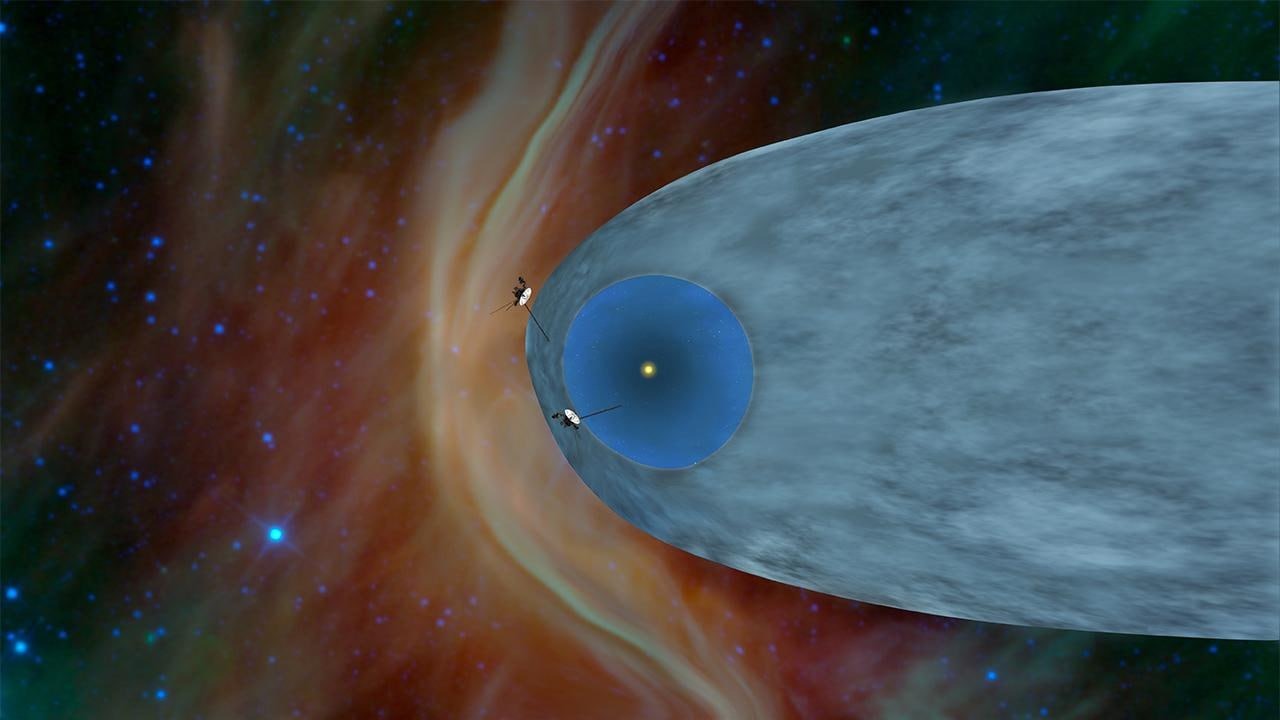
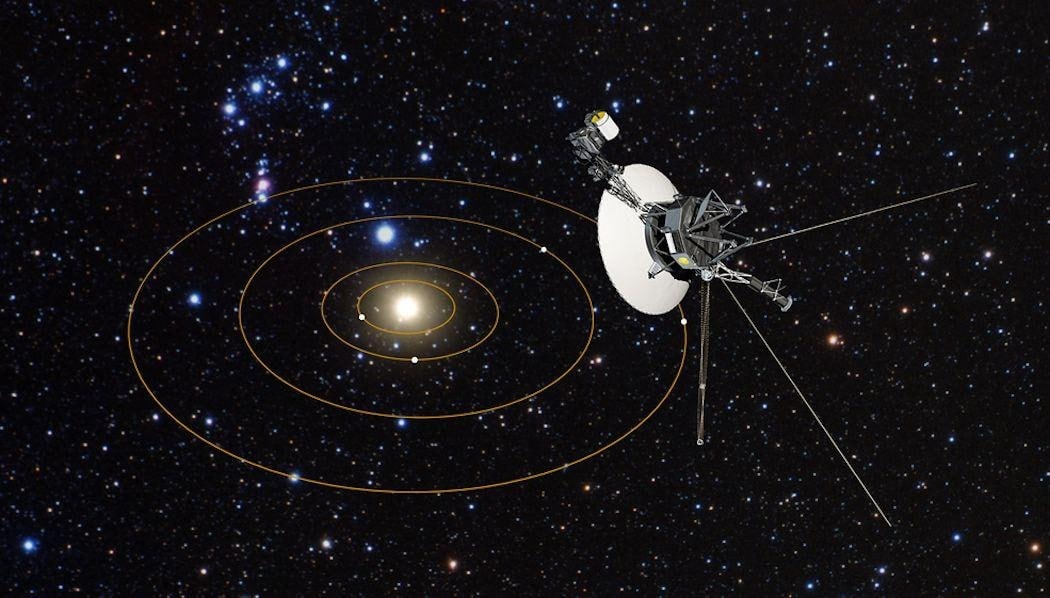
The journeys of Voyager 1 and Voyager 2 demonstrate the extraordinary scale of this region.
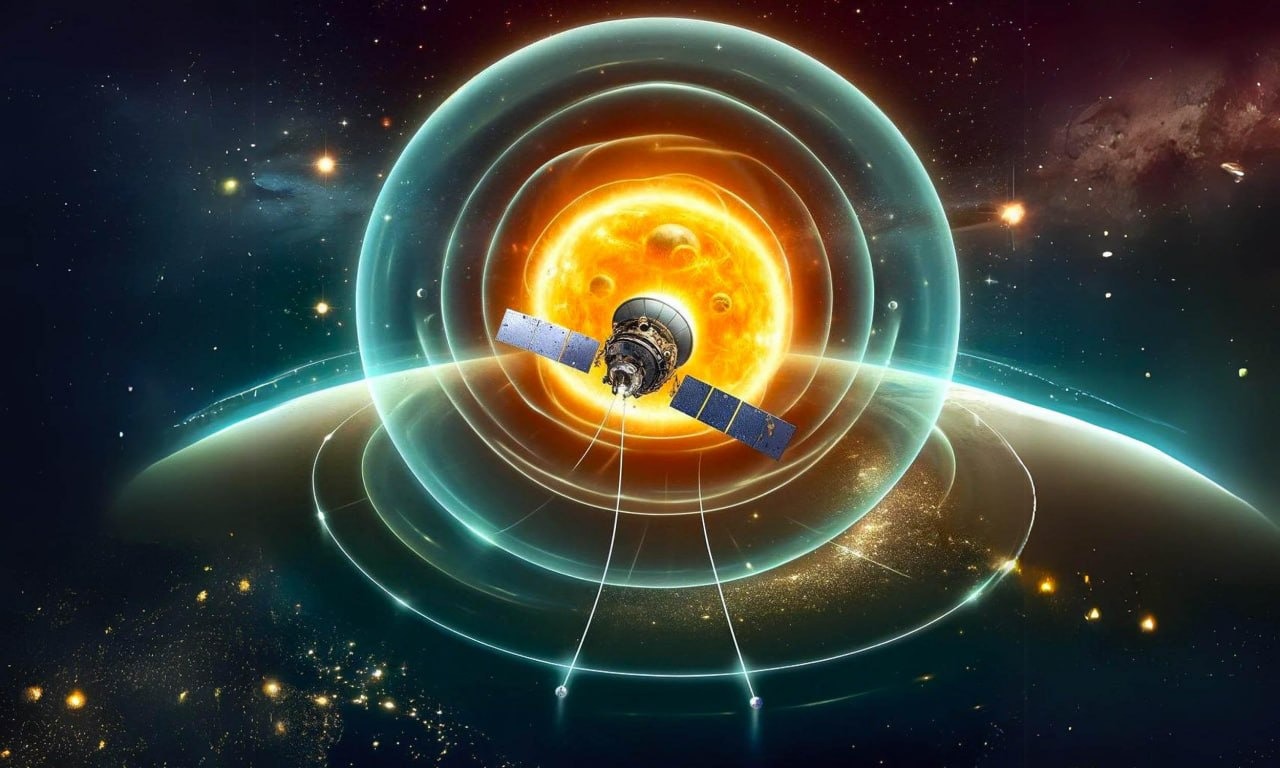
NASA launched the two spacecraft in 1977. After travelling for nearly half a century, both have crossed the heliopause—the boundary beyond which the solar wind no longer dominates—and are now moving through interstellar space.
Even so, they have not completely escaped the Sun’s gravitational influence.
Scientists estimate that Voyager 1 may require several hundred years to reach the inner region of the Oort Cloud and tens of thousands of years to pass through it entirely.
This is why leaving the solar system involves far more than simply launching a spacecraft farther than ever before. It means crossing distances greater than anything humanity has encountered in its history.
Even the Nearest Star Is Incredibly Far Away
Even if humanity eventually succeeds in leaving the solar system, another enormous obstacle will remain: the distance between stars. The closest individual star to our solar system is Proxima Centauri, located approximately 4.24 light-years from Earth.
On a cosmic scale, it is one of our closest neighbours. From a human perspective, however, it is almost unimaginably distant. Most people are familiar with kilometres, but the term “light-year” is often misunderstood. A light-year is not a measurement of time. It is a measurement of distance—the distance light travels through space in one year.
One light-year is equivalent to approximately 9.46 trillion kilometres. Proxima Centauri is therefore located more than 40 trillion kilometres from Earth. To appreciate the scale of this distance, consider Voyager 1, the most distant human-made object from Earth. It has travelled continuously since 1977.
If a spacecraft travelled towards Proxima Centauri at roughly Voyager 1’s present speed, the journey would take approximately 75,000 to 80,000 years. That is longer than the entire recorded history of human civilisation many times over.
The challenge facing humanity, therefore, is not merely escaping the solar system. Even the nearest stellar destination lies far beyond the practical reach of current spacecraft technology. The next question is no longer simply, “How far away are the stars?”
It is: “Can humanity develop a technology fast and powerful enough to reach them?”
What Technologies Might Take Us There?
Once we recognise that the nearest star is more than 40 trillion kilometres away, the next question becomes unavoidable: Does humanity possess—or could it develop—a technology capable of taking us there?
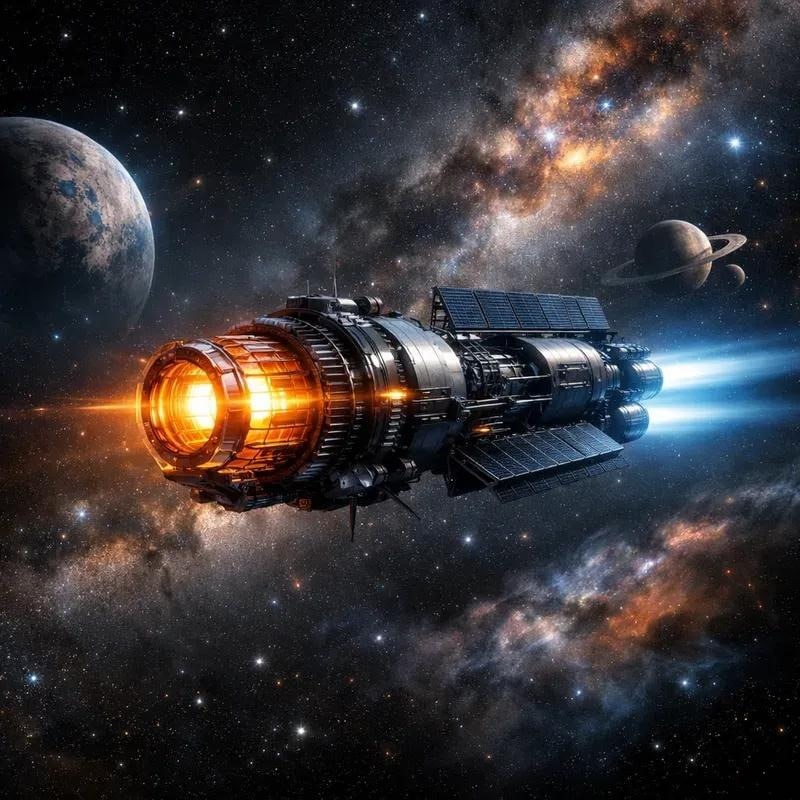
Scientists have proposed several possibilities. However, most remain experimental, theoretical or far beyond our present engineering capabilities. One possibility is nuclear propulsion.
Unlike conventional spacecraft, which rely largely on chemical fuel, nuclear-powered systems could use energy released by nuclear reactions to produce greater thrust or operate more efficiently over long periods.
Space agencies, including NASA, have studied nuclear propulsion for future missions. Such systems could significantly shorten travel times within the solar system, particularly for journeys to Mars and the outer planets. However, they would still be far too slow for practical human travel between stars. A more powerful proposal is nuclear-fusion propulsion.
Fusion is the process that powers the Sun. In theory, a fusion-driven spacecraft could produce far more energy than present-day propulsion systems and accelerate to much higher speeds.
Yet controlled fusion remains extraordinarily difficult. Humanity has not yet developed a practical fusion engine capable of powering a spacecraft. Another concept is the laser-powered light sail.
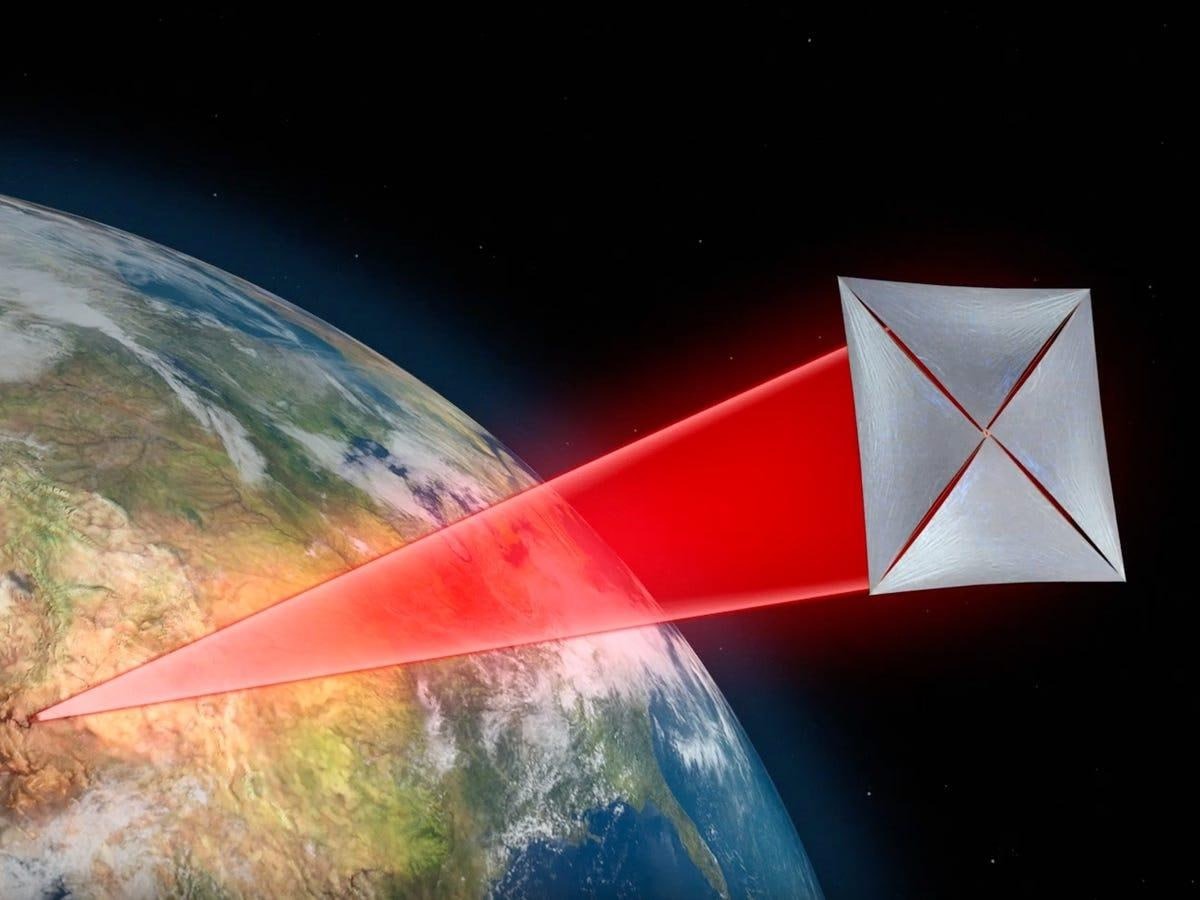
Instead of carrying large amounts of fuel, a spacecraft would use an extremely thin reflective sail. Powerful laser beams fired from Earth or from a station in space would strike the sail and gradually accelerate the craft. In theory, a small and lightweight probe could reach a significant fraction of the speed of light.
The best-known proposal of this kind is Breakthrough Starshot.
The initiative envisions launching tiny spacecraft equipped with light sails and accelerating them with a powerful ground-based laser array. Its proposed target speed is approximately 20 per cent of the speed of light.
At that speed, a small unmanned probe might reach the Alpha Centauri star system, which includes Proxima Centauri, in just over 20 years. However, Breakthrough Starshot remains a research concept. Scientists would still need to overcome immense challenges involving laser power, sail durability, navigation, communication and protection against dust particles travelling at extremely high relative speeds.
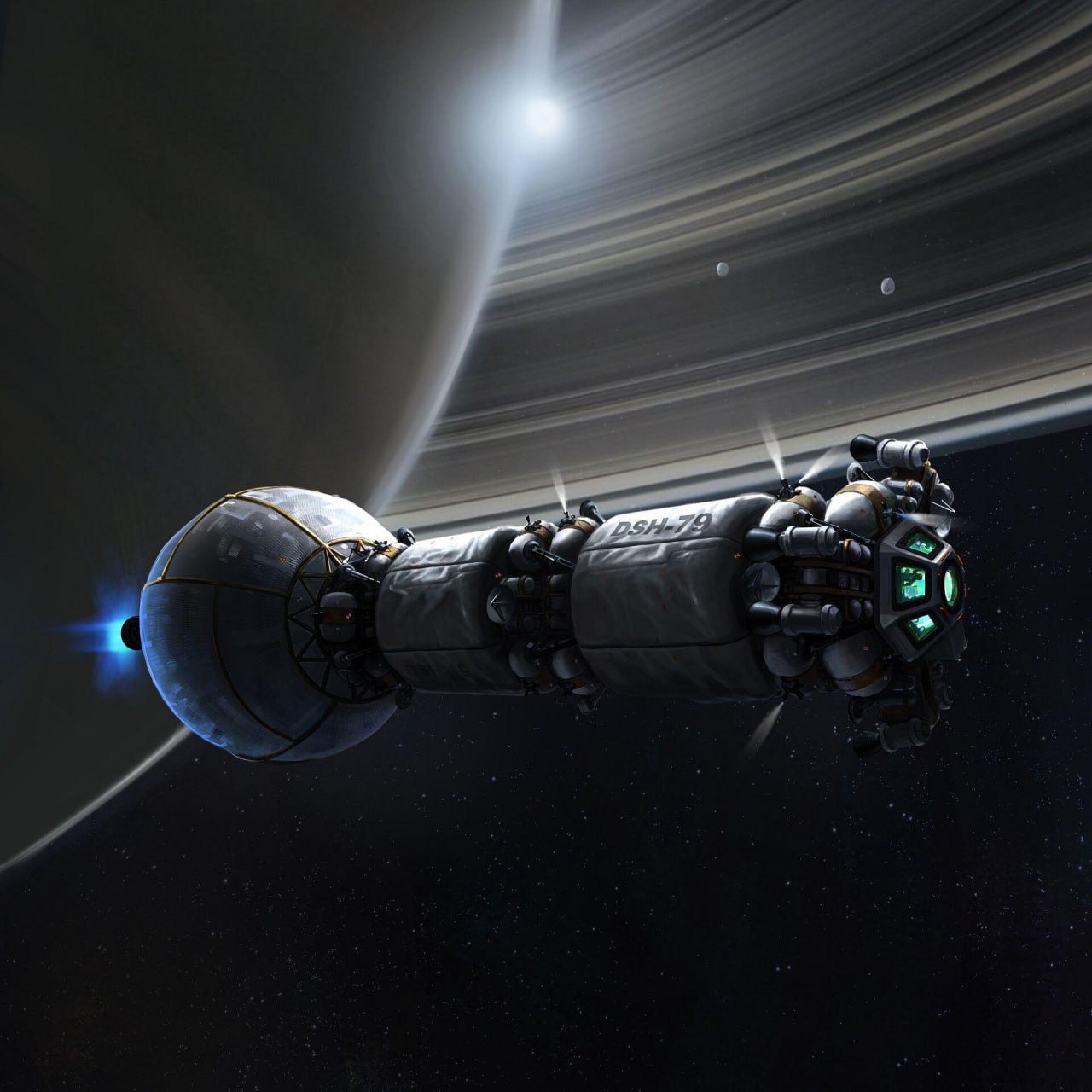
Furthermore, a tiny robotic probe is very different from a spacecraft capable of carrying human beings. Scientists have therefore considered another possibility: the generation ship.
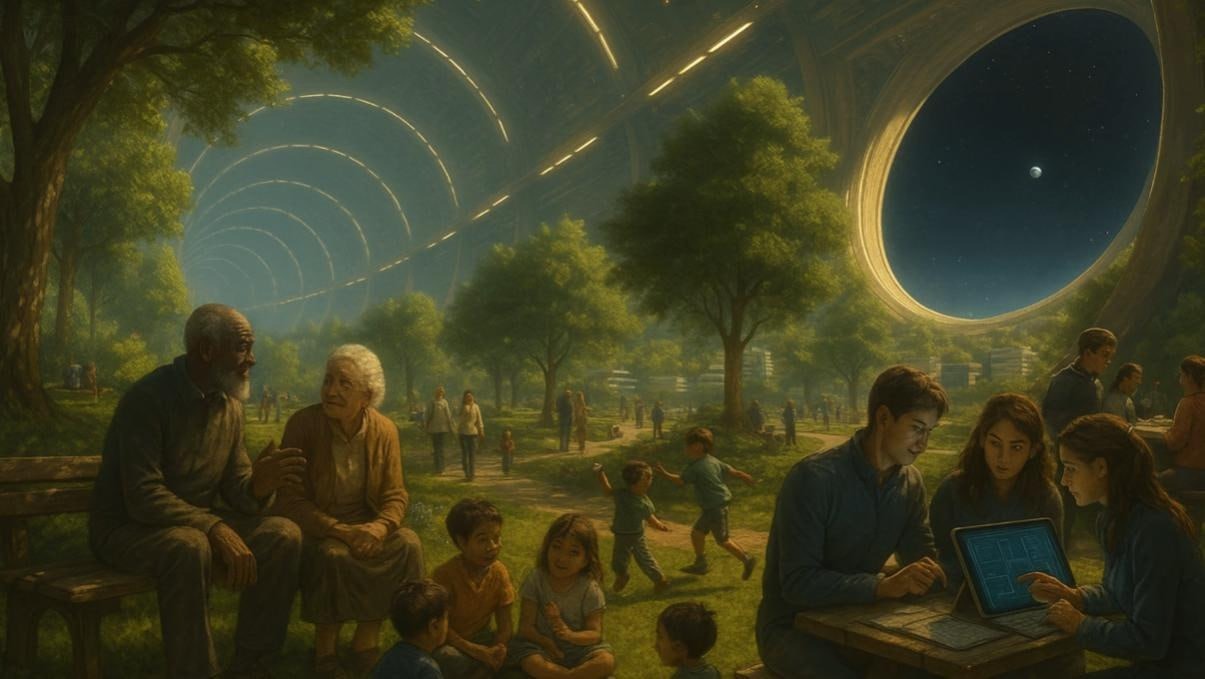
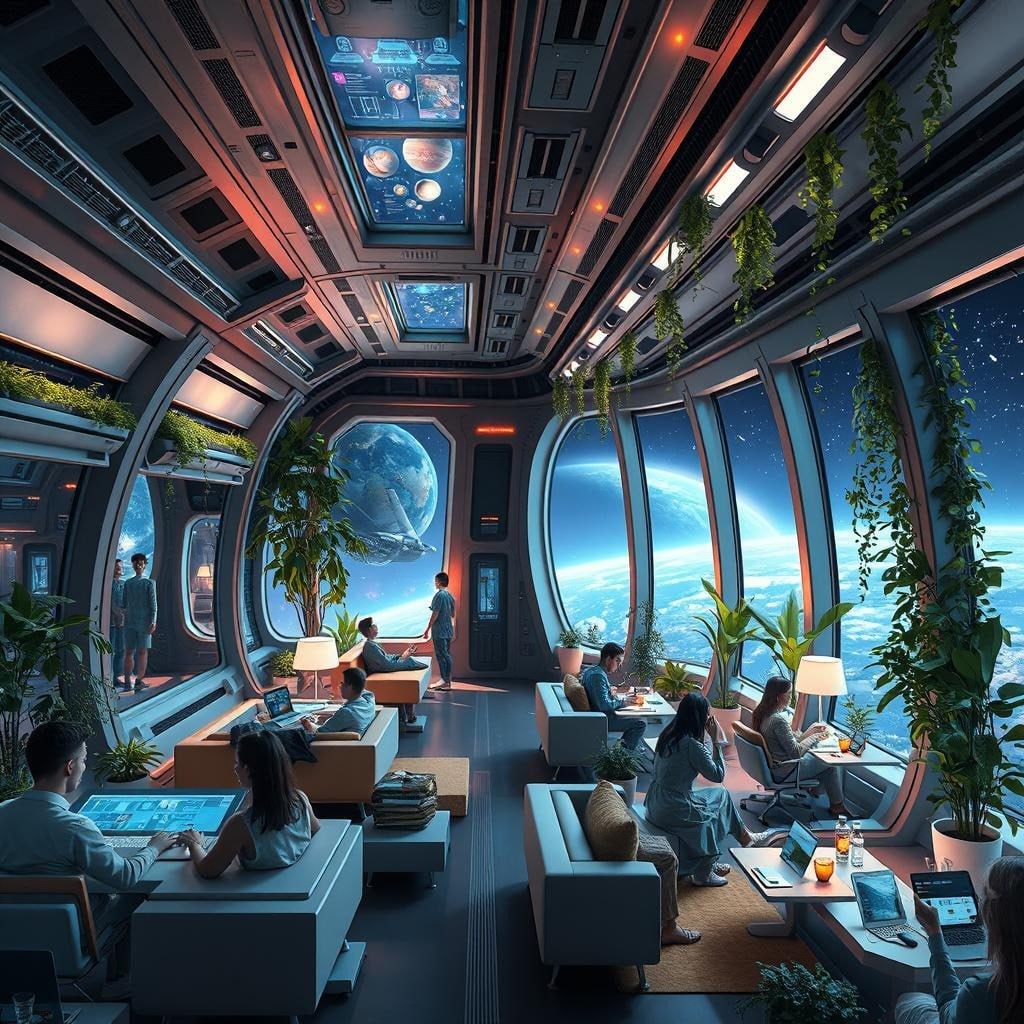
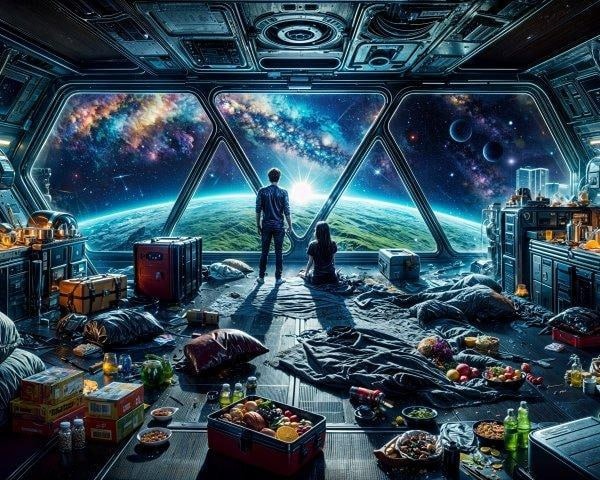
Under this concept, a large spacecraft would serve as a self-contained world. Several generations of people would be born, live and die aboard the vessel while their descendants continued the journey towards another star.
Such a voyage could take centuries or even thousands of years. Another frequently discussed concept is cryogenic sleep, in which travellers would be placed in a state of greatly reduced biological activity for long periods. This could theoretically reduce the consumption of food, water, oxygen and other resources during the journey.
However, science has not yet developed a safe method of placing human beings in suspended animation for decades or centuries and then reviving them without serious harm. Human cryogenic sleep remains largely within the realm of theory and science fiction.
Scientists have therefore developed several possible approaches to interstellar travel. But none has yet produced a practical spacecraft capable of carrying people out of the solar system and safely transporting them to another star. For now, interstellar human travel remains an aspiration rather than an achievable mission.
The Greatest Challenge May Not Be the Engine
Even if humanity eventually develops a spacecraft fast enough to travel between stars, technological speed alone will not guarantee success. The greatest challenge may not lie in the engine. It may lie in the human beings travelling aboard the spacecraft.
The first major threat is space radiation.
Outside Earth’s protective magnetic field and atmosphere, travellers would be exposed to high-energy cosmic rays and other forms of radiation. Long-term exposure could damage human cells, increase the risk of cancer and affect the nervous system and other organs.
A spacecraft carrying people for decades or centuries would require powerful shielding. Yet shielding adds weight, and additional weight requires more energy for acceleration. The second challenge is food and water.
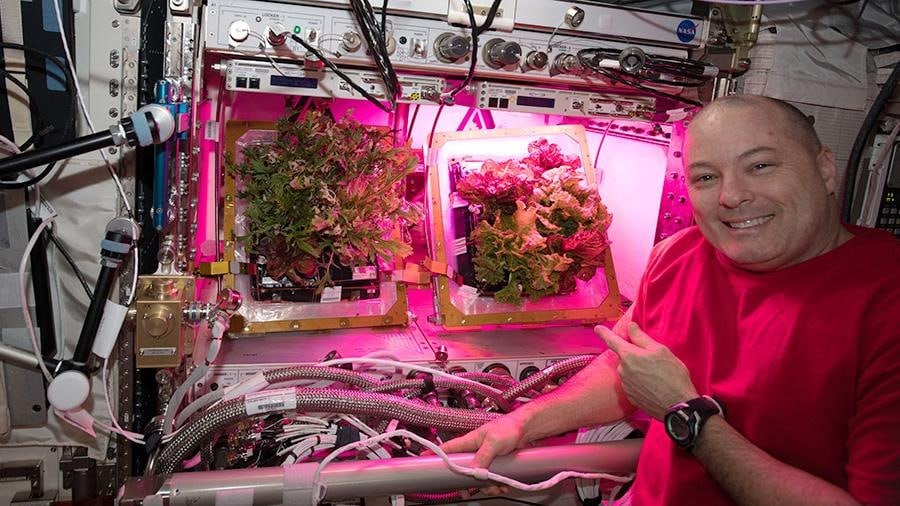
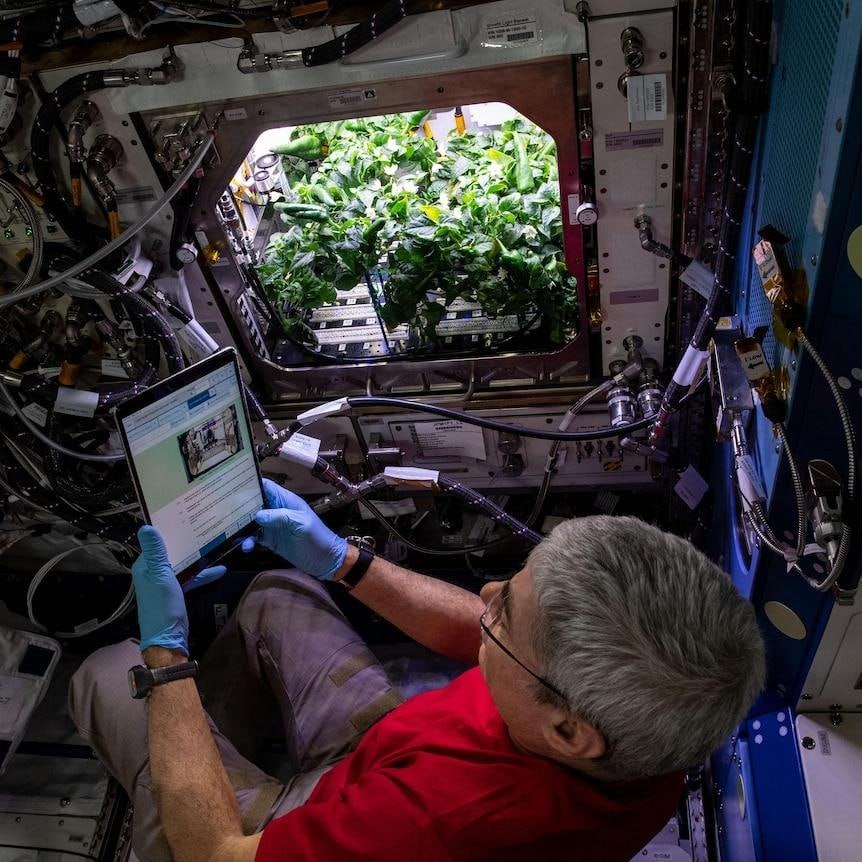
A journey lasting decades, centuries or millennia could not rely entirely on supplies brought from Earth. Travellers would need to grow food, recycle water and regenerate breathable air throughout the voyage.
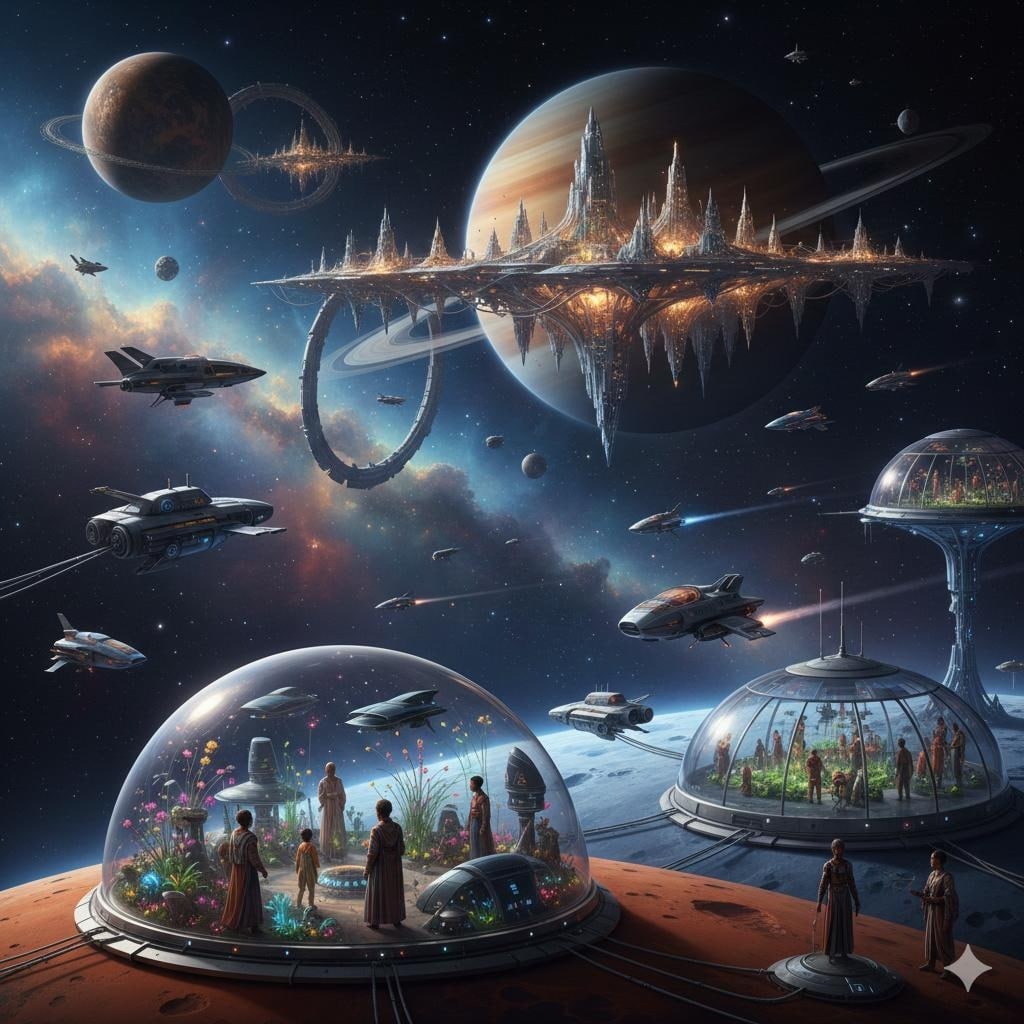
This leads to a third challenge: the creation of a reliable closed ecological system. An interstellar spacecraft would need to function like a small artificial planet. Water, oxygen, nutrients and waste would have to be continuously recycled.
Plants, microorganisms, machinery and human beings would need to coexist in a carefully balanced environment. If one critical part of this system failed, the survival of everyone aboard could be placed at risk.
The fourth challenge concerns human psychology and social stability.
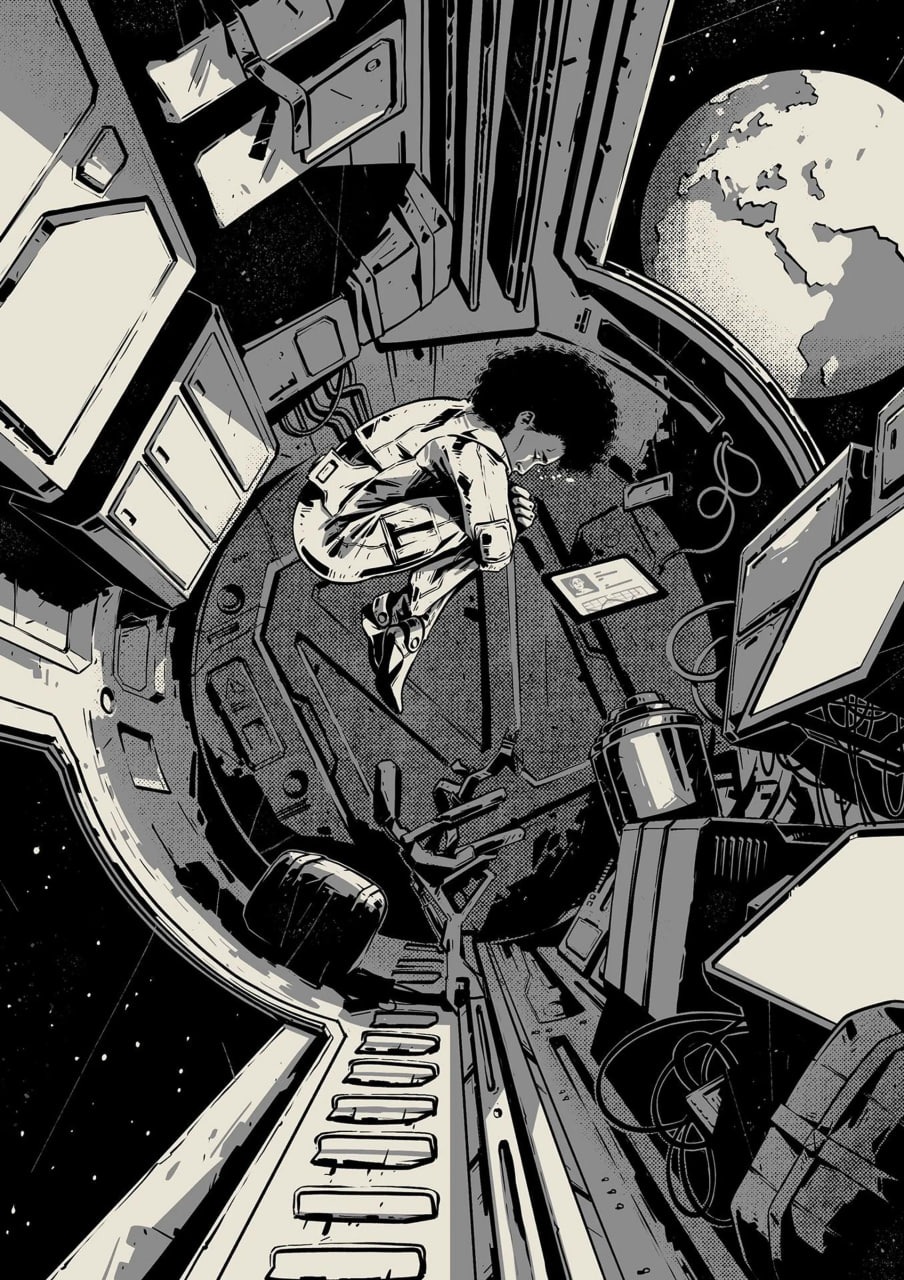
Living for long periods inside an enclosed spacecraft, separated permanently from Earth and unable to return, could cause severe stress, depression, loss of motivation and conflict. On a multigenerational voyage, the problem would become even more complex.
The people who began the mission would never reach the destination. Their children, grandchildren or much later descendants would be expected to continue a journey they had not chosen to begin. This raises difficult ethical and political questions.
Who would govern the spacecraft? How would resources be distributed? How would conflicts be resolved? What would happen if later generations no longer wished to continue the mission?
The final—and perhaps greatest—challenge is the survival of human civilisation itself.
Interstellar travel is unlikely to be a project completed within a few years or even a few decades. Developing the necessary knowledge, infrastructure and technology could require centuries of sustained scientific progress.
Humanity would therefore need to preserve peace, education, scientific knowledge, economic strength and stable institutions across many generations. A civilisation repeatedly devastated by war, environmental collapse or political disorder may never remain stable long enough to complete such a project. The biggest question may therefore not be whether humanity can build a sufficiently fast spacecraft.
It may be whether human civilisation can survive and progress long enough to complete the mission.
Conclusion
The real question may not be, “Can humanity leave the solar system?”
It may instead be: “Can we develop the necessary technology and keep our civilisation stable long enough to make such a journey possible?”
If that day arrives, leaving the solar system would not merely be the greatest voyage in human history. It could become one of the most important steps ever taken to ensure the long-term continuation of humanity in the universe. Perhaps one day, human beings will no longer simply look towards the stars. They may travel to them—and perhaps even build new homes beneath the light of another sun.
But before that future can become possible, humanity must first answer a more immediate question: Can we preserve peace, knowledge, scientific progress and civilisation long enough to reach it? In the end, the greatest obstacle may not be the enormous distance between the stars.
It may be humanity’s ability to survive, cooperate and continue advancing long enough to cross that distance.