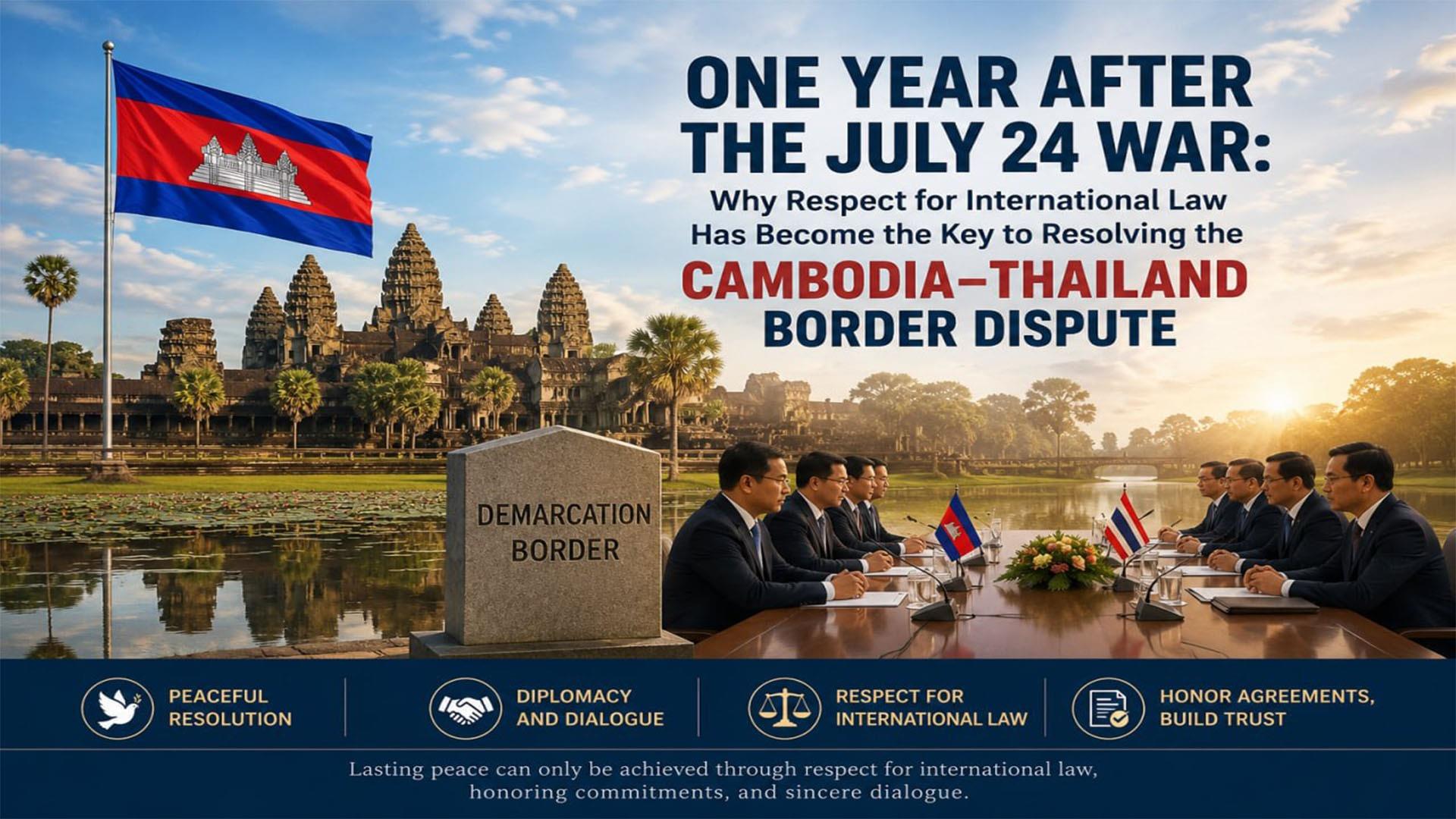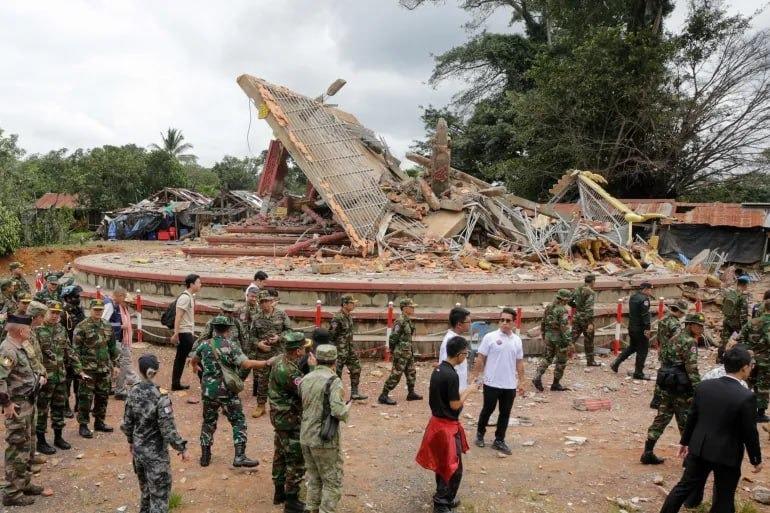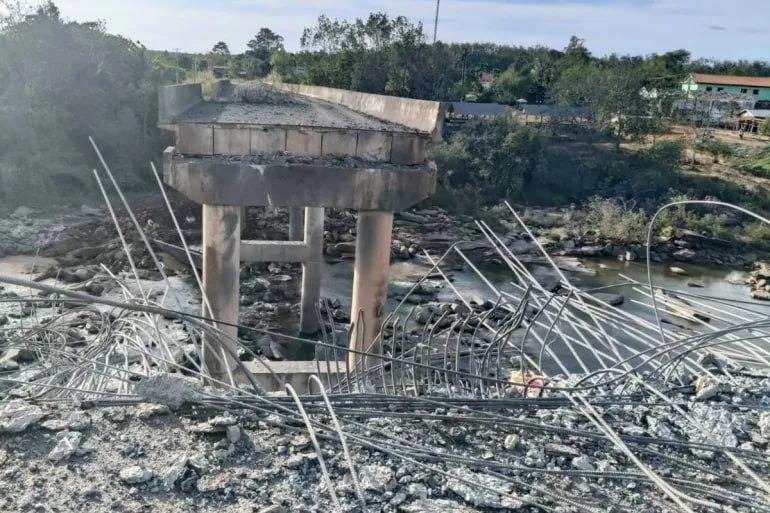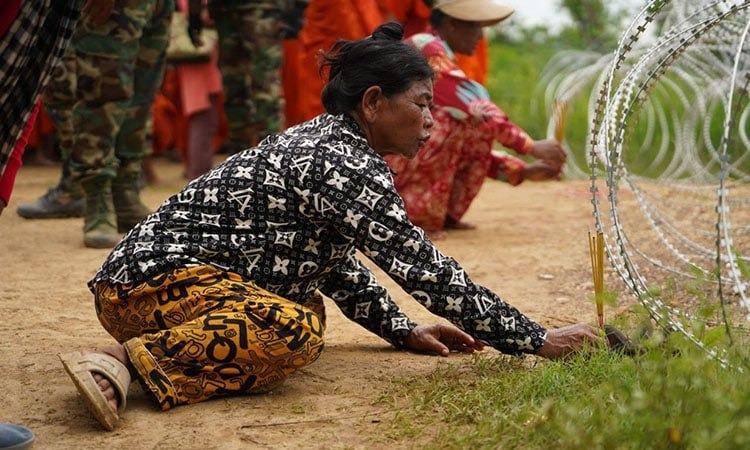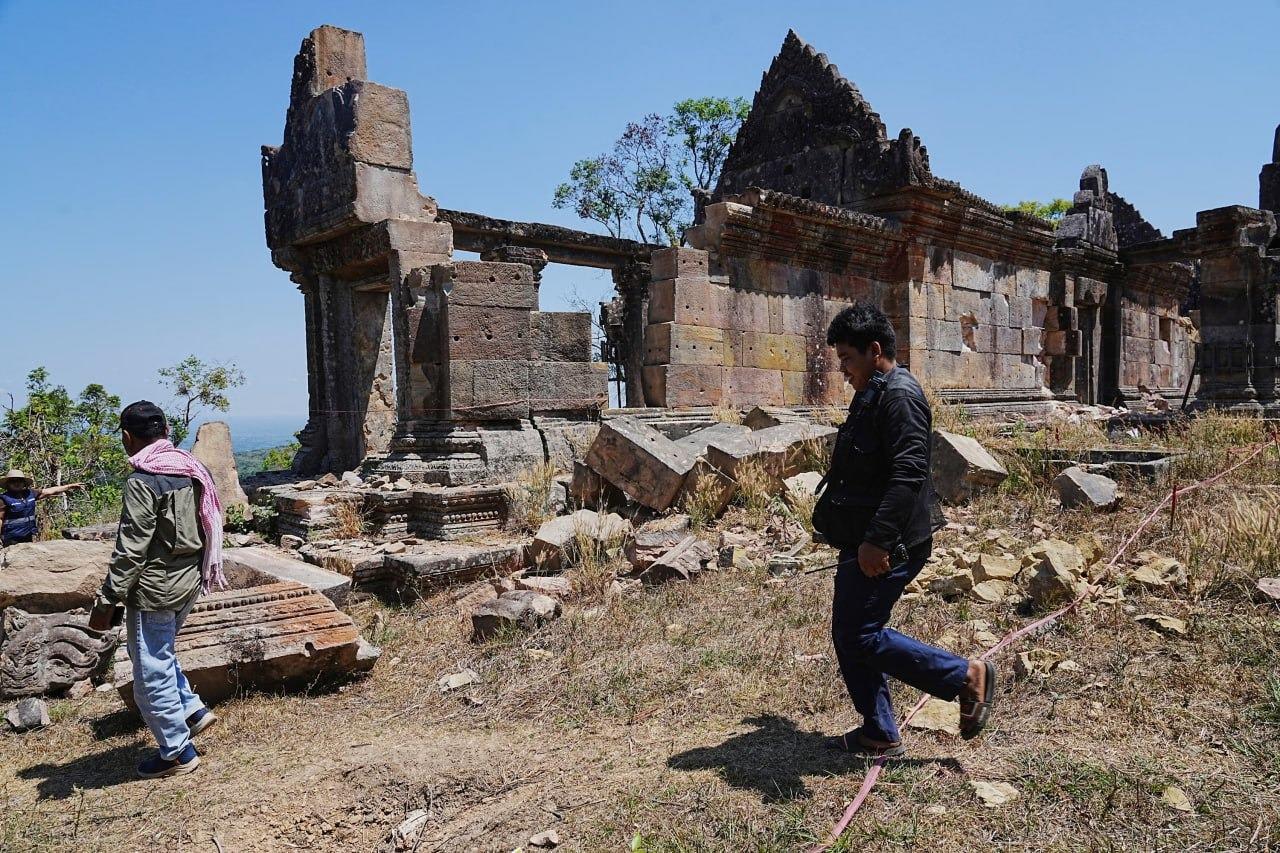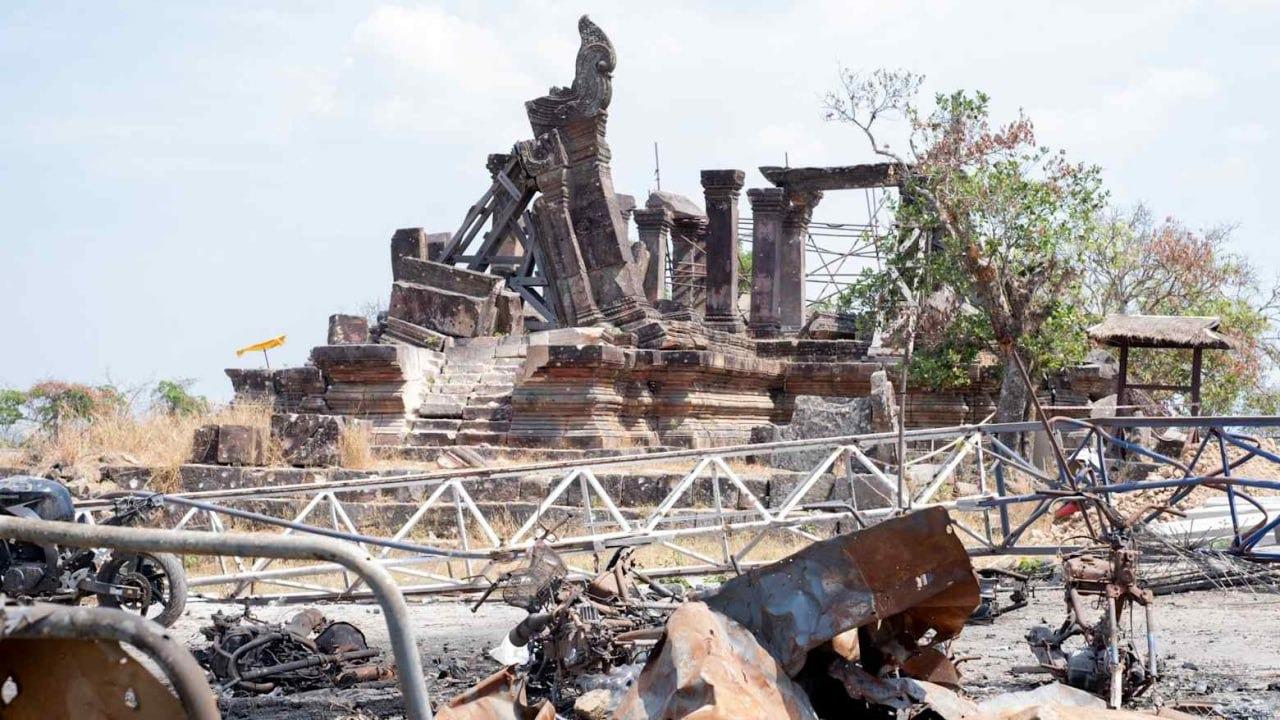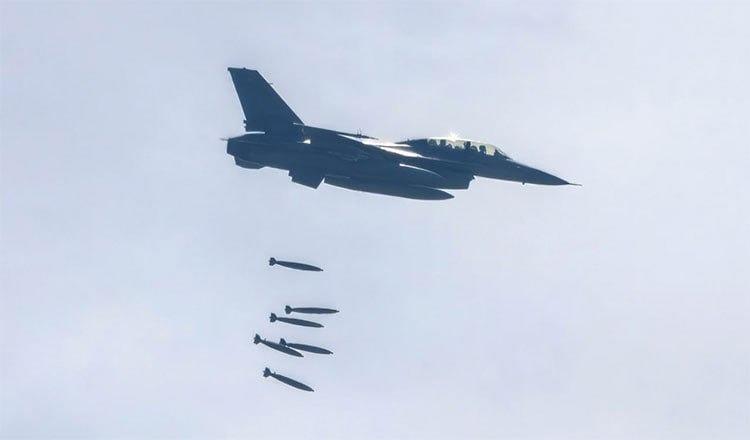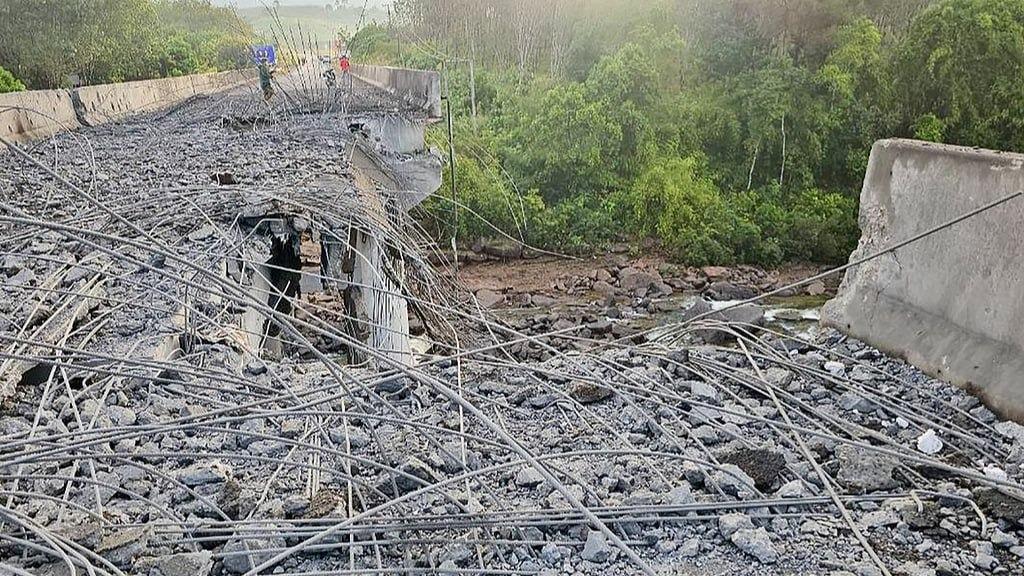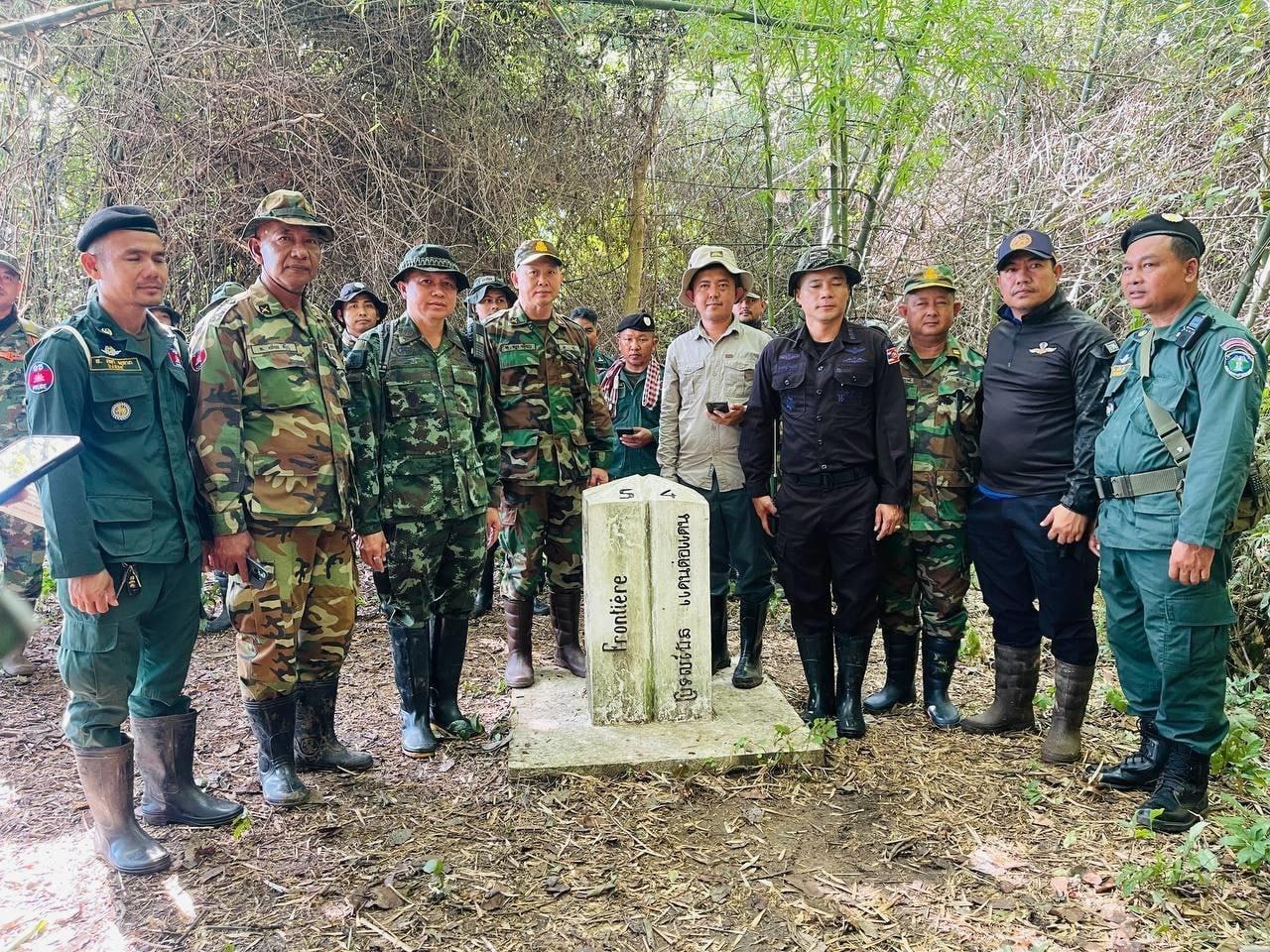

(Phnom Penh): One year ago, the Cambodia–Thailand border became the scene of an armed conflict that claimed lives, destroyed property, damaged national heritage, and displaced thousands of civilians. A year later, the wounds of that war remain deeply etched in the collective memory of the Cambodian people.
Yet the questions confronting Cambodian society today extend far beyond how the loss of lives, property, and territory should be addressed. The more fundamental question is whether what Cambodia describes as the continued unlawful occupation of parts of its territory can continue indefinitely without a peaceful resolution. Equally important is another question: Will this dispute ultimately be settled through the use of force, or through respect for international law?
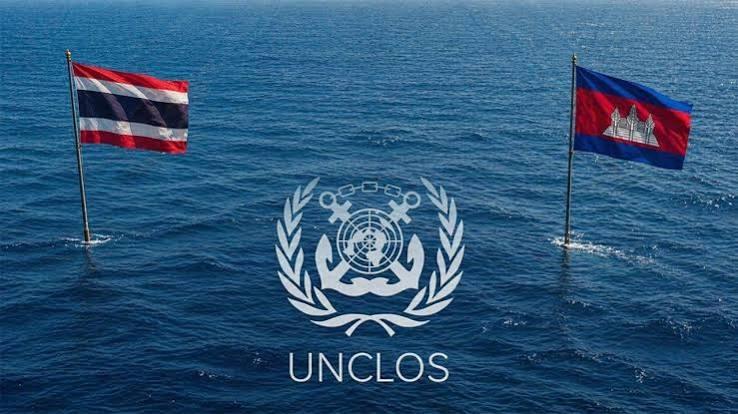
A statement issued on 20 July 2026 by the spokesperson for Cambodia's Ministry of Foreign Affairs and International Cooperation has become a significant political and legal declaration ahead of the first anniversary of the outbreak of the conflict. In that statement, Cambodia rejected remarks made by Thailand's Foreign Minister, Sihasak Phuangketkeow , who argued that Cambodia's decision to initiate compulsory conciliation proceedings under the United Nations Convention on the Law of the Sea (UNCLOS) had effectively "closed the door" to negotiations over the land boundary.
On the contrary, the Cambodian statement emphasized that Cambodia has neither abandoned bilateral negotiations nor relinquished what it considers its sovereign rights and territorial integrity. Instead, Cambodia reaffirmed its commitment to pursuing a peaceful resolution through diplomacy, legal mechanisms, and international law.
Unlike armed confrontation, which seeks to impose outcomes through military power, Cambodia maintains that disputes over sovereignty and territorial boundaries should be addressed through internationally recognized legal frameworks and peaceful diplomatic engagement. In this view, the pursuit of legal remedies is not a rejection of dialogue but a reaffirmation that lasting peace can only be achieved when disputes are resolved in accordance with law rather than force.
Why Land and Maritime Boundaries Cannot Be Treated as the Same Legal Issue
The central argument in Cambodia's statement is that land boundary disputes and maritime boundary disputes are legally distinct matters, each governed by different legal frameworks and different dispute-settlement mechanisms. Consequently, developments in one area should not be used as a justification for suspending or abandoning work in the other.
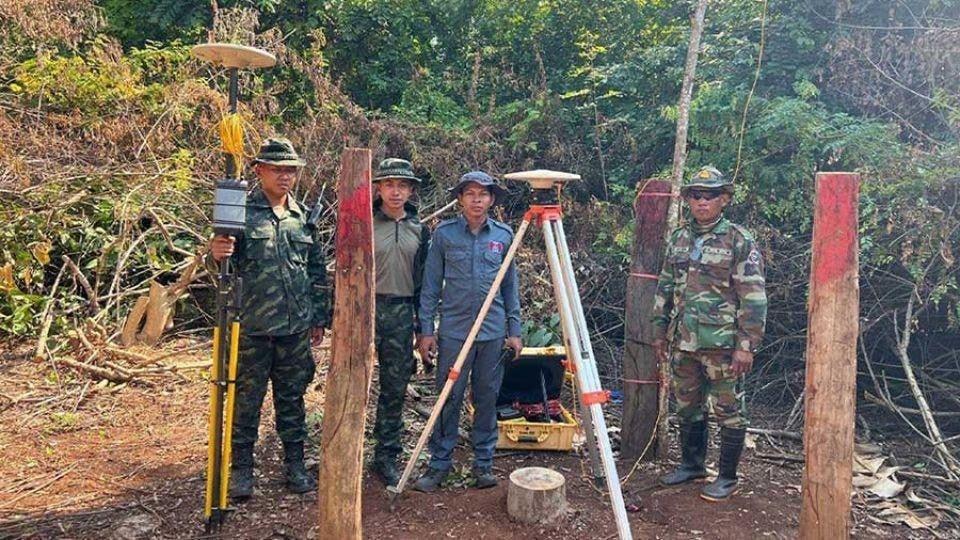
According to Cambodia, the compulsory conciliation proceedings initiated under the United Nations Convention on the Law of the Sea (UNCLOS) relate exclusively to the maritime boundary dispute. Meanwhile, land boundary delimitation remains subject to a separate bilateral mechanism that both countries had previously agreed upon—the Joint Boundary Commission (JBC) established under the 2000 Memorandum of Understanding (MoU), whose mandate was reaffirmed in the 27 December 2025 Ceasefire Agreement.
The significance of Cambodia's position is that recourse to international legal procedures for maritime issues should not be interpreted as a rejection of negotiations on the land boundary. Instead, Cambodia argues that the two processes are complementary: one operates within the framework of the law of the sea, while the other proceeds through the bilateral mechanism already accepted by both governments.
From Cambodia's perspective, therefore, the question is not whether negotiations should be replaced by international law, but whether both countries are prepared to implement, in good faith, the mechanisms they have already agreed upon so that progress on land and maritime issues can move forward simultaneously rather than obstruct one another.
International Law Is a Means of Peaceful Settlement, Not a Rejection of Negotiation
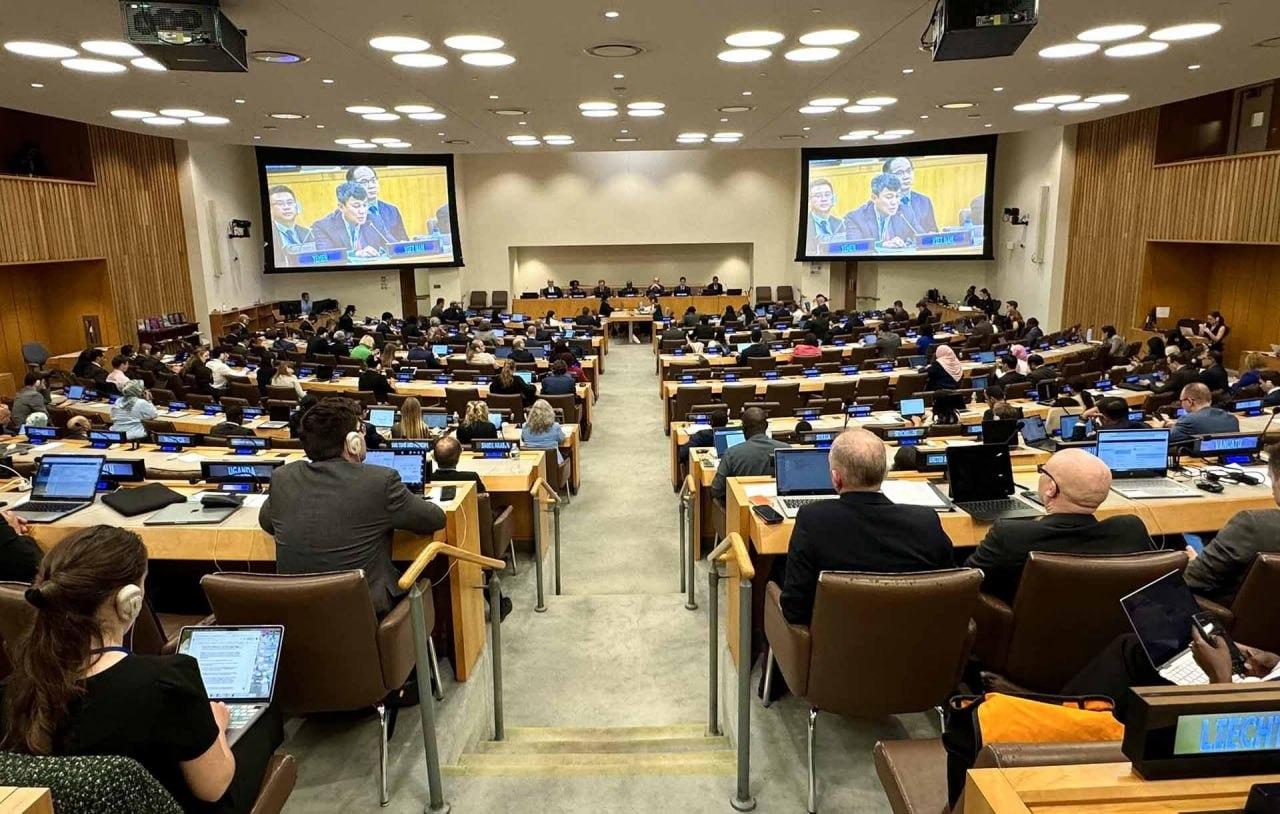
Another key message in Cambodia's statement is that initiating proceedings under UNCLOS should not be interpreted as an abandonment of bilateral diplomacy. Rather, Cambodia views UNCLOS as one of the peaceful dispute-settlement mechanisms that States Parties have voluntarily accepted in advance for resolving maritime disputes.
According to Cambodia, diplomacy and international law are not competing alternatives from which one must choose at the expense of the other. Instead, they are mutually reinforcing instruments. Diplomatic negotiations provide opportunities for political dialogue and compromise, while international law offers an agreed legal framework and objective principles that can guide those negotiations toward a durable and predictable outcome.
In this context, Cambodia argues that invoking UNCLOS does not "close the door" to diplomacy. On the contrary, it represents the use of a peaceful legal instrument specifically designed by the international community for resolving disputes without resorting to force. From this perspective, diplomatic negotiations and legal processes should proceed in parallel, each strengthening the credibility and effectiveness of the other.
Cambodia also notes that Thailand itself has, on previous occasions, expressed its willingness to rely on UNCLOS in addressing maritime issues. Consequently, Cambodia argues that employing a mechanism recognized by both States should not be portrayed as an obstacle to dialogue, but rather as an integral component of peaceful dispute management conducted in accordance with international law.
Defending Sovereignty Through Diplomacy and the Rule of Law
One year after the outbreak of the conflict, Cambodia has consistently reaffirmed that it has no intention of relinquishing what it considers its sovereign rights and territorial integrity. At the same time, however, it has repeatedly emphasized that these claims will continue to be pursued through peaceful means, diplomacy, and legal processes rather than through military force.
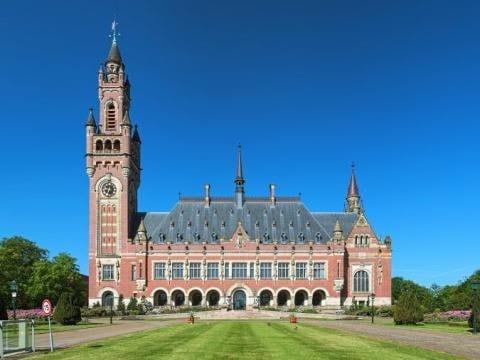
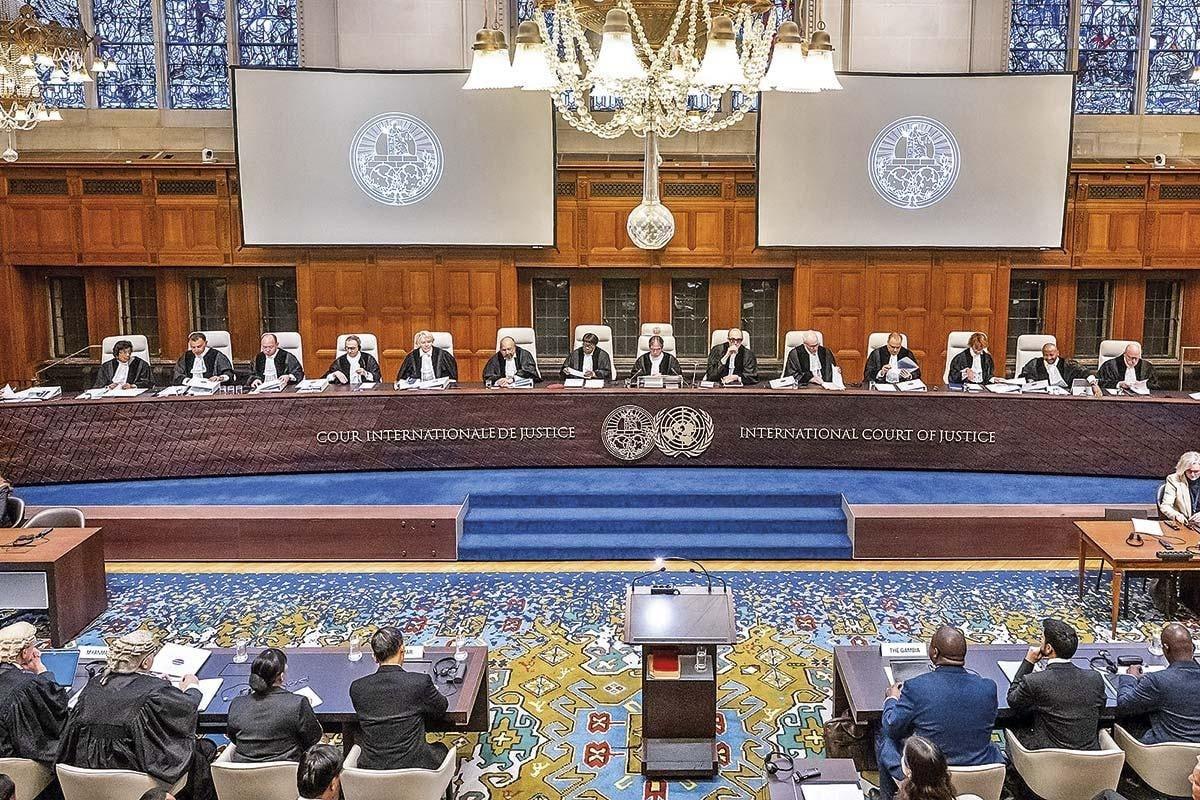
According to Cambodia's stated position, its continued support for bilateral mechanisms such as the Joint Boundary Commission (JBC), its decision to initiate compulsory conciliation under UNCLOS, and its repeated reference to the 1962 and 2013 Judgments of the International Court of Justice (ICJ) all reflect a deliberate policy of relying on internationally recognized legal mechanisms to address disputes.
From Cambodia's perspective, choosing not to resort to force should not be interpreted as abandoning its territorial claims. Rather, it represents a decision to pursue those claims through methods recognized and protected under international law. Cambodia maintains that disputes over sovereignty should ultimately be addressed through legal principles, existing agreements, and peaceful institutions, rather than through unilateral actions or military confrontation.
In this regard, Cambodia's Ministry of Foreign Affairs has called upon Thailand to resume the work of the Joint Boundary Commission in accordance with the 2000 Memorandum of Understanding and to honor the commitments previously accepted by both countries. Cambodia argues that continuing diplomatic engagement and legal proceedings should not be viewed as signs of weakness. Instead, they demonstrate a commitment to safeguarding sovereignty and territorial integrity through peaceful means and within the framework of international law.
Conclusion
One year after the outbreak of the 24 July 2025 border war, the Cambodia–Thailand border dispute remains unresolved. What has changed, however, is the nature of the contest itself. What began as an armed confrontation has increasingly evolved into a struggle over legal principles, diplomatic engagement, and competing interpretations of obligations under international law.
Against this backdrop, the statement issued by Cambodia's Ministry of Foreign Affairs and International Cooperation on 20 July 2026 reaffirmed the country's position that it will not abandon what it considers its sovereign rights and territorial integrity. At the same time, Cambodia emphasized that these claims will continue to be pursued through peaceful means, diplomacy, and legal mechanisms provided under international law, rather than through the use of force.
History has repeatedly shown that military power may alter facts on the ground in the short term, but it cannot by itself produce a settlement that is lawful, internationally recognized, and durable. Lasting peace is more likely to emerge from respect for international law, adherence to mutually accepted agreements, and a sustained commitment to peaceful dialogue.
Ultimately, one year after the war, the defining question is no longer who can control territory for a longer period of time. The more important question is whether the dispute's final resolution will be determined by the use of force or by the rule of international law.
Through the position it has consistently articulated, Cambodia maintains that it will continue to pursue what it considers its legitimate claims through diplomacy, peaceful means, and international legal processes, while reaffirming that safeguarding sovereignty and preserving peace are not mutually exclusive objectives, but complementary principles that should guide the future resolution of the Cambodia–Thailand border dispute.