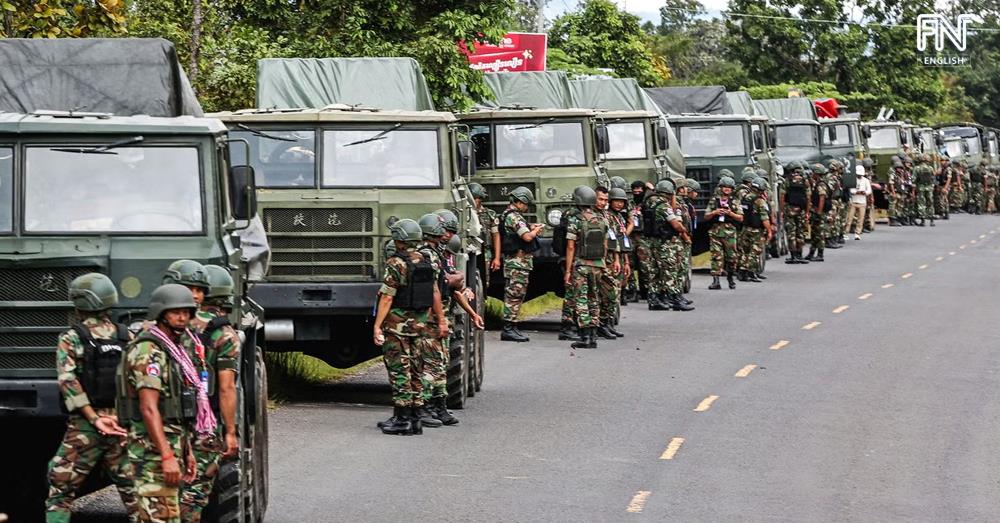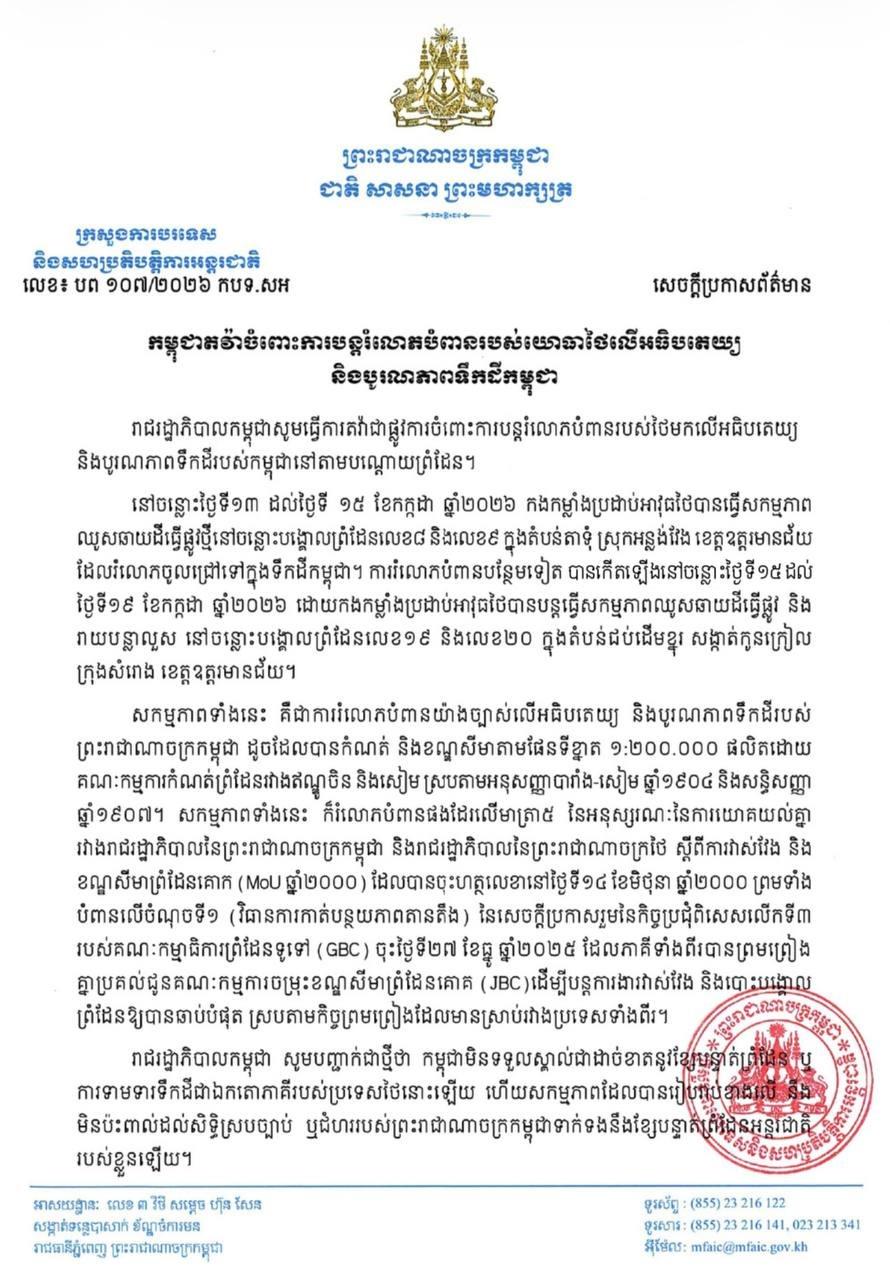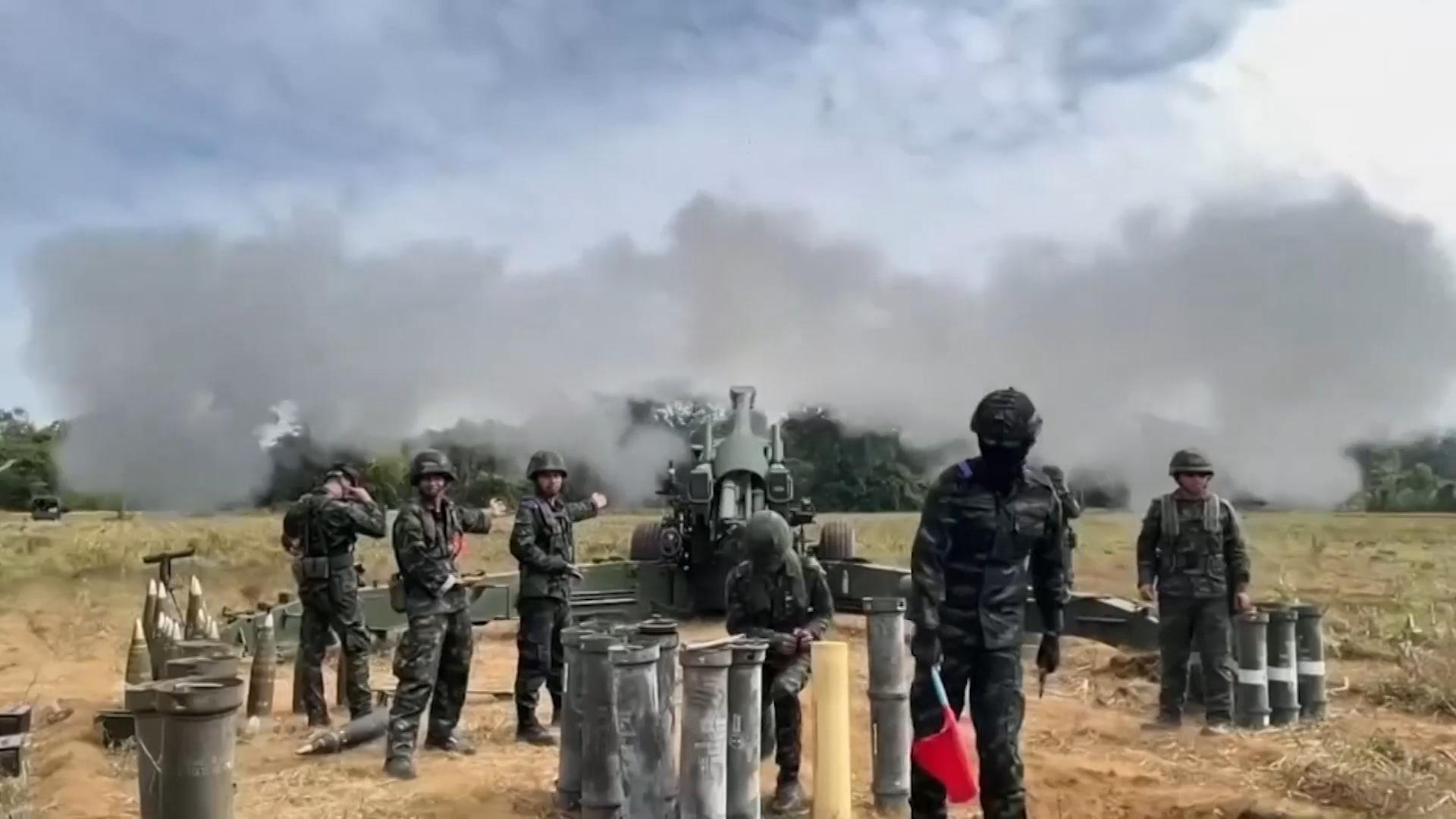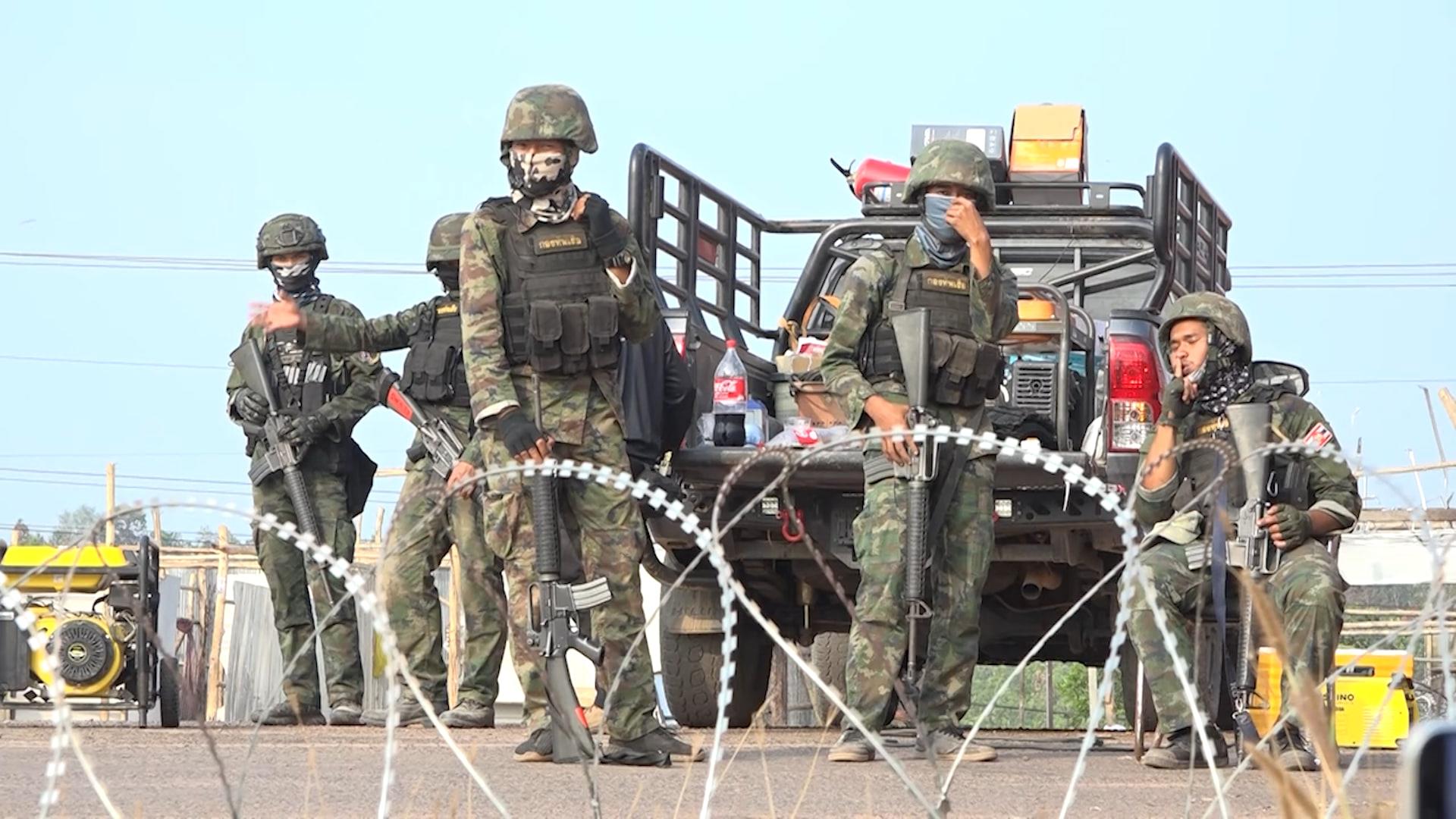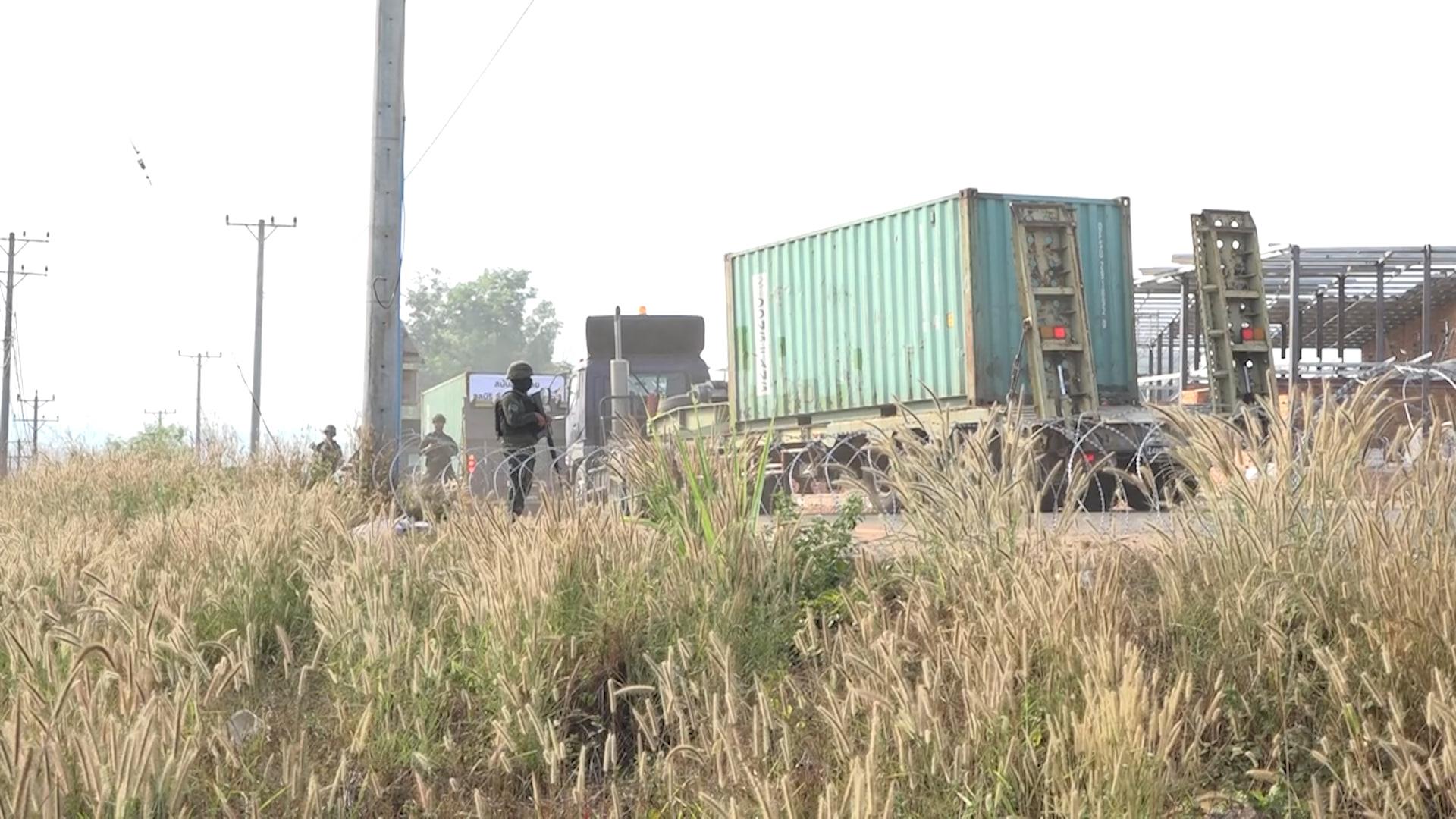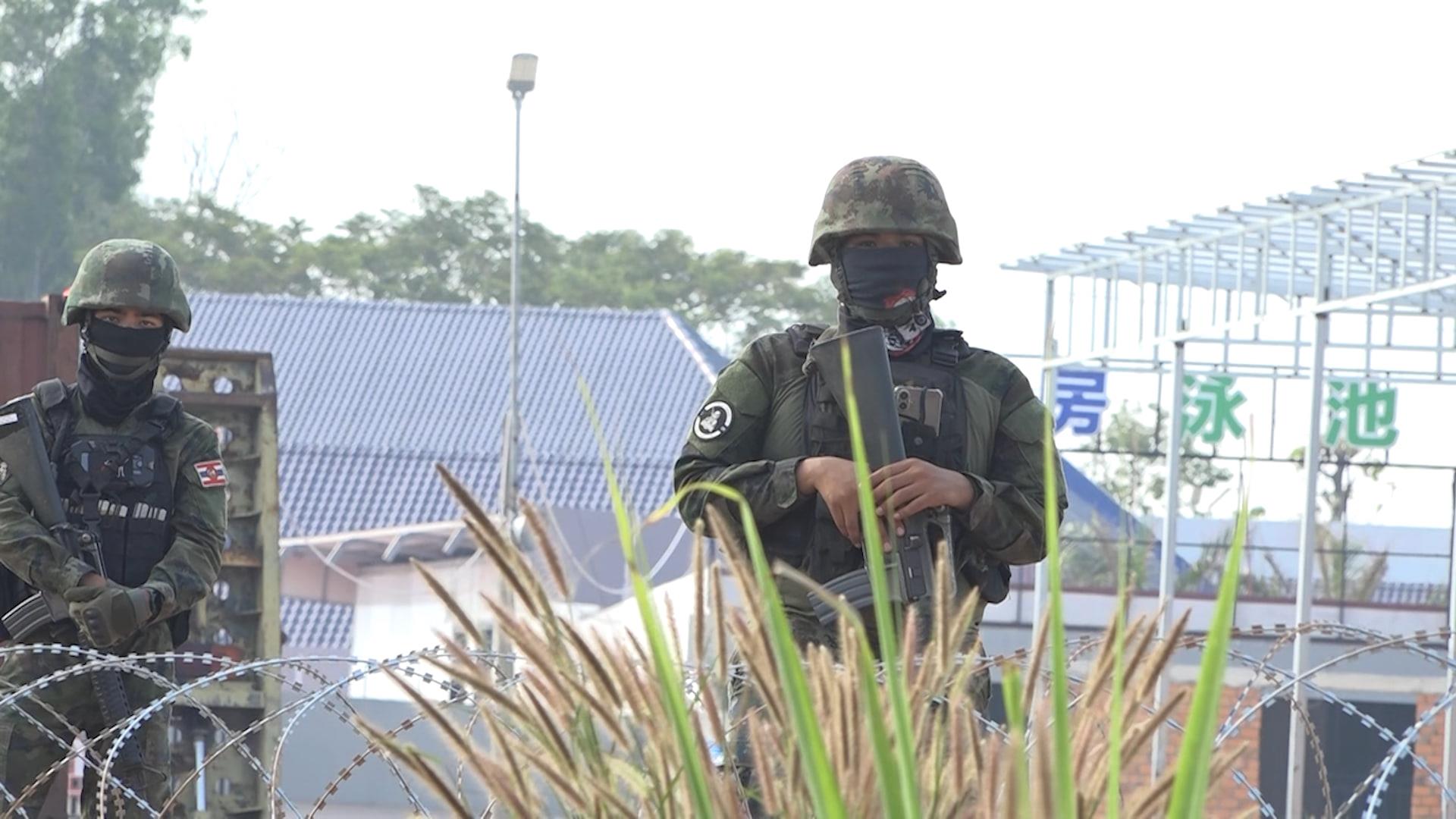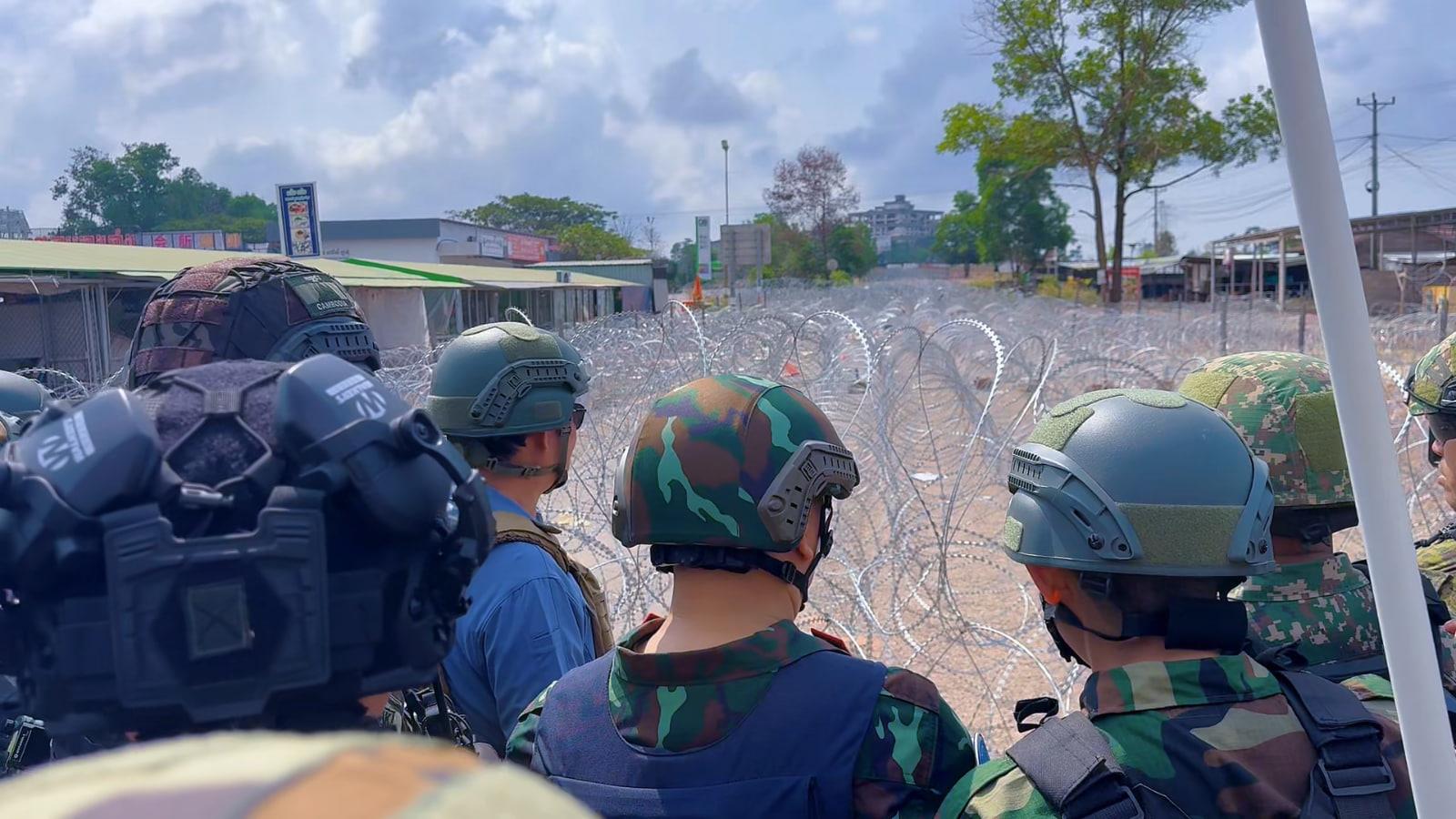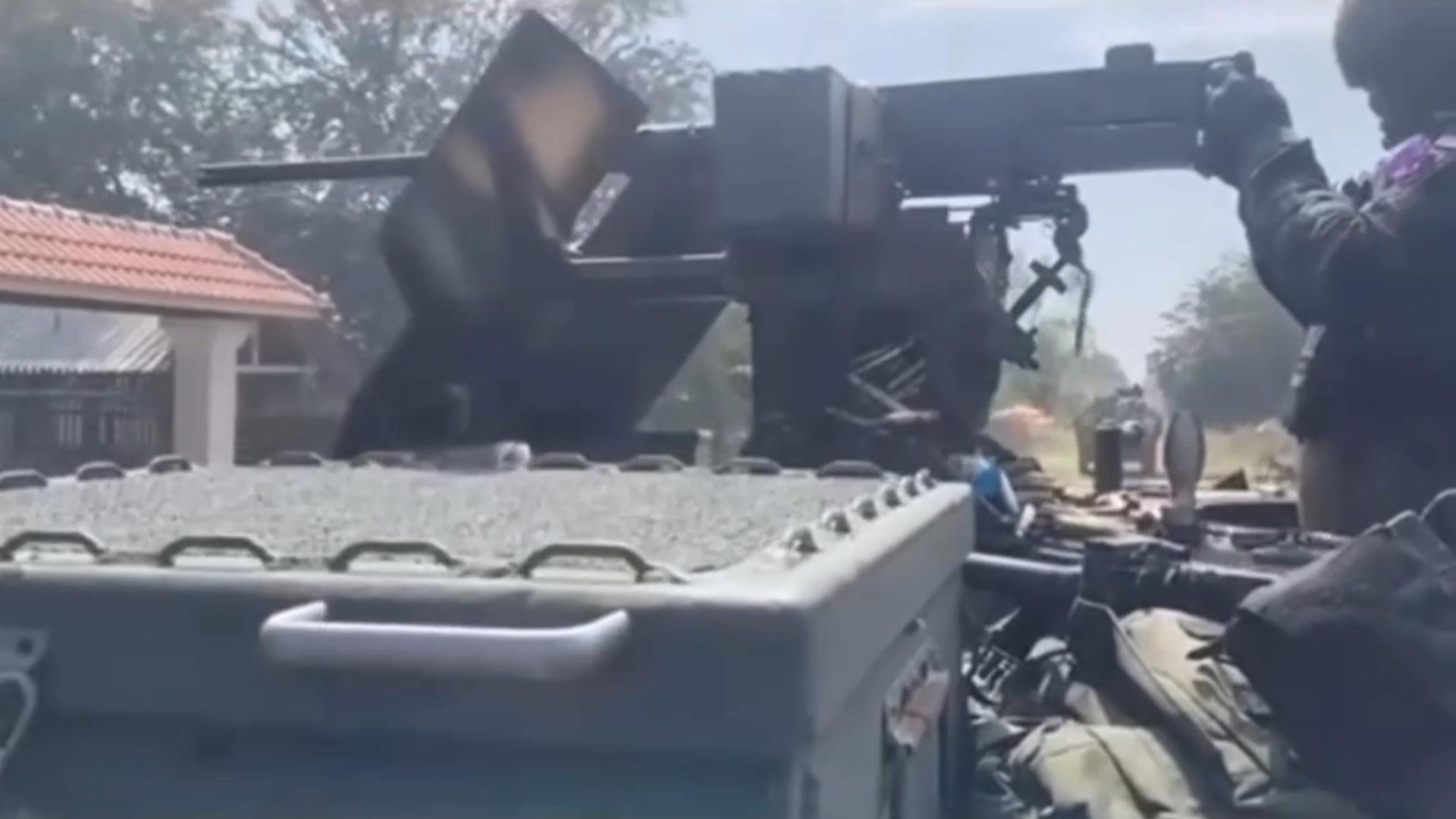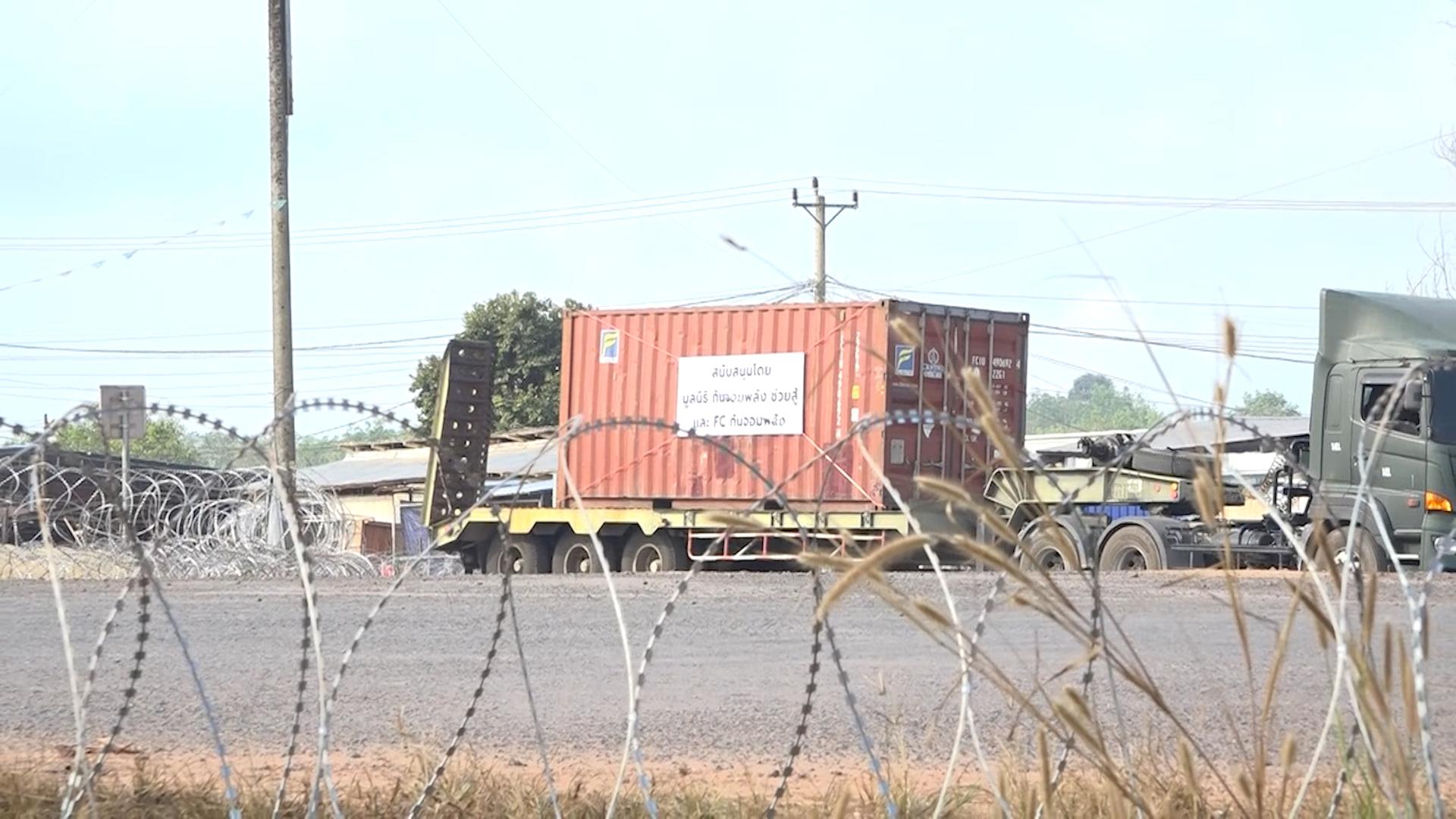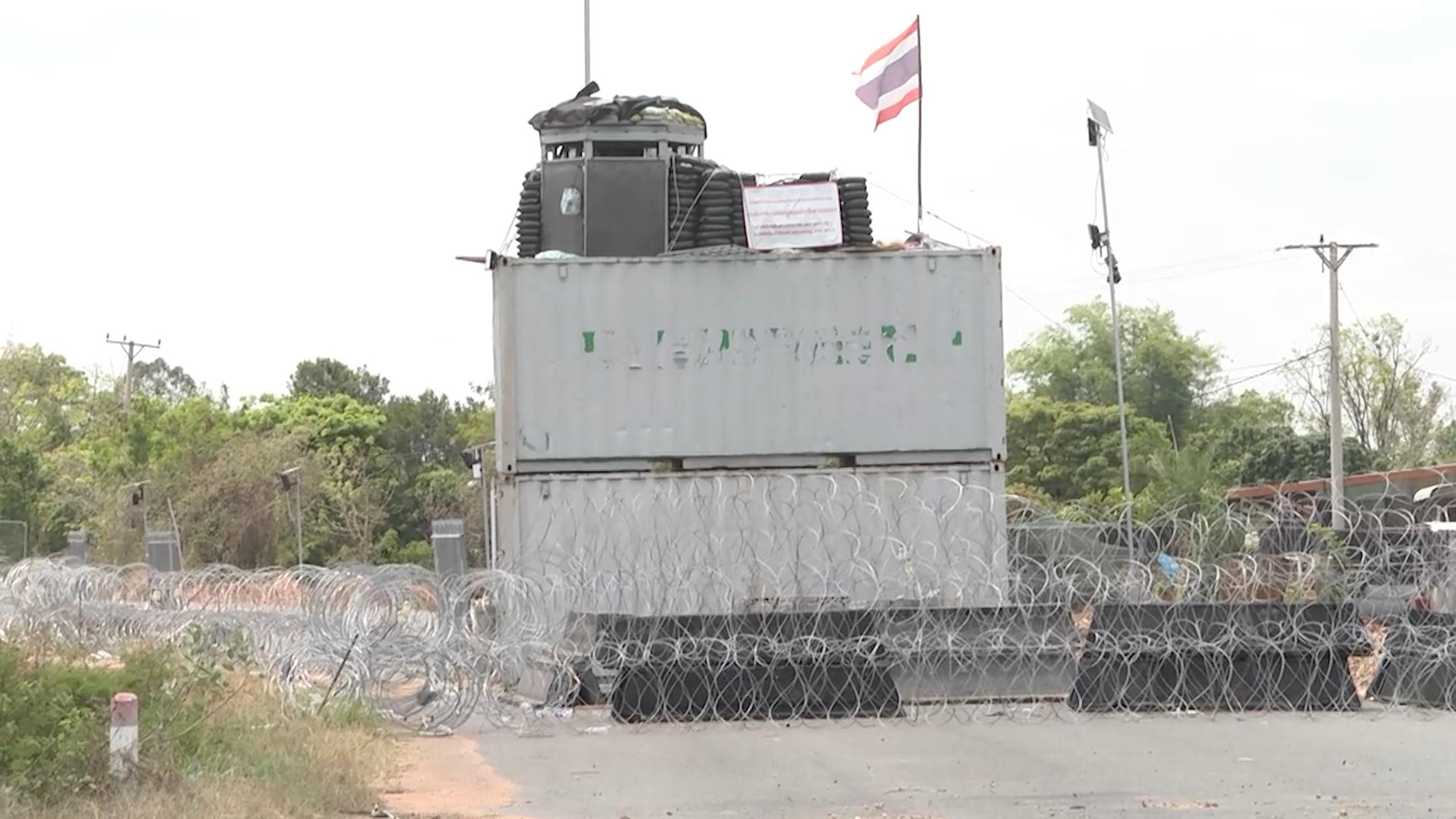

(Phnom Penh): Just two days before the first anniversary of the outbreak of armed conflict along the Cambodia–Thailand border, Cambodia’s Ministry of Foreign Affairs issued a press statement formally protesting actions by Thai forces that Cambodia alleges included clearing land to construct new roads, installing barbed wire, and encroaching into Cambodian territory in several areas of Oddar Meanchey province.
For some Cambodians, such a statement may create the impression that Cambodia is responding merely with words while Thai military activities on the ground continue. Feelings of pain, anger, and concern that Cambodia could lose territory because it has chosen not to retaliate militarily are understandable.
But a deeper question must be asked:
Does the decision not to open a new war mean that Cambodia is abandoning its territory, or is Cambodia choosing a different battlefield on which it has a greater chance of prevailing?
This Fresh Exclusive analysis does not suggest that a single diplomatic protest can immediately compel forces occupying a disputed position to withdraw. A verbal protest alone cannot substitute for a comprehensive national strategy.
However, in circumstances where the use of force could reignite war, cost civilian lives, destroy infrastructure, and still offer no guarantee that the territory would be recovered, Cambodia has strategic reasons to continue relying on diplomacy, international law, the systematic collection of evidence, and international political pressure.
Choosing not to fire back does not amount to recognizing an occupation. Refraining from war does not mean surrendering sovereignty. Nor does the issuance of a formal protest indicate that a state has no position, provided that the protest forms part of a clear and broader strategy.
War May Seize a Position, but It Cannot by Itself Create Legal Title
In a border dispute, it is essential to distinguish between two matters that may appear similar but are fundamentally different: effective control on the ground and lawful sovereignty over the territory concerned.
Military forces may enter and occupy a road, a mountain, a pass, or a particular area. They may deploy troops, install barbed wire, construct fortifications, or build access roads to that position. But such actions do not automatically transfer lawful sovereignty to the party using force.
A core principle of the modern international system is that borders must not be altered through the threat or use of force. Therefore, Cambodia’s declaration that it does not recognize any unilaterally imposed boundary line or territorial claim by Thailand is important for preserving Cambodia’s legal position.
The statement that such activities “shall not prejudice the lawful rights or position of Cambodia” is not merely language intended to reassure the public. It creates an official record that Cambodia has neither accepted nor consented to the situation and has not relinquished its claim.
Military Retaliation May Project Strength, but It Does Not Guarantee Strategic Victory
The experience of the past year has shown that armed conflict cannot be measured merely in metres of land or the number of military positions occupied. Its cost is also measured in human lives, the displacement of civilians, the loss of property, economic disruption, and the destruction of trust between neighbouring countries.
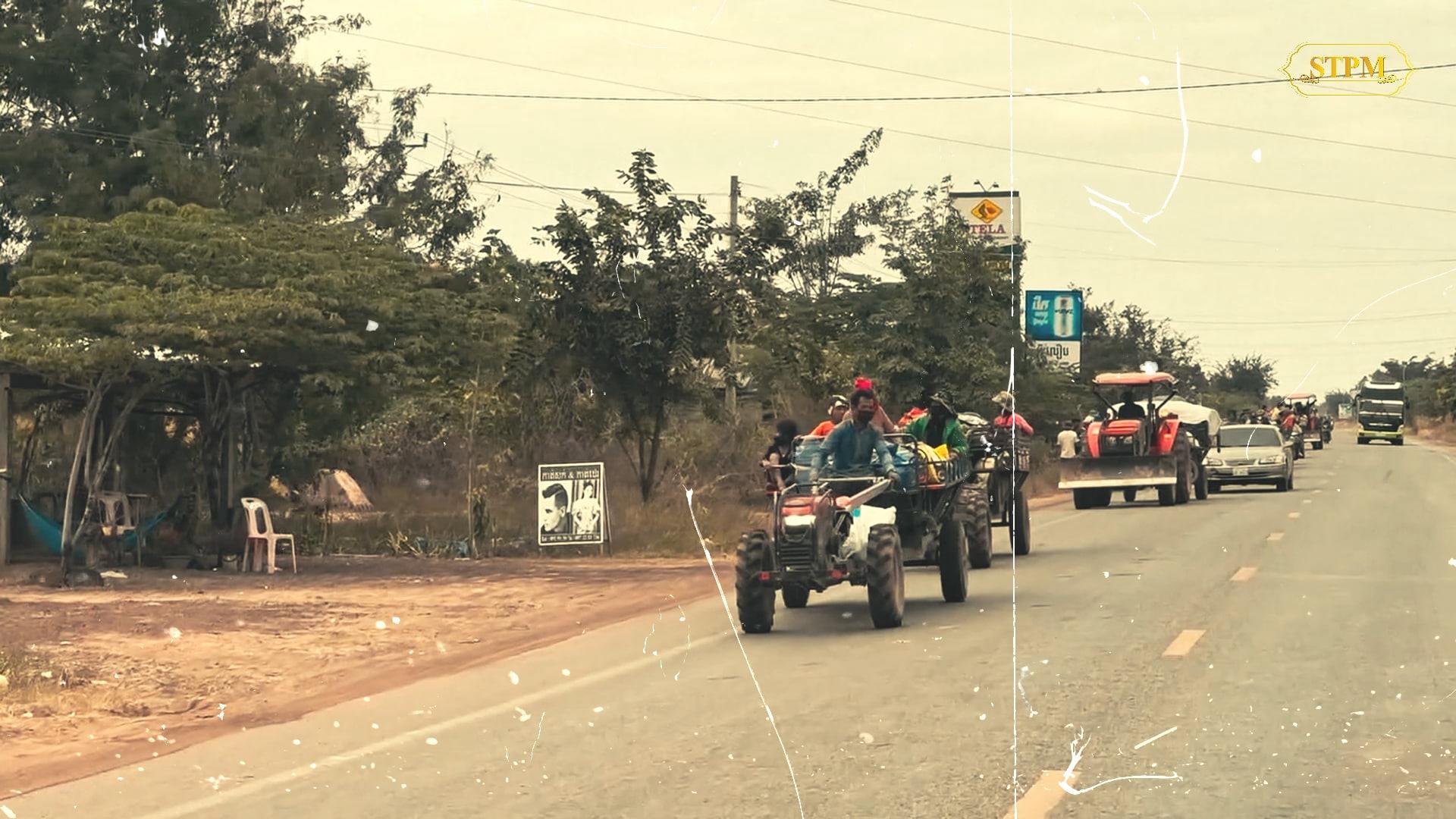
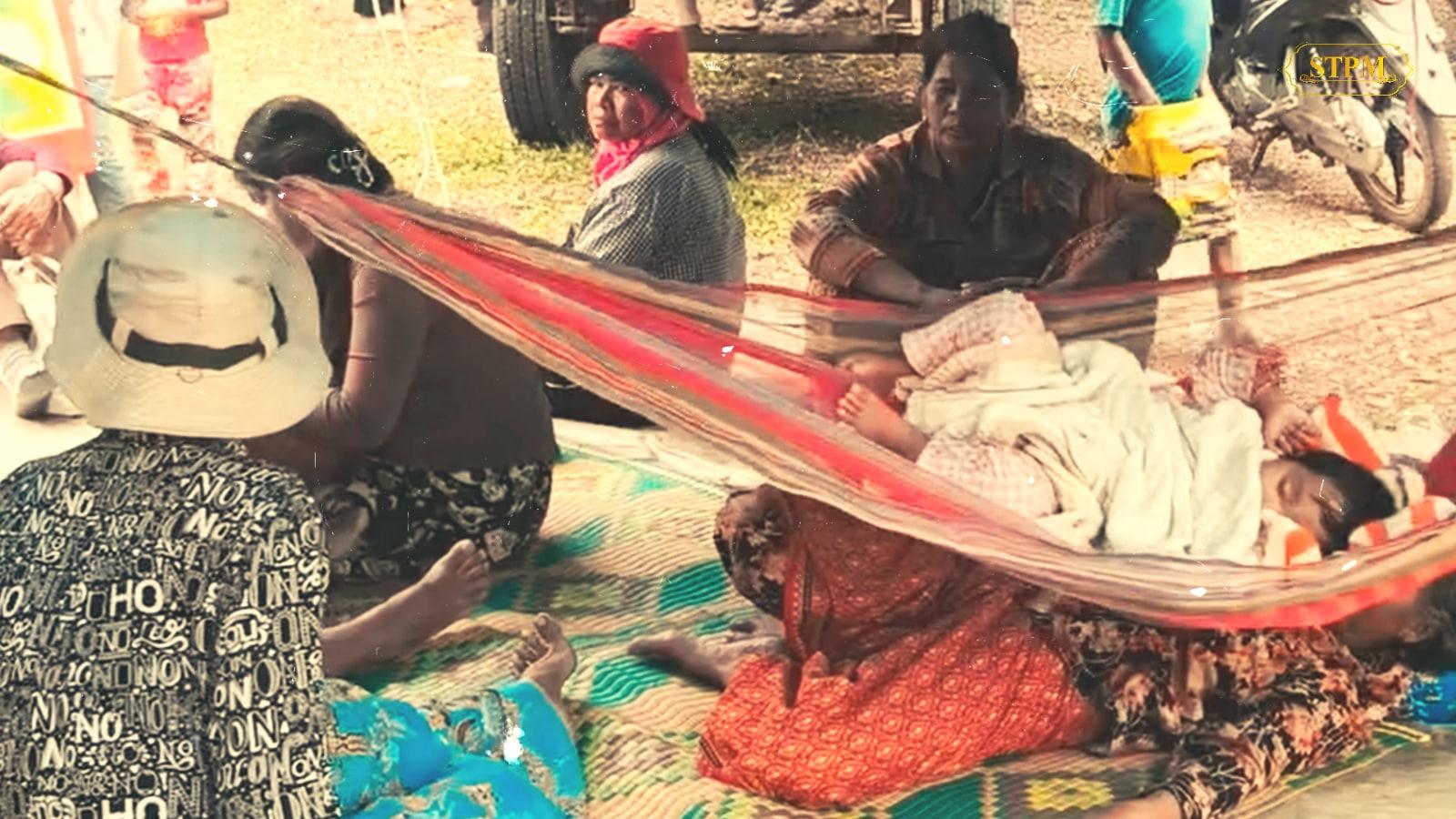
The fighting in 2025 forced hundreds of thousands of people to flee border areas. Even after the ceasefire agreement of December 27, 2025, approximately half a million people reportedly remained displaced in early January 2026.
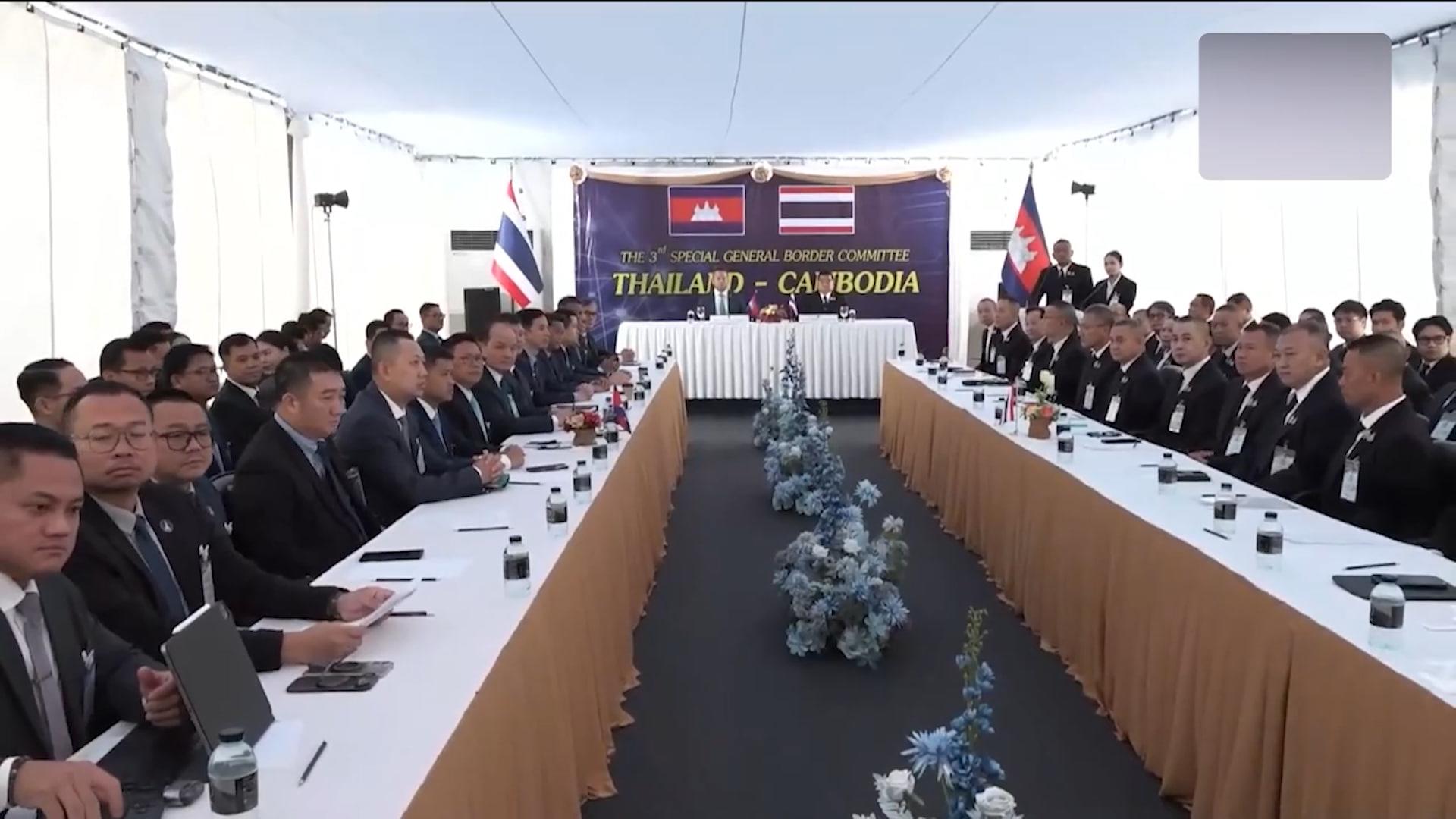
The December 27 agreement stipulated that the ceasefire would take effect at noon and that its implementation would be monitored for 72 hours to ensure that both sides acted in good faith. The joint statement also provided that neither side should reinforce its forces along the border, because additional deployments would increase tensions and obstruct a long-term settlement.
Renewing the fighting might generate nationalist support in the short term, but it could create far more serious consequences over the longer term. A country may secure temporary military positions while losing legitimacy on the international stage. It may display strength on the battlefield while simultaneously creating evidence that could later be used against it in a legal forum.
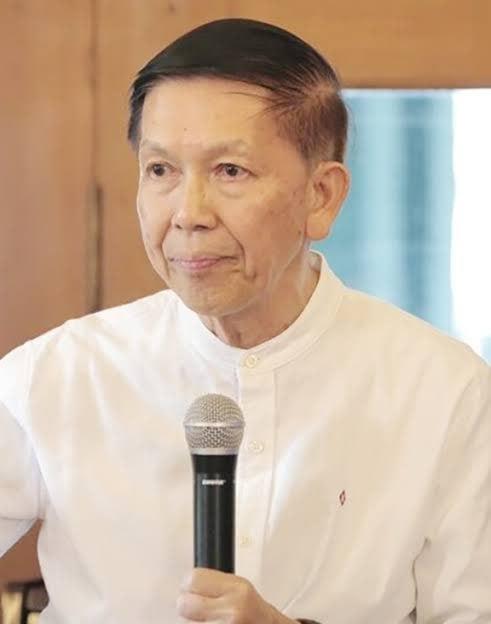
This is consistent with the evolution of the thinking of prominent Thai security expert Surachart Bamrungsuk, who has repeatedly warned that reliance on military force and the rejection of international legal foundations could lead Thailand into a legal trap.
In his latest assessment, the Thai political and security expert argued that the war had not produced the strategic gains Thailand had expected. Instead, it may have strengthened Cambodia’s political and diplomatic position.
Cambodia Is Choosing Forms of Pressure More Suitable Than Direct Military Confrontation
In international relations, there are four principal forms of pressure that may compel a party occupying territory unlawfully to withdraw or enter into a settlement.
The first is military pressure, which seeks to force withdrawal through armed power.
The second is diplomatic pressure, which raises the cost of continuing the disputed conduct by damaging international relationships, reputation, or external interests.
The third is legal pressure, applied through courts, arbitration, or other dispute-settlement mechanisms capable of producing legal decisions and obligations.
The fourth is political pressure, arising from the international community, key partner countries, or political changes within the states concerned.
Without at least one of these forms of pressure, a situation of effective control on the ground will not ordinarily change.
Cambodia’s protest, therefore, should not end with a press statement. It must become the foundation for coordinated diplomatic, legal, and political pressure.
In the present circumstances, Cambodia’s decision not to apply direct military pressure does not mean that it has abandoned all forms of pressure. It means that Cambodia is relying more heavily on the other three instruments. These may require more time, but they involve fewer risks for civilians and offer Cambodia a greater opportunity to preserve its international legitimacy.
The Foreign Ministry’s Statement Is an Evidentiary Document, Not the Final Answer
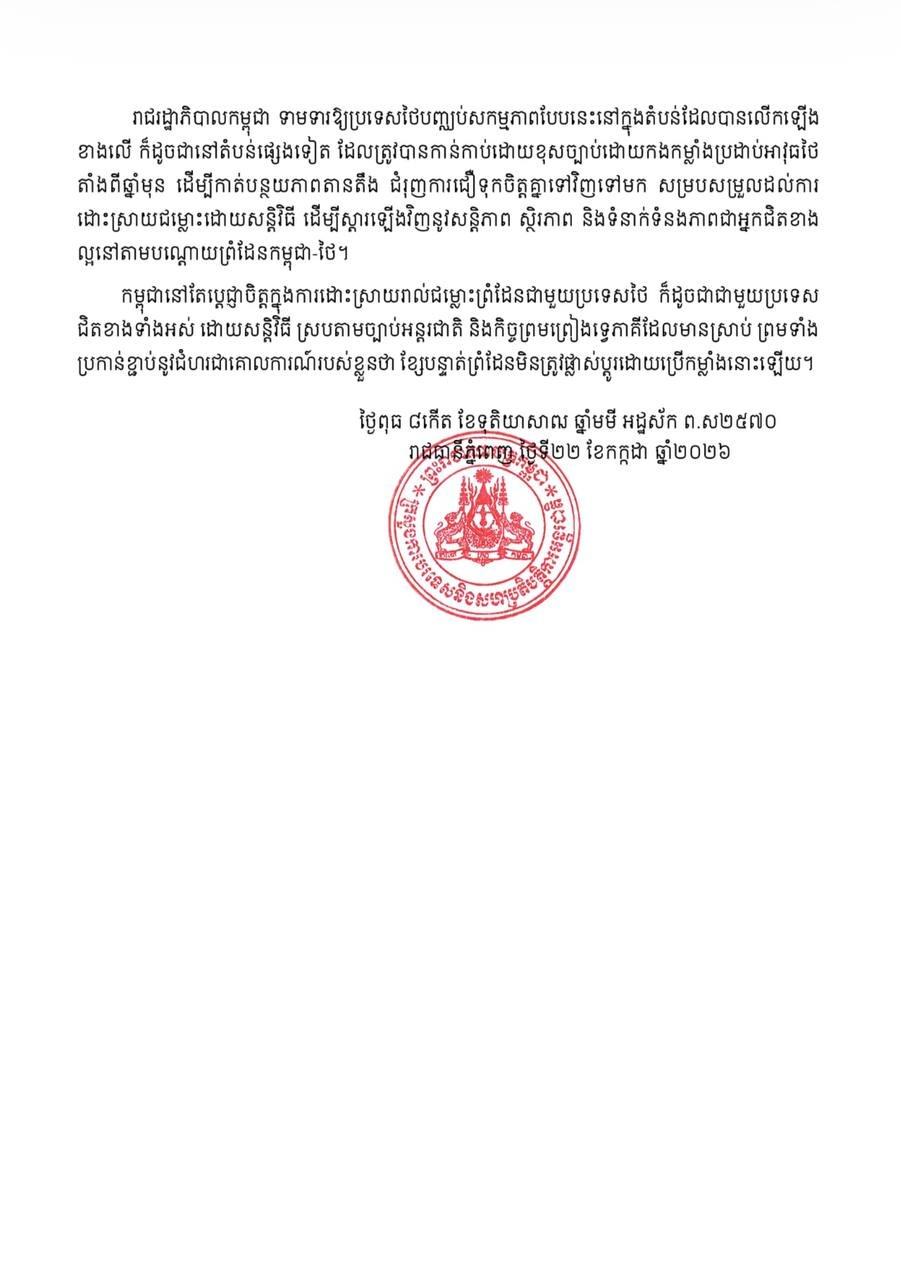
The July 22 statement identified the dates, locations, border-post numbers, nature of the alleged activities, and the legal foundations that Cambodia maintains were violated.
It referred to the 1:200,000-scale maps produced by the Franco-Siamese boundary commissions under the 1904 Franco-Siamese Convention and the 1907 Treaty. It also cited Article 5 of the 2000 Memorandum of Understanding and the joint declaration of the General Border Committee meeting of December 27, 2025.
This means that Cambodia is doing three things.
First, it is recording the alleged facts officially.
Second, it is rejecting any attempt by unilateral acts to acquire legal validity.
Third, it is connecting new developments on the ground to existing agreements and legal foundations.
However, such a document will achieve its full value only when it is connected to concrete action. This should include the collection of satellite imagery, maps, coordinates, photographs, video, witness testimony, and military records; the presentation of the matter before the Joint Boundary Commission and the General Border Committee; notification to the countries that witnessed or facilitated the ceasefire; and the preparation of documentation for international legal mechanisms if bilateral negotiations fail to produce results.
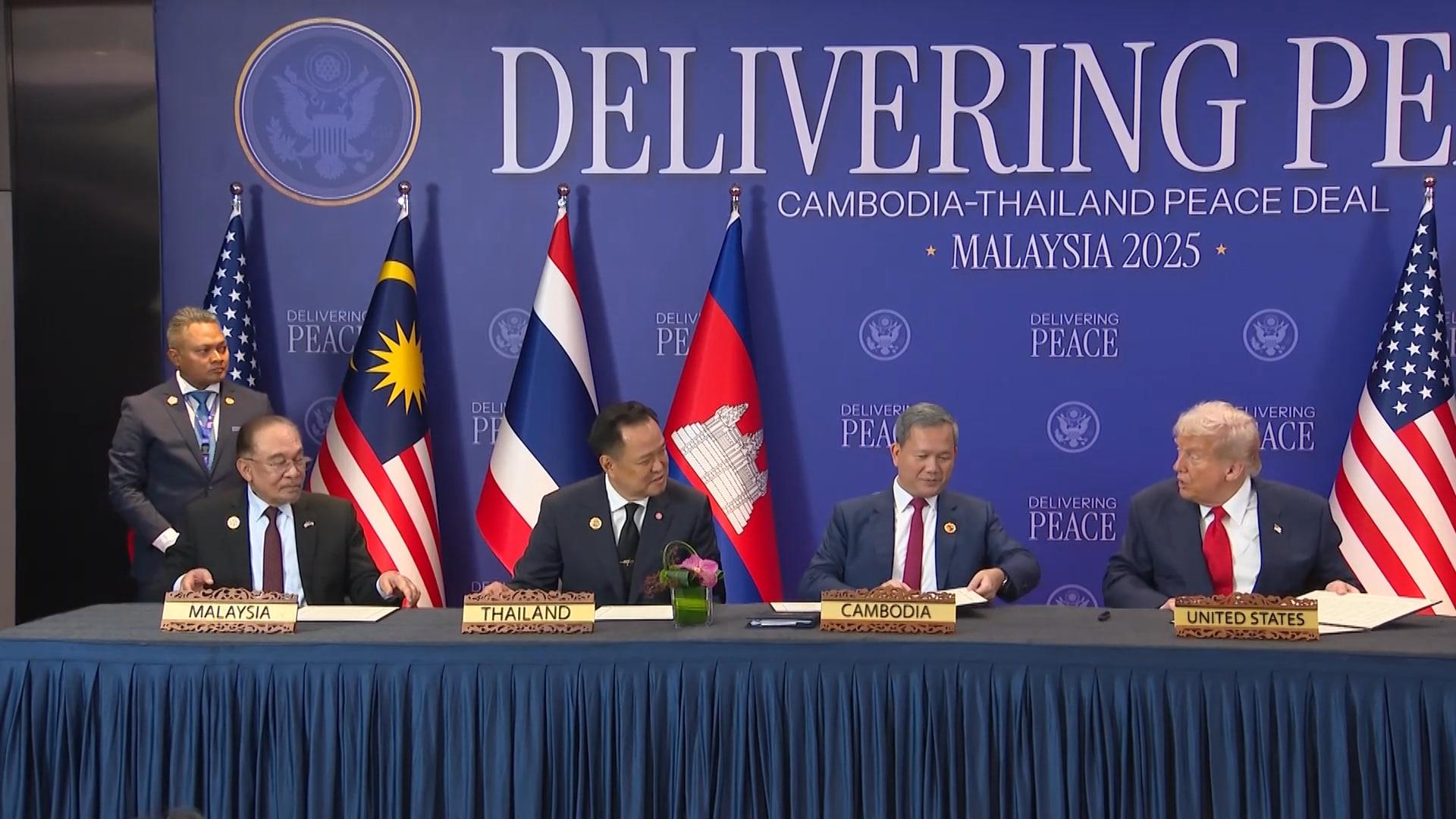
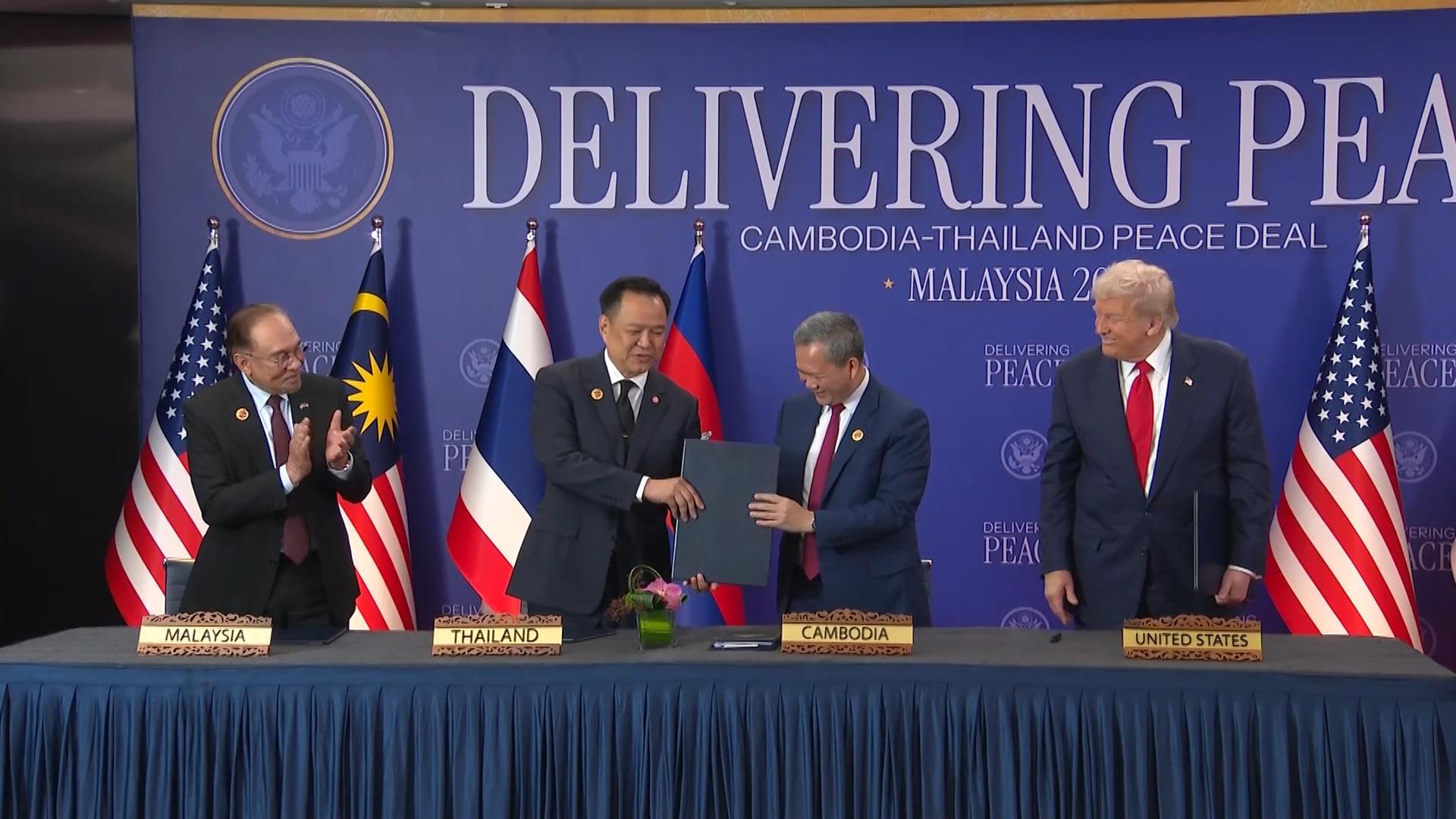
The July 2025 ceasefire came after diplomatic intervention by the Malaysian prime minister in his capacity as ASEAN chair and pressure from United States President Donald Trump. President Trump contacted the leaders of both countries and linked an end to the fighting with United States trade discussions.
On October 26, 2025, President Trump and the Malaysian prime minister also witnessed the signing in Kuala Lumpur of an agreement intended to consolidate and extend the ceasefire.
Therefore, if it is alleged that the spirit or terms of these agreements have been violated, Cambodia should not treat the matter exclusively as a bilateral issue. It may present the relevant documents and evidence to mediators, observers, and countries that previously used their influence to bring about the ceasefire.
What the Government Should Do to Prevent Diplomacy from Becoming a Toothless Protest
A peaceful approach can retain public support only when citizens can see that it is an active strategy rather than an indefinite period of waiting.
Therefore, beyond issuing formal statements, Cambodia should pursue several important steps.
First, it should establish a national record of every alleged violation, including dates, maps, locations, and independently verifiable evidence.
Second, it should demand that the Joint Boundary Commission and the General Border Committee establish clear timetables for joint inspections, surveys, and the resolution of unilateral activities on the ground.
Third, it should systematically notify ASEAN, the United States, and other partners connected to the ceasefire arrangements, so that their role as witnesses does not end with the signing ceremony.
Fourth, Cambodia should continue preparing legal options rather than waiting until facts created on the ground have become entrenched over many years.
Fifth, the government should communicate openly with the public about what concrete action follows each diplomatic protest. This would reduce the perception that the state is merely issuing letters without implementing a broader strategy.
Conclusion
One year after the armed conflict that began on July 24, 2025, Cambodians have every reason to feel pain and concern when they hear allegations that Thai forces continue to clear land, build roads, install barbed wire, or occupy positions along the border.
But Cambodia should not automatically be considered to have lost or abandoned its territory merely because it has chosen not to respond immediately with military force.
A genuine loss would occur if the state abandoned its protests, ceased collecting evidence, accepted a unilaterally imposed boundary line, relinquished its legal foundations, and stopped pursuing every available mechanism for defending its rights.
The July 22 statement shows that Cambodia continues to reject any attempt to alter the border through force. It continues to preserve its legal foundations and continues to demand the restoration of peace in accordance with existing agreements.
Preserving peace is not the same as surrender.
But peace capable of protecting territory must be supported by law, evidence, pressure, and a national determination not to give up.