
(Phnom Penh): The difference between a smooth trade transaction and a costly disruption often comes down to how well the details are managed before goods begin their journey.
When a shipment is delayed, many people assume the problem began at the port, in customs, or somewhere along the supply chain. In reality, some of the most costly trade disruptions begin much earlier within a contract, a document, or a routine approval process.
For businesses involved in imports and exports, small administrative oversights can quickly become major challenges. A missing approval, an unclear payment term, a late submission, or inconsistent documentation can trigger delays, disputes, unexpected fees, and unnecessary pressure on cash flow. What may seem like a minor issue at the beginning of a transaction can create a ripple effect throughout the entire trade journey.
As Cambodia's trade activity continues to expand, successful businesses are paying closer attention to the details behind every transaction. Trade finance today is about more than facilitating payments, it is about helping businesses reduce risk, strengthen execution, and avoid costly mistakes before goods begin moving.
The Five Mistakes Businesses Often Overlook
One of the most common causes of delays is mismatched documentation. Differences between a commercial invoice, packing list, bill of lading, or Letter of Credit can trigger additional reviews, customs delays, and amendment requests. Even small discrepancies can slow an otherwise straightforward transaction.
Another frequent issue is unclear payment terms. Cross-border trade often involves multiple parties operating across different markets and business practices. When payment conditions, timelines, or responsibilities are not clearly defined, misunderstandings can quickly develop into disputes. Clear terms established from the beginning help create alignment and reduce uncertainty for all parties involved.
A third hidden risk is late document submission. Shipping documents, customs declarations, certificates, and banking paperwork are often subject to strict deadlines. Missing those deadlines can delay cargo release, postpone payments, and result in avoidable costs.
Businesses should also pay close attention to the appropriate use of the Incoterms 2020 rules. These internationally recognized trade terms help clarify each party’s responsibilities for transportation, insurance, risk transfer, customs formalities, document preparation, and related costs. When contracts, shipping arrangements, and documentation are not properly aligned, confusion, unexpected expenses, and disputes may arise. Applying the appropriate Incoterm can therefore support smoother cross-border transactions, more efficient logistics, and clearer allocation of costs, risks, and responsibilities between buyers and sellers.
Finally, missing internal or regulatory approvals can bring an otherwise smooth transaction to a halt. Import permits, export requirements, compliance checks, and management authorizations all play a role in keeping trade moving efficiently.
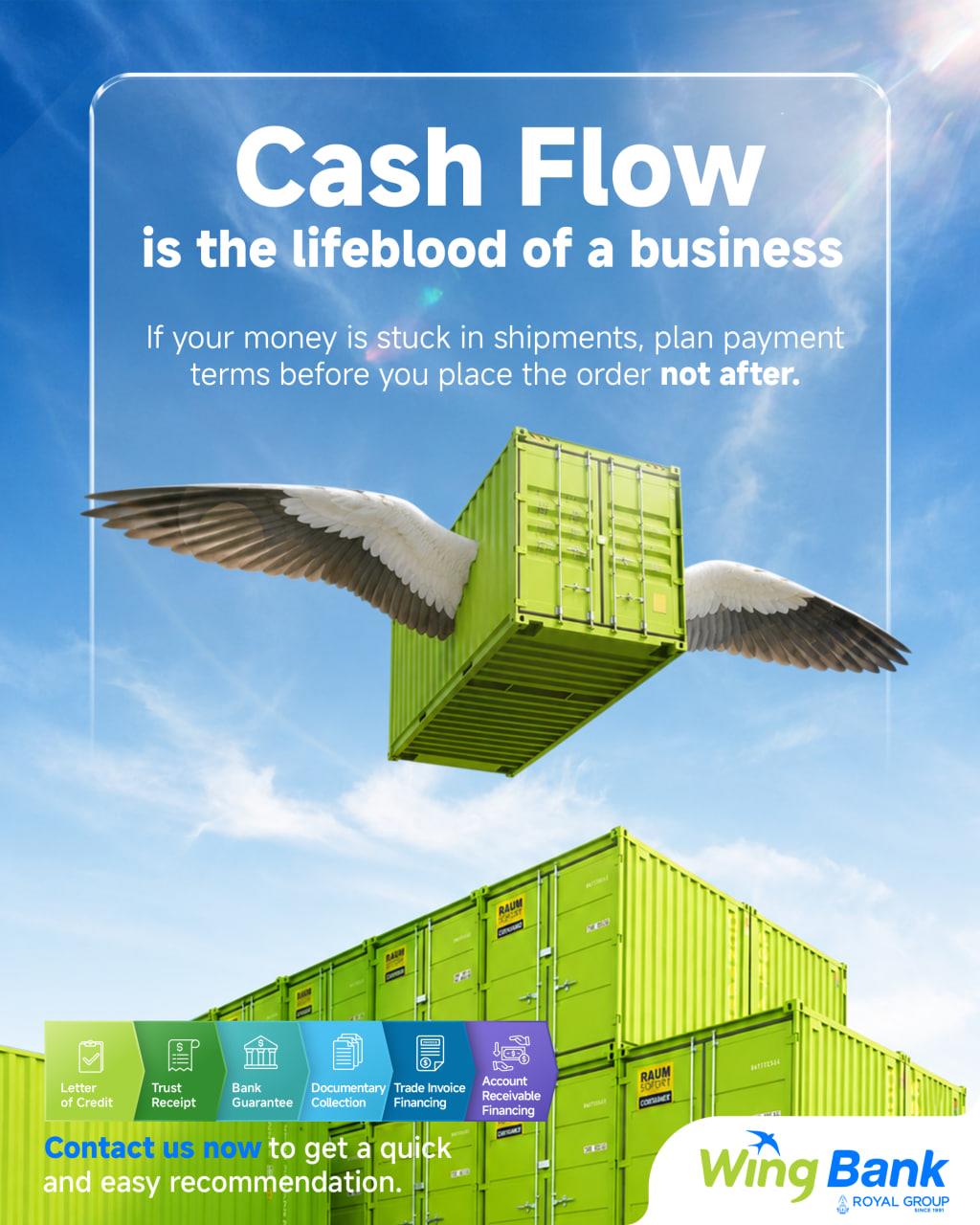
Beyond operational disruptions, these mistakes can also impact profitability. Delayed payments, additional customs charges, inventory holding costs, and unpaid invoices can place pressure on working capital. In some cases, a profitable business can experience negative cash flow simply because revenue has not yet been received while financial obligations continue to be paid.
The Best Trade Problems Are the Ones That Never Happen
Successful trade finance is not only about processing transactions but also about preventing problems before they occur.
"Many trade issues arise from small documentation or process gaps that could have been addressed earlier," said Chan James, Trade Finance Sales and Advisory Director at Wing Bank. "Businesses that take a proactive approach to transaction planning are often better positioned to reduce risk, avoid delays, and maintain stronger trading relationships."
For businesses navigating increasingly complex import and export activities, having the right support can make a significant difference. Through its trade finance expertise, Wing Bank helps businesses strengthen payment security, improve operational efficiency, and manage transaction risks more effectively. By helping companies maintain positive cash flow and better visibility over their trade activities, businesses can focus on growth while reducing avoidable disruptions.
As part of its ongoing commitment to supporting businesses in Cambodia, Wing Bank is currently offering a promotion with issuance fees from just 0.6% per annum, together with waived handling fees for inward and outward bill collection (IBC/OBC) transactions.
In cross-border trade, success is often determined long before goods reach their destination. Businesses that invest time in getting documents, approvals, andhttps://www.wingbank.com.kh payment terms right from the beginning are often the ones that avoid costly surprises, protect profitability, and keep transactions moving smoothly.
For more information on the Trade Finance solutions, contact Wing Bank today at 023 999 989 or visit www.wingbank.com.kh. Leave your contact details and we will get in contact with you immediately.
=FRESH NEWS