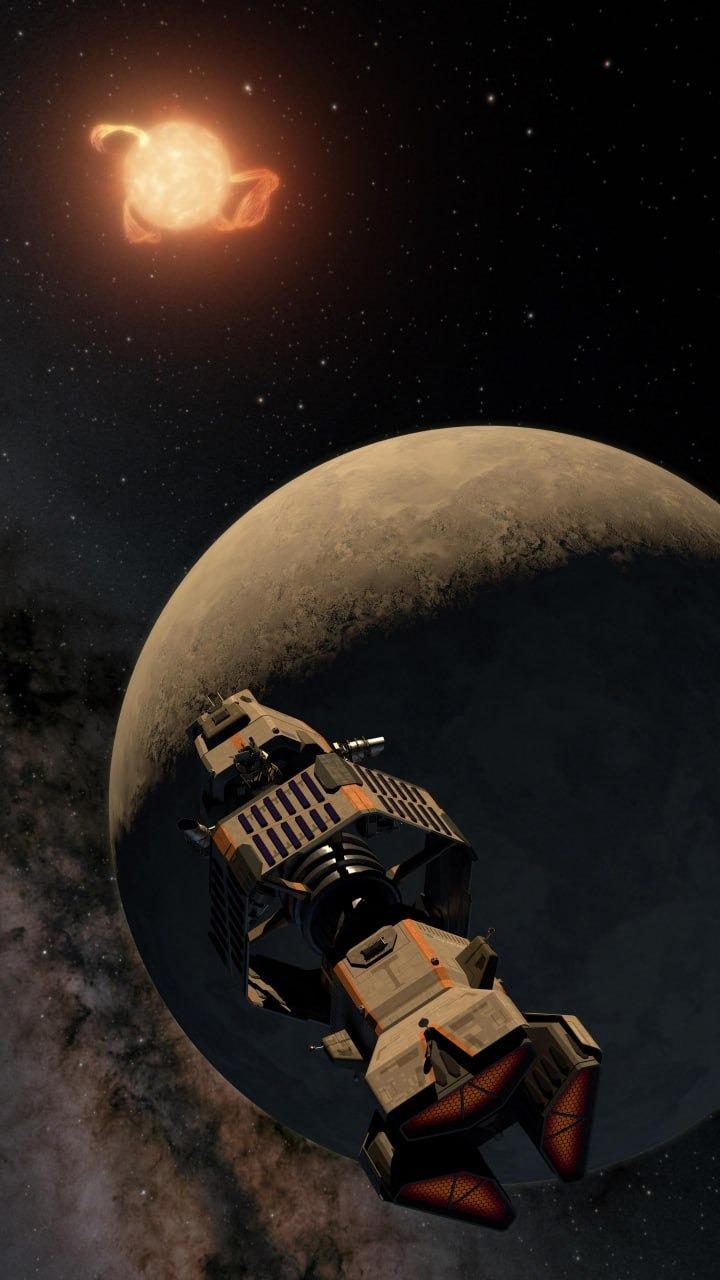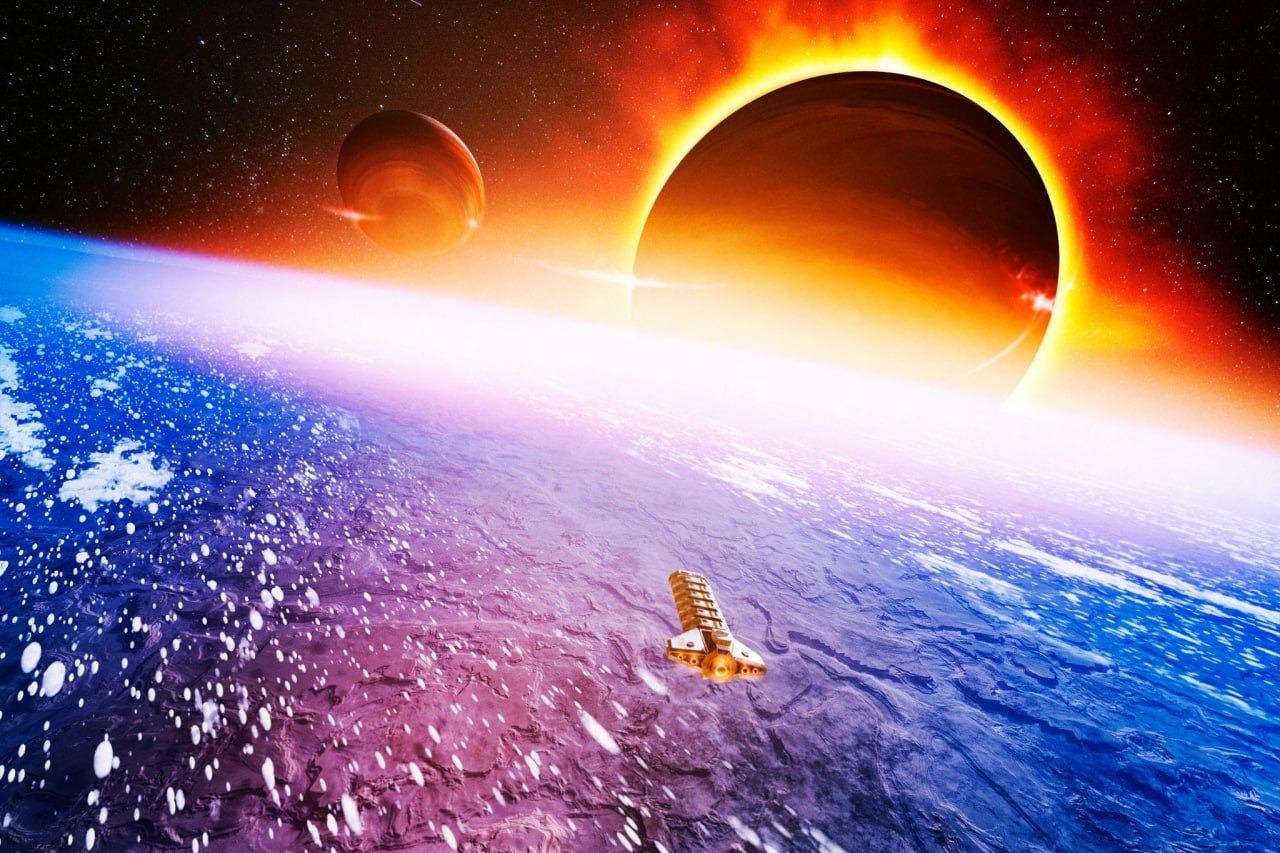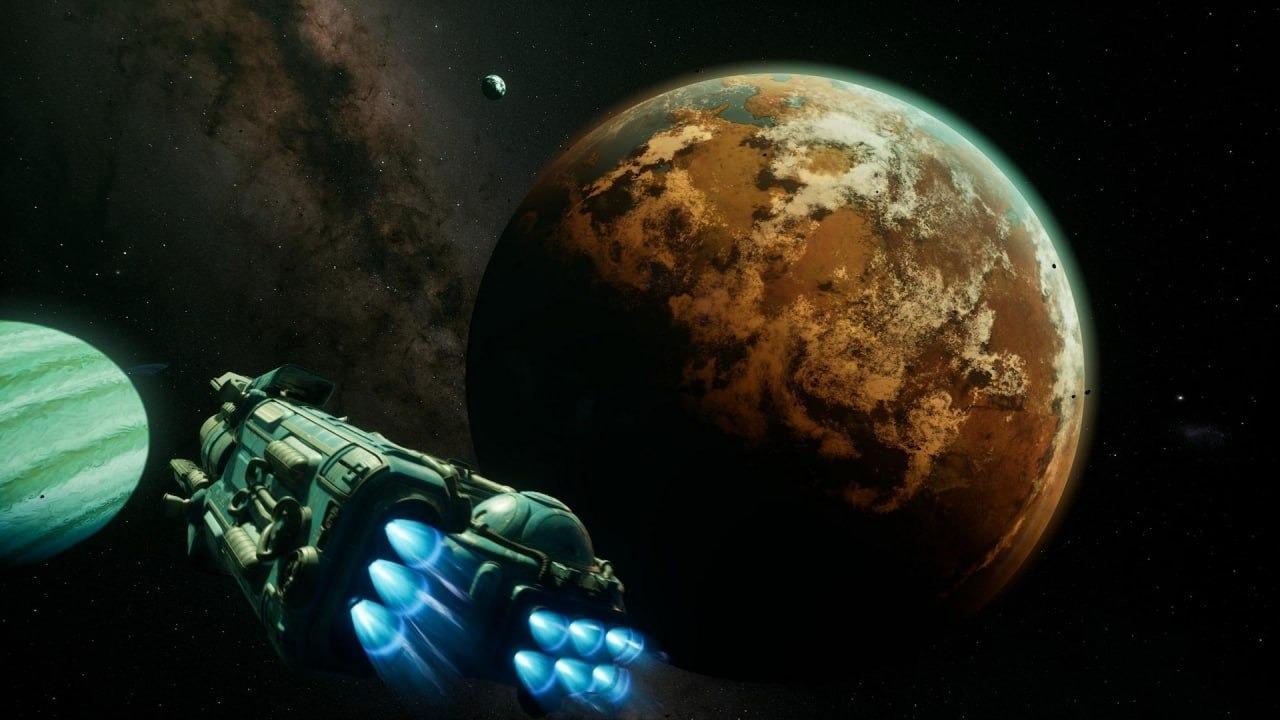

(Phnom Penh): Imagine that one day humanity develops the technology to leave the Solar System. After travelling across dozens of light-years, a human spacecraft finally reaches a rocky planet orbiting a distant star.
The first question would probably not be, "How large is the planet?" or "Does it have mountains or oceans?" Instead, the first question would almost certainly be: "Can we breathe there?"
Because without an atmosphere, liquid water, and suitable atmospheric pressure, no planet could ever become a new home for humanity.
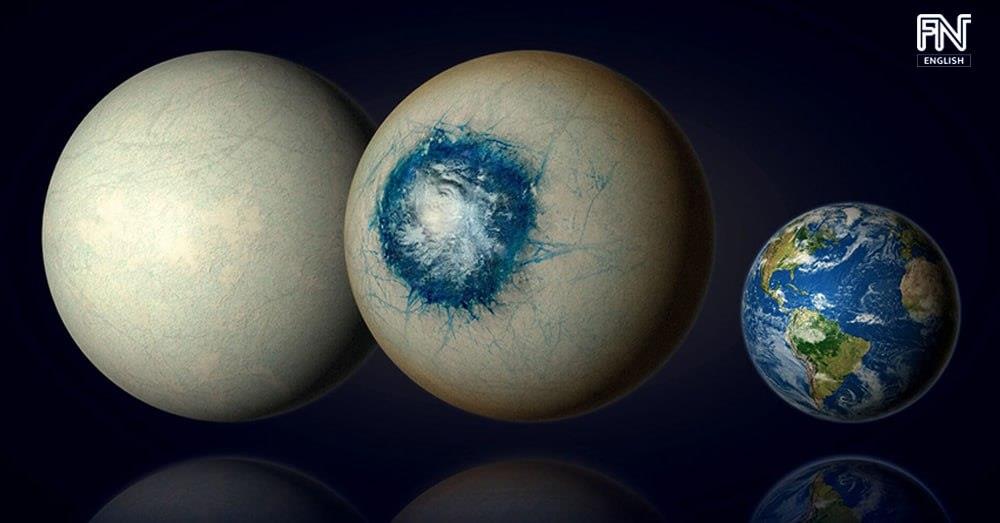
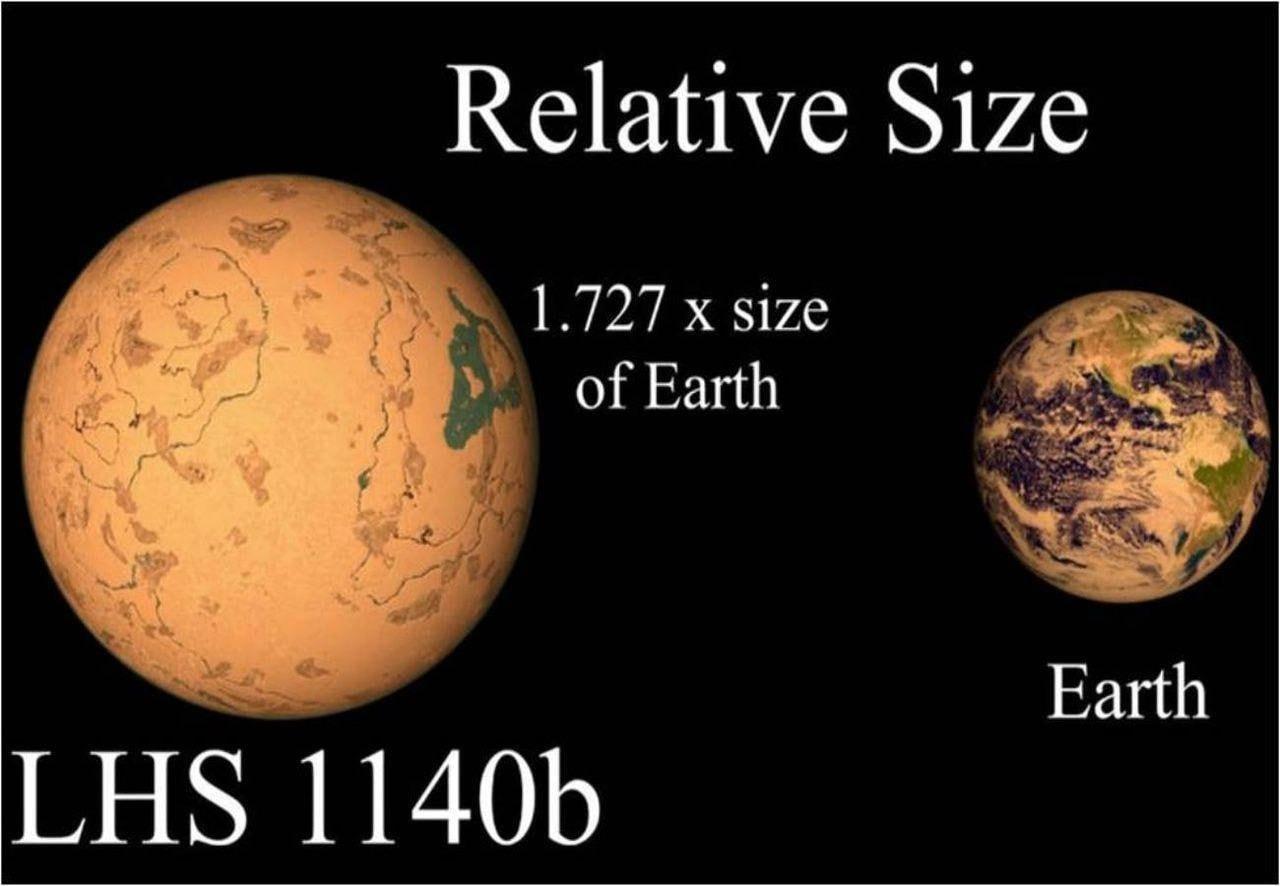
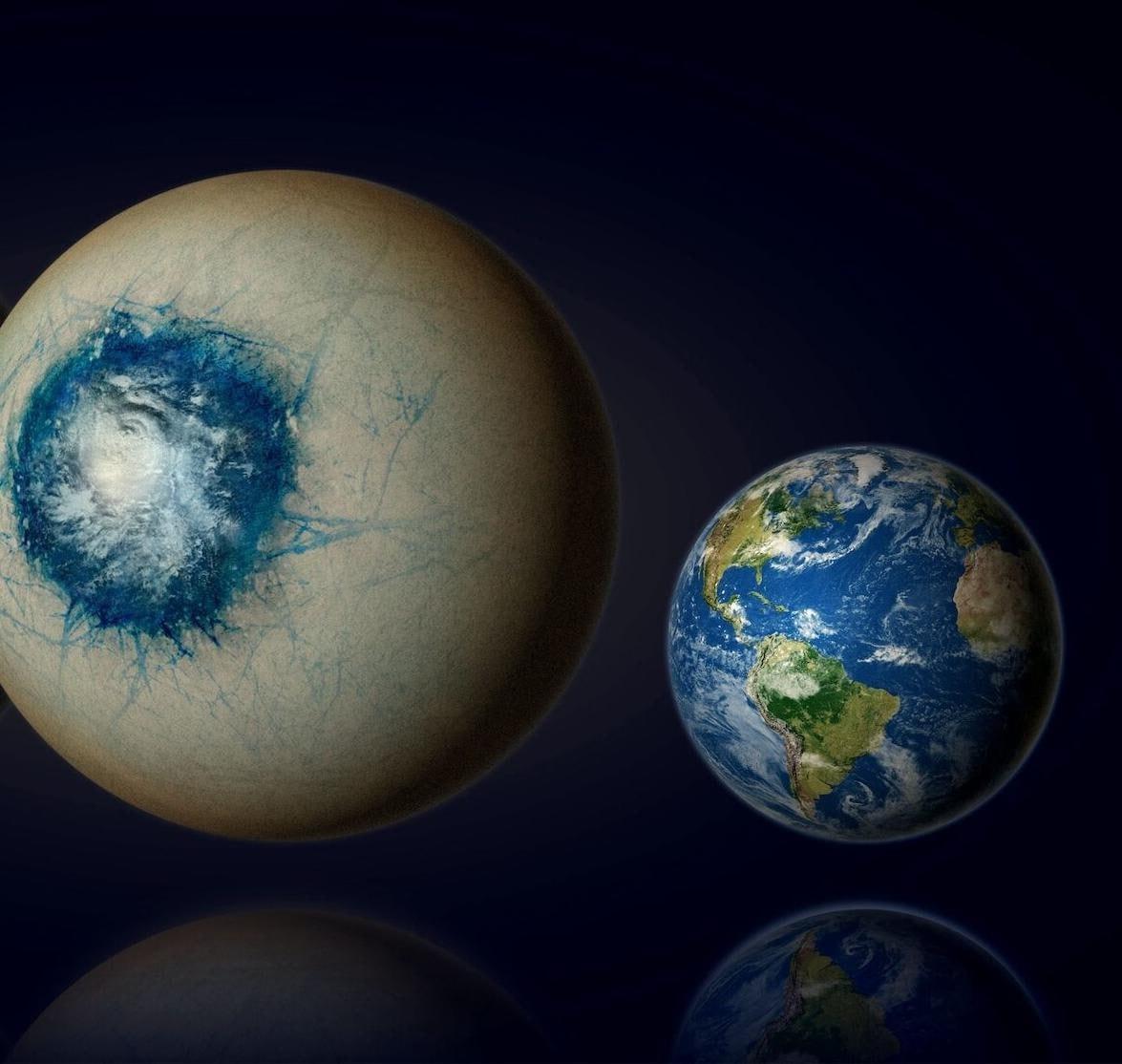
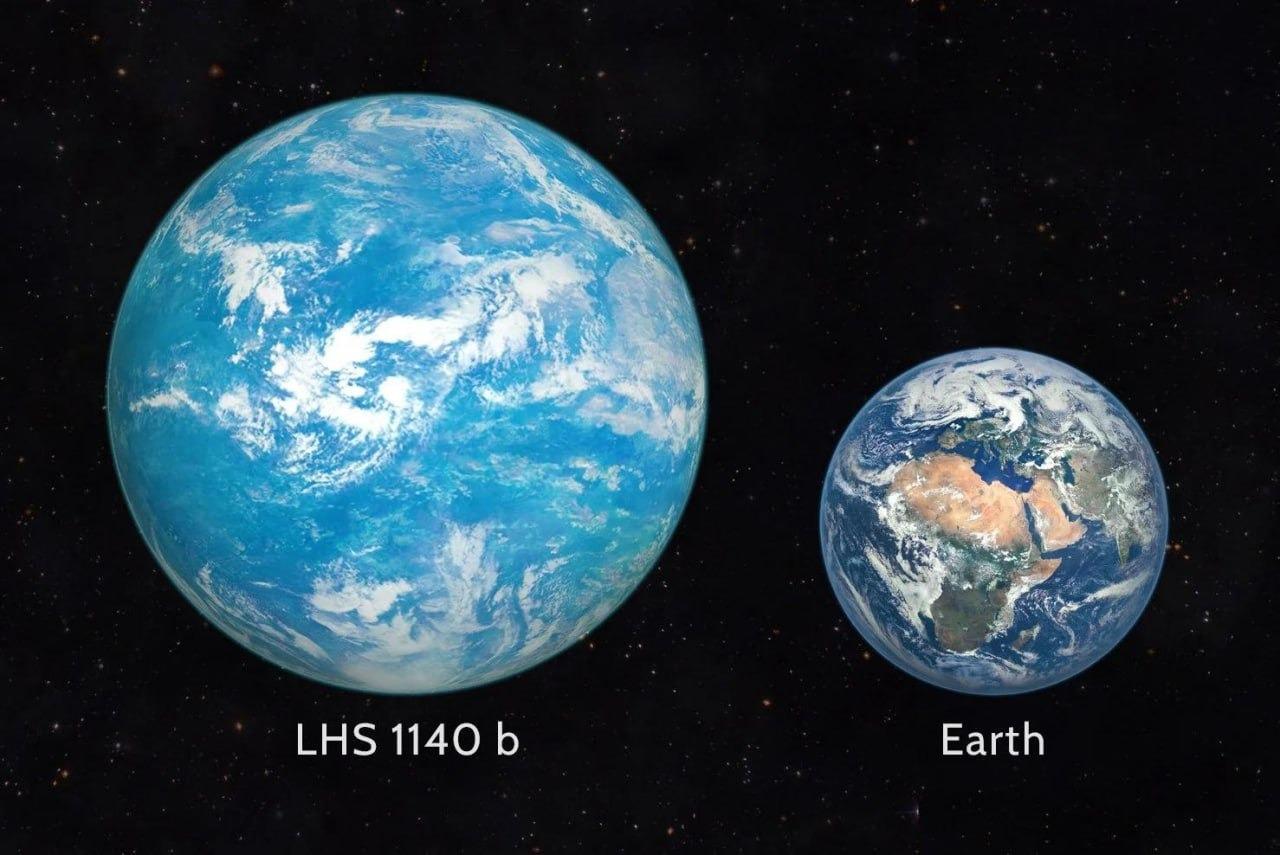
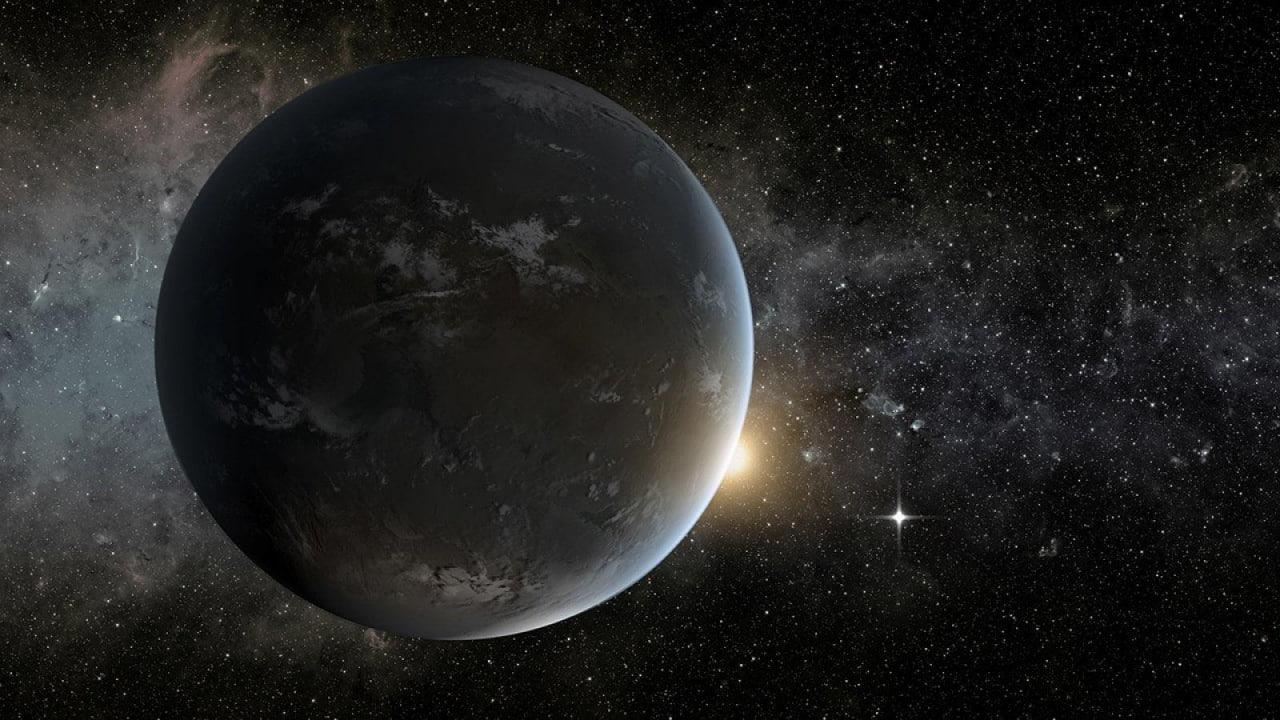
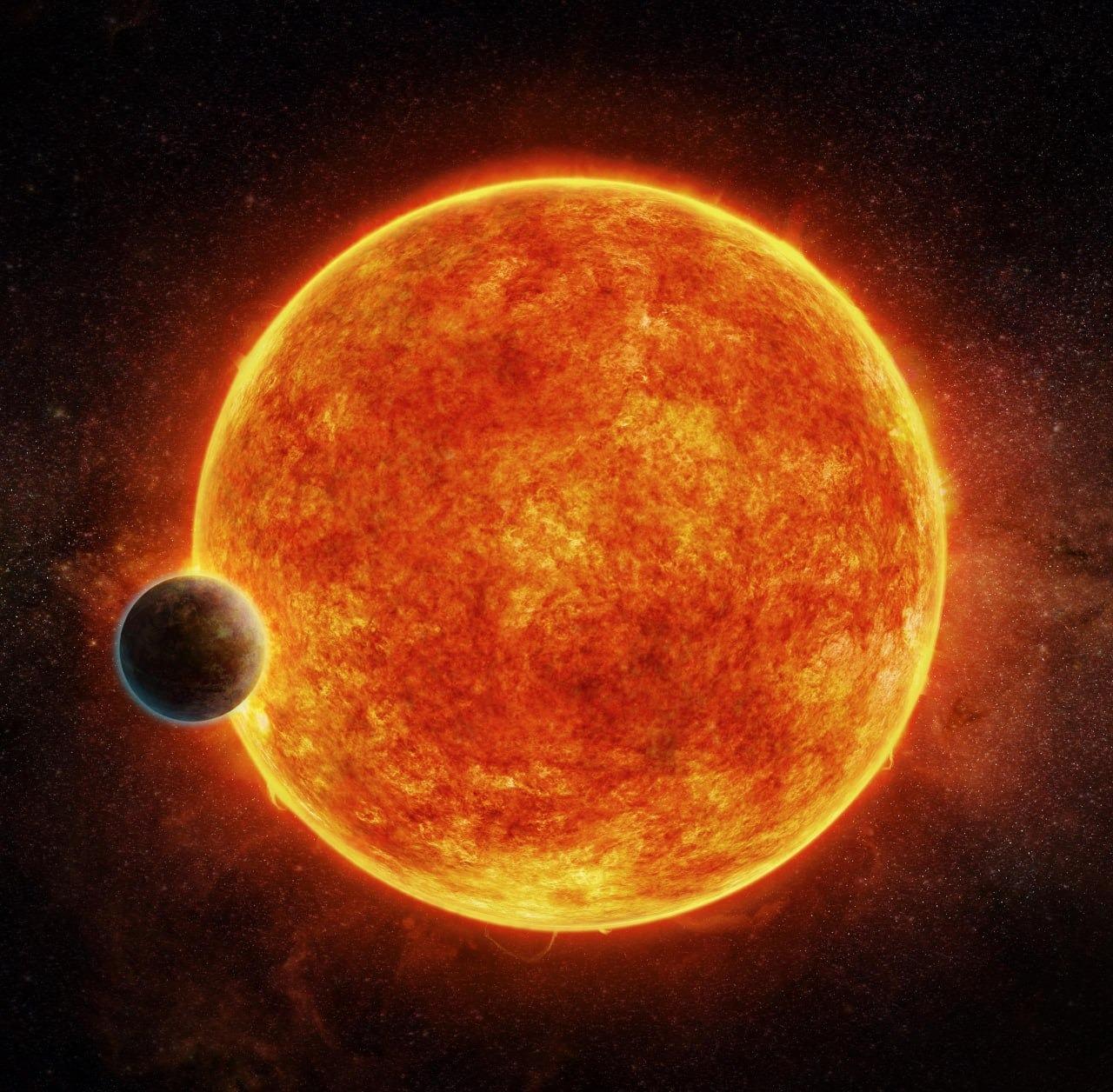
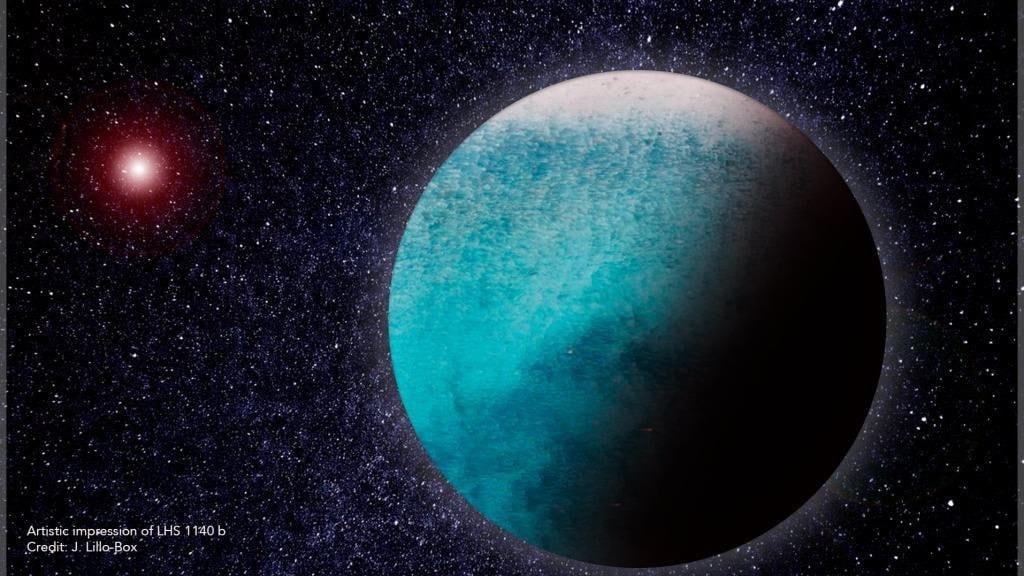
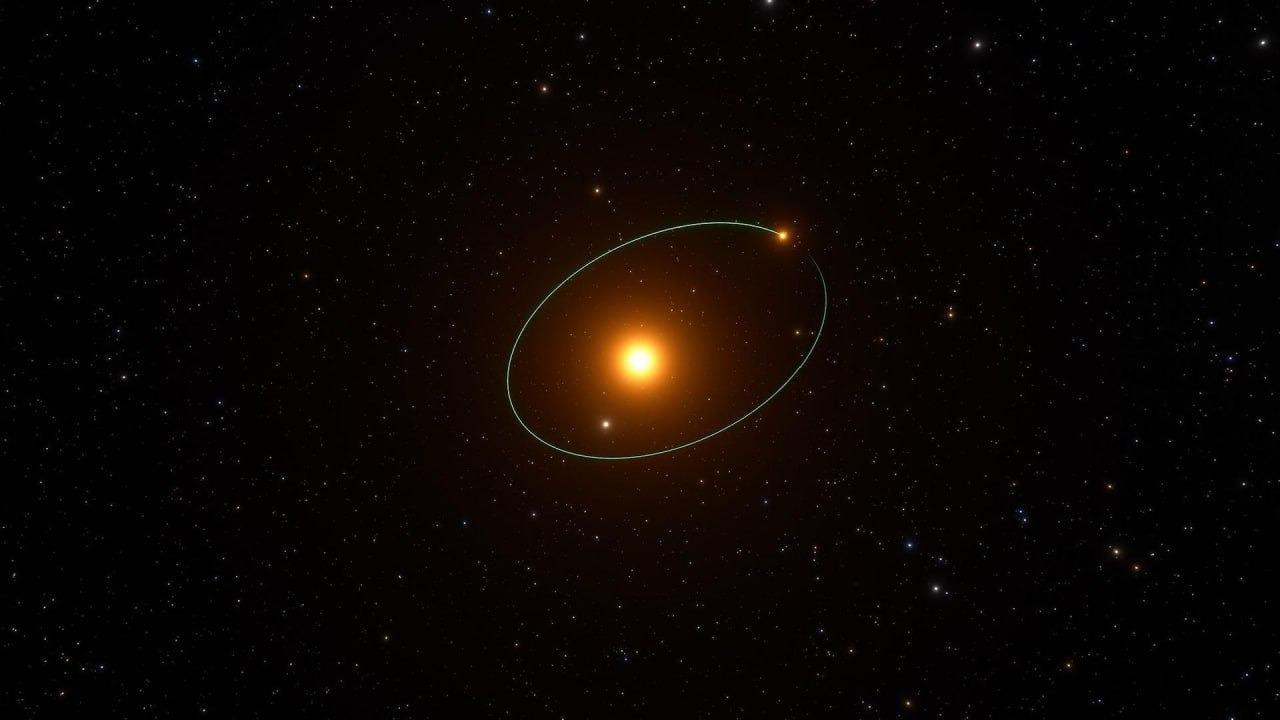
Just days ago, astronomers from Harvard University announced a remarkable discovery: the first evidence of an atmosphere on a rocky exoplanet located within the habitable zone of another star. The planet, known as LHS 1140 b, lies approximately 48 light-years—about 454 trillion kilometres—from Earth.
The discovery does not mean that scientists have found a "second Earth" or extraterrestrial life. What it does represent, however, is one of the strongest pieces of evidence to date that a rocky planet beyond our Solar System can retain an atmosphere—a fundamental requirement for creating conditions that could potentially support life.
For that reason, this week's Fresh Exclusive / Cosmo is no longer asking the question we explored last week—"Could humanity ever leave the Solar System?" Instead, it moves one step further:
If humans could one day reach a planet orbiting another star, could we actually live there?
Atmosphere: The First Step in the Search for Life
When astronomers search for a potentially habitable planet, they do not begin by asking whether it has mountains, oceans or continents. Their very first question is much simpler: "Does the planet have an atmosphere?"
That is because an atmosphere is the most fundamental prerequisite for sustaining life as we know it on Earth.
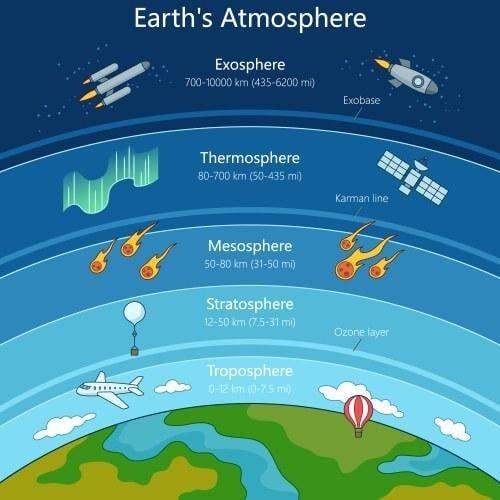
An atmosphere performs at least four essential functions.
First, it provides the gases required for life. On Earth, humans and animals depend on oxygen for respiration, while plants rely on carbon dioxide for photosynthesis. Without an atmosphere, life as we know it could not exist.
Second, an atmosphere creates the air pressure necessary for liquid water to remain stable on a planet's surface. Liquid water is widely regarded as one of the basic building blocks of life. Without sufficient atmospheric pressure, water would either evaporate into vapour or freeze into ice, greatly reducing the possibility that life could emerge.
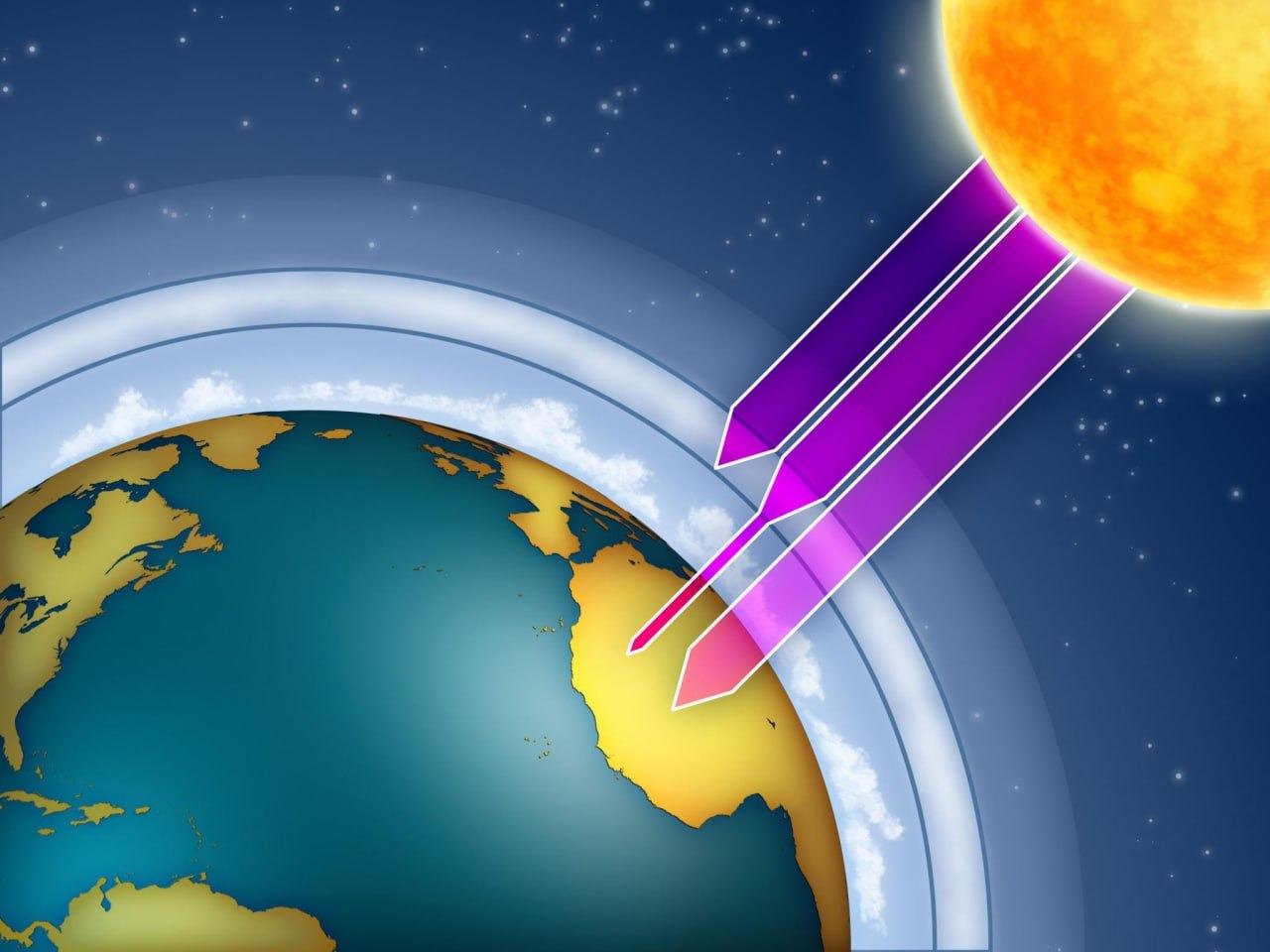
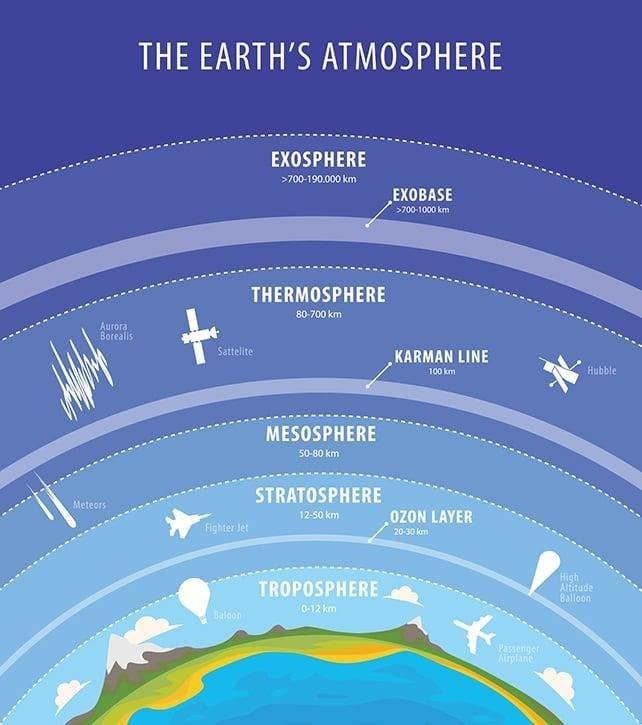
Third, an atmosphere acts as a protective shield against high-energy radiation and charged particles emitted by a planet's parent star. On Earth, the ozone layer and the planet's magnetic field work together to protect living organisms from harmful ultraviolet radiation and cosmic rays that can damage cells and genetic material. Without these protective systems, a planet's surface could become an extremely hostile environment for life.
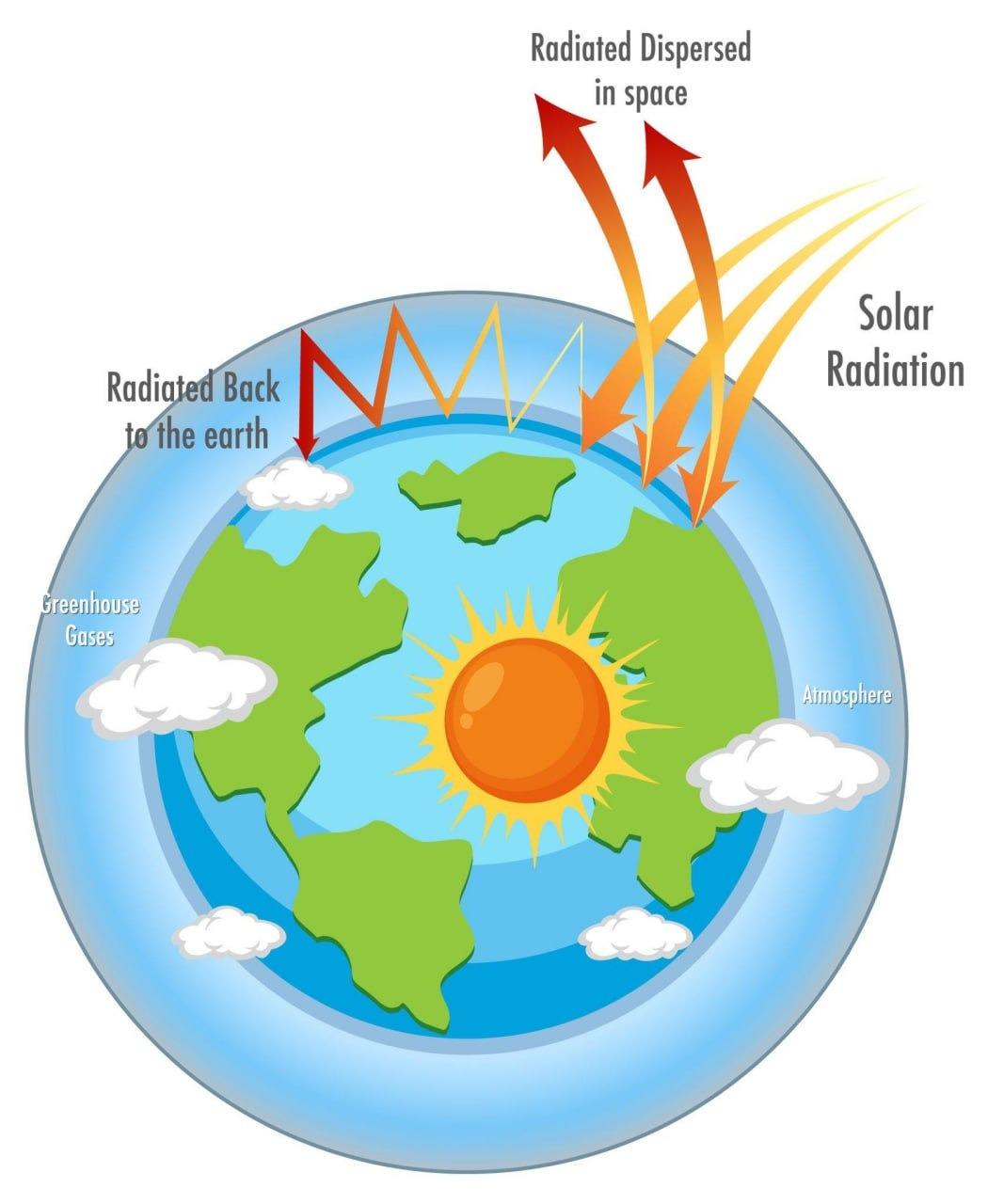
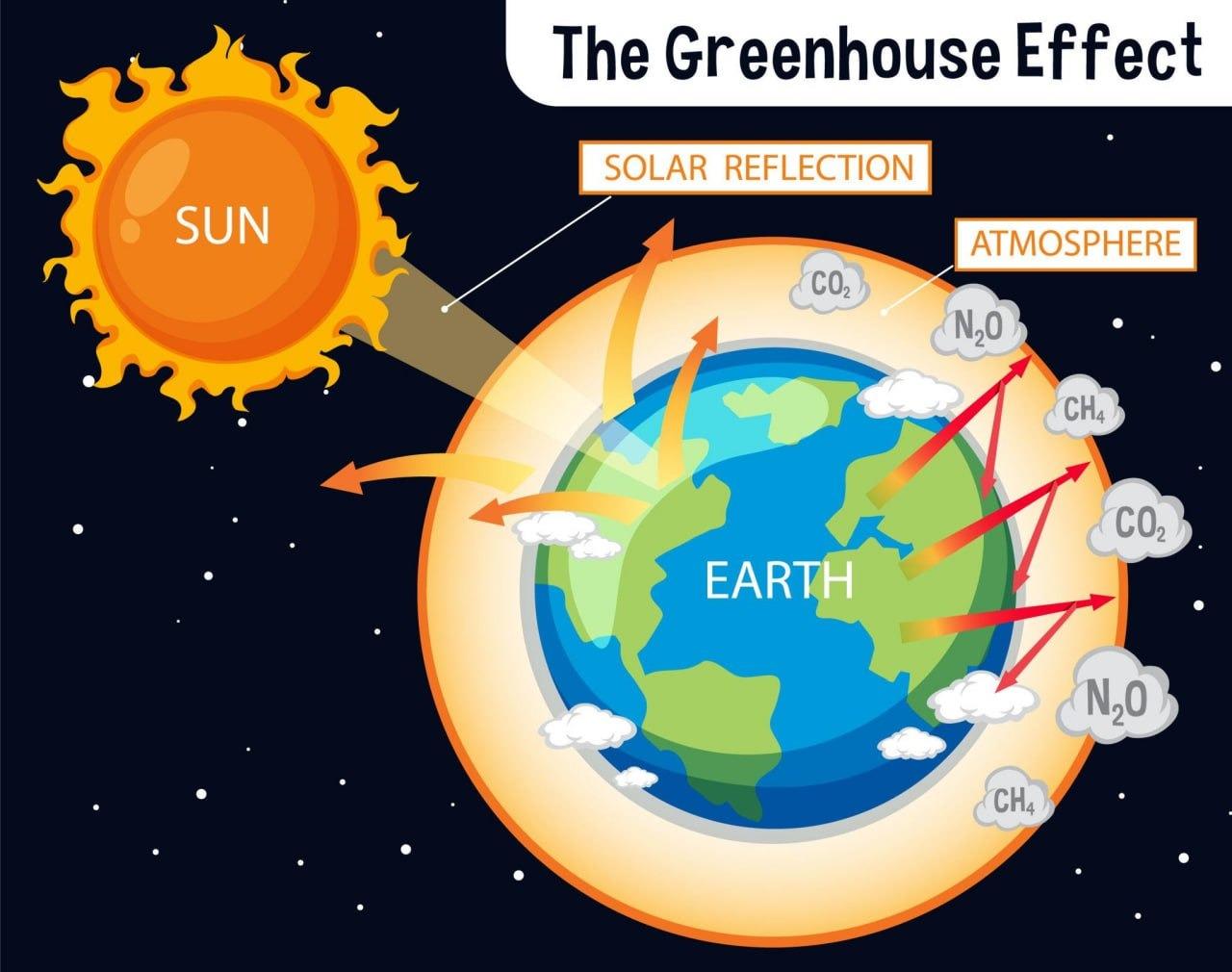
Finally, an atmosphere helps regulate planetary temperatures. Atmospheric gases trap part of a planet's heat through the greenhouse effect, preventing dramatic temperature swings between day and night. By contrast, the Moon—whose atmosphere is virtually nonexistent—experiences scorching daytime temperatures and freezing nights, conditions that are highly unfavourable for life.
These are precisely the reasons why the discovery of atmospheric evidence on LHS 1140 b has generated enormous excitement within the scientific community. Even so, astronomers have been careful to emphasise that detecting an atmosphere does not mean that life—or even a truly habitable planet—has already been discovered.
Is LHS 1140 b a Second Earth?
Following the announcement of atmospheric evidence on LHS 1140 b, many people immediately asked the same question: "Have scientists finally found a second Earth?"
For now, astronomers' answer remains straightforward: "Not yet."
The first reason is that, although LHS 1140 b is a rocky planet located within its star's habitable zone, the latest discovery does not show that it possesses an Earth-like atmosphere.
So far, the only gas that researchers have confirmed is helium, detected in the planet's upper atmosphere. Helium is an inert gas. It cannot support human respiration and does not provide evidence of life-supporting conditions similar to those on Earth.
The second reason is that astronomers have not yet detected the key atmospheric gases associated with Earth's habitability, including oxygen, water vapour, carbon dioxide, and methane. The presence of these gases could provide important clues about a planet's temperature, water cycle, and possible biological activity. Until such evidence is found, any conclusion that LHS 1140 b could support life remains speculative.
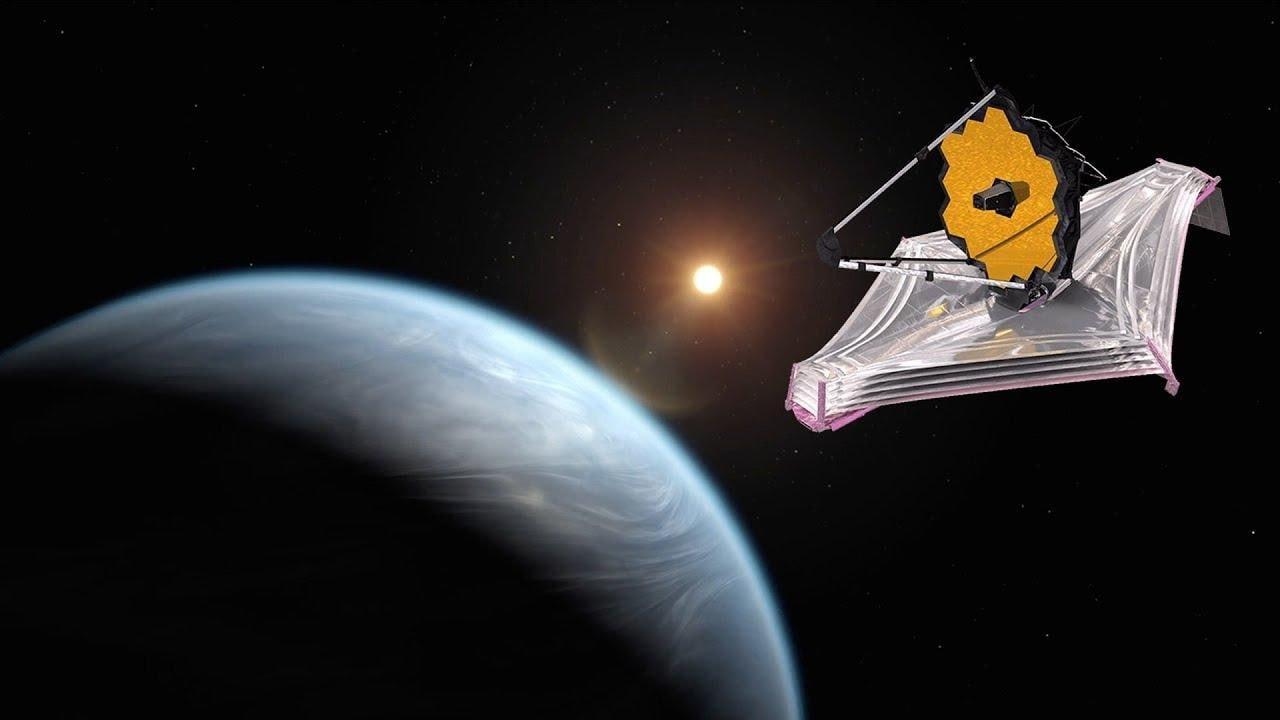
Scientists also still do not know whether the planet has liquid oceans, whether its surface temperature falls within a range suitable for life, or whether its atmosphere is thick enough to shield the surface from radiation emitted by its parent star. These questions remain unanswered and will require future observations by more powerful telescopes.
Nevertheless, astronomers regard this discovery as a major milestone in humanity's search for life beyond Earth.
At this stage, LHS 1140 b cannot yet be called "Earth 2.0." But neither is it an unknown world offering little hope for life. Instead, the discovery of its atmosphere has opened a new chapter in one of humanity's greatest scientific quests:
Are we truly alone in the Universe, or are there other worlds capable of supporting life?
Conclusion
The discovery of LHS 1140 b does not mean that humanity has already found a second Earth or a planet proven to be habitable. What it does demonstrate is that questions once confined to the pages of science fiction are increasingly becoming subjects of scientific investigation based on real observational evidence.
Perhaps within this century—or the next—the greatest question facing humanity will no longer be: "Do habitable planets exist?"
Instead, it may become: "Which of those worlds, if any, actually hosts life?"
LHS 1140 b may not yet provide the answer to that question. But it could represent one of the most significant steps yet in bringing humanity closer to discovering it.