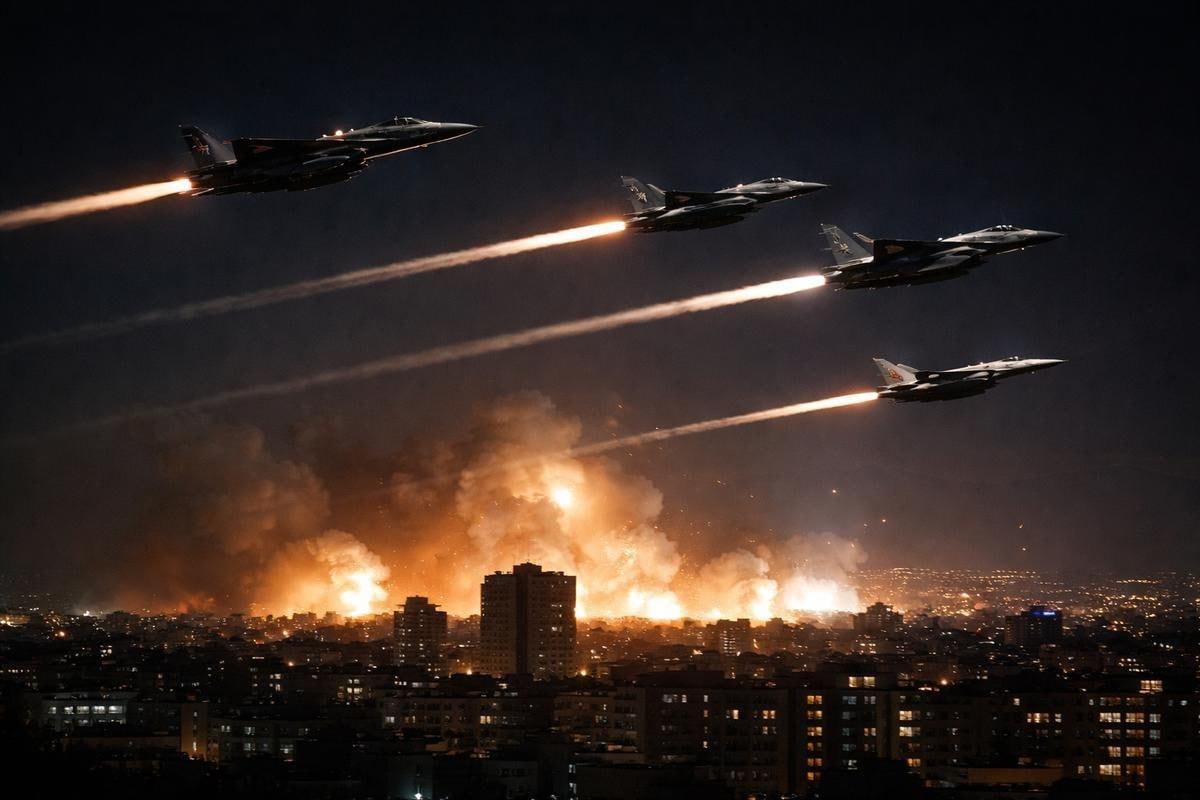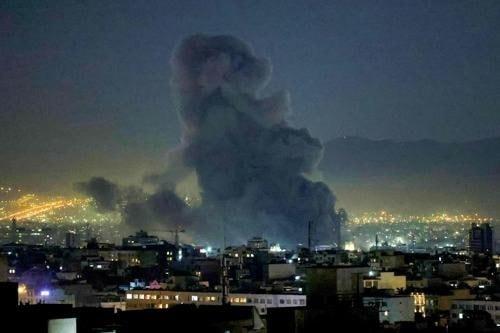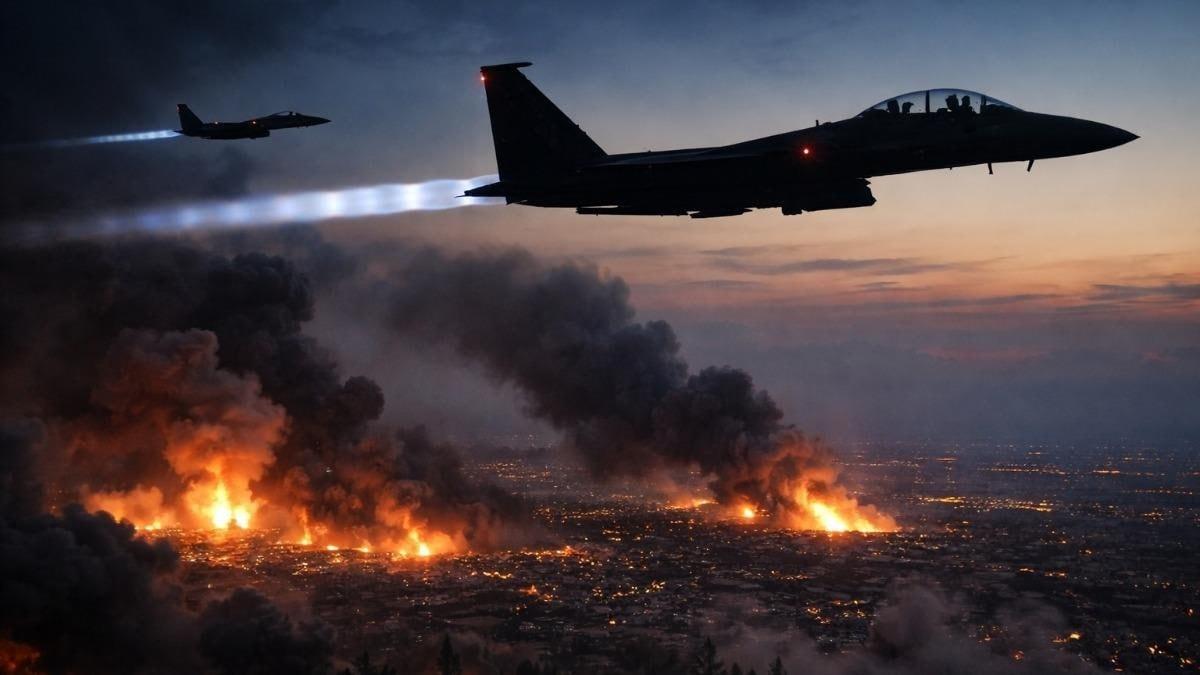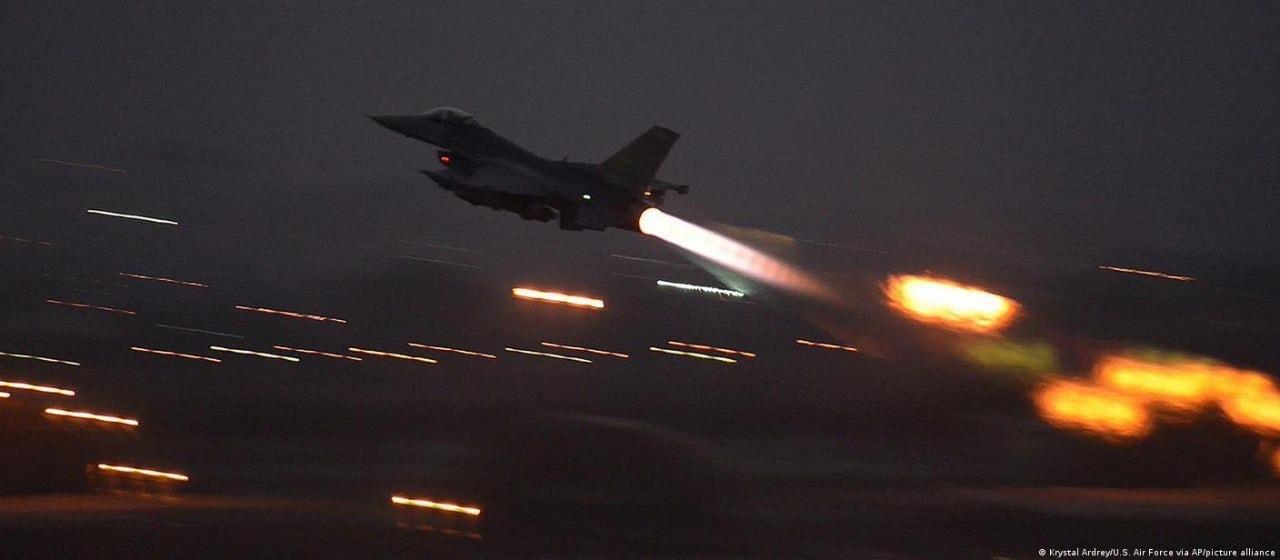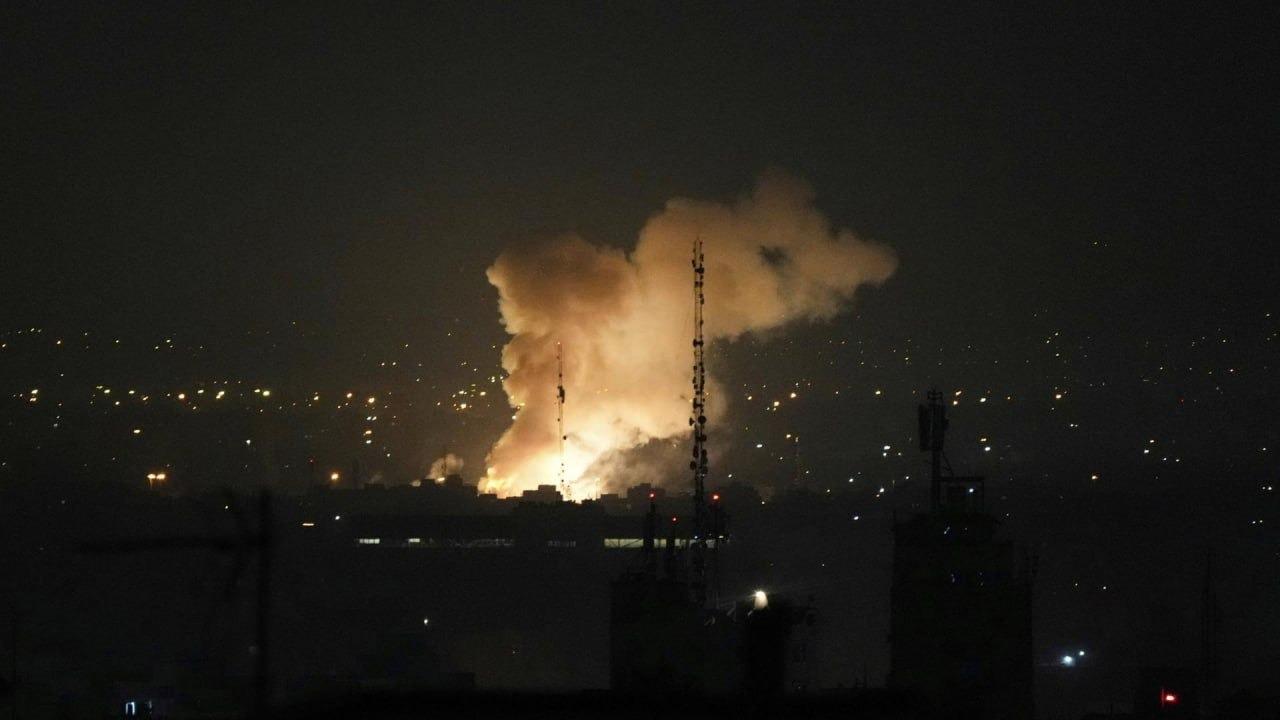

(Phnom Penh): For thirteen consecutive nights, American fighter jets, precision-guided missiles, and advanced weapons pounded targets across Iran. As many observers expected the campaign to intensify, Washington unexpectedly suspended its military strikes. At almost the same time, Iran also halted its retaliatory attacks against US bases and regional allies.
The simultaneous pause by both sides immediately raised a critical question: What changed on the battlefield that prompted Washington to stop its attacks? Was this a diplomatic opening, or had the United States been compelled to reassess its military strategy?
Not a Ceasefire, but a Strategic Pause
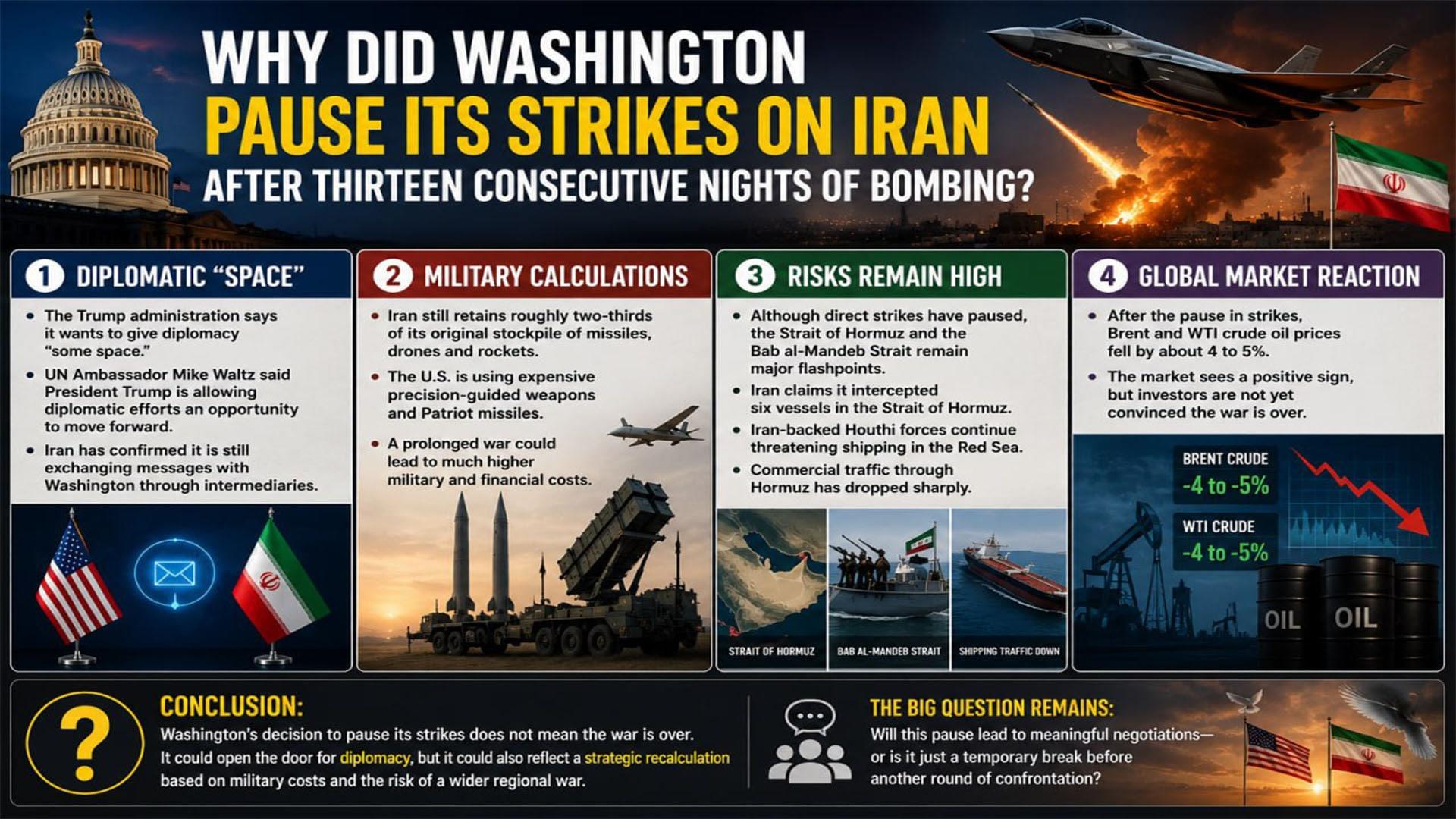
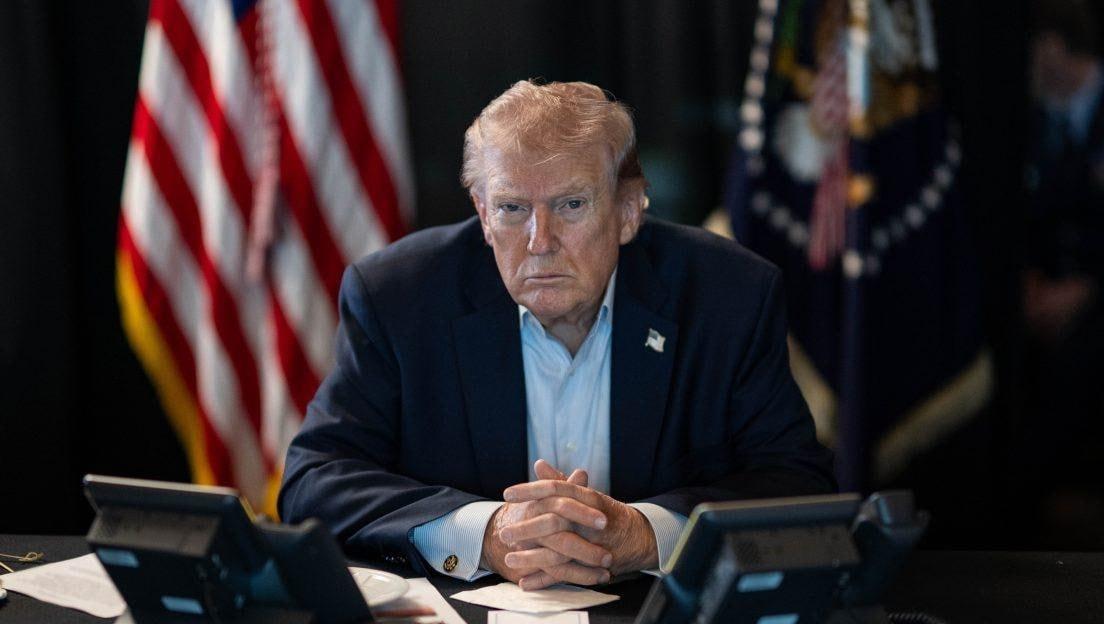
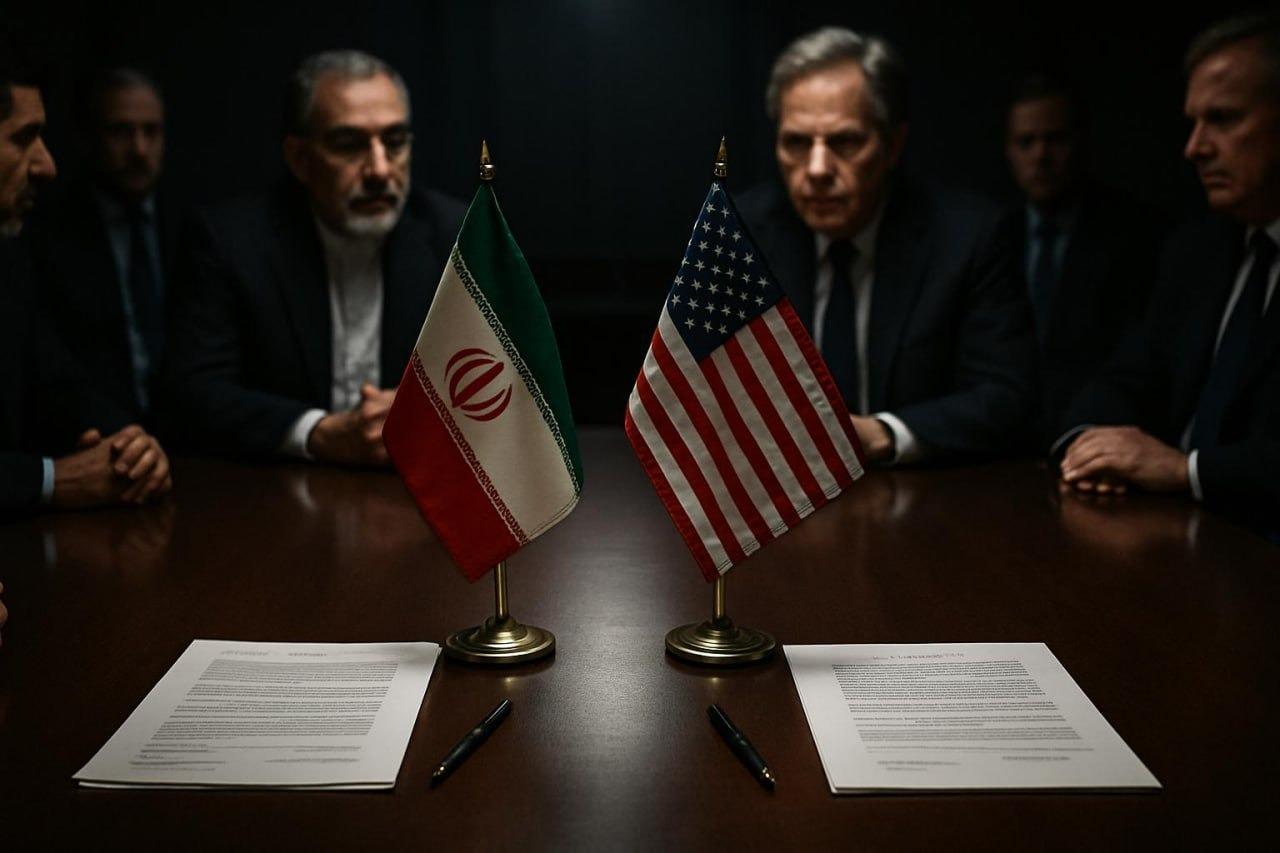
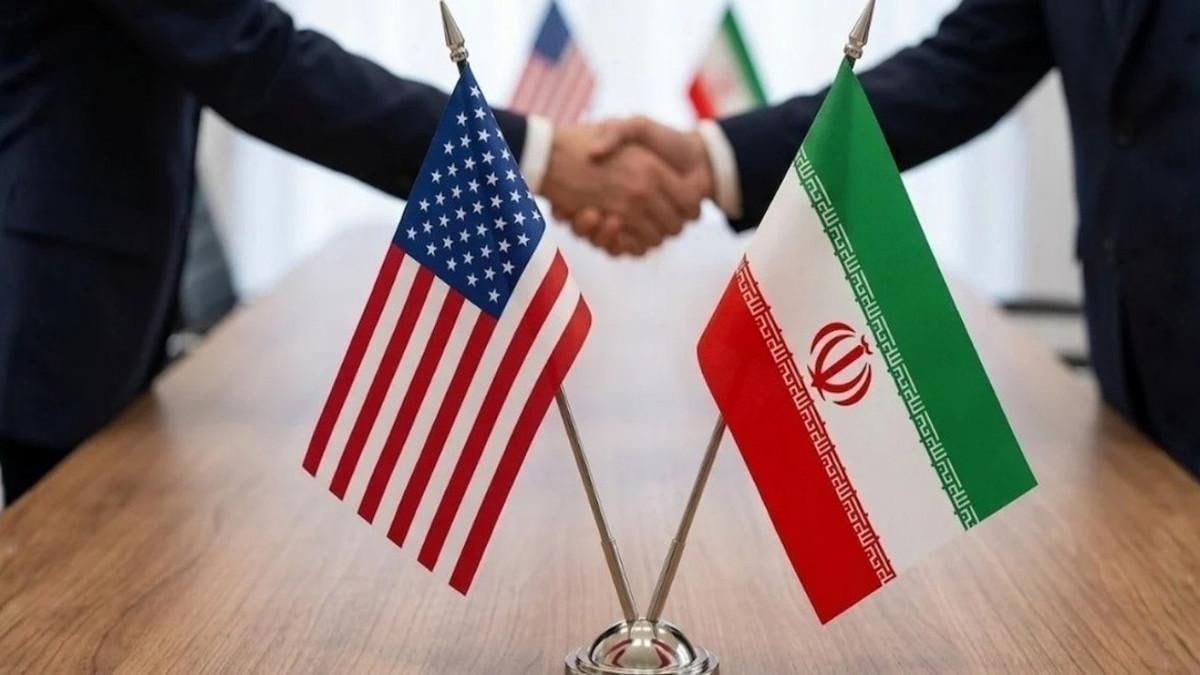
The Trump administration has not declared a ceasefire with Iran. Instead, US Ambassador to the United Nations Mike Waltz said President Donald Trump was giving diplomacy “some space” to allow renewed negotiations to develop. At the same time, a US official told CNN that American military operations against Iran were “on hold.”
From Tehran, Iranian Foreign Ministry spokesman Esmaeil Baghaei confirmed that indirect messages were still being exchanged between Iran and the United States through intermediaries, despite Tehran's continued accusation that Washington had previously “betrayed” diplomatic negotiations.
The official explanation, however, has generated a broader debate among military and geopolitical analysts. Was diplomacy truly the principal reason behind Washington's decision, or were military realities, strategic calculations, and regional security concerns equally influential factors that have not been fully disclosed?
Weapons Stockpiles and the Cost of War: A Factor Washington Cannot Ignore
Washington's explanation that it was giving diplomacy "some space" may be part of the story. Another significant factor, however, lies in growing concerns among military analysts over the cost of sustaining a prolonged conflict and the resources required to do so.
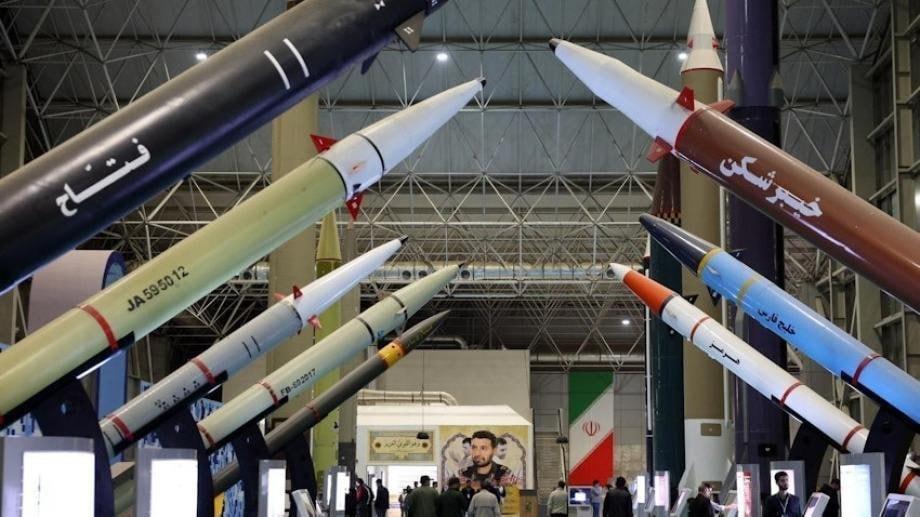
Retired US Air Force Colonel Cedric Leighton told CNN that despite repeated American strikes on Iran's command-and-control centres, weapons systems, and military infrastructure, Tehran still retains a substantial capacity to fight back. He estimated that Iran continues to possess roughly two-thirds of its original stockpile of missiles, drones, and rockets.
As Leighton put it: "The Iranians have a vast supply of missiles and drones and rockets remaining."
He also warned that the United States is consuming large quantities of expensive precision-guided munitions and Patriot air-defence interceptors. If the conflict drags on, replenishing these high-end weapons could take years.
Leighton's assessment is consistent with CNN's reporting that General Dan Caine, Chairman of the Joint Chiefs of Staff, raised concerns during a White House meeting about US munitions stockpiles and the broader consequences of allowing the war with Iran to escalate further.
President Donald Trump, however, rejected suggestions that the United States is running short of weapons, insisting that America's military stockpiles remain "far beyond what is needed."
Nevertheless, the concerns expressed by military analysts and senior commanders suggest that the central issue is not whether the United States is running out of weapons, but whether Washington should continue expending highly sophisticated and costly military resources in a conflict that could become increasingly prolonged and expensive.
In other words, the strategic question is not one of military capability, but of cost, sustainability, and long-term strategic priorities.
The Strait of Hormuz Remains the Most Dangerous Flashpoint
Although direct military strikes between the United States and Iran have temporarily paused, tensions across the region remain far from over. Instead, the focus has shifted to the Strait of Hormuz and the Red Sea—two of the world's most critical maritime corridors for global energy supplies and international trade.
Iran's state broadcaster IRIB reported that Iranian authorities intercepted six vessels attempting to navigate what Tehran described as an "illegal and unsafe" route south of the Strait of Hormuz after their navigation and positioning systems had been switched off. According to Iranian officials, the vessels had been encouraged by the US military to use that route.
Meanwhile, in the Red Sea, the Iran-backed Houthi movement claimed responsibility for attacks on Saudi oil infrastructure and continued threatening commercial shipping transiting the Bab al-Mandeb Strait.
These developments underscore a critical reality: even though Washington and Tehran have paused their direct exchange of strikes, Iran's regional allies still retain the ability to disrupt global energy supply chains and maritime commerce.
Shipping data cited by CNN illustrates the scale of the disruption. Fewer than ten commercial vessels transited the Strait of Hormuz over the weekend, compared with more than one hundred ships on a normal day before the conflict.
The figures suggest that the temporary suspension of military operations has not yet restored confidence among global shipping companies or financial markets. As long as the Strait of Hormuz and Bab al-Mandeb remain vulnerable, today's pause should be viewed as a temporary lull, rather than evidence that the crisis has truly passed.
Markets Welcome the Pause, But Remain on Alert
The temporary suspension of hostilities between the United States and Iran triggered an immediate response across global energy markets.
International benchmark crude prices—Brent and West Texas Intermediate (WTI)—fell by approximately 4–5 percent, reflecting investor optimism that the easing of military tensions could create an opportunity for renewed diplomacy and reduce the immediate risk of disruptions to oil shipments through the Strait of Hormuz.
However, the decline in oil prices should not be interpreted as a sign that markets believe the conflict is over.
Rather, investors appear to be responding to a temporary reduction in immediate geopolitical risk, while recognising that the underlying strategic tensions remain unresolved.
Without a formal ceasefire or a political agreement capable of ensuring long-term stability, the current pause in military operations could quickly give way to another round of confrontation.
Conclusion
Washington's decision to suspend its military strikes after thirteen consecutive nights of bombing cannot yet be interpreted as the end of the war—or as a victory for either side.
The available evidence suggests that the decision reflects a combination of strategic considerations rather than a single political calculation. These include creating diplomatic space for negotiations, reassessing the military and financial costs of a prolonged campaign, and seeking to prevent the conflict from expanding into a broader regional war.
Yet none of the underlying drivers of the conflict has been fundamentally resolved.
There is still no formal ceasefire, no comprehensive political agreement, and no guarantee of long-term regional stability. At the same time, both the Strait of Hormuz and the Bab al-Mandeb Strait remain highly vulnerable to renewed escalation.
For that reason, the current pause may represent a strategic intermission rather than a strategic conclusion.
The central question, therefore, remains unanswered:
Is Washington using this pause to give diplomacy a genuine opportunity, or is it simply buying time to prepare for the next phase of the conflict—one that could evolve into a fourth round of confrontation if diplomacy ultimately fails?
Only developments in the coming days and weeks will determine whether this pause marks the beginning of de-escalation—or merely the calm before another storm.