
(Phnom Penh): Just days ago, the situation in the Middle East appeared to have eased. The United States had suspended its bombing campaign against Iran for two weeks, while President Donald Trump maintained that diplomatic contacts were progressing and that the two sides might still be able to reach an agreement.
That pause, however, did not become peace.
Instead, it proved to be only a brief moment of calm before the fighting erupted once again.
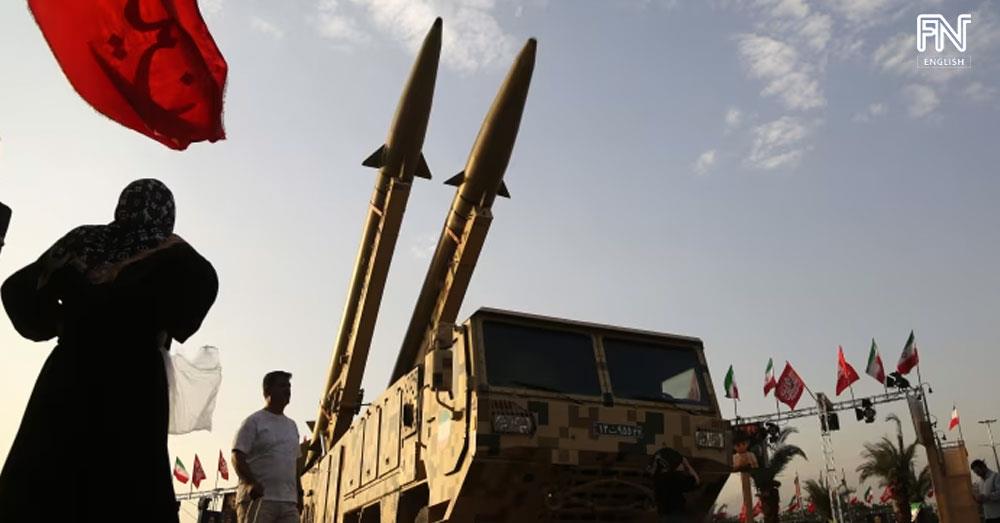
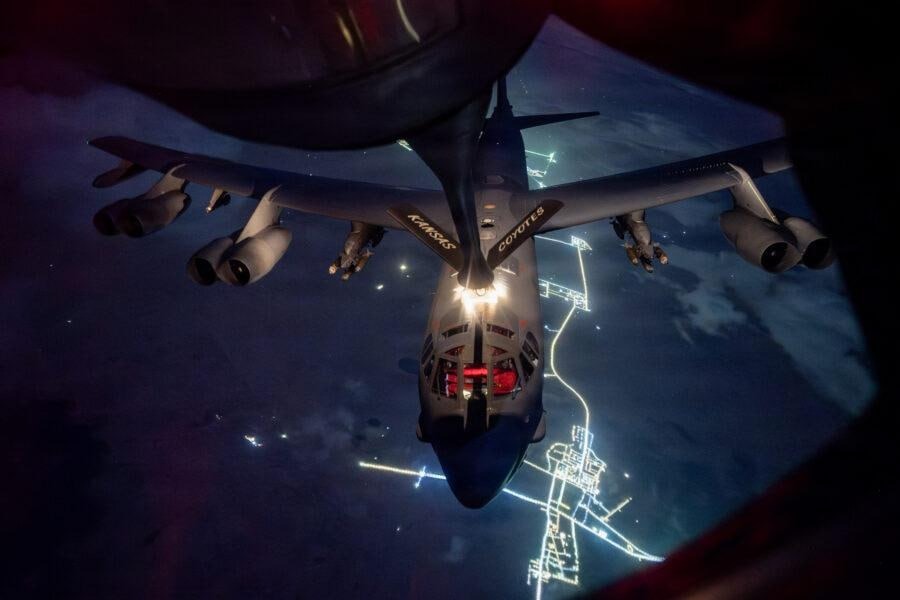
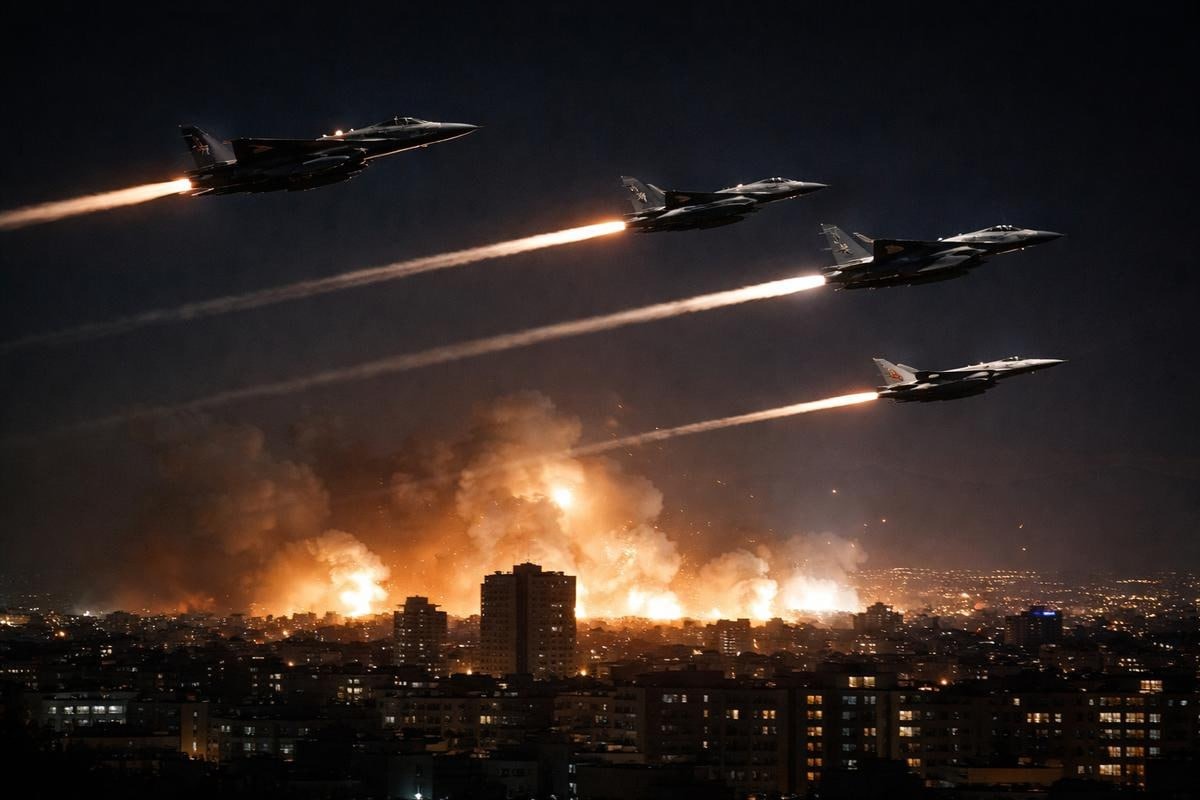
On 30 July 2026, the United States launched a military operation lasting approximately two hours against multiple targets inside Iran. According to the U.S. military, the strikes targeted command centres of Iran's Islamic Revolutionary Guard Corps (IRGC), missile depots, drone storage facilities, coastal defence systems, and naval military assets. Washington described the operation as retaliation for Iran's missile attack on U.S. forces stationed in Jordan.
Yet this renewed escalation is no longer merely a bilateral confrontation between the United States and Iran. Saudi Arabia, Jordan, Yemen, Iraq and Egypt have all become part of a crisis that is steadily widening.
The central question is therefore no longer simply why the United States and Iran are fighting again. Rather, it is what strategic risks this expanding conflict now poses to the Middle East—and to the wider world.
Why Did the Diplomatic Window Collapse?
The U.S. suspension of military operations was never a formal ceasefire, nor was it a peace agreement. It was a conditional operational pause intended to create space for indirect diplomacy while negotiations through regional mediators continued.
In reality, however, neither side stopped increasing pressure on the other.
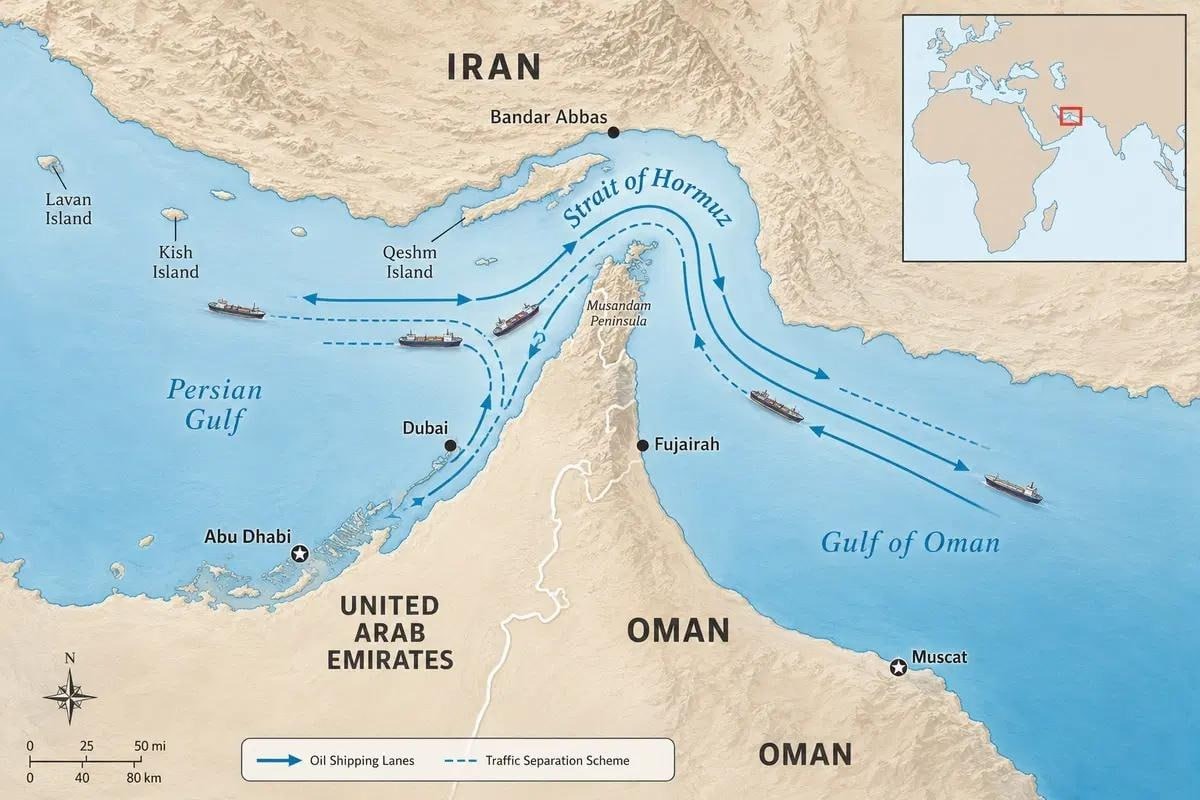
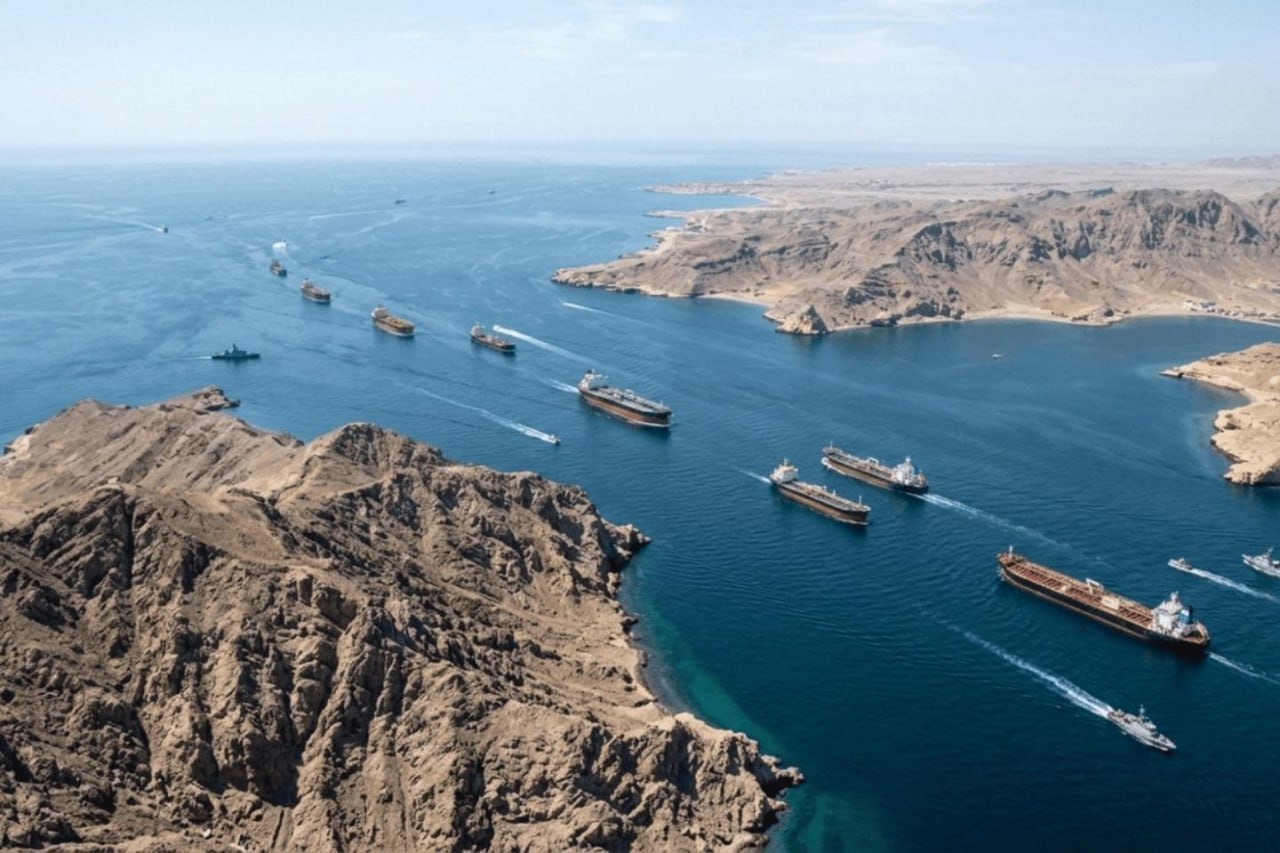
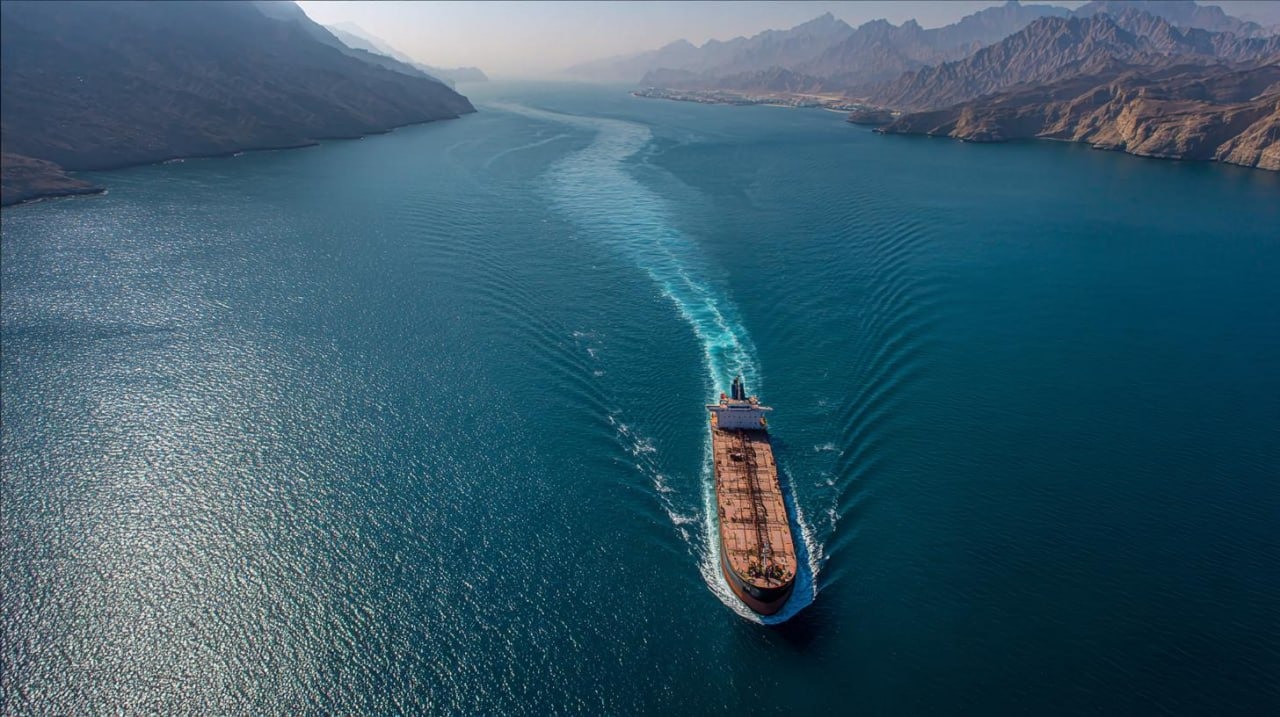
Iran continued seeking greater influence over the Strait of Hormuz, while the United States insisted that the strategic waterway must remain an international sea lane open to unrestricted commercial navigation.
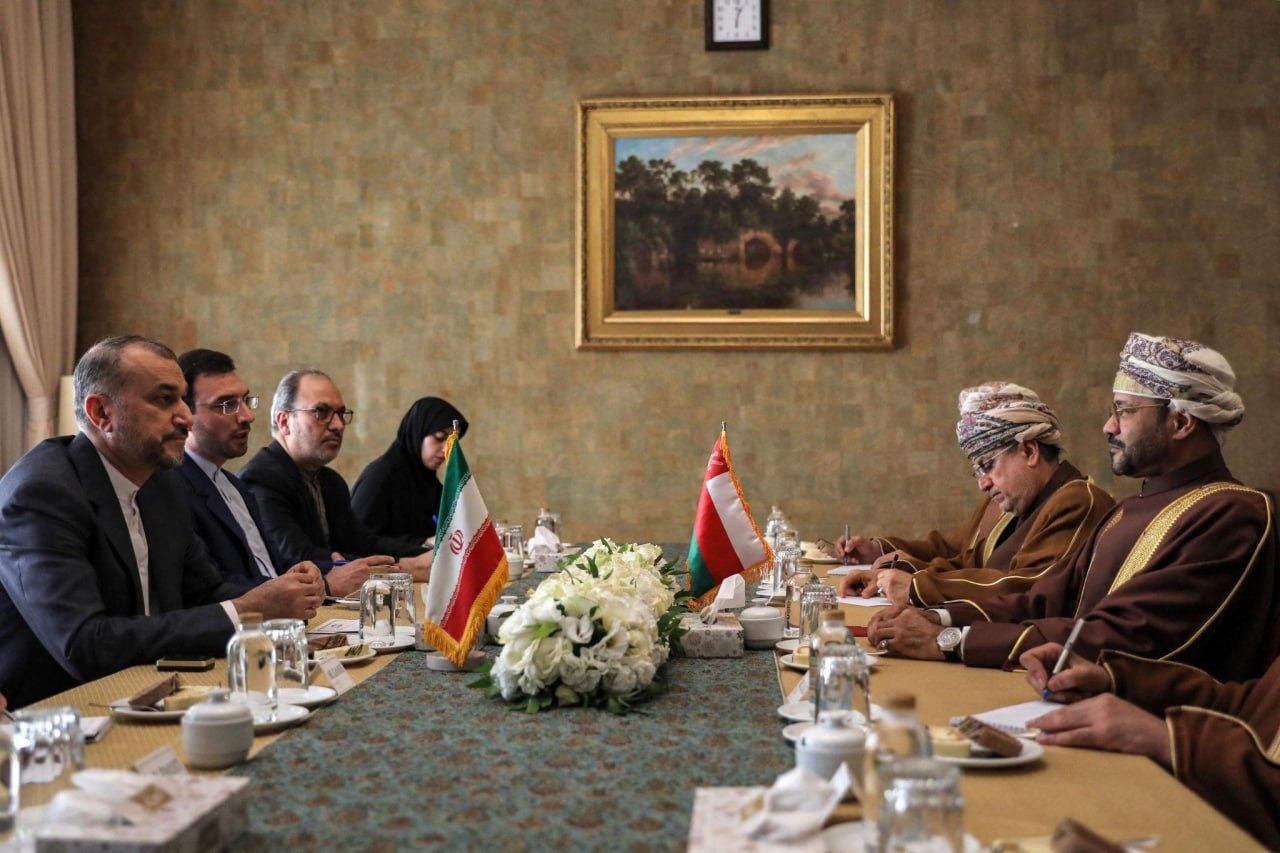
Oman reportedly proposed a compromise that would allow Iran to collect voluntary transit service fees from passing vessels. Washington, however, opposed any arrangement that could be interpreted as granting Iran unilateral authority—or the right to impose charges—over one of the world's most critical maritime chokepoints.
According to Al Jazeera, Tehran rejected another Omani proposal concerning a new traffic-separation arrangement and instead advocated a single shipping corridor to be administered entirely by Iran.
Iran's missile strike against U.S. forces in Jordan became the immediate trigger for Washington's retaliation. Yet the deeper reason diplomacy ultimately failed lay elsewhere: the absence of mutual trust, the continued reliance on military pressure as leverage at the negotiating table, and the inability of both sides to agree on an acceptable framework for managing the Strait of Hormuz.
In other words, the diplomatic process did not collapse because communication ceased. It collapsed because neither side was willing to reduce strategic pressure while negotiations were still underway.
The Conflict Is Expanding Across the Region
Saudi Arabia's involvement marks a significant turning point in the conflict.
For months, Riyadh sought to preserve channels of communication with Tehran while avoiding direct military involvement. However, following missile and drone attacks on its energy infrastructure and growing threats to maritime shipping in the Red Sea, Saudi Arabia joined the United States in striking Iran-aligned armed groups operating inside Iraq. The Iraqi government condemned the operation as a violation of its sovereignty.
Meanwhile, Jordan reported intercepting and shooting down five missiles launched from Iran.
In Egypt, a fire broke out aboard a vessel at the Port of Damietta and spread to another ship. Egyptian authorities suspect a drone attack but have not publicly attributed responsibility to any party.
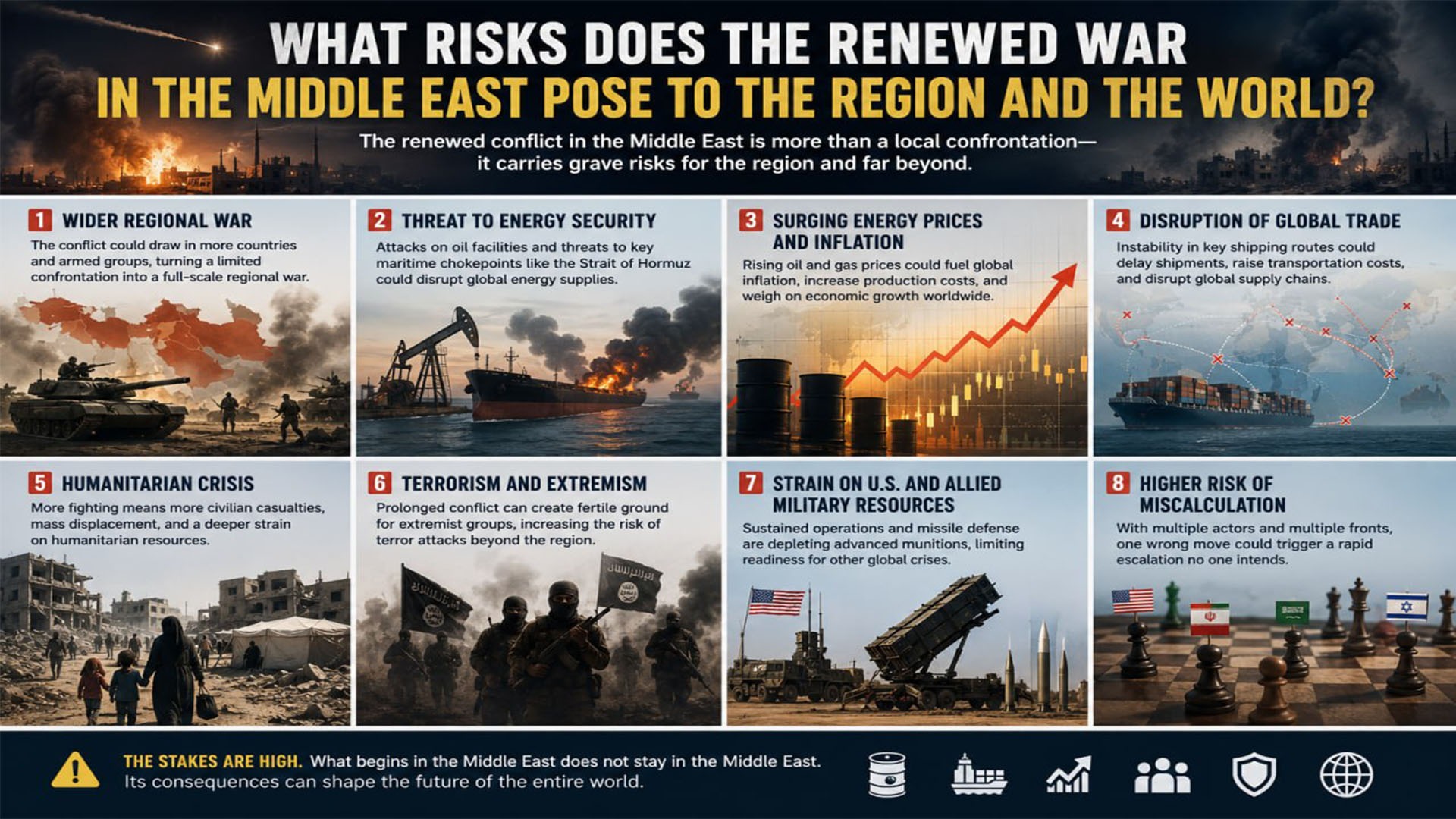
Taken together, these developments suggest that the conflict has evolved beyond a direct U.S.–Iran confrontation. Increasingly, it resembles a broader regional contest in which the United States and its partners are confronting Iran's network of allied armed groups across multiple theatres.
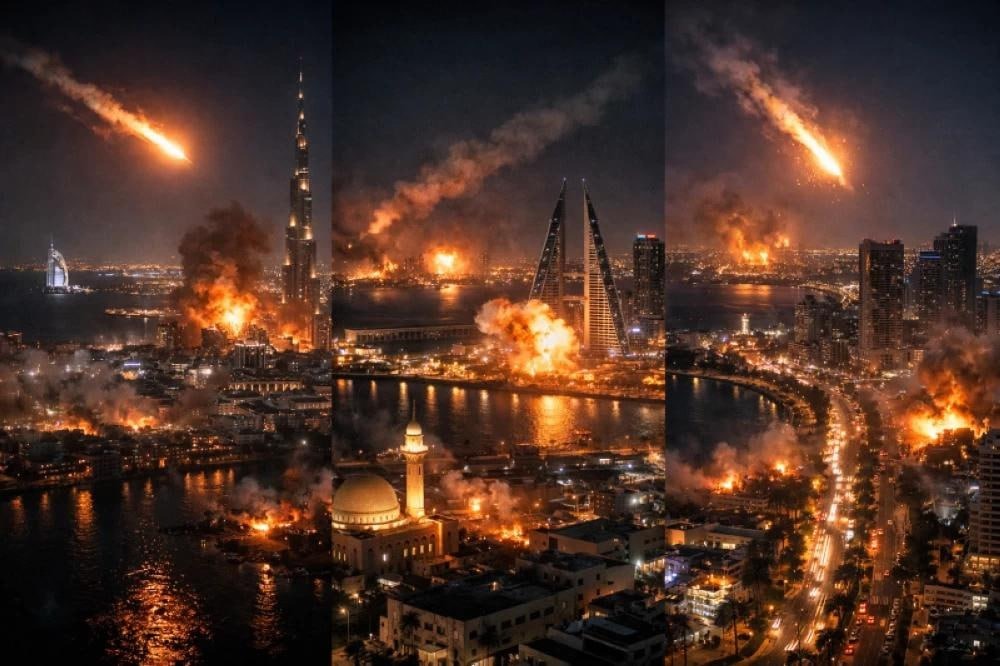
As the conflict widens, countries such as Iraq, Jordan, Saudi Arabia, Yemen, Egypt and other Gulf states risk being drawn further into the crisis—even if their governments have little desire to become direct belligerents.
A Protracted War Is Placing Pressure on America's Air Defence Arsenal
Beyond the widening battlefield and disruptions to global energy shipping, Al Jazeera has highlighted another important dimension that has received comparatively less attention: the growing strain on the United States' stockpile of advanced air-defence interceptors.
Ryan Bohl, Senior Middle East Analyst at RANE, told Al Jazeera that the United States is facing increasing pressure on its inventory of high-end defensive weapons, including interceptors for the THAAD missile defence system and other long-range precision munitions. He noted that although the United States still possesses ample stocks of conventional bombs, employing those weapons would require aircraft to penetrate deeper into Iranian airspace, exposing them to greater risks from Iran's air-defence network.
A similar assessment has been made by the Center for Strategic and International Studies (CSIS). According to figures cited by Al Jazeera, the United States has already expended roughly one-third of its Patriot interceptor missiles and nearly half of its THAAD interceptors since the conflict with Iran began. CSIS warns that a renewed and prolonged campaign could further deplete those inventories, forcing the United States and its allies to accept greater risks in defending military bases, population centres and critical infrastructure.
This challenge also illustrates the economic asymmetry of modern missile warfare. Iran and its aligned armed groups can deploy relatively inexpensive drones and missiles, compelling the United States to respond with sophisticated interceptor missiles that are significantly more expensive and require far longer to manufacture and replenish.
Should attacks continue across Israel, Saudi Arabia, Jordan, Iraq and U.S. military installations throughout the region, Washington may increasingly face difficult strategic decisions: which assets should receive priority protection, and where should its limited supply of advanced interceptors be deployed?
This does not suggest that the United States is running out of military capability. Rather, it demonstrates that even the world's most powerful military cannot wage a prolonged high-intensity conflict without incurring significant strategic and logistical costs. Sustained consumption of advanced defensive systems in the Middle East could also affect Washington's preparedness for potential crises in other theatres, including Europe and the Indo-Pacific.
In that sense, a prolonged conflict poses risks not only to Iran and its neighbours. It may also force the United States to make increasingly difficult strategic choices between continuing to defend its regional allies and preserving critical military resources for future contingencies elsewhere in the world.
The Greatest Danger Is Strategic Miscalculation
In a conflict involving multiple states, numerous armed groups and several interconnected battlefields, controlling the level of retaliation becomes increasingly difficult.
Iran may believe that launching a limited number of missile strikes will strengthen its bargaining position. Washington, however, may interpret the same action as the opening phase of a new round of war. Likewise, the United States may assume that carefully calibrated military strikes will compel Tehran to back down, while Iran could instead choose to retaliate more aggressively through its network of allied armed groups in Iraq, Yemen, Lebanon and elsewhere.
Civilian casualties could further intensify domestic political pressure inside Iran, making it more difficult for its leadership to exercise restraint. Similarly, the deaths of American service members or severe damage to allied military installations could compel Washington to escalate its military response beyond its original intentions.
As a result, the conflict could expand not because any side deliberately seeks a full-scale regional war, but because each successive act of retaliation is viewed as necessary to preserve deterrence, credibility and national prestige.
Conclusion
The renewed outbreak of war in the Middle East sends at least four important warning signals.
First, it demonstrates that a temporary suspension of military operations without a political agreement is not peace. It is merely a pause before the next round of fighting.
Second, the conflict has evolved from a direct confrontation between the United States and Iran into a broader regional network involving Saudi Arabia, Iraq, Jordan, Yemen, Egypt and numerous non-state armed groups. Such expansion makes the conflict increasingly difficult to contain.
Third, the Strait of Hormuz and the Bab al-Mandeb Strait have become battlefields not only of military competition but also of global economics. A single missile fired in the Middle East can drive up oil prices, increase shipping costs, fuel inflation and disrupt supply chains thousands of kilometres away.
Fourth, a prolonged conflict is testing the limits of advanced air-defence inventories maintained by the United States and its allies. While this does not imply that the United States is losing its military superiority, it does highlight the growing strategic costs of sustaining a long-term, high-intensity conflict and the increasing risk of miscalculation among multiple actors.
Nevertheless, this does not necessarily mean that the Middle East has already descended into an uncontrollable regional war. Diplomatic channels remain open, particularly through Oman and several Gulf states that continue to maintain working relationships with both Washington and Tehran. However, that diplomatic window is steadily narrowing.
The central question now is no longer simply how long the United States and Iran will continue fighting. Rather, it is whether both sides can abandon their strategy of using military pressure to gain negotiating leverage before a conflict they believe can still be managed evolves into a regional crisis that no one can control.
If the answer is no, the greatest danger ahead may not be the outbreak of another round of fighting. It may instead be the gradual expansion of a conflict capable of reshaping the security architecture of the Middle East and the global economy for years to come.