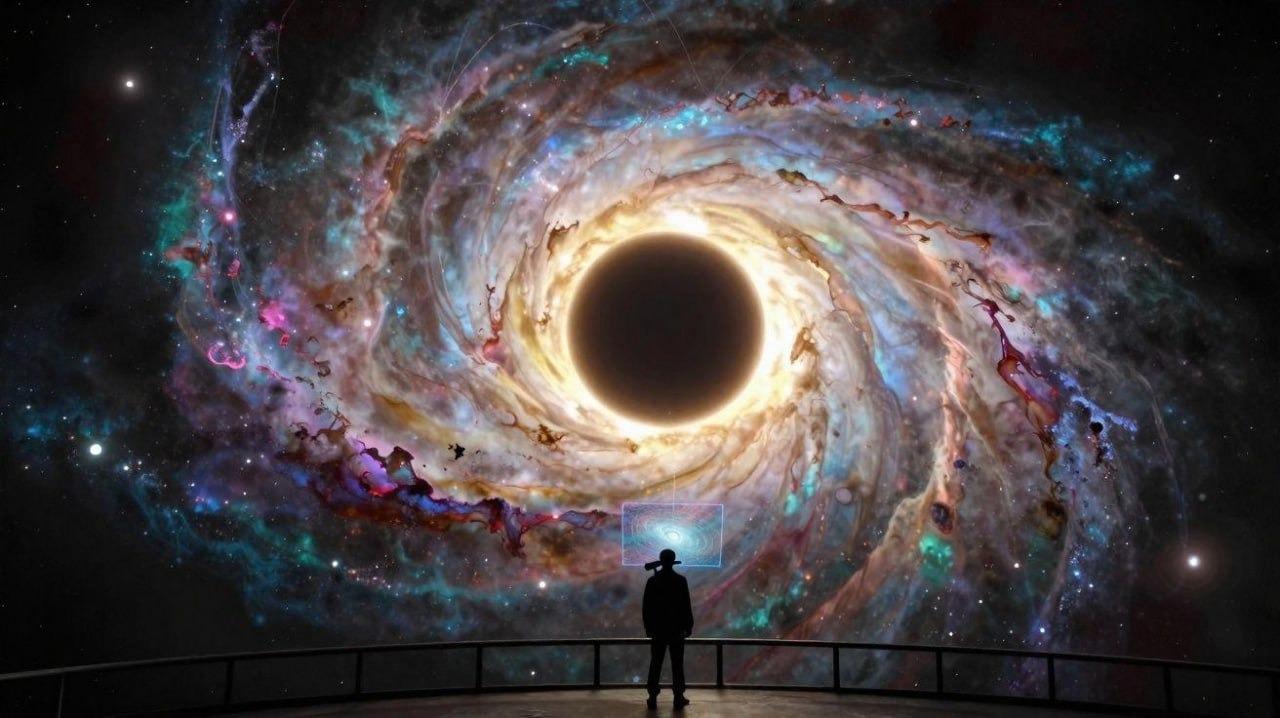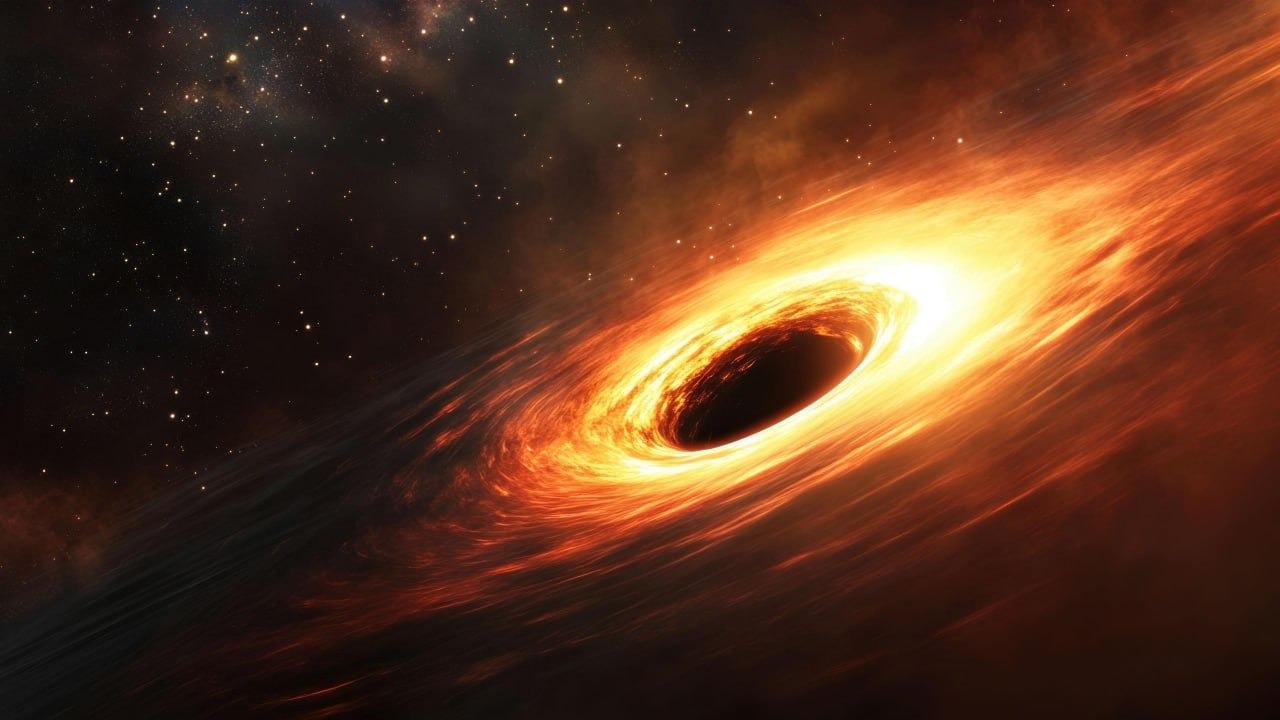

(Phnom Penh): What if I told you that somewhere in the universe exists an object with gravity so powerful that not even light can escape from it? Would you believe it?
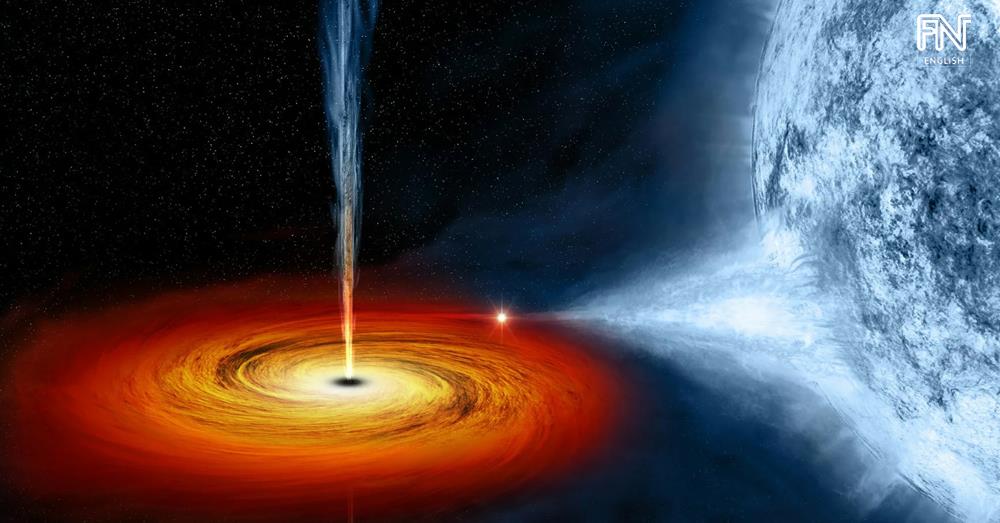
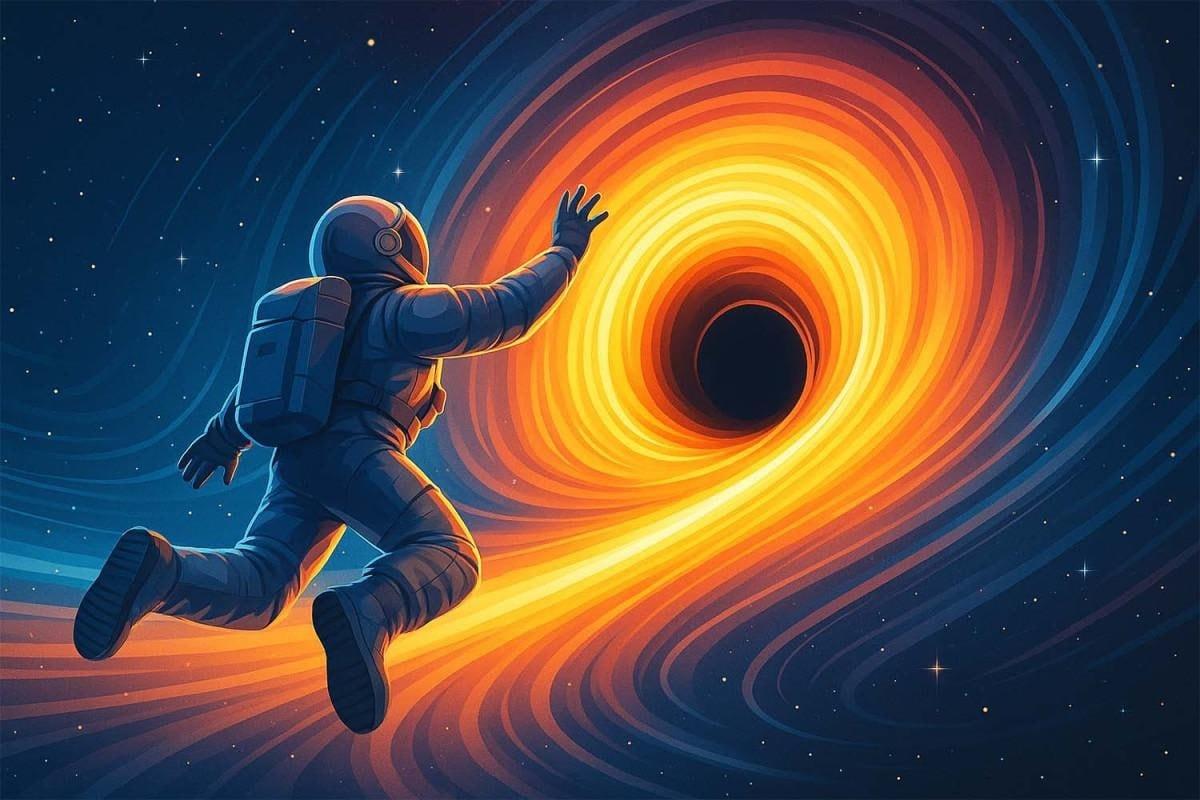
Most people know this object as a black hole. Yet social media posts, science-fiction films, and popular culture often portray black holes as mysterious cosmic monsters capable of swallowing planets, stars, or even the entire universe. Some imagine them as portals to other dimensions, while others believe they could transport people through time.
In Cambodia, as in many parts of the world, black holes have occasionally been linked to superstition and explanations that have little scientific basis.
But are black holes really bottomless cosmic holes that consume everything in existence? Could they truly serve as gateways through time, as depicted in Hollywood films? Which ideas are supported by science, and which belong only to imagination?
In this week's Fresh Exclusive / Cosmo, we separate scientific fact from popular misconception by exploring what black holes really are, how they form, why even light cannot escape their gravity, and whether they truly consume everything around them as many people believe.
More than a century of scientific research has shown that black holes are neither supernatural phenomena nor mythical objects. They are real astronomical objects created when an enormous amount of mass is compressed into an extraordinarily small region of space, producing gravity of exceptional strength. Their existence was first predicted by Albert Einstein's General Theory of Relativity, and later supported through observations of stellar motion, gravitational waves, and direct images of black hole shadows.
The real question today is therefore no longer whether black holes exist—science has already answered that. Instead, the more meaningful questions are: What exactly is a black hole? How does it affect the space around it? And why does it continue to inspire both scientific curiosity and widespread misunderstanding?
Why a Black Hole Is Not Actually a "Hole"
Despite its name, a black hole is not a hole punched through space.
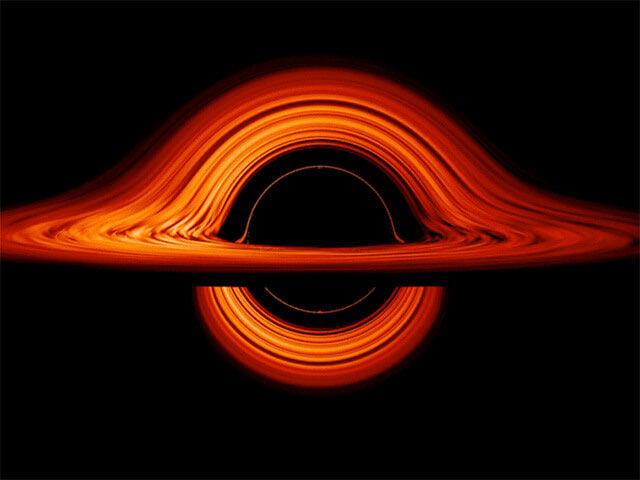
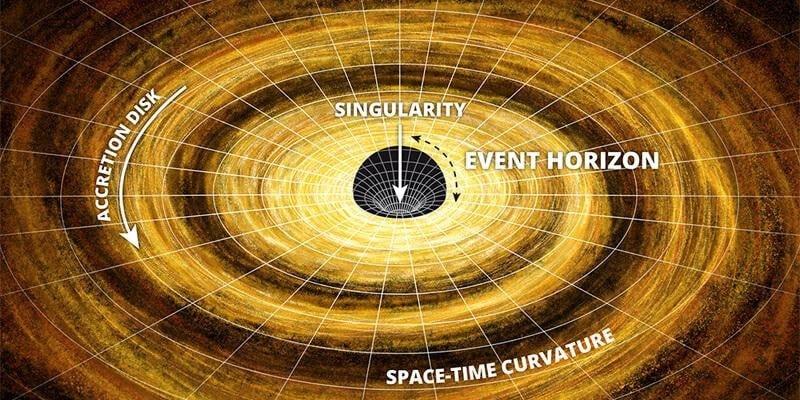
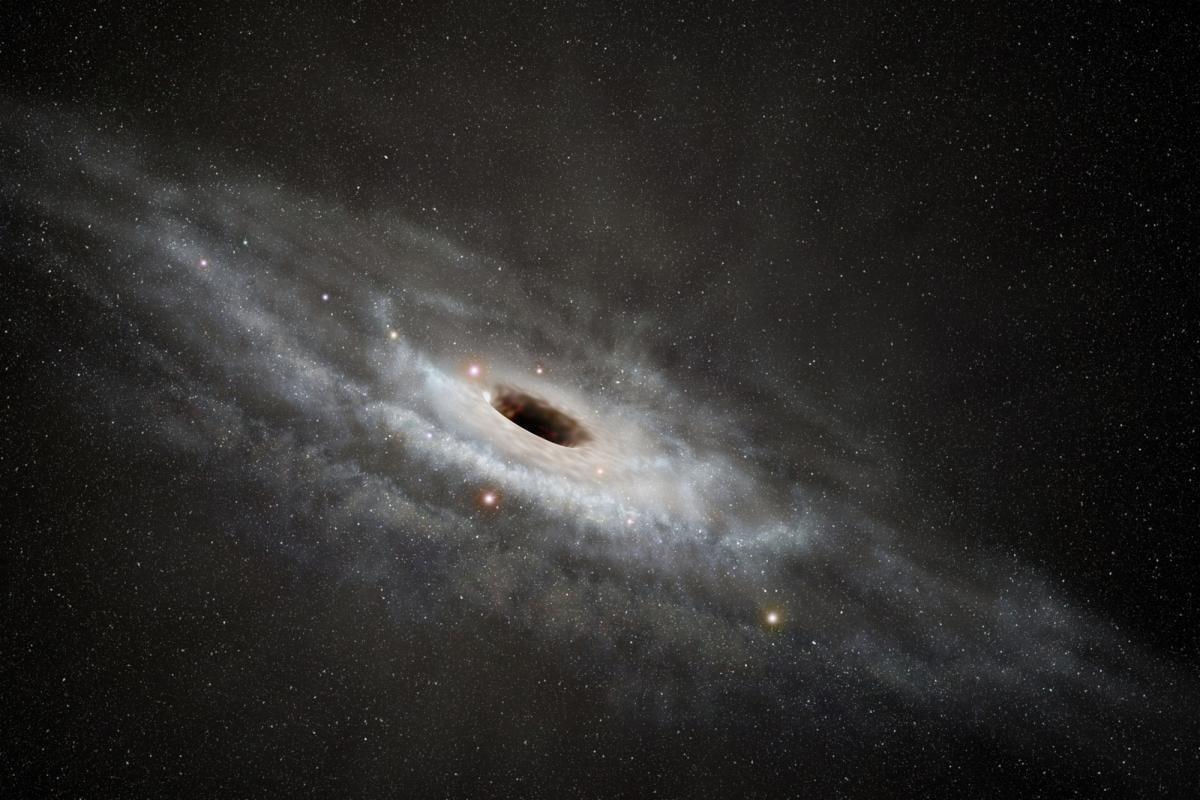
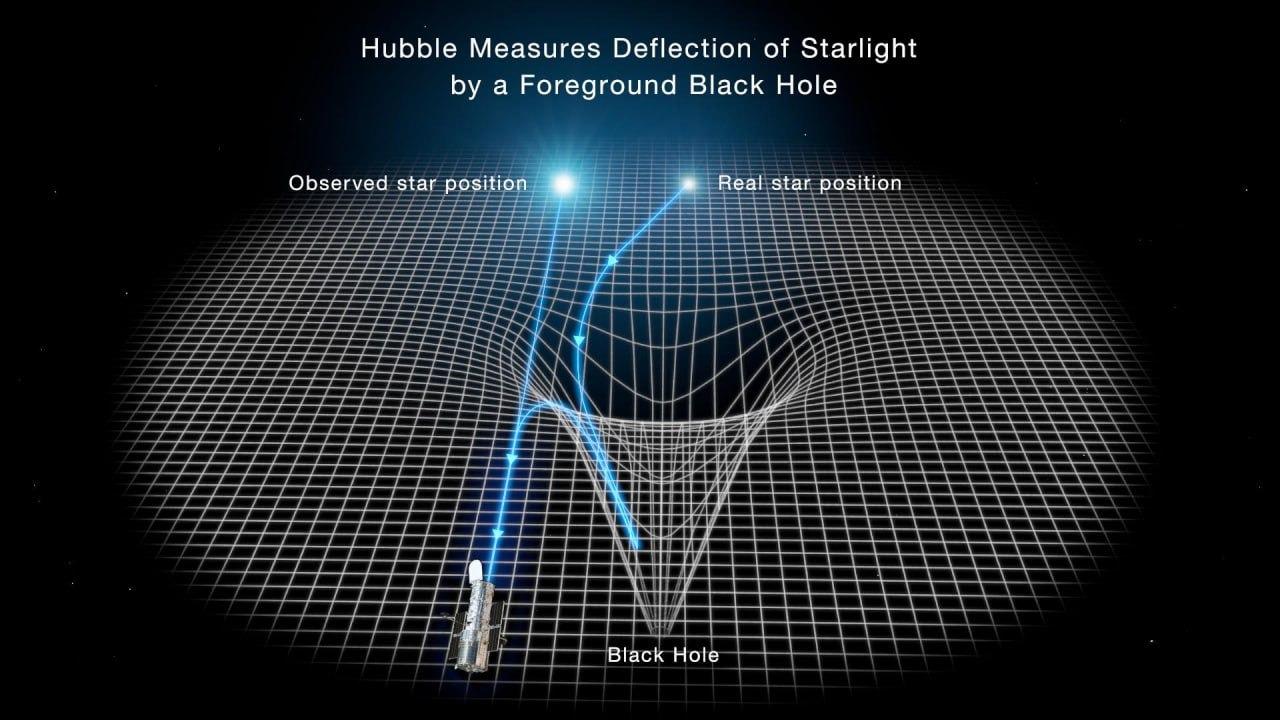
Instead, it is an astronomical object containing an enormous amount of mass compressed into an extremely small volume, creating gravity so intense that it dramatically distorts the surrounding fabric of space-time.
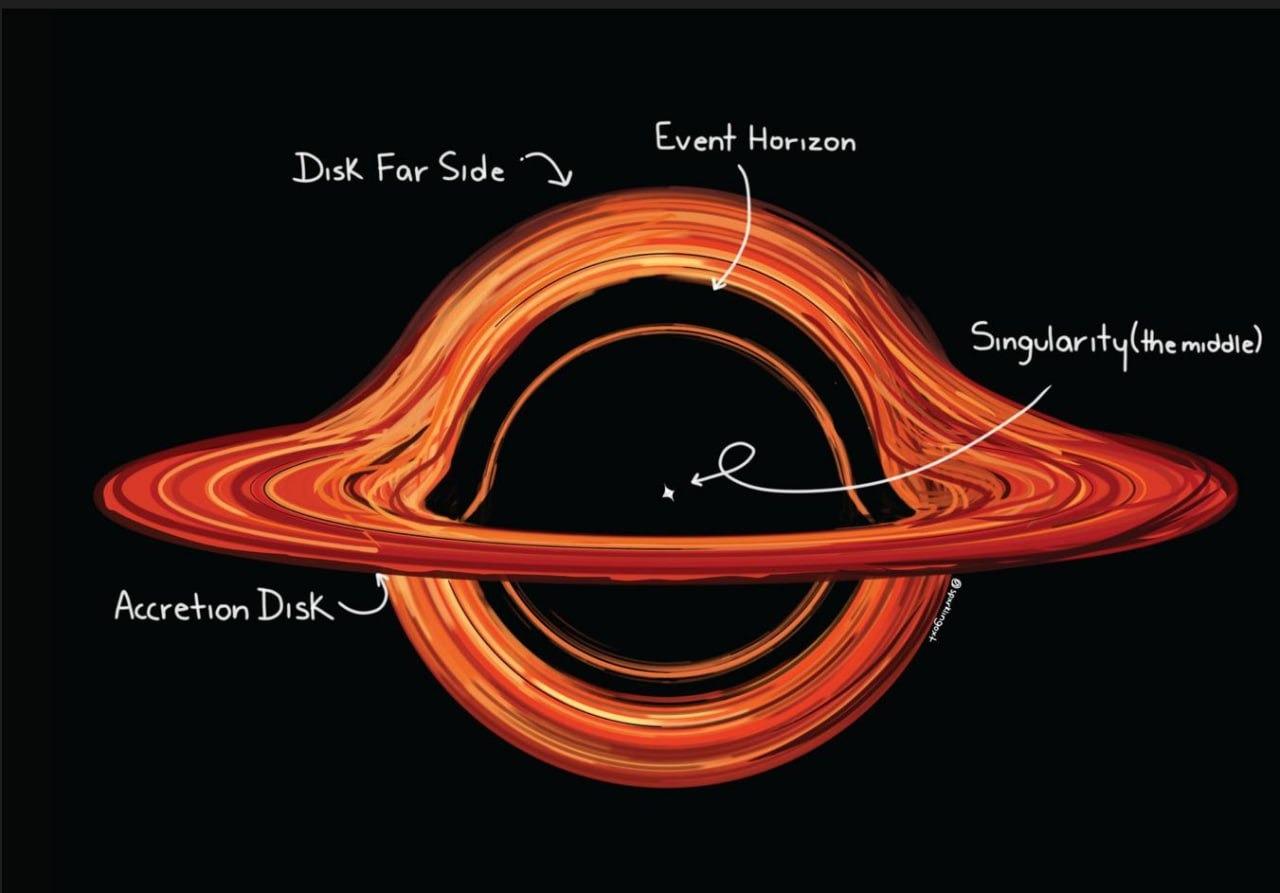
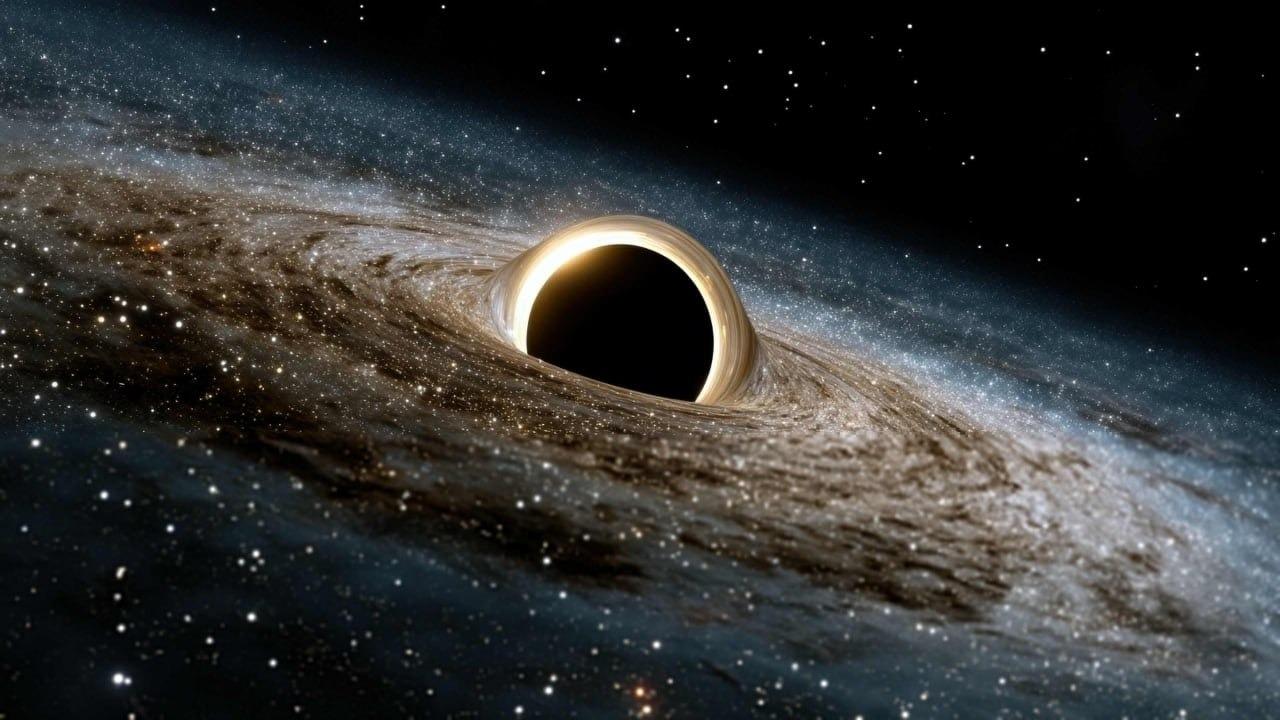
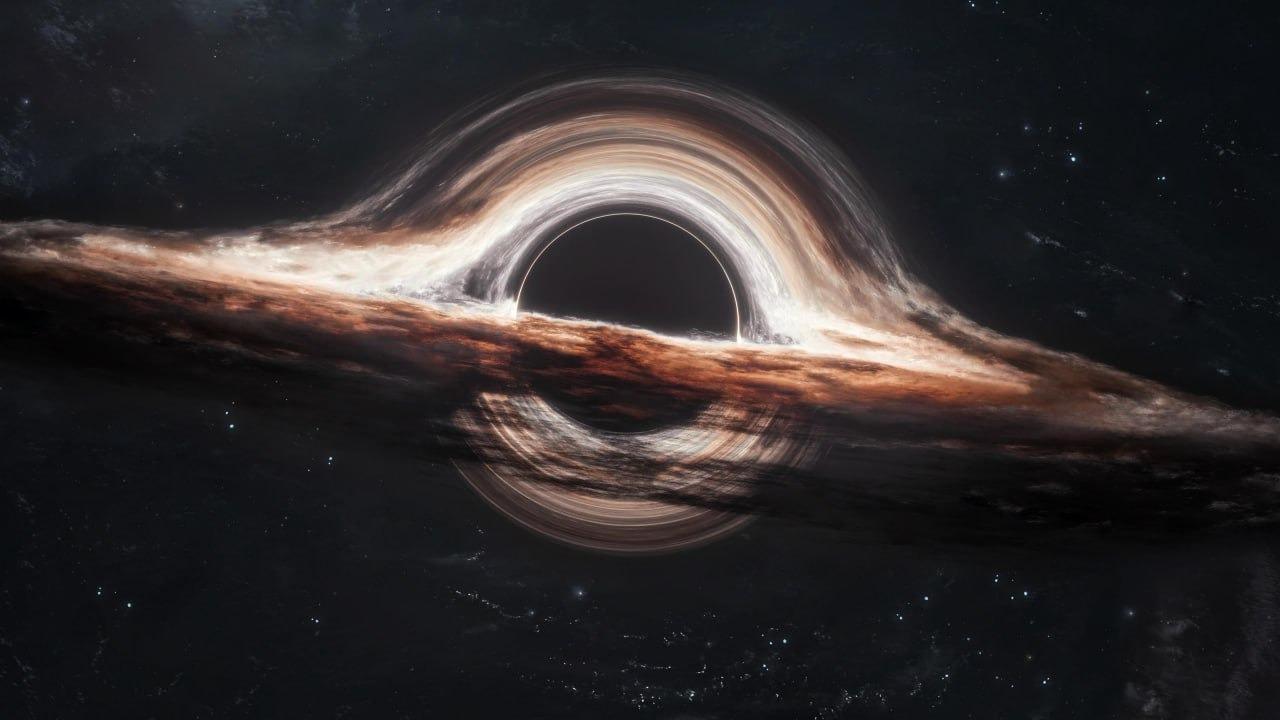
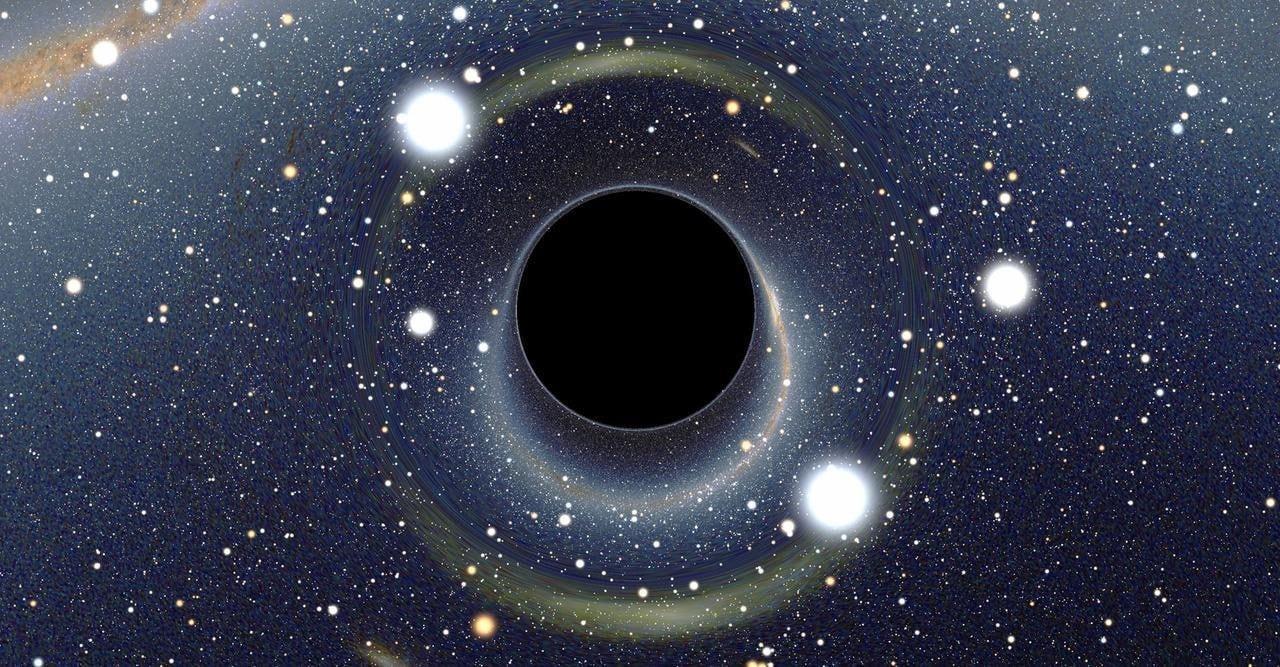
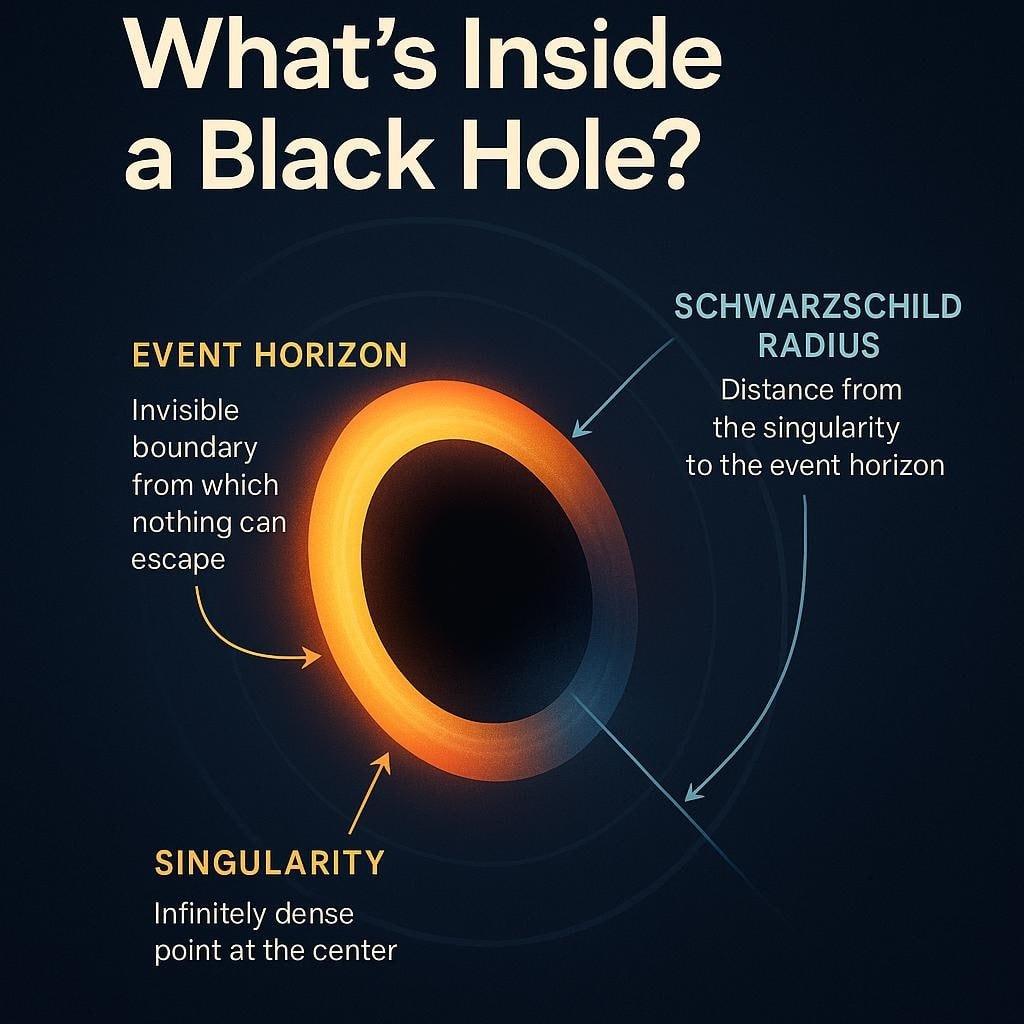
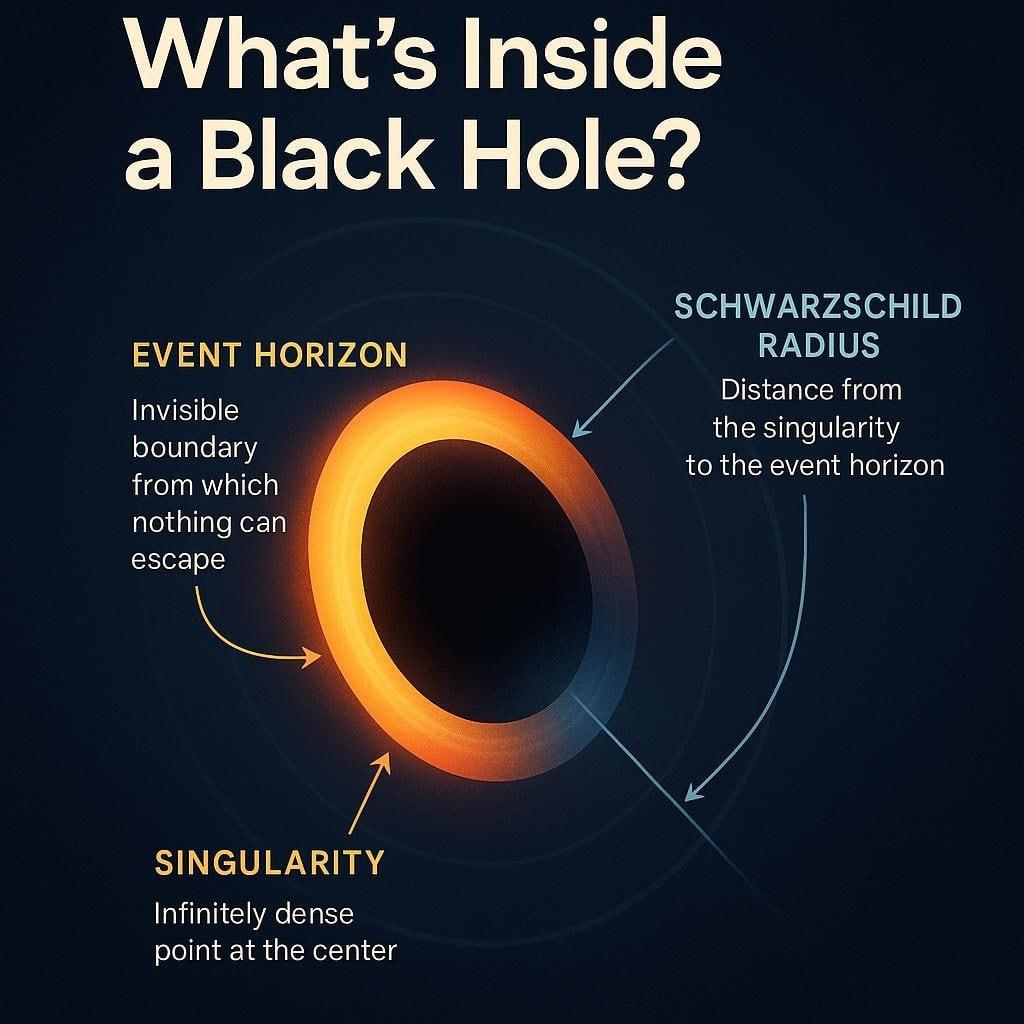
Surrounding every black hole is an invisible boundary known as the Event Horizon—often described as the point of no return. Once light or any other object crosses this boundary, escape becomes impossible because the black hole's gravity is overwhelmingly strong.
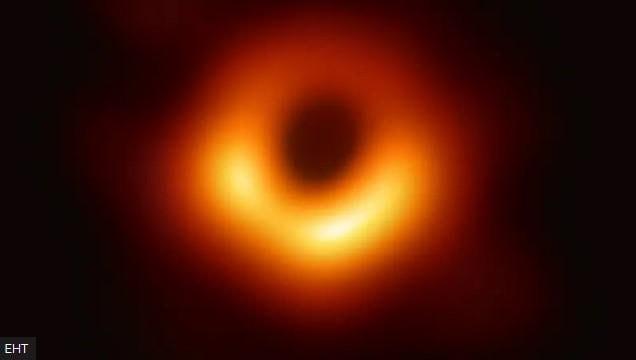
This is also why black holes appear completely dark. They are not black because they possess a black surface, but because no light can escape from within the Event Horizon to reach an outside observer.
How Do Black Holes Form?
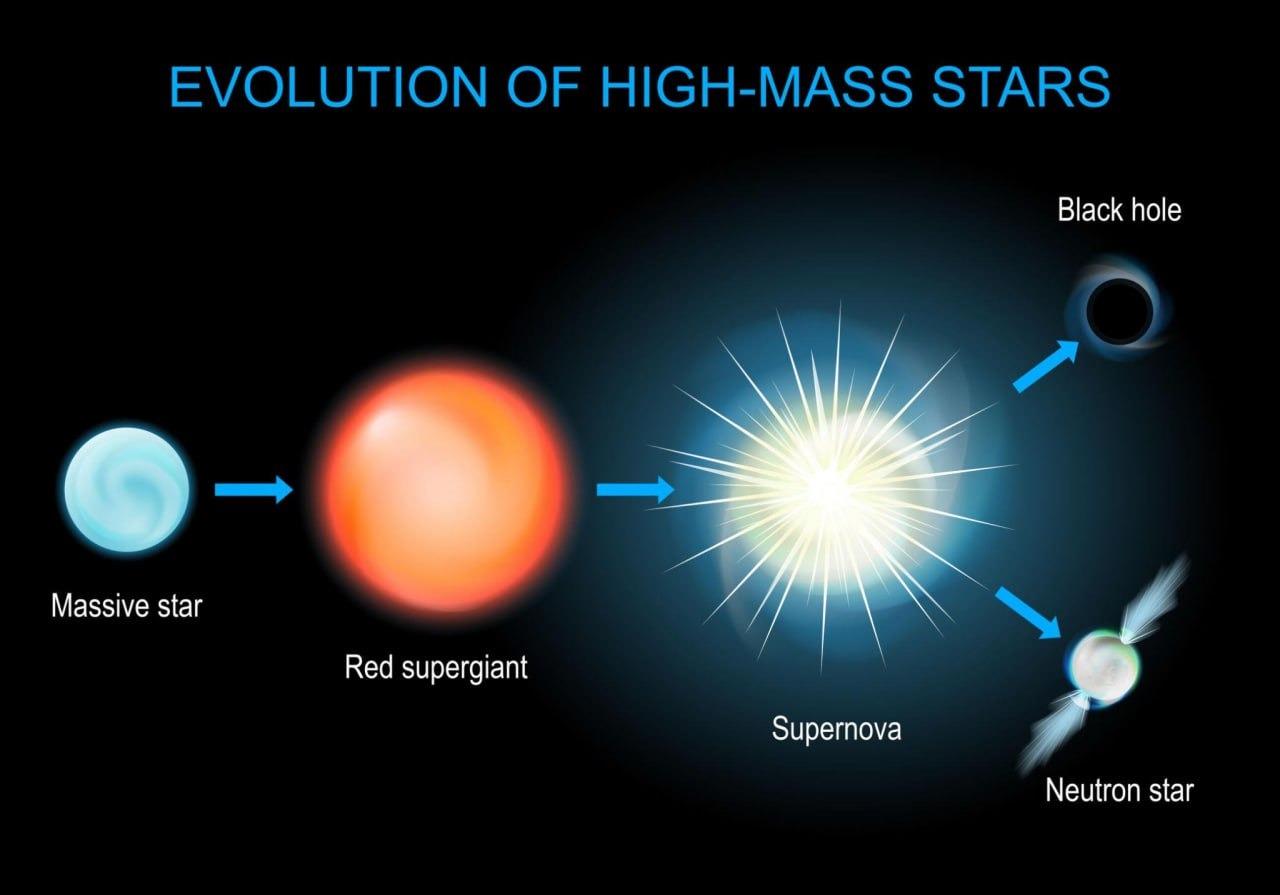
Black holes did not simply exist from the beginning of the universe. Most of them are the final stage in the life cycle of extremely massive stars.
During their lifetimes, stars generate energy through nuclear fusion in their cores. This energy produces an outward pressure that counteracts the inward pull of gravity. As long as these two forces remain in balance, a star stays stable for millions—or even billions—of years, depending on its mass.
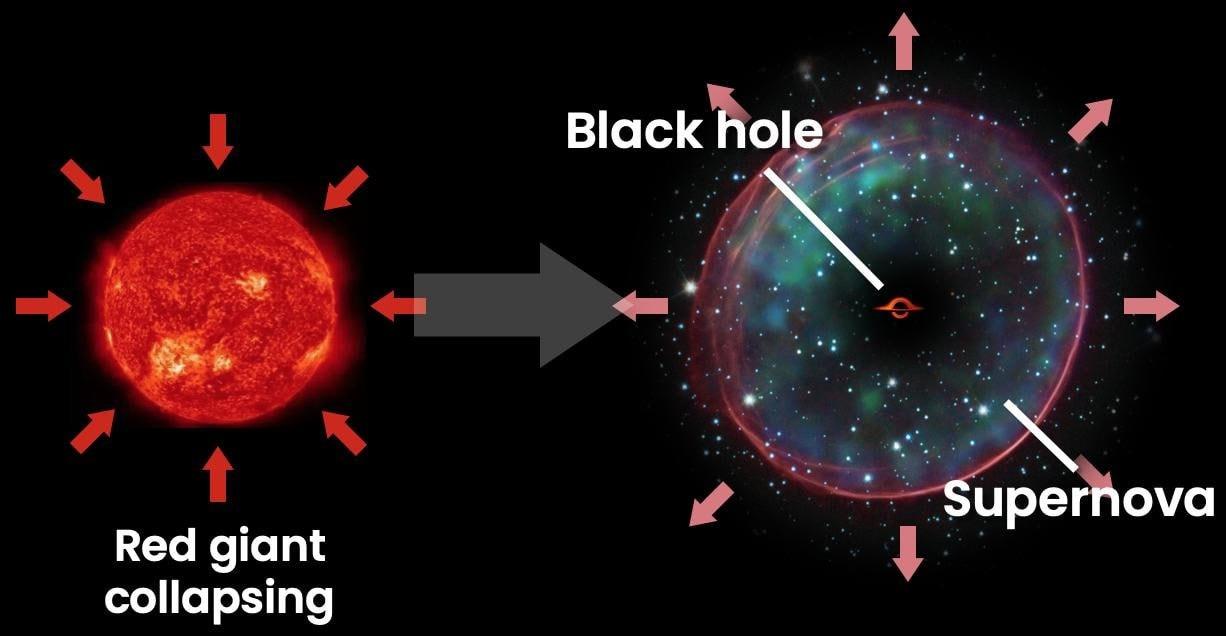
Eventually, however, the star exhausts its nuclear fuel. Without enough energy to resist its own gravity, the stellar core begins to collapse rapidly. At the same time, the outer layers of the star are blasted into space in a tremendous explosion known as a supernova.
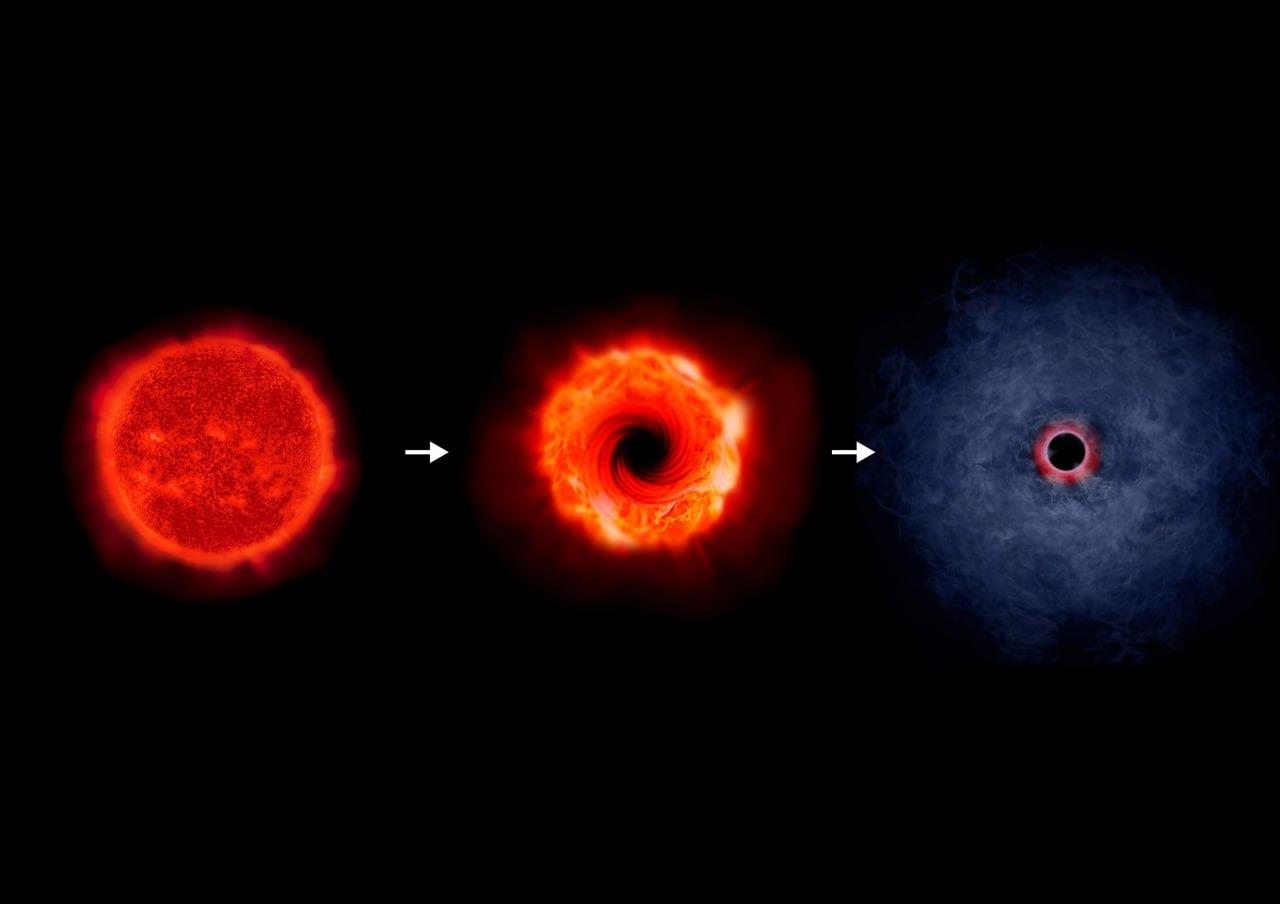
What happens next depends on the mass of the remaining core. If it is not massive enough, it collapses into a neutron star. But if the core exceeds a critical mass, gravity continues compressing it with no known force capable of stopping the collapse. The result is the birth of a black hole.
In other words, a black hole represents the final evolutionary stage of a very massive star. It forms when the collapsed stellar core becomes so dense that its gravity is strong enough to prevent even light from escaping.
Fact vs. Fiction
Perhaps the most common misconception about black holes is that they behave like giant cosmic vacuum cleaners, endlessly swallowing everything in the universe.
In reality, they do not.
Black holes obey the same laws of gravity as every other object with mass, including the Sun and the Earth. The difference is that their gravitational pull becomes extraordinarily powerful only when an object comes very close to them.
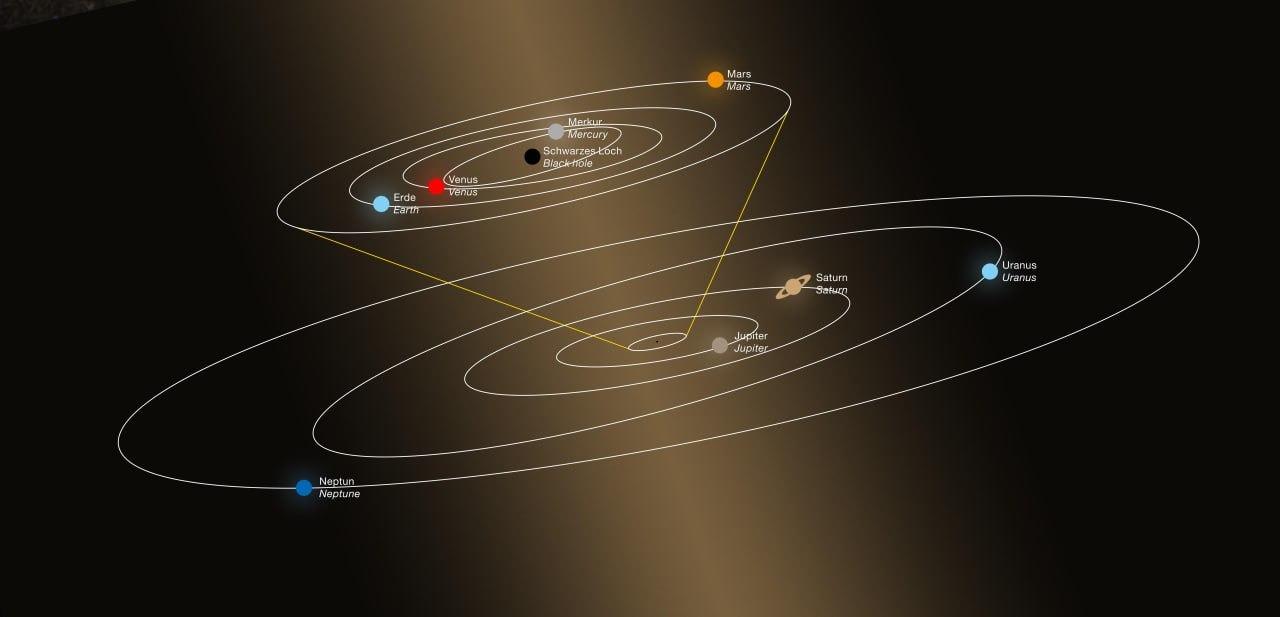
Consider this example: if the Sun were magically replaced by a black hole with exactly the same mass, Earth would continue orbiting it along essentially the same path. Gravity depends on mass—not on whether the object is a star or a black hole.
Life on Earth, however, would quickly disappear—not because our planet would be swallowed immediately, but because there would no longer be sunlight or heat to sustain life.
This simple thought experiment illustrates an important scientific point: a black hole is not a limitless cosmic vacuum cleaner. It influences its surroundings through gravity, just like any other massive object. What makes it extraordinary is that an enormous amount of mass is compressed into an incredibly small region of space, creating an Event Horizon—the boundary beyond which nothing, not even light, can escape.
Why Do Scientists Study Black Holes?
Black holes are far more than mysterious objects drifting through space. For scientists, they serve as one of nature's most extraordinary laboratories for testing the fundamental laws of the universe.
Studying black holes helps researchers better understand gravity, the nature of space and time, and the formation and evolution of galaxies. They may also hold the key to one of the greatest unsolved problems in modern physics: unifying Einstein's General Theory of Relativity, which describes gravity on cosmic scales, with quantum mechanics, which governs the behavior of the smallest particles in nature.
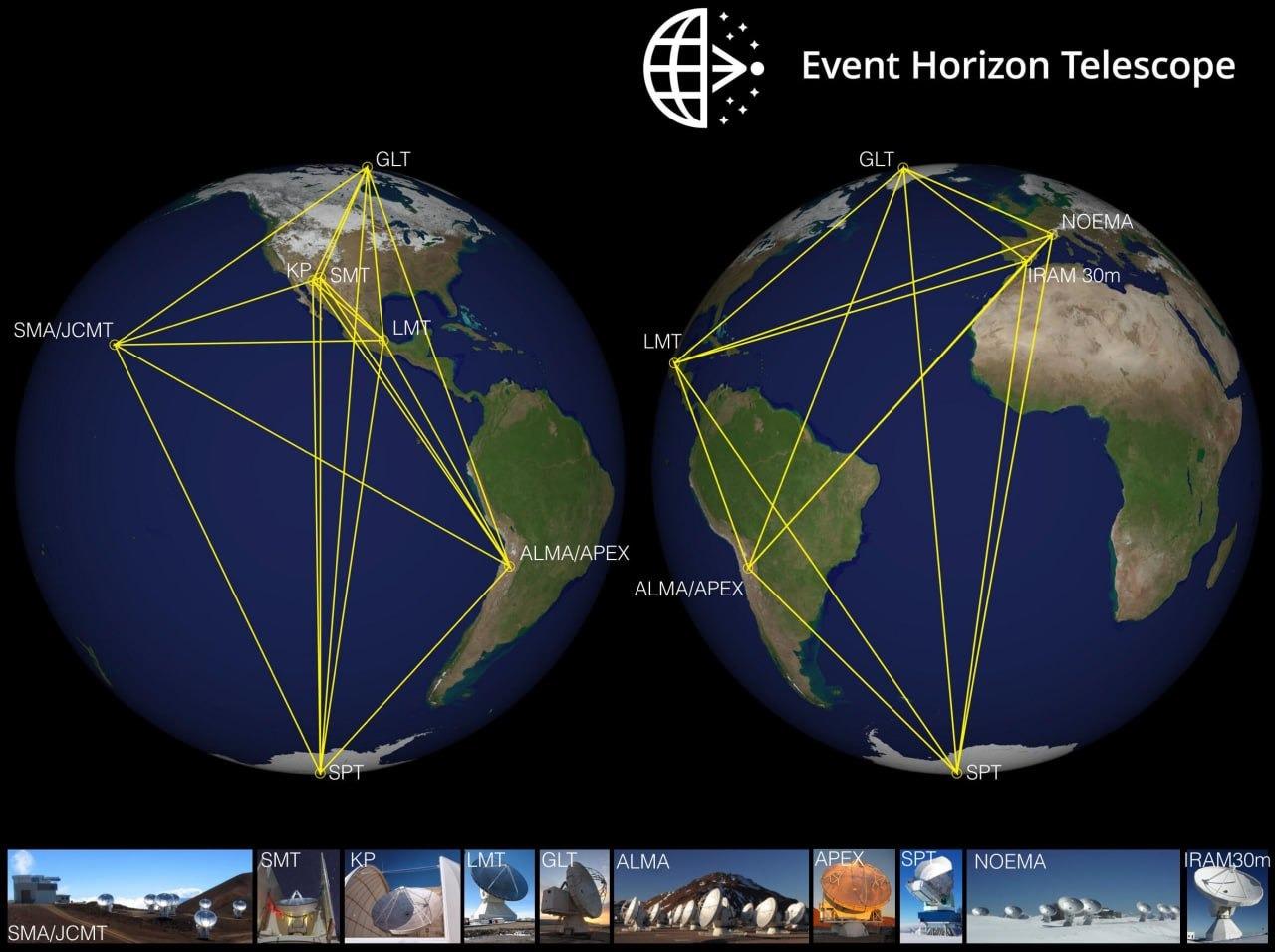
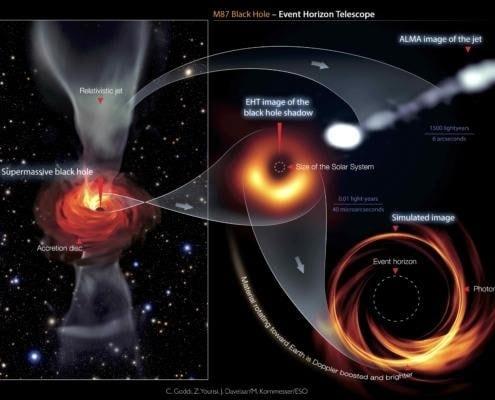
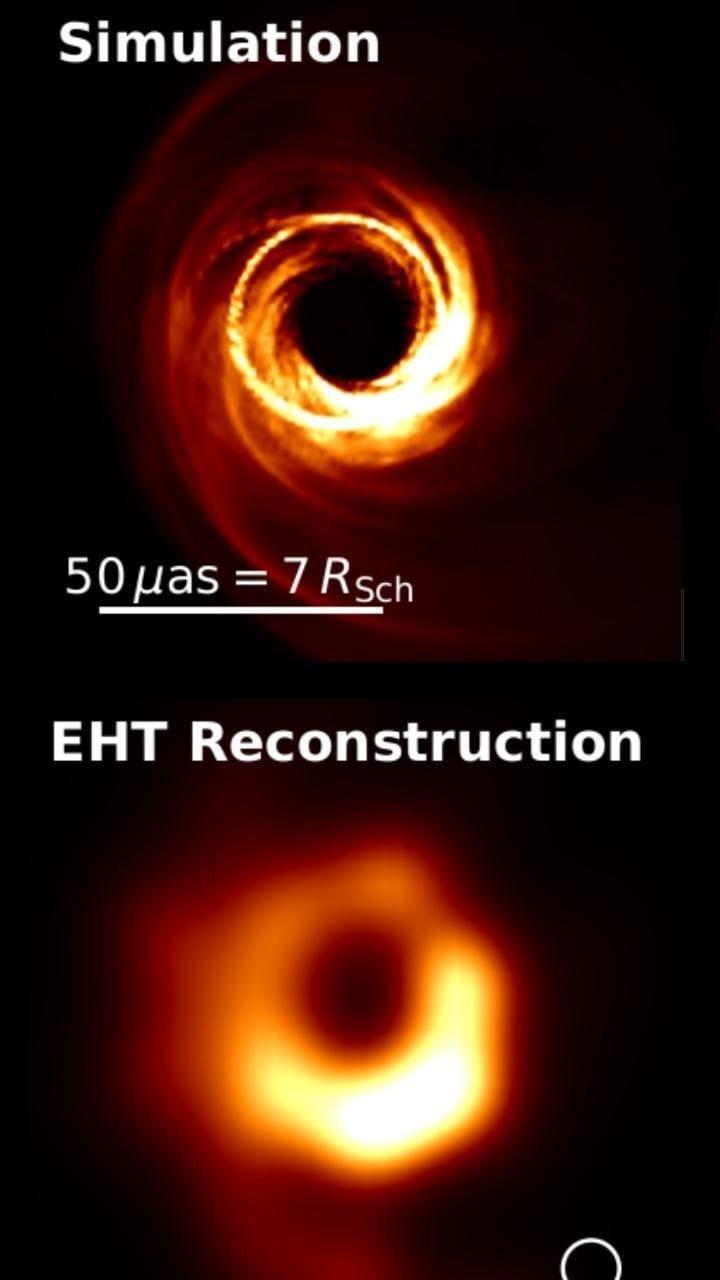
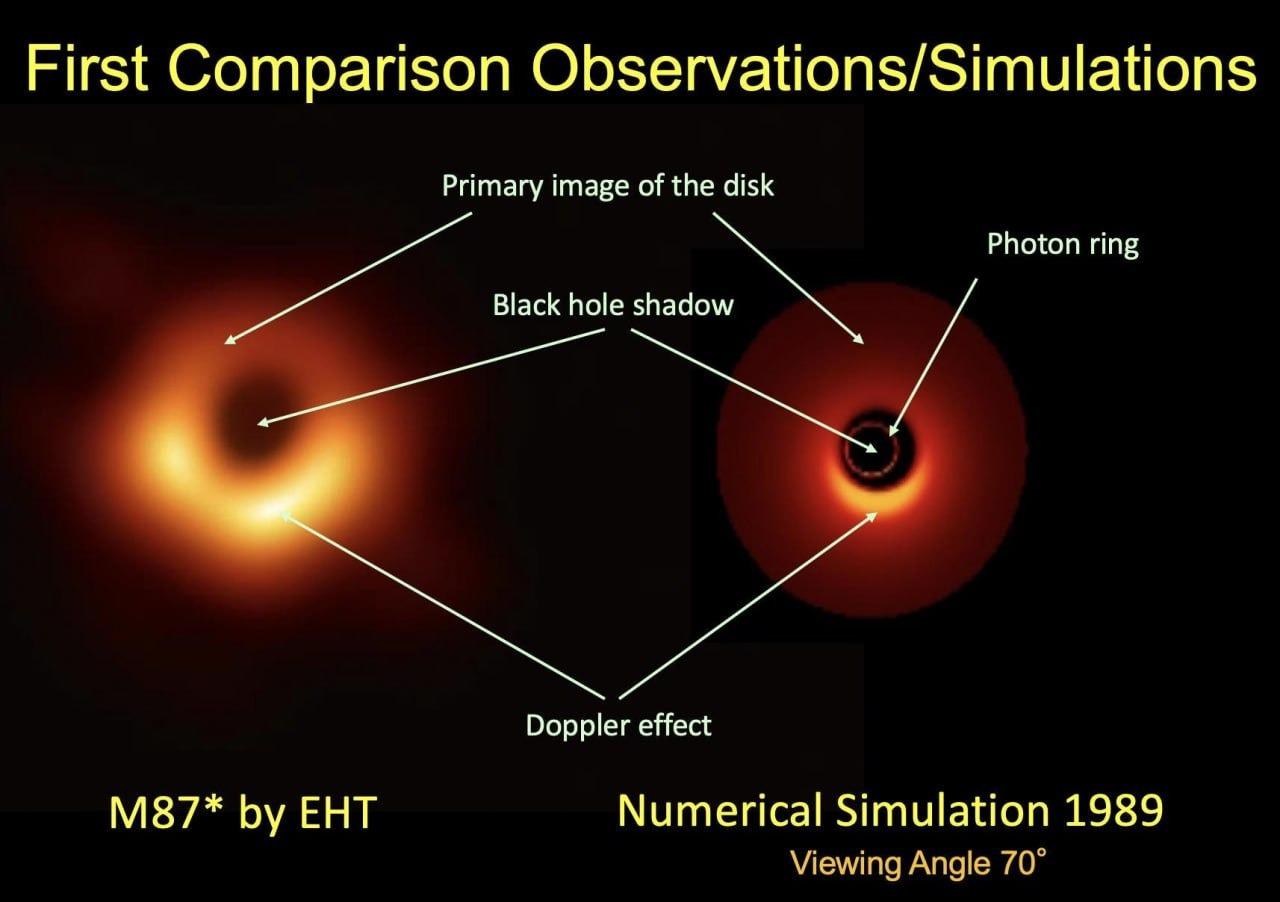
In 2019, humanity obtained its first-ever image of a black hole's shadow through the Event Horizon Telescope collaboration. Three years later, in 2022, scientists released the first image of the supermassive black hole at the center of our own Milky Way Galaxy.
These historic achievements did more than provide compelling evidence that black holes are real. They also offered one of the strongest confirmations yet that Albert Einstein's General Theory of Relativity, first proposed in 1915, continues to describe the behavior of gravity, space, and time with remarkable accuracy—even in the most extreme environments known in the universe.
Conclusio
Black holes are not the most terrifying objects in the universe. Nor are they supernatural entities or mythical forces born from ancient legends and superstition. Instead, they are real astronomical objects that remind us just how vast, complex, and extraordinary the universe truly is.
Although black holes emit no light—and not even light itself can escape their gravity—humanity has used observation, experimentation, mathematics, and the scientific method to uncover their nature with increasing precision. This demonstrates that the limits of human knowledge are defined not by what our eyes can see, but by our willingness to ask questions, seek evidence, and follow reason wherever it leads.
Perhaps the greatest mystery is not the black hole itself, but the remarkable ability of the human mind to understand a universe filled with phenomena that once seemed beyond comprehension.
That is the true power of science: not to eliminate mystery, but to transform mystery into knowledge—one discovery at a time.