
(Phnom Penh): As trade activity continues to grow, stronger documentation and financial preparedness are helping businesses navigate customs obligations with greater confidence.
Cambodia’s expanding trade sector is creating new opportunities for businesses across a wide range of industries. Importers are sourcing products from overseas markets, manufacturers are bringing in raw materials to support production, and logistics providers are handling growing volumes of cross-border shipments.
As more businesses participate in international trade, customs compliance has become an increasingly important part of day-to-day operations. While most traders are familiar with customs declarations and duty payments, one area that continues to pose challenges is customs valuation, the process used to determine the value of imported goods for the assessment of duties and taxes.
Growing Trade Brings Greater Focus on Customs Compliance
For many businesses, customs valuation disputes are not the result of intentional non-compliance. More often, they arise when supporting documentation is incomplete or unavailable during a customs review.
A missing payment record, supplier agreement, commercial invoice, or shipping document can make it difficult to verify the declared value of imported goods. When this happens, traders may face additional inquiries, customs reassessments, or delays that affect the movement of their goods.
As businesses expand and work with multiple suppliers across different markets, maintaining complete and accurate records can become increasingly complex. SMEs, in particular, often balance compliance requirements with the daily demands of managing inventory, serving customers, and growing their operations.
In a fast-moving trading environment, documentation is more than a compliance requirement. It is a practical business tool. Well-maintained records can help businesses address customs inquiries, reduce the risk of delays, and stay focused on serving customers and growing their operations.
According to Chea Marat, Head of Business Development at Wing Bank, effective financial planning can help businesses prepare for customs duty payments and manage short-term pressure on their working capital.
“Our role is to provide eligible businesses with suitable financial solutions that help them settle customs duty payments on time while preserving cash for other operational needs, including payroll, inventory, transportation, and business growth,” he said.
As Cambodia’s trading community continues to expand, many businesses are taking a more proactive approach to customs compliance. Strong documentation practices can help reduce uncertainty, improve operational efficiency, and minimize disruptions when goods move through customs clearance.
GDCE Services Support Businesses in Managing Unexpected Obligations
Even businesses with strong compliance practices may occasionally face unexpected customs-related obligations. Additional duties and taxes resulting from a customs reassessment can create short-term pressure on cash flow, particularly for companies managing multiple shipments or seasonal inventory cycles. For many traders, the challenge is often not the obligation itself, but having sufficient liquidity available when payment is required.
In situations where customs-related payments arise unexpectedly, businesses often need to act quickly to avoid potential delays in clearance or disruptions to their supply chain. Having access to flexible financial support can provide additional peace of mind and operational continuity.
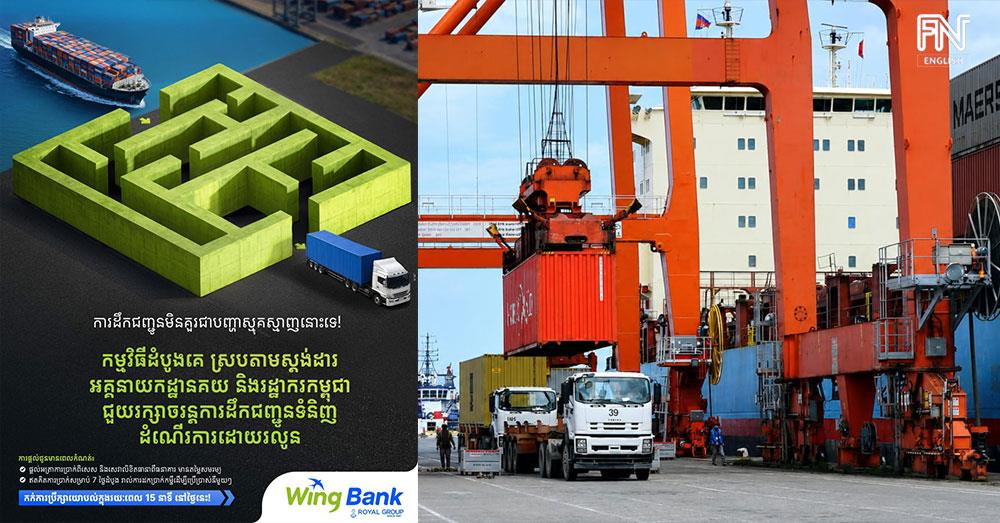
To address these needs, with permission from GDCE, Wing Bank introduced GDCE Services aimed at supporting Cambodia’s trading community. The initiative provides eligible importers, exporters, logistics companies, freight forwarders, and other trade-related businesses with access to financing solutions that can help them meet customs-related obligations while preserving liquidity for day-to-day business activities.
Through the program, qualified businesses may access credit facilities and bank guarantees of up to USD 5 million. Financing is available for tenors of up to 12 months, with interest rates starting from 7.5% per annum, 7 calendar days of interest-free financing from each loan disbursement date, and selected fee waivers, enabling them to fulfil customs requirements while maintaining working capital for operations, inventory management, and future growth.
As Cambodia’s trade ecosystem continues to evolve, businesses that combine strong compliance practices with sound financial planning will be better equipped to navigate customs obligations with confidence. By strengthening both documentation readiness and financial preparedness, traders can reduce operational risks, maintain smoother cargo movement, and position themselves for sustainable growth in an increasingly competitive global marketplace.
For more information about GDCE Services, visit any Wing Bank branch, call 023 999 989, or visit www.wingbank.com.kh.
=FRESH NEWS